Interviews are more than just a Q&A session—they’re a chance to prove your worth. This blog dives into essential Project Management and Engineering Economics interview questions and expert tips to help you align your answers with what hiring managers are looking for. Start preparing to shine!
Questions Asked in Project Management and Engineering Economics Interview
Q 1. Explain the difference between PERT and CPM.
Both PERT (Program Evaluation and Review Technique) and CPM (Critical Path Method) are project management techniques used to schedule, organize, and coordinate tasks within a project. However, they differ in their approach to task duration estimation and risk management.
- PERT uses a probabilistic approach, estimating task durations using three-point estimates (optimistic, most likely, and pessimistic). This accounts for uncertainty and inherent variability in task completion times. It’s ideal for projects with high uncertainty, like research and development.
- CPM employs a deterministic approach, assuming a single, fixed duration for each task. It focuses on identifying the critical path – the sequence of tasks whose total duration determines the project’s overall completion time. It’s best suited for projects with well-defined tasks and predictable durations, such as construction projects.
Example: Imagine building a house (CPM) versus developing a new software application (PERT). In house construction, the durations of tasks like laying foundations or installing plumbing are relatively predictable. Software development, however, involves more uncertainty – coding a specific feature might take longer than initially estimated due to unforeseen bugs or complexities.
Q 2. Describe your experience with Earned Value Management (EVM).
Earned Value Management (EVM) is a project performance measurement technique that integrates scope, schedule, and cost to provide a comprehensive view of project progress. My experience with EVM spans several large-scale infrastructure projects. I’ve utilized it to:
- Track project performance: Regularly calculating the Earned Value (EV), Planned Value (PV), and Actual Cost (AC) to identify variances and potential issues early on.
- Forecast future performance: Using EVM data to predict project completion dates and costs, allowing for proactive adjustments to the project plan.
- Improve communication and decision-making: Providing clear, concise performance reports to stakeholders, facilitating informed decision-making based on objective data rather than intuition.
In one project, we used EVM to identify a significant cost overrun due to unforeseen delays in material delivery. By analyzing the EVM data, we were able to pinpoint the cause, negotiate with suppliers, and implement corrective actions to mitigate the impact on the project schedule and budget. This proactive approach saved the project from substantial financial losses and reputation damage.
Q 3. How do you handle project scope creep?
Scope creep, the uncontrolled expansion of project scope, is a major threat to project success. My approach to handling it involves a multi-pronged strategy:
- Proactive Scope Definition: A meticulously detailed project scope statement, signed off by all stakeholders, is crucial. This acts as a baseline to compare against any change requests.
- Formal Change Control Process: All change requests must be documented, assessed for impact (cost, schedule, scope), and approved through a formal process. This includes analyzing the trade-offs involved.
- Regular Monitoring and Communication: Consistent project monitoring allows for the early identification of potential scope creep. Open communication with stakeholders fosters transparency and ensures everyone understands the agreed-upon scope.
- Use of Change Management Software: Tools that track change requests, their status, and their impact on the project are essential for effective control.
I once managed a software development project where the client kept adding features beyond the initial scope. By strictly adhering to the change control process, we were able to manage expectations and ensure that all changes were appropriately prioritized and documented, ultimately preventing the project from spiraling out of control.
Q 4. What are the key components of a project charter?
A project charter is a formal document that authorizes the commencement of a project. Its key components include:
- Project Title and Objectives: A clear and concise title describing the project, along with specific, measurable, achievable, relevant, and time-bound (SMART) objectives.
- Project Sponsor and Manager: Identifying the individuals responsible for authorizing and managing the project.
- High-Level Scope: A brief overview of the work to be performed, defining what is included and, importantly, what is excluded.
- Stakeholders: A list of individuals or groups affected by the project.
- Project Timeline and Budget: A high-level estimate of the project’s duration and budget.
- Project Deliverables: A list of the key outputs or results expected from the project.
- Assumptions and Constraints: Identifying factors that could affect the project’s success, such as resource availability or regulatory restrictions.
A well-defined project charter serves as a crucial foundation, aligning all stakeholders and providing a clear direction for the project team.
Q 5. Explain the concept of Net Present Value (NPV).
Net Present Value (NPV) is a financial metric that calculates the difference between the present value of cash inflows and the present value of cash outflows over a period of time. It’s used to analyze the profitability of a project or investment by considering the time value of money – the principle that money available now is worth more than the same amount in the future due to its potential earning capacity.
A positive NPV indicates that the project is expected to generate more value than it costs, while a negative NPV suggests it will result in a net loss. The decision rule is simple: Accept projects with positive NPV and reject those with negative NPV.
Formula: NPV = Σ [CFt / (1 + r)t] – C0
Where:
- CFt = Net cash inflow during the period t
- r = Discount rate (rate of return that could be earned on alternative investments)
- t = Number of time periods
- C0 = Initial investment
Q 6. How do you calculate Internal Rate of Return (IRR)?
The Internal Rate of Return (IRR) is the discount rate that makes the Net Present Value (NPV) of a project equal to zero. In simpler terms, it represents the rate of return a project is expected to generate. There isn’t a direct formula to calculate IRR; it’s typically solved iteratively using numerical methods (such as Excel’s IRR function or financial calculators).
Steps to calculate IRR (conceptual):
- Estimate Cash Flows: Project the net cash inflows and outflows for each period of the project’s lifespan.
- Choose a Discount Rate: Start with an initial guess for the discount rate.
- Calculate NPV: Use the chosen discount rate to calculate the NPV using the formula mentioned above.
- Iterate: If the NPV is positive, increase the discount rate; if it’s negative, decrease it. Repeat steps 3 and 4 until the NPV is close to zero.
- Find IRR: The discount rate that results in an NPV of approximately zero is the IRR.
Example: Imagine a project with an initial investment of $100,000 and projected annual cash inflows of $25,000 for 5 years. Using a financial calculator or spreadsheet software, you would find the IRR, which would represent the project’s annual return.
Q 7. Describe your experience with different risk management methodologies.
My experience encompasses various risk management methodologies, including:
- Qualitative Risk Analysis: This involves identifying and prioritizing risks based on their likelihood and impact using techniques like brainstorming, SWOT analysis, and risk registers. This method is particularly useful in the early stages of a project when detailed quantitative data might not be available.
- Quantitative Risk Analysis: This uses numerical data and statistical methods (like Monte Carlo simulation) to assess the potential impact of risks on project objectives. This provides a more precise estimation of potential financial or schedule impacts, helping to justify risk mitigation strategies.
- Risk Response Planning: This involves developing strategies to address identified risks. Strategies include risk avoidance, mitigation, transference, and acceptance. This stage is critical in determining how best to manage each risk.
- Risk Monitoring and Control: This involves tracking identified risks, monitoring their status, and implementing contingency plans as needed. Regular review and updates of the risk register are key to staying ahead of potential issues.
In a recent project, we employed a combination of qualitative and quantitative risk analysis. Qualitative methods helped us initially identify potential delays due to supplier issues and regulatory approvals. We then used quantitative techniques to model the potential impact of these delays on the project schedule and cost, enabling informed decision-making about mitigation strategies. This proactive risk management helped us successfully deliver the project on time and within budget, despite facing several unforeseen challenges.
Q 8. How do you prioritize competing project demands?
Prioritizing competing project demands requires a structured approach. I typically use a multi-criteria decision analysis (MCDA) framework, combining qualitative and quantitative factors. This involves identifying all projects, defining key criteria (e.g., strategic alignment, urgency, financial return, risk), assigning weights to each criterion based on their importance, and scoring each project against each criterion. A weighted average score then provides a prioritized ranking.
For example, imagine three projects: A (new product launch), B (system upgrade), and C (process improvement). Strategic alignment might be weighted 40%, urgency 30%, and financial return 30%. Project A scores high on strategic alignment and urgency but lower on financial return, while B excels in financial return but scores lower on strategic alignment. By calculating weighted scores, we can objectively determine which project offers the best overall value and aligns best with organizational goals.
Furthermore, regularly reviewing and adjusting priorities is crucial. Unforeseen circumstances, changing market conditions, or new information may require a re-evaluation of project rankings.
Q 9. What is your preferred project management methodology (Agile, Waterfall, etc.) and why?
My preferred project management methodology depends on the project’s nature and complexity. While I’m proficient in both Agile and Waterfall, I find a hybrid approach often yields the best results. Waterfall suits projects with well-defined requirements and minimal anticipated changes, offering a structured, predictable path. For instance, building a new manufacturing facility benefits from a Waterfall approach due to its inherent complexity and lengthy timeline. The detailed planning minimizes costly rework.
However, for projects with evolving requirements or a need for frequent feedback, Agile’s iterative approach is more effective. Developing a new software application, for example, necessitates frequent user feedback and adaptation throughout the development lifecycle. An Agile approach allows for flexibility and faster response to changing needs. A hybrid approach might involve using Waterfall for the initial stages of planning and high-level design and transitioning to Agile for development and testing. This combines the benefits of both methods.
Q 10. Explain the concept of depreciation and its impact on project economics.
Depreciation is the systematic allocation of an asset’s cost over its useful life. It reflects the decline in an asset’s value due to wear and tear, obsolescence, or other factors. In project economics, depreciation impacts profitability calculations and investment decisions.
There are several methods for calculating depreciation, including straight-line (equal depreciation each year), declining balance (higher depreciation in early years), and units of production (depreciation based on actual use). The chosen method impacts the project’s net income and cash flow in each period. For example, if a project involves purchasing equipment with a $100,000 cost and a 5-year useful life, the straight-line depreciation would be $20,000 per year. This reduces the taxable income and hence the tax liability, thus influencing the project’s overall profitability. Incorrectly accounting for depreciation can lead to inaccurate project profitability assessments and potentially flawed investment decisions.
Q 11. How do you handle stakeholder conflicts?
Handling stakeholder conflicts requires a diplomatic and proactive approach. My strategy involves facilitating open communication, active listening, and identifying the root causes of the conflict. I start by ensuring all parties feel heard and understood. Then, I work to find common ground and collaborative solutions that meet, as much as possible, the needs of all stakeholders.
For instance, if there is a conflict between the engineering team wanting more time for testing and the marketing team wanting an earlier product launch, I would facilitate a meeting where both teams present their perspectives and explore options. This might involve adjusting the scope, reallocating resources, or finding alternative solutions. In situations where compromise isn’t possible, I’d work to help stakeholders understand and accept the final decision based on objective criteria and project priorities.
Documentation throughout the process is crucial. Maintaining records of communication, agreements, and decisions helps prevent misunderstandings and ensures transparency among stakeholders.
Q 12. What are the critical path methods for project scheduling?
Critical Path Method (CPM) is a project scheduling technique used to identify the longest sequence of tasks that determine the shortest possible project duration. It helps project managers pinpoint critical tasks and manage dependencies effectively.
The process typically begins with creating a Work Breakdown Structure (WBS) defining all project tasks. Then, task durations are estimated and dependencies are identified. A network diagram, often using a precedence diagramming method, visually represents the tasks and their relationships. The critical path is identified by calculating the earliest start and latest finish times for each task. Tasks on the critical path have zero float (slack), meaning any delay will delay the entire project. Properly identifying and managing the critical path ensures timely project completion.
Software tools like Microsoft Project are commonly used to streamline the CPM process. These tools automate calculations and provide valuable insights into task dependencies and project schedules.
Q 13. What is sensitivity analysis and how is it applied in project evaluation?
Sensitivity analysis assesses how changes in one or more input variables affect the project’s outcome. It helps evaluate project risk and uncertainty by determining which variables have the most significant impact on key metrics like Net Present Value (NPV) or Internal Rate of Return (IRR).
For example, suppose a project’s NPV is highly sensitive to changes in the market demand. Sensitivity analysis might show that a 10% decrease in demand would lead to a 20% decrease in NPV. This information would guide decision-making, perhaps emphasizing market research or contingency planning to mitigate the risk of lower-than-expected demand. Sensitivity analysis can be performed using various techniques, including scenario analysis (evaluating different scenarios with varied input parameters), Monte Carlo simulation (using probability distributions to model uncertain variables), or simply changing inputs individually to observe their impact.
The results of sensitivity analysis are crucial for informed decision-making. It helps identify areas requiring further investigation, allowing project managers to address critical uncertainties and allocate resources effectively.
Q 14. Describe your experience with project budgeting and cost control.
My experience in project budgeting and cost control is extensive. I am adept at creating detailed budgets encompassing all aspects of a project, from labor and materials to equipment and overhead costs. I employ a combination of top-down and bottom-up budgeting techniques. Top-down budgeting starts with an overall budget allocation, while bottom-up budgeting involves aggregating costs from individual tasks and work packages. This ensures comprehensive cost estimation.
Cost control is equally important. During project execution, I regularly monitor actual costs against the budget, using Earned Value Management (EVM) to assess project performance. EVM tracks planned, budgeted, and actual costs, identifying variances early on. If variances occur, I investigate the causes and implement corrective actions such as adjusting schedules, reallocating resources, or negotiating with vendors. Regular reporting to stakeholders is crucial for transparency and keeping everyone informed of the project’s financial health.
I have used various software tools for budgeting and cost control, including spreadsheet software and dedicated project management systems. These tools aid in tracking costs, generating reports, and forecasting future expenses.
Q 15. How do you create and manage a project schedule?
Creating and managing a project schedule involves a structured approach ensuring tasks are completed efficiently and on time. It begins with a Work Breakdown Structure (WBS), a hierarchical decomposition of the project into smaller, manageable tasks. Each task is then assigned a duration, dependencies on other tasks are identified, and resources are allocated.
I utilize tools like Microsoft Project or Primavera P6 to create Gantt charts which visually represent the schedule. These charts show task durations, dependencies, and milestones. Critical path analysis, a crucial component of scheduling, identifies the longest sequence of tasks determining the shortest possible project duration. Any delay on the critical path directly impacts the project’s overall completion date.
For example, in a software development project, the WBS might break down the project into phases like requirements gathering, design, coding, testing, and deployment. Each phase is further divided into smaller tasks, and dependencies are defined (e.g., coding can’t start before design is complete). The Gantt chart then visualizes the schedule, allowing for easy monitoring of progress and identification of potential delays.
Throughout the project, the schedule is regularly updated to reflect actual progress, and any necessary adjustments are made using techniques like crashing (adding resources to shorten critical path tasks) or fast-tracking (overlapping tasks that were originally sequential). Regular review meetings and progress updates are vital for effective schedule management.
Career Expert Tips:
- Ace those interviews! Prepare effectively by reviewing the Top 50 Most Common Interview Questions on ResumeGemini.
- Navigate your job search with confidence! Explore a wide range of Career Tips on ResumeGemini. Learn about common challenges and recommendations to overcome them.
- Craft the perfect resume! Master the Art of Resume Writing with ResumeGemini’s guide. Showcase your unique qualifications and achievements effectively.
- Don’t miss out on holiday savings! Build your dream resume with ResumeGemini’s ATS optimized templates.
Q 16. What is your experience with project monitoring and reporting?
Project monitoring and reporting are crucial for ensuring projects stay on track. My approach involves establishing key performance indicators (KPIs) upfront, aligned with project goals and objectives. These KPIs might include schedule adherence, budget compliance, resource utilization, and quality metrics. I use various methods to collect data, including regular status meetings, progress reports from team members, and automated tools for tracking progress against the baseline schedule and budget.
Regular reporting, often weekly or bi-weekly, is essential. Reports typically include a summary of progress against the plan, highlighting any variances (positive or negative), potential risks, and mitigation strategies. Visual aids like charts and graphs help communicate complex data effectively. For instance, a burn-down chart tracks the remaining work against the remaining time, providing a clear picture of the project’s status. I also leverage dashboards to provide a high-level overview of project health.
In past projects, I’ve used software like Jira or Asana for task management and progress tracking, integrating them with reporting tools to generate automated reports and dashboards. Transparency is key; I ensure that stakeholders receive timely and accurate information on the project’s status, fostering trust and facilitating proactive decision-making.
Q 17. Explain the concept of opportunity cost.
Opportunity cost is the potential benefit an individual, investor, or business misses out on when choosing one alternative over another. It’s essentially the value of the next best alternative forgone. It’s a crucial concept in engineering economics because it highlights that choosing one project or investment implicitly means rejecting others.
Imagine a company with limited capital. They have to decide between investing in Project A (a new factory) and Project B (research and development for a new product). If they choose Project A, the opportunity cost is the potential return they could have earned from investing in Project B. This return includes potential profits from the new product, increased market share, or other intangible benefits. A thorough cost-benefit analysis considering opportunity cost is vital for making informed investment decisions.
Another example: you could spend your evening studying for an exam or watching a movie. If you choose to study, the opportunity cost is the enjoyment you would have derived from watching the movie. This seemingly simple example illustrates how the concept applies to various aspects of life.
In project selection, understanding opportunity cost helps prioritize projects with the highest potential return considering the resources available. It’s not simply about minimizing costs; it’s about maximizing the overall value created, considering the alternatives that are being sacrificed.
Q 18. How do you handle project change requests?
Handling project change requests effectively requires a structured process to minimize disruption and maintain control. My approach involves a formal change request system. Any proposed change must be documented in a formal change request form, specifying the nature of the change, its impact on scope, schedule, budget, and risks.
The request is then reviewed by a Change Control Board (CCB), which comprises key stakeholders with authority to approve or reject changes. The CCB evaluates the impact of the change, considering the cost and time implications, and assesses whether the benefits outweigh the risks. If approved, the change is incorporated into the project plan, and the schedule and budget are updated accordingly. If rejected, the reasons are documented and communicated to the requester.
For example, if a client requests a significant feature addition mid-project, the change request would detail the required tasks, associated costs, and schedule impact. The CCB would analyze the request, potentially negotiating scope reductions elsewhere to compensate. Transparency is key: all stakeholders need to be informed of the change and its consequences.
An effective change management process helps to manage expectations, maintain project integrity, and prevent scope creep, which can lead to cost overruns and delays. Regularly assessing and analyzing changes is vital for long-term project success.
Q 19. What metrics do you use to measure project success?
Measuring project success goes beyond simply completing the project on time and within budget. A holistic approach is essential, considering various aspects of performance. Key metrics I utilize include:
- On-time delivery: Did the project meet its deadlines? This is measured by comparing the actual completion date to the planned completion date.
- Within-budget completion: Did the project stay within its allocated budget? This involves tracking actual costs against the planned budget.
- Scope achievement: Were all planned deliverables completed to the required quality standards?
- Client satisfaction: How satisfied was the client with the final product or service? This is often measured through feedback surveys or interviews.
- Return on Investment (ROI): Did the project generate a positive return on the investment made? This considers the project’s benefits and costs.
- Quality metrics: Were the quality standards met? This could include defect rates, customer complaints, and user satisfaction.
A successful project delivers value, meeting the client’s needs and expectations while adhering to budget and schedule constraints. Qualitative metrics such as stakeholder satisfaction are equally important alongside quantitative measures.
Q 20. How do you manage project risks and uncertainties?
Managing project risks and uncertainties involves a proactive and systematic approach. I typically start by identifying potential risks throughout the project lifecycle using techniques like brainstorming, SWOT analysis, and checklists. These risks are then analyzed to assess their likelihood and potential impact. This analysis helps prioritize risks, focusing on those with the highest probability and potential consequences.
Once risks are identified and analyzed, I develop mitigation strategies to reduce the likelihood or impact of these risks. This could involve contingency planning (developing alternative plans if a risk occurs), risk transfer (insuring against specific risks), risk avoidance (eliminating the risk altogether), or risk acceptance (acknowledging the risk and accepting the potential consequences). A risk register is maintained to document identified risks, their likelihood and impact, mitigation strategies, and responsible parties.
For example, in a construction project, a risk might be inclement weather delaying construction. Mitigation strategies could include procuring weather insurance, developing a revised schedule with buffer time, and using weather forecasting tools to plan work around potential disruptions. Regular monitoring and review of the risk register are crucial to identify emerging risks and adapt mitigation strategies as needed.
Effective risk management is not about eliminating all risks (that’s often impossible), but about understanding, prioritizing, and effectively managing them to protect the project’s objectives.
Q 21. Describe your experience with different types of project contracts.
I have experience with various types of project contracts, each with its own implications for risk and responsibility. These include:
- Fixed-price contracts (Lump Sum): The contractor agrees to complete the project for a predetermined price. The risk of cost overruns lies primarily with the contractor.
- Cost-reimbursable contracts: The client reimburses the contractor for all allowable costs incurred plus a fee, often a percentage of costs. The risk of cost overruns is largely borne by the client.
- Time and materials contracts: The client pays for the contractor’s time and materials used. This type of contract provides flexibility but may lack cost certainty.
- Unit price contracts: The client pays a predetermined price per unit of work completed. This contract is suitable for projects with well-defined deliverables.
The choice of contract type depends on the project’s nature, the client’s risk tolerance, and the contractor’s capabilities. For example, a fixed-price contract is suitable for projects with well-defined scopes and low uncertainty, while a cost-reimbursable contract may be preferable for projects with high uncertainty and evolving requirements. Understanding the implications of each contract type is crucial for effective project management and risk mitigation.
Q 22. What is your approach to project communication planning and execution?
Effective project communication is the bedrock of success. My approach begins with a detailed communication plan, developed early in the project lifecycle. This plan outlines:
- Stakeholders: Identifying all individuals or groups impacted by the project and their communication preferences (e.g., email, meetings, reports).
- Communication Methods: Defining the most appropriate channels for different types of information (e.g., project updates via email, technical discussions in meetings, formal reports for senior management).
- Frequency: Establishing a regular cadence for communication, ensuring timely updates without overwhelming stakeholders.
- Responsibilities: Clearly assigning roles and responsibilities for communication tasks.
- Reporting Mechanisms: Defining the format and content of progress reports, including key performance indicators (KPIs).
During execution, I maintain consistent communication, proactively addressing issues and celebrating successes. Regular status meetings, progress reports, and informal check-ins help keep everyone informed. I actively seek feedback and adapt my communication strategy based on stakeholder needs. For example, if a stakeholder consistently misses important information via email, I might schedule a brief one-on-one call instead. Transparency is key; I ensure everyone has access to the information they need to contribute effectively.
Q 23. Explain the concept of lifecycle costing.
Lifecycle costing considers all costs associated with an asset or project over its entire lifespan, from initial design and construction to operation, maintenance, and eventual disposal. It’s a holistic approach that goes beyond initial capital investment to encompass all future expenses. This approach helps make informed decisions by providing a complete financial picture.
For example, consider choosing between two different HVAC systems for a building. System A has a lower initial cost but higher operating and maintenance costs over its lifespan. System B has a higher upfront cost but lower long-term operating costs. Lifecycle costing allows us to compare the total cost of ownership for both systems, enabling a more rational decision rather than focusing solely on the initial investment.
The process typically involves:
- Defining the system’s lifecycle: Establishing clear start and end points.
- Identifying all cost categories: Including design, construction, operation, maintenance, repairs, and disposal costs.
- Estimating costs for each category: Using historical data, engineering estimates, and market analysis.
- Discounting future costs: Applying a discount rate to account for the time value of money (explained further in a later answer).
- Comparing total lifecycle costs: Selecting the option with the lowest total cost.
Q 24. How do you select appropriate evaluation criteria for different projects?
Choosing appropriate evaluation criteria depends heavily on the project’s goals, constraints, and context. There’s no one-size-fits-all answer. However, a structured approach helps. I typically consider these factors:
- Strategic Alignment: How well does the project align with the organization’s overall strategic objectives?
- Financial Viability: Metrics like Net Present Value (NPV), Internal Rate of Return (IRR), and Payback Period are crucial. The choice depends on the company’s risk profile and investment strategy.
- Technical Feasibility: Can the project be successfully completed given available technology and expertise?
- Operational Effectiveness: Will the project improve efficiency, productivity, or quality?
- Risk Assessment: Identifying and quantifying potential risks and uncertainties, including their impact on the project’s success.
- Stakeholder Satisfaction: How will the project impact various stakeholder groups? Their perspectives should be considered.
- Environmental Impact: Considering the project’s environmental footprint is increasingly important, particularly for projects with significant environmental implications.
For instance, a research and development project might prioritize innovation and technical feasibility, while a cost-cutting initiative would focus on financial returns and operational efficiency. A weighting system can be used to reflect the relative importance of different criteria.
Q 25. Explain the time value of money and its relevance in project appraisal.
The time value of money is a fundamental concept in engineering economics. It recognizes that a dollar today is worth more than a dollar received in the future due to its potential earning capacity. Inflation, risk, and opportunity cost all contribute to this. Project appraisal utilizes this principle to compare cash flows occurring at different times.
We use discounting techniques, such as Net Present Value (NPV) and Internal Rate of Return (IRR), to bring future cash flows back to their present value. A discount rate reflects the opportunity cost of capital – the return that could be earned on an alternative investment with similar risk.
For example, if a project promises $110 in one year and the discount rate is 10%, its present value is $100 ($110 / 1.10). This means investing $100 today is equivalent to receiving $110 in a year, given a 10% return elsewhere. NPV sums the present values of all cash flows, while IRR determines the discount rate that makes NPV equal to zero. Projects with positive NPV and IRR above the hurdle rate are generally considered financially viable.
Q 26. What is your experience with different project closure procedures?
My experience encompasses various project closure procedures, tailored to the project’s size, complexity, and contractual obligations. These generally include:
- Formal Project Sign-Off: Obtaining documented approval from stakeholders, confirming project completion and acceptance of deliverables.
- Documentation Completion: Finalizing all project documentation, including lessons learned, reports, and archiving relevant files.
- Financial Closure: Reconciling all financial accounts, ensuring all invoices are paid and budgets are closed.
- Team Demobilization: Formal release of project team members, conducting exit interviews, and capturing their experience for future projects.
- Post-Implementation Review: Evaluating project performance against objectives, identifying areas for improvement, and sharing lessons learned across the organization.
- Warranty and Maintenance Transition: If applicable, transferring responsibilities for warranty and maintenance to the appropriate parties.
In a recent project, we employed a phased approach. We first ensured all critical deliverables were accepted, then completed the financial closure, before finally conducting the post-implementation review and team debrief. This systematic approach ensured all closure aspects were handled effectively.
Q 27. How do you use engineering economic principles to make project decisions?
Engineering economic principles are integral to my project decision-making. I routinely use techniques like:
- Cost-Benefit Analysis: Comparing the costs of a project to its benefits, often expressed in monetary terms. This helps prioritize projects with the highest return on investment.
- Present Worth Analysis: Evaluating project alternatives based on their present worth, considering the time value of money.
- Annual Worth Analysis: Comparing projects based on their equivalent annual cost or benefit over their lifespan.
- Rate of Return Analysis: Determining the profitability of a project by calculating its internal rate of return (IRR).
- Break-Even Analysis: Determining the point at which revenues equal costs.
- Decision Tree Analysis: Mapping out different scenarios and their associated probabilities and payoffs to make informed decisions under uncertainty.
For example, when choosing between two different manufacturing processes, I would compare their initial capital costs, operating costs, and potential revenue streams using NPV or annual worth analysis to select the most economically advantageous option.
Q 28. Describe a time you had to make a difficult trade-off between cost, schedule, and performance.
On a recent infrastructure project, we faced a challenging trade-off between cost, schedule, and performance. The initial design called for high-performance materials that would ensure long-term durability but significantly increased the project cost and slightly extended the timeline. Using less expensive materials would have met the budget and schedule constraints but reduced the overall performance and lifespan of the infrastructure.
To resolve this, we employed a value engineering approach. We thoroughly analyzed the design, identifying areas where cost reductions could be made without compromising long-term performance significantly. This involved substituting certain materials with cost-effective alternatives, streamlining the construction process, and negotiating better pricing with suppliers. This allowed us to meet budget constraints with minimal impact to performance while keeping the schedule delay to a small margin. The process involved extensive discussions with stakeholders, technical experts, and the client to reach a mutually agreeable solution that balanced all three factors effectively.
Key Topics to Learn for Project Management and Engineering Economics Interview
- Project Management Fundamentals: Understanding project lifecycles (e.g., Waterfall, Agile), risk management techniques, critical path method (CPM), and earned value management (EVM).
- Practical Application: Analyzing case studies to identify project risks, optimize schedules, and manage budgets effectively. Demonstrate your ability to apply these methodologies to real-world scenarios.
- Engineering Economics Principles: Mastering concepts like time value of money, discounted cash flow analysis (DCF), net present value (NPV), internal rate of return (IRR), and benefit-cost analysis.
- Practical Application: Evaluating different engineering alternatives based on economic feasibility, considering factors like inflation, depreciation, and salvage value. Practice solving relevant problems.
- Project Scope Management: Defining clear project objectives, creating work breakdown structures (WBS), and managing scope creep.
- Team Management & Leadership: Discuss strategies for effective team communication, conflict resolution, and motivation within project teams.
- Cost Estimation & Control: Explore various cost estimation techniques and explain methods for monitoring and controlling project costs throughout the lifecycle.
- Risk Assessment & Mitigation: Understand qualitative and quantitative risk analysis methods and develop strategies to mitigate potential project risks.
- Communication & Stakeholder Management: Explain your experience in effectively communicating project status and managing expectations with stakeholders at all levels.
- Software & Tools: Familiarize yourself with common project management software (e.g., MS Project, Jira) and demonstrate proficiency in relevant tools.
Next Steps
Mastering Project Management and Engineering Economics is crucial for career advancement in engineering and related fields. These skills are highly sought after, leading to increased earning potential and exciting career opportunities. To maximize your job prospects, it’s essential to create a compelling and ATS-friendly resume that effectively highlights your qualifications. ResumeGemini is a trusted resource that can help you build a professional resume that showcases your expertise. They provide examples of resumes tailored to Project Management and Engineering Economics, ensuring your application stands out from the competition. Take the next step towards your dream career – build your resume today!
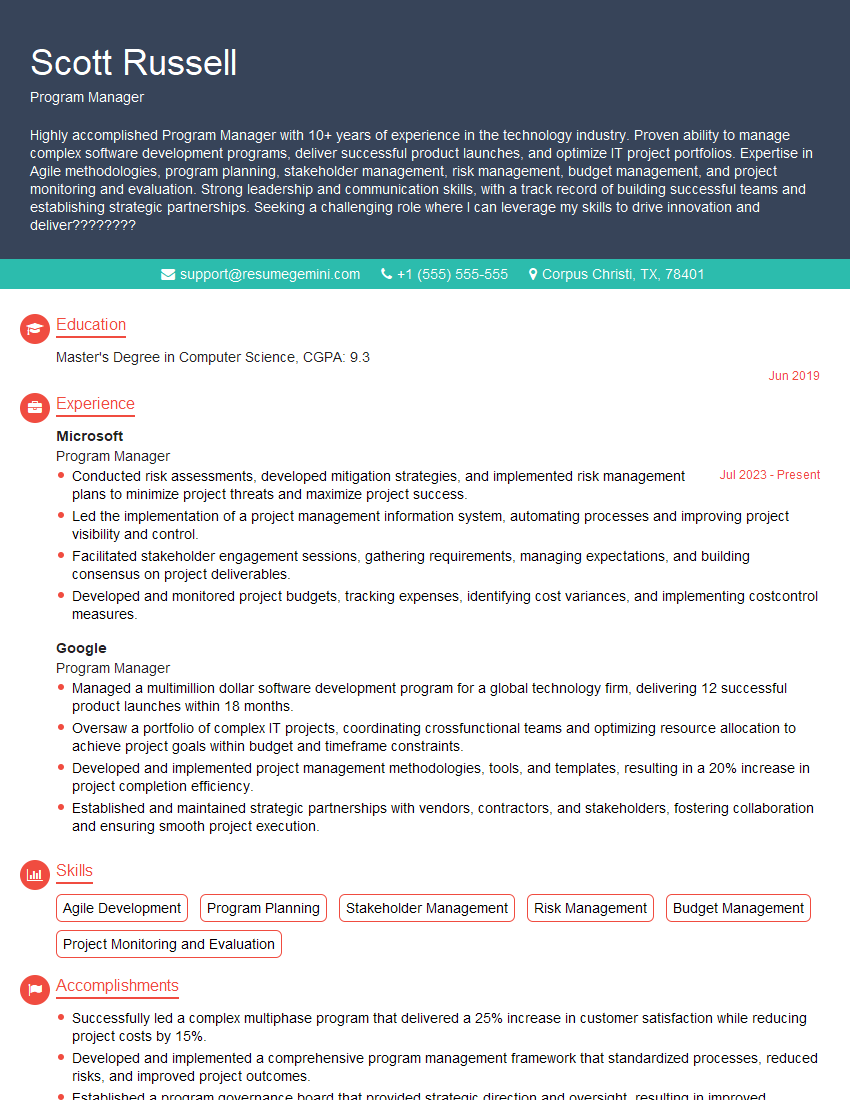
Program Manager Resume Sample
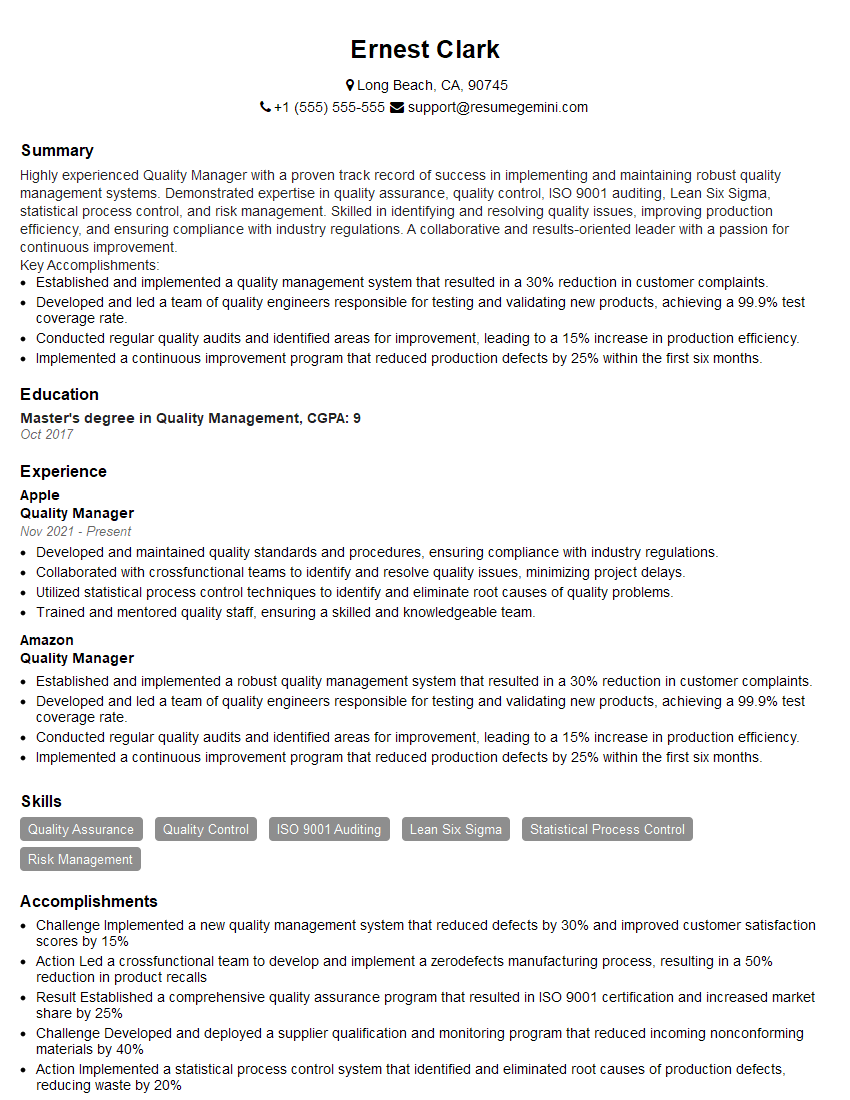
Quality Manager Resume Sample

Procurement Manager Resume Sample
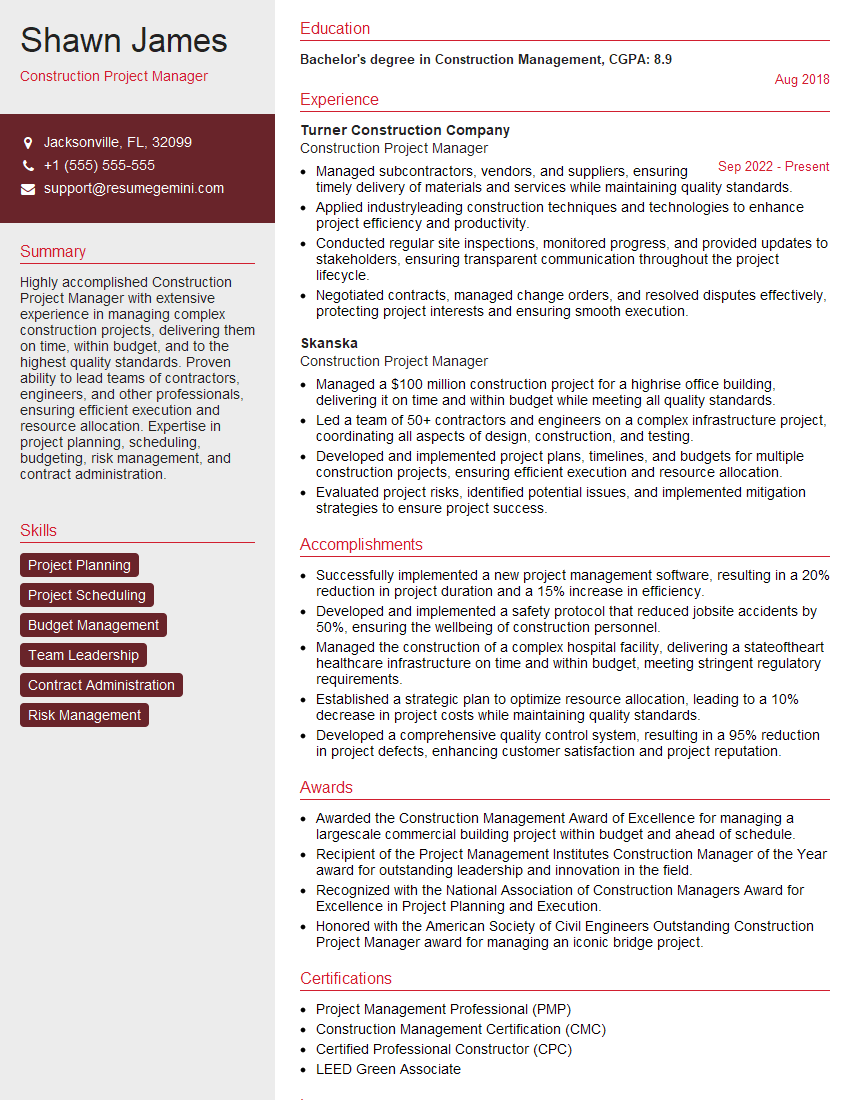
Construction Project Manager Resume Sample

Project Manager Resume Sample
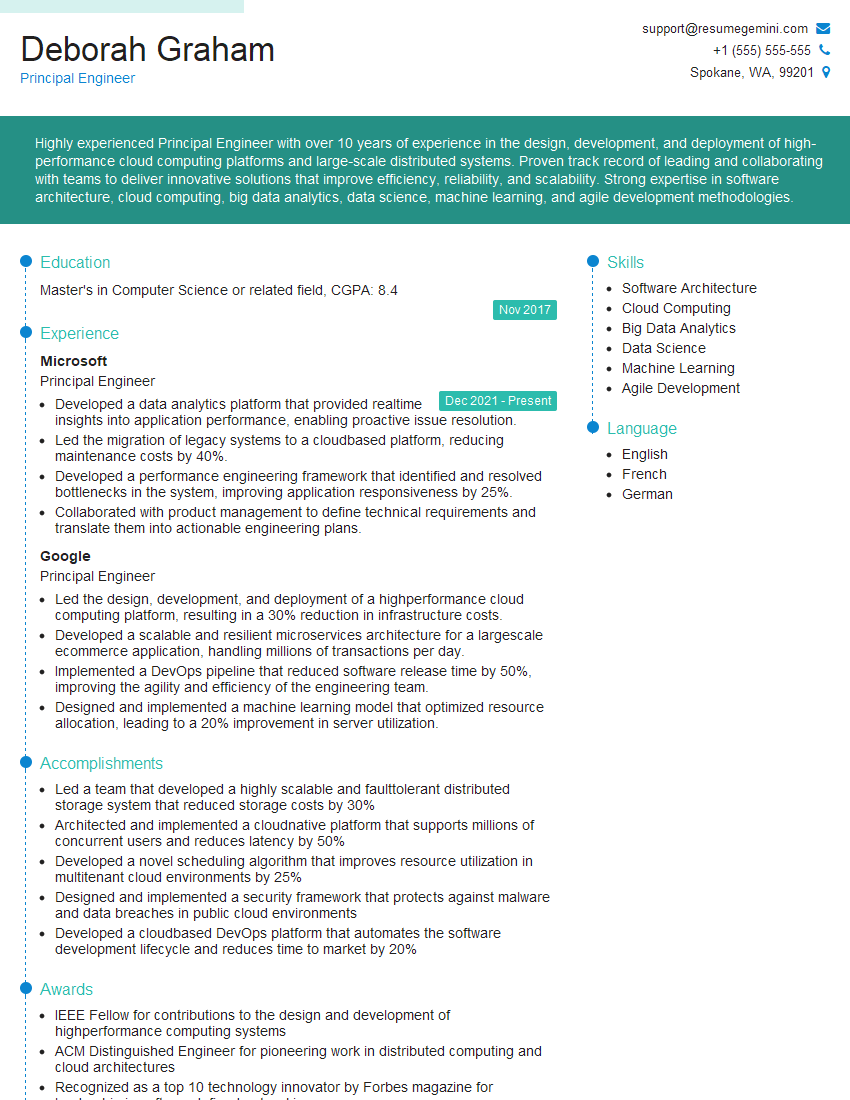
Principal Engineer Resume Sample

Project Engineer Resume Sample
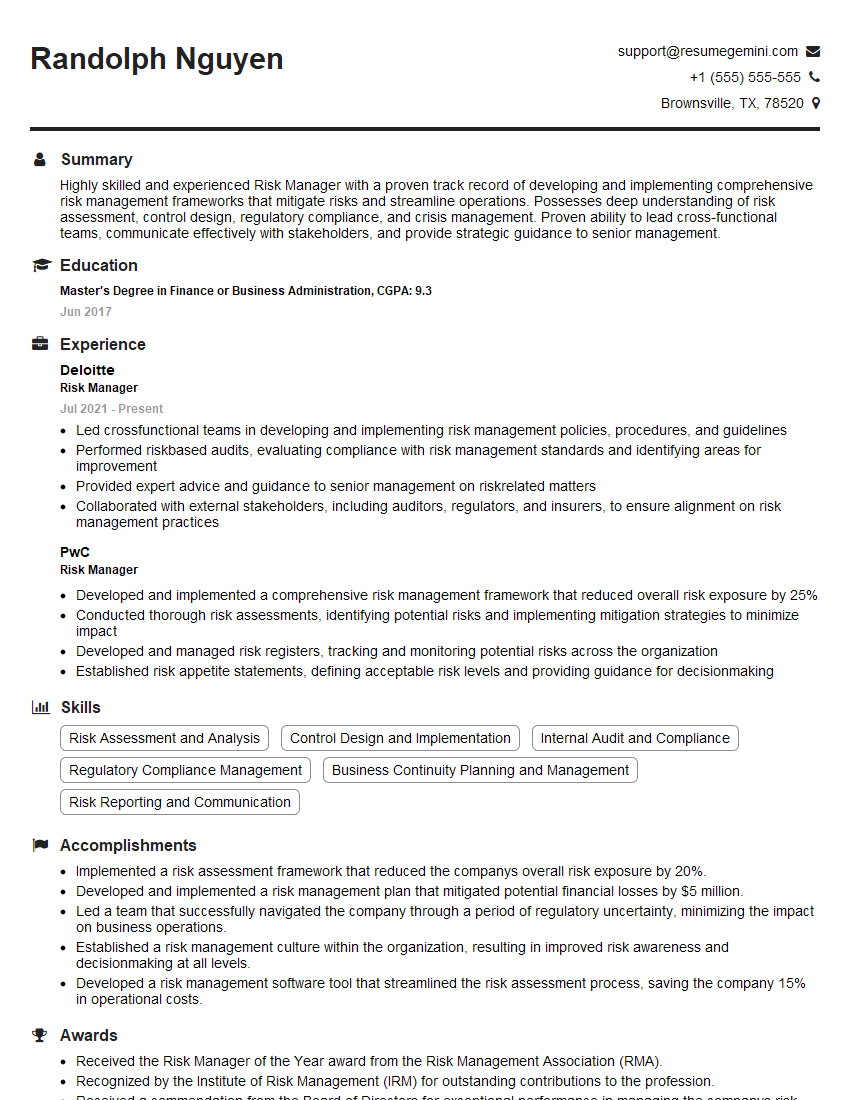
Risk Manager Resume Sample
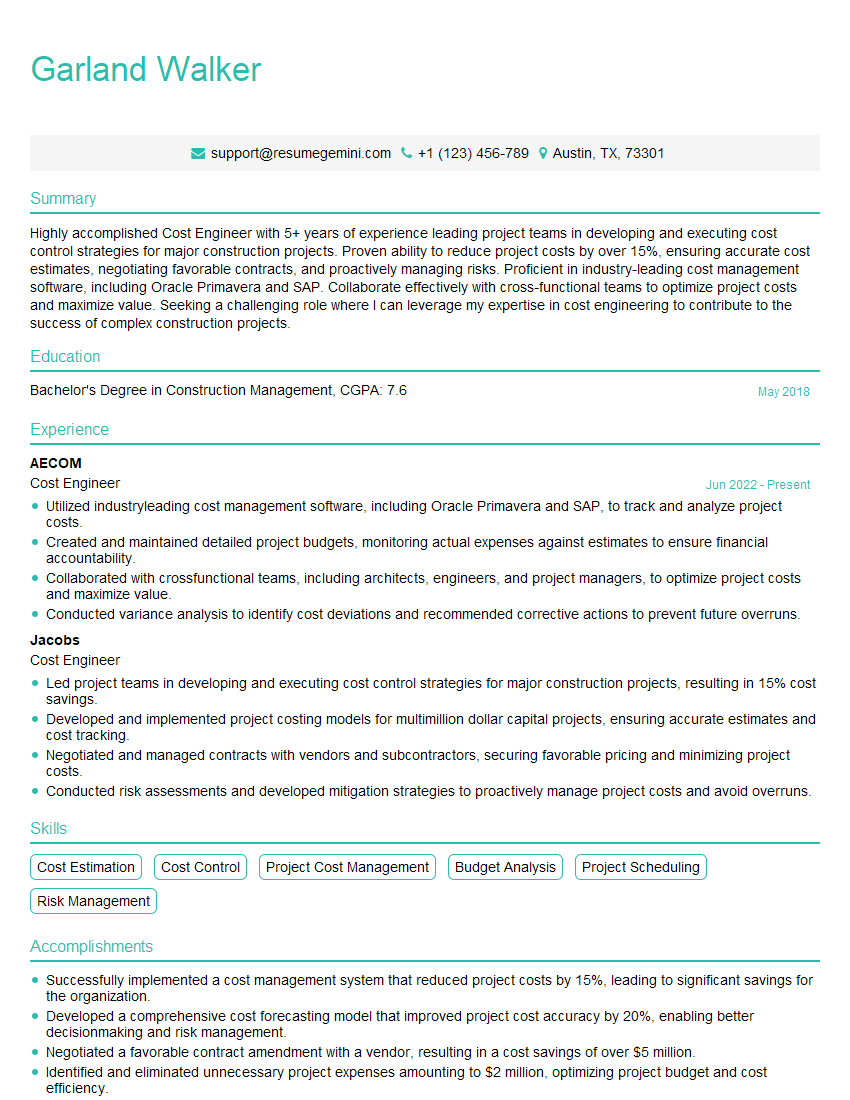
Cost Engineer Resume Sample
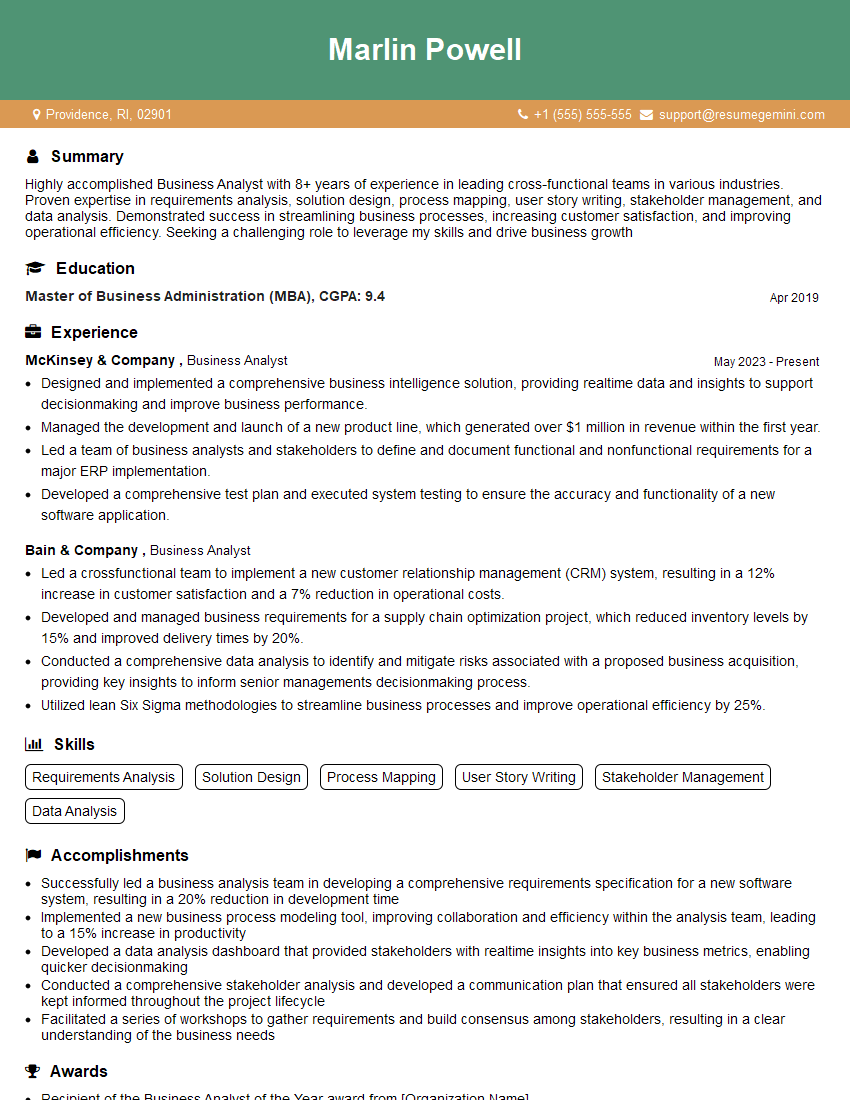
Business Analyst Resume Sample
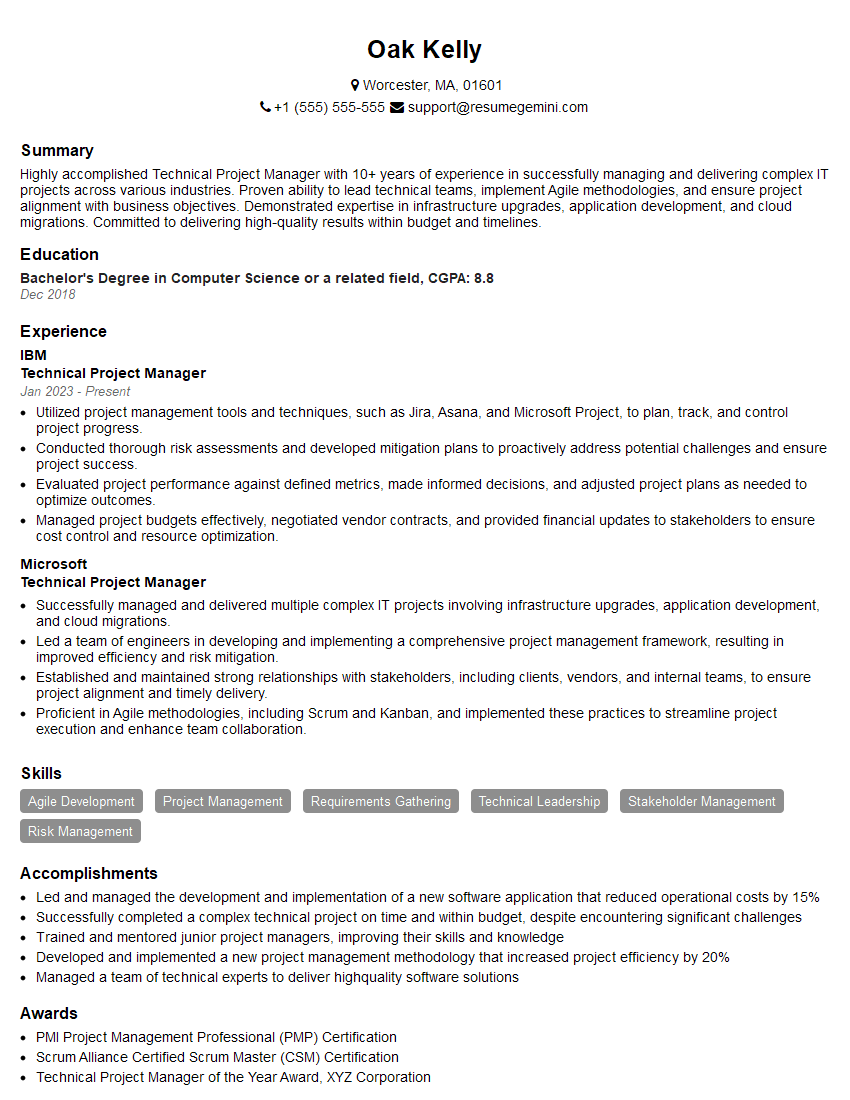
Technical Project Manager Resume Sample
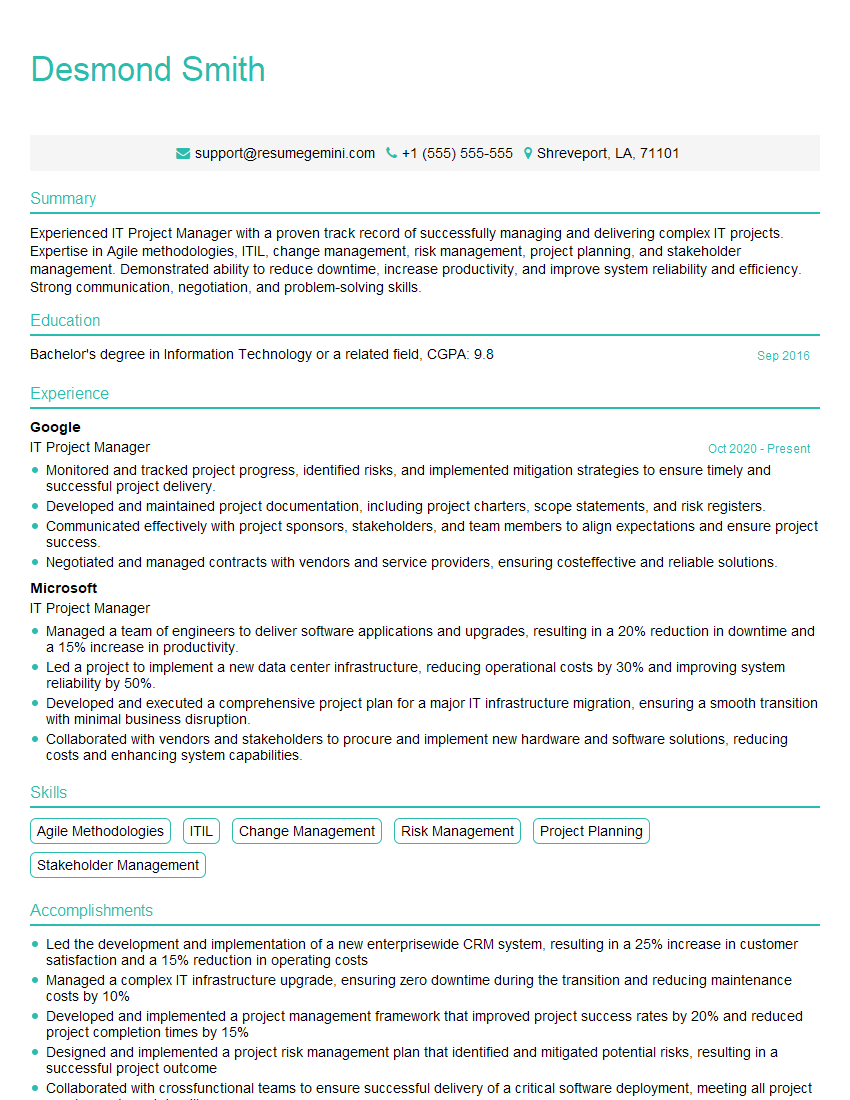
IT Project Manager Resume Sample
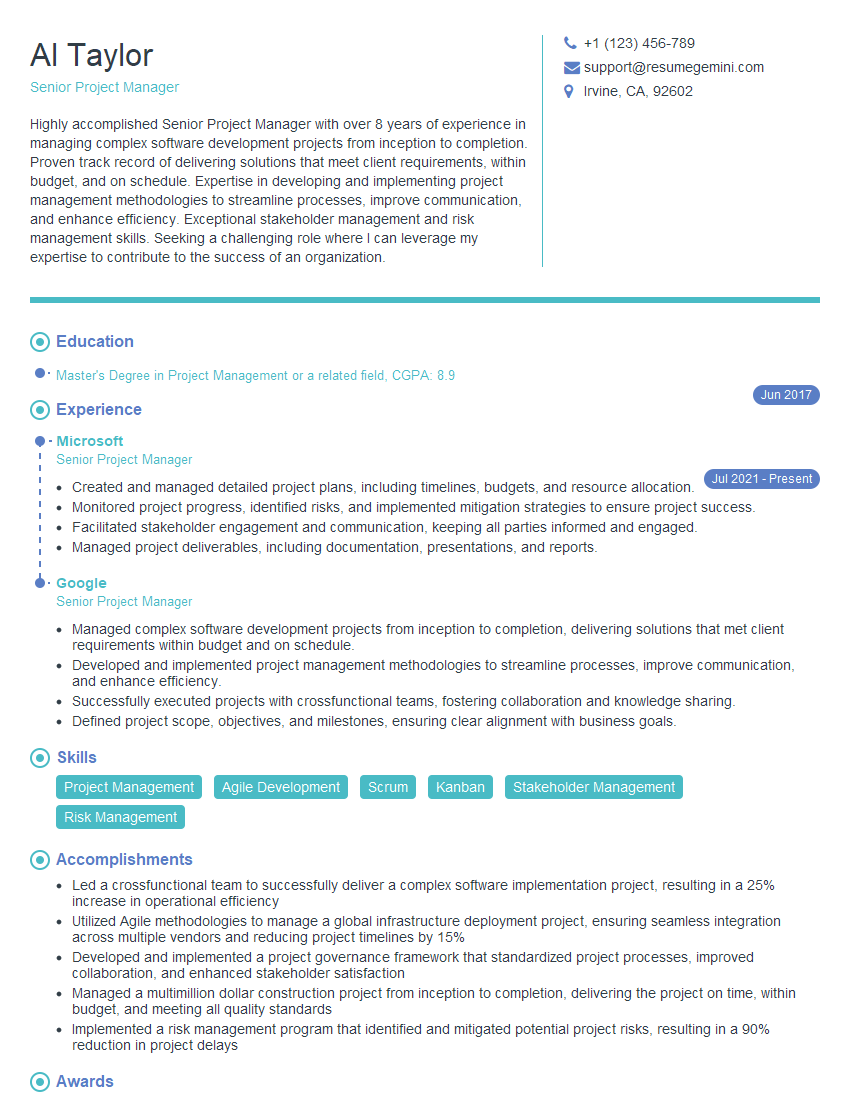
Senior Project Manager Resume Sample

Value Engineer Resume Sample
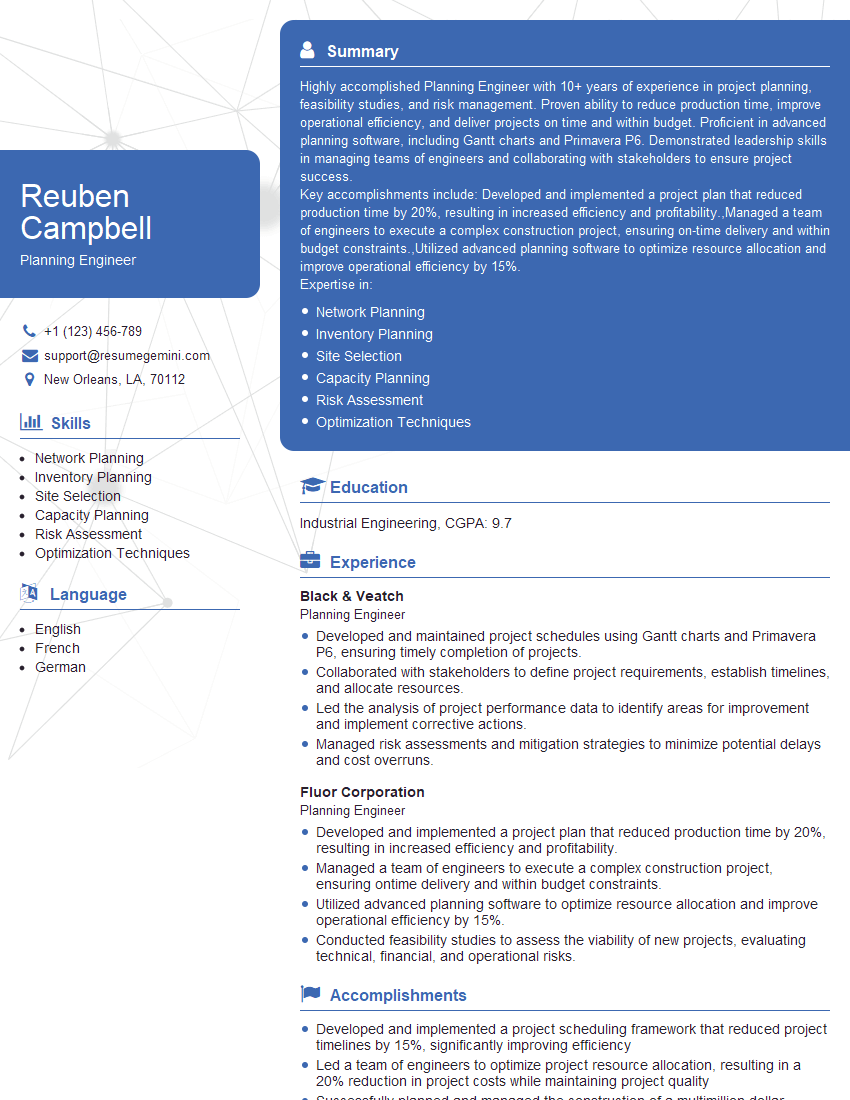
Planning Engineer Resume Sample
Explore more articles
Users Rating of Our Blogs
Share Your Experience
We value your feedback! Please rate our content and share your thoughts (optional).
What Readers Say About Our Blog
Very informative content, great job.
good