Every successful interview starts with knowing what to expect. In this blog, we’ll take you through the top Promoting Team Values and Sportsmanship interview questions, breaking them down with expert tips to help you deliver impactful answers. Step into your next interview fully prepared and ready to succeed.
Questions Asked in Promoting Team Values and Sportsmanship Interview
Q 1. Describe your approach to fostering a positive team environment.
Fostering a positive team environment is crucial for success. My approach is multifaceted and focuses on building trust, open communication, and shared goals. I begin by establishing clear expectations and team values right from the start, ensuring everyone understands their roles and responsibilities. This clarity minimizes confusion and potential conflict.
Next, I actively promote open communication channels. This means encouraging regular team meetings, both formal and informal, where team members feel safe to share ideas, concerns, and feedback without fear of judgment. I facilitate these meetings, ensuring everyone gets a chance to speak and actively listen to others. I also utilize tools like collaborative project management software to keep everyone informed and connected.
Furthermore, I prioritize team-building activities to foster camaraderie and build relationships outside of work tasks. These activities can range from simple team lunches to more involved events like escape rooms or volunteering. The goal is to create a sense of community and shared identity. Finally, I consistently recognize and celebrate both individual and team achievements, reinforcing positive behavior and motivating continued success.
For example, in a previous role, I implemented a weekly “Kudos” system where team members could publicly acknowledge each other’s contributions. This simple action significantly improved team morale and fostered a culture of appreciation.
Q 2. How would you address a conflict between two team members?
Addressing conflict between team members requires a neutral and empathetic approach. My first step is to facilitate a private meeting with both individuals involved. I encourage them to express their perspectives calmly and respectfully, using active listening techniques to fully understand each person’s point of view. I avoid taking sides and focus on understanding the root cause of the conflict, rather than assigning blame.
Once I have a clear picture of the situation, I help the individuals find common ground and work towards a mutually acceptable solution. This might involve brainstorming alternative approaches, compromising, or finding a compromise that benefits both parties. Throughout the process, I emphasize the importance of respect, communication, and teamwork. If the conflict persists or escalates, I may involve higher management for further support or mediation.
For instance, I once mediated a disagreement between two team members over project priorities. By facilitating a discussion where both members clearly explained their rationale, we discovered a misunderstanding about deadlines. After clarifying expectations and collaboratively revising the project timeline, the conflict was resolved amicably, and both members learned to communicate their needs more effectively.
Q 3. How do you promote respect and inclusivity within a team?
Promoting respect and inclusivity is foundational to a positive team environment. This starts with establishing clear guidelines on respectful behavior and zero tolerance for discrimination or harassment. These guidelines should be communicated clearly to all team members and reinforced consistently through actions and consequences.
I actively work to create a culture of inclusivity by encouraging diverse perspectives and valuing individual contributions. This involves actively seeking input from all team members and creating space for everyone to participate in discussions and decision-making processes. I ensure that team activities are inclusive and accessible to all team members, considering individual needs and preferences. I also provide training to team members on diversity and inclusion best practices.
For example, I once led a team-building exercise that emphasized the strengths of diverse perspectives. Each member shared their unique background and approach to problem-solving, demonstrating the value of individual viewpoints within a collaborative setting. We even developed a team charter with guidelines on creating an inclusive environment, that the whole team contributed to.
Q 4. Explain your strategy for reinforcing team values.
Reinforcing team values requires consistent effort and a multi-pronged approach. I start by clearly defining the core values of the team, ensuring they are relevant, achievable, and resonate with all members. These values should be clearly communicated and readily available, perhaps displayed prominently in the workspace or included in team handbooks.
I then integrate these values into daily practices through recognition and reward systems. This involves consistently acknowledging and celebrating behaviors that align with these values, both publicly and privately. I also use performance reviews to assess how well individuals embody these values. Furthermore, I use team-building activities and discussions to reinforce the importance of these values and their practical application in real-world situations. Constructive feedback is key here, always focusing on behavior rather than personality.
For instance, one team I worked with adopted the values of ‘Collaboration,’ ‘Innovation,’ and ‘Accountability.’ We developed a simple recognition system where team members could nominate colleagues who best exemplified these values each month. This fostered a competitive, yet positive environment focused on the desired behaviors.
Q 5. How have you successfully instilled a culture of sportsmanship in a team?
Instilling a culture of sportsmanship involves teaching the importance of ethical conduct, respect for opponents, and graceful acceptance of both victory and defeat. I start by modeling this behavior myself, demonstrating respect towards both teammates and competitors. I then explicitly explain the meaning of sportsmanship and the values it embodies. This includes discussions on fair play, integrity, and empathy.
To make it tangible, I use examples from professional sports or real-life scenarios to illustrate the impact of good and bad sportsmanship. I also utilize team-building exercises and training sessions that focus on developing skills like emotional regulation, conflict resolution, and effective communication – all essential components of good sportsmanship. Furthermore, I consistently reinforce positive behaviors by praising instances of exemplary sportsmanship and addressing instances of poor behavior constructively.
In a past project, I introduced a peer-to-peer recognition system where team members could acknowledge instances of excellent sportsmanship. This created a positive feedback loop that fostered the desired behaviour and made the team more aware of their collective responsibility.
Q 6. How do you handle a situation where a team member violates team values?
Handling a situation where a team member violates team values requires a fair and consistent approach. My first step is to privately address the issue with the individual involved, using a calm and respectful tone. I clearly explain how their actions contradict the established team values, focusing on the impact of their behavior on the team and the individual’s own reputation.
I then work collaboratively with the individual to understand the root cause of the behavior and develop a plan for improvement. This might involve providing additional training, support, or mentorship. Depending on the severity of the violation, further consequences may be implemented, following established organizational policies. Open and honest communication is vital throughout the process. The goal is to rectify the situation, foster learning, and prevent future occurrences.
For instance, if a team member consistently missed deadlines, violating the team’s value of ‘Accountability’, I would address this concern by discussing the impacts of missed deadlines on the team’s workflow. I would then work with the individual to identify the reasons behind the missed deadlines and collaboratively create strategies such as time-management workshops or setting achievable sub-goals.
Q 7. Describe a time you had to mediate a disagreement within a team.
I once had to mediate a disagreement between two team leads during a complex project. One lead felt the other was not contributing fairly to shared tasks, leading to tension and decreased productivity. I began by scheduling separate, private meetings with each individual to understand their perspectives fully.
I learned that the perceived unfairness stemmed from a misunderstanding about task assignments and expectations. One lead had misinterpreted the initial project brief, resulting in an uneven workload distribution. In a subsequent joint meeting, I facilitated a calm discussion where both leads could openly express their concerns and clarify misunderstandings. Together, we re-evaluated the tasks, reassigned responsibilities based on individual strengths and capacity, and established a clearer communication protocol.
The outcome was a significant improvement in team dynamics and project progress. Both leads learned to communicate their needs more effectively and appreciate the importance of mutual understanding in collaborative projects. The incident also highlighted the importance of clear communication in preventing conflicts from arising in the first place.
Q 8. What methods do you use to recognize and reward positive teamwork?
Recognizing and rewarding positive teamwork is crucial for fostering a collaborative environment. My approach is multifaceted, focusing on both individual and team accomplishments.
- Public Acknowledgement: I regularly highlight exemplary teamwork during team meetings, using specific examples of collaboration and support. For instance, if a team successfully navigated a challenging project through effective communication and shared problem-solving, I’ll publicly praise their efforts and the strategies they employed.
- Individual Recognition: I also acknowledge individual contributions that strengthened the team’s performance. This could be through small gestures like verbal appreciation, a handwritten note, or a small gift. The key is to tailor the reward to the individual’s preferences and the specific contribution.
- Team-Based Rewards: Larger team accomplishments warrant more significant rewards. This could include team lunches, extra time off, tickets to an event, or even a bonus tied to overall team performance metrics.
- Peer Recognition Programs: I’ve found that peer recognition programs are exceptionally effective. Allowing team members to nominate each other for outstanding teamwork fosters a culture of appreciation and strengthens team bonds.
The most important aspect is making the recognition sincere, specific, and timely. Generic praise is less effective than highlighting concrete examples of positive teamwork behaviors.
Q 9. How do you encourage team members to provide constructive feedback?
Encouraging constructive feedback is vital for continuous improvement. I facilitate this through several strategies:
- Creating a Safe Space: I emphasize the importance of respectful and honest communication. This includes establishing clear guidelines for providing feedback – focusing on behaviors, not personalities, and offering specific examples rather than generalizations.
- Structured Feedback Sessions: Instead of impromptu criticism, I conduct regular structured feedback sessions using frameworks like the SBI model (Situation-Behavior-Impact) to guide the conversation. This helps ensure clarity and avoids emotional reactions.
- Feedback Training: I provide training on effective feedback delivery and reception techniques, emphasizing the importance of active listening and thoughtful responses.
- Anonymous Feedback Mechanisms: To ensure complete honesty and anonymity, I incorporate anonymous feedback mechanisms like suggestion boxes or online surveys.
- Leading by Example: I actively solicit and welcome feedback myself, demonstrating that constructive criticism is valued and a necessary part of growth.
I always aim to turn feedback sessions into collaborative conversations, where individuals feel comfortable both giving and receiving feedback without fear of reprisal.
Q 10. Explain your experience with team-building activities and their effectiveness.
Team-building activities are a crucial tool for enhancing collaboration and morale. My experience has shown that well-designed activities can significantly improve team dynamics. I’ve used various activities, tailored to the team’s size, personality, and objectives.
- Escape Rooms: These challenge teams to solve puzzles collaboratively, promoting problem-solving skills and communication under pressure.
- Outdoor Activities: Hiking, ropes courses, and other outdoor activities encourage teamwork, build trust, and foster a sense of shared accomplishment.
- Creative Workshops: Activities like collaborative painting or building projects allow team members to express their creativity while working together.
- Volunteer Work: Engaging in volunteer work as a team builds camaraderie and reinforces shared values.
The effectiveness of these activities depends on careful planning and post-activity reflection. Simply participating isn’t enough; debriefing sessions are crucial to discuss the lessons learned and how they can be applied to work situations. I’ve found that activities that require collaboration, problem-solving, and communication are consistently the most effective.
Q 11. How do you motivate a team to perform at their best while maintaining sportsmanship?
Motivating a team to perform at their best while maintaining sportsmanship requires a delicate balance. My approach focuses on several key elements:
- Setting Clear Goals: Establishing clear, achievable, and measurable goals ensures everyone understands expectations and the path to success. These goals must align with both team and individual aspirations.
- Positive Reinforcement: Focusing on celebrating successes and acknowledging effort fosters a positive and motivating environment. This includes both individual and team-based recognition.
- Open Communication: Maintaining open channels of communication ensures that issues are addressed proactively, preventing them from escalating and negatively impacting morale or sportsmanship.
- Growth Mindset: Encouraging a growth mindset emphasizes learning from mistakes and viewing challenges as opportunities for improvement. This minimizes the pressure of perfection and enhances resilience.
- Fair Competition: Promoting a spirit of fair competition amongst team members can be highly motivating, provided it is conducted with respect and a focus on shared improvement.
Ultimately, maintaining sportsmanship is about fostering a culture of respect, responsibility, and ethical behavior. This culture must be explicitly modeled by leaders and reinforced consistently through team interactions.
Q 12. Describe a time you had to address unethical behavior within a team.
In a previous project, a team member consistently failed to meet deadlines and, more seriously, took credit for work done by others. Addressing this required a thoughtful and structured approach.
- Private Conversation: I first addressed the issue privately with the team member, providing specific examples of the unethical behavior. I listened to their perspective and tried to understand the underlying reasons for their actions.
- Clear Expectations: I then clearly outlined the expectations for ethical conduct within the team, emphasizing the importance of honesty, accountability, and respect for colleagues’ contributions.
- Performance Improvement Plan: Together we created a performance improvement plan that included specific goals and timelines for improvement. This involved additional training and mentorship to help the individual develop their skills and ethical awareness.
- Follow-Up and Monitoring: I regularly monitored the team member’s progress and offered ongoing support, while maintaining firm but fair consequences if the behavior persisted.
- Addressing the Team: While maintaining confidentiality about the specific individual, I addressed the team generally about the importance of ethical conduct and the process taken to correct the situation to reinforce organizational values.
The situation was resolved successfully, with the team member demonstrating significant improvement in their behavior. This experience underscored the importance of prompt action, fairness, and a focus on both remediation and prevention.
Q 13. How do you ensure fair play and equal opportunities for all team members?
Ensuring fair play and equal opportunities involves establishing clear guidelines and procedures that are consistently applied. My strategy combines several approaches:
- Transparent Selection Processes: All selection processes, whether for tasks, roles, or opportunities, are transparent, objective, and merit-based. This eliminates bias and promotes fairness.
- Equal Access to Resources: Every team member has equal access to resources, information, training, and support necessary to perform their roles effectively. This includes equal access to mentorship and sponsorship opportunities.
- Clear Roles and Responsibilities: Defining roles and responsibilities clearly prevents misunderstandings and ensures that each team member is fairly assessed based on their defined contributions.
- Regular Feedback and Evaluation: Regular performance evaluations provide consistent feedback, allowing team members to understand their strengths and areas for improvement. This feedback is always based on objective metrics and observations.
- Conflict Resolution Procedures: Establishing a fair and transparent conflict resolution process allows disputes to be addressed efficiently and equitably.
Creating a culture of fairness requires constant vigilance and attention to detail. Regular monitoring, open communication, and a commitment to equitable practices are key to maintaining a fair and inclusive team environment.
Q 14. What metrics do you use to assess team performance and sportsmanship?
Assessing team performance and sportsmanship requires a holistic approach that combines both quantitative and qualitative metrics.
- Quantitative Metrics: These include project completion rates, efficiency, quality of work, and adherence to deadlines. These metrics provide an objective measure of team productivity. For example, I might track the number of projects completed on time and within budget.
- Qualitative Metrics: These assess the team’s dynamics, collaboration, and sportsmanship. This might involve team surveys measuring morale, satisfaction, and perceptions of fairness. I also observe team meetings and interactions to assess communication quality and overall team atmosphere.
- Peer and Self-Assessment: Utilizing peer and self-assessment tools provide valuable qualitative data on team members’ contributions and perspectives on teamwork and sportsmanship. 360-degree feedback can offer a particularly comprehensive view.
- Outcome-Based Metrics: Finally, I evaluate team performance against clearly defined objectives and goals. This assesses not only individual contributions but the overall effectiveness of the team in achieving shared outcomes.
Combining these different types of data paints a more complete picture of the team’s performance and promotes a more balanced and fair assessment of both accomplishments and behavior. A comprehensive approach to performance evaluation includes both objective and subjective measures, ensuring both efficiency and ethical conduct are evaluated fairly.
Q 15. Describe your process for identifying and addressing potential team conflicts.
Identifying and addressing team conflicts requires a proactive and empathetic approach. My process begins with early detection. I foster an open communication environment where team members feel comfortable expressing concerns. Regular check-ins, both individual and group, help identify simmering tensions before they escalate. I actively listen to understand each individual’s perspective, avoiding judgment and focusing on finding common ground.
Once a conflict arises, I follow a structured approach:
- Facilitation, not mediation: I guide the team towards a solution, ensuring all voices are heard, rather than imposing a resolution.
- Focus on the issue, not the person: The discussion centers on the problem, not personal attacks.
- Collaborative problem-solving: We brainstorm solutions together, aiming for mutually acceptable outcomes.
- Follow-up: After resolving the immediate conflict, I follow up with involved individuals to ensure the issue is truly resolved and to prevent recurrence.
Example: In a previous team, a disagreement arose regarding project prioritization. Instead of dictating a solution, I facilitated a discussion where each team member explained their rationale. We collaboratively created a revised prioritization plan that incorporated elements from each perspective, ensuring buy-in and preventing future conflicts.
Career Expert Tips:
- Ace those interviews! Prepare effectively by reviewing the Top 50 Most Common Interview Questions on ResumeGemini.
- Navigate your job search with confidence! Explore a wide range of Career Tips on ResumeGemini. Learn about common challenges and recommendations to overcome them.
- Craft the perfect resume! Master the Art of Resume Writing with ResumeGemini’s guide. Showcase your unique qualifications and achievements effectively.
- Don’t miss out on holiday savings! Build your dream resume with ResumeGemini’s ATS optimized templates.
Q 16. How do you handle a situation where a team member is struggling to meet expectations?
When a team member struggles to meet expectations, my approach is supportive yet firm. It begins with understanding the root cause of the performance issue. Is it a lack of skill, insufficient resources, lack of clarity regarding expectations, or personal challenges?
I initiate a private conversation to address the situation. This involves:
- Open communication: I clearly and specifically outline the areas where performance needs improvement, providing concrete examples.
- Active listening: I listen attentively to understand their perspective and any obstacles they might be facing.
- Collaborative goal setting: We work together to create a plan with clear, measurable goals and a realistic timeline for improvement. This includes identifying necessary resources and support.
- Regular check-ins: I provide regular feedback and support, monitoring progress and adjusting the plan as needed.
- Mentorship and training: Where skills gaps exist, I offer mentorship or access to relevant training.
Example: A team member was struggling with a new software. Instead of criticizing, I offered additional training, paired them with a more experienced colleague, and adjusted project deadlines to accommodate their learning curve.
Q 17. How do you integrate team values into the daily operations of a team?
Integrating team values into daily operations requires more than just a poster on the wall. It’s about making them integral to decision-making and interactions.
My approach includes:
- Defining clear values: We collaboratively define core values, such as respect, integrity, collaboration, and accountability. This ensures team ownership and buy-in.
- Embedding values in processes: We integrate these values into our project management methodologies, communication protocols, and performance reviews.
- Rewarding valued behaviors: We publicly acknowledge and reward team members who embody these values. This reinforces positive behavior.
- Addressing violations: We address any violations of these values promptly and consistently, ensuring everyone understands their importance.
Example: In a previous team, we prioritized collaboration by implementing daily stand-up meetings and encouraging peer-to-peer support. This fostered a more collaborative and supportive work environment.
Q 18. What strategies do you use to communicate team values effectively?
Effective communication of team values involves multiple channels and consistent reinforcement.
- Team meetings: Regular discussions about values, their significance, and real-world application within the team.
- Storytelling: Sharing stories and examples of how team members have embodied these values.
- Visual reminders: Using posters, emails, and other visual aids to keep values top-of-mind.
- Training and workshops: Conducting workshops or training sessions focused on practical application of team values.
- Feedback and recognition: Providing regular feedback, both positive and constructive, highlighting behaviors that align with or deviate from established values.
Example: We created a monthly newsletter highlighting individuals who demonstrated exceptional teamwork or commitment to integrity. This fostered positive reinforcement and promoted desired behaviors.
Q 19. How do you ensure that team members understand the importance of sportsmanship?
Ensuring understanding of sportsmanship goes beyond simply defining it. It’s about fostering a culture where respect, ethical conduct, and graciousness are valued.
My approach includes:
- Defining sportsmanship: Clearly define what sportsmanship means within the team context, emphasizing respect for opponents, referees (or equivalent), and teammates.
- Leading by example: Demonstrate sportsmanship in my own actions and interactions, setting the tone for the entire team.
- Open discussion: Initiate conversations about what constitutes good and bad sportsmanship, using real-life examples or hypothetical scenarios.
- Role-playing: Use role-playing exercises to help team members practice responding appropriately to challenging situations.
- Consequences: Establish clear consequences for violating sportsmanship principles, ensuring accountability.
Example: After a particularly contentious match, we had a team debrief to discuss both the game itself and our conduct. This allowed for open dialogue and reflection on our behavior.
Q 20. How do you adapt your approach to promoting team values based on different team dynamics?
Adapting my approach to different team dynamics is crucial for effective promotion of team values. I assess the team’s current culture, communication styles, and individual personalities to tailor my strategies.
For example:
- Highly independent teams: I might emphasize individual accountability and the value of self-reliance while still highlighting the importance of collaboration in achieving shared goals.
- Close-knit teams: I might focus on strengthening existing positive dynamics by recognizing contributions and fostering a sense of shared accomplishment.
- Teams with conflict: I would prioritize conflict resolution strategies and communication skills training, emphasizing empathy and mutual understanding.
Adaptability is key: The same approach won’t work for every team. Continuous observation and adjustment are essential to ensure effectiveness.
Q 21. How would you address a situation where a team member is exhibiting poor sportsmanship?
Addressing poor sportsmanship requires a careful and measured response. The goal is not punishment but correction and behavioral change.
My approach:
- Private conversation: I would initiate a private conversation with the team member, focusing on specific instances of poor sportsmanship.
- Active listening: I would listen to their perspective, attempting to understand the underlying reasons for their behavior.
- Constructive feedback: I would provide specific, constructive feedback, explaining how their actions impacted the team and violated established team values.
- Collaborative solutions: We would work together to develop a plan for improvement, including specific actions and behavioral changes.
- Follow-up and support: I would provide ongoing support and monitor their behavior, offering further guidance or intervention as needed. If the behavior continues, more formal disciplinary actions might be necessary, depending on the team’s policies.
Example: A team member made a sarcastic remark towards a competitor after a loss. We discussed the impact of their words, emphasizing the importance of respecting opponents even in defeat. We worked together to develop strategies for expressing frustration in a more appropriate manner.
Q 22. Describe a time you had to make a difficult decision that impacted team values or sportsmanship.
One challenging situation involved a highly competitive team where a star player, despite their exceptional skill, displayed a pattern of poor sportsmanship. They were consistently critical of teammates’ performances, even publicly undermining their efforts. This directly contradicted our team values of mutual respect and support. The decision I faced was whether to publicly reprimand them, potentially damaging team morale, or to address it privately, risking the behavior continuing unchecked.
After careful consideration, I opted for a private conversation, emphasizing the importance of sportsmanship and highlighting the negative impact their behavior had on team unity. I framed it as a performance issue, focusing on how their attitude impacted team performance rather than solely on their character. I also outlined clear expectations for future conduct. While initially resistant, the player eventually understood the impact of their actions and showed a significant improvement in their behavior. This experience taught me the importance of choosing the right approach based on individual personalities and the context of the situation, while always prioritising team values.
Q 23. How do you build trust and camaraderie within a team?
Building trust and camaraderie requires a multi-faceted approach focusing on communication, shared experiences, and mutual respect. It’s like building a strong bridge – you need solid foundations.
Open Communication: Regular team meetings, both formal and informal, create opportunities for open dialogue and feedback. This ensures everyone feels heard and understood. I often facilitate these using icebreakers or team-building activities to encourage participation and create a safe space for honest conversations.
Shared Goals and Objectives: Clearly defining team goals and ensuring everyone understands their role in achieving them creates a shared sense of purpose. When everyone is working towards a common objective, it fosters a sense of collective responsibility and accomplishment.
Team-Building Activities: Engaging in activities outside of the regular work environment builds relationships and strengthens bonds. This could involve social events, volunteering, or even informal team lunches. These activities help people get to know each other on a more personal level, breaking down barriers and fostering trust.
Recognition and Appreciation: Acknowledging and celebrating individual and team successes boosts morale and reinforces positive behaviors. This could involve public praise, small rewards, or simply expressing gratitude for hard work.
Q 24. What are some common challenges you encounter when promoting team values and sportsmanship?
Promoting team values and sportsmanship often encounters challenges, many stemming from individual differences and conflicting priorities:
Personality Clashes: Strong personalities can sometimes clash, leading to disagreements and conflicts that undermine team unity. Managing these personality differences requires effective conflict resolution and communication strategies.
Differing Values: Team members may hold different values or priorities, making it difficult to establish a shared understanding of acceptable behavior. Openly discussing and reconciling these differences is crucial.
Pressure to Win: In highly competitive environments, the pressure to win can override ethical considerations, leading to unsportsmanlike conduct. This needs to be addressed by emphasizing the long-term benefits of ethical behavior over short-term gains.
Lack of Accountability: If unsportsmanlike behavior is not consistently addressed, it can become normalized within the team. A clear system of accountability, with consequences for violating team values, is essential.
Q 25. How do you measure the success of your efforts in promoting team values and sportsmanship?
Measuring the success of efforts in promoting team values and sportsmanship involves both qualitative and quantitative methods:
Qualitative Measures: These involve observing team dynamics, conducting team surveys, and gathering feedback through individual conversations. Looking for improvements in communication, cooperation, and overall team morale are key indicators.
Quantitative Measures: These might include tracking instances of unsportsmanlike conduct, measuring team performance metrics (which may be indirectly impacted by team spirit), and evaluating player and coach feedback. A reduction in negative incidents and an increase in positive team interactions would indicate progress.
It’s important to remember that change takes time. Regular monitoring and adjustments to strategies are necessary for ongoing success.
Q 26. How do you create a culture of accountability within a team?
Creating a culture of accountability involves establishing clear expectations, consistent enforcement, and a fair process for addressing violations. It’s about establishing a system where everyone understands their responsibilities and the consequences of not meeting them.
Establish Clear Expectations: Define specific behaviors that align with the team values. This should be communicated clearly to all members, leaving no room for ambiguity.
Consistent Enforcement: Apply consequences consistently and fairly to all team members who violate the established standards. This consistency is key to ensuring that the rules are taken seriously.
Fair Process: Establish a process for addressing violations that is both fair and transparent. This might include opportunities for individuals to explain their actions and a system for appeals if needed.
Positive Reinforcement: While accountability is crucial, it’s equally important to acknowledge and reward positive behaviors that align with team values. This helps to reinforce the desired culture.
Q 27. Describe your experience with implementing team-based reward systems.
My experience with team-based reward systems has been overwhelmingly positive. I’ve found that when rewards are tied to collective achievements rather than individual performance, it encourages collaboration and mutual support.
For instance, in one project, we introduced a points-based system where teams earned points for meeting milestones, displaying excellent sportsmanship, and contributing to a positive team environment. These points were then translated into tangible rewards, such as extra time off, team outings, or bonuses distributed equally among team members. The result was a remarkable increase in team collaboration, mutual support, and overall team performance. It shifted the focus from individual achievements to collective success, fostering a strong sense of shared accomplishment and camaraderie.
However, it’s crucial to design these systems carefully. The criteria for earning rewards must be clearly defined and measurable, and the rewards themselves must be perceived as fair and valuable by all team members. This ensures that the system serves its intended purpose and doesn’t inadvertently create competition or resentment.
Key Topics to Learn for Promoting Team Values and Sportsmanship Interview
- Defining and Articulating Team Values: Understanding the importance of shared values, identifying core principles, and effectively communicating them to team members.
- Practical Application: Conflict Resolution & Teamwork: Demonstrating experience in resolving team conflicts constructively, fostering collaboration, and promoting a positive team environment. Provide examples of how you’ve navigated disagreements and built consensus.
- Building a Positive Team Culture: Discuss strategies for creating an inclusive and supportive environment where everyone feels valued and respected. Consider examples of initiatives you’ve implemented or supported.
- Promoting Accountability and Ownership: Explain how you’ve encouraged team members to take responsibility for their actions and contribute to collective goals. Highlight examples of successful accountability strategies.
- Recognizing and Rewarding Contributions: Discuss methods for acknowledging individual and team achievements, boosting morale, and reinforcing positive behavior. Consider examples of how you’ve celebrated successes.
- Leading by Example: Explain how your personal actions and attitude contribute to a positive and productive team environment. Showcase your commitment to sportsmanship and ethical conduct.
- Addressing Unsportsmanlike Conduct: Describe your approach to handling situations where team members display negative behaviors, emphasizing fairness and constructive feedback.
- Measuring the Impact of Team Values Initiatives: Discuss methods for assessing the effectiveness of your efforts to promote team values and sportsmanship, and how you’ve used this data to refine your approach.
Next Steps
Mastering the art of promoting team values and sportsmanship is crucial for career advancement. It demonstrates leadership potential, collaboration skills, and a commitment to creating positive and productive work environments – qualities highly valued by employers. To significantly boost your job prospects, create an ATS-friendly resume that highlights these key skills and experiences. We strongly recommend using ResumeGemini to build a professional and impactful resume. ResumeGemini provides tools and resources to craft a compelling narrative, and we offer examples of resumes tailored to showcasing your expertise in promoting team values and sportsmanship.
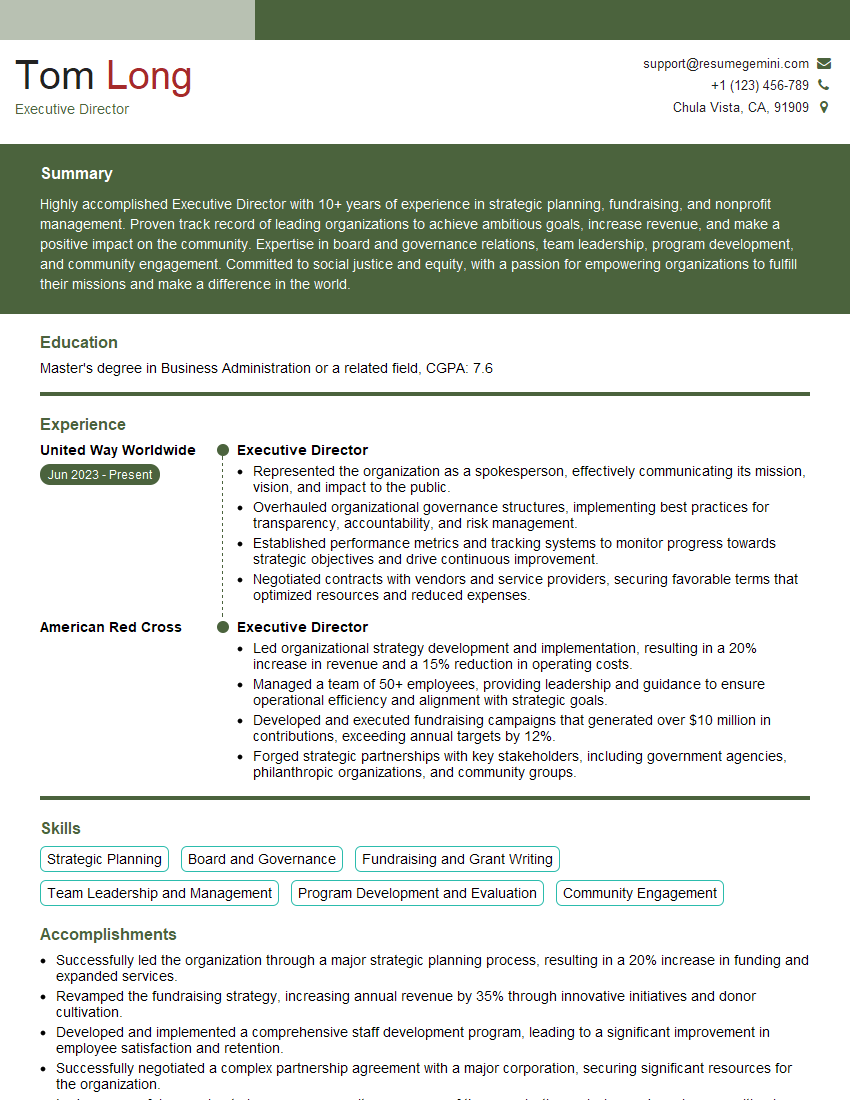
Executive Director Resume Sample
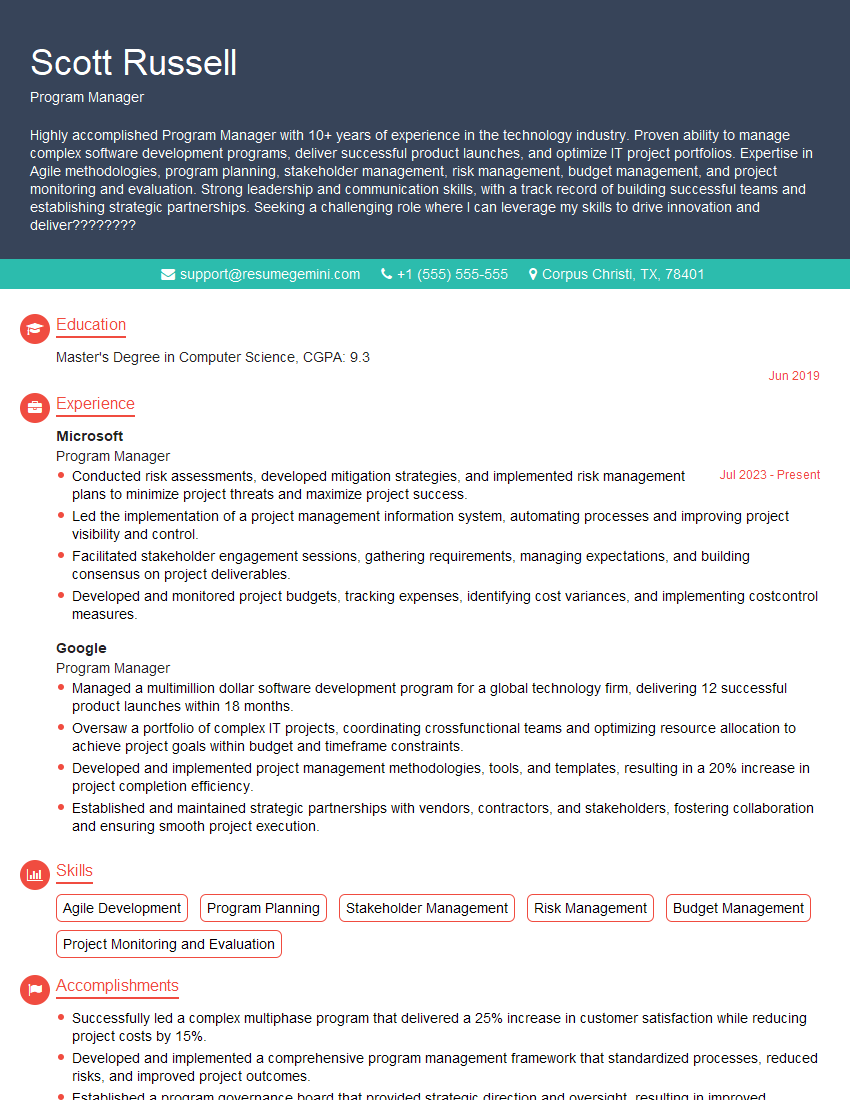
Program Manager Resume Sample
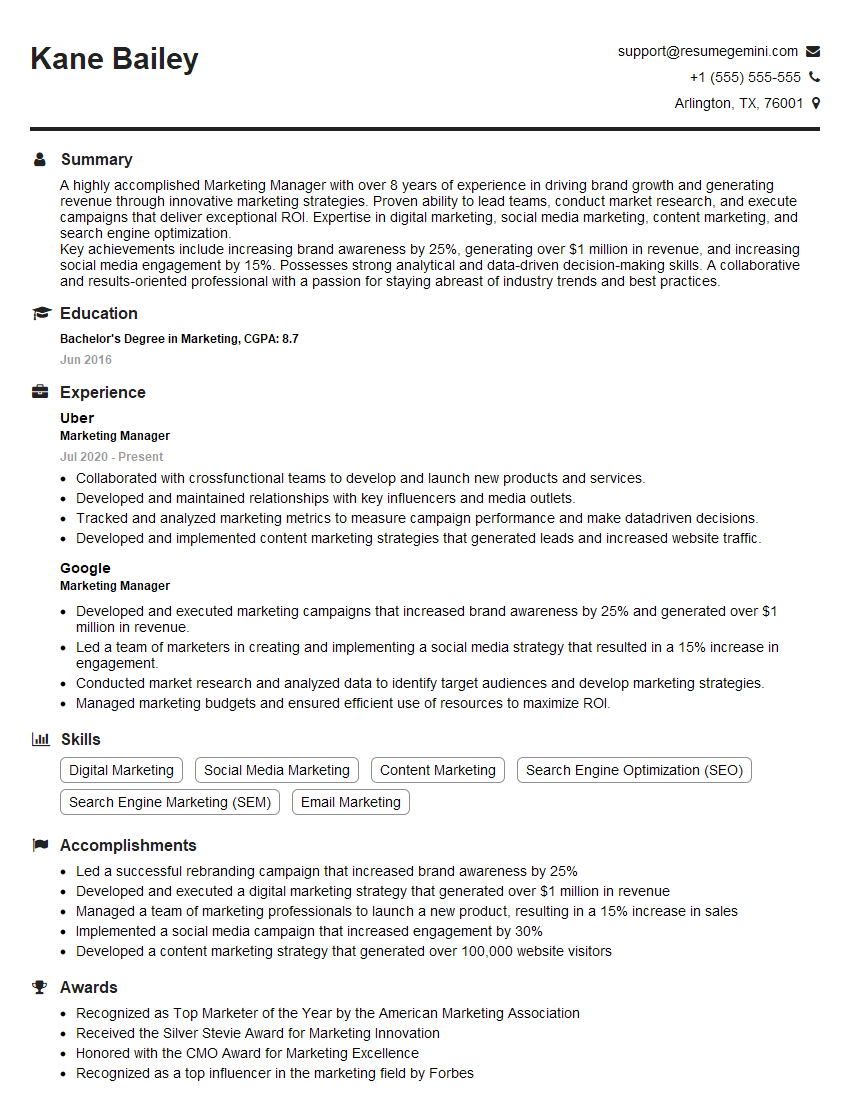
Marketing Manager Resume Sample
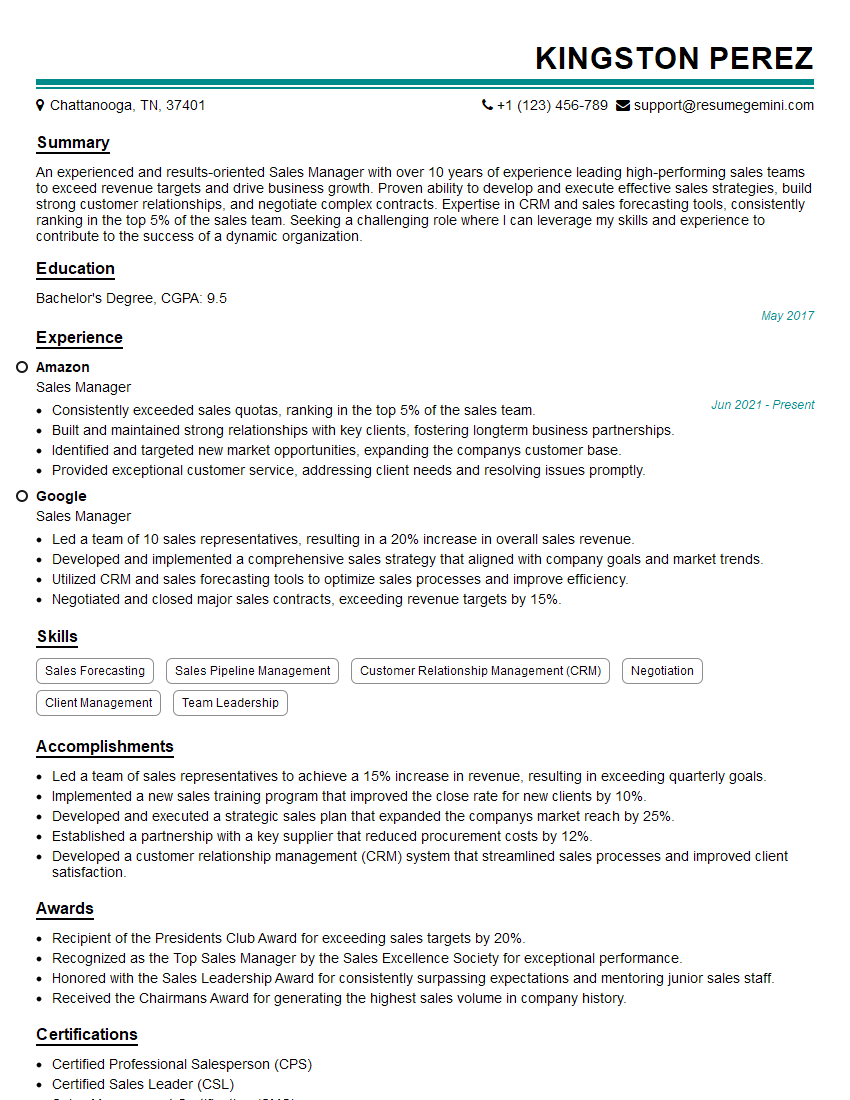
Sales Manager Resume Sample
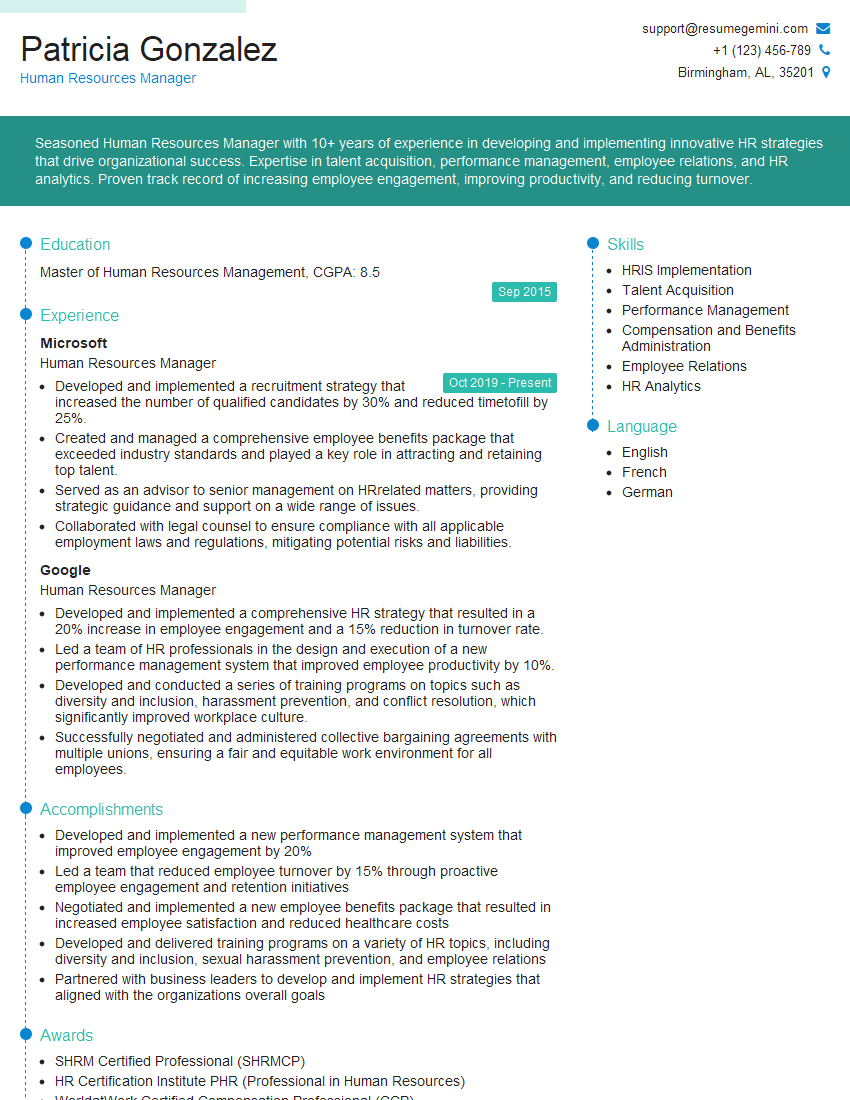
Human Resources Manager Resume Sample
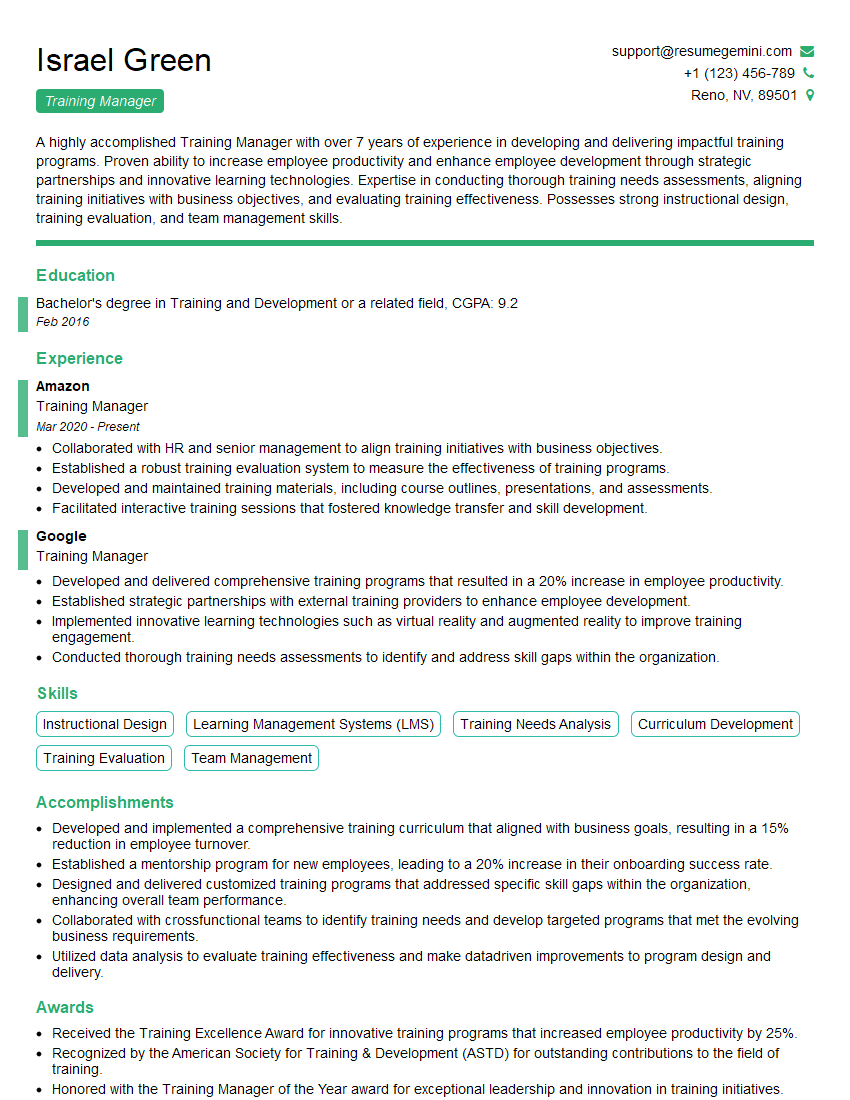
Training Manager Resume Sample
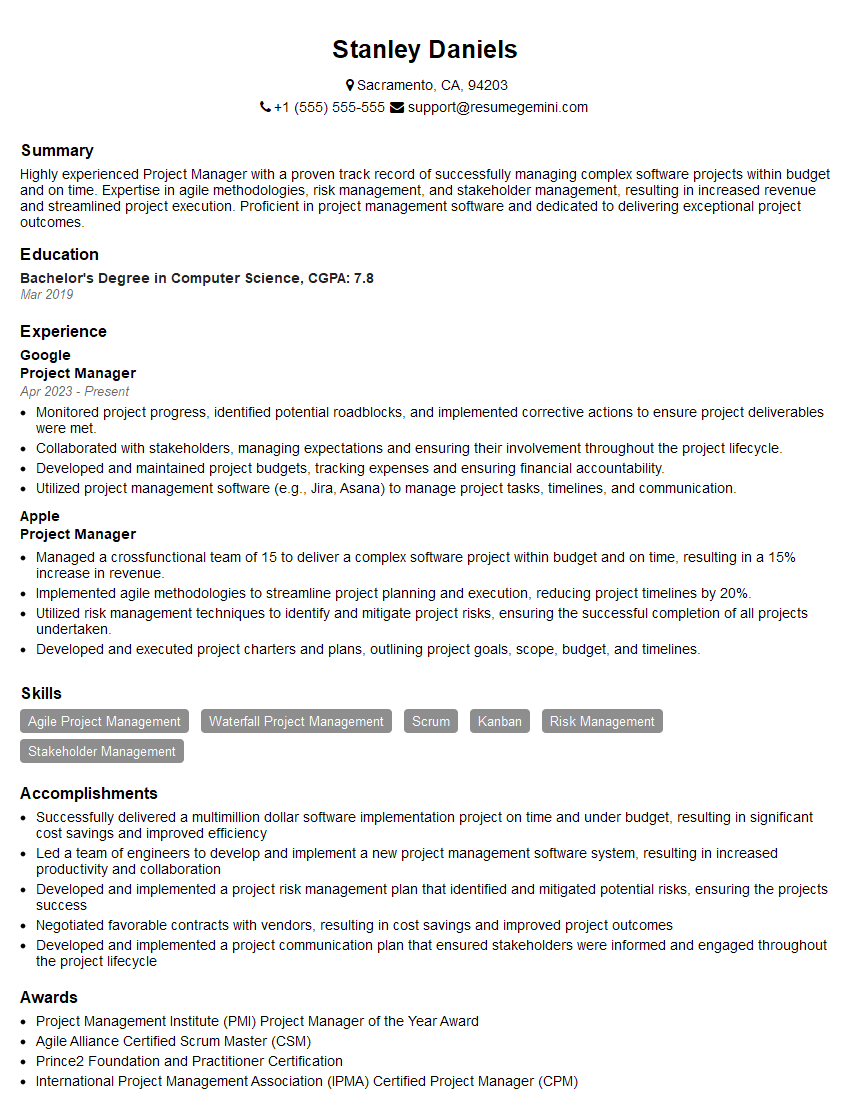
Project Manager Resume Sample
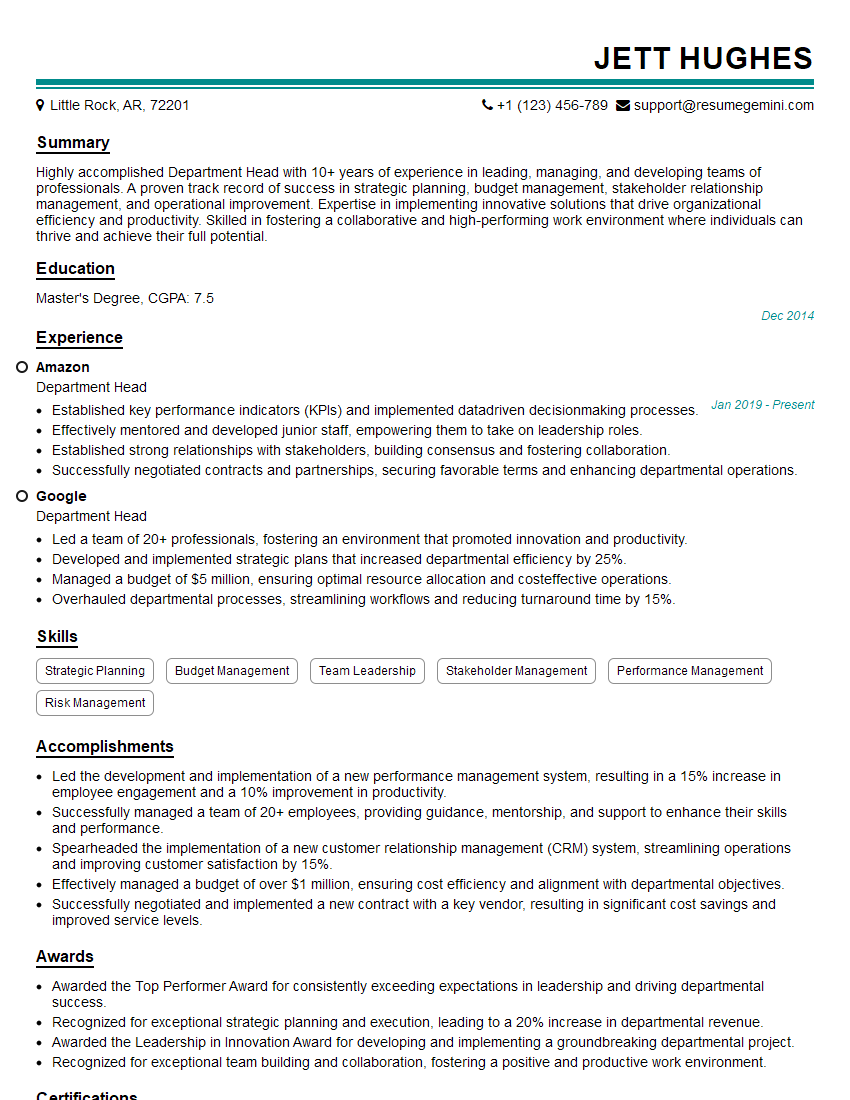
Department Head Resume Sample
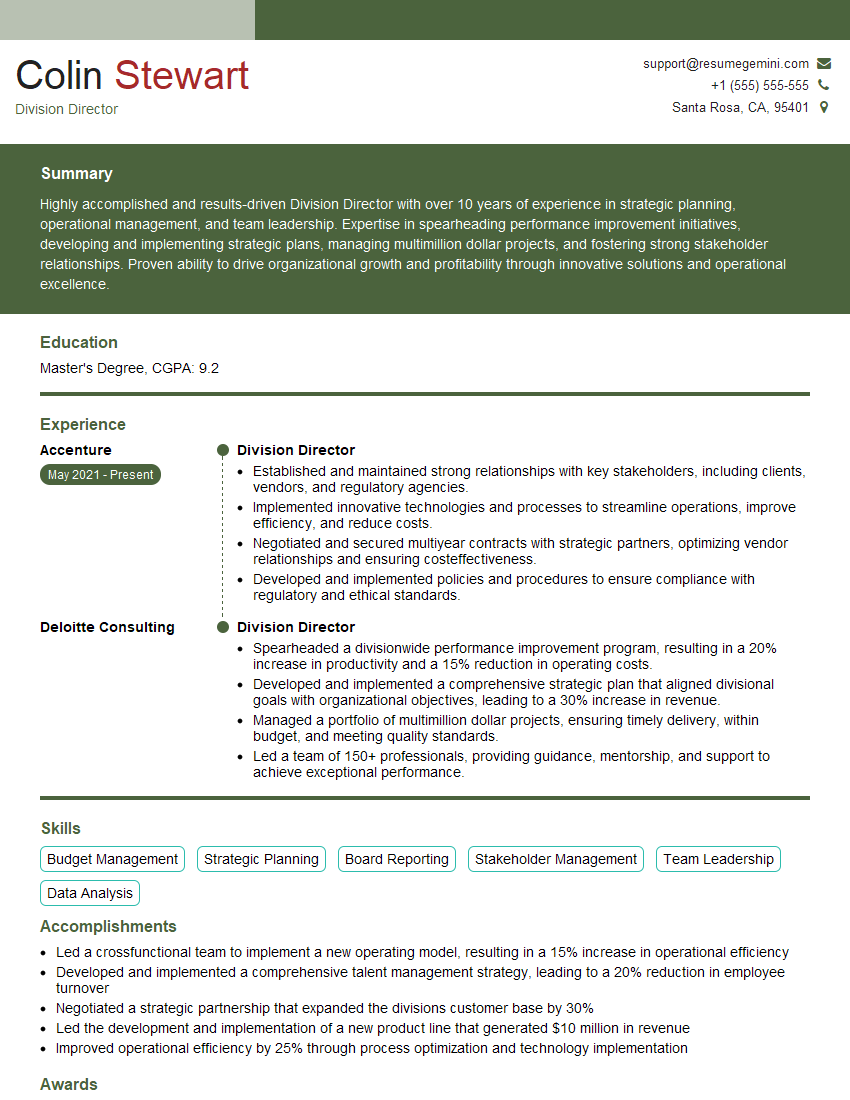
Division Director Resume Sample

Instructor Resume Sample
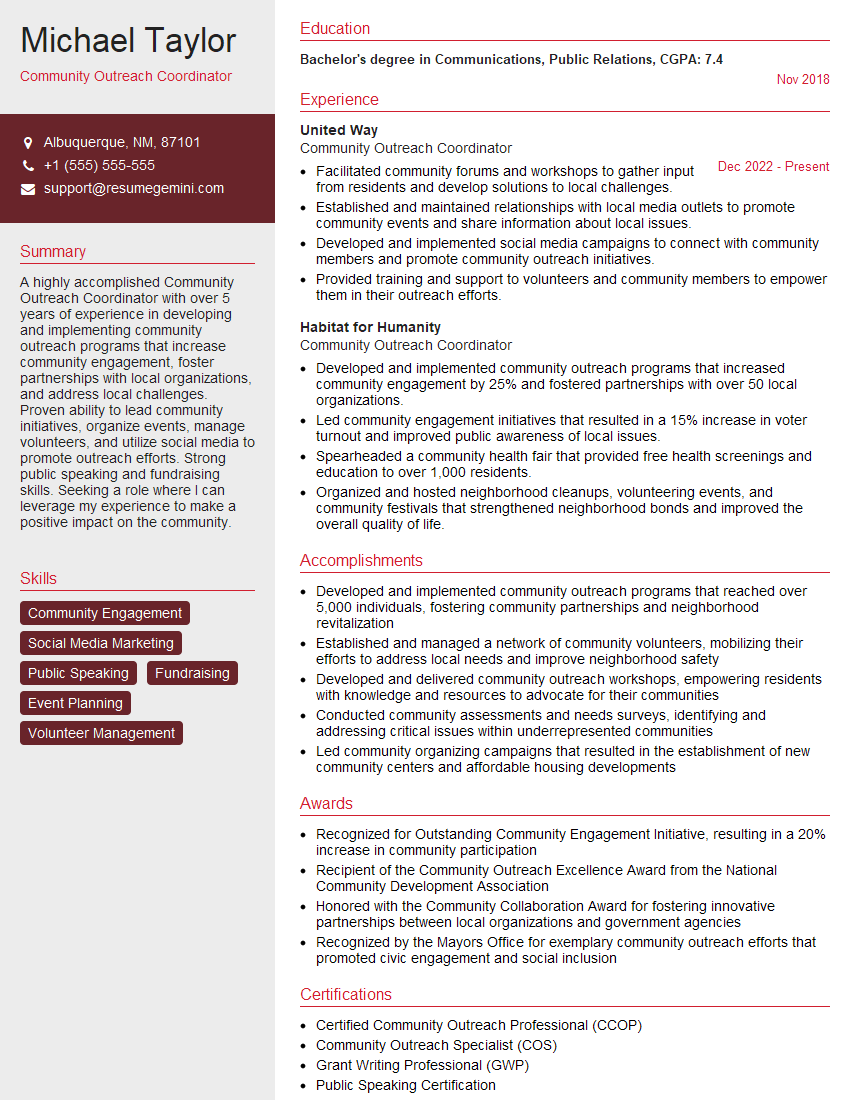
Community Outreach Coordinator Resume Sample
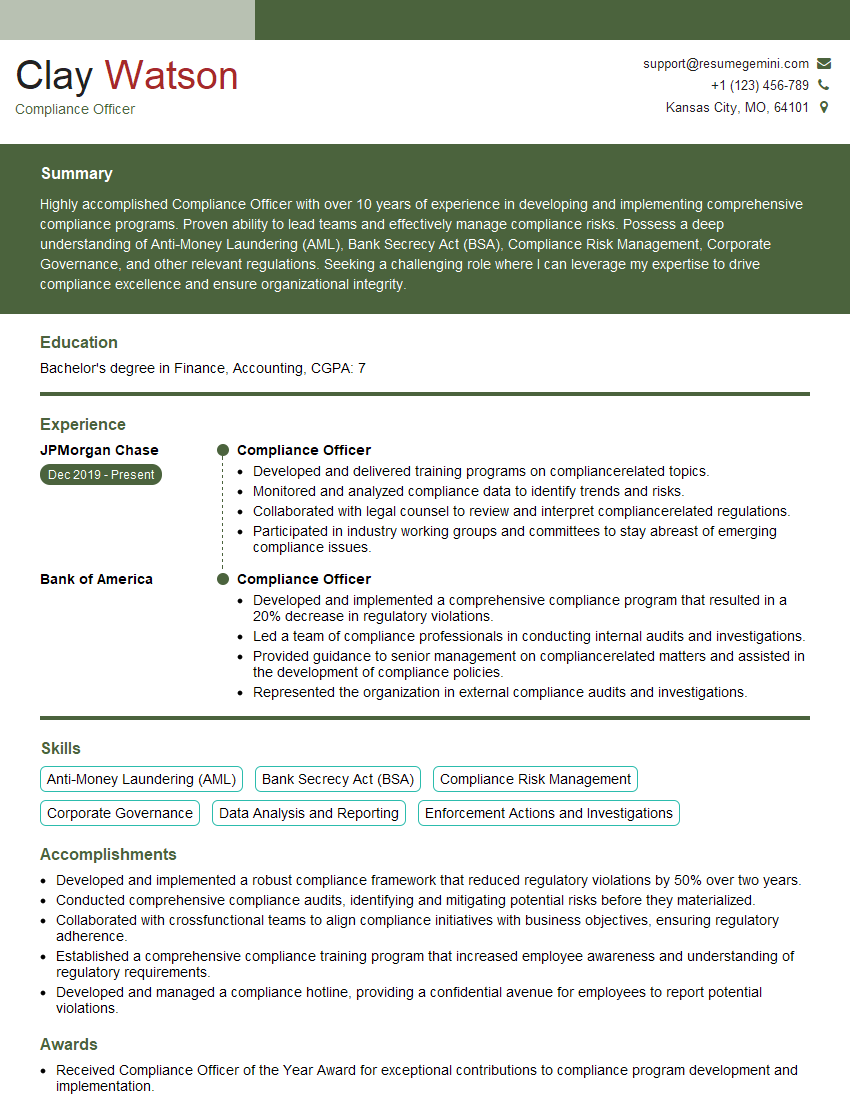
Compliance Officer Resume Sample
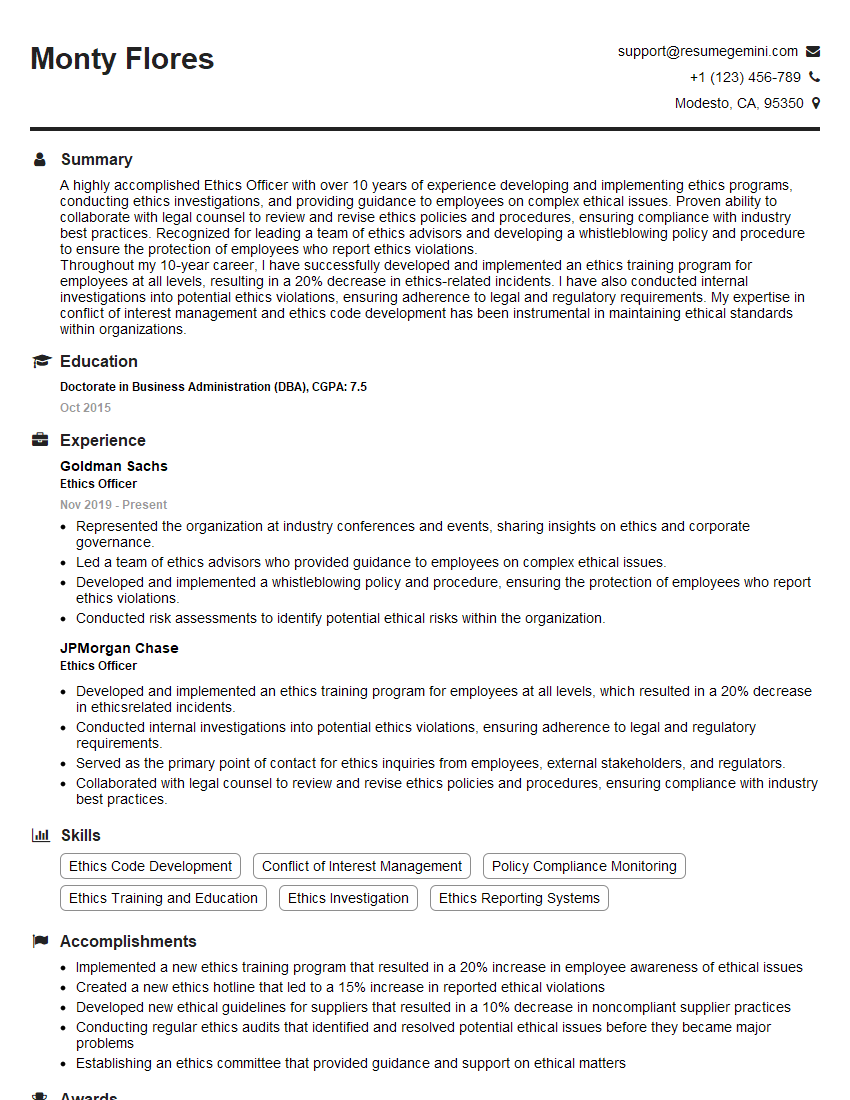
Ethics Officer Resume Sample
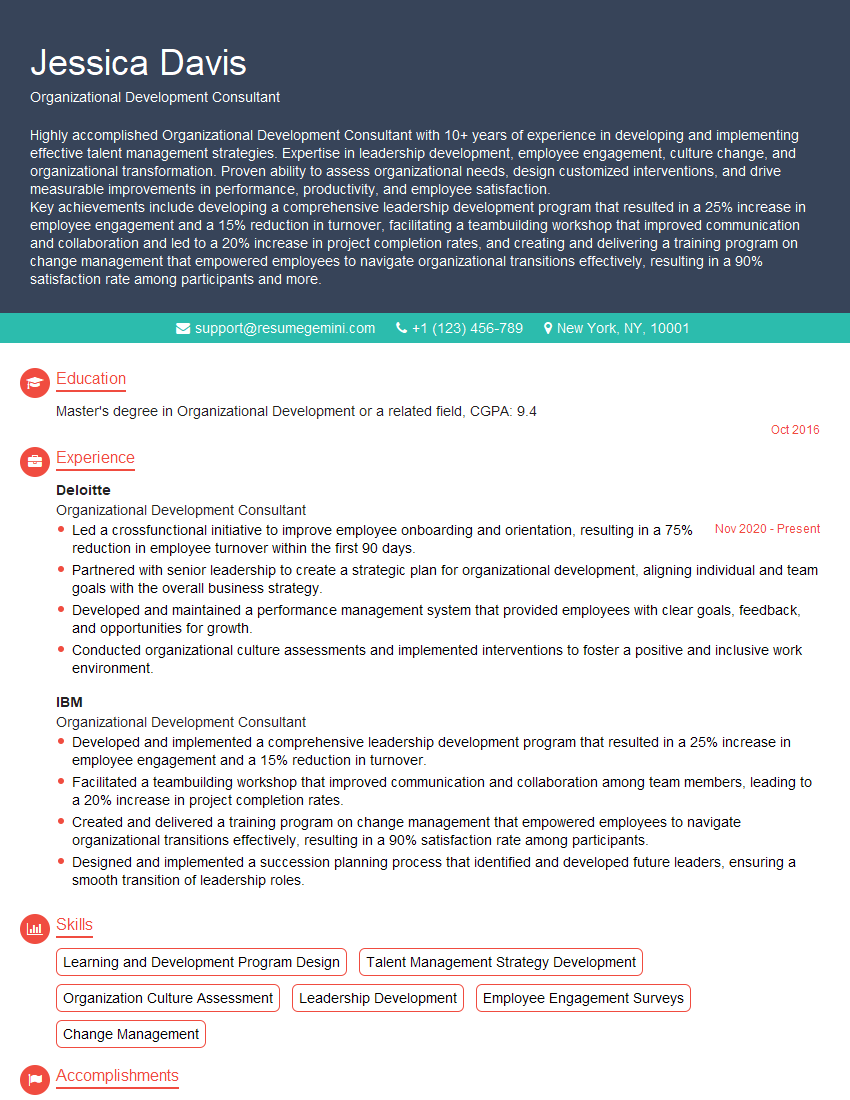
Organizational Development Consultant Resume Sample
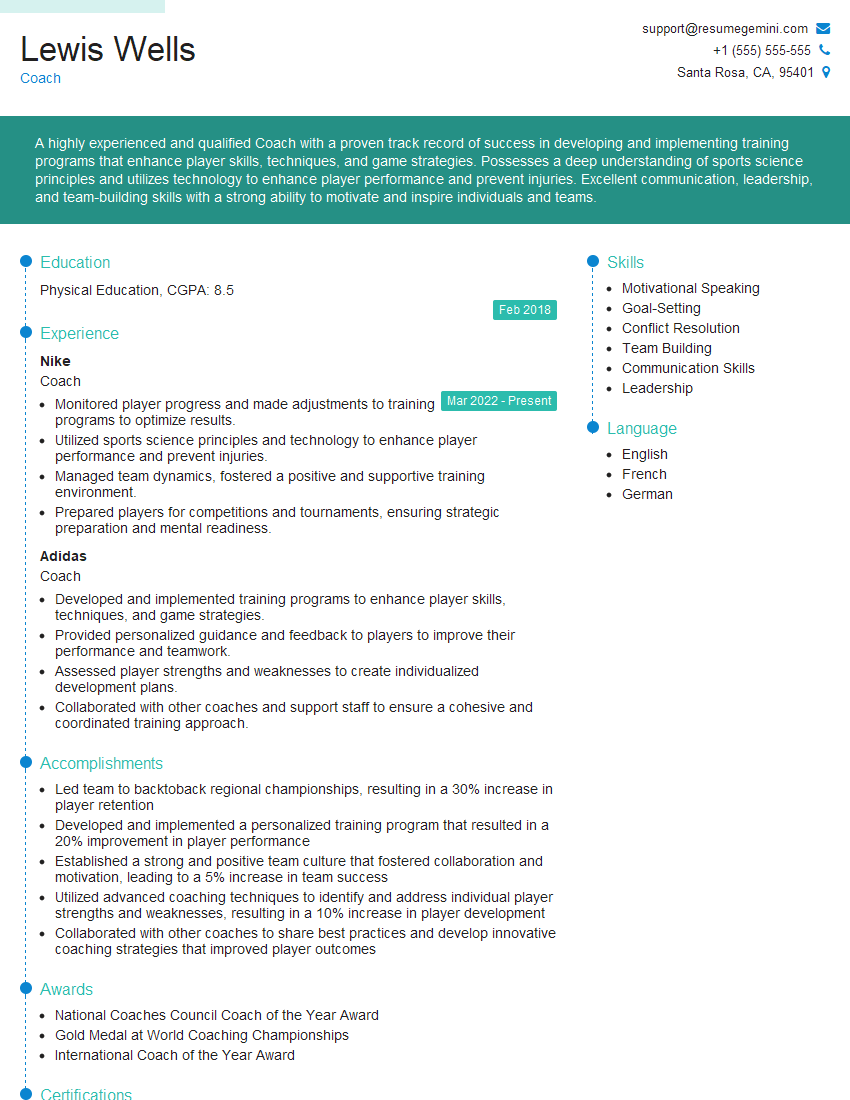
Coach Resume Sample
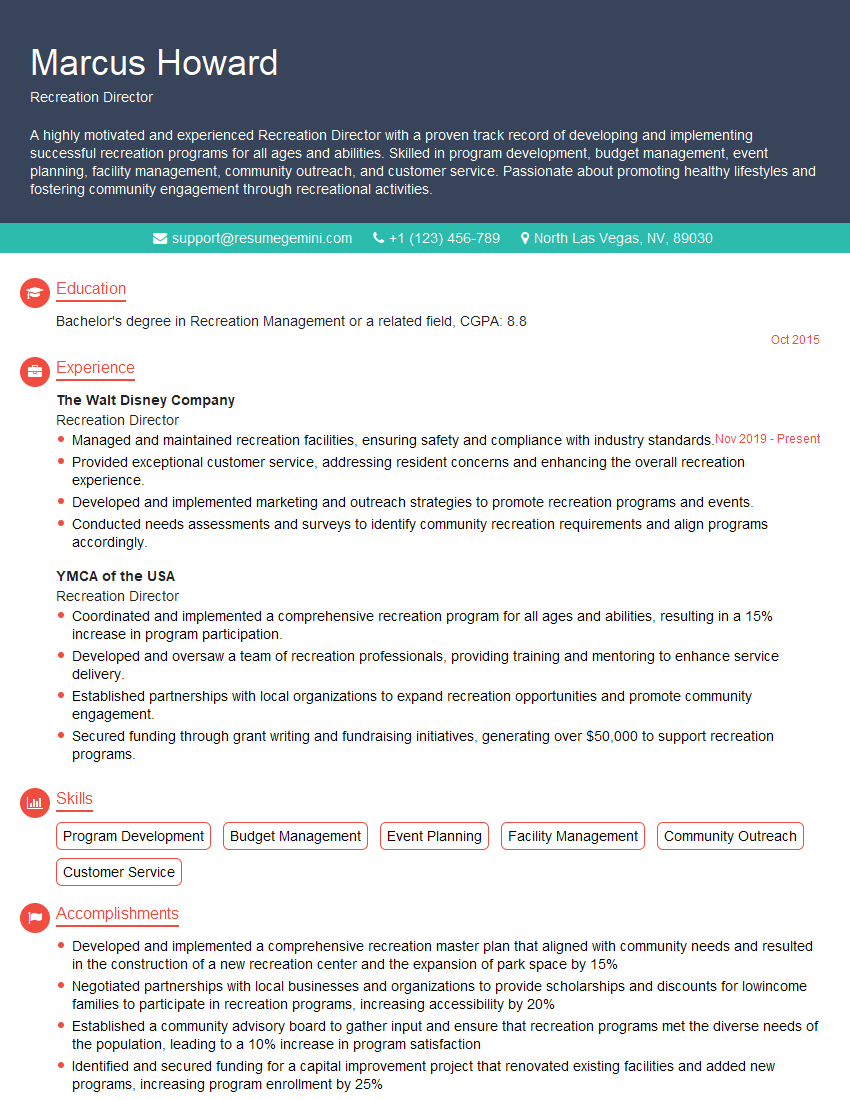
Recreation Director Resume Sample
Explore more articles
Users Rating of Our Blogs
Share Your Experience
We value your feedback! Please rate our content and share your thoughts (optional).
What Readers Say About Our Blog
Very informative content, great job.
good