Feeling uncertain about what to expect in your upcoming interview? We’ve got you covered! This blog highlights the most important Prop Rental and Management interview questions and provides actionable advice to help you stand out as the ideal candidate. Let’s pave the way for your success.
Questions Asked in Prop Rental and Management Interview
Q 1. What experience do you have with tenant screening and selection?
Tenant screening is crucial for minimizing risk and ensuring a smooth landlord-tenant relationship. My process involves a multi-step approach, beginning with a thorough application review including verification of employment, income, and rental history. I utilize comprehensive background checks, credit reports, and sometimes even contact previous landlords for references. I look for consistent rental payment history, absence of evictions, and a credit score that reflects responsible financial management. For example, I once had an applicant with a perfect rental history but a very low credit score. Further investigation revealed a recent medical emergency that impacted their credit. After carefully reviewing their documentation and speaking with them directly, I determined they were still a low-risk tenant and approved their application. I believe in a balanced approach that considers the whole applicant, not just their credit score alone.
- Application Review: Verifying income, employment, and rental history.
- Background Checks: Criminal background checks are essential for ensuring safety.
- Credit Reports: Assessing financial responsibility and payment history.
- Landlord References: Gathering insights into past tenant behavior.
Q 2. Describe your experience with lease agreements and renewals.
Lease agreements are the bedrock of any successful rental property venture. My experience encompasses drafting, reviewing, and negotiating leases to ensure they are compliant with all applicable state and local laws. I ensure the lease clearly outlines the terms of the tenancy, including rent amount, payment schedule, lease duration, responsibilities of both parties (landlord and tenant) regarding repairs and maintenance, and clauses addressing late payments and lease breaches. Renewal negotiations are handled professionally, with transparent communication regarding rent adjustments based on market conditions. I usually provide a renewal notice outlining the terms weeks in advance to allow time for discussion and negotiation. For instance, I once negotiated a lease renewal with a long-term tenant who was facing a financial hardship. We agreed on a short-term rent reduction, coupled with a commitment to increase rent gradually over the subsequent year. This flexible approach maintained a positive relationship whilst safeguarding my investment.
- Lease Drafting: Creating legally sound and comprehensive lease agreements.
- Lease Review: Ensuring compliance with all applicable laws and regulations.
- Renewal Negotiations: Conducting fair and transparent discussions regarding rent adjustments and lease terms.
Q 3. How do you handle tenant complaints and disputes?
Handling tenant complaints and disputes requires a calm, professional, and proactive approach. I always begin by actively listening to the tenant’s concerns, seeking to understand their perspective fully. Then I promptly investigate the situation, gathering all relevant information, including documentation and photos if necessary. I focus on finding a mutually agreeable solution. Sometimes this involves a simple repair; other times it may require mediation or, as a last resort, legal action. For example, I recently mediated a dispute between two tenants sharing a unit about noise levels. By facilitating open communication and establishing clear expectations outlined in the lease agreement regarding quiet hours, I helped them resolve the conflict without formal intervention.
- Active Listening: Understanding the tenant’s perspective.
- Thorough Investigation: Gathering all relevant facts and evidence.
- Mediation: Facilitating communication between parties to reach a solution.
- Legal Action: Pursuing legal avenues as a last resort.
Q 4. What is your experience with rent collection and delinquency procedures?
Rent collection is a critical aspect of property management. I utilize a system that combines automated online payment options with personalized communication. Rent is due on the first of the month, and I send out reminders a week before the due date. Late payments are addressed promptly with a follow-up email or phone call. A detailed late payment policy is clearly outlined in the lease agreement. If rent remains unpaid after a grace period, I follow established delinquency procedures, which may involve formal written notices and, ultimately, legal action if necessary. I also maintain meticulous records of all rent payments and communication with tenants regarding overdue rent. Tracking rent payments ensures that financial records are accurate and up-to-date.
- Automated Payments: Utilizing online payment systems for convenience.
- Reminders and Communication: Sending timely reminders and follow-up communications.
- Delinquency Procedures: Establishing clear policies and procedures for late payments.
- Record Keeping: Maintaining meticulous records of all rent payments and communications.
Q 5. How do you manage property maintenance and repairs?
Property maintenance and repairs are essential for maintaining property value and tenant satisfaction. I work with a network of reliable and vetted contractors specializing in various trades (plumbing, electrical, HVAC, etc.). I maintain a detailed maintenance log tracking all repairs and maintenance activities, including cost and contractor information. For routine maintenance, I often perform inspections to identify potential issues before they escalate. Urgent repairs are handled immediately, while non-urgent requests are prioritized and scheduled. For instance, a tenant once reported a leaky faucet. I contacted a plumber immediately, ensuring the repair was completed within 24 hours, minimizing disruption to the tenant and preventing further damage.
- Contractor Network: Maintaining relationships with reliable and vetted contractors.
- Maintenance Log: Tracking repairs, costs, and contractor information.
- Preventative Maintenance: Regularly inspecting properties to identify potential issues.
- Prioritization: Handling urgent repairs immediately and scheduling non-urgent requests.
Q 6. What software or tools do you use for property management?
To streamline my workflow and improve efficiency, I use a comprehensive property management software suite that integrates various functions, including tenant screening, lease management, rent collection, communication with tenants and contractors, and financial reporting. The software includes features for automated rent reminders, online payment processing, and maintenance request tracking. Specific examples of software I’ve used include Buildium and AppFolio. This integration saves significant time and reduces the risk of errors, allowing me to focus on strategic property management and tenant relations rather than administrative tasks. The use of this technology significantly enhances my productivity and reduces the administrative burden associated with managing multiple properties.
Q 7. Explain your experience with budgeting and financial reporting for rental properties.
Budgeting and financial reporting are essential for the long-term success of rental properties. I develop detailed annual budgets for each property, forecasting income and expenses, including rent revenue, maintenance costs, property taxes, insurance, and other operating expenses. I then track actual income and expenses against the budget throughout the year, generating regular financial reports that highlight variances. These reports enable me to identify areas for cost savings and make informed decisions about property investments. For example, if maintenance costs exceed the budgeted amount, I can investigate the cause and implement strategies to reduce expenses in the future. Accurate and timely financial reporting is crucial for effective decision making, ensuring profitability, and minimizing financial risk.
- Budgeting: Creating detailed annual budgets for each property.
- Expense Tracking: Monitoring actual income and expenses against the budget.
- Financial Reporting: Generating regular reports to highlight variances.
- Decision Making: Utilizing financial data to inform investment decisions and cost reduction strategies.
Q 8. How do you market and advertise vacant rental units?
Marketing vacant rental units requires a multi-pronged approach leveraging both online and offline strategies. Think of it like a fishing expedition – you need to cast your net wide to attract the right tenants.
- Online Marketing: This is crucial in today’s market. I utilize platforms like Zillow, Apartments.com, Trulia, and even social media (Facebook, Instagram) with targeted ads. High-quality professional photos are paramount; they’re the first impression. I also create compelling property descriptions highlighting key features and benefits, such as proximity to amenities, updated appliances, or pet-friendliness. Virtual tours are increasingly important, allowing potential renters a realistic preview.
- Offline Marketing: While online is dominant, offline marketing shouldn’t be ignored. This includes placing ‘For Rent’ signs on the property (with all legal disclosures), partnering with local real estate agents, and networking within the community. For example, I’ve partnered with a local university to target students looking for off-campus housing.
- Pricing Strategy: Competitive pricing is key. I research comparable properties in the area to ensure our rental rate is attractive but also aligns with the property’s value. Overpricing can deter potential renters.
For example, for a renovated apartment near a university, I’d focus on online marketing targeting students and young professionals on social media and platforms like Zillow, emphasizing features like modern appliances and proximity to campus. For a family-friendly home in the suburbs, I’d use a broader approach including local real estate agents and community bulletin boards, highlighting the family-friendly aspects and ample space.
Q 9. Describe your experience with Fair Housing laws and regulations.
Fair Housing laws are paramount in my work, and I have a deep understanding of the Fair Housing Act and all relevant state and local regulations. These laws prohibit discrimination based on race, color, national origin, religion, sex, familial status, and disability. This is not just about avoiding legal trouble; it’s about ethical and responsible property management.
My experience includes:
- Advertising Compliance: Ensuring all marketing materials are free from discriminatory language or imagery. I carefully review every advertisement before it goes live.
- Application Processing: Applying consistent criteria to all applicants, regardless of protected characteristics. This means evaluating applications solely based on factors like credit history, rental history, and income verification.
- Reasonable Accommodations: I’m familiar with the process of evaluating requests for reasonable accommodations for individuals with disabilities. This involves understanding the specific needs of the applicant and determining whether modifications are feasible and reasonable.
- Fair Housing Training: I regularly participate in Fair Housing training to stay updated on legal changes and best practices.
For instance, I recently assisted a tenant with a disability who requested a ramp to be installed at the entrance of their apartment. We worked together to find a qualified contractor who could install the ramp promptly and at a reasonable cost, ensuring compliance with all accessibility standards.
Q 10. What is your experience with eviction procedures?
Eviction is a last resort, and I always strive to work with tenants to avoid this situation. However, when necessary, I’m well-versed in the legal eviction process. This includes understanding state-specific laws and court procedures.
My process involves:
- Proper Notice: Serving the tenant with the legally required notice for non-payment or lease violation.
- Documentation: Meticulously documenting all communication, notices, and attempts at resolving the issue. This is vital in case of legal action.
- Legal Counsel: Consulting with legal counsel throughout the process to ensure compliance with all legal requirements.
- Court Proceedings: Filing the necessary paperwork with the court and attending all hearings.
I always prioritize communication with the tenant throughout this process, giving them every opportunity to rectify the situation and avoid eviction. Only when all other avenues are exhausted do I proceed with legal action. This approach minimizes potential legal complications and protects the property owner’s interests.
Q 11. How do you handle emergency maintenance requests?
Emergency maintenance requests require immediate attention. I’ve established a system to handle these effectively, prioritizing safety and minimizing disruption to tenants.
My process includes:
- 24/7 Availability: I maintain a 24/7 contact number or utilize a property management software with on-call support for emergencies.
- Rapid Response: I contact a qualified vendor or technician immediately upon receiving an emergency request, such as a burst pipe, electrical fire, or gas leak.
- Prioritization: I prioritize emergency calls based on the severity of the issue, addressing life-threatening situations immediately.
- Communication: I keep the tenant updated on the progress of the repair, providing estimated times for arrival and completion.
For example, if a tenant reports a gas leak, I immediately contact the gas company and keep the tenant informed until the leak is resolved. Safety is paramount in these situations.
Q 12. How do you manage vendor relationships for property repairs?
Managing vendor relationships is crucial for efficient and cost-effective property repairs. Building strong relationships with reliable vendors is a key part of successful property management.
My approach involves:
- Vendor Selection: I carefully vet vendors, checking references, licenses, and insurance. I prioritize vendors with proven experience and positive reviews.
- Clear Communication: I provide clear instructions and specifications for all repair jobs, including photos or videos when helpful.
- Competitive Bidding: For larger projects, I often obtain multiple bids from different vendors to ensure competitive pricing.
- Regular Evaluation: I periodically evaluate vendor performance, based on factors such as quality of work, punctuality, and responsiveness. Underperforming vendors are replaced.
- Payment Processing: I have a streamlined process for invoice review and prompt payment.
Maintaining good relationships ensures prompt service, quality workmanship, and competitive pricing. I’ve built a network of trusted plumbers, electricians, and handymen who are readily available when needed. This significantly reduces downtime and improves tenant satisfaction.
Q 13. What is your experience with property inspections?
Property inspections are essential for maintaining property value, identifying potential issues early on, and ensuring compliance with lease agreements. I conduct inspections at various stages: move-in, periodic, and move-out.
My inspection process includes:
- Move-In Inspection: A thorough inspection with the tenant present to document the existing condition of the property. This creates a record to compare against at move-out. Photos and a detailed report are crucial.
- Periodic Inspections: Routine inspections, often annually or semi-annually, to identify any potential maintenance needs and proactively address them. These inspections help catch minor problems before they escalate into costly repairs.
- Move-Out Inspection: A final inspection with the tenant to assess the property’s condition and determine any charges for damages beyond normal wear and tear. Again, detailed documentation and photos are key.
Detailed reports are created and shared with both tenants and owners, providing transparency and accountability. For example, during a routine inspection, I discovered a small roof leak. Addressing it early saved a potentially much larger repair bill later.
Q 14. How do you handle late rent payments?
Late rent payments are a common challenge in property management. My approach focuses on proactive communication and a clear system for handling late payments while maintaining a professional and respectful relationship with the tenant.
My process includes:
- Grace Period: A short grace period is allowed, typically 2-3 days after the due date, providing a buffer for unforeseen circumstances.
- Communication: Friendly yet firm reminders are sent promptly if rent is late. This might include emails, texts, or phone calls.
- Payment Arrangements: I’m willing to work with tenants on payment arrangements, offering flexibility when possible, within legal and policy limits. This might involve splitting payments or setting up a repayment plan.
- Late Fees: Late fees are applied according to the lease agreement, ensuring fairness and consistency.
- Legal Action: If all other avenues fail, and the tenant consistently defaults on payments, I will initiate the formal eviction process.
Transparency is key. I clearly outline the late payment policy in the lease agreement and communicate clearly throughout the process. Maintaining open lines of communication helps mitigate conflicts and find mutually agreeable solutions.
Q 15. What is your understanding of security deposits and their legal requirements?
Security deposits are funds a tenant provides upfront to protect the landlord against potential damages to the property or unpaid rent. The legal requirements surrounding security deposits vary significantly by state and sometimes even locality. Generally, these laws dictate the maximum amount a landlord can request, how the deposit must be held (often in a separate escrow account), and the process for returning the deposit to the tenant at the end of the lease. For example, some states require landlords to pay interest on security deposits, while others don’t. Furthermore, landlords must provide a detailed accounting of any deductions made from the deposit, supported by photographic or other verifiable evidence, before returning the remaining balance. Failure to comply with these regulations can result in penalties for the landlord.
In my experience, I’ve always meticulously followed all relevant state and local regulations regarding security deposits. I maintain detailed records of each deposit, including the date received, the tenant’s information, and the account where it’s held. When a tenant vacates, I conduct a thorough move-out inspection with the tenant present, documenting any damages with photos and a detailed report. This ensures transparency and a fair process for both parties. This proactive approach minimizes disputes and protects both the landlord and the tenant.
Career Expert Tips:
- Ace those interviews! Prepare effectively by reviewing the Top 50 Most Common Interview Questions on ResumeGemini.
- Navigate your job search with confidence! Explore a wide range of Career Tips on ResumeGemini. Learn about common challenges and recommendations to overcome them.
- Craft the perfect resume! Master the Art of Resume Writing with ResumeGemini’s guide. Showcase your unique qualifications and achievements effectively.
- Don’t miss out on holiday savings! Build your dream resume with ResumeGemini’s ATS optimized templates.
Q 16. Describe your experience with lease violations and enforcement.
Lease violations range from minor infractions like late rent payments to more serious issues such as property damage or illegal activities. My approach to handling lease violations is a tiered system focused on communication and fairness. First, I attempt to address the issue informally with the tenant. A friendly reminder or a conversation often resolves the problem. For example, a late rent payment may simply require a phone call to confirm the tenant’s intentions. However, if the violation persists or is more severe, I follow a formal process outlined in the lease agreement. This typically involves issuing written notices, providing opportunities for the tenant to rectify the situation, and escalating the matter if necessary, up to and including eviction proceedings as a last resort.
I have successfully managed numerous lease violations through clear communication and documentation. For instance, in one case, a tenant repeatedly violated the noise ordinance. After verbal and written warnings, I provided them with a final notice outlining the consequences of further violations. This resulted in improved behaviour and avoided the need for legal action. I believe that a combination of firmness and fairness creates a productive environment that minimizes conflicts while upholding the terms of the lease.
Q 17. How do you manage tenant turnover and vacancy periods?
Tenant turnover is an inevitable part of property management. To manage this efficiently, I employ a structured approach. Immediately upon receiving notice of a tenant’s departure, I begin marketing the property. This includes professional photography, compelling online listings, and proactive outreach to potential tenants. To minimize vacancy periods, I often begin preparing the unit for the next tenant weeks in advance of the move-out date. This includes scheduling cleaning, making necessary repairs, and conducting a thorough pre-move-in inspection.
Efficient vacancy management requires a proactive and organized approach. I use a property management software to track the progress of each task, from scheduling repairs to coordinating move-in/move-out inspections. This ensures smooth transitions between tenants and minimizes downtime, maximizing rental income. For instance, by implementing this system, I have consistently maintained vacancy periods of less than two weeks for the majority of my properties.
Q 18. What strategies do you use to increase rental income and occupancy rates?
Increasing rental income and occupancy rates requires a multi-faceted strategy. First, I conduct thorough market research to understand local rental rates and comparable properties. This helps in setting competitive yet profitable rents. Second, I focus on improving the property’s appeal through upgrades and maintenance. This can include cosmetic improvements like fresh paint or updated fixtures, as well as more substantial renovations based on market demand. Third, I employ effective marketing strategies, utilizing online platforms and local networking to reach a wide range of potential tenants.
For example, I recently renovated a kitchen in one of my properties, significantly increasing its appeal and rental value. I also utilize professional photography and detailed property descriptions on popular rental websites. This has resulted in a higher number of inquiries and faster lease signings, directly contributing to increased occupancy rates and rental income. Regularly reviewing and adapting my strategies is key to maintaining a high occupancy rate and maximizing return on investment.
Q 19. How do you ensure compliance with local, state, and federal regulations?
Ensuring compliance with all relevant regulations is paramount. I stay informed about changes in local, state, and federal laws concerning fair housing, tenant rights, and property maintenance. This involves regularly reviewing relevant legislation and attending industry conferences and webinars. I also maintain a detailed record-keeping system to document all compliance-related activities. For example, I ensure that all lease agreements are compliant with local regulations regarding required disclosures, security deposits, and lease terms.
Furthermore, I engage professionals when needed, such as qualified inspectors to ensure adherence to building codes and safety regulations. This proactive approach not only protects the property owner from potential liabilities but also builds trust with tenants and fosters a positive landlord-tenant relationship. By prioritizing compliance, I minimize risks and maintain a strong reputation within the community.
Q 20. What is your experience with managing a property’s budget?
Managing a property’s budget requires careful planning and meticulous tracking of income and expenses. I begin by creating a comprehensive annual budget that includes projected rental income, anticipated expenses (such as property taxes, insurance, maintenance, and repairs), and reserves for unforeseen circumstances. I use spreadsheet software or specialized property management software to track actual income and expenses against the budget, allowing me to identify areas where adjustments might be needed.
Regularly reviewing the budget enables me to make informed decisions about property improvements or repairs. For example, if maintenance costs exceed projections, I investigate the cause and explore solutions to prevent future overruns. This disciplined approach helps to maintain profitability and ensure the long-term financial health of the property. Proactive budget management reduces financial surprises and helps in making sound investment decisions.
Q 21. Describe your experience with creating and enforcing property rules.
Creating and enforcing property rules are crucial for maintaining a positive living environment for all tenants. The rules should be clear, concise, and consistently enforced. They should be included in the lease agreement and provided to tenants during move-in. These rules generally cover aspects like pet policies, noise levels, parking, and garbage disposal. I use a combination of written communication, verbal reminders, and, as a last resort, formal warnings to enforce these rules.
For example, I have implemented a clear noise policy that prohibits excessive noise after a specific hour. This is detailed in the lease. In cases of violation, I first issue a verbal warning, followed by a written notice if the behavior continues. This approach fosters mutual respect among tenants and ensures a peaceful living environment. Consistency in enforcing rules is essential for fair and effective management.
Q 22. How do you handle difficult tenant situations?
Handling difficult tenant situations requires a proactive and professional approach. My strategy centers around clear communication, adherence to the lease agreement, and a focus on finding mutually agreeable solutions.
First, I always attempt to address issues promptly and directly. Open communication is key. I’d schedule a meeting with the tenant to discuss the concerns, listening carefully to their perspective before explaining the relevant clauses of the lease agreement and the expectations of tenancy.
If the issue involves a breach of the lease, I’d provide a written notice outlining the violation and the steps needed to rectify the situation. For example, if rent is late, I send a friendly reminder, followed by a formal notice if payment remains outstanding. If the situation escalates despite these efforts, I’d consult with legal counsel to understand my options and ensure I am following proper eviction procedures, which vary significantly by jurisdiction.
In many cases, a collaborative approach yields better results. Offering flexible payment plans or mediating disputes with neighbors can avoid escalation and maintain a positive landlord-tenant relationship. Documenting all communication and interactions is crucial for protecting both parties’ interests.
Q 23. How familiar are you with different types of leases (e.g., month-to-month, fixed-term)?
I’m very familiar with various lease types. Understanding the nuances of each is crucial for effective property management. The most common types are fixed-term and month-to-month leases.
- Fixed-Term Lease: This type of lease outlines a specific rental period, typically a year or more. It offers stability for both landlord and tenant, with clear terms and conditions. For example, a 12-month lease with a set rental amount and renewal options.
- Month-to-Month Lease: This offers greater flexibility. The tenant can typically provide 30-day notice to vacate, and the landlord can increase rent or terminate the tenancy with similar notice, often following local laws. These leases are useful for short-term rentals or situations where flexibility is needed.
Beyond these, there are other variations like lease-options, where a tenant has the option to purchase the property, and corporate leases, which often involve longer terms and more complex negotiations.
Q 24. Explain your understanding of property insurance and risk management.
Property insurance and risk management are critical for responsible property management. Insurance protects against unforeseen events, reducing financial losses and legal liabilities. Risk management involves proactive steps to minimize potential problems.
Standard insurance policies typically include property damage coverage (fire, storms, etc.), liability protection (injury to tenants or guests), and loss of rent (if the property becomes uninhabitable). Understanding the specific coverage is vital. For example, flood insurance is usually separate and should be considered in high-risk areas.
Effective risk management involves regular inspections to identify and address potential issues (e.g., roof repairs, plumbing maintenance). Thorough tenant screening helps mitigate risks associated with problem tenants. Having clear lease agreements that outline tenant responsibilities further reduces potential disputes. Regularly reviewing insurance coverage ensures it aligns with the property’s value and potential risks. For instance, if I were managing a property in an area prone to earthquakes, I’d prioritize earthquake insurance.
Q 25. What is your experience with using property management software?
I have extensive experience using various property management software solutions, including Buildium, AppFolio, and Rent Manager. These platforms streamline many aspects of property management, from tenant screening and lease management to rent collection and maintenance tracking.
My proficiency encompasses tasks like:
- Online tenant applications and lease signing
- Automated rent collection and payment reminders
- Maintenance request tracking and vendor management
- Financial reporting and accounting functionalities
- Communication tools for interacting with tenants and vendors
I’m adept at utilizing the reporting features of these platforms to monitor occupancy rates, revenue, and expenses, allowing for data-driven decision-making in managing the properties effectively.
Q 26. How would you handle a situation where a property experiences significant damage?
Handling significant property damage requires a systematic approach. My first step is to ensure the safety of tenants and the property. Then, I’d follow these steps:
- Secure the property: Board up windows, secure doors, and prevent further damage.
- Contact emergency services: If necessary, contact police, fire department, etc.
- Document the damage: Take photos and videos of the damage from multiple angles. Note the extent of damage and inventory of affected areas.
- Notify insurance company: File a claim as soon as possible, providing all relevant documentation.
- Contact tenants: Inform them of the situation, offer temporary housing if necessary, and keep them updated throughout the repair process.
- Arrange for repairs: Work with contractors to assess the damage and schedule repairs, making sure they are properly licensed and insured.
- Manage insurance claim: Coordinate with the insurance adjuster to ensure the claim process is smooth and all damages are covered.
Throughout this process, maintaining transparent communication with tenants is paramount. Open communication helps maintain a positive relationship, even in stressful circumstances.
Q 27. Describe your experience with negotiating lease terms.
Negotiating lease terms is a crucial part of property management. It involves balancing the landlord’s needs with the tenant’s preferences, aiming for a fair and mutually beneficial agreement.
My experience involves careful preparation. This begins by understanding market rates for comparable properties in the area. Then, I analyze the tenant’s profile (credit score, rental history, etc.) to assess the risk. The negotiation itself involves open communication and active listening. I might be willing to compromise on certain terms (e.g., offering a flexible lease term or considering a pet deposit) to attract quality tenants and secure a long-term tenancy. However, I would always maintain the landlord’s interests, and ensure the lease terms comply with all applicable laws.
For example, I might negotiate a slightly higher rent in exchange for a longer lease term. Or, I might allow a pet with a higher pet deposit to balance the additional cleaning/repair costs. Each negotiation is unique, requiring flexibility and adaptability.
Q 28. What are your salary expectations?
My salary expectations are commensurate with my experience and qualifications in property management. Considering my extensive experience with all aspects of property management, including tenant relations, lease negotiations, property maintenance, insurance, and software proficiency, my salary expectations are in the range of $ [Insert Salary Range] annually. However, I am open to discussing this further based on the specifics of the role and the overall compensation package. This includes considering benefits like health insurance, retirement contributions, and paid time off.
Key Topics to Learn for Prop Rental and Management Interview
- Property Valuation and Market Analysis: Understanding property values, market trends, and comparable properties; applying this knowledge to set competitive rental rates and optimize occupancy.
- Tenant Screening and Selection: Implementing effective screening processes (credit checks, background checks, rental history verification); making informed decisions to minimize risk and select responsible tenants.
- Lease Agreements and Legal Compliance: Understanding the legal aspects of lease agreements, adhering to fair housing laws, and handling lease renewals and terminations.
- Property Maintenance and Repairs: Managing routine maintenance, handling repairs efficiently and cost-effectively, establishing relationships with reliable contractors.
- Rent Collection and Financial Management: Developing efficient rent collection systems, tracking income and expenses, managing tenant payments, and understanding basic accounting principles.
- Marketing and Advertising: Developing effective strategies to attract potential tenants; utilizing online platforms and traditional marketing methods.
- Tenant Relations and Communication: Building positive relationships with tenants, effectively handling complaints and conflict resolution, maintaining clear and professional communication.
- Property Management Software & Technology: Familiarity with various property management software and tools to streamline operations and improve efficiency.
- Risk Management and Insurance: Understanding potential risks associated with property management and implementing appropriate insurance coverage.
Next Steps
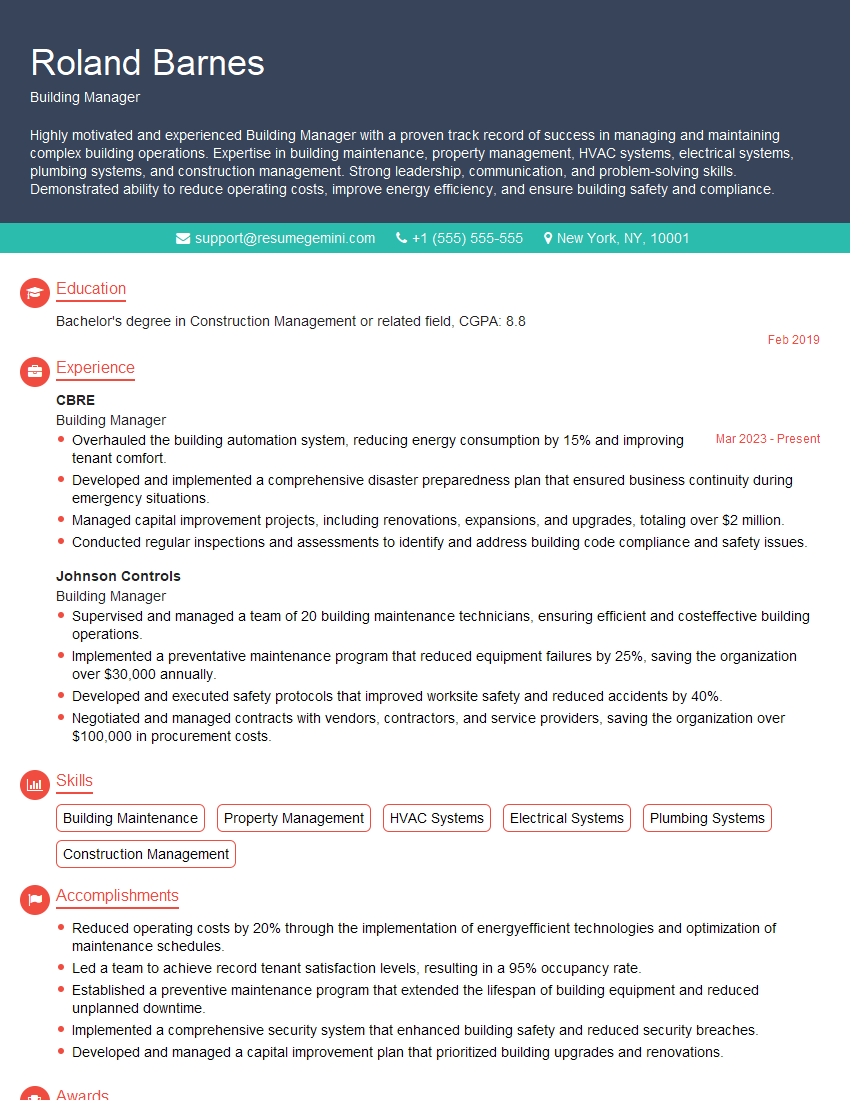
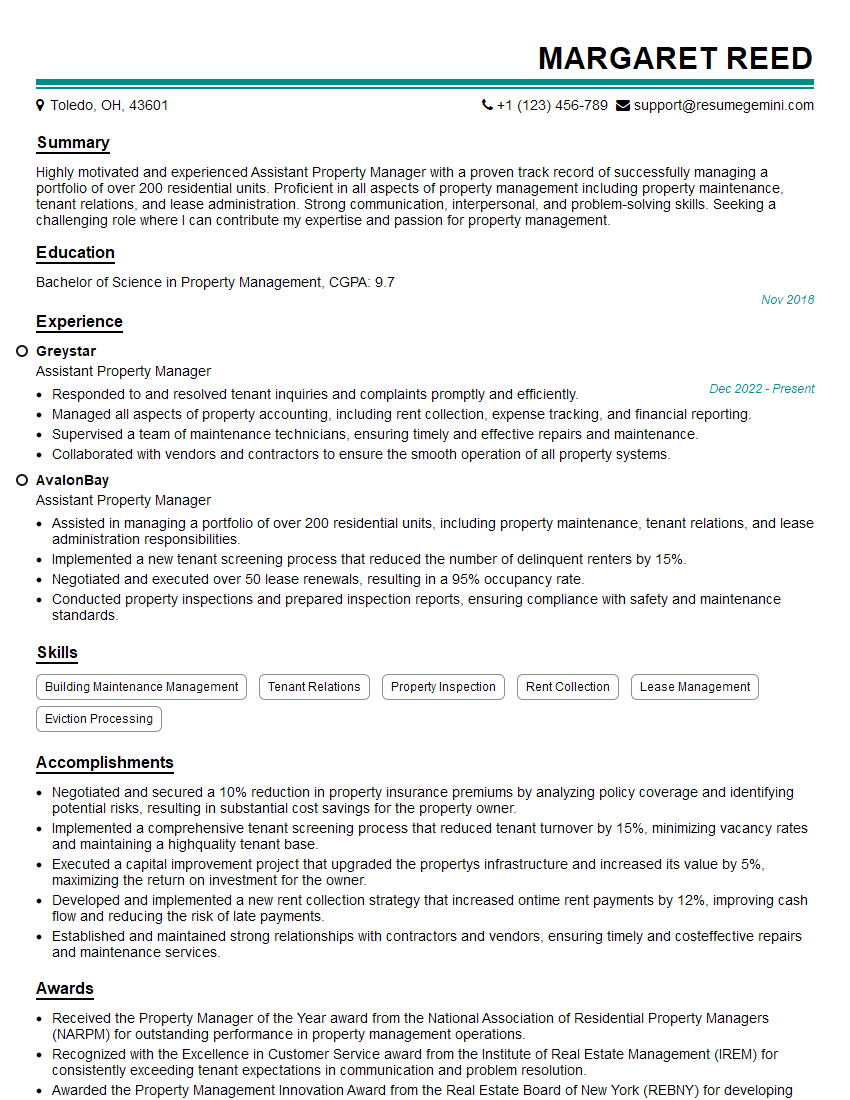
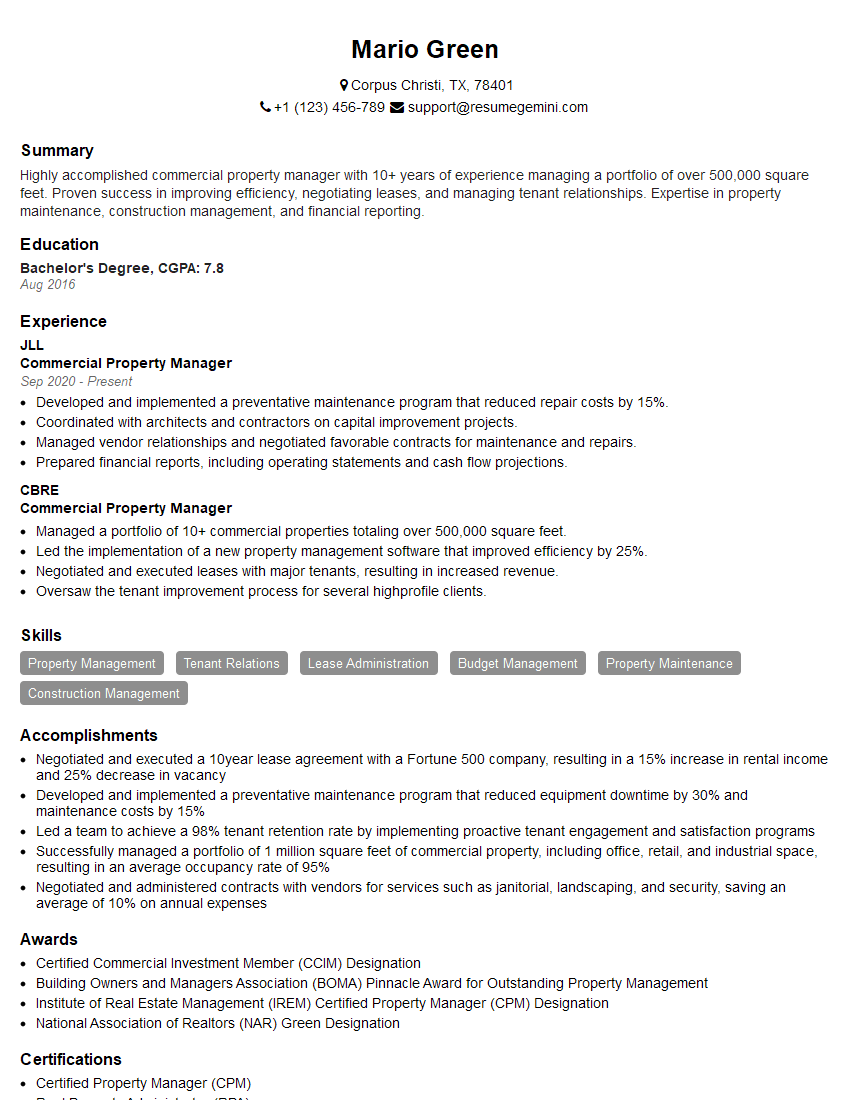
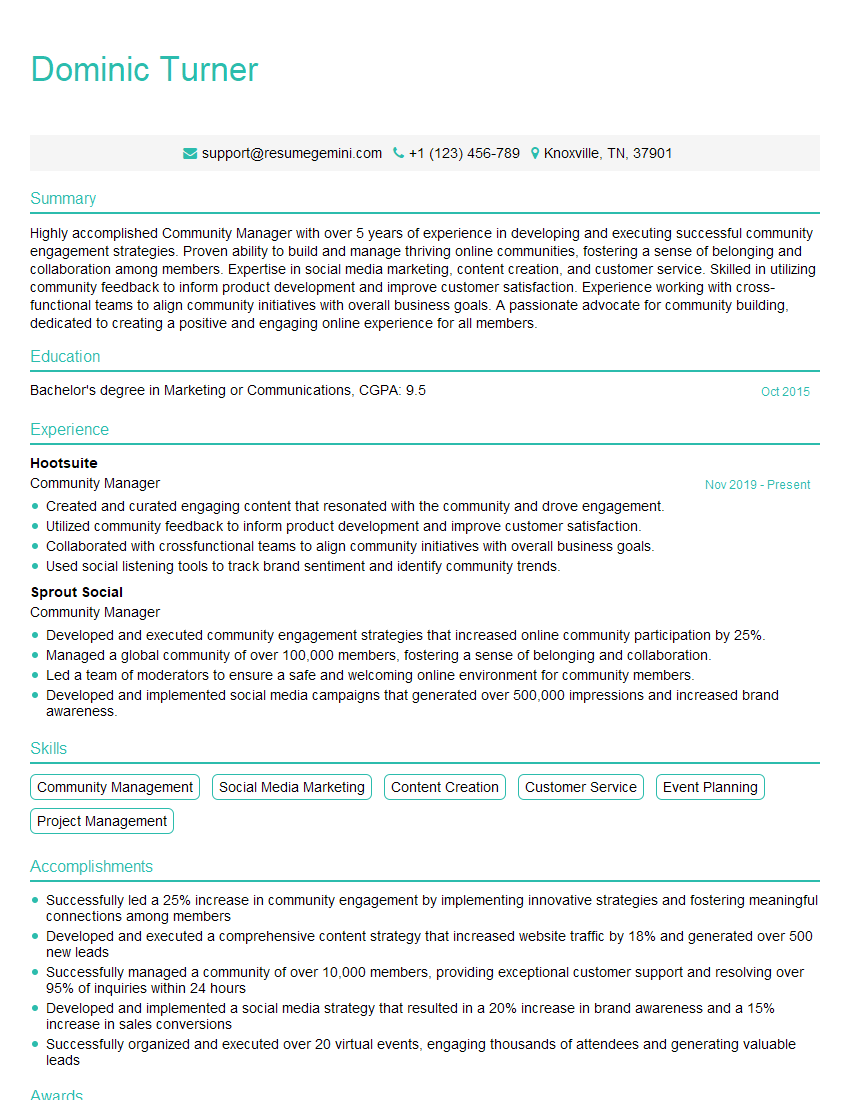
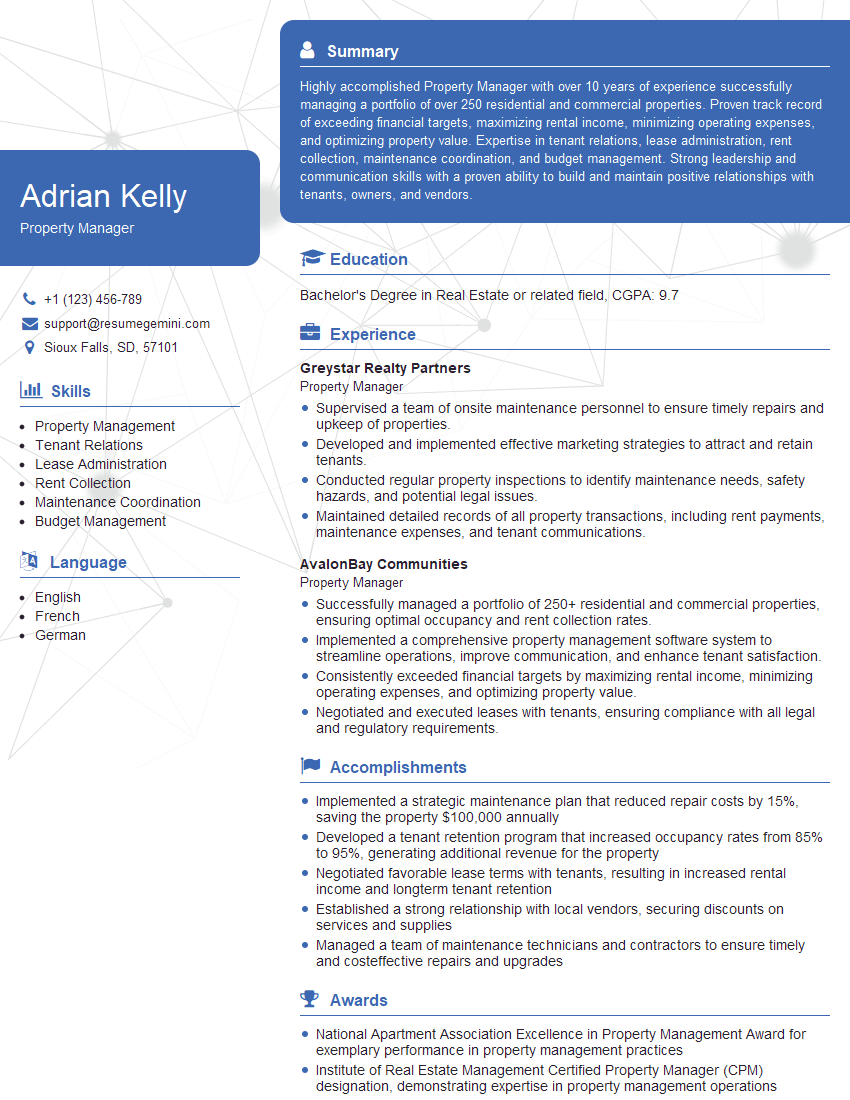
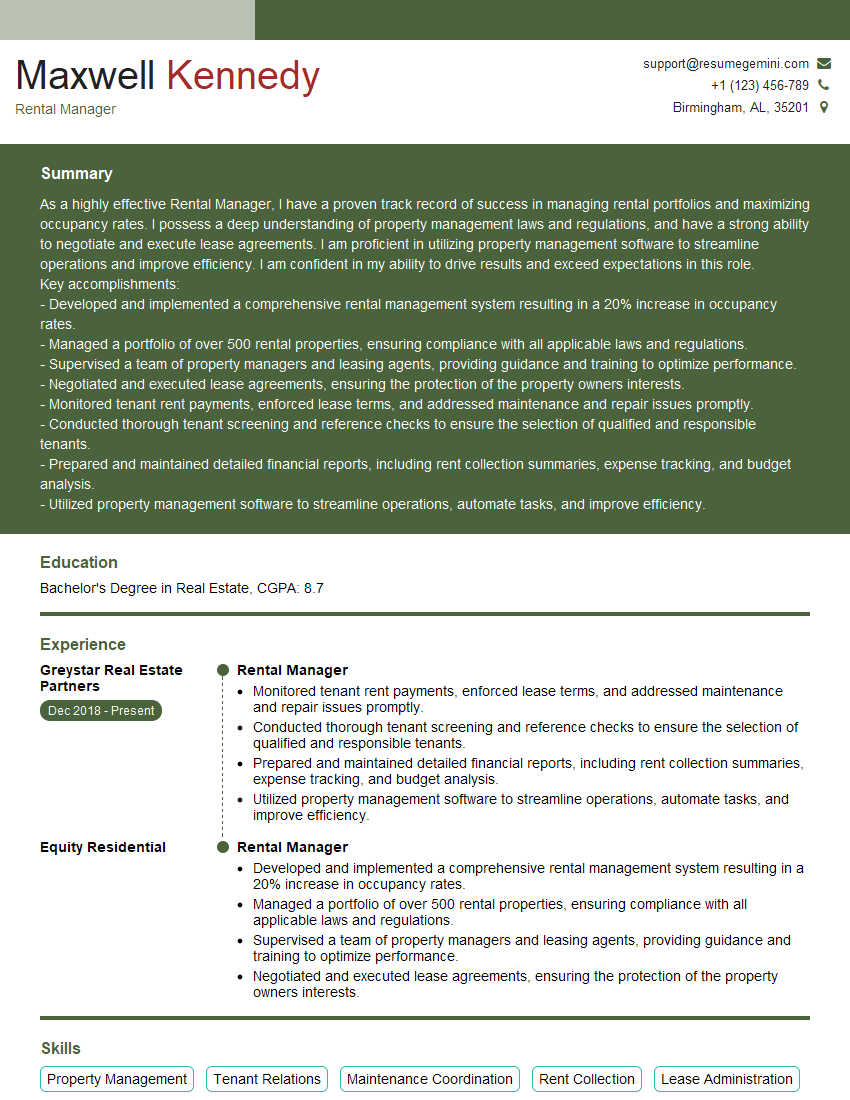
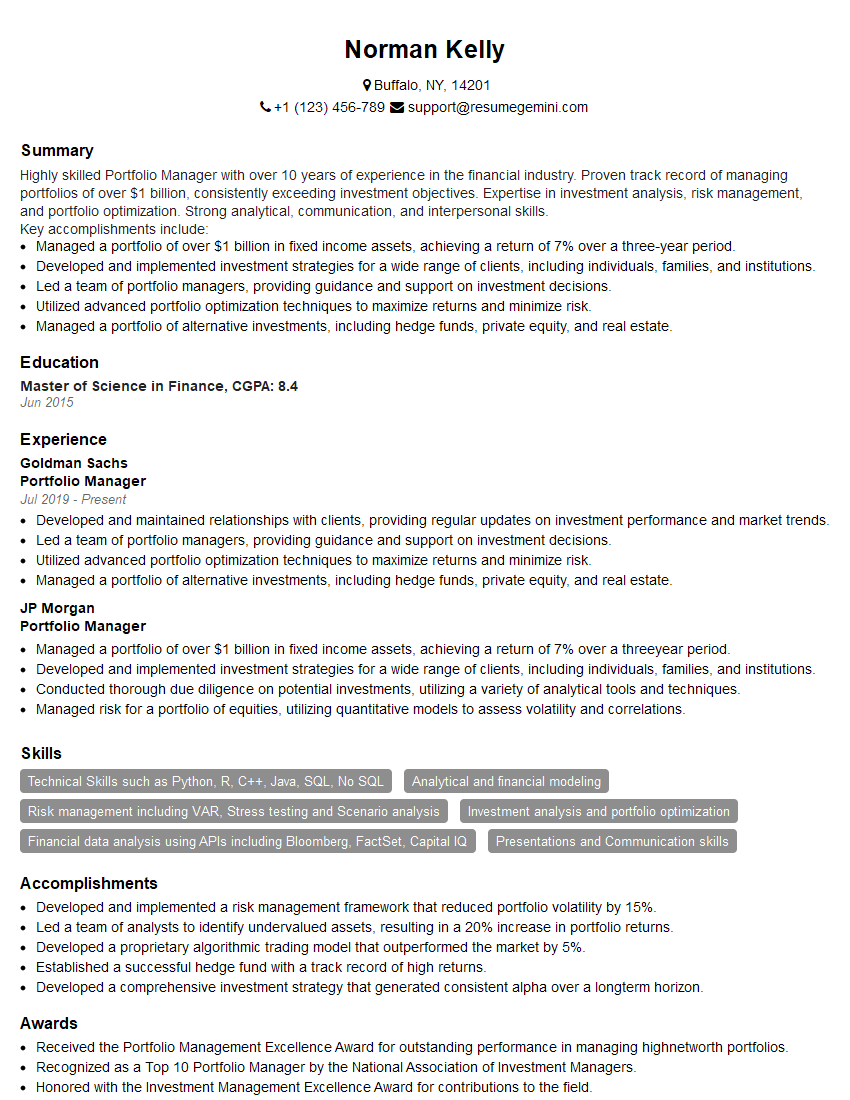
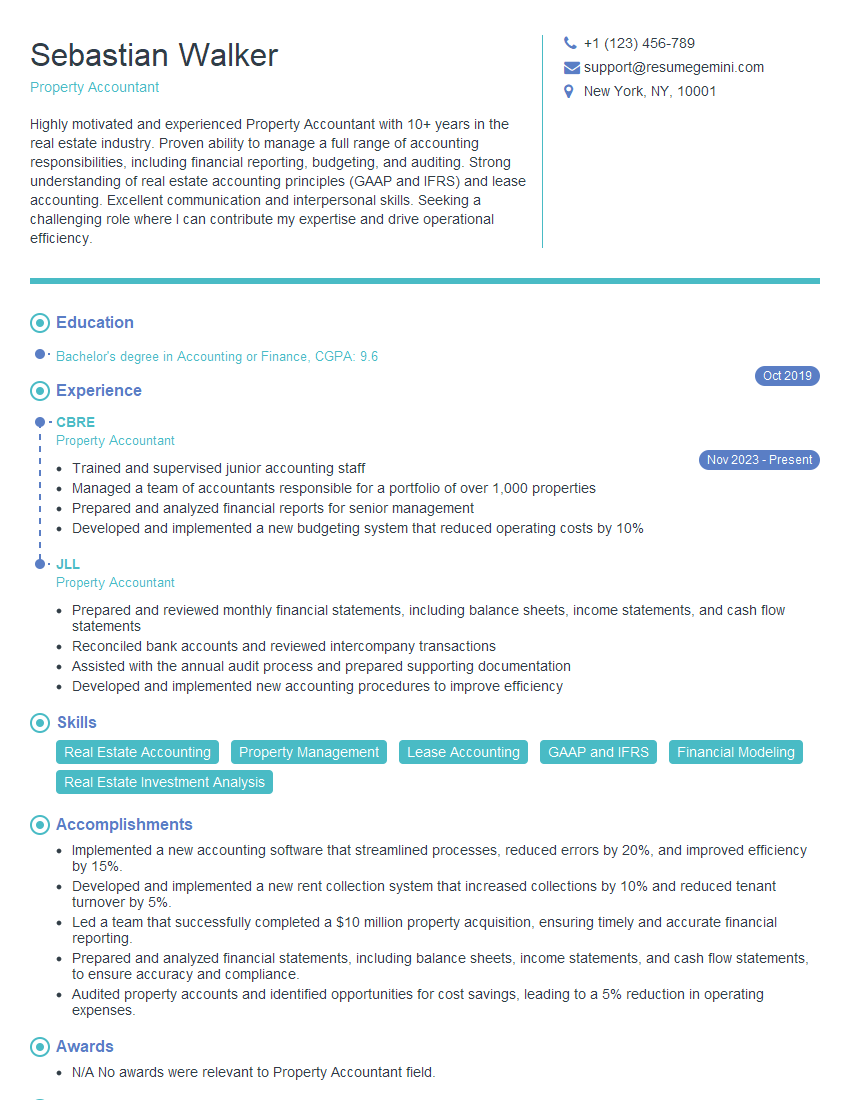
Mastering Prop Rental and Management opens doors to exciting career opportunities within a dynamic and growing industry. Your expertise in this field will be highly valued, offering potential for advancement and increased earning potential. To maximize your job prospects, creating a strong, ATS-friendly resume is crucial. ResumeGemini is a trusted resource to help you build a professional and impactful resume that highlights your skills and experience effectively. We provide examples of resumes tailored specifically to the Prop Rental and Management industry to guide you in crafting your perfect application.
Explore more articles
Users Rating of Our Blogs
Share Your Experience
We value your feedback! Please rate our content and share your thoughts (optional).
What Readers Say About Our Blog
Very informative content, great job.
good