Interviews are opportunities to demonstrate your expertise, and this guide is here to help you shine. Explore the essential Proper Packing Techniques interview questions that employers frequently ask, paired with strategies for crafting responses that set you apart from the competition.
Questions Asked in Proper Packing Techniques Interview
Q 1. Explain the importance of proper cushioning materials in package design.
Proper cushioning is paramount in package design because it safeguards your product during transit from impacts, vibrations, and pressure. Think of it as a protective cocoon. Without adequate cushioning, even minor bumps during shipping can lead to damage, returns, and lost revenue. The choice of cushioning material depends on the fragility of the item and the severity of the anticipated shipping conditions.
For example, a delicate glass vase requires far more robust cushioning—perhaps air-filled pouches or custom-fit foam inserts—than a sturdy book, which might only need some bubble wrap.
Effective cushioning materials absorb shock and distribute impact forces, preventing direct contact between the product and the container walls. This minimizes the risk of breakage, dents, and scratches. The right cushioning also keeps items secure, preventing them from shifting and colliding during transport.
Q 2. Describe different types of packaging materials and their suitability for various products.
Packaging materials are as diverse as the products they protect. The selection process hinges on factors like product fragility, shipping distance, environmental considerations, and cost-effectiveness.
- Corrugated Cardboard: A ubiquitous choice for its strength, cost-effectiveness, and recyclability. It’s perfect for boxes, dividers, and shipping containers of various sizes and strengths. The ‘flute’ (the wavy inner layer) determines the board’s strength.
- Bubble Wrap: A common cushioning material; its air pockets effectively absorb impacts. It’s versatile but not as strong or environmentally friendly as some alternatives.
- Foam Packaging (PE, EPS, EPE): Offers excellent shock absorption and protection. Polyethylene (PE) foam is lightweight and flexible, while expanded polystyrene (EPS) and expanded polyethylene (EPE) offer superior impact resistance. EPS is less environmentally friendly than PE.
- Air Pillows/Pouches: Lightweight and customizable cushioning that conforms to the product’s shape. They’re space-saving and environmentally friendly compared to some other options.
- Kraft Paper: A sustainable option for wrapping and cushioning, particularly suitable for less fragile items. It’s strong, biodegradable, and recyclable.
For example, a delicate electronic device might require a custom-fit foam insert within a double-walled corrugated cardboard box, while a set of books may only need cardboard boxes and some kraft paper for wrapping.
Q 3. How do you determine the appropriate size and type of container for a given product?
Choosing the right container is crucial for both product protection and efficient shipping. The process involves considering:
- Product dimensions and weight: Measure the item accurately, adding extra space for cushioning materials.
- Fragility: Fragile items require more robust containers and extra padding.
- Shipping method: Different carriers have different size and weight restrictions.
- Environmental considerations: Opt for recyclable or biodegradable containers whenever possible.
For example, a small, fragile ceramic figurine requires a smaller, sturdy box with abundant cushioning, while a bulky, less fragile item might only need a larger corrugated cardboard box with minimal padding.
Always prioritize slightly oversized containers to allow for sufficient cushioning and prevent shifting during transit. Over-packing is better than under-packing.
Q 4. What are the key considerations for packing fragile items?
Packing fragile items requires extra care and attention to detail. Key considerations include:
- Appropriate Cushioning: Use ample cushioning materials like foam inserts, bubble wrap, air pillows, or packing peanuts to completely surround the item.
- Container Selection: Choose sturdy containers, ideally double-walled cardboard boxes. Avoid flimsy or easily crushed boxes.
- Individual Wrapping: Wrap each fragile item individually before placing it in the box to prevent direct contact with other items or the container walls.
- Reinforcement: Use extra tape to reinforce seams and corners of the box, preventing collapse during transit.
- Void Fill: Fill all empty spaces in the box with cushioning material to prevent shifting and impacts.
- Clear Labeling: Clearly mark the package as “fragile” and “handle with care.”
Imagine shipping a delicate antique vase. It would require a custom-fit foam insert, wrapped in bubble wrap, inside a double-walled box, with plenty of void fill, and clearly labeled “fragile.”
Q 5. Explain the process of palletizing goods for efficient shipping.
Palletizing is the process of arranging goods onto a pallet for efficient storage, handling, and shipping. Proper palletizing maximizes space, prevents damage, and streamlines logistics.
- Pallet Selection: Choose a pallet appropriate for the weight and size of the goods. Consider material (wood, plastic) and strength.
- Load Pattern: Arrange goods in a stable and balanced pattern on the pallet, distributing weight evenly to prevent tipping or shifting. Heavier items should be placed lower.
- Securing the Load: Use stretch wrap, straps, or other securing devices to hold the load firmly in place on the pallet. This prevents shifting and damage during transport.
- Load Height: Don’t overload the pallet; maintain a safe and stable height to prevent instability.
- Stacking: If multiple pallets are stacked, ensure they are stable and properly secured to prevent collapse.
For instance, imagine palletizing boxes of canned goods. They would be arranged in a stable pattern, perhaps with heavier boxes at the bottom, and the entire pallet would be securely wrapped in stretch film to prevent shifting during transport.
Q 6. How do you ensure packages are properly labeled and addressed for accurate delivery?
Accurate labeling and addressing are critical for timely and successful delivery. Every package must include:
- Clear Sender Address: Include complete and accurate sender name, street address, city, state, zip code, and phone number.
- Recipient Address: Similarly, include complete and accurate recipient information.
- Tracking Information: Include tracking numbers to monitor the package’s progress.
- Special Handling Instructions: If needed, clearly mark the package with instructions such as “fragile,” “handle with care,” “keep upright,” or “this side up.”
- Content Description: A brief description of the contents can be helpful for customs or delivery personnel.
Imagine shipping a package overseas. Precise and complete addressing information, including the correct postal codes, is paramount for accurate delivery across international borders.
Q 7. What are some common mistakes to avoid when packing items for shipment?
Common packing mistakes can lead to damaged goods, delayed deliveries, and increased costs. Here are some to avoid:
- Insufficient Cushioning: Underestimating the amount of cushioning needed is a major error. Items need to be fully protected from all sides.
- Poorly Sealed Boxes: Using insufficient tape or damaged boxes increases the risk of the package opening during transit.
- Overloading Boxes: Packing boxes too full increases the chance of damage and makes them difficult to handle.
- Improper Labeling: Vague or incorrect labeling leads to delays or misdirection.
- Ignoring Special Handling Instructions: Not properly labeling fragile or temperature-sensitive items leads to damage.
- Using Recycled Packaging Without Inspection: Ensure that recycled boxes are undamaged and sturdy enough for their intended use.
For example, failing to clearly label a package containing fragile electronics as “fragile” and “handle with care” significantly increases the risk of damage during transport.
Q 8. Describe your experience with various packaging machinery and equipment.
My experience with packaging machinery and equipment spans a wide range, from basic hand tools to automated systems. I’m proficient with various types of taping machines, including manual, semi-automatic, and fully automated systems that significantly increase efficiency, especially for high-volume operations. I’m also experienced with different types of case sealers, which range from simple hand-held sealers to advanced robotic systems capable of sealing various box sizes and styles. My experience also includes working with automated filling machines and palletizing robots, used in high-speed production lines. I understand the nuances of operating and maintaining these machines, including troubleshooting common malfunctions and performing routine maintenance to ensure optimal performance and prevent costly downtime. For example, I once identified a recurring jam in an automated case sealer by carefully analyzing the machine’s settings and adjusting the conveyor belt speed to match the sealing mechanism’s cycle. This simple adjustment significantly improved efficiency and reduced waste.
Beyond automated systems, I’m skilled in using various hand tools such as box cutters, strapping tools, and bubble wrap dispensers. A crucial aspect of my expertise involves understanding the capabilities and limitations of each piece of equipment to match it appropriately with specific packaging tasks. This ensures efficiency, reduces waste, and promotes the most effective protection for the goods.
Q 9. How do you handle irregularly shaped items during the packing process?
Handling irregularly shaped items requires a strategic approach focused on maximizing space and minimizing damage. The process begins with careful assessment of the item’s dimensions and fragility. I use custom-designed inserts or custom cut foam to cradle the item securely, preventing shifting or impacts. For example, when packaging a piece of delicate sculpture, I would first create a form-fitting base using dense foam, then surround it with more foam or packing peanuts, ensuring it remains stable during transit. For heavier items, I might use corrugated cardboard dividers or custom-made wooden crates to secure and protect them.
Another technique involves using void fill strategically. Void fill, such as air pillows or crumpled paper, prevents movement within the package, acting as a buffer against impacts and vibrations. This is particularly important for oddly shaped items prone to shifting. Finally, choosing the right size box is crucial. The box should be large enough to accommodate the item with adequate cushioning, but not so large as to allow excessive movement. Think of it like packing a precious vase – careful placement and supportive padding are crucial.
Q 10. What are the environmental considerations in selecting packaging materials?
Environmental considerations are paramount in selecting packaging materials. My approach prioritizes sustainability by favoring recyclable, biodegradable, or compostable materials whenever possible. I consider the entire lifecycle of the packaging, from its creation to its disposal. This involves assessing the carbon footprint associated with manufacturing, transportation, and end-of-life management.
For instance, I actively seek out packaging materials made from recycled content, reducing the demand for virgin resources. I also research and utilize materials with low environmental impact, like plant-based plastics or sustainably sourced paper. When choosing packaging, the weight of materials is also a significant environmental factor, since lighter materials require less energy to transport. Transparency in the supplier’s environmental practices is also a crucial factor in my selection process. I look for certifications, like FSC (Forest Stewardship Council) certification for paper-based materials, to ensure responsible sourcing and production. The goal is to minimize the overall environmental footprint while ensuring adequate protection for the goods.
Q 11. How do you balance cost-effectiveness with the need for adequate protection during packaging?
Balancing cost-effectiveness with adequate protection requires a meticulous approach. It’s not simply about choosing the cheapest materials; it’s about optimizing packaging solutions to minimize costs without compromising product safety. I start by analyzing the product’s fragility and the potential risks during transit. This risk assessment helps determine the necessary level of protection. Then, I explore various packaging options and compare their cost-effectiveness against their protective capabilities.
For instance, while custom-fit foam inserts provide superior protection, they are often more expensive than standard bubble wrap or peanuts. Therefore, I weigh the cost of potential damage claims against the cost of the more protective but expensive packaging. Often, using a combination of cost-effective and higher-protection materials can achieve the right balance. For example, I might use a recycled cardboard box, fill the voids with inexpensive crumpled paper, and add a layer of bubble wrap around the most fragile parts. This approach minimizes costs while maintaining adequate protection, demonstrating a comprehensive understanding of cost-benefit analysis.
Q 12. Explain your understanding of different shipping regulations and compliance requirements.
My understanding of shipping regulations and compliance requirements is thorough and up-to-date. I’m familiar with international regulations such as IATA (International Air Transport Association) dangerous goods regulations, as well as domestic regulations like those enforced by the Department of Transportation (DOT) in the U.S. This includes understanding labeling requirements, hazardous materials handling protocols, and documentation needs for various shipping modes—air, sea, and land.
I stay informed about changes in these regulations through regular training and by consulting reputable resources like the respective regulatory bodies’ websites. Compliance is crucial to prevent delays, fines, and potential safety hazards. For example, I know the specific requirements for shipping lithium batteries, including proper packaging, labeling, and documentation. This includes understanding the differences in regulations for different battery types and sizes, which is important to meet compliance requirements and ensure safe transport. Maintaining a detailed record of all shipping documentation is also a key aspect of my work.
Q 13. Describe a time you had to troubleshoot a packaging problem. What was the solution?
In a previous role, we experienced a high rate of damage to a delicate electronic component during shipping. The initial packaging, while seemingly adequate, was not effectively mitigating vibration damage. The solution involved a multi-step approach. First, we conducted a thorough analysis of the damage patterns to identify the cause: excessive vibration during transit. We then used a vibration testing machine to simulate shipping conditions. Based on the test results, we redesigned the packaging using a layered approach. This included a custom-fit foam insert to cradle the component, surrounded by layers of shock-absorbing material like air pillows, all inside a sturdy double-walled corrugated cardboard box.
Finally, we implemented a new quality control check at the end of the packaging line. This process involved visually inspecting the packaged components and performing a drop test on a small sample to ensure the improvements were effective. This systematic and iterative approach led to a significant reduction in damage claims, showing an efficient and analytical problem-solving process.
Q 14. How do you ensure the security of packages to prevent theft or damage during transit?
Ensuring package security involves multiple layers of protection against theft and damage during transit. Firstly, robust packaging itself acts as a deterrent. Using tamper-evident seals, such as security tape or special packaging closures that clearly indicate if the package has been opened, is vital. Secondly, secure sealing methods and strong packaging materials minimize the chances of unauthorized access. Using high-quality boxes and proper sealing techniques prevents easy access to the contents. Another measure involves using discreet, inconspicuous packaging to prevent attracting unwanted attention.
For high-value items, additional security measures such as tracking devices, or even specialized security packaging are employed. Tracking devices provide real-time location information, allowing for prompt action if a package goes missing. Furthermore, clear and accurate labeling of the contents prevents misdirection or theft during handling. Finally, using reputable and insured shipping carriers adds another level of security and provides recourse if something goes wrong. A layered approach using a combination of these techniques provides the highest level of security and helps mitigate the risk of loss or damage.
Q 15. What are your preferred methods for sealing packages to ensure contents remain secure?
Selecting the right sealing method is crucial for package integrity. My preferred methods depend heavily on the contents, fragility, and shipping environment. For lighter items in boxes, I favor high-quality water-activated tape (WAT). It offers superior adhesion and strength compared to standard packing tape, especially in fluctuating temperatures and humidity. For added security, I often reinforce the seams with additional tape, creating an ‘H’ pattern for extra strength. For heavier or more valuable goods, I’d incorporate reinforced tape or even banding straps, which provide exceptional tensile strength. For items requiring absolute tamper-evidence, I utilize security seals or specialized tamper-evident tape that leaves a clear indication if the package has been compromised.
For example, when shipping fragile ceramics, I would use WAT to secure the box, then reinforce it with additional layers of tape. I might also add corner protectors to prevent damage during transit. For a heavy, pallet-sized shipment, I’d utilize plastic banding straps to hold everything firmly in place on the pallet and then further secure the pallet to the shipping vehicle. The choice of sealing method isn’t just about closing the box; it’s about designing a robust defense against damage and tampering during transport.
Career Expert Tips:
- Ace those interviews! Prepare effectively by reviewing the Top 50 Most Common Interview Questions on ResumeGemini.
- Navigate your job search with confidence! Explore a wide range of Career Tips on ResumeGemini. Learn about common challenges and recommendations to overcome them.
- Craft the perfect resume! Master the Art of Resume Writing with ResumeGemini’s guide. Showcase your unique qualifications and achievements effectively.
- Don’t miss out on holiday savings! Build your dream resume with ResumeGemini’s ATS optimized templates.
Q 16. Describe your experience with different types of packaging closures (e.g., tape, straps, etc.)
My experience with packaging closures is extensive. I’ve worked with everything from basic pressure-sensitive tapes (like cellophane and polypropylene tapes) to more specialized options like fiber reinforced tapes, water-activated tapes, and plastic banding straps. Pressure-sensitive tapes are versatile and cost-effective for lighter packages, but they lack the strength of other options. Water-activated tapes, however, offer superior adhesion and moisture resistance, making them ideal for heavier packages or those shipped in harsh conditions. Plastic banding straps are an excellent choice for securing palletized shipments or large quantities of goods, ensuring stability and preventing shifting during transport. I also have experience with heat-shrink wrap, ideal for bundling multiple smaller items together, and various types of closures like twist ties, zip ties, and reusable containers depending on the specific needs.
Selecting the appropriate closure involves considering factors such as the weight, fragility, and value of the contents, the environmental conditions during shipping, and cost considerations. A poorly chosen closure can result in damage, loss, or even security breaches.
Q 17. What is your experience with using packaging software or systems?
I’m proficient in using various packaging software systems, including those that generate shipping labels, calculate dimensions and weights for shipping quotes, and manage inventory. I have experience with systems that integrate with warehouse management systems (WMS) and order management systems (OMS), streamlining the entire packaging and shipping process. For instance, I’m familiar with software that optimizes package size to minimize shipping costs while ensuring the safe transit of goods. This includes software that provides detailed instructions and guides for packaging various products according to their size, weight, and fragility.
My experience with these systems extends to their use in improving efficiency, reducing errors, and enhancing traceability throughout the supply chain. For example, using barcode scanning within the packaging process allows for precise tracking of items, ensuring that each order is packaged correctly and shipped without delays. The data generated by these systems is invaluable for analyzing packaging performance, identifying areas for improvement, and predicting future needs.
Q 18. How do you stay updated on the latest packaging industry trends and best practices?
Staying current in the rapidly evolving packaging industry is paramount. I actively engage with several strategies to ensure I’m abreast of the latest trends and best practices. This includes regularly attending industry conferences and trade shows, where I network with colleagues and learn about new materials, technologies, and regulations. I subscribe to industry publications, both print and digital, and actively follow leading packaging companies and experts on social media platforms. I also participate in online forums and webinars to engage in discussions and learn from others’ experiences. Finally, I stay informed by regularly reviewing changes in regulations and standards related to packaging, particularly those concerning sustainability and environmental compliance.
For example, recently I learned about advancements in biodegradable packaging materials, a crucial aspect of sustainable packaging practices that is becoming increasingly important to clients and consumers alike. Staying updated ensures that I can recommend and implement the most efficient, cost-effective, and environmentally responsible packaging solutions.
Q 19. Describe your experience with hazardous materials packaging and regulations.
I possess significant experience in handling hazardous materials packaging, adhering strictly to all relevant regulations, including those set by DOT (Department of Transportation), IATA (International Air Transport Association), and other governing bodies. This involves a thorough understanding of hazard classes, proper labeling procedures, and the selection of appropriate packaging materials that meet specific performance standards. It’s not simply about choosing a sturdy box; it’s about ensuring the container can withstand the rigors of shipping and prevent leakage or damage that could lead to hazardous spills or exposure. I’m familiar with using UN-certified packaging, ensuring the chosen packaging meets the required standards and regulations for the specific hazardous material being shipped.
For example, when packaging flammable liquids, I would use UN-rated packaging, complete with absorbent materials to contain any potential spills. The packaging would be clearly labeled with hazard pictograms and appropriate UN numbers, fully complying with all relevant transportation regulations to prevent accidents and ensure safety. Failure to follow these regulations can lead to severe penalties and potentially dangerous situations.
Q 20. How do you handle customer returns and repackaging of damaged goods?
Handling customer returns and repackaging damaged goods requires a systematic approach. First, I carefully inspect the returned item to assess the nature and extent of the damage. This informs my repackaging strategy. If the damage is minor, I might simply replace the damaged packaging components and reseal the item. If the damage is more substantial, the item might require more extensive repackaging, potentially including new cushioning materials or a different box size. I always ensure that the item is protected properly to prevent further damage during reshipping. Throughout this process, I maintain detailed records, documenting the damage, the repackaging steps taken, and any associated costs. This documentation is essential for resolving customer issues, managing inventory, and tracking return rates.
For example, if a customer returns a product with a slightly crushed corner, I would carefully examine the product for damage. If the product itself is unharmed, I’d replace the damaged corner packaging, reinforce the box with additional tape, and include a note reassuring the customer about the product’s condition. For significantly damaged products, I might need to replace the entire box, utilize additional cushioning, and perhaps even send a replacement item while initiating a return process for the damaged one.
Q 21. What is your experience with different types of packaging testing (e.g., vibration, drop)?
My experience encompasses various types of packaging testing, including vibration, drop, compression, and climate testing. These tests assess the robustness and ability of a package to protect its contents under various conditions encountered during shipping and handling. Vibration testing simulates the jarring and shaking a package might experience during transportation, highlighting any weaknesses in the packaging design. Drop testing evaluates the package’s ability to withstand impacts from different heights, replicating accidental drops during handling. Compression testing assesses the packaging’s resistance to crushing under weight, important for stacked shipments. Climate testing evaluates the packaging’s performance under various temperatures and humidity levels. Results from these tests are invaluable for improving packaging design, minimizing product damage, and ensuring customer satisfaction.
For example, a drop test might reveal that a particular packaging design is not sufficiently protecting its contents from impacts. This would lead to redesigning the packaging, adding more cushioning, or reinforcing the box structure. The data obtained from these tests are critical for continuous improvement in packaging strategies and for supporting decisions regarding material selection and packaging design.
Q 22. Explain the importance of weight distribution within a package.
Proper weight distribution is paramount in preventing damage during shipping and handling. Imagine trying to balance a stack of books – if all the weight is on one side, it’ll topple! Similarly, uneven weight in a package creates stress points, increasing the risk of crushing or breakage.
To achieve optimal weight distribution, we need to distribute the weight evenly throughout the box. This often involves using appropriate packing materials to fill voids and support lighter items. For example, if you’re shipping a heavy ceramic vase, you wouldn’t just place it in a large box. Instead, you’d surround it with cushioning material like bubble wrap or packing peanuts, ensuring it’s centered and well-supported, preventing it from shifting during transit.
- Center of Gravity: Aim to keep the center of gravity of the package as low and central as possible.
- Void Fill: Use sufficient packing material to prevent shifting and protect the contents from impacts.
- Layer Heavier Items at the Bottom: This provides a stable base for lighter items placed on top.
Q 23. How do you determine the appropriate amount of packing material to use?
Determining the right amount of packing material is a crucial step. Too little, and your items risk damage. Too much, and you’re wasting resources and increasing shipping costs. The key is to consider the fragility and weight of the items, the type of packaging used, and the potential shock and vibration during transit.
I typically assess the item’s fragility first. For delicate items like glass or electronics, I use abundant cushioning, often layering different materials for optimal protection. For sturdier items, I may use less packing material. I always prioritize completely filling void spaces to prevent movement. Think of it like building a protective cocoon around the item.
I also factor in the type of shipping method. If it’s a long-distance shipment that will involve more handling, I’ll naturally use more packing material than for a local delivery.
Q 24. How do you handle oversized or heavy items during the packing process?
Oversized or heavy items require specialized handling and packaging. Safety is paramount here. I always utilize appropriate lifting techniques and equipment to prevent injury to myself and damage to the item. This might involve using lifting straps, pallet jacks, or even requesting assistance from colleagues.
For packaging, sturdy, heavy-duty boxes are essential. Reinforcement with extra tape or corner protectors is crucial to prevent box failure during transit. If the item is unusually large, I may need to consider custom crating for maximum protection and safe handling. For example, a large piece of machinery would require a custom crate to prevent damage during transport.
Internal bracing is also critical for oversized items. Using internal supports to prevent shifting and movement within the packaging is vital to prevent damage.
Q 25. Describe your experience with inventory management related to packaging materials.
Inventory management of packaging materials is crucial for efficient operations. I utilize a combination of methods for effective inventory control. This includes regular stock checks, maintaining a database of materials, and using a first-in, first-out (FIFO) system to minimize waste from expiration dates of perishable packing materials.
Our system tracks usage, allowing us to accurately predict needs and re-order materials before running out. We also analyze past usage data to optimize ordering quantities, preventing overstocking while ensuring we always have sufficient materials on hand for peak seasons. We regularly review our inventory levels, which helps to detect and prevent stockouts. This is vital for meeting customer demands and maintaining efficiency.
Q 26. How do you prioritize efficiency and accuracy during the packing process?
Prioritizing efficiency and accuracy in packing involves establishing well-defined processes and using appropriate tools and technologies. We utilize standardized packing procedures to ensure consistency. This minimizes errors and speeds up the process.
For example, using checklists ensures all necessary steps are followed for each package. Implementing barcode scanning systems speeds up the order fulfillment process and reduces picking errors. This enables accurate identification and verification of items and packaging materials. This minimizes mistakes and improves overall productivity. Additionally, lean principles and 5S methodologies are applied to organize the workspace and streamline the packing process.
Q 27. What are your strategies for managing time effectively during high-volume packing periods?
During high-volume packing periods, effective time management is key. We employ strategies to optimize our workflow. These include prioritizing orders, assigning tasks effectively amongst the team, and utilizing ergonomic packing stations to maximize efficiency.
We often utilize wave picking, where we group orders with similar destinations together to streamline the packing and shipping processes. This is especially useful for high-volume situations. We also ensure our team is adequately trained and well-equipped to handle the increased workload. Regular communication and coordination among team members is vital to prevent bottlenecks.
Q 28. How do you maintain a safe and organized workspace during the packing process?
Maintaining a safe and organized workspace is crucial for both efficiency and safety. We adhere strictly to 5S principles (Sort, Set in Order, Shine, Standardize, Sustain), which is vital to maintaining an organized and efficient packing area. This ensures a clean and clutter-free space, reducing the risk of accidents.
We ensure adequate lighting and proper ergonomic setups to minimize strain and fatigue. Appropriate safety measures, such as using safety gloves and lifting equipment where necessary, are implemented. Regular safety training and reminders ensure everyone is aware of potential hazards and proper handling techniques. Regular cleaning and maintenance of equipment prevents accidents and extends the equipment’s lifespan.
Key Topics to Learn for Proper Packing Techniques Interview
- Understanding Packing Materials: Learn the properties and suitability of various packing materials (e.g., bubble wrap, corrugated cardboard, foam inserts) for different goods and fragility levels. Consider environmental impact and cost-effectiveness.
- Optimal Packing Methods: Master techniques for packing fragile items, heavy items, and oddly shaped objects. Understand the importance of proper cushioning, bracing, and securing to prevent damage during transit.
- Logistics and Efficiency: Explore strategies for efficient packing processes, including space optimization, minimizing waste, and adhering to safety regulations. Consider the use of specialized packing equipment and automation where applicable.
- Regulations and Compliance: Familiarize yourself with industry standards, safety regulations (e.g., hazardous materials handling), and shipping guidelines for different modes of transport (air, sea, land).
- Damage Prevention and Loss Control: Understand common causes of damage during packing and shipping and develop strategies to mitigate risk. This includes proper labeling, documentation, and insurance considerations.
- Inventory Management and Tracking: Learn how proper packing techniques integrate with inventory management systems for tracking and accountability. Discuss the importance of accurate labeling and documentation.
- Problem-Solving Scenarios: Practice identifying and resolving common packing challenges, such as unexpected item damage, last-minute changes in shipping requirements, or dealing with unusual item shapes and sizes.
Next Steps
Mastering proper packing techniques is crucial for career advancement in logistics, warehousing, and supply chain management. A strong understanding of these techniques demonstrates efficiency, attention to detail, and a commitment to minimizing loss and damage. To enhance your job prospects, creating an ATS-friendly resume that showcases your skills and experience is vital. ResumeGemini is a trusted resource that can help you build a professional resume that highlights your expertise in proper packing techniques. Examples of resumes tailored to this field are available to guide your creation process.
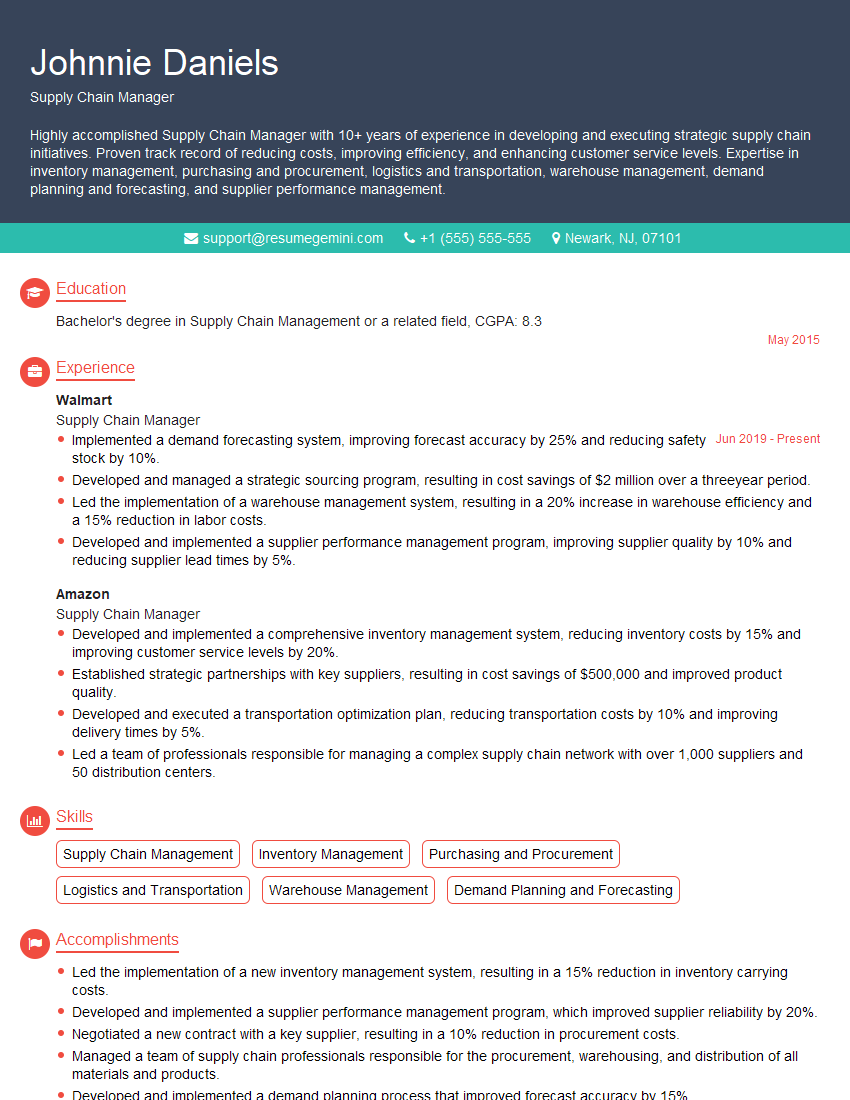
Supply Chain Manager Resume Sample
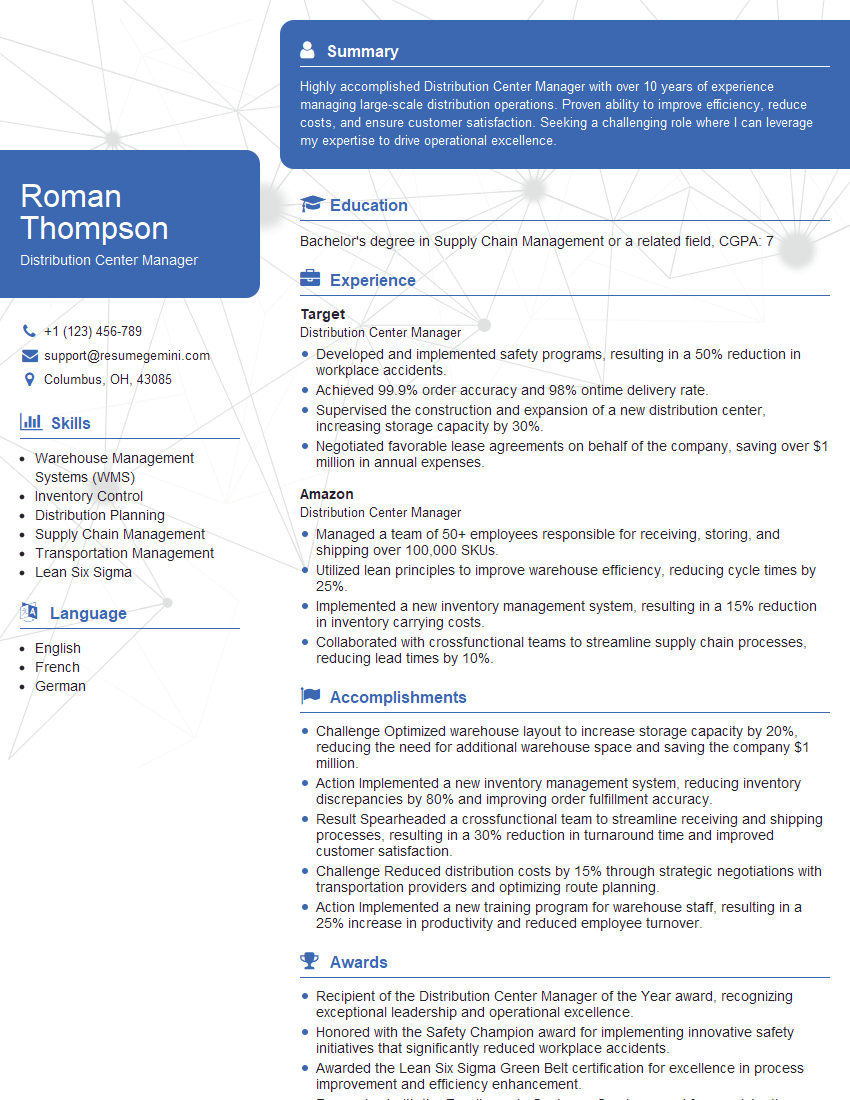
Distribution Center Manager Resume Sample
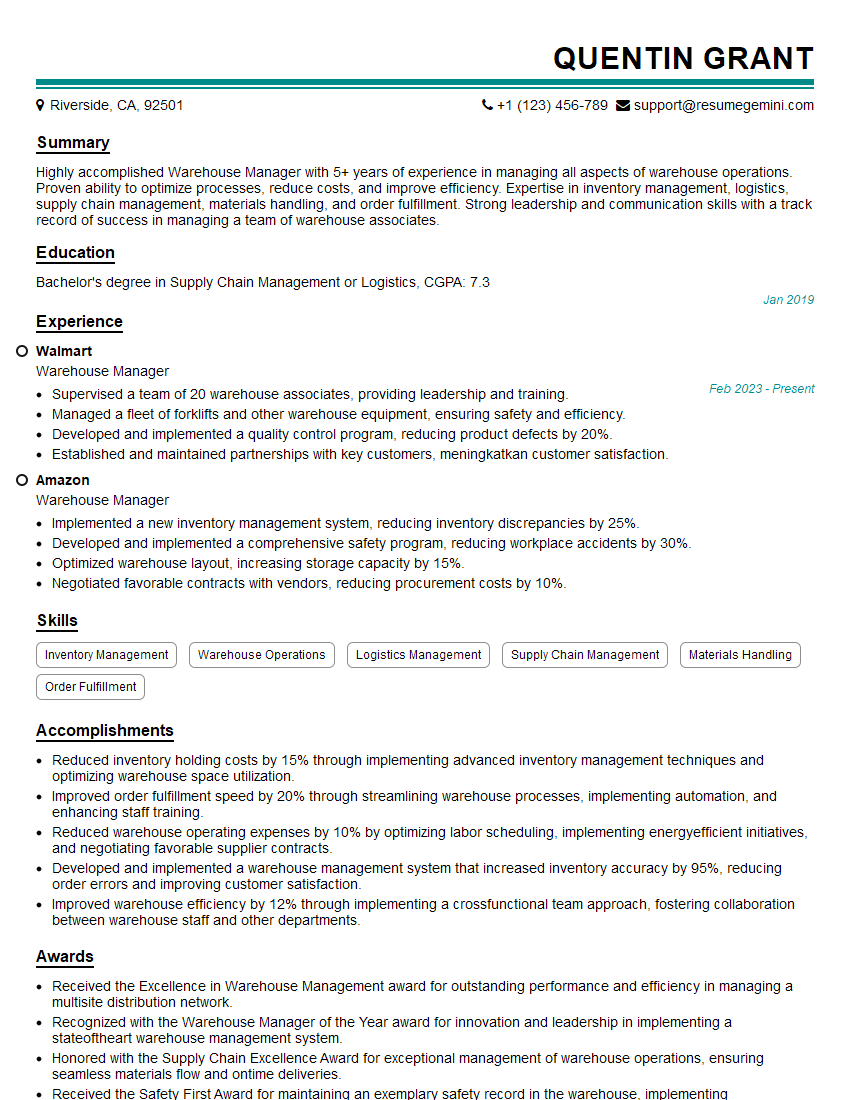
Warehouse Manager Resume Sample
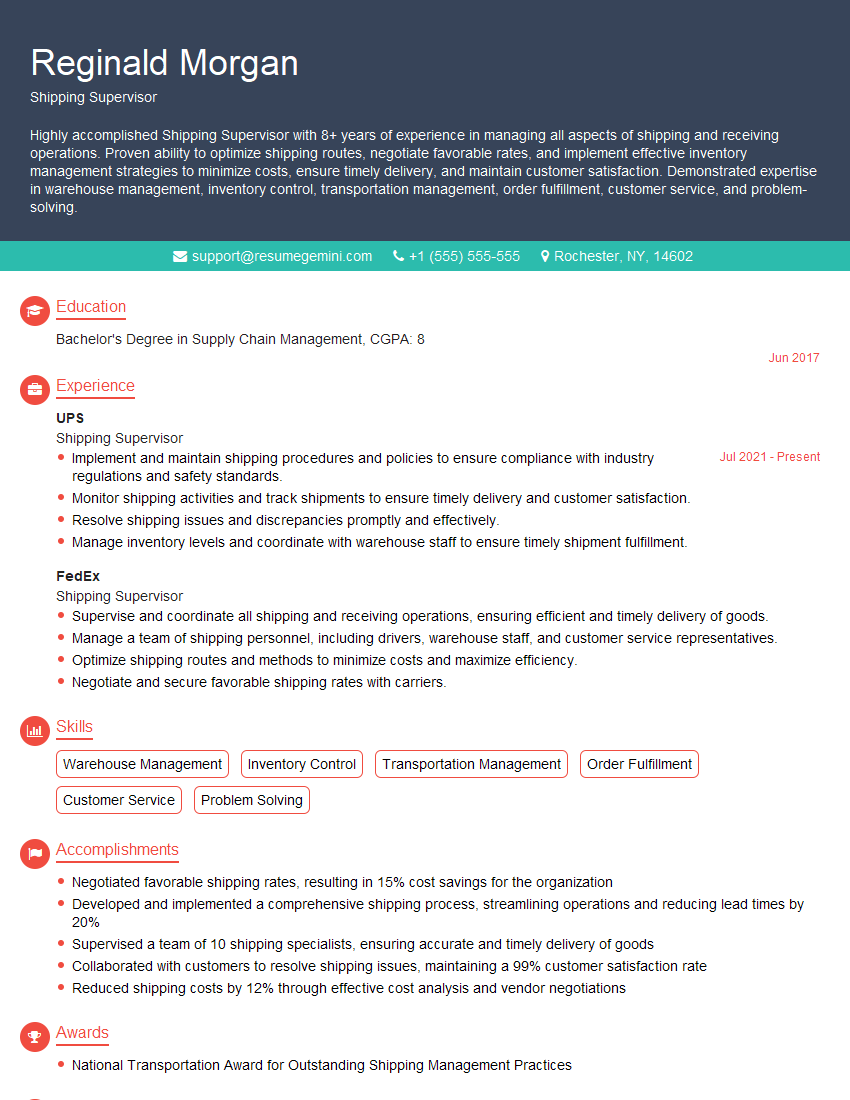
Shipping Supervisor Resume Sample
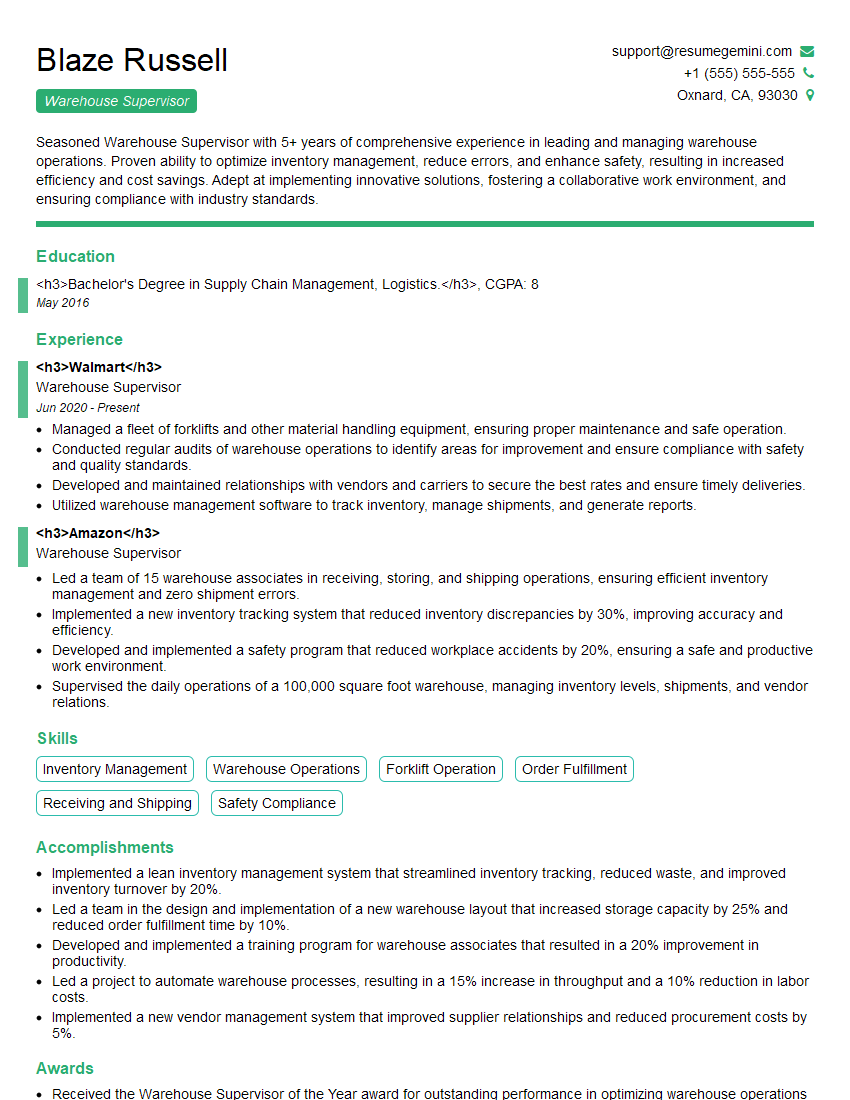
Warehouse Supervisor Resume Sample
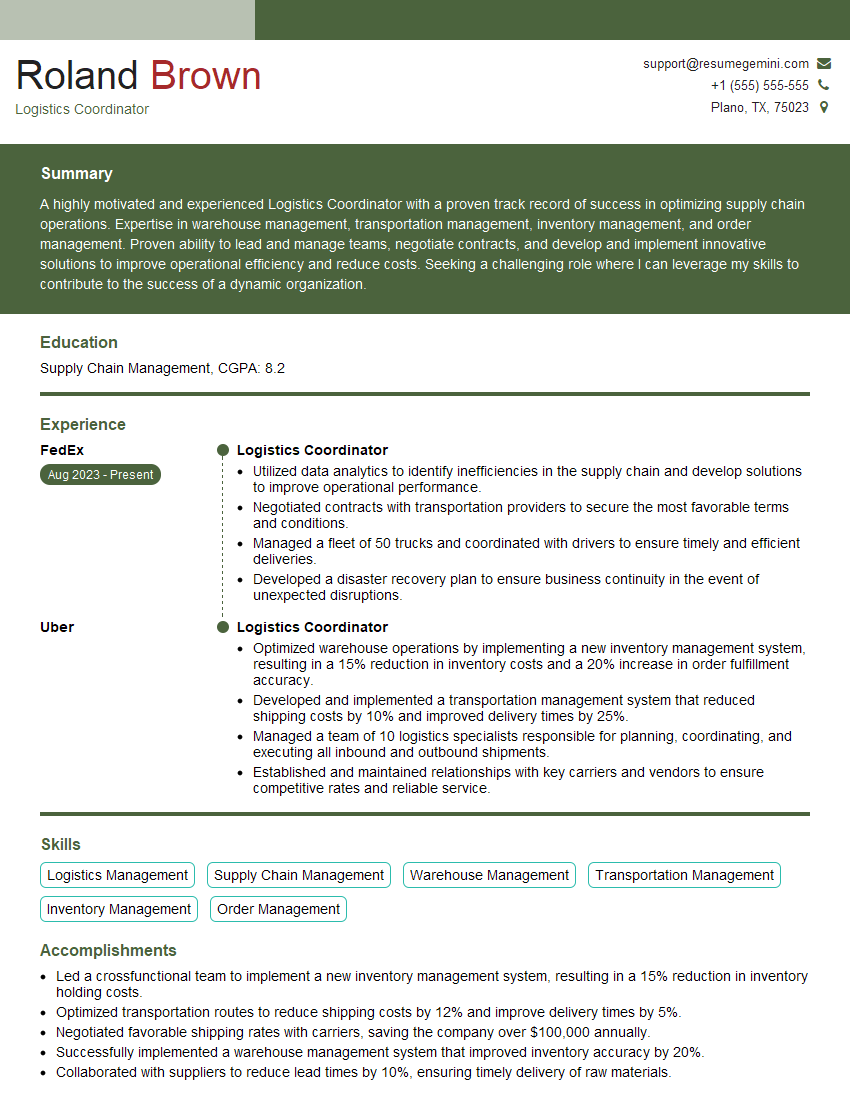
Logistics Coordinator Resume Sample
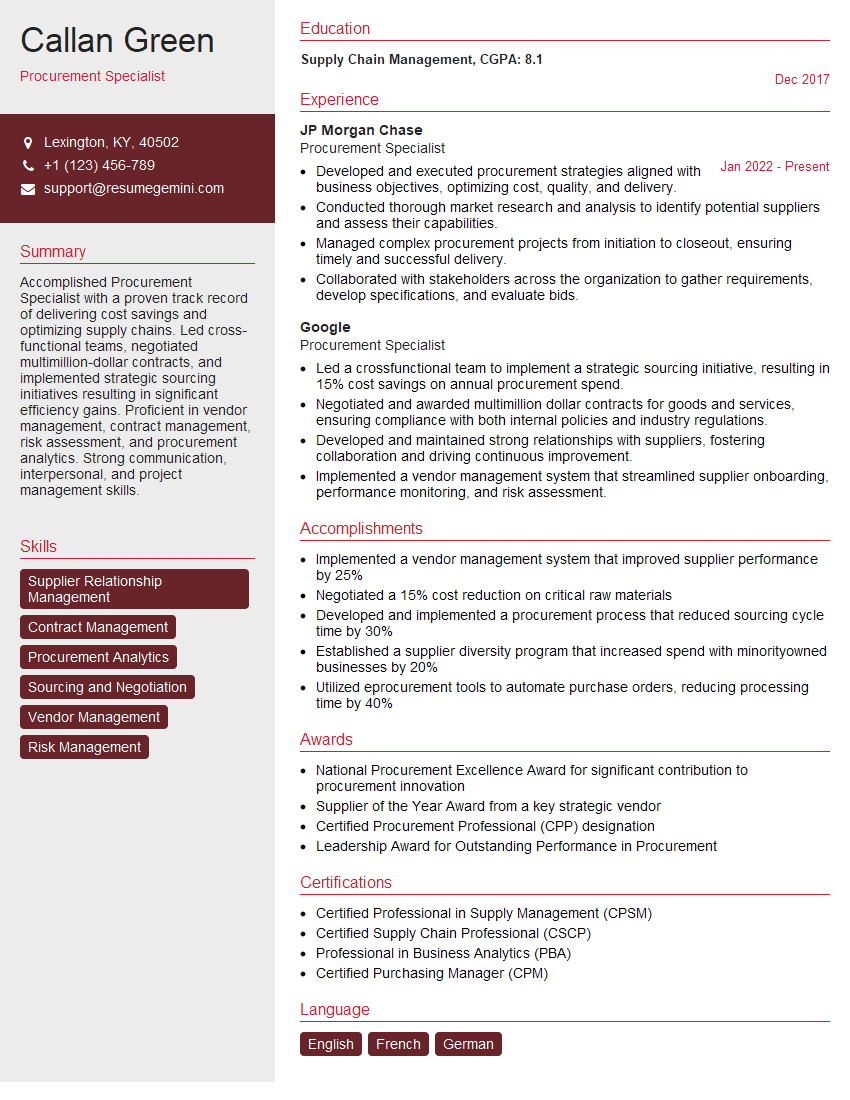
Procurement Specialist Resume Sample
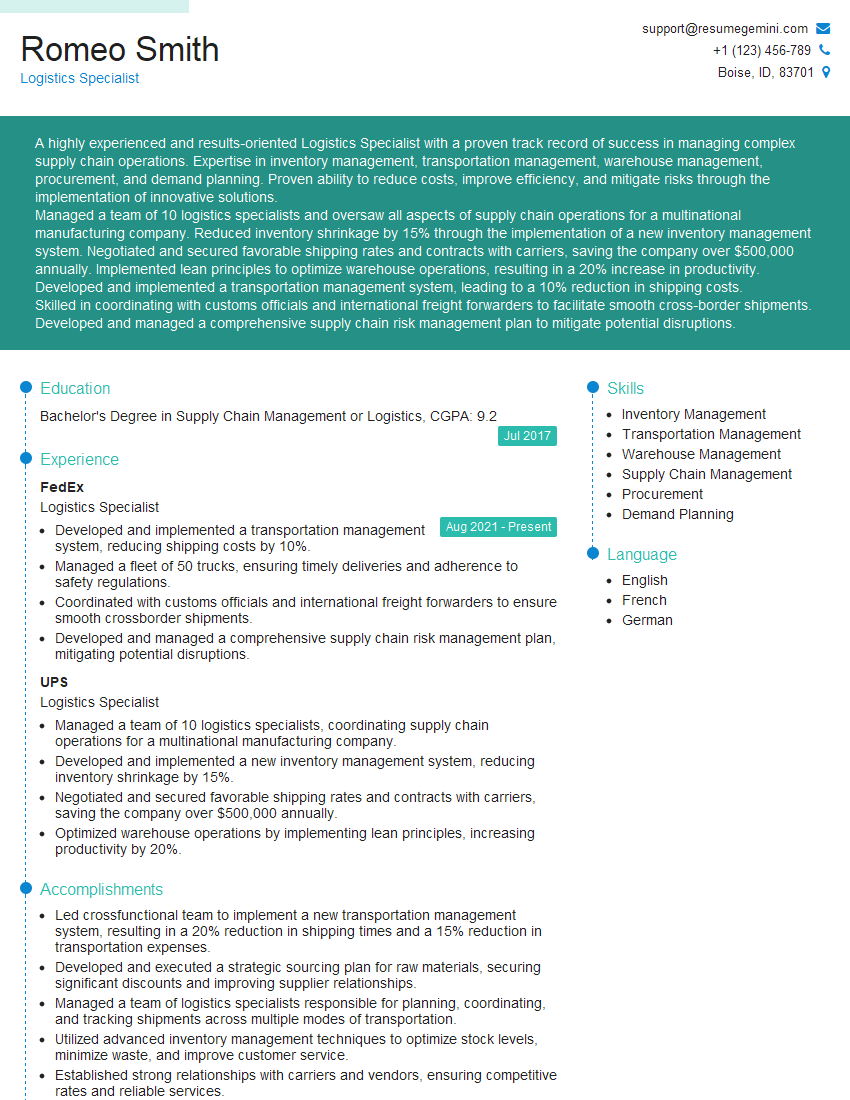
Logistics Specialist Resume Sample
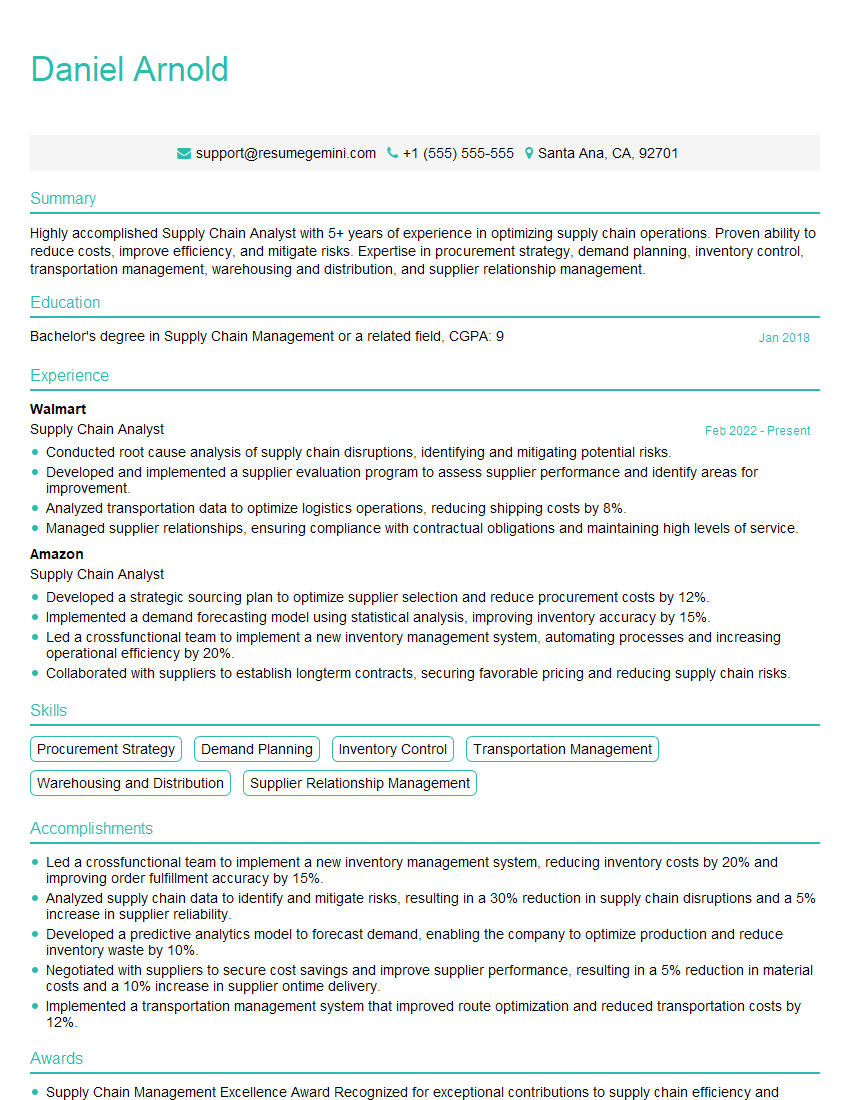
Supply Chain Analyst Resume Sample
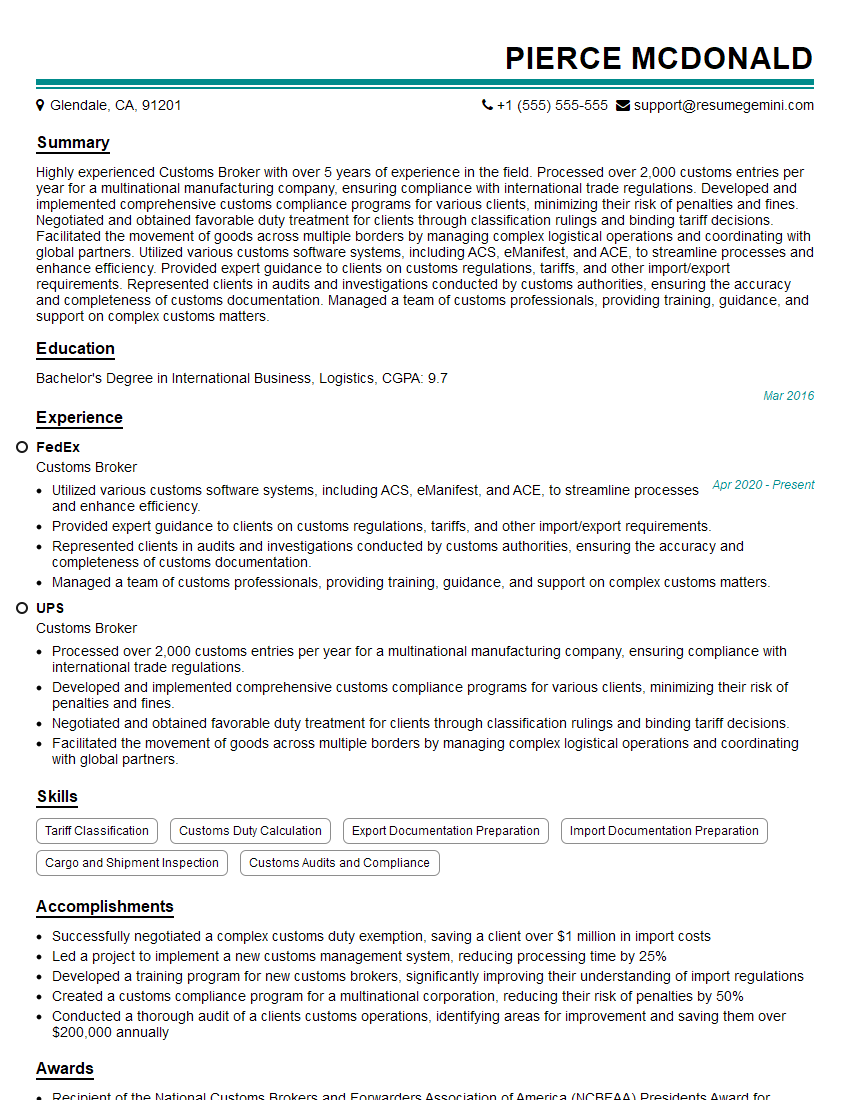
Customs Broker Resume Sample
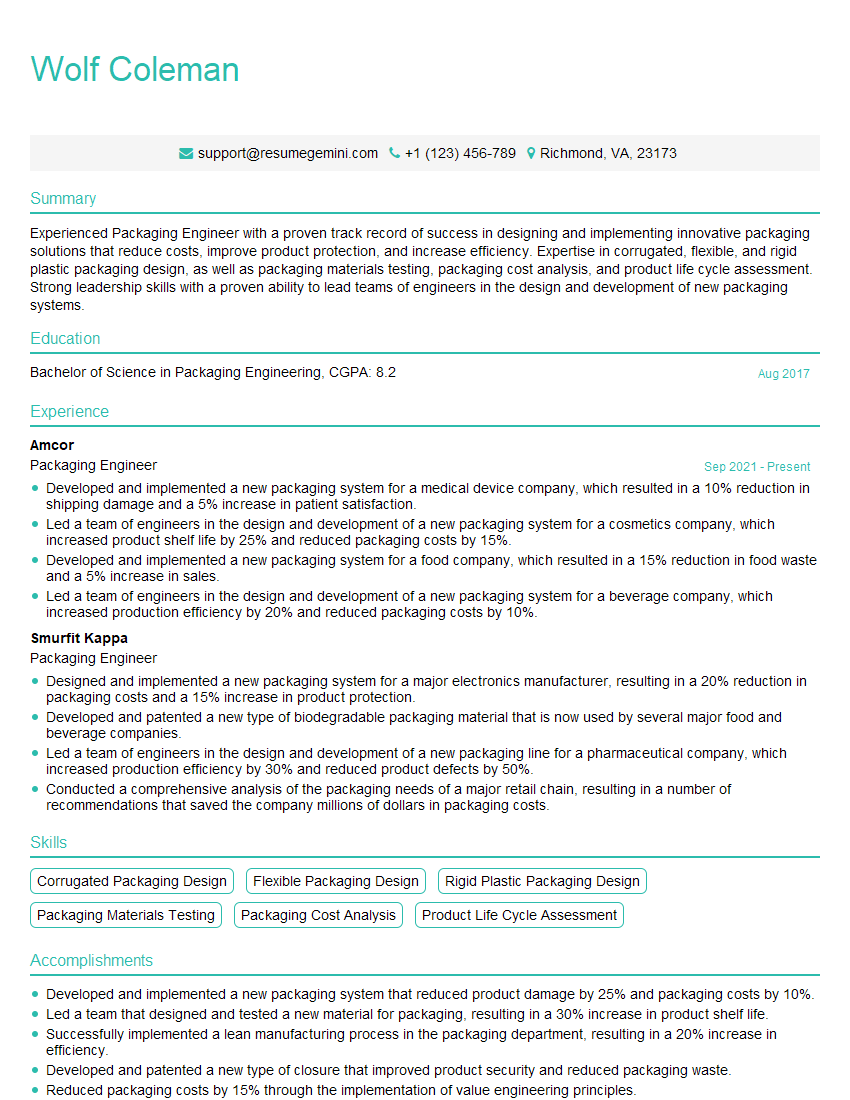
Packaging Engineer Resume Sample
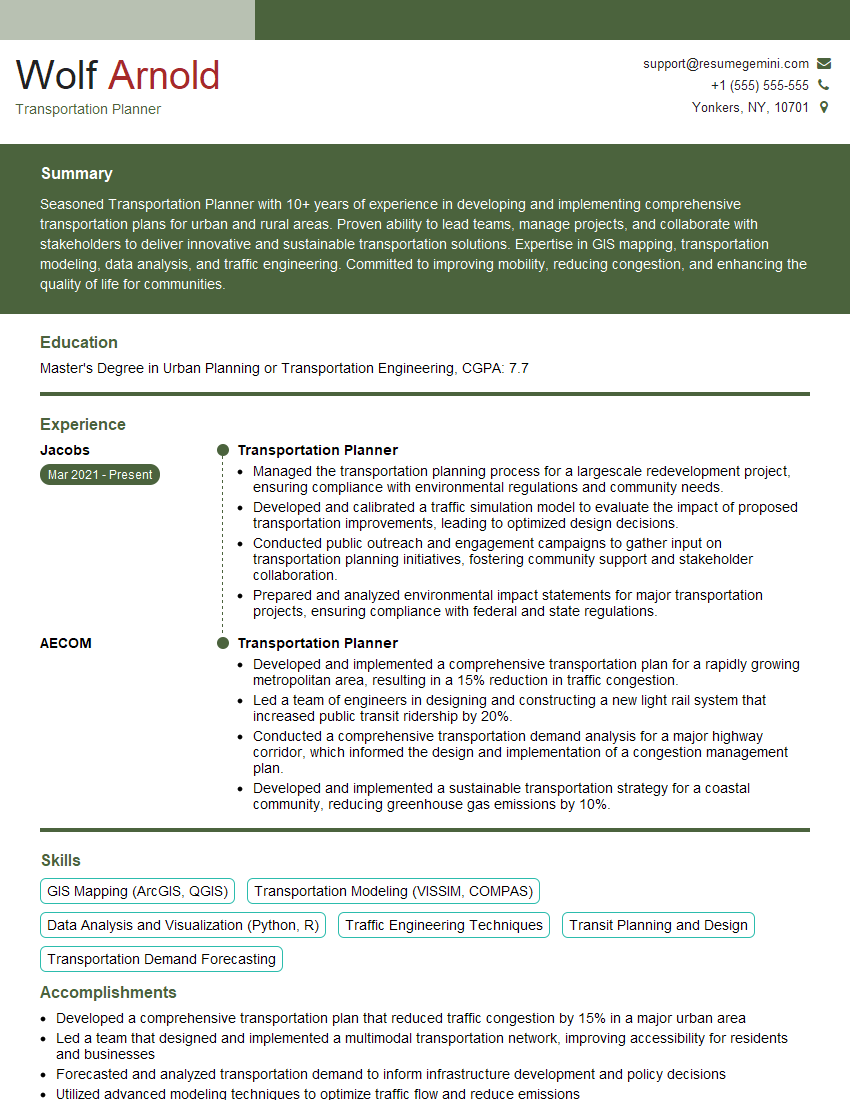
Transportation Planner Resume Sample
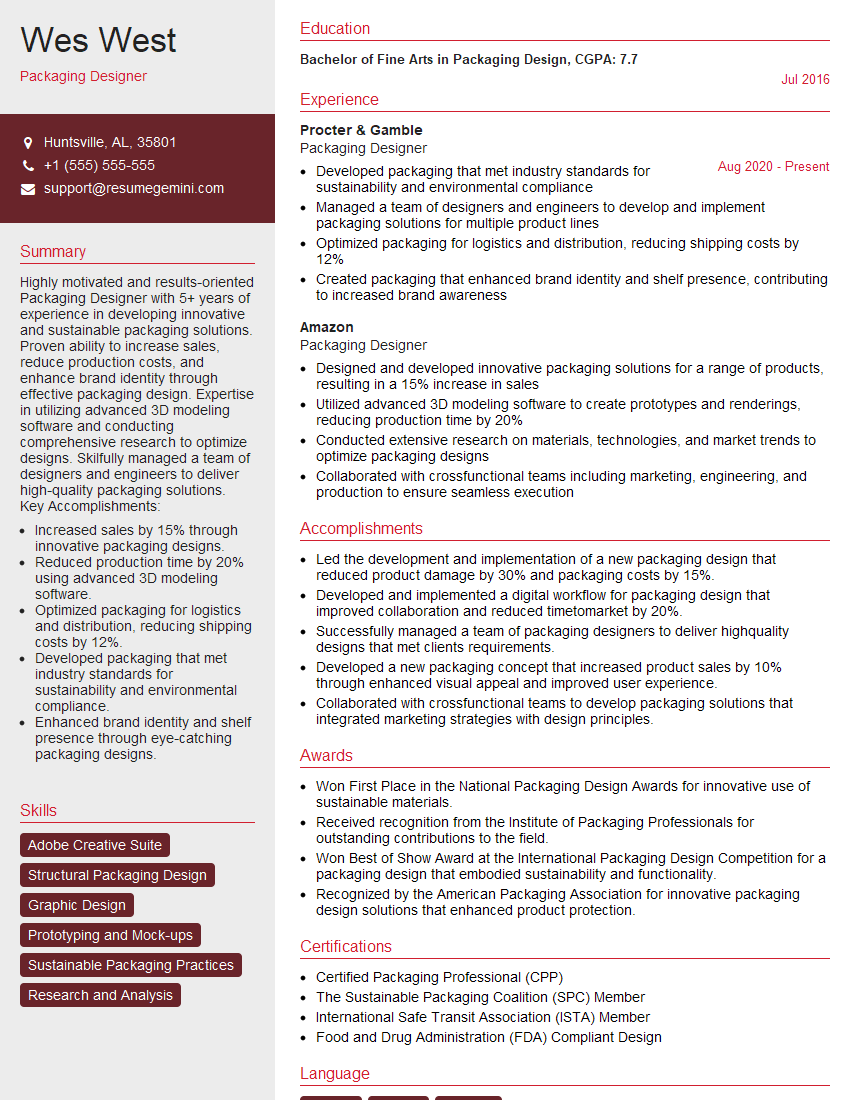
Packaging Designer Resume Sample
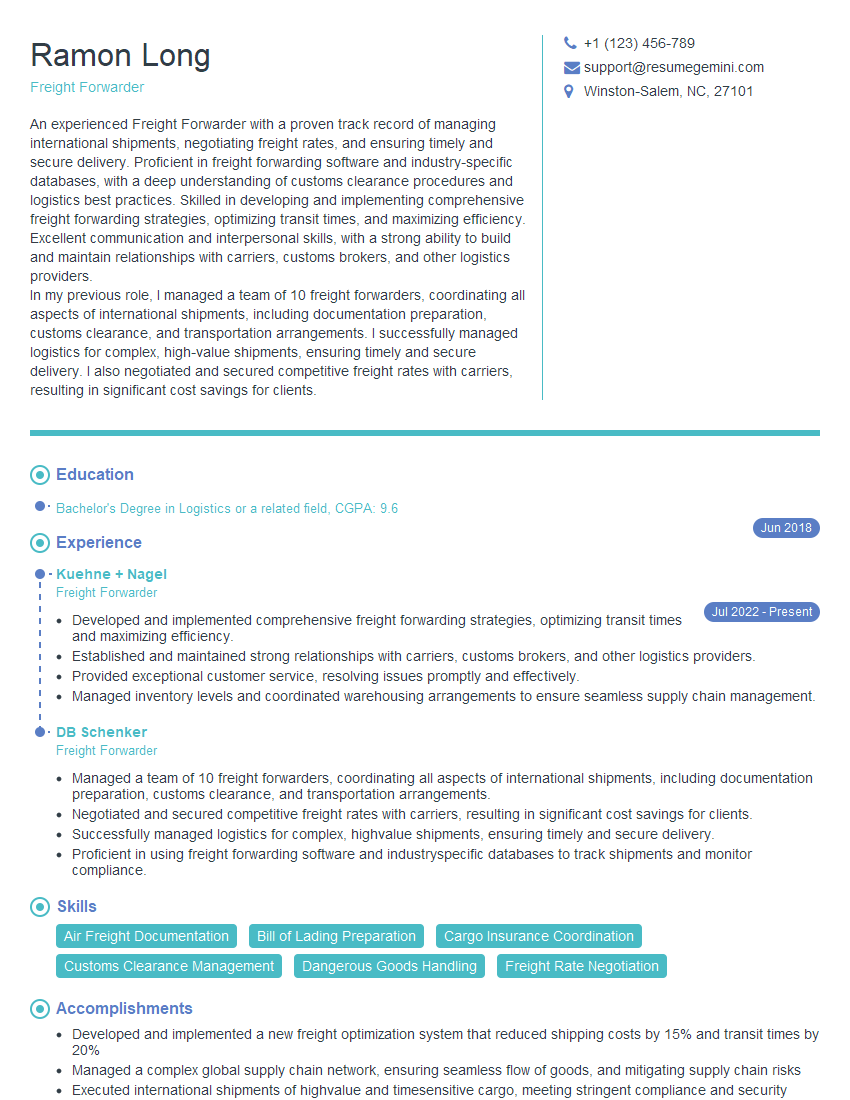
Freight Forwarder Resume Sample
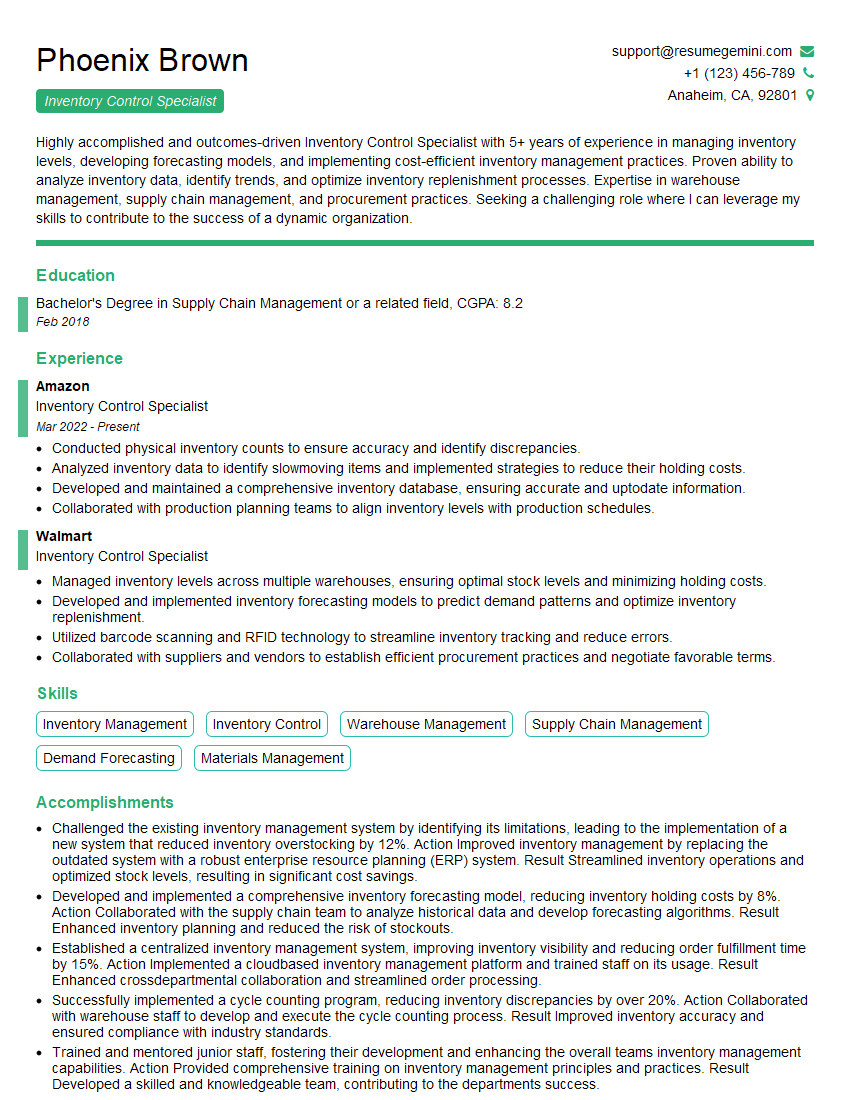
Inventory Control Specialist Resume Sample
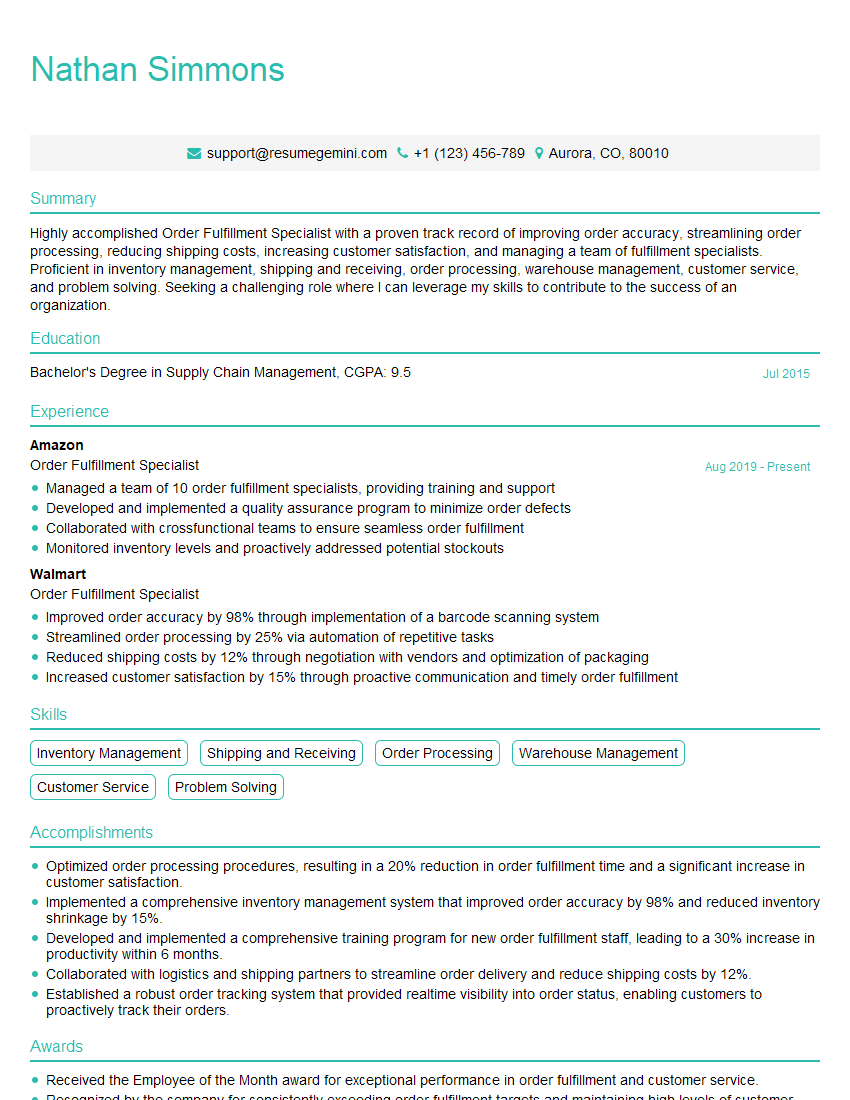
Order Fulfillment Specialist Resume Sample

Shipping and Receiving Clerk Resume Sample
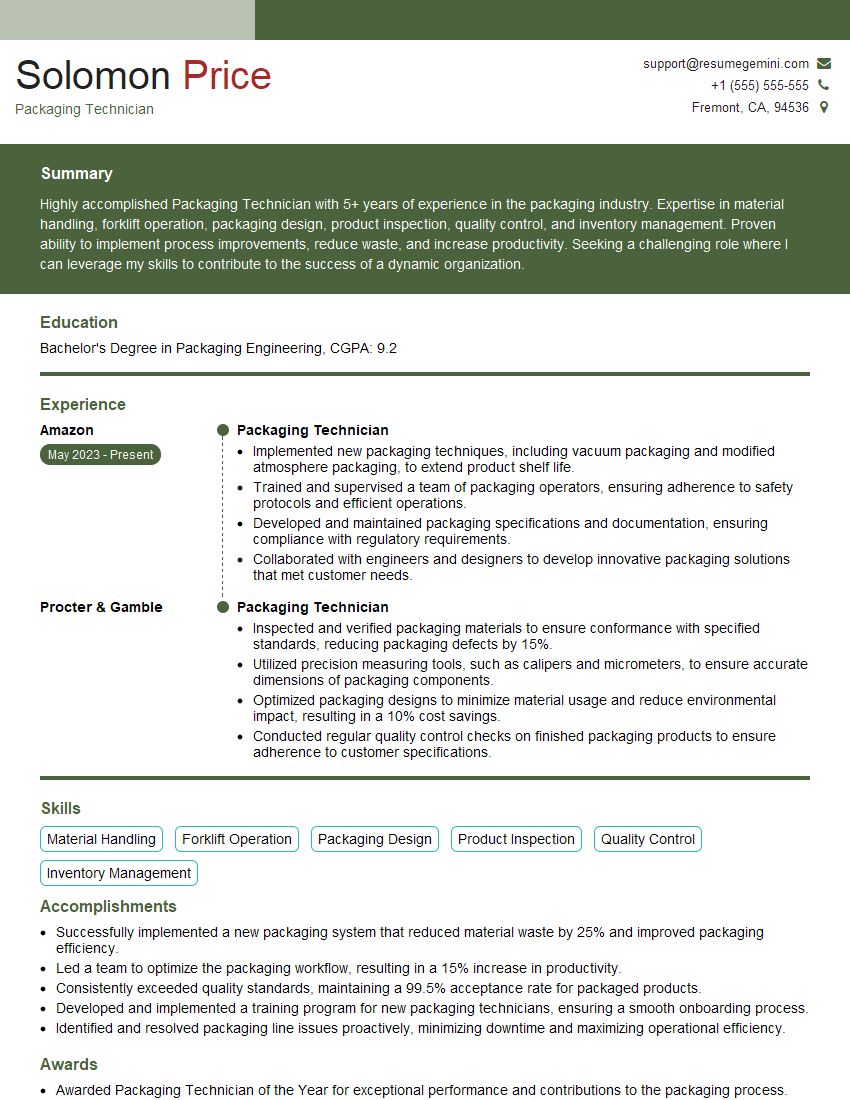
Packaging Technician Resume Sample
- Supply Chain Manager
- Distribution Center Manager
- Warehouse Manager
- Shipping Supervisor
- Warehouse Supervisor
- Logistics Coordinator
- Procurement Specialist
- Logistics Specialist
- Supply Chain Analyst
- Customs Broker
- Packaging Engineer
- Transportation Planner
- Packaging Designer
- Freight Forwarder
- Inventory Control Specialist
- Order Fulfillment Specialist
- Shipping and Receiving Clerk
- Packaging Technician
Explore more articles
Users Rating of Our Blogs
Share Your Experience
We value your feedback! Please rate our content and share your thoughts (optional).
What Readers Say About Our Blog
Very informative content, great job.
good