The thought of an interview can be nerve-wracking, but the right preparation can make all the difference. Explore this comprehensive guide to Proper Storage Techniques interview questions and gain the confidence you need to showcase your abilities and secure the role.
Questions Asked in Proper Storage Techniques Interview
Q 1. Explain the FIFO (First-In, First-Out) and LIFO (Last-In, First-Out) inventory methods. When is each most appropriate?
FIFO (First-In, First-Out) and LIFO (Last-In, First-Out) are inventory management methods that dictate the order in which items are used or sold. Think of it like a queue at a grocery store.
FIFO (First-In, First-Out): With FIFO, the oldest items are used or sold first. Imagine a bakery; the croissants baked first are the first ones sold. This prevents spoilage, especially with perishable goods like milk or produce. The accounting is straightforward too, as the cost of goods sold reflects the older, potentially lower cost, items.
LIFO (Last-In, First-Out): LIFO, on the other hand, means the newest items are used or sold first. Consider a stack of papers; the last paper placed on top is the first one taken off. LIFO is useful when dealing with items that don’t expire quickly or whose value may fluctuate greatly. For example, in construction, the most recently purchased steel might be used before older stock.
When to use which? FIFO is best for perishable goods, minimizing waste and maintaining product freshness. LIFO can be advantageous in scenarios with fluctuating prices, potentially reducing the tax burden by recognizing higher cost goods as expense during inflation. However, accounting for LIFO is often more complex.
Q 2. Describe different types of storage systems (e.g., rack systems, pallet racking, cantilever racking).
Storage systems are crucial for efficient warehouse operations. They vary based on the size, shape, and weight of the items being stored, as well as the frequency of access needed.
- Rack Systems: These are versatile systems offering various configurations, from simple shelving units to complex multi-tiered structures. They’re suitable for a wide range of goods, offering good accessibility.
- Pallet Racking: Designed to store goods on pallets, these systems maximize space utilization and are ideal for high-volume storage and handling. They can be adjusted in height and depth to accommodate various pallet sizes.
- Cantilever Racking: Best suited for long, bulky items like lumber or pipes, these systems have projecting arms that support the goods, leaving the floor space clear for easy access.
- Mobile Racking: Ideal for space saving, these systems move on tracks, so only the required aisle is open at any given time.
- Drive-in/Drive-through Racking: Often used for FIFO inventory, these systems allow forklifts to directly drive into the racking, making them very efficient for high-density storage. However, access to items may be limited.
The choice of storage system depends entirely on the specific needs of the warehouse.
Q 3. What are the key considerations for designing a warehouse layout for optimal storage and retrieval?
Designing a warehouse layout requires careful consideration of several factors to ensure optimal storage and retrieval. Think of it like creating a well-organized city—everything needs to flow smoothly.
- Receiving and Shipping Zones: These areas should be strategically located to minimize travel time and congestion.
- Storage Areas: The layout should group similar items together for efficient picking and replenishment. High-demand items should be located near shipping zones.
- Aisles: Wide enough to accommodate equipment maneuverability should be planned to reduce the risk of accidents.
- Inventory Turnover: Consider the frequency with which different products are accessed. Fast-moving items require easy access.
- Safety Considerations: Fire exits, emergency equipment, and clear walkways are paramount.
- Technology Integration: The layout should accommodate bar code scanners, automated guided vehicles, and other technologies for efficiency and tracking.
A well-designed layout minimizes travel distances, reduces handling time, and ensures safe operations. It’s often helpful to use simulation software to optimize the design before implementation.
Q 4. How do you ensure proper stock rotation to minimize waste and spoilage?
Proper stock rotation is essential to minimize waste and spoilage. It’s all about applying the FIFO principle consistently.
- First-In, First-Out (FIFO) Implementation: Clearly label products with their arrival dates. Use a clear system to identify the oldest stock.
- Regular Stock Checks: Conduct frequent inspections, especially for perishables, to identify items nearing their expiration dates.
- Clear Labeling and Organization: This makes it easier to identify older stock and ensures that the appropriate items are used or sold first.
- Dedicated Storage Areas: Designate specific areas for different products and prioritize the use of older stock in those areas.
- Inventory Management Software: Software can automatically track inventory levels and generate alerts for near-expiry items.
Imagine a restaurant keeping track of their ingredients – they wouldn’t want to use expired herbs and spices! The same principle applies to a warehouse setting.
Q 5. Explain the importance of proper labeling and identification of stored items.
Proper labeling and identification are crucial for efficient warehouse operations and inventory management. It’s like having an address for every item, making it easy to find and track.
- Clear and Concise Labeling: Use legible labels that include item number, description, quantity, and any relevant storage instructions.
- Standardized System: Employ a consistent labeling system throughout the warehouse to avoid confusion.
- Durable Labels: Use labels resistant to moisture, damage, and fading.
- Barcode or RFID Technology: Integrate barcodes or RFID tags for automated tracking and identification, leading to faster and more accurate inventory management.
- Hazard Labeling: Clearly label hazardous materials with appropriate warnings and safety symbols, preventing accidents.
Imagine trying to find a specific part in a large warehouse without labels! A well-structured labeling system prevents delays, reduces errors, and enhances overall efficiency.
Q 6. What safety measures are crucial in a warehouse or storage facility?
Safety is paramount in any warehouse or storage facility. Neglecting safety can lead to accidents, injuries, and even fatalities. A safe warehouse is a productive warehouse.
- Proper Training: Employees must receive comprehensive safety training on operating equipment, handling materials, and following safety protocols.
- Emergency Exits and Signage: Clearly marked emergency exits and well-placed safety signs are essential for quick evacuation in case of emergencies.
- Fire Prevention and Suppression: Install fire alarms, sprinklers, and fire extinguishers, and conduct regular fire drills.
- Material Handling Safety: Use appropriate equipment and follow safe lifting techniques to prevent injuries.
- Personal Protective Equipment (PPE): Provide and enforce the use of safety helmets, gloves, and other appropriate PPE.
- Regular Inspections: Conduct routine inspections of the facility to identify and address potential hazards.
Safety should be a top priority, not an afterthought. A safe working environment fosters productivity and protects employees’ well-being.
Q 7. Describe your experience with Warehouse Management Systems (WMS).
I have extensive experience with Warehouse Management Systems (WMS), having implemented and managed several in various warehouse settings. A WMS is like the brain of the warehouse, managing everything from inventory tracking to order fulfillment.
My experience includes selecting appropriate WMS software based on organizational needs, overseeing the implementation and integration with existing systems, training personnel on WMS usage, and providing ongoing support and troubleshooting. I’m proficient in configuring WMS parameters to optimize efficiency, such as defining warehouse zones, setting up picking strategies, and managing inventory replenishment rules.
I’ve utilized WMS to track real-time inventory levels, optimize order fulfillment processes, and enhance overall warehouse productivity. I am familiar with several WMS platforms and am capable of adapting to new systems quickly. My focus is always on leveraging the WMS to achieve cost savings, improved accuracy, and increased efficiency.
Q 8. How do you handle inventory discrepancies and losses?
Inventory discrepancies and losses are a serious concern in any storage environment. Addressing them requires a multi-pronged approach combining preventative measures and robust investigation techniques. Think of it like a detective story – we need to find the culprit and prevent future crimes.
First, we implement rigorous inventory control systems. This includes regular cycle counting – a process where we randomly verify a small portion of the inventory against our records, rather than a full annual count. This helps detect discrepancies early. We also utilize barcode or RFID scanning for accurate tracking during receiving, put-away, and picking processes.
When discrepancies are discovered, a thorough investigation follows. This may involve reviewing security footage, analyzing transaction logs, checking for damaged goods or pilferage, and even interviewing staff. Root cause analysis helps us identify systemic issues, such as poor labeling, inefficient processes, or inadequate security. Corrective actions are then implemented to prevent recurrence. For example, we might improve security measures, implement better training, or upgrade our inventory management software.
Q 9. What methods do you use to track inventory levels and manage stock replenishment?
Tracking inventory and managing replenishment is crucial for efficient operations. I utilize a combination of methods, both manual and automated, to ensure accurate and timely stock levels.
For smaller inventories, spreadsheet software can be sufficient; however, for larger or more complex operations, I would typically use an enterprise resource planning (ERP) system or a dedicated inventory management software (IMS). These systems allow for real-time tracking, automated alerts for low stock levels, and integration with purchasing systems to trigger automatic re-ordering.
I use various techniques like ABC analysis to prioritize inventory management, focusing more resources on high-value or fast-moving items (A-items). Also, implementing forecasting techniques (e.g., moving average, exponential smoothing) helps predict demand and optimize ordering quantities to minimize storage costs and avoid stockouts. Regular stock takes and reconciliation with the system are essential to verify the accuracy of the data.
Q 10. How do you maintain accurate inventory records?
Maintaining accurate inventory records is paramount for operational efficiency and financial accuracy. This involves meticulous attention to detail at every stage of the inventory lifecycle. Imagine it as a well-organized library – every book (item) needs to be correctly cataloged and shelved.
My approach involves using standardized procedures for receiving, storing, and picking inventory. This includes proper labeling, using barcode or RFID technology for tracking, and documenting all transactions accurately in the system. Regular cycle counting, as mentioned before, helps detect and correct errors early. We regularly audit our inventory processes to ensure they are compliant with best practices and identify areas for improvement. Regular training of staff on proper inventory handling procedures is equally important. Data backups are essential to protect against data loss, ensuring the integrity of our inventory records.
Q 11. Explain your experience with different types of storage media (e.g., magnetic tape, hard drives, cloud storage).
My experience encompasses a wide range of storage media, each with its own strengths and weaknesses. Magnetic tape provides high capacity and cost-effective long-term archival storage, ideal for infrequently accessed data. However, access times are significantly slower than other methods. Hard drives, both local and in network-attached storage (NAS) arrays, offer faster access and higher throughput, well-suited for active data. However, they are susceptible to physical damage and have a limited lifespan.
Cloud storage offers scalability, accessibility from anywhere, and robust redundancy, making it ideal for collaboration and disaster recovery. However, cost can be a significant factor, especially for large datasets, and concerns around data security and vendor lock-in exist. Choosing the right medium depends on factors like cost, performance requirements, data security needs, and access frequency. For instance, we might use tape for archival backups, hard drives for active data, and cloud storage for collaborative projects.
Q 12. Describe your experience with data backup and recovery strategies.
Data backup and recovery strategies are essential to protect against data loss due to various reasons, like hardware failures, natural disasters, or cyberattacks. I employ a multi-layered approach, often referred to as the 3-2-1 rule: three copies of data, on two different media, with one copy offsite.
This might involve daily incremental backups to a local hard drive, weekly full backups to a NAS, and monthly backups to a cloud storage service. Regular testing of the backup and recovery process is critical to ensure its effectiveness. We use different backup technologies (e.g., image-level backups, file-level backups) depending on the specific needs of the system. A well-defined recovery plan, including roles and responsibilities, is crucial for a swift recovery in case of an incident. This plan outlines the steps to restore the data and applications, ensuring minimal downtime.
Q 13. How do you ensure data security and integrity in a storage environment?
Data security and integrity are paramount. We implement a layered security approach combining physical, technical, and administrative controls. This includes physical access restrictions to storage facilities, using robust access control mechanisms (e.g., role-based access control) to limit who can access data, and employing encryption both in transit and at rest.
Regular security audits and vulnerability scans are conducted to identify and mitigate potential security risks. We implement data loss prevention (DLP) measures to prevent sensitive data from leaving the organization’s control. Our staff receives regular training on security best practices, including awareness of phishing and other social engineering attacks. Finally, rigorous logging and monitoring are crucial to detect and respond to security incidents promptly. Regular patching and updating of storage systems and software is also paramount.
Q 14. What are the key factors to consider when selecting a storage solution for a specific application?
Selecting a storage solution for a specific application requires careful consideration of various factors. Think of it like choosing the right tool for a job – a hammer is not suitable for sawing wood.
Key factors include: Performance requirements: How much data needs to be stored and accessed? What are the latency and throughput requirements? Scalability: How easily can the storage capacity be expanded to accommodate future growth? Cost: What is the total cost of ownership (TCO), including hardware, software, maintenance, and power consumption? Data security: What security measures are needed to protect the data? Data availability: What is the required level of uptime and redundancy to ensure data availability? Compliance: Does the storage solution meet relevant regulatory requirements (e.g., HIPAA, GDPR)? Understanding these factors helps in choosing the optimal storage solution, be it on-premises, cloud-based, or a hybrid approach.
Q 15. How do you manage temperature and humidity control in storage environments?
Temperature and humidity control are critical for preserving the integrity of stored goods. Different items have different requirements; for instance, pharmaceuticals often need strict temperature ranges (e.g., 2-8°C for refrigeration), while archival documents need stable, low humidity to prevent mold and mildew.
Managing these factors involves a multi-pronged approach:
- Environmental Monitoring Systems: These systems use sensors to continuously monitor temperature and humidity levels. Alerts are triggered if conditions deviate outside pre-set parameters, allowing for prompt corrective action. Think of it like a home thermostat, but much more sophisticated and capable of detailed logging.
- HVAC Systems: Properly sized and maintained Heating, Ventilation, and Air Conditioning (HVAC) systems are essential for maintaining optimal conditions. These systems should be regularly serviced and calibrated to ensure accuracy and efficiency.
- Climate-Controlled Storage Units: For specialized items or sensitive materials, climate-controlled storage units offer precise temperature and humidity regulation. These units are often used for storing artwork, electronics, or temperature-sensitive goods.
- Dehumidifiers/Humidifiers: These devices help adjust humidity levels to prevent damage from excessive moisture or dryness. They work in conjunction with HVAC systems to provide fine-grained control.
For example, in a warehouse storing electronics, a failure to maintain proper humidity can lead to static electricity damage. Conversely, inadequate temperature control in a cold storage facility for food could result in spoilage and significant financial losses.
Career Expert Tips:
- Ace those interviews! Prepare effectively by reviewing the Top 50 Most Common Interview Questions on ResumeGemini.
- Navigate your job search with confidence! Explore a wide range of Career Tips on ResumeGemini. Learn about common challenges and recommendations to overcome them.
- Craft the perfect resume! Master the Art of Resume Writing with ResumeGemini’s guide. Showcase your unique qualifications and achievements effectively.
- Don’t miss out on holiday savings! Build your dream resume with ResumeGemini’s ATS optimized templates.
Q 16. What is your experience with disaster recovery planning for storage systems?
Disaster recovery planning for storage systems is paramount. It’s about minimizing disruption and data loss in the event of a fire, flood, earthquake, or cyberattack.
My experience encompasses developing comprehensive plans that include:
- Regular Backups: Implementing robust backup and recovery strategies using multiple methods (e.g., cloud backups, offsite tape storage) is key. This ensures that data can be quickly restored in case of primary system failure.
- Redundancy and Failover Systems: Building redundancy into the storage infrastructure through redundant arrays of independent disks (RAID) and failover systems protects against hardware failures. If one system goes down, another automatically takes over.
- Offsite Storage: Storing critical data offsite in a geographically separate location minimizes the risk of losing everything in a single disaster. This could involve a second data center or a secure cloud storage solution.
- Business Continuity Planning: This involves outlining procedures to keep operations running during and after a disaster. This includes having alternative workspace locations and clear communication protocols for staff.
- Incident Response Plan: A detailed plan should be in place that outlines actions to be taken in case of an incident, such as a ransomware attack or a natural disaster. This includes assigning roles and responsibilities to specific team members.
For instance, during my time at a large archive, we implemented a system where digital backups were stored in a geographically separate data center and physical archives were stored in a climate-controlled vault outside the city limits, ensuring data protection even in extreme events.
Q 17. How do you optimize storage space utilization?
Optimizing storage space utilization is about maximizing the available space while maintaining efficient access. It’s like organizing a well-stocked kitchen – everything has its place, and you can easily find what you need.
My strategies include:
- Efficient Shelving and Racking: Using appropriate shelving and racking systems that maximize vertical space and accommodate different sizes and shapes of items.
- Inventory Management: Regular inventory checks and tracking systems allow for identifying and removing obsolete or underutilized items, freeing up valuable space.
- Space Planning and Layout: Strategic placement of items to optimize workflow and accessibility. High-frequency items should be easily accessible, while less frequently accessed items can be stored further away.
- Vertical Storage: Utilizing vertical space effectively through high-bay racking and vertical storage solutions is crucial, especially in high-density storage environments.
- Dynamic Storage Allocation: Implementing a system to dynamically allocate space based on demand, such as using software that tracks inventory and usage patterns to optimize space allocation.
For example, in a retail warehouse, implementing a slotting optimization strategy based on sales data can drastically increase space utilization and reduce picking times.
Q 18. Explain your understanding of storage density and its impact on efficiency.
Storage density refers to the amount of data or items that can be stored in a given space. Higher density means more items or data per unit volume. It directly impacts efficiency because increased density reduces the required space, lowering costs associated with real estate, utilities, and maintenance.
However, higher density comes with potential drawbacks:
- Increased Retrieval Time: Accessing items in high-density storage can take longer, potentially impacting order fulfillment times.
- Higher Risk of Damage: Overly packed storage can increase the risk of damage to stored goods.
- Maintenance Challenges: Maintaining and servicing high-density storage systems can be more complex and time-consuming.
The optimal density is a balance between cost savings and efficiency. For example, a library might use high-density shelving to maximize book storage, but a warehouse storing large machinery might prioritize easier access over maximizing density.
Q 19. Describe your experience with implementing and managing a barcode or RFID system for inventory tracking.
Barcode and RFID (Radio-Frequency Identification) systems are crucial for efficient inventory tracking. They dramatically improve accuracy and reduce manual effort compared to paper-based systems.
My experience includes:
- System Implementation: This includes selecting the appropriate technology (barcode or RFID, considering factors such as cost, accuracy requirements, and the nature of the items being tracked), setting up the system infrastructure (scanners, readers, software), and training staff on its use.
- Data Management: Establishing a robust database system to manage inventory data, including item information, location, and quantity. Integration with existing enterprise resource planning (ERP) systems is often crucial.
- Real-time Tracking: Using the system to track items in real-time, providing up-to-the-minute information on inventory levels and location.
- Reporting and Analysis: Generating reports to track inventory movements, identify slow-moving items, and optimize inventory levels.
In a retail setting, for example, implementing an RFID system could significantly reduce stock-outs, improve inventory accuracy, and enhance the overall efficiency of the supply chain. I’ve personally overseen the implementation of an RFID system for a major clothing retailer, resulting in a 20% reduction in inventory discrepancies and a 15% increase in order fulfillment speed.
Q 20. How do you handle the disposal or archiving of obsolete or outdated items?
Handling disposal or archiving of obsolete or outdated items requires a structured approach that balances cost considerations with legal and environmental responsibilities.
The process includes:
- Identification and Assessment: Identifying obsolete or outdated items, assessing their condition and potential value (e.g., recyclable materials, reusable components).
- Secure Destruction: For sensitive items (e.g., confidential documents, electronic devices containing sensitive data), secure destruction methods are essential to prevent unauthorized access or data breaches.
- Recycling and Disposal: Implementing responsible recycling and disposal practices, complying with relevant environmental regulations.
- Archiving: For items with long-term value (e.g., historical documents, irreplaceable artifacts), establishing an archive that ensures their preservation and accessibility.
- Documentation: Maintaining detailed records of the disposal or archiving process, including dates, methods, and responsible parties.
For example, in a medical facility, the disposal of medical waste requires strict adherence to regulations and specialized disposal methods. Similarly, the archiving of sensitive patient data needs to comply with data privacy regulations.
Q 21. What are your strategies for minimizing storage costs?
Minimizing storage costs requires a holistic approach that focuses on efficiency and optimization across all aspects of the storage operation.
Strategies include:
- Space Optimization: Maximizing space utilization through efficient storage techniques (as discussed earlier). This directly reduces the need for additional storage space, lowering rent or purchase costs.
- Inventory Control: Reducing excess inventory through effective inventory management techniques. This minimizes the need to store large quantities of excess items.
- Negotiating Favorable Lease Terms: Negotiating better lease terms with storage providers to reduce rental costs. This could involve negotiating longer-term contracts or exploring different storage options.
- Efficient Energy Management: Optimizing energy consumption through proper lighting, climate control, and equipment maintenance. This lowers utility bills.
- Technology Optimization: Leveraging technology to automate tasks and improve efficiency, reducing labor costs and improving productivity.
For instance, negotiating a bulk discount with a storage provider or implementing energy-efficient lighting can lead to significant cost savings over time. By implementing a combination of these strategies, businesses can significantly reduce their overall storage costs while maintaining efficient operations.
Q 22. Describe your experience with different types of shelving and racking systems.
My experience with shelving and racking systems spans a wide range, from simple wire shelving units ideal for light-duty storage to complex, high-bay racking systems for warehousing heavy goods. I’m familiar with various materials like steel, aluminum, and wood, each suited for different applications and weight capacities. For instance, I’ve used:
- Selective pallet racking: This is the most common type, offering easy access to individual pallets. It’s great for high-volume warehouses with a variety of SKUs (Stock Keeping Units).
- Drive-in/drive-through racking: Ideal for storing large quantities of the same product, maximizing space utilization. However, it’s less versatile than selective racking because accessing items requires moving other pallets.
- Push-back racking: Similar to drive-in/drive-through, but uses rolling carriages to allow for FIFO (First-In, First-Out) inventory management. This is excellent for managing perishable goods or those with expiration dates.
- Cantilever racking: Designed for long or bulky items like pipes or lumber, eliminating wasted space.
- Mobile shelving: Space-saving option that allows for more capacity in a given area by using rails to move sections of shelving.
I also have experience assessing the structural integrity of existing systems, ensuring they meet safety standards and are appropriate for the stored goods. Selecting the wrong system can lead to inefficiencies, damage to products, or even workplace accidents. A thorough understanding of load capacity, aisle width, and overall layout is crucial for optimal performance and safety.
Q 23. How do you ensure compliance with relevant storage regulations and standards?
Compliance with storage regulations is paramount. My approach involves a multi-faceted strategy. First, I familiarize myself with all relevant local, state, and federal regulations, including OSHA (Occupational Safety and Health Administration) standards in the US or equivalent regulations in other regions. This often includes understanding regulations pertaining to:
- Fire safety: Proper storage of flammable materials, adequate fire suppression systems, clear escape routes.
- Structural integrity: Ensuring that shelving and racking systems meet load capacity requirements and are regularly inspected.
- Hazardous materials: Safe handling, storage, and labeling of hazardous substances, according to the appropriate SDS (Safety Data Sheets).
- Environmental protection: Proper disposal of waste materials and prevention of environmental contamination.
Secondly, I implement and maintain detailed documentation. This includes inventory lists, safety procedures, inspection reports, and training records for all staff involved in storage operations. Regular audits are crucial to identify and address any potential compliance gaps. I view compliance not just as a legal requirement, but as a cornerstone of safe and efficient operations.
Q 24. What metrics do you use to measure the effectiveness of your storage processes?
Measuring the effectiveness of storage processes requires a combination of quantitative and qualitative metrics. Some key metrics I use include:
- Inventory accuracy: This measures the percentage of items in the inventory that are correctly accounted for. A high accuracy rate indicates efficient inventory management and reduces discrepancies.
- Order fulfillment rate: The percentage of orders filled accurately and on time. This reflects the efficiency of the picking, packing, and shipping processes.
- Space utilization: The percentage of available storage space being used effectively. This helps identify areas for improvement in storage layout and optimization.
- Storage costs per unit: This includes costs associated with rent, utilities, labor, and maintenance. Tracking these costs helps in identifying opportunities for cost savings.
- Inventory turnover rate: The rate at which inventory is sold and replenished. A high turnover rate indicates strong sales and efficient inventory management.
- Safety incidents: The number of accidents or near misses related to storage operations. A low incident rate signifies a safe and well-managed environment.
By tracking these metrics, I can identify bottlenecks, inefficiencies, and areas needing improvement. Regular reporting and analysis of these metrics allow for data-driven decision-making, leading to continuous process improvement.
Q 25. Explain your experience with automated storage and retrieval systems (AS/RS).
My experience with Automated Storage and Retrieval Systems (AS/RS) involves both the operational aspects and the integration with warehouse management systems (WMS). I’ve worked with various AS/RS technologies, including:
- Unit-load AS/RS: These systems handle pallets or large containers, offering high throughput and space efficiency. They’re ideal for high-volume, high-density storage.
- Mini-load AS/RS: Handle smaller items, ideal for smaller parts and components. This is excellent for improving order fulfillment speed in picking operations.
- Vertical Carousel Systems: These provide high-density storage and efficient retrieval of items, perfect for situations where vertical space is at a premium.
Working with AS/RS necessitates a deep understanding of system controls, maintenance schedules, and safety protocols. The integration with WMS is crucial for optimizing inventory management and order fulfillment. I understand the importance of regular system maintenance to minimize downtime and ensure optimal performance. Troubleshooting any malfunctioning components is a vital skill in this area. For example, a recent project involved resolving a communication error between the AS/RS and the WMS, requiring detailed analysis of system logs and collaboration with IT and system integrators.
Q 26. How do you prioritize tasks and manage your workload in a fast-paced storage environment?
Prioritizing tasks and managing workload in a fast-paced storage environment requires a structured approach. I typically use a combination of techniques:
- Prioritization Matrix: I use a matrix to categorize tasks based on urgency and importance (e.g., Eisenhower Matrix). This allows me to focus on high-impact tasks first.
- Task Scheduling: I use digital tools and calendars to schedule tasks and allocate time slots for specific activities. This ensures that deadlines are met and resources are allocated efficiently.
- Delegation: I delegate tasks appropriately to team members, empowering them to take ownership and improving overall efficiency.
- Regular Review: I hold regular meetings to review progress, address any roadblocks, and re-prioritize tasks as needed. This ensures that the team remains focused and adaptable.
- Continuous Improvement: I continuously look for ways to streamline processes and improve efficiency, reducing workload and preventing future bottlenecks.
Imagine a scenario where a large order needs to be fulfilled quickly, while simultaneously dealing with incoming shipments. My approach would be to prioritize the order fulfillment to meet the customer’s deadline, while strategically scheduling the incoming shipments to minimize disruption.
Q 27. Describe a time you had to troubleshoot a storage-related issue. What was the solution?
One time, we experienced a significant drop in inventory accuracy. After investigating, we found inconsistencies in our labeling system. Some items had incorrect labels, leading to misplaced items and inaccurate inventory counts. The solution involved a multi-step approach:
- Root Cause Analysis: We conducted a thorough analysis to identify the source of the labeling errors. This involved reviewing our labeling procedures, employee training, and the equipment used for labeling.
- Process Improvement: We implemented stricter quality control measures during the labeling process, including double-checking labels and implementing a barcode scanning system to verify accuracy.
- Employee Retraining: We provided refresher training to all warehouse staff on the correct labeling procedures and the importance of accuracy.
- Inventory Reconciliation: We conducted a full inventory reconciliation to correct the discrepancies and update the inventory management system.
- System Upgrade: We eventually upgraded to a more robust inventory management system with advanced features like real-time tracking and error alerts.
This experience highlighted the importance of comprehensive process review, employee training, and effective use of technology in maintaining accurate inventory. The problem was resolved successfully, resulting in improved inventory accuracy and reduced operational costs associated with misplaced or misidentified items.
Key Topics to Learn for Proper Storage Techniques Interview
- FIFO/LIFO Inventory Management: Understanding the principles of First-In, First-Out and Last-In, First-Out inventory methods and their practical implications for different storage environments. Consider scenarios requiring one method over the other.
- Storage Facility Organization and Layout: Optimizing space utilization, including aisle widths, racking systems, and the placement of frequently accessed items. Analyze different layout strategies and their effects on efficiency.
- Temperature and Humidity Control: Knowing the impact of environmental factors on different goods and implementing appropriate control measures for perishable or sensitive materials. Discuss the implications of improper temperature control.
- Inventory Tracking and Management Systems: Familiarity with various inventory tracking methods, from manual systems to sophisticated software solutions. Explore the pros and cons of different systems.
- Safety Procedures and Regulations: Understanding relevant safety regulations and best practices to prevent accidents and ensure compliance. Discuss potential hazards associated with improper storage and mitigation strategies.
- Material Handling Equipment: Knowledge of common equipment used in storage facilities (forklifts, pallet jacks, etc.) and their safe operation. Analyze the effectiveness of different equipment for various tasks.
- Damage Prevention and Loss Control: Strategies for minimizing damage to stored goods through proper handling, packaging, and storage techniques. Develop strategies for reducing losses due to spoilage, theft, or damage.
- Waste Management and Sustainability: Understanding environmentally responsible storage practices and waste reduction strategies. Discuss the role of sustainability in modern storage facilities.
Next Steps
Mastering Proper Storage Techniques is crucial for career advancement in logistics, supply chain management, and warehousing. A strong understanding of these principles demonstrates efficiency, responsibility, and a commitment to best practices. To stand out, create an ATS-friendly resume that highlights your skills and experience effectively. ResumeGemini is a trusted resource for building professional resumes, and we provide examples of resumes tailored to Proper Storage Techniques to help you showcase your expertise. Take the next step in your career journey today!
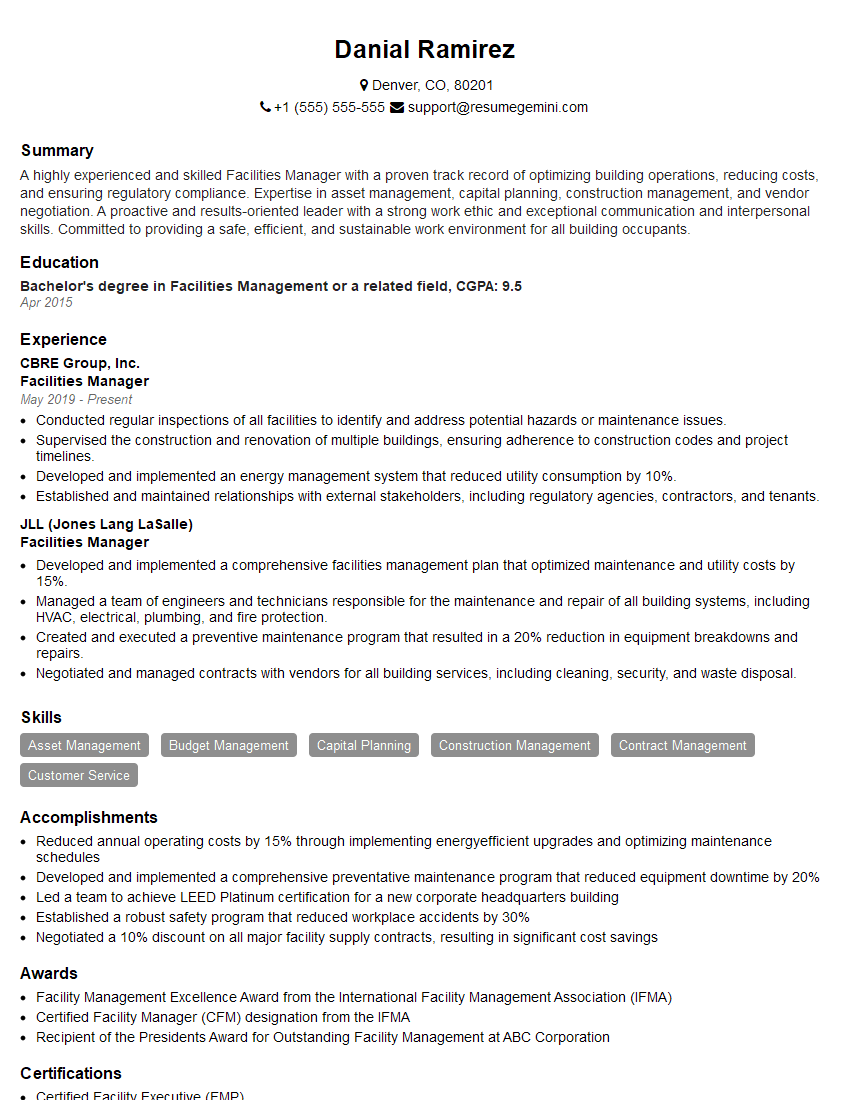
Facilities Manager Resume Sample
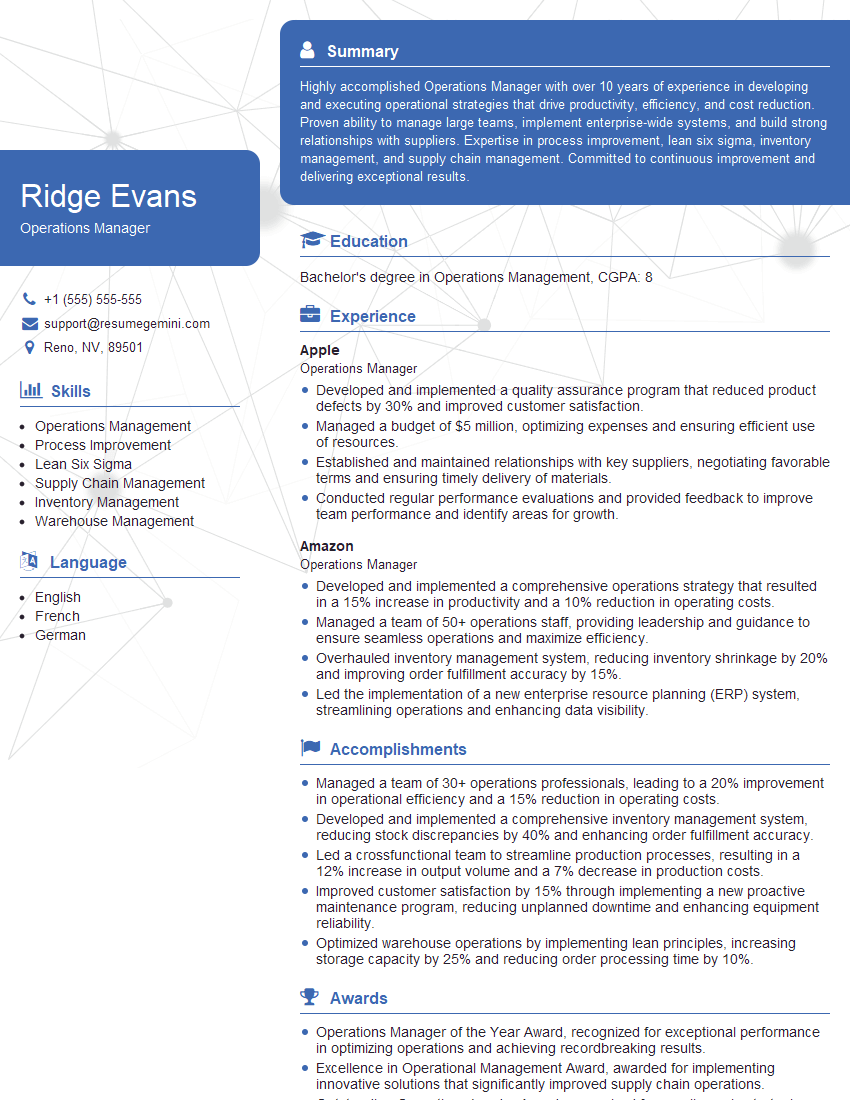
Operations Manager Resume Sample
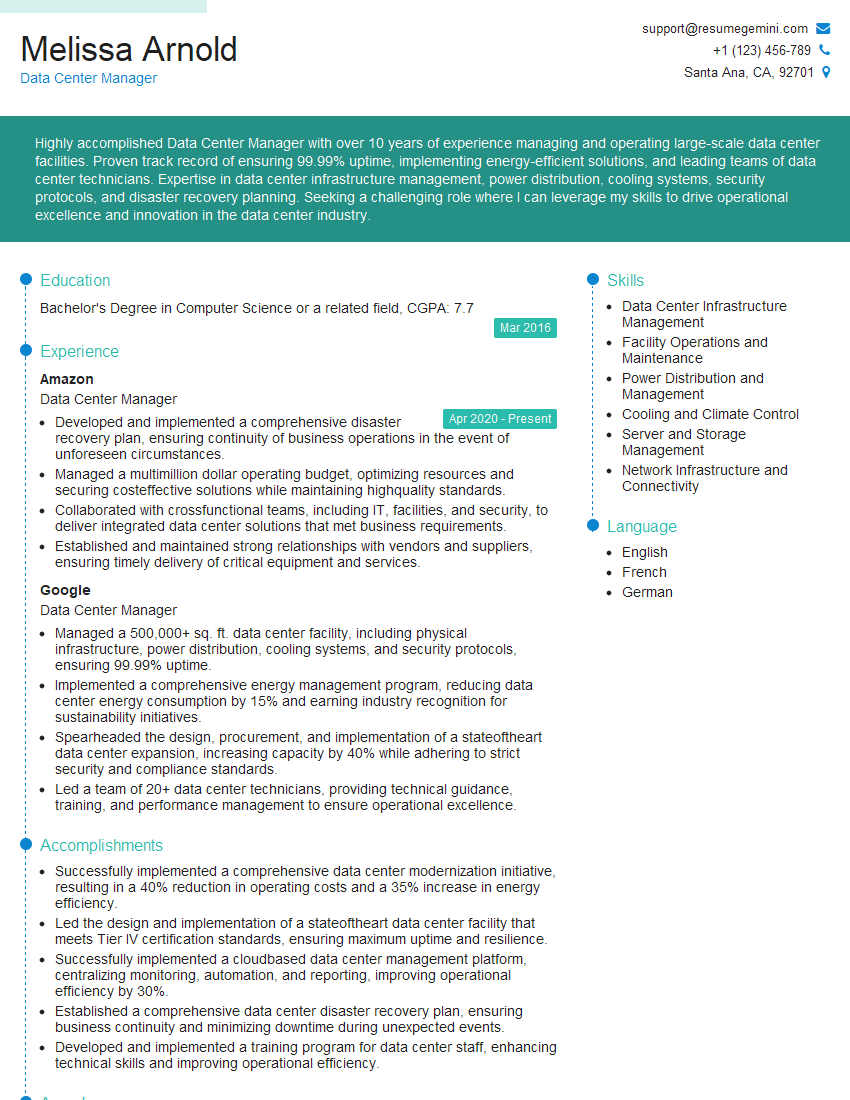
Data Center Manager Resume Sample
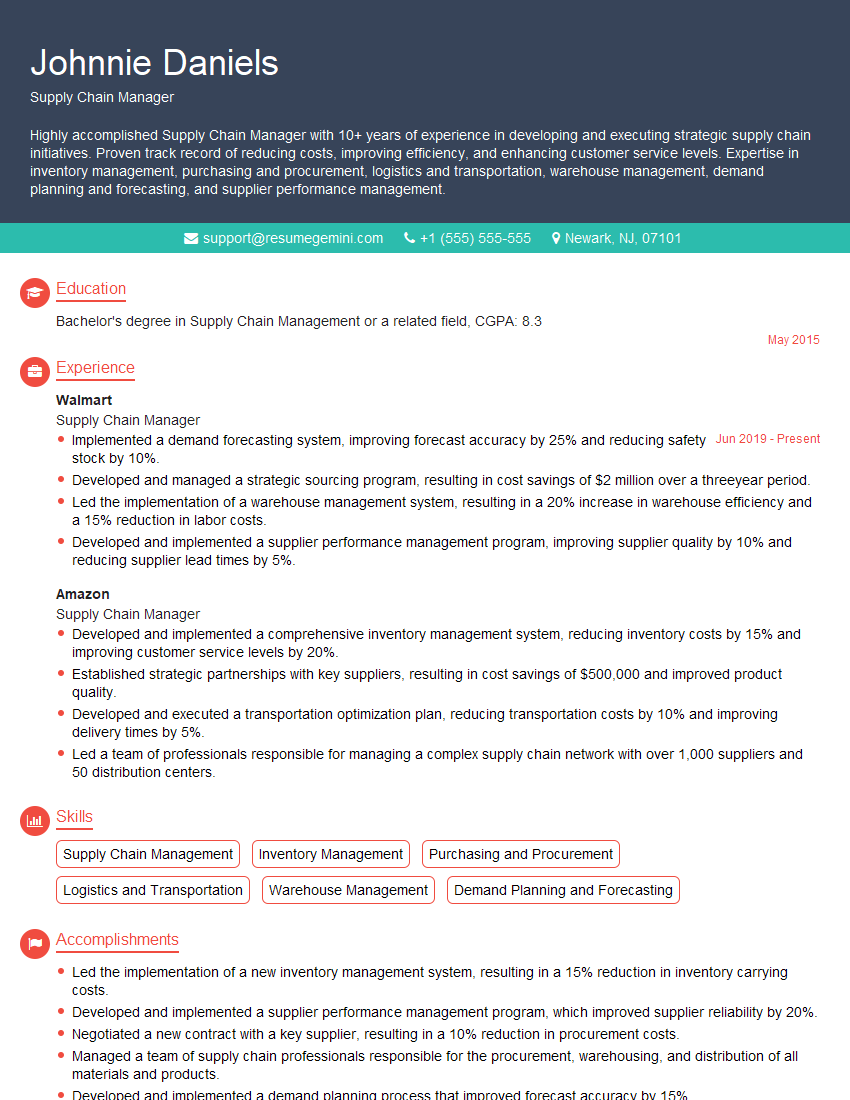
Supply Chain Manager Resume Sample
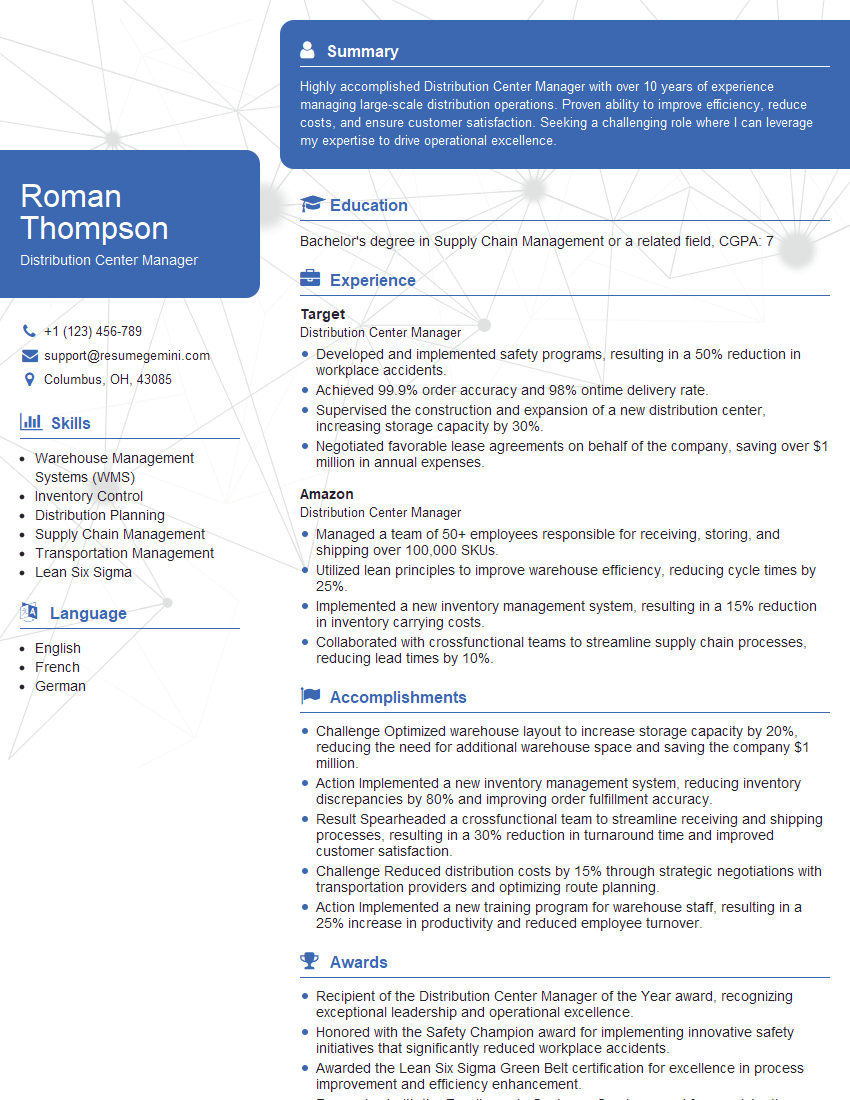
Distribution Center Manager Resume Sample
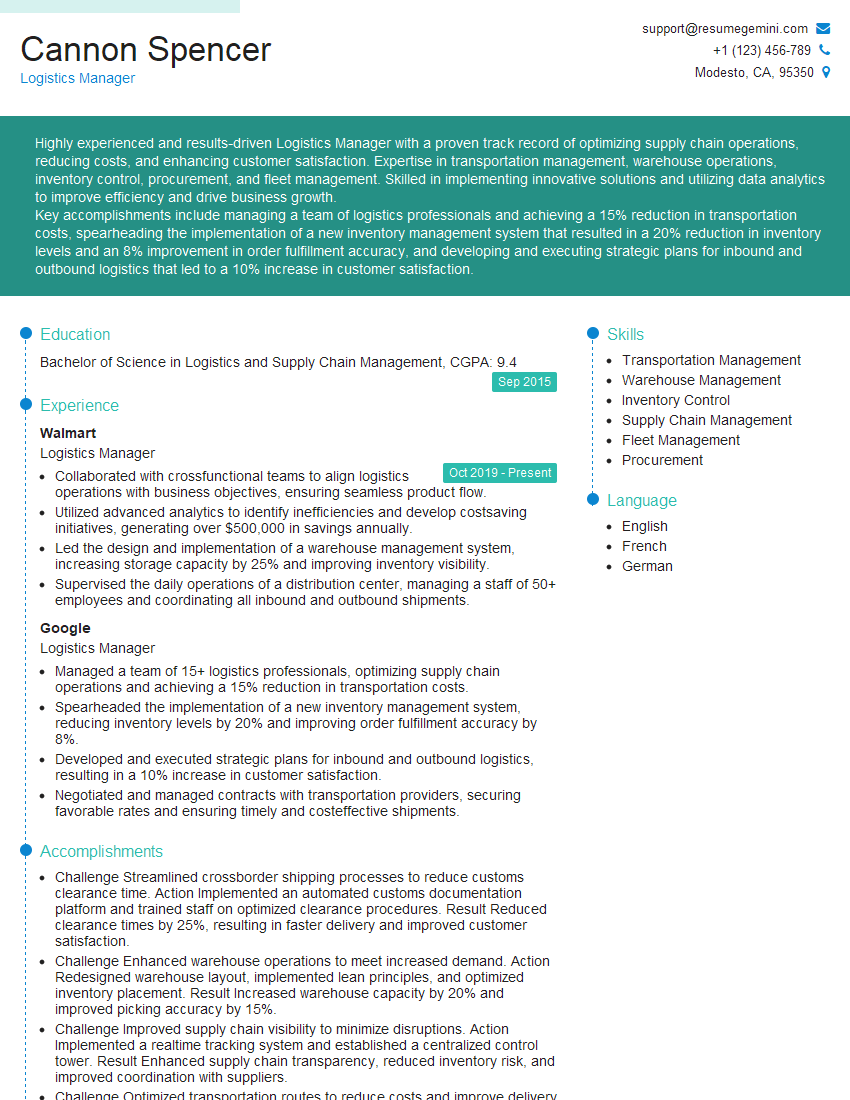
Logistics Manager Resume Sample
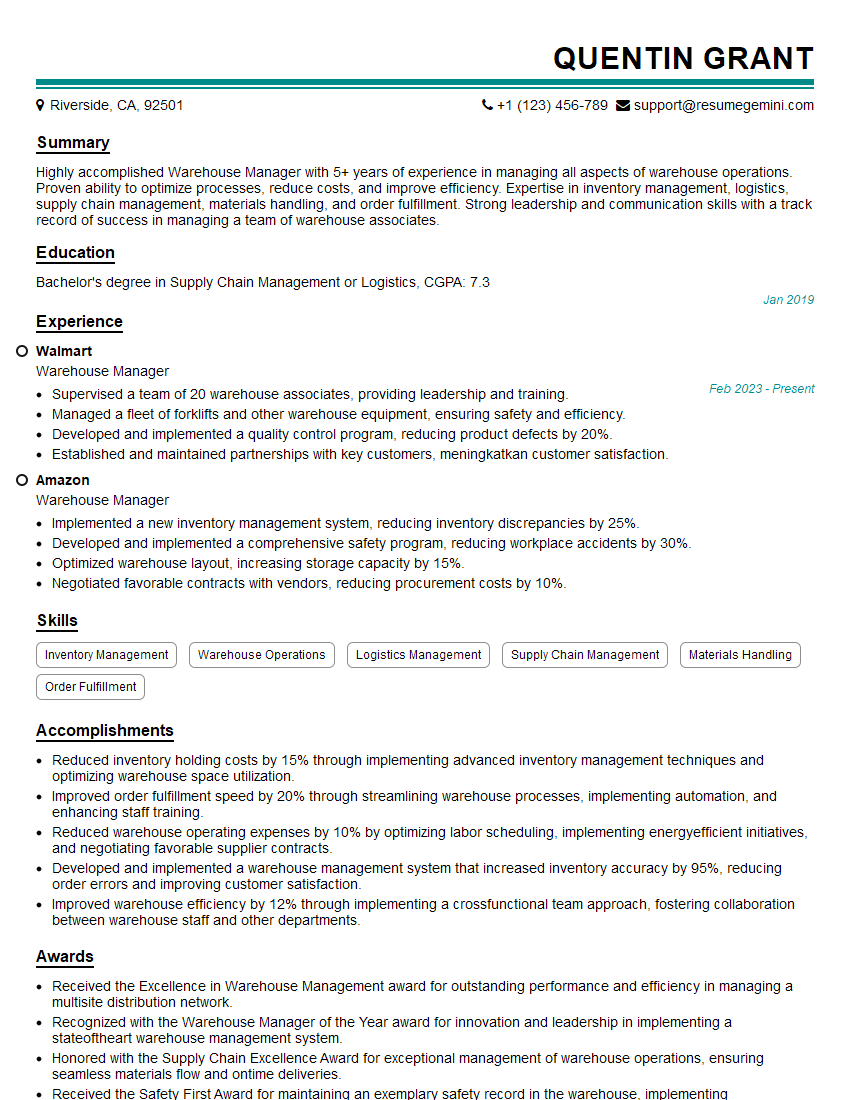
Warehouse Manager Resume Sample
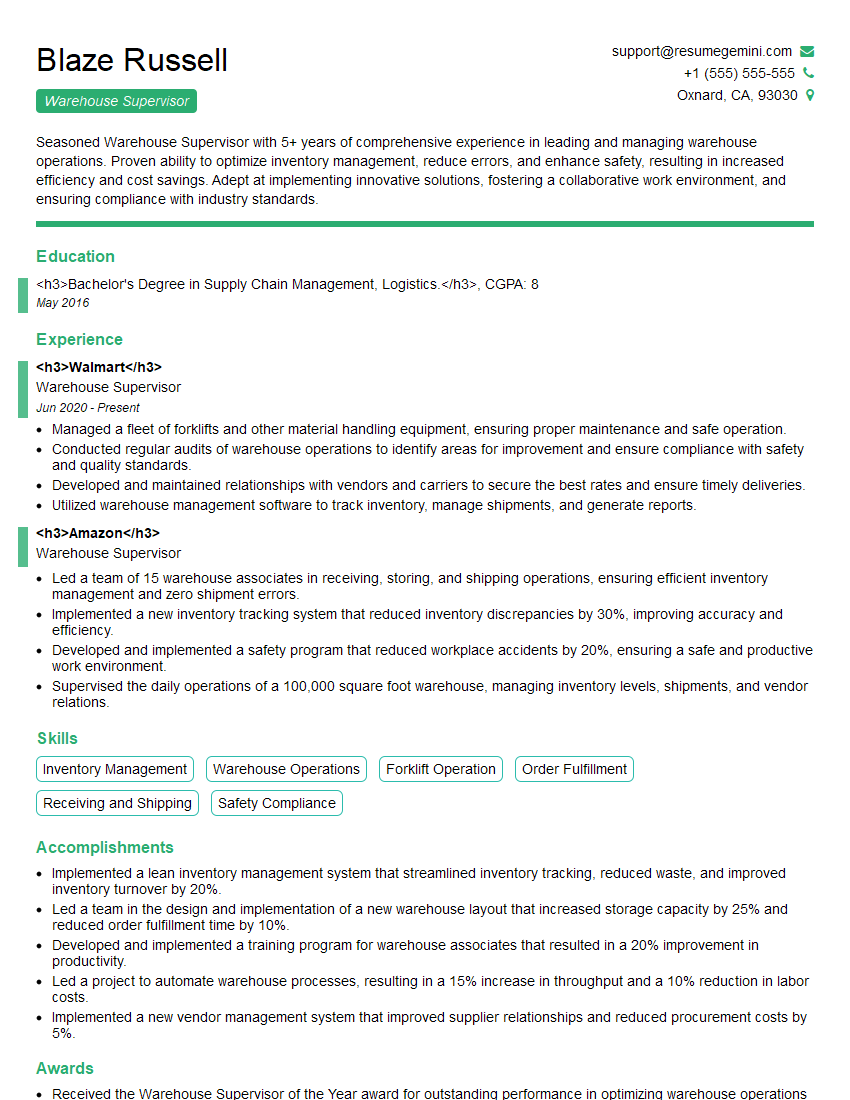
Warehouse Supervisor Resume Sample
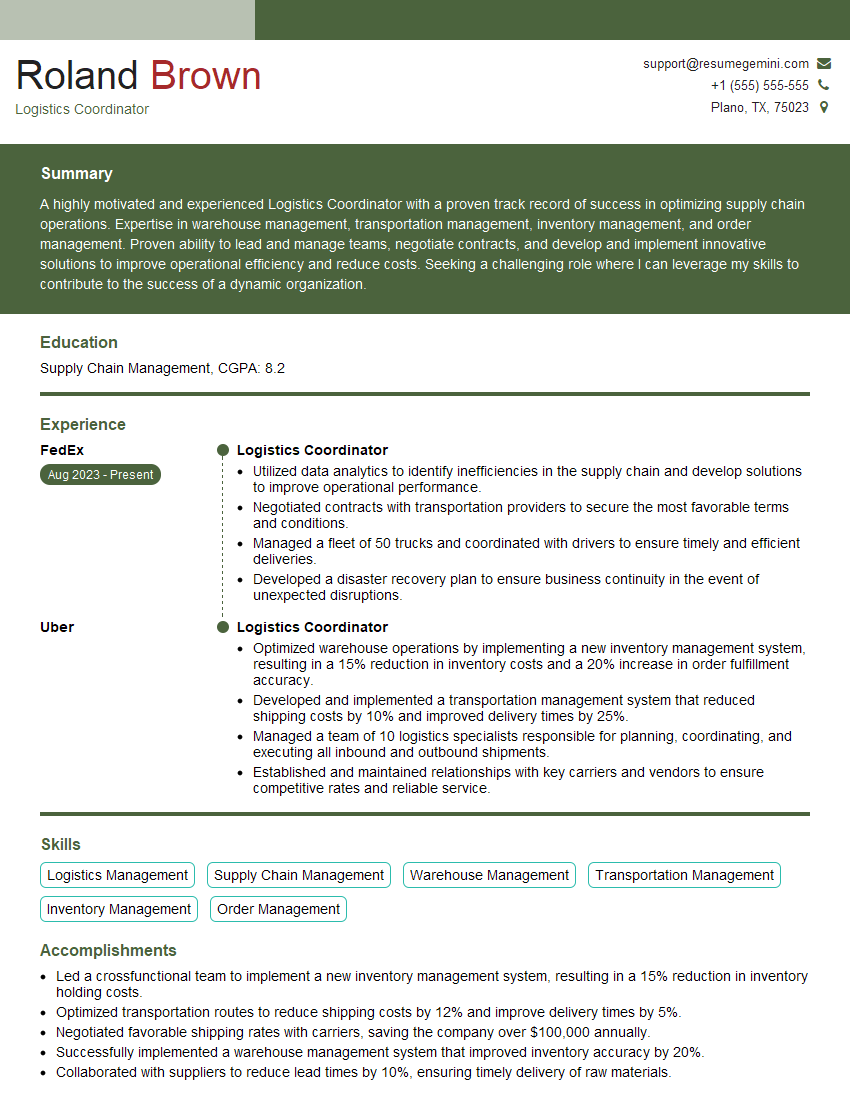
Logistics Coordinator Resume Sample
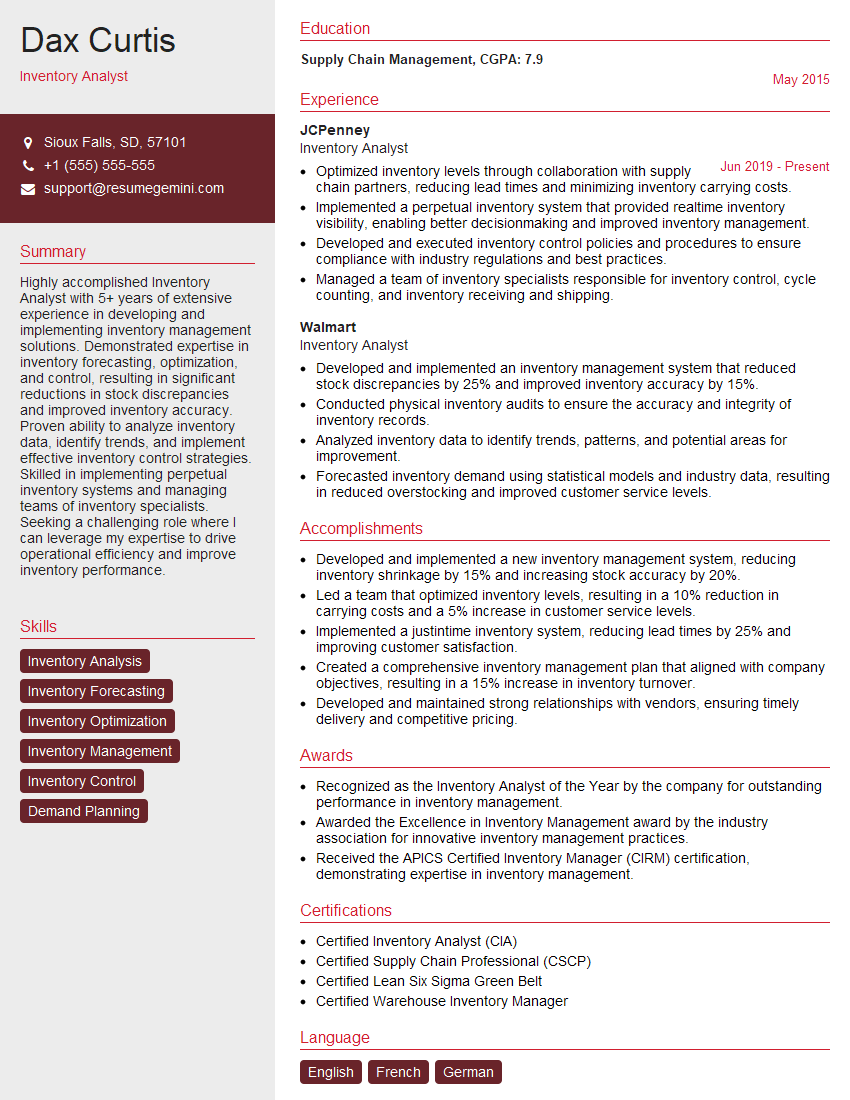
Inventory Analyst Resume Sample
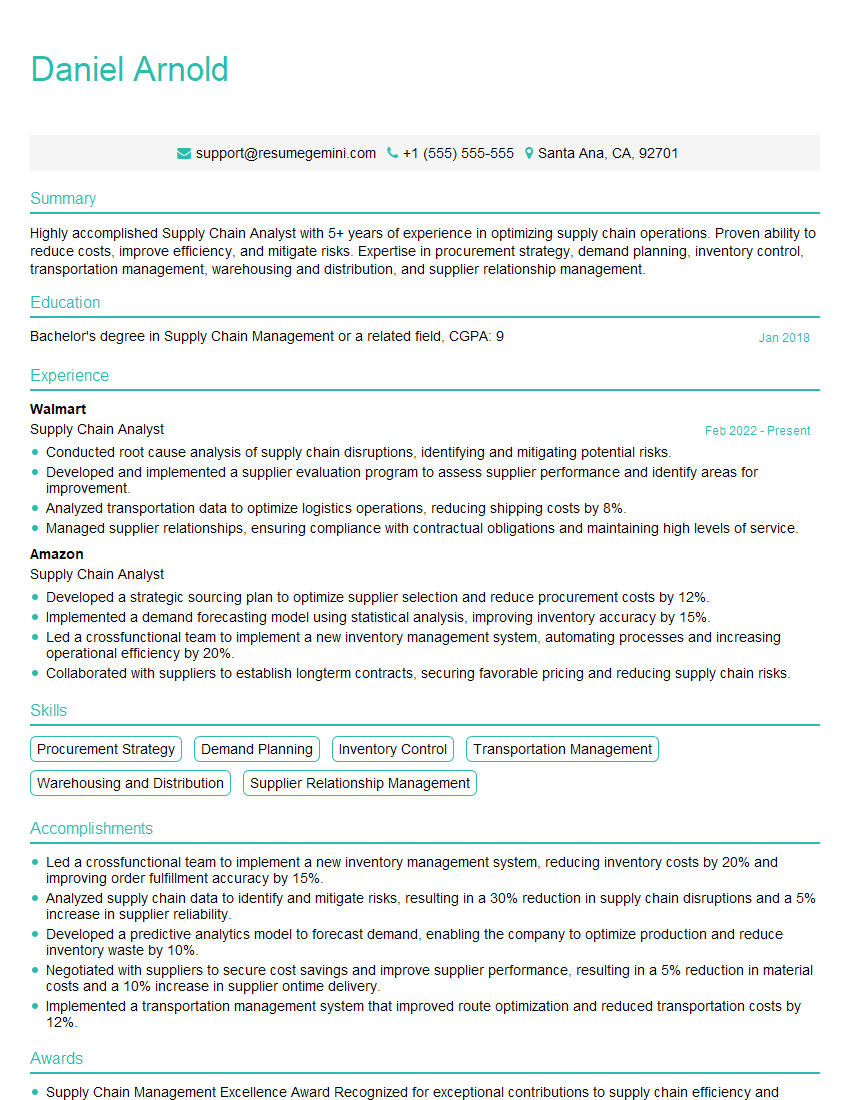
Supply Chain Analyst Resume Sample
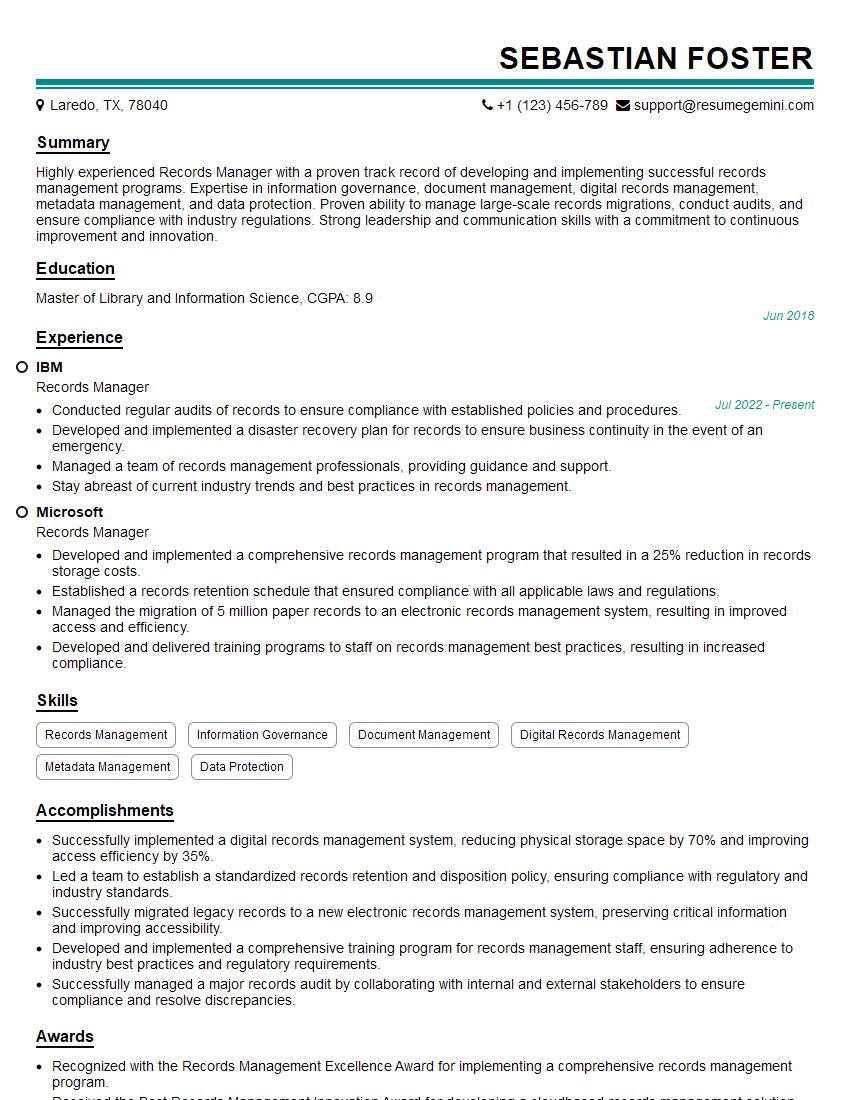
Records Manager Resume Sample
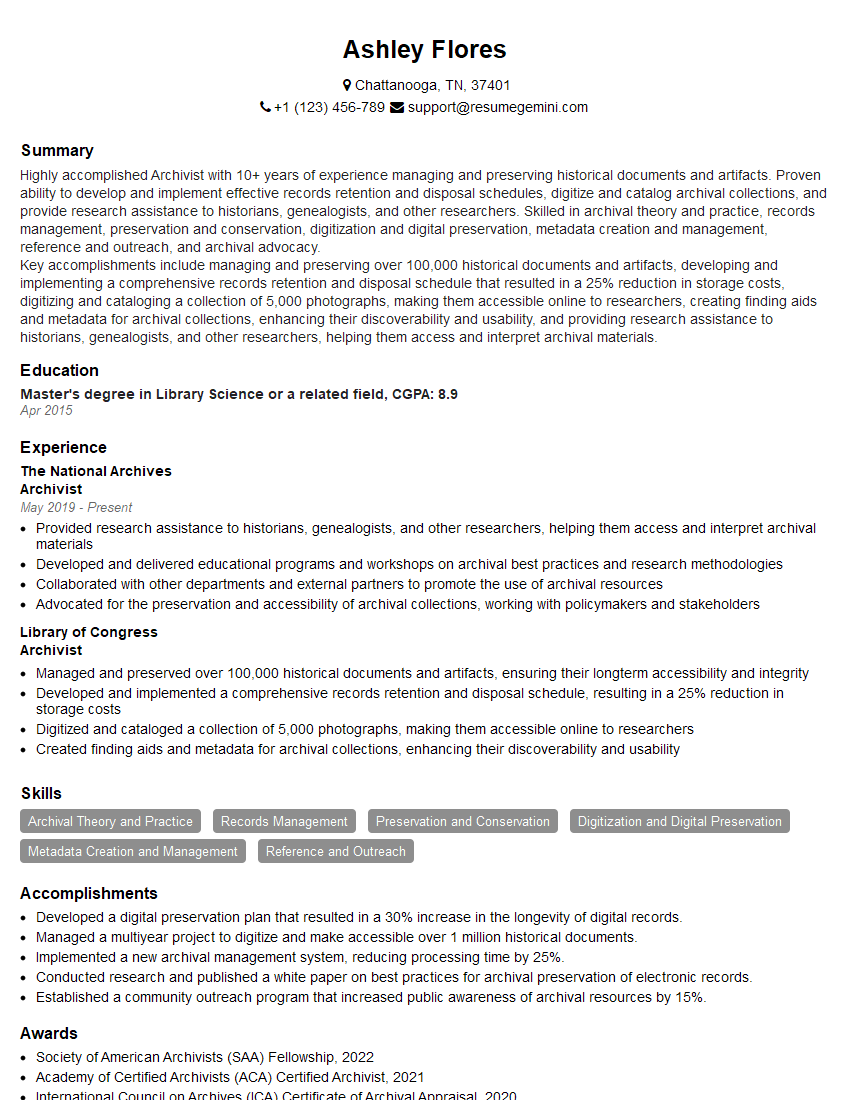
Archivist Resume Sample

Museum Curator Resume Sample
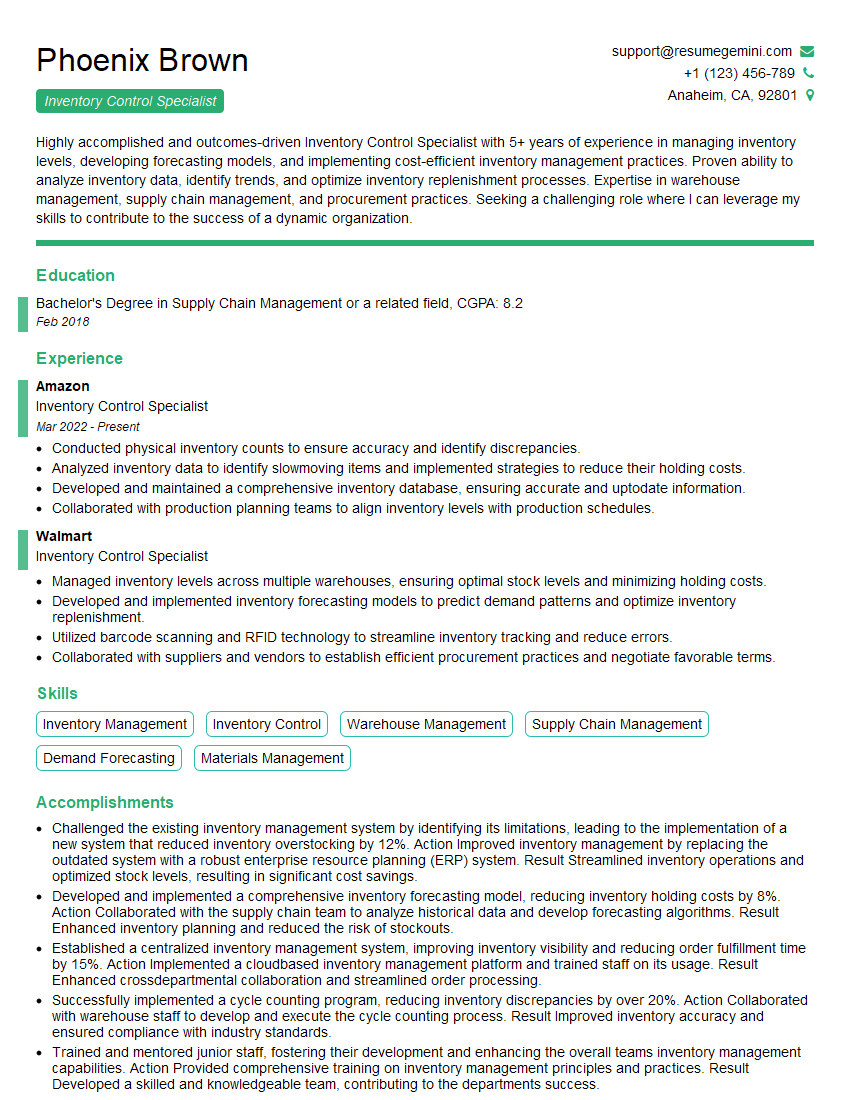
Inventory Control Specialist Resume Sample
Explore more articles
Users Rating of Our Blogs
Share Your Experience
We value your feedback! Please rate our content and share your thoughts (optional).
What Readers Say About Our Blog
Very informative content, great job.
good