Interviews are opportunities to demonstrate your expertise, and this guide is here to help you shine. Explore the essential Property Damage Assessment and Restoration interview questions that employers frequently ask, paired with strategies for crafting responses that set you apart from the competition.
Questions Asked in Property Damage Assessment and Restoration Interview
Q 1. Describe your experience with water damage mitigation techniques.
Water damage mitigation is a crucial process aimed at minimizing further damage and promoting rapid drying after a water event. It’s not just about mopping up; it’s a systematic approach involving several key steps.
- Assessment: First, we thoroughly assess the extent of the water damage, identifying the source, type of water (clean, grey, or black), and affected areas. This includes checking for hidden moisture using moisture meters.
- Emergency Services: Immediate actions might include shutting off utilities (electricity, gas), removing standing water with pumps, and preventing further water intrusion. For example, if a pipe burst, we’d immediately shut off the main water supply.
- Extraction: Next, we remove as much water as possible using wet/dry vacuums, extractors, and other specialized equipment. This significantly reduces drying time and the risk of mold growth.
- Drying and Dehumidification: This is where structural drying techniques come in. We employ air movers to circulate air and dehumidifiers to reduce the moisture content in the air, speeding up the evaporation process. We strategically place equipment based on the affected areas and the type of materials.
- Content Relocation: Water-damaged contents are carefully removed, cleaned, and restored whenever possible. Items that cannot be salvaged are disposed of according to safety regulations.
- Monitoring: Throughout the process, we continuously monitor moisture levels using specialized meters to ensure the structure is thoroughly dry and prevent secondary damage. We often use data loggers that record humidity and temperature over time.
Imagine a scenario where a washing machine overflows. Our team would immediately arrive, assess the damage (identifying the extent of water penetration in flooring, walls, etc.), extract the water, set up air movers and dehumidifiers, and monitor the drying process until all moisture levels are back to normal. We’d also address any affected personal belongings.
Q 2. Explain the different drying methods used in structural drying.
Structural drying employs various methods to remove moisture from building materials after water damage. The selection depends on the extent and type of damage.
- Air Movement: Air movers, such as axial fans and centrifugal fans, circulate air to accelerate evaporation. The placement is critical; we strategically position them to create airflows that move across wet surfaces.
- Dehumidification: Dehumidifiers remove excess moisture from the air, creating a lower humidity environment that promotes faster drying. We use different types, depending on the size of the job, such as desiccant dehumidifiers for extremely wet situations.
- Heat: In some cases, carefully controlled heat is introduced to assist in evaporation. However, this requires caution to avoid damage to certain materials. This is typically applied in conjunction with other methods.
- Negative Air Pressure: This technique is especially useful in larger projects. It involves drawing air out of the affected area to create a pressure differential, which accelerates moisture movement outwards. This helps to dry wall cavities more effectively.
For instance, in a flooded basement, we might use large capacity dehumidifiers and multiple air movers to dry the concrete floor and walls. In a smaller case, like a leaky roof, localized air movers and a smaller dehumidifier might suffice.
Q 3. How do you determine the extent of fire damage to a structure?
Determining the extent of fire damage requires a methodical approach combining visual inspection and advanced testing. It’s more than just looking at the obvious charring.
- Visual Inspection: We carefully examine the structure, noting the visible signs of damage such as charring, smoke staining, and structural weakening. This includes checking for damage in concealed areas.
- Thermal Imaging: Infrared cameras detect temperature variations, revealing hidden moisture or areas of smoldering that are not immediately visible. This is crucial for identifying potential problems behind walls or ceilings.
- Moisture Meter Testing: We use moisture meters to detect hidden water damage caused by firefighting efforts or latent heat. Elevated moisture content can lead to mold growth later on.
- Structural Assessment: A structural engineer often needs to assess the stability and integrity of the building, looking for weakened beams, compromised foundations, or potential collapse risks. This may involve load testing or other assessments.
- Testing for Hazardous Materials: It’s vital to check for asbestos, lead paint, and other hazardous materials that might have been released or damaged by the fire. This requires specialized testing and safety protocols.
For example, a house fire might show visible charring on the walls, but thermal imaging might reveal hidden moisture in the ceiling joists or smoldering areas in the insulation. Structural engineers would assess the structural integrity to ensure the building is safe.
Q 4. What are the common causes of mold growth and how do you remediate it?
Mold growth thrives in damp, dark environments with a readily available food source. Understanding the causes and remediation is key to preventing health problems and further damage.
- Moisture: The primary driver of mold growth is excess moisture. Leaks, flooding, high humidity, and condensation create ideal conditions for mold spores to germinate and spread.
- Temperature: Moderate temperatures between 68-86°F (20-30°C) promote optimal mold growth.
- Food Source: Mold consumes organic materials such as wood, drywall, insulation, and even paper. The more organic material, the more potential food for mold growth.
Remediation involves several steps:
- Containment: We carefully contain the affected area to prevent mold spores from spreading to other parts of the building. This typically involves setting up plastic barriers and negative air pressure.
- Moisture Removal: The source of moisture needs to be identified and addressed before mold remediation. This might involve plumbing repairs, roof repairs, or other solutions.
- Mold Removal: Using proper personal protective equipment (PPE), such as respirators and protective suits, the mold is removed mechanically or chemically. We carefully remove affected materials and dispose of them properly.
- Cleaning and Disinfection: Once the mold is removed, the affected area is thoroughly cleaned and disinfected with antimicrobial solutions to prevent regrowth.
- Restoration: The damaged materials are replaced and repaired to restore the area to its original condition.
Consider a bathroom with a persistent leak. Mold develops behind the shower tiles. We’d address the leak, remove the moldy tiles and drywall, clean and disinfect the area, and then replace the damaged materials.
Q 5. What safety precautions do you take when working with asbestos or lead?
Working with asbestos and lead requires strict adherence to safety protocols to minimize the risk of exposure. These materials are dangerous and require specialized handling.
- Asbestos: Asbestos is a fibrous material that can cause serious lung diseases. When working with asbestos-containing materials (ACM), we follow these precautions:
- Proper Identification: We first need to confirm the presence of asbestos using certified laboratory testing.
- Encapsulation or Removal: If asbestos is present, we may choose to encapsulate it to prevent fiber release, or if necessary, we must engage a licensed asbestos abatement contractor to safely remove it following all regulations.
- Personal Protective Equipment (PPE): This includes respirators with HEPA filters, protective suits, gloves, and eye protection.
- Air Monitoring: We use air monitoring devices to measure asbestos fiber levels during abatement.
- Waste Disposal: Asbestos waste must be disposed of in accordance with local, state, and federal regulations.
- Lead: Lead-based paint is a significant hazard, especially to children. When working with lead-containing materials, the precautions are similar:
- Lead Testing: We use lead testing kits to confirm the presence of lead paint.
- Containment: Affected areas are carefully contained to prevent lead dust from spreading.
- Proper PPE: This includes respirators, protective suits, gloves, and eye protection.
- Wet Methods: We typically use wet methods for lead abatement to minimize dust generation.
- Waste Disposal: Lead waste requires specialized disposal.
The handling of these materials requires specialized training, licensing, and adherence to stringent safety protocols. We never undertake these tasks without proper certification and experience. We always prioritize the safety of our workers and the occupants.
Q 6. Explain your understanding of IICRC standards.
The Institute of Inspection, Cleaning, and Restoration Certification (IICRC) sets the industry standards for various restoration disciplines. Understanding and adhering to these standards is critical for professional credibility and quality assurance.
My understanding encompasses several key aspects:
- Standard Operating Procedures (SOPs): The IICRC provides detailed SOPs for various restoration services, such as water damage restoration, fire and smoke damage restoration, mold remediation, and more. These SOPs outline best practices, ensuring consistent and high-quality work.
- Certification Programs: I hold various IICRC certifications, demonstrating my expertise and commitment to professional standards. These certifications validate my knowledge and skills in specific areas.
- Continuing Education: The IICRC emphasizes continuing education to keep professionals updated on the latest techniques, technologies, and safety regulations. I actively participate in ongoing training.
- Ethics and Code of Conduct: The IICRC promotes ethical practices and a strong code of conduct, emphasizing honesty, integrity, and client satisfaction.
Following IICRC standards ensures that our services are consistent with industry best practices, maximizing the chances of successful restoration and minimizing potential risks. It is a cornerstone of our approach to every project.
Q 7. How do you estimate the cost of repairs for property damage?
Estimating the cost of property damage repairs involves a thorough assessment and detailed breakdown of various components.
- Detailed Inspection: We start with a thorough inspection of the damaged property to identify the extent of the damage, including hidden or latent problems.
- Material Costs: We accurately estimate the cost of materials required for repairs, such as drywall, lumber, flooring, paint, etc., sourcing costs from reputable suppliers.
- Labor Costs: We factor in labor costs based on the scope of work, the required expertise (specialists might have higher rates), and the estimated time for completion.
- Equipment Costs: Costs associated with specialized equipment and tools, including rentals or the use of in-house equipment, are also considered.
- Disposal Costs: We account for the costs of disposing of debris, waste materials, and hazardous substances in accordance with regulations.
- Contingency: A contingency percentage is often added to cover unexpected costs that may arise during the repair process.
- Permits and Licenses: If required, we factor in the costs of obtaining necessary permits and licenses.
The process may involve creating a detailed estimate, breaking down each component of the repairs. This clarity ensures transparency with clients and avoids disputes. We always provide a clear breakdown for our clients, and we are open to revising estimates if new issues are discovered during the repair process.
Q 8. Describe your experience with creating detailed reports for insurance claims.
Creating detailed reports for insurance claims is crucial for accurate reimbursement and efficient claim processing. My reports meticulously document every aspect of the damage, from initial assessment to final remediation. This includes comprehensive photography and videography, detailed measurements of affected areas, itemized lists of damaged property with replacement cost estimates, and a step-by-step account of the restoration process. I utilize specialized software to create professional reports with clear visuals, ensuring that all information is readily accessible and understandable for insurance adjusters.
For example, in a recent water damage claim, my report included photos showing the extent of water penetration, diagrams illustrating the moisture migration pathways, and a detailed breakdown of the drying equipment used, along with the daily readings of moisture meters to demonstrate progress. This level of detail helped expedite the claims process and ensure the client received the full amount of coverage.
I also always ensure the reports are concise, well-organized, and easy to navigate, understanding that adjusters handle numerous claims daily. Clear communication is paramount.
Q 9. How do you handle difficult clients or challenging situations?
Handling difficult clients or challenging situations requires empathy, clear communication, and a problem-solving approach. I begin by actively listening to the client’s concerns, validating their feelings, and explaining the restoration process clearly and patiently. Transparency is key – I keep clients informed every step of the way, managing expectations and providing realistic timelines.
In situations where disagreements arise, I focus on finding common ground and collaborating towards a mutually acceptable solution. For instance, if a client disputes a cost estimate, I provide detailed documentation and justify each expense. If necessary, I may involve a neutral third party, such as an independent adjuster, to mediate the situation. Ultimately, maintaining a professional and respectful demeanor throughout the process is crucial to de-escalating tension.
Challenging situations might also include unexpected complications during restoration. For example, discovering hidden mold during a water damage restoration requires a swift and informed response. In these cases, I immediately inform the client, adjust the scope of work accordingly, and ensure all necessary safety precautions are implemented.
Q 10. What is your experience with using moisture meters and other diagnostic equipment?
I’m proficient in using a variety of moisture meters, including pin-type meters for measuring moisture content in wood and non-invasive meters for detecting moisture in walls and floors. My experience extends to thermal imaging cameras for identifying hidden moisture and temperature variations, and infrared hygrometers for measuring relative humidity. I also utilize specialized equipment like surface probes, which accurately determine the moisture level at different depths, and data loggers, that track environmental conditions over time.
For example, in a water damage situation, I’d use a combination of these tools. A thermal imaging camera would initially help pinpoint areas with elevated moisture, then pin-type meters would take specific readings to quantify the moisture levels. Data loggers would be strategically placed to monitor the drying process, providing objective evidence for insurance adjusters. The accurate data gathered by this equipment allows for informed decision-making and efficient remediation strategies.
Regular calibration and maintenance of this equipment are essential to ensuring accurate readings and reliable data. I always follow manufacturer’s instructions for proper usage and calibration to maintain accuracy.
Q 11. Explain your understanding of different building materials and their reaction to damage.
Understanding different building materials and their reactions to damage is fundamental to effective property restoration. Water, fire, and other forms of damage affect materials differently. For example, drywall absorbs water, becoming weakened and susceptible to mold growth. Wood expands with water absorption, warping and potentially causing structural damage. Concrete can crack and deteriorate due to freeze-thaw cycles or chemical reactions.
Different materials require different remediation techniques. For example, water-damaged drywall needs to be removed and replaced, while water-damaged wood may be salvageable if the moisture content is reduced quickly. Fire-damaged materials often require specialized cleaning and stabilization methods. My knowledge spans various materials, including wood, drywall, concrete, insulation, flooring, and various finishes. This knowledge allows me to correctly assess the extent of damage and to design a safe and efficient restoration plan tailored to the specific materials involved.
Moreover, I’m aware of how different materials interact. For instance, the presence of asbestos or lead-based paint in older structures requires specialized handling and disposal procedures, ensuring compliance with all relevant regulations and safety protocols.
Q 12. How do you prioritize tasks during an emergency restoration situation?
Prioritizing tasks during an emergency restoration situation requires a structured approach. My priority system focuses on safety, stabilization, and containment. First, I ensure the safety of my team and occupants by addressing any immediate hazards, such as downed power lines or structural instability. Then, I work to stabilize the situation, preventing further damage. This may involve shutting off utilities or implementing temporary repairs to prevent water spread.
Containment is the next priority. This involves isolating the affected area to prevent damage spread to other parts of the building. Following this, we focus on mitigating the damage -removing standing water, or addressing the source of fire. Finally, we move to the restoration phase, following a carefully planned sequence of actions. This approach ensures that the most critical tasks are addressed first, minimizing further damage and loss. This approach minimizes further damage and allows for a more efficient restoration process.
A crucial element in task prioritization is open communication with the client, insurance adjuster and team members, constantly reassessing priorities as the situation unfolds.
Q 13. Describe your experience with working with insurance adjusters.
Working with insurance adjusters requires clear and effective communication, along with meticulous documentation. I build strong working relationships with adjusters by providing them with timely and accurate information, including comprehensive reports, detailed estimates, and photographic evidence.
I understand the importance of adhering to insurance company protocols and guidelines. This ensures a smooth claims process and prevents delays. For example, I am familiar with various insurance forms and reporting requirements, ensuring all documentation is complete and compliant. Proactive communication with the adjuster, providing updates throughout the restoration project, builds trust and prevents misunderstandings.
A collaborative approach with adjusters minimizes disputes and ensures that the client receives fair compensation for their losses. Building this strong relationship is essential for quick, fair, and successful claim processing.
Q 14. How do you ensure the safety of your team and the property during restoration work?
Ensuring the safety of my team and the property during restoration work is paramount. I begin by conducting a thorough site assessment, identifying and mitigating potential hazards. This includes checking for electrical hazards, structural instability, and the presence of asbestos or other hazardous materials.
My team is equipped with appropriate personal protective equipment (PPE), including safety glasses, gloves, respirators, and safety harnesses, depending on the task. We follow strict safety protocols, including using proper lifting techniques, utilizing appropriate safety equipment for tasks involving heights or confined spaces, and adhering to all relevant OSHA regulations.
We also implement secure site access control measures, using locks and security systems where necessary, to prevent unauthorized entry and potential theft. Regular safety meetings and training sessions reinforce these practices, creating a culture of safety awareness within the team.
Q 15. What software or technology are you proficient in for documentation and reporting?
For documentation and reporting in property damage assessment and restoration, I’m proficient in several software solutions. My go-to is Xactimate, industry-standard software for estimating repair costs and documenting damage. It allows for detailed reporting with photos, measurements, and comprehensive cost breakdowns. I also utilize specialized mobile apps for on-site documentation, capturing high-resolution images, videos, and 360° panoramas. These apps often integrate directly with Xactimate for seamless data transfer. Finally, I’m comfortable using Microsoft Office Suite (Word, Excel, PowerPoint) for generating detailed reports, presentations, and communication with clients and insurance adjusters. For example, I recently used Xactimate to create a detailed report for a fire-damaged home, complete with individual line items for demolition, reconstruction, and specialized cleaning, ultimately helping the homeowner understand the scope of repairs and supporting their insurance claim.
Career Expert Tips:
- Ace those interviews! Prepare effectively by reviewing the Top 50 Most Common Interview Questions on ResumeGemini.
- Navigate your job search with confidence! Explore a wide range of Career Tips on ResumeGemini. Learn about common challenges and recommendations to overcome them.
- Craft the perfect resume! Master the Art of Resume Writing with ResumeGemini’s guide. Showcase your unique qualifications and achievements effectively.
- Don’t miss out on holiday savings! Build your dream resume with ResumeGemini’s ATS optimized templates.
Q 16. What is your experience with different types of cleaning agents and disinfectants?
My experience with cleaning agents and disinfectants is extensive, encompassing various types for different scenarios. For instance, I’m well-versed in using EPA-registered disinfectants to eliminate biohazards like mold, bacteria, and viruses following water damage. These disinfectants are crucial in mitigating health risks and ensuring the safety of occupants. I also utilize specialized cleaning agents for specific materials – for example, pH-neutral cleaners for hardwood floors and specialized solutions for delicate fabrics. The selection of the appropriate cleaning agent depends heavily on the type of damage, the material affected, and the presence of hazardous substances. Safety is paramount, so proper personal protective equipment (PPE) is always used, and I follow manufacturer instructions precisely. For example, in a recent sewage backup scenario, we used enzymatic cleaners to break down organic matter and prevent further odor issues, followed by a thorough disinfection with an EPA-registered disinfectant.
Q 17. How do you handle disputes concerning the extent of damage or cost of repairs?
Handling disputes regarding damage extent or repair costs requires a methodical approach. First, I ensure all damage is meticulously documented with photographic and written evidence. My detailed reports, including Xactimate estimates, are presented as a strong foundation for negotiations. If a dispute arises, I’m prepared to provide clear explanations of my assessment, referencing industry standards, building codes, and supporting documentation. I collaborate with the client and insurance adjuster to reach a mutually agreeable solution, emphasizing transparency and open communication. If negotiation fails, I understand the process of engaging independent experts for a second opinion or, if necessary, pursuing arbitration or litigation. In one case, a dispute arose over the extent of mold damage after a water leak. By presenting detailed photographic evidence, laboratory mold testing results, and a clear explanation of the remediation process in my Xactimate report, we successfully resolved the dispute and avoided costly legal action.
Q 18. Explain your process for documenting the restoration process.
My process for documenting the restoration process is thorough and systematic. It begins with a detailed initial assessment, including photographs, video recordings, and detailed notes. This initial documentation forms the baseline for tracking progress. Throughout the restoration process, I maintain a detailed log, documenting each step, materials used, and the individuals involved. This log is updated daily. I also take regular progress photographs to show the stages of restoration. The final documentation includes the ‘before’ and ‘after’ shots, invoices for materials and labor, and a final report summarizing the entire process and outlining any recommendations. This comprehensive documentation package is vital for insurance claims, communication with clients, and quality control. Imagine a kitchen fire – my documentation would show the initial damage, the removal of damaged cabinetry, the installation of new cabinets, and the final cleaning, providing a clear record of the project’s progression.
Q 19. How do you manage a team of restoration technicians?
Managing a restoration team requires strong leadership, effective communication, and a commitment to safety. I emphasize clear task delegation, ensuring each technician understands their responsibilities and the overall project goals. Regular team meetings are held to discuss progress, address challenges, and maintain open communication. I ensure all technicians adhere to safety protocols and utilize proper PPE. Performance is closely monitored, and constructive feedback is provided regularly to foster professional growth and development. Teamwork and collaboration are strongly encouraged. For instance, if a large-scale project involves multiple technicians, I create a detailed project schedule, assigning tasks based on individual skill sets, and ensuring proper coordination to ensure timely and efficient completion. Regular safety checks and training sessions are integral to the team’s operational effectiveness.
Q 20. What is your experience with content restoration (personal belongings)?
My experience in content restoration is extensive. I understand the delicate nature of personal belongings and the emotional significance attached to them. This involves careful handling, cleaning, and restoration of damaged items, ranging from photographs and documents to furniture and clothing. I use specialized cleaning methods and equipment to remove soot, smoke, water damage, or other contaminants, ensuring minimal further damage. For particularly delicate items, I might use professional conservation services. In some instances, items may be unsalvageable, and this is communicated clearly to the client. For example, water-damaged photographs are carefully cleaned and dried, often using specialized freeze-drying techniques to prevent mold growth and preserve the image. For documents, specialized cleaning solutions and techniques are applied to ensure ink preservation. The goal is always to return items to their pre-loss condition, or as close to that as possible.
Q 21. How do you identify and address potential health hazards during restoration?
Identifying and addressing health hazards is crucial in restoration. This begins with a thorough assessment of the damage, considering potential contaminants like mold, asbestos, lead paint, and biological hazards. I utilize appropriate testing methods, such as air quality testing for mold spores or asbestos fibers, to confirm the presence and concentration of hazardous materials. Once identified, I follow strict protocols for remediation. This involves the use of appropriate PPE, specialized equipment, and containment methods to prevent further contamination. Depending on the severity and nature of the hazard, I may need to coordinate with specialized contractors, such as asbestos abatement specialists. For example, if mold is found, I’ll implement containment measures, remove affected materials, use EPA-registered disinfectants, and confirm remediation through post-remediation testing. Client safety and regulatory compliance are always paramount.
Q 22. Describe your experience with emergency response and disaster recovery.
Emergency response and disaster recovery are crucial aspects of my work. My experience spans various scenarios, from localized water damage events to large-scale disasters impacting entire communities. I’ve been involved in responding to events like hurricanes, floods, and fires, leading teams to stabilize damaged properties, mitigate further damage, and begin the restoration process as quickly and safely as possible. This includes securing the site, assessing immediate risks (like structural instability or hazardous materials), and implementing emergency measures to prevent further loss.
For instance, during a recent hurricane, our team was deployed to a coastal town. We immediately prioritized securing properties against further damage from wind and rain, using tarps and temporary boarding. We then conducted a rapid assessment of each property to identify the extent of damage and prioritize which needed immediate attention – such as homes with significant roof damage or substantial water intrusion.
Beyond the initial response, I’m adept at managing the longer-term aspects of disaster recovery, which involves working with insurance adjusters, contractors, and homeowners to complete the restoration to pre-loss condition. This often includes navigating complex insurance claims and adhering to strict regulatory requirements.
Q 23. How do you manage project timelines and budgets effectively?
Effective project management is paramount in property restoration. I utilize a combination of techniques to manage timelines and budgets, starting with a detailed scope of work that clearly outlines every task involved in the restoration process. This includes detailed material lists, labor estimates, and potential contingency plans.
I leverage project management software to track progress, assign tasks, monitor costs, and maintain clear communication with clients and subcontractors. Regular meetings and progress reports help to identify and address potential issues early on, preventing delays and cost overruns. A critical path method (CPM) is frequently employed to determine which tasks are most critical to meeting the overall project deadline.
For budgeting, I develop detailed cost estimates based on historical data, material pricing, and labor rates. I build in contingency funds to account for unforeseen circumstances, such as discovering hidden damage during demolition. This proactive approach minimizes the risk of going over budget.
Think of it like building a house: You wouldn’t start construction without blueprints and a budget. Similarly, in restoration, a detailed plan and budget are crucial for successful project completion.
Q 24. How do you stay up-to-date with industry best practices and regulations?
Staying current in this field is crucial. I actively participate in industry associations like the Institute of Inspection, Cleaning and Restoration Certification (IICRC), attending conferences and workshops, and pursuing continuing education courses to maintain certifications. These certifications often cover emerging techniques and regulations.
I subscribe to industry publications and journals, regularly review updated building codes and safety regulations, and network with other professionals to share best practices. Following online forums and engaging with experts through webinars keeps me updated on the latest advancements in materials, techniques, and technologies used in property restoration.
For example, recently I completed a course on the latest advancements in mold remediation, which included new testing methods and improved mitigation strategies. This continuous learning ensures I’m equipped to handle any restoration challenge efficiently and safely.
Q 25. What is your understanding of the different types of building codes related to restoration?
My understanding of building codes related to restoration is extensive. I’m familiar with a range of codes, including the International Building Code (IBC), International Residential Code (IRC), and local municipal codes. These codes dictate standards for structural integrity, fire safety, moisture control, and accessibility following restoration work. Understanding these codes is crucial for ensuring the restored property meets all safety and regulatory requirements and is compliant with local ordinances.
For example, the IBC outlines specific requirements for repairing structural damage after a fire, focusing on load-bearing capacity and fire resistance. Similarly, the IRC dictates standards for moisture control in renovations, to prevent mold growth. A critical aspect is understanding that codes vary by location; therefore I always consult the specific codes applicable to the project’s location.
Q 26. Explain your experience with working with different types of construction materials.
My experience encompasses a wide variety of construction materials, including wood, drywall, concrete, brick, various types of flooring (tile, hardwood, carpet), and different roofing materials. I understand the specific properties of each material, including their strengths, weaknesses, and reactions to water damage, fire damage, or other types of destruction.
For instance, understanding the different types of wood and their susceptibility to rot is critical for water damage restoration. Similarly, knowledge of how different types of drywall react to fire damage informs decisions on appropriate replacement and repair techniques. Working with different materials requires an understanding of appropriate cleaning, drying, and restoration methods. Incorrect handling can compromise the structural integrity or even lead to health hazards.
Q 27. How do you prevent mold growth during the restoration process?
Preventing mold growth is a top priority. Our approach begins with prompt and thorough drying of affected areas, using specialized equipment like dehumidifiers and air movers. This is crucial because mold thrives in damp environments. We utilize moisture meters to monitor drying progress and ensure all materials reach acceptable moisture levels.
Beyond drying, proper cleaning is essential. We remove contaminated materials and thoroughly clean surfaces using appropriate antimicrobial agents. In cases of significant mold contamination, we may employ containment procedures to prevent the spread of spores. Understanding the principles of mold prevention and employing the appropriate techniques prevents future problems and safeguards the health of occupants.
It’s important to note that visual inspection is often insufficient to determine if mold is present. We use professional testing methods to confirm the existence of mold and determine the appropriate course of action.
Q 28. Describe your experience with odor removal techniques.
Odor removal is an important aspect of restoration, impacting both the structural integrity of the building materials and the overall well-being of the inhabitants. The methods employed depend on the source of the odor; whether it’s smoke, sewage, or other contaminants. Effective odor removal may involve a multi-pronged approach.
For smoke damage, we often use specialized air scrubbers and ozone generators to neutralize odors. Sewage odor requires a thorough cleaning and sanitization of affected areas, followed by the application of odor counteractants and possibly the replacement of porous materials. In some cases, professional biohazard remediation is needed.
Often, a combination of techniques is necessary. For example, after a fire, we might first use air scrubbers to remove smoke particles and then use ozone generators to neutralize lingering odors. Following this, we might use encapsulants to seal odors within materials that cannot be replaced. Thorough cleaning and the use of appropriate odor counteractants are essential in every case.
Key Topics to Learn for Property Damage Assessment and Restoration Interview
- Water Damage Assessment and Mitigation: Understanding different water sources (Category 1, 2, 3), moisture detection techniques (meters, thermal imaging), drying methods (air movers, dehumidifiers), and the importance of proper documentation.
- Mold Remediation: Identifying mold types, assessing mold damage, implementing safe remediation protocols, understanding industry regulations and safety precautions (PPE, air quality testing).
- Fire Damage Restoration: Assessing fire damage extent, understanding smoke and soot damage remediation techniques, salvage and demolition procedures, and working with insurance adjusters.
- Structural Damage Assessment: Identifying structural weaknesses, understanding building codes and regulations, assessing the need for engineering reports, and communicating effectively with contractors and clients.
- Estimating and Budgeting: Creating accurate cost estimates, understanding insurance claim processes, negotiating with suppliers, and managing project budgets effectively.
- Health and Safety Regulations: OSHA compliance, proper handling of hazardous materials, and maintaining a safe work environment for both yourself and your team.
- Software and Technology: Familiarity with industry-specific software for estimating, project management, and documentation (e.g., Xactimate).
- Client Communication and Customer Service: Effective communication with clients, managing expectations, and providing exceptional customer service during stressful situations.
- Disaster Restoration Planning: Understanding emergency response procedures, working within disaster relief teams, and dealing with large-scale property damage events.
Next Steps
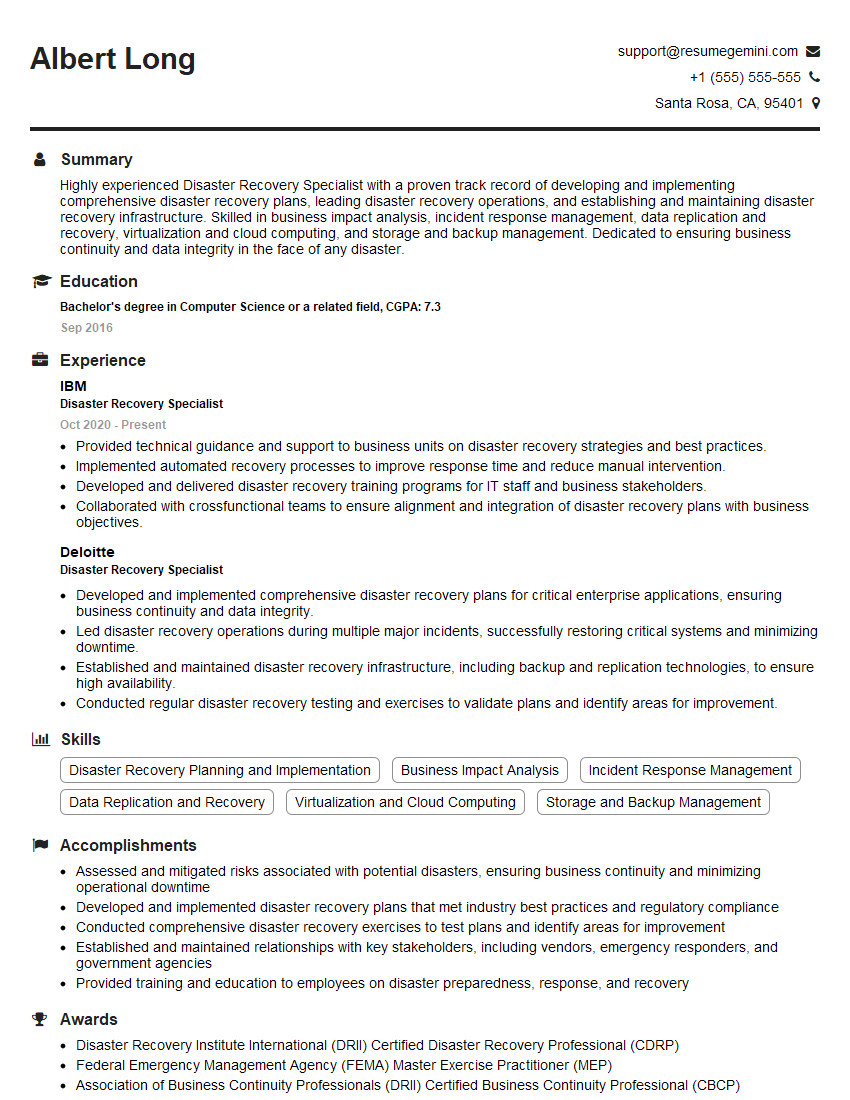
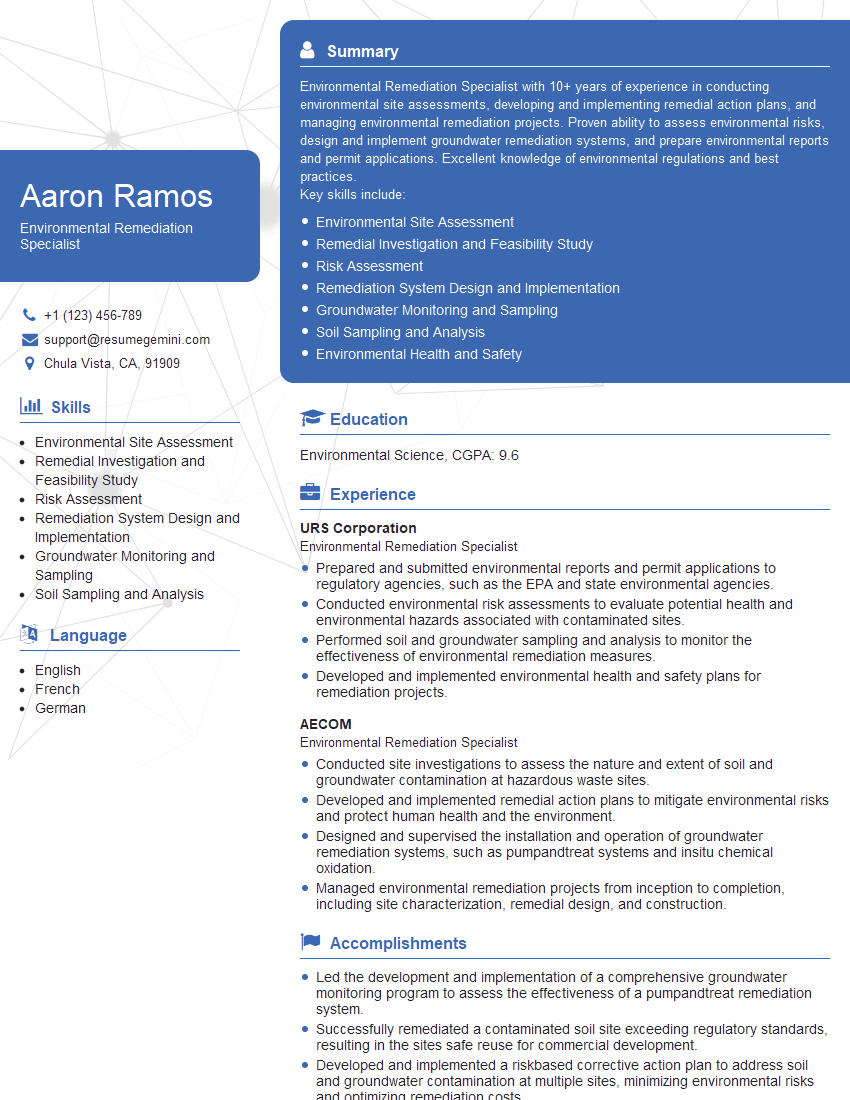
Mastering Property Damage Assessment and Restoration opens doors to a rewarding career with excellent growth potential. This field offers a blend of technical expertise, problem-solving skills, and client interaction. To maximize your job prospects, creating a strong, ATS-friendly resume is crucial. ResumeGemini can help you build a professional resume that highlights your skills and experience effectively. They provide examples of resumes tailored to Property Damage Assessment and Restoration to give you a head start. Invest time in crafting a compelling resume – it’s your first impression on potential employers.
Explore more articles
Users Rating of Our Blogs
Share Your Experience
We value your feedback! Please rate our content and share your thoughts (optional).
What Readers Say About Our Blog
Very informative content, great job.
good