Cracking a skill-specific interview, like one for Psychological and Emotional Support for Athletes, requires understanding the nuances of the role. In this blog, we present the questions you’re most likely to encounter, along with insights into how to answer them effectively. Let’s ensure you’re ready to make a strong impression.
Questions Asked in Psychological and Emotional Support for Athletes Interview
Q 1. Describe your experience in applying cognitive behavioral therapy (CBT) techniques to athletes.
Cognitive Behavioral Therapy (CBT) is a cornerstone of my work with athletes. It focuses on the interplay between thoughts, feelings, and behaviors. With athletes, we identify unhelpful thought patterns that contribute to performance anxiety or emotional distress – for example, catastrophic thinking (‘If I make one mistake, I’ll lose the whole game’). We then work collaboratively to challenge and restructure these thoughts, replacing them with more realistic and adaptive ones. This might involve techniques like cognitive restructuring, where we examine the evidence supporting a negative thought, or behavioral experiments, where we test out those negative beliefs in a safe environment.
For instance, I worked with a swimmer who was plagued by self-doubt before major competitions. Through CBT, we identified her negative self-talk and practiced positive affirmations and visualization techniques. We also incorporated gradual exposure to competitive pressure through practice simulations to help her desensitize to the anxiety-inducing aspects of competition. The result was a significant improvement in her race performance and overall confidence.
Q 2. How do you assess an athlete’s mental preparedness for competition?
Assessing mental preparedness involves a multi-faceted approach. It’s not just about the athlete’s current mood; it’s about their overall psychological state and their ability to manage pressure. My assessment involves several key components:
- Interviews: In-depth conversations to understand their training, past experiences, and current mental state. We explore their confidence, anxiety levels, and coping mechanisms.
- Questionnaires: Standardized psychological measures, such as the Competitive State Anxiety Inventory (CSAI-2) or the Athletic Coping Skills Inventory (ACSI), provide objective data on anxiety, self-confidence, and coping strategies.
- Performance Monitoring: Tracking performance indicators over time – not just scores, but also things like consistency, focus, and recovery – helps identify patterns and potential mental roadblocks.
- Observation: Observing the athlete during training and competition reveals their body language, reactions to pressure, and ability to self-regulate.
This comprehensive approach gives a holistic picture of the athlete’s readiness, allowing for targeted interventions.
Q 3. Explain your approach to managing performance anxiety in athletes.
Managing performance anxiety involves equipping athletes with strategies to understand, manage, and even utilize their nervous energy. My approach is highly individualized but typically includes:
- Education: First, I educate the athlete about anxiety – what it is, why it occurs, and that it’s a normal physiological response. This helps to demystify anxiety and reduce fear of the feeling itself.
- Relaxation Techniques: We practice techniques like deep breathing, progressive muscle relaxation, and mindfulness meditation to calm the nervous system and reduce physiological arousal.
- Cognitive Restructuring: We challenge negative thoughts and replace them with more realistic and positive ones. For example, instead of thinking ‘I’m going to fail,’ we might reframe it as ‘I’m going to give it my best shot.’
- Exposure Therapy: Gradual exposure to anxiety-provoking situations, in a controlled and safe environment, helps athletes build tolerance and confidence.
- Imagery and Visualization: Practicing mental rehearsal of successful performances helps build confidence and reduce anxiety related to competition.
A key aspect is empowering the athlete to take ownership of their anxiety management. They become active participants in the process, developing their own toolbox of coping strategies.
Q 4. What strategies do you use to build resilience in athletes facing setbacks?
Building resilience involves fostering the athlete’s ability to bounce back from setbacks. My strategies focus on:
- Developing a Growth Mindset: Framing setbacks as opportunities for learning and growth, rather than failures. This emphasizes the process of improvement over achieving immediate success.
- Goal Setting: Setting realistic, achievable goals and breaking down large goals into smaller, manageable steps. This helps maintain motivation and provides a sense of accomplishment along the way.
- Problem-Solving Skills: Teaching athletes to identify and analyze challenges, develop alternative strategies, and evaluate their effectiveness. This empowers them to handle future setbacks proactively.
- Stress Inoculation Training (SIT): This involves gradually exposing athletes to stressful situations, teaching them coping skills, and reinforcing their ability to handle the pressure.
- Self-Compassion: Encouraging athletes to treat themselves with kindness and understanding, particularly during setbacks. This helps prevent self-criticism and fosters a positive self-image.
Building resilience is an ongoing process, requiring consistent effort and practice. It’s about cultivating an adaptable mindset and developing a strong sense of self-efficacy.
Q 5. How do you tailor your approach to athletes with different personality types?
I adapt my approach to each athlete’s unique personality. Understanding their individual strengths, weaknesses, and preferred communication styles is crucial. For example, an athlete who is highly introverted might respond better to quiet, reflective exercises like mindfulness meditation, whereas an extroverted athlete might benefit more from group activities and collaborative goal setting.
I use various personality assessments (though never as the sole basis for treatment) to better understand an athlete’s tendencies and tailor my strategies accordingly. For example, an athlete with a Type A personality might need help managing their perfectionism and competitiveness, while an athlete with a Type B personality might need encouragement to push their limits and develop greater self-confidence.
The key is to build a strong therapeutic alliance based on trust and mutual respect, allowing for open communication and a collaborative approach to goal setting and intervention.
Q 6. Describe your experience in working with athletes recovering from injury.
Working with athletes recovering from injury requires a sensitive and holistic approach. The psychological impact of injury can be significant, including grief, frustration, loss of identity, and fear of re-injury. My work in this area focuses on:
- Grief and Loss Processing: Helping the athlete acknowledge and process the emotional impact of the injury, including the loss of their athletic identity and goals.
- Pain Management: Employing coping strategies to manage physical and emotional pain. This might include relaxation techniques, mindfulness, and cognitive reframing.
- Goal Setting and Rehabilitation: Collaborating with medical professionals to set realistic rehabilitation goals and maintain motivation throughout the recovery process.
- Return-to-Play Strategies: Developing a gradual and safe return-to-play plan, addressing fears and anxieties related to re-injury.
- Building Confidence and Self-Efficacy: Emphasizing the athlete’s progress and resilience, fostering a sense of control and agency over their recovery.
It’s essential to work collaboratively with the athlete’s medical team to ensure a coordinated and effective approach to recovery.
Q 7. How do you promote positive self-talk and mental imagery in athletes?
Promoting positive self-talk and mental imagery involves training the athlete’s mind to focus on positive affirmations and visualize successful outcomes. This is a powerful tool for enhancing confidence, reducing anxiety, and improving performance.
Techniques include:
- Identifying Negative Self-Talk: We start by identifying and documenting the athlete’s negative self-talk patterns. This awareness is the first step towards change.
- Replacing Negative Thoughts: We then work together to replace negative thoughts with positive and realistic affirmations. For example, instead of ‘I’m going to fail,’ we might use ‘I’m going to give it my best effort’ or ‘I am capable and prepared’.
- Mental Imagery Training: We practice visualizing successful performances, focusing on all aspects of the experience – the feelings, sights, sounds, and sensations of success. This helps build confidence and improve motor skills.
- Regular Practice: Consistent practice is key to integrating positive self-talk and mental imagery into the athlete’s routine. This might involve daily affirmations or dedicated visualization sessions.
The goal is to create a positive and empowering inner dialogue that supports the athlete’s performance and well-being.
Q 8. What are some common mental health challenges faced by athletes, and how do you address them?
Athletes, despite their physical prowess, face a unique set of mental health challenges. Common issues include anxiety (performance anxiety, fear of injury), depression (burnout, career-ending injuries), eating disorders (body image pressure, weight requirements), and substance abuse (coping mechanisms, pressure relief). Addressing these requires a multifaceted approach.
My approach involves a thorough assessment of the athlete’s individual needs, considering their sport, training regime, personality, and support system. This assessment often involves questionnaires, interviews, and consultations with the athlete’s coach and medical team. Treatment may include:
- Cognitive Behavioral Therapy (CBT): Helping athletes identify and challenge negative thought patterns and behaviors that contribute to anxiety or depression.
- Mindfulness and Meditation: Techniques to enhance self-awareness and reduce stress (discussed further in the next question).
- Nutritional Counseling: Addressing eating disorders and promoting healthy eating habits, collaborating with registered dietitians when necessary.
- Referral to Specialists: Connecting athletes with psychiatrists or other mental health professionals for medication management or more intensive treatment if needed.
- Sport-Specific Strategies: Developing mental skills training programs to improve performance, such as imagery, self-talk, and pre-competition routines.
For example, I worked with a swimmer experiencing debilitating pre-competition anxiety. Through CBT, we identified her catastrophic thinking – assuming the worst possible outcome. We replaced these thoughts with more realistic and positive self-talk, and combined this with relaxation techniques to manage her physiological anxiety response.
Q 9. How do you incorporate mindfulness techniques into your work with athletes?
Mindfulness is a cornerstone of my work with athletes. It’s about cultivating present moment awareness without judgment. This helps athletes manage their emotions, improve focus, and enhance resilience.
I incorporate mindfulness through various techniques:
- Mindful Breathing Exercises: Simple, yet powerful, exercises teach athletes to regulate their breathing, calming their nervous system.
- Body Scan Meditations: Bringing awareness to physical sensations, helping athletes connect with their bodies and reduce tension.
- Mindful Movement: Encouraging athletes to engage in activities like yoga or tai chi, fostering body awareness and stress reduction.
- Mindful Self-Compassion: Helping athletes cultivate kindness towards themselves, particularly when facing setbacks or challenges.
I often use guided meditations, which are audio recordings that walk the athlete through a meditation practice. These are particularly helpful for athletes new to mindfulness, providing a structured experience. For instance, a runner might use a guided meditation before a race to reduce pre-race anxiety and enhance focus on the task at hand.
Q 10. Describe your experience in conducting pre-competition mental preparation sessions.
Pre-competition mental preparation sessions are crucial for optimal performance. I tailor these sessions to the individual athlete and the specific demands of their competition.
These sessions typically involve:
- Goal Setting: Collaboratively setting realistic and achievable goals for the competition, both performance-based and process-oriented.
- Imagery Training: Guiding athletes through vivid mental rehearsals of their performance, focusing on positive outcomes and successful execution of skills.
- Self-Talk Strategies: Developing positive and encouraging self-statements to manage self-doubt and enhance confidence.
- Relaxation Techniques: Teaching athletes strategies to manage anxiety and promote a calm, focused state before competition, such as deep breathing or progressive muscle relaxation.
- Performance Routine Development: Establishing a consistent pre-competition routine to create a sense of control and predictability.
For example, I worked with a tennis player before a major tournament. We created a visualization script where she mentally rehearsed every aspect of her serve, her footwork, and her strategies against her potential opponents. This helped her build confidence and reduce her anxiety levels.
Q 11. How do you help athletes manage stress and pressure effectively?
Stress and pressure are inevitable parts of athletic life. Effective management is essential for both performance and well-being. My strategies include:
- Stress Inoculation Training (SIT): Gradually exposing athletes to stressful situations in a controlled environment, helping them develop coping skills and increase their tolerance for pressure.
- Time Management Techniques: Helping athletes prioritize tasks, balance training with other commitments, and avoid feeling overwhelmed.
- Sleep Hygiene Education: Promoting healthy sleep habits as a foundation for managing stress and enhancing performance.
- Problem-Solving Skills Training: Equipping athletes with strategies to identify and address challenges effectively.
- Social Support Enhancement: Connecting athletes with supportive individuals who can offer encouragement and understanding.
For example, I worked with a basketball team facing a crucial playoff game. We used SIT to practice dealing with the pressure of the game, simulating game-like situations during training to help the players manage their anxiety and stay focused.
Q 12. What techniques do you use to improve focus and concentration in athletes?
Improving focus and concentration involves training the athlete’s attentional skills. Techniques include:
- Attention Training Exercises: Practicing tasks that require sustained attention, such as focusing on a specific object or sound for extended periods.
- Distraction Management Strategies: Teaching athletes to identify and manage internal and external distractions.
- Mindfulness Meditation: As mentioned earlier, mindfulness enhances the ability to focus on the present moment.
- Goal Setting and Prioritization: Focusing on relevant aspects of the task and filtering out irrelevant information.
- Environmental Control: Optimizing the training and competition environment to minimize distractions.
For instance, a golfer might use attentional exercises to improve their focus on their swing, practicing ignoring the crowd or weather conditions during training to develop their ability to concentrate under pressure.
Q 13. How do you build rapport and trust with athletes?
Building rapport and trust is fundamental to effective therapeutic work with athletes. It’s about creating a safe and confidential space where athletes feel comfortable sharing their thoughts and feelings.
My approach involves:
- Active Listening: Paying close attention to what the athlete is saying, both verbally and nonverbally.
- Empathy and Validation: Demonstrating understanding and acceptance of the athlete’s experiences.
- Establishing Clear Boundaries: Defining the roles and responsibilities of both the athlete and the therapist.
- Confidentiality: Ensuring that all information shared remains private and protected.
- Collaboration: Working together with the athlete to develop a treatment plan tailored to their individual needs.
I always start with introductory sessions that focus on building a foundation of trust, encouraging open communication, and establishing a collaborative working relationship with the athlete, setting realistic expectations about the therapeutic process.
Q 14. How do you measure the effectiveness of your interventions with athletes?
Measuring the effectiveness of interventions is crucial for ensuring that athletes are receiving the best possible care. I use a variety of methods:
- Self-Report Measures: Using questionnaires and scales to assess changes in mood, anxiety, stress levels, and overall well-being.
- Performance Data: Tracking performance metrics, such as race times, game statistics, or training outcomes, to assess the impact of interventions on athletic performance.
- Clinical Interviews: Regularly meeting with athletes to discuss their progress and address any challenges they are facing.
- Feedback from Coaches and Support Staff: Gathering information from others involved in the athlete’s life to get a more holistic view of their progress.
- Physiological Measures: In some cases, using physiological measures, such as heart rate variability, to assess changes in stress and relaxation response.
For example, I might use a standardized anxiety scale before and after an intervention to quantify the reduction in anxiety levels experienced by an athlete. I would also track their race times or competition results to observe any improvement in performance.
Q 15. Describe your experience with group therapy or team-based mental skills training.
My experience with group therapy and team-based mental skills training is extensive. I’ve facilitated numerous group sessions with athletes from various sports, focusing on topics such as performance anxiety, stress management, and building team cohesion. The group setting provides a unique opportunity for athletes to learn from each other’s experiences, share coping strategies, and develop a sense of camaraderie. For example, with a youth soccer team experiencing pre-game jitters, we used group sessions to teach mindfulness techniques and visualization exercises. We also implemented a peer support system where athletes could encourage and support each other before matches. In team-based mental skills training, I often work with coaches to integrate mental skills into regular training sessions, promoting a holistic approach to athletic development. This might involve incorporating mindfulness practices into warm-ups or designing team-building activities that focus on communication and trust.
- Skill Focus: Cognitive restructuring, communication skills, mindfulness, team building.
- Methodologies: Group discussions, role-playing, skill practice, feedback sessions.
Career Expert Tips:
- Ace those interviews! Prepare effectively by reviewing the Top 50 Most Common Interview Questions on ResumeGemini.
- Navigate your job search with confidence! Explore a wide range of Career Tips on ResumeGemini. Learn about common challenges and recommendations to overcome them.
- Craft the perfect resume! Master the Art of Resume Writing with ResumeGemini’s guide. Showcase your unique qualifications and achievements effectively.
- Don’t miss out on holiday savings! Build your dream resume with ResumeGemini’s ATS optimized templates.
Q 16. What is your approach to dealing with athletes who are resistant to your suggestions?
Resistance is a common hurdle. My approach involves building rapport and understanding the athlete’s perspective before attempting to influence them. I begin by actively listening to their concerns and validating their feelings. For instance, if an athlete resists mindfulness exercises, I might explore their reasons – perhaps they feel it’s ‘not tough enough’ or ‘a waste of time.’ Once I understand their reservations, I can tailor my approach. This might involve reframing mindfulness as a performance enhancer, showing them data on its efficacy, or suggesting alternative strategies that align with their preferences. The key is to collaborate, not dictate. It’s about finding what resonates with them, not forcing a one-size-fits-all solution. Sometimes, progress is slow and incremental; celebrating small wins is crucial for maintaining motivation.
Q 17. How do you maintain confidentiality and ethical standards in your work?
Maintaining confidentiality and ethical standards is paramount. I adhere strictly to the guidelines set by relevant professional organizations, such as the American Psychological Association. This means obtaining informed consent before beginning any work, clearly outlining the limits of confidentiality (e.g., mandatory reporting of harm to self or others), and securely storing all client records. I regularly review my ethical practices and seek supervision when necessary. Transparency is key; I openly discuss potential conflicts of interest and boundaries with my athletes. For instance, I would never disclose information shared in a session to a coach or family member without explicit permission. Confidentiality builds trust, allowing athletes to feel safe and open in our sessions.
Q 18. What is your understanding of the ethical implications of working with athletes?
Working with athletes presents unique ethical challenges. Power dynamics between coaches, athletes, and support staff must be carefully considered. There’s a potential for undue influence, especially when an athlete’s participation in the sport is tied to their mental health treatment. For example, a coach might pressure an athlete to disclose sensitive information. It’s crucial to avoid dual relationships (e.g., providing both therapy and coaching) and to prioritize the athlete’s well-being above all else. Maintaining professional boundaries, being aware of potential conflicts of interest, and advocating for the athlete’s autonomy are critical aspects of ethical practice in this field.
Q 19. Describe your familiarity with different psychological assessment tools for athletes.
My familiarity with psychological assessment tools for athletes is comprehensive. I regularly utilize instruments like the Sport Competition Anxiety Test (SCAT), the Athletic Coping Skills Inventory (ACSI), and various measures of mood and burnout. The choice of assessment depends on the athlete’s specific needs and the presenting problem. For instance, the SCAT might be used to assess pre-competition anxiety levels, while the ACSI helps identify strengths and weaknesses in coping skills. I also use projective techniques and qualitative methods in some instances to gain a deeper understanding of the athlete’s experience, supplementing the data from standardized tests. Interpreting assessment results requires a nuanced understanding of the athletic context, and I always integrate this information with the athlete’s self-report and observations from training sessions or competitions.
Q 20. How do you help athletes improve their sleep hygiene and recovery?
Improving sleep hygiene and recovery is vital for athletic performance. I work with athletes to establish consistent sleep schedules, create a relaxing bedtime routine (e.g., avoiding screens before bed, taking a warm bath), and optimize their sleep environment (e.g., ensuring a dark, quiet, and cool room). Education on the importance of sleep for physical and cognitive recovery is a key component. We also discuss strategies to manage stressors that can interfere with sleep, such as performance anxiety or travel disruptions. I often recommend sleep diaries to help athletes track their sleep patterns and identify potential problems. Furthermore, I counsel them on appropriate recovery strategies, including nutrition, hydration, and active recovery techniques, all of which significantly influence sleep quality.
Q 21. How do you support athletes in managing burnout and fatigue?
Burnout and fatigue in athletes often stem from a combination of physical and psychological factors. My approach involves a thorough assessment of the athlete’s training load, lifestyle, and mental well-being. We explore potential contributing factors such as excessive training volume, inadequate recovery, pressure to perform, and lack of social support. Interventions might include adjusting training schedules, implementing stress management techniques (e.g., mindfulness, progressive muscle relaxation), improving sleep hygiene, and enhancing social support systems. It’s crucial to promote self-compassion and help the athlete reframe their relationship with their sport. If necessary, I refer athletes to other healthcare professionals for further evaluation and treatment, emphasizing a collaborative and holistic approach to recovery.
Q 22. Describe your approach to working with coaches and other support staff.
My approach to working with coaches and support staff is built on collaboration and mutual respect. I believe that a holistic approach to athlete well-being requires a unified team. I start by establishing clear communication channels and regular meetings to discuss athlete progress, concerns, and potential challenges. This collaborative environment allows for the sharing of perspectives and the development of integrated strategies. For instance, I might work with a strength and conditioning coach to tailor training programs to an athlete’s mental state, ensuring that physical demands are aligned with their psychological capacity. I also emphasize educating coaches and support staff about mental health concepts, including recognizing signs of burnout, anxiety, or depression, thus empowering them to play an active role in the athlete’s overall well-being.
I provide workshops and training sessions for coaches on topics like effective communication, motivational strategies, and creating a positive team culture. Ultimately, my goal is to foster a supportive ecosystem where every member of the team is equipped to contribute to the athlete’s success both on and off the field.
Q 23. How do you identify and address potential conflicts between athletes and coaches?
Identifying and addressing conflicts between athletes and coaches requires a sensitive and systematic approach. I typically begin by engaging in individual meetings with both the athlete and the coach to understand their perspectives separately, employing active listening techniques to uncover the root causes of the conflict. This avoids premature judgments and fosters a sense of being heard. I then facilitate a joint meeting, creating a safe space for open and honest dialogue. The focus is on identifying shared goals and finding common ground, rather than assigning blame.
For example, a conflict might stem from a miscommunication regarding training expectations. Through facilitated discussion, we can clarify these expectations and establish a more transparent communication protocol. If the conflict involves more serious issues such as harassment or abuse, I would immediately involve the relevant authorities within the organization and ensure the athlete’s safety and well-being. The process emphasizes building trust, resolving misunderstandings, and developing strategies for future conflict prevention through improved communication and clear roles and responsibilities.
Q 24. How do you utilize technology or digital tools in your work with athletes?
Technology plays a significant role in my work with athletes. I utilize secure platforms for telehealth sessions, allowing for convenient and flexible access to support, particularly beneficial for athletes with demanding training schedules or travel commitments. I use apps for tracking mood, sleep patterns, and other relevant data, providing valuable insights into an athlete’s mental state over time. This data can be used to identify potential issues early on and to personalize interventions. For instance, an athlete might use a sleep tracking app, and we can analyze their sleep patterns alongside their performance data to identify potential connections and develop strategies for improving sleep hygiene.
Furthermore, I leverage online resources and educational materials, sharing relevant articles and videos with athletes to promote self-awareness and coping skills development. The use of technology is always framed within ethical considerations and informed consent protocols, ensuring confidentiality and data security.
Q 25. Explain your understanding of the role of nutrition and physical health on mental well-being.
Nutrition and physical health are inextricably linked to mental well-being in athletes. Poor nutrition can lead to energy crashes, mood swings, impaired cognitive function, and increased susceptibility to stress and illness, all of which negatively impact athletic performance and mental health. Conversely, a balanced and nutritious diet provides the body and brain with the essential nutrients needed for optimal cognitive function, emotional regulation, and stress management.
For example, a deficiency in essential vitamins and minerals can exacerbate symptoms of anxiety and depression. Similarly, chronic dehydration can negatively impact mood and cognitive function. I work closely with registered dieticians and other healthcare professionals to ensure that athletes receive personalized nutritional guidance, promoting a diet rich in fruits, vegetables, whole grains, and lean protein, while minimizing processed foods, sugar, and caffeine. Regular physical activity also plays a crucial role in reducing stress, improving sleep quality, and boosting mood, highlighting the interconnectedness between physical and mental well-being. I often collaborate with training staff to ensure that training plans complement and support the athlete’s nutrition plan.
Q 26. What are your strategies for dealing with athletes experiencing grief or trauma?
Dealing with athletes experiencing grief or trauma requires a compassionate, trauma-informed approach. My first priority is to create a safe and supportive environment where the athlete feels comfortable expressing their emotions without judgment. This involves active listening, validation of their feelings, and a non-directive approach, allowing them to lead the conversation at their own pace.
I utilize evidence-based techniques such as Cognitive Processing Therapy (CPT) or Eye Movement Desensitization and Reprocessing (EMDR) to help athletes process their experiences, reduce trauma-related symptoms, and develop healthy coping mechanisms. Referral to qualified mental health professionals, such as therapists specialized in trauma, might be necessary depending on the severity and nature of the trauma. I also emphasize the importance of self-care practices such as mindfulness, relaxation techniques, and social support to build resilience and promote healing. Throughout this process, it’s crucial to respect the athlete’s pace and autonomy, providing support and resources while acknowledging that healing takes time and personalized strategies.
Q 27. How do you balance the demands of individual and team interventions?
Balancing the demands of individual and team interventions requires a flexible and adaptable approach. I often begin by assessing the needs of the entire team, understanding the team dynamics, and identifying any prevalent issues that might be impacting multiple athletes (such as team cohesion or communication problems). Team interventions, such as workshops on communication skills or team-building activities, can address these shared challenges.
Simultaneously, I provide individualized support to athletes with specific needs, recognizing that each athlete’s journey is unique. This involves tailoring interventions to individual strengths, challenges, and goals. For example, while I might facilitate a team-building retreat, I would also meet individually with athletes struggling with performance anxiety to implement personalized strategies. Careful scheduling and efficient use of time are key, utilizing group sessions where appropriate and dedicating individual time for personalized support. Transparent communication with both the individual athletes and the team coach is crucial in ensuring a coordinated and effective approach.
Q 28. How do you stay current with the latest research and best practices in sports psychology?
Staying current in sports psychology requires ongoing commitment to professional development. I regularly attend conferences and workshops, subscribe to relevant journals, and participate in continuing education programs offered by professional organizations like the Association for Applied Sport Psychology (AASP).
I actively engage with the latest research published in peer-reviewed journals, focusing on areas relevant to my practice, such as burnout prevention, performance enhancement, and mental health issues prevalent in specific sports. I maintain professional networks with other sports psychologists, facilitating the exchange of knowledge and best practices. This commitment to continuous learning ensures that my interventions are grounded in the most up-to-date evidence and best practices in the field, allowing me to provide the most effective and appropriate support to the athletes I serve.
Key Topics to Learn for Psychological and Emotional Support for Athletes Interview
- Understanding Athlete Psychology: Explore the unique psychological demands placed on athletes across different sports and skill levels. Consider the impact of pressure, competition, and injury on mental well-being.
- Stress Management Techniques: Learn various evidence-based stress management techniques applicable to athletes, such as mindfulness, meditation, and cognitive behavioral therapy (CBT). Be prepared to discuss practical application in high-pressure situations.
- Performance Enhancement Strategies: Discuss strategies for optimizing athlete performance through mental skills training, goal setting, and visualization techniques. Consider the role of positive self-talk and overcoming setbacks.
- Burnout Prevention and Recovery: Understand the factors contributing to athlete burnout and develop strategies for prevention and effective recovery. This includes recognizing warning signs and implementing appropriate interventions.
- Building Rapport and Therapeutic Alliance: Discuss the importance of establishing trust and rapport with athletes from diverse backgrounds. Highlight your communication skills and ability to build a strong therapeutic relationship.
- Ethical Considerations: Explore ethical dilemmas and best practices in providing psychological and emotional support to athletes, including confidentiality, informed consent, and boundaries.
- Working with Teams and Coaches: Discuss strategies for collaborating effectively with coaching staff, medical professionals, and other support personnel to create a holistic approach to athlete well-being.
- Crisis Intervention and Emergency Response: Demonstrate understanding of how to respond to crises and emergencies involving athletes, such as severe injury, performance anxiety, or suicidal ideation.
Next Steps
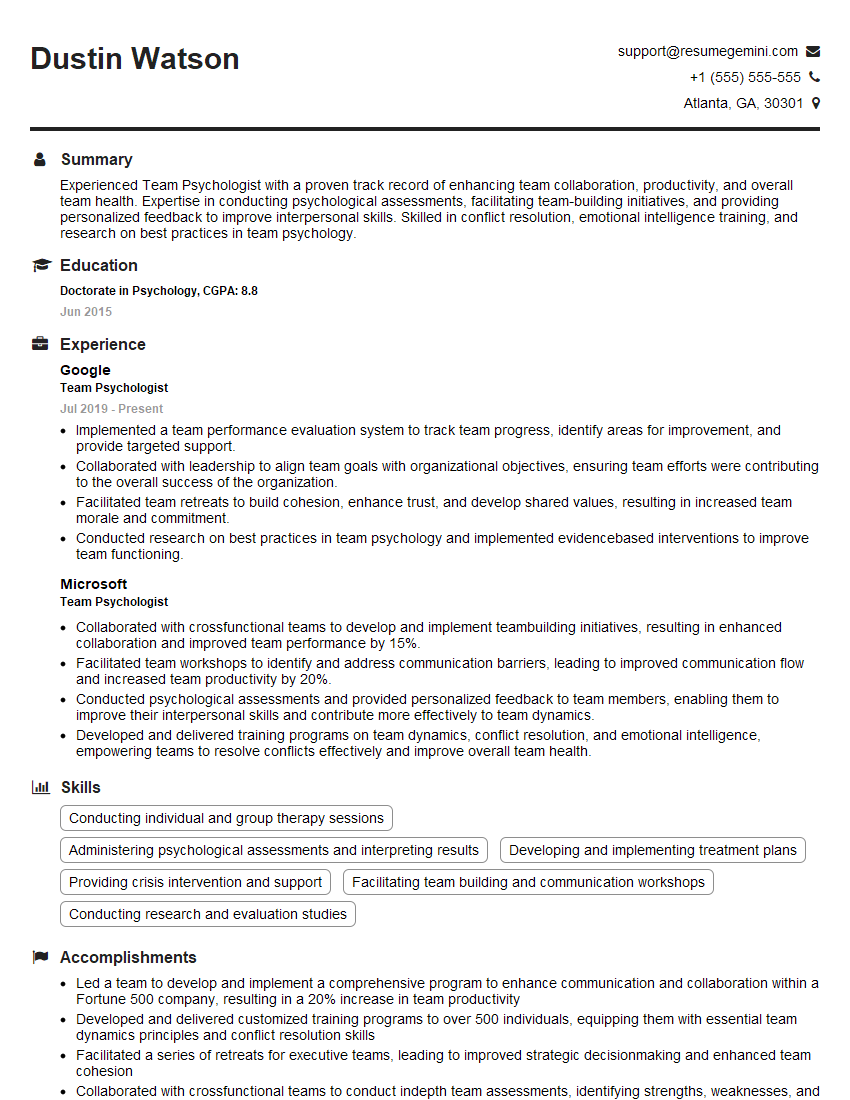
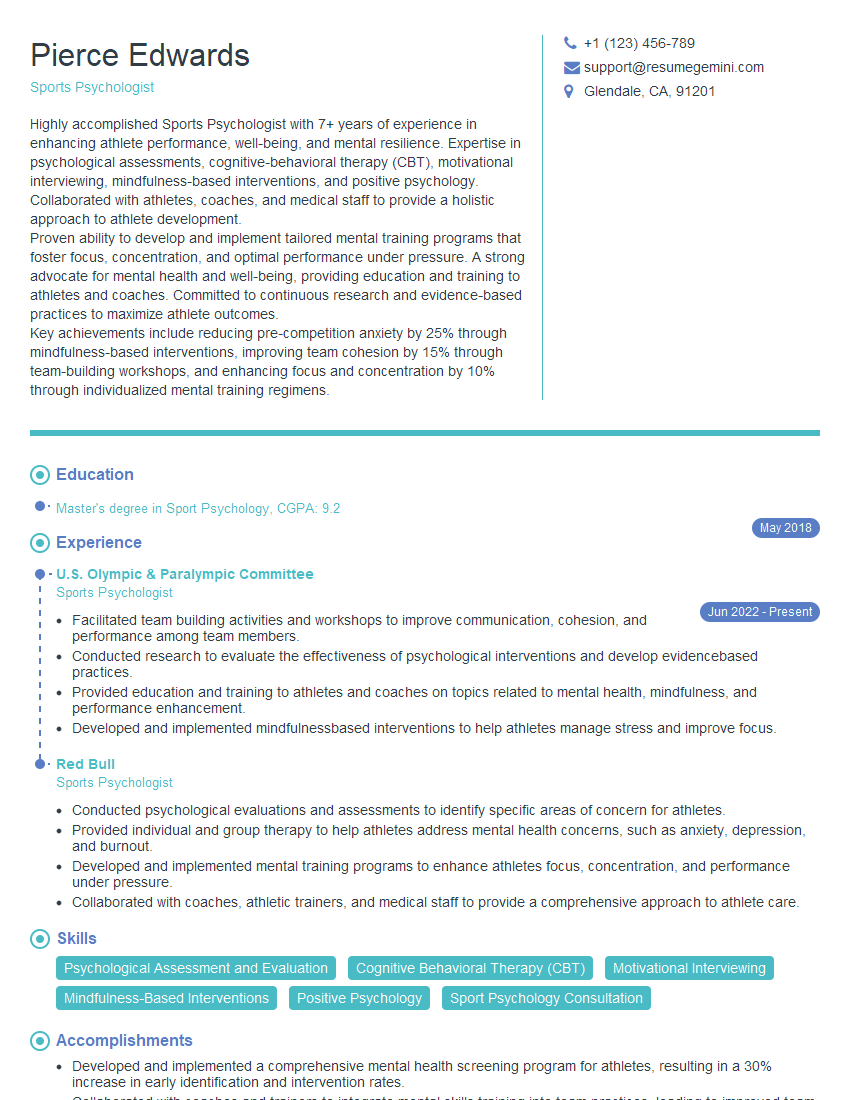
Mastering Psychological and Emotional Support for Athletes opens doors to a rewarding career path, offering opportunities to make a significant impact on the lives of athletes. A well-crafted resume is crucial for showcasing your skills and experience to potential employers. Building an ATS-friendly resume significantly increases your chances of getting noticed by recruiters. We highly recommend using ResumeGemini to create a professional and impactful resume. ResumeGemini provides valuable tools and resources, including examples of resumes tailored to roles in Psychological and Emotional Support for Athletes, to help you present yourself effectively to hiring managers.
Explore more articles
Users Rating of Our Blogs
Share Your Experience
We value your feedback! Please rate our content and share your thoughts (optional).
What Readers Say About Our Blog
Very informative content, great job.
good