Every successful interview starts with knowing what to expect. In this blog, we’ll take you through the top Psychological First Aid and Trauma Support interview questions, breaking them down with expert tips to help you deliver impactful answers. Step into your next interview fully prepared and ready to succeed.
Questions Asked in Psychological First Aid and Trauma Support Interview
Q 1. Define Psychological First Aid (PFA) and its core principles.
Psychological First Aid (PFA) is an evidence-informed, humanistic approach to providing initial support to individuals experiencing or witnessing traumatic events. It’s not therapy, but rather a set of actions designed to help individuals cope in the immediate aftermath of a crisis. Its core principles revolve around helping people feel safe, connected, calm, hopeful, and empowered.
- Hope: Instilling a sense of hope for the future is crucial.
- Safety and Comfort: Prioritizing the individual’s immediate safety and physical comfort.
- Calming: Helping reduce distress and promote emotional regulation.
- Connectedness: Fostering a sense of connection with others and community support.
- Empowerment: Enabling individuals to take control of their situation and access resources.
Think of it like providing first aid to an injured person – you don’t fix the injury, but you stabilize the situation and prepare them for more comprehensive treatment later.
Q 2. Describe the phases of a PFA intervention.
PFA intervention isn’t rigidly structured, but generally flows through several phases. These aren’t always distinct and can overlap:
- Contact and Engagement: Building rapport, introducing yourself, and making initial contact with the individual in a respectful and reassuring manner.
- Initial Assessment: Gently assessing the person’s immediate needs (physical and emotional) and any immediate dangers. This isn’t a formal evaluation but a quick understanding of the situation.
- Providing Practical Assistance: Offering concrete help, such as finding shelter, food, water, or medical attention. This addresses immediate survival needs.
- Connecting with Social Support Systems: Helping individuals connect with their support systems (family, friends, community resources).
- Information Gathering and Linkage with Services: If needed, providing information about available resources and making appropriate referrals.
- Ongoing Support: Maintaining contact if appropriate and ensuring the individual has access to necessary support services.
For example, after a natural disaster, you might help someone find shelter, connect them with family, and provide information on where they can get food and other necessities before linking them with longer-term mental health services.
Q 3. What are the key differences between PFA and traditional therapy?
PFA and traditional therapy are distinct. PFA is short-term, focused on immediate needs and stabilization, while therapy is a longer-term process aimed at addressing deeper psychological issues. PFA focuses on practical support and coping skills, whereas therapy involves in-depth exploration of thoughts, feelings, and behaviors.
- Timeframe: PFA is immediate to short-term; therapy is ongoing.
- Focus: PFA addresses immediate needs; therapy addresses deeper psychological issues.
- Goal: PFA aims for stabilization and connection; therapy aims for healing and personal growth.
- Techniques: PFA uses basic support techniques; therapy uses various evidence-based therapeutic approaches.
Imagine PFA as the triage in a hospital emergency room, whereas therapy is the specialized care provided later.
Q 4. How would you assess the immediate needs of a trauma survivor?
Assessing a trauma survivor’s immediate needs requires a sensitive and observant approach. It should be done collaboratively and respectfully, prioritizing their comfort and safety. I would use a combination of observational skills, open-ended questions, and active listening.
- Observe Physical Signs: Look for injuries, signs of exhaustion, or physical distress.
- Assess Emotional State: Note their emotional presentation – are they anxious, overwhelmed, withdrawn, or agitated?
- Identify Immediate Needs: Ask questions like, “Are you safe? Are you hungry or thirsty? Do you need medical attention?”
- Listen Actively: Allow them to share their experience at their own pace, without interrupting or judging.
- Identify Support Systems: Are there family or friends they want to be with?
For instance, if someone is visibly distressed and trembling after a car accident, I would first make sure they are physically safe, offer water and comfort, listen to their story, and help them connect with family or emergency services as needed.
Q 5. Explain the concept of ‘psychological safety’ in PFA.
Psychological safety in PFA is paramount. It means creating an environment where the individual feels comfortable expressing their thoughts and feelings without fear of judgment, criticism, or further harm. This is achieved through several key elements:
- Empathy and Validation: Show understanding and acceptance of their experience.
- Non-judgmental Attitude: Avoid criticism or moralizing.
- Respect for Autonomy: Allow them to make choices about their care.
- Confidentiality: Assure them of the confidentiality of their disclosures (within appropriate ethical limits).
- Controlled Environment: Ensuring a quiet, safe and private space for conversation.
Imagine someone who has experienced a robbery. Creating psychological safety means making them feel heard, understood, and assured that they are in a safe space to discuss their experience without feeling blamed or shamed.
Q 6. How do you identify and manage your own stress when providing PFA?
Providing PFA can be emotionally demanding. Self-care is crucial to prevent burnout and compassion fatigue. Strategies include:
- Self-reflection: Regularly reflect on your experiences and emotions after providing PFA.
- Debriefing: Discuss your experiences with colleagues or supervisors in a structured debriefing session.
- Maintain Boundaries: Recognize your limits and avoid taking on more than you can manage.
- Seek Support: Utilize peer support or professional supervision if needed.
- Engage in Self-Care Activities: Prioritize activities that promote well-being (exercise, mindfulness, relaxation techniques).
This is vital to maintain your own mental and emotional well-being so you can continue to effectively support others.
Q 7. What are some common coping mechanisms used by trauma survivors?
Trauma survivors employ a variety of coping mechanisms, some healthy, some unhealthy. It’s essential to understand these to provide appropriate support.
- Healthy Coping Mechanisms: Seeking social support, engaging in physical activity, practicing mindfulness, journaling, creative expression, seeking professional help.
- Unhealthy Coping Mechanisms: Substance abuse, self-harm, social isolation, avoidance behaviors, excessive sleeping or eating, suppression of emotions.
Recognizing these coping strategies is key to guiding survivors towards healthier, more adaptive mechanisms. For example, if someone is using substances to cope, it’s crucial to connect them with appropriate resources and interventions, rather than simply judging their behavior.
Q 8. Describe different types of trauma and their potential impacts.
Trauma comes in many forms, broadly categorized as single-incident trauma (like a car accident or natural disaster) or complex trauma (repeated or prolonged abuse, neglect, or violence). The impact varies greatly depending on the nature, severity, and individual’s resilience, but potential consequences can include:
- Acute Stress Response: Immediate reactions like increased heart rate, anxiety, and shock.
- Post-Traumatic Stress Disorder (PTSD): Characterized by intrusive thoughts, flashbacks, nightmares, avoidance behaviors, and emotional numbness. For example, a veteran might experience flashbacks to combat even years after returning home.
- Depression and Anxiety: Trauma significantly increases the risk of developing these mental health conditions. A child who experiences neglect might develop deep-seated feelings of worthlessness and anxiety about relationships.
- Substance Abuse: Substance use can become a coping mechanism to numb the pain of trauma. Someone who has survived a violent assault may turn to drugs or alcohol to suppress memories and emotions.
- Physical Health Problems: Trauma can manifest physically through chronic pain, digestive issues, and weakened immune systems.
- Disrupted Relationships: Trauma can impact an individual’s ability to trust and form healthy relationships. Someone with a history of domestic violence might struggle to build trusting relationships in future romantic relationships.
It’s crucial to remember that trauma’s impact is deeply personal and can present differently in each individual.
Q 9. How would you approach a situation involving a survivor experiencing acute stress?
Responding to someone experiencing acute stress requires a calm and reassuring approach. The acronym R-E-A-C-T is helpful:
- Relationship: Build rapport by introducing yourself and establishing a safe, empathetic environment.
- Evaluate: Gently assess the person’s immediate needs and level of distress. Are they injured? Do they need medical attention? Are they safe?
- Action: Take steps to ensure their immediate safety and well-being. This may involve contacting emergency services, providing basic first aid, or finding a quiet space.
- Comfort: Offer comfort and reassurance. Use simple, clear language and avoid pressuring them to share details they aren’t ready to disclose. Active listening is key.
- Transfer: Connect the individual with appropriate support such as family, friends, mental health professionals, or other community resources.
Example: If someone is visibly shaken after a car accident, I would first ensure their physical safety, then offer a calm presence, a blanket, and water. I’d let them know they’re safe and listen without judgment as they begin to process what happened. Once stabilized, I’d connect them with emergency medical services if needed, and discuss potential referrals to trauma counseling.
Q 10. What ethical considerations are paramount when delivering PFA?
Ethical considerations in PFA are paramount. Key principles include:
- Confidentiality: Respect the individual’s privacy and only share information with others involved in their care with their consent, unless there is a legal obligation to report (e.g., child abuse).
- Competence: Provide only the support within your skill set and refer to more qualified professionals when needed. Don’t attempt interventions beyond your training.
- Non-Maleficence: Do no harm. Avoid actions that could further traumatize the individual. For example, avoid forcing them to talk about their experience before they are ready.
- Beneficence: Act in the best interests of the person. Provide compassionate, supportive care that enhances their well-being.
- Autonomy: Respect the individual’s right to make decisions about their care. Support their choices, even if you don’t agree with them.
- Cultural Sensitivity: Consider cultural beliefs and practices when providing support, remembering that what is comforting to one person may not be to another.
Maintaining these ethical principles ensures that PFA is delivered responsibly and effectively, protecting the dignity and well-being of those we serve.
Q 11. How would you adapt your PFA approach for individuals with diverse cultural backgrounds?
Adapting PFA for diverse cultural backgrounds requires cultural humility and sensitivity. This means:
- Awareness of Cultural Differences: Understanding that cultural norms and expressions of distress can vary significantly. For example, some cultures may express grief openly, while others may prioritize stoicism.
- Language Access: Ensuring communication is accessible through interpreters or translated materials.
- Respecting Cultural Beliefs: Integrating cultural beliefs and practices into the care plan whenever possible. Some cultures may find spiritual or faith-based interventions more beneficial than others.
- Cultural Humility: Approaching each situation with a willingness to learn and adapt to the individual’s specific needs and cultural context rather than imposing one’s own worldview.
- Seeking Cultural Consultations: If necessary, consult with community leaders or cultural experts to gain a deeper understanding of the person’s cultural background and appropriate response strategies.
Example: When supporting a refugee who has experienced war trauma, I would carefully consider their cultural beliefs about mental health and PTSD, utilizing culturally appropriate communication techniques, and potentially enlisting community resources familiar with that specific cultural group.
Q 12. What are the limitations of PFA, and when should you refer to specialized care?
PFA is not a replacement for professional mental health care. Its limitations include:
- Short-Term Focus: PFA aims to provide immediate stabilization and support, but it does not offer long-term therapy or treatment for complex trauma.
- Limited Scope: PFA focuses primarily on immediate needs and basic psychological support, not in-depth diagnosis or treatment.
- Not a Substitute for Specialized Care: PFA providers are not trained to diagnose or treat complex mental health conditions. Those needing long-term therapy or medication should always seek help from licensed professionals.
Referral to specialized care is warranted when:
- Symptoms persist or worsen after PFA.
- The individual exhibits signs of severe mental distress (e.g., suicidal ideation, severe self-harm).
- The individual has complex trauma requiring specialized therapeutic intervention.
- The individual needs medication management.
Think of PFA as a life raft, providing immediate stabilization, while specialized care is the ship that takes the individual to shore for lasting healing.
Q 13. Explain the concept of vicarious trauma and how to mitigate it.
Vicarious trauma refers to the emotional and psychological distress that helpers experience when working with individuals who have experienced trauma. It’s a secondary trauma, absorbing the trauma experienced by others. Symptoms can include:
- Emotional numbness or detachment.
- Increased anxiety or irritability.
- Difficulty sleeping or concentrating.
- Changes in worldview or cynicism.
- Intrusive thoughts or nightmares about clients’ experiences.
Mitigation strategies include:
- Self-Care: Prioritizing activities that promote well-being such as exercise, healthy eating, sufficient sleep, and engaging in hobbies.
- Peer Support: Connecting with colleagues and supervisors to discuss challenging cases and share experiences.
- Supervision: Regular supervision with a mental health professional to process emotions and refine clinical skills.
- Debriefing: Engaging in structured debriefing sessions after particularly challenging interactions.
- Setting Boundaries: Establishing clear professional boundaries to protect oneself emotionally and prevent burnout.
It’s essential for those in trauma-related professions to actively prioritize their mental health to prevent burnout and maintain effectiveness.
Q 14. Describe effective communication techniques used in PFA.
Effective communication in PFA emphasizes empathy, validation, and active listening. Key techniques include:
- Active Listening: Paying close attention to both verbal and nonverbal cues. Reflecting back what the individual is saying to ensure understanding.
- Validation: Acknowledging the individual’s feelings and experiences without judgment. For instance, saying, “That sounds incredibly difficult,” or “It’s understandable that you feel that way.”
- Empathetic Responses: Demonstrating understanding and compassion for the individual’s situation. Using phrases like, “I can only imagine how challenging this must be.”
- Simple and Clear Language: Avoiding jargon and technical terms. Using concise, easy-to-understand language.
- Nonverbal Communication: Maintaining appropriate eye contact, using open body language, and offering a calm, reassuring presence.
- Open-Ended Questions: Asking questions that encourage the individual to share their experience without feeling pressured.
- Silence: Allowing for periods of silence to provide space for reflection and processing.
Effective communication fosters trust and safety, allowing the individual to feel heard, understood, and supported.
Q 15. How would you handle a situation where a survivor is hesitant to disclose information?
Respecting a survivor’s hesitancy to disclose is paramount in Psychological First Aid (PFA). It’s crucial to remember that sharing trauma is a deeply personal process, and forcing disclosure can be retraumatizing. Instead of pushing, I would focus on building rapport and trust. This involves active listening, validating their feelings, and offering unconditional positive regard. I might say something like, “I understand this is difficult, and you don’t have to share anything you’re not ready for.” I would then focus on offering practical support – helping them find shelter, food, or medical care – demonstrating that I’m there for them regardless of what they choose to share. Over time, as trust develops, the survivor might feel more comfortable sharing their experiences at their own pace.
For example, I might start by asking open-ended questions like, “How are you feeling today?” or “What’s been the most challenging part of this experience?” These questions allow the survivor to control the narrative and share only what they feel comfortable with. I would also pay close attention to their nonverbal cues – body language, tone of voice – to understand their emotional state and adjust my approach accordingly.
Career Expert Tips:
- Ace those interviews! Prepare effectively by reviewing the Top 50 Most Common Interview Questions on ResumeGemini.
- Navigate your job search with confidence! Explore a wide range of Career Tips on ResumeGemini. Learn about common challenges and recommendations to overcome them.
- Craft the perfect resume! Master the Art of Resume Writing with ResumeGemini’s guide. Showcase your unique qualifications and achievements effectively.
- Don’t miss out on holiday savings! Build your dream resume with ResumeGemini’s ATS optimized templates.
Q 16. What resources can you provide to a survivor post-PFA intervention?
Post-PFA intervention, survivors need access to a range of resources tailored to their specific needs. This might include connecting them with mental health professionals for longer-term therapy, such as trauma-focused Cognitive Behavioral Therapy (CBT) or Eye Movement Desensitization and Reprocessing (EMDR). I would also help them access support groups, where they can connect with others who have shared experiences. Depending on their situation, they may need assistance with housing, legal aid, financial assistance, or vocational rehabilitation. Information about local and national helplines, crisis lines, and online resources would also be vital. It’s crucial to create a personalized referral plan, considering the survivor’s cultural background, preferences, and access to resources.
For instance, if a survivor experienced domestic violence, I would connect them with a domestic violence shelter, legal advocates specializing in restraining orders, and support groups specifically designed for domestic violence survivors. This ensures they receive comprehensive, coordinated care.
Q 17. Describe your experience with working with trauma survivors.
Throughout my career, I’ve worked extensively with trauma survivors from diverse backgrounds and in various settings. I’ve provided PFA in the aftermath of natural disasters, supported victims of interpersonal violence, and worked with veterans grappling with the effects of combat. My experience has highlighted the profound impact of trauma on individuals’ lives and underscored the importance of compassionate, culturally sensitive care. I’ve learned the value of building trust, validating experiences, and empowering survivors to regain a sense of control and agency. Each individual’s experience is unique, necessitating a flexible and individualized approach. I’ve witnessed firsthand the resilience of the human spirit and the remarkable healing that can occur with appropriate support.
One particularly memorable experience involved supporting a group of children who witnessed a devastating fire. Through play therapy and art-based interventions, we created a safe space for them to express their emotions and process their traumatic experience. Observing their gradual healing and return to normalcy was deeply rewarding and solidified my commitment to this field.
Q 18. How would you identify signs of PTSD or other trauma-related disorders?
Identifying signs of PTSD or other trauma-related disorders requires a comprehensive approach, going beyond simply looking for a checklist of symptoms. It’s essential to consider the individual’s history, their current functioning, and the context of their experiences. Some common indicators of PTSD might include persistent re-experiencing of the trauma (flashbacks, nightmares), avoidance of trauma-related reminders, negative alterations in cognition and mood (e.g., feelings of detachment, guilt, fear), and marked alterations in arousal and reactivity (e.g., hypervigilance, irritability, difficulty sleeping). However, it’s crucial to remember that these symptoms can manifest differently in different individuals and may not always be readily apparent.
For instance, some survivors might demonstrate emotional numbness rather than overt anxiety, while others might exhibit impulsive behavior or substance abuse as coping mechanisms. A thorough assessment, ideally conducted by a qualified mental health professional, is crucial for accurate diagnosis and appropriate treatment planning. It is not within the scope of PFA to diagnose, but to identify and refer to appropriate services.
Q 19. What is your understanding of trauma-informed care?
Trauma-informed care is a holistic approach that recognizes the pervasive impact of trauma and seeks to minimize further harm and promote healing. It emphasizes understanding the ways in which trauma can affect an individual’s behavior, relationships, and overall well-being. Instead of viewing challenging behaviors as solely individual deficits, a trauma-informed approach seeks to understand them within the context of past trauma. Key principles include safety, trustworthiness, choice, collaboration, and empowerment. It prioritizes creating a safe and supportive environment that fosters trust and respects the survivor’s autonomy.
Essentially, it’s about shifting from a ‘what’s wrong with you?’ approach to a ‘what happened to you?’ approach. This allows for a more empathetic and effective response to trauma survivors’ needs.
Q 20. How do you incorporate trauma-informed principles into your work?
I incorporate trauma-informed principles into my work by prioritizing safety and creating a calming, predictable environment. This might involve using a gentle tone, offering choices whenever possible, and validating the survivor’s feelings. I strive to empower survivors by actively involving them in decision-making and ensuring that they feel heard and respected. I avoid using language that might be triggering, and I pay attention to both verbal and nonverbal cues. Collaboration is key; I work closely with other professionals to ensure coordinated and holistic care.
For example, I might ask a survivor, “What would make you feel safer right now?” rather than directing them to specific actions. This allows them to participate actively in their care and promotes a sense of control. This approach fosters trust and reduces the likelihood of retraumatization.
Q 21. How would you manage a situation where a survivor is displaying self-harming behaviors?
If a survivor is displaying self-harming behaviors, my immediate priority is ensuring their safety. This involves assessing the level of risk and taking steps to prevent further harm. I would calmly and directly address the behavior, expressing my concern and offering support. I would never judge or minimize their distress. Instead, I would validate their feelings and attempt to understand the underlying reasons for the self-harm. I would then work to connect them with immediate crisis intervention services, such as a mobile crisis team or a crisis hotline, and help them develop a safety plan to manage future urges. This plan might involve identifying coping mechanisms, establishing support systems, and creating a safe physical environment.
It’s important to remember that self-harm is often a manifestation of intense emotional distress, and it requires professional intervention. I would emphasize that they are not alone and that help is available. My role would be to provide immediate support and facilitate their connection with appropriate professionals who can offer longer-term treatment.
Q 22. Explain the importance of confidentiality in PFA.
Confidentiality is paramount in Psychological First Aid (PFA) and trauma support. It’s the cornerstone of trust, allowing individuals to feel safe sharing their experiences without fear of judgment or repercussions. This trust is essential for effective intervention. Without it, survivors are less likely to open up and engage in the healing process.
Maintaining confidentiality means protecting the privacy of a survivor’s personal information, including their identity, details about their trauma, and anything else they share during PFA. This involves adhering to strict ethical guidelines and professional boundaries. Information shared should only be disclosed with the survivor’s explicit consent, or when mandated by law, such as in cases of suspected child abuse or imminent harm to self or others. This often includes adhering to HIPAA regulations in clinical settings and similar privacy standards in other contexts.
For example, if a survivor shares details about their experience during a natural disaster, this information should not be shared with anyone else without their consent. Even seemingly innocuous details should be handled with discretion. The principles of confidentiality extend beyond formal sessions; it’s crucial to maintain privacy in informal conversations and even in the use of technology such as email or notes.
Q 23. Describe your experience working with individuals from different age groups.
My experience spans a wide range of age groups, from children to elderly adults. Each age group presents unique challenges and considerations in PFA and trauma support. Working with children often involves using play therapy or other age-appropriate techniques to help them express their feelings. With adolescents, establishing rapport and addressing their developmental needs, such as privacy and autonomy, is critical. Adults, meanwhile, might require different approaches depending on their individual coping mechanisms and resilience levels. Elderly individuals often have unique experiences and might have existing health conditions that need to be taken into account.
For example, I worked with a group of children after a school fire. We used art therapy to help them process their fear and anxiety. In another instance, I supported an elderly woman who had experienced a home invasion. We focused on building her sense of safety and connecting her with community resources. Adaptability and a flexible approach are vital in ensuring that interventions are tailored to the specific needs and developmental stage of each individual.
Q 24. How would you respond to a survivor who is expressing suicidal ideation?
Responding to a survivor expressing suicidal ideation requires immediate and decisive action. It’s crucial to prioritize their safety and connect them with appropriate resources. My response would involve validating their feelings, expressing empathy, and directly asking about their thoughts of self-harm. I’d utilize active listening skills to understand the intensity and immediacy of their suicidal thoughts.
- Validate their feelings: “I can hear how much pain you’re in right now. It sounds incredibly difficult.”
- Assess the level of risk: “Are you currently having thoughts of harming yourself? Do you have a plan?”
- Provide immediate support: “I want to assure you that you’re not alone and there are people who can help.”
- Connect them with resources: I would directly connect them with emergency services (911 or the local equivalent) or a crisis hotline, and ensure they are not left alone. If possible, I’d remain with them until professional help arrives.
- Develop a safety plan: If the immediate risk is less acute, I’d work collaboratively with the survivor to create a safety plan that includes identifying coping mechanisms, support systems, and warning signs.
It’s imperative to remember that never minimizing or dismissing suicidal thoughts. It’s a serious issue requiring immediate professional intervention.
Q 25. What are some examples of evidence-based interventions used in trauma treatment?
Evidence-based interventions in trauma treatment are constantly evolving, but some stand out for their effectiveness. These include:
- Trauma-focused Cognitive Behavioral Therapy (CBT): This approach helps individuals identify and challenge negative thought patterns and behaviors related to their trauma. It teaches coping skills to manage triggers and intrusive thoughts.
- Eye Movement Desensitization and Reprocessing (EMDR): EMDR therapy utilizes bilateral stimulation (such as eye movements) while the individual focuses on traumatic memories. It aims to process and reduce the emotional intensity of the trauma.
- Prolonged Exposure (PE): PE involves repeated exposure to trauma-related memories, feelings, and situations. This gradual exposure helps reduce avoidance and anxiety associated with the trauma.
- Narrative Exposure Therapy (NET): NET focuses on helping survivors chronologically recount their trauma story, allowing for a structured and coherent narrative to emerge. This can help reduce the intrusive and disorganized nature of traumatic memories.
The choice of intervention depends on the individual’s specific needs, the type of trauma experienced, and the therapist’s expertise. It’s essential to utilize empirically supported methods backed by research, ensuring that the approach is both effective and ethical.
Q 26. Describe your understanding of the impact of complex trauma.
Complex trauma refers to the impact of prolonged or repeated exposure to traumatic experiences, often occurring within the context of a significant relationship, such as child abuse, domestic violence, or prolonged war or conflict. It goes beyond the effects of a single traumatic event. The cumulative effects can be profound and pervasive, significantly impacting various aspects of an individual’s life.
The impact of complex trauma can manifest in various ways, including:
- Mental health challenges: Depression, anxiety, PTSD, dissociation, and personality disorders.
- Relational difficulties: Difficulty forming and maintaining healthy relationships due to trust issues and attachment problems.
- Somatic symptoms: Physical symptoms such as chronic pain, gastrointestinal issues, and sleep disturbances.
- Neurobiological changes: Alterations in brain structure and function, impacting emotional regulation, memory, and self-perception.
Understanding complex trauma requires a holistic approach that acknowledges the interconnectedness of its effects on the individual’s mental, emotional, physical, and social well-being. Treatment often involves long-term therapeutic interventions addressing the various manifestations of the trauma.
Q 27. How do you ensure cultural competence in your provision of PFA and trauma support?
Cultural competence is fundamental in PFA and trauma support. It involves understanding and respecting the diverse cultural backgrounds, beliefs, and practices of individuals seeking help. This requires ongoing learning and self-reflection to avoid imposing one’s own worldview on the survivor.
Ensuring cultural competence involves:
- Self-awareness: Recognizing my own biases and assumptions about different cultures.
- Knowledge acquisition: Learning about different cultural values, beliefs, and practices related to trauma and healing.
- Adaptation of interventions: Tailoring PFA and trauma support interventions to be culturally sensitive and relevant. This may involve using culturally appropriate language, respecting religious or spiritual beliefs, and engaging with family or community members as deemed appropriate by the individual receiving care.
- Collaboration: Working with community leaders, cultural interpreters, and specialists with expertise in diverse cultural contexts.
For example, when working with a refugee population who has experienced significant trauma, it’s crucial to be mindful of their cultural norms around disclosure and seeking help. A culturally competent approach might involve working with community leaders to build trust and understanding, and utilizing interpreters to ensure effective communication.
Q 28. What is your understanding of the role of resilience in trauma recovery?
Resilience plays a vital role in trauma recovery. It’s the ability to bounce back from adversity, adapt to challenges, and maintain a sense of well-being despite difficult circumstances. It’s not about avoiding trauma or being unaffected by it, but rather about developing coping mechanisms and inner strengths to navigate the challenges of trauma and promote healing.
Factors that contribute to resilience include:
- Positive self-esteem and self-efficacy: Believing in one’s ability to cope and overcome challenges.
- Strong social support systems: Having supportive relationships with family, friends, or community members.
- Effective coping mechanisms: Developing healthy strategies for managing stress and emotions.
- Meaning-making and purpose: Finding meaning and purpose in life, even amidst suffering.
- Access to resources and support: Having access to mental health services, social services, and other resources that can aid in recovery.
In trauma recovery, fostering resilience involves helping individuals build upon their existing strengths and develop new coping mechanisms. This may involve teaching relaxation techniques, improving social support networks, or assisting in the development of a sense of meaning and purpose. It’s about empowering survivors to regain control over their lives and to move forward in a positive direction.
Key Topics to Learn for Your Psychological First Aid and Trauma Support Interview
Preparing for an interview in Psychological First Aid and Trauma Support requires a comprehensive understanding of both the theoretical framework and practical application of these vital skills. This section outlines key areas to focus your studies.
- Understanding Trauma: Explore the different types of trauma, their impact on individuals, and the various responses to traumatic events. Consider the biological, psychological, and social factors involved.
- Principles of Psychological First Aid (PFA): Master the core principles of PFA, including safety, confidentiality, and building rapport. Practice applying these principles in diverse scenarios.
- Assessment and Intervention Strategies: Develop your skills in assessing an individual’s immediate needs and providing appropriate interventions. This includes recognizing signs of distress, offering emotional support, and connecting individuals with necessary resources.
- Ethical Considerations: Understand the ethical implications of providing PFA and trauma support, including boundaries, cultural sensitivity, and self-care.
- Crisis Intervention Techniques: Familiarize yourself with various crisis intervention techniques, including de-escalation strategies and techniques for managing emotional distress.
- Working with Diverse Populations: Explore the unique needs and considerations when providing PFA and trauma support to diverse populations, considering cultural background, age, and other factors.
- Self-Care and Resilience: Understand the importance of self-care and vicarious trauma in this field. Develop strategies for maintaining your own well-being while providing support to others.
- Referral and Resource Navigation: Develop your skills in connecting individuals with appropriate resources and services in the community, both immediate and long-term support.
Next Steps: Launching Your Career in Psychological First Aid and Trauma Support
Mastering Psychological First Aid and Trauma Support opens doors to rewarding and impactful careers. To maximize your job prospects, a well-crafted resume is essential. An ATS-friendly resume, optimized for applicant tracking systems, significantly increases the chances of your application being seen by hiring managers.
We strongly recommend using ResumeGemini to build a professional and impactful resume tailored to the specific requirements of Psychological First Aid and Trauma Support roles. ResumeGemini provides a user-friendly platform and offers examples of resumes specifically designed for this field, helping you showcase your skills and experience effectively. Take the next step in your career journey and create a resume that reflects your expertise and passion.
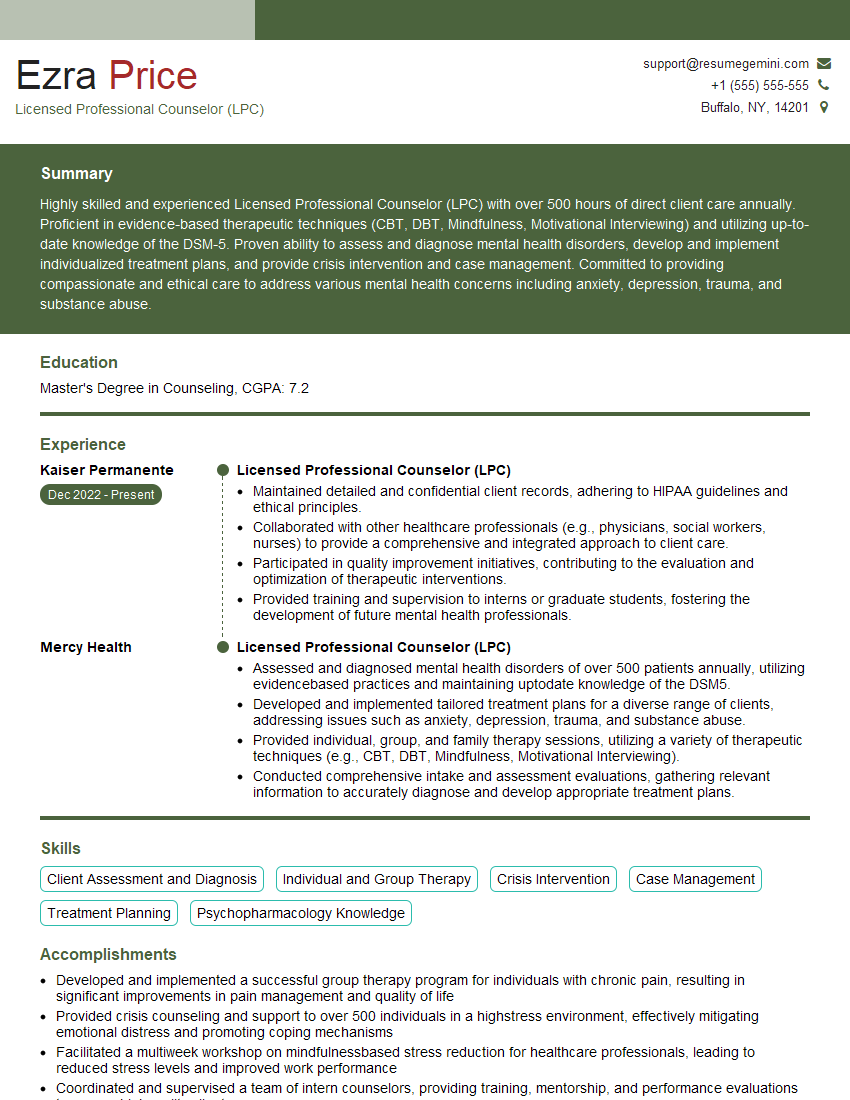
Licensed Professional Counselor (LPC) Resume Sample

Mental Health Counselor Resume Sample
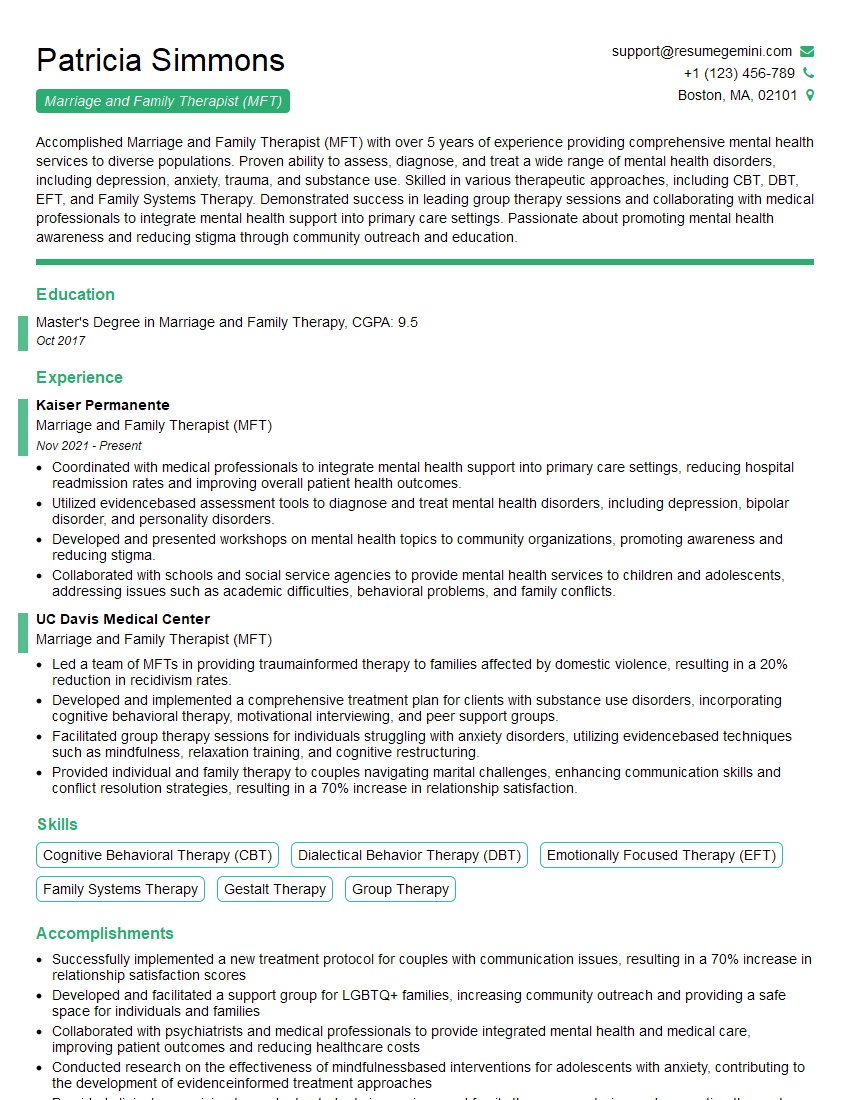
Marriage and Family Therapist (MFT) Resume Sample

Rehabilitation Counselor Resume Sample
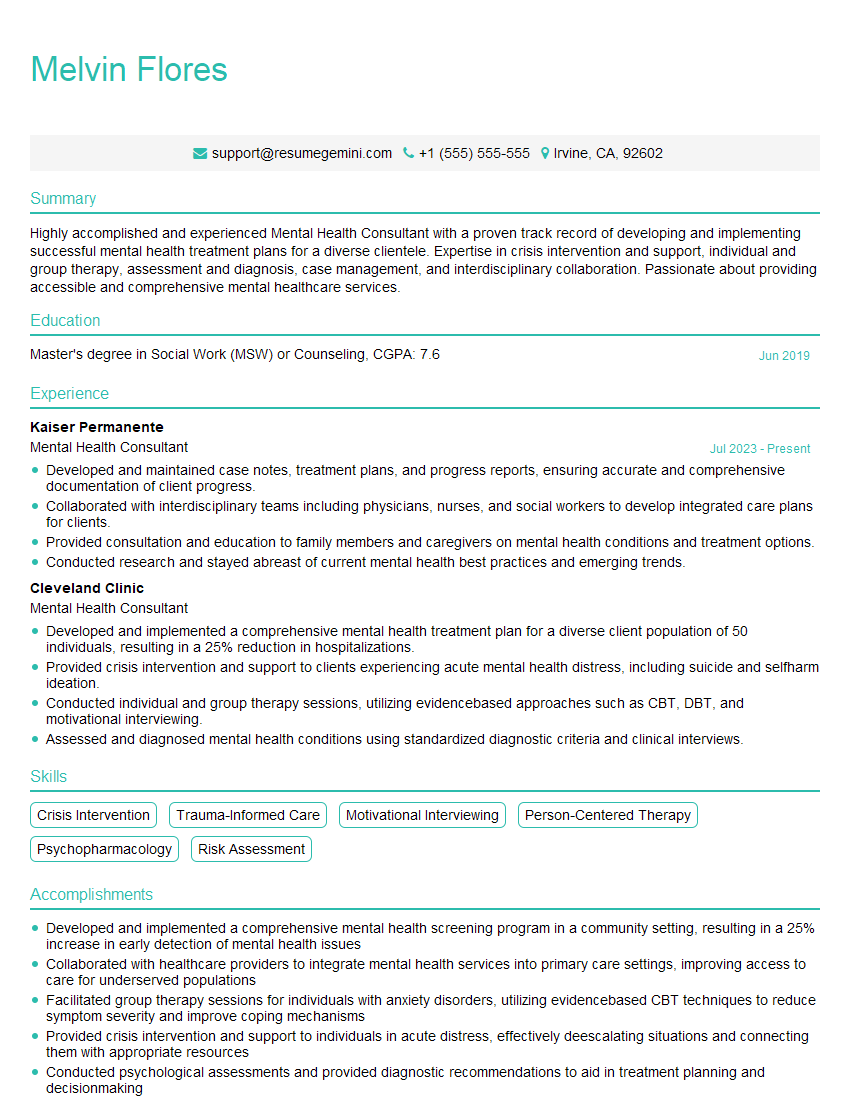
Mental Health Consultant Resume Sample
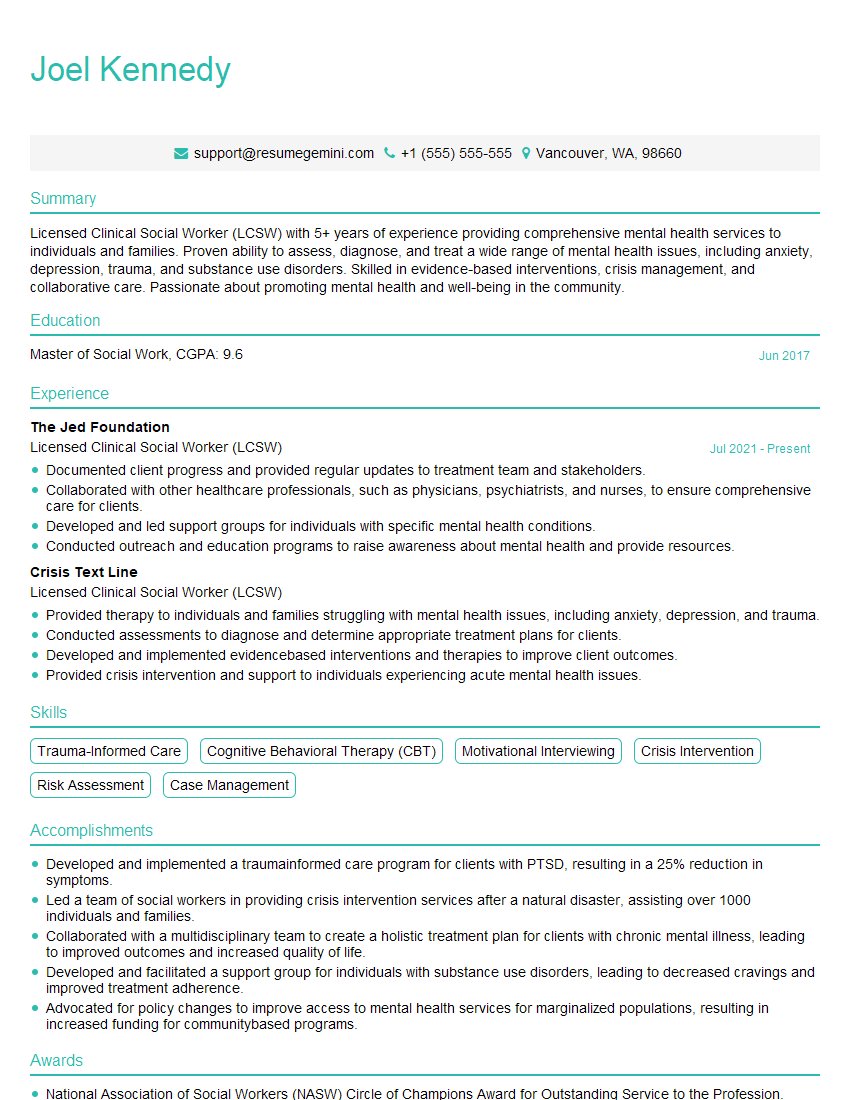
Licensed Clinical Social Worker (LCSW) Resume Sample

Community Mental Health Worker Resume Sample
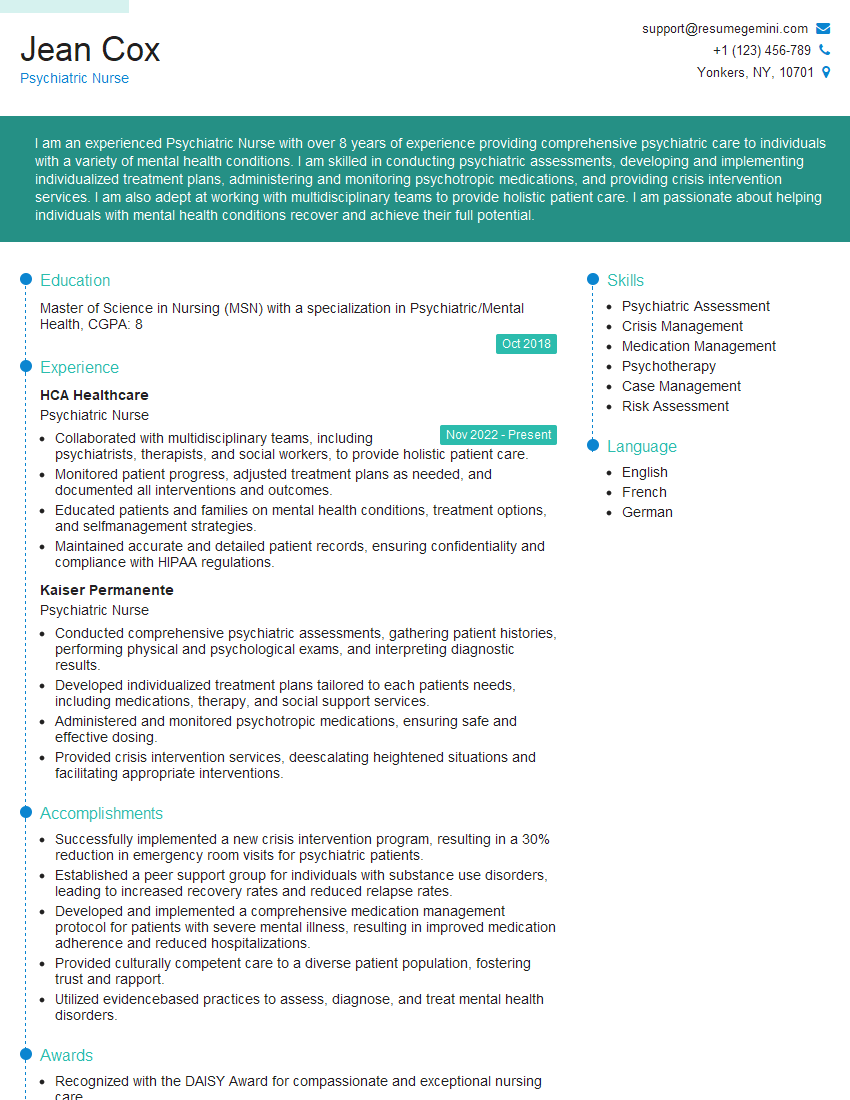
Psychiatric Nurse Resume Sample
Explore more articles
Users Rating of Our Blogs
Share Your Experience
We value your feedback! Please rate our content and share your thoughts (optional).
What Readers Say About Our Blog
Very informative content, great job.
good