Feeling uncertain about what to expect in your upcoming interview? We’ve got you covered! This blog highlights the most important QMS Audit and Inspection interview questions and provides actionable advice to help you stand out as the ideal candidate. Let’s pave the way for your success.
Questions Asked in QMS Audit and Inspection Interview
Q 1. Explain the PDCA cycle and its application in QMS audits.
The PDCA cycle, or Plan-Do-Check-Act cycle, is a four-step iterative process for continuous improvement. It’s a cornerstone of quality management and is integral to effective QMS audits.
- Plan: This stage involves defining the audit objectives, scope, criteria, and methodology. We determine what needs to be audited, who will be involved, and what standards we’ll be using (e.g., ISO 9001). For instance, if we’re auditing a manufacturing process, we’d plan to review documentation, observe the process firsthand, and interview employees.
- Do: This is the execution phase – conducting the audit itself. This includes collecting evidence through interviews, document reviews, and observations. It’s crucial to gather objective evidence to support our findings.
- Check: This involves analyzing the collected data to determine conformity or nonconformity with the established standards. We compare the evidence against the audit criteria and identify any deviations or areas for improvement. This stage often involves documenting findings in a formal audit report.
- Act: Based on the findings from the ‘Check’ stage, corrective and preventive actions (CAPAs) are implemented to address any identified nonconformities. This might involve process improvements, training, or changes to documentation. Follow-up audits are often conducted to verify the effectiveness of the implemented CAPAs.
In a QMS audit, each stage of the PDCA cycle is crucial. For example, planning ensures the audit is focused and effective, while the ‘Act’ phase ensures continuous improvement of the QMS itself.
Q 2. Describe the differences between internal and external audits.
Internal and external audits differ significantly in their purpose, scope, and the auditing team involved.
- Internal Audits: These are conducted by employees within the organization. They aim to identify areas for improvement within the QMS, before an external audit. Think of it as a self-assessment. The internal audit team might be a dedicated quality team or a cross-functional group trained in auditing. The findings are primarily used for internal improvement and corrective actions.
- External Audits: These are conducted by independent, third-party auditors (or certification bodies). They verify conformity of the organization’s QMS to a specific standard (e.g., ISO 9001). The scope is usually broader than an internal audit. Findings from an external audit have significant implications, often influencing certification status. External audits provide objective assurance to stakeholders that the QMS meets the standard.
Imagine an internal audit as a doctor performing a regular check-up, while an external audit is like a comprehensive medical evaluation by a specialist. Both are vital for maintaining health (in this case, the health of the QMS), but serve different purposes.
Q 3. What are the key elements of an effective audit plan?
An effective audit plan is the backbone of a successful audit. Key elements include:
- Audit Objectives: Clearly defined goals that specify what the audit aims to achieve. For instance, ‘To verify the effectiveness of the corrective action process.’ or ‘To assess compliance with ISO 9001 requirements related to document control.’
- Scope: Precisely defining the processes, departments, or locations to be included in the audit. This ensures focus and avoids unnecessary scope creep.
- Audit Criteria: The standards, regulations, or internal requirements against which the organization’s QMS will be measured (e.g., ISO 9001:2015, specific company procedures). The criteria must be clearly defined and readily available to the auditors.
- Methodology: This outlines the audit approach. Will it be a document review, interviews, observations, or a combination? A well-defined methodology ensures consistency and efficiency.
- Resource Allocation: Identifying the auditors, their qualifications, and the time allocated for the audit. Adequate resources are critical for a thorough and effective audit.
- Audit Schedule: A realistic timeline for conducting the audit, including planned start and end dates. This helps to manage time effectively.
- Reporting and Follow-up: How audit findings will be documented and communicated. It’s crucial to define procedures for tracking and verifying the implementation of corrective actions.
A well-structured audit plan prevents scope creep, reduces wasted time, and ultimately ensures the audit achieves its objectives.
Q 4. How do you handle nonconformances identified during an audit?
Handling nonconformances identified during an audit requires a systematic approach.
- Document the Nonconformity: Clearly and concisely document each nonconformity, including specific details of the deviation from the established criteria. This should include evidence supporting the finding.
- Categorize the Severity: Assign a severity level (e.g., minor, major, critical) based on its potential impact on the QMS and the product or service. This helps prioritize corrective actions.
- Communicate with Management: The audit team should communicate the findings to the appropriate management personnel, explaining the nature and severity of each nonconformity.
- Request Corrective Action: The audited organization is required to propose and implement corrective actions to address each nonconformity. This should include a root cause analysis to prevent recurrence.
- Verify Corrective Action: The audit team or a designated individual should verify that the proposed corrective actions have been implemented effectively and that the nonconformity has been resolved. This often involves a follow-up audit.
- Report and Document: All findings, corrective actions, and verification results should be thoroughly documented in the audit report.
Think of it like diagnosing a patient: you pinpoint the issue (nonconformity), determine its severity, recommend treatment (corrective action), and follow up to ensure the treatment was successful. Each step is critical for ensuring the QMS remains compliant and effective.
Q 5. What are your experiences with ISO 9001:2015 requirements?
My experience with ISO 9001:2015 requirements is extensive. I’ve been involved in numerous internal and external audits against this standard, both as an auditor and an auditee. I have a deep understanding of the key clauses, including:
- Context of the Organization: Understanding the organization’s internal and external issues that can affect its ability to achieve its objectives.
- Leadership: Assessing the leadership’s commitment to the QMS and its effective implementation.
- Planning: Reviewing the organization’s plans to achieve its quality objectives.
- Support: Evaluating the resources and infrastructure available to support the QMS.
- Operation: Assessing the operational processes and their effectiveness in meeting requirements.
- Performance Evaluation: Reviewing the processes used to monitor and measure the performance of the QMS.
- Improvement: Examining the system for continuous improvement and addressing nonconformities.
I’ve worked with organizations across various industries, helping them implement and maintain ISO 9001:2015 compliant QMS. My experience encompasses all aspects of the standard, from initial implementation to ongoing maintenance and improvement.
Q 6. Explain your understanding of risk-based auditing.
Risk-based auditing is a strategic approach that focuses audit resources on areas posing the highest risk to the QMS. Instead of auditing everything uniformly, it prioritizes areas most likely to cause nonconformities or impact product/service quality.
This involves:
- Risk Assessment: Identifying potential risks to the QMS, considering factors like process complexity, previous nonconformities, regulatory changes, and technological advancements.
- Risk Prioritization: Ranking the identified risks based on their likelihood and potential impact. This allows auditors to focus on the most critical areas.
- Audit Planning: Tailoring the audit plan to address the highest-risk areas identified during the risk assessment. This optimizes audit resources and ensures maximum effectiveness.
- Continuous Monitoring: Regularly reviewing and updating the risk assessment to reflect changes in the organization and its environment. This ensures that the audit focus remains relevant and effective.
For example, if a risk assessment reveals a high likelihood of errors in a critical manufacturing process, the audit will allocate more time and resources to that specific area. This provides a more efficient and focused audit, maximizing its value.
Q 7. How do you determine the scope of an audit?
Determining the scope of an audit is a critical step that ensures the audit is focused and effective. The scope is determined by several factors:
- Audit Objectives: The specific goals of the audit directly influence the scope. If the objective is to assess the effectiveness of a specific process, then the scope would be limited to that process.
- Organizational Structure: The organizational structure and the interrelationships between different departments and processes need to be considered. Audits might span multiple departments if processes are interconnected.
- Standards and Regulations: The applicable standards or regulations dictate what aspects of the QMS must be included in the audit scope. For example, an ISO 9001 audit would necessitate coverage of all clauses within the standard.
- Risk Assessment: A risk-based approach would focus the audit scope on areas identified as high risk. This ensures resources are allocated efficiently.
- Time and Resources: Practical limitations, such as available time and resources, will influence the scope. It’s important to be realistic and define a scope that can be achieved within the available constraints.
- Previous Audit Findings: Findings from previous audits can influence the current audit scope, potentially focusing on areas needing further scrutiny.
In essence, defining the audit scope is a balance between the need for thoroughness and the realities of resource constraints. A clearly defined scope helps keep the audit focused and impactful.
Q 8. Describe your approach to conducting an effective audit opening meeting.
A successful audit opening meeting sets the tone for the entire process. My approach focuses on building rapport, clearly defining expectations, and ensuring everyone understands the scope and objectives. I begin by introducing myself and my team, emphasizing our impartiality and commitment to a collaborative process. Then, I clearly state the audit’s purpose, scope (which specific areas and processes will be audited), and the methodology we’ll be using (e.g., compliance-based, risk-based). I distribute the audit schedule and confirm the availability of key personnel. Crucially, I encourage open communication and questions from the auditee, addressing any concerns proactively. For example, in an audit of a medical device manufacturer, I would clearly explain the regulatory requirements we’ll be assessing and clarify any uncertainties regarding documentation requirements before we commence the fieldwork. This ensures a smooth, efficient, and transparent process.
I also explain the process for handling findings and the expectations for corrective and preventive actions (CAPA). This proactive approach prevents misunderstandings and ensures a positive collaborative environment throughout the audit.
Q 9. How do you ensure objectivity and impartiality during an audit?
Objectivity and impartiality are paramount in auditing. To ensure this, I maintain a professional distance from the auditee, avoiding any personal relationships or biases that could compromise my judgment. I meticulously document all findings, evidence, and observations using standardized audit checklists and templates, ensuring verifiable and repeatable evidence. I also utilize a pre-determined audit plan, adhering strictly to the planned scope and not deviating unless there is verifiable evidence of significant risks discovered during the audit. A documented, structured audit process is essential to ensure fairness. Furthermore, I have a system for peer review of audit reports to ensure that conclusions are based on evidence and are free from bias before any conclusions are finalized. Regular training on auditing standards and ethics helps maintain professional objectivity.
Q 10. What is your experience with different audit methodologies?
My experience encompasses various audit methodologies, including compliance-based audits, which focus on adherence to regulations and standards (e.g., ISO 9001, ISO 13485, FDA regulations); risk-based audits, prioritizing areas with the highest potential for non-conformances; and process-based audits, which examine entire processes to assess efficiency and effectiveness. I’ve successfully implemented each methodology in different contexts. For instance, during a compliance-based audit of a pharmaceutical company, I meticulously checked for adherence to Good Manufacturing Practices (GMP). In contrast, a risk-based audit of a software development company would concentrate on areas identified as high-risk based on vulnerability assessments and previous incidents. I am comfortable adapting my approach depending on the specific context, organization, and regulatory environment.
Q 11. How do you handle audit findings and report them?
Audit findings are documented thoroughly and objectively. Each finding includes a clear description of the non-conformity, the evidence supporting the finding, the applicable regulation or standard, and the impact of the non-conformity. Using a standardized reporting format is key to ensure consistency and clarity. The severity of each finding is classified based on predefined criteria (e.g., critical, major, minor), and this categorization is documented. The audit report is then compiled, summarizing all findings, including an overall assessment of the audited system’s compliance. The report is distributed to management and relevant stakeholders according to established procedures. A formal closing meeting is conducted to discuss the findings, providing the auditee an opportunity to respond and present proposed corrective actions. This collaborative approach helps resolve issues promptly and effectively. For instance, in a recent audit, a minor non-conformity related to documentation was quickly resolved through a simple training session.
Q 12. Describe your experience with corrective and preventive actions (CAPA).
My experience with corrective and preventive actions (CAPA) involves guiding auditees in developing and implementing effective CAPA plans. This includes verifying that the root cause of the non-conformity has been identified using appropriate techniques (e.g., 5 Whys, Fishbone diagrams), and that the proposed corrective action effectively addresses the root cause, preventing recurrence. I’ll assist in establishing timelines for implementation, verify effectiveness through follow-up audits, and ensure proper documentation of the entire CAPA process. A crucial aspect is ensuring the auditee understands not just the *what* but also the *why* behind each corrective action. This leads to more durable improvements and a better understanding of the system’s weaknesses. I’ve seen numerous instances where insufficient root cause analysis led to repeated non-conformities, highlighting the importance of rigorous investigation.
Q 13. How do you manage audit documentation?
Effective audit documentation management is crucial for maintaining audit trail and ensuring traceability. I utilize a robust system for managing audit documentation, including electronic document management systems and secure file storage. All documents, including audit plans, checklists, findings, evidence, and reports, are meticulously labeled, version-controlled, and archived according to defined retention policies. The documentation system ensures easy retrieval, review, and verification of information by both the auditor and the auditee. Regular audits of the documentation system itself are performed to confirm its integrity and compliance with relevant regulations. This process allows for efficient retrieval of necessary records during future audits or inspections, supporting continuous improvement. In addition to physical and electronic documentation, I maintain a detailed log of all communications, meetings, and key decisions made during the audit.
Q 14. Explain your experience with root cause analysis techniques.
I have extensive experience using various root cause analysis (RCA) techniques, including the 5 Whys, Fishbone diagrams (Ishikawa diagrams), Fault Tree Analysis (FTA), and Failure Mode and Effects Analysis (FMEA). The choice of technique depends on the complexity of the issue and the available information. For example, the 5 Whys is a simple and effective method for identifying the root cause of relatively straightforward problems, while FMEA is more suitable for complex systems where potential failures need to be proactively identified and mitigated. I often combine these techniques to gain a comprehensive understanding of the root cause and to develop effective corrective actions. In a recent audit involving a recurring equipment failure, I used the 5 Whys to quickly identify a series of contributing factors, leading to the identification of the root cause – inadequate maintenance practices. This allowed for the development of a comprehensive corrective action plan that included improved training and maintenance protocols.
Q 15. How do you verify the effectiveness of corrective actions?
Verifying the effectiveness of corrective actions is crucial for ensuring a Quality Management System (QMS) truly addresses identified problems and prevents recurrence. It’s not enough to simply implement a corrective action; we must demonstrate its efficacy.
My approach involves a multi-step process. First, I review the implemented corrective action itself, ensuring it aligns with the root cause analysis and addresses the nonconformity effectively. This often involves reviewing documentation such as the corrective action request, implementation plan, and verification records. I look for concrete evidence, not just statements. For example, if a process error led to a faulty product, the corrective action should demonstrate improvements to the process, possibly including updated work instructions, revised training, or new equipment.
Second, I verify the effectiveness of the corrective action through observation, inspection, or data analysis. This might include reviewing production data to see if the defect rate has decreased, conducting a follow-up audit of the improved process, or interviewing employees to gauge their understanding and compliance with the new procedures. For example, if new training was implemented, I would observe employees performing the task to ensure they’re applying the new knowledge and skills correctly.
Finally, I document the results of my verification. This is vital to demonstrate the effectiveness of the corrective action and to provide evidence during subsequent audits. The documentation should clearly show the methods used to verify the effectiveness and the conclusions drawn.
Career Expert Tips:
- Ace those interviews! Prepare effectively by reviewing the Top 50 Most Common Interview Questions on ResumeGemini.
- Navigate your job search with confidence! Explore a wide range of Career Tips on ResumeGemini. Learn about common challenges and recommendations to overcome them.
- Craft the perfect resume! Master the Art of Resume Writing with ResumeGemini’s guide. Showcase your unique qualifications and achievements effectively.
- Don’t miss out on holiday savings! Build your dream resume with ResumeGemini’s ATS optimized templates.
Q 16. What is your experience with auditing different types of management systems (e.g., ISO 14001, ISO 27001)?
I have extensive experience auditing various management systems, including ISO 9001 (Quality Management), ISO 14001 (Environmental Management), and ISO 27001 (Information Security). While the specific requirements vary between standards, the underlying principles of a well-structured management system remain consistent. Each system emphasizes a plan-do-check-act (PDCA) cycle, which I always assess during my audits.
For example, when auditing ISO 14001, I focus on the organization’s environmental aspects, legal compliance, and pollution prevention strategies. I would examine their environmental management program, including waste management plans, emission control measures, and emergency response protocols. In contrast, an ISO 27001 audit necessitates a deeper dive into information security controls, examining access control policies, data encryption practices, incident response procedures, and risk assessments. The common thread is the evaluation of the system’s effectiveness in achieving its stated objectives, whether it’s improving product quality, reducing environmental impact, or enhancing information security.
My experience with these different standards provides me with a broader perspective, allowing me to identify best practices and transferable lessons across different organizational contexts. I am adept at tailoring my audit approach to the specific requirements of the standard being audited while maintaining a consistent focus on the underlying principles of effective management system implementation.
Q 17. How do you handle conflicts or disagreements during an audit?
Handling conflicts or disagreements during an audit requires tact, diplomacy, and a commitment to objectivity. My approach prioritizes professional communication and a collaborative problem-solving mindset.
I begin by actively listening to all sides of the disagreement, ensuring I fully understand the perspectives and concerns. I clarify any misunderstandings and encourage open dialogue. It’s crucial to maintain a neutral stance and avoid taking sides prematurely. My role is to facilitate a constructive discussion, not to dictate a solution.
If the disagreement pertains to factual information, I strive to obtain independent verification through documented evidence or further investigation. If it involves interpretations of standards or regulations, I refer to the relevant documentation and offer my professional judgment based on my expertise. I always document the disagreement, the evidence gathered, and the agreed-upon resolution in the audit report.
In rare cases where a resolution cannot be reached during the audit, I clearly document the unresolved issue in my report, and escalate it to management for further review and action. My focus remains on objectivity and fairness, ensuring the audit process remains credible and contributes positively to the organization’s improvement efforts.
Q 18. How do you prioritize audit findings?
Prioritizing audit findings is crucial for focusing improvement efforts where they’ll have the greatest impact. I typically use a risk-based approach, considering factors such as the severity of the nonconformity, its potential impact on the QMS, and the likelihood of it causing a product or service failure or other negative consequences.
I use a matrix that combines severity and probability to rank findings. For instance:
- High Priority (Critical): High severity, high probability – immediate attention required.
- Medium Priority (Major): Medium severity, medium probability or high severity, low probability – requires timely action.
- Low Priority (Minor): Low severity, low probability – can be addressed during routine operations or scheduled for later improvements.
For example, a nonconformity that could lead to a product recall would be considered high priority, while a minor documentation error might be low priority. This ranking enables the auditee to allocate resources effectively and focus on addressing the most significant issues first. The prioritization is documented in the audit report, providing clarity and transparency to the auditee.
Q 19. What are the key performance indicators (KPIs) for a QMS audit program?
Key Performance Indicators (KPIs) for a QMS audit program are vital for measuring its effectiveness and identifying areas for improvement. They should reflect the program’s goals, such as improved product quality, reduced nonconformances, and enhanced regulatory compliance.
Some key KPIs include:
- Number of nonconformities identified: Tracking the number of nonconformities identified per audit helps assess the effectiveness of the QMS.
- Number of critical nonconformities: This KPI highlights the presence of significant issues requiring immediate attention.
- Time taken to close corrective actions: Monitoring the time it takes to close corrective actions reveals process efficiency.
- Audit cycle time: Measuring the time from audit planning to report issuance tracks the efficiency of the audit process itself.
- Percentage of audits completed on time: This KPI gauges the timeliness and organization of the audit program.
- Cost per audit: Tracking the cost of each audit helps assess resource utilization and potential for improvement.
- Client satisfaction: Gathering feedback from auditees helps gauge overall satisfaction with the audit process and its value.
Regularly monitoring these KPIs allows for data-driven decision-making and continuous improvement of the QMS audit program. Trends and anomalies in these metrics can point towards areas needing attention and corrective actions.
Q 20. Describe your experience with audit software or tools.
I have extensive experience using various audit software and tools. This includes platforms that support audit planning, scheduling, document management, evidence collection, and reporting. My proficiency spans both standalone software and integrated solutions.
For example, I’m familiar with using software to manage audit schedules, assign auditors, create checklists, and capture evidence digitally. Such tools streamline the audit process, improve efficiency, and reduce the risk of human error. Features like automated report generation and data analysis provide valuable insights into audit trends and effectiveness.
Furthermore, I’m comfortable utilizing cloud-based platforms for secure document sharing and collaboration among audit team members. These tools improve communication and allow for real-time updates to audit findings, fostering collaboration and timely action. This digital approach also improves traceability and facilitates regulatory compliance.
Q 21. How do you ensure the confidentiality of audit information?
Ensuring the confidentiality of audit information is paramount. It’s critical for maintaining the integrity of the audit process and protecting the reputation of both the auditor and the auditee. My approach adheres to strict confidentiality protocols.
First, all audit documentation, including reports, checklists, and evidence collected, is treated as strictly confidential. Access is restricted to authorized personnel only. This involves the use of secure storage, password protection, and access control measures, both physical and digital.
Second, I follow all relevant organizational and legal requirements regarding data privacy and confidentiality. This might include compliance with regulations such as GDPR or HIPAA, depending on the context. I also ensure that all audit team members are trained on confidentiality policies and procedures.
Third, I use non-disclosure agreements (NDAs) when appropriate, particularly when dealing with sensitive information. This protects the auditee’s intellectual property and ensures that the audit findings are not disclosed to unauthorized parties. The audit report itself focuses on factual findings and observations, avoiding unnecessarily revealing details.
Finally, I maintain careful documentation of all access to audit information and implement procedures for the secure disposal of confidential documents once their purpose is fulfilled.
Q 22. How do you maintain professional skepticism during an audit?
Maintaining professional skepticism during an audit is crucial for ensuring the objectivity and reliability of the findings. It’s not about being cynical, but rather maintaining a questioning mind throughout the entire process. Think of it like being a detective investigating a case – you need to gather evidence, critically evaluate it, and not jump to conclusions based on assumptions.
- Challenge Assumptions: I actively challenge the information provided by the auditee, seeking corroborating evidence from multiple sources. For example, if I’m told a process is effective, I’d verify this by reviewing records, observing the process in action, and interviewing personnel involved.
- Independent Verification: I rely on independent verification of information. Rather than solely relying on documented procedures, I’d observe the actual implementation of those procedures. This helps identify discrepancies between documented and actual practices.
- Consider Potential Bias: I’m aware of potential biases that can influence the audit process. For instance, the auditee might be incentivized to present a positive picture of their system. I actively mitigate this bias by employing a structured approach, using checklists, and cross-referencing information.
- Documenting Discrepancies: Any inconsistencies or gaps identified are meticulously documented, along with the evidence supporting my findings. This ensures transparency and allows for objective evaluation.
For instance, during an audit of a calibration process, I wouldn’t simply accept the calibration certificates at face value. I would verify the equipment used for calibration, the competency of the personnel performing the calibration, and the traceability of the standards used.
Q 23. Describe your experience with auditing remote locations or virtual audits.
My experience with remote and virtual audits has grown significantly in recent years. The shift to virtual auditing necessitated adapting established practices to a digital environment. While on-site audits allow for immediate observation and spontaneous discussions, virtual audits require meticulous planning and technological proficiency.
- Technology Proficiency: I’m proficient in utilizing video conferencing platforms (e.g., Zoom, Teams), remote desktop sharing software, and secure document sharing systems. This ensures seamless communication and evidence collection.
- Pre-Audit Planning: Thorough pre-audit planning is even more critical in virtual audits. This includes detailed scheduling, pre-audit questionnaires, and clear communication protocols to mitigate technical glitches and ensure efficient use of time.
- Evidence Gathering Techniques: I’ve adapted my evidence-gathering techniques for virtual environments. This includes using screen recordings of software demonstrations, reviewing electronic documentation, and conducting structured interviews through video conferencing.
- Remote Observation: I’ve developed strategies for remote observation of processes. This might involve screen sharing while the auditee demonstrates a process or providing access to live dashboards or control systems (with appropriate security measures in place).
For example, during a virtual audit of a manufacturing process, I might ask the auditee to demonstrate the process using screen sharing while I observe their actions and ask clarifying questions. The use of screen recording software is then critical to capture the demonstration for evidence.
Q 24. What are the common challenges faced during QMS audits?
Common challenges during QMS audits often stem from inadequate preparation, insufficient documentation, and a lack of awareness regarding QMS requirements.
- Inadequate Documentation: Incomplete or poorly organized documentation is a major hurdle. This can make it difficult to trace processes, verify compliance, and assess the effectiveness of the QMS.
- Lack of Management Commitment: Without strong management support and commitment, the QMS might not be adequately implemented or maintained, leading to inconsistencies and non-conformances.
- Inadequate Training: Insufficient training of personnel on QMS procedures and requirements can result in errors and deviations from established processes.
- Communication Gaps: Poor communication among personnel can hinder the effectiveness of the QMS and create difficulties during audits.
- Technological Challenges: In today’s digital age, reliance on technology introduces potential challenges related to data integrity, security, and accessibility of records.
For example, if documentation regarding calibration procedures is incomplete or missing, it becomes challenging to confirm the validity of calibration results and to ascertain whether the organization is meeting regulatory requirements.
Q 25. How do you contribute to continuous improvement within a QMS?
Contributing to continuous improvement within a QMS is a key objective of any audit. It’s not just about identifying non-conformances; it’s about providing constructive feedback and helping the organization enhance its systems.
- Constructive Feedback: During the audit, I provide constructive feedback, emphasizing both areas of strength and areas needing improvement. This feedback isn’t just about pointing out problems; it’s about suggesting solutions and best practices.
- Root Cause Analysis: When non-conformances are identified, I assist the auditee in conducting a root cause analysis. This helps to understand the underlying causes of the problems and prevent recurrence.
- Corrective Actions: I work with the auditee to develop and implement effective corrective and preventive actions (CAPAs). This ensures that identified non-conformances are addressed and prevented in the future.
- Recommendations for Improvement: Based on my observations, I offer recommendations for process optimization and enhancement of the QMS overall. This might involve suggestions for improved training, better documentation, or the implementation of new technologies.
- Follow-up Audits: Participating in follow-up audits allows me to verify the effectiveness of implemented CAPAs and assess whether improvements have been achieved.
For instance, if an audit reveals that a particular training program is ineffective, I might recommend a revised curriculum, different training methods, or more frequent training sessions. Following up ensures the changes are implemented and effective.
Q 26. Explain your understanding of the importance of compliance.
Compliance is paramount in any organization. It demonstrates responsibility, builds trust with stakeholders, and avoids potentially devastating consequences.
- Legal and Regulatory Compliance: Compliance ensures adherence to all applicable laws, regulations, and industry standards. Failure to comply can result in legal penalties, reputational damage, and even business closure.
- Customer Satisfaction: Meeting customer requirements and expectations fosters trust and loyalty. Non-compliance can lead to dissatisfied customers, lost business, and damage to the organization’s reputation.
- Risk Mitigation: A robust compliance program mitigates risks related to operational inefficiencies, safety hazards, and financial losses.
- Competitive Advantage: Demonstrating a strong commitment to compliance can provide a competitive advantage by showcasing the organization’s trustworthiness and reliability.
- Ethical Conduct: Compliance reflects the organization’s ethical values and its commitment to responsible conduct.
For example, in the pharmaceutical industry, compliance with Good Manufacturing Practices (GMP) is not merely a suggestion; it’s a legal requirement. Failure to comply can lead to product recalls, hefty fines, and criminal charges. Compliance is therefore critical to maintaining patient safety and upholding the reputation of the company.
Q 27. Describe your experience with different types of audit evidence.
Audits rely on various types of evidence to support their findings. The types of evidence utilized during an audit are crucial in establishing the validity and reliability of the findings. The selection of evidence types often depends on the specific objective of the audit and the nature of the system being audited.
- Documentary Evidence: This includes records, manuals, procedures, reports, training materials, and other documented information.
- Testimonial Evidence: This involves interviews with personnel to gather information about their understanding of processes, procedures, and responsibilities.
- Physical Evidence: This involves direct observation of facilities, equipment, and processes during the audit.
- Demonstrative Evidence: This encompasses demonstrations of processes and systems performed by the auditee during the audit.
- Statistical Evidence: This involves the analysis of data to identify trends, patterns, or other relevant information.
For instance, when auditing a calibration process, documentary evidence could include calibration certificates, standard operating procedures, and technician training records. Testimonial evidence might be gathered by interviewing the technicians about their calibration procedures, while physical evidence could involve observing the calibration equipment and the work environment.
Q 28. How do you prepare for an audit of a specific process or system?
Preparing for an audit of a specific process or system requires a structured and methodical approach to ensure effectiveness and efficiency.
- Understanding the Process/System: Thorough understanding of the process or system under audit is paramount. This involves reviewing documentation, flowcharts, and other relevant materials to gain a comprehensive understanding of its functions and operations.
- Defining Audit Objectives: Clearly defining the audit objectives ensures a focused and targeted approach. This helps to identify the specific aspects of the process or system that will be examined.
- Developing an Audit Plan: An audit plan outlines the scope, methodology, and timeline of the audit. It includes specific procedures, checklists, and sampling plans to guide the audit process.
- Identifying Key Personnel: Identifying key personnel who will be interviewed or observed during the audit is crucial for collecting accurate and relevant information.
- Gathering Relevant Documentation: Gathering relevant documentation in advance saves time during the audit and ensures that all necessary information is readily available.
- Preparing Audit Checklists and Questionnaires: Checklists and questionnaires ensure a systematic approach to evidence collection and help maintain consistency.
For example, before auditing a manufacturing process, I would review process flowcharts, standard operating procedures (SOPs), quality records, and any relevant regulatory requirements. I’d then develop a checklist to ensure all critical control points are evaluated during the on-site observation. I’d also prepare questions for interviews with operators and supervisors to gain a deeper understanding of the process.
Key Topics to Learn for QMS Audit and Inspection Interview
- Understanding ISO 9001:2015 (or relevant standard): Familiarize yourself with the core principles, clauses, and requirements of the standard. Be prepared to discuss its practical implementation within various organizational contexts.
- Audit Planning & Execution: Master the process of developing an audit plan, selecting appropriate audit techniques (e.g., interviews, document reviews, observations), and conducting effective audit procedures. Practice documenting findings clearly and concisely.
- Nonconformity Identification & Reporting: Understand the process of identifying nonconformities, their severity, and the appropriate reporting mechanisms. Be prepared to discuss root cause analysis and corrective/preventive action (CAPA) plans.
- Internal Auditing Techniques: Gain proficiency in various audit techniques, including sampling methods, data analysis, and evidence gathering. Practice applying these techniques to different scenarios.
- Risk-Based Auditing: Learn how to identify and assess risks associated with a Quality Management System (QMS). Understand how to incorporate risk assessment into the audit planning and execution process.
- Communication & Interpersonal Skills: Practice communicating effectively with auditees, handling objections, and building rapport. Strong communication skills are crucial for successful audits.
- Regulatory Compliance: Understand relevant industry regulations and how they impact QMS implementation and auditing. Be prepared to discuss specific regulations related to your target industry.
- Audit Reporting & Follow-up: Master the process of compiling and presenting audit reports, including findings, recommendations, and follow-up actions. Be ready to discuss the importance of effective follow-up on identified nonconformities.
- Continuous Improvement: Understand the role of audits in driving continuous improvement within a QMS. Be prepared to discuss how audit findings can be used to improve processes and systems.
Next Steps
Mastering QMS Audit and Inspection opens doors to exciting career opportunities in quality assurance, compliance, and management. Demonstrating expertise in this field significantly enhances your professional profile and marketability. To maximize your job prospects, creating an ATS-friendly resume is crucial. ResumeGemini is a trusted resource that can help you build a professional resume that highlights your skills and experience effectively. We provide examples of resumes tailored to QMS Audit and Inspection to guide you through the process. Invest the time to craft a compelling resume—it’s your first impression on potential employers.
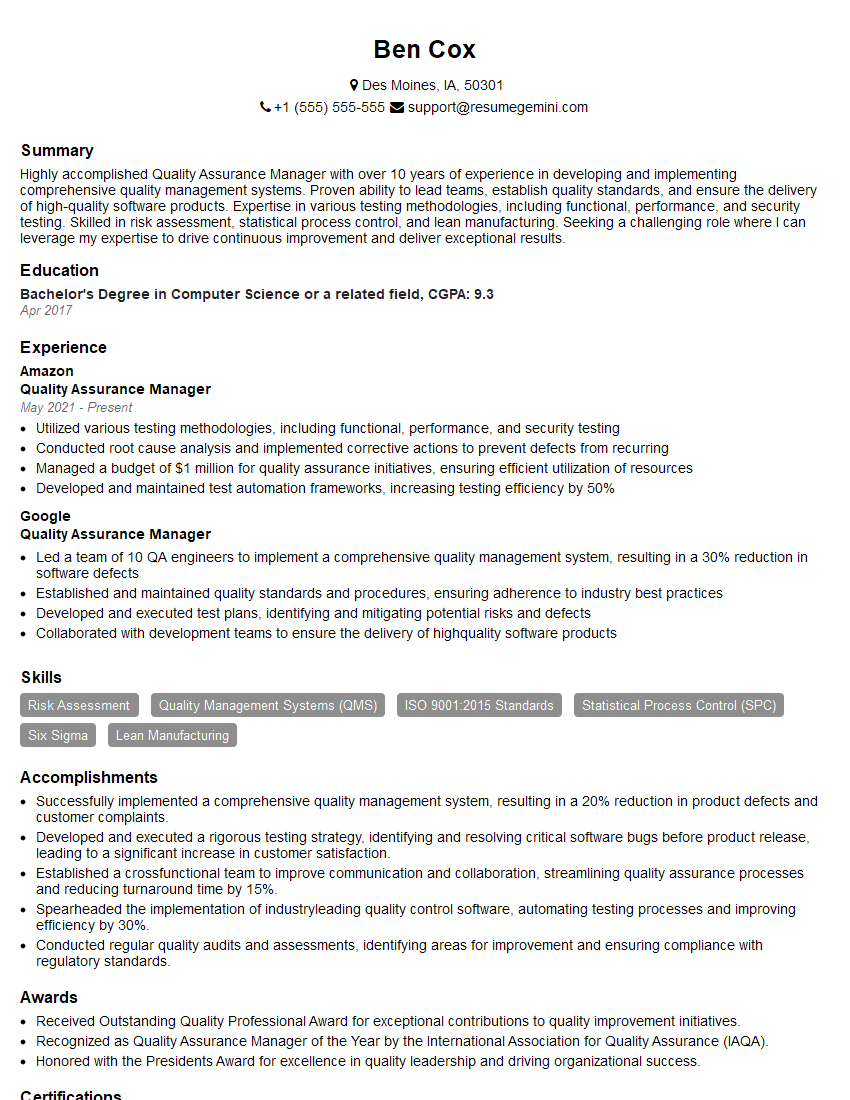
Quality Assurance Manager Resume Sample
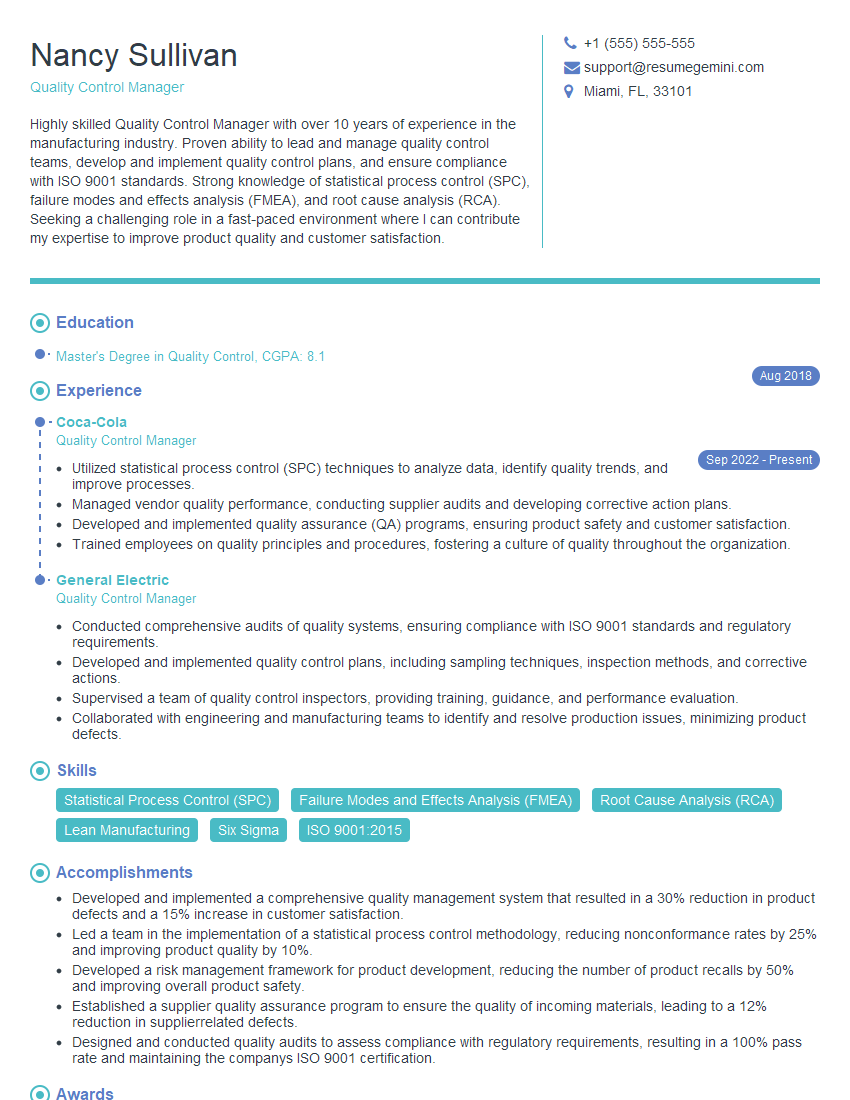
Quality Control Manager Resume Sample
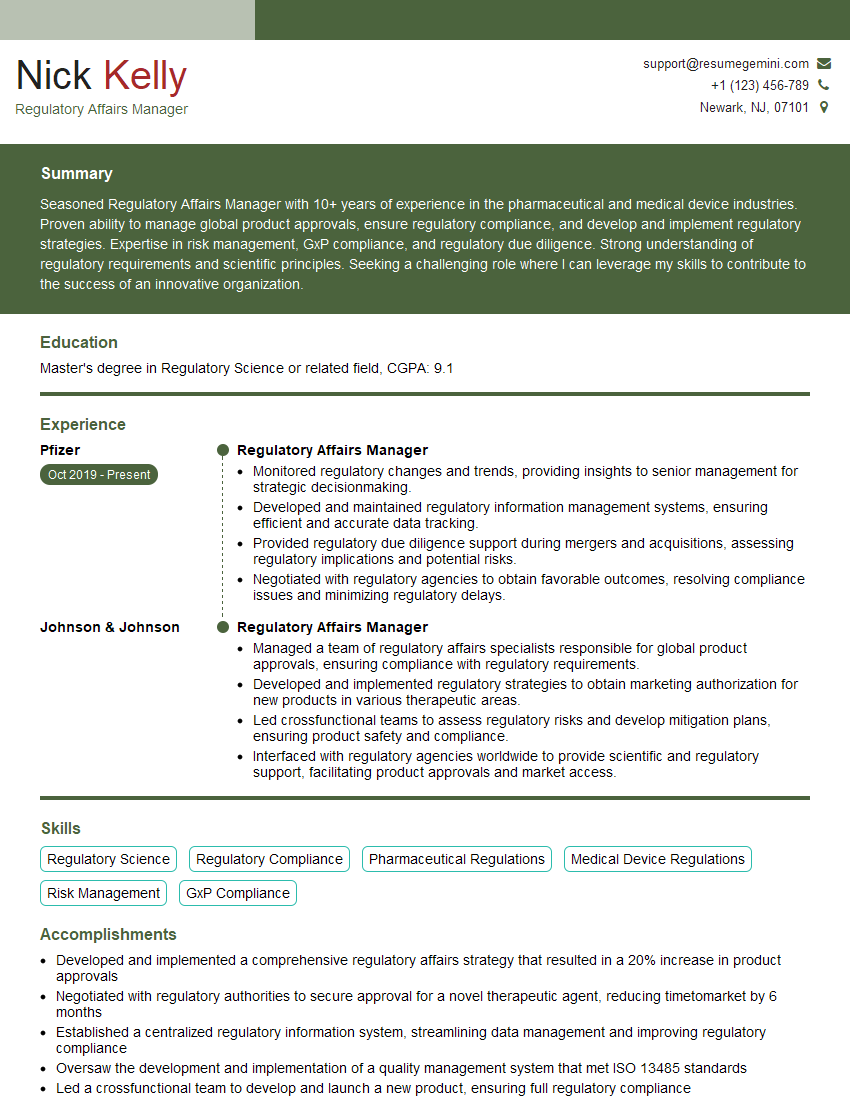
Regulatory Affairs Manager Resume Sample
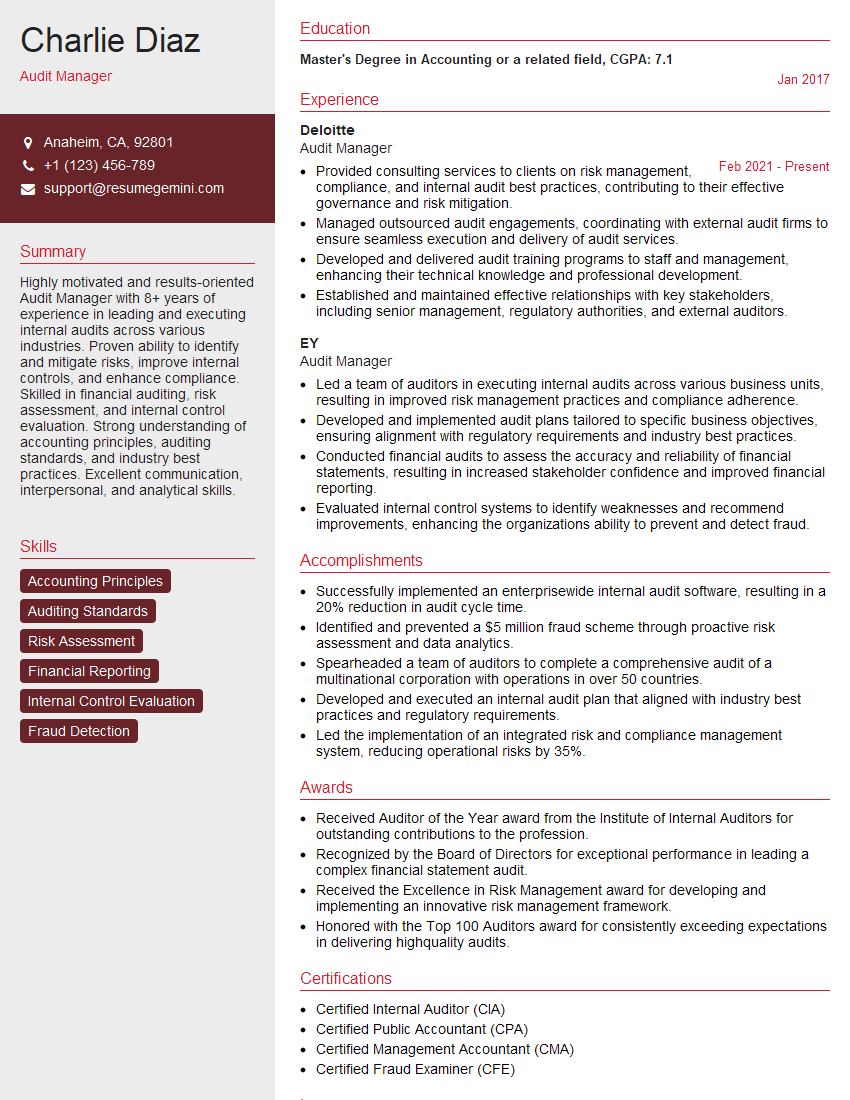
Audit Manager Resume Sample
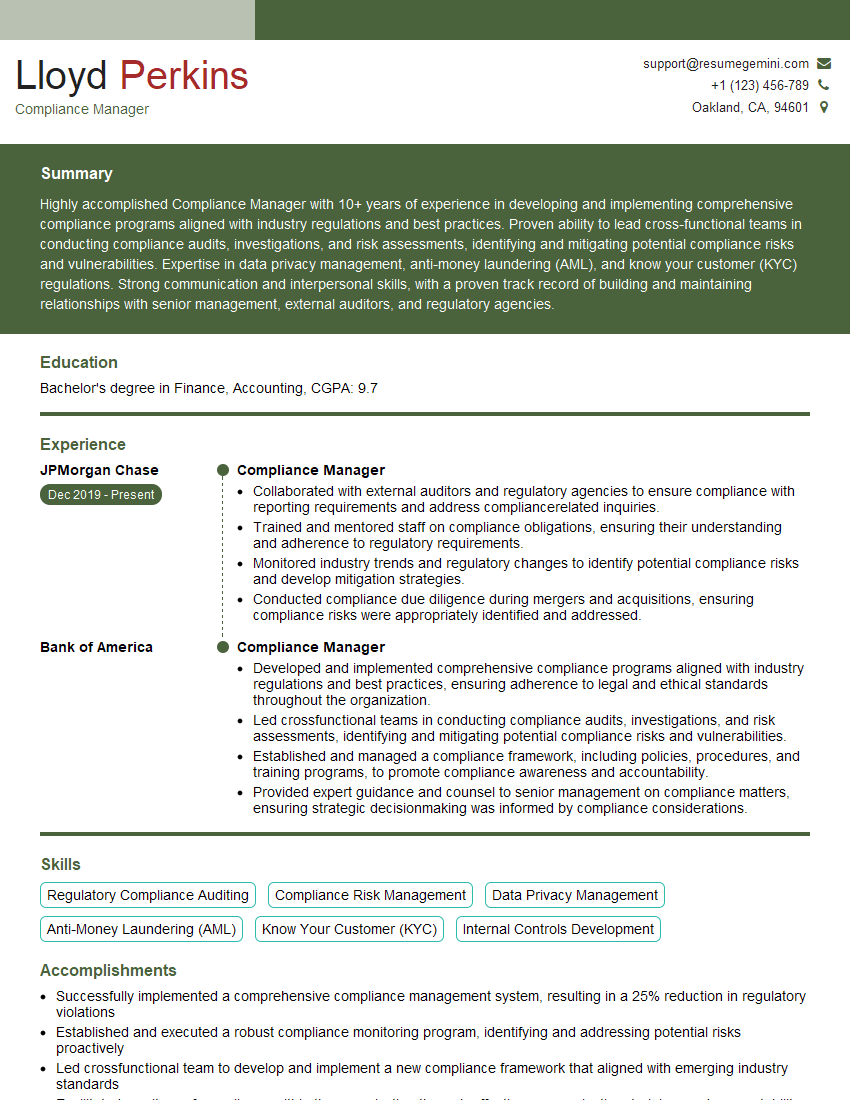
Compliance Manager Resume Sample
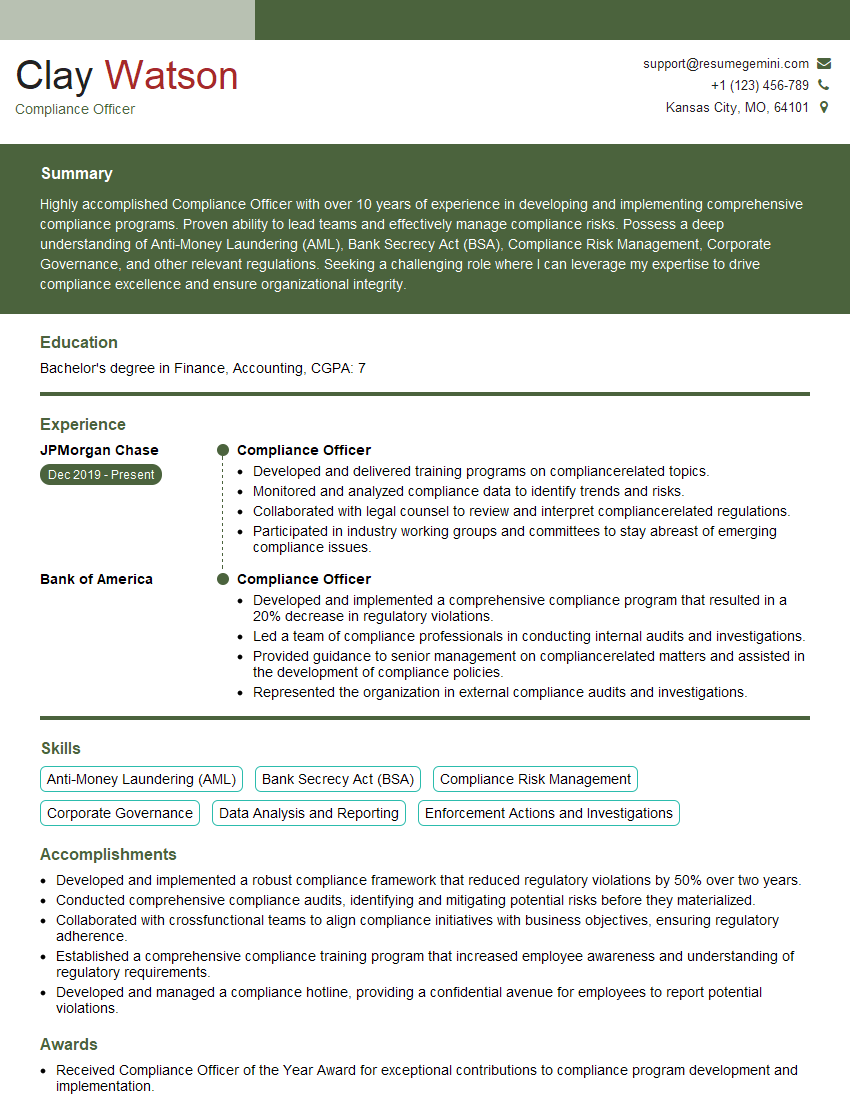
Compliance Officer Resume Sample
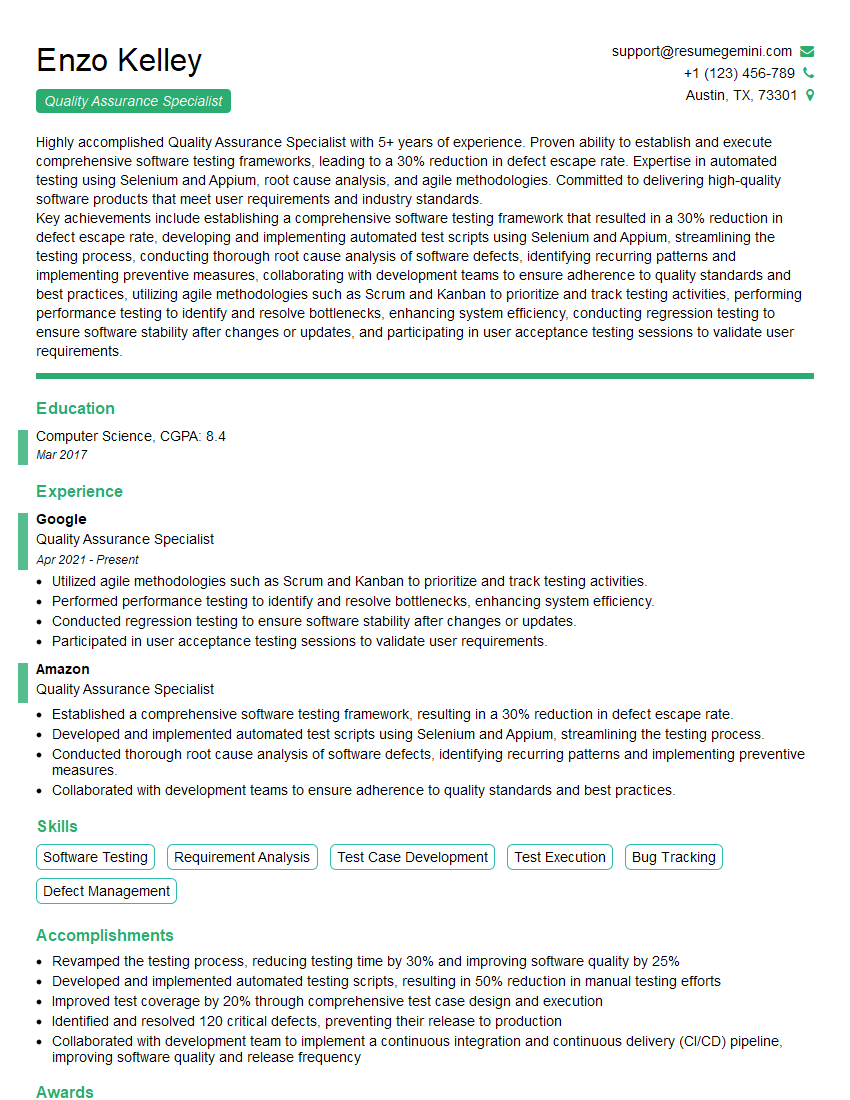
Quality Assurance Specialist Resume Sample
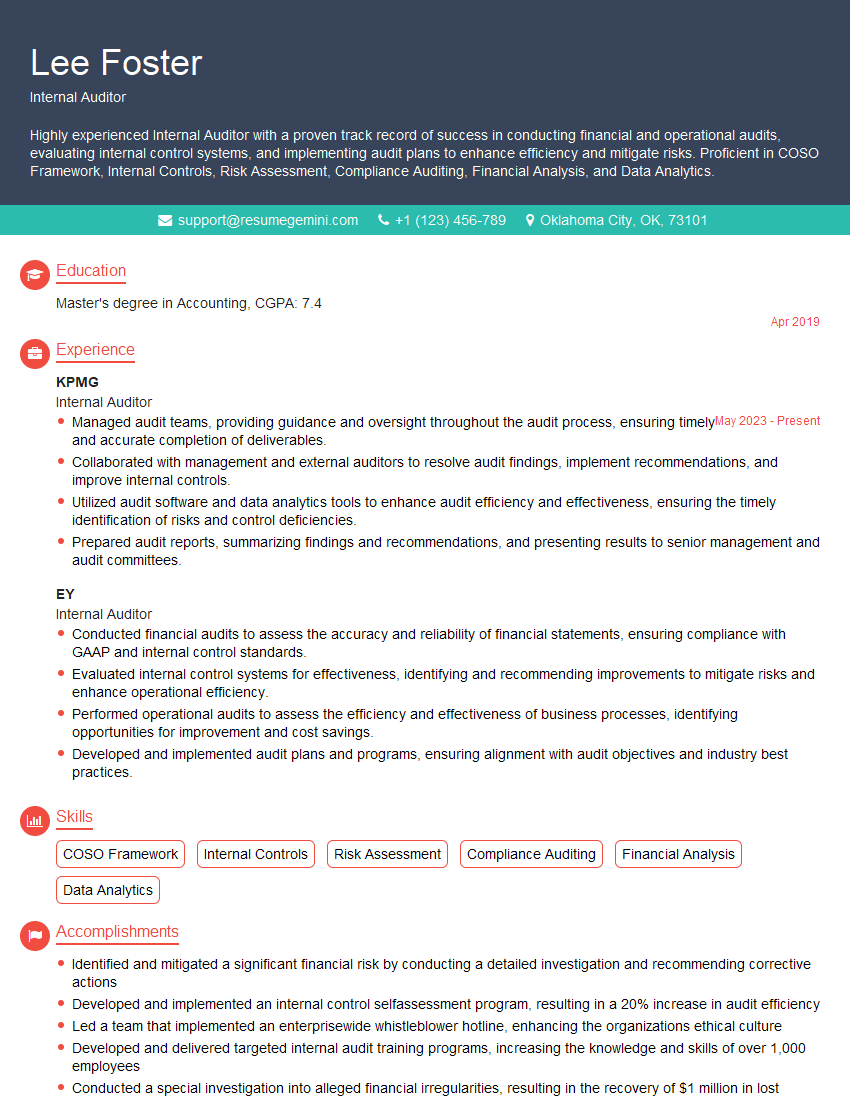
Internal Auditor Resume Sample
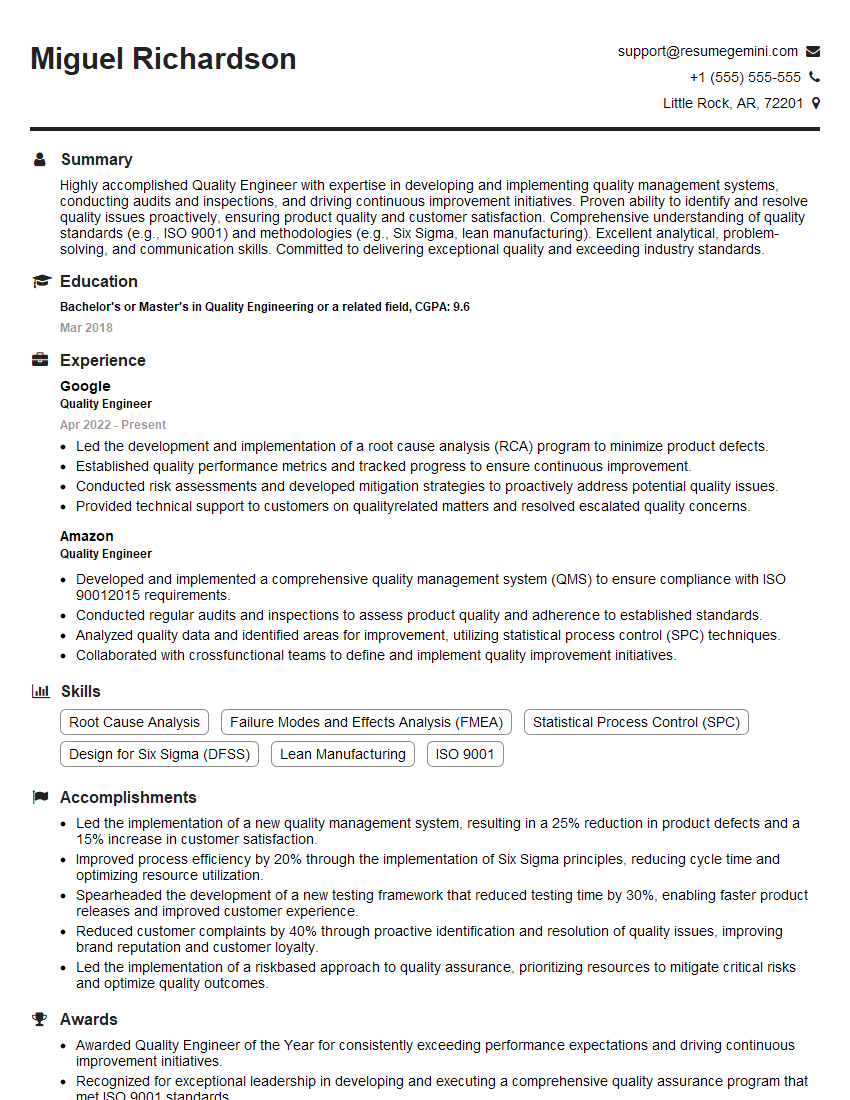
Quality Engineer Resume Sample
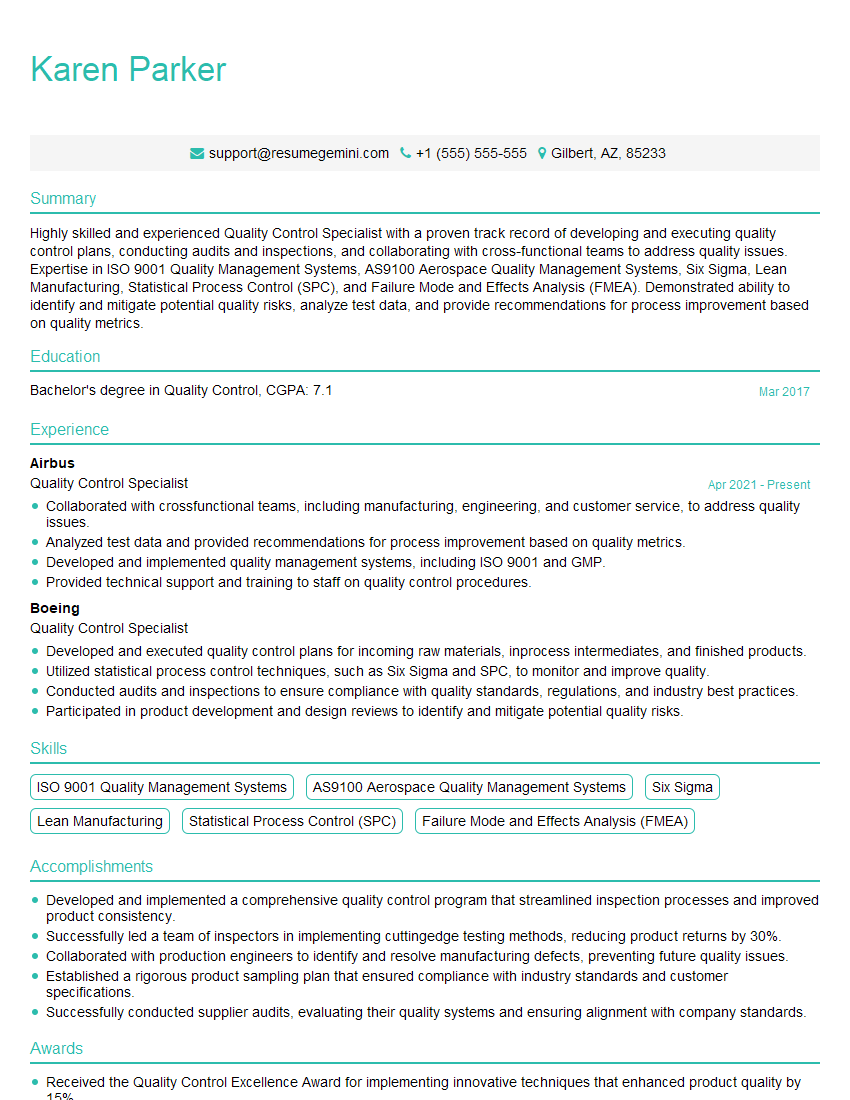
Quality Control Specialist Resume Sample
Explore more articles
Users Rating of Our Blogs
Share Your Experience
We value your feedback! Please rate our content and share your thoughts (optional).
What Readers Say About Our Blog
Very informative content, great job.
good