The right preparation can turn an interview into an opportunity to showcase your expertise. This guide to Quality Checking and Inspection interview questions is your ultimate resource, providing key insights and tips to help you ace your responses and stand out as a top candidate.
Questions Asked in Quality Checking and Inspection Interview
Q 1. Describe your experience with different inspection methods (visual, dimensional, functional).
My experience encompasses a wide range of inspection methods, each crucial for different aspects of quality control. Visual inspection is the cornerstone, relying on observation to detect surface defects, color variations, or misalignments. Think of inspecting a car body for scratches – that’s visual inspection. Dimensional inspection, on the other hand, uses precision tools like calipers, micrometers, or coordinate measuring machines (CMMs) to verify dimensions against specifications. For example, ensuring a manufactured part fits within its designated tolerance is a task for dimensional inspection. Finally, functional inspection tests the operational capabilities of the product. This could involve checking if a circuit board powers on, a motor runs smoothly, or software performs as expected. Imagine testing the functionality of a newly manufactured smart phone – that’s functional inspection. In my previous role, I regularly used all three methods in a sequential manner, beginning with a visual check followed by dimensional measurements and concluding with a functional test, ensuring a comprehensive evaluation of product quality.
Q 2. Explain your understanding of Statistical Process Control (SPC).
Statistical Process Control (SPC) is a powerful methodology for monitoring and controlling process variation. It uses statistical tools to identify trends and patterns in data, helping to prevent defects before they occur. The core principle is that even in a stable process, there’s inherent variation. SPC helps us distinguish between ‘common cause’ variation (natural fluctuations) and ‘special cause’ variation (something unusual affecting the process). We utilize control charts, such as X-bar and R charts (for measuring averages and ranges), to track key process characteristics. If data points fall outside pre-defined control limits, it signals a potential problem that demands investigation and corrective action. For instance, in a manufacturing setting producing bolts, we’d monitor the bolt diameter using an X-bar and R chart. If we consistently observe diameters falling outside the control limits, it suggests a machine malfunction or a problem with raw material quality, prompting a process adjustment.
Q 3. How do you handle discrepancies found during inspection?
Discrepancies found during inspection are handled methodically. The first step involves documenting the discrepancy clearly and precisely, including photos or videos as evidence. This detailed record aids in root cause analysis. Next, I assess the severity of the discrepancy – is it a minor cosmetic issue or a critical safety concern? This helps determine the appropriate course of action. For minor issues, we might implement corrective actions at the production line, such as adjusting a machine setting. For major discrepancies, a more in-depth investigation might be necessary, potentially involving multiple teams (engineering, production, quality). The process concludes with implementing corrective and preventive actions (CAPA) to prevent recurrence. I’ve found that a thorough root cause analysis is vital, going beyond surface-level fixes to address underlying systemic problems. For instance, if repeated dimensional errors occur, it signals a potential issue with tooling or machine calibration needing correction beyond just rejecting the faulty items.
Q 4. What are your preferred quality control tools and techniques?
My preferred quality control tools and techniques are diverse and adaptable to different situations. I frequently use control charts (as mentioned in SPC), Pareto charts (to identify the vital few issues contributing to most defects), and cause-and-effect diagrams (fishbone diagrams) to uncover the root causes of defects. Checklists are essential for ensuring consistent inspection procedures, and flowcharts assist in visualizing and optimizing processes. Data analysis software allows for statistical analysis and trend identification in large datasets. Additionally, I utilize gauge R&R studies to assess the variability in measurement systems, ensuring accuracy and repeatability. The choice of tool depends on the specific context and available data. For example, in a situation with high defect rates, I’d start with a Pareto chart to focus on the most significant issues first.
Q 5. How do you ensure the accuracy and reliability of your inspection results?
Ensuring accuracy and reliability of inspection results hinges on several key factors. First, well-calibrated and regularly maintained inspection equipment is crucial. Secondly, adherence to standardized procedures and the use of documented checklists help reduce human error. Regularly conducting inter-inspector comparisons, where multiple inspectors examine the same items, reveals inconsistencies and potential biases. Implementing a system for traceability, where each inspection step is documented, is also essential for accountability. Statistical methods, such as gauge R&R studies, assist in evaluating the variability and accuracy of our measurement systems. Furthermore, periodic audits of the entire inspection process are necessary to identify any weaknesses and areas for improvement. A continuous improvement mindset ensures that the inspection process remains robust and reliable over time.
Q 6. Describe your experience with different quality standards (e.g., ISO 9001, AS9100).
I have extensive experience working with various quality standards, including ISO 9001 and AS9100. ISO 9001 is a widely applicable standard focusing on quality management systems. I’ve been involved in implementing and maintaining ISO 9001-compliant systems, ensuring compliance with its requirements regarding documentation, process control, and continuous improvement. AS9100, a standard specific to the aerospace industry, adds stricter requirements for quality and safety. My experience with this standard includes working within an aerospace manufacturing environment, ensuring compliance with stringent regulations and procedures. Understanding these standards allows me to tailor inspection processes to meet specific industry requirements, ensuring product quality and safety. For instance, in an AS9100 environment, traceability of materials and parts is far more rigorous than in a general ISO 9001 context.
Q 7. How do you prioritize tasks and manage your workload during inspections?
Prioritizing tasks and managing workload during inspections requires a structured approach. I begin by understanding the inspection scope and identifying critical items that require immediate attention. This might involve prioritizing high-risk components or those with tight deadlines. I utilize task management tools to list and schedule inspections, assigning priorities and estimated completion times. Throughout the process, I regularly review progress, adapting the schedule as needed. This dynamic approach is essential to handle unforeseen delays or changes in priority. Furthermore, clear communication with relevant teams is critical to coordinate efforts and address any roadblocks. Prioritization is about not just finishing tasks, but making sure the most critical inspections are completed first, ensuring the highest quality products are delivered efficiently.
Q 8. Explain your experience using measuring equipment (e.g., calipers, micrometers, CMM).
Throughout my career, I’ve extensively utilized various measuring equipment, including calipers, micrometers, and Coordinate Measuring Machines (CMMs). My proficiency extends beyond simply operating these tools; I understand their limitations, calibration requirements, and the importance of selecting the appropriate instrument for a given task. For instance, I use vernier calipers for quick measurements of external dimensions, micrometers for precise measurements of smaller parts, and CMMs for intricate, complex geometries requiring high accuracy and detailed data capture.
Calipers: I’m adept at using both digital and vernier calipers to measure external, internal, and depth dimensions. I understand the importance of zeroing the instrument correctly and accounting for zero error. For example, when inspecting a shaft’s diameter, I ensure the jaws are properly aligned and take multiple measurements to account for potential variations.
Micrometers: Micrometers offer greater precision than calipers. I’m experienced in using both inch and metric micrometers, understanding the concept of thimble readings and ensuring proper anvil-spindle contact. A specific example would be measuring the thickness of a thin sheet metal component where precise accuracy down to a few thousandths of an inch is critical.
CMMs: I’m proficient in programming and operating CMMs, using various probing techniques and software packages for part inspection. This includes creating inspection plans based on CAD models, analyzing measurement data, and generating reports detailing dimensional accuracy. For example, I’ve used CMMs extensively to inspect complex automotive components, ensuring they meet stringent tolerance requirements.
Q 9. How do you interpret engineering drawings and specifications?
Interpreting engineering drawings and specifications is fundamental to my role. It’s not simply about reading the diagrams; it’s about understanding the design intent and translating that into practical inspection procedures. I begin by thoroughly reviewing the title block to identify the revision level, tolerances, and materials. Then, I systematically examine the views, sections, and details to identify critical dimensions, features, and surface finishes.
I pay close attention to tolerance annotations (e.g., ±0.01mm), surface roughness specifications (e.g., Ra 6.3), and geometric dimensioning and tolerancing (GD&T) symbols. Understanding GD&T is crucial for ensuring parts meet functional requirements. For example, a positional tolerance specifies how much a hole’s center can deviate from its nominal location, impacting assembly functionality.
Furthermore, I cross-reference the drawings with the material specifications to verify material type, grade, and any special processing requirements. This holistic approach ensures that the inspection process is thorough and that any potential discrepancies are identified and addressed early.
Consider a scenario where a drawing specifies a particular surface finish. I would not only check the surface visually but would also use a surface roughness tester to quantify the roughness and verify compliance with the specified Ra value. This meticulous approach guarantees that the final product meets the required quality standards.
Q 10. How do you document your inspection findings and report defects?
Accurate documentation and reporting are essential for effective quality control. My inspection findings are documented meticulously using a combination of methods, ensuring traceability and clarity. This typically includes:
- Checklists: Pre-defined checklists are used for routine inspections, ensuring consistency and completeness.
- Data Sheets: Measurements, test results, and observations are recorded directly on data sheets, often linked to a specific part or batch number.
- Digital Reporting Systems: Many of our processes utilize digital systems to record and track inspection data, eliminating manual entry errors and providing a central repository for information.
- Photographs and Videos: Visual documentation is crucial, especially for defects that are difficult to describe verbally.
- Defect Reports: For non-conformances, detailed defect reports are created, including the location of the defect, severity, type, and recommended corrective actions. These reports often use standardized formats to facilitate analysis and communication.
For example, if a defect is discovered, the defect report would include a unique identification number, the part number, the location on the part (using coordinates if necessary), a detailed description of the defect (with photos), and the severity level (e.g., critical, major, minor).
Q 11. What is your experience with root cause analysis for quality issues?
Root cause analysis (RCA) is a critical skill in preventing recurring quality issues. I employ various techniques, including the 5 Whys, fishbone diagrams (Ishikawa diagrams), and Pareto analysis. My approach is systematic and data-driven, aiming to identify the underlying cause rather than just treating symptoms.
The 5 Whys: This iterative questioning technique helps to peel back layers of explanation, moving from the initial symptom to the root cause. For example, if a part is failing due to cracking, asking “Why is the part cracking?” repeatedly can lead to uncovering issues in the manufacturing process, material quality, or design.
Fishbone Diagrams: These diagrams visually organize potential causes, categorized by factors such as materials, methods, machines, manpower, measurement, and environment. This helps to brainstorm potential causes systematically.
Pareto Analysis: This technique identifies the “vital few” causes that contribute to the majority of the problems. By focusing on these key contributors, resources can be efficiently allocated to address the most impactful issues.
In a past project, we experienced unusually high rates of surface defects on a particular component. Using a combination of these techniques, we identified the root cause to be a poorly maintained cleaning station, leading to contaminants in the subsequent coating process.
Q 12. Describe a time you identified a critical quality defect. What actions did you take?
During a critical project involving the manufacturing of precision medical instruments, I discovered a critical defect during a final inspection – a hairline crack in a key component of a surgical device. This crack was undetectable through visual inspection alone and could have led to catastrophic failure during surgery.
My immediate actions included:
- Immediate Stoppage: I immediately halted the production line for that specific component.
- Detailed Documentation: I documented the defect with precise measurements, photographs, and a detailed description of its location.
- Notification: I promptly notified the project manager, engineering team, and quality management.
- Root Cause Analysis: I initiated a thorough root cause analysis to determine the origin of the defect, involving the manufacturing team, engineers, and material suppliers.
- Corrective Action: Based on the RCA findings (which pinpointed a flaw in the heat treatment process), we implemented corrective actions, including process adjustments, employee retraining, and enhanced quality checks.
- Preventative Measures: We added non-destructive testing (NDT) to our production process to detect similar defects in the future.
This situation highlighted the importance of thorough inspection and proactive defect detection to ensure patient safety and product reliability.
Q 13. How familiar are you with different types of inspection reports?
My familiarity with various inspection reports is extensive. I’ve worked with many types, including:
- First Article Inspection Reports (FAIR): Verifying the initial production run meets specifications.
- In-Process Inspection Reports: Monitoring quality throughout the manufacturing process.
- Final Inspection Reports: Confirming that the finished product conforms to requirements before shipment.
- Calibration Reports: Documenting the accuracy of measuring instruments.
- Non-Conformance Reports (NCRs): Detailing defects and corrective actions.
- Material Test Reports (MTRs): Showing that materials meet the required specifications.
- Statistical Process Control (SPC) Charts: Displaying process variability and stability over time.
Each report serves a unique purpose, and my experience allows me to select the appropriate report type and format for the specific inspection and the audience. The understanding of each report’s purpose allows for effective communication and problem-solving within the organization.
Q 14. How do you handle pressure and meet deadlines in a fast-paced environment?
Working in a fast-paced environment requires efficiency and prioritization. I handle pressure by employing several strategies:
- Prioritization: I prioritize tasks based on urgency and impact, focusing on critical inspections first.
- Time Management: I use various time management techniques, such as creating detailed schedules and breaking down large tasks into smaller, manageable steps.
- Clear Communication: I maintain open communication with stakeholders, proactively addressing any potential delays or challenges.
- Teamwork: When necessary, I collaborate effectively with team members to share workloads and expedite the inspection process.
- Adaptability: I’m adaptable and can adjust to changing priorities and deadlines as needed.
For example, if I have multiple inspections due on the same day, I’ll create a prioritized list, starting with the most critical tasks. This allows me to allocate my time effectively and meet all deadlines, even under significant pressure. I also use checklists and standardized procedures to maintain efficiency and minimize potential errors.
Q 15. What is your experience with corrective and preventative actions (CAPA)?
Corrective and Preventative Actions (CAPA) is a systematic process for identifying, investigating, and correcting quality issues to prevent recurrence. It’s the backbone of any robust quality management system. Think of it like a detective investigating a crime – we need to find the root cause, not just treat the symptom.
My experience with CAPA involves leading investigations into non-conformances, from minor defects in manufacturing to major deviations in processes. This includes:
- Root Cause Analysis (RCA): Employing tools like the 5 Whys, Fishbone diagrams, and Fault Tree Analysis to pinpoint the underlying cause of the problem. For example, if a batch of product fails a purity test, we wouldn’t just re-process it; we’d investigate why the impurity occurred – was it a faulty ingredient, a machine malfunction, or a procedural error?
- Corrective Actions: Implementing immediate fixes to address the immediate problem. This might involve discarding a faulty batch, recalibrating equipment, or retraining personnel.
- Preventative Actions: Implementing longer-term solutions to stop the issue from reoccurring. This could involve upgrading equipment, revising standard operating procedures, or implementing new quality control checks.
- Effectiveness Verification: Monitoring the implemented actions to ensure they are indeed effective in preventing future problems. We’d track key metrics to confirm the changes made have a lasting positive impact.
I’m proficient in documenting the entire CAPA process, ensuring traceability and compliance with regulatory requirements. A well-documented CAPA process serves as a valuable learning tool, continually improving our systems and preventing future failures.
Career Expert Tips:
- Ace those interviews! Prepare effectively by reviewing the Top 50 Most Common Interview Questions on ResumeGemini.
- Navigate your job search with confidence! Explore a wide range of Career Tips on ResumeGemini. Learn about common challenges and recommendations to overcome them.
- Craft the perfect resume! Master the Art of Resume Writing with ResumeGemini’s guide. Showcase your unique qualifications and achievements effectively.
- Don’t miss out on holiday savings! Build your dream resume with ResumeGemini’s ATS optimized templates.
Q 16. Describe your understanding of quality control charts (e.g., control charts, Pareto charts).
Quality control charts are visual tools used to monitor process performance and identify trends or patterns that signal potential problems. They’re crucial for proactive quality management, allowing us to intervene before significant defects occur.
Control Charts: These charts plot data points over time, displaying the central tendency (mean) and the variation (standard deviation) of the process. The chart includes upper and lower control limits. Points outside these limits signal potential issues. Think of it as a doctor’s blood pressure chart – consistent readings within normal limits are good, while spikes outside indicate problems needing attention. Different types of control charts exist (e.g., X-bar and R chart, p-chart, c-chart) depending on the type of data.
Pareto Charts: These are bar charts that rank causes of problems in descending order of frequency. They’re incredibly helpful in identifying the ‘vital few’ causes that contribute to the majority of problems. The chart often includes a line graph showing the cumulative percentage of problems. Imagine a bakery finding most customer complaints are about burnt cookies. A Pareto chart would visually highlight this, indicating where to focus improvement efforts.
Example: A Pareto chart might reveal that 80% of product defects stem from just 20% of the potential causes. This allows for focused corrective actions.Q 17. How familiar are you with different sampling methods?
Sampling methods are crucial for efficient and cost-effective quality control, especially when inspecting large batches of products. It’s impossible to inspect every single item, so we need to select a representative sample.
I’m familiar with various sampling methods, including:
- Random Sampling: Every item in the population has an equal chance of being selected. This ensures unbiased representation.
- Stratified Sampling: The population is divided into subgroups (strata), and a random sample is taken from each stratum. Useful when the population is heterogeneous.
- Systematic Sampling: Items are selected at regular intervals from the population. Simple and easy to implement, but can be problematic if there’s a pattern in the population.
- Acceptance Sampling: Used to determine whether a batch of products meets pre-defined quality standards. This involves inspecting a sample and making a decision to accept or reject the entire batch based on the sample results.
The choice of sampling method depends on factors like the size of the population, the level of acceptable quality, and the resources available. For instance, a small-batch, high-value item might warrant 100% inspection, while a large volume of inexpensive items could be efficiently checked using random sampling.
Q 18. How do you ensure compliance with safety regulations during inspections?
Ensuring compliance with safety regulations during inspections is paramount. It’s not just about checking for quality; it’s about protecting people and the environment.
My approach involves:
- Thorough Understanding of Regulations: Staying updated on all relevant safety standards (e.g., OSHA, ISO, industry-specific regulations) is crucial. This means continuous learning and professional development.
- Pre-Inspection Safety Checks: Before beginning any inspection, I conduct a thorough risk assessment and ensure I have all necessary Personal Protective Equipment (PPE), following established safety procedures.
- Safe Handling of Materials: Proper handling and disposal of hazardous materials are strictly adhered to. This involves understanding Material Safety Data Sheets (MSDS) and following established procedures for containment and disposal.
- Reporting of Hazards: Any unsafe conditions or practices are immediately reported to the appropriate personnel. Proactive hazard reporting prevents accidents and ensures a safe working environment.
- Documentation: Meticulous documentation of all safety procedures followed and any safety-related findings is maintained. This creates a record for traceability and accountability.
Safety is not an afterthought; it’s integrated into every step of the inspection process. Failing to prioritize safety can have severe consequences.
Q 19. Describe your experience with audits and internal quality checks.
I have extensive experience in conducting audits and internal quality checks. These activities are vital for verifying the effectiveness of our quality management system.
Audits: I’ve participated in both internal audits (assessing our own processes) and external audits (conducted by external bodies). This involves reviewing documentation, observing processes, interviewing personnel, and identifying areas for improvement. A recent audit I led helped identify a weakness in our documentation control system, leading to process improvements that enhanced traceability and efficiency.
Internal Quality Checks: These are more frequent, less formal assessments to monitor process performance and identify potential issues early on. Examples include in-process inspections, sampling checks, and routine equipment calibrations. I’ve developed and implemented several internal quality check procedures, resulting in a significant reduction in defects.
Both audits and internal checks employ a systematic approach, using checklists and standardized procedures to ensure consistency and objectivity. The findings are documented and communicated to the relevant personnel, leading to corrective actions and continuous improvement.
Q 20. How do you maintain a clean and organized workspace?
Maintaining a clean and organized workspace is not just about aesthetics; it’s essential for safety, efficiency, and accuracy. A cluttered workspace increases the risk of accidents, makes it difficult to locate tools and materials, and can lead to errors in inspection.
My approach to workspace organization involves:
- 5S Methodology: I utilize the 5S principles – Sort, Set in Order, Shine, Standardize, and Sustain – to maintain a clean and efficient workspace. This creates a system that is easy to follow and maintain.
- Designated Storage: All tools, materials, and documents have designated storage locations. This prevents clutter and ensures everything is readily accessible.
- Regular Cleaning: I dedicate time each day to cleaning my workspace, removing unnecessary items, and wiping down surfaces.
- Proper Disposal: Waste materials are disposed of properly according to safety regulations.
- Preventative Maintenance: I regularly check and maintain equipment to prevent malfunctions and ensure smooth operation.
A well-organized workspace reflects a professional and efficient approach to work, ensuring safety and maximizing productivity.
Q 21. What is your experience with using inspection software or systems?
I have experience utilizing several inspection software and systems, including [mention specific software/systems used, e.g., LIMS, MES, custom-built inspection databases]. These systems have significantly enhanced the efficiency and accuracy of my work.
My experience includes:
- Data Entry and Management: Inputting inspection data accurately and efficiently into the systems, ensuring data integrity.
- Report Generation: Generating reports and dashboards to visualize inspection results and identify trends.
- Data Analysis: Utilizing the system’s analytical capabilities to identify areas for improvement and make data-driven decisions.
- System Integration: Working with different systems and integrating them seamlessly for efficient data flow.
- Troubleshooting: Addressing any technical issues or bugs in the systems.
These systems improve efficiency by automating tasks, reducing manual errors, and providing better data analysis capabilities. For example, [mention a specific example of how the software improved efficiency, e.g., ‘using a LIMS system reduced the time to generate inspection reports by 50%’].
Q 22. How do you communicate effectively with other teams about inspection findings?
Effective communication of inspection findings is crucial for preventing defects and ensuring project success. My approach involves a multi-faceted strategy focused on clarity, conciseness, and collaboration. I begin by preparing a well-structured report, detailing the findings objectively using clear and concise language, avoiding technical jargon whenever possible. This report typically includes:
- A summary of the inspection process.
- A detailed list of identified defects, categorized by severity (critical, major, minor).
- High-quality photographic or video evidence to support the findings.
- Specific recommendations for corrective actions.
I then schedule a meeting with the relevant teams – engineering, manufacturing, or management – to present my findings. During this meeting, I use visual aids (like the aforementioned photos or diagrams) to enhance understanding and facilitate discussion. I actively encourage questions and ensure everyone understands the impact of the identified issues. Finally, I follow up with a written summary of the meeting’s outcomes and agreed-upon corrective actions, ensuring clear assignments of responsibility and deadlines. This methodical approach ensures that everyone is informed, understands the severity, and actively participates in resolving the issues.
For example, in a recent project involving the inspection of aircraft components, I identified a critical flaw in a weld. My detailed report, complete with photographic evidence, not only highlighted the defect but also proposed a cost-effective repair strategy, saving the company significant time and resources. Following a collaborative meeting, we implemented the corrective actions successfully, preventing potential safety hazards and delays.
Q 23. Describe your experience with non-destructive testing (NDT) methods.
My experience with Non-Destructive Testing (NDT) methods is extensive, encompassing a range of techniques crucial for assessing the integrity of materials and components without causing damage. I am proficient in several methods, including:
- Ultrasonic Testing (UT): I utilize UT to detect internal flaws in materials using high-frequency sound waves. I’m familiar with various techniques like pulse-echo and through-transmission, and interpreting the resulting waveforms to identify defects like cracks, voids, and inclusions.
- Radiographic Testing (RT): I have experience using X-rays and gamma rays to inspect components for internal flaws. This involves interpreting radiographic images to identify discontinuities and assessing their severity. Safety protocols and radiation protection are always paramount in my practice.
- Magnetic Particle Inspection (MPI): This method is utilized for detecting surface and near-surface flaws in ferromagnetic materials. I am skilled in applying magnetic fields and ferromagnetic particles to reveal cracks and other discontinuities. The interpretation of the patterns formed by the particles is essential in accurate flaw identification.
I’ve applied these techniques across various industries, including aerospace, automotive, and manufacturing, consistently delivering accurate and reliable inspection results. For instance, in a recent project involving the inspection of pressure vessels, the use of UT and RT helped identify a potential crack, preventing a catastrophic failure. The early detection enabled timely repairs, avoiding costly downtime and potential safety risks.
Q 24. How do you stay updated on the latest quality control and inspection technologies?
Staying current with the latest QC/Inspection technologies is vital in this rapidly evolving field. I employ several strategies to remain updated:
- Professional Development Courses and Conferences: I regularly attend industry conferences and workshops to learn about advancements in NDT methods, quality management systems, and data analytics in quality control. This allows for networking with peers and learning best practices.
- Industry Publications and Journals: I subscribe to relevant journals and online publications that feature research and articles on the latest advancements in quality control and inspection techniques. This keeps me abreast of the newest technologies and methodologies.
- Online Learning Platforms: I leverage online learning platforms that offer courses and webinars on quality control and inspection-related topics. This allows for flexible learning at my convenience.
- Professional Organizations: Active participation in professional organizations like ASQ (American Society for Quality) provides access to valuable resources, networking opportunities, and continuing education opportunities.
For instance, I recently completed a course on advanced data analytics in quality control, learning how to use statistical methods and machine learning to improve inspection efficiency and defect prediction. This has already proven invaluable in improving our quality control processes.
Q 25. How do you handle conflict resolution with colleagues or management regarding inspection results?
Conflict resolution is an essential skill in quality control, where disagreements about inspection results are sometimes inevitable. My approach focuses on open communication, objective data, and collaboration:
- Data-Driven Discussions: I prioritize using objective data – inspection reports, test results, and visual evidence – to support my findings and facilitate discussions. This removes emotion from the debate and focuses on facts.
- Active Listening and Empathy: I actively listen to differing perspectives and strive to understand the concerns of my colleagues or management. Empathy and respect are crucial in building trust and finding common ground.
- Collaborative Problem Solving: I view disagreements as opportunities for collaborative problem-solving. By working together, we can often find mutually acceptable solutions that address everyone’s concerns.
- Escalation Procedures: If the conflict persists, I’m prepared to escalate the issue through established channels, such as supervisors or senior management, to ensure a fair and impartial resolution.
For example, I once faced disagreement over the severity of a defect. By presenting irrefutable evidence and explaining the potential safety implications using a risk assessment matrix, I was able to gain consensus on the appropriate action.
Q 26. What are your salary expectations for this role?
My salary expectations for this role are in the range of [Insert Salary Range], commensurate with my experience, skills, and the responsibilities of the position. I am flexible and open to discussing this further based on a comprehensive understanding of the compensation package, including benefits and opportunities for professional development.
Q 27. What are your long-term career goals in the field of Quality Control/Assurance?
My long-term career goals involve becoming a recognized leader in the field of quality control and assurance. I aspire to utilize my expertise to develop and implement innovative quality management systems that drive continuous improvement across organizations. I am particularly interested in exploring the application of advanced technologies like AI and machine learning in predictive quality control. My goal is to contribute significantly to improving product quality, safety, and efficiency while leading and mentoring a team of quality professionals.
Q 28. Do you have any questions for me?
I have several questions for you. First, can you describe the specific technologies and methodologies currently used in your quality control processes? Second, what are the key performance indicators (KPIs) used to measure the success of the quality control team? Finally, are there opportunities for professional development and advancement within the company?
Key Topics to Learn for Quality Checking and Inspection Interview
- Understanding Quality Standards: Learn about various quality standards (e.g., ISO 9001, Six Sigma) and their practical implications in different industries. Consider how these standards translate into specific inspection procedures.
- Inspection Methods and Techniques: Familiarize yourself with different inspection methods – visual inspection, dimensional inspection, functional testing, destructive and non-destructive testing. Be prepared to discuss your experience with specific tools and equipment.
- Statistical Process Control (SPC): Understand the principles of SPC and how control charts are used to monitor and improve processes. Be ready to discuss how you’d interpret data from control charts and identify potential problems.
- Root Cause Analysis (RCA): Practice identifying the root cause of quality defects using various techniques like the 5 Whys, fishbone diagrams, or Pareto analysis. Prepare examples of how you’ve successfully applied RCA in past experiences.
- Documentation and Reporting: Understand the importance of accurate and thorough documentation. Be ready to discuss your experience with creating inspection reports, maintaining records, and communicating findings effectively.
- Quality Control Systems: Familiarize yourself with different quality control systems and their implementation. Discuss your understanding of preventative vs. corrective actions.
- Problem-Solving and Decision-Making: Prepare examples showcasing your ability to identify quality issues, analyze the situation, propose solutions, and make data-driven decisions under pressure.
- Continuous Improvement: Demonstrate your understanding of continuous improvement methodologies (e.g., Kaizen) and your commitment to improving quality processes.
Next Steps
Mastering Quality Checking and Inspection opens doors to diverse and rewarding career opportunities, offering excellent growth potential within various industries. A strong resume is your key to unlocking these opportunities. Creating an ATS-friendly resume is crucial for getting your application noticed. We recommend using ResumeGemini, a trusted resource, to build a professional and impactful resume that highlights your skills and experience effectively. Examples of resumes tailored to Quality Checking and Inspection are available to guide you.

Quality Assurance Manager Resume Sample

Quality Control Manager Resume Sample
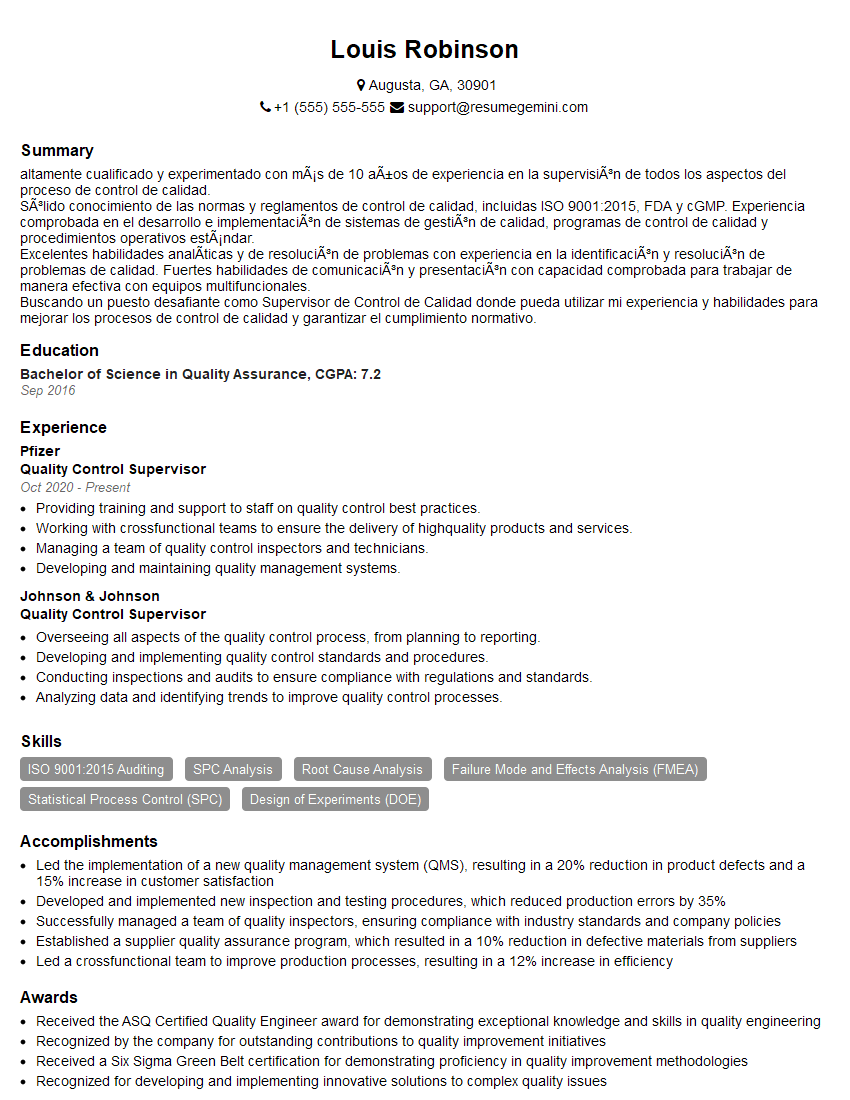
Quality Control Supervisor Resume Sample
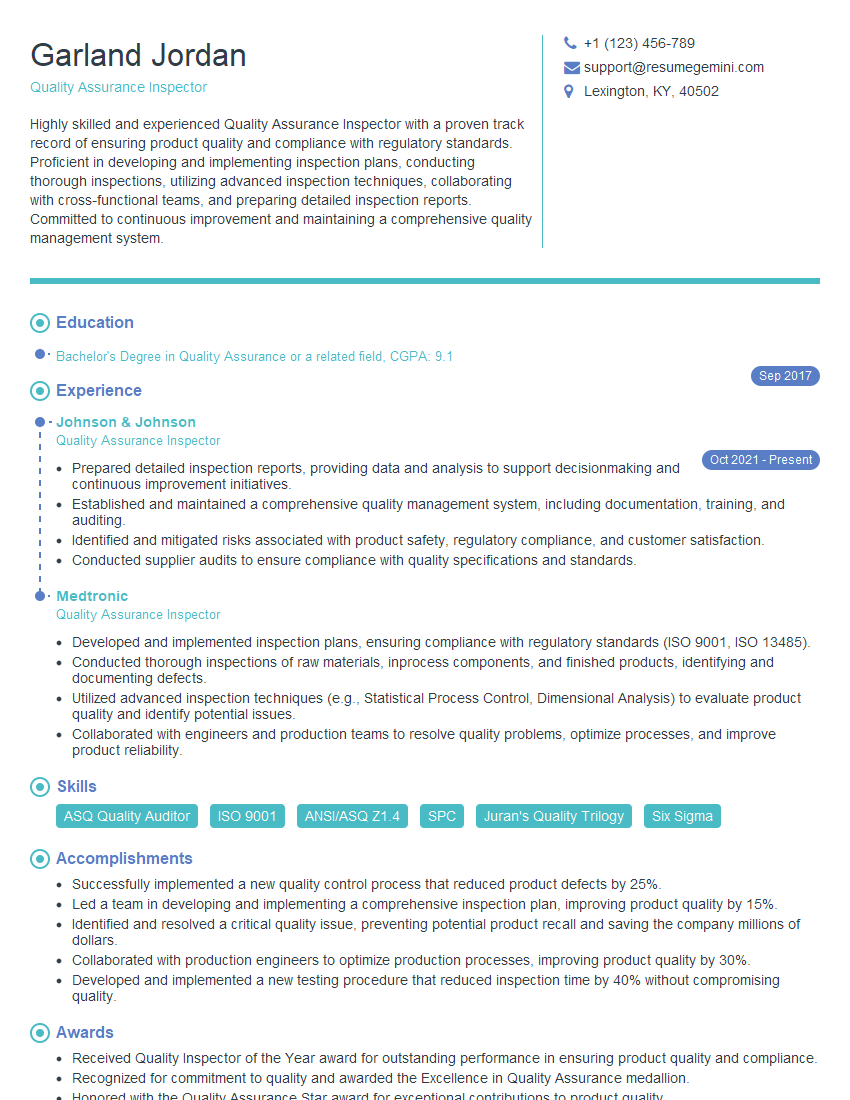
Quality Assurance Inspector Resume Sample
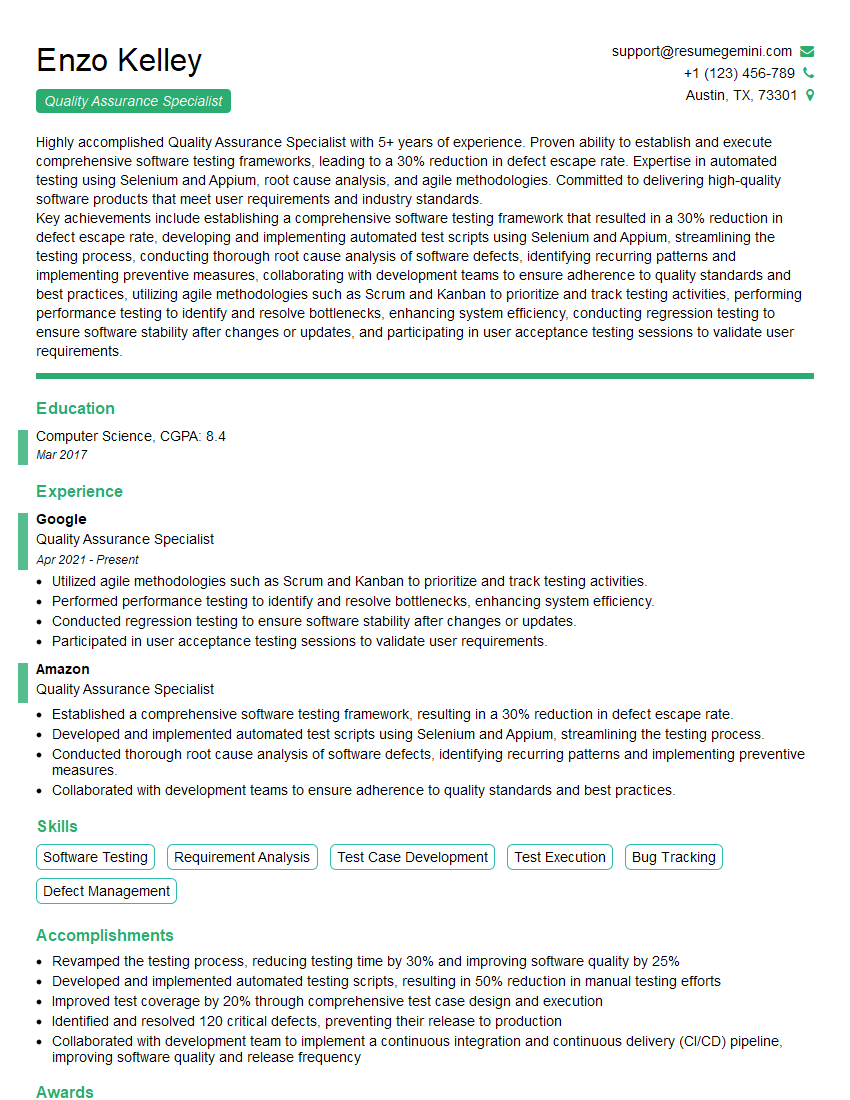
Quality Assurance Specialist Resume Sample

Quality Assurance Technician Resume Sample
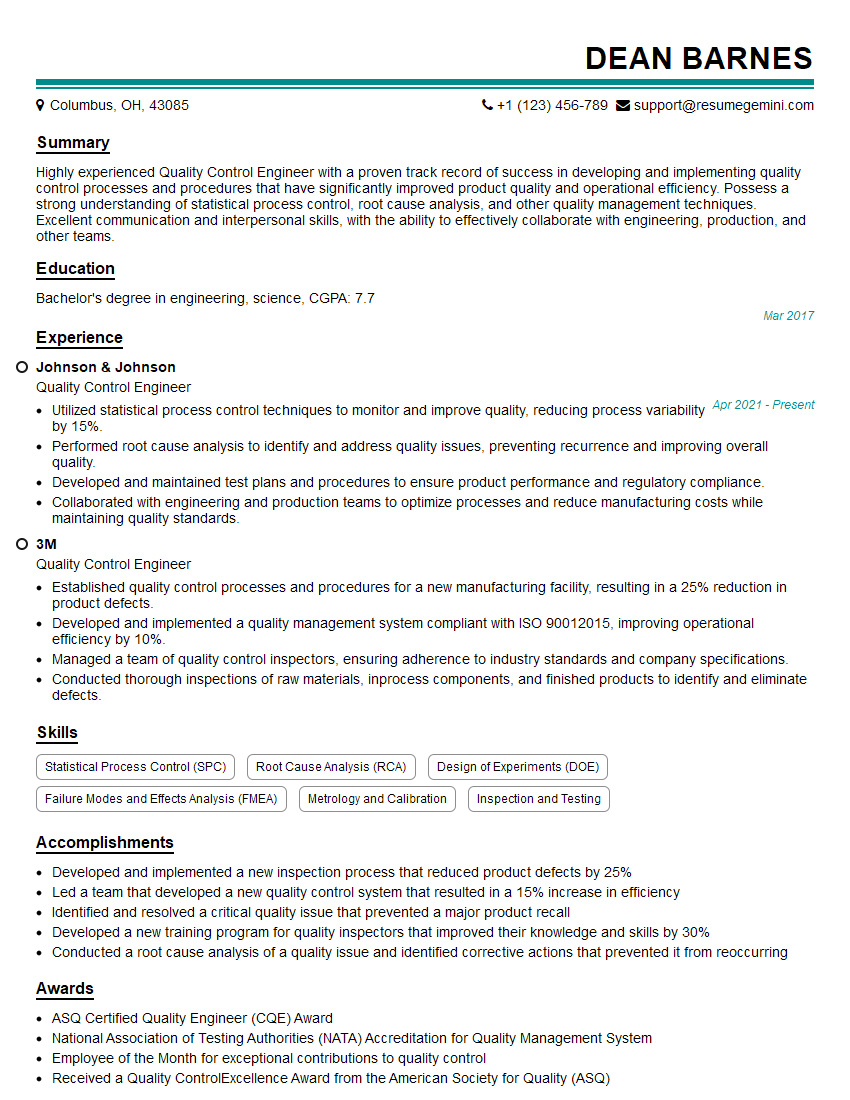
Quality Control Engineer Resume Sample
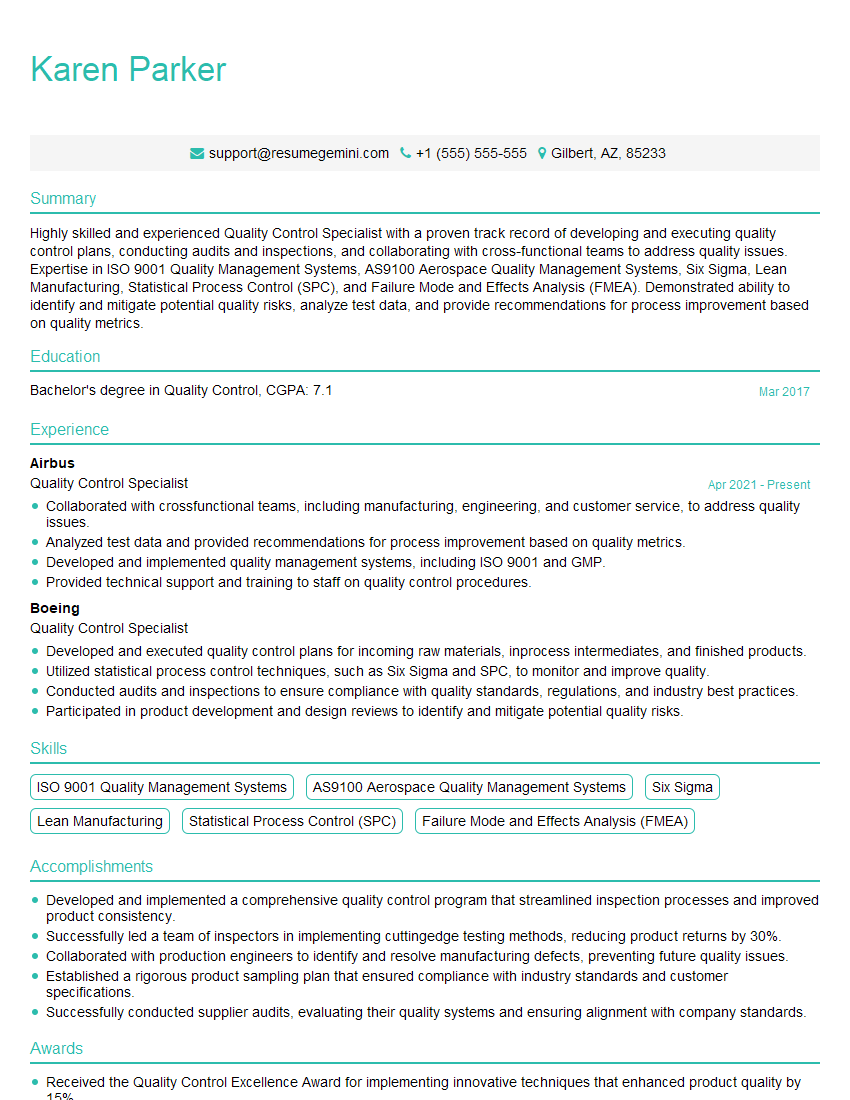
Quality Control Specialist Resume Sample
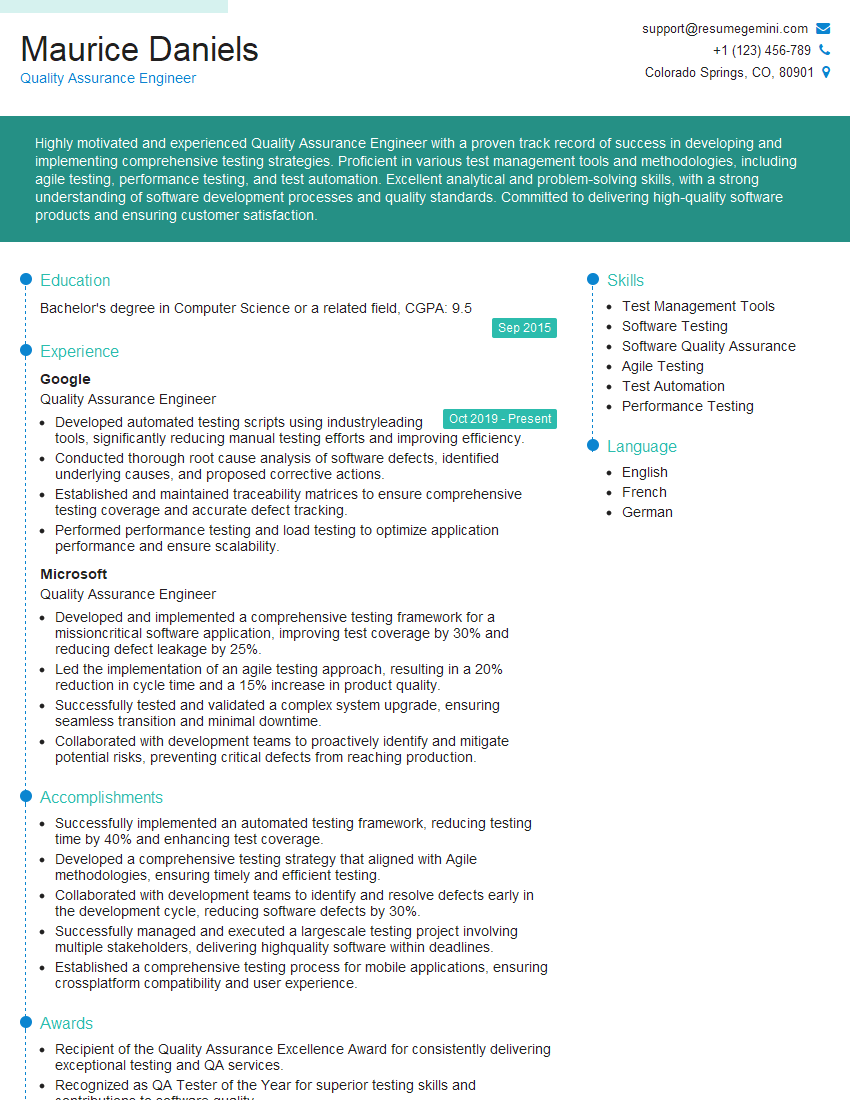
Quality Assurance Engineer Resume Sample
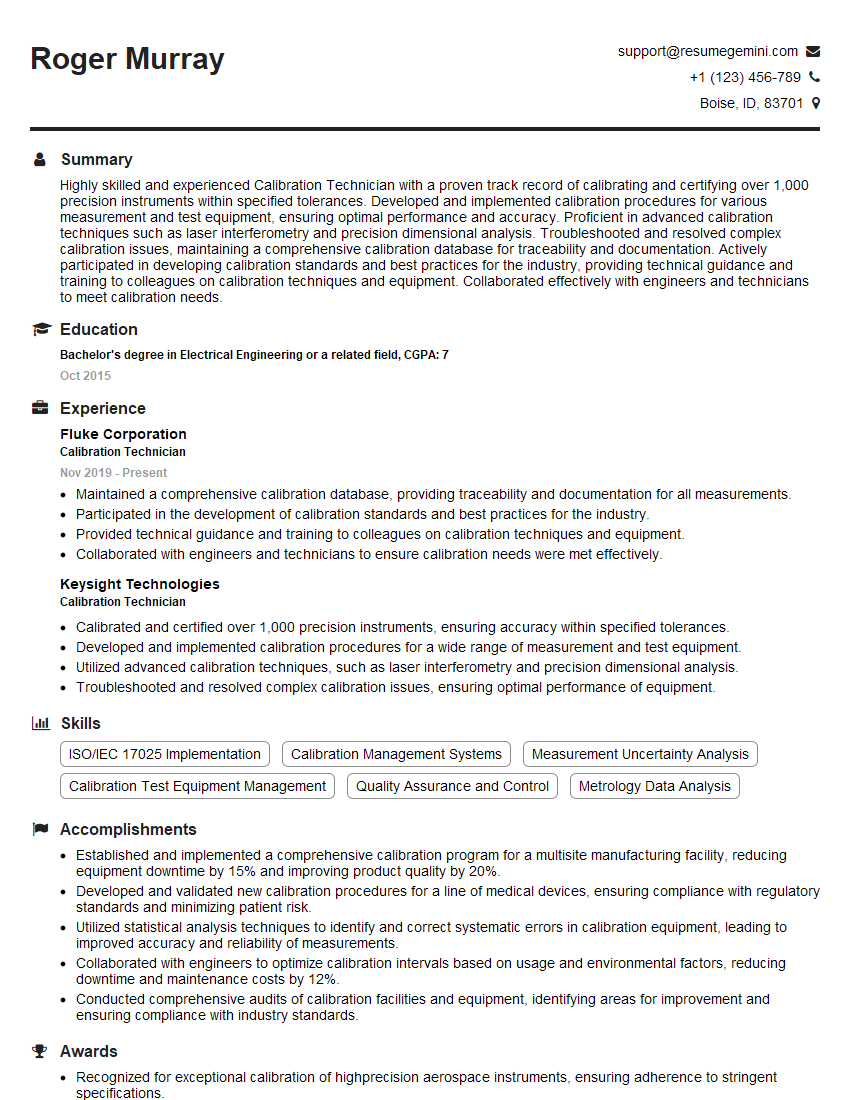
Calibration Technician Resume Sample
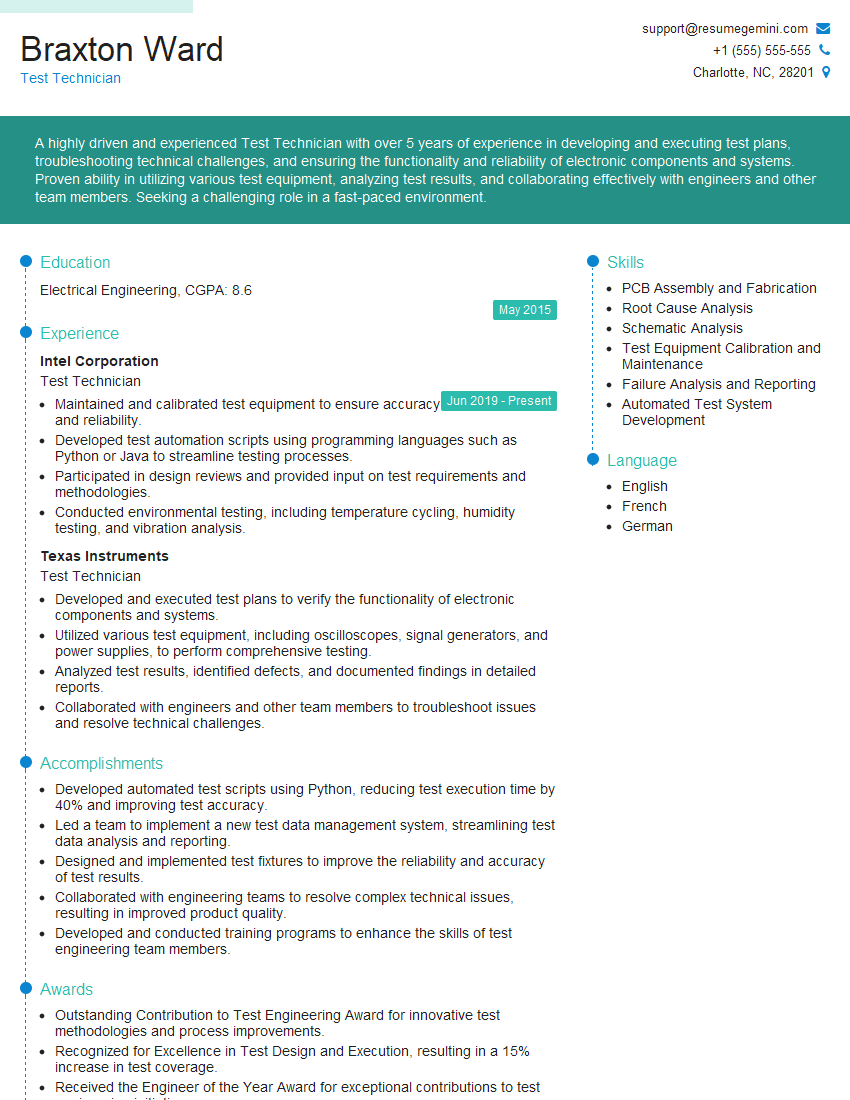
Test Technician Resume Sample
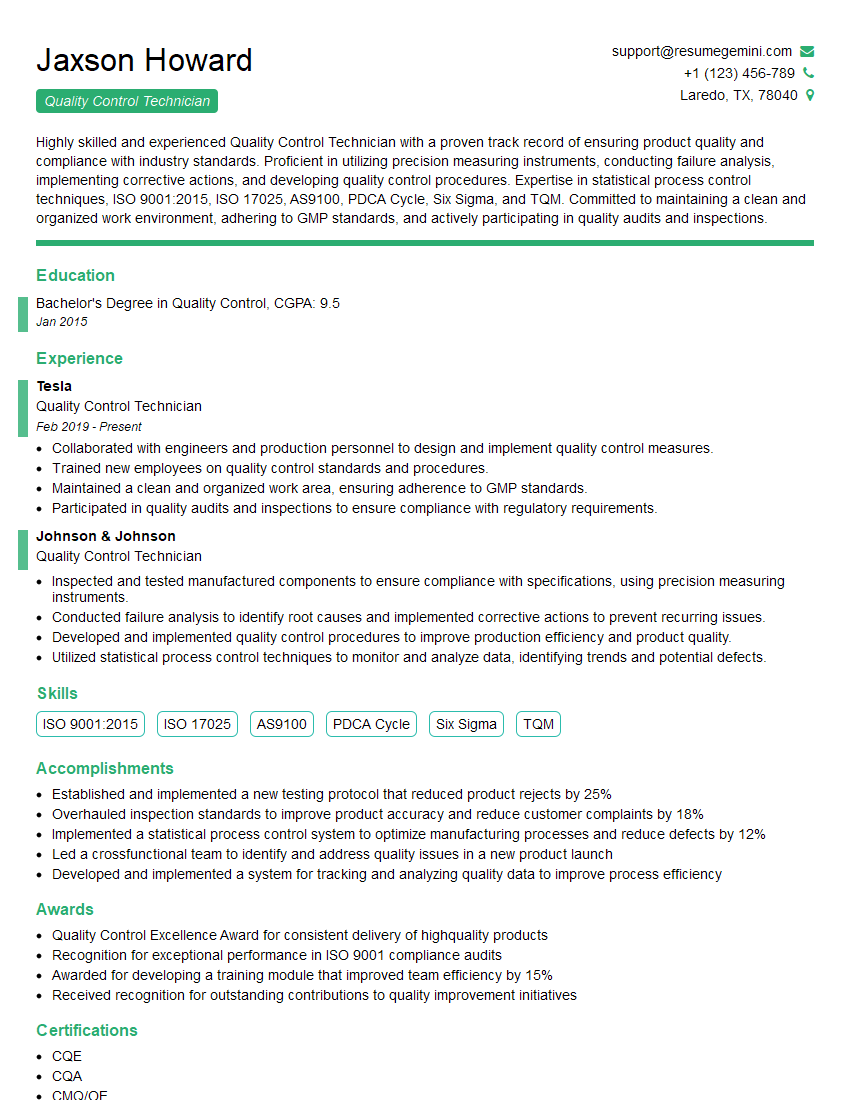
Quality Control Technician Resume Sample
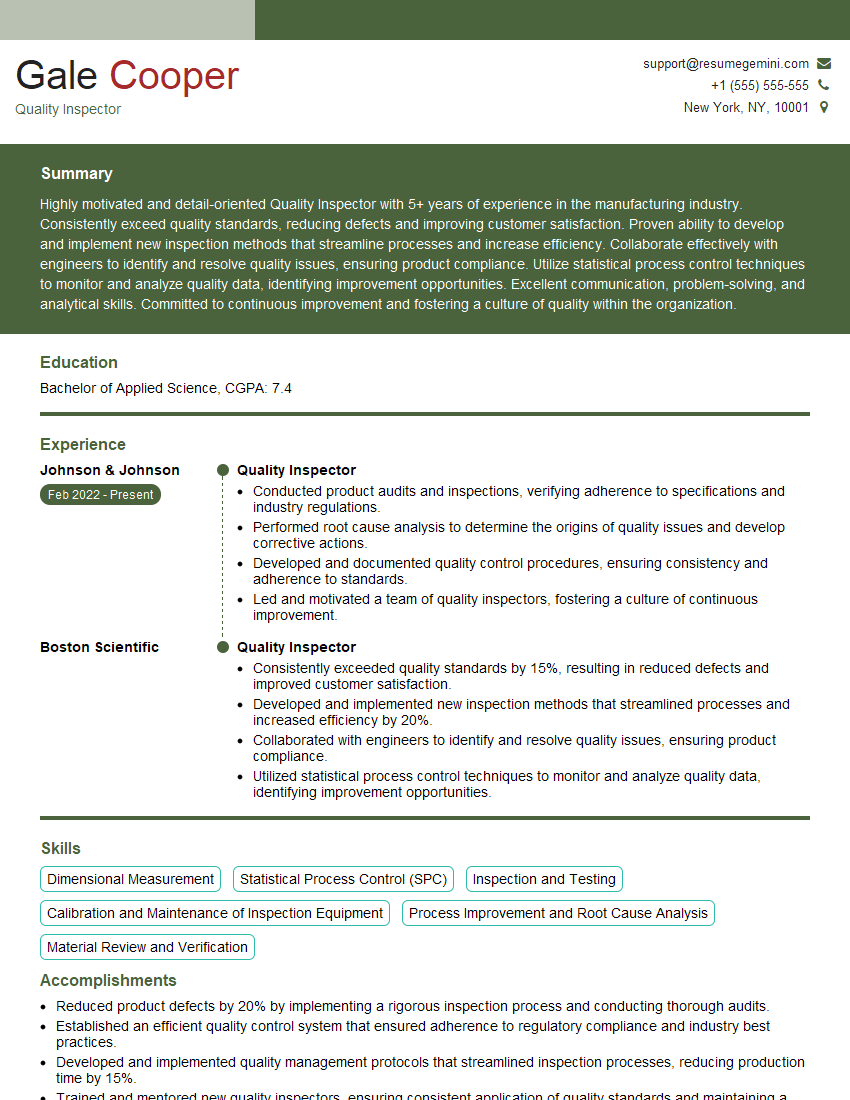
Quality Inspector Resume Sample
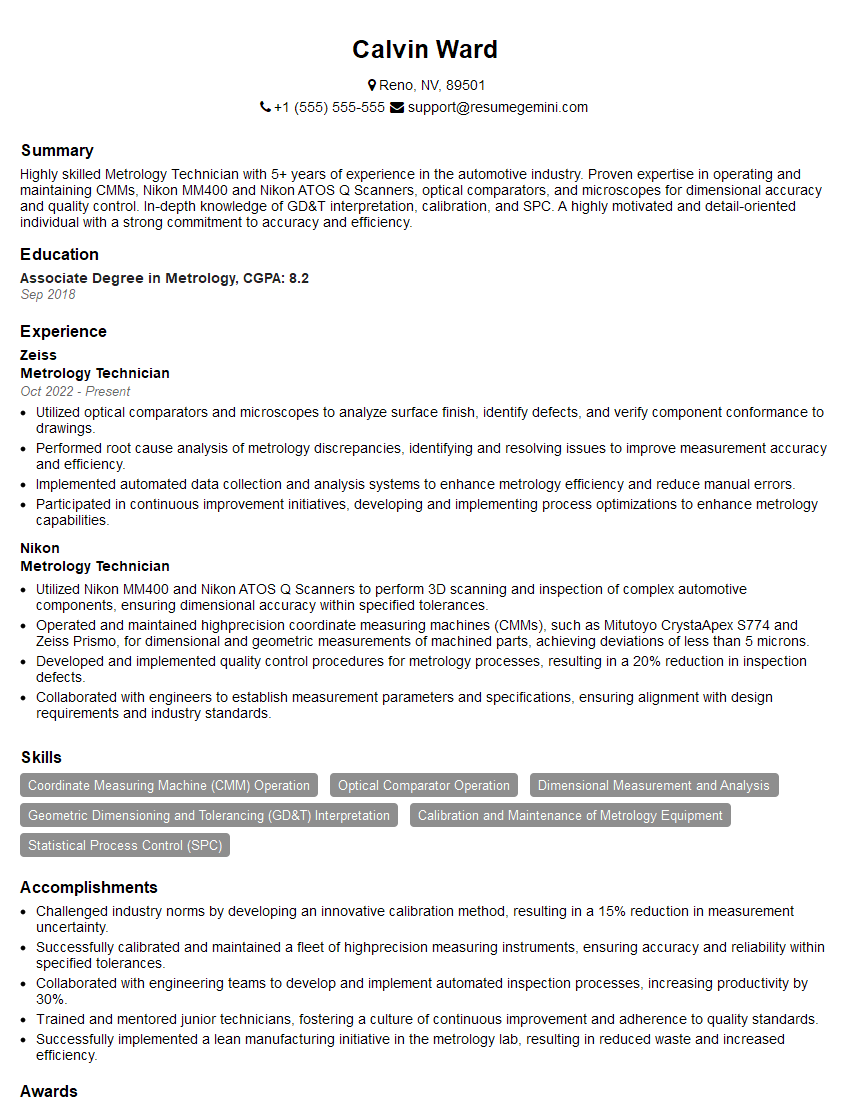
Metrology Technician Resume Sample
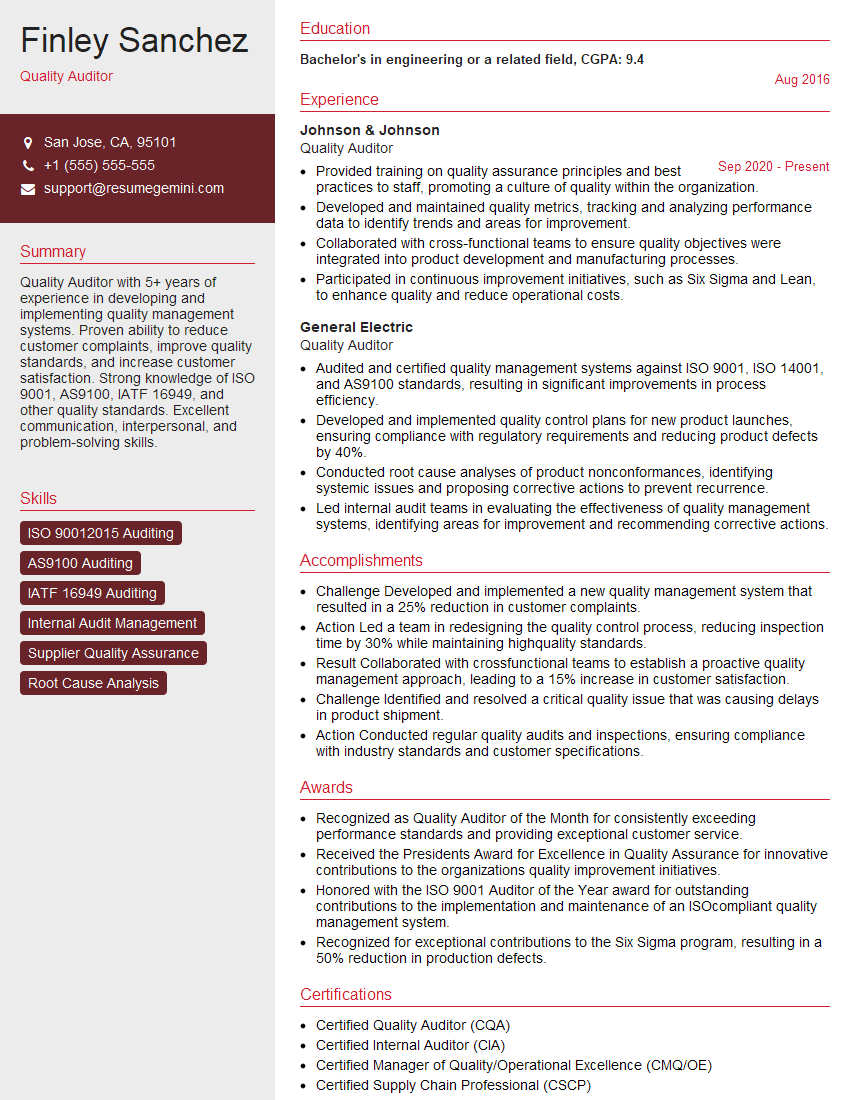
Quality Auditor Resume Sample
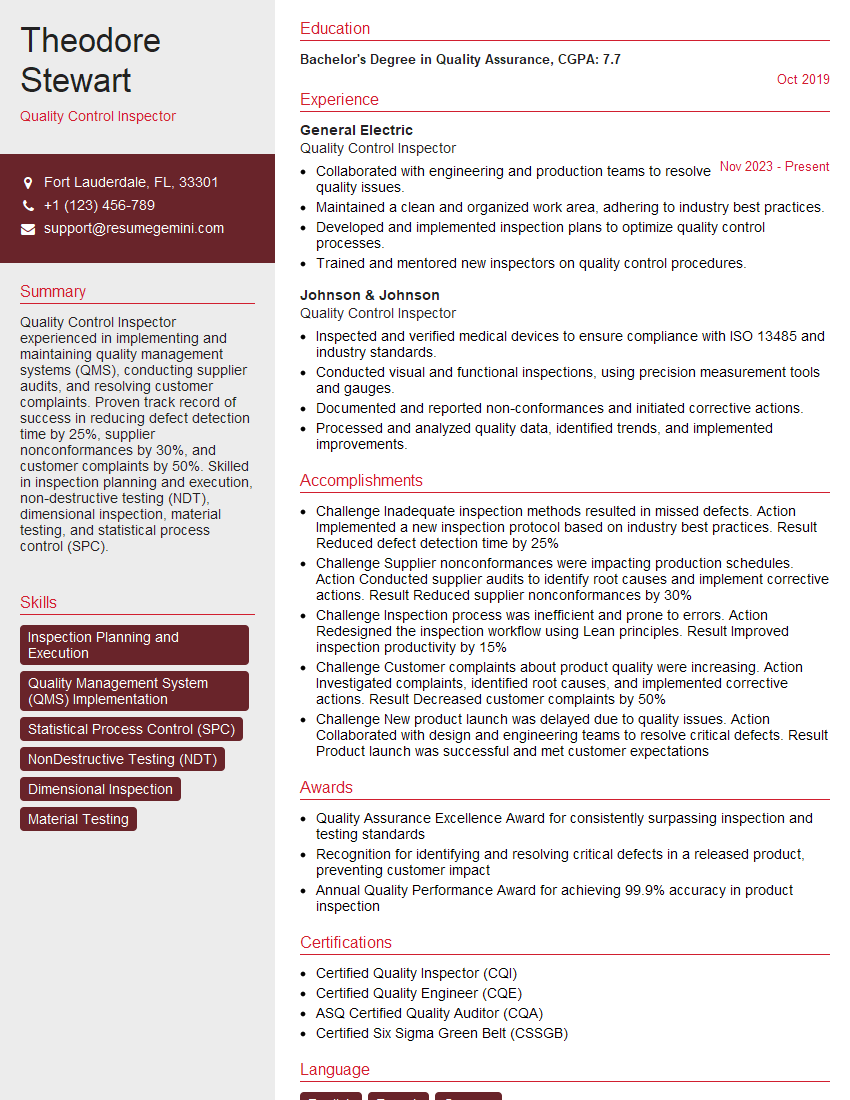
Quality Control Inspector Resume Sample
- Quality Assurance Manager
- Quality Control Manager
- Quality Control Supervisor
- Quality Assurance Inspector
- Quality Assurance Specialist
- Quality Assurance Technician
- Quality Control Engineer
- Quality Control Specialist
- Quality Assurance Engineer
- Calibration Technician
- Test Technician
- Quality Control Technician
- Quality Inspector
- Metrology Technician
- Quality Auditor
- Quality Control Inspector
Explore more articles
Users Rating of Our Blogs
Share Your Experience
We value your feedback! Please rate our content and share your thoughts (optional).
What Readers Say About Our Blog
good