Unlock your full potential by mastering the most common Quality control and attention to detail interview questions. This blog offers a deep dive into the critical topics, ensuring you’re not only prepared to answer but to excel. With these insights, you’ll approach your interview with clarity and confidence.
Questions Asked in Quality control and attention to detail Interview
Q 1. Describe your experience implementing a quality control system.
Implementing a quality control system involves a structured approach focusing on preventing defects and ensuring consistent product or service quality. It starts with defining clear quality standards, then establishing processes to meet those standards, and finally, monitoring and improving those processes over time.
In my previous role at Acme Manufacturing, we implemented a new quality control system for our flagship product line. This involved:
- Defining Quality Standards: We established specific metrics for key characteristics like dimensions, weight, and functionality, using statistical methods to define acceptable tolerances.
- Process Design & Documentation: We meticulously documented every step of the manufacturing process, creating flowcharts and work instructions. This ensured consistency and traceability.
- Inspection & Testing: We implemented a multi-stage inspection process, incorporating visual checks, dimensional measurements, and functional tests at different production stages. This allowed for early detection of defects.
- Corrective and Preventative Actions (CAPA): A formal CAPA system was established to address any identified issues, including root cause analysis and implementation of corrective actions to prevent recurrence. Regular audits ensured compliance.
- Data Analysis & Improvement: We used statistical process control (SPC) charts to monitor key process variables, identify trends, and proactively address potential problems. Regular performance reviews helped continually refine our processes.
The result was a significant reduction in defect rates, improved customer satisfaction, and ultimately, increased profitability.
Q 2. Explain your understanding of statistical process control (SPC).
Statistical Process Control (SPC) is a powerful methodology for monitoring and controlling process variation. It uses statistical techniques to identify and analyze trends in process data, allowing for proactive identification and correction of issues before they lead to significant defects. Think of it as a proactive early warning system for your processes.
SPC relies heavily on control charts, which graphically display process data over time. Common control charts include X-bar and R charts (for averages and ranges) and p-charts (for proportions of defects). These charts help determine if a process is operating within its expected limits or exhibiting unusual variation.
For example, an X-bar and R chart might track the average diameter and range of diameters of manufactured parts. If data points fall outside the control limits, it signals that the process is out of control and requires investigation. This could be due to machine malfunction, raw material variations, or operator error. By identifying and addressing the root cause, we can bring the process back into control.
Beyond basic control charts, SPC involves understanding process capability (Cp and Cpk indices) which measures the ability of a process to meet specifications. This helps determine if a process is capable of producing products that consistently meet customer requirements.
Q 3. How do you identify and prioritize quality issues?
Identifying and prioritizing quality issues requires a systematic approach. It starts with data collection—gathering information from various sources such as customer complaints, inspection reports, production records, and internal audits.
Once the data is collected, I use several methods for analysis and prioritization:
- Severity: How critical is the issue? A major defect that compromises safety or functionality takes precedence over a minor cosmetic flaw.
- Frequency: How often does the issue occur? Frequent issues, even if minor, need attention as they can accumulate into significant problems.
- Impact: What are the consequences of the issue? Consider customer dissatisfaction, financial losses, or reputational damage.
- Urgency: How quickly does the issue need to be addressed? Immediate actions are required for urgent problems impacting safety or critical operations.
I often use Pareto charts (80/20 rule) to visualize the frequency of different issues and prioritize those contributing to the most significant problems. This focuses resources on the most impactful areas for improvement. For example, if 80% of customer complaints are about one specific feature, that feature becomes the top priority for corrective action.
Q 4. What quality control methodologies are you familiar with (e.g., ISO 9001, Six Sigma)?
My experience encompasses several quality control methodologies, including:
- ISO 9001: This internationally recognized standard provides a framework for establishing, implementing, maintaining, and continually improving a quality management system. I’ve been involved in internal audits and implementation projects, ensuring compliance with the standard’s requirements. It’s all about consistent processes and documentation.
- Six Sigma: This data-driven methodology aims to reduce process variation and defects to extremely low levels. I’m proficient in using Six Sigma tools like DMAIC (Define, Measure, Analyze, Improve, Control) to identify and eliminate root causes of defects. It’s all about minimizing variation and maximizing efficiency.
- Lean Manufacturing: This focuses on eliminating waste and improving efficiency throughout the production process. I have experience implementing Lean principles such as 5S (Sort, Set in Order, Shine, Standardize, Sustain) to create a more organized and efficient work environment. It’s about streamlining processes and eliminating unnecessary steps.
These methodologies are not mutually exclusive; they often complement each other in creating a robust quality control system.
Q 5. Describe a time you found a critical defect. What actions did you take?
In a previous project involving the development of a medical device, I discovered a critical defect during final testing. A small component, responsible for regulating fluid flow, was found to be prone to failure under certain pressure conditions. This could have led to serious complications for patients.
My immediate actions were:
- Immediately halted production: This prevented further defective devices from being produced or shipped.
- Notified relevant stakeholders: This included the engineering team, management, and quality assurance department.
- Initiated a thorough investigation: This involved analyzing the root cause using techniques such as the 5 Whys and Fishbone diagrams, which revealed a flaw in the component’s design.
- Implemented corrective actions: This involved redesigning the component and implementing more rigorous testing procedures to prevent future occurrences.
- Documented the entire process: This allowed for traceability and a clear record of the issue, investigation, and resolution.
The situation highlighted the importance of thorough testing and the critical role of quality control in preventing potentially life-threatening consequences.
Q 6. How do you handle conflicting priorities in a quality control role?
Handling conflicting priorities in a quality control role often requires skillful prioritization and effective communication. It’s about balancing competing demands and making informed decisions based on risk and impact.
My approach involves:
- Clearly Defining Priorities: I work with stakeholders to clearly understand and document all priorities, outlining their impact and urgency.
- Risk Assessment: I assess the potential risks associated with each priority, focusing on potential safety, financial, and reputational implications.
- Prioritization Matrix: I often use a prioritization matrix (e.g., urgency vs. impact) to visually represent priorities and make informed decisions about resource allocation.
- Escalation and Communication: If conflicts cannot be resolved through prioritization, I escalate the issue to management, clearly outlining the trade-offs and recommending the best course of action.
- Negotiation and Collaboration: I work collaboratively with different teams to find solutions that meet as many priorities as possible, often involving compromises and adjustments.
Transparency and clear communication are essential in navigating these situations, ensuring all stakeholders are informed and involved in the decision-making process.
Q 7. Explain your approach to root cause analysis.
Root cause analysis (RCA) is a systematic process for identifying the underlying causes of problems, not just the surface symptoms. It’s about digging deep to find the “why” behind the “what.”
My approach to RCA typically involves these steps:
- Define the Problem: Clearly and concisely state the problem to be investigated.
- Gather Data: Collect relevant data through interviews, document reviews, observations, and data analysis.
- Identify Potential Causes: Brainstorm possible root causes using techniques like the 5 Whys, Fishbone diagrams (Ishikawa diagrams), and Fault Tree Analysis.
- Verify Root Causes: Analyze the data to confirm the identified root causes. This often involves reviewing evidence and eliminating less likely causes.
- Develop Corrective Actions: Implement solutions that address the identified root causes, preventing recurrence. This might involve process improvements, equipment upgrades, or staff training.
- Verify Effectiveness: Monitor the effectiveness of the implemented solutions to ensure the problem is resolved and doesn’t reappear.
The goal is not simply to fix the immediate problem but to prevent it from happening again. By understanding the root cause, we can implement sustainable solutions that improve the overall process and prevent future occurrences. Think of it like treating the disease, not just the symptoms.
Q 8. How do you measure the effectiveness of your quality control processes?
Measuring the effectiveness of quality control processes involves a multifaceted approach, going beyond simply counting defects. We need to track key performance indicators (KPIs) that reflect the overall impact on product quality and customer satisfaction.
Defect Rate: This is a fundamental metric, representing the percentage of defective units compared to the total produced. A consistently low defect rate indicates effective control. For example, if we aim for a defect rate under 1%, we’d track this closely and investigate any increases.
Cost of Quality (COQ): This encompasses all costs associated with preventing, detecting, and correcting defects. A decrease in COQ shows improved efficiency in our quality systems. For instance, reducing rework by streamlining the production process directly lowers COQ.
Customer Complaints: Tracking the number and nature of customer complaints provides valuable feedback on product performance and areas needing improvement. A reduction in complaints signifies an improvement in quality. A detailed analysis of complaint types helps pinpoint root causes.
Process Capability Indices (e.g., Cp, Cpk): These statistical measures assess a process’s ability to meet specifications. Higher Cp and Cpk values indicate a more capable process, less prone to producing defects. We regularly monitor these indices for each critical process.
Audit Scores: Internal and external audits provide an objective assessment of our adherence to quality standards and procedures. High scores reflect the effectiveness of our quality management system (QMS).
By regularly monitoring and analyzing these KPIs, we can identify areas for improvement and demonstrate the overall effectiveness of our quality control processes. We use data visualization tools to present this data clearly to management and stakeholders.
Q 9. How do you ensure that quality control procedures are followed consistently?
Ensuring consistent adherence to quality control procedures requires a combination of proactive measures and ongoing monitoring. It’s not enough to simply have procedures in place; we need to create a culture of quality.
Standardized Work Instructions: Clear, concise, and readily available work instructions are crucial. We use visual aids and step-by-step guides to ensure consistency in execution, regardless of personnel changes.
Training and Competency Assessment: Thorough training on quality procedures, including regular refresher courses, is essential. We assess competency through practical tests and observations to ensure everyone understands and can apply the procedures correctly.
Regular Monitoring and Audits: Internal audits provide an independent assessment of compliance. We use checklists and observation techniques to verify that procedures are being followed correctly. Corrective actions are implemented promptly if any deviations are found.
Technology and Automation: Where feasible, we use technology to automate aspects of quality control, minimizing human error and ensuring consistency. For example, automated testing and data logging systems improve accuracy and traceability.
Feedback Mechanisms: We encourage employees to report any issues or deviations from the procedures. Open communication channels create a culture where quality concerns are addressed promptly.
Ultimately, consistency relies on a strong organizational culture that prioritizes quality at every level. Regular communication and reinforcement of procedures are crucial for long-term success.
Q 10. Describe a time you had to deal with a difficult customer or stakeholder regarding quality issues.
In a previous role, a major client reported significant defects in a large batch of our product. The issue was initially contentious, as the client threatened legal action and significant financial repercussions. I approached the situation methodically.
Active Listening and Empathy: I first listened carefully to the client’s concerns, acknowledging their frustration. Empathy is crucial in de-escalating tense situations.
Thorough Investigation: I immediately launched a detailed investigation, involving the production, testing, and quality teams. We analyzed the defective units, identifying the root cause of the problem, which turned out to be a faulty component from a new supplier.
Transparent Communication: I kept the client informed throughout the investigation, providing regular updates on our progress. Transparency builds trust, even during challenging situations.
Corrective Actions and Prevention: Once the root cause was identified, we implemented corrective actions, including replacing the faulty component and improving our supplier selection process. We also introduced additional checks to prevent recurrence.
Compensation and Reconciliation: We offered a fair compensation package to the client, covering the costs of the defective units and any associated losses. This demonstration of responsibility helped to restore the relationship.
The situation was resolved successfully, with the client recognizing our commitment to quality and problem-solving. This experience underscored the importance of swift, transparent, and empathetic communication in handling difficult quality issues.
Q 11. How familiar are you with different types of quality audits?
I am familiar with various types of quality audits, each serving a specific purpose. They range from internal assessments to external certifications, each with its own focus and methodology.
Internal Audits: These are conducted by internal personnel to assess conformity to established procedures and standards. They help identify areas for improvement within the organization.
Supplier Audits: These audits evaluate the quality management systems and processes of suppliers to ensure they meet the required standards. This is critical for managing supply chain risks.
External Audits (e.g., ISO 9001, AS9100): These are conducted by independent certification bodies to verify compliance with specific industry standards or regulatory requirements. Successful completion leads to certification, demonstrating a commitment to quality.
Product Audits: These audits focus on the quality of finished products, often involving inspections and testing to verify compliance with specifications and standards. This ensures that the final product meets the quality requirements.
Process Audits: These audits examine the efficiency and effectiveness of specific processes, focusing on identifying potential areas for improvement and preventing defects. They delve into the ‘how’ of the quality system.
My experience encompasses planning and executing these various types of audits, using appropriate checklists and documentation to ensure thoroughness and objectivity. I am also proficient in interpreting audit findings and developing effective corrective and preventive actions.
Q 12. How do you communicate quality issues to different levels of management?
Communicating quality issues effectively requires tailoring the message to the audience and the context. Different levels of management have varying needs and priorities.
Shop Floor/Operational Level: Communication here focuses on concrete actions and immediate solutions. We use clear, concise language and visual aids (e.g., charts, graphs) to convey specific quality problems and required corrective actions.
Middle Management: The focus shifts to the impact of quality issues on project timelines, resource allocation, and overall performance. We provide summarized reports with key performance indicators and potential risks.
Senior Management/Executive Level: Communication here needs to be strategic and high-level, highlighting the broader impact on the organization’s reputation, financial performance, and long-term sustainability. We present concise summaries with recommendations for improvement and resource allocation.
Regardless of the audience, clarity, accuracy, and timeliness are essential. We use a variety of communication tools, including regular meetings, email updates, dashboards, and formal reports, ensuring transparency and accountability throughout the organization.
Q 13. How do you stay updated on the latest quality control standards and best practices?
Staying updated on quality control standards and best practices is an ongoing process requiring active participation and engagement within the professional community.
Professional Organizations: I actively participate in professional organizations like ASQ (American Society for Quality), attending conferences, webinars, and workshops to stay abreast of emerging trends and best practices.
Industry Publications and Journals: I regularly read industry publications and journals focusing on quality management, process improvement, and related fields. This keeps me updated on new technologies and methodologies.
Online Courses and Certifications: I pursue online courses and professional development opportunities to deepen my knowledge and earn relevant certifications, ensuring my skillset remains current and competitive.
Networking: I actively network with other quality professionals, attending industry events and participating in online forums to share knowledge and learn from others’ experiences.
Benchmarking: I actively participate in benchmarking initiatives, comparing our processes and practices with industry leaders to identify areas for improvement.
Continuous learning is crucial in this field, as best practices and regulatory requirements are constantly evolving. This commitment to professional development ensures that I maintain a high level of expertise and effectively contribute to our organization’s success.
Q 14. How do you balance the cost of quality control with production efficiency?
Balancing the cost of quality control with production efficiency is a delicate act of optimization. It’s not about minimizing quality control costs at the expense of quality; rather, it’s about finding the optimal balance that maximizes overall value.
Risk-Based Approach: We prioritize quality control efforts where the risk of defects is highest and the potential consequences are most severe. This means focusing resources on critical processes and products.
Preventive Measures: Investing in preventive measures, such as robust design, process improvement initiatives, and employee training, is far more cost-effective than dealing with defects after they occur. This proactive strategy reduces the overall cost of quality.
Automation and Technology: Leveraging automation and technology to streamline processes and enhance inspection capabilities can improve both efficiency and quality, reducing labor costs and minimizing errors.
Continuous Improvement: Employing methodologies such as Lean and Six Sigma helps to identify and eliminate waste in our processes, reducing costs while improving efficiency and quality.
Data-Driven Decision Making: We use data analysis to track the costs and benefits of different quality control measures, enabling us to make informed decisions about resource allocation and investment priorities. This ensures that resources are used effectively.
The optimal balance is not static; it requires ongoing monitoring and adjustments based on changing circumstances and priorities. It’s an iterative process that demands continuous evaluation and improvement.
Q 15. Describe your experience with quality control documentation and reporting.
Quality control documentation and reporting are the backbone of any effective QC program. It’s not just about recording data; it’s about creating a clear, auditable trail that demonstrates compliance, identifies trends, and supports continuous improvement. My experience encompasses developing and implementing comprehensive documentation systems, from creating standardized templates for inspection reports and test results to managing electronic databases for efficient data storage and retrieval.
For instance, in a previous role manufacturing medical devices, I developed a new reporting system using a combination of Excel spreadsheets and a custom database. This allowed us to track individual device performance throughout the manufacturing process, identify areas of high failure rate, and correlate defects to specific production steps. This significantly improved our ability to pinpoint root causes of defects and implement corrective actions, ultimately reducing scrap and rework by 15%.
Beyond specific reports, I also have experience with creating comprehensive quality manuals, standard operating procedures (SOPs), and work instructions, ensuring that all processes are clearly documented and easily understood by the entire team. This includes regularly reviewing and updating these documents to reflect changes in processes or regulatory requirements.
Career Expert Tips:
- Ace those interviews! Prepare effectively by reviewing the Top 50 Most Common Interview Questions on ResumeGemini.
- Navigate your job search with confidence! Explore a wide range of Career Tips on ResumeGemini. Learn about common challenges and recommendations to overcome them.
- Craft the perfect resume! Master the Art of Resume Writing with ResumeGemini’s guide. Showcase your unique qualifications and achievements effectively.
- Don’t miss out on holiday savings! Build your dream resume with ResumeGemini’s ATS optimized templates.
Q 16. How do you use data analysis to improve quality control processes?
Data analysis is crucial for proactive quality control. It allows us to move beyond simply reacting to problems and instead anticipate and prevent them. I utilize various statistical methods and data visualization techniques to identify trends, patterns, and anomalies in quality data. This allows me to pinpoint root causes of defects, optimize processes, and track the effectiveness of implemented improvements.
For example, I once used control charts to monitor the diameter of a critical component during manufacturing. By analyzing the data, I identified a cyclical pattern of variation linked to the machine’s operating temperature. This led to implementing a temperature control system which reduced the variation and improved the component’s consistency, resulting in a 10% decrease in rejected parts.
My experience also includes using statistical process control (SPC) techniques such as process capability analysis (Cpk) to assess the ability of our processes to meet specifications. This provides objective evidence regarding process performance and informs decisions about process improvement efforts. Tools like Minitab and JMP are frequently utilized in my analyses.
Q 17. How do you manage and track quality control metrics?
Tracking and managing quality control metrics is about selecting the right key performance indicators (KPIs) and establishing efficient systems for monitoring them. The specific metrics will vary depending on the industry and the specific products or services being produced, but generally involve tracking defect rates, yield, customer complaints, and cycle times.
I typically employ a combination of methods. This could include spreadsheets for simpler tracking or more sophisticated software solutions for complex projects. The critical aspect is establishing clear, measurable goals and regularly monitoring progress against these goals. Regular reporting dashboards visually represent these metrics, enabling quick identification of trends and areas needing immediate attention.
For example, I previously used a dashboard that tracked defect rates, rework rates, and customer complaints across different product lines. This dashboard allowed the team to quickly identify which product line needed the most attention and helped prioritize improvement efforts. The use of color-coding and clear visuals made it easy to understand the data at a glance, even for non-technical personnel.
Q 18. What are some common quality control challenges you’ve encountered, and how did you overcome them?
Quality control challenges are inevitable, but how we address them defines our success. Some common challenges I’ve faced include inconsistent material quality, inadequate training for operators, and poorly defined processes.
When faced with inconsistent material quality, I’ve implemented more robust incoming inspection procedures and worked with suppliers to improve their quality control systems. For instance, we introduced a new supplier evaluation process, which included on-site audits and rigorous testing of incoming materials, resulting in a significant reduction in material-related defects.
Regarding inadequate operator training, I’ve developed and delivered comprehensive training programs, which included hands-on practice and regular assessments to ensure competency. This improved product consistency and reduced operator errors. Finally, when encountering poorly defined processes, I’ve worked with cross-functional teams to document and standardize processes, resulting in clearer expectations and improved efficiency.
Q 19. How do you prioritize tasks when faced with multiple quality control issues?
Prioritizing multiple quality control issues requires a systematic approach. I generally use a risk-based prioritization framework, considering factors like the severity of the defect, the potential impact on the customer, and the urgency of the situation. This involves evaluating each issue and assigning a priority score based on these criteria.
For example, a critical defect that could lead to product failure would naturally take precedence over a minor cosmetic issue. I typically use a matrix or scoring system to visually organize the issues based on their priority level. This ensures that resources are allocated effectively to address the most critical issues first, while still ensuring that all issues are eventually addressed.
Communication and transparency are key in this process. Keeping the team informed about the prioritization rationale and the status of each issue ensures buy-in and avoids confusion.
Q 20. How do you ensure that quality control processes are integrated into the overall workflow?
Integrating quality control into the overall workflow is not an add-on; it’s a fundamental element. It’s about embedding quality considerations into every stage of the process, from design and development to production and delivery. This requires a proactive and collaborative approach.
My approach involves working closely with different teams – engineering, production, and customer service – to ensure that quality is considered at every step. This might involve designing quality control checks into the production process, implementing regular process audits, and integrating quality data into project management systems.
In one project, I helped integrate a quality control system into a software development lifecycle. We introduced code reviews, automated testing procedures, and regular user acceptance testing to ensure that software quality was built into the product throughout the development process. This resulted in a significant reduction in post-release defects and improved customer satisfaction.
Q 21. Describe your experience working with cross-functional teams to address quality control issues.
Cross-functional collaboration is essential for effective quality control. Addressing quality issues often requires expertise and input from multiple departments. My experience includes leading and participating in cross-functional teams to resolve complex quality problems.
I believe in fostering a collaborative environment where open communication and mutual respect are valued. This involves actively listening to the perspectives of different team members, considering their expertise, and working together to develop solutions. I often facilitate meetings and workshops to encourage brainstorming and problem-solving.
For example, in a project involving a recurring manufacturing defect, I led a team comprising engineers, production operators, and quality control inspectors. Through collaborative problem-solving sessions, we identified the root cause of the defect – a flawed process parameter – and implemented a solution that addressed the issue and prevented its recurrence. The collaborative approach was critical to the success of this initiative.
Q 22. How do you handle situations where quality standards are not being met?
When quality standards aren’t met, my approach is systematic and focuses on both immediate correction and preventative measures. First, I’d identify the root cause of the deviation using tools like Pareto charts or fishbone diagrams. This involves data collection, analyzing process steps, and interviewing relevant personnel to pinpoint the exact point of failure. For example, if we’re finding a high defect rate in a particular product component, I might trace the issue back to a faulty machine, insufficient training of operators, or a problem with the raw materials.
Once the root cause is identified, I implement corrective actions. This might involve recalibrating equipment, revising training procedures, changing suppliers, or adjusting process parameters. Importantly, I document all findings and actions taken, creating a record for future reference and preventing recurrence. Finally, I’ll implement preventive measures to avoid similar issues in the future. This could involve implementing statistical process control (SPC) charts to monitor process stability, creating new standard operating procedures (SOPs), or investing in new technology to improve accuracy and efficiency.
Q 23. Explain your understanding of different sampling techniques used in quality control.
Sampling techniques are crucial in quality control as inspecting every single item is often impractical or cost-prohibitive. Different techniques offer varying levels of precision and efficiency, depending on the context.
- Simple Random Sampling: Each item has an equal chance of being selected. Think of drawing names from a hat – every name has the same probability of being chosen. This is good for homogenous populations.
- Stratified Sampling: The population is divided into subgroups (strata) based on relevant characteristics (e.g., size, color, production batch). A random sample is then taken from each stratum. This is useful when there’s variability within the population.
- Systematic Sampling: Items are selected at a fixed interval (e.g., every 10th item). This is simple and easy to implement, but can be problematic if there’s a pattern in the data.
- Cluster Sampling: The population is divided into clusters (e.g., geographical areas, production lines), and then a random sample of clusters is selected. All items within the selected clusters are inspected. This is efficient for geographically dispersed populations.
The choice of sampling technique depends on factors such as the population size, variability, cost, and the desired level of precision. For instance, in inspecting a large batch of manufactured parts, stratified sampling might be preferred to account for variations in different production runs.
Q 24. How do you ensure accuracy and precision in your quality control measurements?
Accuracy and precision are paramount in quality control measurements. Accuracy refers to how close a measurement is to the true value, while precision refers to how close repeated measurements are to each other. To ensure both, I use a multi-pronged approach:
- Calibration: Regularly calibrating measuring instruments against known standards is crucial. This ensures that our measurements are reliable and traceable.
- Proper Measurement Techniques: Training personnel on correct measurement techniques, using appropriate equipment and following established procedures ensures consistent and reliable readings.
- Multiple Measurements: Taking multiple measurements and calculating the average reduces random error and improves precision.
- Control Charts: Implementing statistical process control (SPC) charts helps to monitor the process and detect deviations from acceptable limits early. These charts visually represent the variation in measurements over time.
- Round Robin Testing: Comparing results with other labs or independent testers can help verify the accuracy of our measurements.
For example, in a pharmaceutical setting, precise and accurate measurements of drug dosages are critical for patient safety. Employing all the above methods is essential to guarantee product quality and safety.
Q 25. How would you approach implementing a new quality control system within a company?
Implementing a new quality control system requires a structured and phased approach. First, I would thoroughly assess the current state, identifying gaps and areas for improvement. This might involve conducting audits, reviewing existing documentation, and interviewing staff to understand the current processes and challenges.
Next, I’d define clear quality objectives and metrics, aligning them with the overall company goals. This might include reducing defect rates, improving customer satisfaction, or complying with specific industry regulations. I would then select appropriate quality control tools and techniques based on the specific needs of the organization. This could involve choosing a specific software, selecting sampling methods, and designing control charts.
The chosen system would be implemented in phases, starting with a pilot project to test its effectiveness and identify any potential issues before full-scale rollout. Throughout the implementation, thorough training of staff is essential, ensuring they understand the new procedures and tools. Finally, I would establish a continuous monitoring and improvement process, regularly reviewing the system’s effectiveness and making adjustments as needed. Regular audits and feedback loops are vital to guarantee the long-term success of the system.
Q 26. Describe your experience with using quality control software or tools.
I have extensive experience using various quality control software and tools, including statistical software packages like Minitab and JMP for statistical process control (SPC) analysis. I’m also proficient in using enterprise resource planning (ERP) systems which often include integrated quality modules for tracking defects, managing corrective actions, and generating reports.
For example, in a previous role, I used Minitab to analyze data from a manufacturing process, creating control charts to monitor key parameters and identify sources of variation. This led to significant improvements in product quality and reduced waste. My experience extends to using specialized software for specific industry needs, such as calibration management software for ensuring the accuracy of our measurement equipment.
Q 27. How do you prevent errors in quality control processes?
Preventing errors in quality control processes is an ongoing effort involving a combination of proactive and reactive measures.
- Standardized Procedures: Clearly defined and documented standard operating procedures (SOPs) minimize ambiguity and ensure consistency across all processes.
- Employee Training: Comprehensive training ensures staff understand the procedures and their importance in maintaining quality standards.
- Automation: Automating repetitive tasks reduces human error and improves consistency. This can involve using automated inspection equipment or software for data analysis.
- Regular Audits: Regular internal audits help to identify potential weaknesses and non-conformances before they become major problems.
- Checklists and Verification Steps: Employing checklists and built-in verification steps at each stage of the process reduces the chances of oversight.
- Error-Proofing (Poka-Yoke): Designing processes to prevent errors from occurring in the first place. This might involve using jigs, fixtures, or color-coding to guide workers and reduce mistakes.
For example, using a checklist before releasing a product to ensure all necessary steps have been completed helps prevent errors that could affect product quality.
Q 28. What is your approach to continuous improvement in quality control?
My approach to continuous improvement in quality control is rooted in the principles of the Deming cycle (Plan-Do-Check-Act) and a data-driven mindset.
- Data Analysis: Regularly reviewing key performance indicators (KPIs) and analyzing data from various sources helps to identify areas for improvement. This could involve looking at defect rates, customer complaints, or process efficiency.
- Benchmarking: Comparing our performance to industry best practices helps identify areas where we can improve.
- Root Cause Analysis: When problems occur, thoroughly investigating the root cause helps prevent similar issues from happening in the future.
- Process Optimization: Continuously seeking ways to improve processes, eliminate waste, and increase efficiency.
- Employee Engagement: Encouraging employees to participate in the continuous improvement process and share their ideas is crucial. This could be done through suggestion schemes or regular feedback sessions.
- Technology Adoption: Leveraging new technologies and tools to improve processes and enhance efficiency.
For example, using data from customer feedback surveys to identify areas of dissatisfaction and then implementing changes to address those issues demonstrates a commitment to continuous improvement.
Key Topics to Learn for Quality Control and Attention to Detail Interviews
- Understanding Quality Control Methodologies: Explore different quality control frameworks (e.g., Six Sigma, ISO 9001) and their practical applications in various industries. Consider how these frameworks contribute to process improvement and error reduction.
- Attention to Detail in Practical Scenarios: Practice identifying potential errors or inconsistencies in data sets, documents, or processes. Develop strategies for systematically reviewing work and identifying even subtle discrepancies. Consider case studies where meticulous attention to detail prevented costly mistakes.
- Root Cause Analysis and Problem Solving: Learn techniques for identifying the underlying causes of quality issues. Practice using tools like fishbone diagrams or 5 Whys to systematically investigate problems and develop effective solutions. Discuss how to present your findings clearly and concisely.
- Data Analysis and Interpretation: Develop skills in interpreting statistical data relevant to quality control. Understand how to identify trends, anomalies, and patterns that indicate potential quality problems. Consider how to use data to support decisions and drive improvements.
- Quality Control Documentation and Reporting: Understand the importance of clear, accurate, and concise documentation in quality control. Practice creating reports that effectively communicate findings and recommendations to stakeholders. Consider different reporting formats and their suitability for various audiences.
- Communication and Collaboration in Quality Control: Learn how to effectively communicate quality issues and solutions to colleagues and management. Practice collaborative problem-solving techniques and strategies for working effectively in teams to achieve quality goals.
Next Steps
Mastering quality control and attention to detail is crucial for career advancement in many fields. These skills demonstrate reliability, efficiency, and a commitment to excellence – qualities highly valued by employers. To significantly improve your job prospects, create a compelling and ATS-friendly resume that showcases your abilities. ResumeGemini is a trusted resource that can help you build a professional resume that highlights your unique skills and experience. Examples of resumes tailored to Quality Control and attention to detail roles are available, helping you present your qualifications effectively. Investing time in crafting a strong resume significantly increases your chances of landing your dream job.
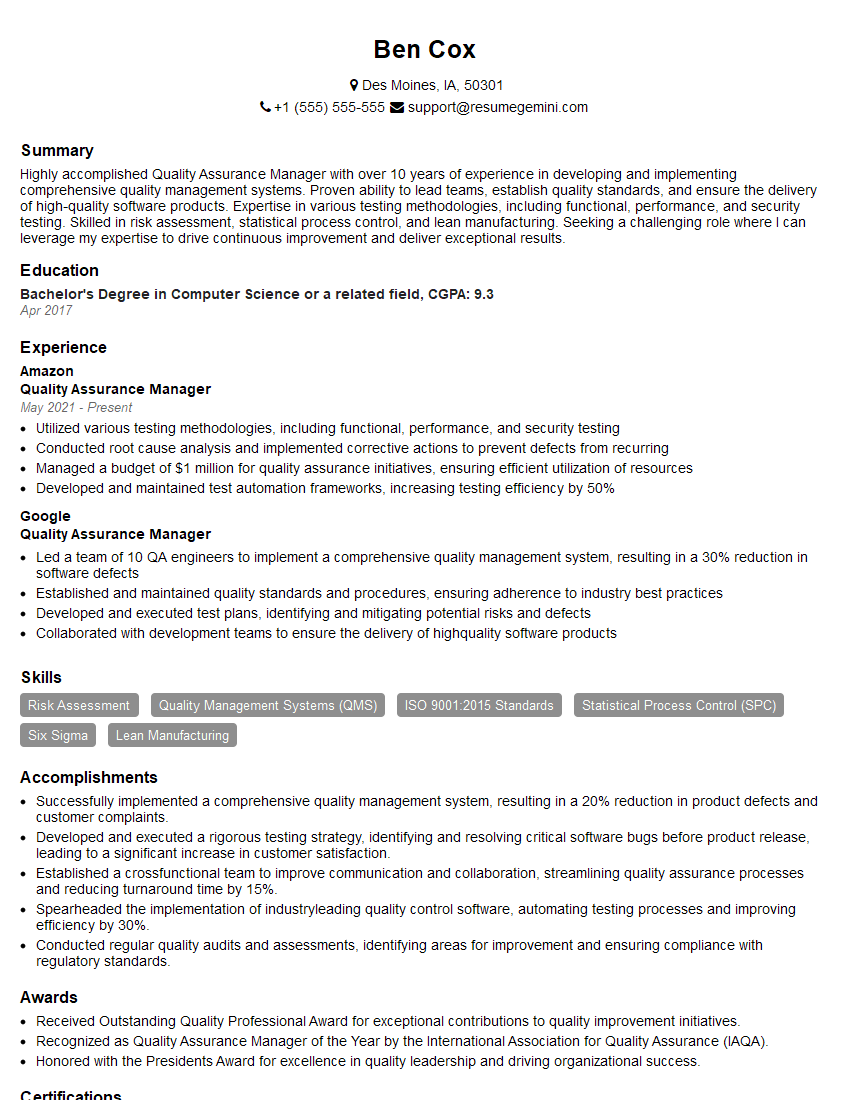
Quality Assurance Manager Resume Sample
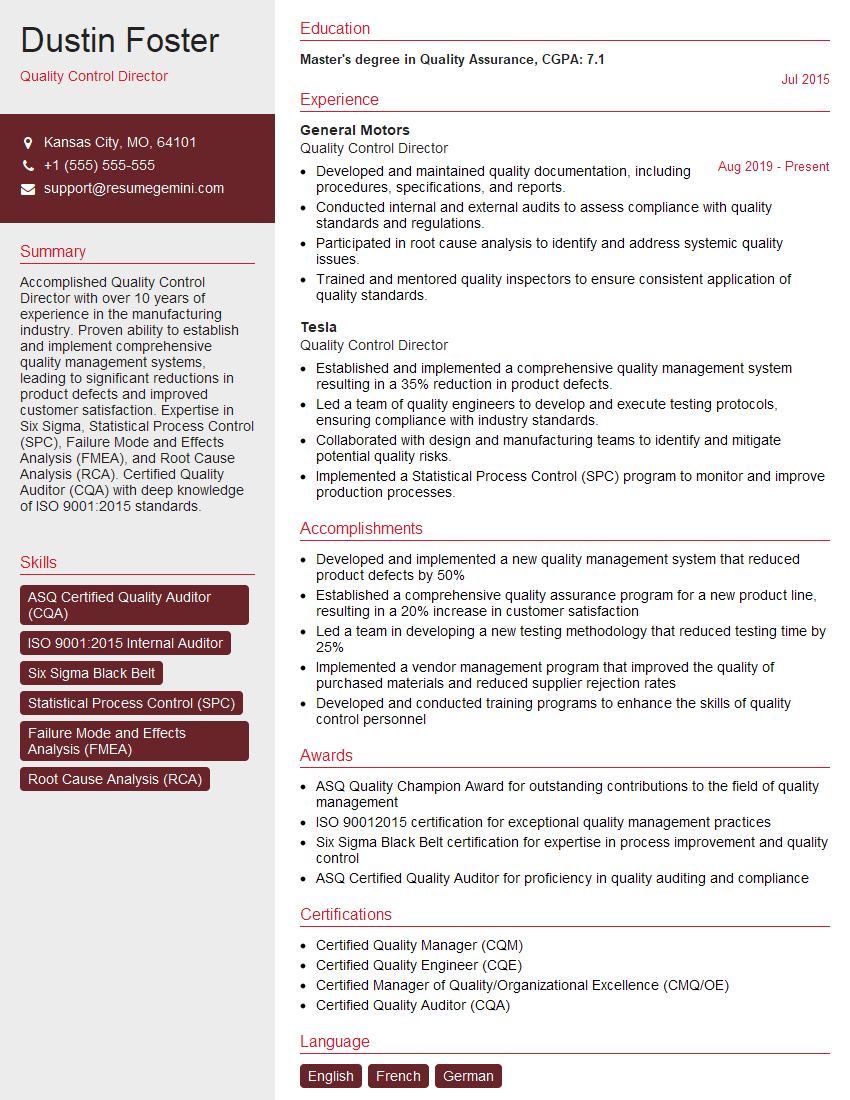
Quality Control Director Resume Sample
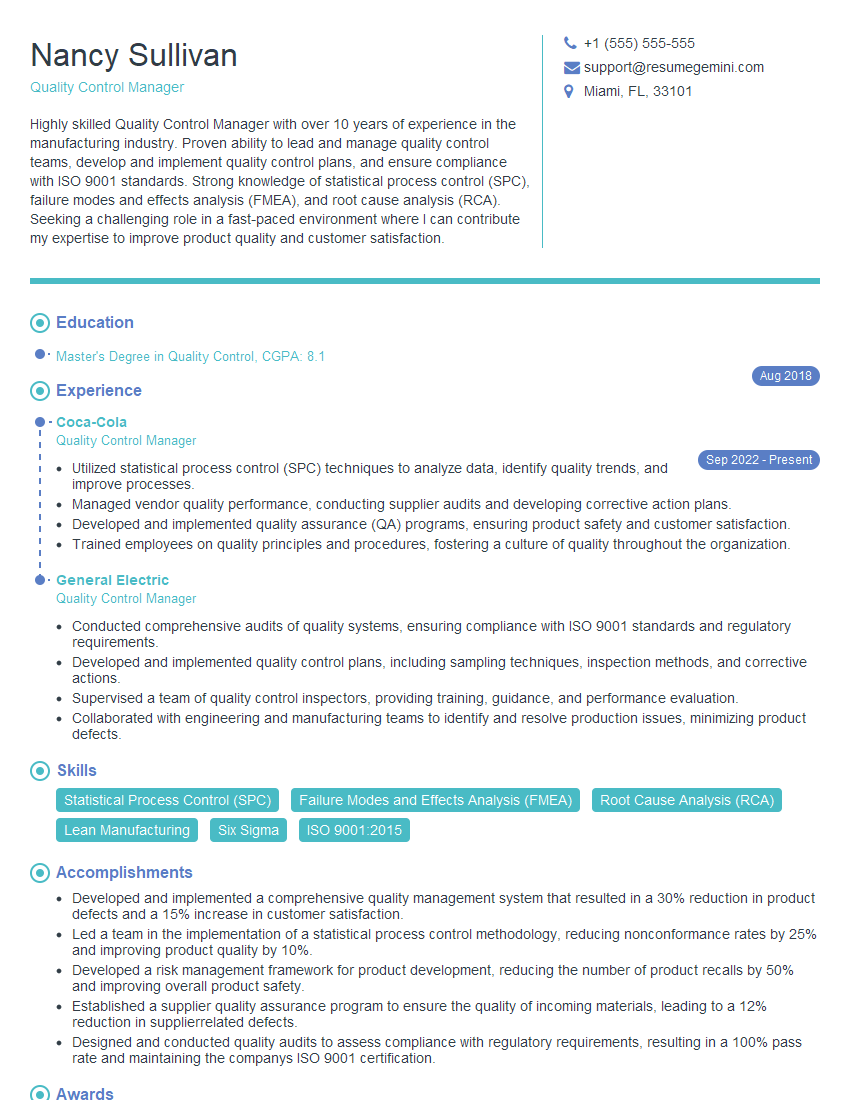
Quality Control Manager Resume Sample
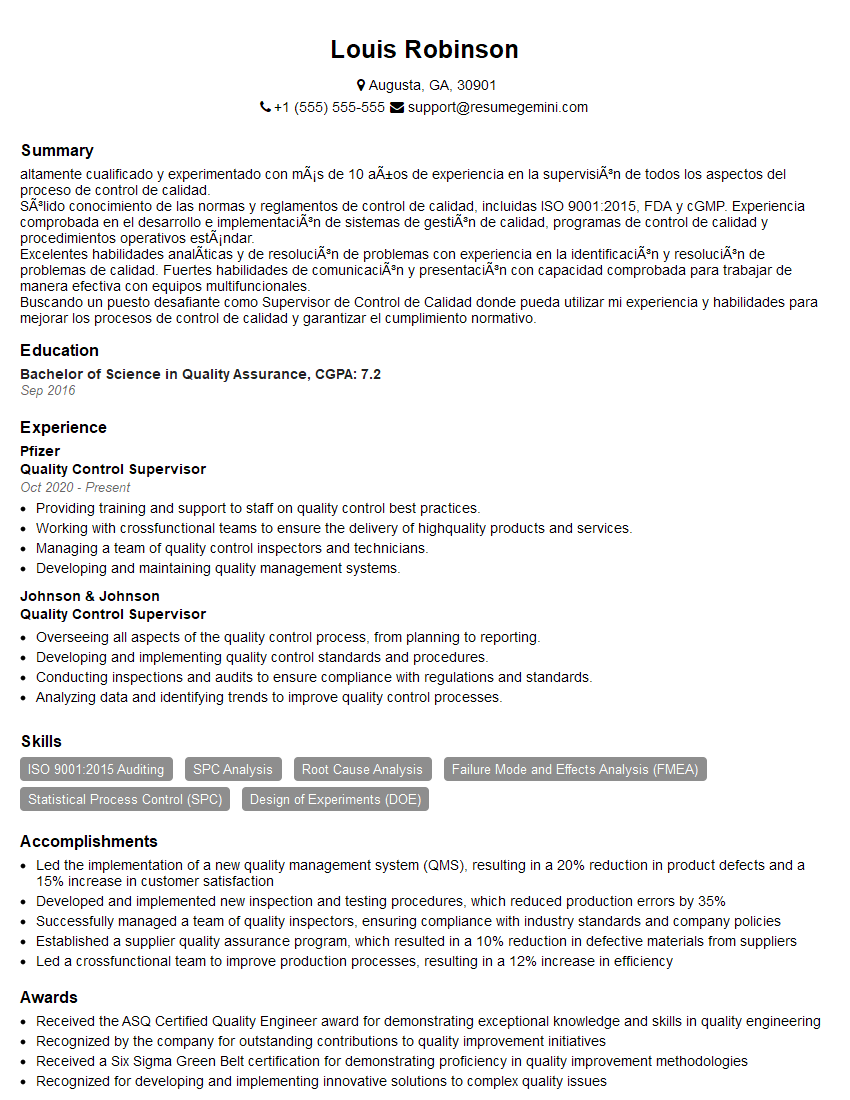
Quality Control Supervisor Resume Sample
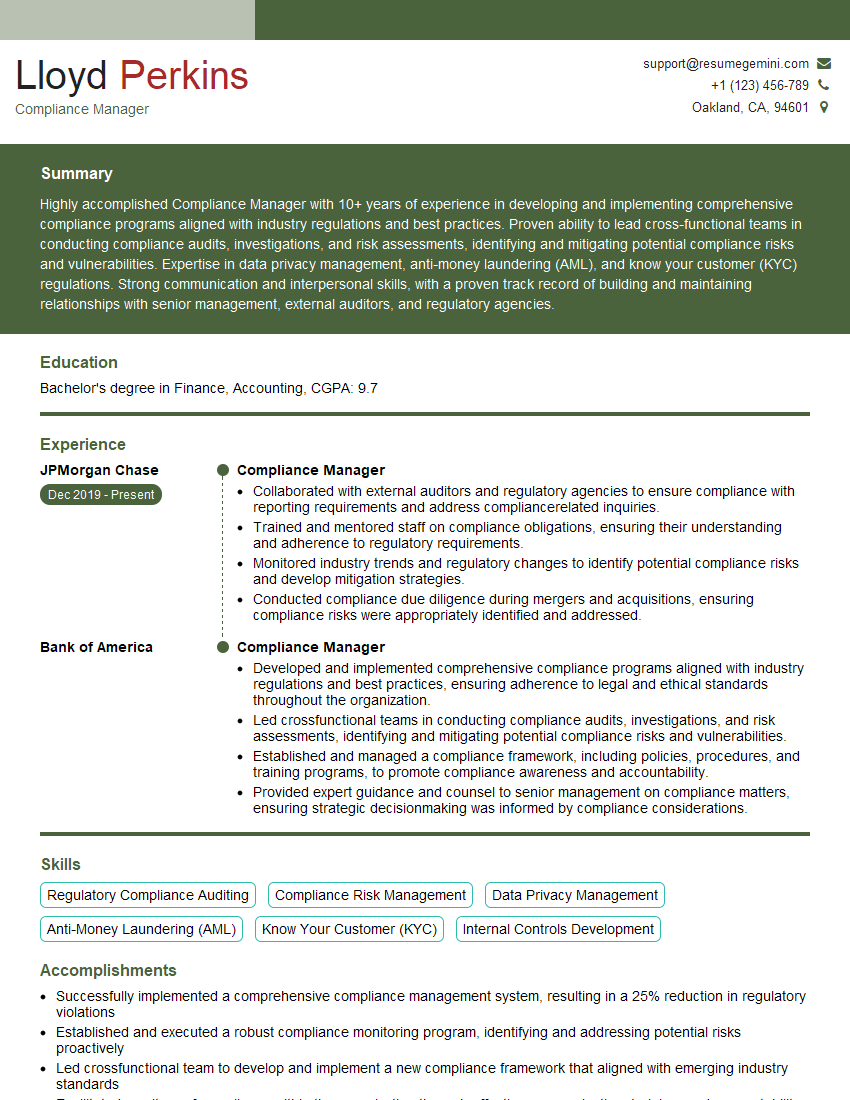
Compliance Manager Resume Sample
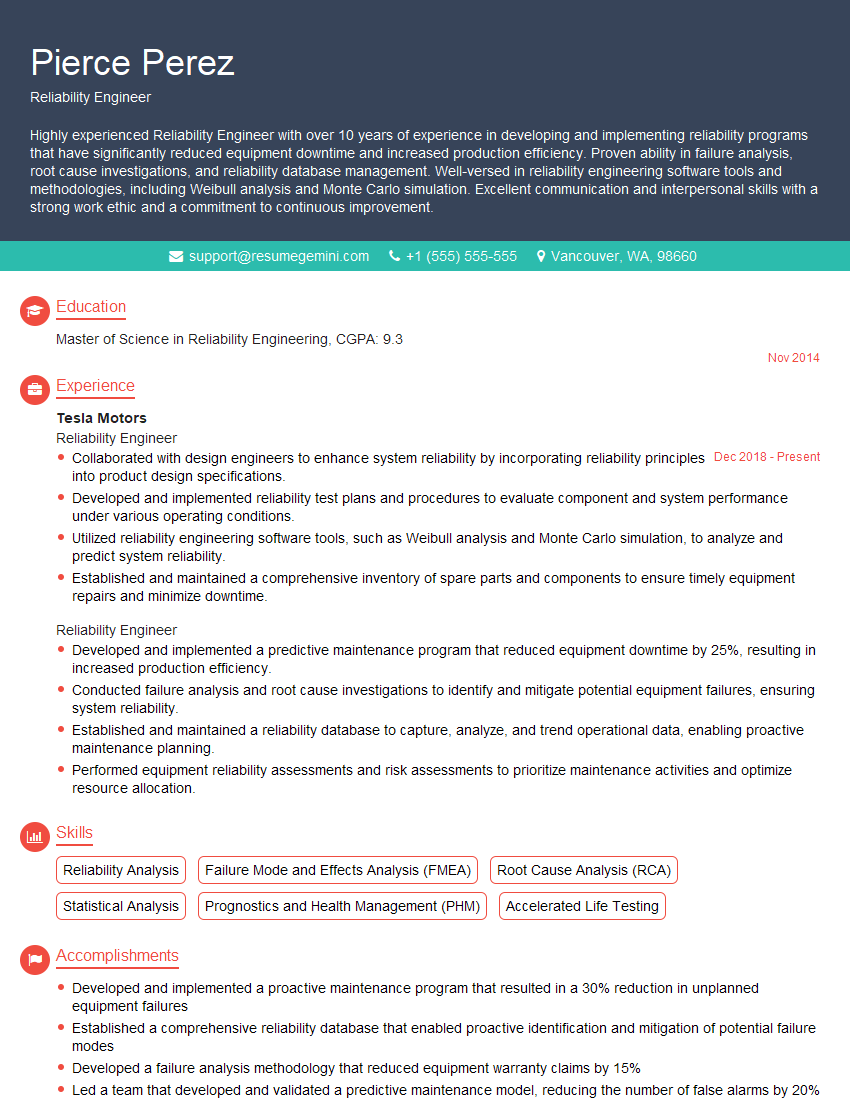
Reliability Engineer Resume Sample
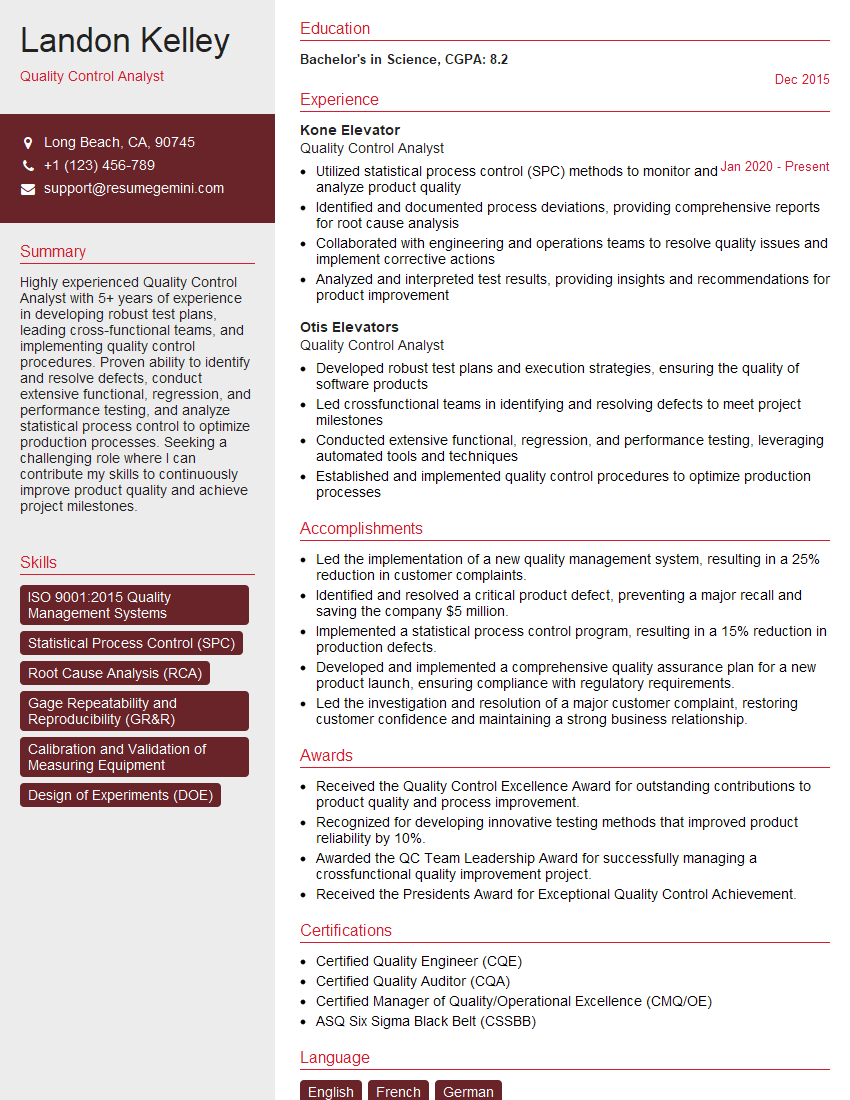
Quality Control Analyst Resume Sample
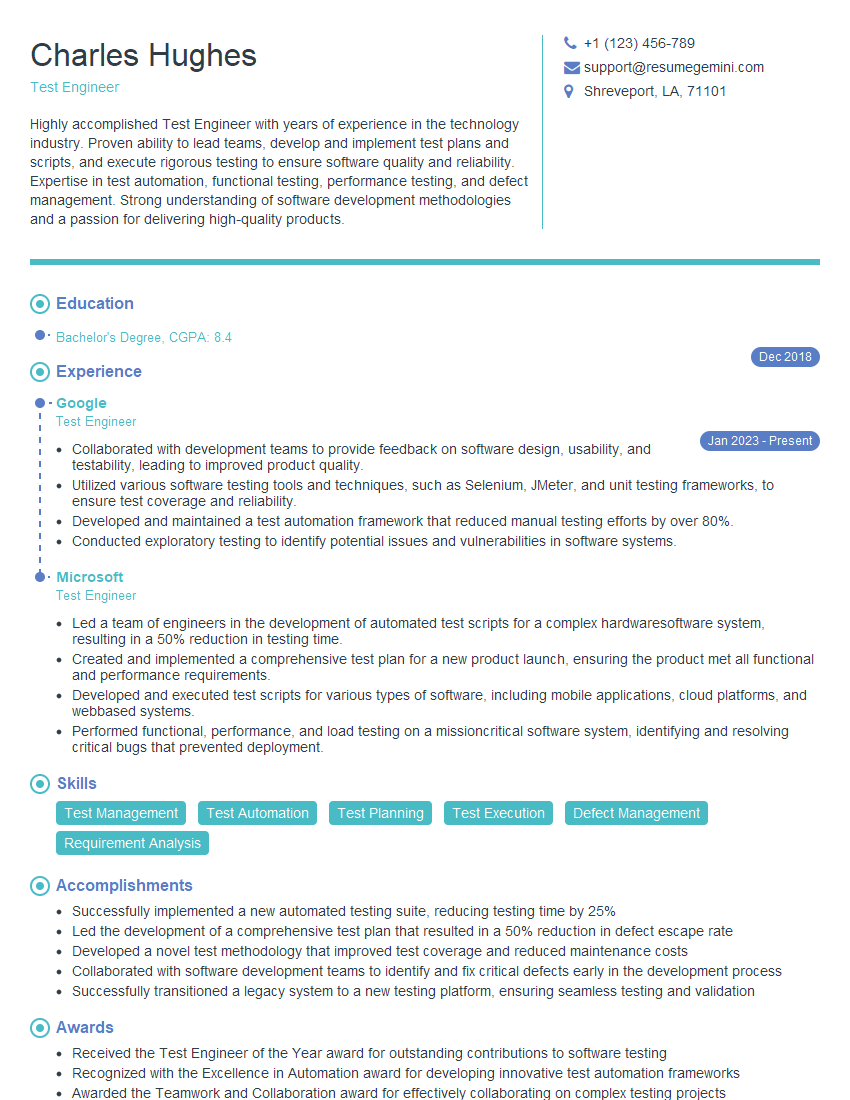
Test Engineer Resume Sample
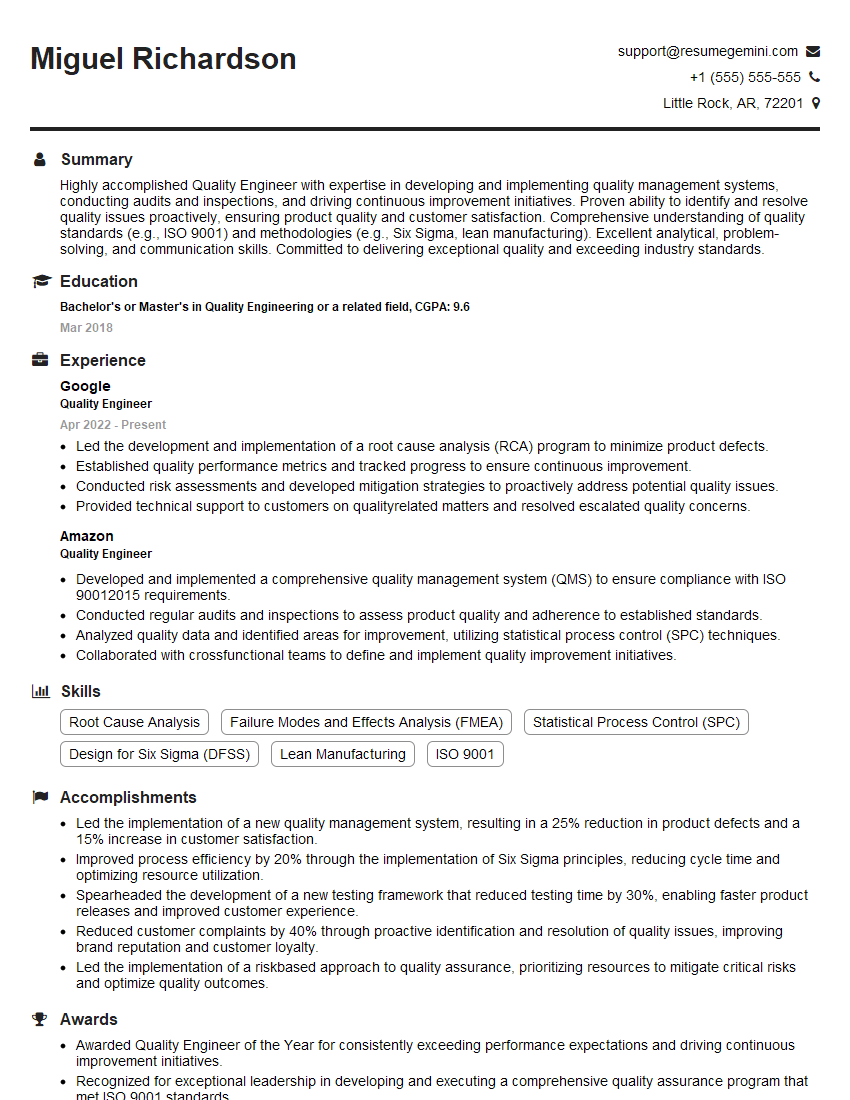
Quality Engineer Resume Sample
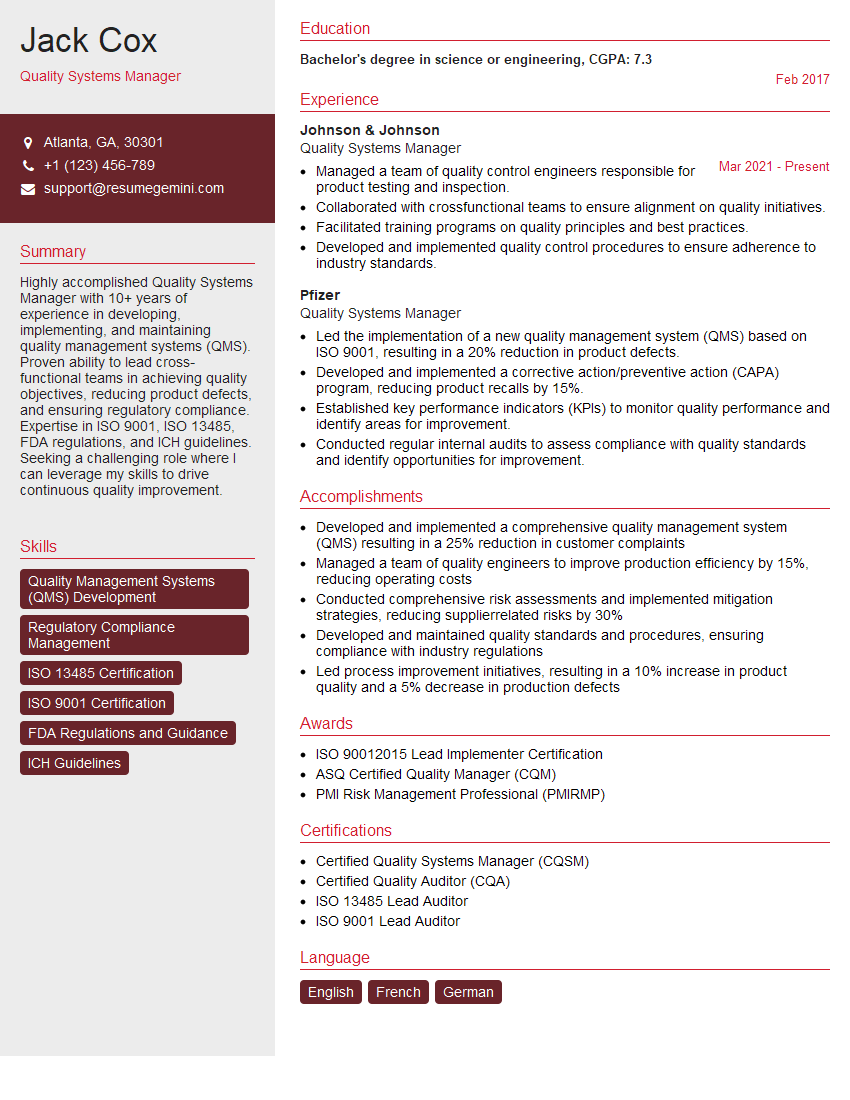
Quality Systems Manager Resume Sample
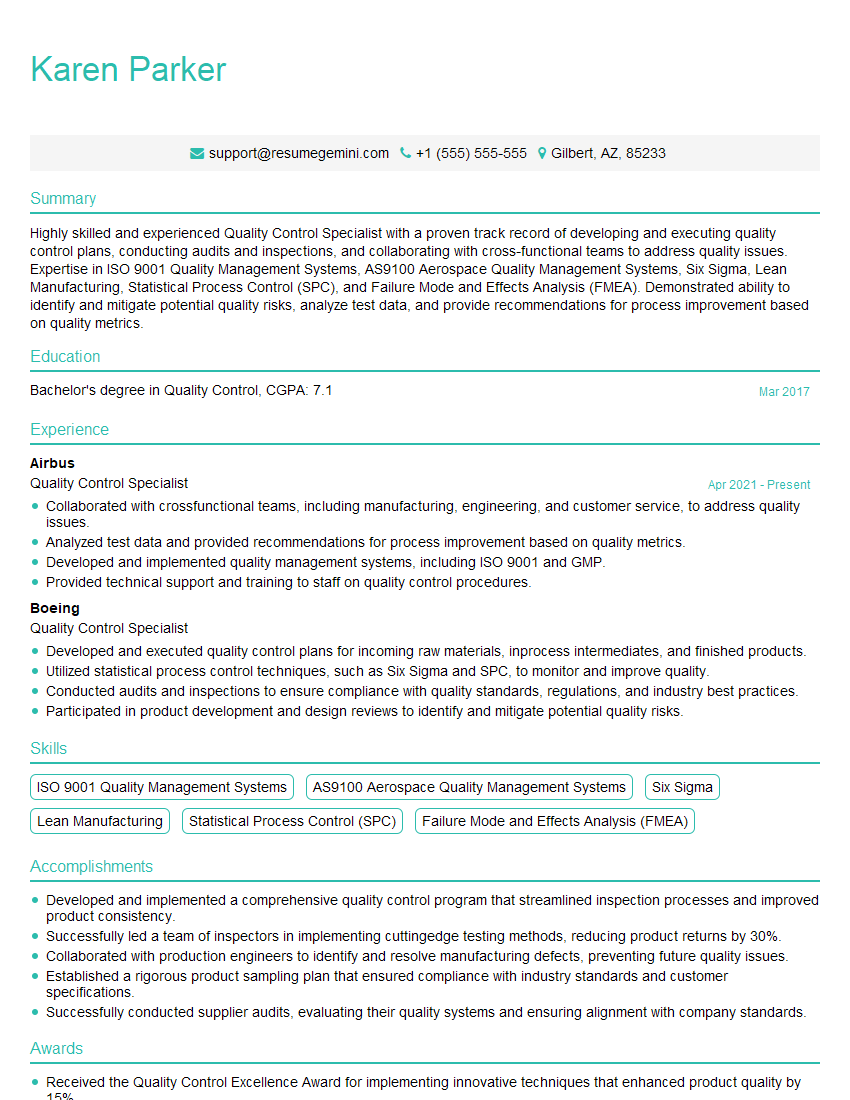
Quality Control Specialist Resume Sample
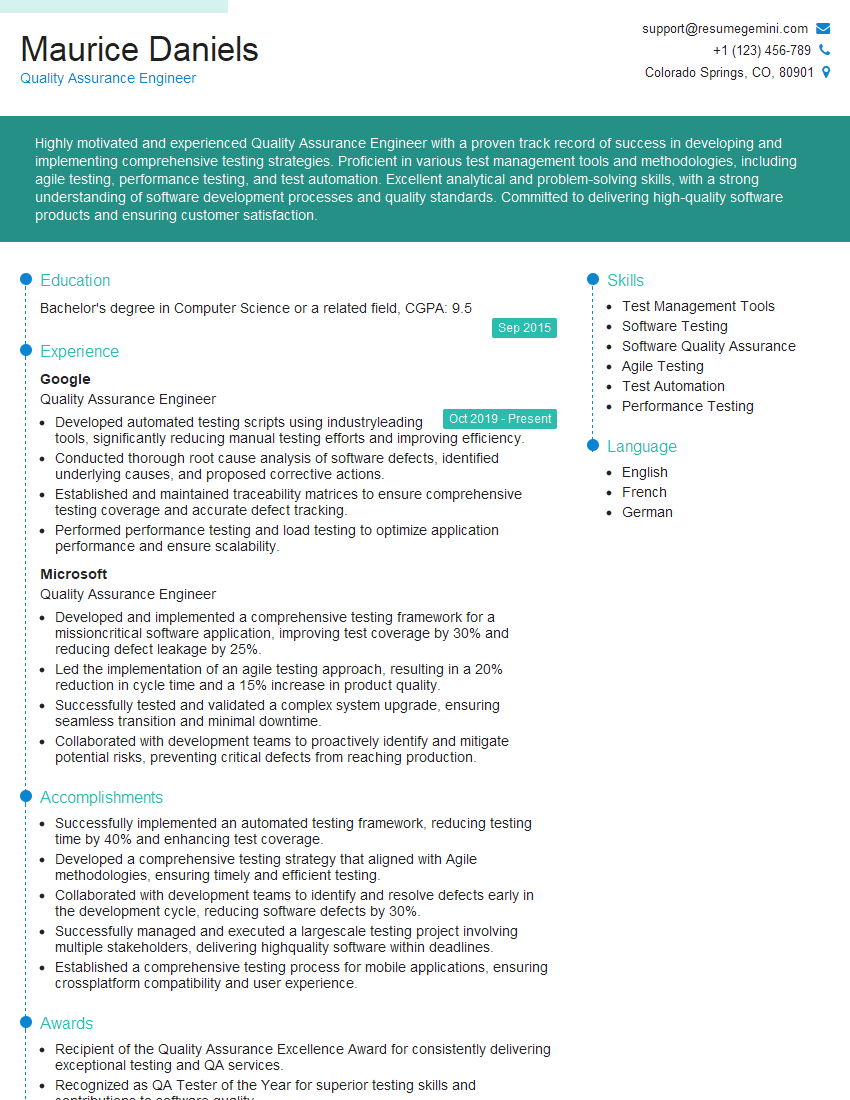
Quality Assurance Engineer Resume Sample
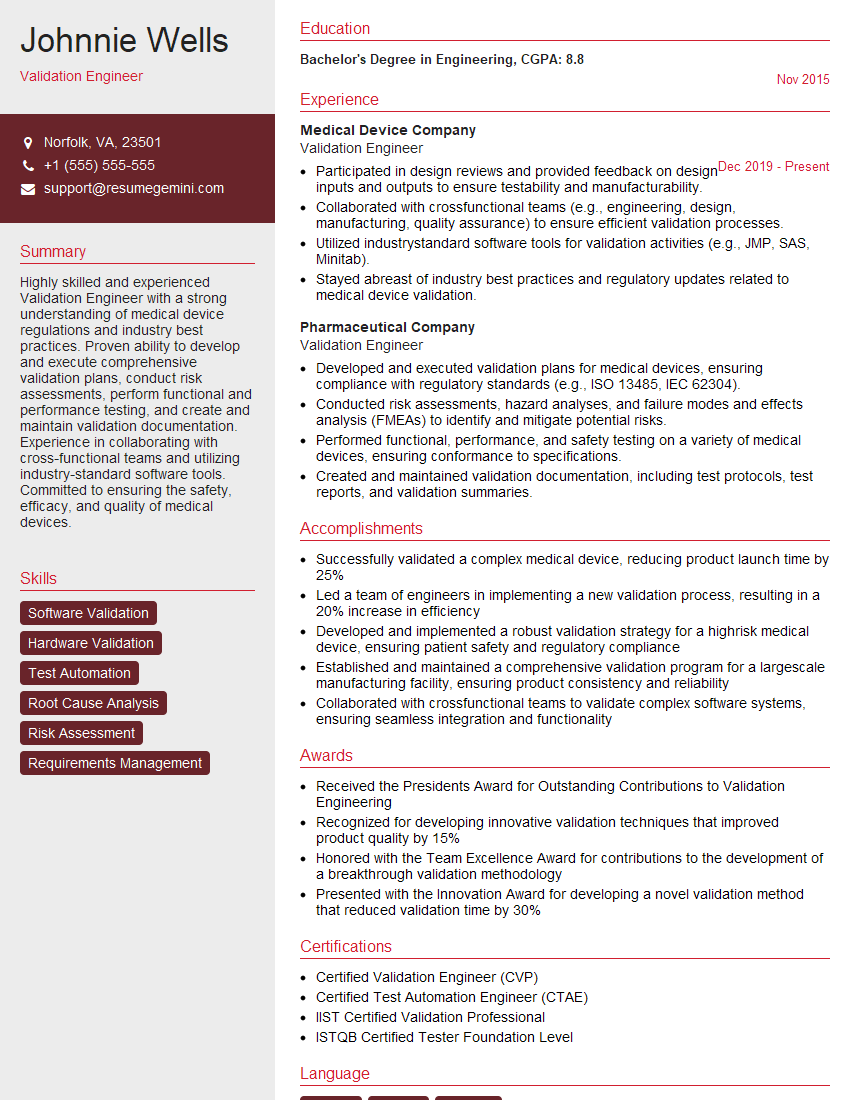
Validation Engineer Resume Sample
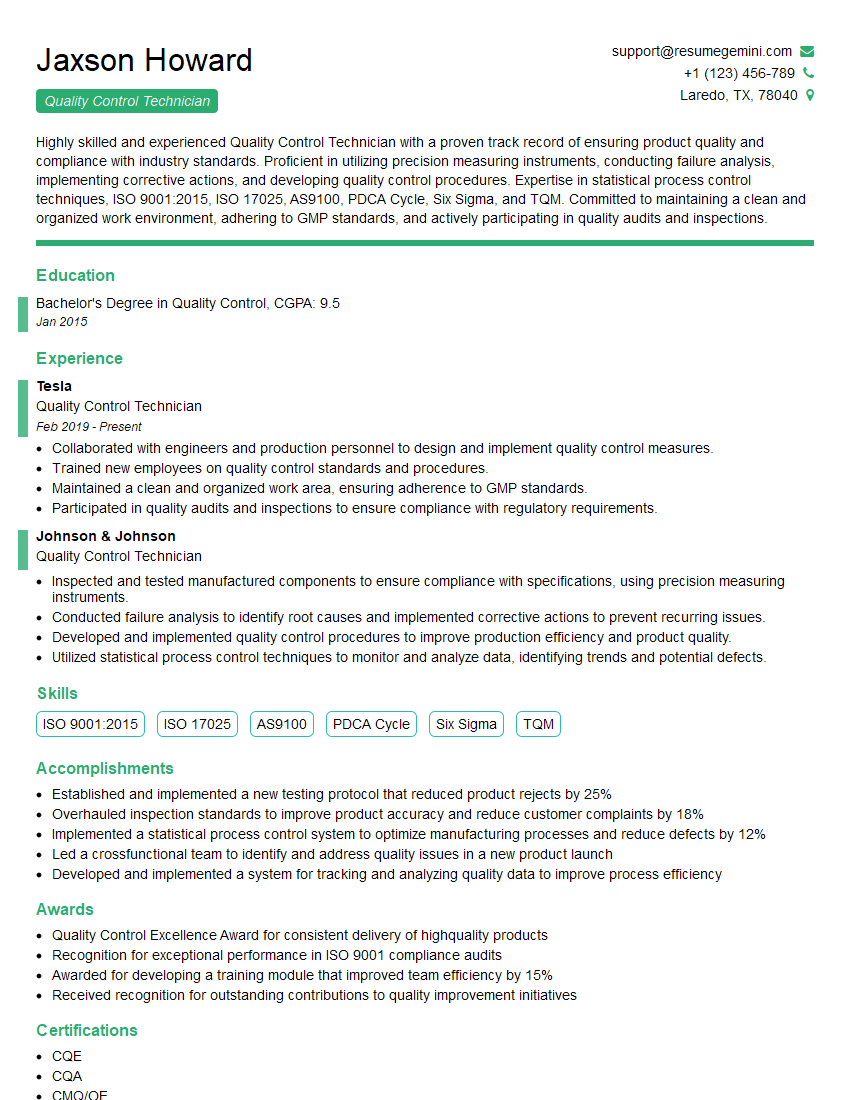
Quality Control Technician Resume Sample
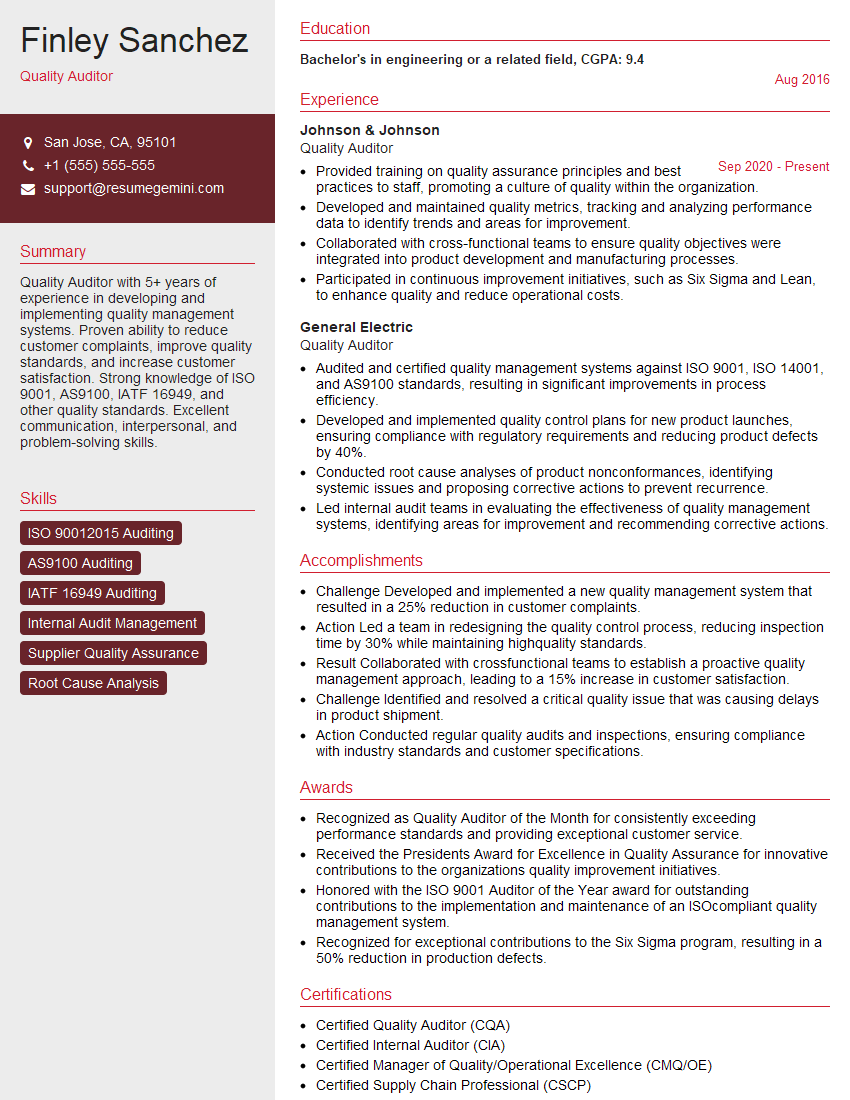
Quality Auditor Resume Sample
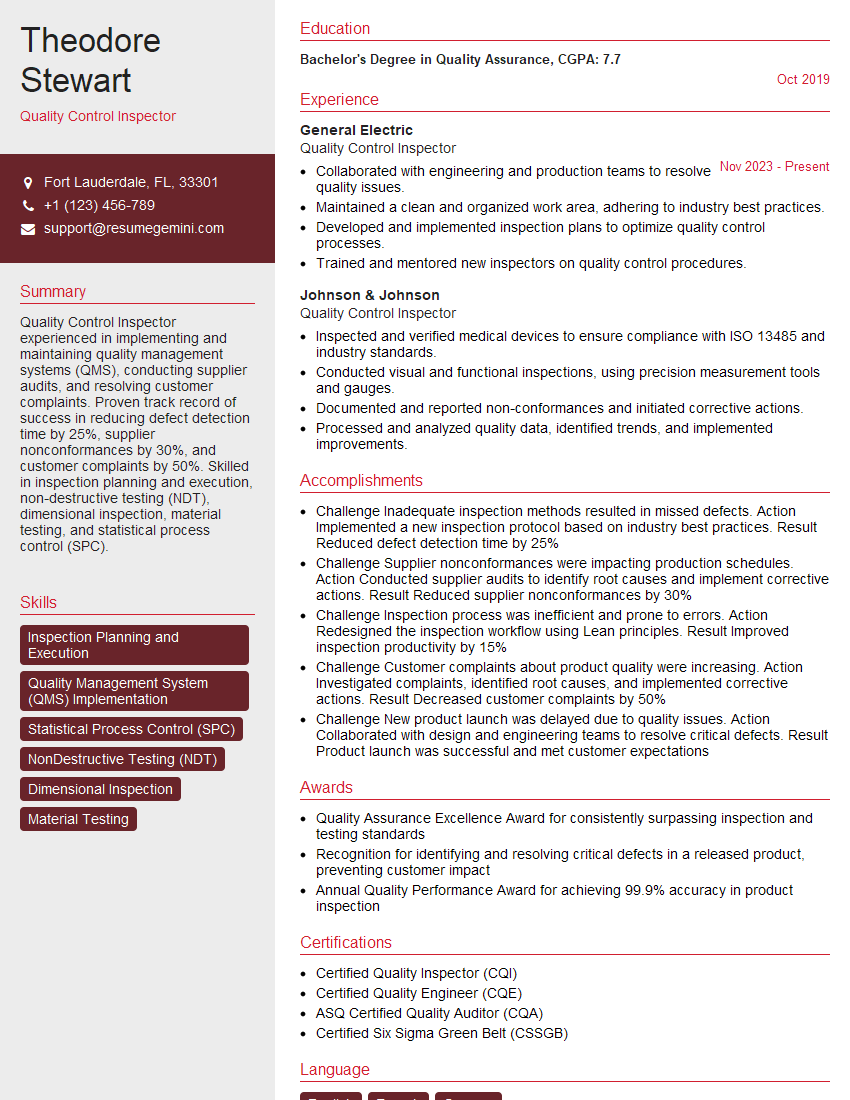
Quality Control Inspector Resume Sample
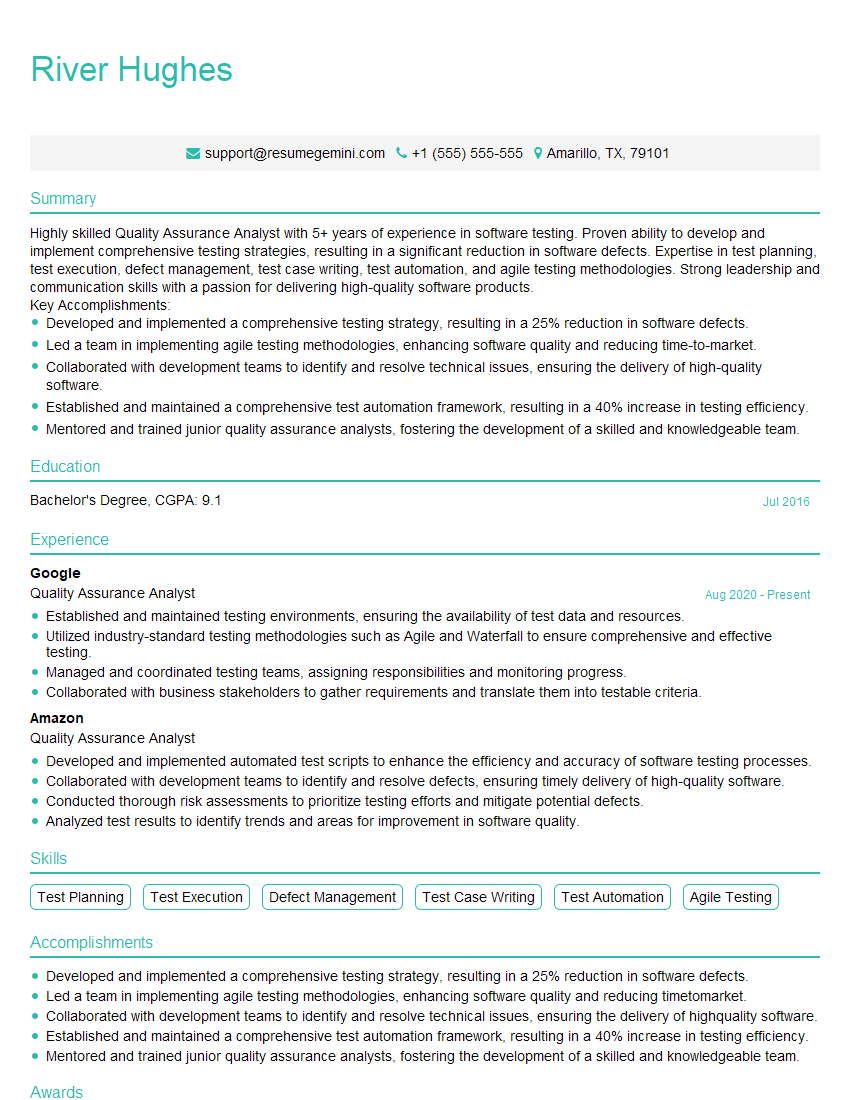
Quality Assurance Analyst Resume Sample
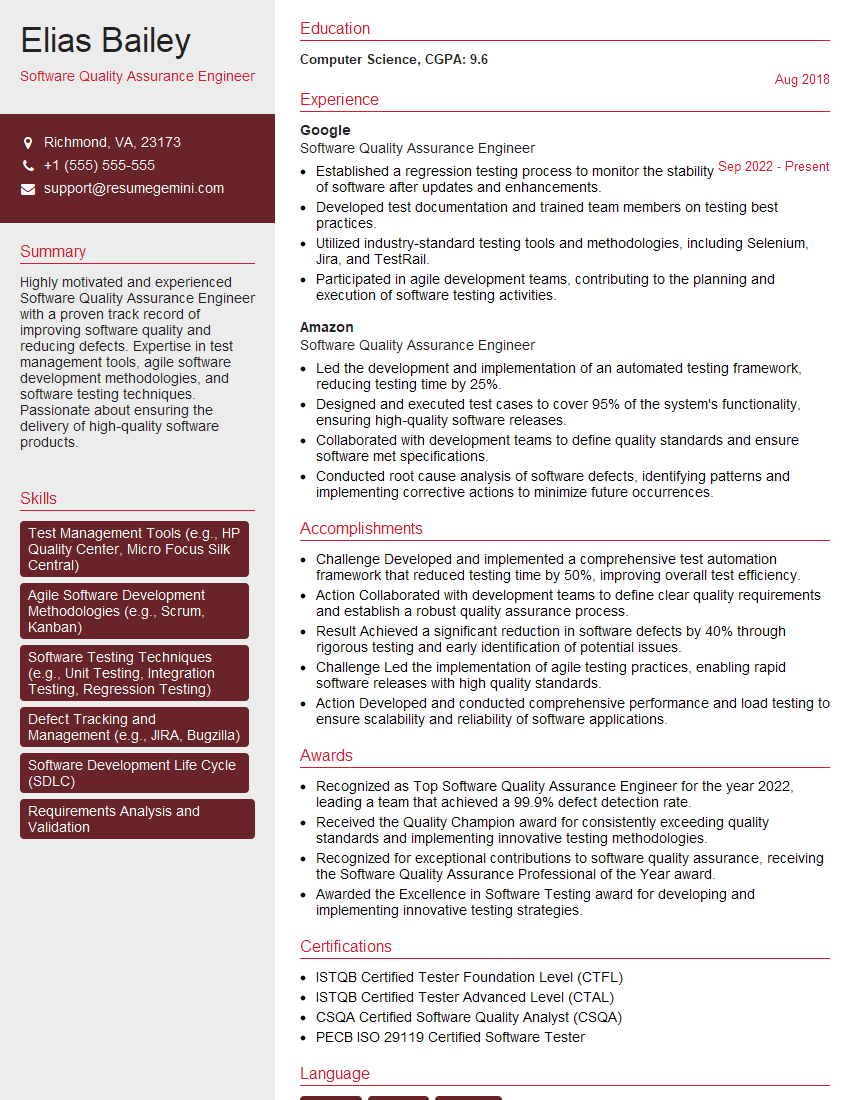
Software Quality Assurance Engineer Resume Sample
- Quality Assurance Manager
- Quality Control Director
- Quality Control Manager
- Quality Control Supervisor
- Compliance Manager
- Reliability Engineer
- Quality Control Analyst
- Test Engineer
- Quality Engineer
- Quality Systems Manager
- Quality Control Specialist
- Quality Assurance Engineer
- Validation Engineer
- Quality Control Technician
- Quality Auditor
- Quality Control Inspector
- Quality Assurance Analyst
- Software Quality Assurance Engineer
Explore more articles
Users Rating of Our Blogs
Share Your Experience
We value your feedback! Please rate our content and share your thoughts (optional).
What Readers Say About Our Blog
Very informative content, great job.
good