Unlock your full potential by mastering the most common Quality Control/Quality Assurance Planning interview questions. This blog offers a deep dive into the critical topics, ensuring you’re not only prepared to answer but to excel. With these insights, you’ll approach your interview with clarity and confidence.
Questions Asked in Quality Control/Quality Assurance Planning Interview
Q 1. Explain the difference between Quality Control and Quality Assurance.
Quality Control (QC) and Quality Assurance (QA) are often used interchangeably, but they represent distinct, yet complementary, approaches to achieving quality. Think of it like this: QA is about preventing defects, while QC is about detecting them.
Quality Assurance is a proactive process focused on establishing and maintaining a system to prevent defects from occurring in the first place. This involves planning, designing, and implementing processes, procedures, and standards to ensure that products or services consistently meet quality requirements. It’s about creating the right environment and systems for quality.
Quality Control, on the other hand, is a reactive process that involves inspecting and testing products or services to identify defects after they’ve been produced. It focuses on finding and fixing problems after they’ve happened. QC uses various methods like inspections, testing, and audits to ensure that the output meets predefined standards.
In short: QA is about ‘doing things right,’ while QC is about ‘doing the right things’ and verifying the results.
Q 2. Describe your experience with various quality control methodologies (e.g., Six Sigma, ISO 9001).
I have extensive experience with various quality control methodologies, including Six Sigma and ISO 9001. My experience with Six Sigma spans various projects, where I’ve leveraged DMAIC (Define, Measure, Analyze, Improve, Control) methodology to systematically reduce process variation and improve product quality. For example, in a previous role, we used Six Sigma to reduce defects in a manufacturing process by 85% within six months. This involved detailed data analysis, identifying root causes using tools like Pareto charts and fishbone diagrams, and implementing process improvements.
My familiarity with ISO 9001 includes implementing and maintaining Quality Management Systems (QMS) across different organizations. This includes documenting processes, conducting internal audits, managing corrective and preventive actions, and ensuring compliance with the standard’s requirements. In one project, I guided the team through the entire ISO 9001 certification process, resulting in a successful certification within a year, improving our credibility and streamlining our operations.
Beyond these, I’m also experienced with Lean methodologies, focusing on waste reduction and process efficiency, often complementing Six Sigma and ISO 9001 initiatives.
Q 3. How do you develop and implement quality control plans?
Developing and implementing a quality control plan involves a structured approach. First, I clearly define the project scope and objectives, identifying the critical quality characteristics (CQCs) that must be controlled. Then, I identify potential failure points in the process. This typically involves reviewing process maps, understanding the inputs and outputs of each stage, and using tools like Failure Mode and Effects Analysis (FMEA).
Next, I establish measurable quality standards and acceptance criteria for each CQC. This might involve specifying tolerances, limits, or other performance indicators. Following that, I select and implement appropriate QC techniques (discussed in the next answer), including sampling plans, inspection methods, and testing protocols. Finally, I create a documentation system to track the results, analyze data, and identify trends. The plan also outlines the responsibilities and reporting structures.
The plan is not static; it undergoes regular review and updates based on performance data and process changes. This ensures the plan remains relevant and effective over time.
Q 4. What are some common quality control tools and techniques you’ve used?
My toolbox of quality control tools and techniques includes a wide range, tailored to the specific context. Some commonly used tools are:
- Control Charts (SPC): Used to monitor process variation and identify trends indicating out-of-control processes. I’ve used X-bar and R charts extensively in manufacturing environments.
- Checklists: Ensure consistency in inspection processes and reduce the likelihood of human error. These are particularly useful in routine inspection tasks.
- Histograms and Pareto Charts: These help visualize data distribution and identify the most significant sources of defects. Pareto charts help prioritize improvement efforts by focusing on the ‘vital few’ causes.
- Scatter Diagrams: These reveal the correlation between two variables, aiding in identifying potential root causes.
- Fishbone Diagrams (Ishikawa Diagrams): These are valuable brainstorming tools for identifying potential causes of defects by systematically exploring different categories (materials, methods, manpower, machinery, etc.).
- FMEA (Failure Mode and Effects Analysis): A proactive approach to identify potential failure modes and their impact, allowing for preventive actions.
The choice of tools depends heavily on the nature of the project, the type of data available, and the specific quality issues being addressed. I always strive to use the most efficient and effective tools for the job.
Q 5. How do you identify and analyze root causes of quality issues?
Identifying and analyzing the root causes of quality issues requires a systematic and data-driven approach. I typically start by gathering data on the problem, defining it clearly, and quantifying its impact. Then, I use various tools to drill down to the underlying causes.
Techniques I employ include:
- 5 Whys: A simple yet effective technique of repeatedly asking ‘why’ to uncover the root cause. It’s particularly useful for simple problems.
- Fishbone Diagrams: As mentioned before, this helps brainstorm potential causes and categorize them for systematic investigation.
- Data Analysis: Using statistical methods to identify correlations and patterns in the data. This could involve control charts, regression analysis, or other statistical techniques.
- Root Cause Analysis (RCA) techniques: More sophisticated methods like Fault Tree Analysis (FTA) or Failure Mode, Effects, and Criticality Analysis (FMECA) can be used for complex systems or critical quality issues.
The process often involves interviewing stakeholders, reviewing documentation, and conducting site visits to gather a comprehensive understanding of the problem. The goal is not just to identify a single cause but to understand the underlying system issues that contributed to the problem.
Q 6. Describe your experience with statistical process control (SPC).
Statistical Process Control (SPC) is a crucial component of my quality control expertise. I have extensive experience designing and interpreting control charts, which are essential for monitoring process variation over time. This involves selecting the appropriate control chart type (e.g., X-bar and R chart, p-chart, c-chart) based on the type of data being collected.
My experience also encompasses understanding control chart limits, interpreting signals of special cause variation, and taking appropriate action based on the chart patterns. For instance, I’ve used SPC to monitor the weight of products on a production line, identifying and addressing sources of variation that led to out-of-specification units. Understanding and applying SPC principles allows for early detection of process drift and potential quality problems, enabling timely corrective actions and minimizing waste.
Beyond simply interpreting charts, I’m adept at using SPC data to drive process improvements, which directly reduces defects and enhances product consistency.
Q 7. How do you measure the effectiveness of quality control initiatives?
Measuring the effectiveness of quality control initiatives requires a well-defined set of metrics and a systematic approach to data collection and analysis. Key metrics I use include:
- Defect Rate: The number of defective units or services compared to the total output. A reduction in defect rate is a clear indicator of improvement.
- Customer Complaints: The number and type of customer complaints related to quality issues. A decrease in complaints reflects better product quality and customer satisfaction.
- Process Capability Indices (Cpk, Ppk): These indices measure how well a process is capable of meeting specifications. Higher Cpks indicate better process capability.
- Cost of Poor Quality (COPQ): This includes all costs associated with defects, such as rework, scrap, warranty claims, and customer returns. A reduction in COPQ demonstrates the financial benefits of improved quality control.
- Cycle Time: Time taken to complete a process, reduction reflects efficiency gains from process improvements.
Regular reporting and analysis of these metrics allow for continuous improvement and adjustment of quality control strategies. I also conduct regular reviews of the effectiveness of the quality control plan, incorporating lessons learned and feedback from the team and stakeholders to enhance the system continually.
Q 8. How do you handle conflicts between meeting deadlines and maintaining quality?
The tension between meeting deadlines and maintaining quality is a common challenge in any project. It’s not a matter of choosing one over the other; instead, it’s about finding a balance. Think of it like baking a cake: you can rush the process, but the result might be a poorly baked, unappetizing cake. Or you can take your time, following the recipe meticulously, and end up with a delicious masterpiece. My approach involves proactive risk management and clear communication.
Proactive Risk Assessment: Before starting a project, I identify potential risks that could compromise quality or deadlines. This includes resource constraints, technical complexities, and potential external factors. I then develop contingency plans to mitigate these risks.
Prioritization and Scope Management: If a deadline is truly inflexible, I work with the team to prioritize the most critical aspects of the project. This may involve temporarily de-prioritizing less crucial features to ensure core functionality meets quality standards and the deadline.
Transparent Communication: Open and honest communication is key. If I foresee a potential compromise to quality to meet the deadline, I proactively communicate this to stakeholders, presenting potential solutions and their trade-offs. This allows for informed decision-making.
Continuous Monitoring: Throughout the project, I monitor progress against both quality metrics and deadlines. This allows for early detection of any issues and timely corrective actions.
Q 9. Describe your experience with quality audits and inspections.
I have extensive experience conducting and participating in quality audits and inspections across various industries. My experience ranges from internal audits focusing on process adherence to external audits assessing compliance with industry regulations like ISO 9001. I’m proficient in developing audit plans, performing gap analysis, and documenting findings with corrective and preventive action (CAPA) recommendations.
Audit Planning: I start by defining the scope and objectives of the audit, identifying key areas to be inspected, and selecting appropriate auditing techniques. This might involve checklists, interviews, document reviews, or observation of processes in action.
Execution and Documentation: During the audit, I meticulously document findings, using objective evidence and clear language. I ensure all deviations from standards are properly documented, including root cause analysis where possible.
Reporting and Follow-up: After the audit, I prepare a comprehensive report detailing the findings, including any non-conformances and associated CAPA plans. I also follow up with the relevant teams to ensure the implementation and effectiveness of the corrective actions.
For instance, in a recent audit of a manufacturing facility, I identified inconsistencies in the calibration of testing equipment, which could lead to inaccurate product measurements. My report detailed this finding, recommended recalibration procedures, and suggested an improved calibration tracking system to prevent recurrence.
Q 10. How do you develop and maintain quality control documentation?
Maintaining robust quality control documentation is paramount for ensuring consistent quality, traceability, and compliance. My approach involves a structured system that is both accessible and easily updated. This includes the use of version control and a clear documentation hierarchy.
Standard Operating Procedures (SOPs): I create and maintain detailed SOPs for all critical processes, ensuring clarity and consistency in execution. These are regularly reviewed and updated to reflect any process changes or improvements.
Quality Records: All quality-related data, including inspection reports, test results, and audit findings, are carefully documented and stored securely. A robust document management system, whether physical or digital, is essential.
Version Control: Using a version control system allows for tracking changes, ensuring that everyone is working with the most up-to-date version of any document. This prevents confusion and ensures traceability.
Training Records: I document all employee training related to quality procedures, ensuring that personnel are adequately trained and competent in their roles.
Regular Reviews: Documentation is not a one-time task. It requires ongoing review and updating to ensure accuracy and relevance. Regular reviews help identify outdated procedures or inconsistencies.
Q 11. What are your experience with different types of quality control charts?
Quality control charts are powerful visual tools used to monitor process stability and identify potential problems early on. I have extensive experience using various types, each serving a different purpose.
Control Charts (Shewhart Charts): These are fundamental charts used to monitor process variation over time. Common types include X-bar and R charts (for continuous data) and p-charts and c-charts (for attribute data). I use these to identify trends, shifts, or unusual patterns indicating process instability.
Pareto Charts: These charts display the frequency of different types of defects or problems, helping prioritize corrective actions. The 80/20 rule often applies here – identifying the vital few causes that account for the majority of problems.
Cause-and-Effect Diagrams (Fishbone Diagrams): These diagrams are used to visually represent the potential causes of a quality problem. They facilitate brainstorming and root cause analysis.
Histograms: Histograms provide a visual representation of the distribution of data, helping identify potential issues with process centering or excessive variability.
For example, in a past project, using a control chart for a manufacturing process, I detected a significant increase in the variability of a key dimension. This led to a thorough investigation that revealed a problem with the machine’s calibration, allowing for timely corrective action.
Q 12. How do you ensure compliance with industry regulations and standards?
Compliance with industry regulations and standards is non-negotiable. My approach involves a multi-faceted strategy focused on proactive measures and continuous monitoring.
Understanding Regulations: I thoroughly research and understand all applicable regulations and standards relevant to the industry and specific project. This includes reviewing relevant legal documents, industry best practices, and any specific customer requirements.
Implementing Processes: I develop and implement robust processes and procedures that ensure compliance. This often involves the development of specific checklists, forms, and training materials to guide employees in adhering to regulations.
Regular Audits: I conduct regular internal audits to assess compliance and identify any potential gaps or non-conformances. This proactive approach allows for timely corrective action, preventing larger problems later on.
Record Keeping: Meticulous record-keeping is essential to demonstrate compliance. This includes maintaining documentation that proves adherence to regulations, such as calibration certificates, training records, and audit reports.
Continuous Improvement: Compliance is not a static state. It requires continuous improvement and adaptation to changes in regulations and best practices. Regularly reviewing and updating processes ensures ongoing compliance.
Q 13. Explain your experience with quality management systems (QMS).
I have significant experience working with Quality Management Systems (QMS), most notably ISO 9001. A QMS provides a framework for managing and improving an organization’s processes to consistently meet customer and regulatory requirements. My experience encompasses all aspects of QMS implementation, maintenance, and improvement.
Implementation: I’ve been involved in the implementation of QMS, starting with gap analysis, defining processes, developing documentation, and training employees. This involves tailoring the QMS to the specific needs of the organization.
Maintenance: Maintaining a QMS is an ongoing process. This requires regularly reviewing and updating documentation, conducting internal audits, and implementing corrective and preventive actions.
Continuous Improvement: A key aspect of a QMS is continuous improvement. I utilize tools like PDCA (Plan-Do-Check-Act) cycle and data analysis to identify areas for improvement and implement changes to enhance the effectiveness of the QMS.
In a previous role, I led the implementation of ISO 9001, resulting in improved process efficiency and enhanced customer satisfaction. This involved significant teamwork, training, and a commitment to continuous improvement.
Q 14. Describe a time you identified a significant quality issue. What steps did you take to resolve it?
In a previous project involving the development of a new software application, we discovered a significant defect in the core algorithm during the testing phase. This defect, if left unaddressed, would have resulted in inaccurate results and potential system failure. My immediate response involved a structured approach to problem-solving.
Problem Definition and Containment: First, we clearly defined the scope and impact of the defect. We immediately implemented a containment strategy to prevent further progress on the affected codebase, ensuring no further work built upon the flawed algorithm.
Root Cause Analysis: We conducted a thorough root cause analysis using various techniques, including code reviews, interviews with developers, and testing of different code paths. This revealed a logic error in the original algorithm design.
Corrective Action: We developed and implemented a corrective action plan, including revising the algorithm and conducting extensive regression testing to ensure that the fix did not introduce new defects.
Preventive Action: To prevent similar issues in the future, we implemented changes to the development process, including more rigorous code reviews, strengthened unit testing procedures, and additional training for developers on algorithm design and testing.
Documentation: The entire process, from defect identification to resolution and preventive measures, was thoroughly documented and incorporated into our lessons learned database. This facilitated knowledge sharing and improved future development processes.
This experience highlighted the importance of a robust testing strategy, thorough root cause analysis, and proactive measures to prevent recurrence.
Q 15. How do you communicate quality control findings to different stakeholders?
Communicating quality control findings effectively requires tailoring the message to the audience. For executive leadership, I focus on high-level summaries, key performance indicators (KPIs), and the overall impact on business goals. For example, I might present a dashboard showing the reduction in defect rates and the resulting cost savings. For the engineering team, I provide detailed reports with specific data points, root cause analyses, and recommended corrective actions. This might include a detailed report outlining specific defects found, their location in the production process, and the proposed engineering solutions. Finally, for the production team, I use clear, concise language, focusing on immediate actions to address issues and prevent recurrence. Visual aids like flowcharts or diagrams can be highly effective in these communications.
I also ensure transparency and timely communication. Regular meetings and reports keep everyone informed, and I proactively address any questions or concerns.
Career Expert Tips:
- Ace those interviews! Prepare effectively by reviewing the Top 50 Most Common Interview Questions on ResumeGemini.
- Navigate your job search with confidence! Explore a wide range of Career Tips on ResumeGemini. Learn about common challenges and recommendations to overcome them.
- Craft the perfect resume! Master the Art of Resume Writing with ResumeGemini’s guide. Showcase your unique qualifications and achievements effectively.
- Don’t miss out on holiday savings! Build your dream resume with ResumeGemini’s ATS optimized templates.
Q 16. How do you prioritize quality control tasks when faced with competing demands?
Prioritizing quality control tasks with competing demands requires a structured approach. I use a risk-based prioritization matrix, considering the potential impact of a failure and the likelihood of that failure occurring. Tasks with high impact and high likelihood are prioritized first. For instance, a critical defect in a safety-critical component would naturally take precedence over a minor cosmetic issue. This matrix is often visualized, allowing for quick assessment and adjustments. I also factor in project deadlines and resource availability, using tools like agile project management software to track progress and allocate resources effectively. Regularly reviewing and adjusting the priority list based on new information is crucial.
Q 17. What is your experience with continuous improvement methodologies?
I have extensive experience with continuous improvement methodologies, particularly Lean and Six Sigma. In a previous role, we implemented a Lean manufacturing process to reduce waste and improve efficiency in our production line. This involved mapping the entire process, identifying bottlenecks, and eliminating unnecessary steps. We used tools like value stream mapping and 5S to systematically improve workflow. The results were a significant reduction in lead time and improved product quality. With Six Sigma, I have led projects using DMAIC (Define, Measure, Analyze, Improve, Control) to address specific quality issues. For example, we used this methodology to reduce customer complaints related to a specific product defect, resulting in a 90% reduction in complaints within six months. My experience also includes Kaizen events, fostering a culture of continuous improvement within the team.
Q 18. How do you use data analysis to identify areas for quality improvement?
Data analysis is fundamental to identifying areas for quality improvement. I use various statistical tools and techniques to analyze data from different sources, including production data, customer feedback, and inspection reports. For instance, control charts help monitor process stability and identify potential issues before they escalate. Root cause analysis techniques, such as the 5 Whys, help pinpoint the underlying reasons for defects. I also use data visualization tools to present findings in a clear and understandable manner. For example, I might create a Pareto chart to identify the vital few defects contributing to the majority of quality problems. This allows for focused efforts on addressing the most impactful issues first. The use of regression analysis can identify correlations between different variables and predict potential quality problems.
Q 19. How do you train and mentor other team members on quality control procedures?
Training and mentoring team members is a crucial part of my role. I use a blended learning approach, combining classroom training, on-the-job training, and online resources. I start with a clear explanation of the quality control procedures, using visual aids and real-world examples. I then provide hands-on training, allowing team members to practice the procedures under supervision. Regular feedback and coaching are essential to ensure they understand the concepts and can apply them effectively. I also encourage questions and open communication to create a supportive learning environment. Mentorship goes beyond training; I guide team members in developing their problem-solving and analytical skills. I help them to become independent and confident in their ability to manage quality control tasks. I also encourage peer-to-peer learning, fostering a culture of shared knowledge and experience.
Q 20. What are your experience with corrective and preventive actions (CAPA)?
Corrective and Preventive Actions (CAPA) are essential for continuous improvement. My experience includes developing and implementing CAPA plans to address identified quality issues. This involves investigating the root cause of the problem, implementing corrective actions to fix the immediate issue, and preventive actions to prevent recurrence. I use a structured approach, documenting each step of the process, including the problem description, root cause analysis, corrective actions, preventive actions, and verification of effectiveness. I ensure that all stakeholders are involved in the CAPA process, including engineering, production, and quality control. Regular reviews of the CAPA system are performed to ensure its effectiveness and to identify areas for improvement. I use various tools like Fishbone diagrams and fault tree analysis to effectively determine root causes and implement appropriate CAPA solutions. A key element is verifying the effectiveness of implemented CAPAs; this includes tracking recurrence rates and other relevant metrics.
Q 21. How do you manage and track quality metrics?
Managing and tracking quality metrics is crucial for monitoring performance and identifying areas for improvement. I use a combination of manual and automated methods to track key metrics such as defect rates, yield, customer complaints, and process capability indices. I utilize spreadsheets, databases, and specialized quality management software to collect, analyze, and report on these metrics. I create dashboards and reports that visualize the data, making it easy to understand and interpret. Regular reporting to stakeholders keeps everyone informed about the quality performance. The choice of metrics depends on the specific context and industry; however, ensuring consistency in measurement and reporting is paramount for reliable analysis and meaningful comparisons. Regularly reviewing these metrics and identifying trends helps in proactive identification of potential quality issues, ultimately leading to better quality management.
Q 22. What is your experience with risk assessment in quality control?
Risk assessment in quality control is a systematic process of identifying potential failures, analyzing their potential impact, and implementing preventive measures. It’s like being a detective, proactively looking for clues that could lead to problems before they arise. My experience involves using various techniques such as Failure Mode and Effects Analysis (FMEA – which I’ll detail later), fault tree analysis, and hazard and operability studies (HAZOP). For example, in a previous role manufacturing pharmaceuticals, we conducted a risk assessment focusing on contamination. We identified potential sources like cross-contamination during mixing or improper cleaning procedures. We then assigned risk priorities based on the likelihood and severity of contamination, leading to the implementation of stricter cleaning protocols, improved training, and the installation of a new air filtration system. This proactive approach significantly reduced the risk of product recalls and maintained high quality standards.
Q 23. Describe your experience with different types of inspection methods.
My experience encompasses a variety of inspection methods, each suited for different situations. These include:
- Visual Inspection: The most basic method, involving visual examination for defects. This is widely used for surface flaws, dimensional checks, and overall product appearance. In a furniture manufacturing setting, I’ve used this to check for scratches, dents, and misaligned joints.
- Dimensional Inspection: Using tools like calipers, micrometers, and coordinate measuring machines (CMMs) to verify precise measurements against specifications. This is critical in precision engineering and electronics manufacturing.
- Functional Testing: Evaluating the product’s performance against its intended function. For example, testing the lifespan of a light bulb or the pressure capacity of a tank.
- Destructive Testing: This involves testing to destruction to determine material properties or failure points. This is often used in materials science and structural engineering.
- Non-destructive Testing (NDT): Methods like ultrasonic testing, radiography, and magnetic particle inspection, which examine internal flaws without damaging the product. I’ve used ultrasonic testing to detect cracks in welds in the aerospace industry.
The choice of inspection method depends heavily on the nature of the product, the severity of potential defects, and the cost-benefit analysis of the inspection itself.
Q 24. What is your approach to ensuring data integrity in quality control processes?
Data integrity is paramount in quality control. It’s like having an accurate and trustworthy record-keeping system. My approach involves several key strategies:
- Proper Documentation: Maintaining meticulously documented procedures, including standard operating procedures (SOPs), calibration records, and inspection reports. Digital documentation systems provide audit trails and facilitate easy access to data.
- Data Validation: Implementing checks and balances to ensure data accuracy and consistency. This includes cross-checking measurements, using multiple data sources, and employing statistical process control (SPC) techniques.
- Access Control: Restricting access to data and systems based on roles and responsibilities. This helps to prevent unauthorized changes or modifications.
- Data Backup and Recovery: Implementing robust backup and recovery systems to protect against data loss due to hardware failure or cyberattacks.
- Regular Audits: Conducting regular audits to review data integrity practices and identify potential weaknesses.
For example, in a previous project involving environmental monitoring, we used a secured database to log all environmental parameters. Access was controlled using passwords and roles, and all data were digitally signed and time-stamped. This ensured the traceability and integrity of the environmental data.
Q 25. How do you handle situations where quality control measures conflict with production targets?
Conflicts between quality control and production targets are inevitable. The solution lies in finding a balance. My approach involves:
- Collaboration: Open communication and collaboration between quality control, production, and management teams are essential. This ensures everyone understands the implications of compromised quality.
- Root Cause Analysis: Identifying the root cause of any quality issues that are delaying production. This could be a machine malfunction, process flaw, or training deficiency.
- Prioritization: Determining the severity of the quality issue and its potential impact on the customer. Sometimes, minor defects can be addressed later, while critical issues require immediate attention.
- Process Improvement: Implementing improvements to prevent future occurrences. This might involve process changes, operator training, or equipment upgrades.
Instead of an ultimatum, I prefer a collaborative approach. For instance, if a production line is producing parts with unacceptable defect rates, I’d work with the production team to find the root cause (e.g., a faulty machine setting). We’d then prioritize fixing the machine and address the defective parts later, potentially through rework or re-inspection, to avoid excessive waste and downtime.
Q 26. Describe your experience with supplier quality management.
Supplier quality management (SQM) is crucial for maintaining overall product quality. My experience involves establishing and maintaining relationships with suppliers based on trust and mutually beneficial goals. This includes:
- Supplier Selection: Careful selection of suppliers based on their quality systems, certifications, and past performance. This often involves audits of potential suppliers.
- Performance Monitoring: Regular monitoring of supplier performance, including inspection of incoming materials and tracking key performance indicators (KPIs) such as defect rates and on-time delivery.
- Corrective Actions: Collaborating with suppliers to address and correct any quality issues that arise. This might involve implementing corrective actions and preventive actions (CAPA).
- Continuous Improvement: Working with suppliers to continuously improve their processes and quality management systems. This can involve training, providing feedback, and sharing best practices.
In the past, I’ve implemented a supplier rating system that factored in quality, delivery performance, and cost. This objective system helped in making informed decisions on which suppliers to engage with and provided a transparent framework for monitoring performance.
Q 27. How familiar are you with Failure Mode and Effects Analysis (FMEA)?
Failure Mode and Effects Analysis (FMEA) is a proactive risk assessment technique used to identify potential failure modes in a system, evaluate their severity, and determine preventive actions. Think of it as a systematic brainstorming session focused on avoiding problems. I’m very familiar with FMEA, having utilized it extensively in various projects. The process typically involves a team evaluating each component or process step, identifying potential failure modes, their effects, the severity of those effects, and the likelihood of occurrence. A risk priority number (RPN) is then calculated (Severity x Occurrence x Detection). High RPN values highlight areas requiring immediate attention. We then develop and implement corrective actions to reduce the RPN.
For example, in designing a new piece of equipment, I’ve used FMEA to identify potential failure modes in each component. We found that a specific motor was prone to overheating. By implementing a better cooling system and selecting a higher-rated motor, we reduced the risk of failure and improved the overall reliability of the equipment.
Q 28. How do you use technology and software to improve quality control efficiency?
Technology significantly enhances quality control efficiency. I’ve utilized several software and technologies, including:
- Statistical Process Control (SPC) Software: Software like Minitab or JMP allows for real-time monitoring of production processes, identification of trends, and early detection of out-of-control situations.
- Data Acquisition Systems: Automated data collection systems reduce manual input errors and provide real-time process data. Examples include automated vision systems for inspection and sensors for collecting environmental data.
- Enterprise Resource Planning (ERP) Systems: Systems like SAP or Oracle integrate quality control data with other business functions, providing a holistic view of the supply chain and operations.
- Quality Management Systems (QMS) Software: Software such as ISOTools or MasterControl helps in managing documents, tracking non-conformances, and maintaining audit trails.
For instance, by implementing a vision system in a manufacturing process, we were able to automate the inspection process, reducing inspection time by 75% and significantly improving accuracy. We could also instantly identify trends and correct issues before they became major problems.
Key Topics to Learn for Quality Control/Quality Assurance Planning Interview
- Quality Management Systems (QMS): Understanding ISO 9001, other relevant standards, and their practical implementation within organizations. Consider how different QMS frameworks affect planning and execution.
- Risk Assessment and Mitigation: Learn to identify potential quality issues proactively, analyze their impact, and develop strategies to prevent or minimize their occurrence. Practice applying different risk assessment methodologies.
- Quality Planning Processes: Mastering the creation of robust quality plans, including defining quality metrics, setting acceptance criteria, and outlining inspection procedures. Explore different planning methodologies (e.g., DMAIC).
- Statistical Process Control (SPC): Understand the application of control charts, process capability analysis, and other statistical tools to monitor and improve process performance. Practice interpreting SPC charts and identifying trends.
- Root Cause Analysis (RCA): Develop proficiency in identifying the underlying causes of quality defects using various RCA techniques (e.g., 5 Whys, Fishbone diagrams). Practice applying these techniques to hypothetical scenarios.
- Corrective and Preventive Actions (CAPA): Learn how to effectively investigate quality issues, implement corrective actions to address immediate problems, and preventive actions to prevent recurrence. Focus on effective documentation and verification.
- Quality Audits and Inspections: Understand the purpose and process of internal and external audits. Learn how to conduct effective audits, document findings, and recommend improvements. Explore different audit types and methodologies.
- Continuous Improvement Methodologies: Familiarize yourself with Lean, Six Sigma, and other continuous improvement methodologies and their applications in Quality Control/Quality Assurance Planning. Consider how to integrate these within a QMS.
Next Steps
Mastering Quality Control/Quality Assurance Planning significantly enhances your career prospects, opening doors to leadership roles and higher earning potential. A well-crafted, ATS-friendly resume is crucial for showcasing your skills and experience effectively to potential employers. To maximize your chances of landing your dream job, leverage the power of ResumeGemini to build a professional and impactful resume. ResumeGemini provides examples of resumes tailored specifically to Quality Control/Quality Assurance Planning roles, ensuring your application stands out from the competition.
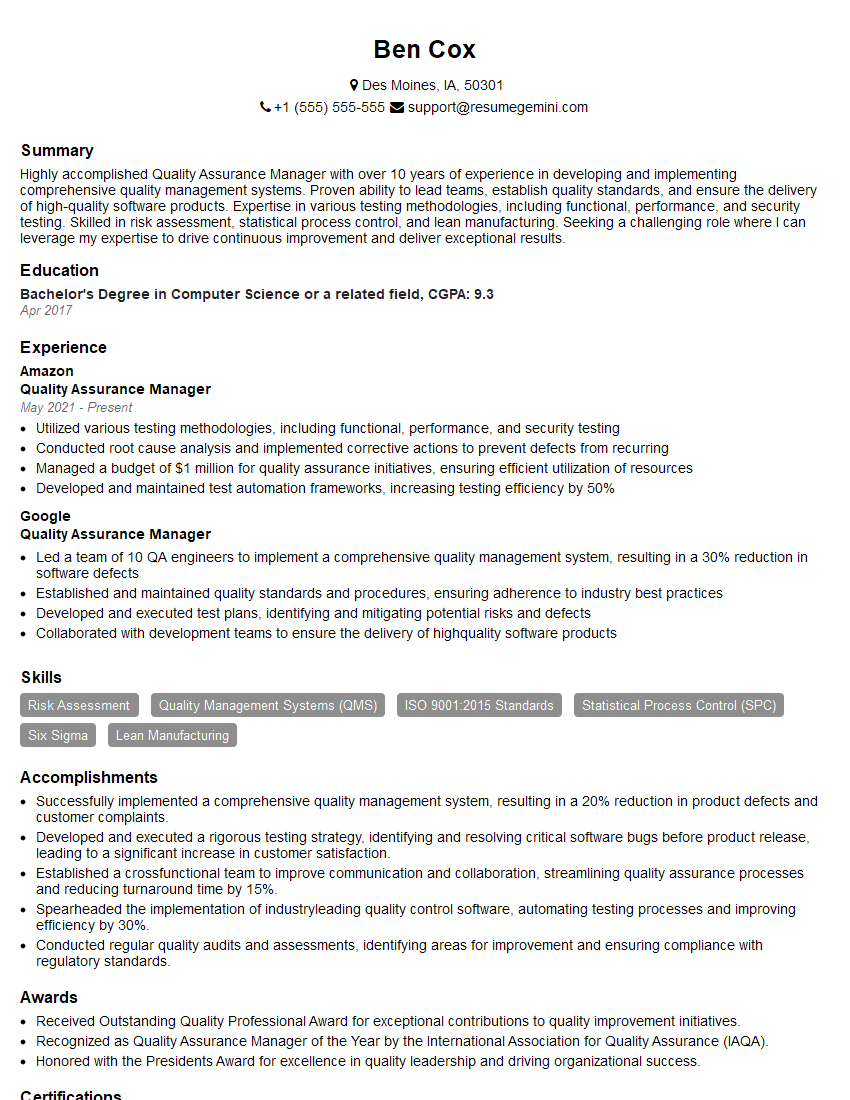
Quality Assurance Manager Resume Sample
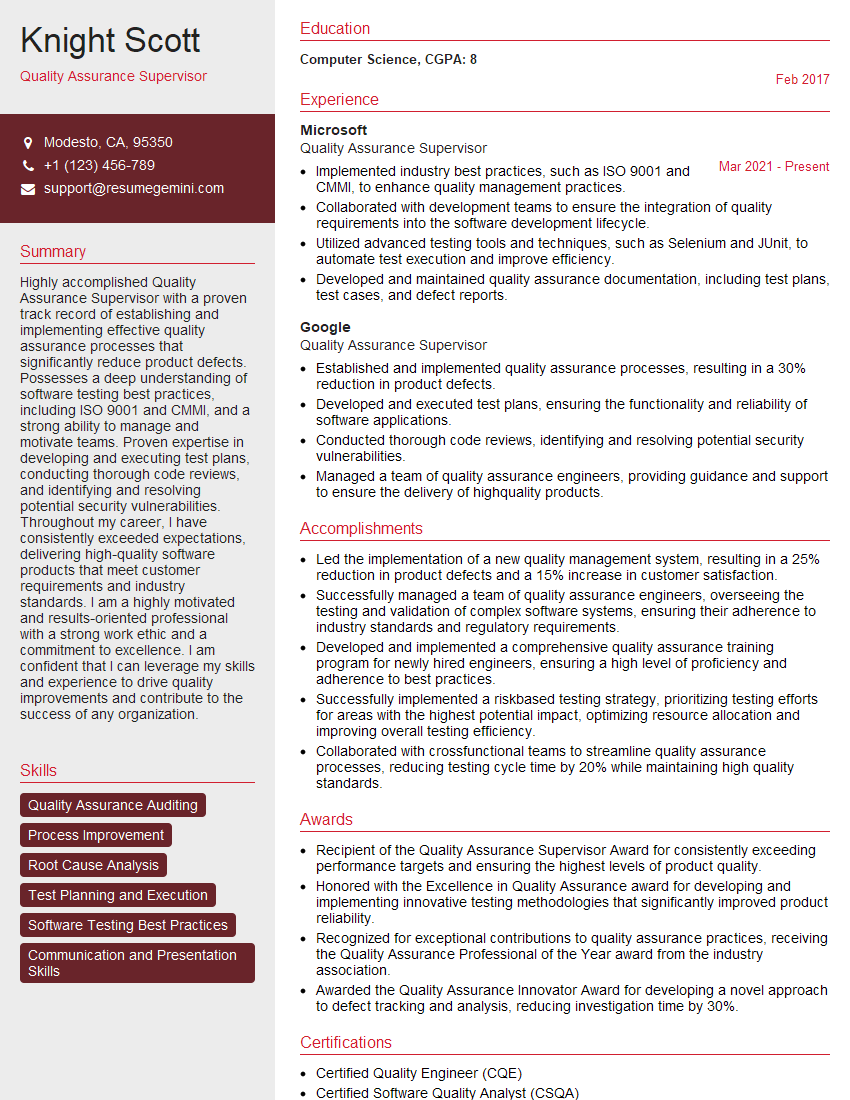
Quality Assurance Supervisor Resume Sample
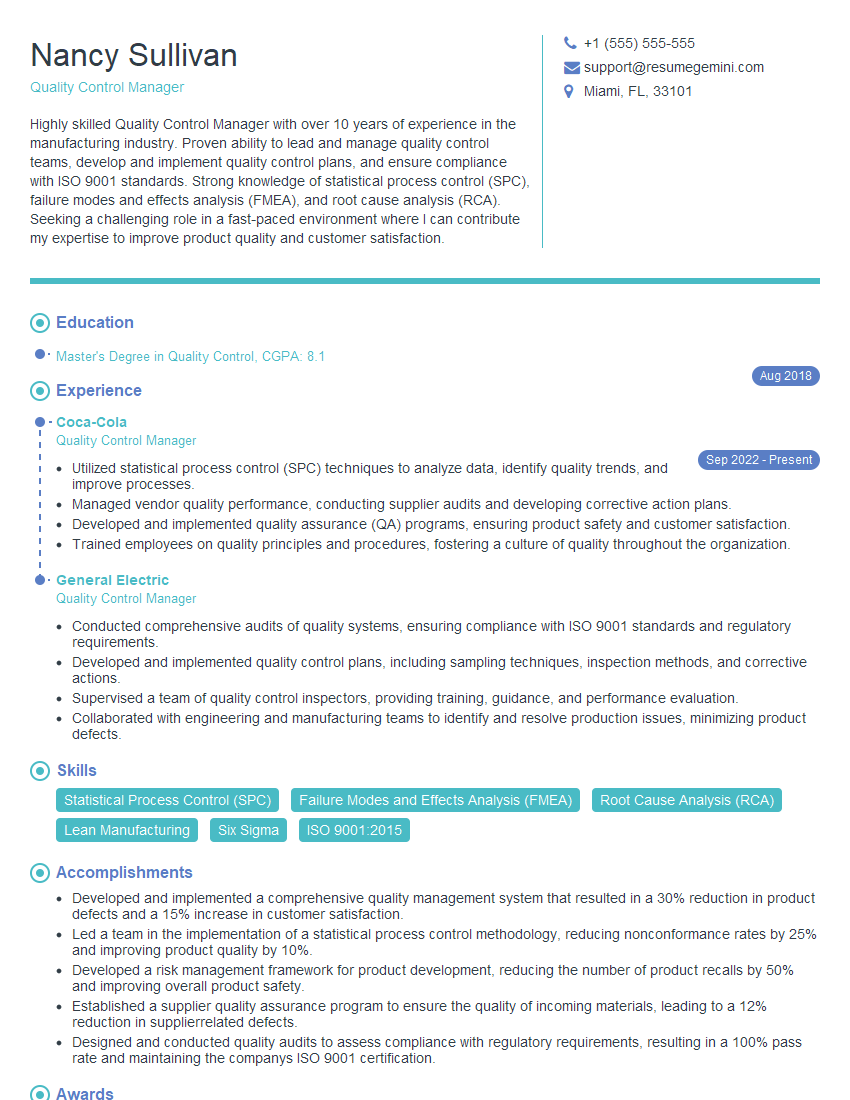
Quality Control Manager Resume Sample
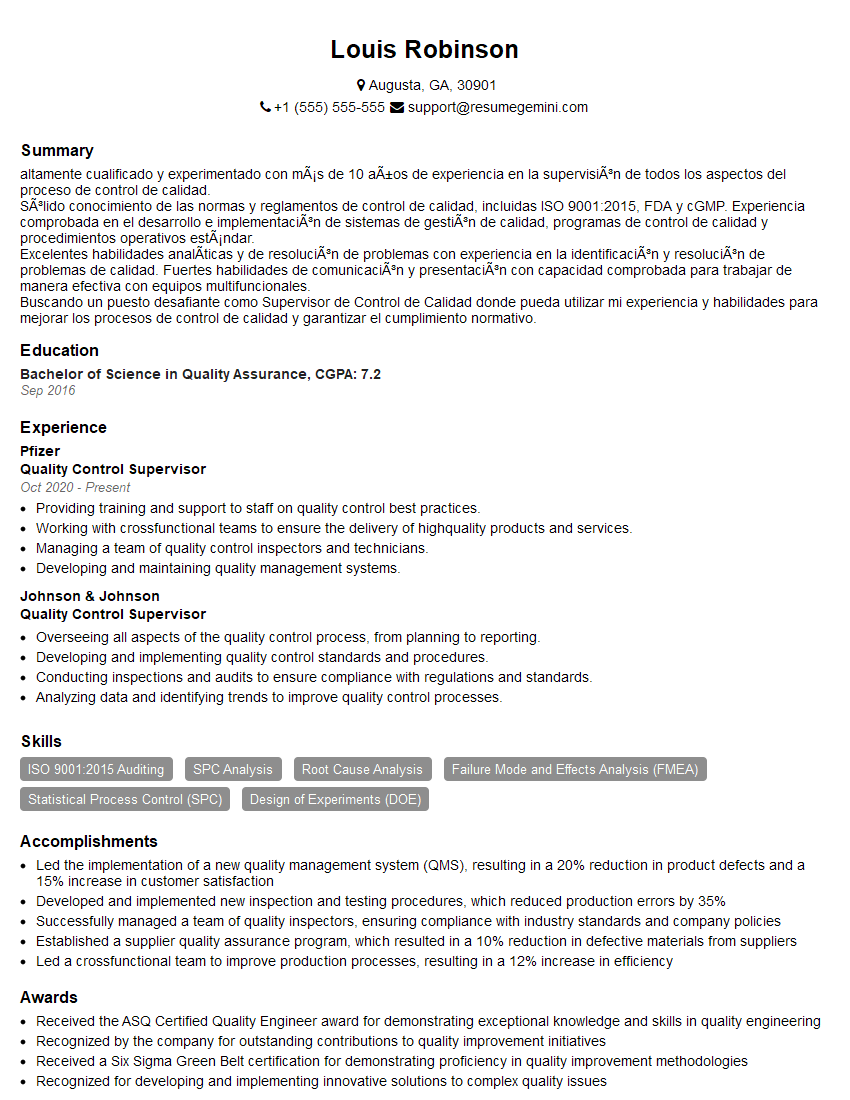
Quality Control Supervisor Resume Sample
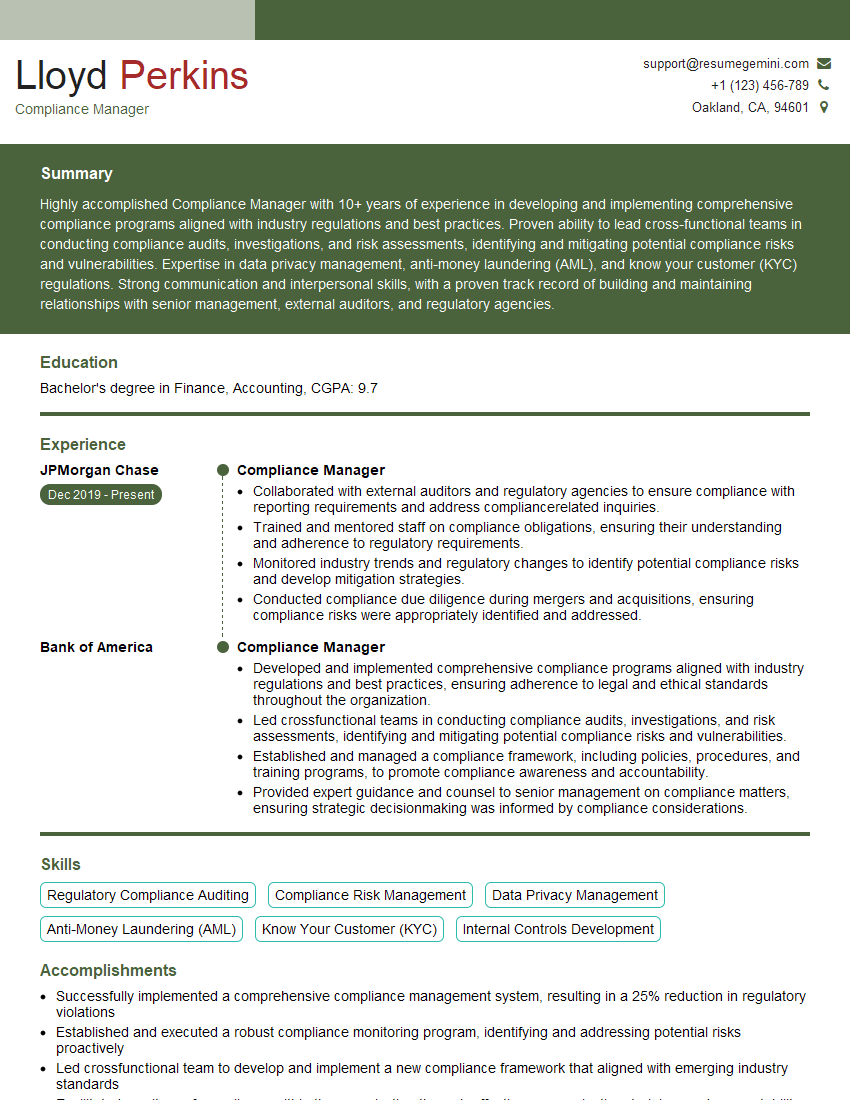
Compliance Manager Resume Sample
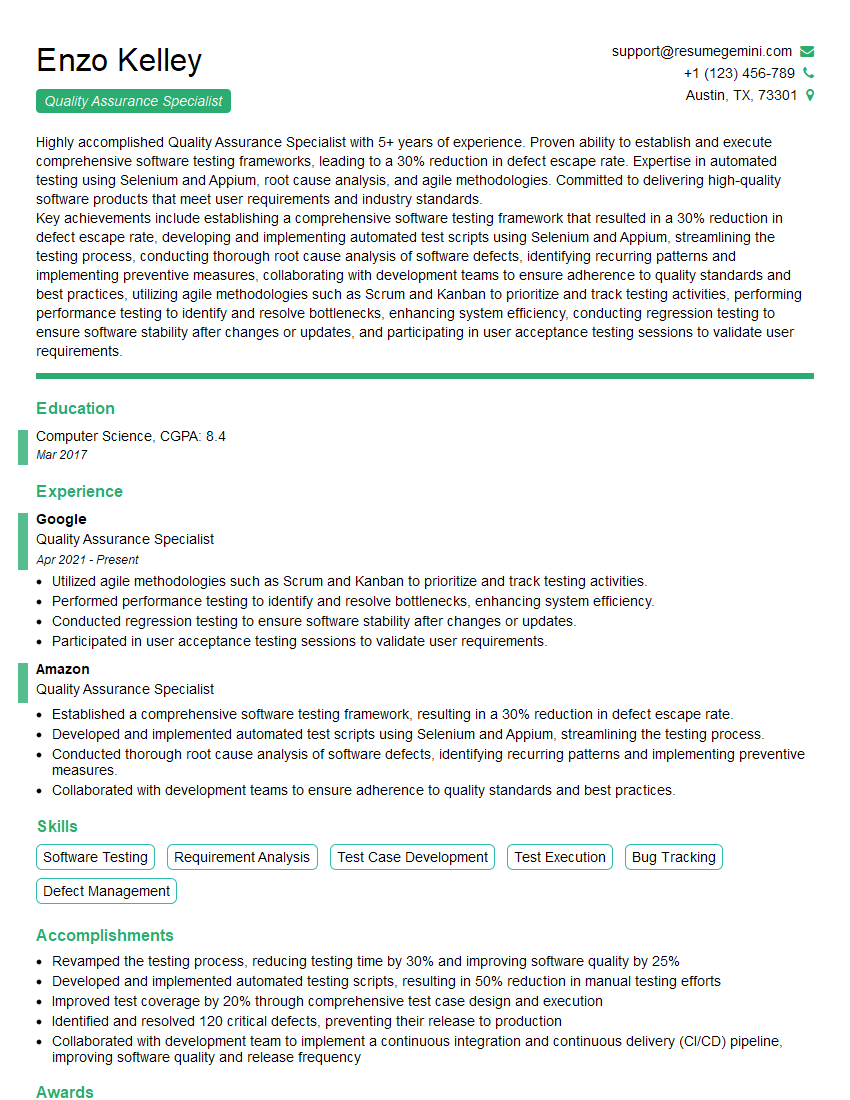
Quality Assurance Specialist Resume Sample
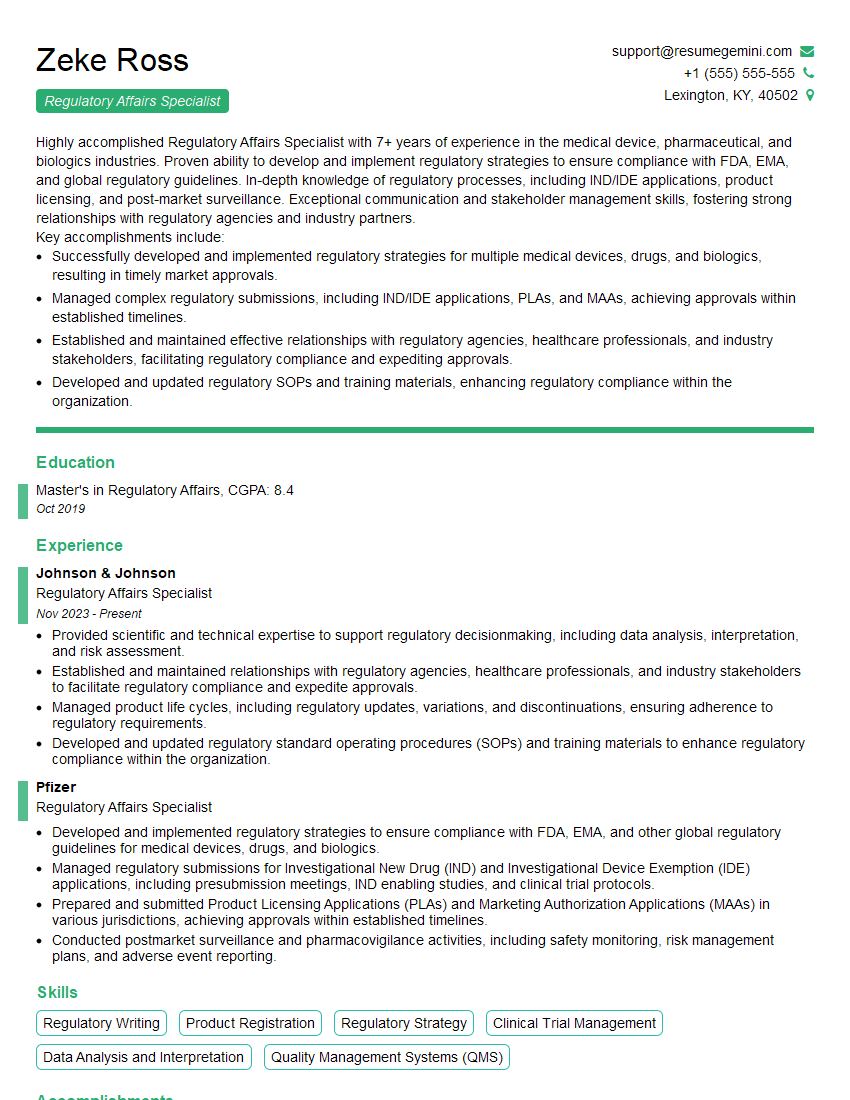
Regulatory Affairs Specialist Resume Sample
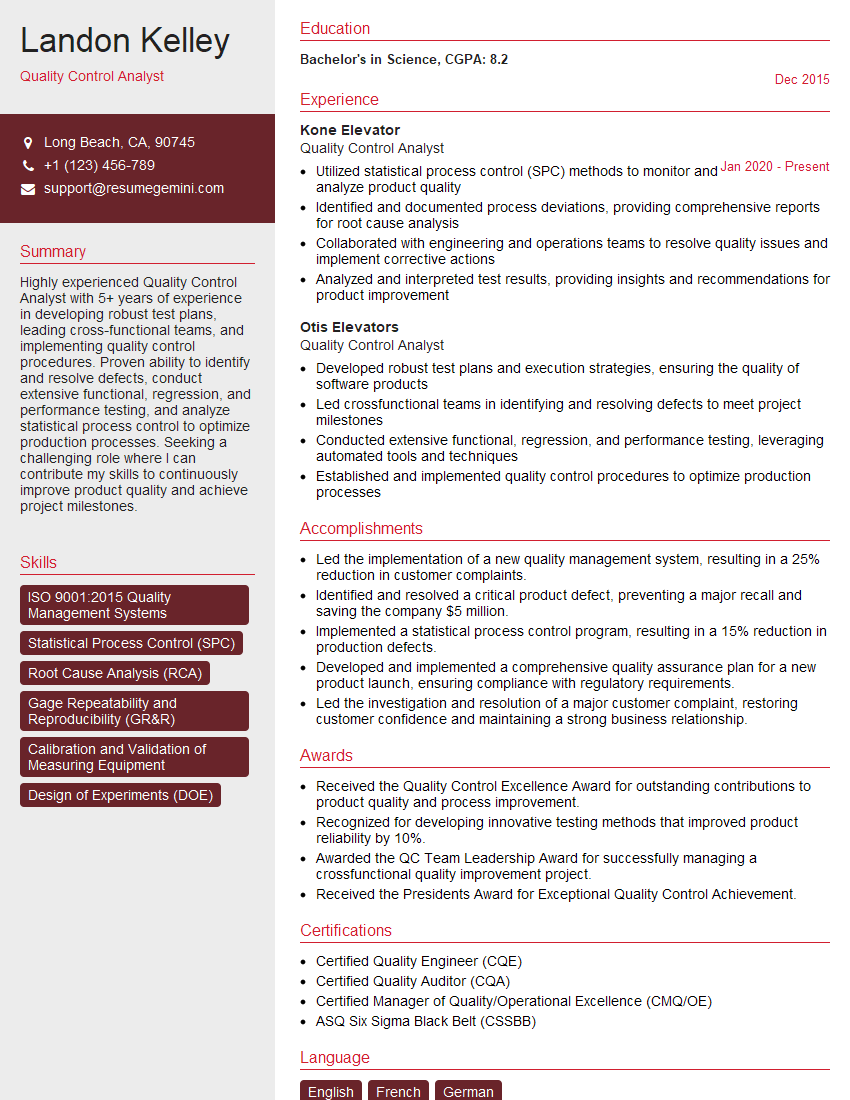
Quality Control Analyst Resume Sample
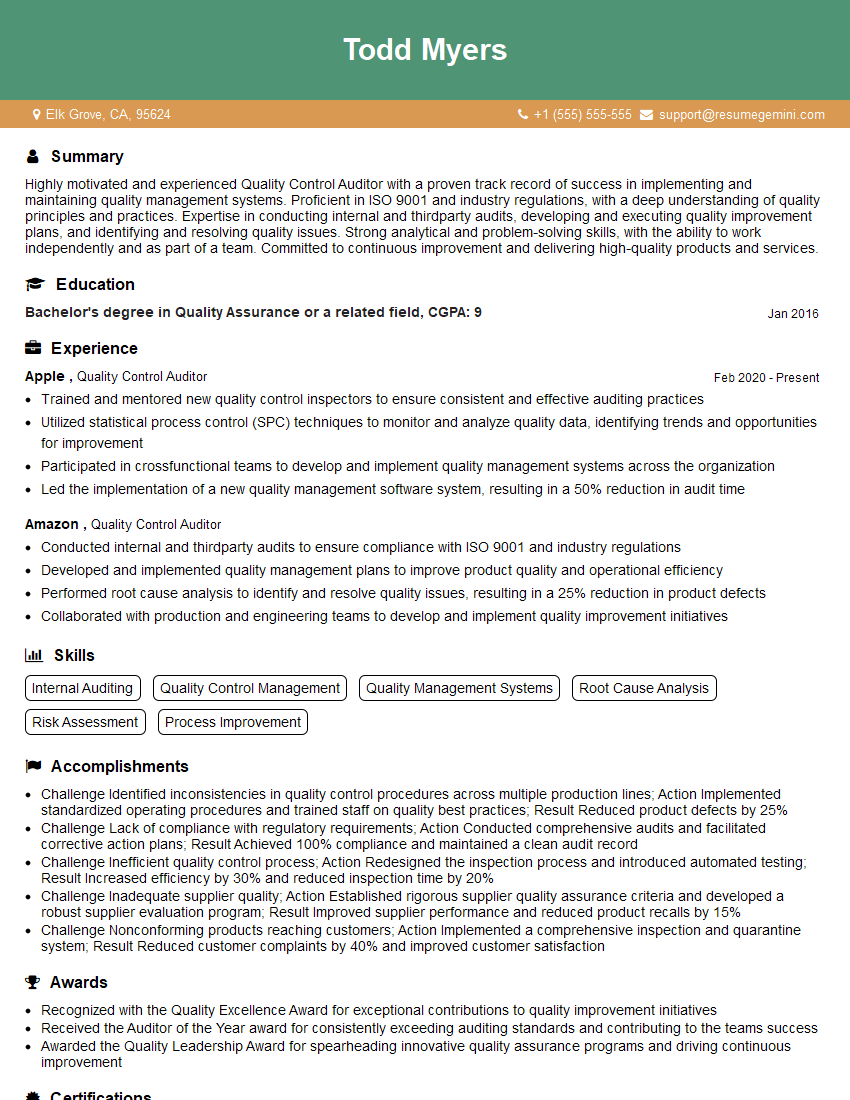
Quality Control Auditor Resume Sample
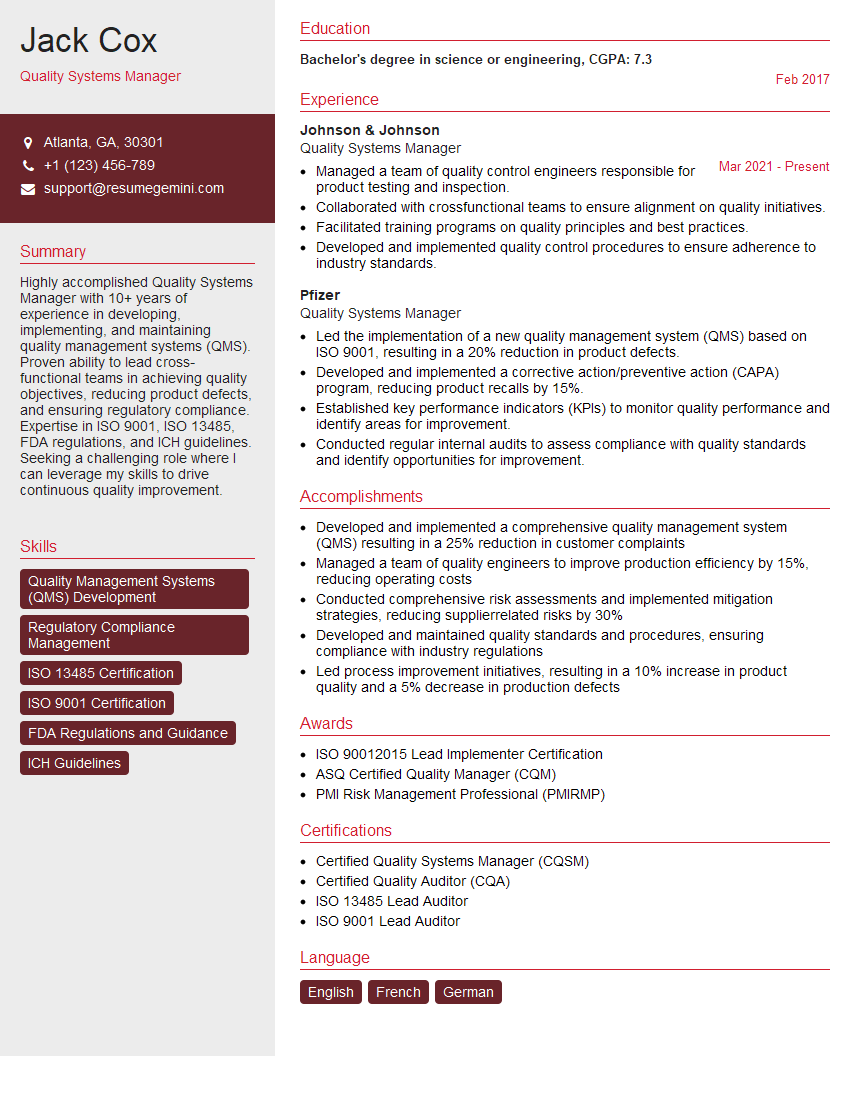
Quality Systems Manager Resume Sample

Quality Assurance Technician Resume Sample
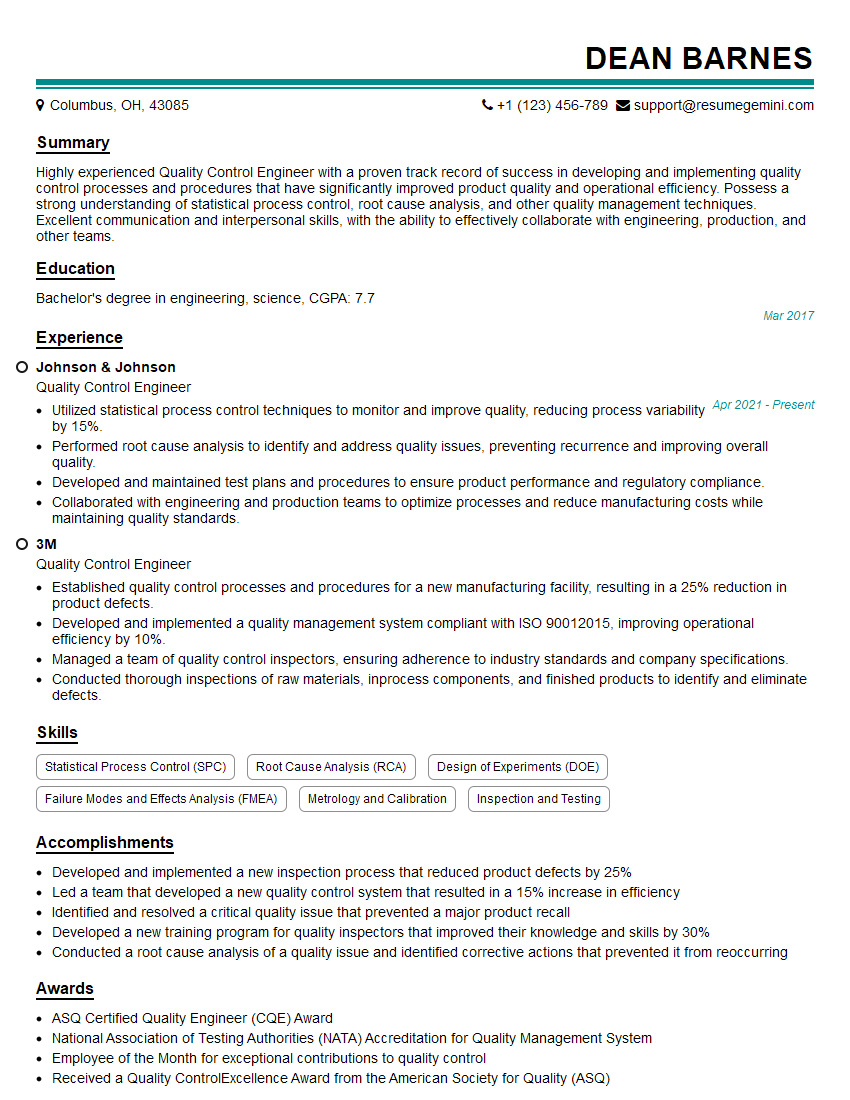
Quality Control Engineer Resume Sample
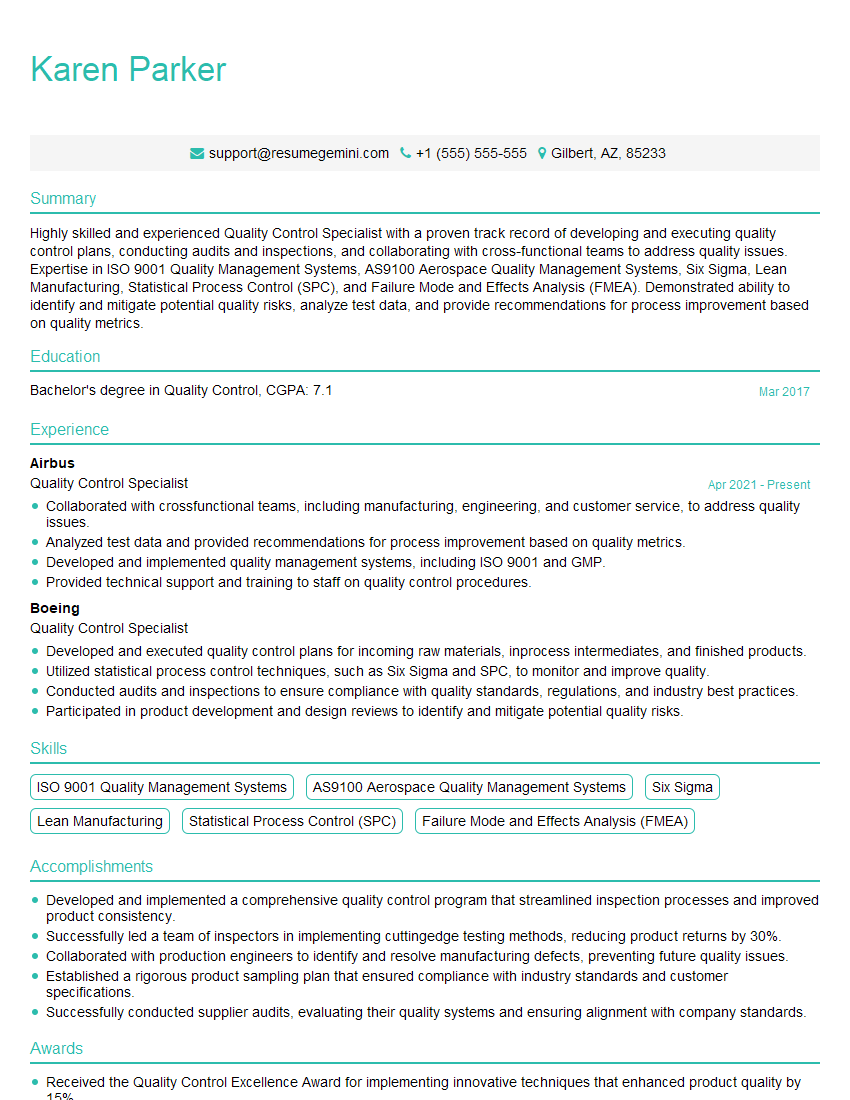
Quality Control Specialist Resume Sample
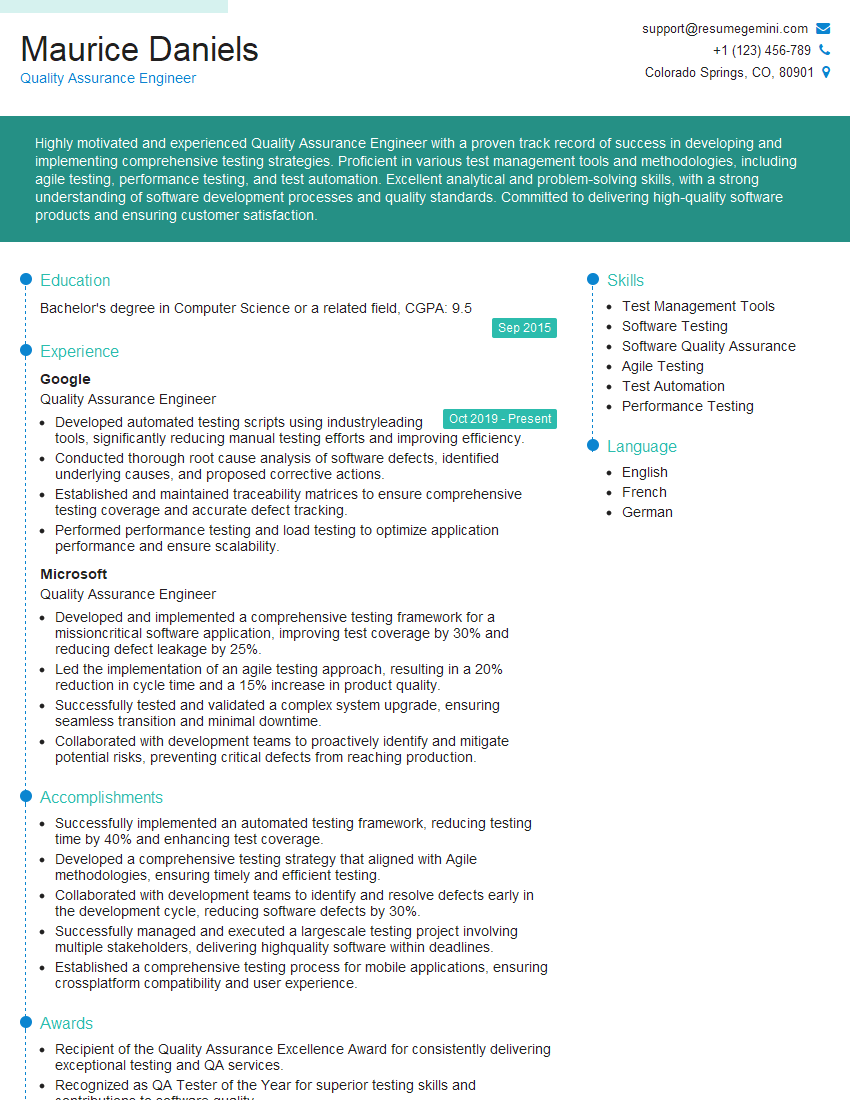
Quality Assurance Engineer Resume Sample
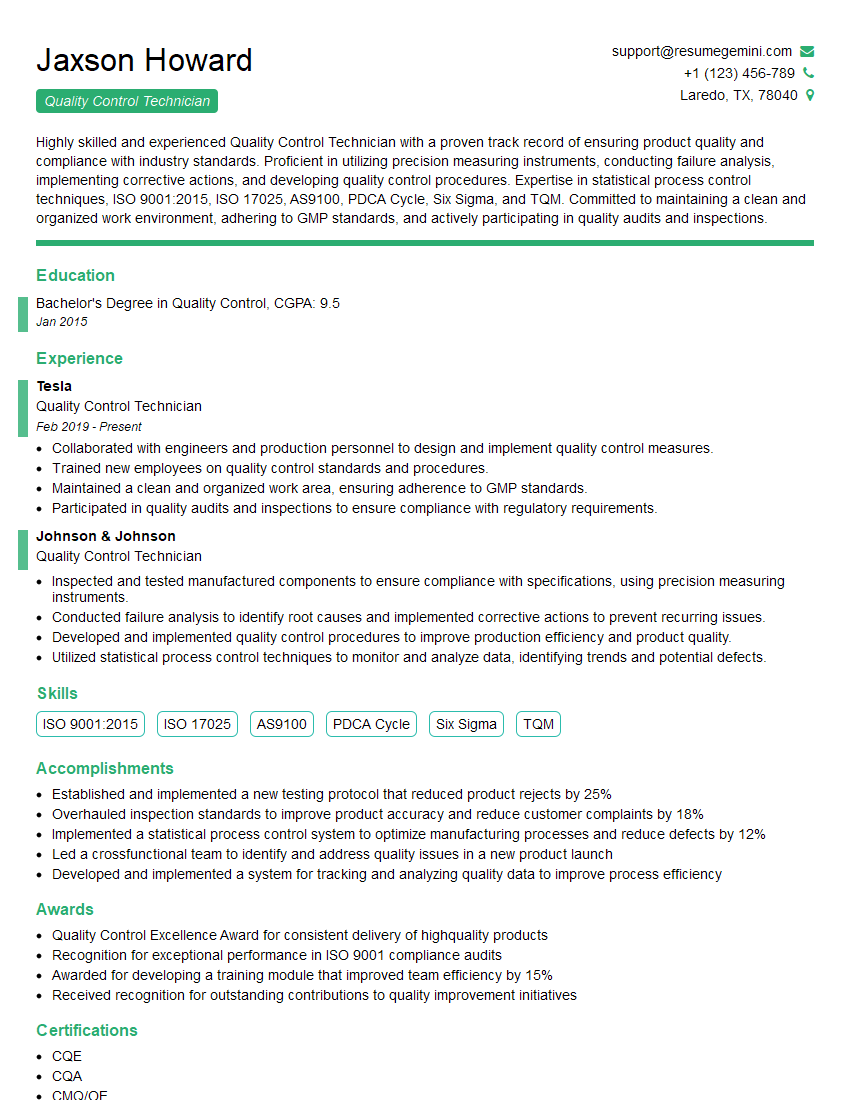
Quality Control Technician Resume Sample
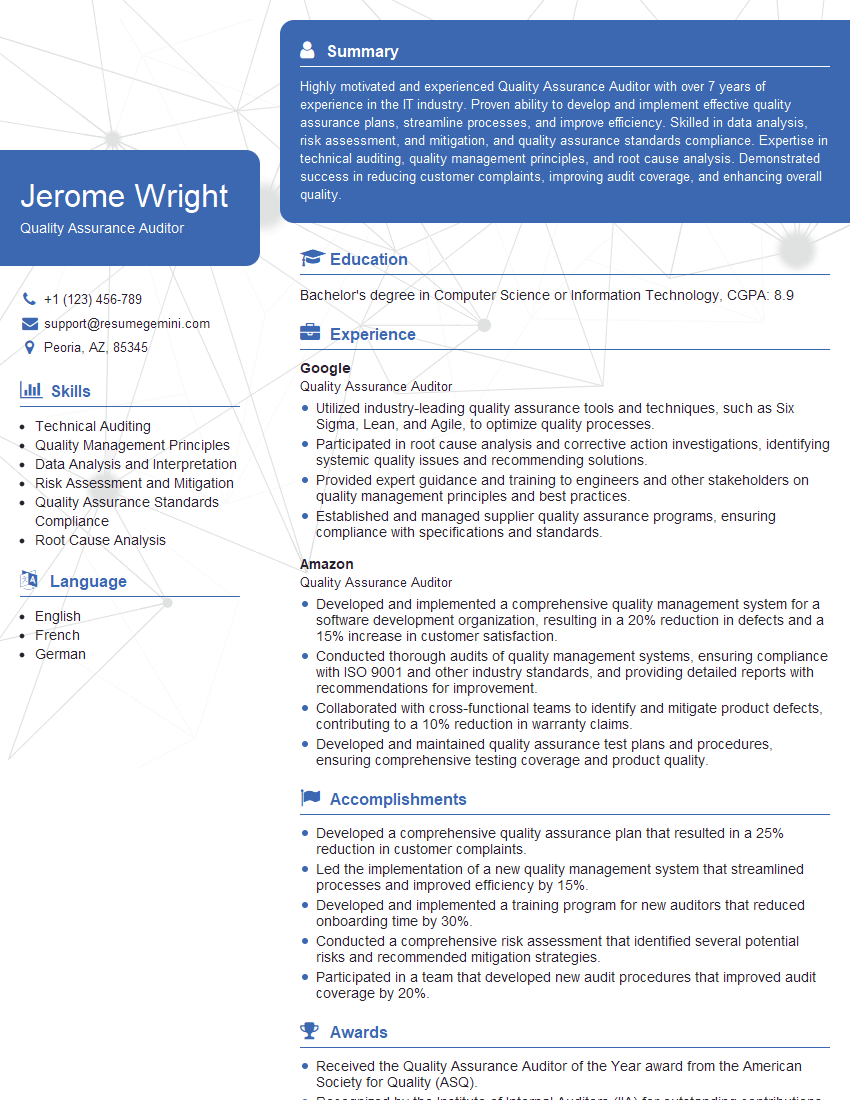
Quality Assurance Auditor Resume Sample
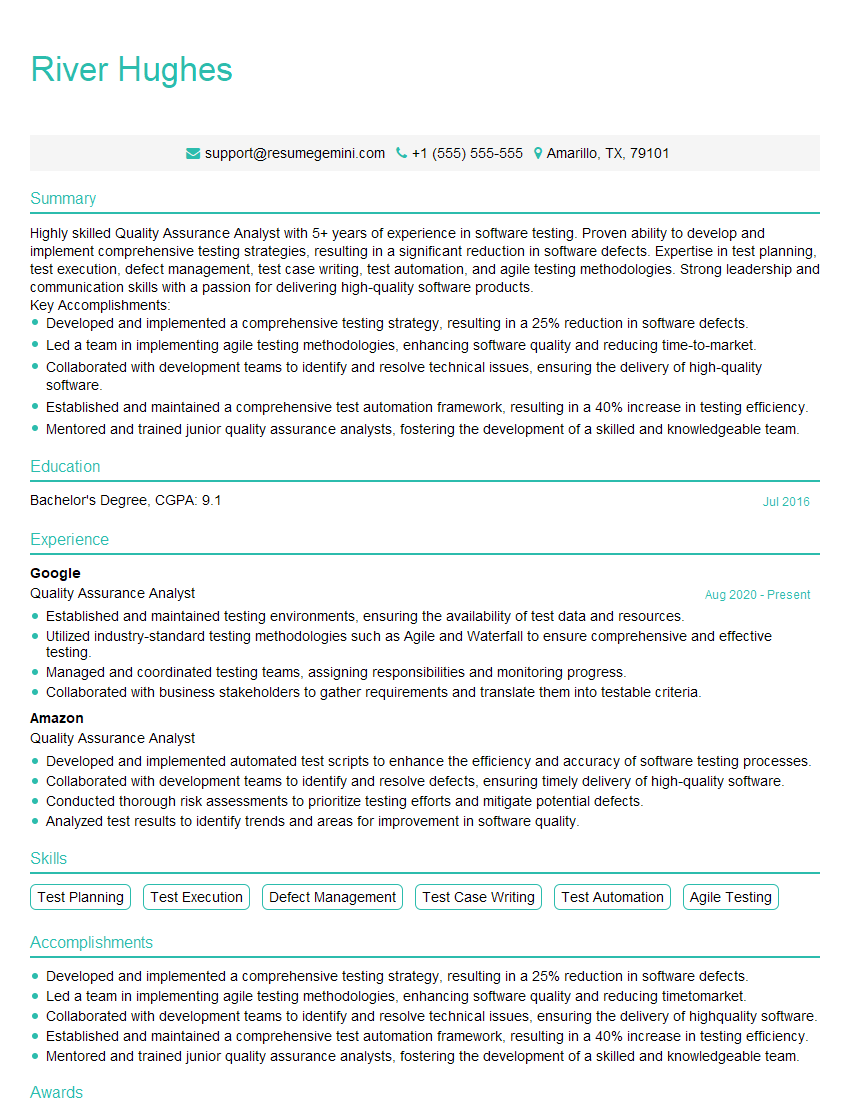
Quality Assurance Analyst Resume Sample
- Quality Assurance Manager
- Quality Assurance Supervisor
- Quality Control Manager
- Quality Control Supervisor
- Compliance Manager
- Quality Assurance Specialist
- Regulatory Affairs Specialist
- Quality Control Analyst
- Quality Control Auditor
- Quality Systems Manager
- Quality Assurance Technician
- Quality Control Engineer
- Quality Control Specialist
- Quality Assurance Engineer
- Quality Control Technician
- Quality Assurance Auditor
- Quality Assurance Analyst
Explore more articles
Users Rating of Our Blogs
Share Your Experience
We value your feedback! Please rate our content and share your thoughts (optional).
What Readers Say About Our Blog
Very informative content, great job.
good