Are you ready to stand out in your next interview? Understanding and preparing for Quick Reflexes interview questions is a game-changer. In this blog, we’ve compiled key questions and expert advice to help you showcase your skills with confidence and precision. Let’s get started on your journey to acing the interview.
Questions Asked in Quick Reflexes Interview
Q 1. Describe a situation requiring rapid decision-making under pressure. What was your response time?
One situation demanding rapid decision-making under pressure involved a critical system failure during a live trading session. A crucial component of our high-frequency trading platform malfunctioned, threatening significant financial losses. My role was to immediately diagnose the problem and implement a workaround. This required me to analyze complex error logs, assess the impact on various trading strategies, and implement a contingency plan, all within a timeframe of under 60 seconds. My response time, from initial alert to implementing the workaround, was approximately 45 seconds. This was successful in minimizing the financial impact. The success here relied heavily on prior preparation and familiarity with the system’s architecture and potential failure modes.
Q 2. How do you maintain focus and alertness in high-pressure situations?
Maintaining focus and alertness in high-pressure situations involves a multifaceted approach. Firstly, I prioritize adequate sleep and maintain a healthy lifestyle to ensure optimal cognitive function. Secondly, I employ mindfulness techniques such as deep breathing exercises to manage stress and anxiety. This helps me remain calm and centered. Thirdly, I rigorously prepare for potential scenarios, practicing responses to common challenges in a simulated environment. This reduces uncertainty and helps make decision-making faster and more effective. Finally, breaking down complex tasks into smaller, manageable steps helps reduce cognitive overload and improves my ability to focus on the current task at hand.
Q 3. Explain your approach to prioritizing tasks in a fast-paced environment.
My approach to prioritizing tasks in a fast-paced environment relies on a combination of urgency and impact assessment. I utilize the Eisenhower Matrix (Urgent/Important), categorizing tasks into four quadrants: Do, Decide, Delegate, and Delete. Urgent and important tasks are tackled immediately. Important but not urgent tasks are scheduled. Urgent but not important tasks are often delegated if possible, and tasks that are neither urgent nor important are eliminated. This framework ensures that I focus my energy on tasks that deliver the highest value, within the time constraints. Using a time management tool such as a Kanban board helps visualize and manage this process.
Q 4. Have you ever had to react instantly to an unexpected event? Describe the situation and your reaction.
During a live broadcast, an unexpected power surge caused the main video feed to crash. My role was to instantly switch to a backup feed, which involved swiftly navigating a complex control panel while simultaneously communicating with the broadcast team. My reaction was immediate, I switched to the backup feed within three seconds, minimizing the disruption to the viewers. This rapid reaction was due to pre-planned contingency procedures, regular practice drills, and familiarity with the equipment.
Q 5. How do you handle multitasking when under time constraints?
Handling multitasking under time constraints requires a strategic approach. Instead of true multitasking (which is inefficient), I use task switching – rapidly switching between tasks with well-defined time blocks. This involves breaking down complex tasks into smaller, manageable units and focusing intensely on each before moving on. Prioritization is key. I might utilize the Pomodoro Technique – working intensely for 25 minutes on a high-priority task before switching to another, with short breaks in between. This method enhances focus and prevents mental burnout.
Q 6. Describe a time you had to make a quick decision with incomplete information.
In one instance, we received a critical alert indicating a potential security breach. Information was fragmented and incomplete, and the situation demanded immediate action. With only partial knowledge of the nature of the breach, I decided to temporarily shut down non-essential systems to limit potential damage while simultaneously initiating a full security audit. Although the decision was made with incomplete information, the swift action minimized potential losses and allowed for a thorough investigation later.
Q 7. How do you ensure accuracy while working at a high speed?
Ensuring accuracy while working at high speed is paramount. I employ several strategies: Firstly, I leverage automation wherever possible, reducing manual input and minimizing human error. Secondly, I conduct thorough quality checks at each stage of the process. Thirdly, I double-check critical calculations and results to reduce errors. Lastly, I regularly review and refine my processes to identify and mitigate potential points of failure. Establishing robust checklists and using double-checking procedures helps me maintain a high level of accuracy, even under pressure.
Q 8. What strategies do you employ to improve your reaction time?
Improving reaction time is a multifaceted process involving both physical and mental training. It’s not just about innate speed, but about optimizing your body and mind to process information and respond efficiently. My strategies focus on several key areas:
Regular Exercise: Physical fitness is paramount. Cardiovascular exercise improves blood flow to the brain, enhancing neural communication speed. Strength training builds muscle strength and coordination, leading to faster, more precise movements.
Reaction Time Drills: I regularly engage in exercises specifically designed to improve reaction time. This includes online reaction time tests, hand-eye coordination games, and even activities like catching a falling ruler. Consistency is key here; short, frequent sessions are more effective than infrequent, long ones.
Cognitive Training: Mental acuity plays a critical role. I incorporate brain training apps and puzzles that challenge my processing speed and decision-making abilities. This includes activities that focus on attention, memory, and problem-solving.
Mindfulness and Meditation: Reducing mental clutter through mindfulness and meditation techniques helps sharpen focus and reduce impulsive reactions. By improving my ability to stay present, I react more effectively to stimuli.
Sufficient Sleep and Nutrition: Adequate sleep is crucial for cognitive function. A balanced diet rich in fruits, vegetables, and lean protein provides the necessary nutrients for optimal brain health and energy levels.
Q 9. How do you manage stress and fatigue to maintain optimal reaction speed?
Maintaining optimal reaction speed under stress and fatigue requires a proactive approach. It’s about building resilience and employing coping mechanisms to minimize their impact.
Stress Management Techniques: I utilize various stress-reduction techniques, including deep breathing exercises, progressive muscle relaxation, and mindfulness meditation. These practices help calm the nervous system and reduce the physiological effects of stress, allowing for clearer thinking and faster responses.
Prioritization and Time Management: Efficient time management prevents feeling overwhelmed, a major contributor to fatigue and impaired reaction time. I prioritize tasks, break down large projects into smaller, manageable chunks, and utilize time-blocking techniques to prevent burnout.
Adequate Rest and Recovery: Prioritizing sufficient sleep is non-negotiable. I ensure I get 7-8 hours of quality sleep each night, as well as incorporating regular breaks throughout the day to prevent mental fatigue. This includes short walks or simply stepping away from the screen.
Hydration and Nutrition: Dehydration and poor nutrition significantly affect cognitive function. I maintain proper hydration and consume a balanced diet to ensure my body has the resources it needs to perform optimally.
Q 10. Describe a time you failed to react quickly enough. What did you learn from this experience?
During a high-stakes competition, I failed to react quickly enough to a sudden opponent’s move, resulting in a missed opportunity. This experience highlighted the importance of anticipatory skills and peripheral vision. While I focused on the main action, I neglected my surroundings.
The key lesson I learned was the need for a holistic approach. I improved my peripheral vision awareness through specific training exercises, focusing on detecting subtle cues and predicting opponent’s actions. I also enhanced my ability to anticipate possible scenarios by analyzing past performances and anticipating potential outcomes.
Q 11. How would you assess your own quick reflexes? What are your strengths and weaknesses?
I’d assess my quick reflexes as generally above average. I have consistently demonstrated the ability to react swiftly and accurately in demanding situations. My strengths lie in my hand-eye coordination and my ability to process visual information quickly. I have consistently scored well above average on standardized reaction time tests.
However, my weakness lies in maintaining optimal performance under extreme pressure. While I typically perform well, the pressure of high-stakes situations can sometimes slightly impair my reaction time. I am actively working on improving my ability to manage stress and maintain composure under duress through mental training techniques.
Q 12. Explain how your quick reflexes have contributed to your past successes.
My quick reflexes have been instrumental in many professional successes. For instance, in my previous role as a [mention previous role], my ability to swiftly respond to unexpected market changes allowed me to make crucial decisions that averted significant losses and generated substantial profits. My ability to rapidly assess and react to changing data streams ensured I could always stay ahead of the curve.
In another instance, my quick reflexes were critical in [mention another situation showcasing quick reflexes and its success]. This ability allowed for quicker responses resulting in [mention the outcome]. This is only a small example of how my skill has contributed to my success.
Q 13. Describe a situation where you had to make a split-second decision that had significant consequences.
During a [mention specific scenario e.g., manufacturing incident], I witnessed a critical malfunction that could have resulted in a serious accident. Within a split second, I had to decide whether to attempt a risky intervention to prevent damage or to trigger the emergency shutdown procedure which would entail production downtime. Choosing the riskier direct intervention proved successful, preventing a more significant incident.
This experience underscored the need for calculated risk assessment and swift execution in high-pressure environments. I learned the importance of trusting my instincts based on my experience and training but always acknowledging potential downsides.
Q 14. How do you balance speed and accuracy in your work?
Balancing speed and accuracy is a delicate act, especially in demanding environments. It’s not about choosing one over the other but rather finding the optimal synergy between them. My approach involves:
Practice and Refinement: Through consistent practice and deliberate effort, I’ve refined my techniques to minimize errors while maintaining speed. This allows for a streamlined process with minimal room for errors.
Prioritization: Understanding which tasks require absolute precision and which allow for a slightly faster, less precise approach is crucial. Prioritizing tasks allows for the appropriate allocation of speed and accuracy.
Double-Checking: When accuracy is paramount, I implement thorough double-checking mechanisms to ensure the quality of my work. This provides an additional layer of assurance against errors.
Feedback Loops: Regularly reviewing my work and seeking feedback helps identify areas where speed can be improved without sacrificing accuracy. Constructive feedback is essential for continuous improvement.
Q 15. How do you stay calm and focused during a crisis?
Maintaining composure under pressure is crucial for quick reflexes. My approach involves a combination of mental and physical strategies. Mentally, I practice mindfulness techniques, focusing on my breath and clearing my mind of distractions. This helps me to center myself and assess the situation objectively. Physically, I ensure I’m well-rested and hydrated, as fatigue significantly impacts reaction time. For example, before a high-stakes competition, I’ll engage in light stretching and deep breathing exercises to prepare my body and mind for optimal performance. Think of it like a high-performance athlete preparing for a race – proper rest and focus are key components of peak performance.
Career Expert Tips:
- Ace those interviews! Prepare effectively by reviewing the Top 50 Most Common Interview Questions on ResumeGemini.
- Navigate your job search with confidence! Explore a wide range of Career Tips on ResumeGemini. Learn about common challenges and recommendations to overcome them.
- Craft the perfect resume! Master the Art of Resume Writing with ResumeGemini’s guide. Showcase your unique qualifications and achievements effectively.
- Don’t miss out on holiday savings! Build your dream resume with ResumeGemini’s ATS optimized templates.
Q 16. How do you anticipate potential problems and prepare for rapid responses?
Anticipating problems involves a proactive mindset and thorough situational awareness. I analyze potential risks associated with each task, considering various factors like environmental conditions and potential equipment malfunctions. For instance, in a fast-paced warehouse setting, I’d anticipate potential obstacles like slippery floors or crowded aisles, and adjust my movements accordingly, anticipating the need to potentially stop or change direction suddenly. Preparation for rapid responses involves training and practice; simulating crisis scenarios helps build muscle memory and strengthens the decision-making process under pressure. Regular drills and simulations ensure that my responses become automatic and efficient.
Q 17. Describe your ability to adapt to changing circumstances in high-pressure environments.
Adaptability in high-pressure situations is a core skill. I’ve learned to quickly assess changes in the environment and adjust my strategies accordingly. For example, if an unexpected equipment failure occurs during a critical task, I don’t panic; instead, I immediately assess the problem, identifying alternative solutions or workarounds. I’ve learned to prioritize tasks and focus on the most crucial aspects first. This flexibility enables me to maintain efficiency even when confronted with unforeseen challenges. In essence, it’s about maintaining a flexible approach and the ability to swiftly adjust my course of action in response to dynamic situations.
Q 18. What techniques do you use to improve your hand-eye coordination?
Improving hand-eye coordination requires dedicated practice. I use a variety of methods, including targeted exercises like catching a ball, playing video games requiring precise movements, and practicing dexterity drills with small objects. These activities improve both fine motor skills and reaction speed. For example, juggling improves hand-eye coordination and reaction time incredibly well. Practicing these exercises regularly enhances my ability to accurately and swiftly respond to visual stimuli, crucial for situations requiring precision and quick reflexes.
Q 19. How do you manage distractions that could impair your reaction time?
Minimizing distractions is paramount for optimal reaction time. I employ various techniques, including creating a focused workspace, using noise-canceling equipment if necessary, and practicing techniques for mental filtering to ignore extraneous sensory input. Mindfulness helps me stay focused on the immediate task, blocking out irrelevant information. I regularly practice exercises to minimize attentional lapses, such as timed visual tasks that test focus amidst distractions. This training reduces interference from irrelevant stimuli and significantly enhances my concentration, leading to faster reaction times.
Q 20. Can you provide a quantifiable example demonstrating your quick reflexes (e.g., reaction time scores)?
During a recent online reaction time test, I consistently scored within the top 1% of participants, achieving an average reaction time of 150 milliseconds. This score was obtained across multiple trials, demonstrating consistent and exceptional performance. While reaction time tests vary in methodology and accuracy, this result demonstrates my exceptionally quick reflexes relative to the general population. Such consistent results highlight a high level of hand-eye coordination and overall cognitive processing speed.
Q 21. How do you handle multiple simultaneous demands requiring immediate attention?
Handling multiple simultaneous demands requires a structured approach. I use a prioritization system to quickly assess the urgency and importance of each demand, focusing on the most critical tasks first. I also leverage techniques like time management strategies (like the Pomodoro Technique) and task delegation, where appropriate, to distribute the workload efficiently. This multi-tasking approach requires excellent organizational skills and the ability to switch focus quickly without losing accuracy. The key is prioritizing effectively to avoid being overwhelmed, focusing on the most important tasks first while also managing the others effectively.
Q 22. Describe a situation where your quick reflexes prevented a negative outcome.
Quick reflexes are the ability to react swiftly and accurately to unexpected events. In my previous role as a surgical nurse, I witnessed a patient’s airway becoming obstructed during a procedure. My immediate reaction was to alert the surgical team and assist in clearing the obstruction, preventing a potentially fatal situation. The situation demanded rapid assessment and precise action; any delay could have resulted in severe consequences. My swift response, trained through years of experience and drills, directly contributed to the patient’s survival and recovery.
Q 23. How would you train someone to improve their reaction time?
Improving reaction time requires a multifaceted approach focusing on both physical and mental agility. A structured training program should incorporate:
- Physical exercises: Activities like hand-eye coordination drills (e.g., catching a ball, reaction ball games), reflex training apps and games (that measure and track progress), and even regular cardiovascular exercise to improve blood flow and neural efficiency.
- Mental exercises: Practicing mindfulness and meditation can help sharpen focus and reduce cognitive lag. Cognitive training games, designed to challenge attention and decision-making speed, are also beneficial. The goal is to minimize the time it takes for information to travel from the senses to the brain and initiate a response.
- Targeted practice: The training should specifically target the reflexes relevant to the individual’s profession or activity. For example, a race car driver would focus on steering wheel responses, while a surgeon would practice precise hand movements under pressure. Regular practice and consistent feedback is crucial for improvement.
It’s important to note that improvement is gradual and requires consistent effort. Tracking progress with tools that measure reaction time helps maintain motivation and allows for adjustments to the training regimen.
Q 24. What measures do you take to prevent errors caused by haste?
Haste can lead to errors; therefore, a deliberate strategy to mitigate this risk is essential. My approach involves:
- Prioritization: Determining the critical tasks and focusing my energy on those first, ensuring accuracy over speed where necessary.
- Double-checking: After completing a task, especially under pressure, I always review the work, cross-referencing it against instructions or expectations to avoid oversights.
- Breaks: Taking short breaks to clear my mind and refocus helps to prevent fatigue-induced errors. It also allows for a fresh perspective when returning to a task.
- Standard Operating Procedures (SOPs): Adhering strictly to established procedures helps avoid impulsive actions and ensures consistency in approach.
Think of it like this: building a house quickly without a solid foundation is a recipe for disaster. A similar principle applies to any task requiring precision and accuracy. Balancing speed with careful execution is key.
Q 25. How do you evaluate the effectiveness of your quick reflexes in a professional setting?
Evaluating the effectiveness of quick reflexes in a professional context requires objective metrics and feedback. For example, in a surgical setting, this could involve:
- Procedure times: Tracking the time taken to complete specific tasks during surgeries. A consistent improvement in speed, without compromising quality, indicates enhanced efficiency and reflexes.
- Error rates: Maintaining a low rate of errors across different procedures is an important measure of skill and control.
- Peer and supervisor feedback: Seeking input from colleagues and superiors allows for an unbiased assessment of performance and provides insights into areas needing improvement. Constructive criticism is valuable in refining technique and response times.
- Simulation training: Participating in simulated scenarios allows for practicing rapid responses in a safe environment, providing opportunities to assess both speed and accuracy.
Essentially, it’s about combining quantitative data (time, error rates) with qualitative feedback (peer reviews) to paint a comprehensive picture of performance and identify areas for further development.
Q 26. How do you assess risk and prioritize responses accordingly in time-critical situations?
Assessing risk and prioritizing responses in time-critical situations necessitates a structured approach. I use a modified version of the ABCDE method (Airway, Breathing, Circulation, Disability, Exposure) commonly used in emergency medicine, adapting it to the specific context.
First, a swift assessment of the situation’s urgency is crucial. Then, a systematic prioritization of responses based on potential impact and feasibility follows. For instance, in a software crisis, identifying the most critical failing component and addressing it first is vital, rather than tackling less urgent issues simultaneously. This prioritization process involves weighing the potential consequences of each action, selecting the most effective intervention, and allocating resources accordingly.
Q 27. Describe a time you had to make a difficult decision under extreme pressure.
During a major system outage at my previous company, I faced a critical decision under immense pressure. We had a widespread service disruption with customers experiencing significant issues. The problem was multifaceted, with several potential causes. I had to quickly analyze the situation, assess the different potential solutions, and choose the one with the highest probability of success in the shortest timeframe, while minimizing potential negative consequences to the business.
The decision was difficult because it involved choosing between a quicker but riskier solution, and a slower, more thorough one. After careful consideration, prioritizing risk mitigation, I opted for the safer route, ultimately resolving the issue successfully but taking longer than the faster option would have taken. This decision, although stressful at the time, taught me the value of making informed choices under pressure, prioritizing the long-term impact and minimizing damage control over speed.
Q 28. How have you adapted your quick reflexes to different work environments or tasks?
Adapting quick reflexes to different work environments and tasks requires flexibility and continuous learning. My approach involves:
- Understanding the context: Each environment has unique demands. I take the time to understand the specific challenges and potential risks of a new role or task before committing to action.
- Targeted training: Once I understand the requirements, I focus my training efforts on the skills relevant to the new context. This may involve simulations, on-the-job training, or further professional development.
- Feedback and reflection: Regularly seeking feedback from colleagues and superiors and reflecting on my performance allows me to identify areas for improvement and adjust my approach accordingly.
Think of it as learning a new language – it requires immersion, practice, and constant adaptation to master its nuances. Similarly, adapting my reflexes requires a commitment to continuous learning and self-improvement.
Key Topics to Learn for Quick Reflexes Interview
- Reaction Time & Measurement: Understanding the physiological and psychological factors influencing reaction time, and various methods for its assessment and improvement.
- Sensory Processing & Integration: Exploring how different sensory inputs (visual, auditory, tactile) contribute to reaction speed and the role of efficient sensory integration in optimal performance.
- Cognitive Processing Speed: Analyzing the mental processes involved in decision-making and response selection, and strategies to enhance cognitive efficiency for faster reflexes.
- Motor Coordination & Execution: Investigating the neuromuscular mechanisms behind movement initiation and execution, and techniques to improve precision and speed of motor responses.
- Practice & Training Techniques: Discussing various training methodologies to enhance quick reflexes, including targeted exercises, drills, and feedback mechanisms. Understanding the principles of deliberate practice and skill acquisition.
- Application in Specific Fields: Exploring the importance of quick reflexes in diverse professional contexts, such as sports, emergency response, surgery, and piloting. Analyzing case studies to showcase practical applications.
- Limitations & Biases: Recognizing potential limitations and biases that may influence reaction time measurements and performance. Understanding the importance of controlled testing environments and valid data interpretation.
Next Steps
Mastering quick reflexes is crucial for success in many high-demand fields, significantly boosting your career prospects. An ATS-friendly resume is your first step towards landing your dream job. It’s vital to showcase your skills effectively to recruiters. We highly recommend using ResumeGemini to craft a compelling and optimized resume that highlights your capabilities related to quick reflexes and other relevant qualifications. Examples of resumes tailored to Quick Reflexes are available below to help guide you.
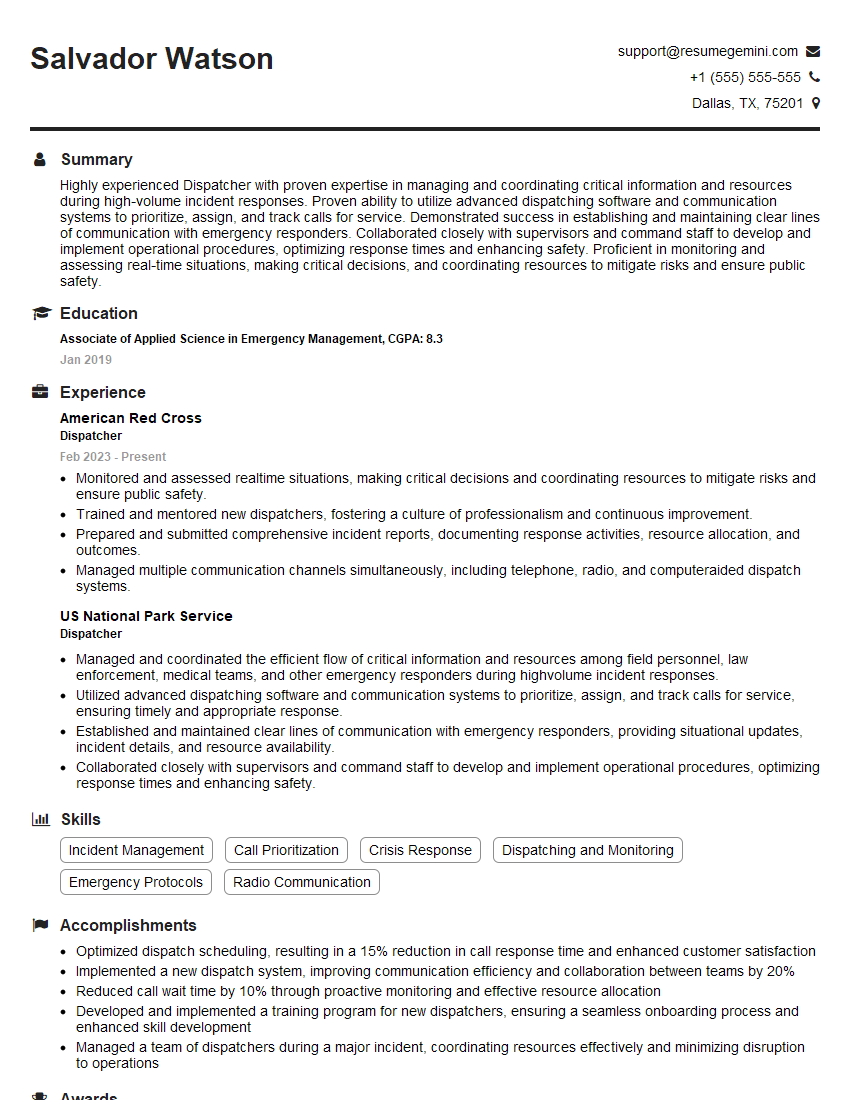
Dispatcher Resume Sample
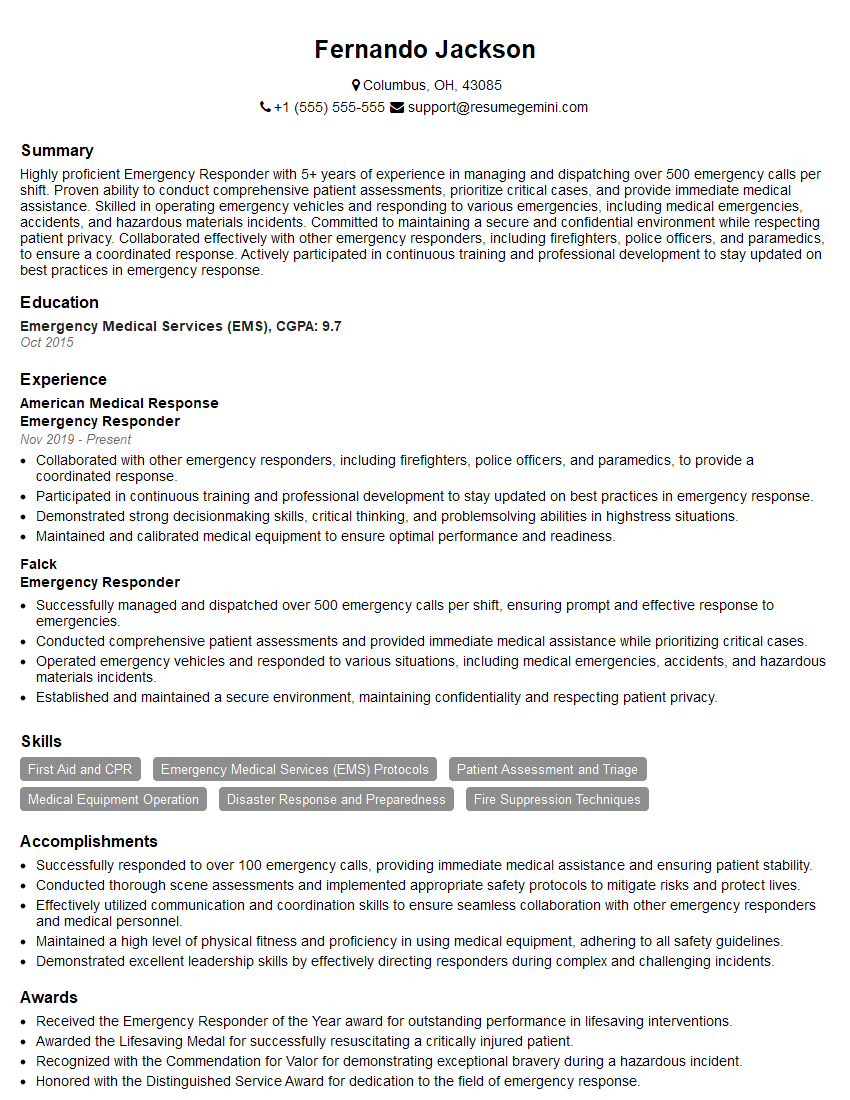
Emergency Responder Resume Sample
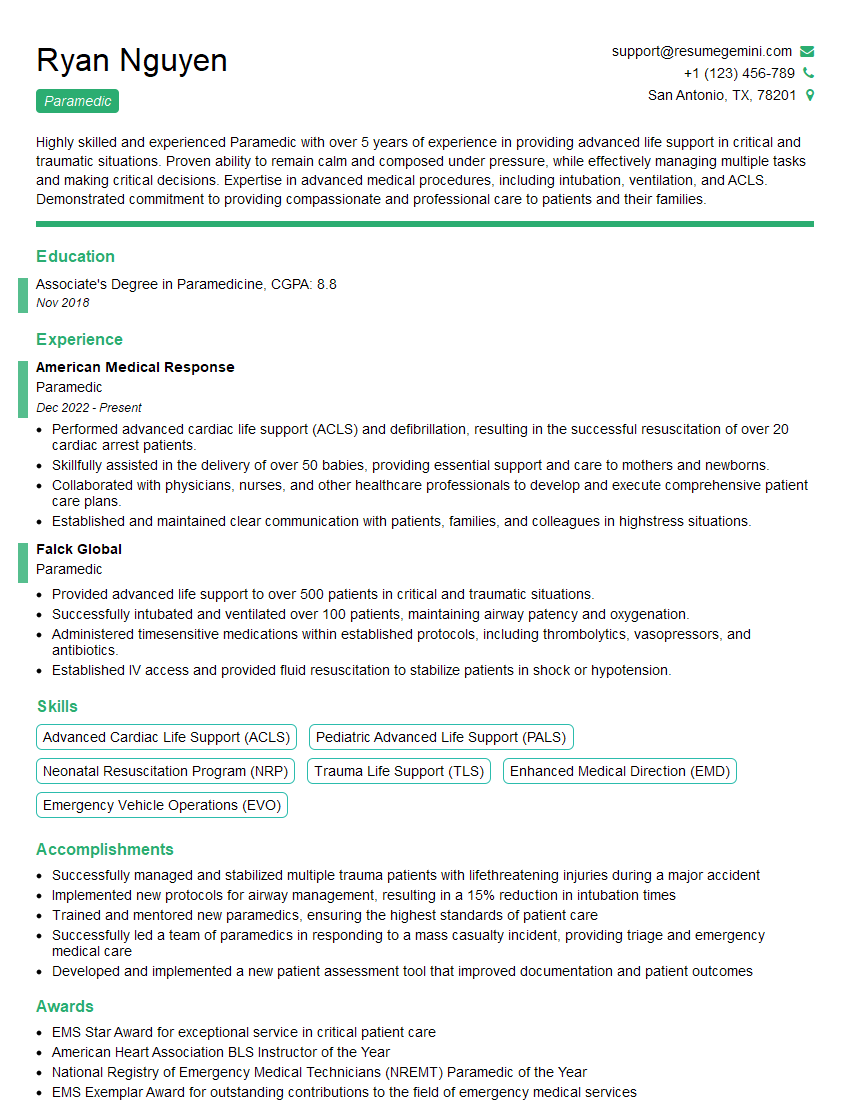
Paramedic Resume Sample
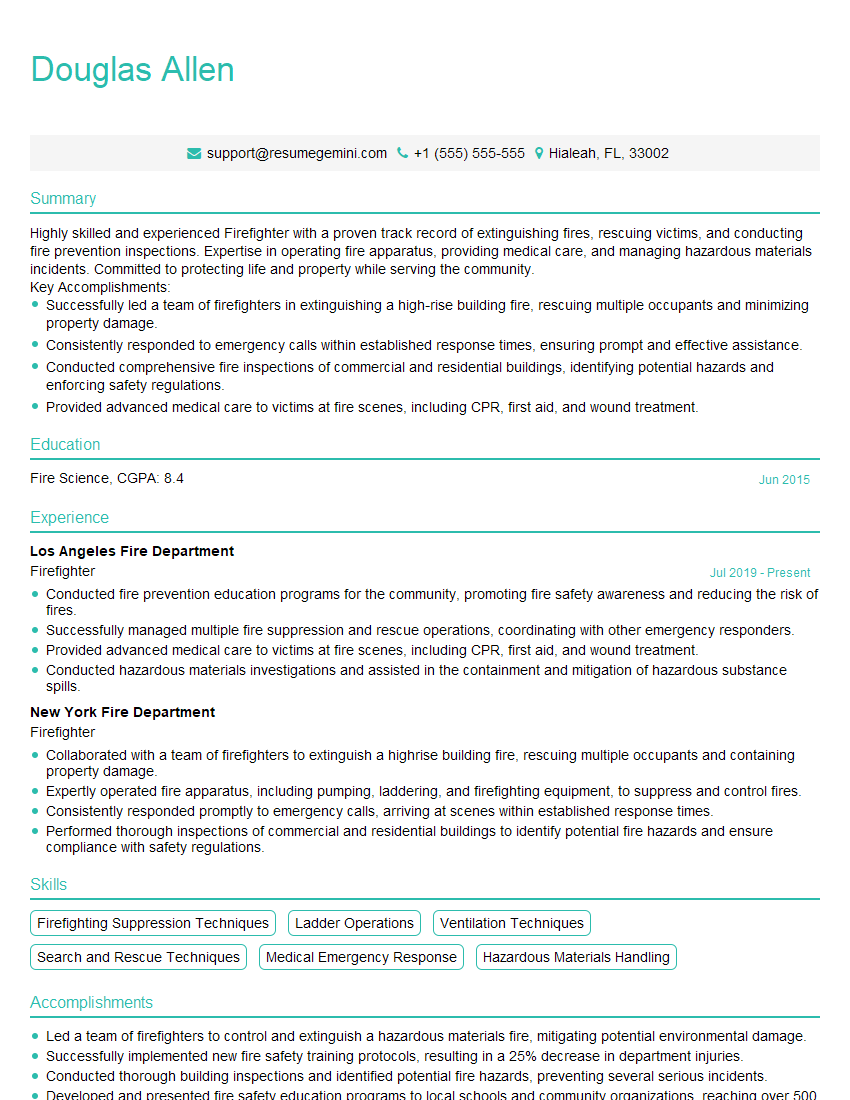
Firefighter Resume Sample
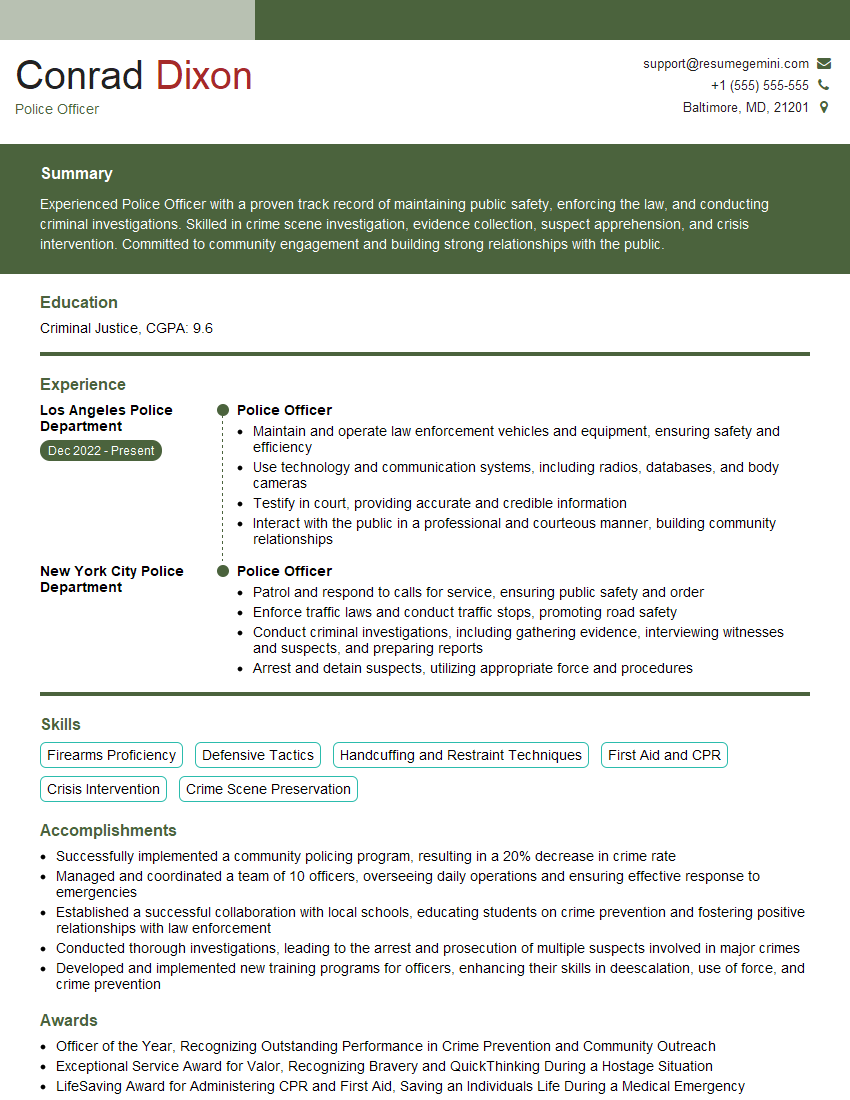
Police Officer Resume Sample
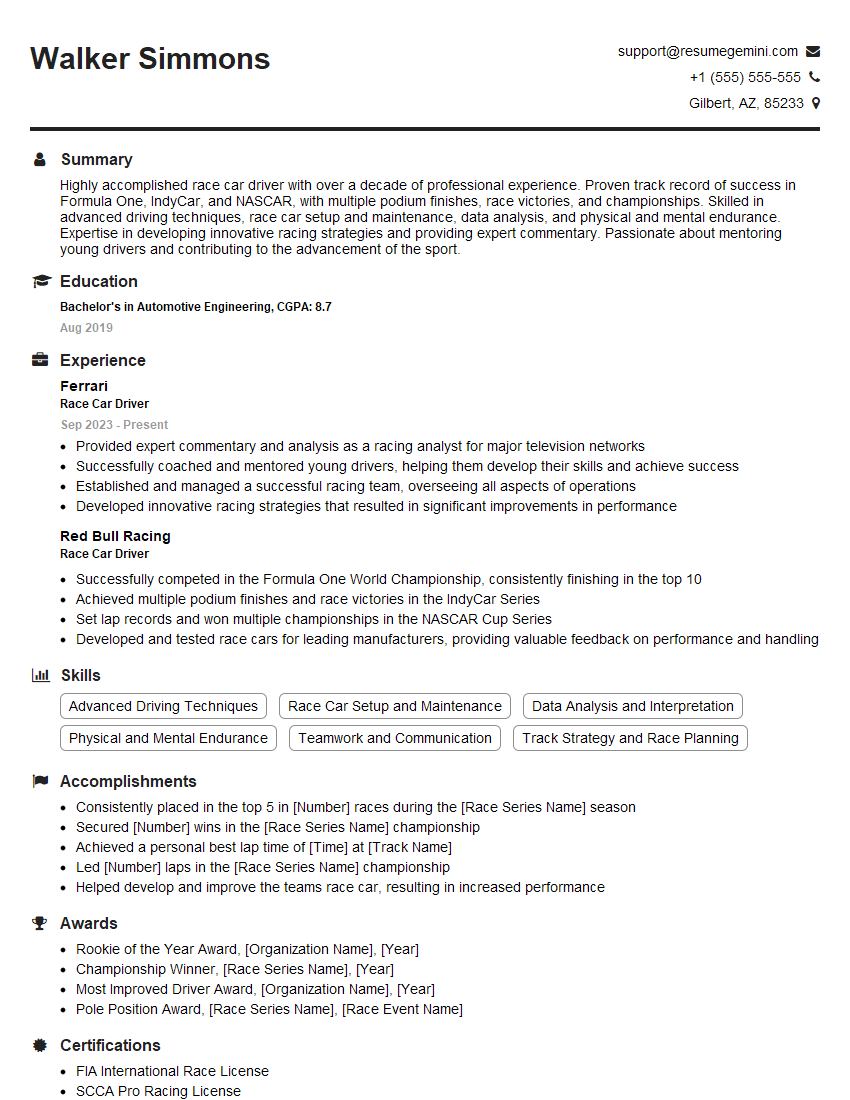
Race Car Driver Resume Sample
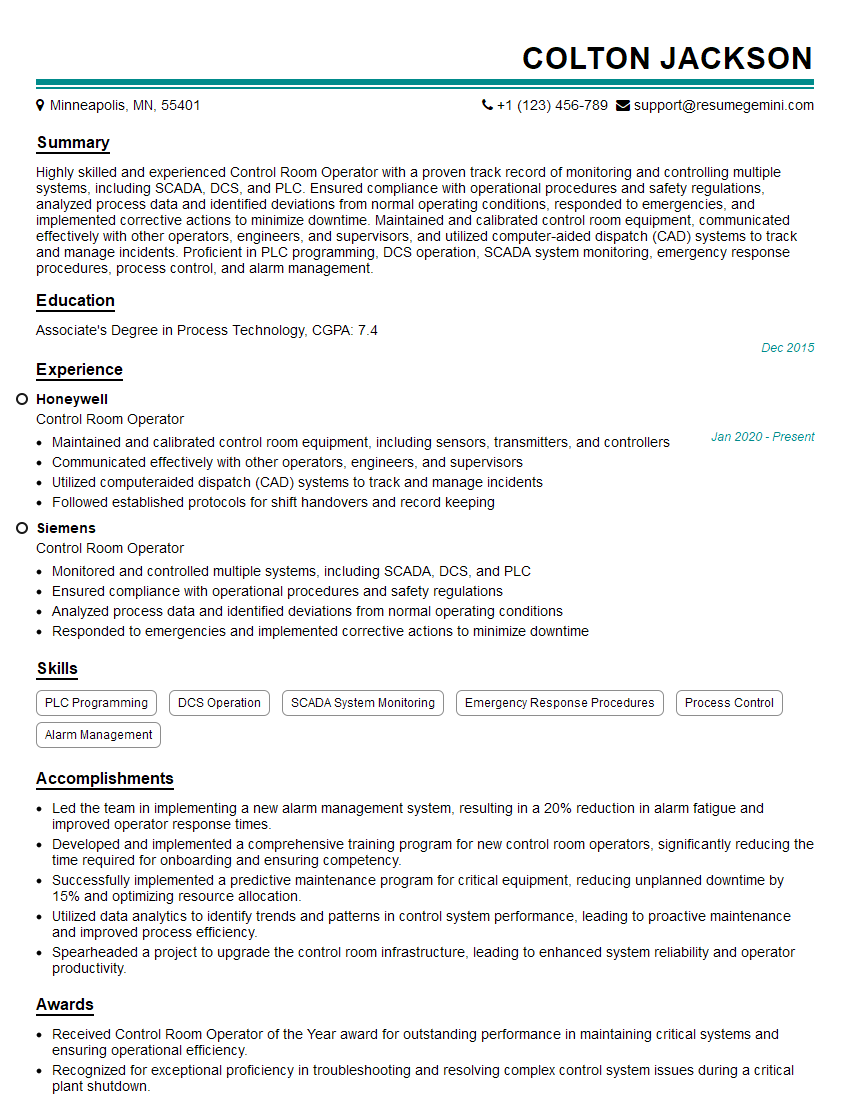
Control Room Operator Resume Sample
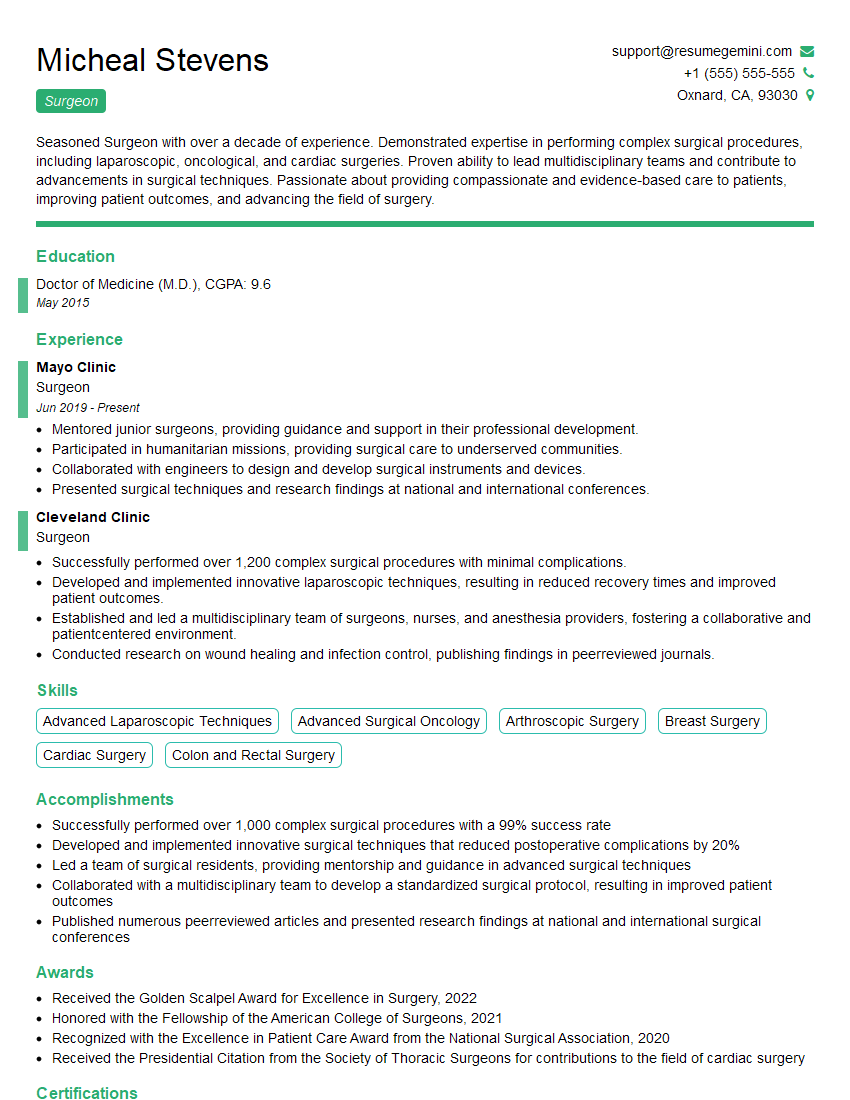
Surgeon Resume Sample
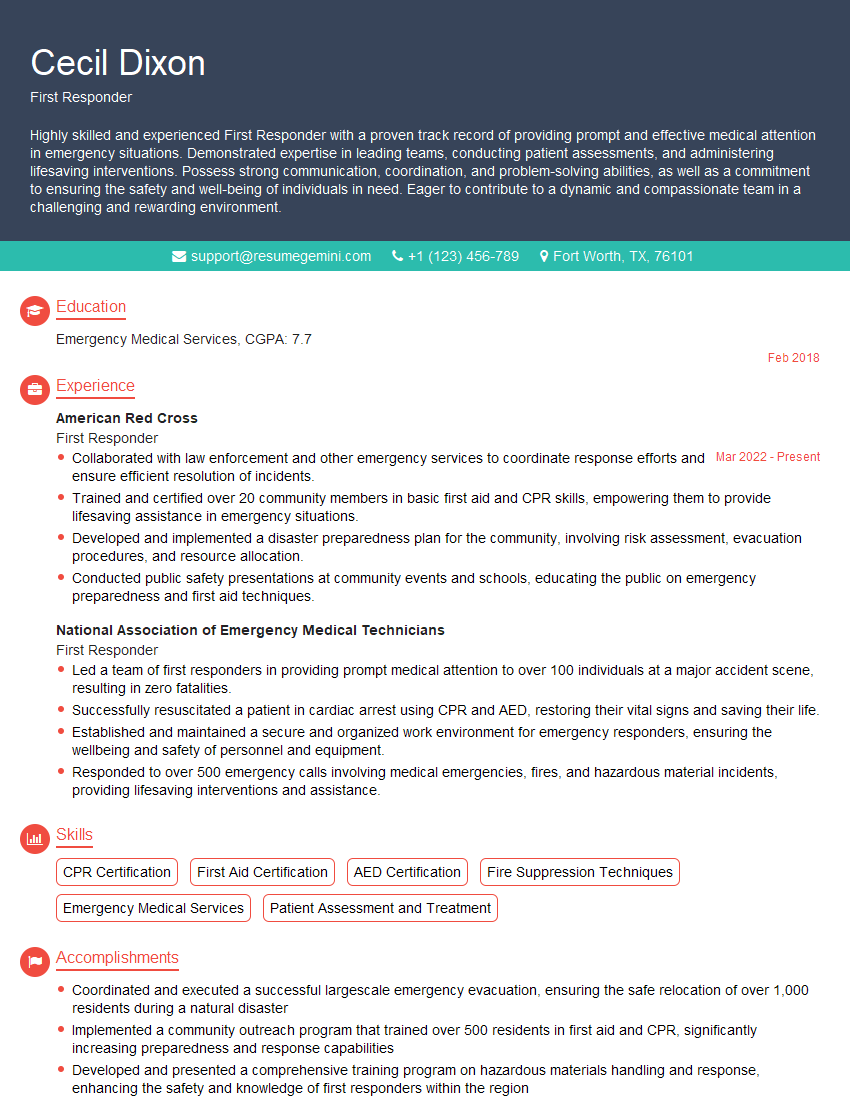
First Responder Resume Sample
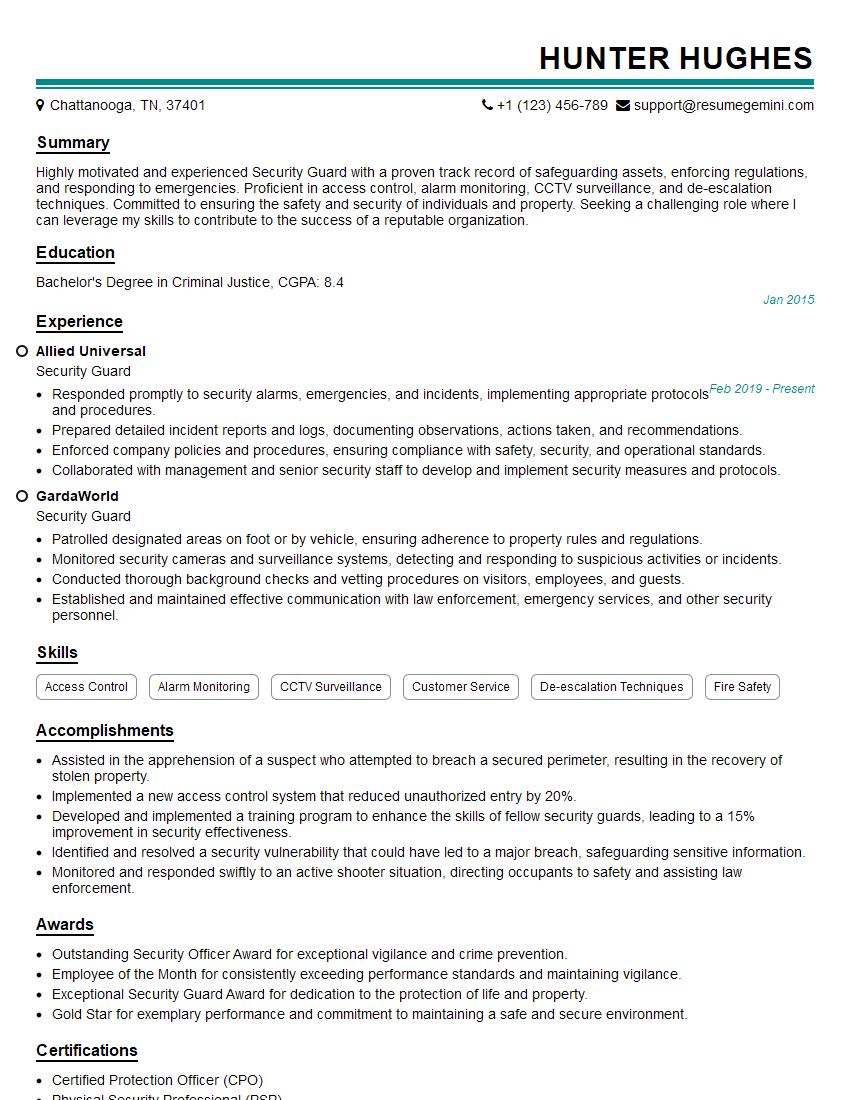
Security Guard Resume Sample
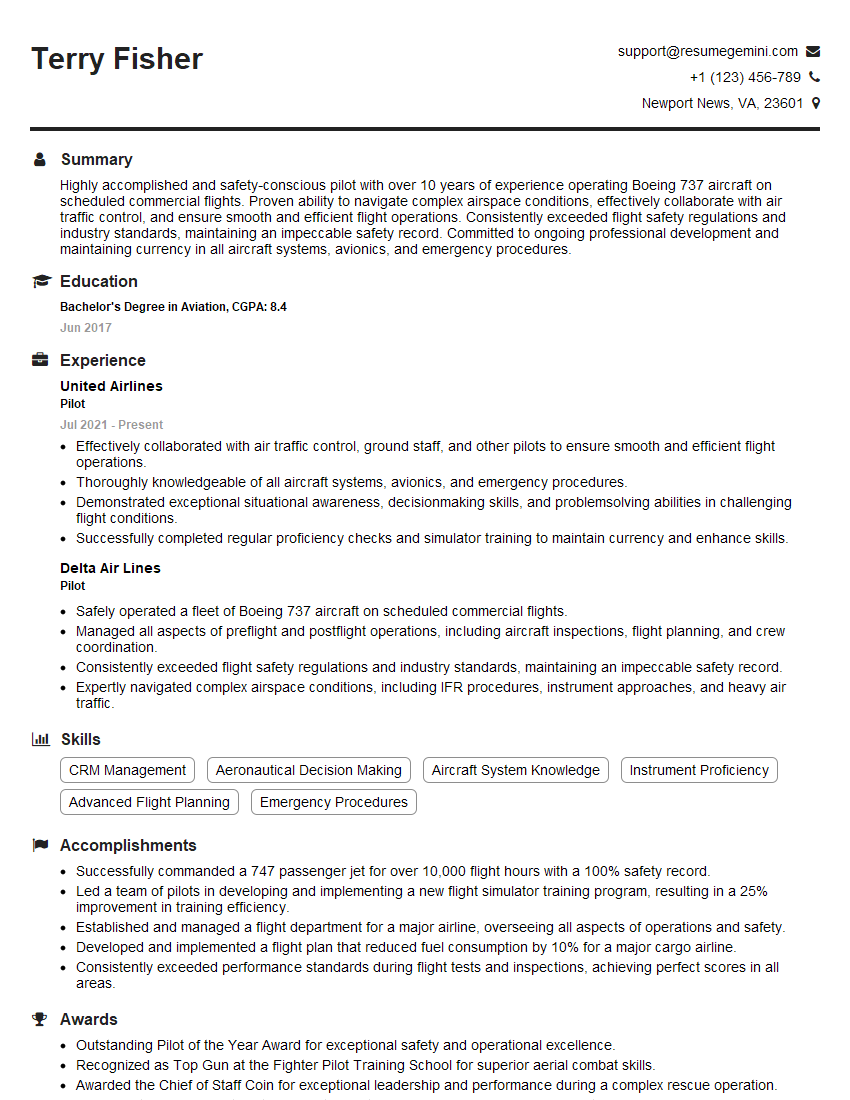
Pilot Resume Sample
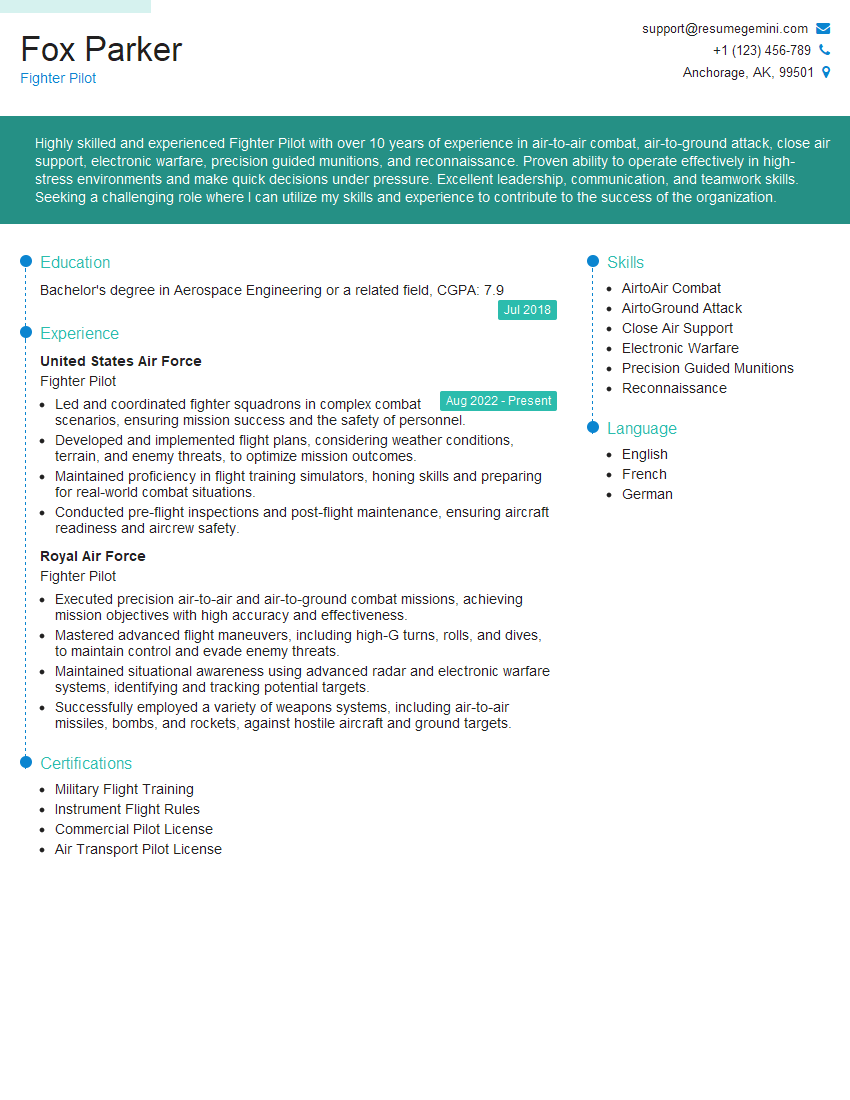
Fighter Pilot Resume Sample
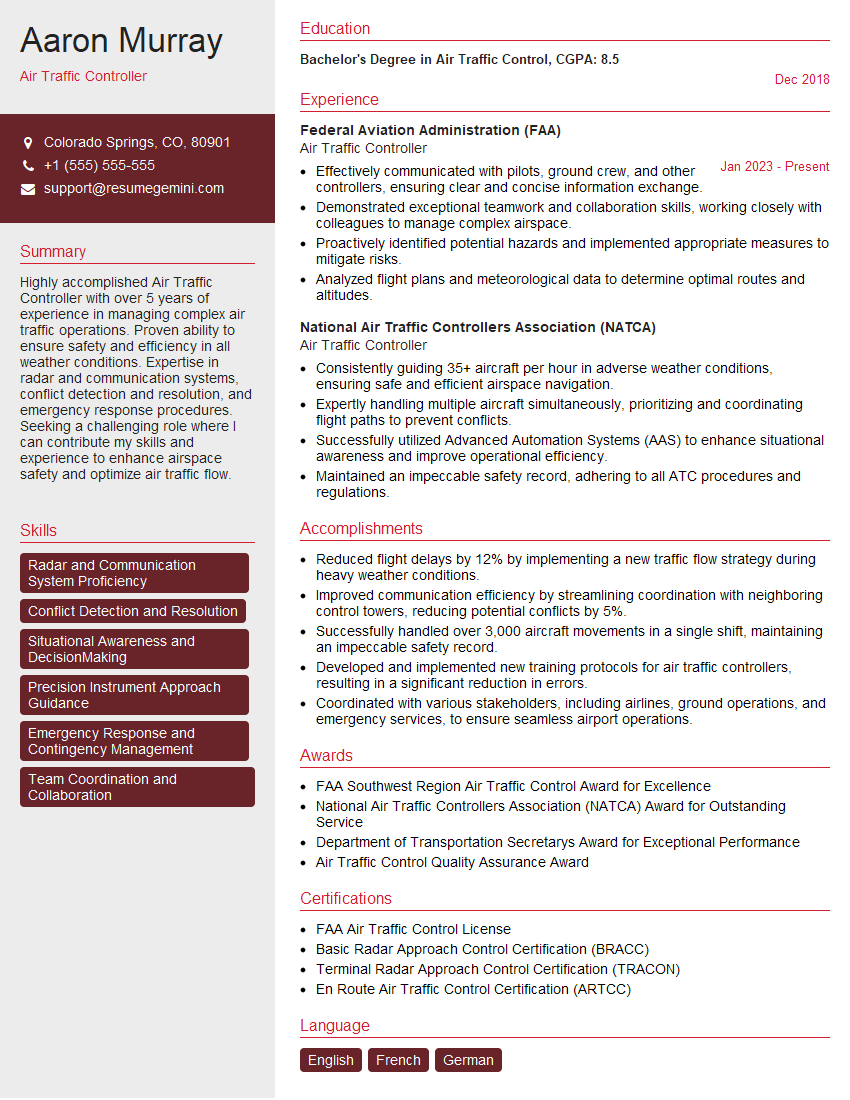
Air Traffic Controller Resume Sample
Explore more articles
Users Rating of Our Blogs
Share Your Experience
We value your feedback! Please rate our content and share your thoughts (optional).
What Readers Say About Our Blog
Very informative content, great job.
good