Feeling uncertain about what to expect in your upcoming interview? We’ve got you covered! This blog highlights the most important Radio Communication and Emergency Procedures interview questions and provides actionable advice to help you stand out as the ideal candidate. Let’s pave the way for your success.
Questions Asked in Radio Communication and Emergency Procedures Interview
Q 1. Explain the different types of radio communication systems.
Radio communication systems are broadly categorized based on their operating frequency, range, and application. Let’s explore some key types:
- Very High Frequency (VHF) Systems: These are commonly used by land mobile radio (LMR) services, such as police, fire, and emergency medical services (EMS). VHF systems offer good coverage in relatively open areas but are susceptible to terrain-induced signal degradation. They operate in the 30-300 MHz frequency range.
- Ultra High Frequency (UHF) Systems: UHF systems, operating between 300 MHz and 3 GHz, offer better penetration in urban environments compared to VHF, but their range can be shorter. Many public safety agencies use UHF systems alongside or instead of VHF.
- High Frequency (HF) Systems: HF radio (3-30 MHz) is used for long-range communications, often across geographical boundaries or even continents. It relies on ionospheric reflection to propagate signals, making it suitable for maritime and aviation applications, as well as long-haul communication in remote areas. However, HF communication is susceptible to atmospheric interference and signal fading.
- Trunked Radio Systems: These systems utilize a shared pool of radio frequencies, improving efficiency by dynamically allocating channels to users as needed. Trunking is commonly used by large organizations or public safety agencies where many users need access to the same system simultaneously.
- Digital Radio Systems: Modern digital systems offer enhanced features such as improved audio quality, data transmission capabilities, and encryption for secure communication. They often integrate with other systems, facilitating information sharing and improved interoperability between agencies.
The choice of radio system depends heavily on the specific needs of the user, considering factors like range, coverage area, environmental conditions, and the required level of security and data capacity.
Q 2. Describe your experience with radio frequency management.
My experience in radio frequency management encompasses all aspects from initial frequency coordination and licensing to ongoing system maintenance and optimization. This includes:
- Frequency Coordination: I’ve worked extensively with regulatory bodies like the FCC (Federal Communications Commission) to secure licenses and ensure that our radio systems operate within allocated frequency bands, avoiding interference with other services.
- System Design and Implementation: I’ve been involved in the design and implementation of both analog and digital radio communication systems, considering factors like antenna placement, repeater locations, and system capacity to optimize performance and reliability.
- Testing and Troubleshooting: I regularly conduct performance tests and troubleshoot issues to ensure the system’s continuous operation. This involves identifying and resolving signal interference, equipment malfunctions, and network connectivity problems.
- Maintenance and Upgrades: I oversee the ongoing maintenance and upgrades of our radio systems to keep them functioning optimally. This includes regularly scheduled preventative maintenance, as well as implementing technology upgrades as needed to enhance system capabilities.
A recent project involved coordinating frequencies for a large-scale public event, requiring careful planning and collaboration with multiple agencies to prevent interference and ensure seamless communication.
Q 3. What are the common challenges in maintaining radio communication during emergencies?
Maintaining radio communication during emergencies presents several unique challenges:
- Increased Traffic Congestion: The most significant challenge is the sudden surge in radio traffic, overwhelming the system’s capacity and leading to delays in critical communications.
- Signal Degradation: Environmental factors like heavy rain, snow, or geographical obstacles (mountains, tall buildings) can severely degrade signal quality, disrupting communications.
- Interference: Multiple agencies operating on the same or adjacent frequencies can cause interference, leading to garbled messages or complete communication failure.
- Equipment Failure: The stress of an emergency can lead to equipment malfunctions, power outages, or damage to critical infrastructure, further hindering communications.
- Lack of Interoperability: Inconsistent radio systems used by different agencies can create significant communication barriers during joint operations.
For example, during a major earthquake, numerous emergency responders might attempt to use the same frequencies, causing overwhelming congestion. Simultaneously, damaged infrastructure could impede signal propagation.
Q 4. How do you prioritize calls during a high-volume emergency?
Prioritizing calls during high-volume emergencies requires a systematic approach:
- Established Protocols: Prioritization is based on pre-defined protocols, often using a tiered system based on the severity and urgency of the situation. For example, calls related to life-threatening situations (e.g., cardiac arrest) take precedence over those with lower urgency.
- Clear Communication: Dispatch operators must effectively communicate the priority level of each call to responders, using standardized terminology and clear instructions.
- Resource Allocation: The system should efficiently allocate resources, routing calls and responders to where they’re needed most effectively. This may involve real-time tracking of responder locations and available resources.
- Traffic Management: Active management of radio traffic is crucial, potentially involving temporary restrictions or the use of alternative communication channels to reduce congestion and ensure efficient communication flow.
Think of it like a hospital’s triage system: the most critically injured patients are treated first. Similarly, emergency radio communications prioritize life-saving calls over less urgent ones.
Q 5. Explain the importance of clear and concise communication in emergency situations.
Clear and concise communication is paramount during emergencies because lives depend on it. Ambiguity or delays can lead to disastrous consequences.
- Accuracy: Precise and accurate information prevents misunderstandings and ensures responders receive the correct details about the incident’s location, nature, and severity.
- Brevity: Concise communication saves valuable time, allowing responders to quickly grasp the situation and take appropriate action. Every second counts.
- Standardized Terminology: Using standardized language and codes ensures that all personnel understand the messages, regardless of their background or agency.
- Situation Awareness: Clear communication helps maintain situational awareness, allowing responders to coordinate their actions effectively and avoid unnecessary risks.
Imagine a fire scene where a dispatcher provides unclear directions. This could lead to responders arriving at the wrong location or taking inappropriate actions, potentially endangering themselves and others.
Q 6. Describe your experience with emergency response protocols.
My experience with emergency response protocols is extensive, encompassing various scenarios, from natural disasters to terrorist attacks. This includes:
- Incident Command System (ICS): I’m proficient in the Incident Command System, a standardized management system used to coordinate emergency response efforts. ICS provides a clear organizational structure and ensures effective communication among different agencies.
- Mutual Aid Agreements: I understand and have utilized mutual aid agreements between different agencies to ensure efficient resource sharing and collaboration during large-scale emergencies.
- Emergency Alert Systems: I’m familiar with various emergency alert systems, including radio alerts, text messages, and public address systems, and understand how to utilize them effectively to disseminate critical information to the public.
- Post-Incident Analysis: I’ve participated in post-incident analysis to identify areas for improvement in communication and response protocols, helping to enhance future emergency preparedness.
For example, during a hurricane, I was involved in coordinating communication among various agencies using the ICS framework, ensuring efficient resource allocation and effective response to the crisis.
Q 7. How do you handle conflicting information from different sources during an emergency?
Handling conflicting information during an emergency demands a methodical approach:
- Verify Information: The first step is to verify the information from each source, cross-referencing it with other reliable sources. This may involve contacting multiple agencies or individuals to corroborate details.
- Identify Discrepancies: Once conflicting information is identified, the source and nature of the discrepancy must be determined. Are the differences significant, or simply minor inconsistencies?
- Prioritize Reliable Sources: Assess the credibility of each source. Prioritize information from verified, reputable sources, while treating less reliable information with caution.
- Resolve Discrepancies: Seek to resolve the discrepancies by gathering additional information, comparing data from multiple sources, and using deductive reasoning to determine the most probable scenario.
- Communicate Decisions: Once a decision is made, clearly communicate the chosen course of action to all relevant personnel, explaining the rationale for the decision.
For instance, during a hostage situation, conflicting reports about the number of hostages or the suspects’ weapons require careful verification before determining the best tactical approach. The command structure must carefully weigh information from different sources to make the most informed decisions.
Q 8. What are your strategies for maintaining composure under pressure?
Maintaining composure under pressure in radio communication and emergency response is paramount. My strategy is multifaceted and relies on a combination of training, preparation, and mindful techniques. Firstly, thorough training equips me with the knowledge and skills to handle a wide range of scenarios confidently. This includes regular drills and simulations that mimic real-world high-pressure situations. Secondly, I prioritize meticulous preparation. Understanding protocols, equipment functionality, and potential challenges allows me to anticipate problems and develop contingency plans. Finally, I utilize mindfulness techniques such as deep breathing and focusing on the immediate task at hand to manage stress and anxiety. This allows me to remain calm, focused, and effective even in the most demanding circumstances. Think of it like a pilot going through a pre-flight checklist—thorough preparation and mindfulness are key to a safe and successful flight, even during turbulence.
Q 9. Describe a time you had to make a quick decision in a high-pressure situation.
During a large-scale wildfire, we received conflicting reports regarding the location of trapped civilians. One team reported seeing individuals near a specific ridge, while another team indicated a different location. I had to quickly assess the situation, considering the rapidly changing fire conditions, limited resources, and the potential risk to both civilians and rescue personnel. I opted to dispatch a rapid response team to the location reported by the first team, while simultaneously confirming the second report’s accuracy. This involved prioritizing information from the team closest to the scene and using their location data. We were able to successfully rescue the civilians reported by the first team, showcasing the importance of rapid decision-making based on available information and a willingness to adapt to evolving circumstances. Post-incident analysis confirmed the first team’s report and revealed the source of the discrepancy in the second report. This incident highlighted the value of situational awareness and timely decision-making within a stressful environment.
Q 10. How familiar are you with various radio communication technologies (e.g., VHF, UHF, P25)?
My familiarity with radio communication technologies is extensive. I’m proficient with VHF (Very High Frequency), UHF (Ultra High Frequency), and P25 (Project 25) systems. VHF is commonly used for shorter-range communications, often in land mobile radio systems. UHF offers longer ranges and better penetration through obstacles, making it suitable for diverse environments. P25 represents a significant advancement, employing digital technology for enhanced security, interoperability, and data transmission capabilities. I understand the technical specifications, operational procedures, and limitations of each technology. This knowledge allows me to select the most appropriate system for a given situation and to troubleshoot issues effectively. For instance, understanding the limitations of VHF in mountainous terrain might lead me to prioritize UHF in that specific environment.
Q 11. Explain the difference between simplex and duplex communication.
Simplex and duplex communication represent two different modes of radio operation. Simplex communication involves a single frequency used for both transmitting and receiving. Think of it like using a walkie-talkie – only one person can transmit at a time; otherwise, you’d have interference. Duplex communication, on the other hand, utilizes separate frequencies for transmitting and receiving. This allows simultaneous two-way communication. Imagine a phone call: both parties can speak at the same time without interrupting each other. The choice between simplex and duplex often depends on the specific application and the need for simultaneous communication. Simplex is often sufficient for basic communication in some situations; whereas duplex is necessary for more complex situations requiring continuous conversation and coordination.
Q 12. What are your methods for troubleshooting radio communication problems?
My troubleshooting methods for radio communication problems follow a systematic approach. I start by checking the most basic elements: battery level, antenna connection, and radio power. If the problem persists, I’ll assess the signal strength and quality. Is there interference? Am I in a dead zone? Next, I’ll check the radio’s programming to ensure it’s correctly configured for the relevant frequency and communication protocols. For example, if the radio is not receiving transmissions, I would check the radio’s frequency to make sure that the radio is set to the correct channel or frequency. I will also check to see if the repeater, if one is used, is working. If the problem remains unresolved, I would investigate further including checking the radio’s programming, trying a different radio, and checking the system’s infrastructure.
Q 13. How do you ensure the security and integrity of radio communications?
Ensuring the security and integrity of radio communications is critical, especially in emergency situations. We employ several measures to achieve this. Firstly, we utilize encryption technologies to protect sensitive information from unauthorized access. Secondly, we adhere to strict access control protocols, limiting access to authorized personnel only. Thirdly, regular maintenance and testing are performed to detect and address potential vulnerabilities. Regular training sessions refresh our understanding of best practices and security procedures. Furthermore, we monitor radio traffic for suspicious activity and implement procedures to identify and respond to any potential security breaches. Think of it as protecting a vault – layers of security (encryption, access control, monitoring) are essential to safeguard its contents.
Q 14. Describe your experience with different types of dispatch consoles or software.
My experience encompasses various dispatch console systems and software, including both proprietary and open-source solutions. I’m familiar with consoles that integrate multiple communication channels, mapping software, and computer-aided dispatch (CAD) systems. I’ve used systems that manage call prioritization, resource allocation, and real-time tracking of emergency responders. I understand the operational procedures and technical specifications of different software and consoles; allowing me to efficiently manage communication flows and support emergency response operations. For example, proficiency in a specific CAD system allows for rapid deployment of resources and tracking of response times, critical in time-sensitive scenarios.
Q 15. How do you handle a situation where a radio fails during an emergency?
Radio failure during an emergency is a critical situation demanding immediate action. Our primary response is based on pre-planned contingency measures. This involves having alternative communication methods readily available, such as satellite phones, dedicated landlines, or even pre-arranged messenger systems.
For example, imagine a search and rescue operation where the primary radio malfunctions. We would immediately switch to our backup satellite phone, pre-programmed with emergency contact numbers. This ensures we can continue relaying crucial information about the victim’s location, condition, and the rescue team’s progress. Furthermore, we practice regularly switching between communication methods to build muscle memory and speed in response.
Beyond immediate action, a post-incident review is critical. This investigates the cause of the radio failure – battery depletion, damage, interference – to prevent future occurrences. Implementing a robust system of regular equipment checks and maintenance procedures is paramount.
Career Expert Tips:
- Ace those interviews! Prepare effectively by reviewing the Top 50 Most Common Interview Questions on ResumeGemini.
- Navigate your job search with confidence! Explore a wide range of Career Tips on ResumeGemini. Learn about common challenges and recommendations to overcome them.
- Craft the perfect resume! Master the Art of Resume Writing with ResumeGemini’s guide. Showcase your unique qualifications and achievements effectively.
- Don’t miss out on holiday savings! Build your dream resume with ResumeGemini’s ATS optimized templates.
Q 16. What are some common radio communication interference issues and how to resolve them?
Radio communication interference can significantly hamper emergency response. Common issues include atmospheric interference (static), geographical barriers (mountains, buildings), signal overlap (from other radios on the same frequency), and electromagnetic interference (EMI) from electrical equipment.
- Atmospheric Interference: This is often unpredictable and can be mitigated by using appropriate frequencies, increasing power output (when permissible), or employing error-correction codes. Think of it like a noisy phone line – sometimes you have to shout louder, or choose a clearer line.
- Geographical Barriers: These require strategic placement of repeaters or using higher frequencies which can penetrate obstacles better. Imagine trying to shout across a canyon – you need a higher vantage point or a megaphone (repeater).
- Signal Overlap: This is resolved by using different frequencies or employing time-division multiple access (TDMA) techniques, which allow multiple users to share a frequency by taking turns. This is like a polite conversation – each person waits for their turn to speak.
- Electromagnetic Interference (EMI): This can be caused by nearby electrical equipment. Shielding the radio equipment or changing its location can often resolve this. It’s like shielding your microphone from a loud fan to avoid the noise interfering with your voice.
Q 17. Explain your understanding of emergency response plans and procedures.
Emergency response plans and procedures are meticulously crafted documents detailing actions to take in various emergency scenarios. These plans are tailored to the specific environment and potential hazards. They outline roles, responsibilities, communication protocols, evacuation routes, and resource allocation. Think of them as a playbook for a well-orchestrated emergency response team.
A key aspect is regular training and drills to ensure all personnel are familiar with these procedures. This includes practicing communication protocols using different communication modes, rehearsing evacuation strategies, and coordinating with external agencies (police, fire department, medical services). For example, a hospital might have detailed procedures for handling bomb threats or mass casualty incidents, including pre-designated communication channels and triage areas.
Effective emergency response plans are flexible and adaptable. Regular review and updates are necessary to reflect changes in circumstances, new technologies, and lessons learned from past events.
Q 18. How do you maintain accurate records and documentation during emergencies?
Maintaining accurate records and documentation during emergencies is critical for accountability, analysis, and future improvements. This involves meticulous recording of all communication exchanges, actions taken, and the time they were implemented. We use a combination of digital and paper-based systems, depending on the situation.
For example, all radio transmissions may be logged in a dedicated software, with timestamps and details of the sender and receiver. Actions taken – dispatching resources, evacuating personnel – are documented in incident reports. Photographs and videos might also be included to create a comprehensive record of the event. This documentation helps us to understand what went well, what could be improved and what lessons we can learn for future emergencies. This data also aids in post-incident investigations and legal proceedings if necessary.
Q 19. What are your methods for ensuring effective communication with diverse teams?
Effective communication with diverse teams requires a multi-pronged approach, considering language barriers, technical proficiency, and cultural differences. We use a combination of clear, concise language, visual aids (maps, diagrams), and multilingual personnel or translation services when necessary.
In practice, this means standardizing terminology, providing training on communication protocols, and ensuring that all members of the team understand their roles and responsibilities. We also regularly conduct exercises with different team configurations to build familiarity and coordination. Imagine an emergency involving a team of first responders from different backgrounds: using a universal signal system and pre-defined phrases becomes essential to ensuring seamless collaboration.
Using a combination of verbal and non-verbal cues such as hand signals or standardized symbols can help overcome communication obstacles if radio communication is unavailable or impaired.
Q 20. Describe your understanding of relevant regulations and compliance standards.
My understanding of relevant regulations and compliance standards is extensive. It encompasses national and international regulations related to radio frequencies, licensing, and operational procedures. For example, we must adhere to regulations governing the use of specific radio frequencies and power levels, ensuring that our operations do not interfere with other services such as aviation and maritime communication. We also strictly observe data privacy and security regulations related to the information transmitted and stored during emergencies.
Regular audits and training are implemented to ensure ongoing compliance. We stay informed about updates and changes in these regulations through professional organizations and relevant government agencies. Non-compliance can lead to severe penalties and compromise the effectiveness of our emergency response.
Q 21. How would you assess the effectiveness of radio communication during an emergency?
Assessing the effectiveness of radio communication during an emergency is crucial for continuous improvement. This involves several key metrics: the clarity of the transmissions, the speed of information relay, the number of communication failures, and the overall efficiency of response times.
We collect data through post-incident reviews, analyzing communication logs, conducting surveys among team members, and reviewing incident reports. This provides a comprehensive picture of communication strengths and weaknesses. For instance, a high number of repeated transmissions or misunderstandings indicates a need for clearer protocols or additional training. Delays in communication can highlight the need for better infrastructure or alternative communication methods. By analyzing these metrics, we identify areas that need improvement and refine our communication strategies for future events.
Q 22. Describe your experience using GPS tracking and mapping tools in emergency response.
GPS tracking and mapping tools are indispensable in emergency response, significantly improving situational awareness and response times. My experience encompasses utilizing various GPS-enabled devices, including handheld GPS units, in-vehicle navigation systems integrated with dispatch software, and mobile apps linked to incident management platforms. These tools allow us to:
- Real-time location tracking: Pinpoint the location of emergency responders and incidents, enabling quicker dispatch and optimized resource allocation. For instance, during a multi-vehicle accident on a busy highway, we can track the location of ambulances, fire trucks, and police cars in real-time, ensuring the fastest response to the most critically injured individuals.
- Navigation and route optimization: Find the most efficient routes to the incident scene, especially crucial in congested urban areas or during severe weather. The system automatically reroutes us around obstacles or traffic jams, saving precious minutes.
- Mapping and visualization: View incident locations on a map, overlaying critical information such as building layouts, terrain features, and potential hazards. This is extremely helpful for incident commanders to make informed decisions about resource deployment.
- Data recording and reporting: Document the location and movement of responders throughout the entire incident, providing valuable data for post-incident analysis and continuous improvement of our response strategies.
I have personally used these tools during numerous emergencies, including wildfires, floods, and search-and-rescue operations, consistently demonstrating their effectiveness in optimizing response times and improving safety for both first responders and the public.
Q 23. How do you handle emotionally charged situations during emergency calls?
Handling emotionally charged situations during emergency calls requires a combination of empathy, effective communication, and professional composure. First, I prioritize active listening, allowing the caller to express their emotions without interruption. I use calming and reassuring language, validating their feelings and acknowledging the stressful nature of the situation. For example, phrases like, “I understand this is a very difficult time,” or, “I’m here to help you,” can help de-escalate anxiety.
Secondly, I focus on gathering crucial information concisely and efficiently while maintaining a compassionate demeanor. Clear and precise questioning helps maintain control and allows me to ascertain the nature and urgency of the situation rapidly. In cases of extreme distress, I might involve mental health professionals or dispatch additional resources as needed.
After the call, it’s essential to practice self-care to avoid emotional burnout. This includes debriefing with colleagues, utilizing available support services, and engaging in stress-reducing activities.
Q 24. What is your experience with CAD (Computer-Aided Dispatch) systems?
My experience with Computer-Aided Dispatch (CAD) systems is extensive. I’m proficient in using various CAD platforms to manage emergency calls, dispatch resources, track responders, and generate reports. These systems are the backbone of efficient emergency response, providing real-time situational awareness and facilitating seamless coordination among various teams.
My skills encompass:
- Call prioritization and triage: Using CAD’s algorithms to assess the urgency of calls and assign appropriate response levels.
- Resource allocation: Dispatching the most suitable units based on the nature of the incident and responder availability. For instance, a cardiac arrest would warrant an immediate ambulance dispatch, while a less urgent situation might allow for a delayed response.
- Tracking responders: Monitoring the location and status of responders, ensuring timely arrival at the scene and efficient resource utilization.
- Data management and reporting: Generating reports on call volume, response times, and other key metrics to improve our operational efficiency and identify areas for improvement.
My proficiency with CAD systems directly translates into faster response times, improved resource management, and enhanced overall efficiency in emergency response operations. I’m also familiar with the integration of CAD with other systems, such as mapping and GPS tracking, further optimizing the workflow.
Q 25. How do you stay updated on the latest technologies and advancements in radio communication?
Staying updated on the latest advancements in radio communication is crucial for maintaining optimal emergency response capabilities. I achieve this through several methods:
- Professional development courses and conferences: Regularly attending workshops and seminars focused on emerging technologies in radio communication, emergency management, and related fields.
- Industry publications and journals: Subscribing to and actively reading relevant industry publications, keeping abreast of new technologies and best practices.
- Online resources and webinars: Participating in online courses and webinars offered by leading technology providers and professional organizations.
- Networking with colleagues: Engaging in discussions and knowledge sharing with peers from various emergency services organizations to learn about their experiences and the technologies they employ.
- Manufacturer training: Participating in training programs offered by equipment manufacturers to gain in-depth knowledge of specific radio systems and their functionalities.
This multi-faceted approach allows me to stay at the forefront of technological developments and effectively integrate new advancements into our emergency response protocols.
Q 26. Describe your experience with interoperability between different radio systems.
Interoperability between different radio systems is vital for seamless communication during large-scale emergencies or multi-agency responses. My experience includes working with various radio systems, including VHF, UHF, and trunked radio systems, often necessitating the use of interoperability solutions to bridge communication gaps.
Challenges include differing frequencies, protocols, and encryption methods. Solutions I’ve employed include:
- Interoperability repeaters: Using repeaters capable of translating signals between incompatible systems, allowing different agencies to communicate effectively.
- Portable interoperability systems: Utilizing handheld or mobile devices capable of connecting to multiple radio networks.
- Common communication platforms: Employing integrated communication platforms that allow different agencies to communicate using a shared system, minimizing compatibility issues.
During a large-scale incident, such as a natural disaster, seamless communication between police, fire, ambulance services, and other agencies is crucial for coordinated response and efficient resource management. My understanding of interoperability solutions has enabled me to consistently improve communication effectiveness in complex, multi-agency scenarios.
Q 27. Explain the importance of maintaining confidentiality in emergency communications.
Maintaining confidentiality in emergency communications is paramount for several reasons: it protects the privacy of individuals involved, safeguards sensitive information, and maintains public trust. Breaches of confidentiality can have severe legal and ethical consequences.
My practices to ensure confidentiality include:
- Strict adherence to data privacy regulations: Complying with all relevant laws and regulations regarding the handling and disclosure of personal and sensitive information.
- Secure communication channels: Using encrypted communication channels to protect conversations and data from unauthorized access.
- Limited access to information: Restricting access to sensitive information on a need-to-know basis. Only authorized personnel can access relevant data.
- Proper data disposal: Securely disposing of sensitive information to prevent unauthorized access or breaches of confidentiality.
- Regular training and awareness: Participating in regular training to remain updated on best practices for maintaining confidentiality.
These measures contribute to maintaining the integrity of emergency communications and ensuring the trust of the public.
Q 28. What are your strategies for continuous improvement in radio communication and emergency response?
Continuous improvement in radio communication and emergency response is an ongoing process. My strategies include:
- Regular performance reviews: Analyzing call data, response times, and other key metrics to identify areas for improvement in our processes and technologies.
- Technology upgrades: Staying current with the latest technologies and equipment to enhance efficiency and improve communication reliability. This includes evaluating and adopting new radio systems, software, and communication protocols.
- Staff training and development: Providing ongoing training to staff on best practices for communication, emergency procedures, and the use of new technologies.
- Feedback mechanisms: Implementing systems to gather feedback from responders and other stakeholders to identify areas requiring improvement.
- Participation in inter-agency exercises: Actively engaging in collaborative training exercises with other agencies to improve interoperability and coordination.
- Post-incident analysis: Conducting thorough reviews of past incidents to identify lessons learned and refine our response protocols.
By proactively implementing these strategies, I contribute to the continuous improvement of our emergency response capabilities, ultimately leading to better outcomes and enhanced public safety.
Key Topics to Learn for Radio Communication and Emergency Procedures Interview
- Radio Communication Protocols: Understanding various communication protocols (e.g., simplex, duplex, trunking), their applications, and limitations. Practical application: Explain scenarios where each protocol is most effective and why.
- Emergency Response Procedures: Mastering standard operating procedures (SOPs) for emergency situations, including incident reporting, prioritization, and resource allocation. Practical application: Describe your approach to managing a multi-casualty incident using radio communication.
- Clarity and Conciseness in Radio Communication: Developing effective communication skills for delivering clear, concise, and accurate information under pressure. Practical application: Role-play a simulated emergency situation requiring concise radio communication.
- Troubleshooting Radio Equipment: Identifying and resolving common radio communication issues, including signal interference, equipment malfunctions, and range limitations. Practical application: Explain how you would diagnose and troubleshoot a failure in radio communication during an emergency.
- Safety Procedures & Regulations: Familiarity with relevant safety regulations and procedures related to radio communication and emergency response. Practical application: Discuss how you would ensure the safety of yourself and your team while utilizing radio communication in an emergency situation.
- Teamwork and Coordination: Highlighting the importance of effective teamwork and coordination through clear and efficient radio communication. Practical application: Describe a situation where effective radio communication was critical to a successful team outcome.
- Ethical Considerations: Understanding and adhering to ethical guidelines in radio communication, particularly concerning confidentiality and accuracy of information. Practical application: Discuss a challenging ethical dilemma you might encounter in radio communication during an emergency.
Next Steps
Mastering Radio Communication and Emergency Procedures is crucial for career advancement in many fields, demonstrating your ability to handle high-pressure situations and contribute effectively to team success. An ATS-friendly resume is vital for getting your application noticed. To ensure your resume highlights your skills effectively and catches the recruiter’s eye, we highly recommend using ResumeGemini. ResumeGemini offers a user-friendly platform to create a professional and impactful resume, and provides examples of resumes tailored specifically to Radio Communication and Emergency Procedures to guide you through the process.
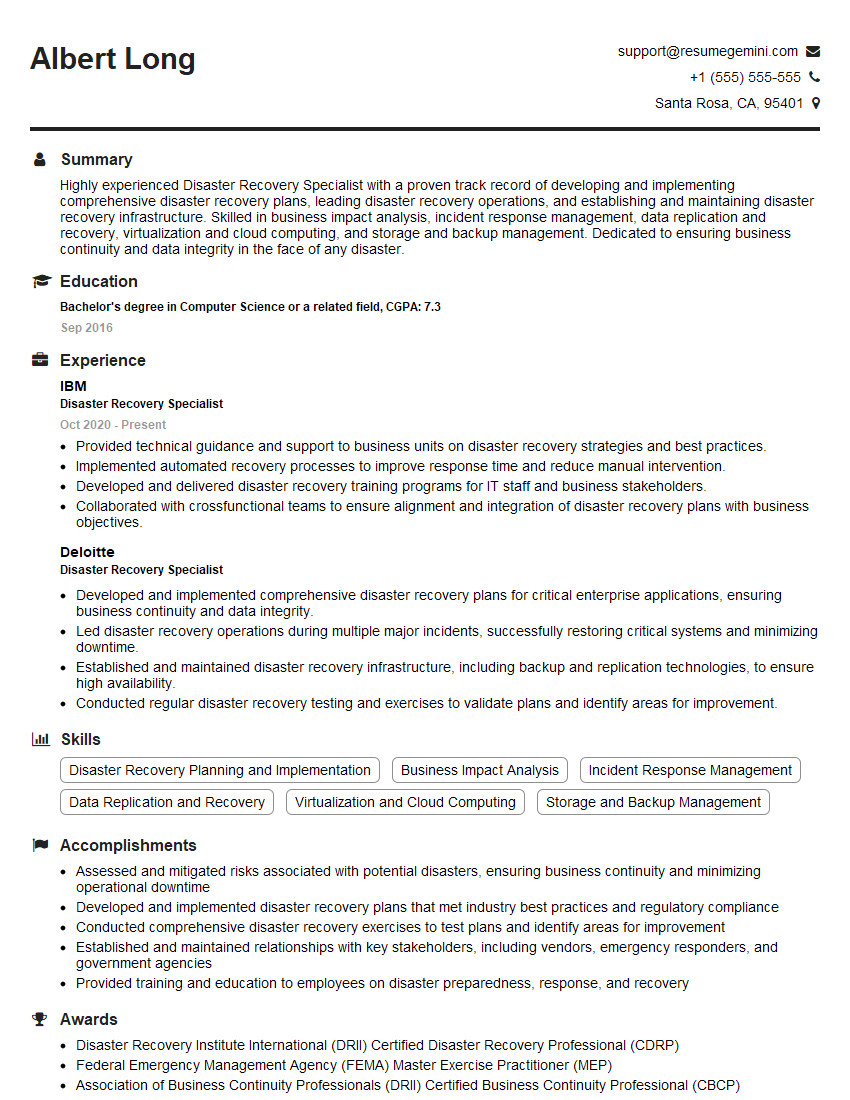
Disaster Recovery Specialist Resume Sample
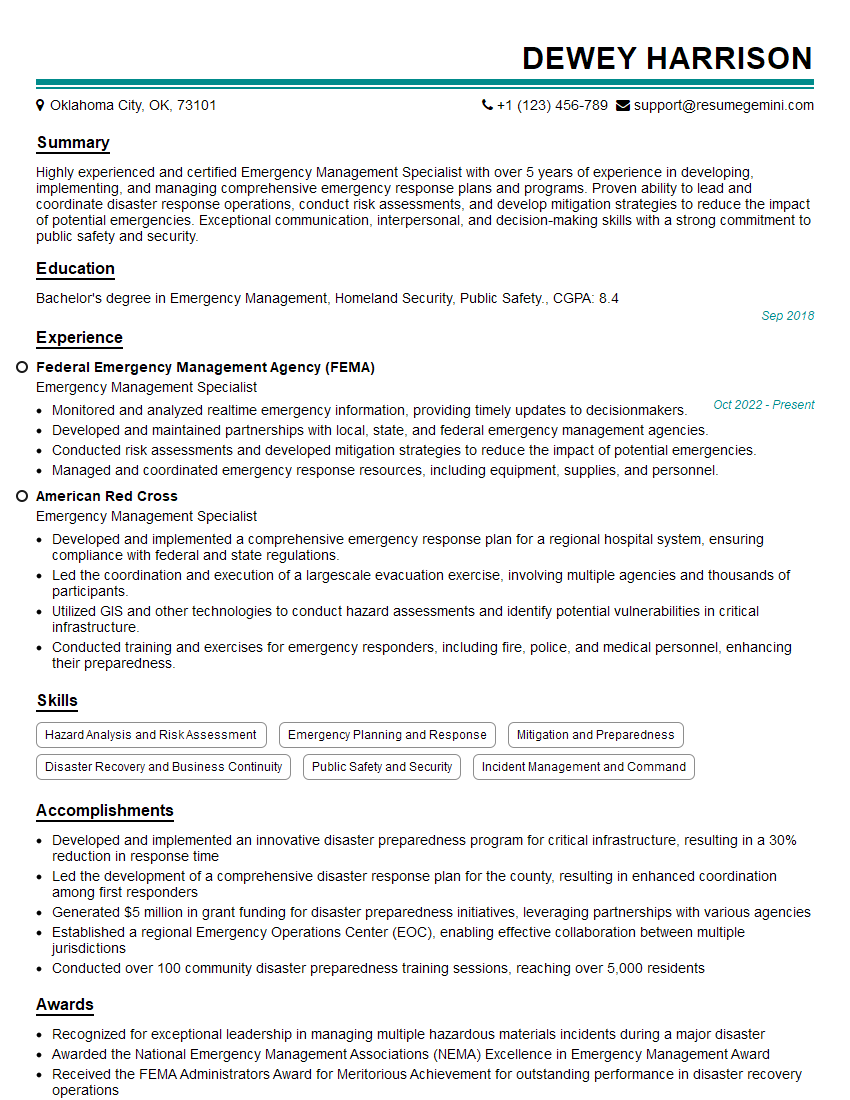
Emergency Management Specialist Resume Sample
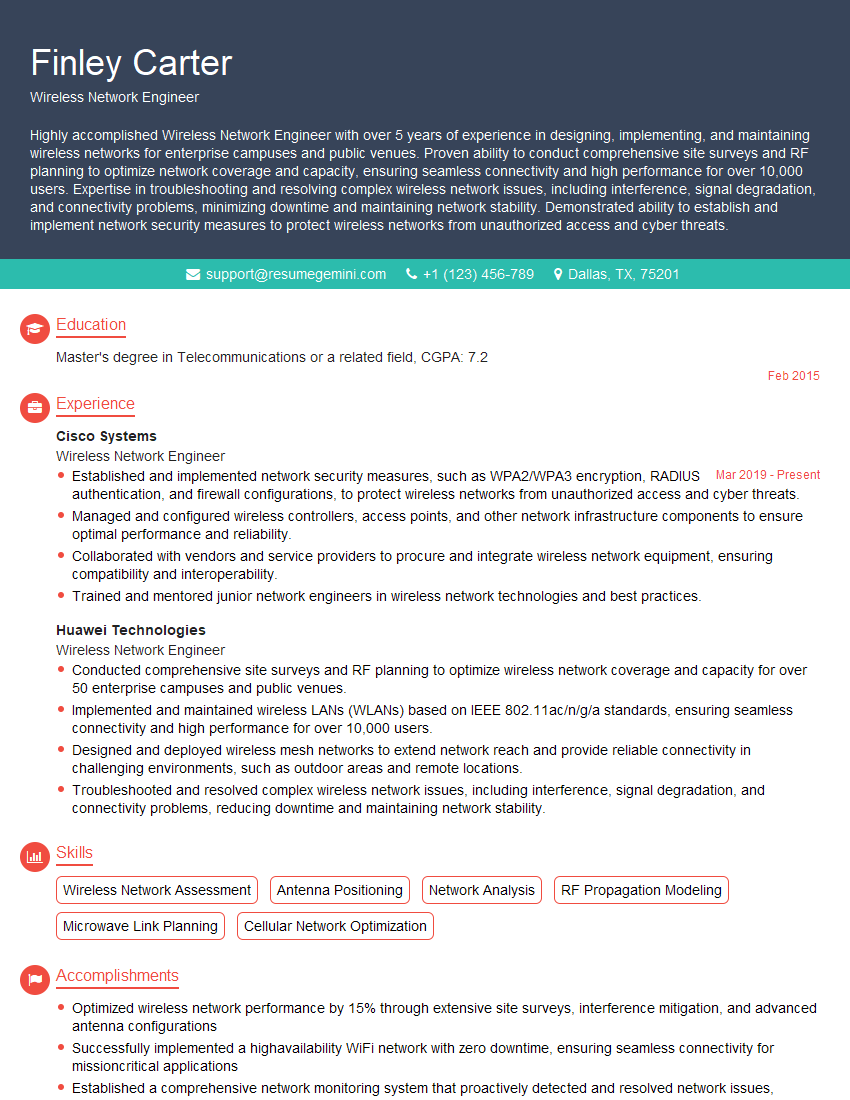
Wireless Network Engineer Resume Sample
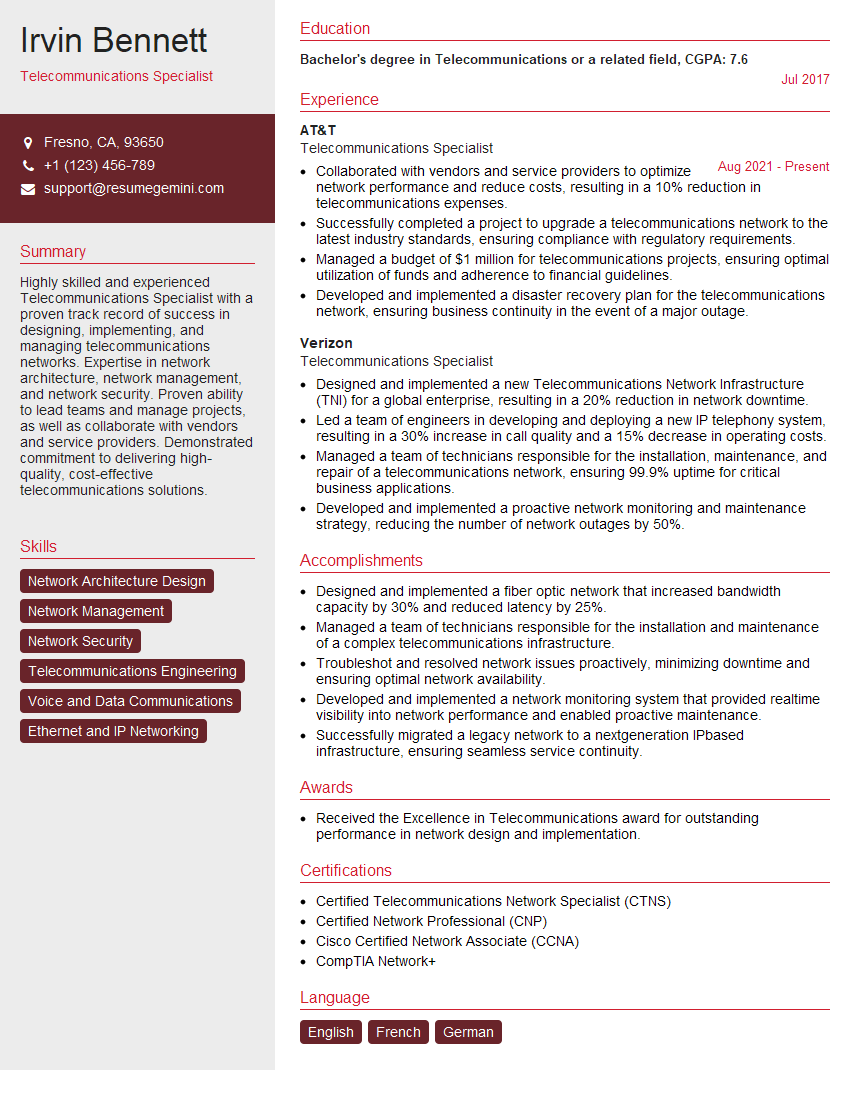
Telecommunications Specialist Resume Sample
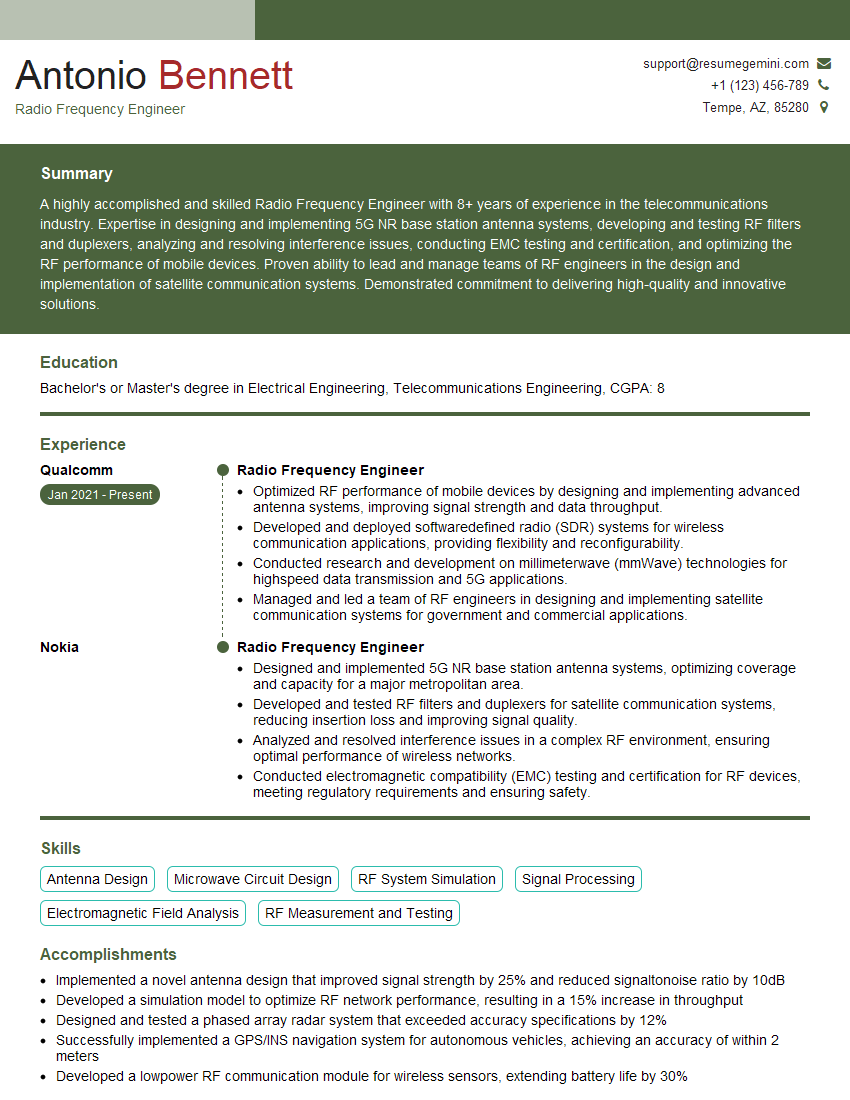
Radio Frequency Engineer Resume Sample
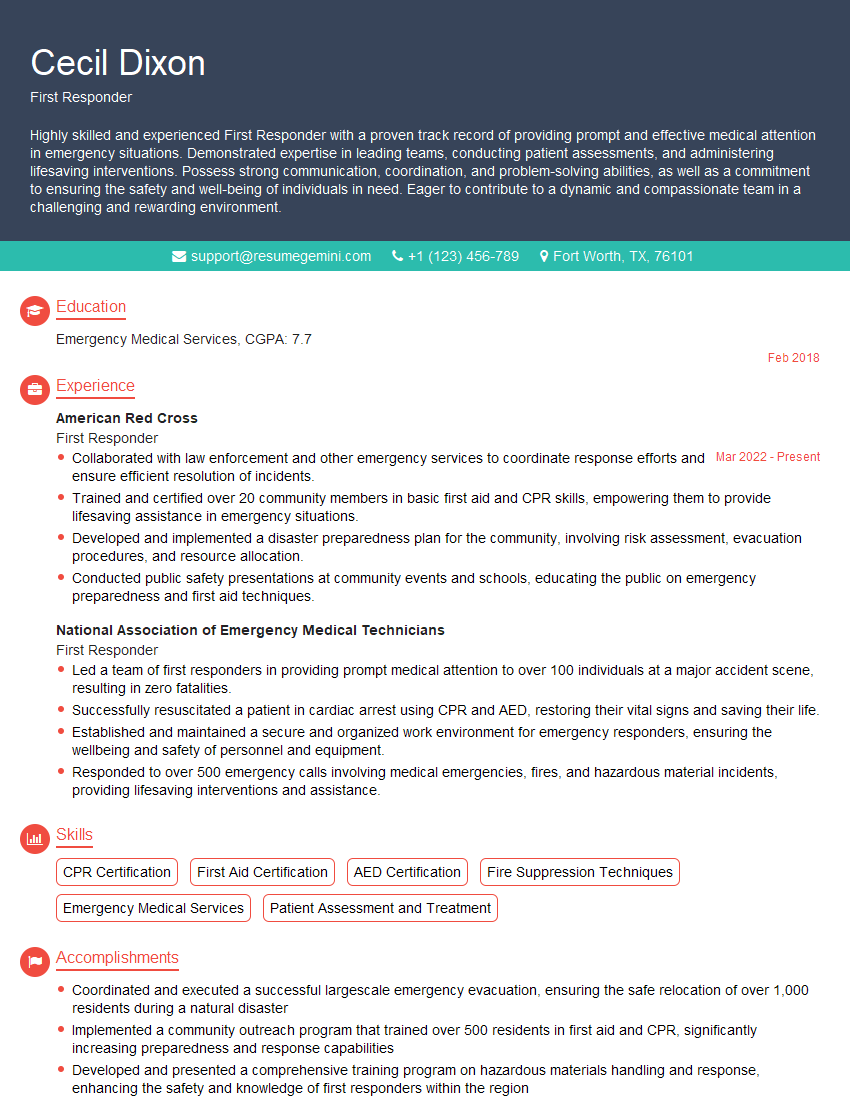
First Responder Resume Sample
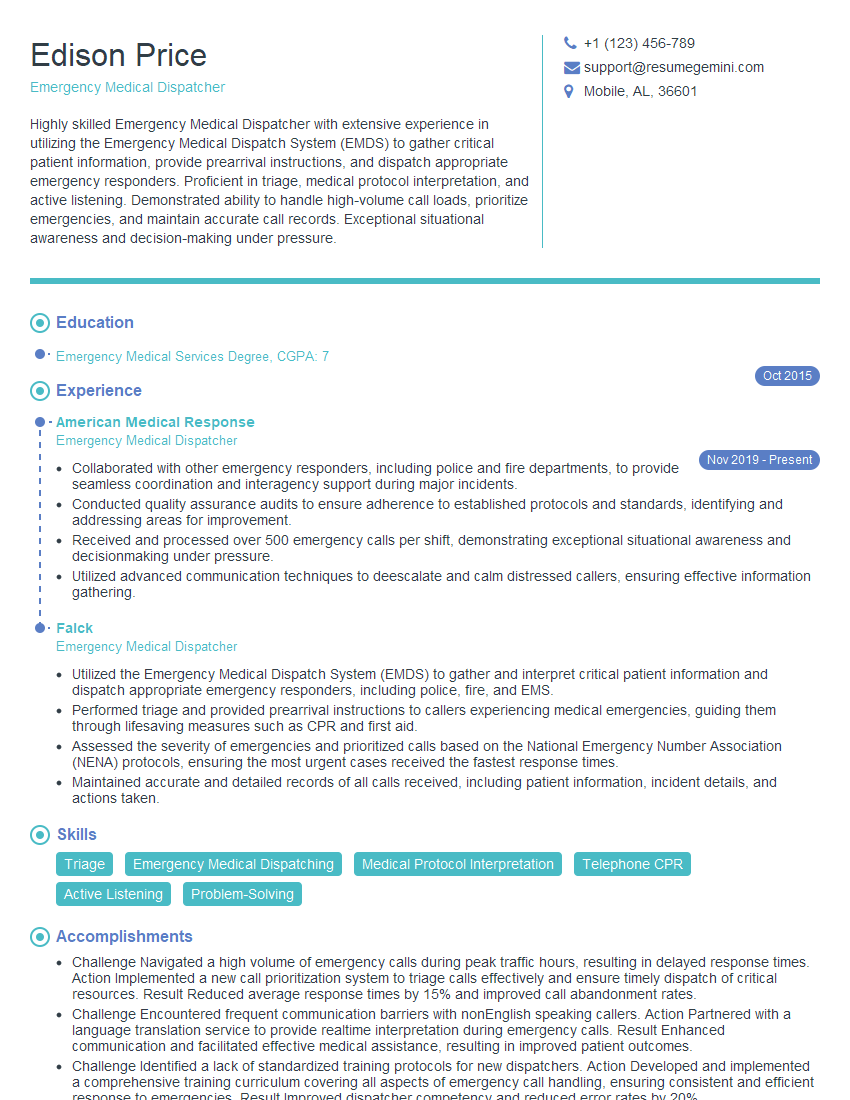
Emergency Medical Dispatcher Resume Sample
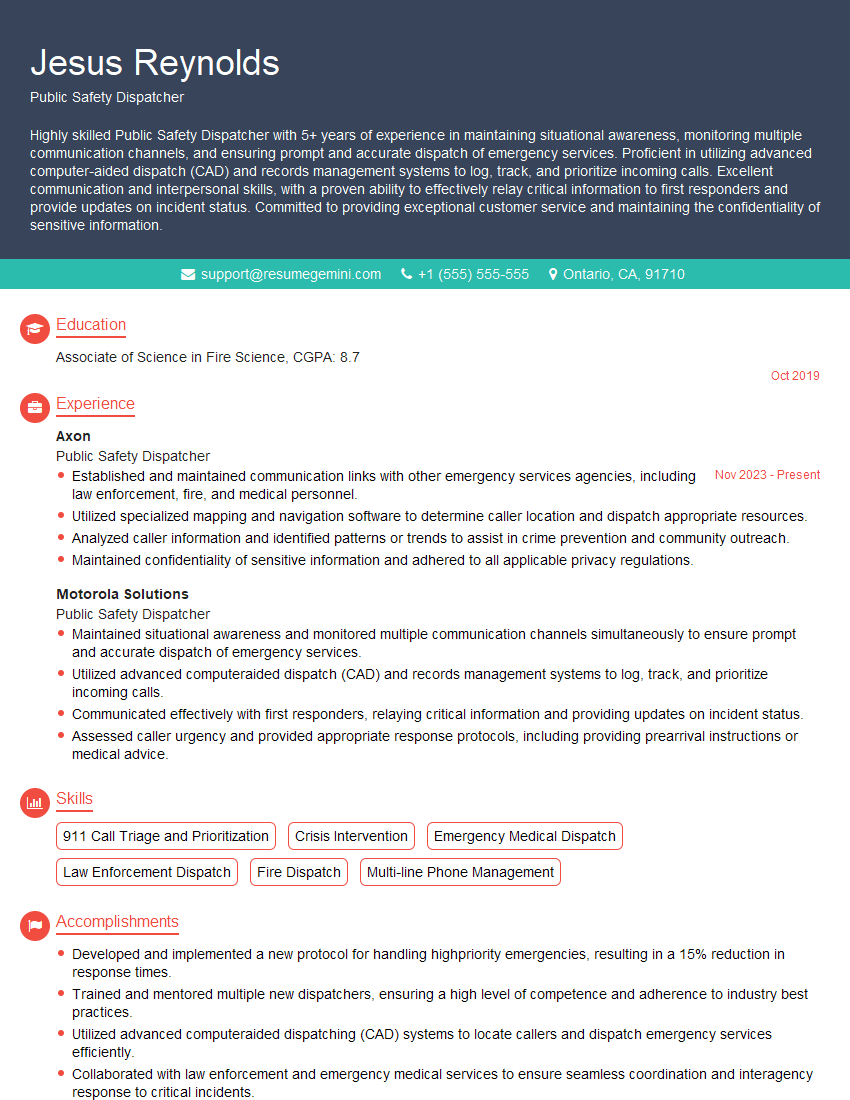
Public Safety Dispatcher Resume Sample
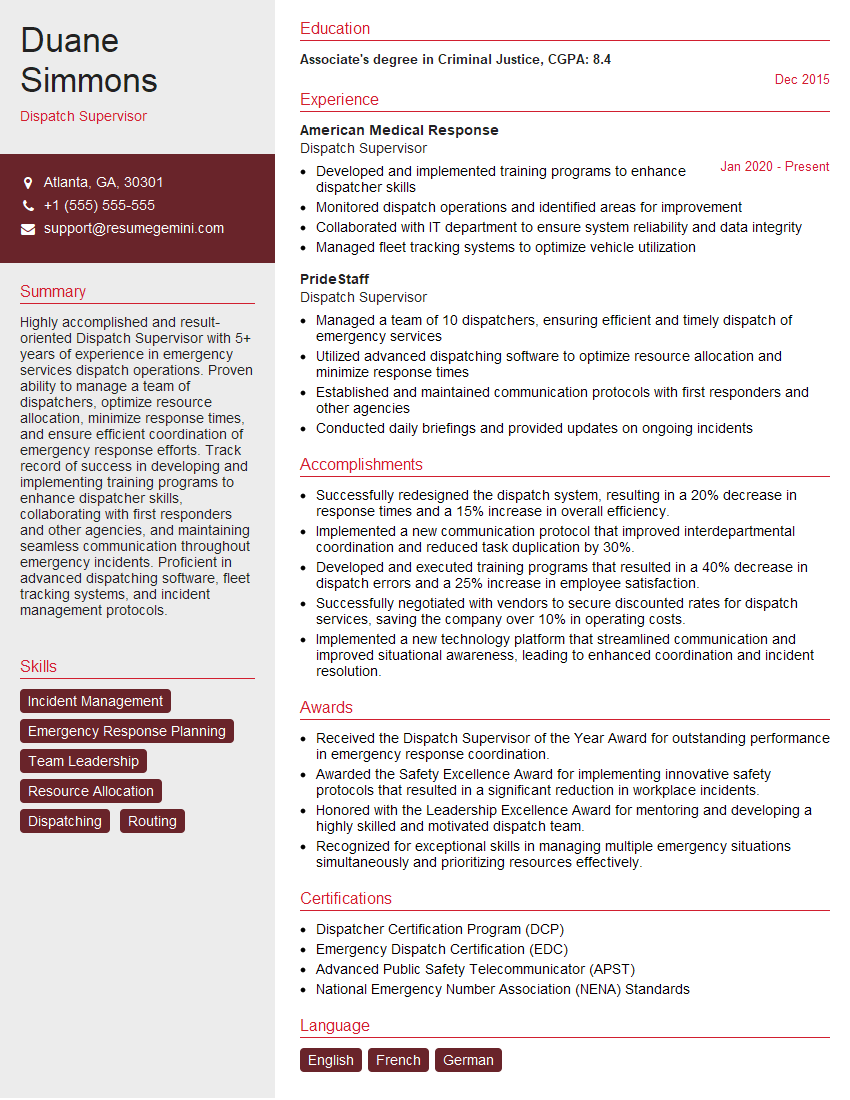
Dispatch Supervisor Resume Sample
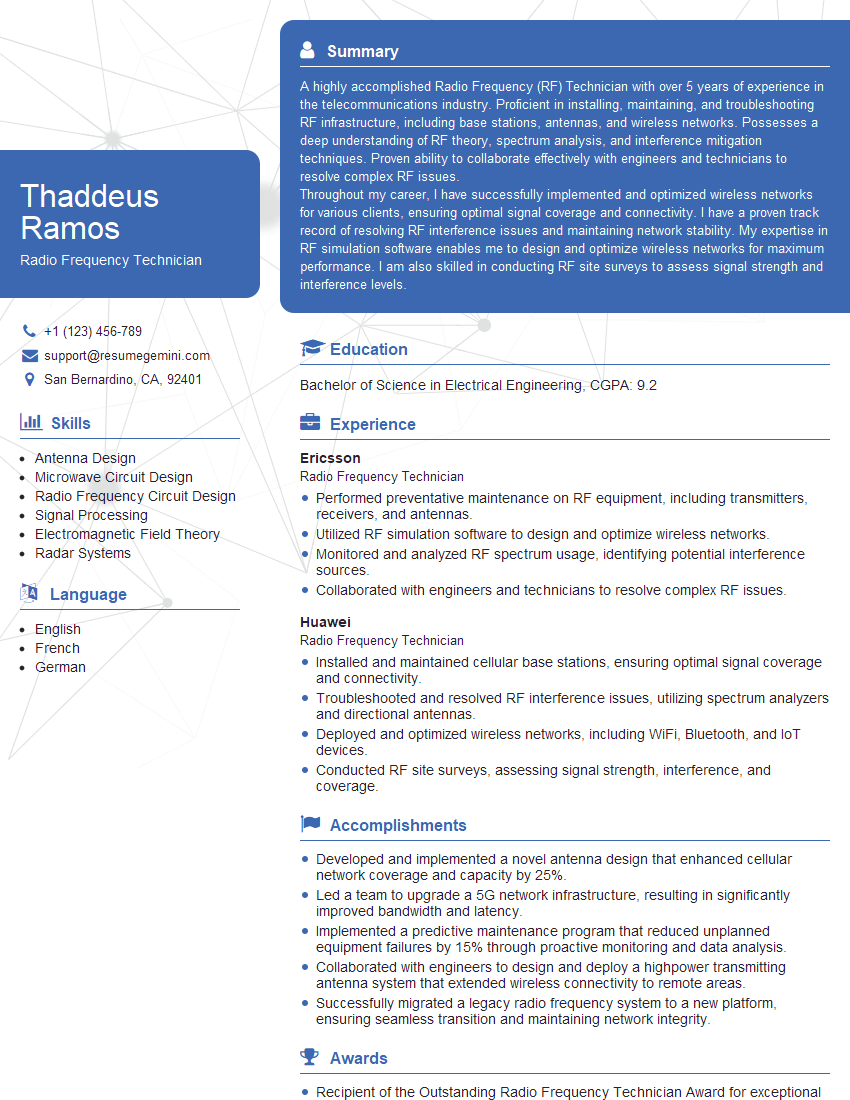
Radio Frequency Technician Resume Sample
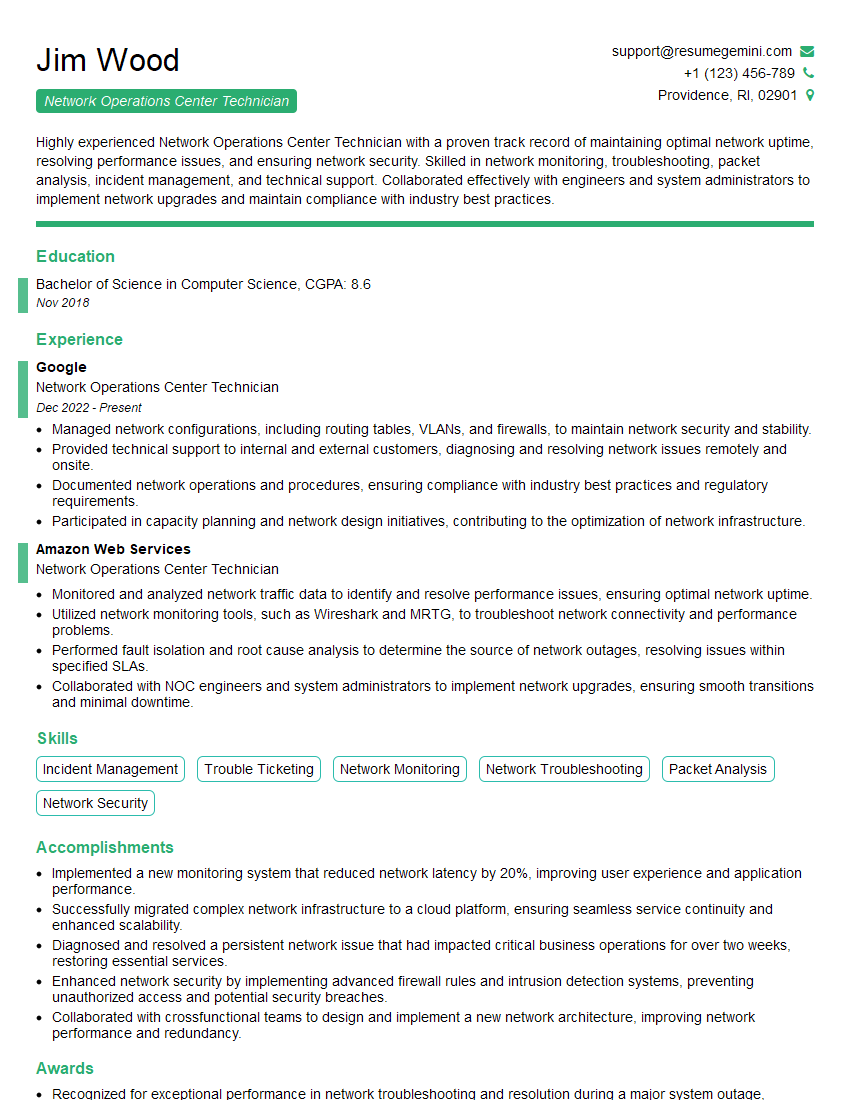
Network Operations Center Technician Resume Sample
Explore more articles
Users Rating of Our Blogs
Share Your Experience
We value your feedback! Please rate our content and share your thoughts (optional).
What Readers Say About Our Blog
Very informative content, great job.
good