The right preparation can turn an interview into an opportunity to showcase your expertise. This guide to Ranching and Livestock Management interview questions is your ultimate resource, providing key insights and tips to help you ace your responses and stand out as a top candidate.
Questions Asked in Ranching and Livestock Management Interview
Q 1. Describe your experience in pasture management and rotational grazing.
Pasture management and rotational grazing are cornerstones of sustainable and efficient ranching. It’s about optimizing pasture use to maximize forage production and animal health. Instead of letting livestock graze a pasture continuously, which can lead to overgrazing and soil degradation, rotational grazing divides the pasture into smaller paddocks. Livestock graze one paddock at a time, then move to another after a specific period, allowing the grazed paddock to recover.
My experience involves designing grazing plans based on factors like pasture species, soil type, rainfall, and livestock type and stocking rate. For example, I’ve worked with a client who had a diverse pasture with areas of high-quality grasses and other less palatable species. We implemented a system of rotational grazing that prioritized the high-quality areas for periods of high demand, like lactation in dairy cows, while allowing the other areas longer recovery periods. This led to a significant improvement in both forage quality and animal performance.
Key aspects include: accurately assessing pasture carrying capacity (the number of animals a pasture can sustain without degradation), strategically designing paddock sizes and layouts, and meticulously monitoring pasture regrowth using techniques like visual assessments and biomass measurements. Effective rotational grazing requires discipline, but the long-term benefits for both environmental sustainability and profitability are substantial.
Q 2. Explain your knowledge of different livestock breeds and their suitability for various climates and purposes.
Selecting the right livestock breed is crucial for success in ranching. Different breeds possess varying characteristics suited to specific climates, purposes, and management styles. For instance, breeds like Angus cattle are known for their hardiness and adaptability to colder climates, excellent marbling in their meat, and maternal instincts, making them a good choice for beef production in northern regions. Conversely, Brahman cattle, with their heat tolerance and resistance to parasites, thrive in hot, humid climates making them suitable for Southern US ranches.
- Beef Cattle: Angus (cold climates), Brahman (hot climates), Hereford (moderate climates), Charolais (beef production).
- Dairy Cattle: Holstein Friesian (high milk production), Jersey (rich milk), Guernsey (balanced milk production).
- Sheep: Merino (wool production), Dorset (meat and milk production), Suffolk (meat production).
- Goats: Boer (meat production), Saanen (milk production), Nubian (milk production).
My approach involves understanding the specific environment, the intended purpose (meat, milk, wool), and management resources available before recommending a breed. A detailed analysis of breed characteristics – disease resistance, growth rate, feed efficiency, temperament – guides this process, ensuring a successful and sustainable operation.
Q 3. How do you monitor and manage livestock health, including disease prevention and treatment?
Livestock health management is proactive, not reactive. It’s a multi-faceted approach involving regular monitoring, preventative measures, and prompt treatment when necessary. This starts with a robust biosecurity plan that minimizes the introduction of diseases onto the farm. This includes strict quarantine protocols for new animals and restricting access to the farm by outsiders.
Regular health checks are crucial. These might include visual inspections for signs of illness, weighing animals to track growth, and taking fecal samples for parasite diagnostics. Vaccination schedules are strictly adhered to, protecting animals against prevalent diseases. I utilize a record-keeping system to track animal health data, making identifying trends and patterns easier. This data is also useful for making informed decisions on disease prevention.
When illness occurs, I follow a swift protocol which may include consulting with a veterinarian, isolating affected animals, and administering appropriate treatment. Early detection and prompt treatment significantly improve the chances of recovery and minimize losses. Accurate record-keeping allows me to trace disease outbreaks, implement corrective measures, and improve herd health over time.
Q 4. What are your strategies for controlling parasites and pests in livestock?
Controlling parasites and pests is paramount to livestock health and productivity. My strategies are integrated and focus on prevention and management rather than solely relying on chemical treatments. This involves understanding the specific parasites and pests common to the region and implementing appropriate control measures.
- Pasture Management: Rotational grazing helps minimize parasite buildup in pastures. Strategic pasture rest periods allow the natural decomposition of parasite eggs and larvae.
- Animal Health: Regular fecal exams for parasite identification and strategic deworming based on individual animal needs. This minimizes the development of parasite resistance to dewormers.
- Biological Control: Utilizing natural predators and beneficial insects to control pest populations.
- Chemical Control: Employing pesticides and insecticides only when necessary and strictly following label instructions to minimize environmental impact and prevent resistance.
A holistic approach minimizes reliance on chemical treatments, promoting sustainable livestock production while ensuring animal well-being.
Q 5. Detail your experience with livestock nutrition, including feed formulation and supplementation.
Livestock nutrition is the foundation of productivity and profitability. It’s about providing the right balance of nutrients – energy, protein, vitamins, and minerals – to meet the animal’s specific needs at each stage of life. This involves understanding the nutritional content of available feedstuffs and formulating rations to meet the animal’s requirements. For instance, a lactating dairy cow needs significantly higher energy and protein levels than a dry cow.
My approach involves analyzing feed samples to determine their nutritional composition and utilizing software or consulting nutritional experts to formulate balanced rations. This often includes supplementation with commercially available feed additives like protein supplements, minerals, and vitamins to address any nutritional deficiencies in the base feed.
For example, in a beef cattle operation during winter months, when pasture quality declines, we often supplement with hay and protein blocks to ensure adequate nutrition, maintaining growth and overall health. Monitoring animal weight, body condition score, and production levels provides valuable feedback for adjusting the feeding program and ensuring optimal nutrient intake.
Q 6. How do you manage livestock reproduction and breeding programs?
Effective livestock reproduction is essential for herd expansion and profitability. My approach involves implementing sound breeding programs tailored to the specific breed and goals of the operation. This includes employing appropriate breeding techniques – natural mating or artificial insemination – based on various factors including cost-effectiveness, genetic improvement goals, and herd size.
Accurate record-keeping is critical. We maintain detailed records on each animal, including breeding dates, calving dates, and offspring performance. This information is crucial for making informed decisions about culling low-performing animals, selecting breeding sires, and managing breeding cycles to optimize reproductive efficiency. Health monitoring of breeding animals is crucial to ensure optimal fertility and reduce pregnancy losses. A strong focus on nutrition and overall health significantly impacts reproductive success.
For example, in a dairy operation, we’d use reproductive technologies like estrus synchronization and artificial insemination to improve breeding efficiency and increase the number of pregnancies, leading to higher milk production. In a beef operation, we might use strategic mating to enhance genetic gain, focusing on superior genetics for traits like growth rate, carcass quality, and disease resistance.
Q 7. Explain your understanding of livestock handling and safety protocols.
Safe and efficient livestock handling is vital for both animal welfare and human safety. My experience emphasizes using humane and low-stress handling techniques to minimize stress and injury to both animals and handlers. This starts with proper facility design, including well-designed chutes, loading ramps, and holding areas that minimize animal confinement and encourage smooth movement.
I emphasize training and proper use of equipment. This includes using appropriate restraint tools and understanding the animal’s behavior and reactions. Understanding flight zone and point of balance concepts are critical for safe and stress-free handling. Properly trained handlers know how to move animals calmly and efficiently, reducing the risk of injury or stress. Regular safety training for all handlers emphasizes safe working practices, risk assessment, and appropriate use of personal protective equipment.
A well-planned and executed handling system ensures efficient operations while maintaining a high standard of animal welfare. Implementing these procedures minimizes stress-related diseases, and injury, and improves overall productivity and profitability.
Q 8. Describe your experience with livestock record-keeping and data analysis.
Effective livestock record-keeping is the backbone of successful ranching. It’s not just about tracking numbers; it’s about understanding trends and making informed decisions. My approach involves a combination of digital and physical records. I utilize software specifically designed for livestock management, allowing me to track individual animal data, including birth dates, weight gains, vaccinations, breeding cycles, and health records. This data is then analyzed to identify patterns, such as optimal breeding times, potential health issues within the herd, or the effectiveness of different feed rations. For example, tracking daily weight gain allows me to adjust feeding strategies based on animal performance and market demands. I also maintain detailed financial records, including expenses related to feed, veterinary care, labor, and equipment, crucial for profitability analysis. Physical records, such as breeding schedules and individual animal health notes, act as a backup and readily accessible reference point.
Data analysis goes beyond simply recording data. It involves using the collected information to make strategic decisions. For example, I regularly analyze birth weight data to identify genetic trends that could be optimized through selective breeding. Similarly, analyzing health records helps identify disease outbreaks early on, enabling swift preventative or curative actions, minimizing economic losses. Essentially, the goal is to use data to improve efficiency, profitability, and animal welfare.
Q 9. How do you manage water resources effectively for livestock?
Water management is paramount in ranching, especially in arid or semi-arid regions. My approach focuses on conservation, efficient distribution, and ensuring access to clean water for livestock. This starts with assessing water availability – identifying natural sources like springs and streams and supplementing with reservoirs or wells. Strategic placement of water troughs is key – minimizing distances livestock need to travel to avoid unnecessary stress and energy expenditure. I use troughs with efficient float valves that prevent water wastage, and regularly check for leaks or malfunctions. In dry seasons, I implement water-saving techniques like using drip irrigation for supplementary watering of pastures, focusing water sources on areas with higher livestock density. Monitoring water quality is equally vital; regular testing ensures that the water remains safe and free from contamination.
For example, on one ranch, I implemented a rotational grazing system combined with strategically placed water tanks. This approach not only improved pasture health but also made water management more efficient, reducing the distance livestock had to travel for water and leading to better water utilization. Regular monitoring of water sources and livestock water consumption ensures the efficacy of this strategy and the overall well-being of the animals.
Q 10. What is your approach to dealing with livestock injuries or emergencies?
Prompt and effective response to livestock injuries and emergencies is crucial for animal welfare and minimizing economic loss. My approach involves a combination of preventative measures and immediate action protocols. Preventative measures include regularly checking fences for damage, providing safe and appropriate pasture conditions, and implementing a robust vaccination and parasite control program. Having readily available first-aid supplies, including antiseptic solutions, wound dressings, and pain relievers, is vital.
In case of an injury, I assess the situation quickly and calmly, prioritizing the animal’s immediate needs. Minor injuries like cuts and scrapes are treated on-site with basic first-aid, while more serious injuries require immediate veterinary intervention. I ensure proper documentation of the incident, including the type of injury, the treatment administered, and the animal’s response. This allows for effective record-keeping and informs future preventative measures. Emergency preparedness extends beyond immediate injury response. I ensure a strong communication system is in place, allowing for quick contact with veterinarians, other ranch hands, or emergency services if needed. A well-established protocol minimizes response time during critical situations, significantly increasing the chances of successful outcomes.
Q 11. Explain your experience with fencing and pasture maintenance.
Fencing and pasture maintenance are fundamental aspects of efficient ranching. The quality of fencing directly impacts livestock safety and management. I use a combination of materials and techniques appropriate for the terrain and livestock type. High-tensile wire is often preferred for its strength and durability, especially in areas with challenging terrain. Regular fence inspections are critical – identifying and repairing broken wires or damaged posts promptly prevent escapes and potential injuries to livestock. Post placement and spacing must also consider the terrain and livestock. Pasture maintenance involves a rotational grazing system to allow pasture rest and recovery, optimizing forage quality and preventing overgrazing. This is essential for soil health and biodiversity.
For example, on a ranch with hilly terrain, I used a combination of high-tensile wire and sturdy wooden posts to create a strong and durable fence. This prevented livestock from escaping and significantly improved the overall safety and management of the herd. The implementation of a rotational grazing system led to better pasture conditions and improved the health of the livestock.
Q 12. Describe your knowledge of different types of livestock housing and their suitability.
The choice of livestock housing depends on several factors, including the climate, the type of livestock, and the ranch’s budget. Several options exist, each with its advantages and disadvantages. For example, open-sided sheds provide protection from harsh weather conditions without completely restricting airflow. They’re suitable for many climates, allowing for natural ventilation but offering shelter from rain or intense sunlight. Closed barns offer maximum protection from the elements, ideal for harsh winters or extremely hot summers, but they require careful ventilation to avoid moisture buildup and potential respiratory problems. Pasture shelters provide minimal protection but are easy to construct and relatively low-cost. Their suitability depends on the climate and the livestock’s hardiness.
When selecting housing, considerations include animal welfare, disease prevention, and ease of management. Good ventilation and proper drainage are crucial for maintaining hygiene and preventing the spread of diseases. The layout of the housing should allow for efficient feeding and monitoring of animals. For instance, in cold climates, providing adequate bedding materials in barns is critical to maintain animal comfort and prevent hypothermia. In hot climates, shade and access to cool water are essential.
Q 13. How do you manage and mitigate the risks associated with extreme weather events?
Extreme weather events pose significant risks to livestock and ranch operations. My approach to mitigation involves a multi-faceted strategy that emphasizes preparedness and proactive measures. This includes regular weather monitoring – staying informed about potential storms, droughts, or other severe weather conditions. Developing contingency plans is crucial, detailing actions to be taken during specific weather events. This could include moving livestock to sheltered areas, securing buildings and equipment, and having emergency supplies readily available. Emergency supplies should include extra feed, water, and medical supplies for both livestock and personnel. Investing in weather-resistant infrastructure, such as sturdy barns and fences capable of withstanding high winds, is also important.
For example, during a severe drought, I implemented a water conservation plan involving the strategic placement of water troughs and supplementary water sources. During severe winter storms, I ensured the animals had access to adequate shelter and supplementary feed to withstand the cold temperatures. Regularly reviewing and updating these contingency plans ensures the ranch’s readiness to face various extreme weather situations.
Q 14. How do you manage labor and equipment effectively on a ranch?
Efficient labor and equipment management are essential for profitable ranching. This starts with careful planning and organization. I use a combination of scheduling tools, both digital and physical, to optimize tasks and workflows. Regular maintenance schedules for equipment – tractors, trucks, and other machinery – is critical, preventing breakdowns and ensuring operational efficiency. This includes routine inspections, lubrication, and timely repairs. Effective training programs for ranch hands are crucial, ensuring they are properly equipped to handle tasks safely and efficiently. This also means providing them with necessary tools and safety equipment. Understanding the capabilities of each employee and delegating tasks effectively is key to maximizing productivity.
For instance, I utilize scheduling software to plan daily tasks, assigning tasks based on employee skills and availability. Regular equipment maintenance ensures minimal downtime and optimizes the use of machinery. Investing in appropriate training also reduces accidents and improves overall ranch safety.
Q 15. What is your experience with budgeting and financial management for a livestock operation?
Budgeting and financial management in ranching are crucial for profitability and sustainability. It’s not just about tracking expenses; it’s about strategic planning to maximize returns. My approach involves a multi-faceted strategy encompassing detailed cost analysis, revenue forecasting, and risk management.
- Detailed Cost Analysis: This includes meticulously tracking all input costs – feed, veterinary care, labor, fuel, equipment maintenance, land taxes, and interest on loans. I utilize spreadsheets and accounting software to categorize these expenses and identify areas for potential savings. For example, by analyzing feed costs over several years, I identified a more cost-effective supplier and changed our feed blend to optimize nutrition and reduce expenses by 15%.
- Revenue Forecasting: Accurate forecasting is vital. I consider market trends, projected livestock prices, and historical production data to estimate future revenue. This involves understanding market cycles and potential risks, such as price fluctuations or disease outbreaks. I use historical data and predictive modeling techniques for better forecasting.
- Risk Management: Unforeseen events like drought, disease, or market downturns can significantly impact profitability. My approach includes developing contingency plans, exploring risk mitigation strategies like crop diversification or livestock insurance, and building financial reserves to weather economic storms. For example, I implemented a rotational grazing system to improve pasture resilience, reducing the impact of drought on feed availability.
Essentially, it’s about creating a dynamic budget that adapts to changing conditions, providing a clear financial picture to make informed management decisions.
Career Expert Tips:
- Ace those interviews! Prepare effectively by reviewing the Top 50 Most Common Interview Questions on ResumeGemini.
- Navigate your job search with confidence! Explore a wide range of Career Tips on ResumeGemini. Learn about common challenges and recommendations to overcome them.
- Craft the perfect resume! Master the Art of Resume Writing with ResumeGemini’s guide. Showcase your unique qualifications and achievements effectively.
- Don’t miss out on holiday savings! Build your dream resume with ResumeGemini’s ATS optimized templates.
Q 16. Describe your knowledge of relevant regulations and compliance requirements for livestock production.
Compliance with regulations is paramount in livestock production. My knowledge encompasses federal, state, and local regulations covering animal health, environmental protection, and worker safety. This includes understanding and adhering to:
- Animal Health Regulations: This involves disease prevention and control protocols, such as vaccination schedules, biosecurity measures to prevent disease outbreaks (like foot-and-mouth disease or avian flu), and record-keeping of treatments and animal movements. I’m familiar with the requirements for reporting suspected animal diseases to the relevant authorities.
- Environmental Regulations: This includes managing manure and wastewater to prevent water pollution, adhering to grazing regulations to avoid overgrazing and land degradation, and minimizing the environmental impact of pesticide and herbicide use. I’m knowledgeable about permitting and reporting requirements related to environmental management.
- Worker Safety Regulations: Ensuring a safe working environment for employees is crucial. This includes adhering to OSHA regulations, providing appropriate safety equipment, and implementing safety training programs to prevent accidents and injuries related to working with livestock.
- Food Safety Regulations: This includes adhering to regulations around safe food handling, storage, and processing. I’m familiar with HACCP (Hazard Analysis and Critical Control Points) principles and their application to livestock operations.
Staying updated on evolving regulations through industry publications and attending workshops is an ongoing process. I actively seek out training to ensure we remain compliant and proactive in our approach to regulations.
Q 17. How do you ensure the sustainability and environmental stewardship of your livestock operation?
Sustainability and environmental stewardship are integrated into every aspect of my livestock operation. It’s not just a matter of compliance; it’s about responsible land management and minimizing our environmental footprint.
- Rotational Grazing: Implementing a rotational grazing system improves pasture health, reduces soil erosion, and enhances biodiversity. This promotes sustainable land use and prevents overgrazing.
- Manure Management: We utilize manure as a valuable fertilizer, reducing our reliance on synthetic fertilizers. Proper storage and application techniques minimize nutrient runoff and prevent water pollution.
- Water Conservation: Implementing efficient irrigation systems and water management practices reduces water consumption and protects water resources.
- Carbon Sequestration: Healthy pastures act as carbon sinks, capturing atmospheric carbon dioxide. Our grazing practices aim to maximize carbon sequestration in the soil.
- Biodiversity Enhancement: We actively promote biodiversity by providing habitat for wildlife and integrating diverse plant species into our pastures.
These practices not only protect the environment but also enhance long-term productivity and resilience of the ranch.
Q 18. What are your strategies for marketing and selling livestock products?
Marketing and selling livestock products require a strategic approach combining traditional and modern methods to maximize returns and reach the widest possible market.
- Direct Marketing: Selling directly to consumers through farmers’ markets, farm-to-table initiatives, or Community Supported Agriculture (CSA) programs establishes strong customer relationships and allows for premium pricing.
- Wholesale Markets: Working with local butchers, restaurants, and food processors offers access to larger markets and consistent demand.
- Auction Markets: Utilizing livestock auction markets provides access to a broad range of buyers and offers competitive pricing, especially for larger-scale operations.
- Online Marketing: Utilizing online platforms, social media, and e-commerce to market products can increase brand visibility and attract customers from wider geographic areas.
- Branding and Value-Added Products: Developing a strong brand identity and offering value-added products, such as grass-fed beef or organically raised poultry, can command higher prices and enhance customer loyalty.
My strategy is adaptable; I analyze market trends and customer preferences to tailor my marketing efforts and choose the most effective sales channels for specific products.
Q 19. Explain your experience with livestock transportation and handling.
Safe and efficient livestock transportation and handling are critical for animal welfare and operational efficiency. My experience encompasses all aspects, from minimizing stress during transport to ensuring proper handling procedures on the ranch.
- Transportation: I ensure that animals are transported in well-maintained trailers with adequate ventilation, space, and flooring to prevent injuries. We carefully plan routes to minimize travel time and ensure animals have access to water during transit. Compliance with animal welfare regulations during transportation is paramount.
- Handling Facilities: Our ranch features well-designed handling facilities, including properly sized chutes, crowding pens, and loading ramps, designed to minimize stress and the risk of injury to both animals and handlers. We use low-stress handling techniques to ensure animal safety and reduce potential for injury.
- Training: All personnel involved in livestock handling receive comprehensive training on safe and humane handling procedures. This includes proper restraint techniques, understanding animal behavior, and recognizing signs of stress or injury.
The goal is to create a system that prioritizes animal welfare while maintaining operational efficiency. Regular maintenance and upgrades to our facilities are ongoing to improve safety and efficiency.
Q 20. How do you identify and solve problems related to livestock performance?
Identifying and solving problems related to livestock performance requires a systematic and data-driven approach. I utilize a combination of observation, record-keeping, and diagnostic tools to pinpoint the root causes of issues and implement effective solutions.
- Observation: Regular observation of animals’ behavior, physical condition, and appetite provides early indicators of potential problems. Changes in activity levels, manure consistency, or weight gain can signal underlying health or nutritional issues.
- Record-Keeping: Maintaining detailed records of animal health, weight gain, feed consumption, and breeding performance provides valuable data for identifying trends and patterns. This helps track individual animal performance and allows for early identification of problems.
- Diagnostic Tools: Utilizing diagnostic tests such as blood tests, fecal analysis, and necropsy (post-mortem examination) helps identify specific diseases or nutritional deficiencies.
- Veterinary Consultation: I work closely with a veterinarian to diagnose and treat animal health problems and to develop preventative health programs.
- Problem Solving Framework: I use a systematic approach for problem-solving which involves defining the problem, gathering data, developing hypotheses, testing hypotheses, implementing solutions, and evaluating results. For example, if I see decreased weight gain in a group of animals, I’ll investigate feed quality, parasite loads, potential disease, and environmental factors.
This integrated approach, which emphasizes proactive monitoring and careful data analysis, enables effective and timely intervention, preventing larger problems and maximizing livestock performance.
Q 21. Describe your proficiency in using livestock management software and technology.
Proficiency in livestock management software and technology is essential for efficient and data-driven decision-making. I’m proficient in several software programs and utilize technology to enhance various aspects of my operation.
- Livestock Management Software: I use software to track animal health records, breeding data, feed inventory, and financial information. This helps optimize breeding programs, manage feed resources, and monitor animal performance. Examples include programs that provide herd management tools, allowing me to track individual animal performance and overall herd health.
- Precision Livestock Farming (PLF) Technologies: I’m familiar with and actively explore incorporating PLF technologies such as sensors for monitoring animal activity, temperature, and feed intake, and automated systems for feeding and watering. This provides real-time data to identify potential problems early and enhance overall efficiency.
- Data Analysis and Reporting: The data collected through software and PLF technologies is used for data analysis and reporting. This provides insights into herd performance and helps identify areas for improvement, allowing for data-driven decision-making to improve efficiency and profitability.
- GIS (Geographic Information Systems): Utilizing GIS technology for mapping pastures, water resources, and infrastructure helps optimize grazing management, improve resource allocation, and support environmental monitoring.
The use of technology enables data-driven decision-making, improving operational efficiency, animal welfare, and overall profitability.
Q 22. How do you maintain accurate inventory records for livestock?
Maintaining accurate livestock inventory is crucial for efficient ranch management and profitability. It involves a multi-faceted approach combining technology and traditional methods. Think of it like running a well-organized warehouse, but instead of boxes, you have animals!
- Individual Animal Identification: Each animal needs a unique identifier, such as ear tags, electronic transponders (RFID), or brands. This allows for tracking individual animal performance and history.
- Regular Physical Counts: Periodic head counts, ideally conducted by multiple people to minimize errors, are essential. This provides a snapshot of the current herd size.
- Record-Keeping System: A comprehensive database, either digital or paper-based (though digital is vastly superior), should meticulously record births, deaths, sales, transfers, and any other changes in the herd. This system should also track animal weight, health records, and breeding information.
- Technology Integration: Livestock management software can automate many aspects of inventory tracking, offering features like automated weight tracking through scales, birth/death recording, and real-time herd monitoring.
- Regular Audits: Periodic audits of the inventory records ensure accuracy and identify any discrepancies. This might involve comparing recorded numbers to physical counts.
For example, on my ranch, we use RFID tags combined with a custom database to track each animal’s location, weight, vaccination history, and breeding information. This allows us to quickly identify animals needing attention and make informed management decisions.
Q 23. Explain your understanding of animal welfare and ethical considerations in livestock management.
Animal welfare is paramount in ethical livestock management. It’s not just about meeting basic needs; it’s about ensuring the animals’ physical and psychological well-being. Think of it as providing a comfortable and safe ‘home’ for your livestock.
- Five Freedoms: We adhere strictly to the ‘Five Freedoms’ of animal welfare: freedom from hunger and thirst; freedom from discomfort; freedom from pain, injury, or disease; freedom to express normal behavior; and freedom from fear and distress.
- Housing and Environment: Providing appropriate shelter, clean water, and sufficient space is essential. Overcrowding, poor ventilation, and exposure to the elements can significantly impact animal health and welfare.
- Handling and Transportation: Animals should be handled gently and humanely, minimizing stress and injury during handling, movement, and transportation. We utilize appropriate equipment and training for our staff.
- Disease Prevention and Control: Implementing proactive disease prevention strategies, including vaccination and biosecurity measures, is critical for minimizing animal suffering.
- Ethical Slaughter Practices: If animals are destined for slaughter, ensuring a humane and painless process is crucial. We adhere to all relevant regulations and guidelines.
For example, we rotate our pastures to provide our cattle with fresh forage and minimize overgrazing, allowing them to express natural grazing behaviors. We also regularly assess our handling practices to ensure they are minimizing stress on the animals. It’s an ongoing commitment, not a checklist.
Q 24. Describe your experience with herd health management and vaccination protocols.
Herd health management is the backbone of a successful ranching operation. It’s a proactive, preventative approach, not just reactive treatment. Think of it as regular check-ups for your livestock.
- Vaccination Programs: We implement comprehensive vaccination programs tailored to the specific diseases prevalent in our region and the age/breed of the livestock. This involves consulting with veterinarians to create a customized schedule.
- Parasite Control: Regular deworming and parasite control strategies are crucial. This might involve fecal egg counts to determine the effectiveness of treatment and tailor our approach to each animal’s needs.
- Biosecurity Measures: Stringent biosecurity measures help prevent the introduction and spread of diseases. This includes limiting access to the ranch, proper sanitation procedures, and quarantine protocols for new animals.
- Regular Health Checks: Routine inspections of animals allow for early detection of health issues. This helps address problems before they escalate and become more costly to manage.
- Veterinary Consultation: Maintaining a strong relationship with a veterinarian is essential for timely diagnosis, treatment, and advice.
For instance, we have a strict quarantine protocol for any new animals added to our herd. They are isolated and closely monitored for several weeks before being introduced to the main herd to prevent the introduction of diseases.
Q 25. How do you assess and address the nutritional deficiencies in livestock?
Assessing and addressing nutritional deficiencies is vital for optimal livestock health and productivity. It’s all about providing the right ‘fuel’ for your animals.
- Visual Observation: Regular observation of animals for signs of malnutrition, such as poor body condition, rough hair coat, and lethargy, is crucial.
- Blood and Fecal Tests: Blood and fecal tests can provide valuable information about nutrient levels and the presence of parasites.
- Feed Analysis: Analyzing the nutrient content of feeds ensures they meet the animals’ requirements.
- Forage Quality Assessment: Evaluating the nutritional value of pastures and hay is essential for optimizing grazing management.
- Supplemental Feeding: Providing supplemental feed, such as mineral supplements or protein sources, addresses identified deficiencies.
For example, during periods of drought, we might supplement our cattle’s diet with protein blocks or hay to compensate for the lower nutritional value of the available pasture. We also conduct regular blood tests to monitor mineral levels and ensure our supplement program is effective.
Q 26. What is your approach to managing different breeds of livestock within the same operation?
Managing different breeds within the same operation requires careful consideration of their unique needs and characteristics. It’s like managing a diverse team, each member with their own strengths and requirements.
- Breed-Specific Requirements: Understanding the specific nutritional, health, and management needs of each breed is paramount.
- Separate Management Groups: It’s often beneficial to manage different breeds separately to optimize resource allocation and minimize competition.
- Targeted Breeding Programs: Implementing breeding programs that leverage the strengths of different breeds can result in improved productivity.
- Data-Driven Decision Making: Tracking the performance of each breed allows for data-driven decisions regarding resource allocation and management strategies.
- Specialized Expertise: Consulting with breed-specific experts can provide valuable insights and support.
For example, we might manage our Angus cattle separately from our Hereford cattle, providing them with different rations based on their specific nutritional requirements. We also track the reproductive performance of each breed to inform breeding decisions.
Q 27. Explain your understanding of the different types of grazing systems and their advantages and disadvantages.
Grazing systems are crucial for efficient land use and animal health. Understanding the different types and their implications is essential for sustainable ranching.
- Continuous Grazing: Animals graze freely across the entire pasture. Simple to implement but can lead to overgrazing and reduced forage quality.
- Rotational Grazing: Pastures are divided into paddocks, and animals are moved systematically between them, allowing for rest and regrowth. Improves forage quality and reduces parasite loads.
- Strip Grazing: Animals are confined to a narrow strip of pasture, moving gradually as they consume the forage. Highly effective but requires more management.
- Cell Grazing: A more intensive form of rotational grazing, involving small paddocks and very short grazing periods. Maximizes forage utilization and animal impact.
Advantages and disadvantages vary by system. Rotational grazing, for example, offers improved forage quality and reduced parasite burden, but requires more infrastructure and planning compared to continuous grazing. We utilize a rotational grazing system on our ranch, optimizing both pasture health and livestock productivity.
Q 28. Describe your experience with using different types of farm equipment and machinery.
Experience with farm equipment is indispensable for efficient livestock management. It’s about knowing what tools are best suited for each task and how to operate them safely and effectively.
- Tractors and Implements: Experience operating tractors and various implements, such as hay balers, mowers, and tillage equipment, is essential for efficient forage production.
- Livestock Handling Equipment: Proficiency in using various livestock handling equipment, including chutes, squeeze chutes, and trailers, is crucial for safe and efficient animal handling.
- Feeding Equipment: Experience operating feeding equipment, such as feed mixers and bunk feeders, is essential for efficient feed distribution.
- Maintenance and Repair: Basic maintenance and repair skills are essential for minimizing downtime and maximizing equipment lifespan. Knowing how to troubleshoot small issues saves time and money.
- Safety Protocols: Adherence to stringent safety protocols during operation and maintenance is paramount to prevent accidents and injuries.
For instance, we regularly maintain our hay balers and tractors to ensure they are operating efficiently and safely. Our team is also well-trained in using livestock handling equipment to ensure the humane treatment of animals during handling procedures. Safety and efficiency go hand-in-hand.
Key Topics to Learn for Ranching and Livestock Management Interview
- Livestock Health and Nutrition: Understanding animal physiology, disease prevention, nutritional requirements for different breeds and life stages, and implementing effective feeding strategies.
- Grazing Management and Pasture Improvement: Practical application of rotational grazing, pasture renovation techniques, soil health management, and optimizing forage utilization for optimal animal performance and land sustainability.
- Breeding and Genetics: Selecting superior breeding stock, understanding genetic principles, implementing artificial insemination or other breeding technologies, and maintaining accurate breeding records for herd improvement.
- Financial Management and Budgeting: Developing and managing ranch budgets, understanding cost-benefit analysis, tracking income and expenses, and exploring various financing options for ranch operations.
- Range Management and Land Stewardship: Implementing sustainable grazing practices, understanding water management strategies, controlling invasive species, and complying with environmental regulations.
- Livestock Handling and Welfare: Employing safe and humane animal handling techniques, understanding animal behavior, and implementing best practices for animal welfare and reducing stress.
- Marketing and Sales: Understanding market trends, developing effective marketing strategies for livestock products, negotiating prices, and building strong relationships with buyers.
- Risk Management and Disaster Preparedness: Identifying and mitigating potential risks (e.g., drought, disease outbreaks), developing contingency plans, and implementing strategies for risk mitigation.
- Record Keeping and Data Analysis: Maintaining accurate records of livestock production, expenses, and other relevant data; analyzing data to improve efficiency and decision-making.
- Technology in Ranching: Understanding and applying precision livestock farming technologies (e.g., GPS tracking, remote sensing, data analytics) to enhance efficiency and profitability.
Next Steps
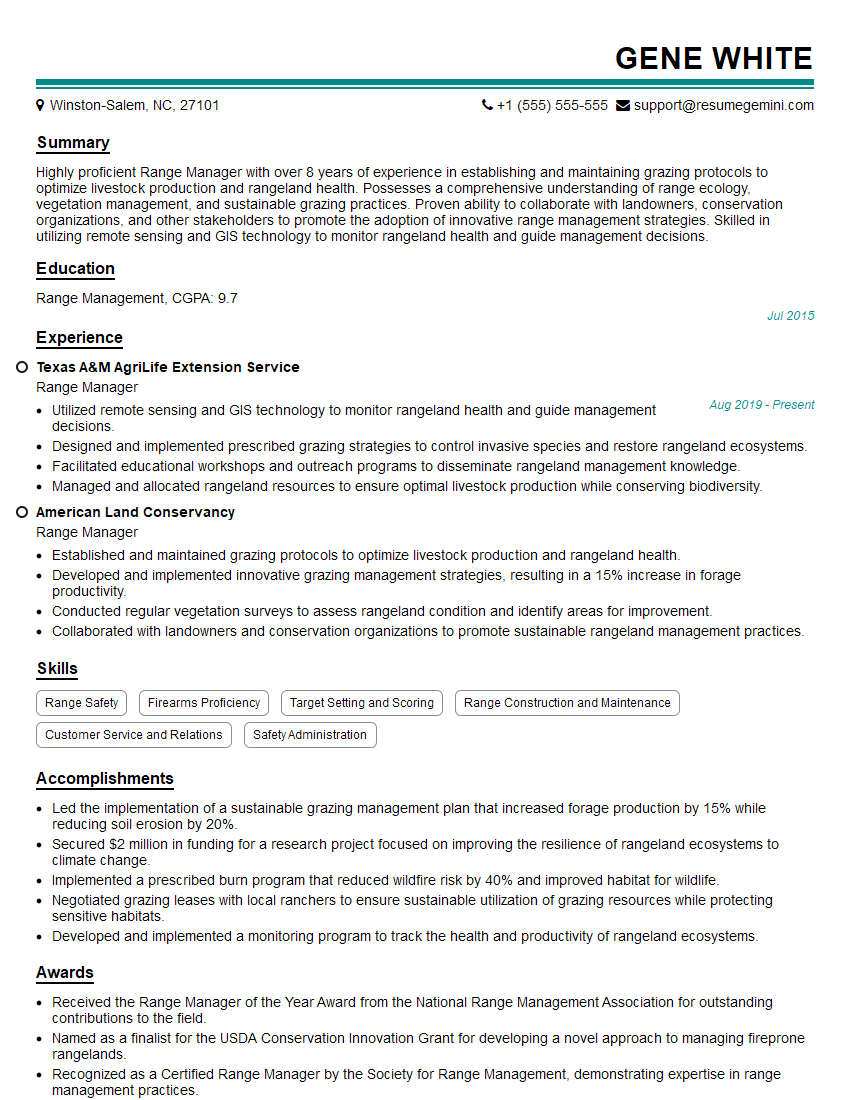
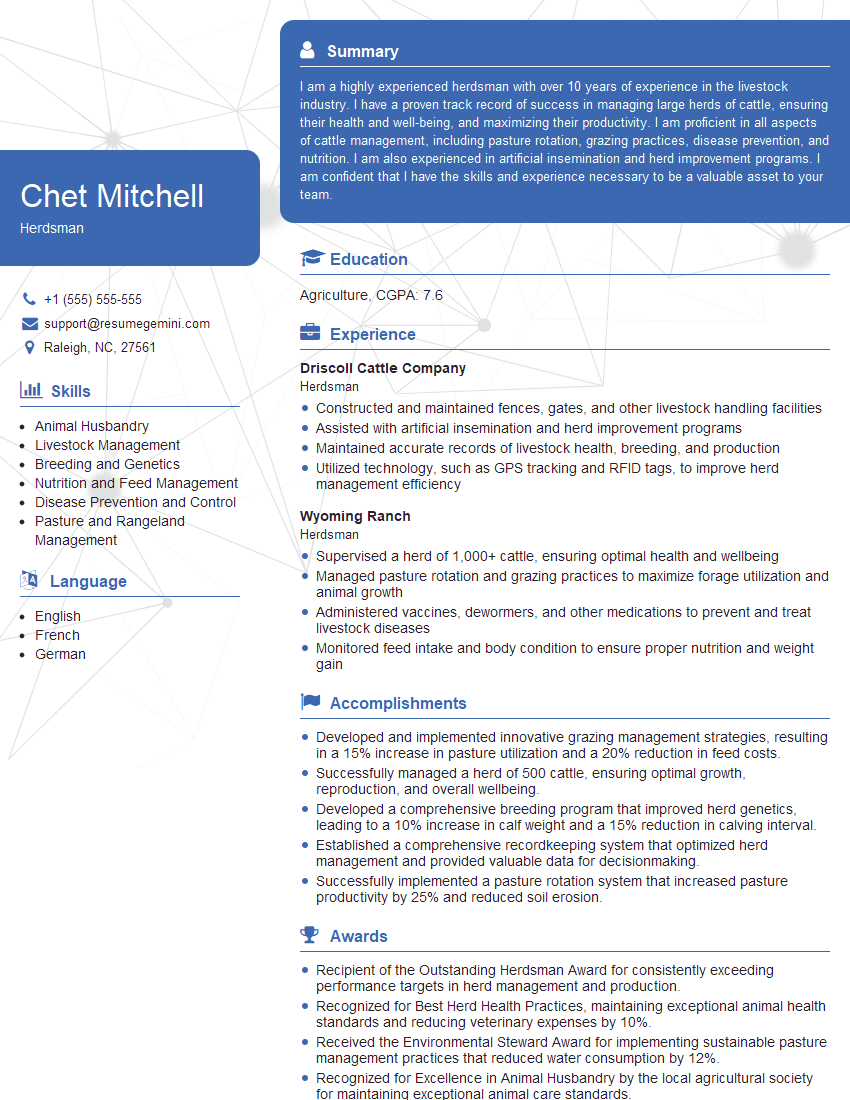
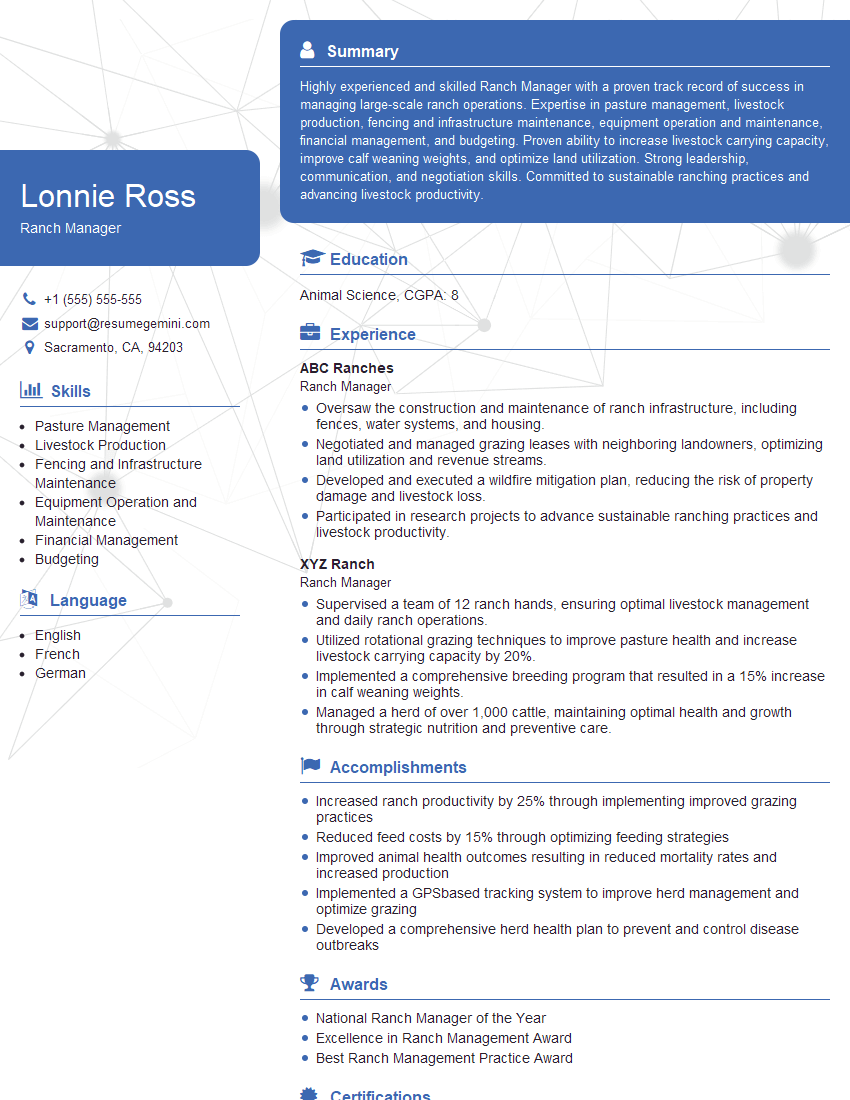
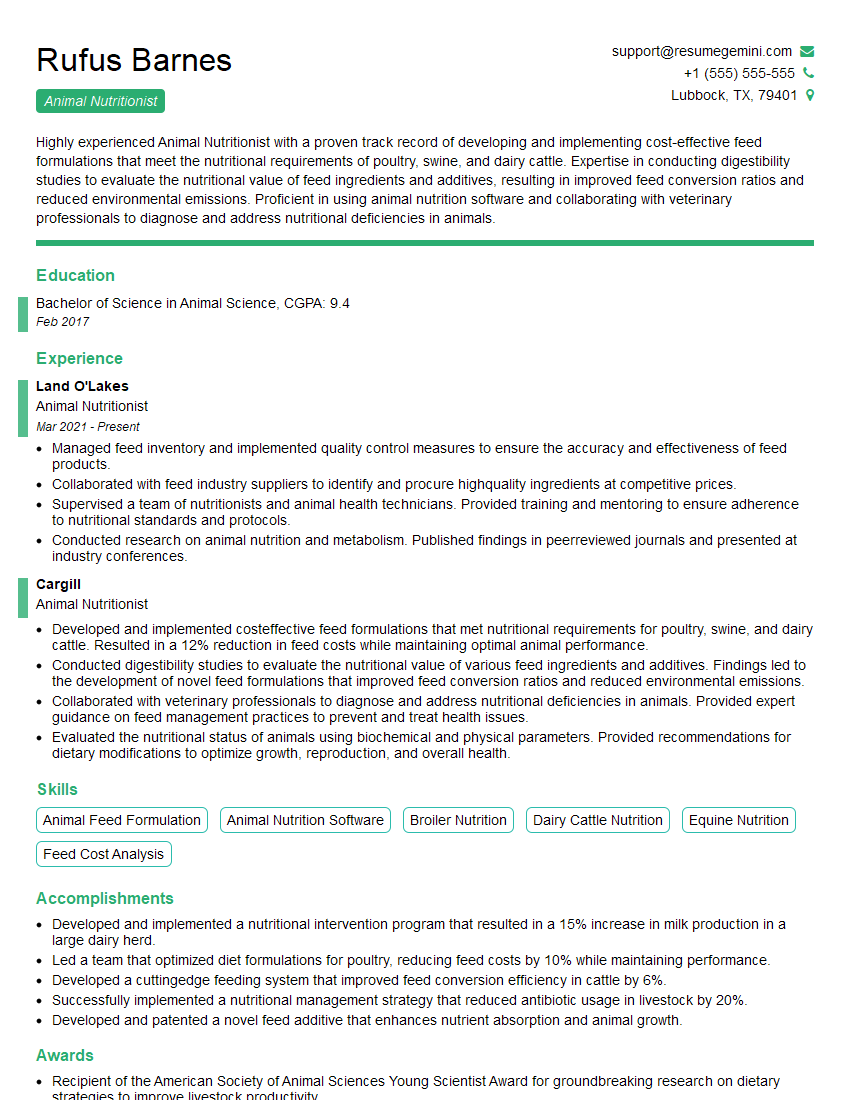
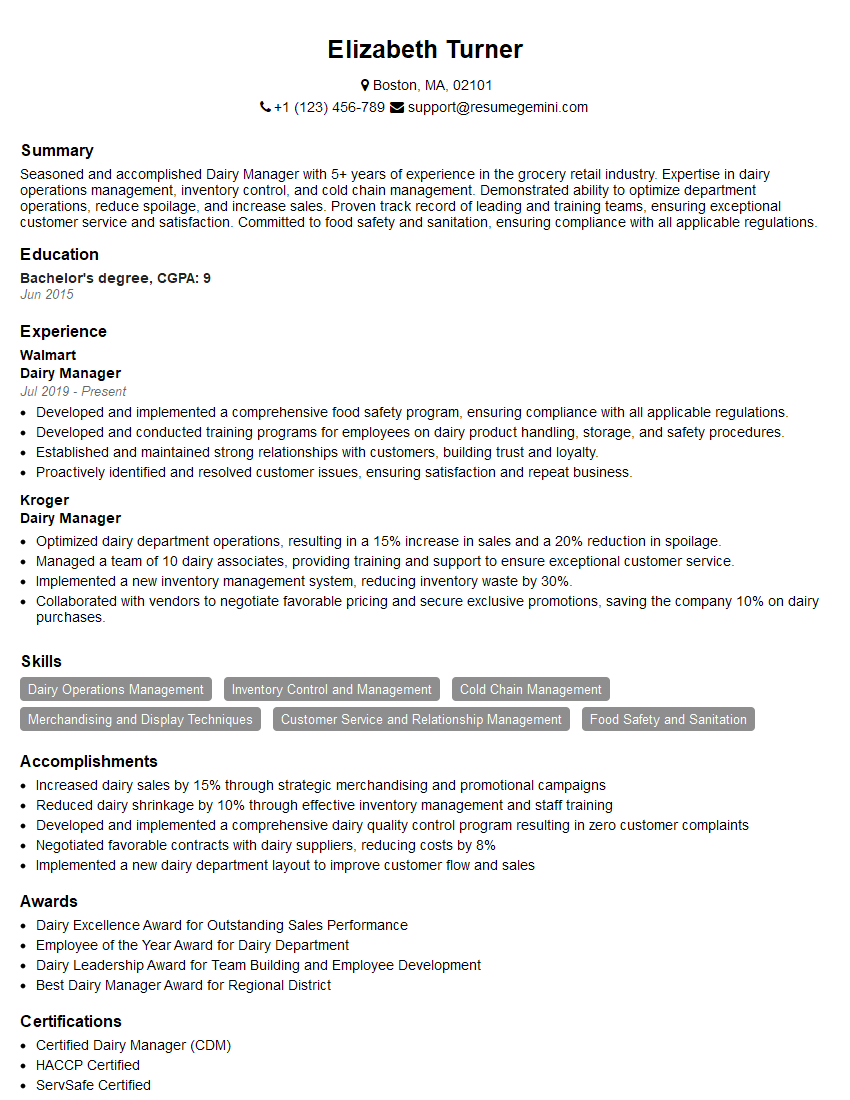
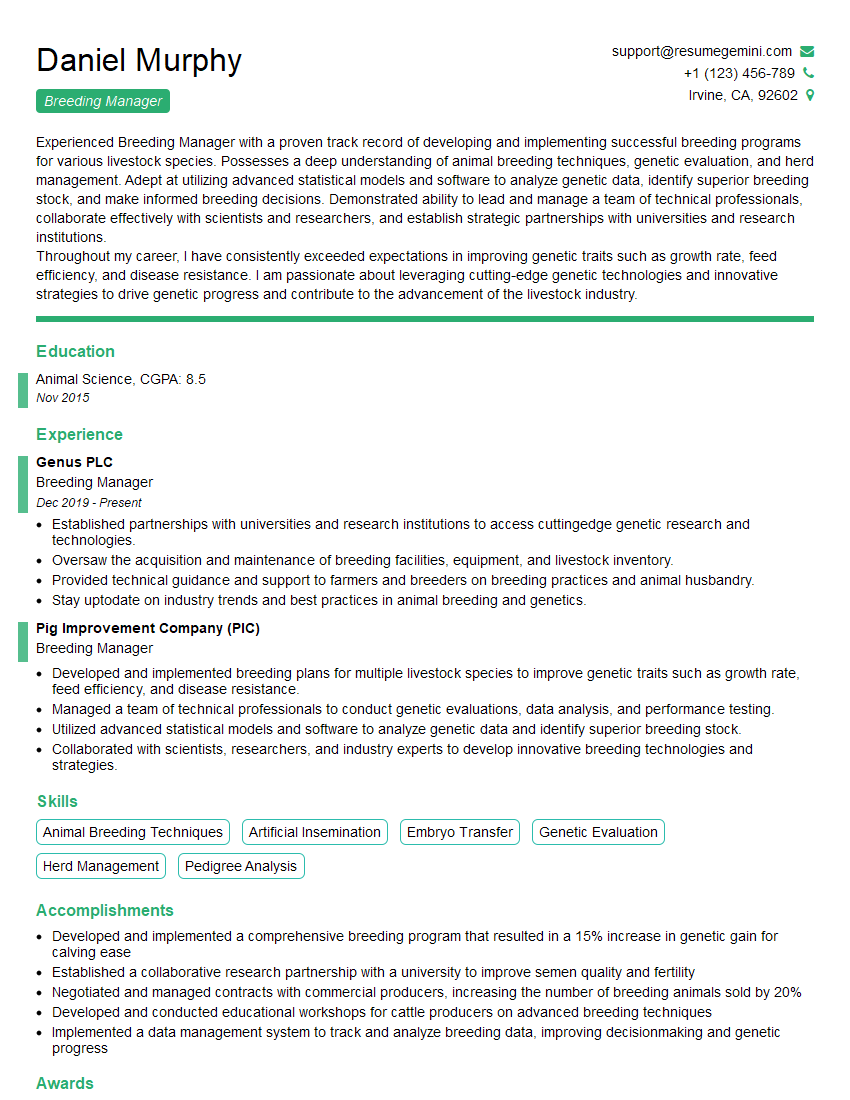
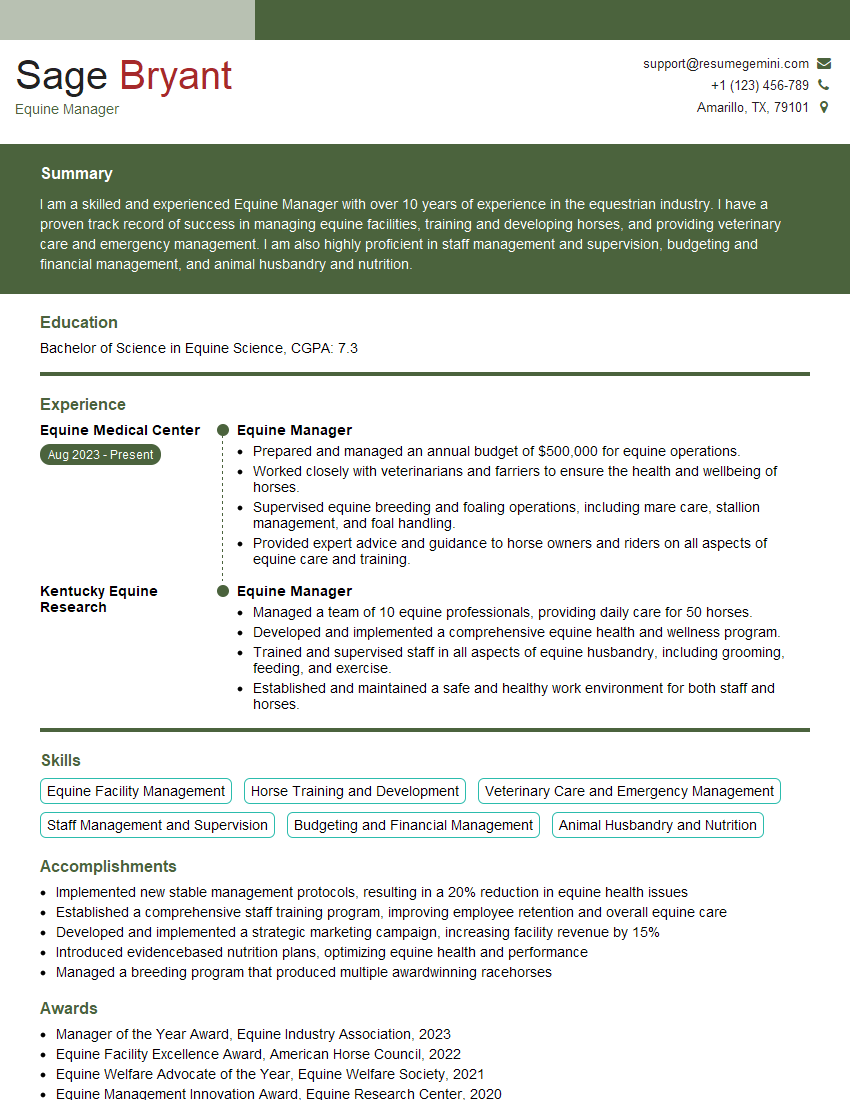
Mastering Ranching and Livestock Management opens doors to a rewarding career with diverse opportunities for growth and leadership. To significantly enhance your job prospects, it’s crucial to create a professional and ATS-friendly resume that highlights your skills and experience effectively. ResumeGemini is a trusted resource that can help you build a compelling resume tailored to the specifics of the Ranching and Livestock Management field. They provide examples of resumes specifically designed for this industry to help you create a document that truly showcases your capabilities. Invest the time to craft a strong resume – it’s a critical step in landing your dream job.

Explore more articles
Users Rating of Our Blogs
Share Your Experience
We value your feedback! Please rate our content and share your thoughts (optional).
What Readers Say About Our Blog
Very informative content, great job.
good