Feeling uncertain about what to expect in your upcoming interview? We’ve got you covered! This blog highlights the most important Ration Formulation interview questions and provides actionable advice to help you stand out as the ideal candidate. Let’s pave the way for your success.
Questions Asked in Ration Formulation Interview
Q 1. Explain the process of formulating a balanced ration for dairy cattle.
Formulating a balanced ration for dairy cattle is a crucial aspect of maximizing milk production and maintaining animal health. It’s a multi-step process that involves assessing the cow’s nutritional needs, selecting appropriate feed ingredients, and calculating the correct amounts of each to meet those needs. Think of it like baking a cake – you need the right ingredients in the right proportions for the best result.
Step 1: Determine Nutrient Requirements: This depends on factors like the cow’s stage of lactation (early, mid, late), milk production level, body weight, and breed. We use established nutrient requirement tables, like those published by the National Research Council (NRC), to determine the daily needs for energy (measured in Net Energy for Lactation, NEL), protein (crude protein, CP), fiber (neutral detergent fiber, NDF), minerals (calcium, phosphorus, etc.), and vitamins.
Step 2: Select Feed Ingredients: A variety of feedstuffs are used, including forages (hay, silage), concentrates (grains like corn, barley, soybean meal), and protein supplements. Each ingredient has a unique nutrient profile – a chemical analysis detailing its energy, protein, and mineral content. It’s important to select ingredients that are readily available, affordable, and of high quality.
Step 3: Ration Balancing: This is where we use computer software or mathematical techniques (discussed in the next question) to determine the exact quantities of each ingredient needed to meet the cow’s nutrient requirements. The software considers the nutrient profile of each ingredient and optimizes the ration for cost-effectiveness while ensuring nutritional balance.
Step 4: Ration Evaluation: Once a ration is formulated, it’s crucial to evaluate its digestibility and palatability. Monitoring cow health and milk production allows for adjustments to ensure the ration’s effectiveness.
Example: A high-producing Holstein cow might require a ration high in NEL and CP to support milk production. This could involve a mix of corn silage (for energy and fiber), corn grain (for energy), soybean meal (for protein), and alfalfa hay (for fiber and protein).
Q 2. Describe the different methods used for ration balancing.
Several methods are employed for ration balancing, ranging from simple hand calculations to sophisticated computer software. The choice depends on the complexity of the ration and available resources.
- Pearson Square Method: This is a simple graphical method suitable for balancing two ingredients to meet the requirements of a single nutrient. It’s useful for quick estimations but is limited in its capabilities.
- Trial and Error Method: This involves manually adjusting the proportions of ingredients until the nutrient requirements are met. It’s time-consuming and less precise than other methods.
- Computerized Linear Programming (LP): This is the most common method used today. LP software programs use algorithms to find the least-cost combination of feedstuffs that meets or exceeds the animal’s nutritional requirements. These programs consider various constraints, such as ingredient availability, cost, and maximum inclusion levels.
- Nonlinear Programming (NLP): This sophisticated method accounts for non-linear relationships between nutrients and animal performance, providing even more accurate results than linear programming. It is particularly valuable for optimizing for more complex production goals.
Example (Pearson Square): Let’s say we need a ration with 16% CP using corn (9% CP) and soybean meal (44% CP). The Pearson Square method helps us calculate the proportion of each. The software programs automate this calculation for multiple nutrients.
Q 3. What are the key nutrient requirements for growing pigs?
Growing pigs have high nutrient requirements due to their rapid growth rate. The key nutrients include:
- Energy: Essential for growth, maintenance, and thermoregulation. It’s typically expressed as metabolizable energy (ME).
- Protein: Crucial for building muscle tissue. The quality of protein (amino acid profile) is as important as the quantity. Lysine, methionine, and tryptophan are essential amino acids frequently limiting in pig diets.
- Minerals: Calcium, phosphorus, and iron are vital for skeletal development, blood formation, and overall health. Trace minerals like zinc, copper, and manganese are also essential in smaller amounts.
- Vitamins: Various vitamins, including A, D, E, and K, support immune function and overall well-being. B vitamins play roles in metabolism.
- Fiber: While not a primary nutrient, dietary fiber aids in gut health and digestion.
The specific requirements vary depending on the pig’s weight, breed, and growth stage. Nutrient requirements are typically higher during the early growth phase.
Q 4. How do you determine the energy value of a feed ingredient?
The energy value of a feed ingredient is determined through various methods, primarily focusing on the amount of energy the animal can actually utilize.
- Bomb Calorimetry: This method measures the gross energy (GE) of a feed, representing the total energy released when the feed is completely combusted. It’s a simple and standardized procedure, providing a measure of the total energy content.
- Digestibility Trials: These trials involve feeding the feedstuff to animals and measuring the amount of energy excreted in their feces. The difference between GE and fecal energy gives us digestible energy (DE).
- Metabolism Trials: More advanced trials measure energy losses in urine and gases (methane) to calculate metabolizable energy (ME). ME is a better indicator of the energy available for the animal’s metabolic processes.
The choice of method depends on the resources and accuracy required. For routine analysis, DE or ME values from published tables can be used. For specific ingredients or research purposes, digestibility or metabolism trials may be conducted.
Q 5. Explain the concept of digestible energy and metabolizable energy.
Digestible energy (DE) and metabolizable energy (ME) are both measures of the energy available to an animal from a feed, but they account for different energy losses.
- Digestible Energy (DE): This is the energy remaining in the feed after accounting for losses in feces. It’s calculated as Gross Energy (GE) minus fecal energy. DE is a relatively simple measure and is useful for some species, particularly ruminants.
- Metabolizable Energy (ME): This represents the energy available after accounting for losses in feces, urine, and gases (like methane in ruminants). ME is calculated as DE minus the energy lost in urine and gases. It provides a more accurate representation of the energy available for productive functions (growth, milk production, etc.). ME is particularly important for monogastric animals like pigs and poultry.
Example: A feedstuff might have a GE of 100 kcal/kg. After measuring fecal energy, the DE might be 80 kcal/kg. Further measuring urinary and gaseous energy losses could reduce the value to 70 kcal/kg ME. This illustrates how ME is a more precise estimate of usable energy compared to DE.
Q 6. What are the common feed ingredients used in poultry rations?
Poultry rations vary depending on the bird’s age and production purpose (broilers, layers, breeders). However, some common feed ingredients include:
- Grains: Corn is a primary energy source, providing carbohydrates. Other grains like wheat, sorghum, and barley may also be used.
- Protein Sources: Soybean meal is a major protein source, providing essential amino acids. Other protein sources include meat and bone meal, fish meal, and canola meal.
- Oilseeds: Soybean oil and other vegetable oils are added for energy and essential fatty acids.
- Mineral Supplements: Calcium (for eggshell formation in layers), phosphorus, and other minerals are included to meet the bird’s requirements.
- Vitamin Supplements: Vitamins A, D, E, and K, along with B vitamins, are crucial for growth, health, and reproduction.
- Feed Additives: These can include enzymes (to improve nutrient digestibility), antibiotics (for disease prevention – use is increasingly restricted), and probiotics (for gut health).
The precise formulation involves carefully balancing energy, protein, amino acids, vitamins, and minerals based on the bird’s age and specific needs. For example, layer rations require higher calcium levels than broiler rations.
Q 7. How do you account for nutrient losses during feed processing and storage?
Nutrient losses during feed processing and storage can significantly impact the nutritional value of the ration. Careful management is necessary to minimize these losses.
- Processing Losses: Heating during pelleting or extrusion can degrade certain vitamins (e.g., vitamin A) and amino acids. Grinding can increase surface area, leading to increased oxidation and nutrient losses. Proper processing parameters are crucial to minimize this.
- Storage Losses: Improper storage can lead to mold growth, insect infestation, and nutrient degradation. Factors such as moisture content, temperature, and exposure to air and sunlight influence the rate of deterioration. Proper storage in dry, cool, and well-ventilated conditions is essential. Moisture is a significant factor that promotes mold growth and enzymatic degradation of nutrients.
Accounting for Losses: Nutrient losses are accounted for in ration formulation by using adjusted nutrient values that reflect the expected losses during processing and storage. These adjusted values are based on experimental data and industry standards. For example, if vitamin A is known to lose 10% during pelleting, the formulation will include an extra 10% to compensate for this loss.
Regular monitoring of feed quality throughout processing and storage is necessary to ensure the integrity of the ration.
Q 8. What are the factors to consider when selecting feed ingredients?
Selecting the right feed ingredients is crucial for optimal animal health and productivity. It’s a balancing act involving several key factors. We need to consider the nutritional needs of the animal – its age, species, breed, production stage (e.g., growth, lactation), and activity level all influence its requirements. For example, a lactating dairy cow needs a much higher energy and protein intake than a young calf.
Next, we look at the availability and cost of ingredients. Locally sourced ingredients often reduce transportation costs, but we need to ensure they meet the necessary quality standards. The palatability of ingredients is important; animals are less likely to consume feeds they dislike, impacting their nutrient intake.
Then there’s the nutritional composition of each ingredient. We analyze its protein, energy, fiber, vitamin, and mineral content. This data is usually found on feed ingredient analysis reports. We also consider the anti-nutritional factors present, such as phytic acid in soybeans, which can reduce nutrient absorption. Finally, we assess the storage stability and safety of the ingredient. Ingredients that spoil easily may lead to feed losses or even health risks to the animals.
- Example: When formulating a ration for broiler chickens, we’d prioritize readily available, energy-dense ingredients like corn and soybean meal, while also including ingredients rich in essential amino acids like methionine to support rapid growth.
Q 9. How do you evaluate the quality of feed ingredients?
Evaluating feed ingredient quality is essential to ensure the formulated ration meets the animal’s nutritional requirements. We rely on several methods:
- Physical Examination: This involves checking for factors like appearance, color, texture, and the presence of foreign materials or mold. For example, we’d reject moldy hay because it may contain mycotoxins that are harmful to animals.
- Laboratory Analysis: This is the most important method. A feed laboratory analyzes the proximate composition (moisture, crude protein, crude fat, crude fiber, ash), energy content, amino acid profile, mineral content, and vitamin content. The results are expressed as percentages or concentrations.
- Sensory Evaluation: This less quantitative method helps assess palatability and potential spoilage indicators. For instance, we might check the smell of silage – a sour smell suggests potential spoilage.
- Microbial Analysis: For ingredients such as silage, this can be important to check the presence of spoilage organisms and the type and number of beneficial bacteria that may help preservation.
All these evaluation methods are crucial to determine if the ingredient meets the required quality standards and is suitable for use in the ration.
Q 10. Describe the importance of amino acid balance in animal nutrition.
Amino acids are the building blocks of proteins, and a balanced supply is critical for an animal’s growth, tissue repair, immune function, and overall health. An amino acid imbalance occurs when one or more essential amino acids are not provided in sufficient quantities relative to others. Essential amino acids are those the animal cannot synthesize itself and must obtain from the diet.
Consequences of an imbalance include reduced growth rates, impaired immune function, lower milk or egg production, poor feed efficiency, and even developmental abnormalities. Imagine trying to build a house (animal body) with only some of the necessary bricks (amino acids). The structure would be weak and incomplete.
Therefore, a balanced amino acid profile in a ration ensures that the animal has the necessary building blocks to build and maintain its tissues and carry out vital bodily functions. We often use ideal amino acid profiles as benchmarks when formulating rations. These profiles indicate the optimal ratios of essential amino acids for various animal species and production stages. We adjust the ratios in the ration based on the amino acid composition of the selected feed ingredients to meet these ideal profiles.
Q 11. What are the potential consequences of nutrient deficiencies?
Nutrient deficiencies lead to a range of problems, the severity of which depends on the nutrient, the extent of the deficiency, and the animal’s age and health status. The effects can be subtle or dramatic.
- Energy Deficiency: Results in poor growth, reduced productivity, and increased susceptibility to disease. Animals might appear lethargic and lose body weight.
- Protein Deficiency: Leads to stunted growth, reduced muscle mass, poor coat condition, and weakened immune function. Young animals are particularly vulnerable.
- Mineral Deficiencies: Specific deficiencies have specific effects. For example, calcium deficiency can cause rickets in young animals and milk fever in lactating cows. Phosphorus deficiency is linked to bone problems.
- Vitamin Deficiencies: Vitamin A deficiency can lead to reproductive issues and night blindness. Vitamin D deficiency can cause bone deformities. Vitamin E deficiency impacts immune function.
Early detection and correction of nutrient deficiencies are crucial for preventing serious health consequences and maximizing animal productivity. Routine blood tests and monitoring animal performance are key to identifying potential problems.
Q 12. How do you formulate a ration for animals with specific health conditions?
Formulating rations for animals with specific health conditions requires careful consideration of their unique needs. The focus shifts from maximizing productivity to supporting health and recovery. We might need to adjust the energy, protein, and fiber content, and carefully select ingredients that are highly digestible and minimize digestive stress.
Example: For an animal with kidney disease, we’d reduce the protein level to minimize the burden on the kidneys and increase the amount of high-quality protein to ensure optimal nutrition. We’d likely include ingredients low in phosphorus. For animals with digestive issues, we might choose highly digestible ingredients like cooked grains and avoid those high in fiber.
Specific examples:
- Diabetes: Reduced sugar and starch content
- Liver disease: Lower protein levels, possibly supplemented with branched-chain amino acids
- Heart disease: Adjusted levels of sodium and fat
Q 13. Explain the role of vitamins and minerals in animal nutrition.
Vitamins and minerals, although required in smaller amounts than energy and protein, are essential for many metabolic processes and play crucial roles in maintaining animal health. They act as catalysts, enabling efficient use of other nutrients.
Vitamins: These are organic compounds and are classified as either fat-soluble (A, D, E, K) or water-soluble (B vitamins, C). They are involved in various functions, including vision (A), calcium absorption (D), antioxidant activity (E), and blood clotting (K). B vitamins play key roles in energy metabolism. Deficiencies can lead to various health problems.
Minerals: These are inorganic elements, and are broadly classified as macro minerals (calcium, phosphorus, magnesium, sodium, potassium, sulfur – needed in larger quantities) and trace minerals (iron, copper, zinc, manganese, iodine, selenium – needed in smaller quantities). They are structural components of bones and teeth (calcium, phosphorus), involved in enzyme activity (trace minerals), and electrolyte balance (sodium, potassium).
A deficiency in either vitamins or minerals can severely impact the animal’s growth, reproduction, and immunity. Providing balanced rations with adequate levels of both vitamins and minerals is key to preventing deficiencies and maintaining optimal health.
Q 14. What is the difference between a concentrate and a roughage?
Concentrates and roughages are two broad categories of feed ingredients that differ significantly in their nutrient content and physical characteristics.
Concentrates: These are energy-rich feeds that are low in fiber. They are typically high in digestible energy and protein. Examples include grains (corn, wheat, barley, oats, sorghum), oilseeds (soybean meal, canola meal, sunflower meal), and by-products from grain processing (wheat bran, rice bran).
Roughages: These are feeds high in fiber, low in digestible energy, and have a bulky structure. They are crucial for maintaining healthy digestive function in herbivores and many other animals. Examples include hay (grass hay, alfalfa hay), silage (corn silage, grass silage), pasture, and straw.
The proportion of concentrates and roughages in a ration depends on the animal’s species, age, production stage, and physiological state. Dairy cows, for instance, require a higher proportion of concentrates to support high milk production, while horses need a significant amount of roughage for healthy digestive function.
Q 15. How do you ensure the palatability of a formulated ration?
Palatability, or how appealing a feed is to an animal, is crucial for optimal feed intake. Animals won’t consume a ration, no matter how nutritionally balanced, if they don’t like the taste, texture, or smell. Ensuring palatability involves a multi-pronged approach.
Ingredient Selection: Using ingredients animals naturally prefer, such as high-quality grains, palatable protein sources (like fishmeal or soybean meal), and appealing fats, forms the base. For example, dairy cows often respond well to molasses added to their total mixed rations (TMR).
Physical Form: The physical form significantly impacts palatability. Pelleted feeds offer a uniform texture and density which can improve intake compared to loose meals, particularly for monogastrics. For ruminants, a well-mixed TMR with varying particle sizes is ideal to encourage thorough chewing and digestion.
Sensory Attributes: Slight adjustments in flavor and aroma can make a big difference. Adding small quantities of appealing flavor enhancers (such as certain essential oils) can improve palatability without compromising nutritional value. However, careful consideration must be given to avoid masking off-flavors caused by spoiled ingredients.
Feed Management: Proper feed storage and handling prevent spoilage and rancidity, preserving palatability. Clean feeders and regular feed distribution help maintain freshness and prevent the development of undesirable odors and molds.
Think of it like human food – we’re more likely to eat a delicious, well-prepared meal than something bland and unappealing. The same principle applies to animals. Regular observation of feed intake and animal behavior can help identify palatability issues early on.
Career Expert Tips:
- Ace those interviews! Prepare effectively by reviewing the Top 50 Most Common Interview Questions on ResumeGemini.
- Navigate your job search with confidence! Explore a wide range of Career Tips on ResumeGemini. Learn about common challenges and recommendations to overcome them.
- Craft the perfect resume! Master the Art of Resume Writing with ResumeGemini’s guide. Showcase your unique qualifications and achievements effectively.
- Don’t miss out on holiday savings! Build your dream resume with ResumeGemini’s ATS optimized templates.
Q 16. How do you use software for ration formulation?
Software plays a pivotal role in modern ration formulation, automating complex calculations and optimizing nutrient profiles. These programs typically incorporate extensive ingredient databases containing nutrient composition values, allowing for precise formulation.
Nutrient Balancing: The software uses linear programming algorithms to find the least-cost combination of ingredients that meets or exceeds the animal’s nutritional requirements. For instance, specifying the protein, energy, and mineral needs of a broiler chicken, the software will generate a recipe using available ingredients at the best possible price.
Recipe Generation: Once the optimal ingredient mix is determined, the software generates detailed recipes, including ingredient quantities and mixing instructions. This ensures consistency and minimizes errors during the feed manufacturing process.
Cost Analysis: The software provides a complete cost breakdown of the formulated ration, allowing for efficient budget management and profit maximization. It can also model the effect of ingredient price fluctuations on the overall cost.
Report Generation: Comprehensive reports detailing the nutrient composition of the formulated ration, ingredient costs, and other relevant parameters aid in quality control and regulatory compliance.
Examples of software commonly used include: Alltech NutriOpt, MKS-Feed, and other proprietary programs developed by feed companies. These programs are user-friendly yet powerful, significantly improving efficiency and accuracy in ration formulation.
Q 17. What are the challenges in formulating rations for animals in different production systems?
Formulating rations for animals across different production systems presents unique challenges due to variations in animal needs, feed resources, and management practices.
Intensive vs. Extensive Systems: Intensive systems, characterized by high stocking densities, require rations that promote rapid growth and high productivity. This often necessitates the use of high-quality, energy-dense ingredients. In contrast, extensive systems, where animals graze freely, require formulations that supplement natural forage with essential nutrients to prevent deficiencies.
Species and Breed Differences: Nutritional requirements vary significantly between species (e.g., poultry vs. ruminants) and even within breeds. Software helps account for these variations, using pre-programmed databases of animal nutrient requirements.
Environmental Factors: Climate conditions, like heat stress, can alter an animal’s nutrient needs and feed intake. Formulations must be adjusted to compensate for these effects. For example, during heat stress, animals require higher water intake and altered electrolyte balance.
Feed Availability and Cost: The availability and price of local ingredients heavily influence ration formulation. Formulators must balance nutritional needs with economic realities, seeking the most cost-effective combination of ingredients while maintaining nutritional integrity.
Disease and Health Status: Animals with specific health issues may require specialized rations. For instance, animals recovering from illness often need higher protein and energy levels to support tissue repair.
Successful ration formulation in diverse production systems requires adaptability, in-depth knowledge of animal nutrition, and access to suitable formulation software and ingredient resources.
Q 18. How do you interpret and use nutrient analysis reports?
Nutrient analysis reports provide a quantitative assessment of the nutritional composition of feedstuffs. Proper interpretation is essential for accurate ration formulation.
Understanding the Parameters: Reports typically list various nutrients, including dry matter (DM), crude protein (CP), crude fiber (CF), ether extract (EE), ash, and various minerals and vitamins. Understanding the units of measurement (e.g., % DM, mg/kg) is vital.
Dry Matter Basis: Most nutrient values are expressed on a dry matter basis (DM). It’s crucial to account for moisture content when calculating the actual nutrient levels in the feed as-fed.
Digestibility and Availability: The report may also include information on nutrient digestibility. This reflects the proportion of the nutrient that the animal can effectively absorb and utilize. Not all nutrients in a feed are equally available.
Using the Data in Formulation: The nutrient composition values obtained from the report are used as input data for ration formulation software. These values dictate the quantities of each ingredient needed to meet target nutrient levels in the final ration.
For example, if a report shows a feed sample has 15% CP on a DM basis and 10% moisture, we know that the as-fed CP is approximately 13.5% (15% * (100-10)/100).
Q 19. What are the regulations related to feed formulation and labeling?
Regulations governing feed formulation and labeling vary by country and region, but generally focus on ensuring feed safety, quality, and transparency.
Ingredient Standards: Regulations specify acceptable ingredients, prohibiting the use of harmful substances or those exceeding permitted levels. For example, maximum limits for mycotoxins or heavy metals are often specified.
Nutrient Guarantees: Feed labels must display guaranteed nutrient levels, such as minimum protein, fat, and fiber content, providing assurance to consumers about the feed’s nutritional value.
Labeling Requirements: Regulations dictate specific labeling information, including ingredient lists, net weight, manufacturer information, and potentially warnings or cautions.
Feed Safety Regulations: Procedures for preventing contamination and ensuring the absence of harmful pathogens and toxins are often outlined in detailed guidelines.
Quality Control: Feed manufacturers are typically required to implement quality control measures to monitor ingredient quality and ensure the formulated ration meets label claims. This often involves regular testing of raw materials and finished products.
Non-compliance with these regulations can result in significant penalties, including product recalls, fines, and legal action. Therefore, understanding and adhering to all relevant regulations is paramount for any feed manufacturer or formulator.
Q 20. Describe the impact of feed efficiency on profitability.
Feed efficiency, defined as the amount of product (meat, milk, eggs, etc.) produced per unit of feed consumed, is a critical determinant of profitability in animal agriculture. Improved feed efficiency directly translates to higher returns.
Reduced Feed Costs: Higher feed efficiency means less feed is needed to produce the same amount of product, resulting in substantial cost savings. This is particularly important considering that feed often represents a significant portion (up to 70%) of total production costs.
Increased Profit Margins: The savings from reduced feed costs directly contribute to increased profit margins, enhancing the overall economic viability of the operation.
Environmental Benefits: Better feed efficiency reduces the overall feed required for production. This is beneficial environmentally as it minimizes the environmental footprint associated with feed production (land use, water consumption, and greenhouse gas emissions).
For example, a farm producing broiler chickens with a 10% increase in feed efficiency would see significant cost reduction, impacting the bottom line significantly.
Q 21. How do you address feed refusal or decreased feed intake?
Feed refusal or decreased feed intake can significantly impact animal health and productivity. Addressing this requires a systematic approach.
Assess the Cause: Feed refusal can stem from various factors, including palatability issues (as discussed previously), health problems (e.g., digestive disorders, illness), environmental stressors (e.g., heat stress, overcrowding), or management problems (e.g., inconsistent feeding schedules, feeder malfunction).
Investigate the Ration: Review the ration formulation to ensure it meets the animal’s nutritional requirements. Analyze the ingredient quality, nutrient digestibility, and potential presence of anti-nutritional factors.
Check for Health Issues: Consult a veterinarian to rule out any underlying health problems that may be contributing to reduced feed intake. A health issue can result in appetite suppression, regardless of the quality of the feed.
Improve Feed Management: Ensure proper feed storage, handling, and distribution. Clean feeders and consistent feeding schedules promote feed intake. Consider offering smaller, more frequent meals to animals with reduced appetite.
Address Environmental Factors: Improve environmental conditions to minimize stress. This may involve adjusting ventilation, temperature, or stocking density.
Palatability Adjustments: If palatability is suspected as a cause, minor adjustments can be made, such as adding small amounts of appealing flavor enhancers or altering feed texture.
Addressing feed refusal requires a detective-like approach – identifying the root cause, and then implementing the necessary solutions to restore normal feed intake. Careful observation of animals and their feeding behavior is paramount.
Q 22. What are the different types of feed additives and their uses?
Feed additives are substances added to animal feed to improve its nutritional value, palatability, or processing characteristics. They can be broadly classified into several categories:
- Enzymes: These break down complex nutrients like phytase (for phosphorus release), xylanase (for improved fiber digestibility), and protease (for protein breakdown), improving nutrient utilization and reducing feed costs. For example, adding phytase to a poultry diet can significantly reduce the need for supplemental inorganic phosphorus.
- Probiotics and Prebiotics: These improve gut health by promoting beneficial bacteria. Probiotics are live microorganisms, while prebiotics are non-digestible food ingredients that stimulate their growth. A common example is the use of *Bacillus subtilis* as a probiotic in piglet diets to improve gut health and reduce diarrhea.
- Acidifiers: These lower the pH of the digestive tract, improving nutrient digestibility and inhibiting the growth of harmful bacteria. Organic acids like lactic acid and formic acid are frequently used in poultry and swine diets.
- Antioxidants: These prevent the oxidation of fats and vitamins, maintaining feed quality and preserving nutrient value. Vitamin E and butylated hydroxytoluene (BHT) are common examples.
- Growth Promoters: These substances (though their use is increasingly regulated) can stimulate growth and improve feed efficiency. Antibiotics were historically used, but now alternatives like ionophores (e.g., monensin) are used more commonly for ruminants.
- Mineral and Vitamin Supplements: These ensure the feed provides adequate levels of essential micronutrients that might be deficient in the base ingredients. A balanced ration ensures animals receive sufficient vitamins and minerals like Vitamin A, Calcium, and Zinc.
The choice of feed additive depends on the animal species, age, production stage, and the specific needs of the ration. A well-formulated diet considers the interaction between different additives to maximize their effectiveness and avoid potential adverse effects.
Q 23. How do you manage mycotoxins in feed?
Mycotoxins are toxic secondary metabolites produced by fungi that can contaminate feed ingredients. Managing mycotoxins requires a multi-pronged approach:
- Prevention: This is the most effective strategy. It involves proper storage of feed ingredients, maintaining low moisture levels, and using good agricultural practices to minimize fungal growth in the field. Regular monitoring of incoming ingredients for fungal contamination is crucial.
- Detoxification: Several methods exist to reduce mycotoxin levels in contaminated feed. These include physical methods like filtration and sorting; chemical methods like using adsorbents (e.g., activated charcoal, clay minerals) that bind to mycotoxins and prevent their absorption in the gut; and biological methods using enzymes or microorganisms that break down mycotoxins.
- Monitoring: Regular testing of feed ingredients and finished feed for mycotoxins is essential to identify contamination levels and implement appropriate mitigation strategies. This helps to prevent mycotoxicosis, a serious condition resulting from mycotoxin ingestion.
- Feed Management: Proper storage conditions and avoiding long-term storage of feed can help prevent the further growth of fungi and the increase of mycotoxin concentrations.
The choice of mycotoxin management strategy depends on the type and concentration of mycotoxins present, the animal species, and the economic considerations. A robust mycotoxin risk management plan requires a proactive approach involving preventive measures, monitoring, and strategic detoxification techniques when necessary.
Q 24. Explain the principles of precision feeding.
Precision feeding involves tailoring feed rations to the specific nutritional needs of individual animals or groups of animals within a herd or flock, optimizing productivity while minimizing feed waste. It moves beyond traditional ‘one-size-fits-all’ feeding strategies.
Key principles include:
- Individual Animal Monitoring: Using technologies like electronic sensors, scales, and activity monitors to track individual animal performance (weight gain, feed intake, activity levels).
- Data Analysis: Employing statistical tools and algorithms to analyze the collected data, identify patterns, and predict individual nutritional needs.
- Targeted Feed Allocation: Adjusting the feed provided to each animal or group based on its specific requirements, optimizing resource utilization.
- Real-Time Feedback: Continuously monitoring and adjusting feeding strategies based on real-time data, ensuring optimal outcomes.
Precision feeding is particularly relevant in intensive farming systems with a large number of animals, such as dairy farms or piggeries. By improving nutrient utilization and reducing feed wastage, it contributes to greater profitability and environmental sustainability.
Q 25. Describe your experience with different ration formulation software.
Throughout my career, I have extensively used various ration formulation software packages, including FeedXL, DairyComp 305, and Nutricion. Each software has its strengths and weaknesses depending on the specific needs and species.
FeedXL, for example, offers a user-friendly interface and comprehensive nutrient databases, making it suitable for formulating rations for a wide range of livestock. DairyComp 305 is specialized for dairy cattle and provides advanced features for managing herd data and optimizing milk production. Nutricion, with its emphasis on detailed nutrient modeling, is particularly useful for precision feeding applications. My experience allows me to efficiently adapt to different software platforms, leveraging their capabilities to create optimal rations.
My selection of software depends on the species, the level of detail required, and the specific goals of the formulation. I prioritize software that facilitates efficient data management, accurate nutrient analysis, and clear reporting capabilities.
Q 26. How do you stay updated on the latest advances in animal nutrition?
Staying current in the rapidly evolving field of animal nutrition requires a multi-faceted approach:
- Peer-Reviewed Publications: Regularly reviewing journals such as the
Journal of Animal Science,Poultry Science, andAnimal Feed Science and Technologyto stay updated on the latest research findings. - Conferences and Workshops: Attending industry conferences and workshops to network with fellow professionals and learn about new technologies and developments. The annual meetings of the American Society of Animal Science are invaluable.
- Online Resources: Utilizing reputable online databases and websites, such as those provided by universities and research institutions, to access scientific literature and industry news.
- Professional Organizations: Actively participating in professional organizations like the American Society of Animal Science (ASAS) to access resources, networking opportunities, and continuing education.
- Industry Collaboration: Engaging with feed companies and ingredient suppliers to learn about new products and technologies in the marketplace.
By combining these methods, I ensure that my knowledge remains up-to-date and informs my practical application in feed formulation.
Q 27. What is your approach to problem-solving in feed formulation?
My approach to problem-solving in feed formulation is systematic and data-driven. It involves:
- Clearly Defining the Problem: Thoroughly identifying the issue—is it reduced growth rate, poor feed efficiency, or a specific health problem? This requires carefully reviewing available data, including animal performance records and feed analysis reports.
- Gathering Data: Collecting relevant information, such as feed composition, animal performance, and environmental factors. This often includes consulting with other specialists like veterinarians.
- Formulating Hypotheses: Based on the data, formulating potential explanations for the problem. This might involve considering nutrient deficiencies, imbalances, mycotoxin contamination, or other factors.
- Testing Hypotheses: Designing and implementing experiments to test the formulated hypotheses. This could involve making adjustments to the feed formulation, such as altering the levels of specific nutrients or adding feed additives.
- Analyzing Results: Carefully evaluating the results of the experiments to determine their effectiveness in addressing the problem.
- Implementing Solutions: Implementing the most effective solution based on the data analysis and making adjustments as needed.
- Monitoring and Evaluation: Continuously monitoring the animals’ response to the implemented solution and making further adjustments as necessary to ensure long-term success.
This iterative process enables me to effectively troubleshoot feed formulation issues and optimize animal health and production.
Q 28. Describe a time you had to troubleshoot a feed formulation issue.
In one instance, I was working with a broiler farm experiencing unexpectedly low growth rates and high mortality. Initial analysis of the feed formulation indicated it met all nutritional requirements. However, further investigation revealed high levels of aflatoxins in a batch of corn used in the feed.
My troubleshooting involved:
- Confirming the Aflatoxin Contamination: We sent samples of the suspect corn and feed to a laboratory for mycotoxin analysis, confirming elevated aflatoxin levels.
- Implementing Detoxification Strategies: We added a commercially available mycotoxin binder (clay-based) to the new feed formulation to reduce the bioavailability of aflatoxins.
- Removing Contaminated Feed: The remaining contaminated feed was immediately removed from the farm.
- Monitoring Animal Response: We carefully monitored the growth rates and mortality in the flocks over the following weeks.
- Adjusting the Formulation: We made some minor adjustments to the new formulation to optimize performance given the presence of the binder.
By employing a systematic approach, we identified the root cause of the problem, implemented effective corrective measures, and successfully resolved the issue, leading to a significant improvement in broiler growth rates and reduced mortality.
Key Topics to Learn for Ration Formulation Interview
- Nutrient Requirements: Understanding the nutritional needs of target populations (animals, humans etc.), considering age, activity level, and physiological status.
- Ingredient Selection and Analysis: Evaluating the nutritional composition of various feedstuffs or food ingredients, including their cost-effectiveness and availability.
- Formulation Techniques: Mastering linear programming, computer-aided ration balancing software, and manual formulation methods.
- Practical Application: Designing rations for specific purposes (e.g., weight gain, milk production, disease prevention), considering palatability and digestibility.
- Quality Control and Assurance: Implementing procedures to ensure the consistent quality and safety of formulated rations.
- Economic Considerations: Optimizing ration cost while meeting nutritional requirements and maximizing profitability.
- Regulatory Compliance: Understanding and adhering to relevant regulations regarding feed composition and labeling.
- Troubleshooting and Problem-Solving: Diagnosing and addressing nutritional deficiencies or imbalances in formulated rations.
- Sustainability in Ration Formulation: Exploring sustainable sourcing of ingredients and minimizing environmental impact.
Next Steps
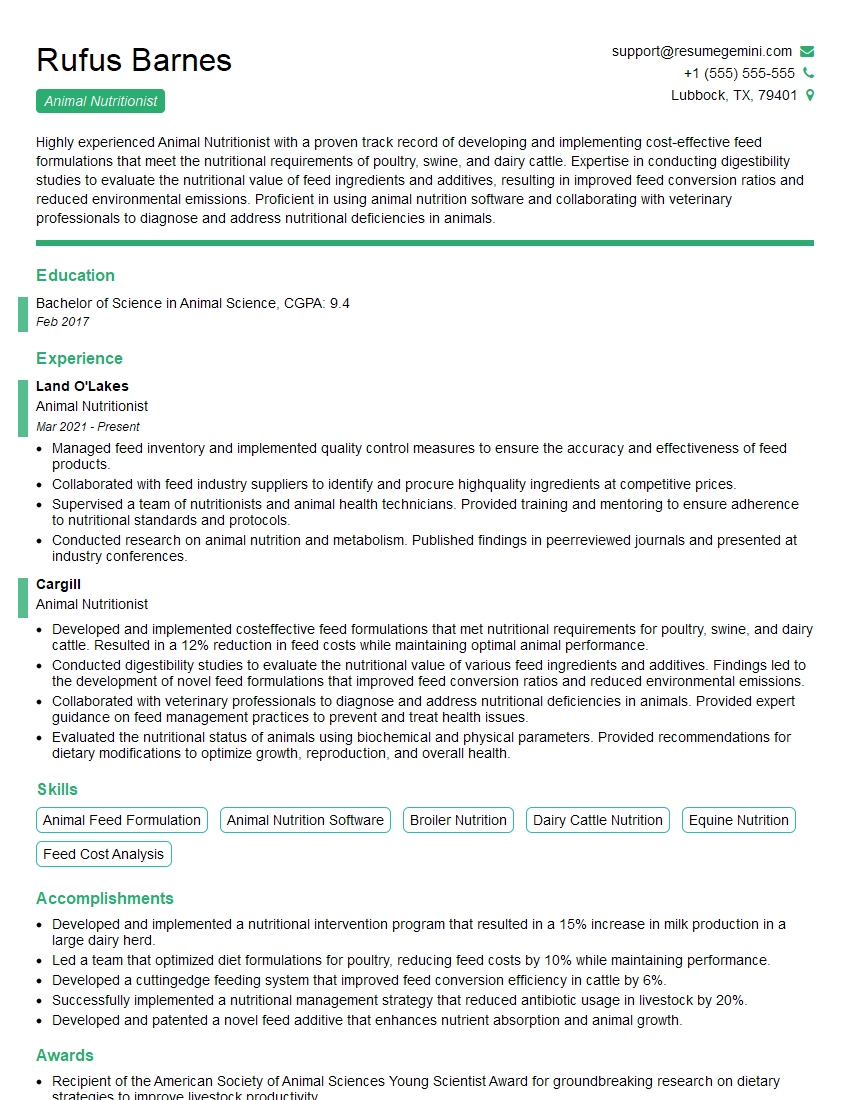
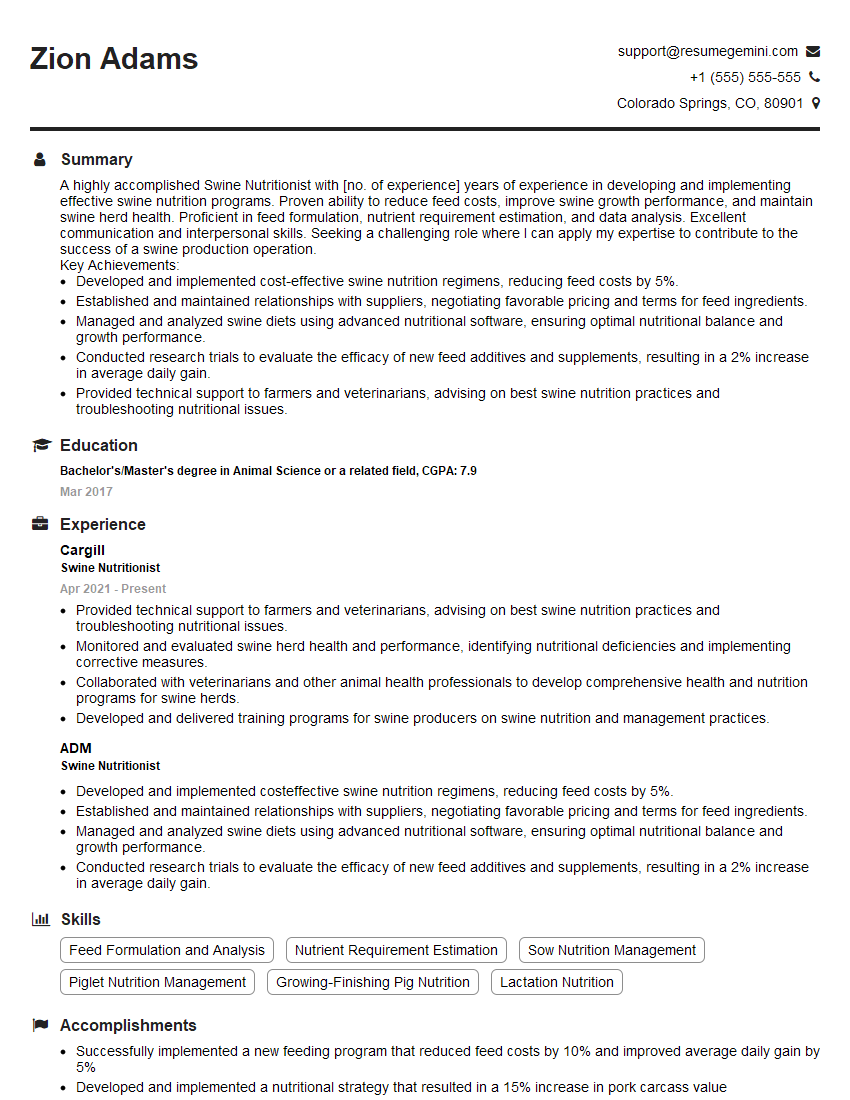
Mastering ration formulation opens doors to exciting career opportunities in animal nutrition, food science, and related fields. A strong understanding of these principles demonstrates valuable problem-solving skills and a commitment to detail, highly sought after by employers. To significantly enhance your job prospects, focus on building an ATS-friendly resume that effectively showcases your skills and experience. ResumeGemini is a trusted resource that can help you create a professional and impactful resume. We provide examples of resumes tailored to the Ration Formulation field to guide you through the process.
Explore more articles
Users Rating of Our Blogs
Share Your Experience
We value your feedback! Please rate our content and share your thoughts (optional).
What Readers Say About Our Blog
good