Interviews are more than just a Q&A session—they’re a chance to prove your worth. This blog dives into essential RCA (Root Cause Analysis) interview questions and expert tips to help you align your answers with what hiring managers are looking for. Start preparing to shine!
Questions Asked in RCA (Root Cause Analysis) Interview
Q 1. Explain the 5 Whys technique and its limitations.
The 5 Whys technique is a simple yet powerful iterative interrogative technique used in RCA. It involves repeatedly asking “Why?” to peel back the layers of an issue, progressively uncovering the root cause. Each “why” should delve deeper into the preceding answer, aiming to identify the underlying reason, not just a symptom.
Example: A website is slow (Problem). Why? The server is overloaded. Why? Too many users are accessing the site simultaneously. Why? A recent marketing campaign drove significantly increased traffic. Why? The campaign wasn’t properly A/B tested for load capacity. Why? The testing procedure was insufficiently rigorous. The root cause: insufficiently rigorous A/B testing.
Limitations: The 5 Whys can be subjective and may not always reach the true root cause. It assumes a linear chain of causality, which often isn’t the case in complex systems. Oversimplification can lead to overlooking critical contributing factors, or stopping too soon before the fundamental problem is identified. It’s best used for relatively straightforward issues rather than complex systems with multiple intertwined causes.
Q 2. Describe the Fishbone diagram and its application in RCA.
A Fishbone diagram, also known as an Ishikawa diagram or cause-and-effect diagram, is a visual tool used in RCA to brainstorm and organize potential root causes contributing to a specific problem. It resembles a fish skeleton, with the problem statement forming the head and various branches representing potential causes categorized into major contributing factors (e.g., people, processes, equipment, materials, environment, methods).
Application in RCA: Teams brainstorm potential causes under each category. The diagram helps visualize the relationships between causes, fostering collaboration and uncovering hidden connections. By systematically exploring various causes, the diagram facilitates a more thorough analysis compared to simply listing potential causes in a linear fashion.
Example: Imagine a production line experiencing frequent machine breakdowns. The Fishbone diagram would have “Frequent Machine Breakdowns” as the head. Branches could then explore causes related to machine maintenance (processes), operator error (people), component quality (materials), and environmental factors (environment) such as temperature or humidity. Analyzing each branch helps pinpoint the root causes of the breakdowns.
Q 3. What is Fault Tree Analysis (FTA) and how does it differ from FMEA?
Fault Tree Analysis (FTA) is a deductive, top-down RCA method that graphically represents the combination of events that lead to a particular undesired event (usually a system failure). It starts with the undesired event (top event) and works backward to identify the potential causes that could lead to it, using logic gates (AND, OR) to represent the relationships between events.
Failure Mode and Effects Analysis (FMEA), on the other hand, is a proactive risk assessment technique that identifies potential failure modes in a system or process and assesses their effects. It focuses on preventing failures before they occur by evaluating the severity, probability, and detectability of each potential failure mode.
Key Differences: FTA focuses on analyzing a specific failure that has already occurred, working backward to determine the causes. FMEA is a proactive approach that aims to prevent future failures by assessing potential problems beforehand. FTA is deductive (starts with the undesired outcome), while FMEA is inductive (starts with potential failures).
Q 4. Explain the Pareto Principle and its relevance to RCA.
The Pareto Principle, also known as the 80/20 rule, states that roughly 80% of effects come from 20% of causes. In RCA, this implies that a small number of root causes often account for the majority of problems.
Relevance to RCA: Understanding the Pareto Principle helps focus RCA efforts. Instead of investigating every possible cause, it prioritizes addressing the vital few root causes that contribute most significantly to the problem. This improves efficiency and resource allocation. After identifying potential root causes using techniques like Fishbone diagrams or 5 Whys, we can then analyze the frequency or impact of each cause to identify the ‘vital few’. Focusing efforts on the 20% that account for 80% of the problems allows for faster, more impactful solutions.
Example: A manufacturing plant has high defect rates. A Pareto chart analysis may reveal that 80% of defects are caused by two specific machine malfunctions and one recurring operator error. By addressing these three key factors, the plant could significantly reduce its overall defect rate.
Q 5. How would you handle resistance to implementing RCA findings?
Resistance to implementing RCA findings can stem from various sources including fear of change, lack of trust, perceived blame, or lack of resources. Addressing this requires a multi-pronged approach.
- Transparency and Communication: Clearly explain the RCA process, findings, and proposed solutions. Involve stakeholders throughout the process, actively soliciting their feedback and addressing their concerns.
- Focus on Solutions, not Blame: Frame the RCA as a collaborative effort to improve, rather than a blame-finding exercise. Emphasize the positive outcomes of implementing the solutions.
- Pilot Projects and Gradual Implementation: Begin with a pilot project to test the proposed solutions on a smaller scale, demonstrating success before a wider rollout.
- Address Resources and Support: Secure necessary resources, training, and support for implementing the solutions. Acknowledge and address any resource constraints that could hinder implementation.
- Celebrate Successes: Publicly acknowledge and celebrate successful implementation of the RCA findings to build trust and motivation.
If resistance persists, engaging a neutral third party facilitator can help facilitate open communication and resolve conflicts.
Q 6. Describe a situation where you used RCA to solve a complex problem.
In a previous role, our customer support system experienced a significant spike in unresolved tickets. Using a combination of the 5 Whys and a Fishbone diagram, we investigated the root causes.
The 5 Whys helped us discover a cascading issue: high ticket volume (problem) → insufficient agent staffing (why 1) → slow hiring process (why 2) → outdated recruitment system (why 3) → lack of management prioritization of system upgrade (why 4) → unclear departmental KPIs (why 5).
The Fishbone diagram helped us categorize additional factors: outdated knowledge base (processes), insufficient agent training (people), and complex ticketing software (equipment).
Combining both methods, we identified the root causes: an outdated recruitment system, unclear departmental KPIs, and insufficient agent training. We addressed these by implementing a new recruitment system, revising KPIs to incentivize efficient resolution, and implementing a comprehensive training program. This resulted in a significant reduction in unresolved tickets and improved customer satisfaction.
Q 7. What are some common pitfalls to avoid during an RCA investigation?
Several pitfalls can hinder an effective RCA investigation:
- Premature Closure: Jumping to conclusions before thoroughly investigating all potential causes. This often leads to treating symptoms, not the root cause.
- Confirmation Bias: Seeking information that confirms pre-existing beliefs and overlooking evidence that contradicts them.
- Insufficient Data Collection: Not collecting sufficient data or gathering the wrong type of data. This can lead to incomplete or inaccurate conclusions.
- Lack of Stakeholder Involvement: Failing to involve key stakeholders, leading to resistance to implementing solutions.
- Overlooking Human Factors: Ignoring the role of human error, process inefficiencies, or lack of training. This often contributes significantly to problems.
- Ignoring Systemic Issues: Focusing on isolated incidents rather than recognizing systemic issues contributing to repeated problems.
Avoiding these pitfalls requires a systematic and unbiased approach, embracing diverse perspectives, thoroughly collecting and analyzing data, and fostering a culture of continuous improvement.
Q 8. How do you prioritize root causes identified during an RCA?
Prioritizing root causes identified during an RCA is crucial for efficient resource allocation and impact maximization. We don’t simply address all causes equally; we focus on those with the highest potential for impact and feasibility of resolution.
A common prioritization framework uses a matrix considering two key factors: likelihood of occurrence and impact on the system. Each root cause is evaluated on both axes. For example:
- High Likelihood, High Impact: These are the top priorities. Addressing these will prevent future occurrences of significant problems. Imagine a manufacturing process where a machine consistently malfunctions, causing major production delays (high impact) and has a high probability of failure (high likelihood).
- High Likelihood, Low Impact: While frequent, these issues may be less critical. They might still be addressed, but likely after the high impact issues.
- Low Likelihood, High Impact: These are ‘low-hanging fruits’ with a potentially major impact if they do occur. We may prioritize mitigation strategies, such as implementing safeguards or contingency plans.
- Low Likelihood, Low Impact: These are typically low priority and may be addressed during routine maintenance or system improvements.
Another approach involves scoring each root cause based on predefined criteria (e.g., cost of correction, time to implement solution, risk to safety). The causes with the highest scores receive priority.
Q 9. What are the key differences between reactive and proactive RCA?
The core difference lies in their proactive versus reactive nature.
Reactive RCA is triggered after an incident has occurred. It focuses on understanding what happened, why it happened, and how to prevent it from happening again in the same way. Think of it as damage control – putting out the fire after it has started. For example, investigating a server crash after it has caused downtime.
Proactive RCA, on the other hand, is conducted before an incident to identify potential risks and vulnerabilities. It’s about anticipating problems and preventing them from occurring in the first place. An example would be a regular safety audit of a manufacturing plant to identify potential hazards and implement preventive measures before accidents occur.
Reactive RCA is necessary for immediate problem solving, but proactive RCA is essential for long-term system improvement and risk mitigation. Ideally, organizations should balance both.
Q 10. Explain how data analysis supports effective RCA.
Data analysis is the backbone of effective RCA. It provides objective evidence to support conclusions, moving beyond speculation and gut feeling. Instead of relying solely on anecdotal evidence, data provides a clear picture of the problem’s scope and potential causes.
Here’s how data analysis supports RCA:
- Identifying Trends and Patterns: Data analysis helps reveal patterns and trends that may not be immediately apparent. Analyzing log files, performance metrics, or customer feedback can uncover recurring issues. For example, an increase in error messages from a specific server component during peak hours points to a capacity issue.
- Quantifying Impact: Data allows us to quantify the impact of the problem. How much downtime did it cause? What was the financial loss? This helps prioritize root causes based on their severity.
- Testing Hypotheses: Once potential root causes are identified, data can be used to test hypotheses. For instance, we can correlate system performance with environmental factors to see if heat is affecting server reliability.
- Validating Solutions: After implementing a solution, data analysis can be used to confirm its effectiveness. Did the fix reduce the error rate? Did it improve performance?
Tools like statistical software, data visualization dashboards, and log analysis platforms are vital for extracting meaningful insights from data during RCA.
Q 11. How do you ensure the accuracy and completeness of RCA findings?
Ensuring accuracy and completeness in RCA findings is paramount. This requires a methodical and rigorous approach.
Here are key steps:
- Multiple Data Sources: Don’t rely on a single source. Gather information from multiple sources like logs, interviews, documentation, and direct observation. This helps triangulate the information and identify biases in any one source.
- Fact-Finding, Not Blame-Finding: The goal is to understand the problem, not to assign blame. Maintain a neutral and objective perspective throughout the investigation.
- Cross-Verification: Have multiple people review the findings. This helps identify any inconsistencies or blind spots in the analysis. Peer review is essential.
- Documentation: Maintain detailed documentation of the entire process. This includes the methodology used, data collected, analysis performed, and conclusions reached. This allows for future reference and auditability.
- Confirmation Bias Mitigation: Be aware of confirmation bias, the tendency to seek out information that confirms pre-existing beliefs. Actively seek out contradictory evidence to challenge assumptions.
By following these practices, you can build confidence in the accuracy and completeness of your RCA findings, leading to effective and lasting solutions.
Q 12. What are some common root cause analysis methodologies?
Several methodologies can be employed for RCA, each with its strengths and weaknesses.
- 5 Whys: A simple yet effective technique involving repeatedly asking ‘why’ to drill down to the root cause. While effective for simple problems, it can be limited for complex issues.
- Fishbone Diagram (Ishikawa Diagram): A visual tool that helps organize potential causes categorized by different contributing factors (e.g., people, materials, methods, machines, environment). It fosters brainstorming and collaboration.
- Fault Tree Analysis (FTA): A top-down, deductive approach that visually depicts how various failures can combine to cause a specific event. It is particularly useful for complex systems.
- Failure Mode and Effects Analysis (FMEA): A proactive technique to identify potential failure modes, their effects, and severity. This helps prioritize risk mitigation efforts.
- Pareto Analysis (80/20 Rule): Identifies the vital few causes that account for the majority of the problem. This allows for focused effort on the most impactful root causes.
The choice of methodology depends on the complexity of the problem, the available data, and the organizational context. Often, a combination of methodologies is used for a comprehensive analysis.
Q 13. What is the role of teamwork in conducting an effective RCA?
Teamwork is indispensable for effective RCA. A diverse team brings together different perspectives and expertise, leading to a more complete and accurate analysis.
Here’s why teamwork matters:
- Diverse Skillsets: A team comprising individuals with varying technical skills, operational knowledge, and process understanding provides a holistic perspective.
- Reduced Bias: A group can challenge individual biases and assumptions, leading to a more objective assessment of the root causes.
- Shared Ownership: Team involvement fosters a sense of shared ownership of the findings and recommendations, leading to greater buy-in and commitment to implementing solutions.
- Knowledge Sharing: The RCA process becomes an opportunity for knowledge sharing and skill development within the team.
- Improved Communication: Effective teamwork enhances communication and coordination throughout the investigation and implementation phases.
Effective team leadership, clear roles and responsibilities, and open communication channels are key to successful teamwork in RCA.
Q 14. How do you communicate RCA findings effectively to different stakeholders?
Communicating RCA findings effectively to different stakeholders is crucial for implementing solutions and preventing future incidents. The communication style needs to be tailored to the audience’s technical expertise and interests.
Here’s a structured approach:
- Executive Summary: For senior management, a concise summary highlighting key findings, recommendations, and potential impact is sufficient.
- Detailed Report: For technical teams and involved personnel, a comprehensive report detailing the methodology, data analysis, findings, and recommendations is necessary.
- Visual Aids: Utilize charts, graphs, and diagrams to present complex information clearly and concisely. Visual aids improve comprehension and engagement.
- Actionable Recommendations: Focus on clear and actionable recommendations. Avoid vague statements; specify who is responsible for what and by when.
- Follow-up Communication: Provide regular updates on the progress of implementing the recommendations and share the results of those actions. This demonstrates accountability and builds trust.
- Multiple Communication Channels: Use a combination of methods (e.g., presentations, email reports, meetings) to cater to different communication preferences.
By employing a clear, concise, and tailored communication strategy, you can ensure all stakeholders understand the RCA findings and are committed to implementing the solutions.
Q 15. What metrics do you use to measure the effectiveness of RCA?
Measuring the effectiveness of a Root Cause Analysis (RCA) goes beyond simply identifying a cause; it’s about assessing the impact of the implemented corrective actions. We use a multi-faceted approach, employing both leading and lagging indicators.
- Recurrence Rate: This is a key lagging indicator. A low recurrence rate of the same problem demonstrates the effectiveness of the identified root cause and implemented solutions. We track this meticulously using data from our incident management system.
- Mean Time To Resolution (MTTR): A reduction in MTTR for similar incidents after the RCA indicates improvements in our response and prevention strategies. We monitor this metric closely using our internal ticketing system.
- Employee Satisfaction (involving RCA process): A high level of employee satisfaction in the RCA process suggests that the methodology was clear, efficient, and collaborative, leading to buy-in and commitment to the corrective actions. This is often measured via surveys and feedback sessions.
- Cost Savings: Successful RCA often results in cost savings through preventing future incidents, reducing downtime, and improving efficiency. We quantify these savings by comparing pre- and post-RCA costs related to the specific issue.
- Process Improvement: We also assess the impact on underlying processes. If the RCA identified systemic weaknesses, the implementation of improvements will be measured by assessing process efficiency, defect rates, and compliance.
For instance, if we had an RCA on recurring server outages, we’d track the number of subsequent outages, the time taken to resolve them, and the cost of downtime. A significant reduction in all three would signify a successful RCA.
Career Expert Tips:
- Ace those interviews! Prepare effectively by reviewing the Top 50 Most Common Interview Questions on ResumeGemini.
- Navigate your job search with confidence! Explore a wide range of Career Tips on ResumeGemini. Learn about common challenges and recommendations to overcome them.
- Craft the perfect resume! Master the Art of Resume Writing with ResumeGemini’s guide. Showcase your unique qualifications and achievements effectively.
- Don’t miss out on holiday savings! Build your dream resume with ResumeGemini’s ATS optimized templates.
Q 16. How do you validate a root cause identified during an RCA?
Validating a root cause isn’t about finding a single piece of evidence; it’s about building a strong, evidence-based case. We employ several techniques:
- 5 Whys Analysis (iterative): We don’t stop at the first ‘why.’ We repeatedly ask ‘why’ to delve deeper, ensuring we uncover the underlying causes and not just symptoms. For example, if a server crashed, we might ask: Why did it crash? (Overloaded). Why was it overloaded? (Increased traffic). Why was there increased traffic? (New marketing campaign). Why wasn’t the server capacity adjusted for the campaign? (Lack of planning).
- Data Analysis: We analyze data from various sources – logs, metrics, incident reports – to verify the root cause. This provides objective evidence to support our findings.
- Expert Review: We seek input from subject matter experts in relevant fields (networking, security, software development etc.) to validate our findings and ensure we haven’t overlooked anything.
- Fault Tree Analysis (FTA): For complex systems, FTA helps visualize potential failure points and their contributing factors, allowing for a systematic validation of the identified root cause.
- Testing and Experimentation: Sometimes, we conduct controlled experiments or implement temporary fixes to test our hypothesis about the root cause. If the problem is resolved, it reinforces our findings.
The key is triangulation – gathering evidence from multiple sources to support the conclusion. A single piece of evidence is rarely enough to definitively validate a root cause.
Q 17. Describe a time when an RCA failed to identify the true root cause. What went wrong?
In one instance, we investigated a significant drop in website performance. We initially focused on the database server, identifying some performance bottlenecks. We implemented optimizations, but the performance didn’t fully recover. What went wrong was our premature closure. We focused on the most obvious suspect (the database) and failed to consider other potential factors.
The true root cause was a third-party Content Delivery Network (CDN) issue that we initially overlooked because we incorrectly assumed the CDN was functioning properly. This highlighted the importance of considering the entire system, including external dependencies, and not jumping to conclusions based on the first apparent problem. We learned to implement a more systematic approach, involving a more thorough investigation, and employing a checklist to ensure all potential areas are considered and investigated before drawing conclusions.
Q 18. How do you document an RCA investigation?
Documentation is critical for RCA, ensuring lessons learned are preserved and future incidents are prevented. Our documentation follows a standard format:
- Problem Statement: Clear, concise description of the problem.
- Timeline: Chronological sequence of events leading to the problem.
- Affected Systems: List of affected components and systems.
- Data and Evidence: Logs, metrics, screenshots, and other supporting evidence.
- Root Cause Analysis Methodology: The specific technique used (e.g., 5 Whys, FTA).
- Root Cause Identification: Clearly stated root cause(s).
- Corrective Actions: Detailed description of actions taken to prevent recurrence.
- Responsible Parties: Individuals or teams responsible for implementing corrective actions.
- Verification and Validation: How the effectiveness of the corrective actions will be measured.
- Lessons Learned: Key insights and recommendations for future improvement.
We use a shared document repository (e.g., Confluence, SharePoint) to ensure easy access and collaboration. The documentation is reviewed and approved by relevant stakeholders before finalization.
Q 19. How do you deal with situations where the root cause is unclear?
When the root cause is unclear, we adopt a structured approach:
- Expand the Scope of Investigation: Gather more data, interview more people, and explore a wider range of potential causes. We might use brainstorming sessions or mind maps to generate hypotheses.
- Employ Advanced Analytical Techniques: If data analysis isn’t conclusive, we might employ more advanced statistical methods or simulation modeling to identify patterns and relationships.
- Consider External Factors: Sometimes the root cause lies outside the immediate system; we might need to consult external vendors or experts.
- Embrace Uncertainty: In some cases, we might not be able to definitively identify the root cause. In such situations, we focus on implementing interim solutions to mitigate the risk and improve system resilience while continuing to investigate.
- Document the Uncertainty: It’s crucial to document what we know and what we don’t know, to avoid repeating the same mistakes. This transparency is crucial for learning and improvement.
It’s better to acknowledge uncertainty than to force a conclusion that is not supported by evidence. Transparency about the limitations of the RCA is crucial.
Q 20. What is the importance of establishing a timeline in RCA?
Establishing a timeline is crucial in RCA as it helps to reconstruct the sequence of events leading to the problem. This helps us identify the contributing factors and pinpoint the root cause by understanding the order in which things happened.
Think of it like investigating a crime scene. Knowing the time of the incident, the arrival of witnesses, and the sequence of events helps investigators piece together what happened. Similarly, in an RCA, a detailed timeline helps understand the chronology of system failures, user actions, and environmental factors, ultimately aiding in the identification of the root cause.
For example, in a network outage, knowing the exact time the outage started, when alerts were triggered, when mitigation steps were taken, and when services were restored, is crucial to understanding the root cause and the effectiveness of the response.
Q 21. How do you distinguish between correlation and causation in RCA?
Confusing correlation with causation is a common pitfall in RCA. Correlation simply means two events occur together; causation means one event directly causes the other. Just because two things happen at the same time doesn’t mean one caused the other.
Example: Imagine ice cream sales and drowning incidents both increase during summer. They are correlated (both happen in summer), but ice cream sales don’t cause drowning. The underlying cause is the warm weather, which influences both.
To distinguish between correlation and causation in RCA, we:
- Look for a plausible mechanism: Is there a logical explanation for how one event could cause the other?
- Consider alternative explanations: Are there other factors that could explain the observed correlation?
- Use controlled experiments: If possible, test the hypothesis by manipulating the potential cause and observing the effect.
- Examine temporal precedence: Does the potential cause precede the effect in time?
- Analyze data rigorously: Use statistical methods to determine the strength and direction of the correlation, and to rule out confounding variables.
Thorough investigation and rigorous data analysis are essential to avoid falling into the trap of mistaking correlation for causation in RCA.
Q 22. What is the role of preventative measures in RCA?
Preventative measures are crucial in RCA because they aim to stop problems before they occur, significantly reducing the need for extensive RCA investigations in the future. Think of it like preventative car maintenance – regular oil changes and inspections prevent major breakdowns, saving you time and money. In RCA, preventative measures are identified during the root cause analysis process. Once the root cause of a problem is identified and addressed with a corrective action, preventative measures are implemented to ensure the same issue doesn’t reoccur.
For example, if an RCA reveals that a manufacturing defect is due to faulty equipment, the preventative measure would be to implement a regular maintenance schedule for that equipment, including preventative checks and calibrations. Another example: If a software bug is traced to insufficient testing, the preventative measure would be to enhance the testing process, perhaps introducing automated testing or more rigorous test coverage.
- Proactive Identification: Preventative measures are often identified during the ‘Why-Why’ analysis or ‘5 Whys’ technique, pushing beyond the immediate symptom to the underlying issues and potential future problems.
- Systemic Improvements: They represent a shift from reactive problem-solving to proactive system improvement, enhancing overall reliability and efficiency.
- Cost Savings: By preventing failures, preventative measures demonstrably reduce downtime, repair costs, and potential liability.
Q 23. Explain the concept of ‘latent failures’ in the context of RCA.
Latent failures, also known as ‘dormant failures,’ are conditions or weaknesses within a system that are not immediately apparent but can contribute to or trigger an eventual failure. They’re like hidden cracks in a dam – seemingly insignificant until a major event (like a flood) reveals their criticality. These failures exist in a system’s design, processes, or human factors, often for extended periods before causing an incident.
A classic example is a poorly written piece of software code. It might function correctly under normal conditions, but a specific sequence of events (a latent failure) might expose a flaw, causing a system crash. Similarly, inadequate training for personnel can represent a latent failure. The employee might perform their duties adequately most of the time, but a stressful or unusual situation might expose their lack of training, resulting in a serious error. During RCA, identifying latent failures is paramount as addressing these underlying weaknesses prevents future incidents, even if the immediate trigger seems unrelated.
Identifying latent failures requires a thorough investigation, often involving interviewing stakeholders, reviewing documentation, and analyzing system performance data. Techniques like Failure Mode and Effects Analysis (FMEA) can be used to proactively identify potential latent failures before they cause incidents.
Q 24. How do you ensure that an RCA process is efficient and cost-effective?
Efficiency and cost-effectiveness in RCA are achieved through careful planning, methodology, and resource allocation. It’s about getting the right information, from the right people, in the right amount of time. This is not a random fishing expedition.
- Focused Scope: Clearly define the problem and scope of the investigation. Unnecessary broadening wastes time and resources.
- Structured Methodology: Employ a proven RCA methodology (e.g., 5 Whys, Fishbone Diagram, Fault Tree Analysis) to guide the investigation logically and systematically.
- Data-Driven Approach: Rely on factual data and evidence, rather than speculation. Collect information efficiently, using data sources like logs, databases, and interviews strategically.
- Team Composition: Assemble a multidisciplinary team with relevant expertise and experience to minimize biases and enhance the thoroughness of analysis. The team should be empowered to make decisions, and the RCA process should not be overly bureaucratic.
- Time Management: Set realistic timelines and milestones to ensure timely completion of the investigation. Frequent status reviews help keep the team on track.
- Root Cause Prioritization: If multiple root causes are identified, prioritize addressing the ones with the highest impact and feasibility of fixing.
Cost-effectiveness can also be enhanced through the use of software tools which allow for better data management and analysis and the use of well-defined processes which mitigate the time and effort required. The long-term cost savings from preventing future incidents far outweigh the initial investment in a thorough RCA.
Q 25. How can you integrate RCA with other quality improvement methodologies?
RCA complements many quality improvement methodologies, working synergistically to enhance overall system performance. Think of them as different tools in a toolbox, each serving a specific purpose. The integration of RCA with other methodologies creates a powerful cycle of improvement.
- Six Sigma: RCA can be used to identify the root causes of defects or variations, helping to define improvement projects within a Six Sigma DMAIC (Define, Measure, Analyze, Improve, Control) framework.
- Lean: RCA helps pinpoint the sources of waste and inefficiencies identified during a Lean process analysis. By addressing root causes, Lean initiatives can be significantly more effective.
- Plan-Do-Check-Act (PDCA): RCA supports the ‘Check’ and ‘Act’ phases of PDCA. RCA reveals the problem’s root causes, informing the development of corrective actions in the ‘Act’ phase. A new PDCA cycle can then be used to validate the effectiveness of the corrective actions.
- Failure Mode and Effects Analysis (FMEA): RCA can validate the assumptions and analyses performed within FMEA and refine preventive actions.
For example, a company using Six Sigma might apply RCA to understand the root cause of a high defect rate in a manufacturing process. This RCA identifies a problem with machine calibration, and the results are used to create a control chart for monitoring and to generate control limits (part of the control phase of DMAIC).
Q 26. Describe your experience with using software tools for RCA.
I’ve extensively utilized various software tools for RCA, boosting efficiency and analytical capabilities. Software enhances data management, collaboration, and report generation.
I’ve worked with tools offering features like:
- Fishbone Diagram Creation: Software assists in visually mapping out potential causes and helps the team brainstorm effectively.
- Fault Tree Analysis: Software allows for building complex fault tree diagrams with logical gates and event probabilities.
- Data Analysis and Visualization: Tools provide charts and graphs to represent data from various sources, making trends and patterns easier to identify.
- Collaboration Features: Online platforms enable real-time collaboration among team members, irrespective of physical location.
- Report Generation: Software generates professional-looking reports with detailed findings, recommendations, and preventative actions. This saves significant time compared to manual report writing.
Specifically, I have experience with [mention specific software names if comfortable, e.g., ‘iReasoning’ or ‘Reliasoft’]. These tools significantly improved the speed and accuracy of our RCA investigations, facilitating better data analysis and clear communication of findings to stakeholders.
Q 27. What are some ethical considerations in conducting an RCA?
Ethical considerations in RCA are paramount to ensure fairness, transparency, and accountability. The process should not be used to unjustly blame individuals, but rather to understand the system’s flaws.
- Objectivity and Impartiality: The RCA process should be objective and unbiased. Avoid pre-conceived notions or jumping to conclusions.
- Confidentiality and Data Privacy: Protect the confidentiality of information collected during the investigation. Handle sensitive data responsibly and in accordance with relevant privacy regulations.
- Fairness and Due Process: If the RCA involves human error, ensure that individuals are treated fairly and have an opportunity to explain their actions.
- Transparency and Communication: Communicate the findings of the RCA transparently and openly to all relevant stakeholders. This builds trust and improves accountability.
- Corrective Actions: Focus on implementing corrective actions that address the root cause effectively and prevent future occurrences, rather than solely focusing on punishment.
For example, if an RCA reveals a safety violation, the focus should be on improving safety protocols and training, not solely on disciplining the individual who made the mistake. This approach fosters a culture of continuous improvement and enhances overall safety performance.
Key Topics to Learn for RCA (Root Cause Analysis) Interview
- Defining and Identifying Problems: Understanding the difference between symptoms and root causes. Learning techniques to clearly and concisely define the problem statement.
- RCA Methodologies: Familiarize yourself with various RCA techniques such as the 5 Whys, Fishbone Diagram (Ishikawa Diagram), Fault Tree Analysis (FTA), and Pareto Analysis. Understand their strengths and weaknesses and when to apply each.
- Data Collection and Analysis: Mastering techniques for gathering relevant data, including interviewing stakeholders, reviewing documentation, and analyzing data trends. This includes understanding data biases and limitations.
- Root Cause Identification: Practicing the critical thinking skills needed to identify the underlying causes of problems, differentiating between contributing factors and the root cause itself.
- Developing Corrective Actions: Creating effective and measurable corrective actions to prevent recurrence. Understanding the importance of verification and validation of implemented solutions.
- Communication and Reporting: Effectively communicating findings and recommendations to both technical and non-technical audiences. Practicing presenting RCA reports clearly and concisely.
- Practical Application in Different Industries: Explore case studies showcasing RCA in various sectors like manufacturing, healthcare, IT, and project management to demonstrate versatility.
- Risk Assessment and Prevention: Understanding how RCA can inform proactive risk management and preventative measures.
Next Steps
Mastering Root Cause Analysis is crucial for career advancement in almost any field. It demonstrates strong problem-solving skills, analytical abilities, and a proactive approach to improvement – highly sought-after qualities by employers. To significantly boost your job prospects, crafting an ATS-friendly resume is essential. ResumeGemini is a trusted resource that can help you build a professional and impactful resume tailored to showcase your RCA expertise. Examples of resumes specifically tailored for RCA (Root Cause Analysis) roles are available within ResumeGemini to help you get started.
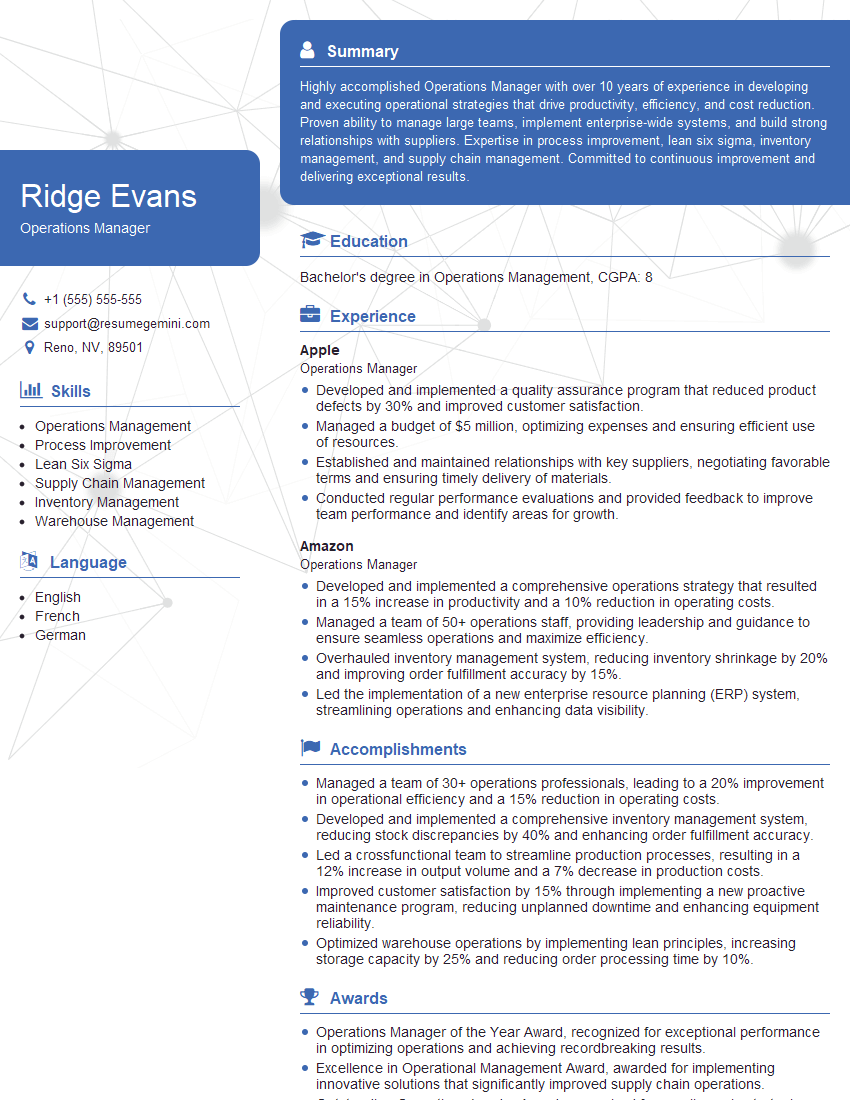
Operations Manager Resume Sample
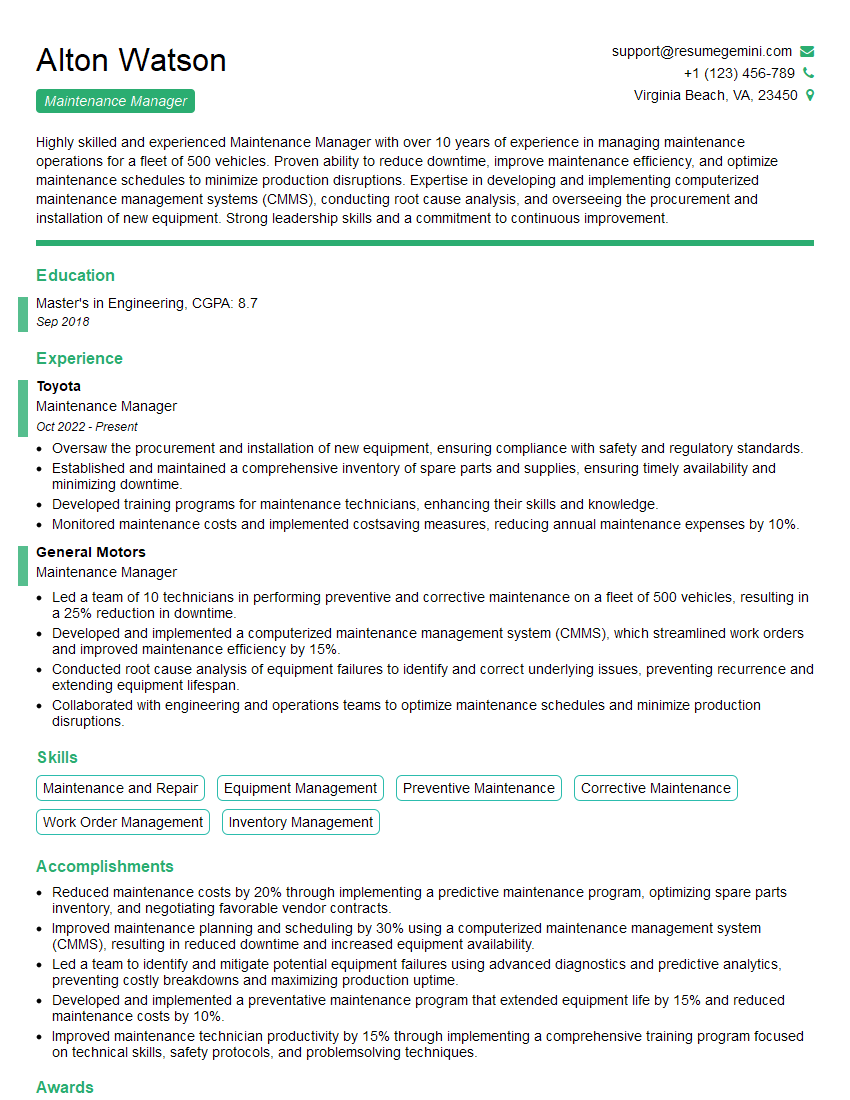
Maintenance Manager Resume Sample
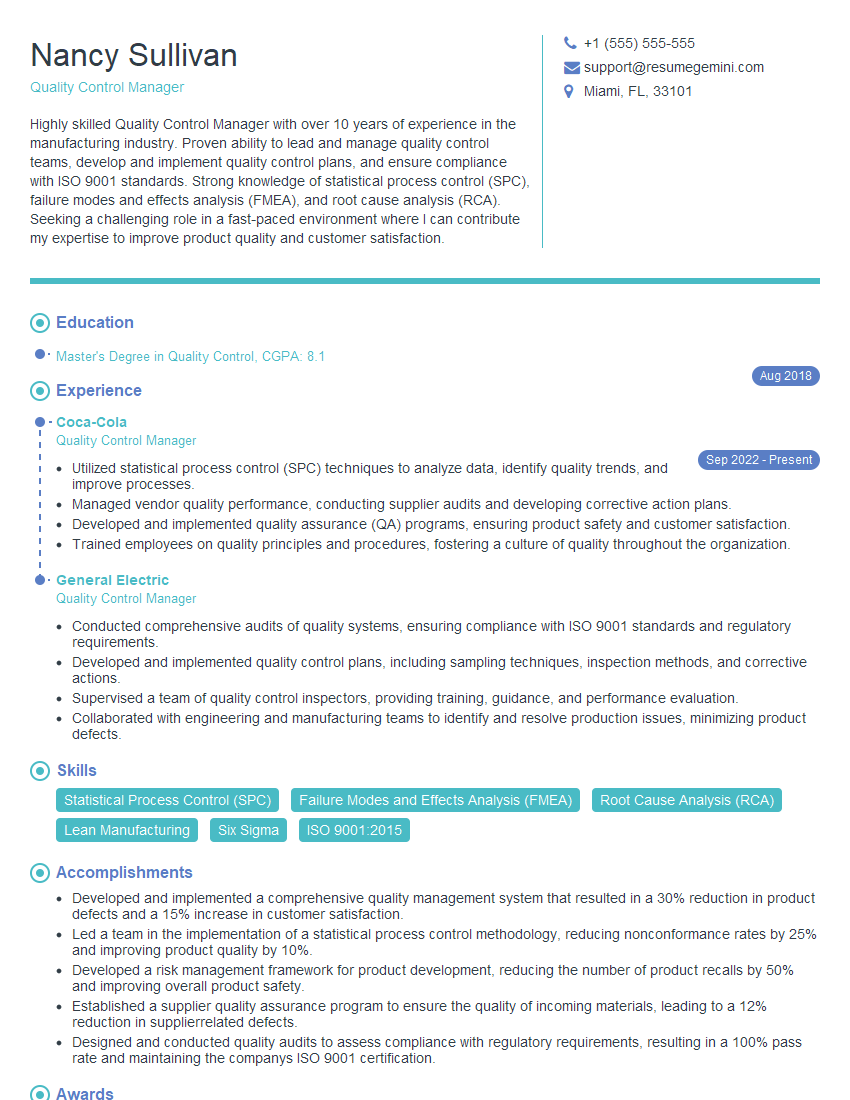
Quality Control Manager Resume Sample
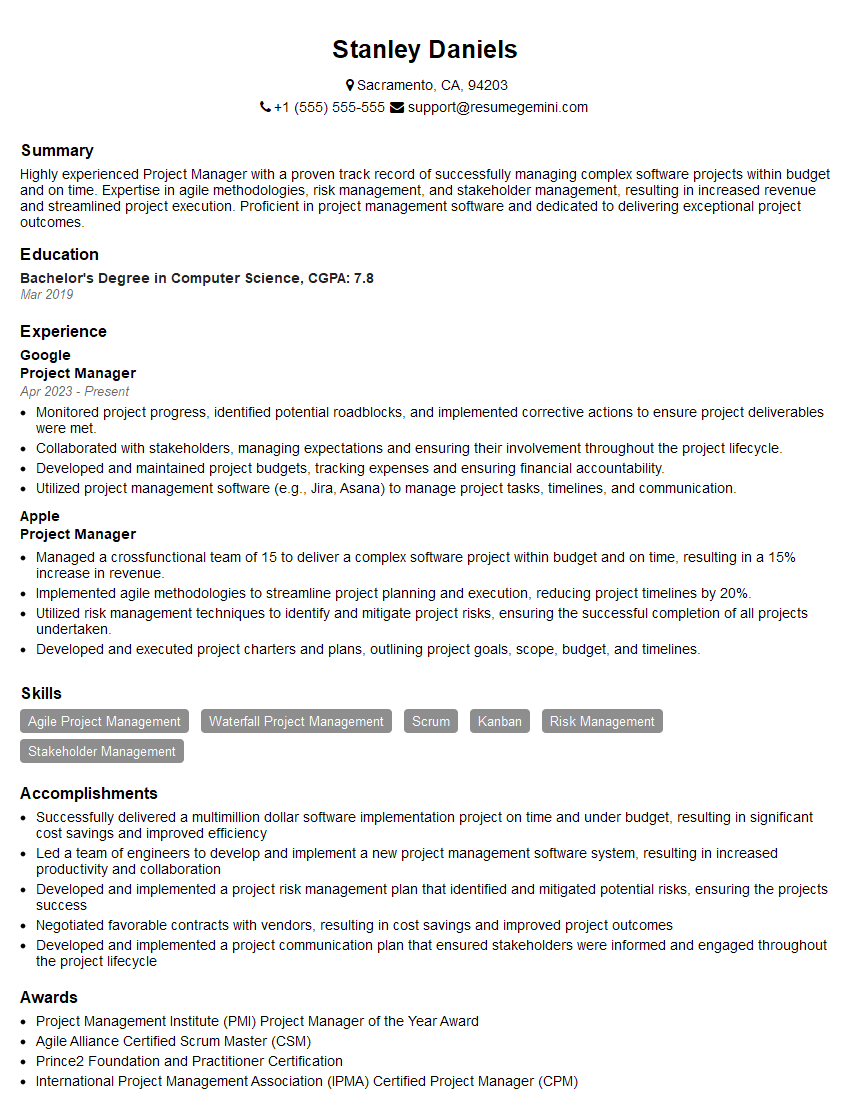
Project Manager Resume Sample

Compliance Officer Resume Sample
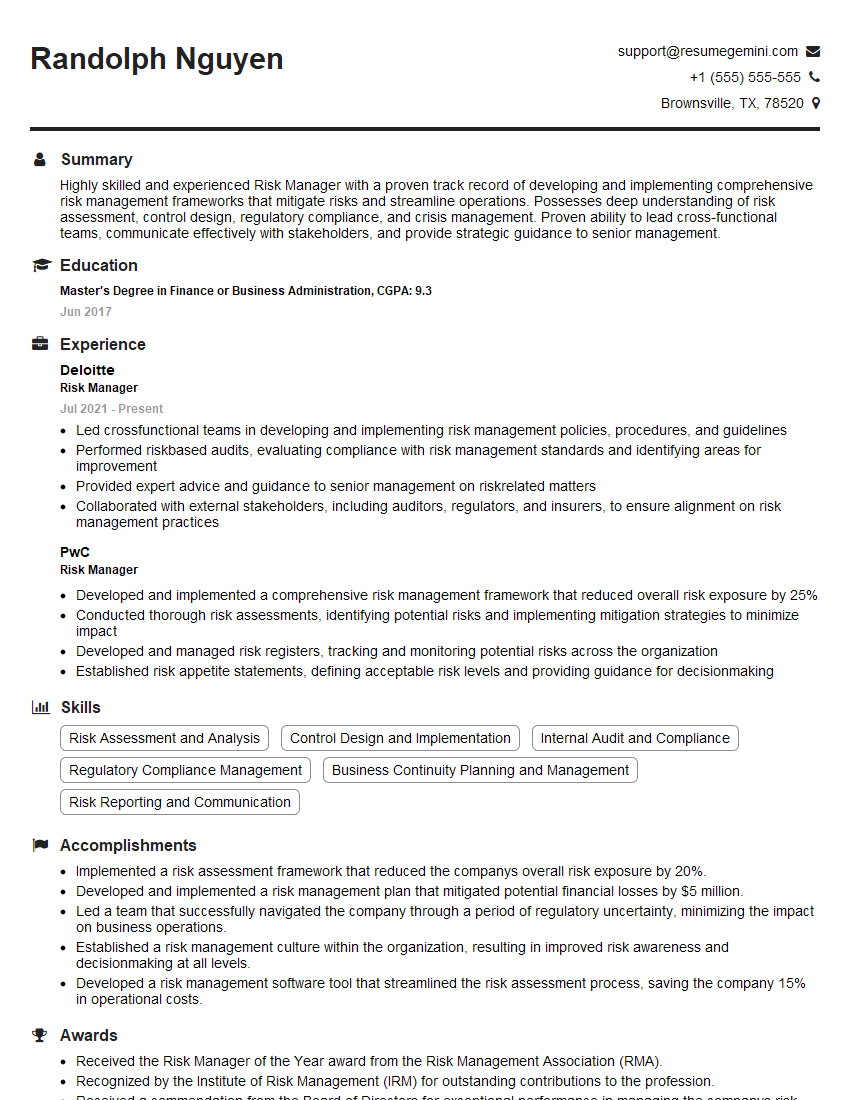
Risk Manager Resume Sample
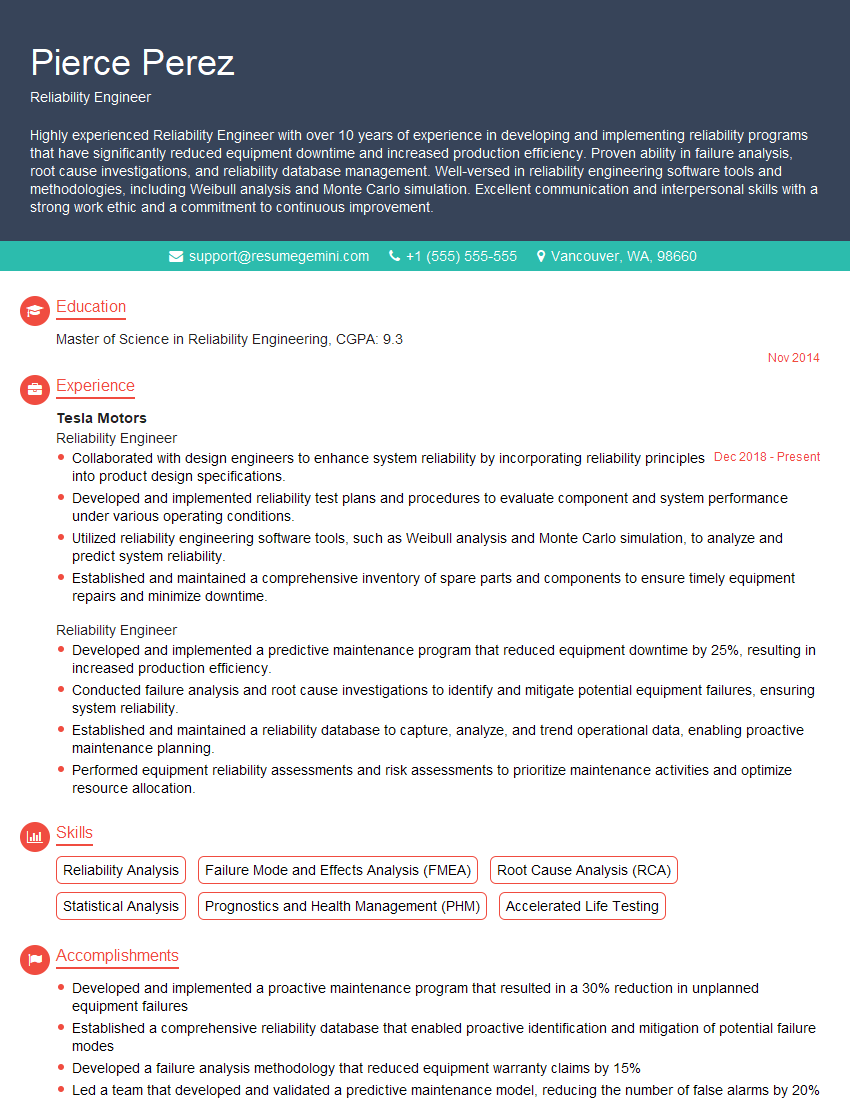
Reliability Engineer Resume Sample
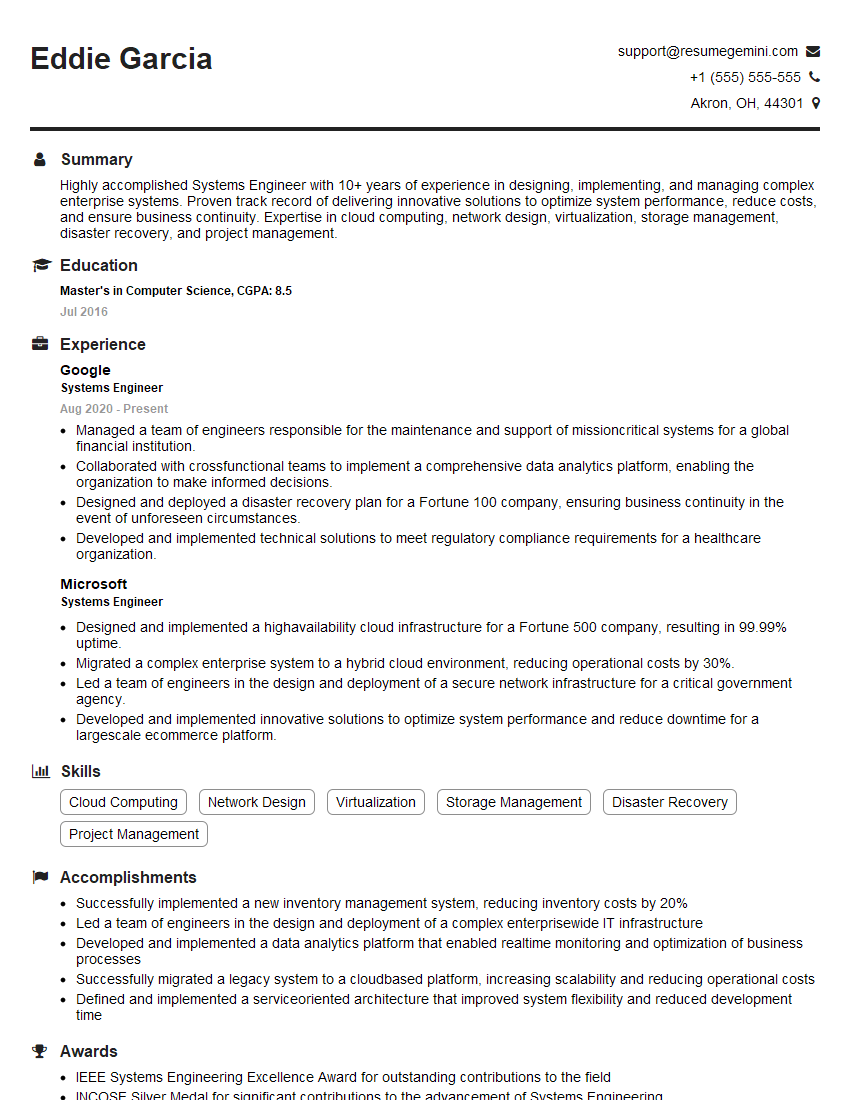
Systems Engineer Resume Sample
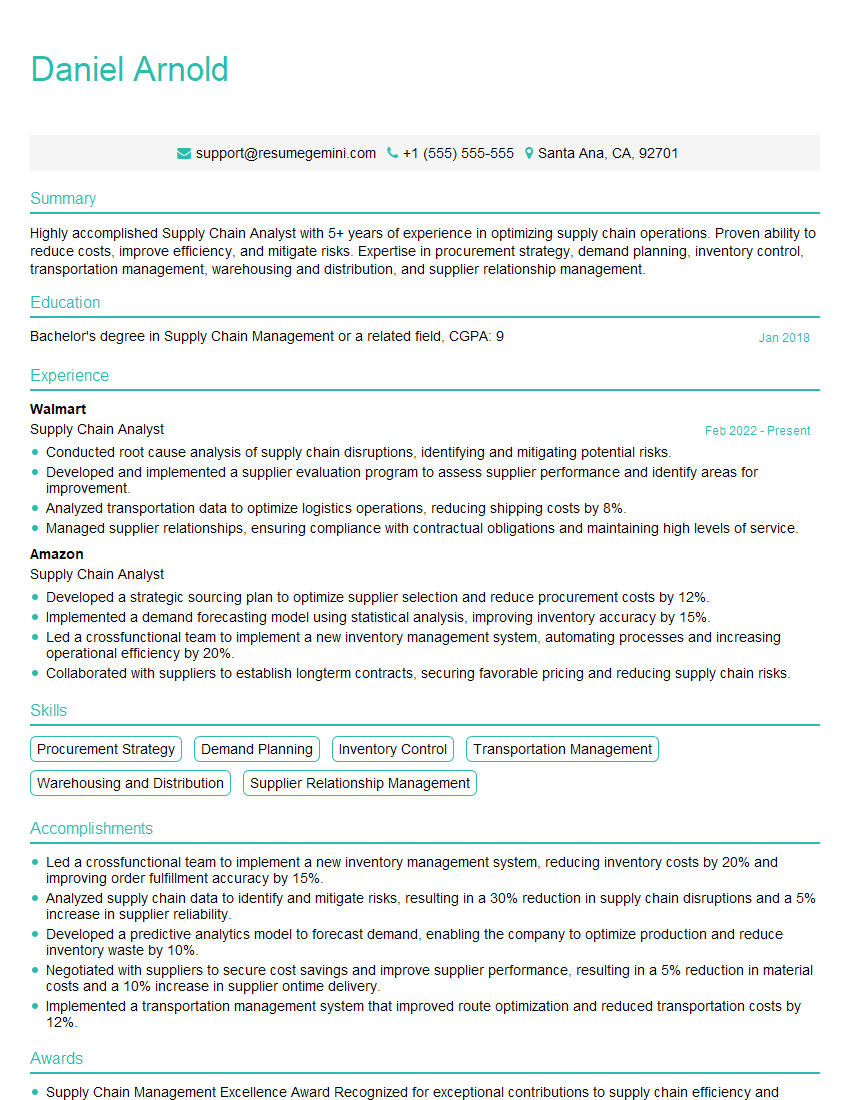
Supply Chain Analyst Resume Sample
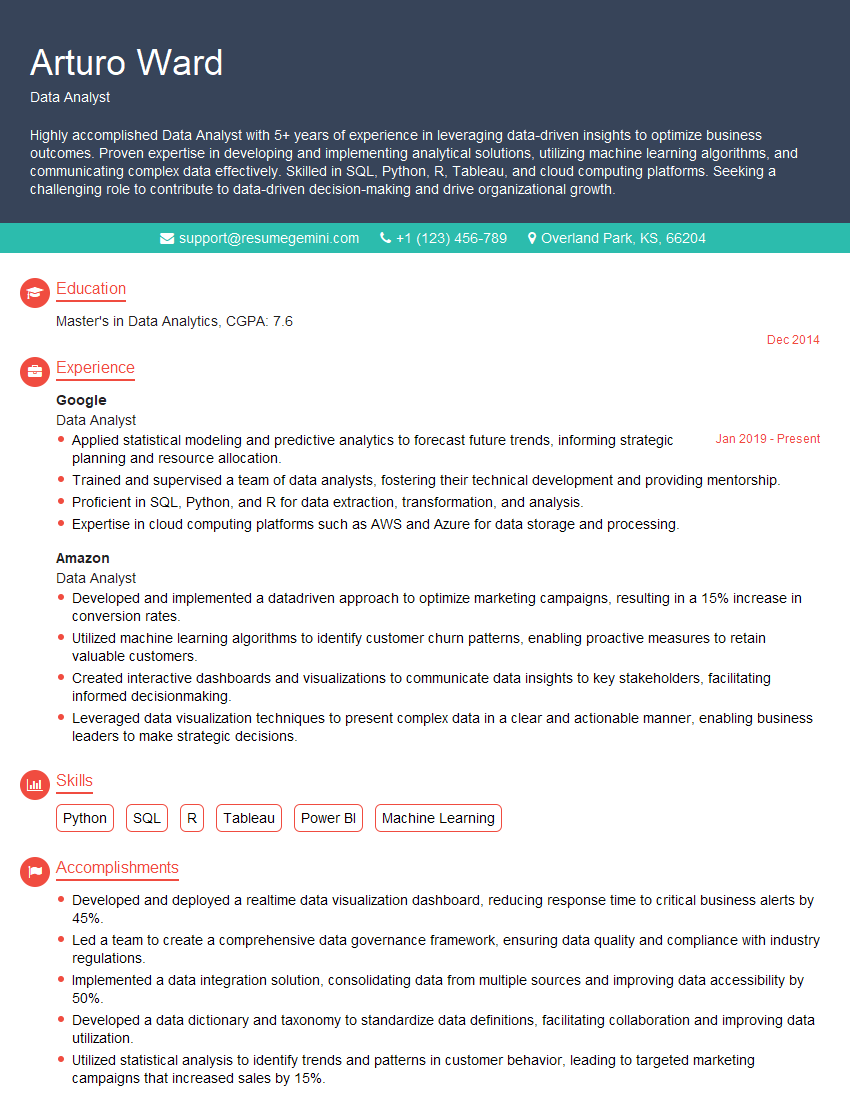
Data Analyst Resume Sample
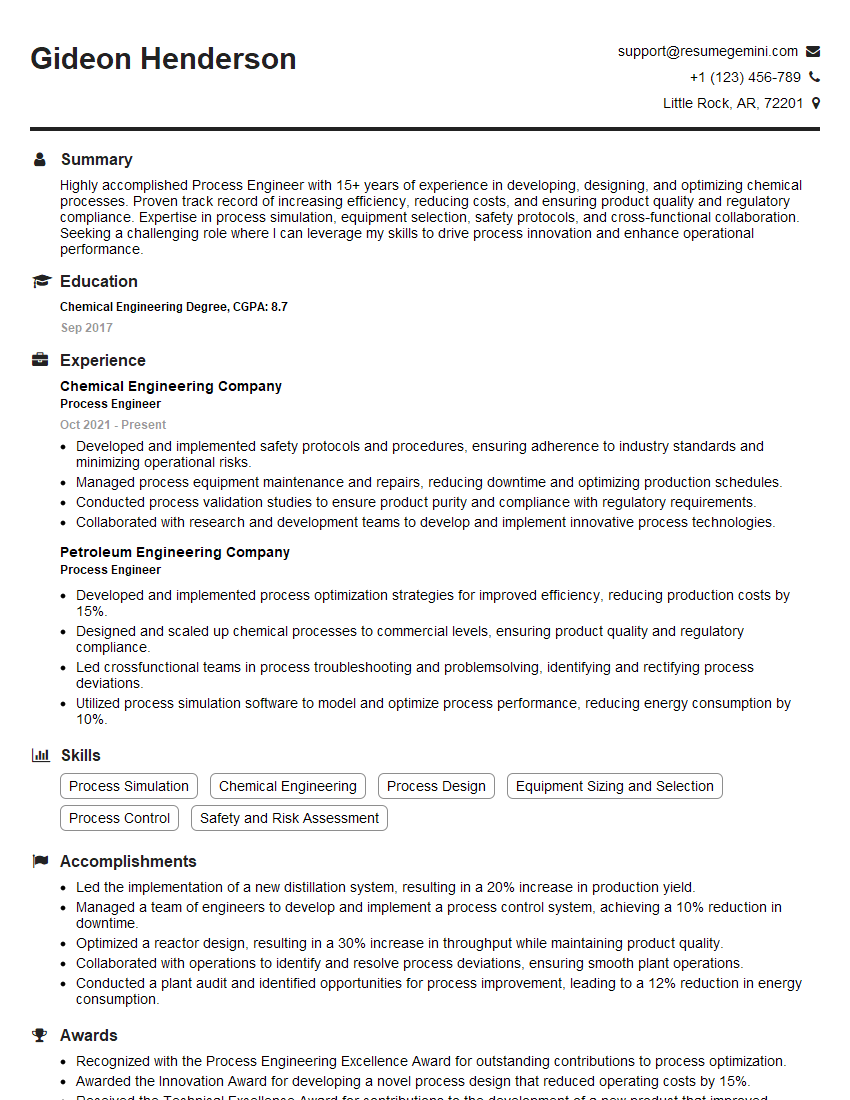
Process Engineer Resume Sample
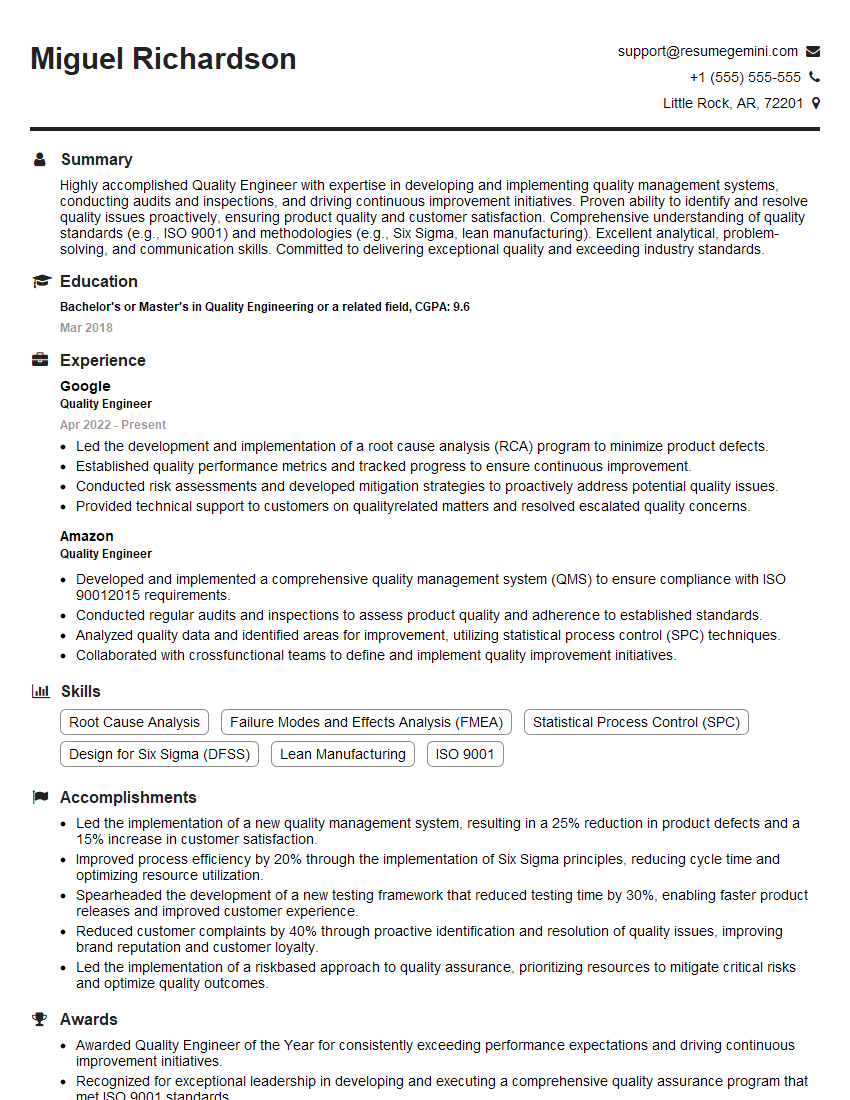
Quality Engineer Resume Sample
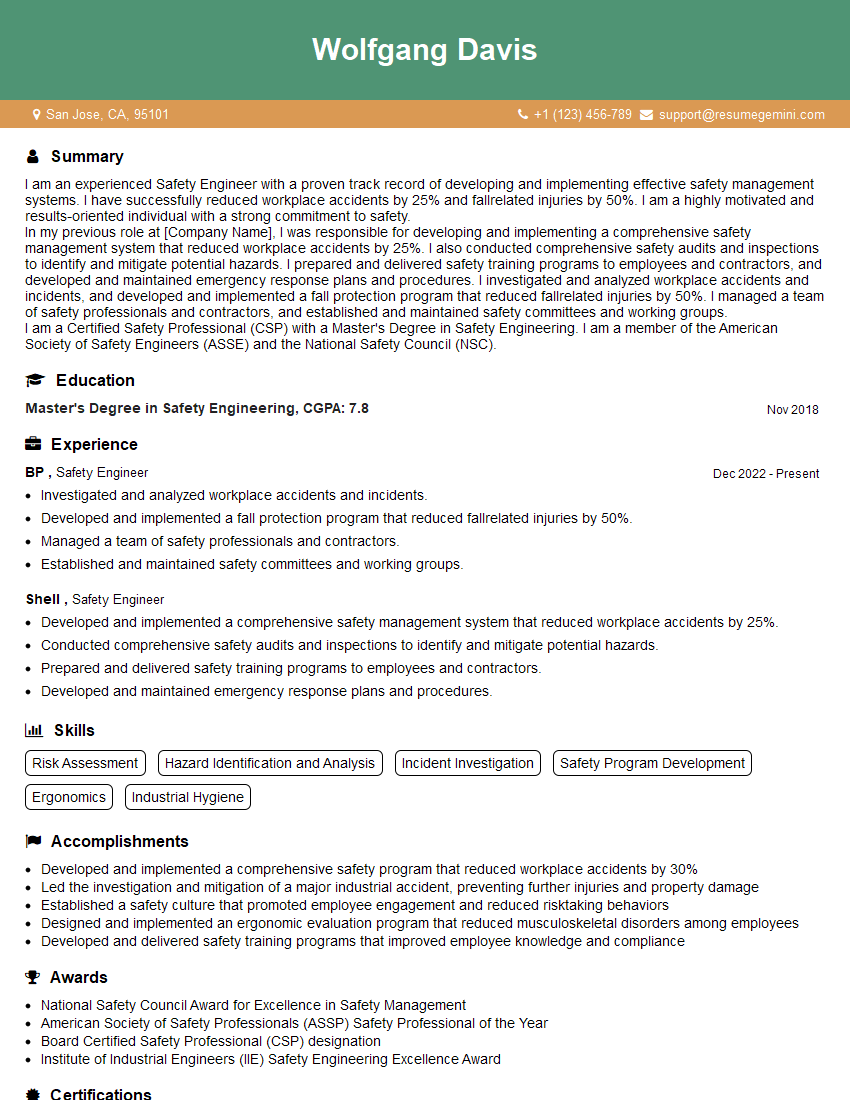
Safety Engineer Resume Sample
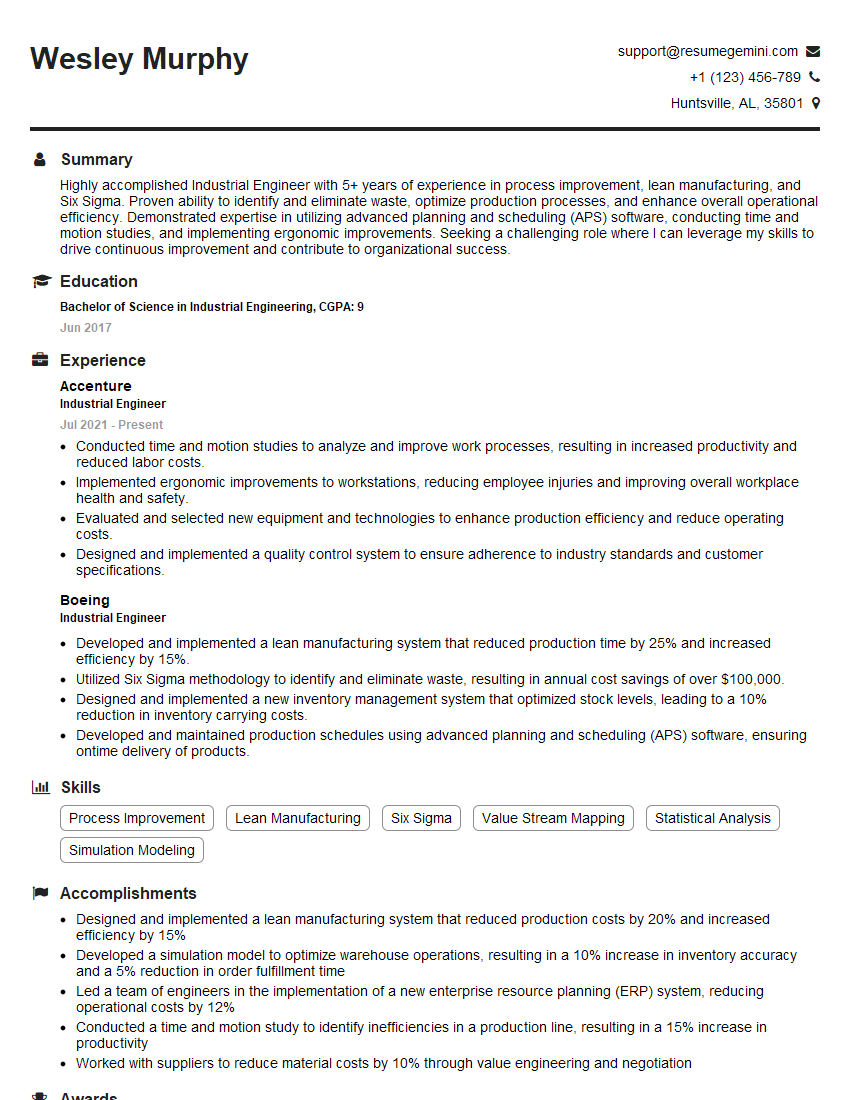
Industrial Engineer Resume Sample
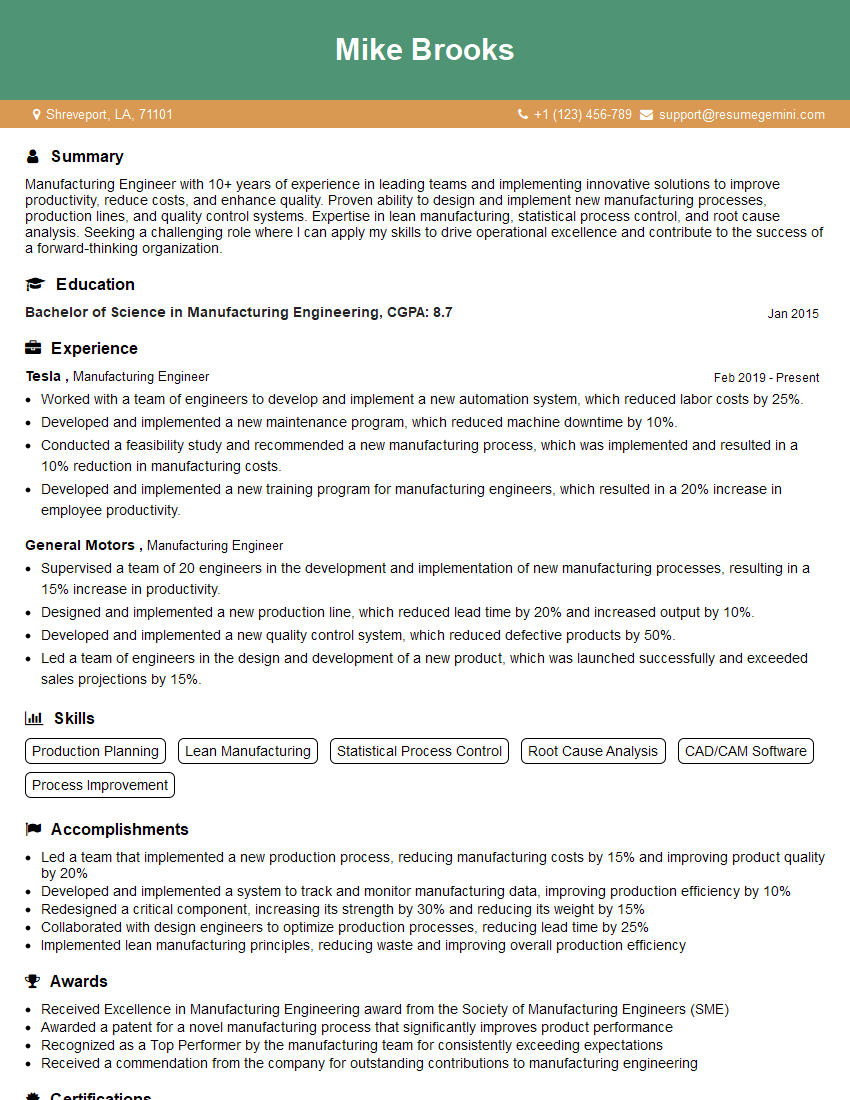
Manufacturing Engineer Resume Sample
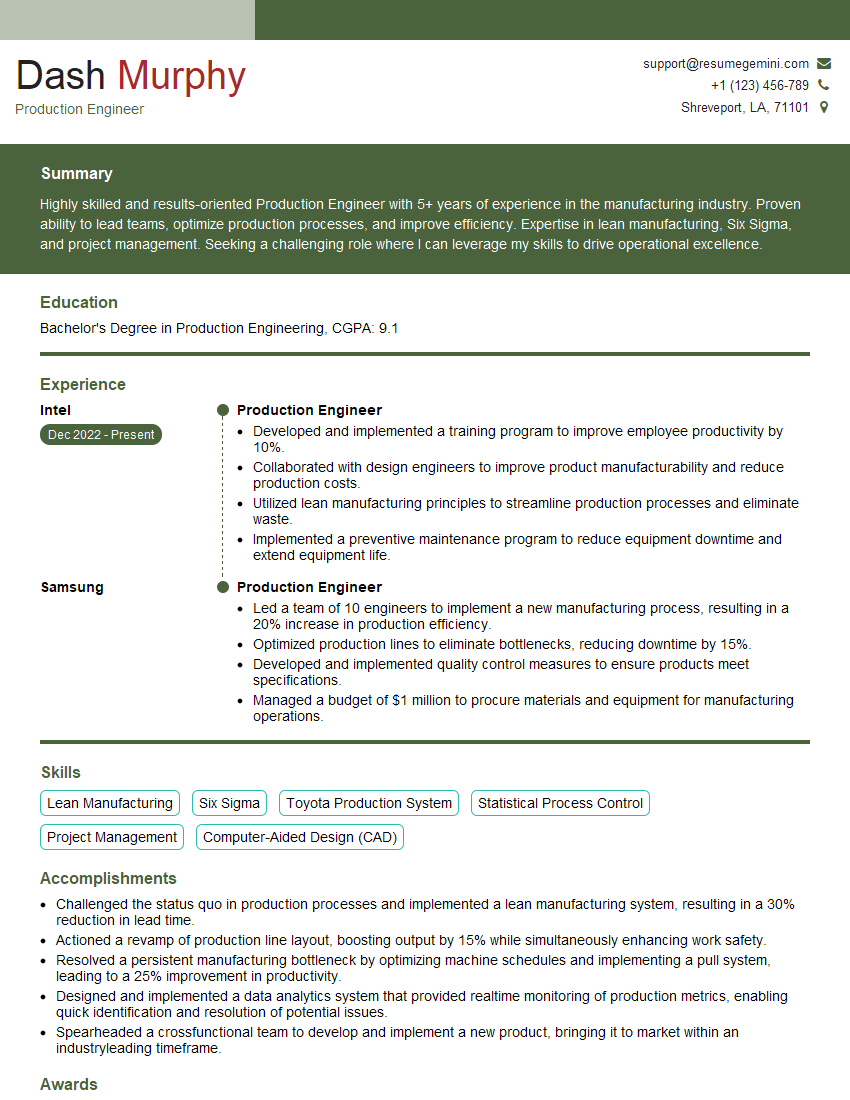
Production Engineer Resume Sample
Explore more articles
Users Rating of Our Blogs
Share Your Experience
We value your feedback! Please rate our content and share your thoughts (optional).
What Readers Say About Our Blog
Very informative content, great job.
good