Preparation is the key to success in any interview. In this post, we’ll explore crucial Rebreather Examiner interview questions and equip you with strategies to craft impactful answers. Whether you’re a beginner or a pro, these tips will elevate your preparation.
Questions Asked in Rebreather Examiner Interview
Q 1. Describe the different types of rebreathers and their operational principles.
Rebreathers recycle exhaled gas, removing carbon dioxide and adding oxygen to maintain a breathable mixture, unlike open-circuit scuba which vents exhaled gas. There are several types, categorized primarily by their oxygen delivery method and scrubber technology.
- Closed-Circuit Rebreathers (CCR): These precisely control the oxygen partial pressure (PO2) within the breathing loop. A sensor monitors the PO2 and adds oxygen as needed. They are highly efficient, extending dive time significantly, but require more technical expertise and maintenance.
- Semi-Closed-Circuit Rebreathers (Semi-CCR): These add a set amount of oxygen with each breath. The PO2 fluctuates slightly more than in a CCR, and the system is generally simpler and less expensive.
- Open-Circuit Rebreathers (OCR): While technically a misnomer (as they are only partially open circuit), these rebreathers mostly use a scrubber to remove CO2 but still vent a small portion of the exhaled gas. This simplifies the design, reducing complexity, but at the cost of increased gas consumption.
The operational principle across all types involves a breathing loop where the exhaled gas passes through a carbon dioxide scrubber (usually containing soda lime), and oxygen is added (either manually or automatically) to maintain a safe and breathable gas mix. A counterlung acts as a volume compensator in the system.
Q 2. Explain the process of pre-dive checks and inspections for a rebreather.
Pre-dive checks are paramount for rebreather safety. They follow a systematic approach, often using checklists to ensure nothing is missed. Think of it like pre-flight checks for an airplane – thoroughness is essential.
The process typically involves:
- Visual Inspection: Checking for any damage, corrosion, or leaks in hoses, valves, and other components. Look for anything out of the ordinary.
- Gas Analysis: Verifying the oxygen content and purity of the diluent gas (usually air or oxygen) using an oxygen analyzer. This is critical for safe operation.
- Scrubber Check: Inspecting the scrubber to ensure it’s properly installed, not used beyond its service life, and contains adequate absorbent material. (More on scrubber maintenance below)
- Electronic Component Check (if applicable): Checking battery levels, sensor calibration, and the functionality of the control electronics. These often have self-tests.
- Functional Test: Performing a breathing simulation to check the overall system function, ensuring proper oxygen addition and CO2 removal. This often involves observing the pressure changes in the counterlung.
- Leak Test: A final check to confirm the absence of significant leaks in the breathing loop.
These steps are typically performed in a structured sequence, with detailed records kept in a logbook.
Q 3. What are the common malfunctions of rebreathers and how to troubleshoot them?
Rebreather malfunctions can range from minor inconveniences to life-threatening emergencies. Early detection and proper troubleshooting are crucial.
- Low Oxygen Alarm: This indicates insufficient oxygen in the breathing loop, potentially due to a faulty oxygen sensor, low oxygen supply, or a leak. Troubleshooting involves checking oxygen sensors, gas supplies, and performing a leak check.
- High Carbon Dioxide Alarm: A high CO2 reading indicates the scrubber isn’t working effectively, possibly due to a depleted absorbent, a blocked scrubber, or a leak in the loop. Troubleshooting would focus on the scrubber, replacing it if needed, and leak checking.
- Freeflow: Uncontrolled gas flow from the unit, usually indicating a major leak or a malfunctioning valve. Requires immediate attention and potentially a bailout to open circuit.
- Electronic Malfunctions: Issues with the electronics can affect oxygen control or alarms. Troubleshooting may involve checking battery levels, connections, and running self-tests.
Troubleshooting often involves a systematic process of elimination, carefully checking each component and using available diagnostic tools. Always prioritize safety and, if unsure, ascend to a shallower depth and switch to an open-circuit bailout.
Q 4. Detail the procedures for emergency oxygen switching and bailout procedures.
Emergency oxygen switching and bailout procedures are critical safety measures. They are practiced repeatedly to become second nature.
Emergency Oxygen Switching: In a closed-circuit rebreather, this typically involves switching to a backup oxygen supply or manually adding oxygen to compensate for a system failure (e.g., low oxygen alarm). This requires understanding the rebreather’s specific procedure.
Bailout Procedures: If a rebreather malfunctions beyond repair underwater, switching to a backup open-circuit scuba system (bailout) is necessary. This involves quickly and calmly activating the bailout, switching to the open-circuit regulator, and ascending safely. Practice is key to executing this efficiently and safely under pressure.
Training extensively simulates these procedures under controlled conditions to build confidence and competence in emergency response.
Q 5. How do you manage gas management and oxygen partial pressure within a rebreather?
Gas management and oxygen partial pressure (PO2) control are fundamental aspects of rebreather diving. Maintaining the correct PO2 within safe limits (usually between 1.2 and 1.6 bar) is crucial for avoiding oxygen toxicity at depth and hypoxia at the surface.
In CCRs, sophisticated electronics control oxygen addition. In semi-CCRs, the amount of oxygen added per breath is pre-determined and depends on the depth. Monitoring the PO2 via sensors is essential for both types.
Gas management involves carefully monitoring the amount of oxygen and diluent gas remaining in the cylinders to ensure sufficient supplies for the planned dive and a safety margin. This requires careful planning and calculation, taking into account depth, dive time, and gas consumption rates.
Q 6. Explain the importance of scrubber maintenance and replacement.
Scrubber maintenance is crucial for the safe operation of any rebreather. The scrubber contains soda lime (or a similar absorbent), which removes carbon dioxide from the breathing loop. Over time, this absorbent becomes saturated and less effective. A saturated scrubber can lead to a build-up of carbon dioxide, resulting in CO2 poisoning – a potentially fatal situation.
Scrubber Replacement: Scrubbers have a limited service life, indicated by manufacturers through indicators or usage time. Replacing the scrubber according to the manufacturer’s instructions is non-negotiable. A partially depleted scrubber should never be reused.
Scrubber Maintenance: While replacement is the primary maintenance, inspecting the scrubber for damage, ensuring proper seating, and checking the integrity of the container are all important aspects of pre-dive checks.
Q 7. Describe the safety protocols related to rebreather use and maintenance.
Safety protocols for rebreather diving are rigorous and emphasize thorough training, regular maintenance, and adherence to strict operating procedures.
- Comprehensive Training: Rebreather diving requires extensive training from a certified and reputable instructor. This includes both theoretical knowledge and practical skills, covering all aspects of the equipment, procedures, and emergency response.
- Regular Maintenance: Meticulous maintenance and servicing by qualified technicians are essential. This should adhere to a strict schedule outlined by the manufacturer.
- Dive Planning: Detailed dive planning is crucial, including thorough gas management calculations, emergency procedures, and contingency plans. A dive buddy is also essential.
- Buddy System: Dive with a competent buddy who is familiar with your rebreather and has the necessary skills to assist in an emergency.
- Logbook Maintenance: Keeping detailed dive logs and maintenance records ensures that potential issues are tracked and addressed promptly.
Adherence to these protocols minimizes risk and enhances diver safety. Always remember that complacency can be deadly with rebreathers.
Q 8. What are the limitations and risks associated with rebreather diving?
Rebreather diving, while offering extended bottom times and reduced environmental impact compared to open-circuit diving, presents inherent limitations and risks. These stem primarily from the reliance on sophisticated technology and the enclosed breathing loop.
- Equipment Failure: A malfunction in any component – from sensors and electronics to valves and scrubber – can lead to serious consequences, including oxygen toxicity, carbon dioxide buildup (hypercapnia), or oxygen deficiency (hypoxia).
- Human Error: Improper assembly, incorrect gas mixing, inadequate pre-dive checks, or poor management of the breathing loop can result in life-threatening situations. For instance, forgetting to add absorbent to the scrubber before a dive is catastrophic.
- Environmental Factors: Cold water can affect scrubber performance, while high levels of CO2 in the dive environment can overwhelm the scrubber’s capacity. A sudden increase in physical exertion could also exacerbate these issues.
- Gas Management Challenges: Precise management of oxygen partial pressure (PO2) and partial pressure of carbon dioxide (PCO2) is crucial. Errors here can lead to oxygen toxicity or asphyxiation.
- Limited Redundancy: While some rebreathers offer redundancy features, many rely on a single primary oxygen supply or scrubber. Failure here necessitates immediate ascent.
A thorough understanding of these risks and meticulous attention to detail throughout the diving process are paramount to mitigate potential dangers.
Q 9. How do you interpret and react to rebreather sensor readings?
Interpreting rebreather sensor readings requires constant vigilance and a solid grasp of the equipment’s operational parameters. The key sensors are the oxygen sensor (O2), the carbon dioxide sensor (CO2), and the pressure sensor(s). The readings on these sensors need to be interpreted together rather than individually.
- Oxygen Sensor (O2): This sensor measures the partial pressure of oxygen (PO2) in the breathing loop. It’s crucial to maintain the PO2 within safe operating limits (typically 1.2 – 1.6 bar), avoiding both hypoxia and oxygen toxicity.
- Carbon Dioxide Sensor (CO2): This measures the partial pressure of carbon dioxide (PCO2). Elevated PCO2 indicates scrubber exhaustion or inadequate ventilation. Even moderate increases above the acceptable range result in fatigue and other debilitating symptoms.
- Pressure Sensor(s): Pressure sensors monitor the pressure within the breathing loop, the oxygen tank(s), and possibly the diluent gas tank(s). Unexpected changes can indicate leaks, gas depletion, or other problems.
Reaction to Readings: Any significant deviation from the acceptable range of sensor readings necessitates immediate action. This might involve ascending to a shallower depth, switching to a bailout cylinder, or implementing emergency procedures as defined in the rebreather’s operating manual.
For example, if the O2 sensor shows a significantly low reading, this could mean an oxygen leak or supply failure, and the diver should immediately initiate an emergency ascent to safely breathe from their bailout cylinder.
Q 10. Explain the process of analyzing rebreather samples.
Analyzing rebreather samples (mainly to check the scrubber performance and gas purity) isn’t a routine part of the diver’s responsibilities. Specialized equipment and training are required. This task is usually done by specialized technicians or in a laboratory setting. The type of test can range from basic checks of the CO2 level using colorimetric indicators, to advanced gas chromatography for a complete gas analysis.
Process (Simplified):
- Sample Collection: A sample of the breathing loop gas is carefully extracted using appropriate equipment, minimizing contamination.
- Gas Analysis: Using appropriate instruments, the sample is analyzed to determine its composition, including partial pressures of oxygen and carbon dioxide, and presence of contaminants.
- Scrubber Analysis: The used absorbent from the scrubber can be analyzed to determine its effectiveness and remaining capacity. This often involves weighing the absorbent before and after use, or specific lab testing.
- Data Interpretation: The results are interpreted against manufacturer’s specifications and safety limits. Any deviation warrants further investigation and possibly equipment maintenance or replacement.
The results from this analysis guide future diving operations and identify potential issues before they endanger the diver.
Q 11. Describe the proper procedures for rebreather decontamination and storage.
Proper decontamination and storage of a rebreather are vital for maintaining its functionality, safety, and longevity. The process involves a series of steps designed to eliminate contaminants and protect the unit from damage.
- Rinse and Clean: After each dive, the rebreather should be thoroughly rinsed with fresh water, paying special attention to areas prone to salt buildup. Never use soap or harsh chemicals that may damage the materials.
- Partial Disassembly: Certain components (as per the manufacturer’s instructions) might require partial disassembly to allow for more thorough cleaning. For instance, the counterlungs often need a detailed cleaning.
- Drying: Allow the rebreather to air dry completely. Avoid direct sunlight or heat sources which can damage the seals and components.
- Scrubber Replacement: The scrubber cartridge should be replaced after each dive or after a certain number of uses (according to the manufacturer’s recommendations). Expired or partially used scrubbers can pose a serious risk.
- Inspection: Before storage, conduct a visual inspection of the rebreather for any signs of damage or wear and tear.
- Storage: Store the rebreather in a cool, dry place away from direct sunlight and other environmental hazards, often in a dedicated storage case.
Regular maintenance and adherence to these procedures are crucial for the safe and reliable operation of the rebreather.
Q 12. How would you handle a partial pressure oxygen alarm during a dive?
A partial pressure oxygen (PO2) alarm during a dive indicates a potentially dangerous situation requiring immediate and decisive action. The response depends on whether the alarm signals high or low PO2.
- High PO2 Alarm: This suggests oxygen toxicity risk. The diver must ascend slowly and cautiously to a shallower depth, where the PO2 will decrease. Oxygen toxicity can cause seizures and other severe health problems.
- Low PO2 Alarm: This signals oxygen deficiency, which can lead to unconsciousness. The diver needs to immediately switch to their bailout cylinder and ascend safely. Depending on the severity, the ascent needs to be managed carefully.
Emergency Procedures: It’s vital to understand and practice all emergency procedures specific to your rebreather model. This should include confirming the alarm, checking oxygen supply, switching to bailout, and safe ascent techniques. Communication with your dive buddy is essential during such situations.
Example: If a high PO2 alarm is triggered, the diver should first confirm the alarm, and then perform a slow, controlled ascent. They should reduce their workload to lessen oxygen consumption. Upon reaching a shallower depth, the alarm may stop. However, they must continue to closely monitor the PO2 readings. The dive may need to be aborted depending on the circumstances.
Q 13. What are the legal requirements and certifications for rebreather examiners?
Legal requirements and certifications for rebreather examiners vary significantly by location. There isn’t a universally recognized, single certification. In many regions, there are no legally mandated certifications to become a rebreather examiner. It is however highly recommended that any person inspecting these potentially dangerous equipment have the necessary skills and experience, and follow best practices. Organizations like TDI (Technical Diving International), IANTD (International Association of Nitrox and Technical Divers) and others offer certification programs for rebreather instructors and technicians, but these don’t automatically qualify an individual as a legal examiner.
Typical Requirements (Variable): Becoming a reputable rebreather examiner would generally require extensive experience in rebreather diving, technical diving, and maintenance. A deep understanding of physiology, gas laws, and rebreather equipment is essential. Further, many agencies require the completion of advanced training courses. Specific manufacturer certifications and training might be another aspect.
It’s crucial to research the specific legal and regulatory requirements of your region concerning rebreather maintenance, inspection, and certification.
Q 14. Describe the process for conducting a thorough rebreather inspection.
A thorough rebreather inspection is a systematic process aimed at identifying any potential problems before they compromise diver safety. It should go beyond a simple visual check and involve detailed examination of all crucial components.
- Visual Inspection: Begin by visually inspecting the entire rebreather for any signs of damage, corrosion, or wear and tear on hoses, valves, and other parts. Check for any cracks, leaks, or loose connections.
- Functional Tests: Test all valves and mechanisms to ensure they operate correctly and smoothly. Inspect the oxygen sensors to ensure they work within specifications.
- Gas Analysis (Optional): Although not always a standard practice for routine inspections, if a gas analyser is available it is strongly recommended to verify the gas quality to ensure it meets the expected purity levels.
- Scrubber Inspection: Examine the scrubber cartridge’s condition, taking note of its age, remaining capacity, and any signs of damage or contamination. Replace as required.
- Electronic Components: Inspect the electronic components and batteries, testing their functionality and making sure software is up to date if applicable.
- Documentation: Thoroughly document all findings, including any issues identified, repairs made, and the date of the inspection. This documentation forms a crucial part of the maintenance log.
Following manufacturer’s instructions and having access to appropriate manuals and specifications is essential to a proper inspection. If the unit is faulty or the examiner isn’t certain about something, they should stop the inspection, and refer the equipment to a manufacturer-approved technician or service center.
Q 15. What are the signs of a failing scrubber and the response protocol?
A failing scrubber is a serious issue in rebreather diving, as it compromises the removal of carbon dioxide (CO2) from the breathing loop. Signs of failure can be subtle or dramatic. Subtle signs include increased breathing effort, a slightly sour taste or smell, or a feeling of increased CO2 build-up. More serious signs include headaches, dizziness, confusion, nausea, and ultimately, loss of consciousness. These symptoms are often called CO2 toxicity.
Response Protocol: The response to a suspected scrubber failure is immediate and decisive. The protocol follows these crucial steps:
- Ascend immediately: This is the paramount action to reduce CO2 partial pressure.
- Switch to bailout cylinder: If equipped, immediately switch to a bailout cylinder providing an independent supply of fresh air.
- Check for scrubber issues: Once surfaced, thoroughly inspect the scrubber and canister for physical damage or signs of premature exhaustion.
- Seek medical attention: CO2 toxicity can have lasting effects, so seeking medical attention is crucial, even if symptoms seem minor. Regular post-dive physical checkups after suspected scrubber failure are also advisable.
- Don’t reuse the suspected scrubber: Replace the scrubber cartridge with a fresh one.
Example: Imagine a diver feeling increasingly tired during a dive. They notice a subtle sour taste and increased breathing effort. This might be a warning sign of a failing scrubber. Immediate ascent and switching to their bailout is the correct response, followed by a post-dive investigation and medical evaluation.
Career Expert Tips:
- Ace those interviews! Prepare effectively by reviewing the Top 50 Most Common Interview Questions on ResumeGemini.
- Navigate your job search with confidence! Explore a wide range of Career Tips on ResumeGemini. Learn about common challenges and recommendations to overcome them.
- Craft the perfect resume! Master the Art of Resume Writing with ResumeGemini’s guide. Showcase your unique qualifications and achievements effectively.
- Don’t miss out on holiday savings! Build your dream resume with ResumeGemini’s ATS optimized templates.
Q 16. How do you identify and address issues related to the counterlung and breathing loop?
The counterlung and breathing loop are crucial components of a rebreather. Issues can arise from various sources, impacting breathing and overall safety. The counterlung acts as a bellows to regulate gas volume within the loop. The breathing loop connects the diver to the counterlung and scrubber.
Identifying Counterlung Issues: Problems might include leaks (detected by unusual pressure changes or hissing sounds), damage to the bellows (affecting inflation/deflation), or mechanical failure (e.g., valve malfunction). Visual inspection and pressure testing are crucial.
Identifying Breathing Loop Issues: These include leaks (often at connections or within the hoses), blockages (restricting airflow), or the presence of contaminants within the loop.
Addressing Issues:
- Leaks: Identify the leak source through careful visual inspection, using soapy water to detect escaping bubbles. Repair or replace affected components.
- Counterlung damage: This typically requires replacement.
- Blockages: Thoroughly rinse and clean the breathing loop.
- Contaminants: Flush the loop completely with fresh gas.
Example: A diver notices increased work of breathing. After inspecting their rebreather, they find a small leak in the counterlung bellows. This is quickly repaired using a specialized repair kit. Another scenario could be a diver noticing a restriction in breathing after a silty dive, indicating a possible blockage in the breathing loop. They carefully flush the entire system.
Q 17. Explain the different types of diluent gases used in rebreathers.
Rebreathers use diluent gases to maintain a safe partial pressure of oxygen while providing a breathing gas mixture that doesn’t require the constant venting of gas like open circuit scuba. The most common diluent gases are:
- Oxygen (O2): While oxygen is not strictly a diluent, it forms part of the mix and helps maintain the required partial pressure of oxygen (PO2).
- Nitrogen (N2): This is a common, inexpensive and readily available gas used as a diluent. It is, however, associated with nitrogen narcosis at depth.
- Helium (He): Helium is used as a diluent, particularly in technical diving at greater depths. It minimizes the effects of nitrogen narcosis and reduces the density of the breathing gas, making it easier to breathe at depth. However, it’s more expensive.
Choosing a diluent gas depends on factors such as depth, dive duration, and the diver’s experience and preference. Deep dives may necessitate the use of helium to mitigate the risk of nitrogen narcosis.
Q 18. Discuss the impact of depth and altitude on rebreather operation.
Depth and altitude significantly impact rebreather operation. These factors influence gas partial pressures and density, affecting both performance and safety.
Depth: As depth increases, ambient pressure rises. This results in an increase in the partial pressure of all gases within the rebreather’s breathing loop. Divers must carefully manage oxygen partial pressure (PO2) to avoid oxygen toxicity. The increased density of the breathing gas at depth also increases breathing effort, requiring the use of Helium mixes to mitigate this issue.
Altitude: At high altitudes, the ambient pressure is lower, which reduces the partial pressure of the gas in the rebreather. This can lead to problems maintaining the set PO2 levels and difficulties with the correct addition of oxygen. Proper gas management and careful pre-dive calculations are essential to ensure safety at altitude.
Example: A diver using a rebreather at 30 meters (98ft) needs to carefully monitor their PO2, as the increased pressure will increase the oxygen partial pressure. Similarly, a diver using a rebreather at a high altitude lake may need to adjust their gas settings as the reduced pressure could make it challenging to maintain the desired PO2.
Q 19. What are the limitations of using a rebreather in various diving environments?
Rebreathers, while offering advantages, have limitations depending on the diving environment:
- Cave Diving: While rebreathers are popular in cave diving due to their extended bottom times and reduced bubble generation, issues could occur from gas contamination from sediment stirring. In case of equipment malfunctions, the limited visibility inside caves creates more significant challenges.
- Wreck Diving: Similar to cave diving, reduced visibility and the possibility of gas contamination from decaying materials present risks.
- Strong Currents: The physical demands of diving in strong currents can be amplified with rebreathers and require extra fitness and skill.
- Cold Water Diving: Cold water significantly affects battery life in electronic rebreathers, and proper thermal protection of the equipment is essential.
- Emergency Scenarios: If a rebreather malfunction occurs, rapid ascent and proper bailout procedure are essential.
Example: In a cave system, a minor equipment issue could have serious consequences due to the restricted visibility and limited escape routes. Therefore, a high level of proficiency, redundancy, and backup plans are essential.
Q 20. Describe the importance of proper gas blending techniques for rebreathers.
Proper gas blending techniques are crucial for rebreather diving because the precise mixing of oxygen and diluent gases (nitrogen or helium) directly impacts the safety and performance of the dive. Improper blending can result in dangerous oxygen levels, leading to oxygen toxicity or hypoxia.
Importance: Precise blending ensures that the partial pressures of oxygen (PO2) and other gases remain within safe limits throughout the dive, depending on depth and operational parameters. Incorrect blending can cause serious injury or death.
Techniques: Gas blending for rebreathers typically involves specialized equipment, such as calibrated gas analyzers and blending manifolds. These tools allow for precise measurement and mixing of gases, ensuring the final mixture meets the required specifications.
Example: A diver incorrectly blends their oxygen and helium mixture, resulting in a significantly higher PO2 than intended. At depth, the increased PO2 leads to oxygen toxicity, resulting in seizures and potentially death.
Q 21. How do you assess the overall health and suitability of a rebreather for diving?
Assessing the health and suitability of a rebreather involves a comprehensive and methodical approach, combining visual inspection with functional testing.
Pre-Dive Checks:
- Visual Inspection: Check for any signs of wear, tear, corrosion, or damage to all components, including hoses, valves, counterlung, electronics (if applicable), and scrubber.
- Functional Testing: This includes checking the functionality of all valves, verifying gas flow, checking oxygen sensors and electronics. Many rebreathers have built-in self-tests and leak checks.
- Scrubber Inspection: Ensure the scrubber is correctly installed and hasn’t reached its capacity. Note the absorption capacity of the scrubber and when it requires replacement.
- Gas Analysis: Verify the gas mixture using a calibrated gas analyzer to ensure it matches the planned values.
Post-Dive Checks:
- Thorough Cleaning and Drying: Clean and dry the entire system to prevent corrosion and contamination.
- Component Inspection: Check for any damage caused during the dive.
Regular Servicing: Routine servicing by qualified technicians is crucial to maintain the rebreather’s safety and performance.
Example: Before a dive, a diver visually inspects their rebreather, runs a leak check, and verifies the oxygen sensor reading. After the dive, they clean and dry the entire system and inspect components for any damage. Regular servicing helps to ensure that components are operating correctly.
Q 22. What are the procedures for documenting rebreather maintenance and inspections?
Rebreather maintenance and inspection documentation is crucial for safety and legal compliance. It provides a verifiable record of the unit’s condition and ensures timely servicing. This documentation should be meticulous and follow a standardized format.
- Pre-dive Checks: A detailed checklist should be completed before each dive, noting any anomalies observed. This typically includes checking oxygen levels, scrubber status, CO2 levels (where applicable), and overall system integrity. Any issues, no matter how minor, should be recorded.
- Post-dive Inspections: After every dive, a thorough inspection is necessary, repeating many pre-dive checks and also including a visual inspection of all components for wear and tear, corrosion, or damage. Cleaning and rinsing procedures should also be documented.
- Major Servicing: Scheduled major services (frequency varies depending on the rebreather model and manufacturer’s recommendations) require complete disassembly, cleaning, component testing, and replacement of worn parts. This involves detailed documentation of every step, including component serial numbers, dates of service, and technician signatures.
- Logbook Maintenance: All inspections, services, and repairs should be meticulously recorded in a dedicated logbook or electronic system, often provided by the rebreather manufacturer. This logbook must be readily available for inspection.
Example: A pre-dive checklist might include specific readings for oxygen sensors, noting the date and time, and a visual inspection of the counterlungs for any leaks or damage. Post-dive might include the amount of scrubber absorbent used, and any observations related to its performance.
Q 23. Explain the process of communicating dive plans and procedures related to rebreather use.
Communicating dive plans and procedures for rebreather diving requires clear, concise, and unambiguous communication. This goes beyond simply stating the dive plan; it requires a comprehensive understanding of the equipment and its potential limitations.
- Pre-dive Briefing: This is crucial and should cover the dive profile (depth, bottom time, decompression stops), contingency plans (emergency ascents, equipment failures), gas management strategies (partial pressures, oxygen toxicity limits), and communication procedures.
- Role Assignment: In team dives, clearly define roles and responsibilities, specifying who is responsible for monitoring specific parameters, managing gas supplies, or handling emergencies.
- Gas Management Discussion: A thorough discussion of gas planning, including oxygen partial pressures, diluent gas supply, and contingency gas supply, needs to be done to ensure all divers are aware and on the same page.
- Emergency Procedures: Every diver must understand and practice emergency ascent procedures specific to the rebreather being used, including emergency bailout procedures and communication protocols.
- Communication Methods: Discuss primary and secondary communication methods, whether they are through physical signals, underwater communication devices, or visual cues.
Example: Before a technical rebreather dive, the team might discuss specific decompression stops, the use of bailout cylinders, and procedures for dealing with scrubber issues in the event of a malfunction. Each diver must have a complete understanding of these procedures.
Q 24. What are the common causes of rebreather-related diving accidents?
Rebreather-related diving accidents are often complex, resulting from a combination of factors. They are rarely caused by a single event but instead stem from a chain of contributing events or human error.
- Scrubber Issues: Inadequate scrubber performance, leading to carbon dioxide buildup, causing unconsciousness, is a significant risk.
- Oxygen Sensor Failures: Malfunctioning oxygen sensors can cause divers to breathe either dangerously low or high oxygen levels, leading to hypoxia or oxygen toxicity.
- Gas Management Errors: Incorrect gas mixing, inadequate gas supply, or failure to monitor gas levels can lead to critical situations.
- Equipment Malfunctions: Mechanical failures within the rebreather, such as leaks, valve problems, or hose failures, pose serious threats.
- Human Error: Poor planning, inadequate training, failure to follow procedures, or neglecting pre-dive checks can result in accidents.
Example: A diver might experience a partial pressure of carbon dioxide exceeding safe limits due to an improperly maintained scrubber, resulting in impaired judgment and potentially unconsciousness. Similarly, an undetected leak in the rebreather can quickly deplete the oxygen supply, leading to hypoxia.
Q 25. How do you ensure effective communication with other divers using rebreathers?
Effective communication among rebreather divers hinges on established procedures and the use of appropriate tools.
- Pre-dive Planning: Establishing a comprehensive communication plan before the dive is crucial. This involves selecting a primary and secondary communication method, and agreeing on signals and protocols for various scenarios.
- Standard Signals: Divers should agree upon a set of clear and unambiguous hand signals to communicate critical information, such as gas levels, problems with equipment, or the need for an ascent.
- Underwater Communication Devices: For deeper or longer dives, underwater communication devices (if properly trained and equipped) can significantly enhance communication. It is crucial to ensure all team members are familiar with the equipment’s capabilities and limitations.
- Post-dive Debriefing: A post-dive debrief is essential to review the dive, address any issues encountered, and improve communication and teamwork for future dives. This is a prime opportunity to identify any weak points in communication or equipment handling.
- Regular Practice: Regular practice of communication protocols and emergency procedures in controlled environments is vital to ensure smooth and effective communication during actual dives.
Example: A diver might use a pre-arranged hand signal to indicate a low oxygen level and subsequently point to their bailout cylinder to indicate they are switching to bailout. In the debrief, they will then discuss the low oxygen level and analyze the cause.
Q 26. Explain your understanding of the principles of decompression and its relevance to rebreather diving.
Decompression theory is critical in rebreather diving. Rebreathers allow for extended bottom times, increasing the risk of decompression sickness (DCS) if not properly managed. Understanding decompression principles ensures safe dive profiles.
- Dissolved Gases: At depth, higher ambient pressure forces more nitrogen into the diver’s tissues. During ascent, this pressure decreases, and dissolved gases form bubbles if the ascent is too fast.
- Decompression Models: Various decompression models (e.g., Buhlmann, VPM-B) help calculate safe ascent rates and decompression stop times based on depth, bottom time, and tissue half-times. Rebreather divers usually utilize more sophisticated decompression models due to the extended bottom times.
- Gas Partial Pressures: In rebreathers, precise control over gas partial pressures allows for better management of nitrogen loading and off-gassing. This enables optimized decompression profiles.
- Decompression Sickness (DCS): Understanding the symptoms, causes, and treatment of DCS is essential. DCS can manifest in various ways, from mild skin bends to severe neurological complications, and requires immediate attention.
- Rebreather-Specific Considerations: Certain aspects of rebreather diving may impact decompression, such as the possibility of undetected leaks influencing the effective partial pressures, adding complexity to standard decompression algorithms.
Example: A diver using a rebreather for a deep technical dive will carefully plan decompression stops based on a decompression model that accounts for the extended bottom time and the specific gas mixes used.
Q 27. Describe your experience in conducting rebreather training and certification.
I have extensive experience in conducting rebreather training and certification, having instructed divers of various experience levels across multiple rebreather models.
- Curriculum Development: I have helped develop and adapt training curricula that meet the highest safety standards, focusing on both theoretical knowledge and practical skills development.
- Instructor Methodology: I employ a hands-on, student-centered approach to training, emphasizing practical skills and problem-solving in realistic scenarios.
- Assessment and Evaluation: My assessments are rigorous, ensuring that all trainees demonstrate a mastery of the necessary skills and theoretical knowledge before certification.
- Ongoing Support: I provide ongoing support and mentorship to my students, even after certification, promoting continued learning and safe diving practices.
- Rebreather Models: I am proficient in training on various rebreather systems, including closed-circuit and semi-closed-circuit rebreathers from different manufacturers, and possess the relevant certifications.
Example: In one instance, I trained a group of experienced divers transitioning to a new rebreather model. The training focused on the unique characteristics and potential challenges of the new system, ensuring a smooth and safe transition.
Q 28. What are your strategies for staying updated on the latest advancements and safety standards in rebreather technology?
Staying updated in the rapidly evolving field of rebreather technology is vital for safety. My strategies include:
- Professional Organizations: Active membership in professional diving organizations and attending their conferences and workshops provides access to the latest research, safety standards, and best practices.
- Manufacturer Training: Participating in manufacturer-specific training courses and updates ensures familiarity with the latest features, maintenance procedures, and safety recommendations for specific rebreather models.
- Industry Publications: Regularly reviewing technical journals, online publications, and industry newsletters keeps me informed about the latest advancements and technological developments in rebreather technology and dive safety.
- Networking: Connecting with other rebreather experts, instructors, and technicians through professional networks and online communities fosters a continuous exchange of knowledge and experience.
- Independent Research: I dedicate time to independent research, exploring new research findings, case studies of rebreather incidents, and analyses of best practices to refine my understanding and teaching.
Example: Following the release of a new oxygen sensor technology, I will research its performance, reliability, and safety implications to better inform my teaching and recommendations to my students.
Key Topics to Learn for Rebreather Examiner Interview
- Rebreather Physiology and Mechanics: Understanding gas partial pressures, oxygen toxicity, carbon dioxide management, and the intricacies of loop and semi-closed rebreather systems.
- Equipment Inspection and Maintenance: Thorough knowledge of pre-dive checks, identifying potential malfunctions, performing routine maintenance, and understanding component failure modes.
- Emergency Procedures and Problem Solving: Expertise in handling common rebreather malfunctions, emergency gas switching, and safe ascent procedures in various scenarios.
- Gas Analysis and Calculations: Proficiency in performing gas analyses, understanding partial pressure calculations, and interpreting the results to ensure diver safety.
- Diver Safety and Risk Management: Application of risk assessment principles to rebreather diving, understanding diver limitations, and proactively mitigating potential hazards.
- Regulatory Compliance and Standards: Familiarity with relevant diving standards and regulations related to rebreather operation and maintenance.
- Communication and Teamwork: Effective communication skills to clearly and concisely explain technical information to divers and other team members. Understanding the importance of teamwork in a diving environment.
Next Steps
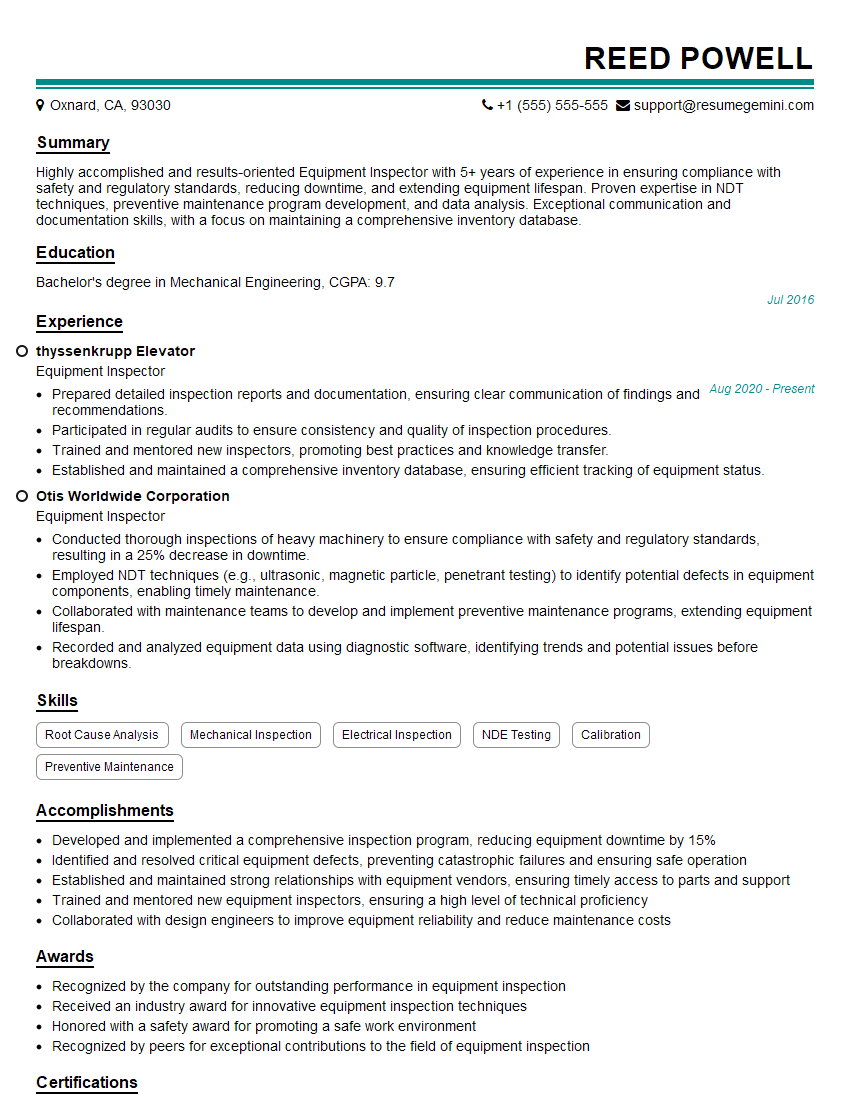
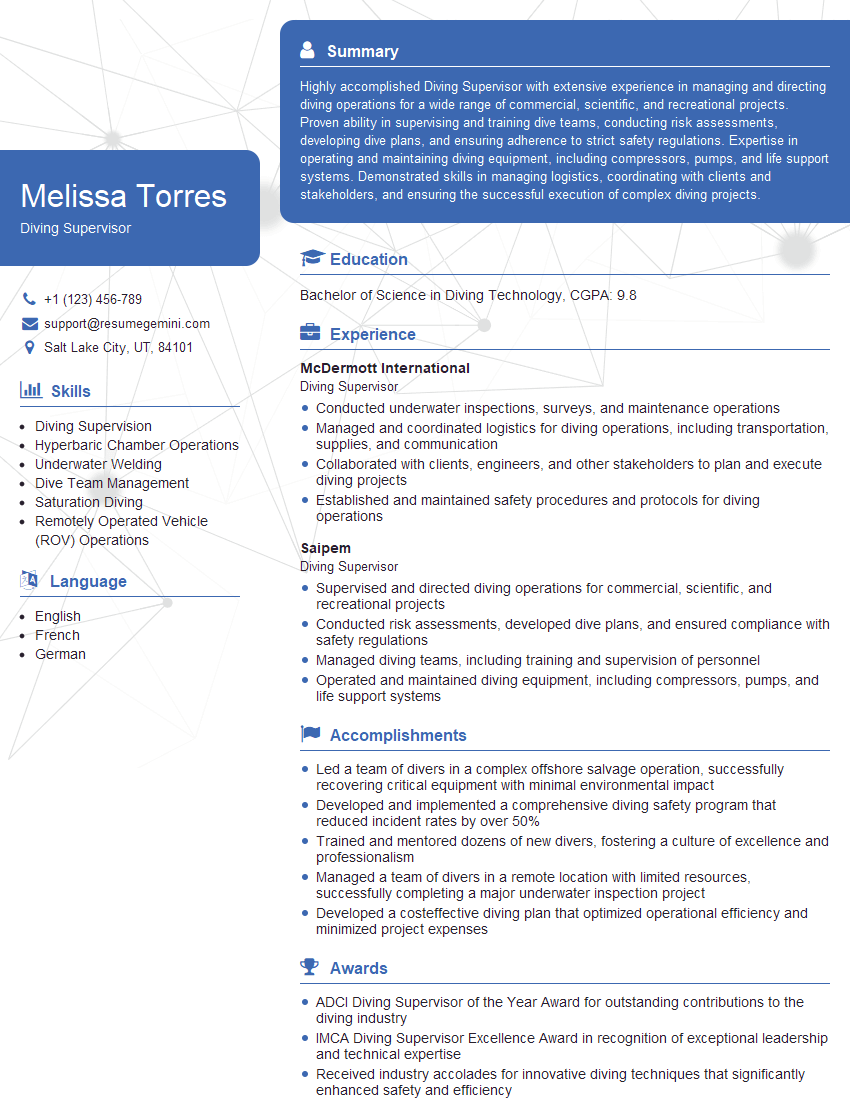
Mastering Rebreather Examiner principles is crucial for career advancement in the technical diving industry, opening doors to leadership roles and specialized positions. To maximize your job prospects, it’s vital to create an ATS-friendly resume that effectively showcases your skills and experience. ResumeGemini is a trusted resource that can help you build a professional and impactful resume tailored to the specific requirements of Rebreather Examiner roles. Examples of resumes tailored to Rebreather Examiner positions are available for your review.

Explore more articles
Users Rating of Our Blogs
Share Your Experience
We value your feedback! Please rate our content and share your thoughts (optional).
What Readers Say About Our Blog
Very informative content, great job.
good