Cracking a skill-specific interview, like one for Recloser Coordination, requires understanding the nuances of the role. In this blog, we present the questions you’re most likely to encounter, along with insights into how to answer them effectively. Let’s ensure you’re ready to make a strong impression.
Questions Asked in Recloser Coordination Interview
Q 1. Explain the purpose of a recloser in a power system.
A recloser is a remotely controlled switching device primarily used in electrical power distribution systems to automatically restore service after a fault. Think of it as a smart circuit breaker that can quickly interrupt power during a fault, and then attempt to automatically close again after a short delay. This process, called reclosing, helps to minimize service interruptions for customers by automatically clearing temporary faults, such as those caused by lightning strikes or animals contacting lines.
Its purpose is to enhance system reliability and improve power quality by quickly isolating and restoring service, thereby reducing the overall duration of outages. This is especially valuable in rural areas with long distribution lines where a simple fault could otherwise cause an extensive outage.
Q 2. Describe the different types of reclosers and their operating principles.
Reclosers come in several types, primarily differentiated by their operating mechanisms:
- Vacuum Reclosers: These use a vacuum interrupters to switch the current on and off. Vacuum interrupters are renowned for their reliability and long life, making them popular choices for distribution systems.
- Oil Reclosers: Historically prevalent, these use oil as an insulating and arc-quenching medium. While robust, they are larger and require more maintenance than vacuum reclosers. They are less commonly used now due to environmental concerns about oil spills.
- SF6 (Sulfur Hexafluoride) Reclosers: These utilize sulfur hexafluoride gas as the insulating and arc-quenching medium. SF6 has excellent dielectric strength, allowing for compact designs. However, SF6 is a potent greenhouse gas, and its environmental impact is becoming a growing concern.
- Solid-State Reclosers: These are a newer technology incorporating advanced electronic control systems and solid-state switching devices. They offer advanced functionalities such as high-speed operations and more sophisticated fault detection capabilities.
The operating principle involves sensing a fault current, interrupting the current, and then automatically reclosing after a predetermined time delay. Multiple reclosing attempts can be programmed, followed by a lockout if the fault persists.
Q 3. How does a recloser differ from a circuit breaker?
While both reclosers and circuit breakers interrupt fault currents, their key difference lies in their automation and operational capabilities. A circuit breaker is primarily a manually operated device, though some can be remotely controlled. It typically opens when a fault is detected and remains open until manually reclosed by an operator. In contrast, a recloser is designed for automated operation. It automatically opens on fault detection, waits for a predetermined time, and automatically attempts to reclose. It might try this multiple times before locking out if the fault persists. This automatic reclosing feature is the fundamental difference.
Think of a circuit breaker as a light switch—you flip it to turn the lights on or off. A recloser, on the other hand, is more like a sophisticated smart home device—it detects a problem, tries to fix it automatically, and only calls for a human intervention if the automatic attempts fail.
Q 4. What are the typical settings for a recloser (e.g., time delay, number of operations)?
Recloser settings are crucial for effective coordination and depend on factors such as fault type, fault duration, and the overall protection scheme. Typical settings include:
- Instantaneous Trip Setting: The current level at which the recloser immediately trips.
- Time Delay Settings: The time delays between reclosing attempts. These are typically set in steps, for example, 0.1 seconds, 1 second, and 5 seconds, allowing for clearing of transient faults while protecting against sustained faults.
- Number of Reclosing Operations: The number of automatic reclosing attempts before the recloser locks out. This is usually set to one to three operations, depending on system requirements. A setting of three would mean the recloser will try to close three times before remaining open.
- Lockout Time: If the recloser locks out after multiple failed reclosing attempts, this setting determines how long it remains locked out before allowing manual reset.
For example, a common setting might be an instantaneous trip setting of 500 amps, with time delays of 0.3 seconds, 1 second, and 5 seconds, and a maximum of 3 reclosing operations. These settings are adjusted to match the characteristics of the feeder and the rest of the protection system.
Q 5. Explain the concept of recloser coordination with other protective devices.
Recloser coordination is the process of setting the operating characteristics of reclosers to work seamlessly with other protective devices, such as fuses, circuit breakers, and other reclosers, on the same electrical distribution feeder. This coordination ensures that the correct protective device operates to clear a fault in the shortest possible time while minimizing the effect on the rest of the system. It’s critical for avoiding cascading outages and ensuring selective protection.
The goal is to achieve selectivity, meaning that only the faulted section of the network is isolated, while the healthy sections continue to be energized. Poor coordination could result in a downstream fuse blowing when a recloser should have isolated the fault, or a widespread outage when only a small section of the feeder had an issue.
Q 6. How do you determine the appropriate recloser settings for a specific feeder?
Determining appropriate recloser settings involves a detailed analysis of the feeder characteristics. This includes:
- Fault current calculations: Determining the magnitude of fault currents at different points on the feeder.
- Feeder impedance: Understanding the electrical impedance of the feeder, which influences fault current levels.
- Coordination with other devices: Ensuring that the recloser operates in harmony with other protective devices (fuses, circuit breakers) to achieve selective protection.
- Load characteristics: Considering the load levels and their impact on fault currents.
- Fault statistics: Evaluating the historical fault data for the feeder to understand the frequency and type of faults. This allows us to optimize recloser settings for the most common fault scenarios.
Software tools and simulation techniques are commonly used to conduct these analyses and determine optimal settings. It’s an iterative process that requires expertise and careful consideration of the system’s specific requirements. Incorrect settings could lead to either nuisance tripping (unnecessary outages) or failure to clear a fault, resulting in prolonged outages.
Q 7. Describe the coordination study process for reclosers.
A recloser coordination study is a crucial step in designing and maintaining a reliable power distribution system. The process typically involves the following:
- Gathering data: Collect data on the feeder’s configuration, including equipment ratings (reclosers, transformers, fuses, etc.), load profiles, and cable characteristics.
- Fault current calculations: Using appropriate software, calculate fault currents at various points on the feeder for different types of faults (single-line-to-ground, line-to-line, three-phase).
- Coordination analysis: Analyze the calculated fault currents to determine appropriate settings for the reclosers and other protective devices, ensuring that the correct device operates to isolate the fault with minimal disruption to the rest of the system. This often uses time-current curves to visually compare the operating characteristics of different devices.
- Simulation and verification: Simulate the system’s response to various fault scenarios using power system simulation software to verify the coordination and ensure that the chosen settings effectively protect the system.
- Reporting and documentation: Document all the study’s findings, including the chosen settings, and provide recommendations for implementing these settings. This documentation serves as a critical reference during future maintenance or modifications.
Experienced engineers utilize specialized software to conduct these studies. The process aims to achieve optimal system reliability, minimizing service interruptions while protecting equipment from damage caused by prolonged fault currents.
Q 8. What software or tools do you use for recloser coordination studies?
Recloser coordination studies require specialized software capable of simulating power system behavior under various fault conditions. Popular choices include industry-standard software packages like ETAP, EasyPower, and ASPEN OneLiner. These tools allow engineers to model the entire power system, including lines, transformers, reclosers, fuses, and circuit breakers. They use sophisticated algorithms to calculate fault currents, analyze relay settings, and simulate the operation of protective devices during fault events. For example, in ETAP, you can create a detailed model of your distribution system, input the recloser characteristics (such as operating times and tripping curves), and then run simulations to assess coordination under various fault scenarios. The software provides graphical outputs, showing tripping sequences and ensuring that protective devices operate as intended to isolate the fault while minimizing service interruptions.
Beyond these commercial packages, some utilities may employ custom-built software or utilize spreadsheets with macros for simpler systems, though the commercial packages offer far greater functionality and accuracy.
Q 9. How do you ensure the proper coordination between reclosers and other protective devices (e.g., fuses, breakers)?
Ensuring proper coordination between reclosers and other protective devices is crucial for selective fault clearing. The goal is to isolate the faulty section of the power system while minimizing the impact on healthy parts. This involves careful consideration of several factors. Firstly, we need to define the time-current characteristics of each protective device. Each recloser will have specific trip curves (showing the time it takes to trip based on the fault current magnitude) and multiple reclose attempts with pre-defined intervals. We then examine the time-current curves for fuses and circuit breakers to determine their operating characteristics. The recloser settings must be adjusted to ensure that it operates faster than downstream devices, isolating faults close to the recloser, but slower than upstream devices, allowing upstream devices to clear faults farther away from the substation. This creates a coordination scheme which is graphically represented and verified. The process often involves iterative adjustments to the settings through simulation to find the optimum operating characteristics.
For example, a downstream fuse should have a faster clearing time than a nearby recloser for a high-current fault, ensuring that the fuse blows before the recloser operates. Conversely, the recloser should operate faster than an upstream circuit breaker, clearing a fault closer to the recloser before the breaker trips, affecting a larger portion of the system.
Q 10. What are the potential consequences of improper recloser coordination?
Improper recloser coordination can lead to several serious consequences, significantly affecting both system reliability and safety. Failure to coordinate properly can result in:
- Unintentional outages: If downstream devices trip before the recloser, healthy sections of the system may be unnecessarily disconnected, causing widespread power outages. This affects end-users by disrupting services and potentially causing financial losses.
- Equipment damage: A failure to isolate a fault quickly can lead to prolonged exposure to high fault currents, potentially damaging transformers, cables, or other sensitive equipment. This can lead to expensive repairs and prolonged downtime.
- Safety hazards: If the fault isn’t cleared quickly and effectively, it can create a dangerous situation for personnel and equipment. Arcing faults can cause fire hazards and pose risks to electrical workers involved in repair and maintenance.
- System instability: In extreme cases, cascading failures can occur if protective devices do not operate as intended, leading to widespread blackouts.
Therefore, thorough coordination studies are essential to avoid these potentially costly and dangerous outcomes.
Q 11. How do you address transient faults during recloser coordination?
Transient faults, short-duration faults that self-clear, pose a unique challenge in recloser coordination. Improper settings can lead to unnecessary tripping on these transient events. To address this, reclosers employ several strategies:
- Instantaneous trip elements: These elements allow the recloser to trip immediately upon detecting a high-current fault, regardless of its duration. However, these need to be carefully set to avoid unnecessary tripping during harmless surges.
- Time-delayed tripping: This allows the recloser to wait for a short period before tripping, giving transient faults a chance to clear themselves. This delay is crucial in balancing the need for quick fault clearing with avoiding unnecessary trips for temporary events.
- Directional elements: These elements help distinguish between faults in different directions along the line. This is especially beneficial in managing transient faults from one direction that would otherwise trigger undesired recloser operations.
- Ground fault protection schemes: These schemes distinguish between ground and phase-to-phase faults, allowing more selective tripping in instances where transient ground faults might occur.
Careful selection and coordination of these settings are critical to ensure that transient faults are allowed to clear naturally while persistent faults are promptly isolated.
Q 12. Explain the impact of recloser settings on system reliability and stability.
Recloser settings directly influence system reliability and stability. Proper settings enhance reliability by minimizing the extent and duration of outages. Fast and selective fault clearing reduces the number of customers affected and minimizes service interruption times. However, overly aggressive settings can lead to nuisance tripping, reducing the overall reliability of the system. Conversely, improperly set slow reclosers will likely lead to unnecessary outages for lasting faults.
Stability is affected by the recloser’s ability to withstand fault currents without causing system instability. Improper settings can lead to increased fault current levels, possibly exceeding the capacity of system components and resulting in cascading outages. Careful coordination ensures that the fault current is limited to a safe level, preventing system instability. By using appropriate recloser settings, and coordination with other devices, utilities can attain a balance of reliability and safety.
Q 13. How do you test and maintain reclosers?
Recloser testing and maintenance are crucial for ensuring reliable operation. Testing involves several steps, often done using specialized equipment:
- Routine inspections: Visual inspections check for physical damage, loose connections, and signs of overheating. Regular checks are paramount for early fault detection.
- Functional testing: This involves simulating fault conditions to verify that the recloser operates as intended. This can be achieved using portable test equipment that emulates fault currents and checks the response times and tripping characteristics.
- Relay testing: This is often performed using dedicated protection relay testers, verifying the accurate functioning of the protective relays within the recloser, ensuring correct identification and response to diverse fault conditions.
- Calibration: Regular calibration ensures accuracy in operation. Calibration equipment ensures that the recloser settings align with the planned coordination scheme.
- Data logging analysis: Reviewing data logs from previous events aids in identifying trends and potential issues, helping in proactive maintenance and preventing future failures.
Regular maintenance ensures that reclosers remain in optimal working condition, preventing unexpected failures and enhancing the overall reliability of the power system. Following manufacturer guidelines is critical in performing safe and effective testing and maintenance. This also ensures warranty compliance and safe working practices.
Q 14. What are the common causes of recloser malfunctions?
Recloser malfunctions can stem from various causes, including:
- Internal component failures: Aging components, such as contacts, coils, and capacitors, can fail due to wear and tear or excessive heat, leading to incorrect operation or complete failure.
- Environmental factors: Exposure to extreme weather conditions (lightning strikes, high temperatures) can damage the internal components or external wiring, affecting functionality.
- Loose connections: Poor connections due to vibration or corrosion can cause intermittent operation or complete failure. This is a common cause for intermittent malfunctions that might otherwise be difficult to diagnose.
- Software glitches: In reclosers with sophisticated electronic controls, software glitches can lead to unexpected behavior or failure to operate as intended.
- Incorrect settings: Improperly set parameters can cause the recloser to mis-operate or fail to clear faults correctly. Careful planning and coordination are crucial to avoid settings-related issues.
- Overcurrent events exceeding rating: Prolonged exposure to extremely high fault currents might damage the internal components, causing eventual failure.
Regular testing and maintenance, including inspections and calibration, can significantly reduce the risk of malfunctions caused by these issues.
Q 15. Describe your experience with different communication protocols used with reclosers.
Reclosers utilize various communication protocols for remote operation, monitoring, and data acquisition. My experience encompasses several key protocols.
- IEC 60870-5-104: This is a widely adopted protocol for supervisory control and data acquisition (SCADA) systems. It’s robust and reliable, enabling real-time monitoring and control of reclosers across a wide geographical area. I’ve extensively used this in projects involving large-scale distribution networks where numerous reclosers needed coordinated operation.
- DNP3 (Distributed Network Protocol): Another prevalent protocol, DNP3 offers similar functionalities to IEC 60870-5-104, particularly suited for North American power systems. Its strength lies in its simplicity and adaptability to various network topologies. I’ve successfully integrated DNP3 in projects requiring seamless integration with legacy systems.
- Modbus: A simpler, open-source protocol often employed for smaller-scale applications or when integrating with other equipment. While not as feature-rich as IEC 60870-5-104 or DNP3, its ease of implementation makes it valuable in specific contexts. I’ve employed Modbus in several smaller distribution network upgrades, effectively enhancing recloser control functionality.
- Cellular Communication (e.g., 3G, 4G, LTE): These technologies provide a flexible and cost-effective solution for remote communication, particularly in areas with limited wired infrastructure. They offer improved reach and greater efficiency compared to traditional communication methods. I’ve leveraged cellular communication to extend monitoring and control capabilities to remote recloser locations.
The choice of protocol depends on factors like network infrastructure, budget, required functionalities, and system architecture. Selecting the optimal protocol requires a thorough analysis of the project’s specific needs.
Career Expert Tips:
- Ace those interviews! Prepare effectively by reviewing the Top 50 Most Common Interview Questions on ResumeGemini.
- Navigate your job search with confidence! Explore a wide range of Career Tips on ResumeGemini. Learn about common challenges and recommendations to overcome them.
- Craft the perfect resume! Master the Art of Resume Writing with ResumeGemini’s guide. Showcase your unique qualifications and achievements effectively.
- Don’t miss out on holiday savings! Build your dream resume with ResumeGemini’s ATS optimized templates.
Q 16. Explain the role of reclosers in improving power system resilience.
Reclosers significantly enhance power system resilience by automatically isolating faults and restoring service without human intervention. Think of them as the ‘self-healing’ mechanism of the power grid.
They achieve this by rapidly opening and closing on sensing a fault. Transient faults, such as those caused by lightning strikes or animals contacting lines, often clear themselves naturally. The recloser’s fast operation gives the fault the chance to clear, restoring power to unaffected areas quickly. This contrasts with older systems that rely on fuses which, once blown, require manual replacement, leading to prolonged outages.
By quickly isolating the faulty section, reclosers prevent cascading outages, protecting the wider network and reducing the impact of disturbances. This is crucial for maintaining supply reliability, particularly in geographically dispersed or densely populated areas.
Q 17. How does recloser coordination contribute to minimizing service interruptions?
Recloser coordination is paramount in minimizing service interruptions. It involves strategically setting the operating characteristics (time-current curves) of multiple reclosers on the same feeder to ensure that only the recloser closest to the fault operates, isolating the fault while maintaining service to the rest of the system.
Imagine a feeder with three reclosers. A fault close to Recloser 1 will trigger only Recloser 1, leaving Reclosers 2 and 3 energized, thus preserving power to areas beyond Recloser 1. If not coordinated, all three might trip, causing a wider outage.
Effective coordination leverages time and current settings to create a hierarchical system. Reclosers closer to the source have slower operating times and higher current thresholds, while those farther out have faster times and lower thresholds. This cascading protection scheme ensures the most efficient and selective fault clearing. Advanced algorithms and simulation software are crucial in achieving optimal coordination settings, accounting for various fault types and line impedances.
Q 18. What are the safety considerations when working with reclosers?
Safety is paramount when working with reclosers. These devices operate at high voltages and currents, presenting significant electrical hazards.
- Lockout/Tagout (LOTO) procedures: Before any maintenance or work on a recloser, strict LOTO procedures must be followed to ensure the device is completely de-energized and locked out to prevent accidental energization.
- Personal Protective Equipment (PPE): Appropriate PPE, including insulated gloves, safety glasses, and arc flash protective clothing, is mandatory to minimize the risk of electrical shock or arc flash injuries.
- Proper Training: Personnel working with reclosers must receive comprehensive training on safe operating procedures, hazard recognition, and emergency response.
- Grounding: Thorough grounding of the recloser and related equipment is crucial before commencing any work to prevent electrical hazards.
- Working with qualified personnel: All work on reclosers should be conducted only by qualified and authorized personnel.
Ignoring safety protocols can lead to severe injuries or fatalities. A meticulous approach to safety is non-negotiable.
Q 19. How do you handle coordination challenges in complex distribution systems?
Coordinating reclosers in complex distribution systems poses significant challenges due to numerous interacting factors: multiple feeders, varying line impedances, diverse fault types, and potential for cascading outages.
My approach involves a structured methodology that combines advanced software tools with a deep understanding of the system’s characteristics. This typically involves:
- System modeling: Building accurate models of the distribution network using specialized software packages, incorporating detailed line data, transformer characteristics, and recloser settings.
- Coordination analysis: Employing sophisticated coordination studies to analyze the response of the entire system to various fault scenarios. This often includes time-overcurrent coordination studies and distance relay coordination.
- Iterative adjustments: Based on the results of the coordination analysis, iteratively adjusting recloser settings to optimize their performance and minimize service interruptions. This may involve using advanced algorithms to find the optimal settings automatically.
- Sensitivity analysis: Investigating the impact of variations in system parameters (e.g., line impedance, load levels) on the coordination scheme to ensure robustness and reliability. This helps predict potential issues before they arise.
- Field testing and validation: After implementing the coordination scheme, conducting field tests and simulations to validate the performance and fine-tune settings as needed.
This multi-step process ensures that the chosen coordination strategy is not only effective in normal operation but also resilient to unexpected changes and disturbances in the system.
Q 20. Describe your experience with using fault location and isolation techniques in conjunction with reclosers.
Fault location, isolation, and service restoration (FLISR) techniques are increasingly integrated with recloser systems to enhance operational efficiency and reduce outage durations.
I’ve been involved in projects where FLISR systems work in conjunction with reclosers to identify the precise location of a fault. Once the fault location is determined, the recloser system isolates the faulty section, minimizing the extent of the outage. This precise isolation reduces the number of customers affected and facilitates quicker restoration, leading to enhanced grid resilience and customer satisfaction. The integrated system leverages advanced algorithms to analyze data from various sensors and communication networks (including data from the reclosers themselves), enabling rapid fault location and efficient isolation.
This integration improves the overall system efficiency by pinpointing faults more precisely compared to traditional methods and reduces the time needed for repair crews to reach the fault location. The time saved translates directly into reduced outage durations and minimizes disruption to power supply.
Q 21. How do you account for different fault types (e.g., single-line-to-ground, three-phase) in recloser coordination?
Different fault types (single-line-to-ground, three-phase, etc.) exhibit varying current characteristics. This impacts how reclosers respond. Effective coordination requires accounting for these differences.
For example, a single-line-to-ground fault typically produces a lower fault current compared to a three-phase fault. This means that the recloser’s time-current settings need to be adjusted to ensure proper operation for each fault type. Three-phase faults usually require faster operation due to higher currents and potential for greater damage. Single-line-to-ground faults might need a more lenient setting to allow for self-clearing without unnecessary tripping.
Sophisticated coordination software packages incorporate these considerations. They allow for simulating various fault types and analyzing the recloser responses. This permits fine-tuning of the settings to ensure that the reclosers act selectively and effectively across a range of fault conditions, thus maximizing system reliability and minimizing the impact of interruptions.
Q 22. Explain the impact of distributed generation (DG) on recloser coordination.
Distributed generation (DG), such as rooftop solar panels or small wind turbines, significantly impacts recloser coordination. Traditionally, power flowed unidirectionally from the substation to the load. DG introduces bidirectional power flow, meaning power can flow from the DG source back towards the substation. This complicates coordination because fault currents can originate from unexpected directions and have different magnitudes. For example, a fault downstream of a DG source could result in a lower fault current seen by the upstream recloser, potentially leading to delayed tripping or even a failure to trip, increasing the risk of damage and prolonged outages. Accurate coordination requires careful modeling of the DG output, including its location, capacity, and impedance. Sophisticated software tools are often employed to simulate these scenarios and determine appropriate recloser settings to ensure selective fault clearing while maintaining system stability and DG integration.
Imagine a scenario where a recloser protects a feeder with several solar installations. A fault near the end of the feeder might not draw enough current from the substation to cause the main recloser to trip, but the solar inverters may feed current back into the fault, complicating the fault clearing.
Q 23. How does recloser coordination interact with SCADA systems?
Recloser coordination heavily relies on Supervisory Control and Data Acquisition (SCADA) systems. SCADA provides real-time monitoring and control of reclosers across the distribution network. This includes monitoring recloser status (open, closed, tripped), measuring fault current magnitudes, and logging event data. This data is crucial for optimizing recloser settings and analyzing system performance. SCADA also allows for remote operation and control of reclosers, enabling operators to remotely command recloser operations or adjust settings as needed. This remote capability is particularly valuable during emergency situations or planned maintenance.
For instance, if a recloser repeatedly trips on a specific feeder, SCADA data can help pinpoint the problematic section, allowing for targeted maintenance. The data might also reveal patterns that indicate a potential issue with the recloser itself, prompting preventive maintenance.
Q 24. Describe your experience with analyzing recloser operation data.
I have extensive experience analyzing recloser operational data using various software packages. My analysis typically involves reviewing fault records, identifying trends, and assessing the effectiveness of current coordination settings. This often includes analyzing fault current magnitudes, trip times, and recloser operation sequences. Data analysis can reveal potential coordination issues, such as cascading outages or unnecessary trips. I’ve used this information to identify weaknesses in the protection scheme and propose improvements to the recloser settings, leading to a more reliable and resilient distribution system. For example, in one project, I identified a pattern of delayed recloser tripping during peak load conditions, which we addressed by optimizing the recloser settings and reducing the burden on the system.
A common tool I utilize is fault location, isolation, and service restoration (FLISR) software to analyze the impact of various fault scenarios and optimize coordination strategies.
Q 25. How do you ensure the accuracy of recloser coordination settings?
Ensuring accurate recloser coordination settings is paramount. This involves a multi-step process. First, we conduct a detailed system study using software tools to model the entire distribution network, including lines, transformers, and loads. Secondly, we simulate various fault scenarios to determine the expected fault currents and voltage dips at different locations. Based on these simulations, we develop proposed recloser settings that ensure selective fault clearing without unnecessary interruptions to healthy parts of the network. Finally, we validate these settings through field testing, using measurements to verify that reclosers operate as intended. Regular review of the coordination scheme is also critical, as changes to the network (e.g., adding DG or modifying lines) can alter the fault current patterns, requiring adjustments to the settings.
Think of it like carefully calibrating instruments in a laboratory. You wouldn’t just set the instruments to arbitrary values; you’d use precise measurements and calculations to ensure they function accurately. Similarly, recloser coordination settings require meticulous planning, simulation, and testing.
Q 26. What are some best practices for recloser maintenance and inspection?
Best practices for recloser maintenance and inspection are crucial for ensuring reliable operation. Regular inspections should include visual checks for any signs of damage, corrosion, or loose connections. Testing should be performed according to manufacturer recommendations, including verifying the proper operation of the tripping mechanisms, communication interfaces, and protective relays. Detailed records should be kept for each recloser, noting the date of inspection, the tests performed, and any corrective actions taken. A preventative maintenance schedule is critical, including tasks such as cleaning contacts, checking battery health, and updating firmware if needed. This systematic approach minimizes downtime and ensures the long-term reliability of the protection system.
Ignoring maintenance is like ignoring regular car servicing – eventually, a small problem can become a major and costly breakdown.
Q 27. Explain how you would troubleshoot a recloser that is not operating correctly.
Troubleshooting a malfunctioning recloser requires a systematic approach. I would start by reviewing the recloser’s event logs to identify the cause of the malfunction. Then, I would conduct a thorough inspection of the recloser, checking for any physical damage or loose connections. I’d verify the communication link to the SCADA system, making sure it’s properly functioning. Testing the protective relays within the recloser is another key step. If the problem persists, I would then check the auxiliary power supply, ensuring the batteries are functioning correctly. In more complex scenarios, I would use specialized testing equipment to diagnose potential problems in the internal circuitry of the recloser. Collaboration with the manufacturer’s technical support is also helpful, particularly for sophisticated electronic components.
Think of it like diagnosing a car problem: you wouldn’t just start replacing parts at random; you would systematically check each component until you pinpoint the issue.
Q 28. Describe your experience with different types of recloser communication protocols (e.g., IEC 61850).
I have significant experience with various recloser communication protocols, including IEC 61850, DNP3, and Modbus. IEC 61850 is a modern, widely used standard offering enhanced interoperability and data exchange capabilities. It allows for more efficient data transmission and facilitates seamless integration with SCADA systems, providing real-time monitoring and control of the reclosers. Older protocols like Modbus and DNP3 are still in use, but they offer less sophisticated features and might not support the advanced functionalities that newer protocols such as IEC 61850 offer. Understanding the strengths and weaknesses of each protocol is important when designing and implementing recloser communication systems, as selecting an appropriate protocol is critical for maximizing reliability and efficiency.
For example, in a project involving the modernization of a large distribution network, we chose IEC 61850 to leverage its advanced functionalities and ensure interoperability with a range of devices from different vendors.
Key Topics to Learn for Recloser Coordination Interview
- Understanding Recloser Fundamentals: Grasp the operational principles of reclosers, including their function in protective relaying schemes and the different types available (e.g., electromechanical, solid-state).
- Coordination with Other Protective Devices: Learn how reclosers interact with other protective devices like circuit breakers, fuses, and distance relays. Understand the importance of proper coordination to ensure selective fault clearing and system stability.
- Fault Current Calculations: Master the ability to calculate fault currents and their impact on recloser operation. This includes understanding impedance calculations and the influence of system configuration.
- Time-Current Curves and Coordination Settings: Develop a strong understanding of time-current curves and how to properly set recloser timing and trip characteristics to achieve optimal coordination with other devices. Practice analyzing coordination diagrams.
- Protective Relaying Schemes: Familiarize yourself with various protective relaying schemes incorporating reclosers, including their advantages and limitations. Understand the role of reclosers in different system configurations (radial, looped, meshed).
- Troubleshooting and Maintenance: Learn about common recloser malfunctions and troubleshooting techniques. Understand preventative maintenance procedures and their significance in ensuring reliable system operation.
- Advanced Topics (for Senior Roles): Explore topics like communication protocols used with reclosers (e.g., DNP3, IEC 61850), SCADA integration, and advanced coordination techniques for complex systems.
Next Steps
Mastering recloser coordination is crucial for advancing your career in power systems engineering and demonstrating a strong understanding of protective relaying principles. It showcases valuable problem-solving skills and a deep understanding of power system protection. To significantly enhance your job prospects, creating an ATS-friendly resume is vital. ResumeGemini is a trusted resource that can help you build a professional and impactful resume tailored to the energy industry. We offer examples of resumes specifically designed for candidates seeking roles in Recloser Coordination to help you get started. Take the next step in your career journey today!

Automation Engineer Resume Sample
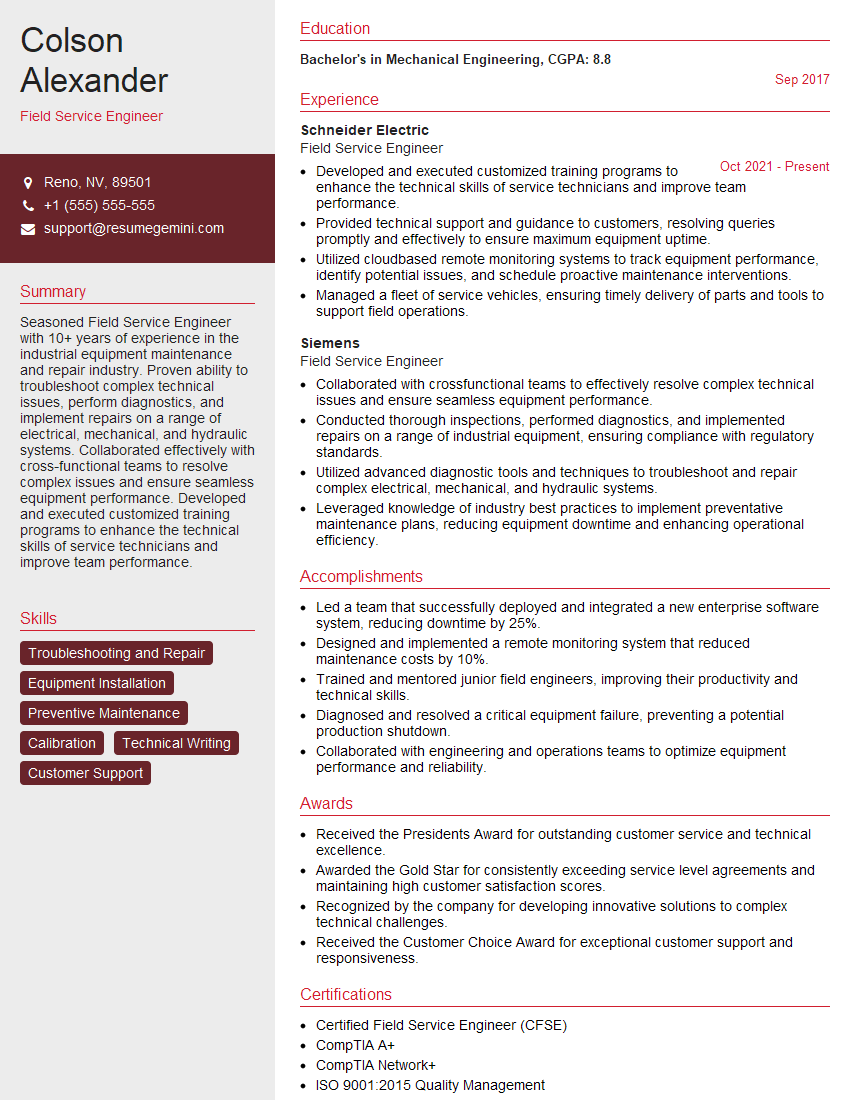
Field Service Engineer Resume Sample
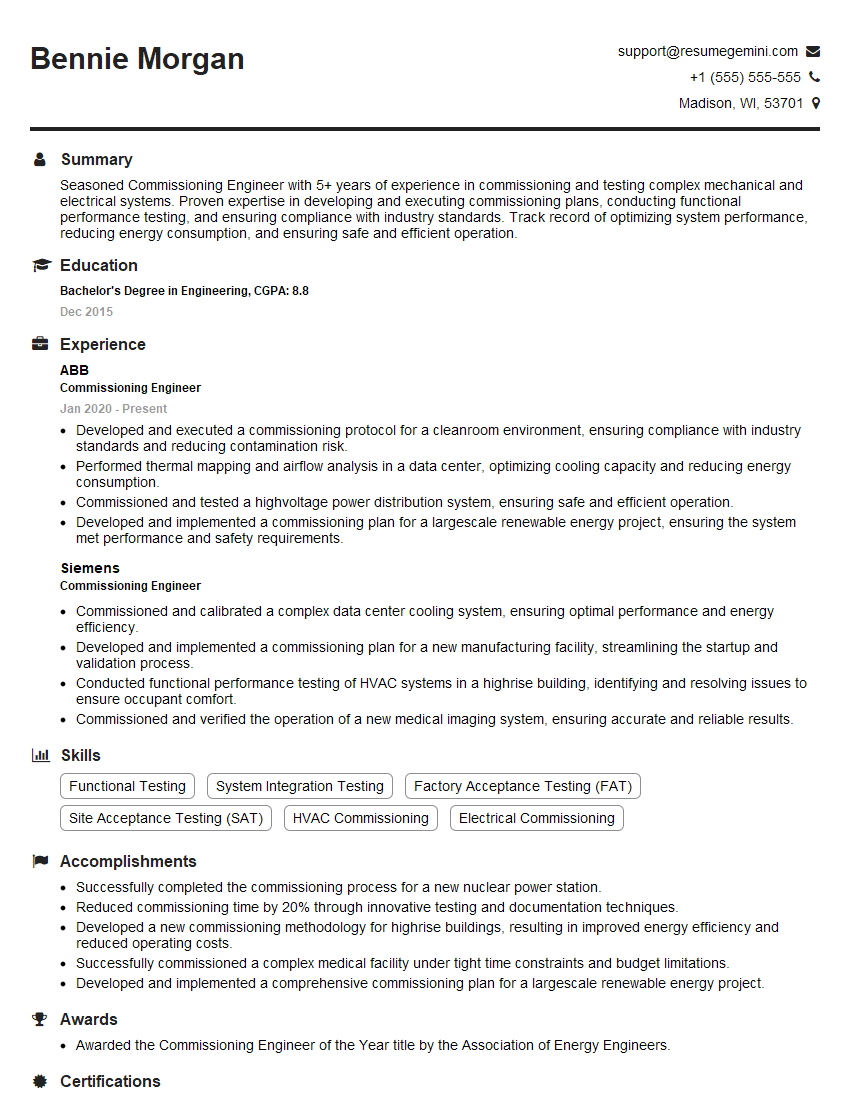
Commissioning Engineer Resume Sample
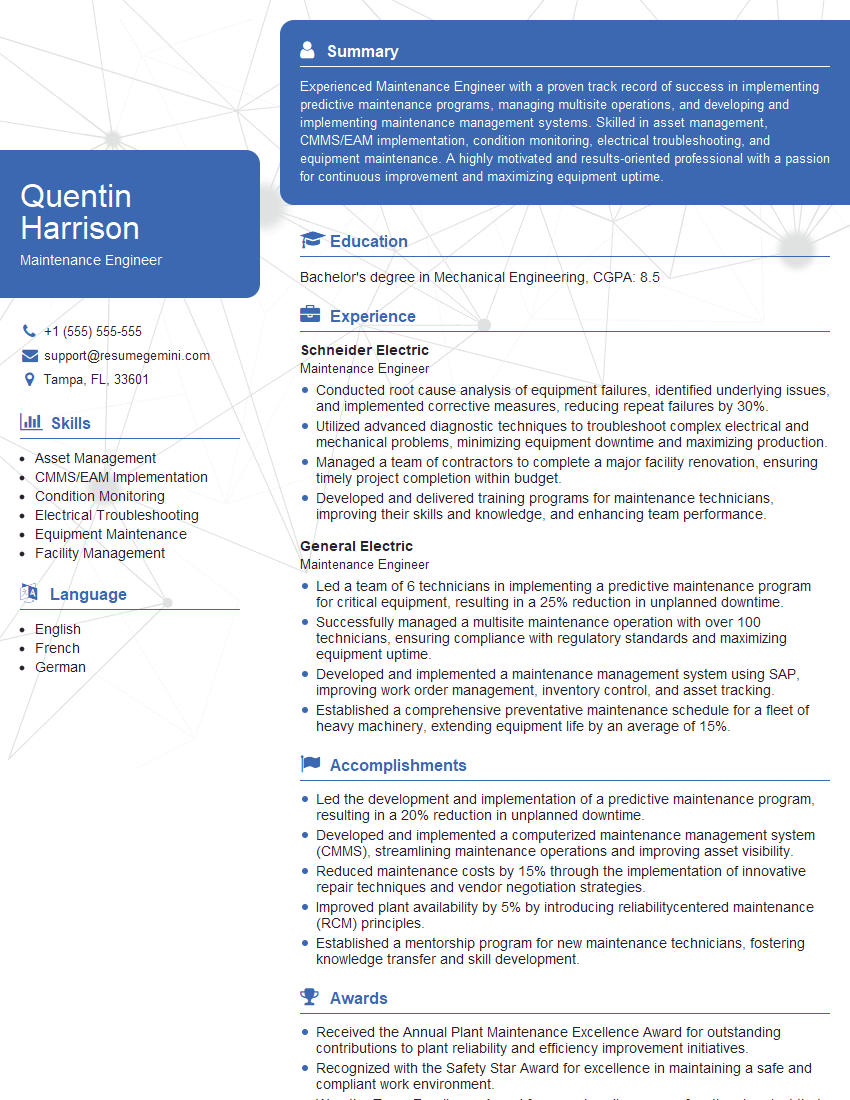
Maintenance Engineer Resume Sample
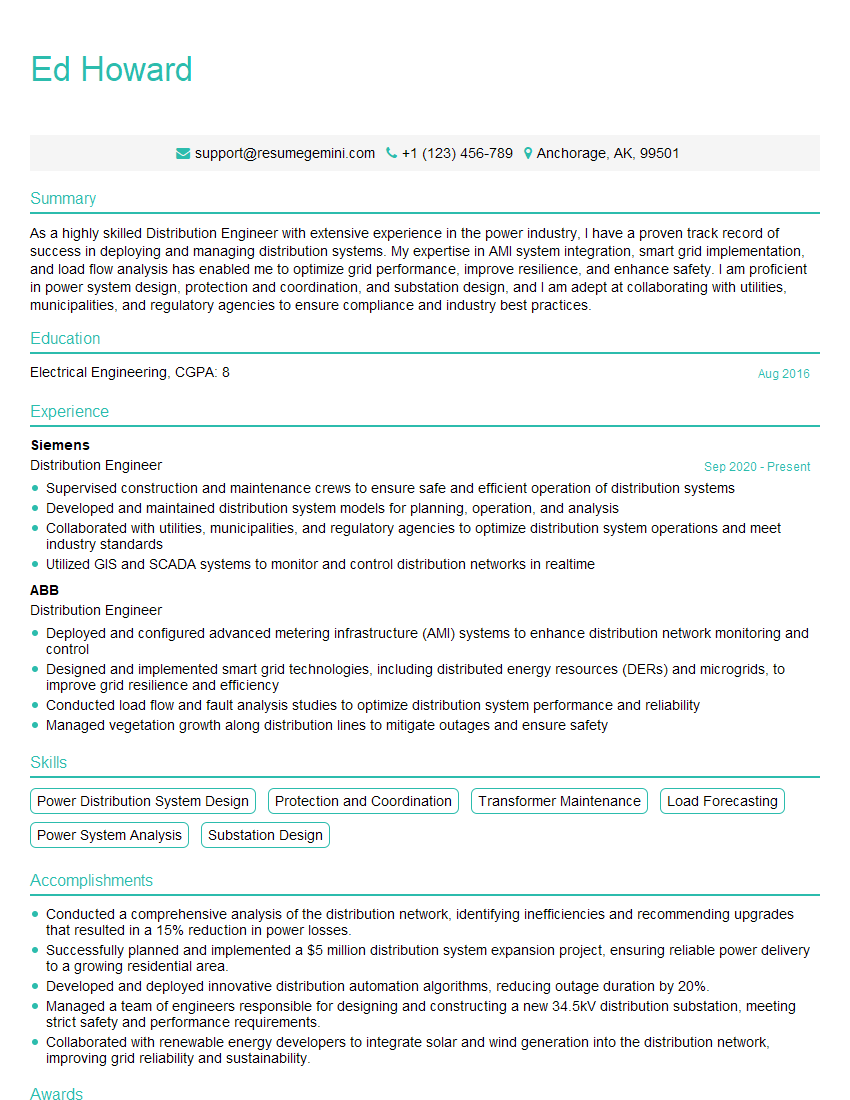
Distribution Engineer Resume Sample

Electrical Design Engineer Resume Sample
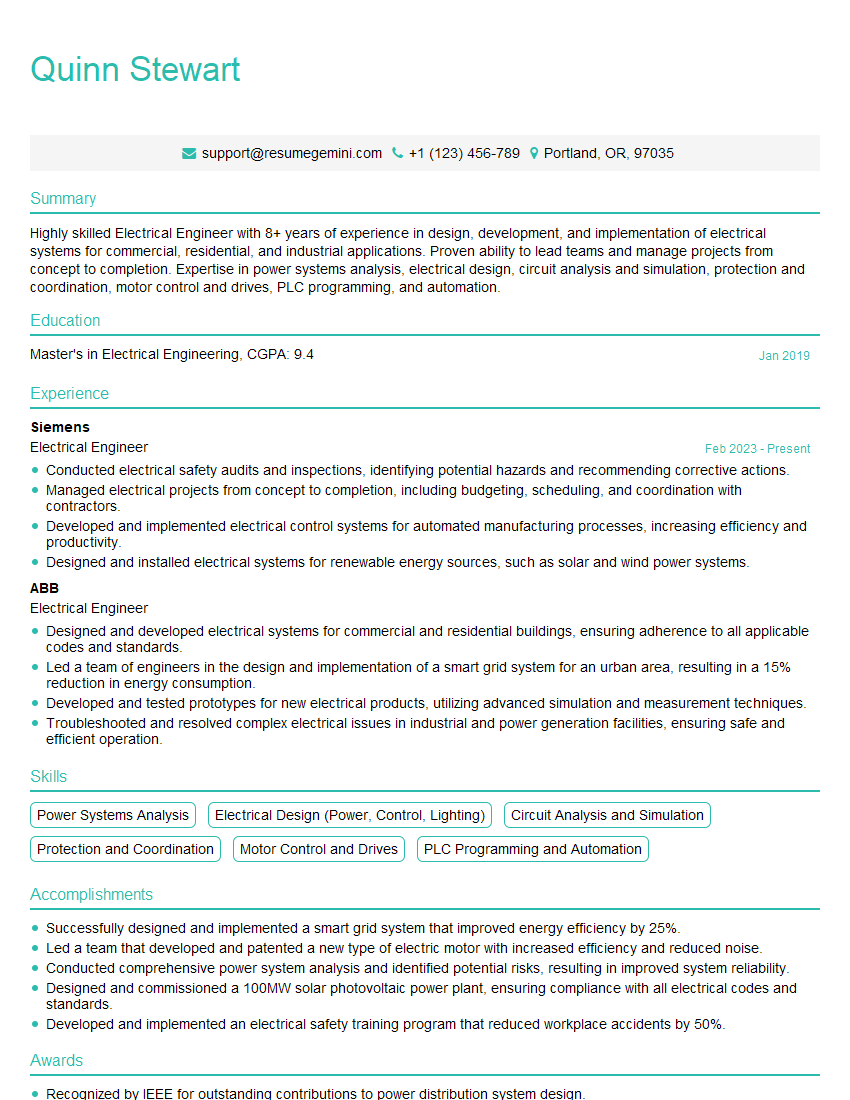
Electrical Engineer Resume Sample
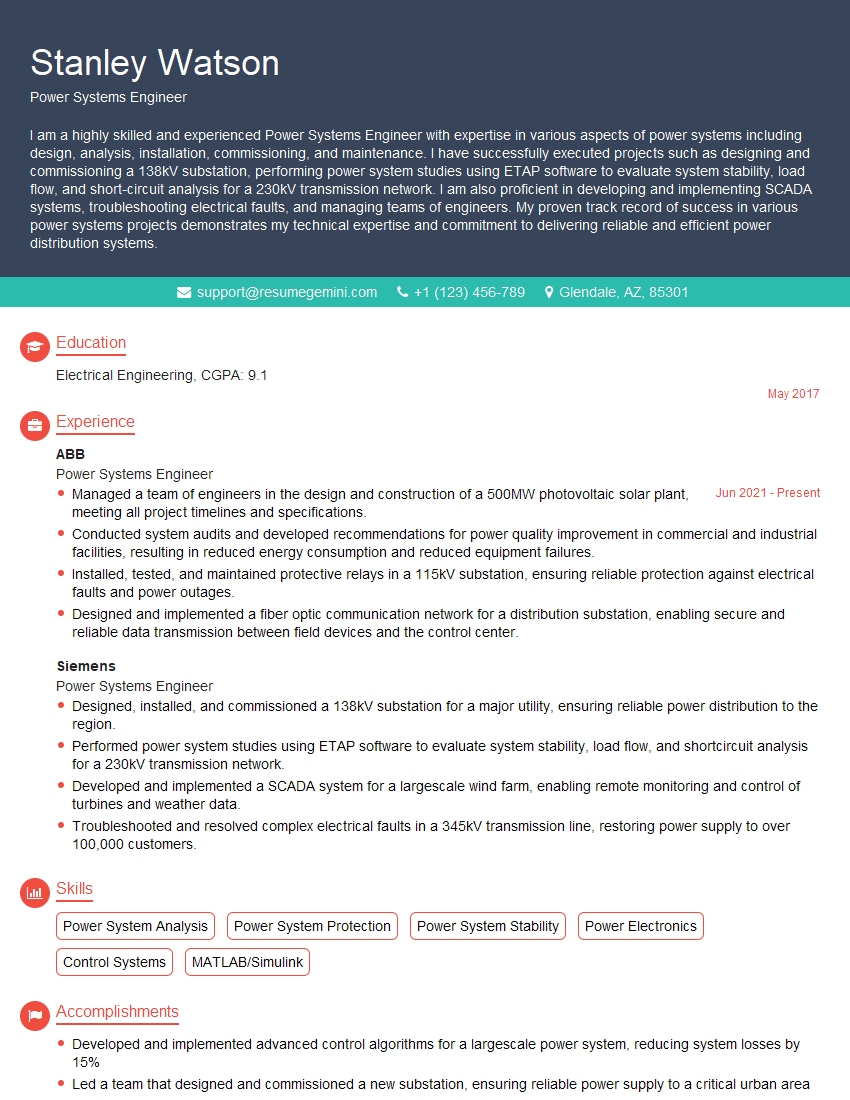
Power Systems Engineer Resume Sample
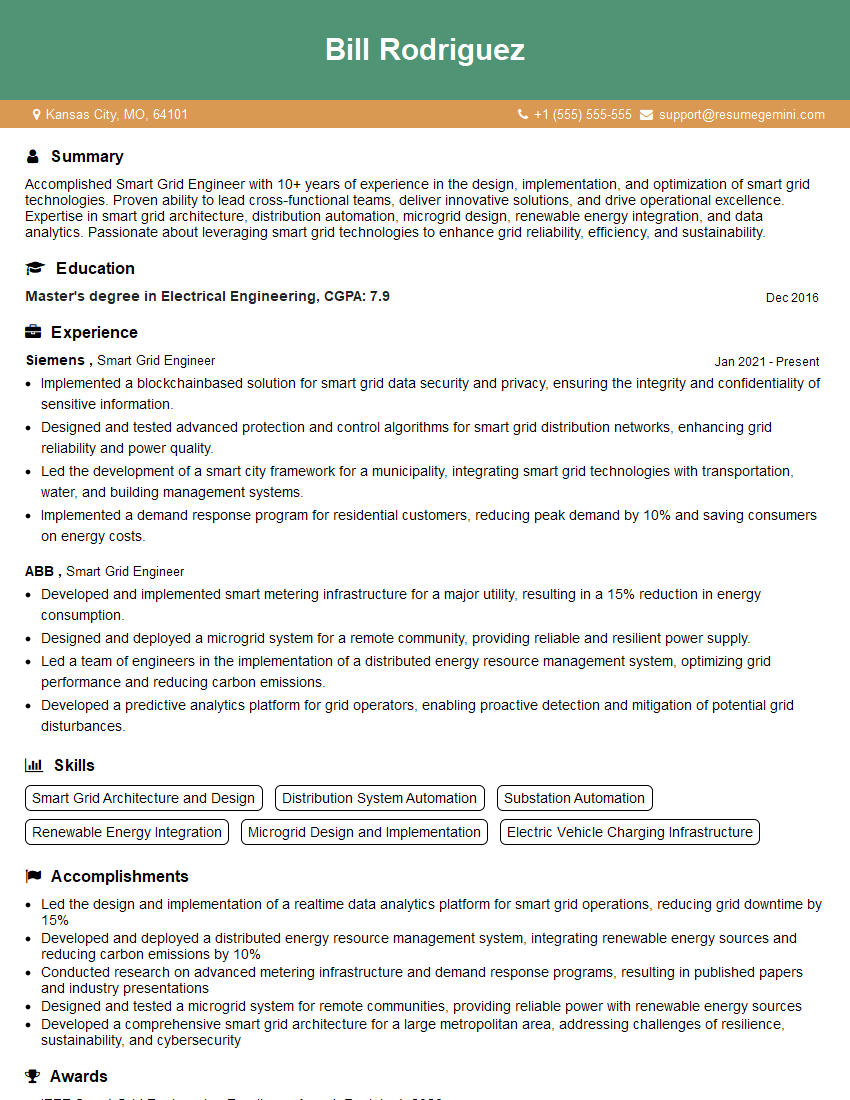
Smart Grid Engineer Resume Sample

Renewable Energy Engineer Resume Sample

Control Systems Engineer Resume Sample
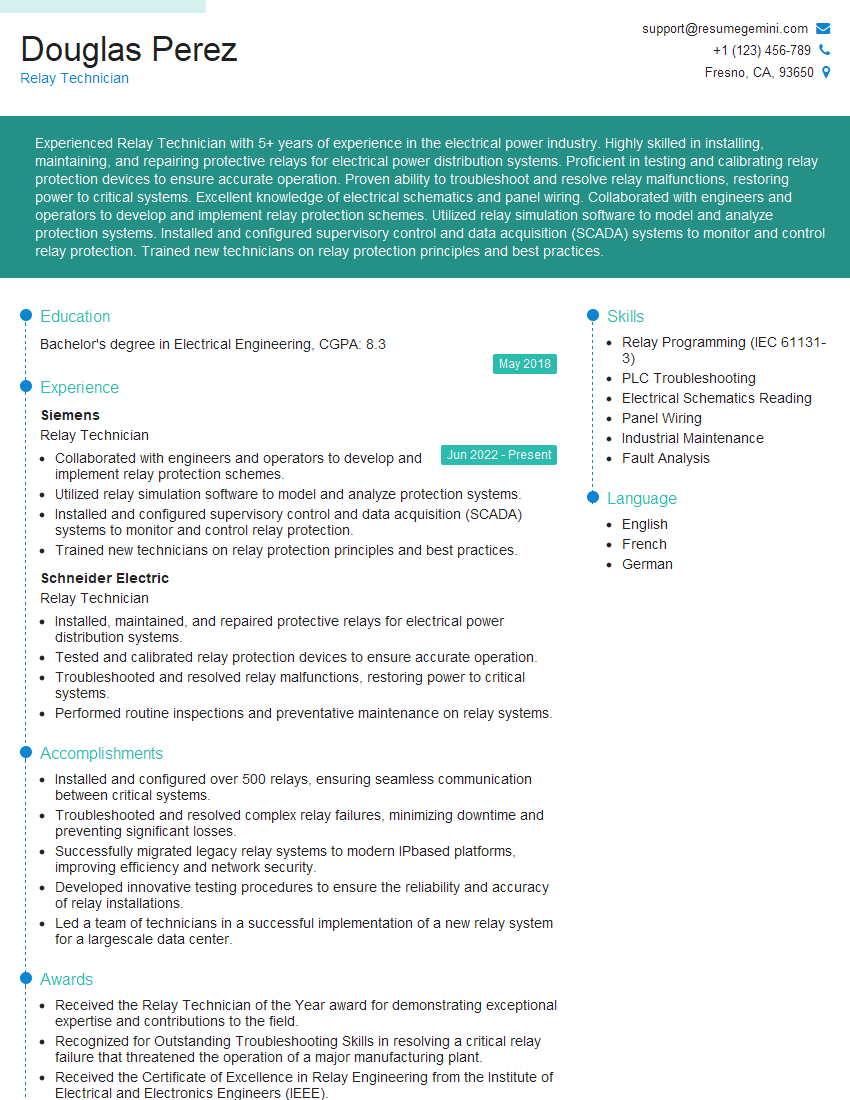
Relay Technician Resume Sample
Explore more articles
Users Rating of Our Blogs
Share Your Experience
We value your feedback! Please rate our content and share your thoughts (optional).
What Readers Say About Our Blog
Very informative content, great job.
good