Cracking a skill-specific interview, like one for Recruiting and Scouting, requires understanding the nuances of the role. In this blog, we present the questions you’re most likely to encounter, along with insights into how to answer them effectively. Let’s ensure you’re ready to make a strong impression.
Questions Asked in Recruiting and Scouting Interview
Q 1. Describe your sourcing strategies for identifying passive candidates.
My sourcing strategy for passive candidates is multifaceted and relies on a blend of digital and relationship-based approaches. I don’t just rely on job boards; instead, I actively seek out individuals who aren’t actively looking for new opportunities but might be open to the right role. This involves:
- Leveraging LinkedIn Recruiter: I use advanced search filters to identify candidates with specific skill sets and experience, even if they aren’t explicitly job searching. This includes looking at their experience, endorsements, and connections.
- Utilizing Boolean Search Strings: I craft precise Boolean search strings on sites like LinkedIn and Google to pinpoint individuals with niche skills or experience relevant to open positions. For example,
"Python" AND "Data Science" AND "Machine Learning" AND ("Senior" OR "Lead") AND -"Intern"would help me find senior-level data scientists skilled in Python. - Engaging with Professional Networks: I actively participate in online communities, forums, and industry events related to the target roles. This allows me to identify potential candidates organically and build relationships.
- Referral Programs: Encouraging employee referrals taps into the existing network of the company and often leads to high-quality passive candidates. A well-structured referral program with clear incentives is crucial for its success.
- Direct Outreach: Once I identify promising candidates, I craft personalized InMails or emails outlining the opportunity and why the candidate would be a good fit, highlighting the value proposition of the company and role.
For instance, I once sourced a top-tier cybersecurity specialist who wasn’t actively seeking a new job through LinkedIn Recruiter. By carefully analyzing their profile and crafting a personalized message highlighting our company’s work in cutting-edge security solutions, I successfully engaged them and secured an interview.
Q 2. Explain your experience with Applicant Tracking Systems (ATS).
I have extensive experience with Applicant Tracking Systems (ATS), having used several leading platforms like Taleo, Workday, and Greenhouse. My proficiency extends beyond basic data entry; I’m adept at configuring workflows, customizing fields, and leveraging reporting features to optimize the recruitment process. I understand the importance of proper data hygiene and ensuring that the ATS is accurately reflecting the candidate pipeline and metrics. This includes:
- Workflow Optimization: I’ve streamlined ATS workflows to ensure smooth candidate movement through the recruitment pipeline, from application to offer.
- Reporting and Analytics: I use ATS reporting tools to track key metrics like time-to-hire, cost-per-hire, and source-of-hire, which helps to identify areas for improvement in the recruitment strategy.
- Candidate Relationship Management (CRM) Integration: I’ve integrated ATS with CRM systems to maintain consistent communication and track candidate engagement throughout the entire process, even if they are not immediately hired.
- Compliance and Data Security: I meticulously adhere to data privacy regulations and ensure compliance when using the ATS.
In one instance, I identified a bottleneck in our hiring process using the ATS reporting features. I found that the interview scheduling process was slowing down the overall time-to-hire. By implementing a new automated scheduling tool integrated with the ATS, I reduced the time-to-hire by 15%.
Q 3. How do you prioritize candidates when you have multiple qualified applicants?
Prioritizing candidates when multiple qualified applicants exist requires a structured approach. I typically use a scoring system that considers multiple factors, not just skills and experience. This usually involves a rubric with weighted criteria.
- Skill Match: This assesses how well a candidate’s skills align with the job description’s requirements (weighted heavily).
- Experience Relevance: Evaluation of the candidate’s past experience and its relevance to the role and company (weighted heavily).
- Cultural Fit: Assessment of how well the candidate’s personality and work style align with the company culture (important, but less weighted than skills and experience).
- Interview Performance: Evaluation of the candidate’s performance during interviews based on pre-determined criteria (weighted heavily).
- References and Background Checks: Validation of candidate information through reference checks and background screening (crucial).
I then assign scores to each candidate based on these criteria. Candidates with higher aggregate scores are prioritized for further consideration. This method helps to ensure objectivity and fairness throughout the selection process, mitigating potential biases.
Q 4. What metrics do you track to measure the success of your recruiting efforts?
To measure the success of my recruiting efforts, I track several key metrics, categorized for clarity:
- Time-to-Hire: Measures the time elapsed between job posting and offer acceptance. A shorter time-to-hire suggests efficiency.
- Cost-per-Hire: Calculates the total cost of filling a position, including advertising, agency fees, and recruiter time. Lower costs indicate efficiency.
- Source-of-Hire: Identifies the most effective channels for attracting qualified candidates (e.g., LinkedIn, employee referrals, job boards). This informs future sourcing strategies.
- Offer Acceptance Rate: The percentage of candidates who accept job offers. A higher rate suggests a strong employer brand and competitive offer.
- Candidate Quality: Assessed through performance reviews of hires. High performance indicates success in finding well-suited candidates.
- Employee Retention Rate: While not solely a recruitment metric, high retention rates of new hires signify successful candidate selection and onboarding.
Regularly monitoring these metrics allows me to identify trends, areas for improvement, and fine-tune my recruitment strategy for better outcomes.
Q 5. How do you handle a situation where a promising candidate receives a competing offer?
When a promising candidate receives a competing offer, my approach is proactive and transparent. I don’t panic; instead, I calmly assess the situation and respond strategically. This involves:
- Understanding the Competing Offer: I politely inquire about the competing offer without pressuring the candidate. This allows me to gauge the competitor’s offer.
- Reiterating the Value Proposition: I clearly articulate the benefits of our company and the specific role, emphasizing aspects the competing offer might lack (e.g., career growth, company culture, compensation structure).
- Negotiation and Flexibility: Where possible, I’m prepared to negotiate salary, benefits, or other aspects of the offer to remain competitive and attractive to the candidate.
- Speed and Decisiveness: I understand the urgency of the situation and ensure a swift response to the candidate’s concerns and any counteroffers.
- Maintaining Professionalism: Throughout the process, I maintain a professional and respectful attitude, ensuring a positive candidate experience regardless of the outcome.
In one situation, I successfully countered a competing offer by highlighting the mentorship opportunities and faster career progression within our organization. This resonated strongly with the candidate, and we secured their commitment.
Q 6. What is your approach to conducting effective phone screens?
Effective phone screens are crucial for quickly identifying qualified candidates and filtering out unsuitable applicants. My approach is structured and efficient. It includes:
- Structured Introduction: I start with a friendly introduction, stating the purpose of the call and setting clear expectations for the call’s duration.
- Targeted Questions: I ask concise, targeted questions focusing on the candidate’s experience, skills, and motivations, directly addressing the key requirements of the job description. I avoid open-ended questions that might lead to rambling answers.
- Behavioral Questions: I incorporate behavioral questions (e.g., “Tell me about a time you failed”) to assess the candidate’s problem-solving skills and approach to challenges.
- Assessment of Communication Skills: I pay close attention to the candidate’s communication skills, clarity of expression, and enthusiasm.
- Clarification and Follow-up: I ensure clear understanding of the candidate’s responses and pose follow-up questions to delve deeper into their qualifications.
- Summary and Next Steps: I concisely summarize the key takeaways of the conversation and clearly outline the next steps in the interview process.
I aim to complete the phone screen within 15-20 minutes, maximizing efficiency while ensuring that I gather sufficient information to make an informed decision about whether the candidate is worthy of a further interview.
Q 7. Describe your experience with various interviewing techniques (e.g., behavioral, technical).
My experience encompasses a range of interviewing techniques tailored to the specific role and level of the candidate. I regularly use:
- Behavioral Interviewing: I use the STAR method (Situation, Task, Action, Result) to get candidates to provide concrete examples of past experiences that demonstrate relevant skills and behaviors. This provides insights into how they handled past situations, revealing their problem-solving abilities and decision-making processes.
- Technical Interviewing: For technical roles, I employ technical assessments (coding challenges, whiteboarding exercises) to evaluate a candidate’s practical skills and knowledge. The level of difficulty and focus areas vary greatly depending on the specific technical role.
- Competency-Based Interviewing: I assess a candidate’s skills and abilities against a pre-defined competency framework that aligns with the role’s requirements. This ensures all candidates are evaluated fairly and consistently against the same set of criteria.
- Situational Interviewing: I present hypothetical work scenarios to assess how the candidate would approach and solve problems in real-world situations. This technique helps predict a candidate’s on-the-job performance.
- Panel Interviews: For senior-level positions or roles requiring input from multiple stakeholders, I often utilize panel interviews involving representatives from different departments or teams. This provides a well-rounded evaluation of the candidate.
I strive to make the interview process engaging, fair, and informative for both the interviewer and interviewee. The right mix of techniques depends on the specific job requirements and candidate level.
Q 8. How do you ensure a positive candidate experience throughout the recruitment process?
A positive candidate experience is paramount to attracting top talent and building a strong employer brand. It’s about treating every candidate with respect and keeping them informed throughout the process, regardless of whether they receive an offer.
- Prompt Communication: I ensure candidates receive timely updates after each stage, even if it’s just to acknowledge receipt of their application or to let them know the timeline for the next steps. For example, I always send a confirmation email after an interview thanking them for their time and outlining what to expect next.
- Transparent Process: I clearly explain the interview process upfront, including the number of rounds and the types of assessments involved. This sets realistic expectations and avoids any surprises.
- Personalized Interaction: I strive to make each interaction personal and engaging. Instead of generic emails, I try to tailor my communication to the individual candidate’s background and interests, showcasing my genuine interest in them as a person.
- Feedback (even for unsuccessful candidates): Providing constructive feedback, even if the candidate isn’t selected, shows respect for their time and effort. This also helps build goodwill and reinforces a positive employer brand.
- Professionalism and Respect: Maintaining professional and respectful communication throughout the process is crucial. I avoid using jargon or technical terms the candidate may not understand and make sure to answer all questions thoroughly and honestly.
For example, in a recent recruitment drive, we implemented a candidate relationship management (CRM) system to track interactions and ensure consistent communication. This helped us significantly improve candidate feedback and satisfaction scores.
Q 9. How do you identify and assess cultural fit in potential candidates?
Assessing cultural fit goes beyond simply checking if a candidate’s personality aligns with the team. It’s about understanding their values, work style, and how they would contribute to the organization’s overall culture.
- Behavioral Interviewing: I use behavioral interview questions to understand how candidates have handled situations in the past. This helps predict their future behavior and assess their alignment with our company values. For instance, asking ‘Tell me about a time you had a conflict with a colleague. How did you resolve it?’ can reveal much about their teamwork and conflict-resolution skills.
- Culture-Based Questions: I incorporate questions directly related to our company culture into the interview process. These might explore their preferred work environment, their approach to problem-solving within a team, or their understanding of our company mission.
- Team Interactions: I frequently incorporate team interviews or group tasks to observe how candidates interact with potential colleagues. This allows me to assess their communication style, collaborative skills, and overall team fit.
- Reference Checks: Checking references is crucial to gain insights into a candidate’s past performance and how they’ve integrated into previous work environments.
Think of it like this: you wouldn’t put a square peg in a round hole. Similarly, it’s important to find candidates whose personalities, values, and work styles mesh well with the existing team dynamics to ensure a smooth integration and a productive work environment.
Q 10. How do you build strong relationships with hiring managers?
Building strong relationships with hiring managers is crucial for effective recruiting. It’s a two-way street requiring open communication, mutual respect, and a shared understanding of the requirements.
- Regular Communication: I maintain regular communication with hiring managers, providing updates on the progress of the search, potential challenges, and insights gathered from candidate interactions. This includes regular check-ins, email updates, and in-person meetings.
- Understanding their Needs: I go beyond just understanding the job description. I work to deeply understand the hiring manager’s expectations, the team’s dynamics, and the skills and attributes needed for success in the role. This often involves discussing the bigger picture – how this role contributes to the team and overall organizational goals.
- Collaboration and Feedback: I actively solicit feedback from hiring managers throughout the process, ensuring alignment on candidate selection and evaluation criteria. This collaborative approach ensures that the chosen candidate genuinely meets their needs and expectations.
- Proactive Problem-Solving: If challenges arise, I proactively address them with the hiring manager, offering solutions and demonstrating my commitment to finding the best possible candidate.
One example of this collaborative approach is when I worked with a hiring manager who initially had a very narrow definition of the ideal candidate. Through discussions, we broadened the criteria and found a highly qualified candidate from an unexpected background, exceeding the manager’s initial expectations.
Q 11. What is your process for negotiating salary and benefits with candidates?
Salary and benefits negotiation is a delicate process that requires tact, transparency, and a deep understanding of market rates and company policies.
- Research and Preparation: Before entering negotiations, I thoroughly research market rates for similar roles and locations. I also understand the company’s salary bands and benefits packages.
- Understanding Candidate Expectations: I initiate conversations early on to gauge the candidate’s salary expectations, ensuring they are realistic and aligned with the company’s budget.
- Transparency and Justification: During negotiations, I am transparent about the company’s salary range and justify any offers based on the candidate’s experience, skills, and the overall market value.
- Value-Added Approach: I focus on highlighting the total compensation package, which includes benefits like health insurance, retirement plans, and paid time off, to present a comprehensive and attractive offer.
- Win-Win Outcome: My goal is to reach a mutually beneficial agreement that satisfies both the candidate and the company. If a compromise needs to be reached, I strive to find creative solutions, such as a signing bonus, performance-based incentives, or flexible work arrangements.
I remember one instance where a candidate’s salary expectations were initially above our budget. By highlighting the comprehensive benefits package and offering a performance-based bonus, we were able to reach an agreement that satisfied both parties.
Q 12. Explain your experience with diversity and inclusion in recruiting.
Diversity and inclusion are not just buzzwords; they are core principles that guide my recruiting practices. I actively work to build diverse talent pipelines and create an inclusive recruitment process that attracts candidates from all backgrounds.
- Diverse Sourcing Strategies: I utilize diverse sourcing channels to reach underrepresented groups, such as attending industry events targeting women in tech, partnering with organizations supporting minority communities, and leveraging job boards that cater to diverse talent pools.
- Bias Mitigation: I employ strategies to mitigate unconscious bias in the hiring process, such as using blind resume screening (removing identifying information like names and genders) and structured interviews with standardized questions for all candidates.
- Inclusive Interview Practices: I create a welcoming and inclusive interview environment where all candidates feel comfortable expressing themselves and their perspectives. This means actively listening, showing respect for different communication styles, and making sure the interview process is accessible to all.
- Tracking and Monitoring: I regularly track diversity metrics throughout the recruitment process, identifying areas for improvement and adjusting my strategies accordingly. This data-driven approach helps to ensure accountability and measure progress.
For example, I recently implemented a diversity training program for our recruiting team to raise awareness about unconscious bias and best practices for inclusive recruiting.
Q 13. Describe a time you had to overcome a significant challenge in the recruiting process.
One significant challenge I faced was filling a highly specialized, niche role with a very tight deadline. The required skillset was rare, and the initial candidate pool was limited.
To overcome this, I implemented a multi-pronged approach:
- Expanded Sourcing: I expanded my sourcing efforts beyond traditional job boards to include professional networking sites, niche industry forums, and direct outreach to potential candidates identified through research.
- Targeted Recruitment: I developed a highly targeted recruitment strategy, tailoring the job description and outreach materials to appeal specifically to the unique qualifications and interests of potential candidates.
- Relationship Building: I invested time in building relationships with recruiters and professionals in the niche field, leveraging their networks to identify suitable candidates.
- Flexible Approach: Recognizing the limited talent pool, I remained flexible in terms of location and experience requirements, considering candidates who might not perfectly fit all the initial criteria but possessed the core essential skills.
Through this proactive and comprehensive strategy, I was ultimately able to identify and hire a highly qualified candidate within the deadline, exceeding expectations despite the initial challenges.
Q 14. How do you stay current with industry best practices and emerging trends in recruiting?
Staying current in the recruiting field is crucial for remaining competitive and effective. I utilize several strategies to stay ahead of the curve:
- Industry Publications and Blogs: I regularly read industry publications, blogs, and articles to keep up-to-date on the latest trends, best practices, and emerging technologies in recruitment.
- Conferences and Workshops: Attending industry conferences and workshops allows me to network with other professionals, learn from experts, and discover new approaches and tools.
- Online Courses and Certifications: I continually invest in my professional development through online courses and certifications, focusing on areas like talent acquisition strategies, diversity and inclusion, and the latest recruitment technologies.
- Networking: Building and maintaining a strong network of peers, mentors, and industry leaders provides valuable insights and perspectives on current trends.
- Experimentation and Data Analysis: I embrace a data-driven approach to recruitment, constantly evaluating the effectiveness of different strategies and tools and using data analysis to inform future decisions.
By consistently utilizing these resources, I ensure that my recruiting strategies remain relevant, effective, and aligned with the ever-evolving landscape of the industry.
Q 15. What are your preferred methods for candidate communication?
My preferred methods for candidate communication prioritize transparency, efficiency, and a personalized touch. I utilize a multi-channel approach, tailoring my communication style to the candidate and the stage of the recruitment process.
- Email: Formal communication, sharing job descriptions, scheduling interviews, and sending updates.
- Phone calls: For initial screening, deeper discussions, and building rapport. A quick call can often be more efficient than lengthy emails.
- Video conferencing (e.g., Zoom, Google Meet): For interviews, especially for technical assessments or presentations. The visual aspect facilitates better interaction.
- Text messaging (occasionally): For quick confirmations or updates, but only after establishing a relationship and with the candidate’s consent. It’s best to avoid using this for sensitive information.
- Applicant Tracking System (ATS) communication features: Keeping communication logged within the ATS ensures a clear audit trail and helps streamline the process.
For instance, I might use email to send an initial job description, schedule a phone screen, then use video conferencing for the in-person interview, and finally, email to follow up with a decision. This approach allows for appropriate formality and efficiency at each stage.
Career Expert Tips:
- Ace those interviews! Prepare effectively by reviewing the Top 50 Most Common Interview Questions on ResumeGemini.
- Navigate your job search with confidence! Explore a wide range of Career Tips on ResumeGemini. Learn about common challenges and recommendations to overcome them.
- Craft the perfect resume! Master the Art of Resume Writing with ResumeGemini’s guide. Showcase your unique qualifications and achievements effectively.
- Don’t miss out on holiday savings! Build your dream resume with ResumeGemini’s ATS optimized templates.
Q 16. How do you use social media and networking in your recruiting efforts?
Social media and professional networking platforms are integral to my recruiting strategy, expanding my reach beyond traditional job boards. I use them proactively and strategically to identify passive candidates, build relationships, and promote employer branding.
- LinkedIn: I actively search for candidates with relevant skills and experience, engage with their posts, and connect with them directly. I also utilize LinkedIn Recruiter for advanced search functionalities.
- Twitter/other platforms (as relevant): For industry insights, attending relevant online events, and engaging with thought leaders. I look for candidates who actively participate in relevant online communities.
- Targeted advertising: On platforms like LinkedIn, I run targeted ads to reach specific demographics and skillsets, improving the quality of applications.
For example, if I’m recruiting for a data scientist role, I might search LinkedIn for profiles with specific skills (e.g., Python, machine learning) and then directly message candidates who seem like a good fit, explaining the role and the company’s culture. I also participate in relevant Twitter chats to learn more about the industry and network with professionals in the field.
Q 17. What is your approach to candidate feedback and rejection?
Providing timely and constructive feedback is crucial, regardless of whether a candidate is successful. It shows respect for their time and effort and strengthens your employer brand. Rejection should always be handled with professionalism and empathy.
- Positive feedback for successful candidates: Detailed feedback explaining why they were chosen for the role helps build rapport and enthusiasm. It lays the groundwork for their onboarding.
- Constructive criticism for unsuccessful candidates: I focus on specific areas for improvement, offering actionable advice rather than simply stating that they weren’t selected. I aim to maintain a positive dialogue.
- Consistent timeframe for feedback: I provide feedback promptly, as waiting too long is disrespectful and confusing.
- Professional tone and empathy: I use a courteous and understanding tone regardless of the outcome. Honesty and clarity are key.
For example, I might tell a candidate who wasn’t selected that while their technical skills were impressive, their communication skills could benefit from development, suggesting specific resources to help them improve. This approach transforms a rejection into an opportunity for growth and maintains a positive relationship.
Q 18. Explain your experience with background checks and reference verification.
Background checks and reference verification are critical components of my recruitment process, ensuring a safe and compliant workplace and verifying the information provided by candidates. I follow all legal and ethical guidelines throughout the process.
- Compliance with regulations: I adhere to all applicable laws and regulations concerning background checks, including obtaining explicit consent from candidates and providing notice of the types of checks conducted.
- Partnering with reputable providers: I collaborate with established background check companies to ensure accuracy, efficiency, and compliance. These providers are well-versed in all relevant laws and guidelines.
- Reference verification: I conduct thorough reference checks, obtaining detailed information about the candidate’s work history, skills, and personality. This involves asking open-ended questions and actively listening to the responses.
- Documentation: Meticulous record-keeping is vital, ensuring all aspects of the process are documented and accessible for compliance.
For instance, if a candidate’s resume indicates a long tenure at their previous employer, I would contact several references to verify the length of employment, their responsibilities, and performance. I also ensure that I obtain written consent from the candidate before conducting any background checks.
Q 19. How do you handle candidates who are underqualified or overqualified for a role?
Handling underqualified and overqualified candidates requires a nuanced approach. It’s about finding the right fit and managing expectations effectively.
- Underqualified candidates: I assess their potential. If they demonstrate enthusiasm and a willingness to learn, I may consider them for entry-level positions or offer mentorship opportunities. It is important to be upfront about their skill gaps and the expectation of rapid development.
- Overqualified candidates: I explore their motivations. Are they seeking a change of pace, a specific company culture, or a new challenge? I determine if the role provides sufficient intellectual stimulation and career growth opportunities to retain them. It’s important to be candid about the scope and responsibilities of the role.
For example, an overqualified candidate might be looking for a less demanding role to achieve better work-life balance. If I can align their needs with the role’s requirements, it can be a mutually beneficial arrangement. Conversely, an underqualified but enthusiastic candidate might be a good fit for an apprenticeship program.
Q 20. How do you manage your time effectively when working on multiple requisitions simultaneously?
Managing multiple requisitions effectively requires organization, prioritization, and efficient time management. I leverage several strategies to stay on top of my workload.
- Prioritization: I use a matrix to prioritize requisitions based on urgency and importance. This ensures that time-sensitive roles receive the necessary attention.
- Time Blocking: I schedule specific time blocks for each requisition, dedicating focused time to each task. This prevents multitasking and improves efficiency.
- Task delegation: Where appropriate, I delegate tasks (e.g., scheduling interviews) to free up my time for higher-priority activities.
- Technology utilization: I leverage Applicant Tracking Systems (ATS) to manage candidates, track progress, and automate certain tasks.
- Regular review: I conduct weekly reviews to assess progress, identify bottlenecks, and adjust priorities.
For example, a critical high-priority role might get a dedicated block of time each day, while lower-priority roles might receive attention in smaller chunks spread throughout the week. This strategy allows for optimal time allocation while ensuring that all requisitions receive the required attention.
Q 21. How do you assess a candidate’s technical skills during an interview?
Assessing a candidate’s technical skills requires a tailored approach, depending on the specific role and required skills. I avoid generic questions and utilize a combination of methods to gain a comprehensive understanding.
- Technical interviews: These interviews involve coding challenges, problem-solving exercises, and in-depth discussions about technical concepts. The difficulty scales with the seniority of the role.
- Practical assignments: For roles demanding practical skills, I may assign a small project to evaluate their abilities in a real-world context.
- Portfolio review: For roles like graphic design or software development, reviewing the candidate’s past work allows for a more direct evaluation of their abilities.
- Behavioral questions focused on technical situations: These questions help evaluate how candidates approach technical problems and collaborate with others. For example, ‘Tell me about a time you had to debug a complex system.’
For example, if interviewing a software engineer, I’d ask them to code a function during the interview, testing their ability to write clean, efficient, and well-documented code. I would also ask behavioral questions to assess their problem-solving approach and teamwork skills.
Q 22. How do you leverage data analytics to improve your recruiting outcomes?
Data analytics is crucial for optimizing the recruiting process. I leverage it to track key metrics, identify trends, and improve decision-making across all stages, from sourcing to onboarding. For instance, I analyze time-to-hire, cost-per-hire, source-of-hire data, and candidate conversion rates. This allows me to pinpoint bottlenecks and areas for improvement. For example, if my analysis reveals a high drop-off rate at the interview stage, I can investigate the reasons, perhaps by reviewing interviewer feedback or adjusting the interview process. Further, I use applicant tracking systems (ATS) data to understand candidate demographics and skill sets, ensuring our outreach aligns with our diversity and inclusion goals and identifying skill gaps within our talent pool. Predictive analytics can even help forecast future hiring needs based on historical data and business growth projections.
Specifically, I use tools like Excel, Tableau, and dedicated ATS reporting features to visualize data, identify trends, and build predictive models. Let’s say my analysis shows a particular job board consistently delivers high-quality candidates for a certain role. I’ll then increase our investment in that specific channel. Conversely, if a channel yields low-performing candidates, I’ll consider reducing or eliminating my investment.
Q 23. Describe your experience with different recruiting methodologies (e.g., direct sourcing, agency partnerships).
My recruiting experience encompasses a wide range of methodologies, each suited to different circumstances. Direct sourcing is a cornerstone of my approach. I actively engage with candidates on platforms like LinkedIn, professional networking events, and industry publications. This allows me to build relationships, identify passive candidates, and create a more personalized candidate experience. I’ve successfully used Boolean search strings to target specific skill sets and experience levels on LinkedIn, for example, resulting in a significant increase in qualified applicants for a challenging engineering role. Agency partnerships provide a valuable supplement to my direct sourcing efforts, especially for highly specialized or executive-level positions where an agency’s extensive network and expertise can be invaluable. I carefully select agencies based on their track record and specialization. For example, when recruiting for a niche cybersecurity role, I partnered with an agency known for its deep understanding of the cybersecurity market.
I also leverage employee referrals, which are incredibly cost-effective and often yield highly qualified candidates. In one instance, I implemented a successful employee referral program that led to a 30% increase in qualified applicants and a reduction in time-to-hire.
Q 24. How do you ensure compliance with employment regulations and laws during the recruitment process?
Compliance is paramount in recruiting. I meticulously ensure adherence to all relevant employment laws and regulations, including but not limited to, equal opportunity employment (EEO), anti-discrimination laws, data privacy (GDPR, CCPA), and wage and hour regulations. This begins with crafting job descriptions that are compliant and avoid biased language. Throughout the process, I avoid asking candidates questions about protected characteristics (age, religion, race, etc.) unless directly relevant to a bona fide occupational qualification. I also maintain detailed records of all candidate interactions and decisions, ensuring transparency and accountability. We use an Applicant Tracking System (ATS) that includes built-in features to help with compliance, such as automated tracking of applicant flow and record retention.
Regular training on employment law updates is essential for me and my team, ensuring we remain up-to-date with changing legal requirements. I also consult with legal counsel when necessary, especially on complex legal issues or ambiguous situations.
Q 25. What is your experience with recruiting for niche or specialized roles?
Recruiting for niche or specialized roles requires a highly targeted and strategic approach. It’s not enough to simply post a job ad on general job boards. For example, in recruiting for a highly specialized data scientist role with specific expertise in natural language processing (NLP), I leveraged my network, attended specialized industry conferences, and worked closely with subject matter experts within the company to define the precise skill set required. This involved understanding the nuances of the role, including the specific tools and techniques used. I then utilized targeted job boards, professional organizations, and industry events focused specifically on NLP and data science to reach the relevant candidate pool.
Developing strong relationships with universities and academic institutions with relevant programs can also be very helpful in sourcing candidates for highly specialized roles. In addition, I’ve used specialized search engines and databases to identify passive candidates with the necessary experience and qualifications.
Q 26. Explain your understanding of various recruitment costs and budget management.
Understanding recruitment costs and managing the budget effectively are crucial for maximizing ROI. Key cost elements include advertising, agency fees (if applicable), recruiter salaries, candidate travel expenses, onboarding costs, and background check fees. I meticulously track these costs using spreadsheets and the ATS reporting tools. I develop a detailed recruitment budget at the start of each hiring cycle, factoring in the expected costs for each role and the overall hiring plan. This allows me to track progress against budget and identify potential overruns early on. This budget is closely aligned with the company’s overall financial plan and is regularly reviewed and adjusted as needed. I also regularly analyze the cost-per-hire for each sourcing channel to optimize resource allocation and improve efficiency. For example, if one channel consistently delivers higher-quality candidates at a lower cost, I’ll increase the investment in that particular channel.
Q 27. How do you create and maintain a strong employer brand?
A strong employer brand is essential for attracting top talent. I contribute to building a strong employer brand by highlighting our company culture, values, and employee benefits through various channels. This includes crafting compelling job descriptions that showcase not just the role’s responsibilities, but also the company’s mission, values, and the employee experience. We actively use social media platforms like LinkedIn and Twitter to share employee stories, company updates, and behind-the-scenes glimpses of our culture. Employee testimonials and reviews on sites like Glassdoor are also extremely valuable. We encourage employee engagement by providing opportunities for feedback and ensuring a positive and inclusive workplace environment. Internal communication is key to showcasing the positive aspects of working at the company and fostering a sense of pride among employees.
Participating in industry events and career fairs helps to raise our profile and attract potential candidates. By showcasing our commitment to employee development and growth opportunities, we attract and retain high-quality talent.
Q 28. Describe your experience with onboarding new hires.
Onboarding is a critical phase that sets the stage for a successful employee journey. My approach involves a structured and engaging process that starts before the first day. This includes sending a welcome package with information about the company and the team, and scheduling introductory meetings with key stakeholders. The first day includes a formal welcome, introductions to the team, an overview of company policies, and a clear outline of the first week’s goals and expectations. The first week generally involves shadowing experienced team members and completing necessary administrative tasks such as system access and IT setup. Regular check-ins are scheduled during the first few weeks to address any challenges and answer questions. This structured approach ensures new hires feel welcomed, supported, and prepared to contribute successfully to the team.
We utilize an onboarding checklist to ensure consistency and track progress. The process includes a combination of formal training, mentoring, and ongoing support to ensure a smooth transition into the role and the company culture. Regular feedback sessions allow new hires to share their experiences and highlight any areas where improvement is needed.
Key Topics to Learn for Recruiting and Scouting Interview
- Sourcing Candidates: Understanding various sourcing techniques (e.g., Boolean search, LinkedIn Recruiter, networking) and their effective application across different industries and roles.
- Candidate Assessment: Developing strong interview skills, evaluating candidate qualifications effectively, and identifying top talent based on both hard and soft skills. Practical application includes understanding behavioral interviewing techniques and assessing cultural fit.
- Applicant Tracking Systems (ATS): Mastering the use of ATS to manage applications, track candidates, and optimize the recruitment process. This includes understanding how to optimize resumes and applications for ATS compatibility.
- Recruitment Marketing: Understanding how to craft compelling job descriptions, utilize various recruitment channels (e.g., job boards, social media), and build employer branding to attract top talent.
- Diversity, Equity, and Inclusion (DE&I) in Recruiting: Implementing strategies to foster a diverse and inclusive candidate pool and ensure equitable hiring practices.
- Negotiation and Offer Management: Understanding salary benchmarking, negotiating compensation packages, and extending offers effectively.
- Performance Metrics and Reporting: Tracking key metrics (e.g., time-to-hire, cost-per-hire, offer acceptance rate) to demonstrate the effectiveness of recruiting strategies and identify areas for improvement.
- Legal Compliance in Recruiting: Understanding and adhering to relevant employment laws and regulations.
- Building Relationships with Hiring Managers: Understanding the needs of hiring managers and effectively collaborating to find suitable candidates.
Next Steps
Mastering Recruiting and Scouting opens doors to exciting career advancements, offering opportunities for growth and leadership within HR and talent acquisition. To maximize your job prospects, it’s crucial to create an ATS-friendly resume that effectively showcases your skills and experience. ResumeGemini is a trusted resource that can significantly enhance your resume-building experience, making it easier to highlight your qualifications and secure your desired role. Examples of resumes tailored to Recruiting and Scouting are provided to help you get started.
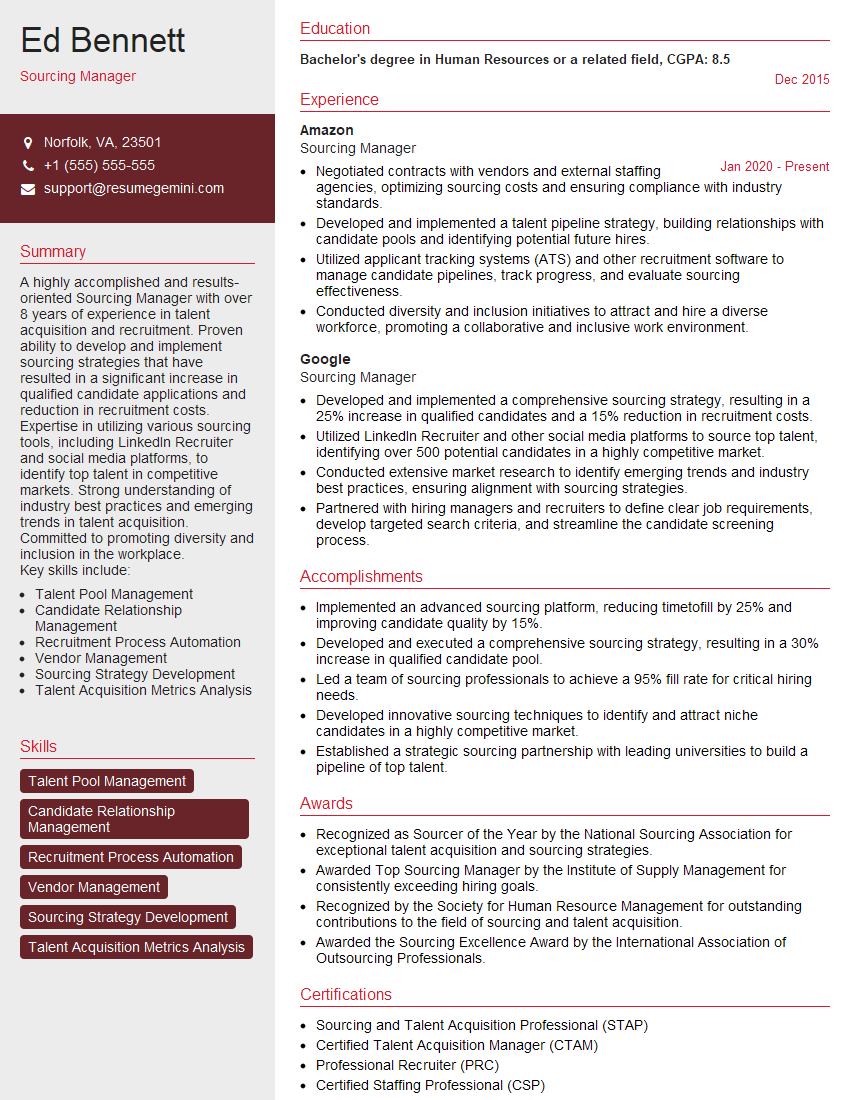
Sourcing Manager Resume Sample

Recruiting Manager Resume Sample
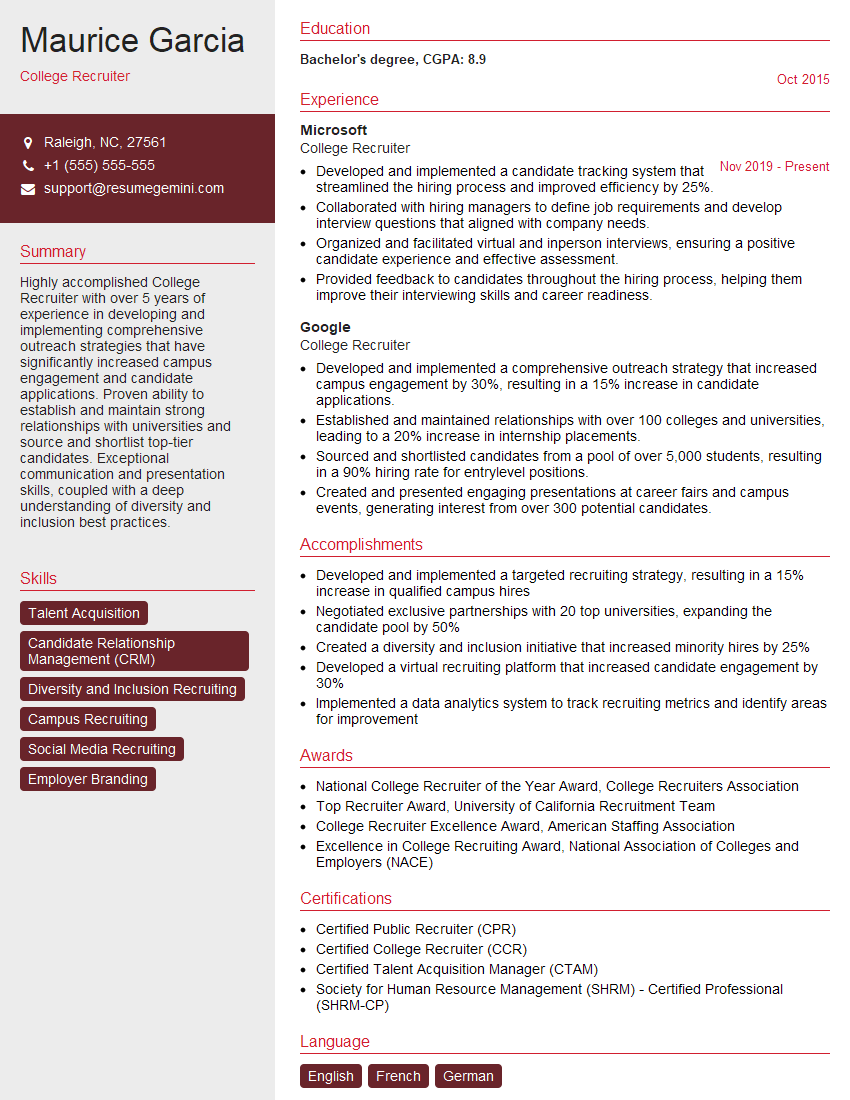
College Recruiter Resume Sample
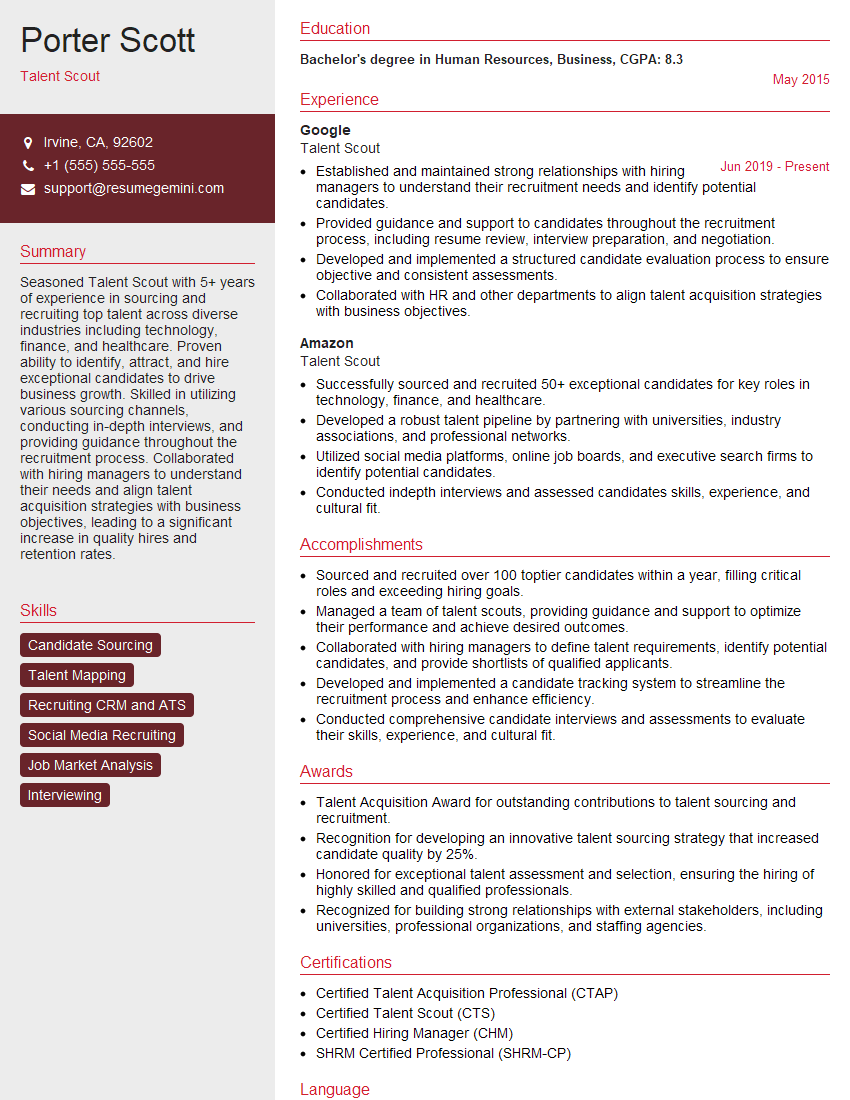
Talent Scout Resume Sample
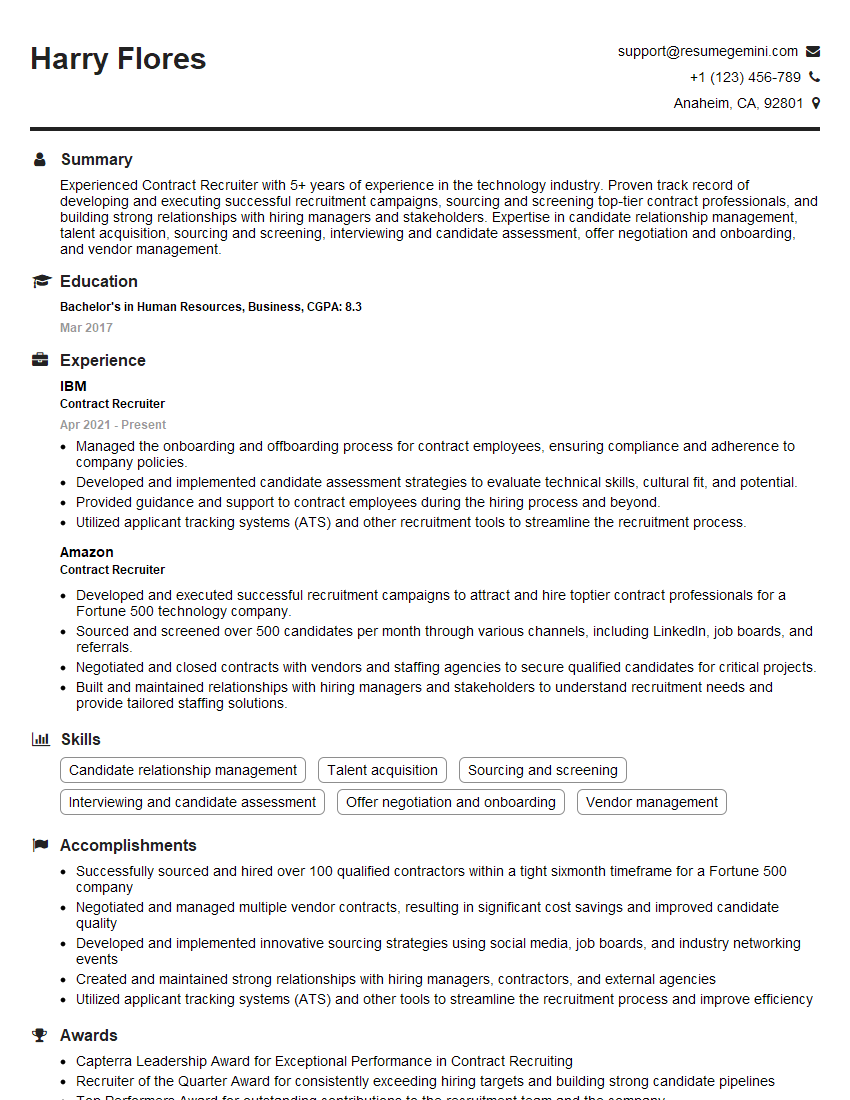
Contract Recruiter Resume Sample
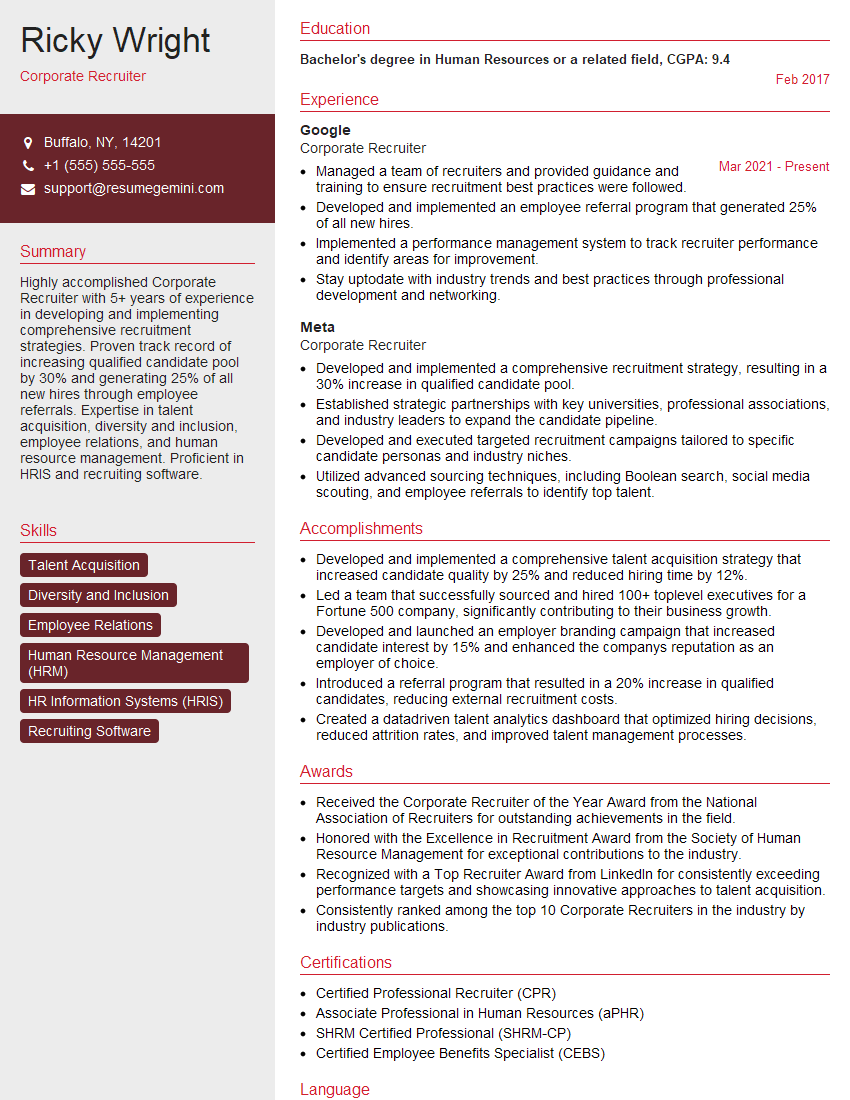
Corporate Recruiter Resume Sample
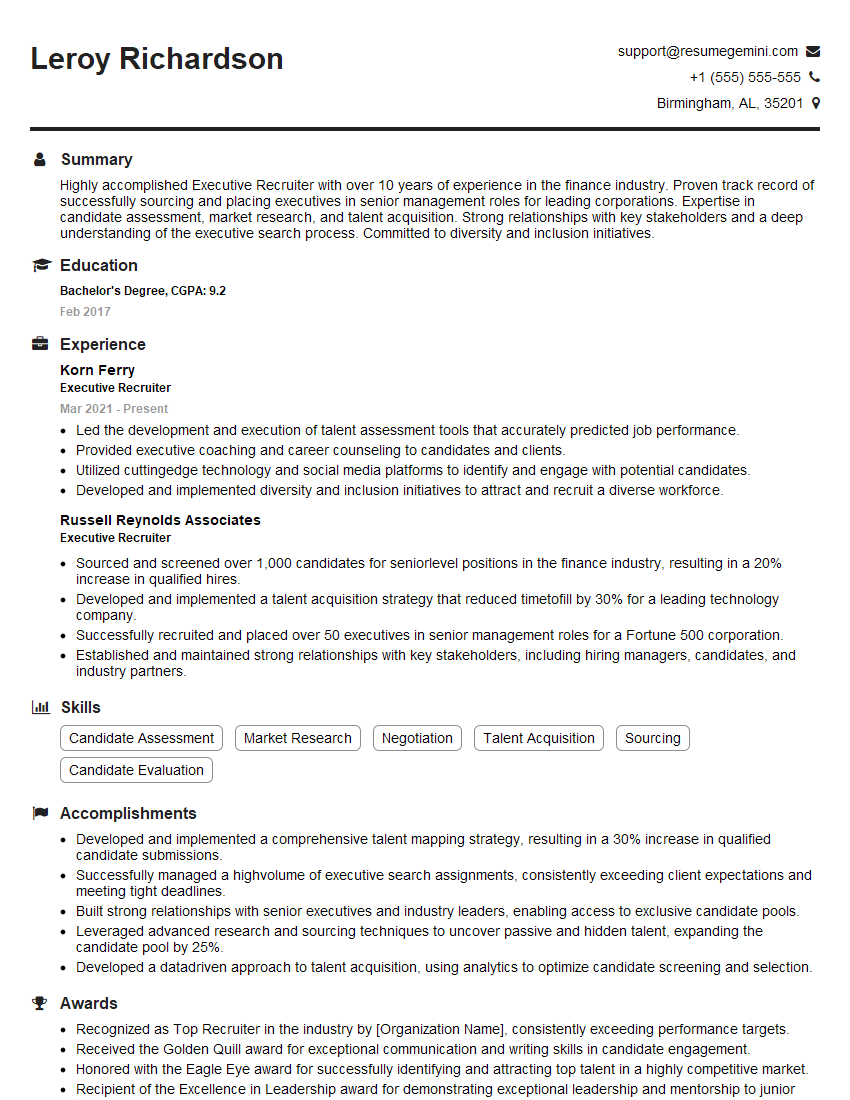
Executive Recruiter Resume Sample
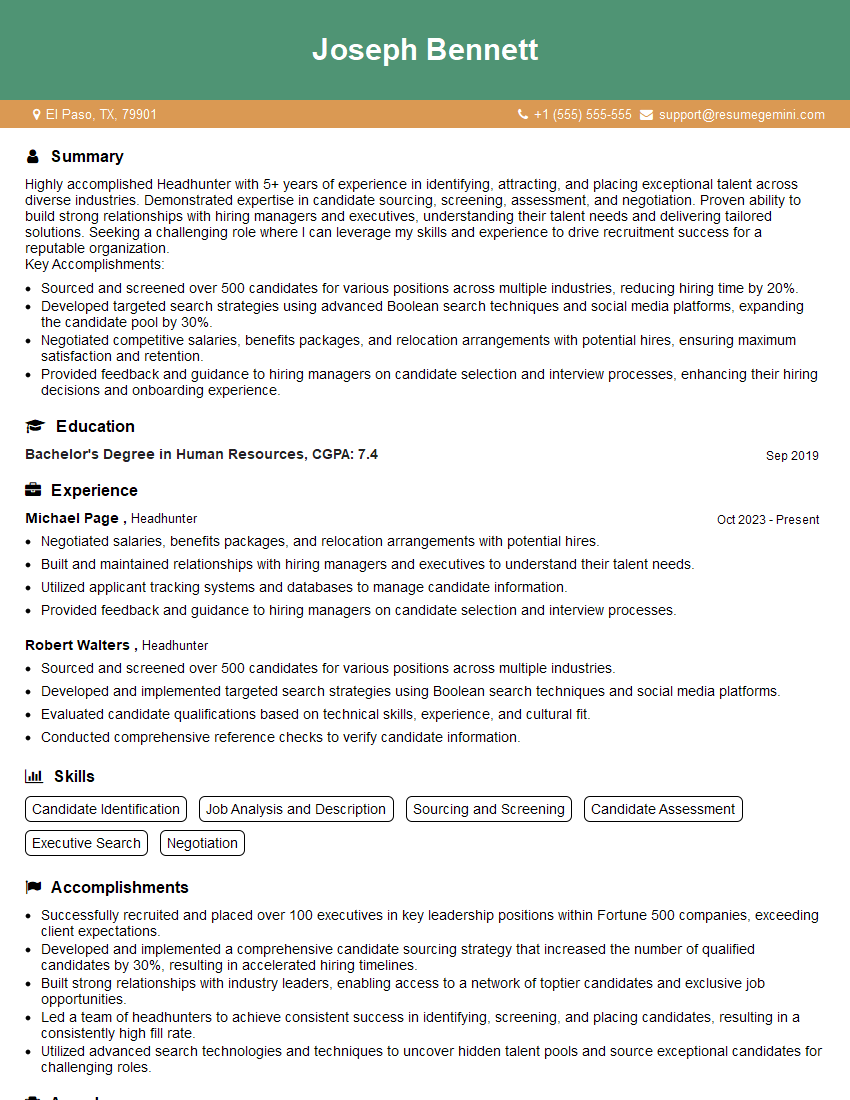
Headhunter Resume Sample
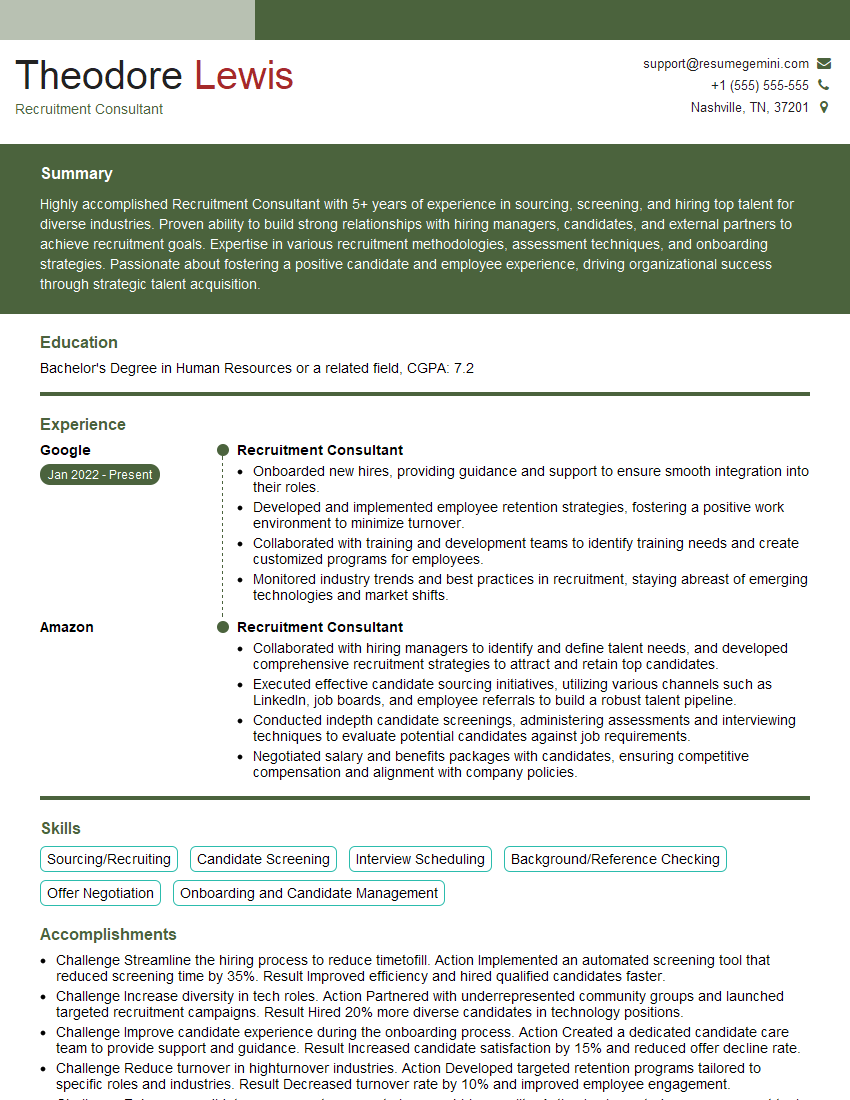
Recruitment Consultant Resume Sample
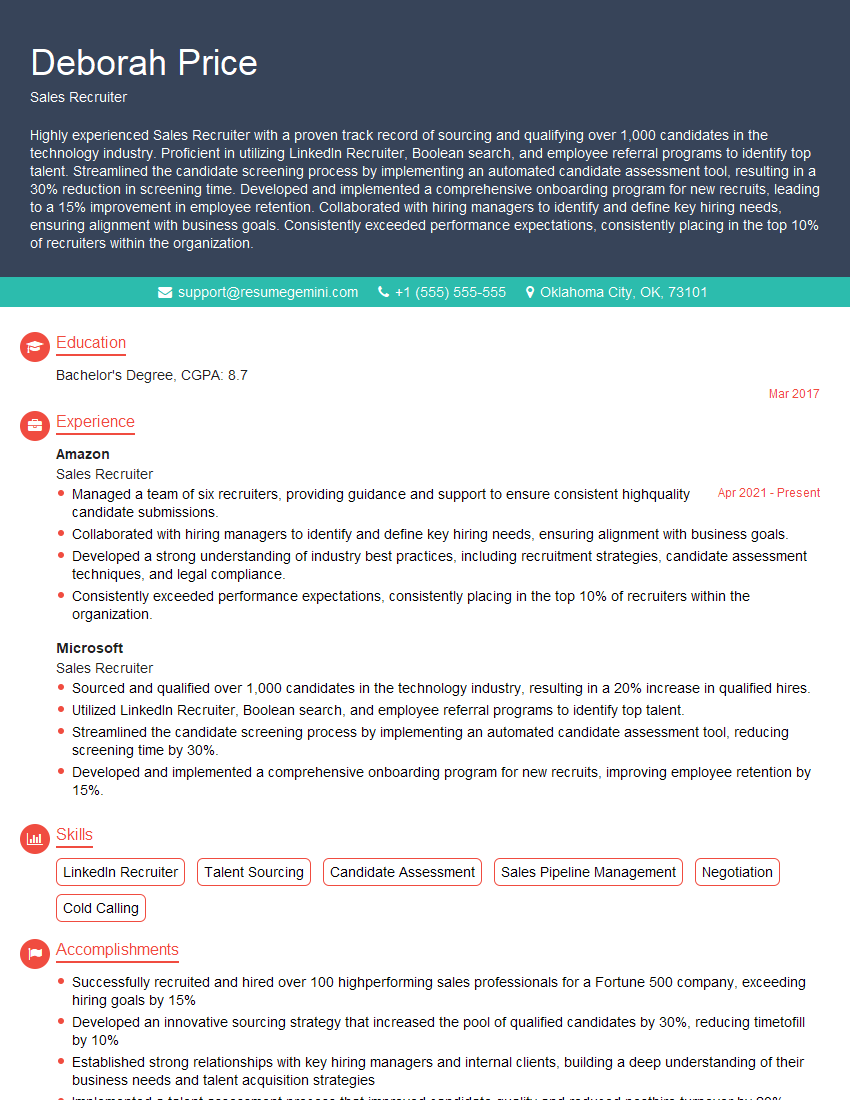
Sales Recruiter Resume Sample
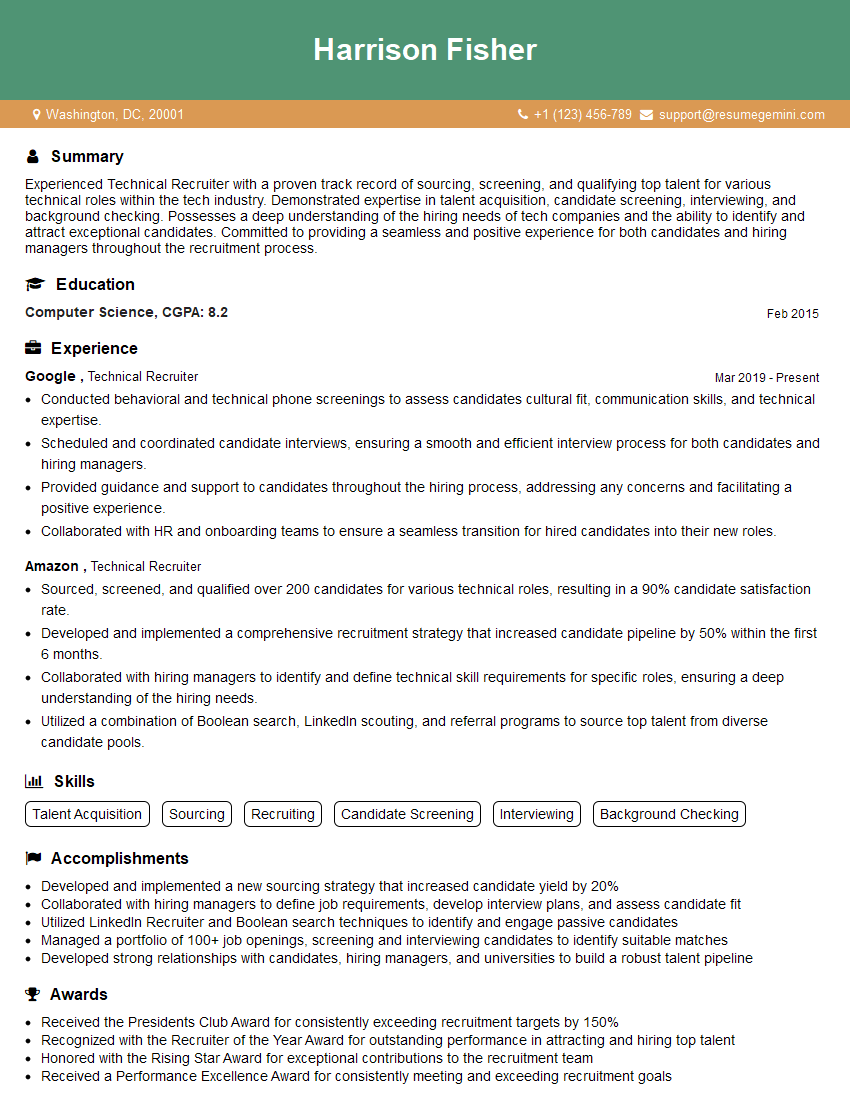
Technical Recruiter Resume Sample
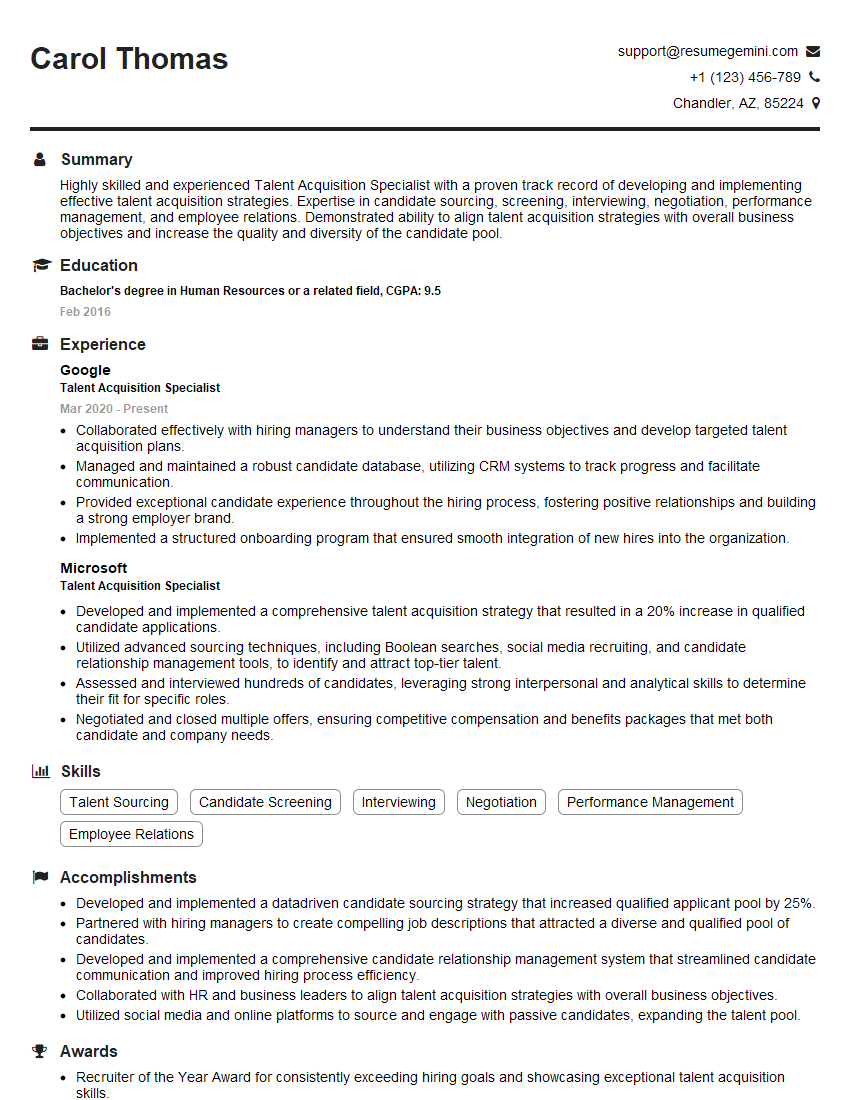
Talent Acquisition Specialist Resume Sample
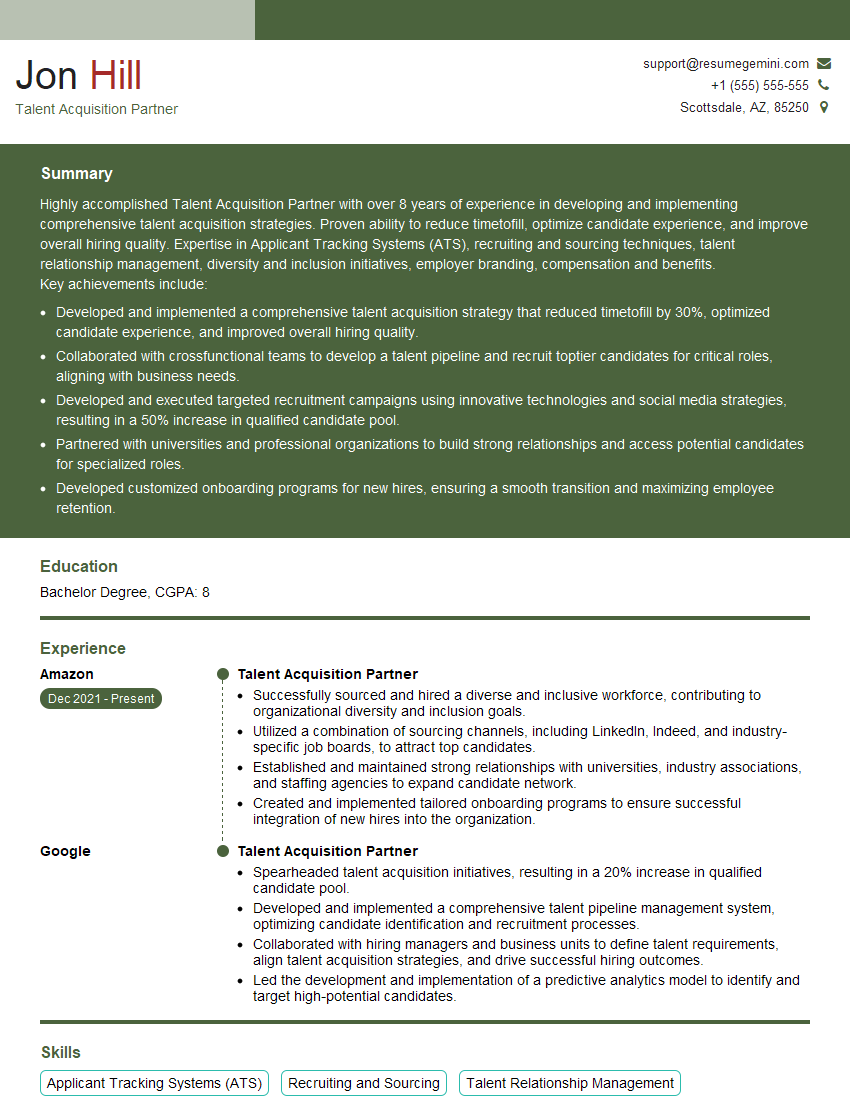
Talent Acquisition Partner Resume Sample
Explore more articles
Users Rating of Our Blogs
Share Your Experience
We value your feedback! Please rate our content and share your thoughts (optional).
What Readers Say About Our Blog
Very informative content, great job.
good