Feeling uncertain about what to expect in your upcoming interview? We’ve got you covered! This blog highlights the most important Reel Alignment interview questions and provides actionable advice to help you stand out as the ideal candidate. Let’s pave the way for your success.
Questions Asked in Reel Alignment Interview
Q 1. Explain the importance of proper reel alignment in industrial processes.
Proper reel alignment is paramount in industrial processes involving materials wound onto reels, such as wire, cable, film, or fabric. Misalignment can lead to a cascade of negative consequences, impacting product quality, efficiency, and safety. Imagine trying to weave a perfectly even fabric with a misaligned spool – the result would be uneven, likely unusable. Similarly, in industrial settings, misalignment can cause material jamming, breakage, uneven tension, poor product quality, and even equipment damage, ultimately leading to costly downtime and production delays. Maintaining precise alignment ensures consistent material feed, prevents defects, optimizes processing speeds, and enhances the overall safety of the operation.
Q 2. Describe different methods for achieving reel alignment.
Several methods exist for achieving reel alignment, each suited to different applications and reel types. These include:
- Mechanical Alignment: This involves using physical adjustments to the reel’s mounting system, often employing screws, clamps, or levers to precisely position the reel’s core. Think of it like carefully adjusting the legs of a wobbly table. This is a common method for smaller, less precise applications.
- Laser Alignment: Laser alignment systems project a laser beam onto the reel’s surface to precisely determine its position relative to the processing equipment. Deviations from the ideal position are measured and fed back to the adjustment system. This provides superior accuracy for high-precision processes.
- Optical Alignment: Similar to laser alignment, optical systems use cameras and image processing to precisely locate the reel and maintain its position. This method is often employed for larger reels or in environments where lasers may be unsuitable.
- Automated Alignment Systems: Advanced systems use sensors and actuators to automatically adjust the reel’s position, compensating for any misalignment in real-time. These systems are essential in high-speed production lines where manual adjustments are impractical or too slow.
The choice of method depends on factors such as the reel size, material, required accuracy, and the overall production environment.
Q 3. What are the common causes of reel misalignment?
Reel misalignment stems from a variety of causes, including:
- Improper Reel Mounting: Incorrectly attaching the reel to its spindle or support structure is a frequent culprit. This can lead to imbalances and deviations from the intended alignment.
- Reel Deformation: Damage or warping of the reel itself can create irregularities that affect alignment. Overfilled or improperly wound reels are particularly prone to this issue.
- Mechanical Wear: Wear and tear on the reel mounting mechanisms or the processing equipment can lead to gradual misalignment over time.
- Vibrations and External Forces: External vibrations, shocks, or uneven forces acting on the reel can displace it from its optimal position.
- Environmental Factors: Temperature fluctuations or humidity changes can sometimes cause materials to expand or contract, subtly affecting reel alignment.
Identifying the root cause is crucial for implementing effective corrective actions. A thorough inspection of the entire system is often required.
Q 4. How do you identify and diagnose reel misalignment issues?
Identifying and diagnosing reel misalignment often involves a combination of visual inspection and measurement techniques.
- Visual Inspection: Carefully observing the reel’s position relative to the processing equipment is the first step. Look for any obvious skewing, tilting, or uneven spacing.
- Measurement Tools: Using calipers, rulers, or specialized alignment tools to precisely measure the distances and angles can quantify the misalignment.
- Laser or Optical Alignment Systems: If available, these systems provide accurate quantitative data on the degree and nature of the misalignment, pinpointing the source of the problem.
- Test Runs: Conducting test runs with the material allows for observing the effects of misalignment. Watch for material slippage, breakage, uneven tension, or any deviation from expected processing performance.
A systematic approach combining visual observation with precise measurements is essential for a reliable diagnosis.
Q 5. What tools and equipment are used in reel alignment procedures?
The tools and equipment utilized in reel alignment vary based on the complexity of the process and the desired level of accuracy. Common equipment includes:
- Calipers and Rulers: For manual measurement of distances and angles.
- Leveling Tools: To ensure the horizontal and vertical alignment of the reel.
- Laser Alignment Systems: High-precision laser-based systems that project reference beams for accurate alignment.
- Optical Alignment Systems: Systems that use cameras and image processing to determine and measure reel position.
- Alignment Fixtures: Specialized jigs or fixtures that help maintain the proper orientation of the reel during alignment procedures.
- Torque Wrenches: Used to precisely tighten screws and fasteners during reel mounting and alignment.
The sophistication of the tools directly correlates with the precision needed in the application.
Q 6. Explain the process of calibrating reel alignment equipment.
Calibrating reel alignment equipment, especially laser or optical systems, is crucial for ensuring accuracy. The procedure typically involves:
- Reference Standard: Using a precisely known reference standard (a perfectly aligned object or fixture) to establish a baseline.
- Adjustment Controls: Utilizing the equipment’s adjustment controls to align the measurement system with the reference standard.
- Calibration Checks: Repeating measurements to verify the system’s ability to consistently reproduce the known alignment.
- Documentation: Maintaining detailed records of the calibration process, including date, measurements, and any necessary adjustments.
- Frequency: Regular calibration at specified intervals (as outlined in the manufacturer’s instructions) is vital to maintain precision over time. Environmental factors and usage can affect the accuracy of the equipment.
Ignoring calibration can lead to progressively inaccurate measurements, resulting in poorly aligned reels and compromised product quality.
Q 7. How do you ensure the accuracy and precision of reel alignment?
Ensuring the accuracy and precision of reel alignment requires a multi-faceted approach:
- Proper Equipment Selection: Choosing alignment equipment that suits the specific application in terms of accuracy, resolution, and capabilities is fundamental.
- Regular Calibration: As discussed earlier, routine calibration ensures the equipment maintains its accuracy over time.
- Proper Training: Operators should receive thorough training on the proper use and maintenance of alignment equipment and procedures.
- Preventive Maintenance: Regular maintenance of the reel mounting systems and processing equipment helps prevent wear and tear that can lead to misalignment.
- Quality Control: Implementing robust quality control measures, including routine checks of reel alignment and product inspection, helps detect and correct issues promptly.
By adopting a comprehensive approach, combining technical expertise with a commitment to quality control, organizations can achieve and maintain highly accurate reel alignment, ensuring smooth, efficient, and safe operations.
Q 8. Describe your experience with different types of reels (e.g., cable reels, paper reels).
My experience with reel alignment encompasses a wide range of reel types, each presenting unique challenges. I’ve worked extensively with cable reels, varying significantly in size and weight from small communication cables to large power cables. The key here is understanding the specific material properties – its stiffness, flexibility, and tendency to kink. For instance, aligning a heavy power cable reel requires different techniques and safety measures compared to a lighter fiber optic cable reel. Similarly, I’ve worked with paper reels, typically used in printing and manufacturing. These present their own set of concerns, including the potential for paper damage due to uneven winding or excessive tension. The material’s fragility dictates a gentler approach to alignment. Finally, I have experience with various other types like film reels, plastic tubing reels, and even specialized reels for medical applications. Each demands a customized approach to ensure safe and efficient operation.
Q 9. What are the safety precautions you take during reel alignment?
Safety is paramount in reel alignment. Before any procedure, I always perform a thorough risk assessment, considering factors like reel weight, material properties, and the surrounding environment. I ensure that the reel is properly secured to prevent rolling or tipping. Using appropriate lifting equipment, like forklifts or hoists, depending on the weight and size of the reel, is crucial. Personal Protective Equipment (PPE), including safety glasses, gloves, and steel-toed boots, is mandatory. I never work alone; having a spotter is essential for larger or more unwieldy reels. Furthermore, the work area should be cleared of obstructions and clearly marked to prevent accidents. Regularly checking the equipment for any signs of damage or wear and tear before commencing work is part of the standard operating procedure.
Q 10. How do you troubleshoot common reel alignment problems?
Troubleshooting reel alignment problems requires a systematic approach. First, I visually inspect the reel for any obvious issues like damaged flanges or uneven winding. Then, I check the alignment of the reel’s core with the unwinding mechanism. If the core is misaligned, it can cause uneven tension and material damage. A common issue is uneven tension, which might indicate problems with the braking system or drive mechanism of the unwinding equipment. I carefully adjust the tension controls following the manufacturer’s specifications. Sometimes, the problem lies with the unwinding path itself, such as obstacles or bends that are interfering with the smooth flow of material. If the problem persists, I consult the equipment’s documentation and may need to engage a qualified technician. Careful documentation of the problem, troubleshooting steps, and resolution is essential for preventing future occurrences and ensuring continuous improvement.
Q 11. Explain your experience with automated reel alignment systems.
I have significant experience with automated reel alignment systems. These systems use sensors and sophisticated control algorithms to precisely align reels, often resulting in increased efficiency and reduced risk of human error. I’ve worked with systems that incorporate laser sensors for precise positioning and automated clamping mechanisms for secure reel handling. The use of programmable logic controllers (PLCs) allows for customization of alignment parameters based on the type of reel and material. I’m familiar with various software interfaces used for controlling and monitoring these automated systems. My experience covers both the operational aspects, including daily maintenance and troubleshooting, and the programming side of these systems to adapt the controls to suit a specific material or application. The automated systems generally offer superior accuracy and consistency compared to manual methods, especially with high-volume operations.
Q 12. How do you document and report reel alignment procedures and results?
Documentation and reporting are vital for traceability and continuous improvement. I meticulously document all reel alignment procedures using standardized forms or digital systems. These records include the date, time, reel type and ID, material specifications, alignment parameters used, any observed issues, and the final alignment measurements. Detailed reports are generated after each procedure, highlighting critical data points and any deviations from the standard procedure. Digital photography or videography can supplement written documentation, especially for complex situations or if there is a need to share findings with others. This detailed record-keeping ensures compliance with safety regulations and provides valuable data for analyzing trends, identifying potential problems, and implementing improvements.
Q 13. Describe your experience working with different materials in reel alignment.
My experience working with different materials in reel alignment is extensive. The material significantly impacts the alignment process and requires specific handling techniques. For example, delicate materials like thin films or fine wires need gentle handling to avoid breakage or damage, requiring slower speeds and more precise controls. Conversely, heavier materials like steel cables demand more robust equipment and stricter safety procedures. Different materials also have varying sensitivities to temperature and humidity; these factors can affect their dimensions and must be considered during the alignment process. Understanding the material properties – elasticity, tensile strength, susceptibility to abrasion – is essential for selecting the appropriate equipment and procedures for a successful outcome. This knowledge helps in choosing the right rollers, tension controls, and alignment methods to prevent damage and optimize material flow.
Q 14. What are the potential consequences of improper reel alignment?
Improper reel alignment can have several serious consequences. The most immediate risk is damage to the material itself – it might result in kinks, tears, or even breakage, causing significant waste and production delays. Poor alignment also leads to inconsistent material flow, resulting in compromised product quality or even complete production stoppages. Moreover, it creates a safety hazard for personnel working nearby. Uneven tension could cause the reel to become unstable, potentially causing it to tip or roll, leading to injuries. In extreme cases, misalignment might lead to damage to the unwinding machinery, incurring significant repair costs and downtime. In the long run, neglecting proper alignment leads to increased operational costs, reduced efficiency, and reputational damage for any manufacturing or processing facility.
Q 15. How do you maintain and clean reel alignment equipment?
Maintaining and cleaning reel alignment equipment is crucial for ensuring accurate and consistent performance. This involves a multi-step process, focusing on both the mechanical components and the sensor systems.
- Regular Cleaning: Compressed air is used to remove dust and debris from all accessible areas, including the sensor lenses and optical paths. A soft, lint-free cloth can be used for delicate parts. Never use harsh chemicals or abrasive materials, as these can damage the equipment.
- Calibration Checks: Regular calibration is vital. The frequency depends on the equipment and usage, but it’s generally recommended monthly or after significant use. Calibration procedures are usually detailed in the equipment’s manual and involve using precision alignment tools to ensure the system is accurately measuring reel position.
- Lubrication: Moving parts, such as mechanical guides and adjustment screws, should be lubricated periodically with the manufacturer-recommended lubricant. Over-lubrication can attract dust and cause problems, so less is often more.
- Sensor Maintenance: The specific maintenance for the sensors (optical, laser, etc.) varies. Optical sensors often require careful cleaning of lenses. Laser sensors might need alignment checks to ensure the beam is correctly positioned. Always refer to the sensor’s specific maintenance guidelines.
- Preventive Maintenance: A scheduled preventative maintenance program, including regular inspections and checks, is highly recommended. This allows for early detection of potential issues, preventing costly downtime.
For example, in one project involving large paper reels, we noticed a slight drift in alignment over time. Regular cleaning of the sensor and periodic recalibration using a gauge block resolved this issue, preventing potential jams and material waste.
Career Expert Tips:
- Ace those interviews! Prepare effectively by reviewing the Top 50 Most Common Interview Questions on ResumeGemini.
- Navigate your job search with confidence! Explore a wide range of Career Tips on ResumeGemini. Learn about common challenges and recommendations to overcome them.
- Craft the perfect resume! Master the Art of Resume Writing with ResumeGemini’s guide. Showcase your unique qualifications and achievements effectively.
- Don’t miss out on holiday savings! Build your dream resume with ResumeGemini’s ATS optimized templates.
Q 16. Explain your understanding of tolerance levels in reel alignment.
Tolerance levels in reel alignment define the acceptable range of deviation from the ideal, perfectly aligned position. These tolerances are critical for ensuring product quality and preventing defects. They are typically expressed in units of length (e.g., millimeters or inches) or as an angle (e.g., degrees).
Tight tolerances mean a smaller allowable deviation, requiring more precise alignment and more sophisticated equipment. Looser tolerances allow for more variation, but this might result in lower product quality or increased waste. The choice of tolerance depends on several factors:
- Material Properties: The material being wound on the reel affects the required precision. Delicate materials necessitate tighter tolerances than robust ones.
- Processing Requirements: Downstream processes might have specific alignment demands, influencing the acceptable tolerance.
- Equipment Capabilities: The precision of the alignment equipment itself sets a limit on the achievable tolerances.
For instance, winding highly sensitive electronic components onto a reel might require tolerances in the range of ±0.1mm, whereas winding less sensitive materials could tolerate ±1mm or more. Exceeding tolerance levels can lead to skewed windings, uneven tension, material damage, and process inefficiencies.
Q 17. Describe a time you had to solve a complex reel alignment problem.
During a project involving high-speed winding of thin film, we encountered a recurring issue: the film would wrinkle and tear unpredictably despite seemingly perfect alignment readings. Initial troubleshooting focused on the sensors and mechanical guides, but the problem persisted.
After meticulously analyzing the data, we identified a subtle vibration in the winding machine, almost imperceptible to the human eye. This vibration, occurring at a specific frequency, was causing resonance effects in the thin film, leading to the wrinkling. The solution was twofold:
- Vibration Damping: We added vibration damping material strategically to the winding machine’s frame to mitigate the resonance.
- Software Compensation: We developed a software algorithm to dynamically adjust the reel alignment based on real-time vibration data captured by accelerometers.
By combining mechanical and software solutions, we eliminated the wrinkling and achieved consistently high-quality windings. This experience highlighted the importance of holistic problem-solving, going beyond simply looking at the alignment itself and considering the entire system’s dynamics.
Q 18. How do you stay updated on the latest advancements in reel alignment technology?
Staying updated on reel alignment technology is crucial for maintaining a competitive edge. I employ several strategies:
- Industry Publications: I regularly read journals like the Journal of Manufacturing Science and Engineering and industry-specific magazines, focusing on articles related to precision manufacturing and sensor technologies.
- Trade Shows and Conferences: Attending trade shows like PACK EXPO and similar events allows for direct interaction with equipment manufacturers and exposure to the latest advancements. This also provides networking opportunities.
- Online Resources and Webinars: I actively monitor websites and online platforms dedicated to manufacturing technology, participating in webinars and online courses to learn about new techniques and algorithms.
- Manufacturer Websites and Documentation: I directly access technical documentation and updates provided by equipment manufacturers to stay informed about software improvements and hardware upgrades.
- Professional Networks: Participating in professional organizations like the Society of Manufacturing Engineers (SME) provides access to colleagues and experts, facilitating knowledge sharing and discussions about current trends.
For example, recently, I learned about the integration of AI and machine learning in reel alignment systems. These advanced systems are improving accuracy and predictive maintenance capabilities, something I’m eager to explore further in future projects.
Q 19. What are the key performance indicators (KPIs) you monitor in reel alignment?
Key Performance Indicators (KPIs) in reel alignment focus on accuracy, efficiency, and quality. I regularly monitor the following:
- Alignment Accuracy: Measured by the deviation from the ideal alignment, often expressed in millimeters or degrees. This is usually tracked through sensor data and compared against predefined tolerance levels.
- Throughput: The number of reels processed per unit time, indicating efficiency. Alignment issues can directly impact throughput if they lead to jams or downtime.
- Defect Rate: The percentage of reels with alignment-related defects, reflecting product quality. This might involve inspecting for skewed windings, uneven tension, or other issues.
- Downtime: Time spent on troubleshooting and repairing alignment-related problems. Minimizing downtime is essential for maintaining productivity.
- Material Waste: The amount of material lost due to alignment problems. This includes material scrapped due to defects and wasted time and resources in correcting alignment.
- Sensor Health: Monitoring sensor data quality, including signal strength and consistency, indicates sensor performance and the need for maintenance.
These KPIs provide valuable insights into the performance of the alignment system and help identify areas for improvement.
Q 20. How do you prioritize tasks when multiple reel alignment issues arise?
Prioritizing multiple reel alignment issues requires a structured approach. I use a combination of urgency and impact assessment:
- Urgency: Issues that immediately halt production or pose a safety risk are prioritized first. This might include a sudden sensor failure causing a machine stop.
- Impact: Issues with the highest potential impact on product quality or cost are next. For example, a consistent misalignment that generates a high defect rate needs urgent attention.
- Severity: The magnitude of the deviation from the acceptable tolerance level influences prioritization. Larger deviations require faster action.
- Resource Availability: The time and resources required to fix an issue are considered. Sometimes, a quicker fix for a less critical issue might be prioritized over a more complex problem.
I often use a simple matrix to visually represent the urgency and impact, allowing for clear prioritization. This method ensures that the most critical issues are addressed promptly, minimizing downtime and maximizing efficiency.
Q 21. Describe your experience with different types of reel alignment sensors.
I have extensive experience with various types of reel alignment sensors, each with its strengths and limitations:
- Optical Sensors: These sensors use light to measure the reel’s position. They are relatively inexpensive, non-contact, and offer high accuracy. However, they can be susceptible to dust and environmental conditions.
- Laser Sensors: Laser-based systems offer high precision and speed, making them ideal for high-speed applications. They are typically more expensive than optical sensors and require more careful alignment.
- Capacitive Sensors: These sensors detect changes in capacitance to determine the position of the reel. They are non-contact, robust, and can work in harsh environments. Their accuracy is generally lower than laser or some high-end optical sensors.
- Inductive Sensors: These sensors use electromagnetic fields to detect the proximity of a metallic reel. They are simple and reliable but require direct contact with the reel and are only suitable for metallic materials.
The choice of sensor depends on several factors, including application requirements, budget, and environmental conditions. In some cases, we might use multiple sensor types in a single system to increase redundancy and improve overall accuracy. For example, in a previous project involving a complex winding process, we combined a laser sensor for primary alignment with a capacitive sensor for backup, ensuring system robustness.
Q 22. How do you handle discrepancies between measured and expected alignment values?
Discrepancies between measured and expected alignment values are common in reel alignment and require a systematic approach to resolution. The first step is to understand the magnitude of the discrepancy. Small deviations might fall within acceptable tolerances, defined by the application’s specifications and the manufacturing process. However, significant deviations necessitate investigation.
My process begins with verifying the measurement equipment’s calibration and accuracy. Faulty sensors or improper calibration can introduce significant errors. Next, I’d examine the alignment procedure itself: Were the correct settings used? Was the process followed meticulously? Were there any environmental factors (temperature, humidity) that could have affected the results?
If the equipment and procedure are sound, the issue might lie with the reel itself. This could be a manufacturing defect, damage during transport, or material inconsistencies. Detailed analysis, potentially involving visual inspection, dimensional checks, and material testing, is often necessary. Documenting each step and the findings is crucial for identifying the root cause and implementing corrective actions, which might range from adjusting the alignment parameters to rejecting faulty reels.
For example, if the measured eccentricity exceeds the allowable tolerance, I’d first check the calibration of the eccentricity measurement system. If the system is accurate, I would then investigate potential reel defects, such as uneven winding or material imperfections. A detailed report documenting the investigation and corrective actions would be crucial for quality control and future prevention.
Q 23. Explain your understanding of statistical process control (SPC) in relation to reel alignment.
Statistical Process Control (SPC) is essential for maintaining consistent and predictable reel alignment. In the context of reel alignment, SPC involves continuously monitoring key parameters (e.g., eccentricity, tilt, runout) using control charts. These charts visually represent the variation in these parameters over time, allowing for the identification of trends and anomalies.
By tracking these metrics, we can identify potential issues early on—before they lead to significant quality problems or production delays. For example, a control chart showing an upward trend in eccentricity suggests a potential problem in the alignment process, the winding process, or the reel itself. This allows for proactive adjustments and preventative maintenance.
Control charts also help us determine if the process is operating within its defined control limits. If data points consistently fall outside these limits, it signals that the process is out of control and requires immediate investigation and correction. This might involve recalibrating equipment, adjusting alignment parameters, or even identifying a root cause in the manufacturing process. Regular SPC analysis ensures that reel alignment stays within acceptable tolerances, leading to higher product quality and reduced waste.
Q 24. How do you ensure the longevity and reliability of reel alignment equipment?
Ensuring the longevity and reliability of reel alignment equipment involves a multi-faceted approach that combines preventative maintenance, careful operation, and regular calibration. Preventative maintenance includes regular cleaning of the equipment to remove dust and debris that can interfere with sensor accuracy and mechanical functions. We also need to perform lubrication on moving parts as per the manufacturer’s recommendations to reduce wear and tear.
Proper operation is vital; following the manufacturer’s guidelines for usage and avoiding overloading the equipment prevents premature damage. Regular calibration, using traceable standards, ensures the accuracy of measurements. The frequency of calibration depends on the equipment and its usage, but it is usually defined in the equipment’s maintenance schedule. Environmental considerations also play a role; keeping the equipment in a clean, stable temperature and humidity controlled environment extends its lifespan and protects sensitive components.
For example, a regular maintenance schedule might include daily checks of the equipment for obvious damage, weekly cleaning, and monthly calibration. A logbook is used to track all maintenance activities, ensuring comprehensive record-keeping and allowing us to identify trends or potential problems early.
Q 25. Describe your proficiency with using relevant software for reel alignment.
My proficiency in reel alignment software encompasses a range of programs, from basic data acquisition and analysis tools to sophisticated simulation and modelling software. I’m proficient in using software to acquire data from various measurement systems (e.g., laser sensors, vision systems) and then analyze this data to determine alignment parameters such as eccentricity, tilt, and bow. I can also use software to generate reports, documenting the alignment process and results.
For example, I’m familiar with software packages that can generate 3D models of reels, allowing for simulation of various alignment scenarios. This capability is particularly useful for optimizing the alignment process and minimizing potential errors. Furthermore, I’m adept at using software to create control charts for Statistical Process Control (SPC), allowing for continuous monitoring of the alignment process and early detection of potential problems.
Specific software packages I’m experienced with include [list specific software packages here, e.g., ‘LabVIEW’, ‘Matlab’, ‘specific vendor software’]. My expertise extends to both utilizing pre-existing software solutions and developing custom scripts or programs to enhance efficiency and data analysis capabilities.
Q 26. How do you communicate technical information about reel alignment to non-technical personnel?
Communicating technical information about reel alignment to non-technical personnel requires clear, concise, and relatable language. I avoid using jargon and technical terms whenever possible. Instead, I use analogies and visual aids to illustrate complex concepts. For instance, explaining reel eccentricity by comparing it to a wobbly wheel on a bicycle is much easier to grasp than a technical description involving radial deviations.
I often use visuals, such as diagrams and charts, to present data in a readily understandable manner. A simple chart showing the difference between acceptable and unacceptable alignment values is more effective than a complex table of numerical data. I also prioritize active listening to ensure that the audience understands the information and can ask clarifying questions. A simple, structured presentation with a clear objective is key.
For example, when explaining a problem with reel alignment to a production manager, I might say, ‘Imagine a CD player; if the CD is slightly off-center, it skips. Similarly, if the reel is not properly aligned, it can lead to defects.’ This approach makes the information relevant and easily digestible.
Q 27. What are the environmental factors that can affect reel alignment?
Several environmental factors can significantly affect reel alignment. Temperature fluctuations can cause materials to expand and contract, altering the reel’s dimensions and affecting its alignment. Humidity can also impact materials, causing swelling or shrinkage. This is particularly relevant for reels made from materials sensitive to moisture, such as certain plastics or wood.
Vibration from machinery or external sources can also introduce errors into alignment measurements. These vibrations can cause slight movements in the reel, leading to inaccurate readings and potentially compromising the alignment. Dust and debris can interfere with the accuracy of sensors, leading to erroneous measurements. Static electricity can also affect the precision of sensitive measuring equipment.
Therefore, maintaining a controlled environment – with stable temperature and humidity, minimal vibration, and a clean workspace – is crucial for accurate and reliable reel alignment. This is often achieved by using climate-controlled rooms or enclosures specifically designed for precise measurements.
Q 28. How do you manage your time effectively during a reel alignment project?
Effective time management during a reel alignment project involves careful planning and prioritization. I begin by clearly defining the project scope, objectives, and deliverables. This includes specifying the acceptable tolerances, the measurement methods, and the reporting requirements. A detailed timeline is created, breaking down the project into smaller, manageable tasks.
I utilize project management tools and techniques to track progress and manage resources effectively. This might involve using Gantt charts, Kanban boards, or other project management software. Regular progress meetings are scheduled with stakeholders to ensure everyone is informed and any potential issues are identified and addressed promptly.
Prioritization is key; critical tasks are addressed first, ensuring timely completion of the most important aspects of the project. Contingency plans are also developed to account for unforeseen delays or problems. For example, if a piece of equipment malfunctions, a backup plan is in place to minimize downtime. This proactive approach ensures that the project stays on schedule and within budget.
Key Topics to Learn for Reel Alignment Interview
- Understanding Reel Alignment Principles: Grasp the core theoretical concepts behind reel alignment in filmmaking, animation, or VFX (depending on the specific job). This includes understanding the importance of consistent frame-to-frame movement and its impact on the viewer’s perception.
- Practical Application in Different Software: Demonstrate familiarity with the practical application of reel alignment in industry-standard software packages such as After Effects, Nuke, or similar tools. Be prepared to discuss your workflow and problem-solving techniques.
- Troubleshooting and Problem-Solving: Discuss common challenges encountered during the reel alignment process, such as dealing with complex camera movements, motion blur, or inconsistent footage. Highlight your ability to troubleshoot issues efficiently and effectively.
- Workflow Optimization: Explain how you optimize your workflow for efficient reel alignment, focusing on techniques to minimize time and maximize accuracy. This might include using scripts, plugins, or other time-saving strategies.
- Collaboration and Communication: Discuss your approach to collaborating with other team members on complex projects involving reel alignment, emphasizing clear communication and effective problem-solving in a team environment.
- Different Types of Reel Alignment Techniques: Be prepared to discuss various techniques used for different scenarios, and explain when to apply each method to achieve optimal results.
Next Steps
Mastering reel alignment is crucial for career advancement in visual effects, animation, and filmmaking. A strong understanding of this fundamental skill demonstrates technical proficiency and problem-solving capabilities, making you a highly valuable asset to any production team. To maximize your job prospects, focus on creating an ATS-friendly resume that highlights your relevant skills and experience. ResumeGemini is a trusted resource to help you build a professional and impactful resume. Examples of resumes tailored to Reel Alignment are available below, providing valuable guidance and inspiration for your own resume creation.
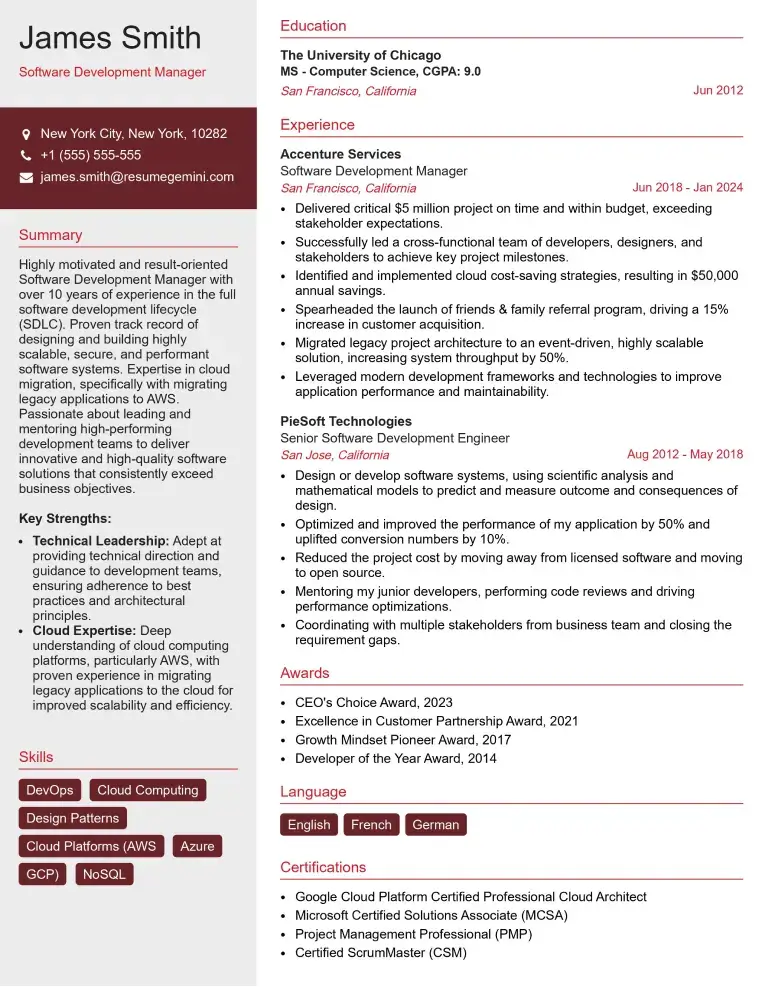
Check Out Resume Samples at ResumeGemini

Check Out Resume Samples at ResumeGemini

Check Out Resume Samples at ResumeGemini

Check Out Resume Samples at ResumeGemini

Check Out Resume Samples at ResumeGemini
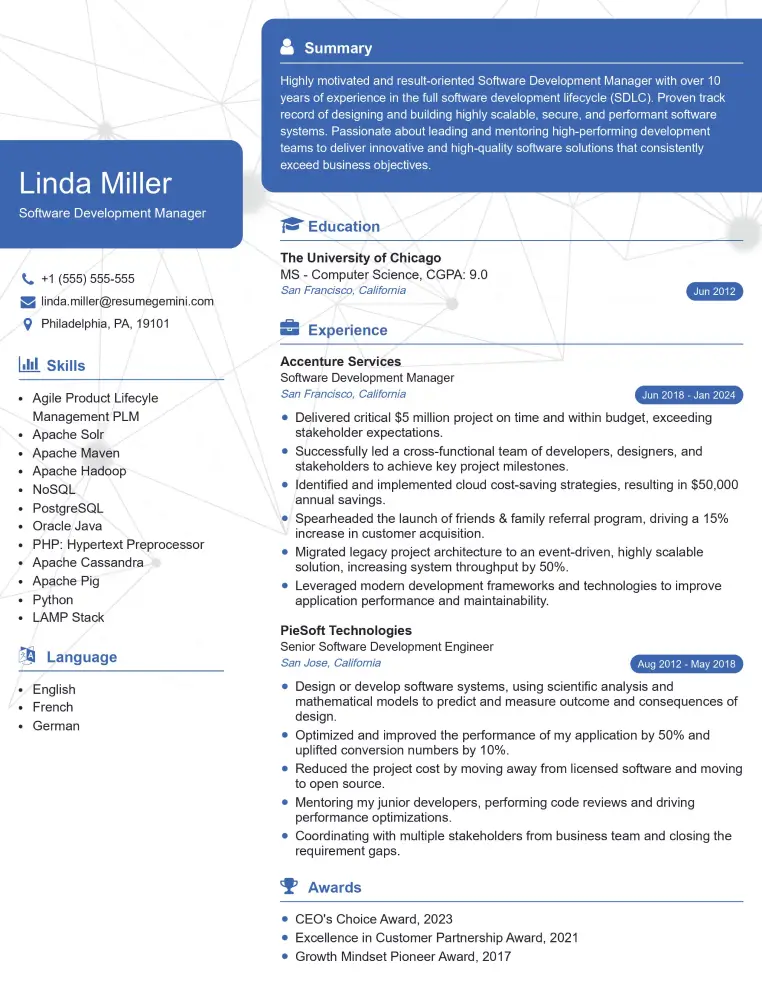
Check Out Resume Samples at ResumeGemini

Check Out Resume Samples at ResumeGemini
Explore more articles
Users Rating of Our Blogs
Share Your Experience
We value your feedback! Please rate our content and share your thoughts (optional).
What Readers Say About Our Blog
Very informative content, great job.
good