Interviews are more than just a Q&A session—they’re a chance to prove your worth. This blog dives into essential Refrigerated Storage Knowledge interview questions and expert tips to help you align your answers with what hiring managers are looking for. Start preparing to shine!
Questions Asked in Refrigerated Storage Knowledge Interview
Q 1. Explain the principles of refrigeration.
Refrigeration is the process of removing heat from a space or substance to lower its temperature. It’s based on the principle that certain substances absorb heat as they change state, typically from a liquid to a gas. This absorbed heat is then rejected elsewhere, effectively cooling the target area. Think of it like a heat sponge: the refrigerant absorbs heat, gets ‘saturated,’ then releases that heat elsewhere and starts the cycle again.
This process relies on the thermodynamic properties of refrigerants. These substances have a low boiling point, meaning they easily evaporate at relatively low temperatures. As they evaporate, they absorb heat from their surroundings. The reverse process, condensation, releases this heat.
Q 2. Describe different types of refrigeration systems (e.g., vapor-compression, absorption).
There are several types of refrigeration systems, each with its own advantages and disadvantages:
- Vapor-Compression Refrigeration: This is the most common type, used in most household refrigerators and many commercial applications. It involves four main components: a compressor, a condenser, an expansion valve, and an evaporator. The refrigerant circulates through these components, undergoing changes in pressure and temperature to achieve cooling. It’s highly efficient and reliable.
- Absorption Refrigeration: This system uses heat as its primary energy source, rather than electricity. It relies on the absorption of refrigerant vapor by a liquid absorbent, often water or lithium bromide. It’s often found in applications where waste heat is readily available, making it environmentally friendly in those specific scenarios. However, it’s typically less efficient than vapor-compression.
- Air Refrigeration: In this system, air is directly used as the refrigerant. It’s less efficient than other methods but finds use in specialized applications like aircraft cooling and some industrial settings. It relies on compressing and expanding air to achieve temperature changes.
Q 3. What are the common refrigerants used and their environmental impact?
Historically, refrigerants like Chlorofluorocarbons (CFCs) and Hydrochlorofluorocarbons (HCFCs) were widely used, but they were found to severely deplete the ozone layer. These are now being phased out under the Montreal Protocol.
Currently, common refrigerants include Hydrofluoroolefins (HFOs), Hydrofluorocarbons (HFCs), and natural refrigerants like ammonia (NH3) and carbon dioxide (CO2). HFOs have a very low global warming potential (GWP), making them environmentally preferable. HFCs have a lower ozone depletion potential than CFCs and HCFCs but still contribute to climate change. Ammonia and CO2 are natural refrigerants with zero ozone depletion potential and relatively low GWPs, making them increasingly popular despite requiring specialized handling due to their toxicity or flammability.
The choice of refrigerant depends on factors such as efficiency, cost, safety, and environmental impact. It’s a critical decision that needs careful consideration in the design phase.
Q 4. How do you maintain optimal temperature and humidity levels in a refrigerated storage facility?
Maintaining optimal temperature and humidity levels requires a multi-pronged approach:
- Precise Temperature Control: Use accurate sensors and controllers to monitor and adjust the refrigeration system’s operation. Regular calibration and maintenance of these components are essential.
- Humidity Control: This is often achieved through dehumidification systems. These systems can remove excess moisture from the air, preventing condensation and spoilage of products. The ideal humidity level depends on the stored goods; some products require higher humidity than others.
- Regular Monitoring and Logging: Continuous monitoring of temperature and humidity levels using data loggers is crucial. These data logs provide valuable insights into the system’s performance and can help identify potential problems early on. They are essential for complying with food safety regulations.
- Proper Door Sealing: Ensuring airtight seals on all doors and access points is critical to prevent warm air from entering and compromising the cold chain.
Q 5. Explain the importance of proper air circulation in refrigerated storage.
Proper air circulation is crucial to ensure uniform temperature and humidity throughout the refrigerated storage facility. Without it, temperature gradients can develop, leading to spoilage in certain areas. Think of it like a well-mixed drink – you want the temperature and flavor (humidity) consistent throughout.
Effective air circulation prevents the formation of localized cold spots or hot spots, ensuring that all stored products are kept at the ideal temperature and reducing the risk of product spoilage. It also promotes better heat exchange between the refrigerated air and the stored products, leading to more efficient cooling and reduced energy consumption.
This is achieved through strategic placement of fans, proper layout of storage racks, and avoiding obstructions to airflow.
Q 6. Describe different types of cold storage facilities (e.g., blast freezers, chillers).
Various types of cold storage facilities cater to different needs:
- Blast Freezers: These facilities are designed for rapid freezing of products, typically used for preserving quality and extending shelf life. They employ very low temperatures (-30°C or lower) to freeze products quickly, minimizing ice crystal formation that can damage texture.
- Chillers: Chillers maintain temperatures just above freezing (0°C to 4°C), suitable for short-term storage of perishable goods like meat and dairy products. They are designed for slower cooling processes, focusing on maintaining freshness.
- Freezer Rooms: These rooms maintain sub-zero temperatures (-18°C or lower) for long-term storage of frozen products.
- Refrigerated Warehouses: These large facilities offer varying temperature zones to accommodate different products, often including both chillers and freezer sections. They are typically used for large-scale storage and distribution.
Q 7. What are the key considerations for designing a refrigerated warehouse?
Designing a refrigerated warehouse requires careful consideration of several factors:
- Insulation: High-quality insulation is essential to minimize heat transfer and reduce energy consumption. The type and thickness of insulation will depend on the desired temperature range and the climate.
- Refrigeration System Capacity: The refrigeration system must be sized appropriately to handle the cooling load based on the volume of the warehouse, the desired temperature, and the expected heat gain through the walls, roof, and doors.
- Air Circulation System: An efficient air circulation system is crucial to maintain uniform temperature and humidity. This involves strategic placement of fans, ductwork, and air diffusers.
- Building Materials: Durable, moisture-resistant materials are necessary to withstand the harsh conditions of refrigerated storage. Stainless steel and other specialized materials are often used.
- Location and Climate: The climate of the location will significantly influence the design. A location with a hot and humid climate will require a more robust refrigeration system and more efficient insulation.
- Accessibility and Logistics: Easy access for loading and unloading of goods is crucial. This includes considering the layout of loading docks, forklift access, and overall traffic flow.
Q 8. How do you prevent cross-contamination in a refrigerated storage facility?
Preventing cross-contamination in a refrigerated storage facility is paramount for maintaining food safety and preventing product spoilage. It’s like keeping different colored paints separate – you wouldn’t want them mixing and ruining your artwork!
- Designated Storage Zones: Create clearly defined areas for different product categories (e.g., raw meat, ready-to-eat foods, dairy). This prevents accidental contact and minimizes the risk of pathogens transferring between items.
- Strict Cleaning and Sanitization Protocols: Implement rigorous cleaning procedures between handling different products. This involves using appropriate sanitizers and ensuring proper drying to prevent microbial growth. Think of it as meticulously cleaning your paintbrushes after each color to avoid contamination.
- FIFO (First-In, First-Out) System: A well-managed FIFO system helps ensure older products are used before newer ones, minimizing the risk of spoilage and reducing the potential for cross-contamination from older, potentially compromised products.
- Proper Packaging and Labeling: Use appropriate packaging materials to prevent leaks or spills and clearly label all products with their contents and dates. This helps in quick identification and prevents accidental mixing.
- Employee Training: Staff training on hygiene practices, proper handling techniques, and the importance of following established procedures is crucial. A well-trained workforce is your first line of defense against contamination.
- Regular Inspections: Conduct regular inspections of the facility to identify potential cross-contamination risks and address them promptly.
Q 9. What are the common causes of refrigeration system malfunctions?
Refrigeration system malfunctions can stem from various issues, often a combination of factors. Think of it as a car – several components need to work together smoothly for it to function correctly. Here are some common causes:
- Compressor Failure: The heart of the system, a faulty compressor can lead to complete system shutdown or inefficient cooling.
- Refrigerant Leaks: Leaks in the refrigerant lines lead to reduced cooling capacity and potential environmental damage. Regular leak detection is vital.
- Condenser Issues: A dirty or malfunctioning condenser, which releases heat, reduces efficiency and can cause the system to overheat.
- Evaporator Problems: Frost buildup or other issues in the evaporator coils, where the refrigerant absorbs heat, can impair cooling effectiveness.
- Control System Malfunctions: Faulty thermostats, sensors, or other control components can lead to incorrect temperature settings and inconsistent cooling.
- Lack of Maintenance: Neglecting routine maintenance, such as filter changes and cleaning, can accelerate wear and tear and lead to failures.
Q 10. Describe your experience troubleshooting refrigeration system issues.
In my experience, troubleshooting refrigeration issues involves a systematic approach. It’s like detective work! I’ve dealt with everything from minor temperature fluctuations to complete system breakdowns. My approach typically includes:
- Visual Inspection: A thorough visual inspection of the system, checking for obvious signs of problems such as leaks, frost buildup, or loose connections.
- Temperature Monitoring: Careful monitoring of temperatures at various points in the system to pinpoint where the problem lies. This often involves using calibrated thermometers and data loggers.
- Pressure Checks: Measuring the pressure in the refrigerant lines to identify potential leaks or other pressure-related problems. This requires specialized equipment.
- Electrical Checks: Testing the electrical components and wiring to rule out electrical issues causing malfunction.
- Component Testing: If necessary, individual components such as the compressor, condenser, or evaporator are tested to determine their functionality. This might involve specialized diagnostic tools.
- Documentation and Reporting: Meticulous record-keeping of all findings, repairs, and maintenance procedures.
For instance, I once resolved a case of inconsistent temperatures by identifying a faulty temperature sensor. Replacing it restored proper temperature regulation. In another instance, a thorough leak detection revealed a small refrigerant leak in a poorly-sealed valve, and that was corrected. Each case requires careful analysis and a systematic approach.
Q 11. Explain the importance of regular maintenance in a refrigerated storage facility.
Regular maintenance is the cornerstone of a reliable and efficient refrigerated storage facility. It’s preventative medicine for your system! Neglecting it is like ignoring a creaking floorboard – eventually, it will collapse. Regular maintenance includes:
- Preventative Maintenance Schedule: A structured schedule that includes tasks like filter changes, cleaning, lubrication, and inspections at specific intervals.
- Refrigerant Checks: Regular checks to detect leaks and ensure sufficient refrigerant levels.
- Compressor Maintenance: Regular checks and potentially servicing of the compressor, the heart of the system.
- Condenser and Evaporator Cleaning: Regularly cleaning the condenser and evaporator coils to remove dust and debris, improving efficiency.
- Electrical System Checks: Inspection and testing of the electrical system to identify and rectify potential problems.
- Temperature Monitoring and Calibration: Ensuring accuracy of temperature sensors and the cooling system itself.
Proper maintenance extends the lifespan of equipment, reduces energy consumption, prevents costly repairs, and ensures the safety and quality of stored products.
Q 12. What are the safety regulations and procedures related to refrigerated storage?
Safety regulations and procedures in refrigerated storage are crucial for worker safety and product integrity. These often involve compliance with local and national regulations. Key aspects include:
- Emergency Procedures: Clear emergency procedures for power outages, refrigerant leaks, or other emergencies, including evacuation plans.
- Personal Protective Equipment (PPE): Requiring appropriate PPE, such as safety glasses, gloves, and protective clothing when handling refrigerants or cleaning equipment.
- Lockout/Tagout Procedures: Implementing lockout/tagout procedures to prevent accidental energization of equipment during maintenance or repairs.
- Refrigerant Handling: Strict protocols for the safe handling, storage, and disposal of refrigerants, in line with environmental regulations.
- Fire Safety: Implementing fire safety measures including fire extinguishers, smoke detectors, and sprinkler systems.
- Temperature Monitoring and Alarm Systems: Implementing systems that monitor temperature and trigger alerts in case of deviations from setpoints.
- Regular Inspections and Audits: Conducting regular inspections and safety audits to identify and address potential hazards.
Q 13. How do you ensure the safety of stored products?
Ensuring the safety of stored products involves a multi-faceted approach, focusing on maintaining the cold chain and preventing contamination. This ensures quality and prevents spoilage:
- Temperature Control: Maintaining accurate and consistent temperatures throughout the storage area is paramount to preserve product quality and safety.
- Pest Control: Implementing a robust pest control program to prevent infestation and contamination.
- Inventory Management: Employing a FIFO (First-In, First-Out) system ensures older products are used first, minimizing the risk of spoilage.
- Proper Packaging and Labeling: Using appropriate packaging and clear labeling to prevent damage, leakage, and mix-ups.
- Regular Inspections: Regularly inspecting products for signs of spoilage or contamination.
- Emergency Power Systems: Having backup power systems in place to maintain cold chain integrity during power outages.
Q 14. What are the key performance indicators (KPIs) for a refrigerated storage facility?
Key Performance Indicators (KPIs) for a refrigerated storage facility provide insights into its efficiency and effectiveness. Think of them as a report card for your facility’s performance. These include:
- Temperature Accuracy and Consistency: Monitoring the accuracy and consistency of temperatures throughout the facility.
- Energy Consumption: Tracking energy usage to identify areas for improvement and reduce operational costs.
- Equipment Uptime: Measuring the percentage of time equipment is operational to assess reliability and minimize downtime.
- Product Loss due to Spoilage: Tracking product loss due to spoilage to identify areas for improvement in storage practices.
- Maintenance Costs: Monitoring maintenance costs to identify areas for cost optimization.
- Inventory Turnover Rate: Tracking the rate at which products are moved in and out of storage.
- Customer Satisfaction: Gathering feedback from customers to assess their satisfaction with the storage services.
Q 15. How do you manage inventory in a refrigerated storage facility?
Effective inventory management in refrigerated storage is crucial for minimizing waste and maximizing profitability. It involves a multifaceted approach encompassing accurate tracking, efficient organization, and robust forecasting.
Firstly, a detailed inventory system is paramount. This could involve barcoding or RFID tagging each item, allowing for precise location tracking within the facility. We also use dedicated software to record incoming and outgoing stock, noting lot numbers, expiration dates, and temperature sensitivity. Regular cycle counts, or spot checks, are performed to verify the accuracy of the inventory records against physical stock. Imagine a large supermarket – they can’t afford to have inaccurate stock data, leading to either lost sales or excessive spoilage.
Secondly, efficient organization is key. Products are strategically placed based on their temperature requirements and expiration dates, often using the FIFO method (explained in a later answer). This minimizes the risk of spoilage and ensures smooth order fulfillment. Clear labeling and organized shelving are also important elements to ensure quick retrieval of items. Finally, good inventory management includes accurate forecasting of demand. By analyzing sales data and seasonality, we can optimize stock levels, reducing overstocking and consequent waste.
Career Expert Tips:
- Ace those interviews! Prepare effectively by reviewing the Top 50 Most Common Interview Questions on ResumeGemini.
- Navigate your job search with confidence! Explore a wide range of Career Tips on ResumeGemini. Learn about common challenges and recommendations to overcome them.
- Craft the perfect resume! Master the Art of Resume Writing with ResumeGemini’s guide. Showcase your unique qualifications and achievements effectively.
- Don’t miss out on holiday savings! Build your dream resume with ResumeGemini’s ATS optimized templates.
Q 16. Describe your experience with inventory management software.
My experience with inventory management software spans several years and multiple systems. I’ve worked with both cloud-based and on-premise solutions, including industry-specific software designed for cold storage operations. These systems typically offer features such as real-time inventory tracking, automated reporting, temperature monitoring integration, lot tracing capabilities, and often provide mobile access for staff conducting inventory checks.
For example, I’ve used software that integrates directly with our refrigeration system, providing alerts if a temperature deviation occurs. This immediate feedback allows for rapid intervention, preventing potential spoilage. Some software also allows for the generation of comprehensive reports on inventory turnover rates, spoilage costs, and other vital metrics. This data is then used for optimizing our procurement strategies and improving operational efficiency. The transition to a more integrated system drastically improved our accuracy, reducing manual errors and providing valuable data-driven insights.
Q 17. How do you handle product spoilage or damage?
Handling product spoilage or damage requires a structured approach focusing on prevention, identification, and mitigation. Prevention starts with rigorous temperature monitoring and adherence to best practices throughout the supply chain. Regular maintenance of refrigeration equipment and adherence to proper storage procedures are crucial. Imagine a case of improperly stored produce that rots – the financial impact, not to mention the waste, can be significant.
When spoilage or damage is identified, we have a clear protocol in place. Affected products are immediately quarantined to prevent cross-contamination. Depending on the extent of the damage and the product type, we may dispose of the items safely, potentially according to specific regulations for food waste. Detailed records are kept documenting the cause of the spoilage (e.g., temperature fluctuation, packaging defect), the quantity lost, and the remedial actions taken. This data is then analyzed to identify areas for improvement in our processes.
Q 18. Explain your experience with first-in, first-out (FIFO) inventory management.
First-In, First-Out (FIFO) is a fundamental inventory management principle that prioritizes the use of older products before newer ones. In refrigerated storage, this is critical for preventing spoilage and maintaining product freshness. In a practical setting, imagine pallets of frozen goods. Using FIFO ensures that older, potentially soon-to-expire items are shipped first, minimizing waste and maximizing shelf life.
We implement FIFO by carefully tracking expiration dates and rotation of stock. Products with earlier expiration dates are placed in the most accessible locations, ensuring they are used or shipped first. Our warehouse layout and inventory management software actively support this method. For example, our system provides visual cues, alerts, and reports to ensure adherence to FIFO. Regular inventory checks verify the correct implementation of the system. Deviating from FIFO results in increased spoilage and significant financial losses.
Q 19. How do you ensure the quality and traceability of stored products?
Ensuring quality and traceability is paramount in refrigerated storage, especially for perishable goods. This involves implementing a robust system that tracks products from the moment they enter our facility until they leave. This is often achieved through barcoding or RFID tagging, linked to detailed inventory records that include lot numbers, supplier information, temperature history, and processing dates.
Temperature monitoring is crucial – using sensors at various locations within the facility provides real-time data, ensuring products are stored within their specified temperature ranges. Deviations are immediately flagged, triggering alerts and allowing for prompt corrective action. Chain-of-custody records demonstrate clear tracking and accountability. This detailed system allows for efficient recall management in case of contamination or quality issues. Traceability not only ensures product quality but also facilitates rapid response during any potential crisis situation, protecting consumers and the reputation of the facility.
Q 20. What are the best practices for energy efficiency in refrigerated storage?
Energy efficiency in refrigerated storage is crucial for both environmental sustainability and cost reduction. Best practices encompass various strategies, focusing on minimizing energy consumption while maintaining optimal storage temperatures.
- Regular Maintenance: Preventative maintenance of refrigeration equipment is key. Timely servicing minimizes energy waste caused by inefficient systems.
- Proper Door Management: Minimizing door openings and employing features like air curtains and automatic door closers significantly reduces energy loss.
- Insulation: Thorough insulation of the storage facility itself, including walls, ceilings, and floors, is essential to prevent heat transfer.
- Efficient Equipment: Investing in energy-efficient refrigeration systems (e.g., variable speed drives) and using smart controls significantly reduces energy consumption.
- Temperature Optimization: Precise temperature control within the facility, minimizing temperature fluctuations, reduces the energy required to maintain the optimal conditions.
Implementing these measures not only lowers operating costs but also reduces the facility’s carbon footprint.
Q 21. How do you manage energy costs in a refrigerated storage facility?
Managing energy costs in a refrigerated storage facility requires a multi-pronged approach that combines energy-efficient technologies, operational optimization, and regular monitoring.
Firstly, energy-efficient equipment is paramount. This includes investing in high-efficiency refrigeration units, using LED lighting, and implementing smart controls. These technologies significantly reduce energy consumption without compromising performance. Secondly, optimizing operational processes helps reduce energy use. This includes regular maintenance of refrigeration systems to prevent energy loss and implementing strategies such as proper door management, and optimizing storage layouts to minimize cold air loss. Thirdly, continuous monitoring of energy consumption through smart meters and data analytics provides real-time visibility into energy usage patterns. This allows for the identification of energy waste and the implementation of targeted corrective actions. Finally, regular reviews and adjustments of operational procedures, based on data analysis, can further fine-tune energy management and lower costs.
Q 22. Describe your experience with different types of temperature monitoring systems.
My experience encompasses a wide range of temperature monitoring systems, from basic dial thermometers to sophisticated, networked systems. I’ve worked with wired and wireless sensors, data loggers that record temperature fluctuations over time, and cloud-based monitoring platforms that provide real-time data and alerts. For instance, in one facility, we used a system with sensors strategically placed throughout the storage chambers, transmitting data to a central server. This allowed us to monitor temperature continuously, generate reports, and receive immediate notifications if temperatures deviated outside the pre-set parameters. In another project, we implemented a system incorporating RFID tags on pallets to track not only temperature but also the location of specific goods throughout the storage and transportation process. This offered enhanced visibility and improved traceability. The choice of system depends greatly on factors like budget, facility size, the type of goods stored, and regulatory requirements.
- Dial Thermometers: Simple, inexpensive, but require manual readings.
- Data Loggers: Record temperature data over time, providing valuable historical information.
- Networked Systems: Real-time monitoring, alerts, and remote access to data.
- Cloud-Based Platforms: Data analysis, reporting, and integration with other systems.
Q 23. How do you manage pest control in a refrigerated storage facility?
Pest control in refrigerated storage is crucial for maintaining product safety and quality. Our strategy is built on a three-pronged approach: prevention, monitoring, and eradication. Prevention involves meticulous cleaning and sanitation, regular inspections to identify potential entry points (like cracks and gaps), and maintaining a clean and organized storage environment. Monitoring involves using sticky traps and pheromone traps to detect early signs of infestations, allowing for prompt action. Eradication, when necessary, uses environmentally friendly and food-safe methods. This might involve professional pest control services using appropriate insecticides and treatments, always adhering strictly to regulations and ensuring the safety of stored products and personnel. For example, in one instance, we discovered a minor rodent infestation. We immediately sealed entry points, implemented enhanced cleaning procedures, and engaged a pest control company specializing in food-safe treatments. This proactive approach prevented a larger issue.
Q 24. Explain your understanding of cold chain logistics.
Cold chain logistics refers to the entire process of maintaining a specific temperature range for temperature-sensitive goods throughout their journey from origin to consumption. This involves a complex network of controlled environments, including harvesting, processing, storage, transportation, and distribution. Think of it like a relay race where the baton (the goods) needs to be passed seamlessly without breaking the chain of cold. Maintaining this unbroken chain is critical because temperature fluctuations can degrade or spoil perishable goods, leading to significant losses. My experience involves overseeing all stages of the cold chain, ensuring optimal temperature control at each point.
Q 25. How do you ensure the integrity of the cold chain?
Ensuring cold chain integrity is a multi-faceted process requiring meticulous attention to detail. Firstly, we use calibrated equipment to accurately monitor and record temperatures at all stages. Secondly, we implement robust Standard Operating Procedures (SOPs) for handling and transporting goods, including proper packaging, insulation, and vehicle maintenance. This includes regular checks on refrigeration units, ensuring they are functioning correctly and maintaining the set temperatures. Thirdly, detailed documentation is kept at every stage, providing a complete audit trail. For example, each shipment has a temperature-monitoring device that automatically records data, providing irrefutable evidence of temperature control. Finally, we proactively train staff on proper cold chain handling techniques. A breach in the cold chain, even a minor one, can have a cascading effect. Our aim is to prevent any such events through meticulous planning and execution.
Q 26. What are the challenges of maintaining a consistent cold chain?
Maintaining a consistent cold chain presents several challenges. Equipment malfunctions are a constant threat – refrigeration unit breakdowns, sensor failures, and power outages can disrupt the cold chain. Inconsistent handling during transportation, such as improper loading or insufficient insulation, can also lead to temperature fluctuations. External factors like extreme weather conditions (heat waves or freezing temperatures) can further complicate things. Moreover, ensuring that every stakeholder in the supply chain adheres to the required temperature protocols is a major undertaking. This requires close collaboration and communication throughout the network. For example, a delay in transportation due to unforeseen circumstances (traffic, accidents) can negatively affect the temperature integrity of the goods. We mitigate these challenges through proactive maintenance, redundancy in systems (backup generators for power outages), robust communication, and stringent quality control at every stage.
Q 27. Describe your experience with cold chain documentation and compliance.
Cold chain documentation and compliance are paramount. We maintain meticulous records of temperature data, including charts, graphs, and reports generated by our monitoring systems. These records are crucial for demonstrating compliance with regulations, such as the FDA’s Food Safety Modernization Act (FSMA). We also document all handling procedures, transportation details, and any deviations from established protocols. This comprehensive documentation enables traceability, facilitates investigations in case of any incidents, and ensures accountability throughout the cold chain. Further, we ensure our practices are compliant with relevant industry standards (like Good Distribution Practices or GDP) and regularly undergo audits to identify areas for improvement. Strong documentation not only protects the integrity of the product but also safeguards the reputation of the organization.
Q 28. How do you handle emergency situations (e.g., power outages) in a refrigerated storage facility?
Emergency situations, like power outages, require immediate and decisive action to mitigate losses. Our facilities are equipped with backup generators to ensure uninterrupted power supply in case of outages. We also have pre-defined emergency procedures that are practiced regularly, ensuring staff are well-prepared. These procedures outline steps for immediately identifying the scope of the outage, assessing the risk to stored products, and implementing contingency measures (e.g., relocating temperature-sensitive goods to backup cold storage or using ice packs for short-term preservation). We also maintain a strong communication network to promptly inform stakeholders and coordinate actions. Regular drills and simulations help us fine-tune our response and ensure the safety and quality of stored products even during unforeseen events. For instance, during a recent power outage, our backup generator seamlessly switched on, minimizing any disruption to the cold chain.
Key Topics to Learn for Refrigerated Storage Knowledge Interview
- Temperature Control and Monitoring: Understanding principles of refrigeration, types of refrigeration systems (e.g., vapor-compression, absorption), and effective temperature monitoring techniques for maintaining product quality and safety. Practical application: Troubleshooting temperature fluctuations and identifying potential causes.
- Humidity Control: The impact of humidity on product preservation and the methods used to control humidity levels within refrigerated storage facilities. Practical application: Calculating and adjusting humidity levels for different types of stored goods.
- Air Circulation and Ventilation: The role of proper air circulation in maintaining consistent temperatures and preventing spoilage. Practical application: Designing efficient air circulation systems and identifying areas for improvement in existing systems.
- Inventory Management and Organization: Strategies for efficient inventory tracking, organization, and rotation (FIFO/FEFO) to minimize waste and ensure product freshness. Practical application: Implementing and optimizing inventory management systems, including barcode scanning and software solutions.
- Safety and Hygiene: Understanding and adhering to food safety regulations, sanitation procedures, and pest control protocols within refrigerated storage environments. Practical application: Developing and implementing effective cleaning and sanitization schedules.
- Energy Efficiency and Sustainability: Strategies for reducing energy consumption and minimizing environmental impact in refrigerated storage operations. Practical application: Identifying opportunities for energy savings and implementing energy-efficient technologies.
- Troubleshooting and Maintenance: Recognizing common issues with refrigeration systems and performing basic maintenance tasks. Practical application: Diagnosing and resolving problems related to temperature control, compressor function, and other system components.
Next Steps
Mastering refrigerated storage knowledge is crucial for career advancement in the food and logistics industries, opening doors to higher-paying roles and increased responsibility. A well-crafted resume is essential for showcasing your expertise and securing your dream job. Create an ATS-friendly resume to maximize your chances of getting noticed by recruiters. Use ResumeGemini to build a professional and impactful resume that highlights your skills and experience. ResumeGemini provides examples of resumes tailored to Refrigerated Storage Knowledge to help you create a compelling application.
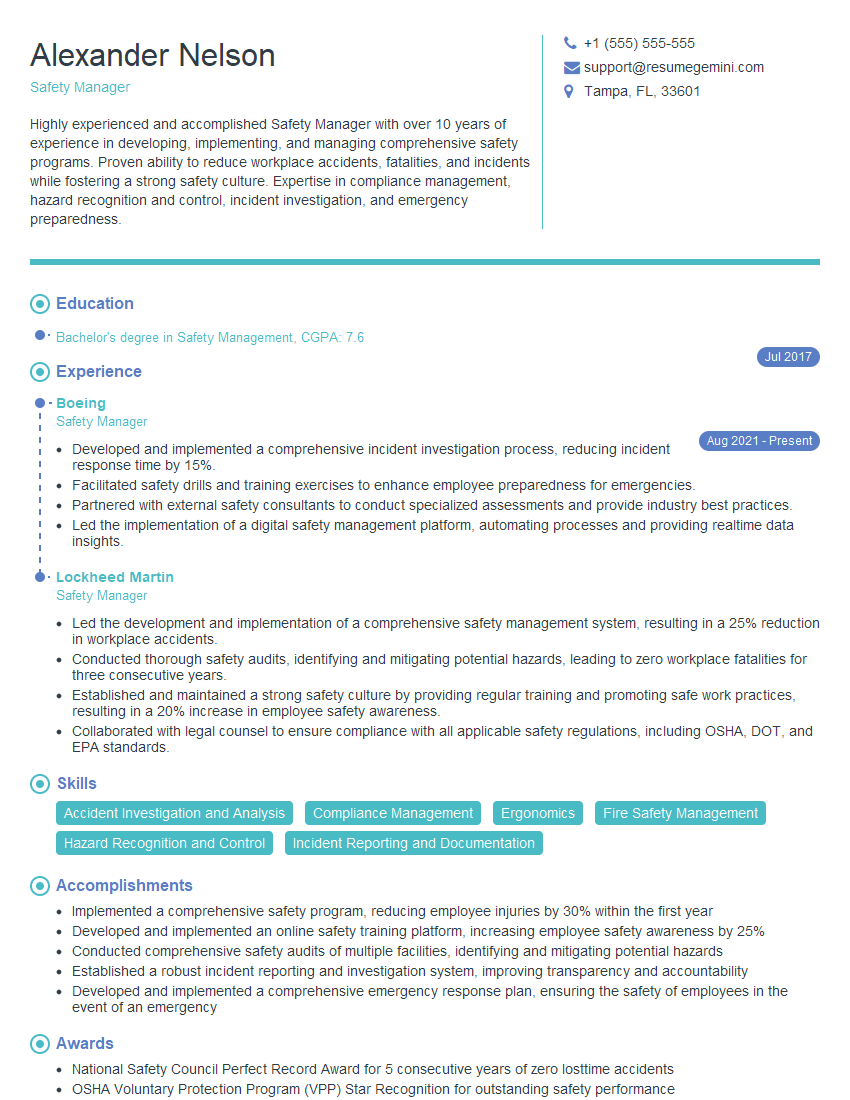
Safety Manager Resume Sample
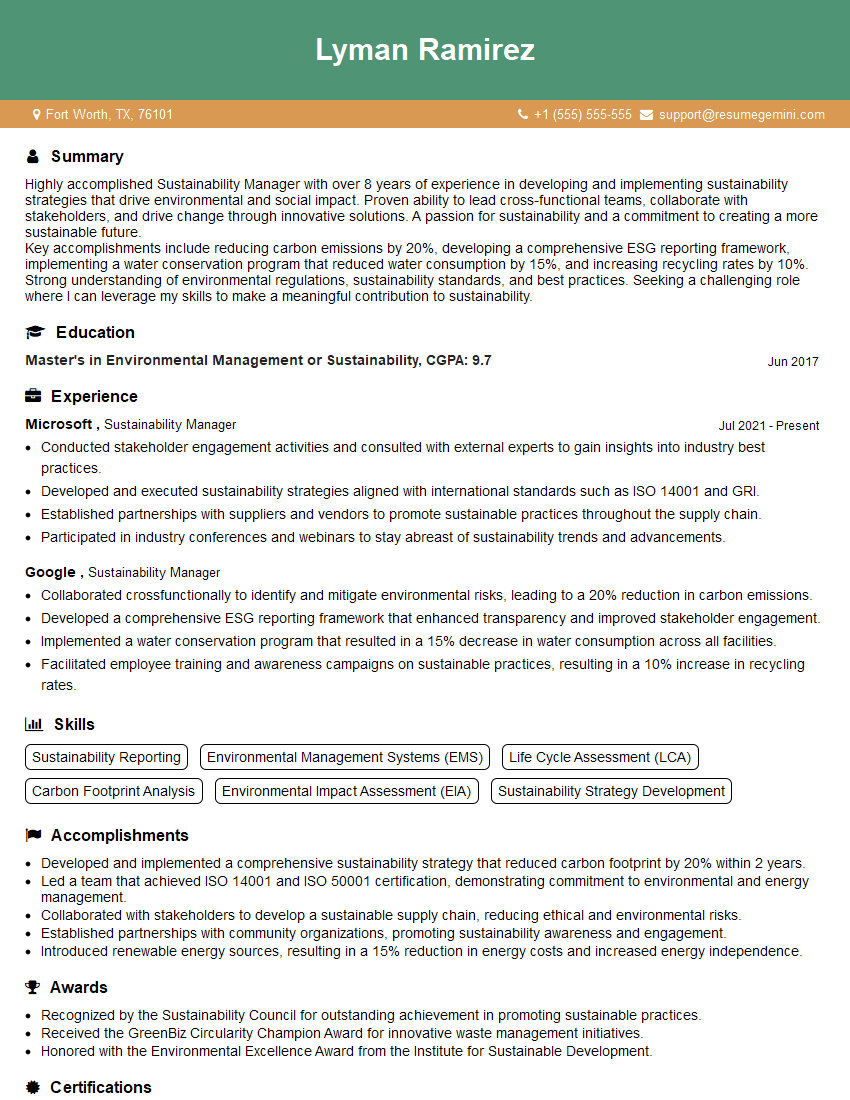
Sustainability Manager Resume Sample
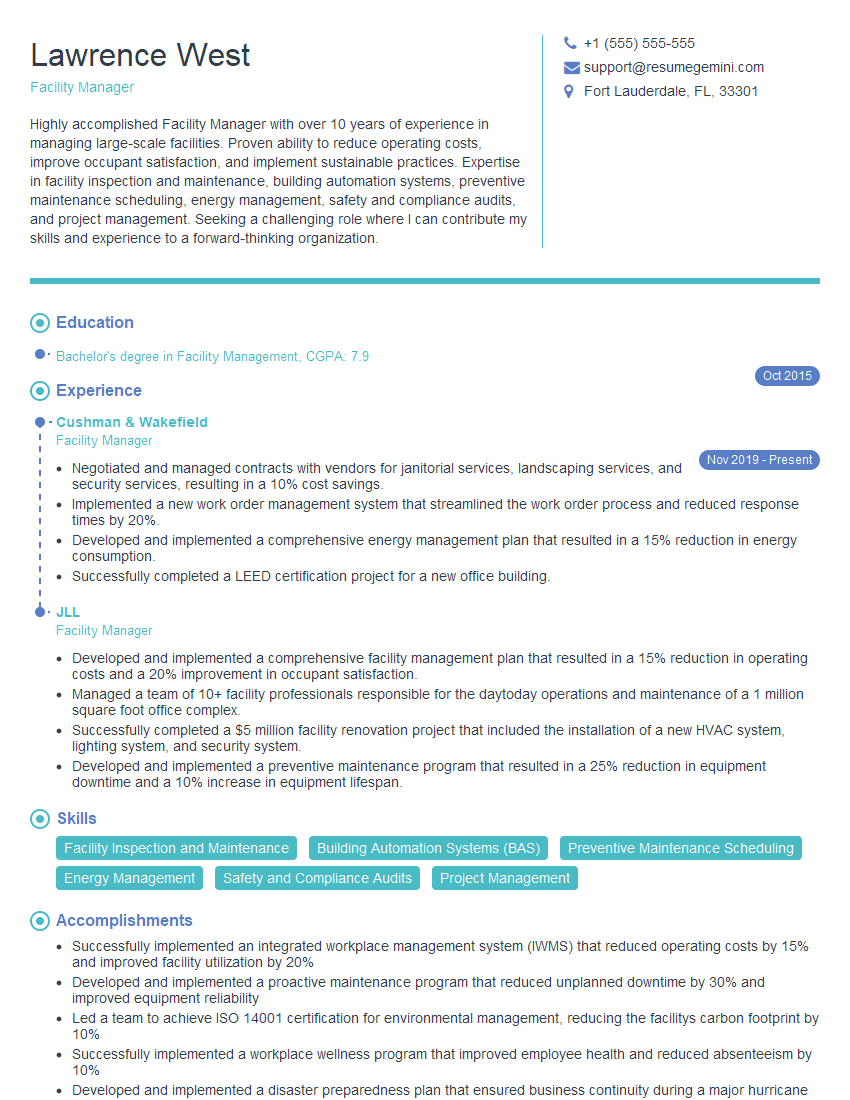
Facility Manager Resume Sample

Operations Manager Resume Sample
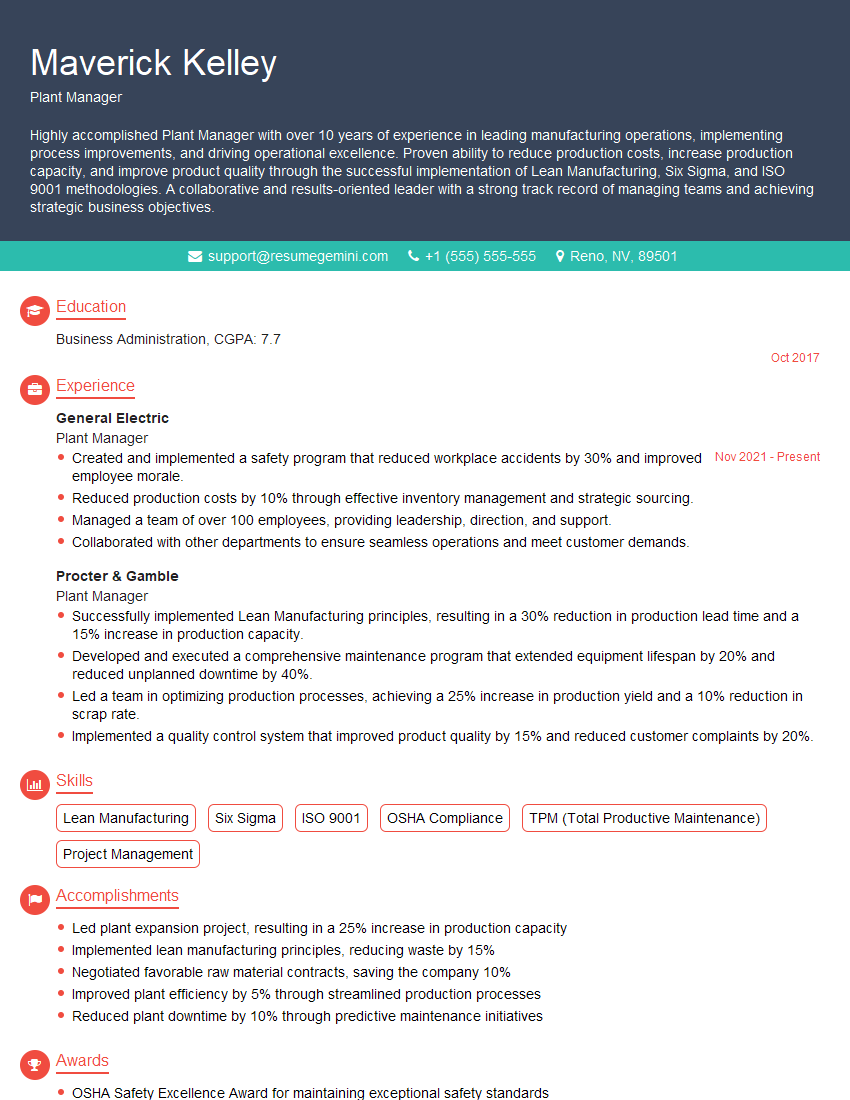
Plant Manager Resume Sample
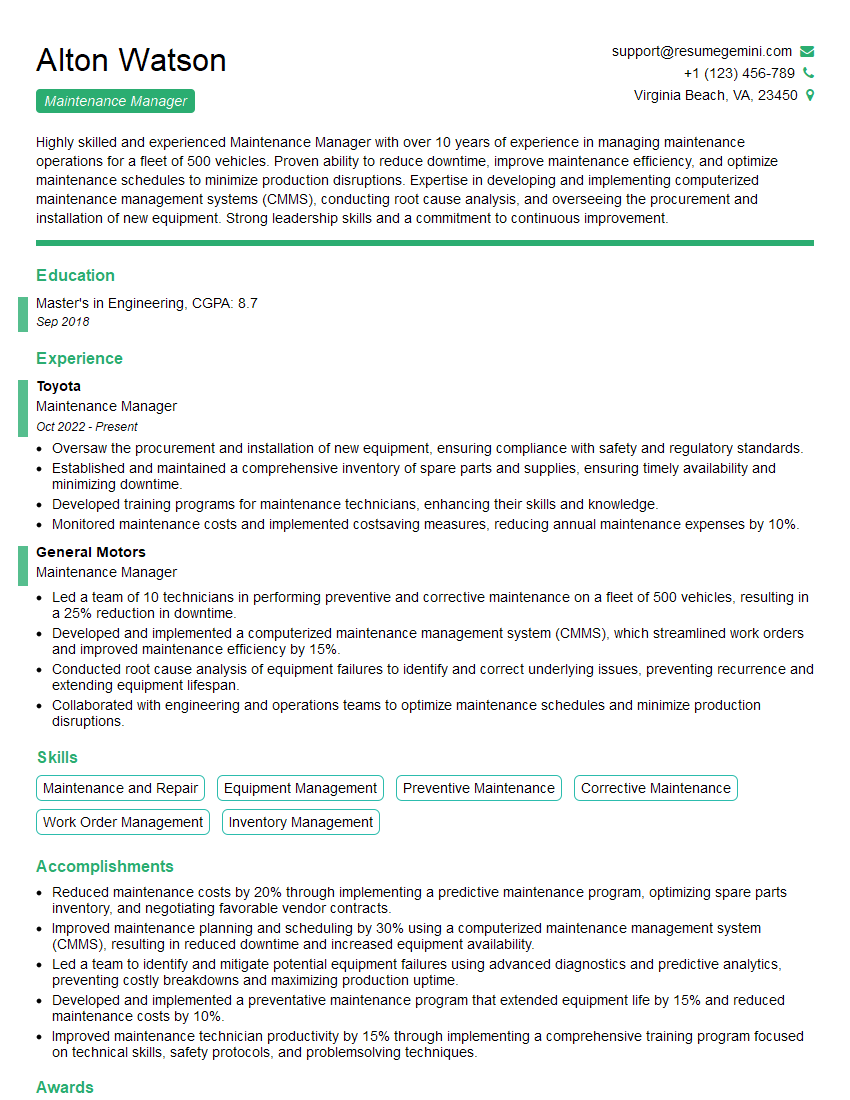
Maintenance Manager Resume Sample

Quality Control Manager Resume Sample
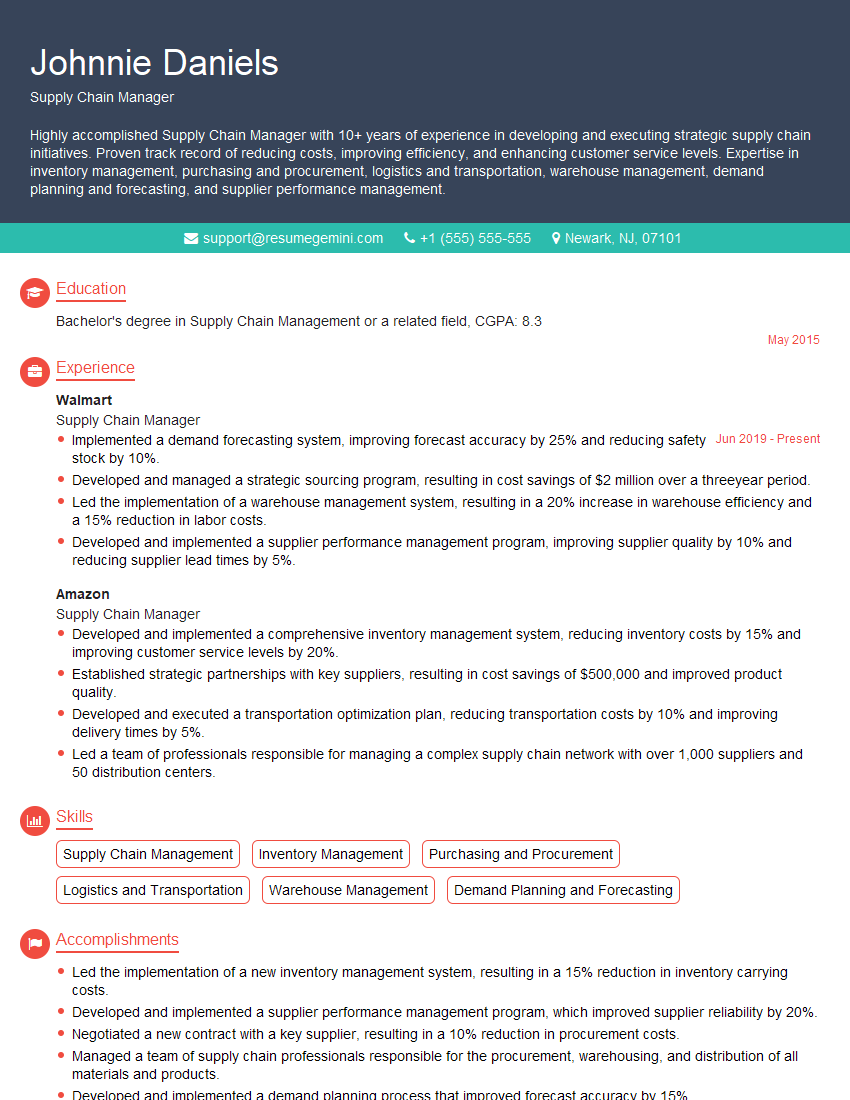
Supply Chain Manager Resume Sample
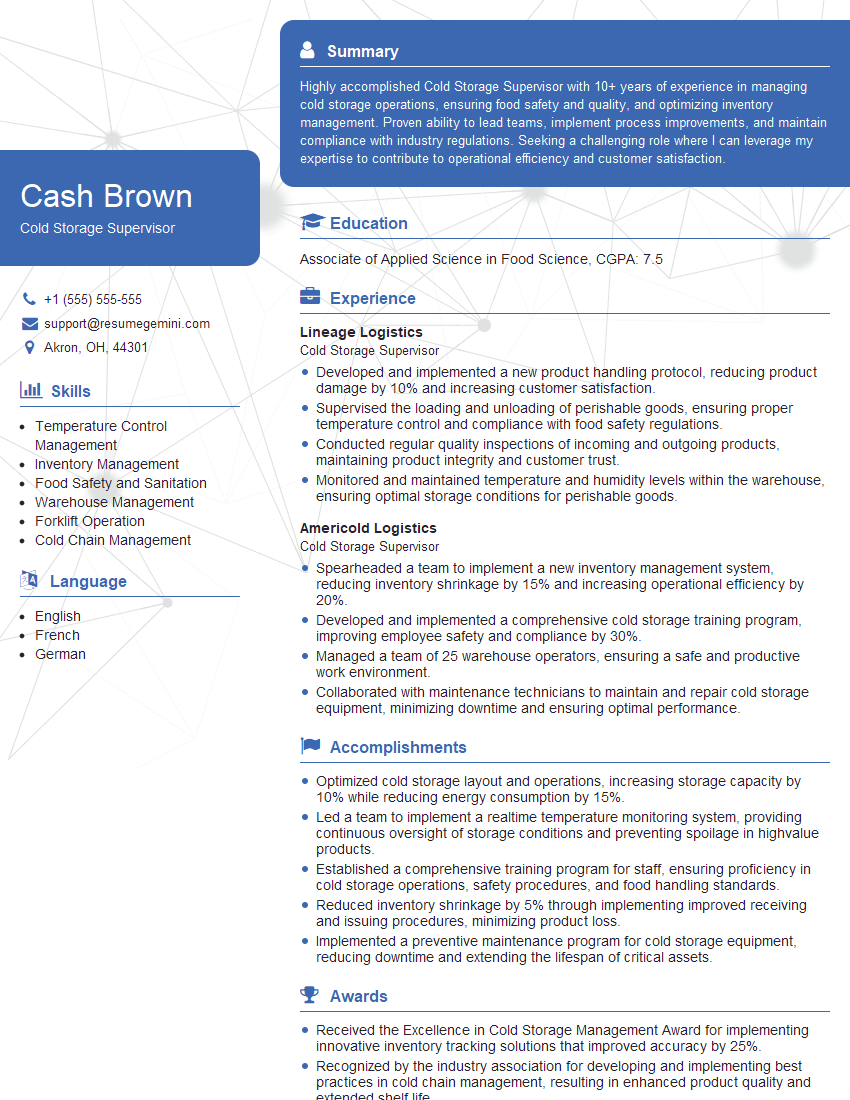
Cold Storage Supervisor Resume Sample
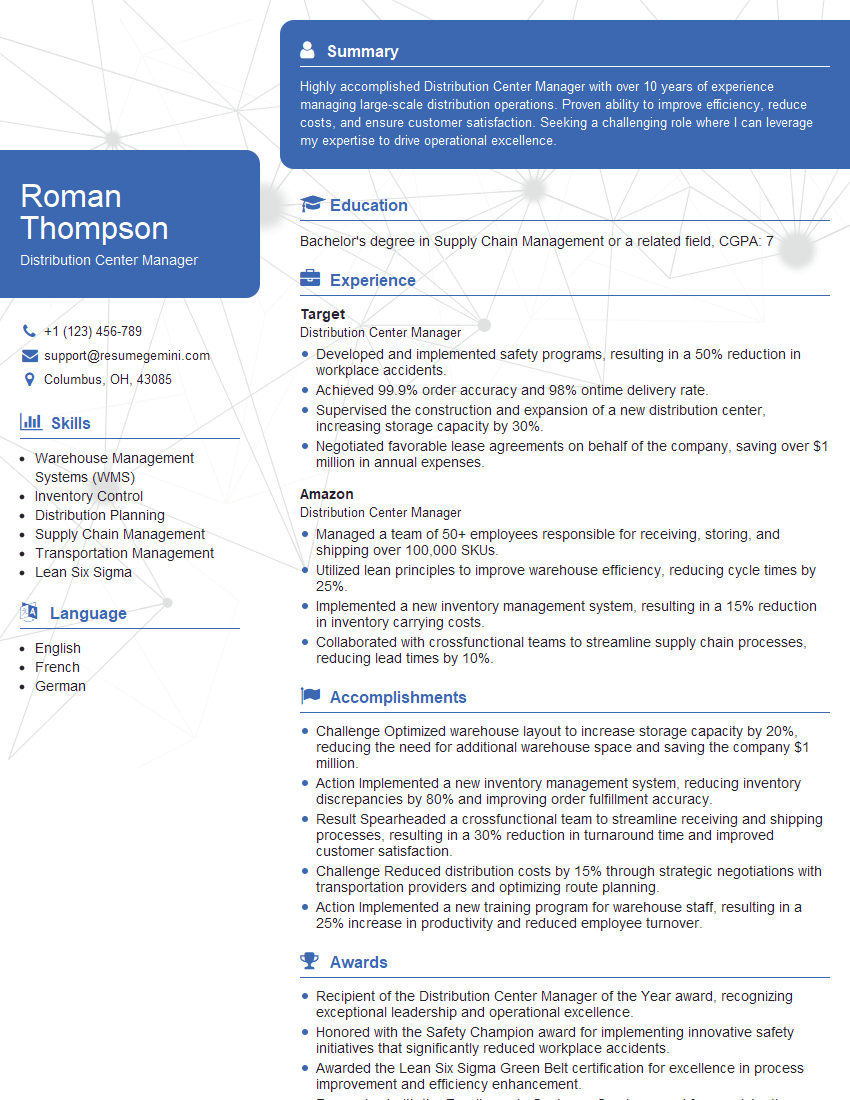
Distribution Center Manager Resume Sample

Warehouse Manager Resume Sample
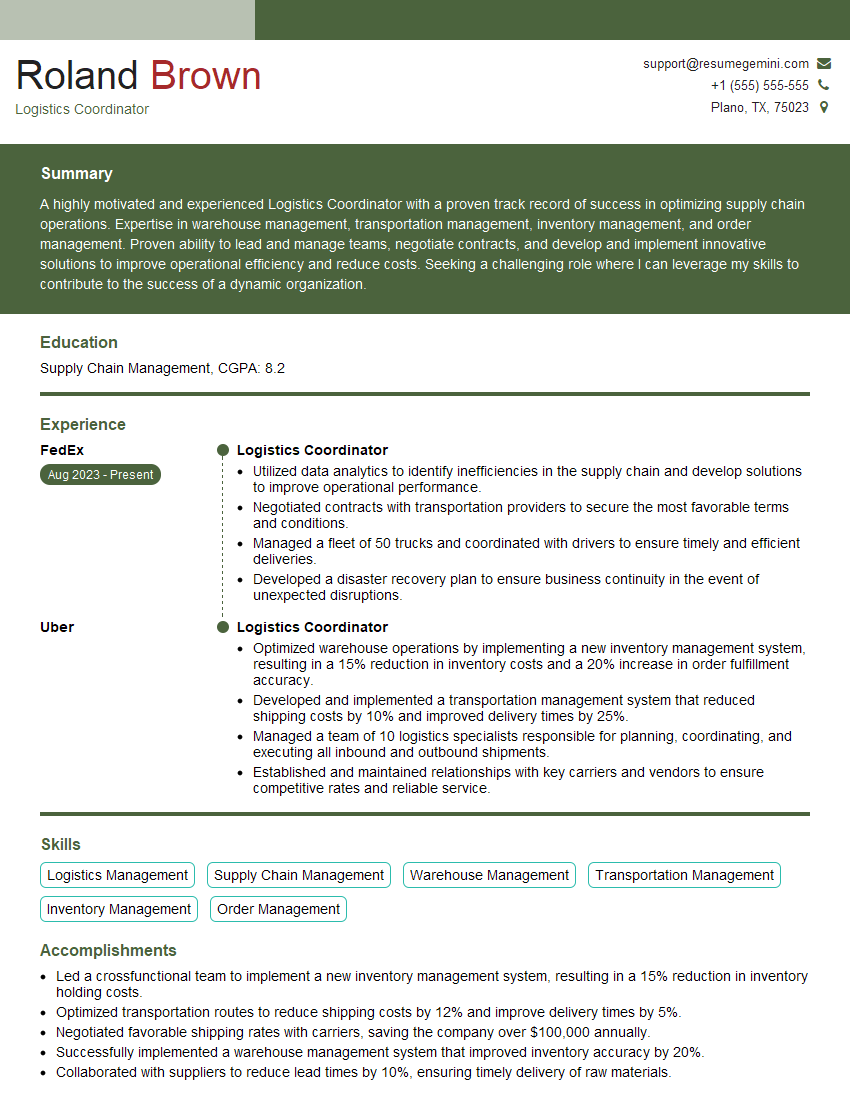
Logistics Coordinator Resume Sample

Project Manager Resume Sample

Engineering Manager Resume Sample

Compliance Officer Resume Sample
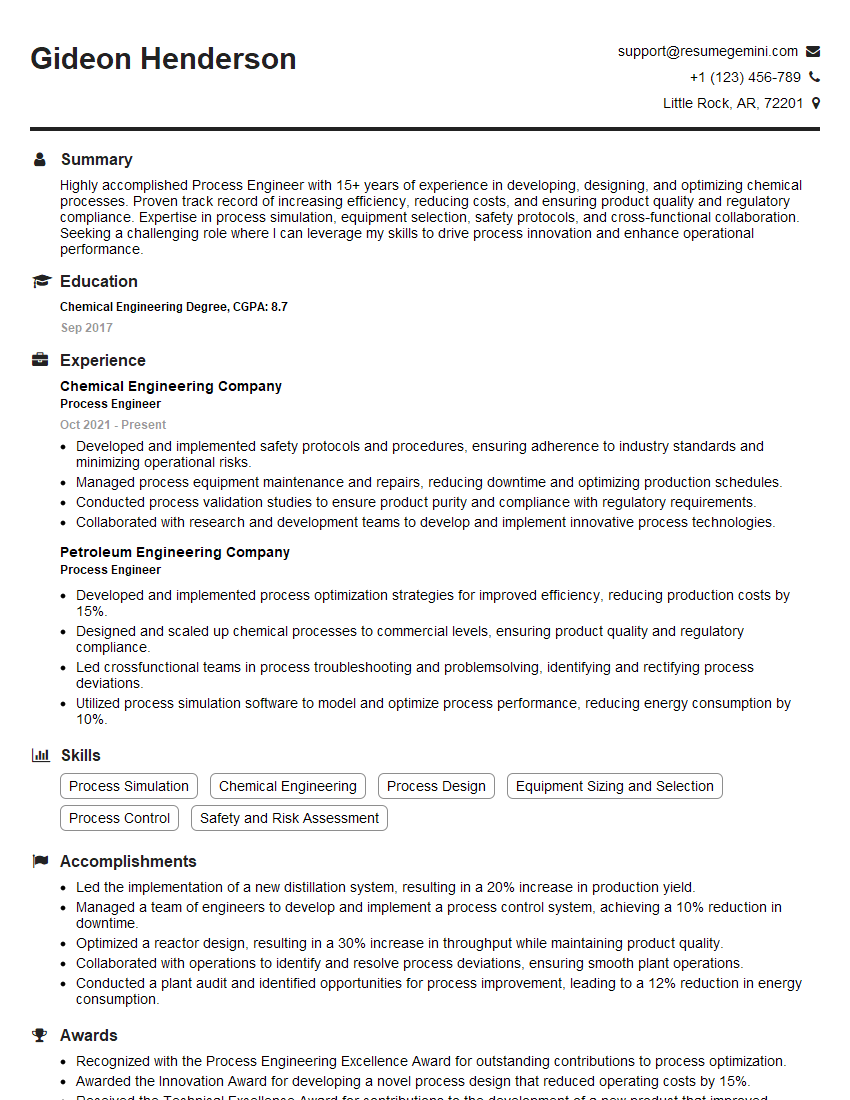
Process Engineer Resume Sample
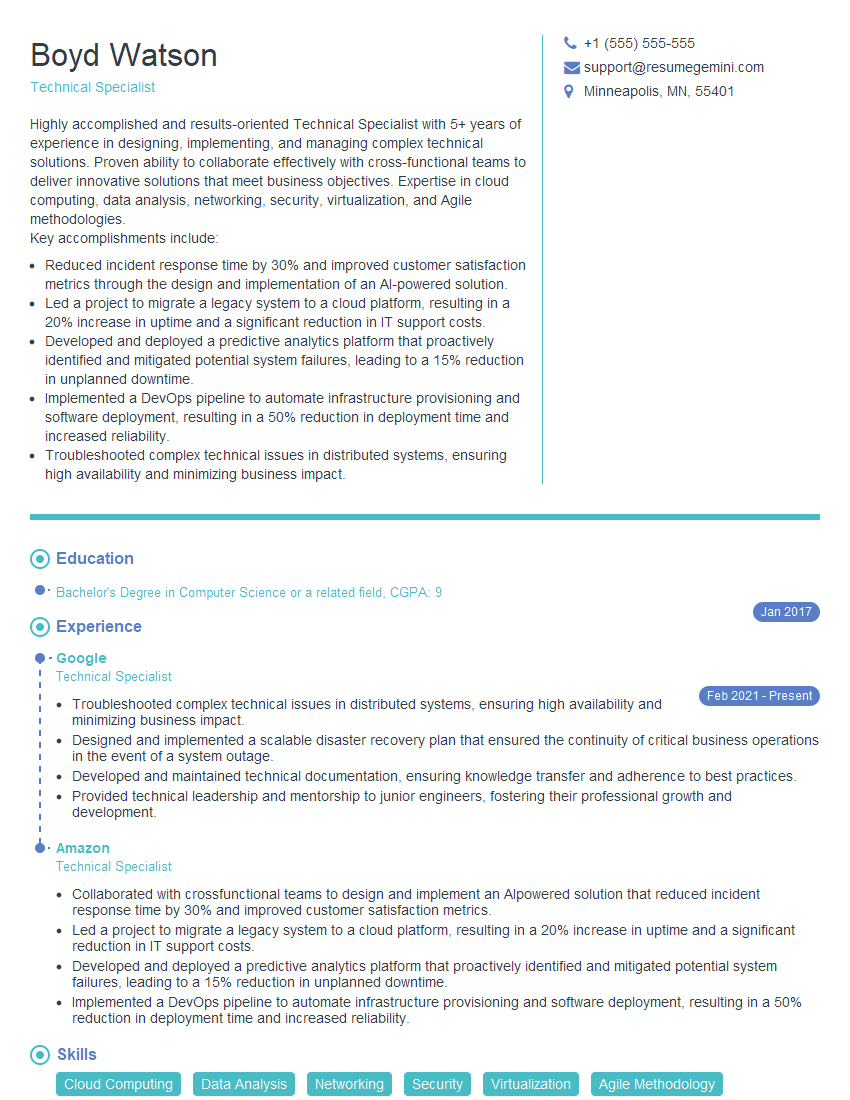
Technical Specialist Resume Sample
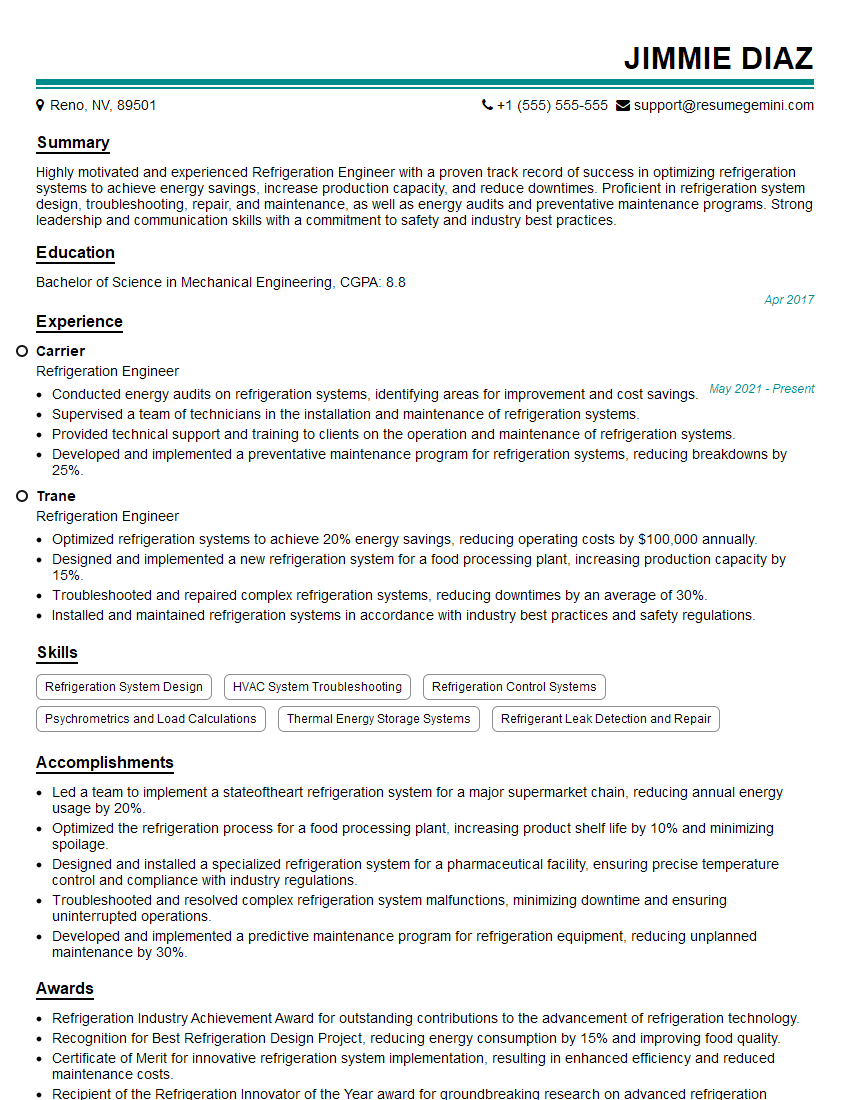
Refrigeration Engineer Resume Sample
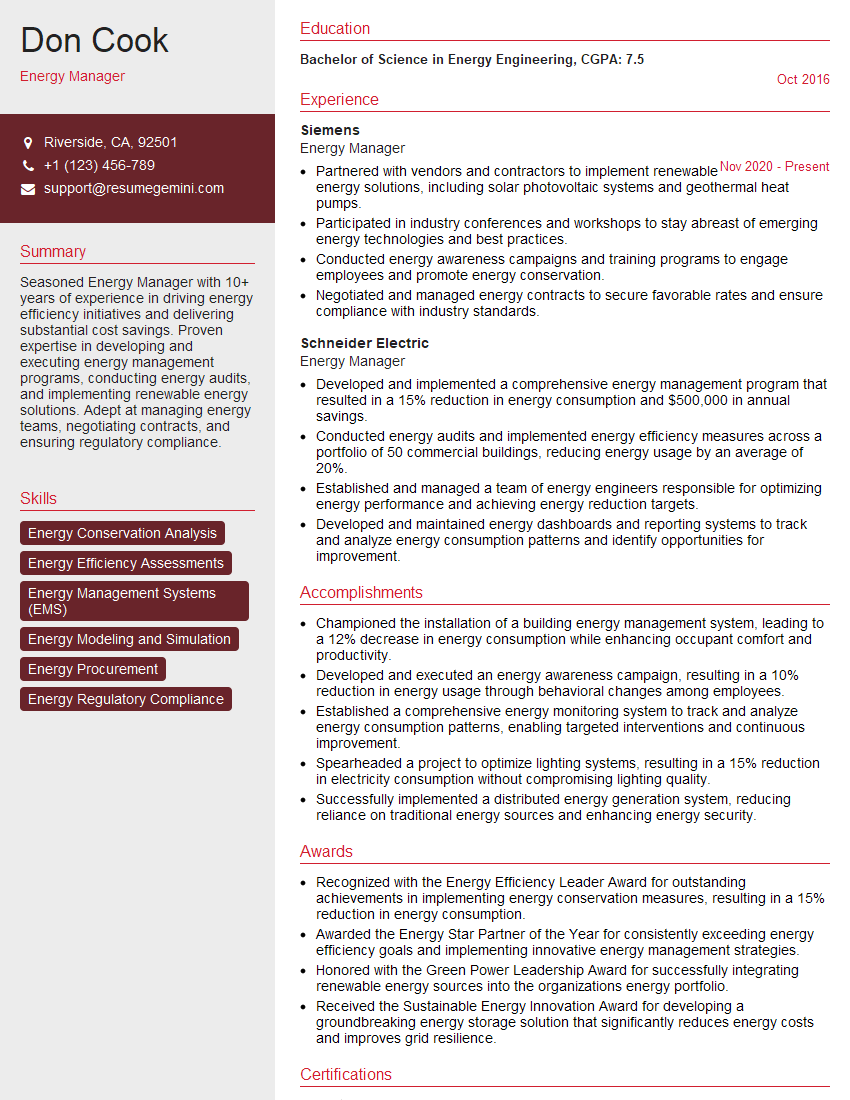
Energy Manager Resume Sample
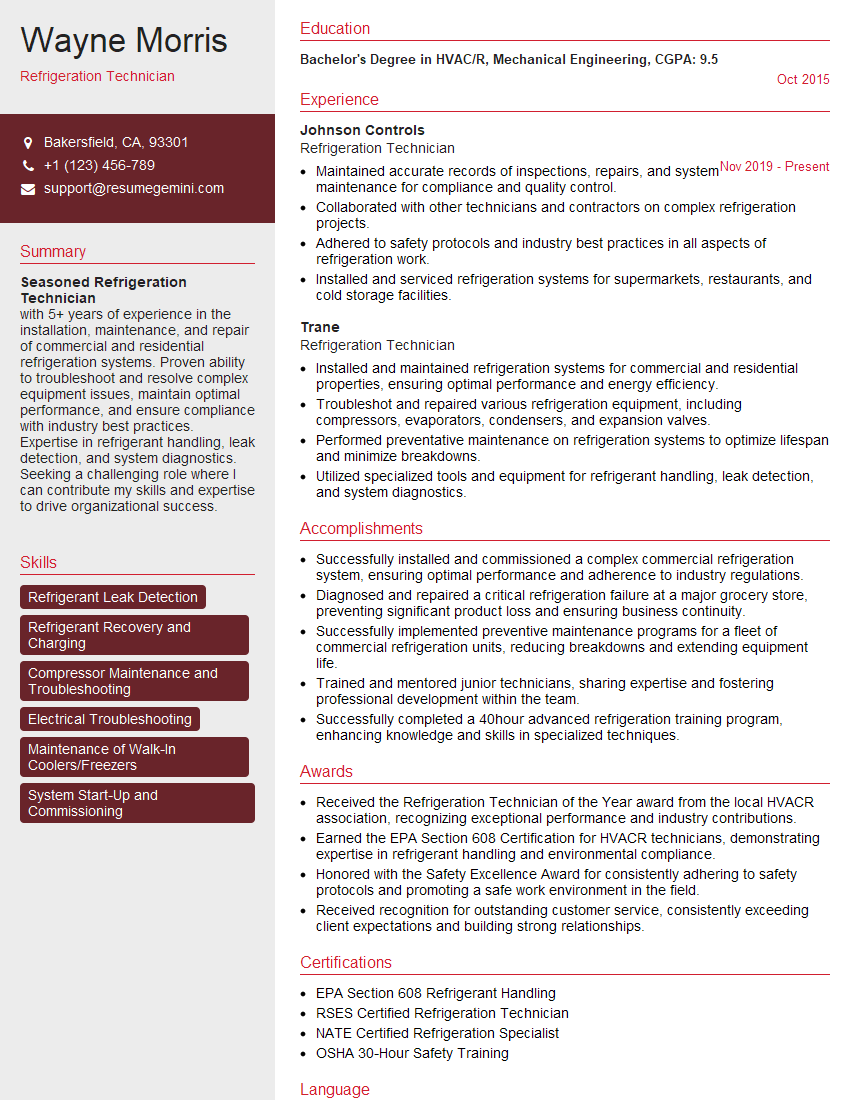
Refrigeration Technician Resume Sample
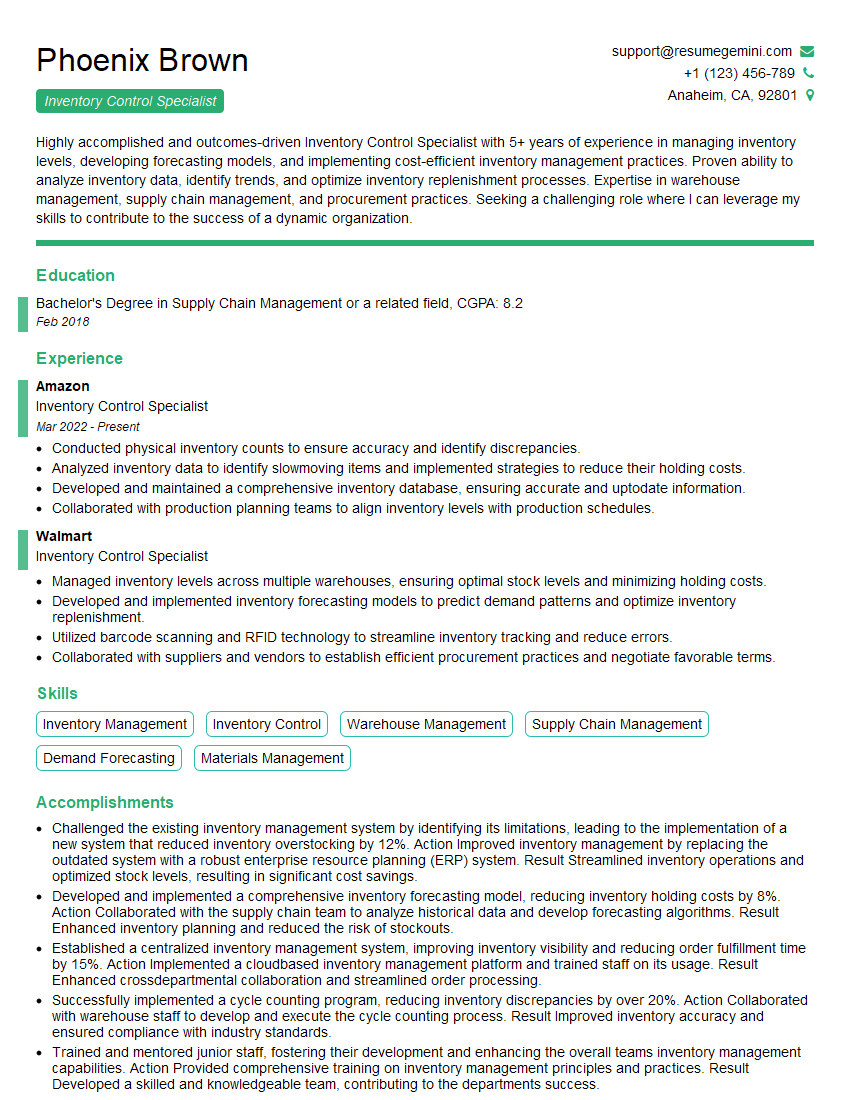
Inventory Control Specialist Resume Sample
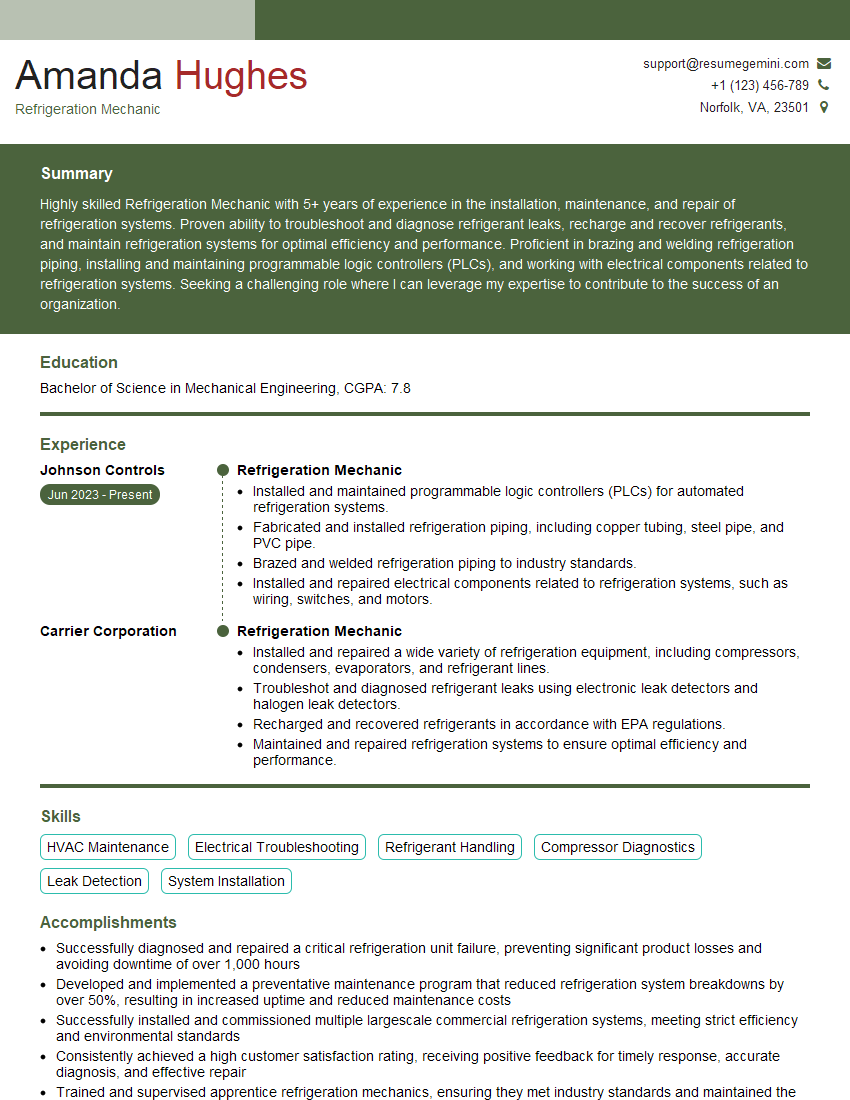
Refrigeration Mechanic Resume Sample
- Safety Manager
- Sustainability Manager
- Facility Manager
- Operations Manager
- Plant Manager
- Maintenance Manager
- Quality Control Manager
- Supply Chain Manager
- Cold Storage Supervisor
- Distribution Center Manager
- Warehouse Manager
- Logistics Coordinator
- Project Manager
- Engineering Manager
- Compliance Officer
- Process Engineer
- Technical Specialist
- Refrigeration Engineer
- Energy Manager
- Refrigeration Technician
- Inventory Control Specialist
- Refrigeration Mechanic
Explore more articles
Users Rating of Our Blogs
Share Your Experience
We value your feedback! Please rate our content and share your thoughts (optional).
What Readers Say About Our Blog
Very informative content, great job.
good