Cracking a skill-specific interview, like one for Refrigerated Transportation, requires understanding the nuances of the role. In this blog, we present the questions you’re most likely to encounter, along with insights into how to answer them effectively. Let’s ensure you’re ready to make a strong impression.
Questions Asked in Refrigerated Transportation Interview
Q 1. Explain the importance of maintaining the cold chain in refrigerated transportation.
Maintaining the cold chain in refrigerated transportation is paramount for ensuring the safety and quality of temperature-sensitive goods. The cold chain refers to the unbroken series of temperature-controlled environments required to maintain the quality and safety of perishable products, from the point of origin to the final consumer. A break in this chain can lead to spoilage, bacterial growth, and ultimately, significant financial losses and potential health risks.
Imagine transporting a shipment of fresh strawberries. Maintaining a consistently low temperature prevents enzymatic activity that causes spoilage and bacterial growth that can lead to foodborne illness. Any temperature fluctuation can significantly reduce the shelf life and quality of the strawberries, rendering them unsaleable.
Therefore, meticulous control of temperature, humidity, and even the atmosphere within the refrigerated transport vehicle is critical. This includes careful monitoring, appropriate refrigeration equipment, and robust emergency protocols to address any deviations from the pre-set temperature range.
Q 2. What are the different types of refrigeration units used in refrigerated transportation?
Refrigerated transportation utilizes various refrigeration unit types, each with its strengths and weaknesses. The most common are:
- Direct-drive refrigeration units: These units directly connect the engine to the refrigeration compressor, providing robust cooling power but potentially higher fuel consumption.
- Diesel-powered refrigeration units: These are independent units powered by a separate diesel engine, offering flexibility in terms of size and application. They’re very common for long-haul transport.
- Electric refrigeration units (often powered by reefer trucks’ batteries): These are more environmentally friendly and quieter, often used for urban deliveries and shorter distances. They are becoming increasingly popular due to advancements in battery technology.
- Vapor-compression refrigeration: This is the most prevalent refrigeration cycle used in these units. It uses a refrigerant to absorb heat and release it outside the trailer.
- Absorption refrigeration: Less common, these units use heat (e.g., from the truck engine) instead of electricity to drive the refrigeration process. This can be an economical choice where other energy sources are easily available.
The choice of refrigeration unit depends on factors such as distance, cargo type, environmental regulations, and cost considerations.
Q 3. Describe the process of pre-trip inspection for a refrigerated trailer.
A pre-trip inspection for a refrigerated trailer is crucial for ensuring safe and efficient operation. It’s a systematic check of various components, aiming to prevent breakdowns and maintain product quality. It should include:
- Visual inspection: Checking for any visible damage to the trailer’s body, doors, and insulation.
- Refrigeration unit inspection: Verifying the refrigeration unit’s functionality, including compressor operation, fan performance, and refrigerant levels. Checking the temperature control system and ensuring the setpoint is correct.
- Temperature monitoring system check: Confirming the accuracy of the temperature sensors and the functionality of data loggers or recording devices. These record temperatures throughout transit, providing a crucial audit trail.
- Door seals and insulation check: Inspecting door seals for leaks, gaps, or damage to prevent heat ingress. Checking the insulation’s condition to prevent heat gain.
- Tire pressure and condition: Ensuring proper tire inflation and checking for wear and tear.
- Fuel levels: Checking the fuel level in the refrigeration unit and ensuring sufficient fuel for the journey.
- Cargo securement: Confirming that the cargo is properly secured to prevent movement and potential damage.
Documentation of the inspection is vital. Any issues identified should be immediately addressed before commencing the journey. This thorough check minimizes the risk of costly breakdowns and ensures product integrity.
Q 4. How do you handle temperature deviations during transit?
Temperature deviations during transit are a serious concern that requires immediate attention. The response depends on the severity and duration of the deviation.
- Minor deviations: Small, short-term deviations within an acceptable range might be addressed by adjusting the thermostat settings. Regular monitoring is key to early detection.
- Significant deviations: Larger or prolonged deviations necessitate immediate action. This may involve finding a location with appropriate temperature control (like a temporary storage facility) to temporarily unload the cargo and address the cause of the deviation, which may include repairing or replacing the refrigeration unit.
- Continuous monitoring and data logging: Real-time temperature monitoring allows for timely intervention. Data loggers provide evidence of temperature fluctuations throughout the entire journey.
- Communication: Immediate communication with dispatch, the shipper, and the receiver is crucial to coordinate appropriate action and minimize product loss.
In severe cases, the goods might need to be discarded to prevent health risks or significant quality loss.
Q 5. What are the common causes of refrigeration unit failure?
Refrigeration unit failures can stem from several factors:
- Mechanical issues: Compressor failure, worn-out belts, or malfunctioning fans are frequent mechanical problems. Regular maintenance is key here.
- Refrigerant leaks: Leaks reduce the cooling capacity and can damage the compressor. Regular leak checks are vital.
- Electrical problems: Issues with wiring, circuit breakers, or the control system can lead to unit failure.
- Lack of maintenance: Neglecting regular servicing and maintenance significantly increases the risk of malfunctions.
- Environmental factors: Extreme weather conditions can impact performance, particularly prolonged exposure to high ambient temperatures.
- Improper use: Incorrect settings or overloading the unit can strain the system and cause failure.
Preventive maintenance, including regular servicing and inspections, is the best way to mitigate the risk of refrigeration unit failures. A comprehensive maintenance schedule can significantly extend the lifespan of these critical components.
Q 6. Explain the significance of proper loading and unloading procedures in maintaining product quality.
Proper loading and unloading procedures are vital in maintaining product quality by preventing temperature fluctuations and damage. This involves:
- Pre-cooling: Pre-cooling the trailer before loading ensures the cargo begins its journey at the desired temperature. This minimizes the initial temperature shock that could lead to spoilage.
- Careful loading: Proper placement of goods to avoid gaps, which can create cold spots or areas prone to higher temperatures. Heavy items should be placed strategically to maintain balance.
- Product protection: Using appropriate packaging materials, such as insulated containers and thermal blankets, to further protect temperature-sensitive goods during transit.
- Rapid unloading: Efficient unloading minimizes exposure of the product to ambient temperatures, reducing the risk of spoilage. This is especially crucial for goods with short shelf lives.
- Minimizing door openings: Each door opening allows for temperature fluctuations. Careful planning of loading and unloading minimizes the amount of time the doors are open.
Following correct procedures maintains the integrity of the cold chain from origin to destination. Poor handling during loading and unloading can negate the efforts to maintain temperature throughout transit.
Q 7. How do you manage fuel efficiency in refrigerated transportation?
Managing fuel efficiency in refrigerated transportation is critical to reduce operational costs and environmental impact. Several strategies are employed:
- Regular maintenance: Well-maintained refrigeration units operate more efficiently, consuming less fuel.
- Aerodynamic design: Using trailers with aerodynamic features reduces drag and improves fuel economy.
- Optimized routing and driving techniques: Avoiding unnecessary idling and aggressive driving habits helps save fuel. Utilizing route planning software to find optimal routes can minimize distance and fuel consumption.
- Speed management: Maintaining a consistent and moderate speed minimizes fuel consumption. This balances speed with fuel efficiency and reduces wear on the vehicle.
- Proper tire inflation: Underinflated tires increase rolling resistance and fuel consumption.
- Engine idling reduction: Using auxiliary power units (APUs) or shore power when possible to power the refrigeration unit while the truck’s engine is off, which can save considerable fuel.
Careful consideration of all these aspects leads to significant fuel savings and reduced environmental impact over time.
Q 8. What are the regulations and compliance requirements for refrigerated transportation?
Regulations in refrigerated transportation are stringent and vary depending on the geographical location and the type of goods being transported. They primarily focus on maintaining the cold chain integrity to ensure product safety and quality. Key regulations often include adherence to specific temperature ranges for different products (e.g., pharmaceuticals require much stricter temperature control than certain produce). This is documented through meticulous temperature monitoring and recording. Furthermore, regulations cover aspects such as vehicle maintenance (refrigeration unit calibration and functionality), driver training (proper handling and emergency procedures), and sanitation (to prevent cross-contamination). Compliance often involves inspections by regulatory bodies, and failure to meet standards can result in significant penalties, including product recalls and operational shutdowns.
For example, in the US, the Food and Drug Administration (FDA) sets regulations for transporting temperature-sensitive food products, while the Department of Transportation (DOT) regulates the safe operation of the vehicles themselves. Internationally, organizations like the World Health Organization (WHO) provide guidelines that many countries adopt for the transport of vaccines and other pharmaceuticals. These regulations are crucial in ensuring public health and safety.
- Temperature monitoring and recording: Maintaining accurate and continuous temperature logs throughout the transit.
- Vehicle maintenance: Ensuring the refrigeration unit is functioning correctly and regularly serviced.
- Driver training: Ensuring drivers are properly trained to handle and manage refrigerated shipments.
- Sanitation: Maintaining cleanliness of the transportation unit to prevent contamination.
Q 9. Describe your experience with different types of refrigerated cargo.
My experience encompasses a wide range of refrigerated cargo, including pharmaceuticals, fresh produce (fruits, vegetables, and flowers), frozen foods (meat, seafood, and ice cream), and dairy products. Each type presents unique challenges regarding temperature requirements, handling procedures, and potential risks. For instance, pharmaceuticals are extremely sensitive and require precise temperature control within a very narrow range, often with deviations triggering product recalls. In contrast, certain produce, like bananas, may have a broader acceptable temperature range, but are highly susceptible to bruising and damage during transit, demanding careful handling. Frozen foods need to maintain consistent sub-zero temperatures to avoid spoilage and freezer burn. The experience of managing these diverse types has equipped me with a strong understanding of the specific needs and sensitivities of various refrigerated commodities.
One memorable experience involved the transport of a large shipment of vaccines to a remote area. This required meticulous temperature monitoring, backup power solutions in case of power outages, and close coordination with local authorities to ensure timely and safe delivery. The success of this operation highlighted the importance of thorough planning, proactive risk management, and meticulous attention to detail in refrigerated transportation.
Q 10. How do you track and monitor the temperature of shipments during transit?
Temperature tracking and monitoring relies on a combination of technologies and procedures. Modern refrigerated trailers are often equipped with electronic temperature recorders (ETRs) that continuously monitor and log temperature data. This data can be accessed remotely, providing real-time visibility into the shipment’s condition. These ETRs are often integrated with GPS tracking, allowing for location-based temperature monitoring and alerts. Some systems even incorporate data logging on humidity and other relevant environmental factors. In addition to electronic monitoring, manual temperature checks are often performed at key checkpoints during the transit.
The data collected is crucial for maintaining regulatory compliance, identifying potential issues early on, and ensuring product quality. If temperature excursions occur (temperatures stray outside of the required range), the system generates alerts, allowing for prompt corrective action to be taken. This proactive approach minimizes risks and maximizes the safety and quality of the transported goods.
For example, I use a system that sends email alerts when temperatures go outside a predefined range. The system also generates a detailed report at the end of the shipment that can be used for audit trails and quality control.
Q 11. How do you handle emergency situations, such as refrigeration unit breakdowns?
Emergency situations, like refrigeration unit breakdowns, require swift and decisive action to minimize losses. Our emergency protocols involve immediately contacting our maintenance team and dispatching a qualified technician to repair the unit as quickly as possible. In the meantime, we explore contingency plans, which may include transferring the cargo to a backup refrigerated vehicle, using ice or dry ice for temporary cooling (depending on the product type and duration of the delay), or utilizing a nearby refrigerated storage facility. The choice of action depends on the nature of the breakdown, the type of cargo, the ambient temperature, and the estimated time to repair.
Thorough documentation of the incident, including the time of the breakdown, the corrective actions taken, and the temperature readings during the interruption, is crucial for insurance claims, compliance audits, and analyzing future risk mitigation strategies. Regular maintenance, proactive inspections, and well-trained personnel are crucial in minimizing the occurrence of these types of emergencies.
Q 12. Explain your experience with route planning and optimization for refrigerated shipments.
Route planning and optimization for refrigerated shipments requires considering factors beyond distance and time. Temperature stability is paramount, meaning routes must minimize exposure to extreme temperatures and potential delays. This often involves selecting routes with fewer stops, avoiding areas with known traffic congestion, and optimizing driving schedules to minimize transit time. Route optimization software that takes into account real-time traffic conditions, weather forecasts, and the temperature sensitivity of the goods is invaluable. For time-sensitive shipments, such as pharmaceuticals, the route needs to prioritize speed and reliability, potentially leveraging air freight or expedited ground transportation.
For example, during summer months, we would prefer to utilize highway routes that minimize exposure to direct sunlight. We might also adjust the schedule to avoid periods of peak heat. Software allows us to input the product’s temperature requirements and generates an optimized route based on real-time data.
Q 13. How do you ensure the safety and security of refrigerated cargo during transit?
Ensuring the safety and security of refrigerated cargo involves multiple layers of protection. Secure facilities for loading and unloading are essential, minimizing the risk of theft or damage. GPS tracking and security seals provide real-time visibility and tamper detection, allowing for immediate response to any suspicious activity. The use of tamper-evident seals helps to identify unauthorized access attempts. Furthermore, adequate insurance coverage is crucial to protect against potential losses due to theft, damage, or spoilage. Driver training emphasizing security awareness and procedures is also integral.
In high-risk areas, we might employ additional security measures such as armed escorts or specialized GPS tracking systems with enhanced reporting capabilities. Regular audits of security procedures help to identify vulnerabilities and ensure ongoing effectiveness.
Q 14. What are the different types of documentation required for refrigerated transportation?
Documentation for refrigerated transportation is extensive and crucial for compliance and traceability. Essential documents include:
- Bill of Lading: A legal contract outlining the terms of shipment, including the origin, destination, and details of the goods.
- Temperature Monitoring Records: Detailed logs of temperature readings throughout the transit, often generated by ETRs.
- Proof of Delivery: Confirmation of successful delivery, signed by the recipient.
- Insurance Documents: Proof of cargo insurance coverage.
- Customs Documentation (if applicable): Import/export permits, certificates of origin, etc.
- Product Specifications: Details about the temperature requirements and handling instructions of the specific goods.
- Maintenance Records: Documentation on the servicing and calibration of the refrigeration unit.
- Driver Logs: Records of driver hours and rest breaks.
Maintaining accurate and complete documentation is critical not only for regulatory compliance but also for efficient claims processing, product traceability, and addressing potential disputes.
Q 15. Explain your experience with load planning and securing cargo in a refrigerated trailer.
Load planning and securing cargo in a refrigerated trailer is crucial for maintaining product quality and safety during transit. It’s a multi-step process that begins with understanding the product’s specific temperature requirements and its physical characteristics. For instance, fragile items necessitate extra padding and strategic placement to prevent damage. I always start by creating a detailed loading plan, considering weight distribution to optimize stability and prevent shifting during transit. This often involves using specialized software to visualize the trailer space and ensure efficient use of volume.
Next, securing the cargo is paramount. This involves using appropriate tie-down systems, such as straps, bars, and netting, to prevent movement. The tightness of these restraints must be carefully adjusted, ensuring sufficient security without damaging the goods. Proper bracing, especially for taller stacks, is essential to avoid shifting or collapse. For example, I’ve handled shipments of delicate produce where careful layering with air-filled cushioning and secure bracing were critical to prevent bruising. Finally, a thorough inspection after loading verifies that everything is secure and ready for transport.
The documentation of the load plan and securing method is vital. It’s important to note down the details of the securing system used and location of items within the trailer to support any future claims process.
Career Expert Tips:
- Ace those interviews! Prepare effectively by reviewing the Top 50 Most Common Interview Questions on ResumeGemini.
- Navigate your job search with confidence! Explore a wide range of Career Tips on ResumeGemini. Learn about common challenges and recommendations to overcome them.
- Craft the perfect resume! Master the Art of Resume Writing with ResumeGemini’s guide. Showcase your unique qualifications and achievements effectively.
- Don’t miss out on holiday savings! Build your dream resume with ResumeGemini’s ATS optimized templates.
Q 16. How do you manage driver communication and scheduling in refrigerated transportation?
Managing driver communication and scheduling in refrigerated transportation requires a robust system that combines technology and proactive communication. I rely heavily on route optimization software that takes into account factors like delivery deadlines, traffic conditions, and the need to maintain the cold chain. This software usually provides estimated times of arrival (ETAs) which are shared with both the driver and the customer. These ETAs are regularly updated, to avoid surprises.
Furthermore, I maintain open communication channels with drivers throughout their journeys. This includes regular check-ins to discuss any potential delays, problems with the refrigeration unit, or unexpected issues at the loading or unloading points. I use a combination of phone calls, text messages and, in some cases, in-cab communication systems to stay in touch. This communication is not just reactive; I proactively inform drivers about any changes to the schedule or important customer requirements. For example, I might alert a driver about an unexpected hold-up at the receiving facility, which could influence their refrigeration settings.
To streamline scheduling, I make extensive use of dispatch software that allows for real-time tracking and management of multiple deliveries. This system allows for improved efficiency, reducing idle time and enabling proactive management of potential delivery delays.
Q 17. Describe your experience with using GPS tracking and telematics systems.
GPS tracking and telematics systems are indispensable in refrigerated transportation. They provide real-time visibility into the location, temperature, and overall condition of the cargo. I’ve extensively used systems that not only show the trailer’s location on a map but also provide detailed temperature readings from various points within the trailer, allowing for proactive interventions. For instance, if the temperature deviates from the pre-set parameters, the system immediately sends an alert, enabling timely corrective action.
Moreover, telematics systems gather data on driving behavior, such as speeding or harsh braking, that could affect the integrity of the shipment. This data is crucial for driver training and improving fuel efficiency. I have witnessed incidents where temperature fluctuations were detected and addressed by the driver through telematics, preventing the spoilage of high value goods. In one case, we were able to intervene in time when a trailer’s refrigeration unit malfunctioned, leading to the swift relocation and transfer to a backup trailer which prevented a large loss.
The data collected is also valuable for performance analysis. We can use it to optimize routes, reduce fuel consumption and improve overall operational efficiency. Data analysis highlights areas for improvement allowing us to implement corrective measures, such as driver training or equipment maintenance scheduling.
Q 18. What are some common challenges faced in refrigerated transportation?
Refrigerated transportation presents unique challenges, including:
- Maintaining temperature integrity: Fluctuations in ambient temperature, equipment malfunctions, and improper loading practices can all lead to temperature deviations, potentially spoiling temperature-sensitive goods.
- Fuel costs: Refrigeration units consume significant amounts of fuel, making fuel efficiency a major concern.
- Equipment maintenance: Refrigeration units require regular maintenance to ensure reliable performance. Unexpected breakdowns can lead to significant delays and losses.
- Driver shortages and retention: Finding and retaining qualified drivers who understand the complexities of refrigerated transportation is a persistent challenge.
- Regulatory compliance: Adhering to food safety regulations and other industry standards is crucial.
- Supply chain disruptions: Delays due to weather, traffic, or unforeseen circumstances can significantly impact the timely delivery of perishable goods.
Effectively addressing these challenges often involves utilizing technology to improve efficiency, investing in well-maintained equipment, and having robust contingency plans in place.
Q 19. How do you handle customer complaints related to temperature deviations or product damage?
Handling customer complaints about temperature deviations or product damage requires a systematic and empathetic approach. The first step is to gather all the necessary information, including the specific details of the incident, the affected products, and any relevant documentation, such as temperature charts and delivery receipts. We investigate the complaint thoroughly, reviewing GPS tracking data, driver logs, and maintenance records to pinpoint the cause of the problem.
Based on the investigation findings, we determine the appropriate course of action. This might involve issuing a credit or replacement, depending on the severity of the damage and our assessment of liability. Transparency and clear communication are crucial throughout the process. I always keep the customer updated on the progress of the investigation and our proposed resolution. I’ve found that a sincere and prompt response, even when we are not at fault, goes a long way in retaining customer trust. For example, if a temperature deviation was caused by a power outage that was beyond our control, I still offer some form of compensation to acknowledge their inconvenience and reinforce our commitment to customer satisfaction. A well-documented process, including thorough investigation and clear communication, helps minimize the impact of such complaints.
Q 20. Explain your experience with different types of refrigerated trailers and their functionalities.
My experience encompasses various types of refrigerated trailers, each with its unique functionalities:
- Single-temperature trailers: These are the most common type, maintaining a single, consistent temperature throughout the trailer.
- Multi-temperature trailers: These trailers have separate compartments, each capable of maintaining different temperatures. This is ideal for transporting goods with varying temperature requirements.
- Freezer trailers: Designed for maintaining extremely low temperatures, typically used for frozen food products.
- Refrigerated containers: Often used for intermodal transport (shipping by rail, truck and sea), these containers share similar temperature control capabilities as trailers.
- Electric refrigerated trailers: These are increasingly popular due to their reduced carbon footprint. They are powered by electricity rather than fuel reducing emissions.
Understanding the capabilities and limitations of each type is crucial for selecting the appropriate trailer for specific shipments, ensuring product integrity throughout transit. For example, transporting ice cream requires a freezer trailer, while transporting mixed produce might require a multi-temperature trailer.
Q 21. What are the best practices for maintaining the cleanliness and sanitation of refrigerated trailers?
Maintaining the cleanliness and sanitation of refrigerated trailers is essential for preventing cross-contamination and preserving product quality. This begins with a thorough cleaning after each shipment. This typically involves removing all debris, sweeping and mopping the floors, and cleaning walls and shelves. The cleaning process should use food-safe detergents and sanitizers and follow any specific guidelines as per customer or regulatory requirements. A detailed cleaning checklist helps to standardise the process and ensure its thorough completion.
Regular inspections are crucial to identify any areas needing attention such as mold or mildew growth. Any damage to the trailer’s interior should be addressed promptly to prevent further issues. Prevention is key. Proper loading practices including the use of pallets, and protective barriers between different products, reduce cross contamination risk. Documentation of all cleaning and maintenance activities ensures that the trailers adhere to safety and quality standards. Regular maintenance and repair of any cracks or damage also greatly reduces the risk of contamination. This comprehensive approach minimizes risks and assures customer confidence and product integrity.
Q 22. How do you ensure the proper handling and storage of temperature-sensitive goods?
Ensuring proper handling and storage of temperature-sensitive goods requires a multi-faceted approach focusing on maintaining the cold chain from origin to destination. This involves meticulous attention to detail at every stage, starting with pre-shipment preparation and extending to final delivery.
- Pre-shipment checks: Before loading, we verify the product’s temperature requirements, ensuring the refrigeration unit in the transport vehicle is functioning correctly and pre-cooled to the required temperature. We also check the integrity of packaging, making sure insulation is sufficient and there’s no damage that could compromise the cold chain.
- Transportation: Real-time temperature monitoring is crucial during transit. We utilize reefer units equipped with data loggers that record temperature fluctuations throughout the journey. This data provides irrefutable evidence of temperature compliance, crucial in case of any disputes. Route planning also considers minimizing transit time to reduce the risk of temperature deviations.
- Loading and unloading: Quick and efficient loading and unloading procedures are essential to minimize exposure to ambient temperatures. We employ techniques such as using insulated containers and minimizing the time the goods spend outside the refrigerated environment. Proper stacking within the vehicle also prevents damage and ensures consistent temperature distribution.
- Post-delivery verification: Upon arrival, we verify the temperature of the goods and compare it with the recorded data from the data logger. Any discrepancies are documented and investigated immediately. We also check for any damage or spoilage.
For example, during a recent shipment of pharmaceuticals, a sudden temperature spike was detected mid-transit. By analyzing the data logger’s information, we identified a malfunction in the reefer unit’s cooling system. We quickly arranged for a replacement vehicle and minimal temperature deviation was reported. This proactive approach prevented significant product loss.
Q 23. Explain your experience with using different transportation management systems (TMS).
My experience encompasses several Transportation Management Systems (TMS), including TMW Suite, McLeod Software, and Blue Yonder. Each system offers unique features, but their core functionality remains consistent: planning, execution, and optimization of transportation operations.
- TMW Suite: I utilized TMW’s dispatch and routing capabilities extensively, particularly its real-time tracking features for reefer shipments. This allowed for proactive management of potential delays and temperature excursions.
- McLeod Software: McLeod’s strengths lie in its robust reporting and analytics. I leveraged its capabilities to analyze key performance indicators (KPIs) like on-time delivery rates, fuel consumption, and temperature compliance, identifying areas for improvement in our refrigerated transportation processes.
- Blue Yonder: Blue Yonder’s advanced optimization algorithms helped streamline our routing and load planning, improving efficiency and reducing transportation costs. Its integration with our warehouse management system (WMS) further enhanced visibility across the entire supply chain.
Choosing the right TMS depends heavily on specific business needs and budget constraints. However, for refrigerated transportation, the critical factors are real-time temperature monitoring capabilities, efficient routing algorithms optimized for time-sensitive shipments, and robust reporting features to analyze temperature-related incidents and transportation costs.
Q 24. How do you calculate the cost of transportation for refrigerated shipments?
Calculating the cost of refrigerated transportation is more complex than standard freight due to the added expense of maintaining the cold chain. Several factors contribute to the overall cost:
- Base Rate: This is the fundamental cost per mile, determined by the distance and the type of vehicle (e.g., single reefer, double reefer).
- Fuel Surcharge: Fluctuations in fuel prices directly impact transportation costs. Carriers often apply a fuel surcharge based on a predetermined index.
- Reefer Charge: This covers the cost of operating the refrigeration unit, which includes electricity, maintenance, and potential fuel consumption for the auxiliary power unit (APU).
- Accessorial Charges: These include extra fees for services like detention (waiting time at loading/unloading), layover (overnight stops), and special handling (e.g., handling hazardous materials).
- Insurance and Permits: Transportation insurance and any required permits (e.g., for transporting specific temperature-sensitive goods) add to the overall cost.
A simplified formula might look like this: Total Cost = (Base Rate x Distance) + Fuel Surcharge + Reefer Charge + Accessorial Charges + Insurance/Permits. However, a precise calculation requires detailed consideration of all the factors mentioned above and potentially specific contracts with carriers.
Q 25. Describe your experience with negotiating rates with carriers for refrigerated transportation.
Negotiating rates with carriers for refrigerated transportation requires a strategic approach. Strong relationships built on mutual trust and transparency are crucial. Success depends on a combination of data-driven analysis, market knowledge, and effective communication.
- Data Analysis: Analyzing historical shipment data helps understand seasonal fluctuations in rates and identify potential cost savings. This data can be used to support negotiations and demonstrate cost-effectiveness.
- Market Knowledge: Understanding the current market conditions, including fuel prices, carrier capacity, and demand, is essential. This knowledge informs realistic rate expectations and allows for leveraging market dynamics to negotiate favorable terms.
- Volume Commitments: Offering guaranteed volumes to carriers can secure better rates and preferential treatment. This demonstrates commitment and reliability, encouraging carriers to offer competitive pricing.
- Service Level Agreements (SLAs): Clearly defining service level agreements, including temperature requirements, delivery time windows, and penalty clauses for non-compliance, ensures transparency and accountability.
- Building Relationships: Developing long-term relationships with reliable carriers fosters trust and mutual benefit. This often translates into more favorable rates and priority service.
For instance, by demonstrating consistent, high-volume shipments, I was able to negotiate a 10% discount with a major carrier, leading to significant cost savings over a year.
Q 26. How do you manage inventory and track shipments in a refrigerated environment?
Managing inventory and tracking shipments in a refrigerated environment requires integrated systems and meticulous record-keeping. Real-time visibility is paramount to prevent spoilage and ensure on-time delivery.
- Warehouse Management System (WMS): A WMS provides real-time visibility into inventory levels, location, and temperature. This helps optimize storage space, preventing product damage due to improper stacking or temperature variations within the warehouse.
- Transportation Management System (TMS): The TMS integrates with the WMS and provides real-time tracking of shipments, including temperature data from reefer units. This ensures proactive management of potential issues, including temperature deviations or delays.
- Data Logging Devices: Temperature data loggers provide irrefutable records of temperature throughout the entire journey. This data is crucial for compliance and resolving potential disputes.
- Inventory Control Software: Software dedicated to inventory management allows for real-time tracking of stock levels, expiration dates (where applicable), and lot numbers, especially critical for perishable goods.
- Barcode/RFID technology: Using barcodes or RFID tags on pallets or individual items enables quick and accurate inventory tracking and simplifies the loading and unloading process.
For example, using RFID tags on pallets of frozen seafood allowed us to track their exact location within the warehouse and during transit, improving efficiency and minimizing the risk of spoilage due to mishandling or temperature fluctuations.
Q 27. What are the key performance indicators (KPIs) you track in refrigerated transportation?
Key Performance Indicators (KPIs) in refrigerated transportation focus on efficiency, cost-effectiveness, and maintaining the cold chain’s integrity. Here are some crucial metrics:
- On-Time Delivery Rate: The percentage of shipments delivered within the agreed-upon timeframe. This measures the reliability of the transportation process.
- Temperature Excursion Rate: The percentage of shipments experiencing temperature deviations outside the specified range. This is a critical indicator of cold chain integrity.
- Average Transit Time: The average time taken for shipments to reach their destination. This helps identify potential bottlenecks and areas for improvement in route optimization.
- Fuel Consumption: Tracking fuel costs per mile can pinpoint areas for improvement in fuel efficiency and reduce transportation costs.
- Cost per Shipment: The total cost of transporting a shipment, including all associated fees. This helps monitor overall cost-effectiveness.
- Inventory Turnover Rate: The frequency at which inventory is sold and replenished. This is important for managing perishable goods and reducing waste due to spoilage.
- Product Damage/Spoilage Rate: The percentage of goods damaged or spoiled during transportation and storage. This is crucial for assessing the effectiveness of handling procedures and cold chain maintenance.
Regularly monitoring these KPIs provides valuable insights into operational efficiency, enabling proactive adjustments to optimize processes and minimize costs while ensuring product quality.
Q 28. Describe your experience with resolving conflicts related to delivery timelines or temperature issues.
Resolving conflicts related to delivery timelines or temperature issues requires a systematic approach that prioritizes data-driven analysis and clear communication.
- Data Analysis: The first step involves thoroughly analyzing the data collected from temperature loggers and other tracking systems. This helps identify the root cause of the problem, determining whether the issue stems from transportation delays, equipment malfunction, or other factors.
- Communication: Open and transparent communication with all parties involved—carriers, customers, and internal teams—is essential. This helps build consensus and understand different perspectives.
- Documentation: Maintaining detailed records of all communication, temperature data, and any supporting evidence is critical for supporting claims and resolving disputes.
- Negotiation: Based on the findings of the investigation, a fair and mutually agreeable solution is sought. This might involve partial or full refunds, replacement goods, or a combination of remedies.
- Proactive Measures: After resolving the conflict, implementing proactive measures to prevent similar situations from occurring in the future is essential. This might include improving equipment maintenance, refining route planning, or strengthening communication protocols.
For example, a delayed shipment resulted in a temperature excursion. By presenting the temperature data logger’s records and demonstrating that the delay was due to unforeseen circumstances beyond our control, we successfully negotiated a partial refund with the customer while also offering expedited replacement goods. We then implemented improved route planning to mitigate the risk of similar delays in the future.
Key Topics to Learn for Refrigerated Transportation Interview
- Refrigeration Systems: Understanding different refrigeration technologies (e.g., vapor-compression, absorption), their operating principles, and maintenance requirements. Practical application: Troubleshooting common refrigeration system malfunctions.
- Temperature Monitoring and Control: Importance of accurate temperature logging and control for maintaining product quality and safety. Practical application: Analyzing temperature data to identify potential issues and prevent spoilage.
- Cargo Security and Safety: Implementing procedures to ensure the security of refrigerated cargo during transit and storage. Practical application: Developing and implementing security protocols to mitigate theft and damage.
- Regulations and Compliance: Familiarity with relevant regulations (e.g., food safety, transportation safety) and compliance procedures. Practical application: Ensuring adherence to all applicable regulations and maintaining necessary documentation.
- Fuel Efficiency and Optimization: Strategies for maximizing fuel efficiency in refrigerated transportation operations. Practical application: Implementing route optimization techniques and driver training programs to reduce fuel consumption.
- Fleet Management and Maintenance: Understanding the principles of fleet management and preventative maintenance for refrigerated vehicles. Practical application: Developing a maintenance schedule to minimize downtime and maximize vehicle lifespan.
- Logistics and Supply Chain: Knowledge of supply chain management principles specifically within the refrigerated transportation sector. Practical application: Optimizing transportation routes and schedules to ensure timely delivery of temperature-sensitive goods.
- Technology and Innovation: Familiarity with emerging technologies in refrigerated transportation, such as telematics and IoT solutions. Practical application: Evaluating and implementing new technologies to improve efficiency and reduce costs.
Next Steps
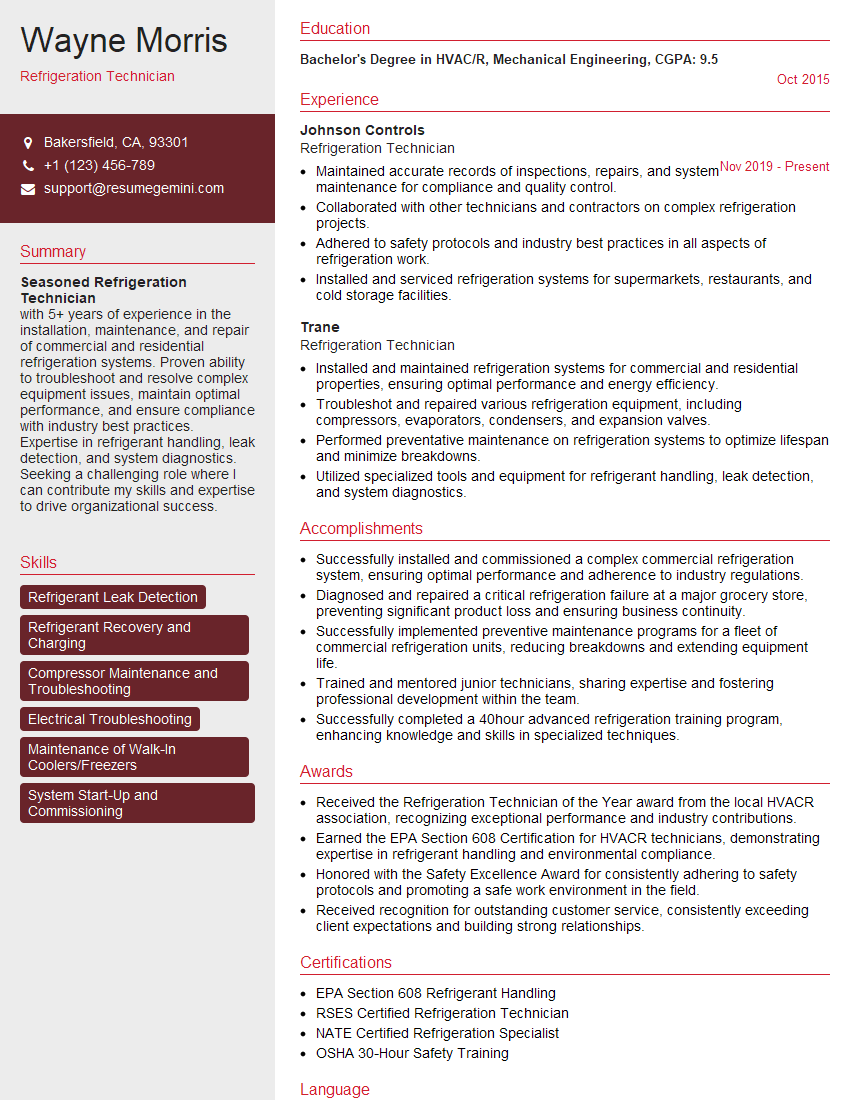
Mastering refrigerated transportation opens doors to exciting career opportunities with significant growth potential in a constantly evolving industry. A strong resume is crucial for showcasing your skills and experience to potential employers. Creating an ATS-friendly resume significantly increases your chances of getting your application noticed. ResumeGemini is a trusted resource to help you build a professional and impactful resume that highlights your qualifications effectively. Examples of resumes tailored to the Refrigerated Transportation industry are available to help guide you. Invest time in crafting a compelling resume – it’s your first impression and a key to unlocking your career aspirations.
Explore more articles
Users Rating of Our Blogs
Share Your Experience
We value your feedback! Please rate our content and share your thoughts (optional).
What Readers Say About Our Blog
Very informative content, great job.
good