The right preparation can turn an interview into an opportunity to showcase your expertise. This guide to Resilience skills interview questions is your ultimate resource, providing key insights and tips to help you ace your responses and stand out as a top candidate.
Questions Asked in Resilience skills Interview
Q 1. Describe a situation where you faced significant adversity. How did you overcome it?
Early in my career, I led a project that faced unexpected technical challenges. The initial deadline was missed, and team morale plummeted. This was significantly adverse because the project was critical for a major client and the failure threatened our company’s reputation. Overcoming this involved several steps. First, I initiated a thorough post-mortem analysis, objectively identifying the root causes of the failure. We weren’t blaming individuals; we focused on systemic issues. Secondly, I redefined the project timeline realistically, securing buy-in from the client and my team. Thirdly, I fostered open communication and provided consistent support to my team, helping them regain confidence. Finally, we implemented new quality control measures to prevent similar issues in the future. The project was successfully completed, albeit later than originally planned, and we learned invaluable lessons about risk management and proactive communication.
Q 2. What strategies do you employ to manage stress effectively?
Stress management is crucial for resilience. My strategies include a multifaceted approach. Firstly, I prioritize mindfulness techniques like meditation and deep breathing exercises to center myself and reduce anxiety. These techniques help regulate my physiological response to stress. Secondly, I maintain a healthy lifestyle – regular exercise, balanced nutrition, and sufficient sleep – as these are fundamental to stress resilience. Thirdly, I utilize time management techniques such as prioritizing tasks and delegating effectively to avoid feeling overwhelmed. Finally, I make time for activities I enjoy, like spending time in nature or reading, as a way to de-stress and recharge.
Q 3. How do you maintain a positive mindset during challenging times?
Maintaining a positive mindset during challenging times is a skill honed through practice. I actively challenge negative thoughts by reframing them into more constructive perspectives. For instance, instead of focusing on a setback as a failure, I view it as an opportunity for learning and growth. I practice gratitude by focusing on the positive aspects of my life, no matter how small. Furthermore, I surround myself with supportive people who offer encouragement and perspective. Visualizing success and focusing on my goals helps maintain motivation and optimism.
Q 4. Explain your approach to problem-solving when facing setbacks.
My problem-solving approach during setbacks follows a structured framework. I begin by clearly defining the problem, gathering all relevant information, and breaking down the problem into smaller, more manageable parts. Then, I brainstorm potential solutions, considering various perspectives and approaches. I evaluate each solution’s feasibility and potential consequences, choosing the most effective option based on available resources and constraints. Finally, I implement the chosen solution, monitor its effectiveness, and make adjustments as needed. This iterative process allows for flexibility and adaptation during the problem-solving journey.
Q 5. How do you identify and manage your emotional responses to stressful situations?
Identifying and managing emotional responses is critical. I use a combination of techniques. Self-awareness is key; I pay attention to my physical and emotional sensations to understand what triggers my stress response. Then, I employ coping mechanisms such as deep breathing, mindfulness, or engaging in physical activity to regulate these responses. Sometimes, seeking support from trusted friends, family, or a therapist is beneficial to process challenging emotions. Journaling can also provide a valuable outlet for processing emotions and gaining perspective.
Q 6. Describe a time you had to adapt to a significant change. What was your approach?
I adapted to a significant organizational restructuring where my team’s structure changed and several key team members left. My approach focused on proactive adaptation. First, I sought to understand the rationale behind the changes, communicating with leadership and colleagues. This provided context and helped me frame the changes positively. Next, I focused on building new relationships with my colleagues and adjusting my work style to fit the new structure. I also sought opportunities for skill development to meet the changing demands of my role. By embracing the changes and proactively addressing the challenges, I not only navigated the transition successfully but also identified new opportunities for growth and development.
Q 7. How do you bounce back from failure and learn from your mistakes?
Bouncing back from failure is a key element of resilience. My approach involves a three-step process: acceptance, analysis, and action. First, I acknowledge the failure, allowing myself to feel the disappointment, but without dwelling on it. Next, I conduct a thorough analysis of the situation, objectively identifying the factors that contributed to the failure, focusing on what I could have done differently, not placing blame. Finally, I formulate an action plan based on my analysis, outlining concrete steps to prevent similar failures in the future. This process transforms failure from a setback into a valuable learning experience that strengthens my resilience.
Q 8. How do you prioritize tasks and manage your time effectively under pressure?
Prioritizing tasks under pressure requires a structured approach. I utilize a combination of methods, starting with a clear understanding of deadlines and importance. I employ techniques like the Eisenhower Matrix (urgent/important), prioritizing tasks based on their impact and urgency. For example, if I’m facing multiple deadlines, I’ll list them all, assign a priority level (high, medium, low), and then break down larger tasks into smaller, more manageable steps. This allows me to focus my energy on the most critical items first, minimizing stress and maximizing efficiency. Time management tools like time blocking, where I schedule specific blocks of time for specific tasks, are crucial. I also factor in buffer time to accommodate unforeseen delays. Regularly reviewing my progress helps me to stay on track and adjust my plan as needed.
Q 9. Describe a time you had to work collaboratively under stressful conditions. What was your role?
During a product launch, our team faced significant technical challenges just days before the release date. As the lead developer, my role involved coordinating the troubleshooting efforts across multiple teams – front-end, back-end, and QA. We used a collaborative project management tool to track issues, assign tasks, and update progress in real-time. The stress was immense, but our collaborative environment proved critical. We held daily stand-up meetings to address roadblocks, communicate progress, and ensure everyone was aligned. Open and honest communication was paramount. We focused on problem-solving as a team, leveraging each team member’s expertise to identify and fix the issues. We successfully launched the product on time, demonstrating that collaborative resilience under pressure is not only possible but crucial for success.
Q 10. How do you build and maintain strong relationships during difficult times?
Maintaining strong relationships during difficult times relies on empathy, clear communication, and proactive support. It’s about understanding that others may be experiencing stress too. I actively listen to colleagues and offer support where I can. Regular check-ins, even brief ones, can significantly boost morale. Focusing on shared goals and celebrating small wins can strengthen bonds. For instance, during a period of company restructuring, I made a point to have individual conversations with team members, acknowledging their concerns and reassuring them of our shared commitment to navigating the changes together. This fostered a sense of unity and resilience within the team.
Q 11. How do you effectively communicate your needs and boundaries when stressed?
Communicating needs and boundaries effectively under stress is essential to prevent burnout and maintain healthy relationships. I use assertive communication techniques, clearly expressing my needs and limits without being aggressive or passive. For instance, I might say, “I’m feeling overwhelmed with the current workload. Could we prioritize tasks to ensure I can meet deadlines effectively?” or “I need some time to focus on this task without interruptions. I’ll be available after 3 PM for any questions.” It’s about setting realistic expectations and actively managing my time to avoid feeling overloaded. Regular self-reflection helps me identify my stress triggers and develop strategies to manage them effectively.
Q 12. Describe a situation where you had to make a difficult decision under pressure. What was the outcome?
I once had to decide whether to delay a project launch due to unforeseen technical glitches or proceed with a potentially imperfect product. The pressure was immense, as a delay would impact our client relationships and our company’s reputation. After carefully assessing the risks and benefits, along with consulting with key stakeholders, we decided to delay the launch. We prioritized fixing the glitches to ensure product quality. Although this decision meant a short-term setback, it prevented a more significant long-term crisis. The outcome proved that prioritizing quality over speed in the face of pressure can yield better results in the long run, even if initially difficult.
Q 13. How do you identify your personal strengths and leverage them to overcome challenges?
Identifying and leveraging personal strengths is a continuous process of self-reflection and experimentation. I regularly assess my skills and abilities through self-assessment tools, feedback from colleagues, and performance reviews. My strengths lie in problem-solving, communication, and teamwork. Understanding these strengths allows me to strategically tackle challenges. For example, when faced with a complex technical problem, I leverage my problem-solving skills to break it down into smaller, manageable parts. My communication skills enable me to work effectively with others, ensuring everyone is on the same page. By recognizing and utilizing my strengths, I am more confident in overcoming obstacles and achieving my goals.
Q 14. How do you handle criticism and feedback, especially when it’s difficult to accept?
Handling criticism requires separating the emotion from the feedback. I focus on listening attentively and understanding the critic’s perspective. It’s crucial to identify constructive points amidst any negativity. I ask clarifying questions to ensure I fully understand the feedback. For instance, if someone criticizes a report, I ask, “Can you give me an example of what could be improved?” This approach transforms criticism into a learning opportunity. I then assess the validity of the feedback and plan actions to improve future performance. If the criticism is unfounded or delivered in a disrespectful manner, I address it calmly and professionally, focusing on the issue rather than the individual.
Q 15. What are your go-to coping mechanisms for managing stress and anxiety?
Stress and anxiety are inevitable parts of life, but effective coping mechanisms are crucial for maintaining well-being. My go-to strategies involve a multi-pronged approach focusing on both mind and body.
Mindfulness and Meditation: I regularly practice mindfulness meditation, even for just 5-10 minutes a day. This helps me center myself, observe my thoughts and feelings without judgment, and reduce racing thoughts. It’s like hitting the ‘pause’ button on my mental chatter.
Physical Exercise: Physical activity is a powerful stress reliever. I incorporate regular exercise, whether it’s a brisk walk, a yoga session, or a gym workout, into my routine. The endorphins released during exercise have a natural mood-boosting effect.
Cognitive Restructuring: I actively challenge negative or catastrophic thinking patterns. When I find myself spiraling into worry, I consciously reframe my thoughts, focusing on more realistic and positive perspectives. For example, instead of thinking ‘I’ll fail this presentation,’ I reframe it as ‘I’ve prepared well, and I’ll do my best.’
Deep Breathing Exercises: Simple deep breathing techniques are incredibly effective for quickly calming anxiety. A few minutes of deep, slow breaths can significantly reduce physical symptoms of stress, like a racing heart.
These techniques aren’t a magic bullet, but a consistent practice has significantly improved my ability to manage stress and anxiety, allowing me to approach challenges with a clearer mind and more energy.
Career Expert Tips:
- Ace those interviews! Prepare effectively by reviewing the Top 50 Most Common Interview Questions on ResumeGemini.
- Navigate your job search with confidence! Explore a wide range of Career Tips on ResumeGemini. Learn about common challenges and recommendations to overcome them.
- Craft the perfect resume! Master the Art of Resume Writing with ResumeGemini’s guide. Showcase your unique qualifications and achievements effectively.
- Don’t miss out on holiday savings! Build your dream resume with ResumeGemini’s ATS optimized templates.
Q 16. How do you identify and address potential burnout?
Burnout is a serious issue, often characterized by emotional exhaustion, cynicism, and a reduced sense of personal accomplishment. Identifying it requires self-awareness and honest reflection. I look for signs such as:
Persistent Fatigue: Feeling constantly tired, even after adequate rest.
Decreased Productivity: Noticeably lower output and difficulty concentrating.
Increased Irritability: Feeling easily frustrated or impatient with colleagues and clients.
Physical Symptoms: Headaches, stomach problems, sleep disturbances.
Loss of Motivation: A diminished sense of purpose or enjoyment in my work.
Addressing burnout requires proactive steps. My approach involves:
Setting Boundaries: Learning to say ‘no’ to additional responsibilities when I’m already overloaded.
Prioritizing Self-Care: Making time for activities that bring me joy and relaxation, such as hobbies, spending time with loved ones, or pursuing personal interests.
Seeking Support: Talking to a trusted friend, family member, or therapist about my feelings and experiences.
Re-evaluating Workload: If possible, discussing my workload with my supervisor to identify areas for delegation or adjustment.
Taking Breaks: Regularly stepping away from my work to rest and recharge.
Preventing burnout is just as important as addressing it. Regular self-assessment, healthy boundaries, and a focus on well-being are key to long-term sustainability.
Q 17. Describe your approach to setting realistic goals and expectations.
Setting realistic goals is foundational to success and stress reduction. My approach involves:
SMART Goals: I utilize the SMART framework – Specific, Measurable, Achievable, Relevant, and Time-bound. This ensures my goals are well-defined and trackable. For example, instead of ‘improve my presentation skills,’ I’d set a goal like ‘deliver a 15-minute presentation incorporating three audience engagement techniques by the end of the month.’
Breaking Down Large Tasks: I break down large, overwhelming projects into smaller, more manageable tasks. This makes progress more visible and less daunting.
Considering Constraints: I honestly assess my available time, resources, and skills before setting goals. Overly ambitious goals can lead to frustration and burnout.
Regular Review and Adjustment: I regularly review my progress and adjust my goals as needed. Life throws curveballs; flexibility is key.
Realistic expectations are equally important. I acknowledge that setbacks are inevitable and build in buffer time for unexpected delays or challenges. This prevents disappointment and fosters a sense of accomplishment even when things don’t go exactly as planned.
Q 18. How do you measure your progress and maintain motivation during long-term projects?
Maintaining motivation during long-term projects requires consistent effort and strategic planning. I use a combination of techniques:
Milestone Tracking: I set smaller milestones within the larger project, celebrating each accomplishment along the way. This provides a sense of progress and keeps motivation high.
Visual Progress Tracking: Using tools like project management software or even a simple checklist helps visualize progress, offering a sense of accomplishment.
Regular Reflection: I regularly reflect on my progress, identifying what’s working well and areas for improvement. This helps me adapt my approach and stay focused.
Seeking Feedback: I actively seek feedback from colleagues or mentors to gain perspective and stay on track.
Reward System: I incorporate small rewards after completing significant milestones. This reinforces positive behavior and boosts motivation.
It’s crucial to remember that motivation fluctuates. Having a clear plan, regular checkpoints, and a system for celebrating success helps maintain momentum even when facing challenges.
Q 19. How do you seek support from others when you need it?
Seeking support is a sign of strength, not weakness. I believe in building a strong support network and utilizing it effectively. My approach includes:
Identifying Trusted Individuals: I’ve cultivated relationships with individuals I trust and feel comfortable confiding in, including mentors, colleagues, family, and friends.
Clear Communication: When I need support, I clearly communicate my needs and expectations. I articulate what kind of help I’m seeking, whether it’s advice, emotional support, or practical assistance.
Active Listening: I actively listen to the advice and perspectives of others, valuing their input and insights.
Expressing Gratitude: I express my appreciation for the support I receive. This strengthens relationships and encourages future support.
Professional Support: When necessary, I seek professional support from therapists or counselors, who provide objective guidance and strategies for managing challenges.
Building and leveraging a strong support network is a crucial aspect of resilience; it’s about knowing when to ask for help and having the confidence to do so.
Q 20. How do you balance work and personal life effectively?
Balancing work and personal life is an ongoing process, not a destination. It requires conscious effort and intentional planning. My strategies include:
Time Blocking: I schedule specific times for work and personal activities, treating personal appointments as seriously as work meetings.
Setting Boundaries: I establish clear boundaries between work and personal time, avoiding checking emails or working late into the evening unless absolutely necessary.
Prioritization: I prioritize tasks, focusing on the most important activities in both my professional and personal life.
Delegation: Where possible, I delegate tasks at work to free up time for personal commitments.
Mindful Breaks: I incorporate short breaks throughout my day to disconnect from work and engage in relaxing activities.
Regular Downtime: I schedule regular downtime for relaxation and rejuvenation, whether it’s a weekend getaway or a quiet evening at home.
The key is finding a balance that works for me. This might look different from week to week, but the consistent application of these strategies helps maintain a sustainable and fulfilling lifestyle.
Q 21. Explain your understanding of emotional intelligence and its role in resilience.
Emotional intelligence (EQ) plays a vital role in resilience. It’s the ability to understand and manage one’s own emotions, as well as recognize and influence the emotions of others. High EQ contributes to resilience in several ways:
Self-Awareness: Recognizing and understanding one’s own emotions is crucial for managing stress and avoiding burnout. Someone with high self-awareness can identify triggers and develop coping mechanisms accordingly.
Self-Regulation: The ability to manage one’s emotions effectively enables individuals to respond calmly to challenging situations, preventing impulsive reactions that could worsen the situation.
Social Awareness: Understanding the emotions of others allows individuals to build stronger relationships and seek support when needed. Empathy is a key component of resilience, fostering a sense of connection and belonging.
Relationship Management: Building strong, supportive relationships is essential for resilience. Effective communication and collaboration, underpinned by emotional intelligence, are key to navigating challenges effectively.
In essence, emotional intelligence provides the tools for navigating difficult situations with greater effectiveness and emotional stability, ultimately enhancing one’s resilience in the face of adversity.
Q 22. How do you identify and mitigate potential risks in your work or personal life?
Identifying and mitigating potential risks involves a proactive, multi-step process. It’s like being a detective, anticipating problems before they arise and having a plan to deal with them. First, I conduct a thorough risk assessment, identifying potential stressors or challenges in both my work and personal life. This involves brainstorming, considering past experiences, and seeking feedback from others. For instance, at work, I might identify a risk as a tight deadline on a complex project. Personally, it might be an upcoming family event that could be emotionally taxing.
Once identified, I prioritize risks based on their likelihood and potential impact. A highly likely event with severe consequences needs immediate attention. Then, I develop mitigation strategies. For the work deadline, this could involve breaking the project into smaller, manageable tasks, creating a detailed timeline, and seeking support from colleagues. For the family event, this might include scheduling relaxation time beforehand, setting clear boundaries, and practicing mindfulness techniques to manage stress.
Regular review and adjustment are crucial. I continuously monitor the situation, adapting my strategies as needed. This cyclical approach ensures I remain flexible and responsive to changing circumstances.
Q 23. Describe a time you had to advocate for yourself or others in a challenging situation.
In a previous role, our team faced a significant budget cut that threatened a crucial community outreach program. Many colleagues felt disheartened and believed the program would be scrapped. I felt strongly that this program was vital, having witnessed its positive impact firsthand. I decided to advocate for its continuation.
My approach was three-pronged: data, collaboration, and persuasion. First, I compiled data demonstrating the program’s effectiveness – metrics on participant engagement, community feedback, and cost-benefit analysis. Second, I collaborated with colleagues, building a coalition of support. We worked together to brainstorm alternative funding sources and efficiency improvements. Finally, I presented our findings and proposals to senior management, highlighting the program’s value and our proposed solutions. Ultimately, we managed to secure alternative funding, saving the program and demonstrating the power of collaborative advocacy.
Q 24. How do you stay informed about new developments and adapt your strategies accordingly?
Staying informed and adapting is a cornerstone of resilience. I employ a multi-faceted approach to continuous learning. This includes actively seeking out new research and best practices in resilience and stress management through professional journals, conferences, and online courses. I also engage in networking with colleagues and experts in the field, learning from their experiences and perspectives.
Adapting strategies is equally important. I regularly review my resilience toolkit, identifying what’s working and what needs refinement. For instance, if a particular stress-management technique is no longer effective, I explore new approaches, tailoring my strategies to the specific challenges I face. This continuous process of learning and adaptation ensures my resilience strategies remain relevant and effective.
Q 25. How do you use self-reflection to improve your resilience strategies?
Self-reflection is critical for improving resilience. It’s like conducting a post-mortem after a challenging event to understand what happened, how I reacted, and what I could have done differently. I regularly engage in self-reflection through journaling, mindfulness practices, and seeking feedback from trusted colleagues or mentors.
For example, after a particularly stressful project, I might reflect on my coping mechanisms: Did my usual strategies work? Were there moments I could have handled better? Did I seek sufficient support? This process helps me identify areas for improvement, refine my strategies, and build a stronger foundation for future challenges. For example, if I found myself consistently neglecting self-care during stressful periods, I might incorporate more self-care practices into my daily routine moving forward.
Q 26. What are the key indicators that suggest you are becoming overwhelmed or burnt out?
Recognizing the signs of overwhelm or burnout is crucial for preventing serious consequences. The indicators can be physical, emotional, or behavioral. Physically, this might manifest as persistent fatigue, frequent illness, or changes in appetite or sleep patterns. Emotionally, you might experience irritability, anxiety, feelings of hopelessness, or a decreased sense of accomplishment. Behaviorally, you might notice decreased productivity, procrastination, isolation from others, or increased substance use.
A combination of these indicators suggests a potential problem. For instance, if I consistently experience fatigue, coupled with increased irritability and difficulty concentrating, it signals the need for immediate intervention. This might involve seeking professional support, adjusting my workload, prioritizing self-care, and seeking help from my support network.
Q 27. What are your plans for continued professional development in resilience and stress management?
My plan for continued professional development focuses on deepening my expertise in both resilience and stress management. This involves pursuing advanced certifications in relevant fields, such as positive psychology or trauma-informed care. I also plan to actively participate in workshops and conferences, expanding my knowledge of innovative techniques and best practices. Furthermore, I am committed to ongoing self-study, exploring new research and relevant literature. Finally, I plan to seek mentorship from established experts to further refine my skills and gain valuable insights.
Q 28. How do you demonstrate resilience in a team setting?
Resilience in a team setting is about fostering a supportive environment and demonstrating a positive, proactive attitude. It’s about being a role model and helping others navigate challenges. I demonstrate resilience by actively promoting open communication, encouraging collaboration, and offering support to team members facing difficulties. When setbacks occur, I focus on problem-solving, finding constructive ways to move forward, and maintaining a positive outlook. This includes actively seeking solutions, brainstorming with team members, and celebrating small victories to maintain morale.
For example, if a project encounters unexpected delays, I’d facilitate a team meeting to identify the root causes, brainstorm solutions, and reassess timelines. My focus would be on collaboration, maintaining a positive attitude, and helping the team stay focused on the overall goals.
Key Topics to Learn for Resilience Skills Interview
- Understanding Stress and Adversity: Explore the various types of stressors and how they impact individuals and teams. Learn to differentiate between challenges and crises.
- Emotional Regulation: Practice identifying and managing your emotional responses to difficult situations. Develop strategies for self-soothing and maintaining composure under pressure. Consider mindfulness techniques and stress management strategies.
- Problem-Solving and Adaptability: Discuss your approach to tackling complex problems, highlighting your ability to adapt to changing circumstances and find creative solutions. Use examples from your past experiences.
- Optimism and Self-Efficacy: Demonstrate your belief in your ability to overcome obstacles and maintain a positive outlook, even during challenging times. Explain how you foster a growth mindset.
- Seeking Support and Collaboration: Highlight your ability to build strong relationships and seek support from colleagues and mentors when needed. Discuss effective communication strategies for navigating difficult conversations.
- Recovery and Learning from Setbacks: Articulate your process for analyzing failures, extracting valuable lessons, and applying those learnings to future endeavors. Showcase your ability to bounce back from adversity stronger and more resourceful.
- Resilience in Teamwork: Discuss how you foster resilience within a team environment, supporting colleagues and contributing to a positive and productive work culture.
Next Steps
Mastering resilience skills is paramount for career advancement. Employers highly value individuals who can navigate challenges, adapt to change, and maintain productivity under pressure. Building an ATS-friendly resume is crucial for maximizing your job prospects. To create a compelling and effective resume that showcases your resilience, we highly recommend using ResumeGemini. ResumeGemini offers a streamlined process for building professional resumes, and we provide examples of resumes tailored to highlight resilience skills to help you get started. Take the next step towards your dream career by crafting a resume that truly reflects your capabilities and resilience.
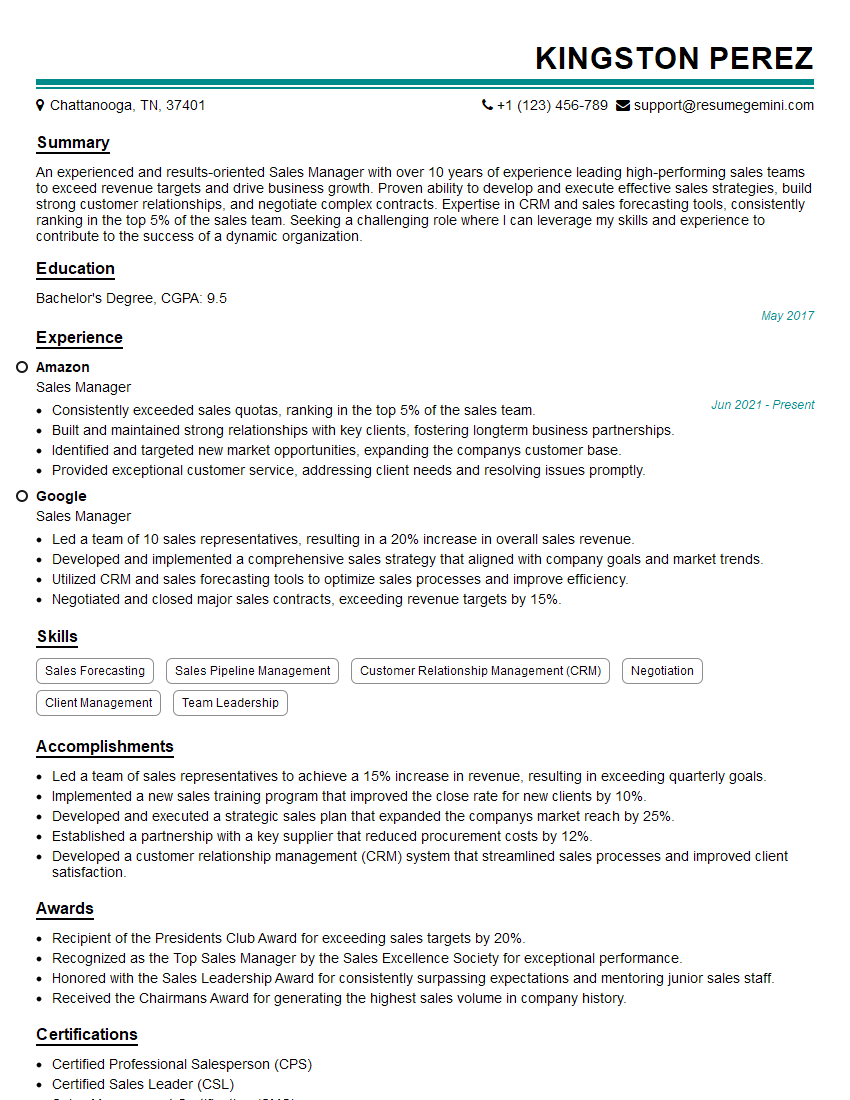
Sales Manager Resume Sample
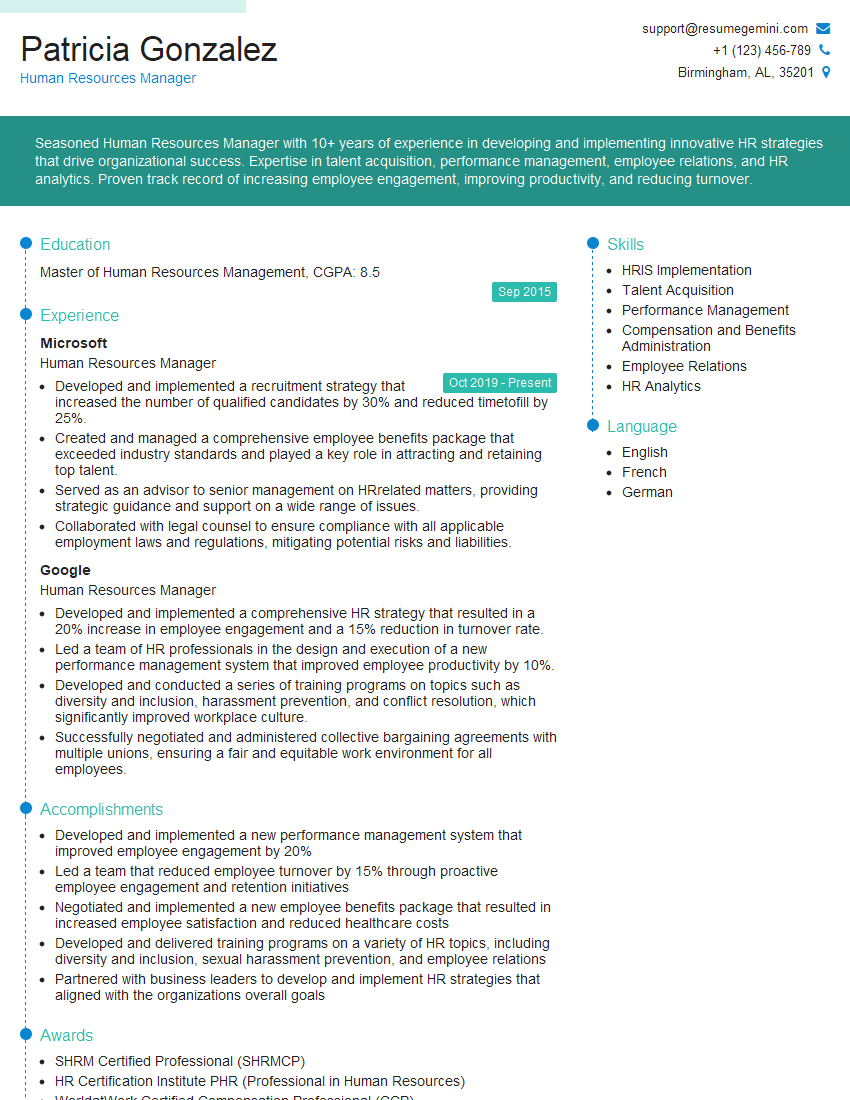
Human Resources Manager Resume Sample
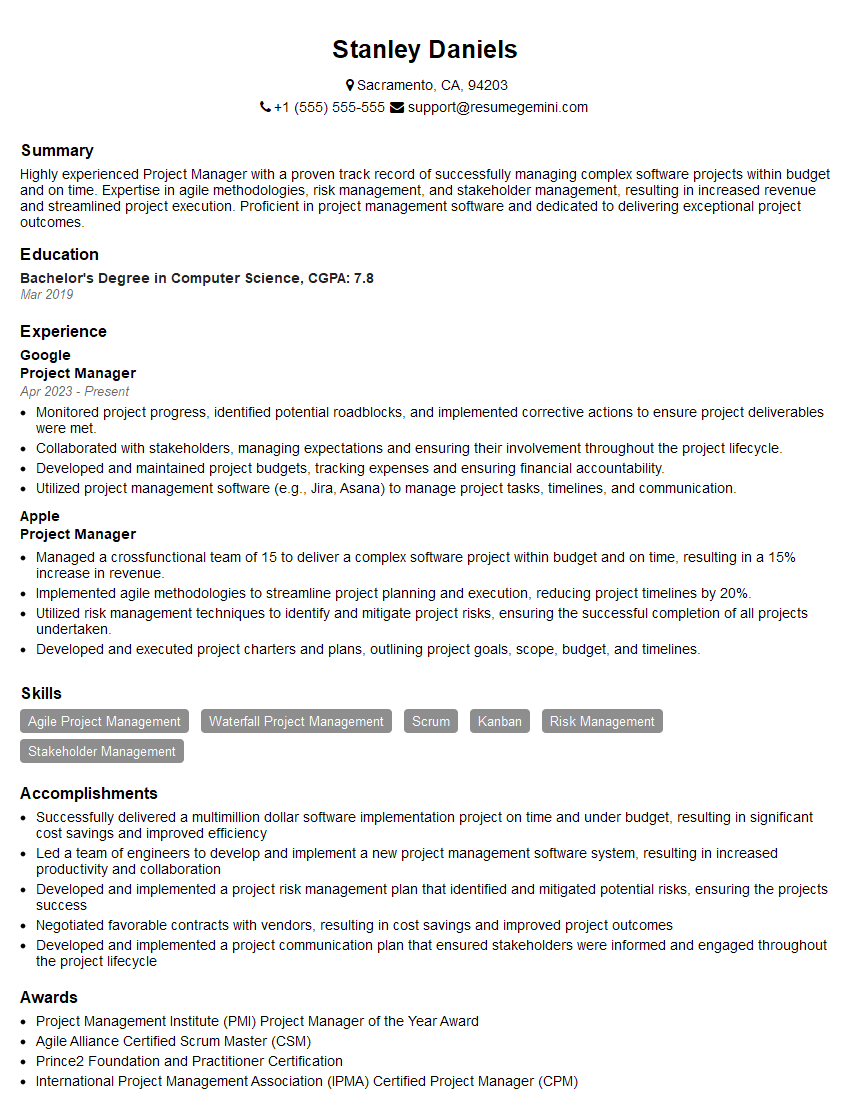
Project Manager Resume Sample
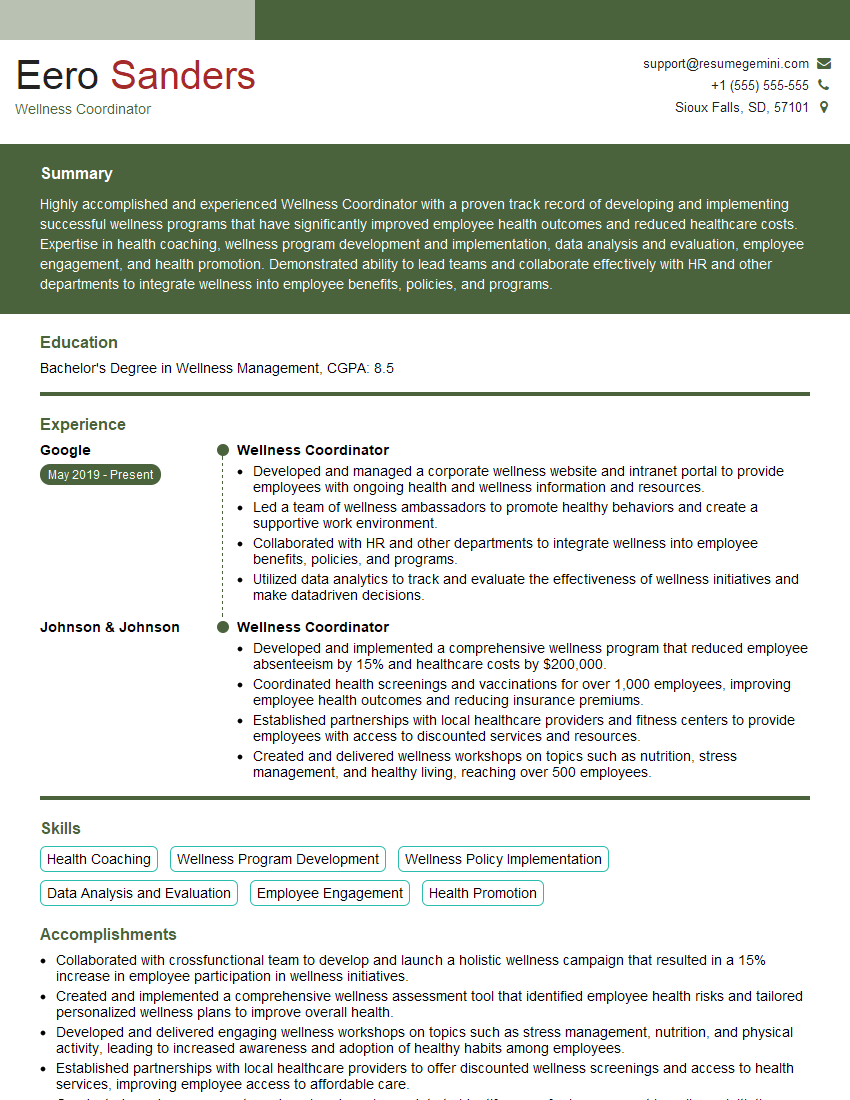
Wellness Coordinator Resume Sample
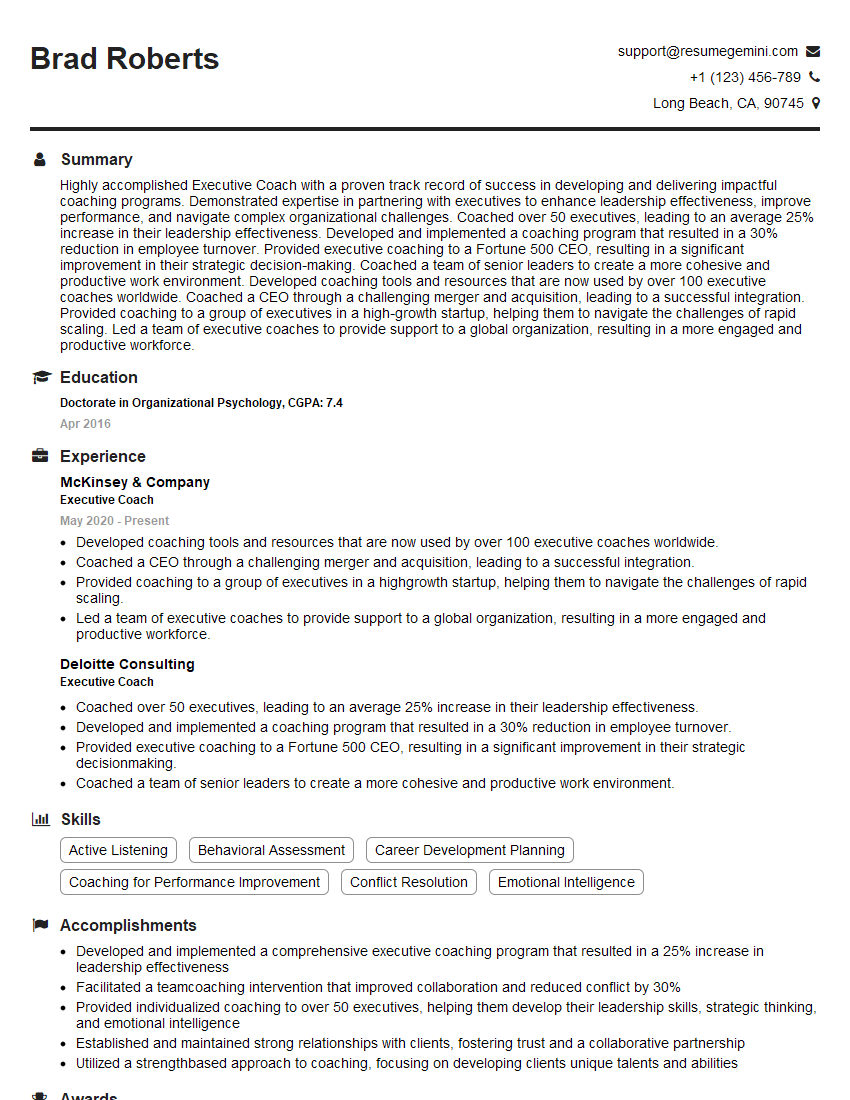
Executive Coach Resume Sample
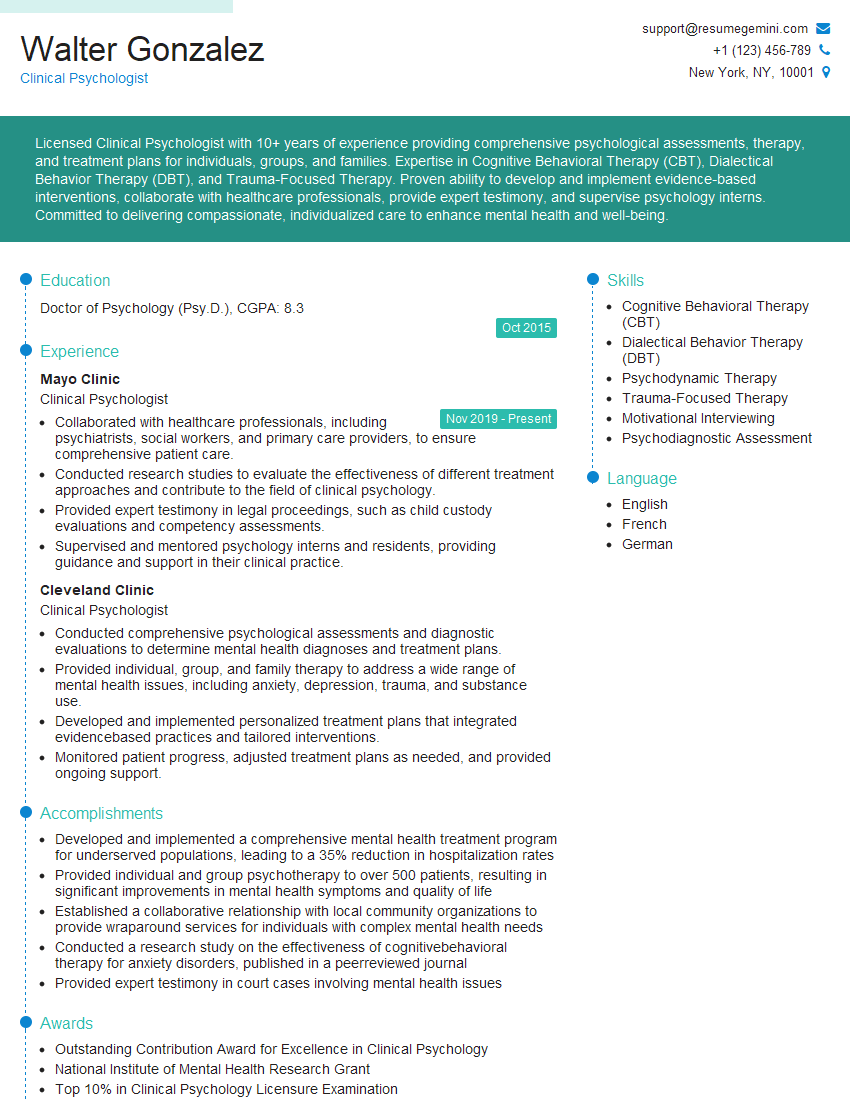
Clinical Psychologist Resume Sample
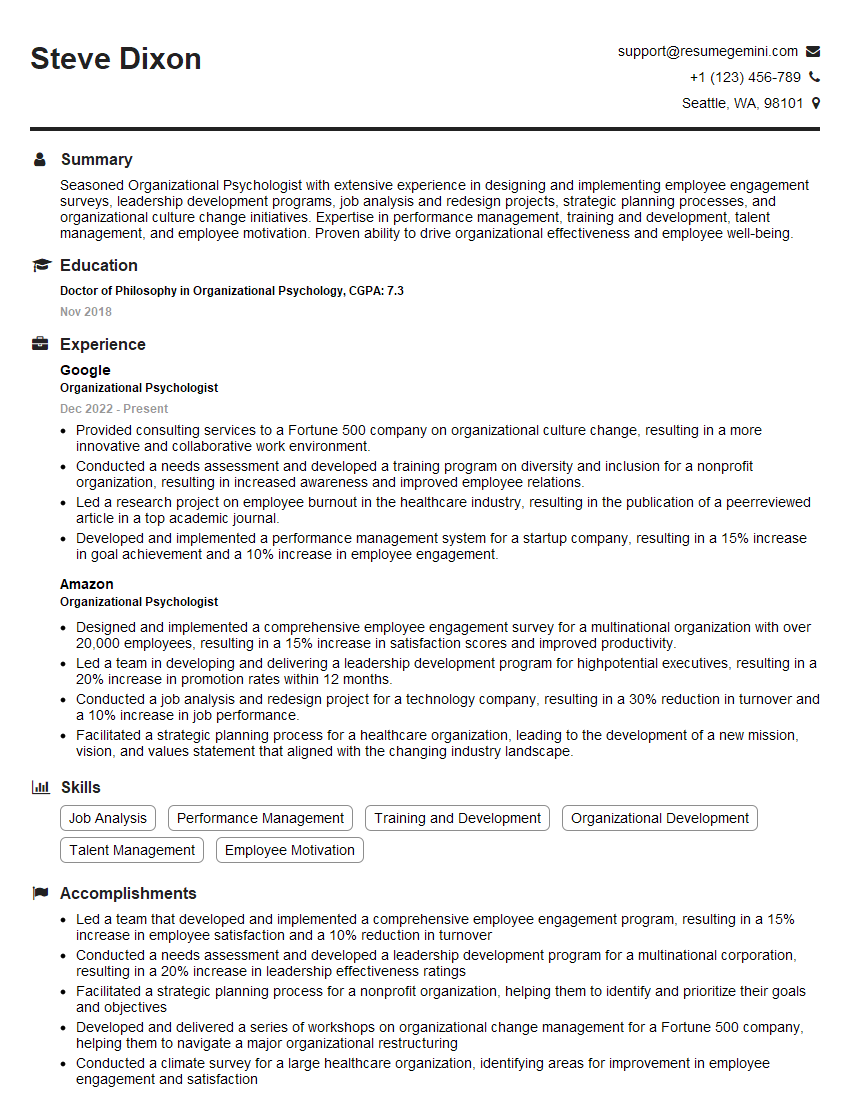
Organizational Psychologist Resume Sample
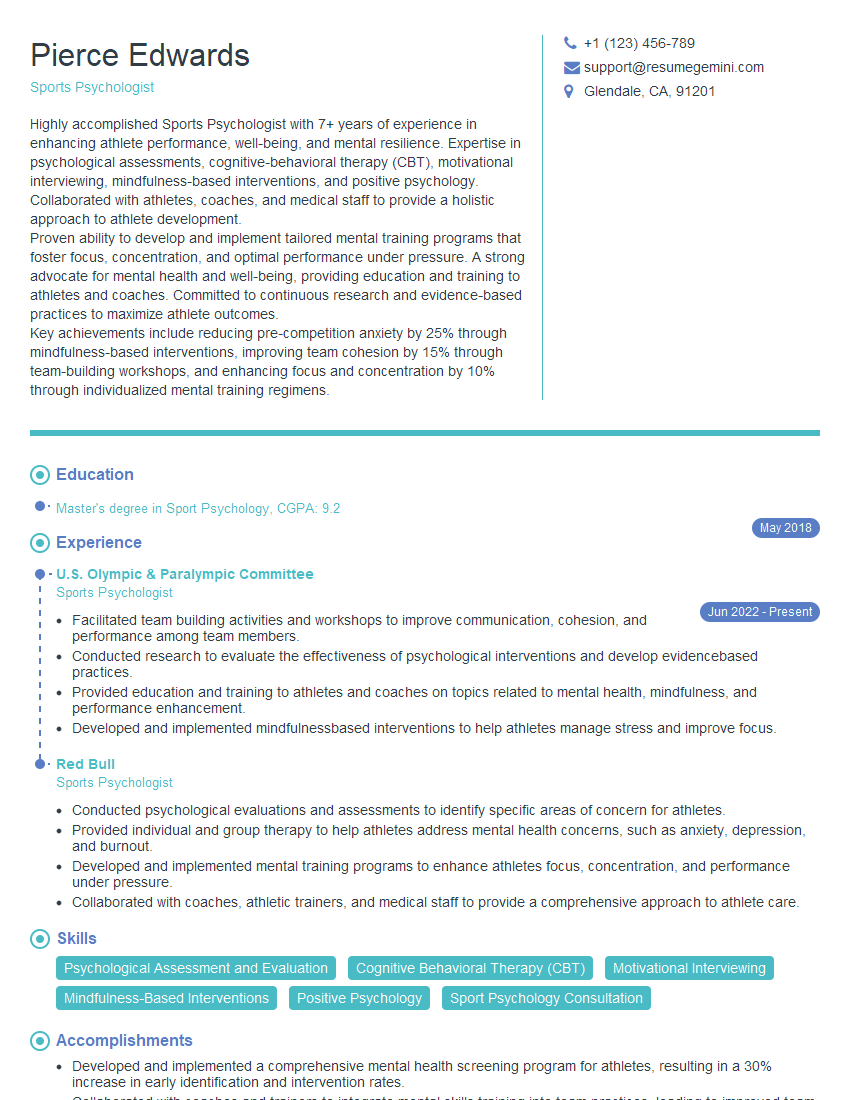
Sports Psychologist Resume Sample
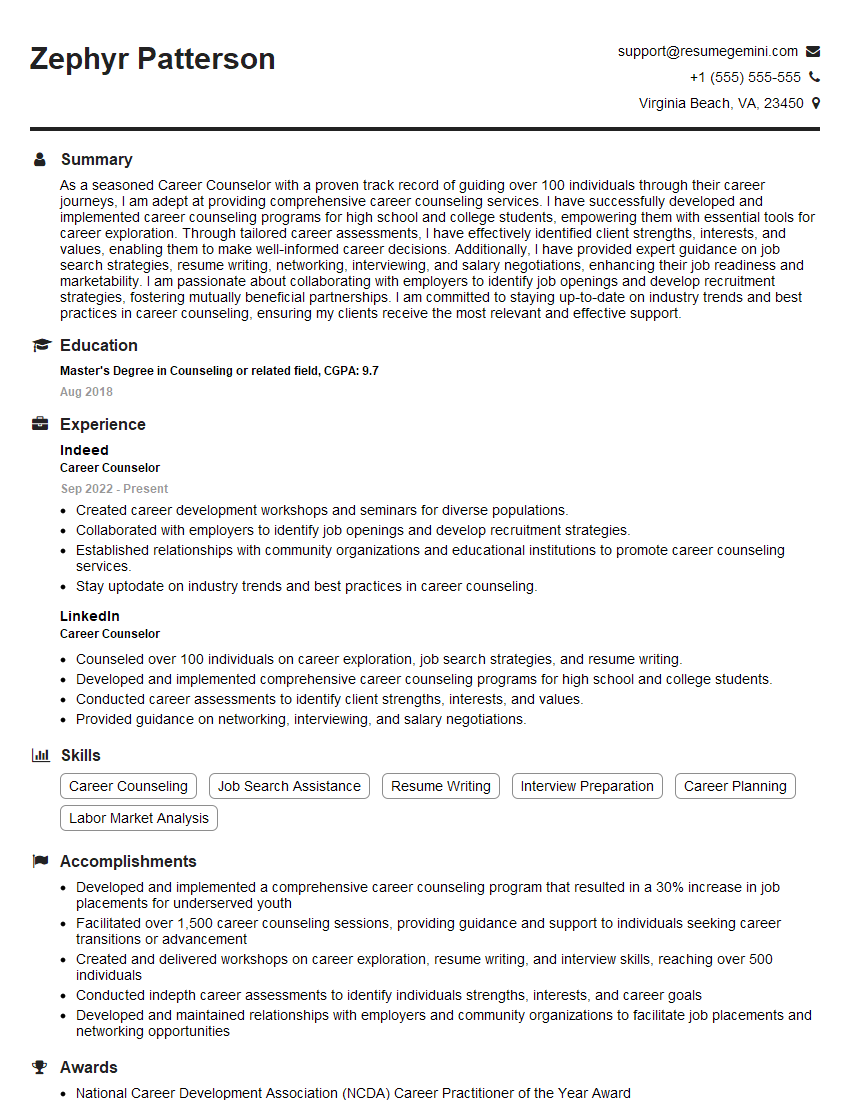
Career Counselor Resume Sample

Mental Health Counselor Resume Sample
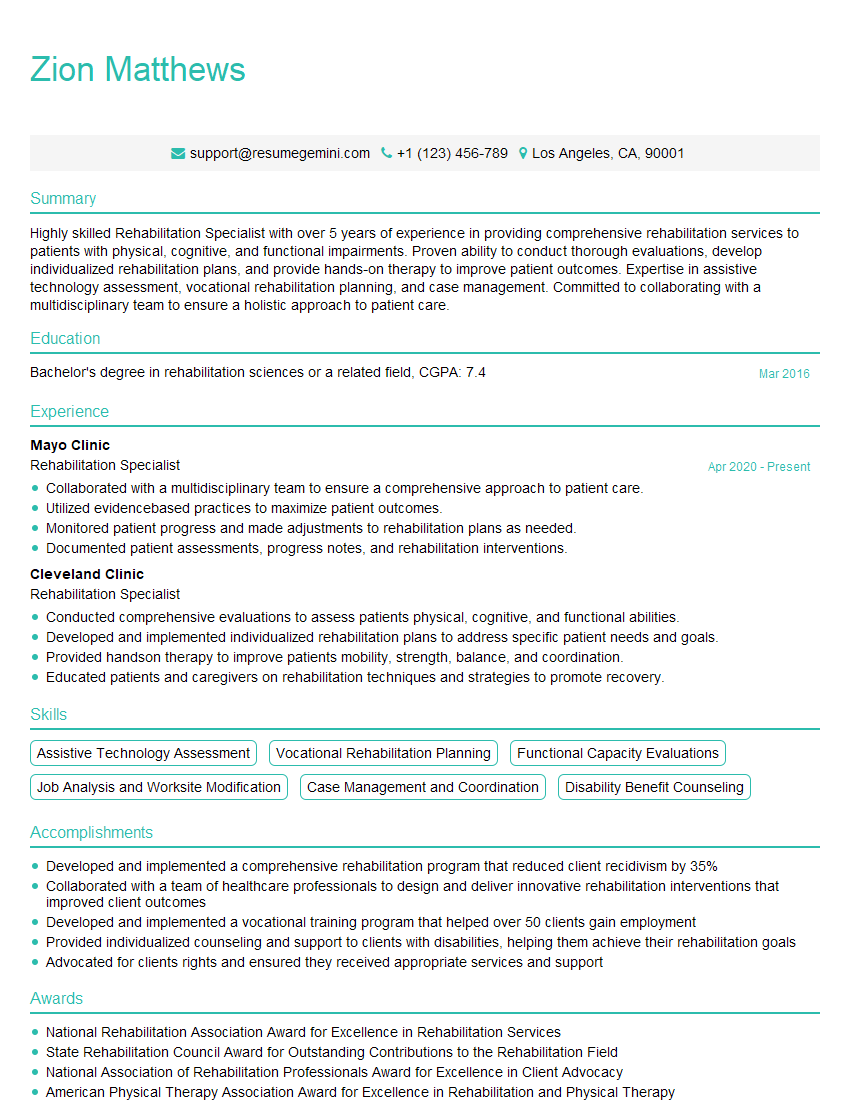
Rehabilitation Specialist Resume Sample
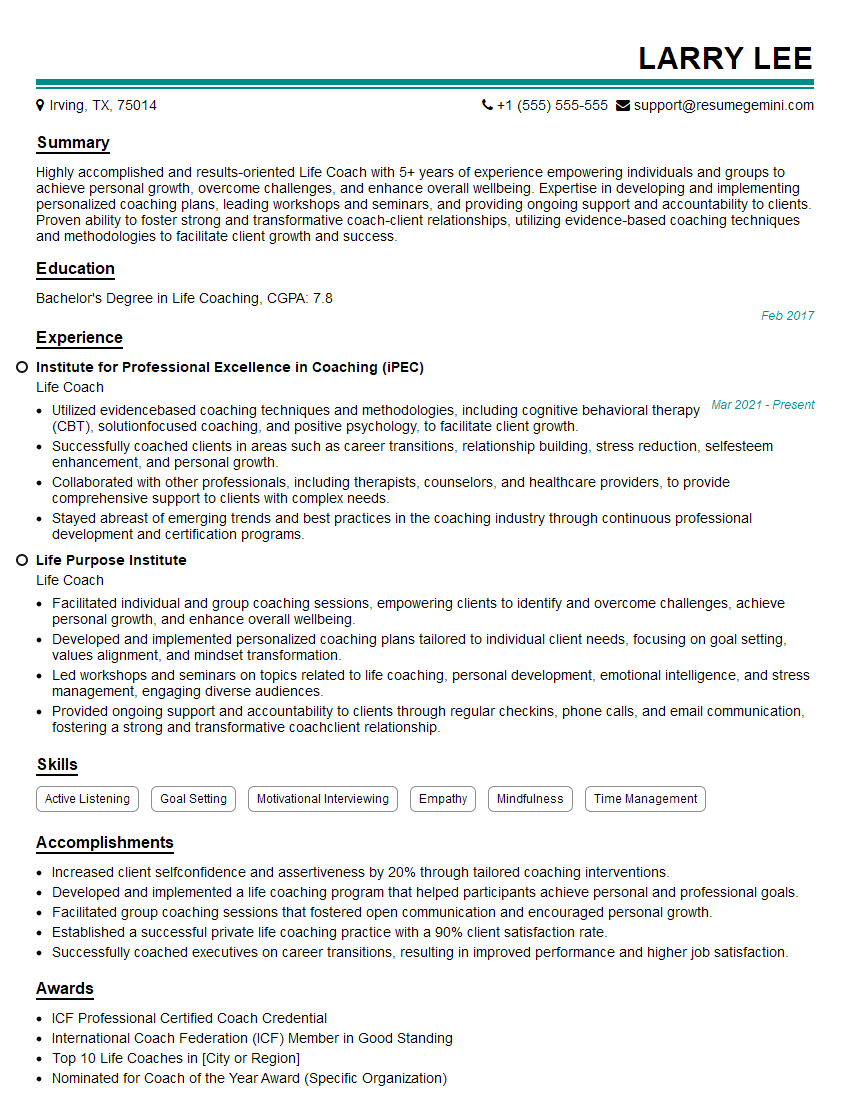
Life Coach Resume Sample
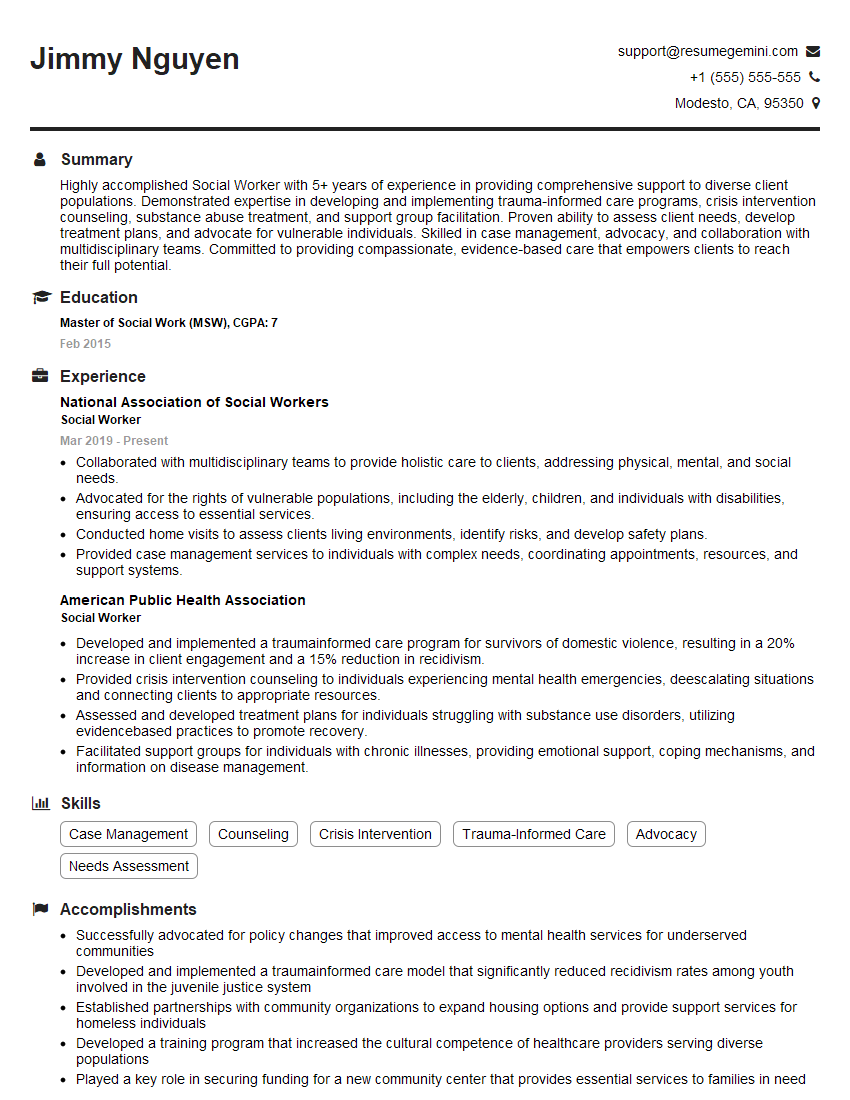
Social Worker Resume Sample

Crisis Intervention Specialist Resume Sample
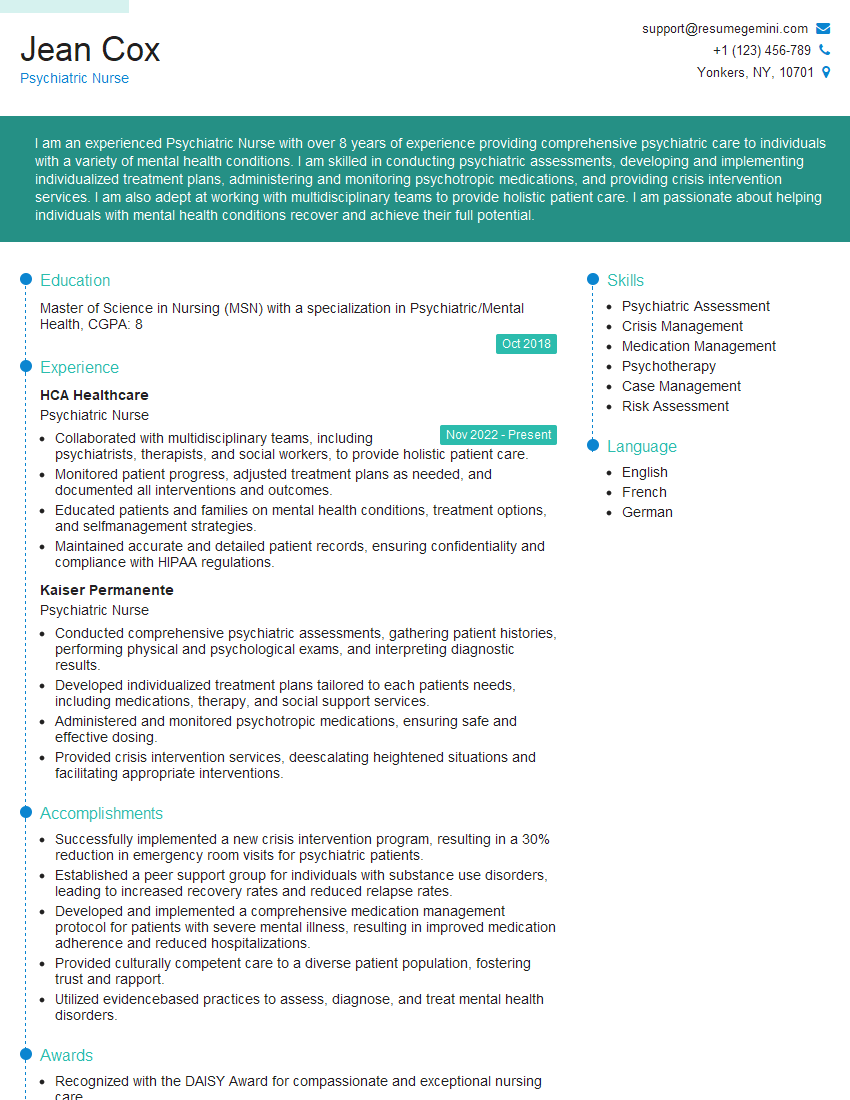
Psychiatric Nurse Resume Sample
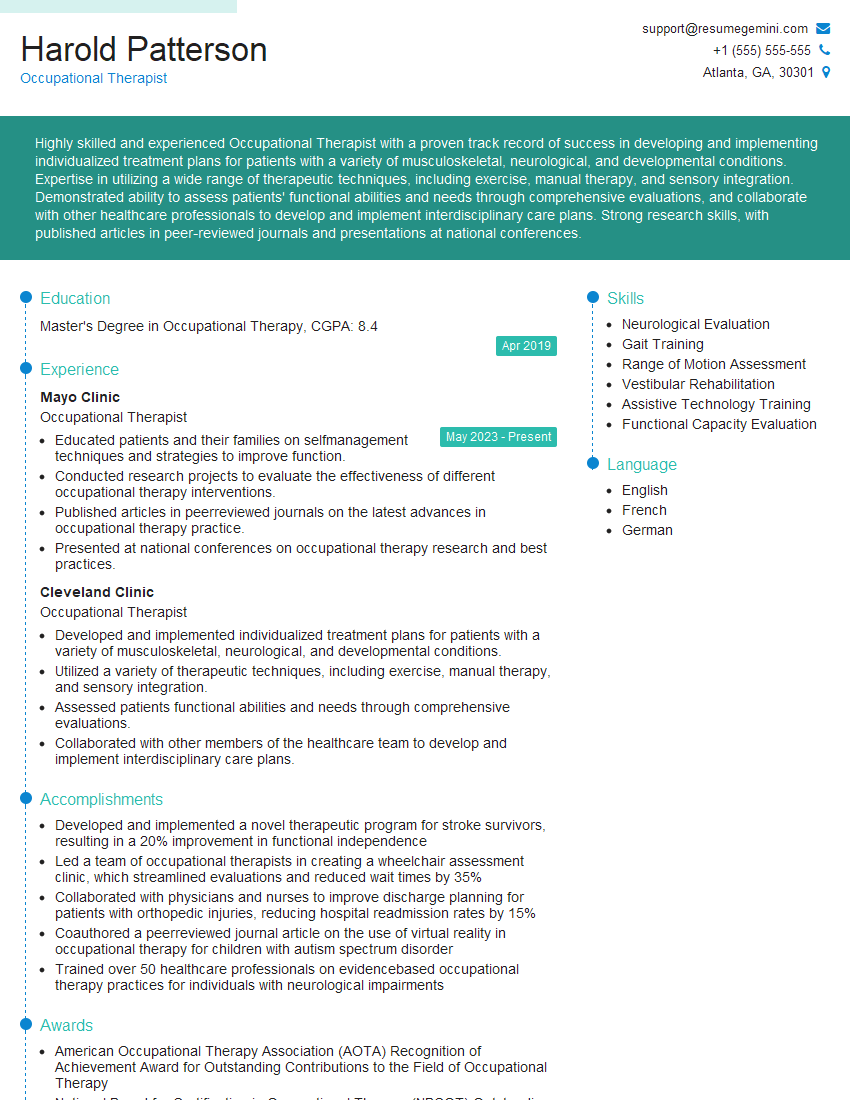
Occupational Therapist Resume Sample
- Sales Manager
- Human Resources Manager
- Project Manager
- Wellness Coordinator
- Executive Coach
- Clinical Psychologist
- Organizational Psychologist
- Sports Psychologist
- Career Counselor
- Mental Health Counselor
- Rehabilitation Specialist
- Life Coach
- Social Worker
- Crisis Intervention Specialist
- Psychiatric Nurse
- Occupational Therapist
Explore more articles
Users Rating of Our Blogs
Share Your Experience
We value your feedback! Please rate our content and share your thoughts (optional).
What Readers Say About Our Blog
Very informative content, great job.
good