Are you ready to stand out in your next interview? Understanding and preparing for Resolve Discrepancies interview questions is a game-changer. In this blog, we’ve compiled key questions and expert advice to help you showcase your skills with confidence and precision. Let’s get started on your journey to acing the interview.
Questions Asked in Resolve Discrepancies Interview
Q 1. Explain your process for identifying discrepancies in large datasets.
Identifying discrepancies in large datasets requires a systematic approach. My process begins with defining clear expectations – what constitutes a discrepancy? This often involves comparing two or more data sources, looking for inconsistencies in values, counts, or data types. I then employ a combination of automated and manual techniques. Automated techniques involve using scripting languages like Python with libraries such as Pandas to perform data comparisons, identify outliers, and flag potential discrepancies using statistical methods. Manual review is crucial, especially for complex datasets or unusual patterns not readily identified by algorithms. This might involve creating data visualizations (histograms, scatter plots) to identify unusual distributions or patterns that indicate errors. For instance, I might compare sales figures from a point-of-sale system with the general ledger to ensure they align. Any significant deviations would be flagged for investigation. Finally, I employ data profiling techniques to understand the data’s structure, identify missing values, and uncover inconsistencies in data formats that might point towards discrepancies.
For example, in a financial dataset, a discrepancy could be an unmatched transaction ID between the payment processing system and the accounting system, or a significant difference in total sales figures. Identifying such inconsistencies is the first critical step in ensuring data quality and accuracy.
Q 2. Describe a time you found a significant discrepancy. How did you handle it?
During an audit of a large e-commerce database, I discovered a significant discrepancy in inventory counts. Our physical inventory count differed substantially from the inventory reported in the system. The discrepancy was initially attributed to potential theft. However, my investigation revealed that the system wasn’t properly accounting for returns. Items returned to the warehouse weren’t properly updated in the inventory management system, leading to a falsely inflated inventory count. This wasn’t a simple data entry error; it was a systemic issue in the return processing workflow.
To handle this, I first documented the discrepancy meticulously, including the extent of the difference and the affected product categories. I then collaborated with the IT and warehouse teams to pinpoint the root cause, which led to the identification of the flawed return process. We worked together to implement a corrected workflow, including automated updates to inventory upon return processing. Finally, we conducted a full reconciliation of the inventory, adjusting the system to reflect the accurate count. This involved creating a comprehensive report detailing the discrepancy, its cause, the corrective actions taken, and the impact on inventory valuation.
Q 3. What tools or software have you used to resolve discrepancies?
My toolkit for resolving discrepancies includes a range of software and tools. For data manipulation and analysis, I rely heavily on Python with libraries like Pandas and NumPy for data cleaning, transformation, and comparison. SQL is essential for querying and extracting data from various databases. Spreadsheet software like Excel or Google Sheets is still invaluable for smaller datasets and initial data exploration. For data visualization, I use tools such as Tableau or Power BI to identify patterns and outliers visually. Furthermore, specialized data quality tools, depending on the specific project, may be employed to automate discrepancy detection and reporting.
For example, I might use SQL to join two tables from different databases, then use Pandas in Python to compare specific fields, identify mismatches and flag them for review in a spreadsheet. Visualizations from Tableau might then be used to present the findings to stakeholders.
Q 4. How do you prioritize discrepancies when multiple issues arise simultaneously?
Prioritizing discrepancies requires a structured approach. I use a risk-based prioritization method. This involves assessing the potential impact and urgency of each discrepancy. For example, a small discrepancy in non-critical data might be assigned a lower priority than a large discrepancy in financial reporting data. I consider factors such as the magnitude of the error, the potential financial impact, the regulatory implications, and the urgency of resolution. A simple matrix helps to visualize this: high impact/high urgency discrepancies are tackled first, followed by high impact/low urgency, then low impact/high urgency, and finally low impact/low urgency.
Imagine having several discrepancies: a small formatting error in a report, a minor data mismatch in a non-essential dataset, and a significant difference in revenue figures. The revenue discrepancy would clearly get top priority due to its financial implications. I will document all discrepancies, even lower priority ones, to track them and ensure they are addressed eventually.
Q 5. What techniques do you use to root cause discrepancies?
Root cause analysis for discrepancies requires a systematic and investigative approach. I typically employ the ‘5 Whys’ technique, repeatedly asking ‘why’ to drill down to the underlying cause. Additionally, I use process mapping to visualize the data flow and identify potential points of failure. This helps to pinpoint where the discrepancy originated. Data lineage analysis, where we trace the data’s origin and transformations, plays a significant role. This helps to identify the specific steps or processes that introduced the error. Collaborating with other teams, particularly those responsible for the systems or processes involved, is crucial. They can offer insights and context I might not possess.
For instance, if a sales figure is incorrect, the 5 Whys might uncover the cause: Why is the sales figure wrong? Because the order wasn’t properly recorded. Why wasn’t it recorded? Because the system crashed during processing. Why did the system crash? Due to a software bug. Why wasn’t the bug fixed? Insufficient testing during the software upgrade. This provides a clear path to remediation.
Q 6. How do you ensure accuracy and completeness in your reconciliation process?
Ensuring accuracy and completeness in reconciliation relies on several key strategies. First, defining clear reconciliation rules and procedures is essential. These rules should specify the data sources, the fields to be compared, and the acceptable tolerance levels for differences. Automated checks and validation rules within the system are vital to proactively identify potential errors. Regular reconciliation, performed at predefined intervals, is critical. The frequency depends on the sensitivity of the data and the risk involved. Implementing robust data governance processes, involving data quality checks and validation at various stages of the data lifecycle, helps to prevent discrepancies from occurring in the first place.
Think of it like balancing your checkbook: you regularly compare your bank statement to your own records to ensure they match. Any discrepancies require investigation to identify errors or missing transactions. Similarly, the data reconciliation process aims to ensure consistent and accurate data across different systems.
Q 7. Describe your approach to documenting discrepancies and their resolutions.
Documenting discrepancies and their resolutions is critical for accountability, auditing, and future reference. My approach involves creating a detailed log of all identified discrepancies. This log typically includes a unique identifier for each discrepancy, the date and time of discovery, the affected data, a description of the discrepancy, the root cause, the corrective actions taken, the date of resolution, and the responsible party. This information might be stored in a spreadsheet, a database, or a dedicated discrepancy management system. Supporting documentation, such as screenshots, error logs, or communication records, should be attached to each entry. A clear and standardized format ensures consistency and allows for efficient tracking and reporting.
This approach ensures transparency and facilitates future audits or investigations. It allows us to learn from past mistakes and improve processes to prevent similar issues from recurring.
Q 8. How do you handle discrepancies that cannot be easily resolved?
Handling discrepancies that defy easy resolution requires a structured approach. It’s not about giving up; it’s about escalating effectively and documenting thoroughly. My first step is to meticulously review all available data, looking for any patterns or hidden clues I might have missed initially. I use data analysis techniques to identify potential root causes. This might involve advanced filtering, sorting, and creating visualizations to pinpoint outliers or anomalies.
If this initial deep dive still doesn’t reveal the solution, I then escalate the issue to the appropriate team or individual, outlining the discrepancy, the steps taken to resolve it, and the remaining challenges. This escalation process is crucial for transparency and accountability. A clear, concise report detailing the discrepancy, supporting data, and proposed next steps is essential. This report should be circulated to all relevant stakeholders.
Finally, for truly intractable discrepancies, we might consider forming a dedicated task force or working group to bring together experts from different departments. The collective brainpower can often uncover solutions that eluded individual efforts. Crucially, even if a complete resolution remains elusive, we document the unresolved issue, the reasons for its intractability, and any temporary mitigation strategies implemented. This ensures that the problem isn’t forgotten and can be revisited with fresh perspectives or improved tools in the future.
Q 9. How do you communicate discrepancies and their resolutions to stakeholders?
Clear and timely communication is paramount. I use a multi-faceted approach. For minor discrepancies, a simple email or a brief update in a shared project management tool is sufficient. For more significant discrepancies, I would opt for a formal communication, possibly a detailed report or a presentation summarizing the discrepancy, the investigation process, the resolution (or proposed resolution), and next steps.
The communication should be tailored to the audience. Technical details are appropriate for technical stakeholders, while a more concise summary would be suitable for senior management. It’s essential to ensure the communication is easily understandable and avoids technical jargon where possible. I always aim for transparency, even if the resolution isn’t perfect; stakeholders appreciate knowing the situation and the efforts being made.
Following up after the communication is also essential to ensure the message has been understood and any questions have been addressed. Regular progress updates, particularly for complex discrepancies, keep stakeholders informed and build trust.
Q 10. What metrics do you use to track your success in resolving discrepancies?
Measuring success in discrepancy resolution goes beyond simply counting the number of resolved issues. I use a range of metrics to get a holistic view of performance.
- Resolution Time: Average time taken to resolve discrepancies. A shorter resolution time indicates efficiency.
- Resolution Rate: Percentage of discrepancies resolved within a specified timeframe. A high resolution rate signals effectiveness.
- Accuracy of Resolution: This assesses the correctness of the resolution to ensure that the issue is truly resolved and doesn’t reappear.
- Root Cause Identification Rate: Percentage of discrepancies where the underlying cause was identified and addressed. Addressing root causes prevents recurrence.
- Cost of Resolution: This helps in assessing the efficiency of the resolution process.
By tracking these metrics over time, I can identify areas for improvement in our processes and pinpoint any recurring issues that require more attention. This data-driven approach allows me to continuously optimize my approach to discrepancy resolution.
Q 11. How do you stay updated on industry best practices for discrepancy resolution?
Staying current with industry best practices is crucial in this constantly evolving field. I actively participate in professional organizations related to accounting, finance, or my specific industry. These organizations often host conferences, webinars, and publish journals that showcase the latest techniques and technologies in discrepancy resolution.
I also follow industry blogs and publications, subscribing to newsletters and attending relevant online courses or workshops. This ongoing professional development ensures that I am aware of the latest tools, methodologies, and best practices. Furthermore, I actively seek out opportunities to network with colleagues in similar roles to share experiences and learn from their successes and challenges. This collaborative approach keeps me up-to-date and allows me to adapt my strategies as needed.
Q 12. What is your experience with different types of reconciliations (e.g., bank, inventory)?
My experience encompasses various types of reconciliations. I’ve extensively worked with bank reconciliations, ensuring the accuracy of bank statements against internal records. This includes identifying and investigating discrepancies caused by outstanding checks, deposits in transit, bank errors, and other factors. I’m proficient in using various accounting software and tools to automate and streamline this process.
I also have experience with inventory reconciliations, comparing physical inventory counts to system records. This involves managing discrepancies arising from stock losses, damages, inaccurate recording, or theft. Reconciling inventory requires a strong understanding of inventory management principles and often involves working closely with warehouse staff and logistics teams.
Beyond these, I have exposure to other reconciliation types, such as account receivables and payables reconciliation, and even more specialized ones depending on the specific industry. Each type has its own unique challenges and requires adapting my approach to the specific data and processes involved.
Q 13. How do you manage discrepancies caused by system errors or glitches?
System errors or glitches can be a significant source of discrepancies. My approach involves a systematic investigation. First, I need to verify if the discrepancy is indeed due to a system issue by comparing data from different sources or by checking system logs.
Once confirmed, I immediately report the error to the IT department, providing clear documentation of the discrepancy and the impact it is causing. I work collaboratively with IT to diagnose and fix the root cause of the error. This often involves identifying and correcting faulty code, database errors, or configuration issues.
Meanwhile, I develop temporary workarounds or mitigation strategies to manage the discrepancy while the system is being repaired. This might involve manual adjustments or alternative data sources until the system is restored. Upon resolution, a thorough review of the affected data is essential to ensure accuracy and consistency.
Q 14. How do you work with others to resolve discrepancies that require cross-functional collaboration?
Cross-functional collaboration is vital for resolving many discrepancies. My approach centers around clear communication, shared understanding, and a collaborative problem-solving methodology.
I begin by clearly defining the discrepancy and its impact, creating a shared understanding among the involved teams. I then determine who needs to be involved, considering their roles and expertise. This may include individuals from accounting, IT, operations, or other departments. I utilize project management tools to facilitate communication and track progress.
Regular meetings and updates ensure everyone stays informed. I actively listen to perspectives from different teams, fostering an environment of mutual respect and open communication. I always strive to find a solution that satisfies the needs of all stakeholders, while keeping the overall objective of accurate and efficient discrepancy resolution in mind. Successful cross-functional collaboration requires patience, persistence, and a willingness to compromise.
Q 15. Describe your experience using data analysis techniques to identify discrepancies.
Data analysis is fundamental to discrepancy resolution. I leverage various techniques depending on the data’s nature and the type of discrepancy. For instance, I frequently use descriptive statistics to identify outliers or unusual patterns. Imagine comparing daily sales figures: a sudden drop of 50% compared to the average is a red flag and requires investigation. I’d delve into the details—was there a system outage? A promotional campaign elsewhere affecting sales? Further analysis could involve exploring correlations between different data points. For example, if a discrepancy exists in inventory, I might analyze correlation with sales data to see if there are missing transactions.
Beyond basic statistics, I employ more advanced techniques such as regression analysis to identify underlying causes of discrepancies or anomaly detection algorithms to pinpoint unusual activity in large datasets. In one project, using anomaly detection on a large financial transaction dataset, I uncovered fraudulent activity previously missed by manual reviews, saving the company significant losses. The specific methods I employ are always chosen based on the nature of the data and the type of discrepancy being investigated.
Career Expert Tips:
- Ace those interviews! Prepare effectively by reviewing the Top 50 Most Common Interview Questions on ResumeGemini.
- Navigate your job search with confidence! Explore a wide range of Career Tips on ResumeGemini. Learn about common challenges and recommendations to overcome them.
- Craft the perfect resume! Master the Art of Resume Writing with ResumeGemini’s guide. Showcase your unique qualifications and achievements effectively.
- Don’t miss out on holiday savings! Build your dream resume with ResumeGemini’s ATS optimized templates.
Q 16. How do you handle pressure when dealing with multiple urgent discrepancies?
Handling multiple urgent discrepancies requires a structured approach. My strategy involves prioritizing based on impact and urgency. I utilize a system like Eisenhower Matrix (Urgent/Important) to categorize discrepancies. Critical issues that could cause significant financial losses or compliance violations are addressed first. Communication is crucial here. I’ll inform stakeholders of the situation and the prioritization plan to manage expectations. In highly pressured situations, I focus on maintaining calm and breaking down the problem into smaller, manageable tasks. Taking short breaks to regroup is also essential to prevent burnout and maintain focus. Think of it like a firefighter – you wouldn’t tackle every single small fire at once; you prioritize based on the most immediate threat.
Q 17. How do you balance speed and accuracy when resolving discrepancies?
Balancing speed and accuracy is a continuous challenge, but crucial for effective discrepancy resolution. It’s not a trade-off; rather, it’s about finding the optimal balance. I use a multi-pronged approach: robust quality checks at each stage, automation where possible, and clear documentation of every step. Speed is gained through automation and well-defined processes. However, before automation is deployed, robust testing must be performed to verify its accuracy. Accuracy is maintained through detailed analysis, verification procedures, and cross-checking data from multiple sources. Imagine reconciling bank statements: a quick review might miss a small transaction, leading to inaccuracies. A systematic approach, involving cross-checking against internal records, ensures both speed and accuracy. This ensures a reliable reconciliation process without compromising integrity. The key is to establish clear checkpoints and validation procedures throughout the resolution process.
Q 18. What is your understanding of regulatory compliance in regards to data reconciliation?
Regulatory compliance is paramount in data reconciliation, especially within financial services, healthcare, and other regulated industries. My understanding encompasses various aspects, including data privacy regulations (like GDPR or CCPA), financial reporting standards (e.g., GAAP or IFRS), and industry-specific compliance requirements. For example, ensuring data security and maintaining audit trails are essential for compliance. In financial reconciliation, inaccuracies could lead to penalties for non-compliance. I’m well-versed in the specific regulations relevant to each industry and ensure all processes adhere to these standards. I regularly update my knowledge of these regulations to ensure I am up to date on the latest compliance requirements.
Q 19. How do you maintain a high level of accuracy when working with large volumes of data?
Maintaining accuracy with large datasets requires a combination of automation, verification techniques, and well-structured processes. First, I leverage automation to identify discrepancies early in the process—tools like data validation and comparison utilities flag inconsistencies quickly. Second, I use robust sampling techniques to verify the accuracy of larger datasets. It’s impractical to manually check every single record. Instead, I design stratified random sampling to get a representative overview and then focus on those specific subsets or areas. Third, I always cross-reference data from multiple sources to ensure consistency. Think of it like triangulation in geography. Multiple sources converging on the same point increase the confidence in the data’s validity. Finally, I meticulously document my processes and findings, creating an auditable trail of my work.
Q 20. Explain your process for escalating unresolved discrepancies.
Escalating unresolved discrepancies involves a structured approach. I start by documenting the discrepancy thoroughly, including all attempts made to resolve it and the evidence supporting it. Then, I escalate to the appropriate team or individual based on the nature of the discrepancy and their expertise. This could be a manager, a subject matter expert, or a specialized IT team. Clear communication is paramount, providing the context, impact, and suggested next steps. If necessary, I’ll prepare a detailed report outlining the problem, supporting data, and proposed solutions. Following escalation, I follow up to ensure appropriate actions are being taken. The goal is a transparent and collaborative process that ensures swift resolution.
Q 21. How do you utilize automation tools to improve the efficiency of the reconciliation process?
Automation is crucial for efficiency in reconciliation. I use various tools, including scripting languages like Python to automate data extraction, transformation, and loading (ETL) processes. For example, I’ve created scripts to automatically compare data from different systems and flag discrepancies. I also leverage Robotic Process Automation (RPA) tools for repetitive tasks like data entry and validation. These tools significantly reduce manual effort and improve speed and accuracy. I regularly evaluate new automation tools and techniques to optimize the reconciliation process and enhance efficiency, making sure any automated process has comprehensive testing and validation before deployment to ensure accuracy and maintain a robust audit trail.
Q 22. Describe your experience with different types of data (structured, unstructured).
My experience encompasses both structured and unstructured data. Structured data, like that found in relational databases, is neatly organized into rows and columns with defined data types. Think of a spreadsheet or a customer database with fields for name, address, and purchase history. Working with this type of data often involves SQL queries and data analysis tools to identify discrepancies. For example, I’ve used SQL joins to compare data from two different systems to find mismatches in customer order information. Unstructured data, on the other hand, lacks this predefined organization. This includes text documents, images, audio files, and social media posts. Reconciling discrepancies in unstructured data is significantly more challenging and often requires natural language processing (NLP) techniques or machine learning algorithms. For instance, I worked on a project where we used NLP to compare textual descriptions of products from two different catalogs to identify inconsistencies in product specifications. I’m proficient in handling both types of data, leveraging appropriate tools and techniques based on the data’s structure and the nature of the discrepancies.
Q 23. How do you identify and mitigate potential sources of future discrepancies?
Identifying potential sources of future discrepancies is crucial for proactive reconciliation. My approach involves a three-pronged strategy: data source analysis, process review, and system monitoring. First, I thoroughly analyze the sources of data, identifying potential points of failure or inconsistency. This might involve examining data integration processes, data entry procedures, or the reliability of external data feeds. Second, I review the business processes that generate and handle the data. Are there steps that are prone to errors? Are there sufficient controls and validation checks in place? For example, a manual data entry process is more error-prone than an automated one. Lastly, I implement continuous monitoring of the data and processes, using dashboards and alerts to detect anomalies or inconsistencies as they emerge. This allows for prompt intervention, preventing minor discrepancies from escalating into major problems. This proactive approach significantly reduces the frequency and impact of future discrepancies.
Q 24. What is your experience with data validation techniques?
I’m experienced with a wide range of data validation techniques. These techniques ensure data accuracy and consistency before and during the reconciliation process. These include:
- Range checks: Verifying that numerical data falls within a predefined range (e.g., age must be between 0 and 120).
- Data type checks: Ensuring that data conforms to its expected type (e.g., a phone number is not entered as text).
- Format checks: Validating that data adheres to a specific format (e.g., date must be in YYYY-MM-DD format).
- Cross-field validation: Checking for consistency across multiple fields (e.g., verifying that the billing address matches the shipping address).
- Duplicate checks: Identifying and removing duplicate records.
- Checksums and hash functions: Using cryptographic techniques to verify data integrity during transmission and storage.
Q 25. How do you ensure the integrity of data during the reconciliation process?
Maintaining data integrity during reconciliation is paramount. My approach involves several key steps:
- Version control: Tracking all changes made to the data, enabling rollback if necessary.
- Audit trails: Recording all activities performed on the data, including who made the changes and when.
- Data encryption: Protecting sensitive data from unauthorized access.
- Access control: Restricting access to data based on roles and responsibilities.
- Regular backups: Creating regular backups to protect against data loss.
Q 26. Describe your approach to continuous improvement in discrepancy resolution.
Continuous improvement in discrepancy resolution is crucial. My approach involves regularly reviewing the reconciliation process, identifying areas for improvement, and implementing changes to enhance accuracy, efficiency, and effectiveness. This often involves data analytics to identify recurring issues and patterns, enabling more targeted solutions. For example, if we repeatedly find discrepancies related to a specific data source, we might invest in improving the quality of data at its source. Or if manual reconciliation steps are taking up a significant amount of time, we might explore automating those tasks. Feedback from stakeholders is also vital. Their insights can highlight areas for optimization that might not be apparent from a purely technical perspective. I use metrics such as discrepancy rate, resolution time, and cost to track progress and demonstrate the impact of these improvements. A continuous improvement mindset is key to reducing discrepancies and making the process more robust.
Q 27. How would you explain a complex reconciliation process to a non-technical stakeholder?
Explaining a complex reconciliation process to a non-technical stakeholder requires a clear and concise explanation, avoiding jargon. I’d use an analogy to illustrate the concept. Imagine you have two copies of your personal bank statement – one from your online banking and one from your physical bank statement. Reconciliation is like comparing these two statements to make sure they match. If there’s a discrepancy – let’s say a transaction is listed on one but not the other – we need to investigate and figure out why. We might need to contact the bank to clarify the issue. The process involves systematically comparing data from different sources, identifying any differences, investigating the causes, and resolving the discrepancies. The goal is to ensure that both sets of data agree, providing a clear and accurate picture of the financial situation. I would focus on the “why” behind the process, emphasizing its importance for accuracy, trust, and regulatory compliance, using simple language and visuals to support the explanation.
Key Topics to Learn for Resolve Discrepancies Interview
- Identifying Discrepancies: Understanding the various types of discrepancies (data, process, system, etc.) and developing a keen eye for inconsistencies.
- Data Analysis & Verification: Techniques for analyzing data to pinpoint discrepancies, including using cross-referencing, validation checks, and reconciliation methods. Practical application: Explain how you’d approach verifying data from multiple sources to find inconsistencies.
- Root Cause Analysis: Methods for investigating the underlying reasons for discrepancies – is it a data entry error, a system glitch, or a process flaw? Consider using frameworks like the 5 Whys.
- Documentation & Reporting: Creating clear and concise reports detailing the discovered discrepancies, their root causes, and recommended solutions. This includes outlining the steps taken to resolve each discrepancy.
- Conflict Resolution & Negotiation: Strategies for effectively communicating and resolving discrepancies with various stakeholders, including colleagues, clients, and management, maintaining a professional and diplomatic approach. Consider situations where different departments have conflicting data.
- Process Improvement: Suggesting and implementing solutions to prevent future discrepancies, focusing on process optimization and error reduction. This demonstrates proactive problem-solving skills.
- Technology & Tools: Familiarity with relevant software and tools used in discrepancy resolution (e.g., data management systems, spreadsheet software). Highlight your proficiency and experience with such tools.
Next Steps
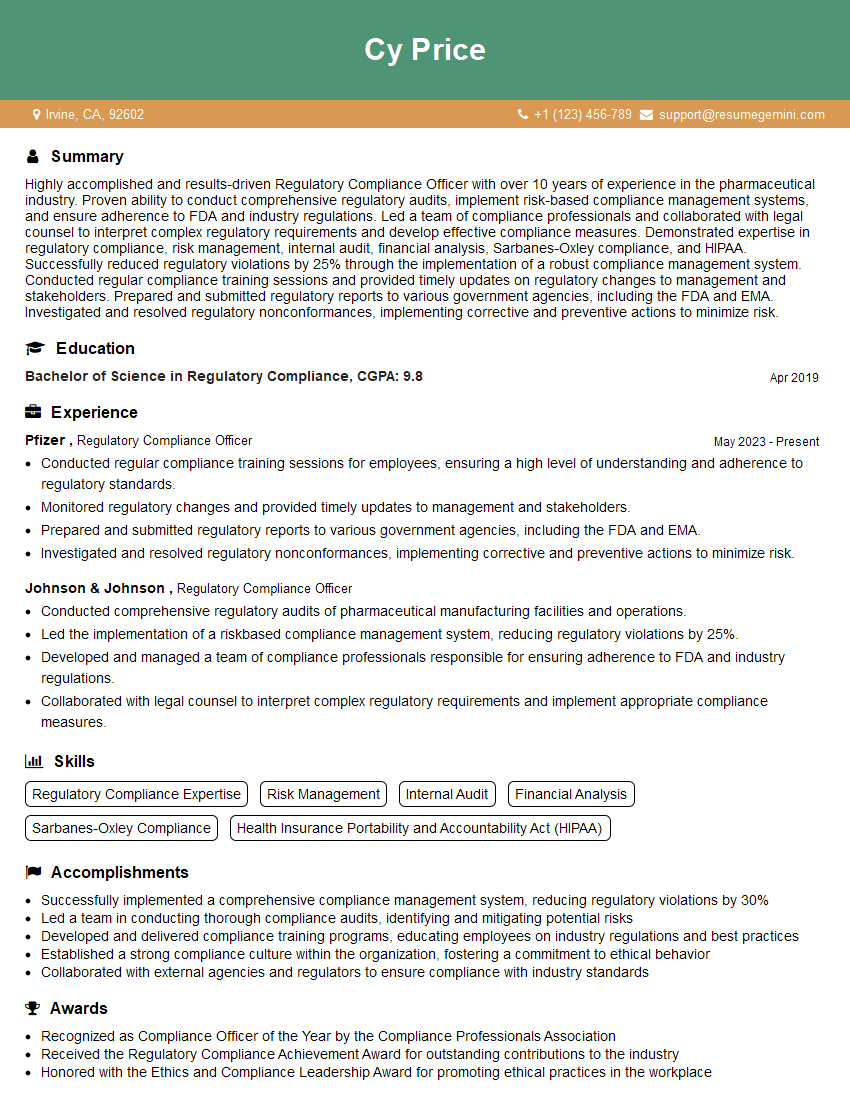
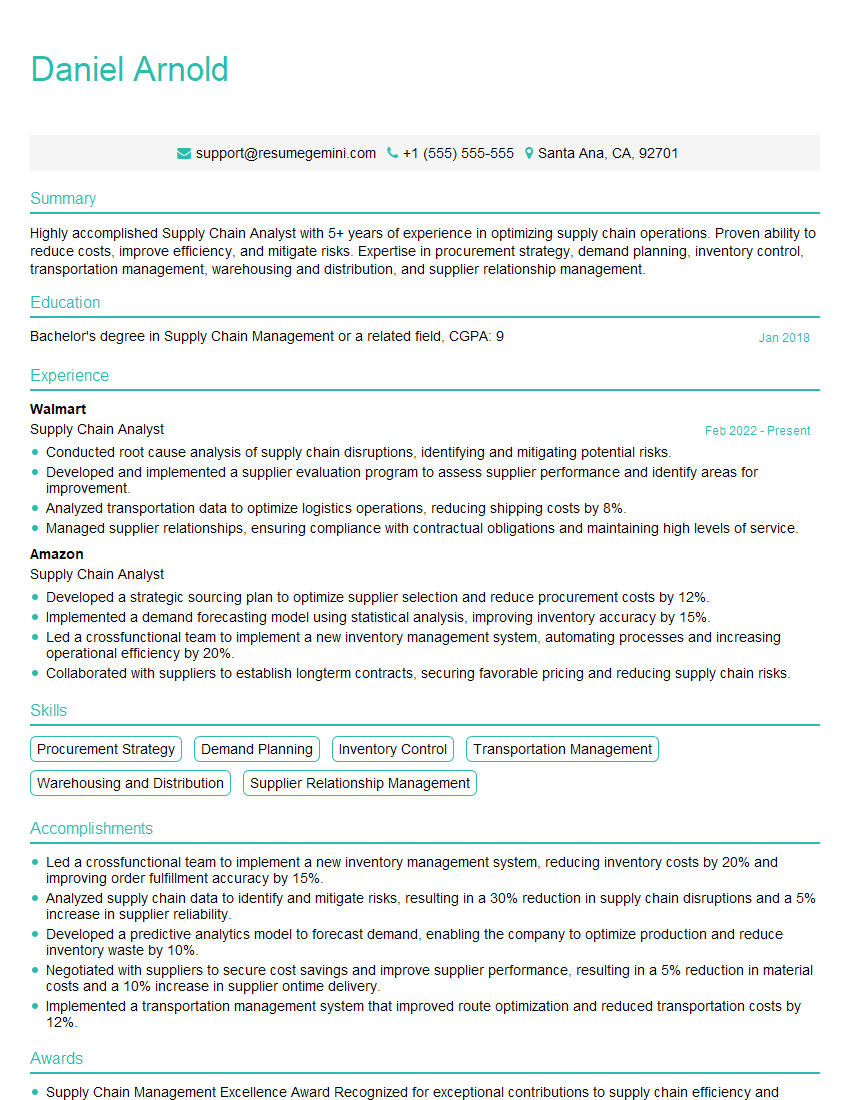
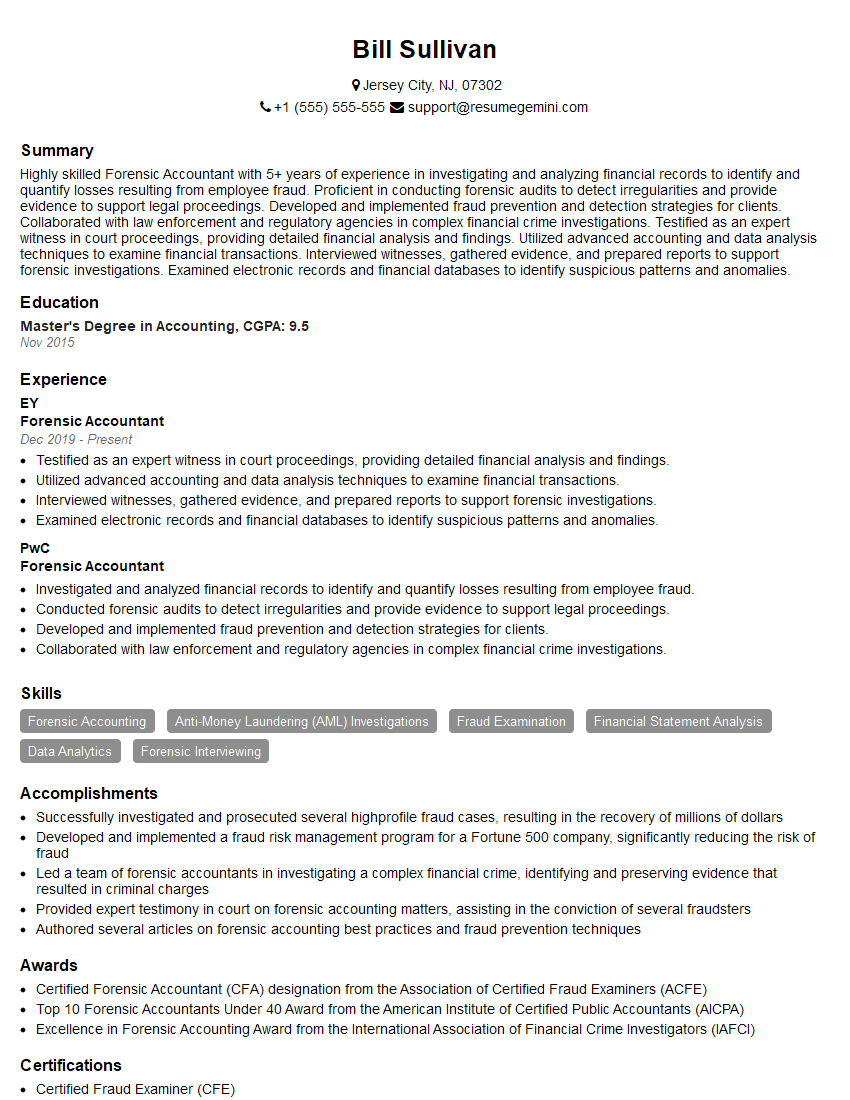
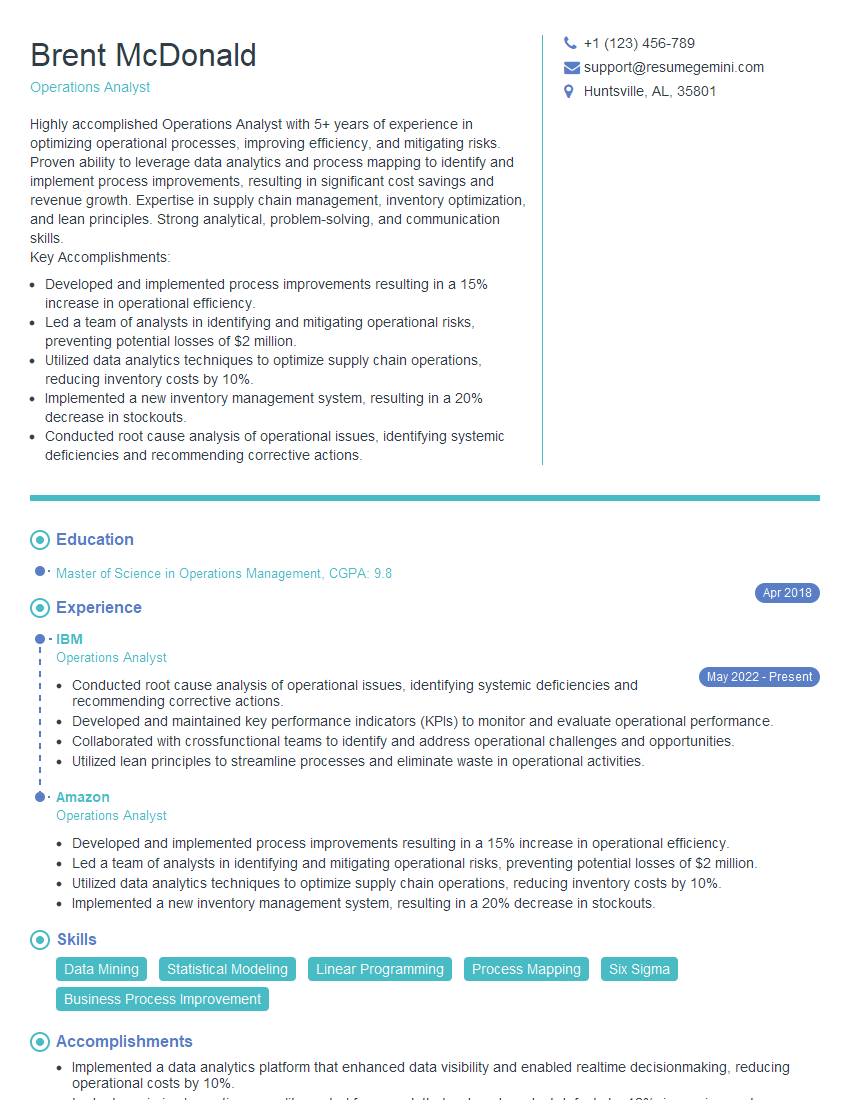
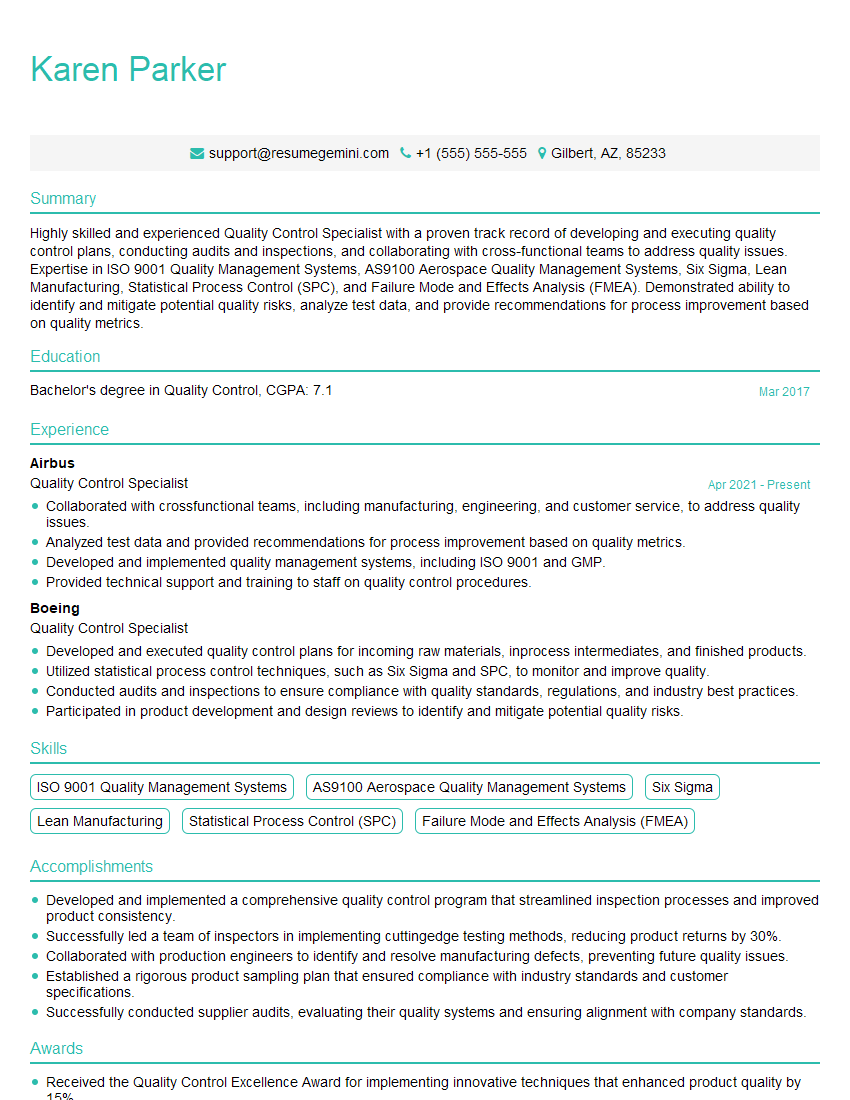
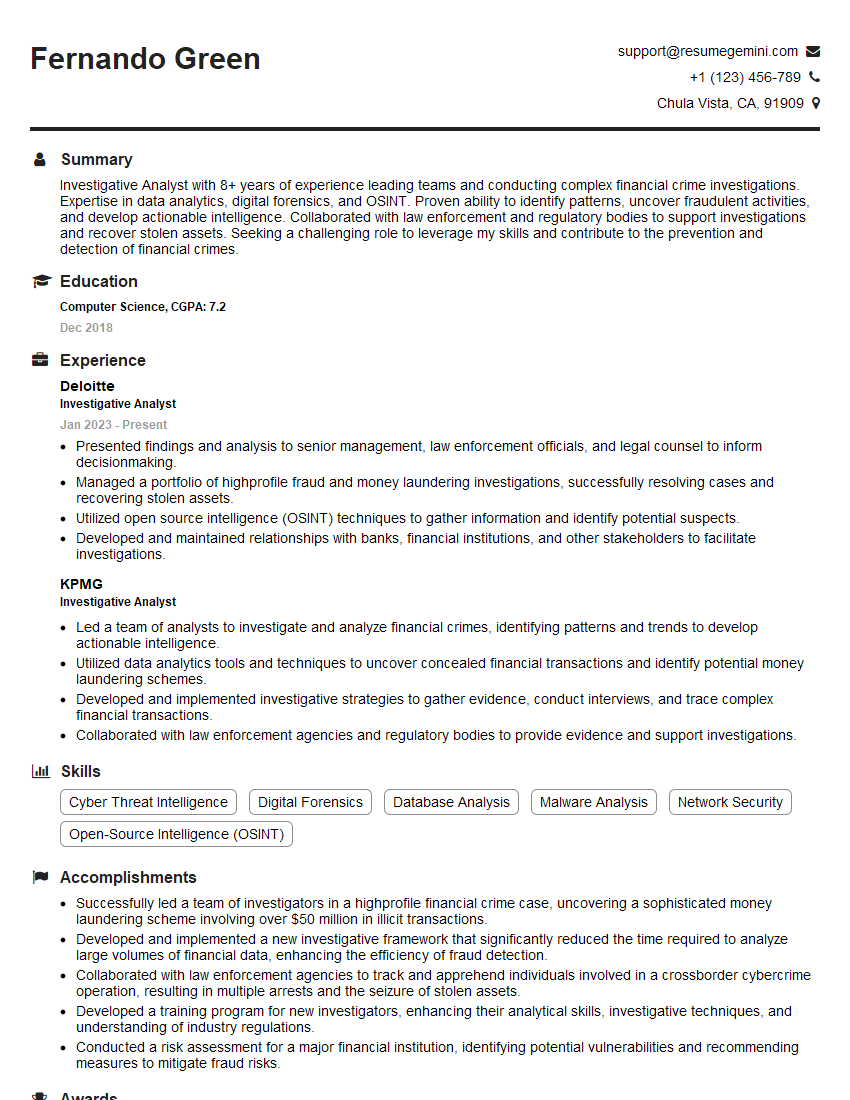
Mastering the art of resolving discrepancies is invaluable for career advancement, demonstrating crucial analytical, problem-solving, and communication skills highly sought after in many fields. A strong resume showcasing these abilities is key to unlocking your potential. To increase your chances of landing your dream role, craft an ATS-friendly resume that highlights your relevant experience and skills. ResumeGemini is a trusted resource to help you build a professional and impactful resume. Examples of resumes tailored to highlight expertise in Resolve Discrepancies are available to help you get started.
Explore more articles
Users Rating of Our Blogs
Share Your Experience
We value your feedback! Please rate our content and share your thoughts (optional).
What Readers Say About Our Blog
Very informative content, great job.
good