The right preparation can turn an interview into an opportunity to showcase your expertise. This guide to Respect for the horses and participants interview questions is your ultimate resource, providing key insights and tips to help you ace your responses and stand out as a top candidate.
Questions Asked in Respect for the horses and participants Interview
Q 1. Describe your approach to handling a frightened horse.
Handling a frightened horse requires a calm, patient, and understanding approach. The key is to avoid actions that might escalate their fear. Instead, focus on building confidence and a sense of security.
- Assess the situation: What triggered the fear? Is there an immediate threat? Understanding the cause is crucial.
- Maintain a calm demeanor: Your own anxiety can be contagious. Speak softly, use gentle movements, and avoid sudden gestures.
- Provide reassurance: Approach slowly from the side, not directly from the front. Allow the horse to smell you and get used to your presence. Gentle petting on the neck or chest can be soothing.
- Remove the stimulus: If possible, identify and remove whatever is causing the fear (loud noises, unfamiliar objects).
- Create a safe space: If the horse is highly agitated, lead it to a quiet, familiar area where it feels secure.
- Seek professional help: If the horse remains excessively fearful or shows signs of serious distress, consult a veterinarian or equine behaviorist.
For example, I once worked with a horse that was terrified of plastic bags blowing in the wind. By gradually introducing the bags at a distance, rewarding calm behavior with treats and praise, we were able to desensitize him over several sessions.
Q 2. How do you assess a horse’s comfort level during a riding lesson?
Assessing a horse’s comfort level during a riding lesson involves careful observation of both physical and behavioral cues. A relaxed horse will show signs of ease and cooperation, while a stressed horse will display signs of discomfort or resistance.
- Body language: Look for relaxed muscles, a loose jaw, soft eyes, a swinging tail, and a calm breathing pattern. Conversely, tense muscles, pinned ears, flared nostrils, a clamped tail, and rapid breathing can indicate discomfort.
- Responsiveness: Does the horse respond readily and willingly to the rider’s aids (rein, leg, weight)? A willing horse will follow instructions easily, while a stressed horse may resist or become unresponsive.
- Behavior: Observe the horse’s general behavior. Is it calm and focused, or is it fidgety, easily distracted, or showing signs of avoidance?
- Interaction with the rider: Is the horse accepting of the rider’s presence and touch? A relaxed horse will be comfortable with the rider’s closeness and handling.
For instance, if a horse continually tries to avoid the rider’s aids, or frequently looks for ways to escape, the horse may be uncomfortable with the exercise or the rider’s actions. This can be corrected with further training and an assessment of the rider’s abilities.
Q 3. What signs indicate a horse is in pain or discomfort?
Recognizing signs of pain or discomfort in a horse is crucial for their well-being. These signs can be subtle, and require attentive observation.
- Lameness: A limp or stiffness in a leg, reluctance to bear weight, or signs of limping.
- Changes in behavior: Increased irritability, reluctance to work, lethargy, changes in appetite, or unusual posture.
- Physical signs: Swelling, heat, or tenderness in a particular area; visible wounds or injuries; abnormal droppings.
- Changes in gait: Shortened stride, uneven gait, or dragging a leg are clear indications of a problem.
- Difficulty in movement: Hesitation in rising from the ground, unusual stiffness, or reluctance to engage in normal activities.
For example, if a horse is consistently reluctant to bend a leg or persistently changes its gait to avoid stress on a specific area of the body, this needs immediate veterinarian attention.
Q 4. Explain your methods for building trust with a horse.
Building trust with a horse is a gradual process that requires patience, consistency, and respect. It’s about establishing a positive relationship based on mutual understanding and cooperation.
- Desensitization: Gradually introduce the horse to new experiences and objects, allowing it to approach at its own pace. Always reward calm behavior.
- Positive reinforcement: Use rewards such as treats, praise, and gentle petting to reinforce desired behaviors. Avoid punishment.
- Groundwork: Spend time working with the horse on the ground, establishing basic obedience and building a connection before riding.
- Respect personal space: Learn to read the horse’s body language and respect its boundaries. Avoid sudden movements or loud noises.
- Consistency: Be consistent in your approach, ensuring that all interactions are predictable and reassuring.
I remember building a relationship with a rescue horse that had previously been neglected. Through consistent positive reinforcement and patient groundwork, I eventually earned his trust, and he became a willing and responsive partner. It took time, but the bond we formed was deeply rewarding.
Q 5. How would you handle a situation where a rider is struggling to control their horse?
If a rider is struggling to control their horse, safety is paramount. The situation needs a calm and methodical approach to avoid escalating the problem.
- Assess the situation: Is the horse spooked, reacting to something specific, or simply not responding to the rider’s cues? Understanding the cause will inform the solution.
- Calm the horse: Use calming vocalizations and gentle body language to reassure the horse. If possible, try to remove any external stimuli causing the issues.
- Assist the rider: Provide guidance to the rider, such as correcting their posture, position or aids. If needed, gently guide the horse to a safe area.
- Safe dismount if necessary: If the situation is unsafe for either rider or horse, a safe dismount is essential. Ensure the rider dismounts on the correct side of the horse and is guided to safety.
- Evaluate riding skills: This incident may be an indication that the rider lacks the skills for the horse they are handling, in which case further training is advised.
For instance, if a horse is bolting due to fear or excitement, the rider may need assistance in gaining control by gently pulling on the reins combined with using the body weight to influence the direction of the horse.
Q 6. Describe your experience with different horse breeds and their unique temperaments.
My experience encompasses a variety of horse breeds, each with unique temperaments and characteristics. Understanding these differences is essential for effective handling and training.
- Warmbloods: Typically known for their calm temperaments, athleticism, and trainability, making them suitable for various disciplines.
- Thoroughbreds: Renowned for their speed, intelligence, and spirited nature; requiring experienced riders due to their sensitivity and high energy levels.
- Quarter Horses: Versatile breed known for their docility, cow sense, and athleticism; often used in western riding and other disciplines.
- Arabians: Intelligent and sensitive, with a distinct endurance capability, making them suitable for endurance riding and distance challenges.
For example, while a Quarter Horse might respond well to calm, consistent handling, a Thoroughbred might require a more assertive approach, with careful balance between assertiveness and positive reinforcement.
Q 7. How do you ensure the safety of both horse and rider during activities?
Ensuring the safety of both horse and rider during activities is paramount. This involves a multifaceted approach, encompassing both preparation and active supervision.
- Proper equipment: Ensuring that all tack (saddles, bridles, etc.) is correctly fitted, properly maintained, and safe to use.
- Suitable riding environment: Choosing appropriate locations for activities, avoiding hazardous terrain, and ensuring clear riding areas.
- Rider assessment: Matching riders to appropriate horses based on their skill levels. I ensure that inexperienced riders are paired with calm horses and are closely supervised.
- Horse assessment: Ensuring the horse is sound and fit for the chosen activity. Any horse with a health issue or behavioral concerns would be prevented from taking part in activities.
- Emergency procedures: Having well-defined emergency procedures in place and ensuring all participants are aware of these procedures.
For instance, I never conduct lessons on uneven or potentially hazardous surfaces. Always having a first aid kit and a plan for handling injuries adds to safety precautions.
Q 8. What are the ethical considerations when working with horses?
Ethical considerations in working with horses center around prioritizing their well-being and safety above all else. This involves recognizing horses as sentient beings with individual needs and avoiding any practices that cause them unnecessary pain, stress, or fear. It’s about building a relationship based on trust and respect, not dominance or coercion.
- Avoiding harsh training methods: Techniques like harsh bitting, whips, or other forms of punishment are unacceptable. Positive reinforcement, clear communication, and reward-based training are far more effective and ethical.
- Providing appropriate care: This includes ensuring access to adequate food, water, shelter, and veterinary care. Regular hoof care, dental checks, and parasite control are crucial elements of responsible horse ownership.
- Recognizing signs of stress and illness: Learning to read equine body language is vital to identify when a horse is uncomfortable or in need of attention. Prompt veterinary intervention is essential when health issues arise.
- Ensuring safe handling practices: Proper handling techniques minimize the risk of injury to both the horse and handler. This includes safe leading, catching, and grooming methods. Understanding the horse’s temperament and responding accordingly is paramount.
- Considering the horse’s physical and mental capabilities: Pushing a horse beyond its limits or asking it to perform tasks it’s not physically or mentally capable of is unethical and can lead to serious injury.
Q 9. Explain your understanding of equine body language.
Equine body language is a complex system of communication that relies on subtle cues. Understanding it is essential for building trust and ensuring the horse’s safety and well-being. Horses communicate primarily through their ears, eyes, tail, posture, and overall behavior. For instance, pinned ears often signal fear or aggression; a relaxed posture usually indicates contentment; and a swishing tail may represent annoyance or swatting away flies.
- Ears: Forward-pointing ears often mean attention and interest; backward-pointing ears can indicate fear or aggression.
- Eyes: Whites showing around the eyes, often called ‘whale eye’, are often a sign of anxiety. Dilated pupils can suggest fear or excitement.
- Tail: A clamped tail usually indicates fear; a swishing tail can indicate annoyance or just swatting flies; a high, slightly waving tail can suggest happiness.
- Posture: A lowered head and neck usually indicate submission or relaxation. A raised head and arched neck often suggests alertness or dominance.
- Overall Behavior: Signs of pawing, pacing, snorting, or excessive sweating can signify stress or discomfort.
Imagine a horse that’s tense and avoiding eye contact; it’s likely feeling uncomfortable or stressed. In contrast, a horse that approaches you with its ears forward, a relaxed posture, and soft eyes is demonstrating trust and willingness to interact.
Q 10. How do you adapt your teaching style to different rider skill levels and learning styles?
Adapting my teaching style depends heavily on understanding the individual rider and their specific needs. I employ a variety of methods catering to different learning styles and skill levels. For beginners, I focus on building a strong foundation in basic horsemanship, emphasizing safety and trust-building exercises. With more experienced riders, I explore more advanced techniques and tailor lessons to their goals, whether it’s improving jumping skills, dressage movements, or trail riding.
- Visual Learners: I use clear demonstrations and diagrams, focusing on visual aids to explain concepts.
- Auditory Learners: I provide verbal instructions and explanations, utilizing repetition and feedback to ensure understanding.
- Kinesthetic Learners: I incorporate hands-on exercises and emphasize physical practice to allow riders to experience and learn through movement.
For example, with a nervous beginner, I might start with groundwork exercises to build trust with the horse before mounting. For an experienced rider, I might focus on refining their position or introducing more challenging maneuvers. Constant observation and communication are crucial to adjusting the lesson plan as needed.
Q 11. Describe your experience with preventing and managing equine injuries.
Preventing and managing equine injuries involves a multifaceted approach combining proper horse care, safe handling practices, and swift veterinary intervention. It starts with recognizing potential hazards and taking preventative measures. Regular hoof care, proper nutrition, and a balanced workload significantly reduce injury risk. A well-maintained riding arena, obstacle course, and stable environment minimize the chance of accidents.
- Regular veterinary checkups: Preventative care, including vaccinations and dental exams, helps identify and address potential issues before they escalate.
- Proper hoof care: Regular trimming and shoeing ensure healthy hooves, preventing lameness.
- Appropriate exercise and conditioning: Gradual increases in workload avoid overexertion and injury.
- Safe riding practices: Proper tack fitting and helmet use are essential to rider safety.
- Emergency preparedness: Having a plan in place for dealing with injuries, including access to a veterinarian, reduces response time and improves outcomes.
For example, a horse with a sudden lameness needs immediate veterinary assessment. Prompt treatment can often prevent chronic issues. In contrast, proactive measures like regular farrier visits ensure that hooves remain healthy, preventing many lameness problems altogether.
Q 12. What is your understanding of equine welfare legislation?
Equine welfare legislation varies by region, but generally focuses on protecting horses from cruelty and neglect. These laws often address key areas, including transportation, stabling conditions, training methods, and veterinary care. Specific regulations might cover issues like adequate feeding, watering, and shelter, as well as the prevention of harsh training techniques. The aim is to ensure horses are kept in humane conditions and treated with respect.
It’s essential to be aware of the specific laws and regulations in your area and to actively comply with them. This includes understanding and adhering to guidelines regarding transportation, safe handling, and veterinary care. Furthermore, reporting suspected animal abuse is a crucial aspect of upholding these legal protections.
Q 13. How do you maintain a clean and safe stable environment?
Maintaining a clean and safe stable environment is critical for horse health and well-being. Regular cleaning removes manure, urine, and excess bedding, preventing the buildup of harmful bacteria and parasites. Proper ventilation ensures a healthy air quality. Safe storage of feed and hay prevents spoilage and minimizes the risk of accidents.
- Daily mucking out: Removing manure and soiled bedding prevents the accumulation of ammonia and harmful bacteria.
- Regular stall disinfection: Periodic disinfection helps to control pathogens and parasites.
- Proper bedding management: Sufficient, clean, and dry bedding minimizes injuries and provides comfort.
- Safe feed storage: Protecting feed from moisture and pests prevents spoilage and ensures food safety.
- Regular inspections: Daily inspections identify and address potential hazards, such as loose boards or sharp objects.
Imagine a stable with an accumulation of manure and urine; this would create a breeding ground for harmful bacteria and compromise the horse’s health. In contrast, a well-maintained stable, clean and well-ventilated, promotes a safe and healthy environment.
Q 14. How do you address challenging horse behaviors?
Addressing challenging horse behaviors requires patience, understanding, and a systematic approach. It’s crucial to identify the root cause of the behavior—is it fear, pain, boredom, or a learned response? A veterinarian should always be consulted to rule out any underlying medical issues.
- Identify the cause: Observe the horse’s behavior carefully to determine what triggers the undesirable actions.
- Consult a professional: A veterinarian or equine behaviorist can provide expert advice and guidance.
- Positive reinforcement training: Reward desirable behaviors and ignore or redirect undesirable ones.
- Desensitization: Gradually expose the horse to the stimulus causing the problem in a controlled manner.
- Environmental modifications: Alter the horse’s environment to minimize triggers or provide alternative outlets for its energy.
For example, a horse that kicks in the stall might be reacting to pain or discomfort. A veterinarian would assess for any physical problems. If none are found, the behavior might be addressed through training to reduce anxiety or boredom.
Q 15. Describe your approach to conflict resolution between riders or with horses.
My approach to conflict resolution prioritizes understanding the root cause, whether between riders or involving a horse. With riders, I encourage open communication and active listening. I facilitate a discussion where each person can express their perspective without interruption. We then collaboratively identify the issue and brainstorm solutions that respect everyone’s needs and safety. For example, if two riders are disagreeing about arena etiquette, I would guide them to discuss their concerns, emphasizing safety and courtesy rules to find a mutually agreeable solution. With horses, conflict often arises from misunderstanding equine communication. I focus on identifying the horse’s cues – subtle shifts in body language or behavior – to understand what’s causing the issue, like discomfort from improper tack or fear of a certain stimulus. We then adapt training or the environment to address the cause, prioritizing the horse’s comfort and well-being. For instance, if a horse is resisting a particular exercise, I would assess if the exercise is too difficult, if there’s a physical issue, or if there’s a fear response involved, then adjust accordingly. The goal in every case is a fair, respectful, and safe resolution.
Career Expert Tips:
- Ace those interviews! Prepare effectively by reviewing the Top 50 Most Common Interview Questions on ResumeGemini.
- Navigate your job search with confidence! Explore a wide range of Career Tips on ResumeGemini. Learn about common challenges and recommendations to overcome them.
- Craft the perfect resume! Master the Art of Resume Writing with ResumeGemini’s guide. Showcase your unique qualifications and achievements effectively.
- Don’t miss out on holiday savings! Build your dream resume with ResumeGemini’s ATS optimized templates.
Q 16. How would you handle an aggressive or defensive horse?
Handling an aggressive or defensive horse requires a calm, patient, and methodical approach, prioritizing safety. First, I assess the situation and identify potential triggers. Is the aggression stemming from pain, fear, or dominance? Once identified, I can strategize a response that addresses the root cause. For example, if pain is the issue, I’d contact a vet. If fear is the issue, I’d focus on desensitization and counterconditioning, gradually exposing the horse to the trigger in a controlled and safe environment, rewarding calm behavior. If dominance is the issue, clear and consistent leadership is crucial; maintaining calm body language, a firm yet gentle approach, and utilizing positive reinforcement to encourage desired behaviors. In the case of defensive behavior, the horse might be feeling threatened or protective. A slow, steady approach, using soft touches and gentle verbal reassurance can help build trust. It’s always essential to prioritize safety; keeping a safe distance, using appropriate tools like whips, only if necessary and employed as aids, not punitive tools, and consulting with an experienced equine professional if needed.
Q 17. What are the common signs of stress or anxiety in horses?
Recognizing stress or anxiety in horses is crucial for their well-being. Common signs include changes in behavior, such as increased agitation, rapid breathing, or excessive sweating. Physical signs can manifest as tense muscles, pinned-back ears, pawing the ground, tail swishing, or a reluctance to move forward. Subtle changes in behavior, like a change in their appetite or sleep patterns, can also signal underlying stress. For example, a usually calm horse suddenly becoming easily startled or exhibiting avoidance behaviors might indicate stress. A horse constantly pawing the ground or exhibiting excessive self-grooming might suggest underlying discomfort or anxiety. Understanding the individual horse is vital, as each horse will display these signs differently. Regular observation and attention to detail are key to identifying these indicators and addressing the underlying causes.
Q 18. How do you ensure appropriate horse tack and equipment is used?
Ensuring appropriate horse tack and equipment is paramount for both the horse’s comfort and safety, and also the rider’s safety. I always check for proper fit; bridles should fit snugly but not restrict breathing, saddles should be correctly positioned and adjusted to avoid pressure points, and girths shouldn’t be too tight. Regular inspection of equipment is vital to identify any signs of wear and tear, such as broken stitching or cracked leather that could compromise safety. Equipment should be appropriately cleaned and maintained to prevent bacterial growth. I firmly believe in choosing quality equipment made from appropriate materials; prioritizing comfort and durability over cost. For example, using well-padded saddles and correctly fitting bridles prevents discomfort that can lead to resistance or anxiety. Properly maintained equipment helps prevent accidents caused by breakage or malfunction. This includes regularly checking stirrup leathers for wear and tear, ensuring that the bit fits comfortably, and using appropriately padded reins to prevent discomfort.
Q 19. Explain your knowledge of equine first aid.
My equine first aid knowledge encompasses a broad range of skills, from recognizing and treating minor injuries like cuts and abrasions to handling more serious situations. I’m proficient in wound cleaning and bandaging techniques, knowing when and how to apply pressure to control bleeding. I am also trained in recognizing signs of colic, laminitis, and other emergencies and know how to take appropriate actions until veterinary care can arrive; maintaining the horse’s airway and keeping them calm. For example, I can apply a poultice for a wound, and correctly wrap a leg injury to prevent further damage. I am familiar with the use of appropriate medications such as analgesics, if administered under veterinary instruction and always prioritize calling the vet for diagnosis and treatment, remembering that I am not a veterinarian and my actions are only for immediate care prior to professional help. Knowing the signs and symptoms of colic, being able to assess the seriousness of the situation, and knowing when to contact an emergency vet are crucial parts of equine first aid.
Q 20. How do you promote a positive and encouraging learning environment?
Creating a positive and encouraging learning environment involves building trust, fostering open communication, and prioritizing positive reinforcement. I strive to make learning fun and engaging, adapting my teaching style to each individual’s needs and learning preferences. I celebrate small victories and acknowledge effort, rather than solely focusing on perfection. I offer constructive feedback, focusing on what the rider is doing well and identifying areas for improvement in a supportive way. This builds confidence and reduces anxiety. For example, I might praise a rider’s improved posture or a horse’s increased responsiveness to cues. I avoid harsh criticism, focusing instead on guiding the rider towards success. I believe in setting clear expectations, explaining why certain exercises or techniques are important, and making the learning process collaborative, involving riders in the decision-making process when possible. This promotes a sense of ownership and empowers the riders.
Q 21. Describe your experience with different types of riding disciplines.
My experience spans several riding disciplines, providing me with a well-rounded understanding of equine behavior and training methods. I have extensive experience in English riding, particularly dressage and jumping, which requires precision and careful communication with the horse. My work also includes experience in Western disciplines such as trail riding and reining. This exposure to diverse riding styles has enhanced my understanding of the subtle differences in horsemanship across disciplines. I have also trained horses for therapeutic riding, which involves a sensitive and adaptive approach to working with riders with various abilities. Each discipline has taught me valuable lessons about effective communication, patience, and understanding of different horse breeds and temperaments. The depth of this varied experience provides me with a versatile approach to training and riding, allowing me to tailor my methods to each horse’s specific needs.
Q 22. How do you ensure the horses are adequately rested and cared for?
Ensuring adequate rest and care for horses is paramount. It’s not just about providing food and shelter; it’s about understanding each horse’s individual needs and creating a routine that promotes both physical and mental well-being. This involves a multifaceted approach.
Structured Rest Periods: We meticulously schedule rest periods, balancing training and turnout time. A young, energetic horse will need different rest than a seasoned veteran. Overworking a horse can lead to injuries and burnout, impacting performance and longevity.
Appropriate Turnout: Horses are social animals and benefit greatly from time spent grazing and interacting with other horses in a safe paddock. This is crucial for their mental health and helps prevent boredom-induced vices.
Individualized Care: Every horse is different. Some horses require more time to recover from strenuous activities. We monitor each horse’s behavior and adjust the rest schedule as needed, paying attention to signs of fatigue or stress, like changes in appetite or demeanor.
High-Quality Stable Management: Clean, dry, and well-ventilated stables are essential. Regularly cleaning stalls prevents the build-up of harmful bacteria and parasites. Appropriate bedding material ensures comfort and prevents injury.
Q 23. What measures do you take to ensure rider safety?
Rider safety is our top priority. We implement a layered approach to minimize risks, beginning with rider education and extending to equipment checks and emergency preparedness.
Rider Assessment and Training: Before participating in any activity, we assess the rider’s skill level and match them with an appropriate horse. Beginners start with calm, well-trained mounts under close supervision. Progressive training helps riders build confidence and competence.
Equipment Checks: Regular inspections of saddles, bridles, and other tack are essential. Worn or damaged equipment can cause accidents. We also ensure helmets are correctly fitted and worn at all times.
Safe Riding Practices: We enforce strict adherence to safety protocols, including proper mounting and dismounting procedures, maintaining control of the horse at all times, and using appropriate communication methods. We also prioritize appropriate attire, including appropriate footwear.
Emergency Response Plan: We have a detailed emergency plan, including procedures for dealing with falls, injuries, and other unforeseen incidents. First aid kits are readily available, and we have established communication links with local emergency services.
Q 24. How do you monitor the health and well-being of horses under your care?
Monitoring the health and well-being of horses involves ongoing vigilance and proactive measures. It’s a combination of observation, regular check-ups, and prompt action.
Daily Observations: We conduct daily health checks, noting any changes in appetite, demeanor, gait, or elimination. Any abnormalities are immediately reported.
Regular Veterinary Care: Scheduled veterinary examinations are essential for preventative care, including vaccinations and parasite control. We also work closely with a veterinarian to address any health concerns.
Farrier Care: Regular hoof trimming and shoeing are critical for maintaining soundness and preventing lameness. We work with a qualified farrier to ensure healthy hooves.
Dental Care: Regular dental check-ups are necessary to prevent dental issues that can impact eating and overall health.
Record Keeping: We maintain detailed health records for each horse, documenting all treatments, vaccinations, and observations. This helps us track health trends and identify potential problems early.
Q 25. Explain your understanding of appropriate horse feeding and nutrition.
Appropriate horse feeding and nutrition is vital for maintaining their health, performance, and overall well-being. It’s not a one-size-fits-all approach; it requires considering several factors.
Age and Breed: Young, growing horses have different nutritional needs than mature adults. Breed also influences dietary requirements. For example, draft horses require more calories than lighter breeds.
Activity Level: Horses in heavy training require a higher calorie and nutrient intake compared to those in light work or retirement. We adjust feed quantities based on each horse’s workload.
Quality Feed: We use high-quality feeds that meet the horse’s nutritional needs. We avoid feeding moldy or spoiled feed.
Hay: Hay is a fundamental part of a horse’s diet, providing fiber for digestion. We ensure hay is clean, free of mold, and appropriate for the horse’s needs.
Supplements: In some cases, supplements might be necessary to address specific deficiencies or support specific health conditions. These are only provided under veterinary guidance.
Fresh Water: Access to clean, fresh water is crucial at all times.
Q 26. How do you handle emergencies involving horses and riders?
Handling emergencies efficiently and effectively is paramount. Our preparedness relies on swift action and clear communication.
Emergency Response Plan: We have a well-rehearsed emergency response plan detailing procedures for various situations, including horse injuries, rider falls, and sudden illnesses. This includes contact information for vets, emergency services, and designated personnel.
First Aid Training: All staff members are trained in basic equine and human first aid, enabling immediate response to injuries.
Communication: Clear and efficient communication is crucial. We use designated channels to alert relevant personnel and emergency services.
Post-Incident Analysis: After any incident, we conduct a thorough review to identify contributing factors and implement necessary preventative measures to avoid future occurrences.
Q 27. Describe your experience with hoof care and preventative maintenance.
Regular hoof care is essential for a horse’s health and soundness. Neglect can lead to lameness, infections, and other serious issues. Our approach combines preventative maintenance with prompt attention to any problems.
Regular Trimming: Horses’ hooves grow continuously, requiring regular trimming by a qualified farrier to maintain correct balance and prevent overgrowth. The frequency depends on the horse’s individual hoof growth rate.
Shoe Selection: For some horses, shoeing is necessary to provide additional protection and support. We carefully select shoe types and ensure proper fit to avoid lameness.
Hoof Hygiene: Maintaining clean hooves helps to prevent infections. We regularly check for any signs of injury, cracks, or infection.
Prompt Attention to Issues: Any signs of lameness or hoof problems are immediately addressed by contacting a farrier or veterinarian.
Q 28. How do you communicate effectively with riders of varying experience levels?
Effective communication is crucial for building trust and ensuring safety. We adapt our communication style to match each rider’s experience level.
Clear and Simple Instructions: For beginners, we use clear, concise instructions and avoid technical jargon. We demonstrate techniques clearly and patiently.
Building Confidence: We create a supportive and encouraging learning environment. Positive reinforcement builds confidence and reduces anxiety.
Tailored Instruction: For experienced riders, we adapt our communication to their existing knowledge and offer opportunities for refinement and advancement of their skills.
Active Listening: We actively listen to riders’ questions and concerns, addressing them openly and honestly. We value their feedback to improve our teaching and ensure rider satisfaction.
Regular Feedback: We provide regular feedback, both positive and constructive, to help riders improve their skills and safety.
Key Topics to Learn for Respect for Horses and Participants Interview
- Understanding Equine Behavior: Learn to identify and interpret horse body language, recognizing signs of stress, fear, or discomfort. This includes understanding the impact of handling techniques and environmental factors.
- Safe Handling Practices: Master safe and humane handling techniques, encompassing everything from leading and grooming to mounting and dismounting. Consider the principles of positive reinforcement and minimizing risk.
- Participant Safety and Well-being: Explore strategies for ensuring the safety and well-being of all participants, regardless of their riding experience or physical abilities. This includes risk assessment and mitigation.
- Effective Communication: Develop clear and concise communication skills to interact with both horses and human participants, building trust and rapport. Consider verbal and non-verbal communication styles.
- Conflict Resolution and Problem Solving: Practice handling unexpected situations and resolving conflicts that may arise between horses or between participants and horses. Explore strategies for de-escalating tense situations.
- Ethical Considerations: Understand and apply ethical principles related to animal welfare, ensuring the horses are treated with respect and dignity in all interactions. This includes recognizing signs of abuse or neglect.
- Legal and Regulatory Compliance: Familiarize yourself with relevant laws and regulations pertaining to equine activities and participant safety in your area. This might include liability and insurance aspects.
- Adaptability and Flexibility: Discuss your ability to adapt your approach based on individual horse temperaments and participant needs. Highlight your problem-solving skills in dynamic situations.
Next Steps
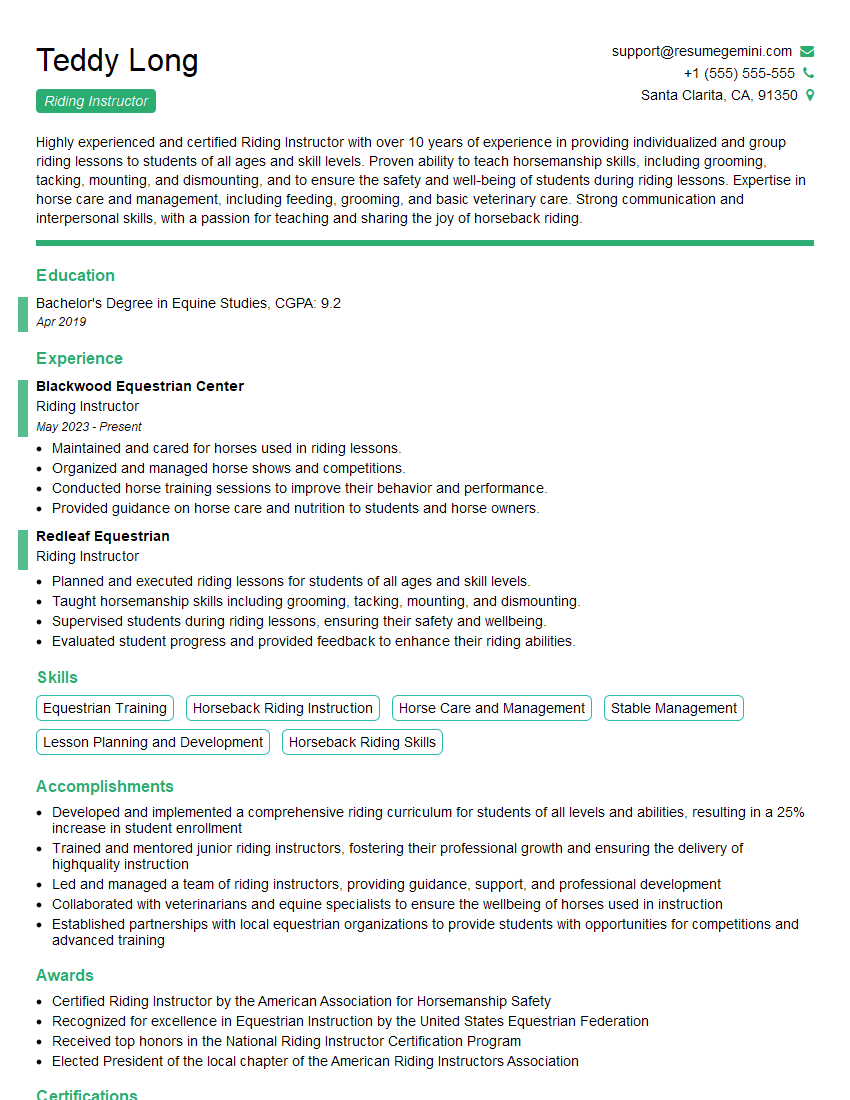
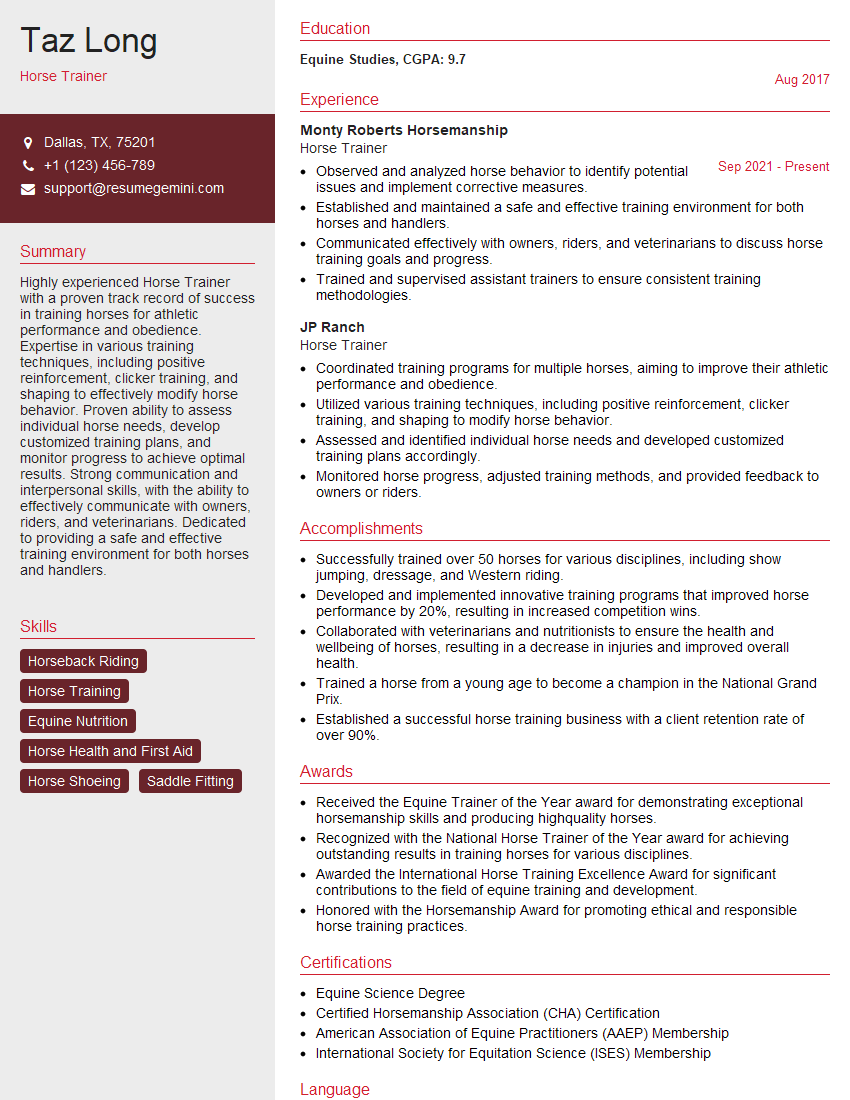
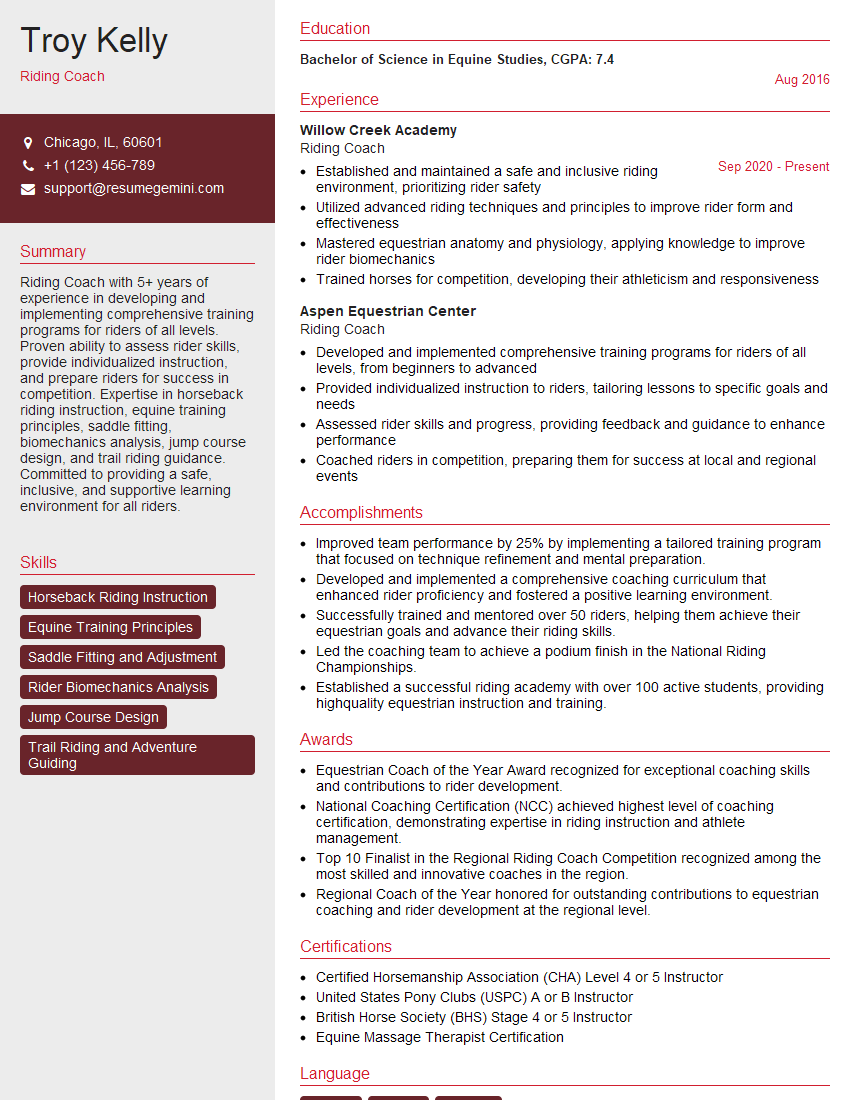
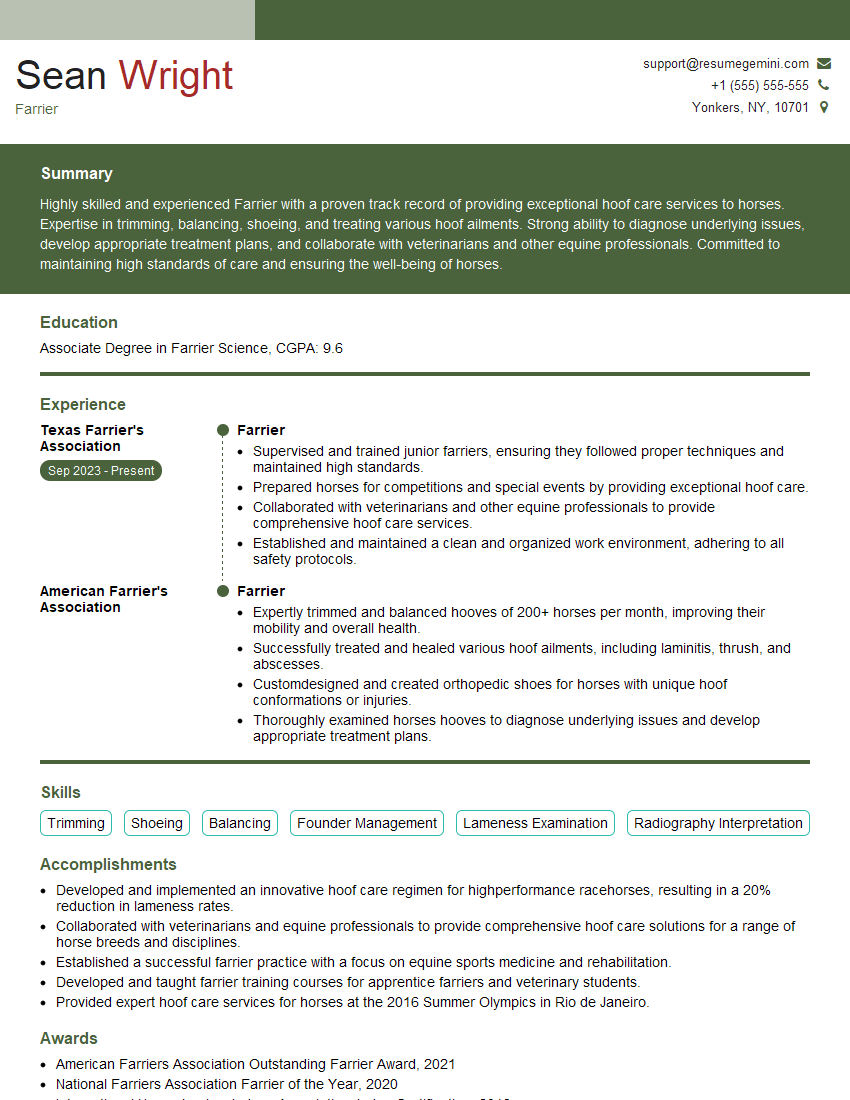
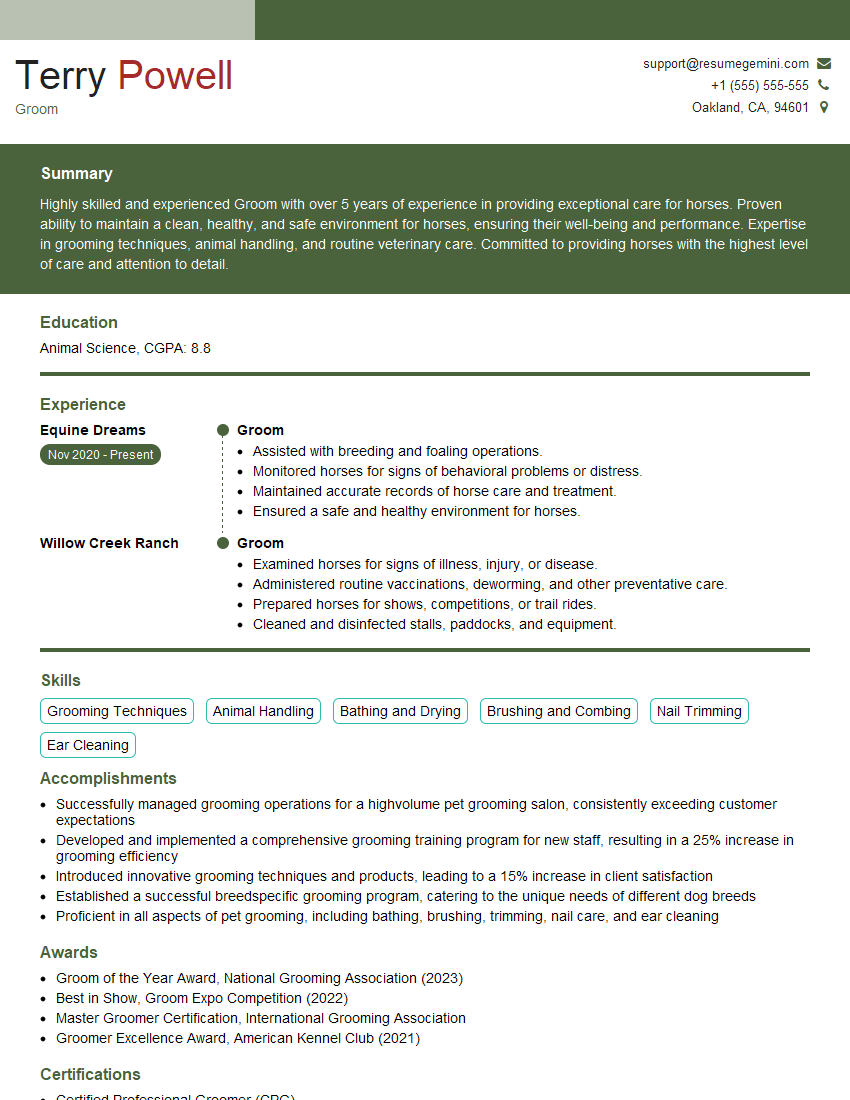
Mastering the art of respecting both horses and participants is crucial for career advancement in the equine industry. It demonstrates your commitment to animal welfare and your ability to create safe and enjoyable experiences for all. To significantly boost your job prospects, crafting an ATS-friendly resume is essential. ResumeGemini is a trusted resource that can help you build a professional resume that highlights your skills and experience effectively. Examples of resumes tailored to roles emphasizing respect for horses and participants are available within ResumeGemini to guide you.


Explore more articles
Users Rating of Our Blogs
Share Your Experience
We value your feedback! Please rate our content and share your thoughts (optional).
What Readers Say About Our Blog
Very informative content, great job.
good