Interviews are more than just a Q&A session—they’re a chance to prove your worth. This blog dives into essential RFI (Request for Information) Management interview questions and expert tips to help you align your answers with what hiring managers are looking for. Start preparing to shine!
Questions Asked in RFI (Request for Information) Management Interview
Q 1. Explain the purpose of an RFI.
An RFI, or Request for Information, is a crucial initial step in the procurement process. Its primary purpose is to gather information from potential vendors or suppliers about their capabilities and offerings. Think of it as market research on a larger scale; it helps you understand the landscape before making any significant commitments. You’re essentially casting a wide net to identify potential partners who can meet your needs. For example, a hospital might issue an RFI to explore different vendors providing advanced medical imaging equipment before deciding which company to approach for a formal proposal.
Q 2. Describe the key differences between an RFI, RFP, and RFQ.
While RFI, RFP, and RFQ all involve seeking information from vendors, they differ significantly in their purpose and the level of detail expected. An RFI is exploratory; it gathers information about capabilities. An RFP (Request for Proposal) requests detailed proposals outlining how vendors will meet specific requirements. An RFQ (Request for Quotation) focuses on price comparisons for well-defined goods or services. Imagine choosing a caterer: An RFI would ask caterers about their menus and experience; an RFP would ask for detailed proposals including pricing and logistical plans; and an RFQ would simply ask for pricing on specific menu items.
Q 3. Outline the typical stages involved in the RFI process.
The RFI process typically involves several stages:
- Planning & Defining Requirements: Clearly defining your needs and objectives is paramount. What information do you need? Who are your target vendors?
- RFI Document Development: Crafting a clear, concise, and comprehensive RFI document is key. This includes outlining your needs, providing background information, and specifying the submission process.
- Vendor Distribution: Distributing the RFI to a targeted list of potential vendors. This requires careful selection based on preliminary research.
- Response Collection & Analysis: Gathering and carefully reviewing all responses, organizing them for easy comparison.
- Vendor Shortlisting: Identifying potential vendors based on their responses; This often involves scoring responses based on predefined criteria.
- Follow-up & Next Steps: Deciding on the next steps, which might involve issuing an RFP to shortlisted vendors.
Q 4. How do you ensure the clarity and completeness of an RFI document?
Ensuring clarity and completeness in an RFI document is crucial. It prevents misunderstandings and ensures you receive useful responses. Use clear and concise language, avoiding jargon. Provide sufficient background information to contextualize your needs. Use a well-structured format with clear sections and headings. Before releasing it, conduct a thorough internal review to identify and correct any ambiguities. Consider including a Q&A period to address any initial questions from potential vendors. Think of it like writing a clear set of instructions—the clearer it is, the better the results you’ll get.
Q 5. What methods do you use to gather and analyze responses to an RFI?
Gathering and analyzing RFI responses requires a systematic approach. Establish a clear submission format (e.g., online portal, email). Create a standardized template to capture key information from each response. Use spreadsheets or specialized software to organize and analyze responses. Develop a scoring system based on pre-defined criteria, ensuring all responses are evaluated fairly. For example, you might score vendors based on their experience, technology capabilities, and proposed pricing. This systematic approach ensures a fair and comprehensive evaluation.
Q 6. How do you evaluate the quality of responses to an RFI?
Evaluating the quality of RFI responses involves several steps. First, verify that the responses are complete and address all aspects of the RFI. Then, assess the clarity and thoroughness of the information provided. Look for evidence of relevant experience and expertise. Use the scoring system to objectively rank responses. Consider conducting reference checks on top-ranked vendors. Don’t just look for the cheapest option; also assess factors like expertise, reputation, and long-term viability.
Q 7. How do you manage multiple RFIs simultaneously?
Managing multiple RFIs concurrently requires robust organization and prioritization. Use project management tools to track deadlines, assign tasks, and monitor progress. Establish clear roles and responsibilities within your team. Prioritize RFIs based on urgency and strategic importance. Regularly review progress and adjust timelines as needed. Maintaining a central repository for all RFI documents and responses ensures consistency and efficiency. Think of it like a juggler—you need skill and coordination to keep all the balls in the air simultaneously.
Q 8. How do you ensure compliance with legal and regulatory requirements in the RFI process?
Ensuring compliance in the RFI process starts with a thorough understanding of all applicable laws and regulations. This includes procurement regulations, data privacy laws (like GDPR or CCPA), and industry-specific rules. We begin by identifying all relevant legal and regulatory requirements upfront, and these are then incorporated into the RFI document itself. For example, if dealing with government contracts, we would ensure adherence to FAR (Federal Acquisition Regulation) or other relevant procurement codes. This might involve specific clauses related to equal opportunity, environmental protection, or conflict of interest.
We build a compliance checklist integrated into our RFI management system. This checklist helps us track adherence to all relevant regulations throughout the entire process, from the drafting of the RFI to the evaluation of responses. We also regularly train our team on the latest legal and regulatory updates. Finally, a legal review of the RFI and the subsequent evaluation process is a critical part of our risk mitigation strategy.
For instance, in a recent project involving sensitive patient data, we ensured our RFI explicitly addressed HIPAA compliance requirements, outlining how bidders must handle protected health information (PHI) throughout the project lifecycle. This proactive approach minimized risk and guaranteed compliance.
Q 9. How do you handle late or incomplete RFI responses?
Handling late or incomplete RFI responses requires a firm but fair approach. We establish clear deadlines in the RFI document itself, emphasizing the consequences of non-compliance. This includes the possibility of disqualification. However, we also understand that unforeseen circumstances can sometimes cause delays. Therefore, we maintain a communication channel for vendors to explain extenuating circumstances.
For minor omissions, we might request supplemental information directly from the vendor, providing a short extension for clarification. We document all such requests and responses transparently. However, for significant delays or incomplete responses that fail to meet fundamental requirements, disqualification becomes necessary to maintain the integrity of the evaluation process. This decision is always documented and justifiable.
Imagine a scenario where a critical response section is missing from several submissions. Instead of automatically disqualifying, we might reach out to these vendors for the missing information if the issue is minor. However, if the missing information is crucial to evaluating their capabilities and we are already past the deadline, disqualification would be the appropriate step.
Q 10. Explain your experience with different RFI response formats.
My experience encompasses a wide range of RFI response formats. I’ve worked with everything from simple text-based responses to complex proposals involving detailed technical specifications, financial projections, and even interactive presentations. Some RFIs might require specific response templates to ensure consistency and ease of comparison. Other RFIs allow for more flexible formats, allowing vendors to demonstrate their understanding of the requirements creatively.
I’ve managed RFIs where responses were submitted as simple Word documents, detailed PowerPoint presentations, and even through dedicated online portals. We’ve found success with structuring RFIs to accept various formats, but always ensuring we clearly specify the necessary information regardless of the format chosen. The key is to establish clear expectations about content, format, and submission methods in the RFI itself to prevent misunderstandings.
In one instance, we opted for a structured questionnaire style for responses, allowing easier comparison of responses across all vendors, ultimately streamlining the evaluation process. In another, a more open-ended format was more suitable to allow innovative and creative solutions to emerge.
Q 11. How do you ensure fairness and transparency throughout the RFI process?
Fairness and transparency are paramount. We achieve this through meticulous planning and consistent application of the evaluation criteria. The evaluation criteria are clearly defined within the RFI itself, and are weighted to reflect the relative importance of different aspects of the response. This ensures all vendors are assessed against the same benchmarks. Furthermore, the evaluation process is often conducted by a team to prevent bias and encourage a balanced perspective.
We utilize a structured evaluation matrix, assigning scores based on pre-defined criteria, allowing for objective comparison. This approach minimizes subjectivity. We also document the entire evaluation process, including the scores assigned to each response and any justifications for decisions. This documentation can be reviewed by stakeholders and ensures auditability.
For example, we might assign weighted scores to factors like experience, technical capabilities, and pricing. The weight assigned to each factor would reflect its importance relative to the overall project goals. This transparency builds trust among vendors and demonstrates our commitment to fair and impartial evaluation.
Q 12. Describe your experience using RFI management software.
I have extensive experience utilizing various RFI management software solutions, including [mention specific software names if comfortable, otherwise omit]. These platforms offer significant advantages over manual processes, streamlining many aspects of the RFI process and improving efficiency. These systems typically offer features like automated notifications, centralized document storage, collaborative review tools, and reporting capabilities. This helps manage large numbers of responses effectively and facilitates efficient communication among stakeholders.
Using software dramatically reduces the risk of lost documents, missed deadlines, and inconsistencies in evaluation. The reporting features are invaluable for generating summaries of vendor responses, identifying key trends, and facilitating informed decision-making. The collaborative tools allow multiple team members to review and score responses concurrently, accelerating the evaluation process.
For instance, in a recent project, the RFI management software’s automated reminders ensured timely submission of responses from vendors. The integrated scoring system allowed our team to quickly analyze and compare the submissions efficiently and objectively, saving us considerable time and effort.
Q 13. How do you identify and mitigate risks associated with the RFI process?
Risk mitigation in the RFI process begins with meticulous planning and proactive identification of potential challenges. This includes risks related to incomplete responses, late submissions, non-compliance, vendor selection, and information security. We develop a risk register that identifies, assesses, and prioritizes potential risks. For each identified risk, we define mitigating strategies.
For instance, the risk of receiving incomplete or inaccurate information is addressed through clear and detailed RFI instructions, including specific questions and response formats. The risk of selecting an unqualified vendor is mitigated by thorough evaluation criteria and a robust evaluation process. Information security risks are mitigated through secure online submission platforms and appropriate data handling policies.
Let’s say a critical risk is the selection of a vendor lacking sufficient technical expertise. We’d address this by: 1) Including stringent technical requirements in the RFI; 2) Using subject matter experts in the evaluation team; 3) Requiring detailed references and case studies from vendors; 4) conducting due diligence on shortlisted candidates.
Q 14. How do you communicate RFI updates and decisions effectively to stakeholders?
Effective communication is crucial. We establish a clear communication plan at the outset, identifying key stakeholders and their preferred communication methods. We use a combination of methods, including email, project management software updates, and regular meetings, to keep stakeholders informed about progress, significant updates, and key decisions throughout the RFI process.
Regular updates are issued, including summaries of key vendor responses, highlighting strengths and weaknesses. We maintain transparency by sharing the evaluation criteria and process with stakeholders. Following the selection decision, detailed explanations are provided to all respondents, including feedback on why their proposal was or wasn’t selected. This fosters trust and promotes future engagement.
For example, we might use a project management tool to centralize all communications and updates. Regular status meetings ensure all stakeholders are aligned on the project timeline and any issues are addressed promptly. Following the vendor selection, a detailed report summarizing the evaluation and selection process is shared with all stakeholders, including a summary of the winning proposal.
Q 15. How do you measure the success of an RFI process?
Measuring the success of an RFI process goes beyond simply receiving responses. It’s about achieving the strategic goals that initiated the RFI in the first place. We measure success across several key areas:
- Achieving the stated objectives: Did the RFI effectively identify potential vendors meeting our specific needs? For example, if the RFI aimed to find a vendor capable of handling a specific volume of transactions with low latency, success would be measured by identifying vendors demonstrably meeting those criteria.
- Quality of Responses: We assess the completeness, clarity, and relevance of responses. A high-quality response provides comprehensive details about the vendor’s capabilities, experience, and pricing model, making the comparison process efficient.
- Timeliness: A successful RFI process is completed within the allocated timeframe. Delays can significantly impact project timelines and budgets. Monitoring response deadlines and actively managing the process ensures we remain on schedule.
- Cost-Effectiveness: The RFI should efficiently narrow the pool of potential vendors, minimizing time and resources spent on subsequent evaluations. This means avoiding unnecessary due diligence on unqualified candidates.
- Vendor Selection: Ultimately, the success is measured by selecting a vendor that delivers on its promises, ultimately adding value to the organization. Post-implementation review and performance monitoring are vital to assessing long-term success.
For instance, in a recent project seeking a cloud-based CRM system, we measured success by identifying three vendors meeting our security requirements, delivering detailed proposals within the deadline, and ultimately selecting a vendor whose solution integrated seamlessly with our existing infrastructure.
Career Expert Tips:
- Ace those interviews! Prepare effectively by reviewing the Top 50 Most Common Interview Questions on ResumeGemini.
- Navigate your job search with confidence! Explore a wide range of Career Tips on ResumeGemini. Learn about common challenges and recommendations to overcome them.
- Craft the perfect resume! Master the Art of Resume Writing with ResumeGemini’s guide. Showcase your unique qualifications and achievements effectively.
- Don’t miss out on holiday savings! Build your dream resume with ResumeGemini’s ATS optimized templates.
Q 16. Describe your experience with vendor selection and evaluation.
My experience in vendor selection and evaluation involves a structured approach that leverages the information gathered during the RFI process. It typically follows these steps:
- RFI Response Analysis: We systematically review each response against pre-defined evaluation criteria. This could involve scoring vendors based on weighted factors, such as experience, pricing, technology, and security.
- Shortlisting: Based on the analysis, we create a shortlist of vendors for further evaluation. We might use a scoring matrix or other comparative analysis tools to rank candidates objectively.
- Request for Proposal (RFP) Phase: For shortlisted vendors, we often issue an RFP, seeking more detailed proposals and possibly requesting demonstrations of their solutions.
- Reference Checks: Contacting existing clients of shortlisted vendors is vital to get an independent assessment of their performance and reliability.
- Proof-of-Concept (POC): In many cases, we conduct a POC to test the vendor’s solution in a real-world scenario before making a final decision.
- Negotiation: Negotiation with the selected vendor aims to finalize the terms and conditions of the contract, ensuring alignment with our budget and requirements.
For example, in selecting a new data analytics platform, we used a weighted scoring system to evaluate vendors based on their data processing capabilities, integration with existing systems, and overall cost. This systematic approach ensured a transparent and objective vendor selection process.
Q 17. What are some common challenges in managing RFIs, and how have you overcome them?
Common challenges in RFI management include:
- Poorly Defined Requirements: Ambiguous or incomplete requirements lead to confusing responses and make comparing vendors difficult.
- Low Response Rates: Lack of interest from qualified vendors can be due to poorly targeted RFI, unattractive incentives, or unrealistic expectations.
- Inconsistent Responses: Vendors may answer questions inconsistently or provide insufficient detail, hindering comparison.
- Time Constraints: Managing the RFI process within tight deadlines requires careful planning and efficient communication.
- Resource Constraints: Analyzing numerous responses can be time-consuming and require specialized skills.
I’ve overcome these challenges through:
- Clearly Defined Requirements: Collaborating closely with stakeholders to create detailed and unambiguous requirements documents. Using templates and standardized questionnaires.
- Targeted Outreach: Identifying and contacting potential vendors proactively, emphasizing the benefits of participation.
- Response Management Tools: Using dedicated RFI software or platforms to organize and track responses, facilitating comparison and analysis.
- Efficient Communication: Maintaining clear and consistent communication with vendors throughout the process.
- Prioritization: Focusing on the most critical requirements and using a phased approach to break down the process.
Q 18. How do you leverage market research and competitive analysis in the RFI process?
Market research and competitive analysis are crucial for a successful RFI process. They help ensure that the RFI is targeted at the right vendors and that the evaluation criteria are relevant and up-to-date.
- Identifying Potential Vendors: Market research helps identify vendors that offer the required solutions and align with our needs. This might involve reviewing industry reports, attending trade shows, or using online directories.
- Understanding Market Trends: Market analysis provides insights into emerging technologies, pricing models, and industry best practices, informing our requirements and evaluation criteria.
- Benchmarking: Comparing vendors against each other and market standards allows us to set realistic expectations and identify best-in-class solutions.
- Competitive Analysis: Assessing competitors’ offerings helps in understanding market dynamics and identifying any potential risks or advantages.
For example, before issuing an RFI for a new data warehousing solution, we conducted thorough market research to identify leading vendors, understand pricing trends, and analyze the strengths and weaknesses of different technologies. This informed our requirements and ensured we received responses from qualified vendors offering the best solutions.
Q 19. Explain your experience with negotiating contracts based on RFI responses.
Negotiating contracts based on RFI responses is a critical step requiring strong negotiation skills and a thorough understanding of the selected vendor’s proposal. It involves:
- Reviewing the Proposal: Carefully reviewing the vendor’s proposal to identify areas for negotiation, focusing on pricing, timelines, service level agreements (SLAs), and other key terms.
- Identifying Leverage Points: Understanding our negotiating position and leveraging market research insights to justify our requests. For example, if we find that other vendors offer better pricing or terms, we can use this as a leverage point.
- Value-Based Negotiation: Focusing on the value delivered by the vendor and ensuring the contract aligns with our overall business objectives.
- Risk Mitigation: Negotiating appropriate clauses to manage risks, such as performance guarantees, penalties for non-compliance, and exit strategies.
- Documentation: Maintaining detailed records of the negotiation process and all agreed-upon terms.
In a recent contract negotiation, we successfully negotiated a reduced price by highlighting our market research indicating lower pricing for similar services. We also ensured that the contract included robust SLAs and penalties for performance shortfalls, safeguarding our interests.
Q 20. How do you maintain accurate records and documentation throughout the RFI process?
Maintaining accurate records and documentation throughout the RFI process is paramount for transparency, accountability, and future reference. We employ a combination of strategies:
- Centralized Repository: Using a centralized document management system (DMS) to store all RFI-related documents, including the RFI document itself, vendor responses, evaluation matrices, and contract documents. This ensures easy access and version control.
- Version Control: Tracking all versions of documents to ensure that everyone is working with the most up-to-date information.
- Metadata: Adding metadata to documents to facilitate efficient searching and retrieval.
- Auditable Trail: Maintaining a clear audit trail of all actions taken during the RFI process, including dates, times, and individuals involved. This is crucial for accountability and compliance.
- Secure Access Control: Restricting access to sensitive documents based on the roles and responsibilities of individuals involved.
We often use dedicated project management software which helps automate many of these aspects, ensuring we have a secure and well-organized record of the entire process.
Q 21. How do you ensure that the RFI process is aligned with overall business objectives?
Aligning the RFI process with overall business objectives is critical for ensuring that the chosen solution contributes to the organization’s strategic goals. We achieve this by:
- Defining Clear Business Needs: Before initiating the RFI, we clearly articulate the business problem we’re trying to solve and the desired outcomes. This could be improving efficiency, reducing costs, or entering a new market.
- Strategic Alignment: Ensuring that the RFI requirements are aligned with the organization’s strategic goals and priorities. This might involve incorporating relevant metrics, such as ROI or customer satisfaction, into the evaluation criteria.
- Stakeholder Engagement: Involving relevant stakeholders throughout the RFI process to gather input, ensure buy-in, and maintain alignment with business objectives.
- Regular Review: Regularly reviewing the RFI process and its outcomes to ensure that it remains aligned with changing business needs and priorities.
- Post-Implementation Review: After selecting a vendor and implementing the solution, conducting a post-implementation review to assess whether the chosen solution is meeting the expected outcomes and making necessary adjustments.
For instance, when selecting a new logistics provider, we ensured that the RFI focused on achieving cost savings, improved delivery times, and enhanced customer satisfaction, all directly linked to our overall business strategy of increasing profitability and market share.
Q 22. How do you handle confidential information during the RFI process?
Handling confidential information during an RFI is paramount. We begin by clearly stating in the RFI document itself that all submitted information is considered confidential and subject to a non-disclosure agreement (NDA). This NDA should be explicitly referenced and ideally, vendors should sign and return it before receiving the full RFI document.
Internally, we establish a secure process for storing and accessing RFI responses. This usually involves dedicated, password-protected folders on secure servers, access limited to authorized personnel only, and a rigorous document control system to track versions and access logs. We also ensure all electronic communication adheres to our company’s security policies.
For particularly sensitive data, we may utilize data encryption tools to further safeguard information both in transit and at rest. Regular security audits and employee training further reinforce our commitment to data protection. Think of it like a high-security vault – multiple layers of protection to ensure the confidentiality of the information entrusted to us.
Q 23. Describe your experience with different types of procurement methods.
My experience spans various procurement methods, including competitive bidding, request for proposals (RFPs), and of course, RFIs. RFIs, as we’re discussing, are primarily used for market research and gathering information, preceding more formal procurement processes like RFPs. RFPs require detailed proposals and are typically used for larger, more complex projects where a clear specification already exists.
Competitive bidding is suitable for straightforward procurements where the scope is well-defined, and the lowest bidder is generally awarded the contract. I’ve also worked with negotiated procurements, where price and other factors are negotiated directly with vendors after a preliminary RFI or RFP process. Choosing the right method depends on factors such as project complexity, budget, and timeline. For example, a simple office supply purchase might use competitive bidding, while a complex software implementation would benefit from an RFI followed by an RFP.
Q 24. How do you adapt your RFI approach to different industries and contexts?
Adaptability is key in RFI management. The approach needs to be tailored to the specific industry and context. For instance, an RFI for a software solution for a financial institution will be vastly different from one for a construction company. The questions, the level of detail required, and even the evaluation criteria will vary significantly.
In highly regulated industries like healthcare or pharmaceuticals, compliance requirements dictate the questions and the level of detail needed in responses. I ensure that all relevant regulations and standards are incorporated into the RFI. In contrast, for a less regulated industry, I can focus on broader market research questions. Understanding the specific needs and challenges of the industry is crucial to designing an effective RFI. It’s like tailoring a suit – the fit needs to be perfect to achieve the desired result.
Q 25. What are some best practices for writing effective RFI questions?
Effective RFI questions are clear, concise, and focused. They should avoid ambiguity and jargon. A good question is measurable and directly addresses a specific need. Here are some best practices:
- Use precise language: Avoid vague terms and define any technical jargon.
- Structure questions logically: Group related questions together to improve readability.
- Prioritize open-ended questions: Encourage detailed and insightful responses, allowing vendors to showcase their expertise. Instead of asking “Do you offer X?”, ask “Describe your experience in providing X and what differentiates your offerings.”
- Specify required information: Clearly state what format and level of detail are expected in the responses.
- Proofread carefully: Ensure that the questions are grammatically correct and free of errors.
For example, instead of asking “What is your pricing?”, ask “Please provide a detailed pricing structure for your services, including any associated fees and potential discounts.”
Q 26. How do you utilize technology to streamline the RFI process?
Technology plays a crucial role in streamlining the RFI process. We utilize RFI software platforms that automate various tasks, from distribution and collection of RFIs to analysis and evaluation of responses. These platforms typically provide features like:
- Centralized document management: Securely store and access all RFI documents.
- Automated distribution: Easily send the RFI to multiple vendors.
- Response tracking: Monitor vendor responses and deadlines.
- Collaboration tools: Facilitate communication between team members.
- Automated scoring and analysis: Evaluate responses based on predefined criteria.
This automation significantly reduces manual effort, improves accuracy, and accelerates the overall RFI process. It’s like having a digital assistant manage the entire RFI workflow, freeing up our time to focus on strategic decision-making.
Q 27. How do you ensure that the RFI process is efficient and cost-effective?
Ensuring efficiency and cost-effectiveness requires careful planning and execution. We start by clearly defining the scope and objectives of the RFI, ensuring that only relevant information is requested. This prevents vendors from wasting time on unnecessary questions and reduces the volume of data we need to analyze.
We use targeted vendor lists, focusing on pre-qualified vendors that are likely to meet our needs, reducing the number of responses we need to review. Streamlining the response format, such as using standardized templates, also helps. Effective use of technology, as discussed earlier, plays a vital role in reducing manual efforts and accelerating the process. By carefully managing the RFI process, we minimize wasted time and resources, ensuring a cost-effective approach.
Q 28. Describe a time you had to deal with a difficult vendor during an RFI process.
In one instance, a vendor became quite aggressive during the negotiation phase, pushing back on our clearly defined requirements and attempting to influence our decision with unsubstantiated claims. Our initial attempts at professional communication proved ineffective.
To address this, we implemented a structured approach. First, we documented every interaction with this vendor, including all communication and their aggressive behavior. Second, we reiterated our requirements in writing and emphasized our evaluation criteria, providing specific examples where their claims were not aligned with our expectations. We also engaged our legal team to review the situation and ensure we were complying with all regulatory aspects. Ultimately, we decided not to move forward with this vendor due to their unprofessional conduct and failure to meet our core requirements. This experience reinforced the importance of clear communication, well-defined criteria, and having appropriate escalation procedures in place.
Key Topics to Learn for RFI (Request for Information) Management Interview
- Understanding the RFI Process: From initiation and distribution to response analysis and vendor selection. This includes understanding the various stages and their associated timelines.
- RFI Development & Strategy: Crafting clear, concise, and effective RFIs that elicit relevant and comparable responses from vendors. Consider practical applications like defining specific requirements, outlining evaluation criteria, and managing the RFI document lifecycle.
- Vendor Response Evaluation: Developing robust evaluation matrices and methodologies for objectively assessing vendor capabilities and proposals. This includes understanding weighted scoring systems and qualitative analysis techniques.
- Stakeholder Management: Effectively communicating with internal stakeholders throughout the RFI process, managing expectations, and ensuring alignment on goals and objectives. Consider problem-solving scenarios where stakeholder needs conflict.
- Data Analysis & Reporting: Analyzing vendor responses to identify key trends, strengths, and weaknesses. Producing concise and informative reports to support decision-making. Consider using data visualization techniques to present findings effectively.
- Risk Management in RFI Process: Identifying and mitigating potential risks associated with the RFI process, such as incomplete responses, late submissions, or biased evaluations.
- Technology & Tools for RFI Management: Familiarity with software and platforms designed to streamline the RFI process, improve efficiency, and enhance collaboration.
- Legal and Compliance Considerations: Understanding relevant regulations and best practices to ensure fairness, transparency, and compliance throughout the RFI process.
Next Steps
Mastering RFI management is crucial for advancing your career in procurement, project management, and related fields. It demonstrates your ability to strategically manage complex processes, analyze information critically, and make data-driven decisions. To significantly boost your job prospects, creating an ATS-friendly resume is essential. ResumeGemini can help you build a professional and effective resume tailored to highlight your RFI management skills. Examples of resumes specifically designed for RFI Management roles are available within ResumeGemini to help guide your efforts.
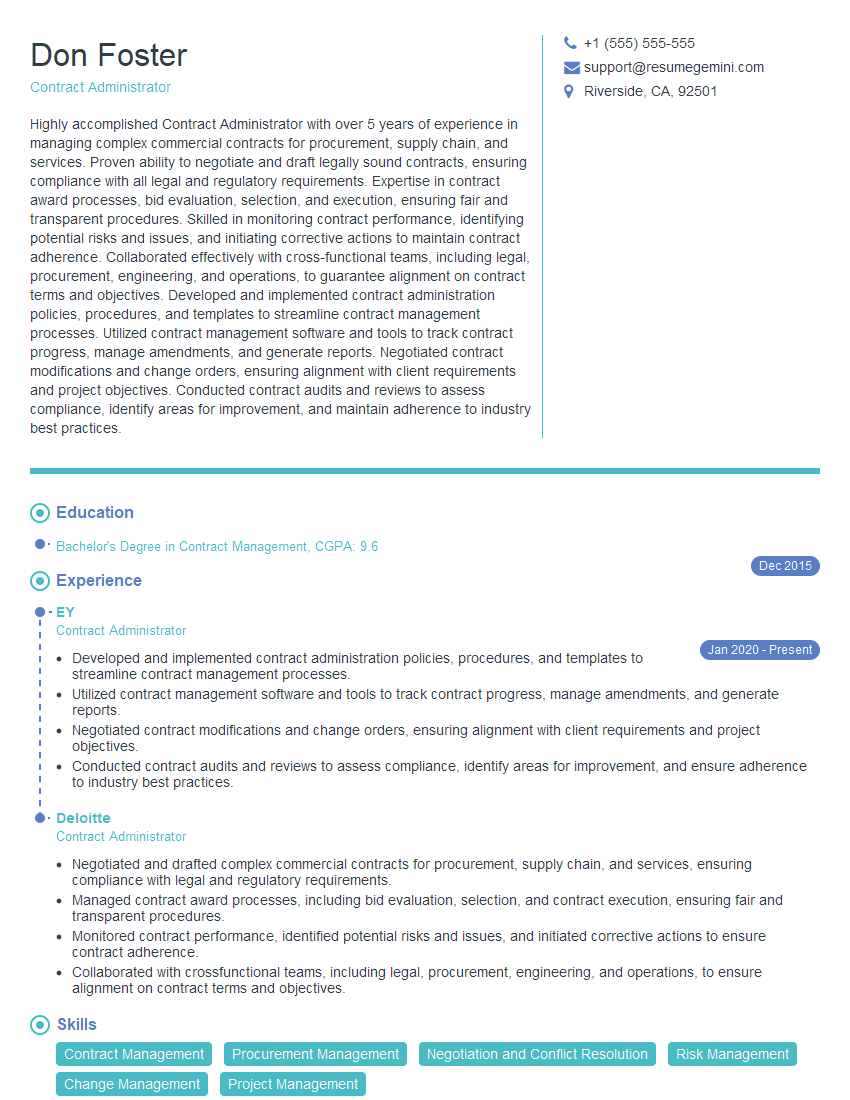
Contract Administrator Resume Sample
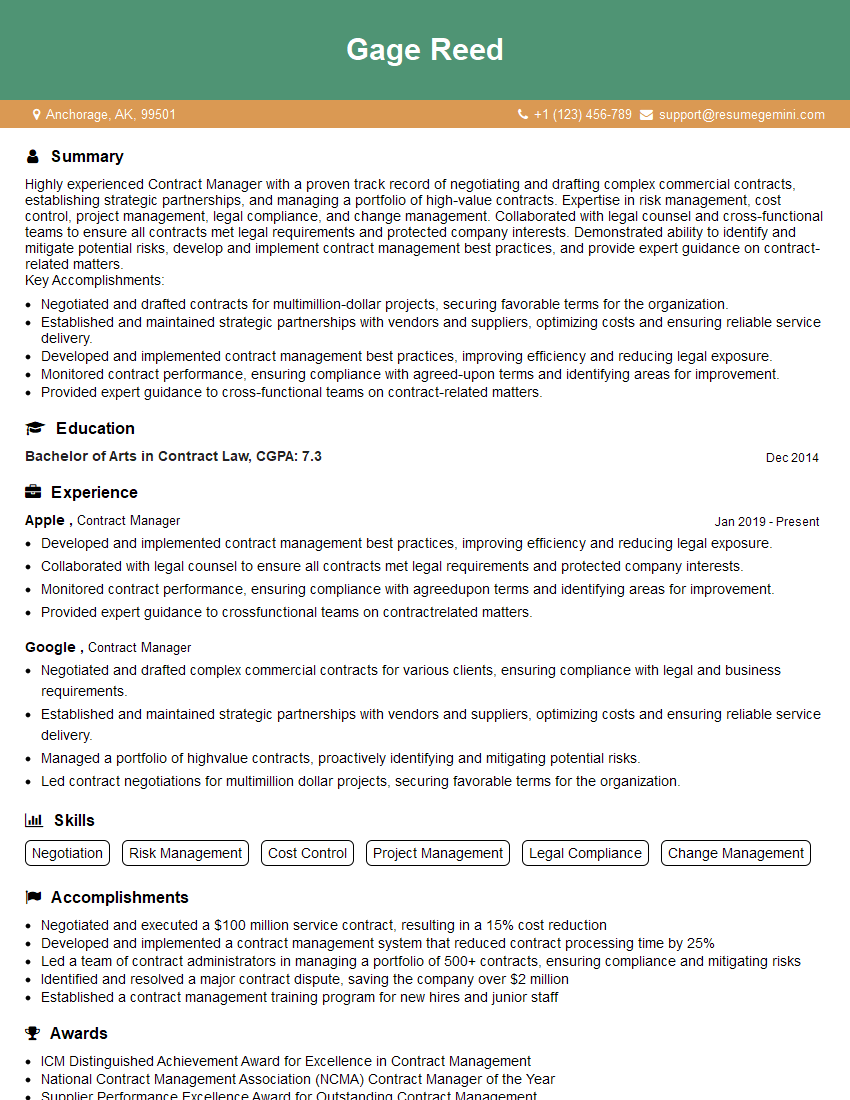
Contract Manager Resume Sample
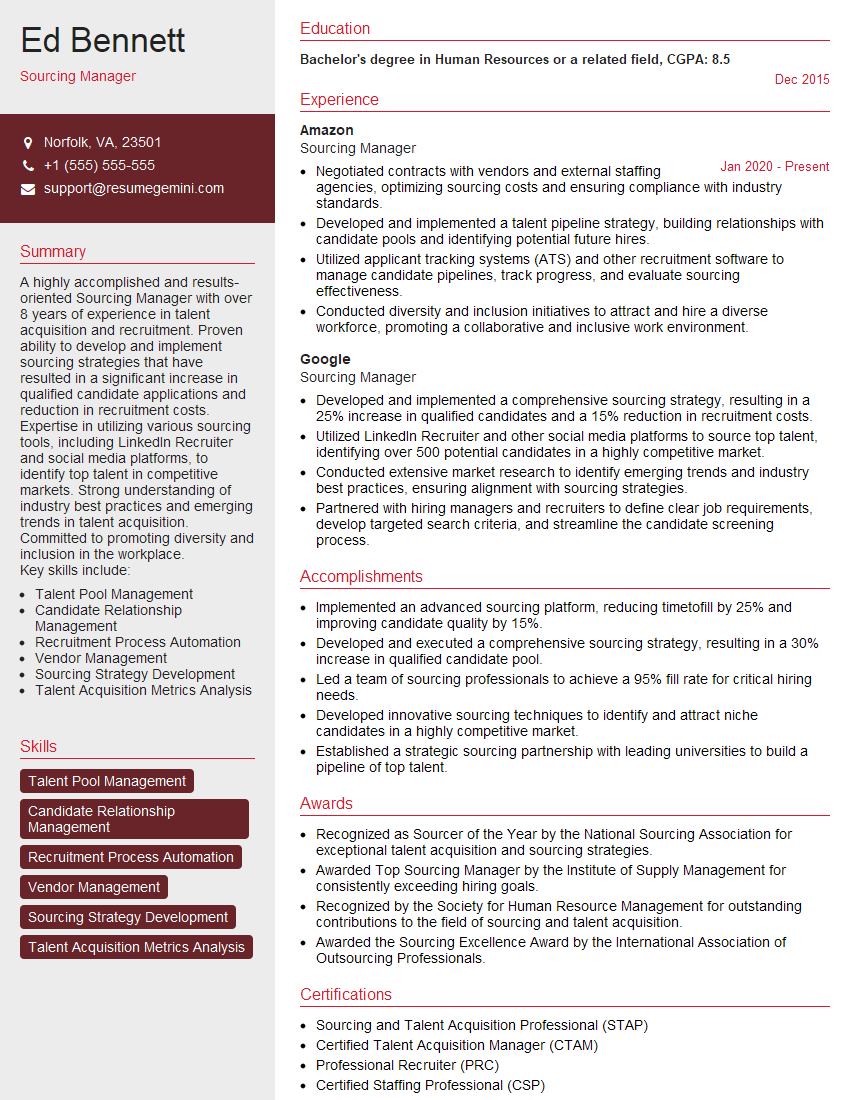
Sourcing Manager Resume Sample

Sourcing Specialist Resume Sample
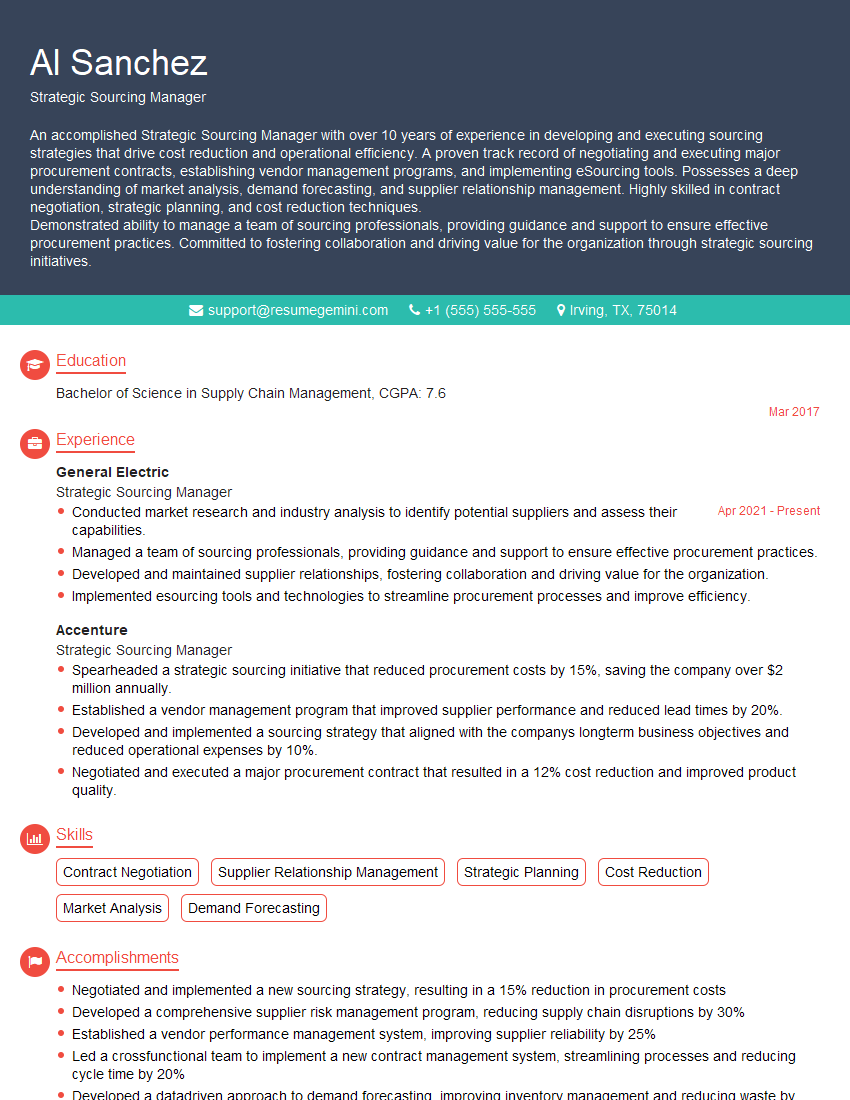
Strategic Sourcing Manager Resume Sample

Supply Chain Manager Resume Sample
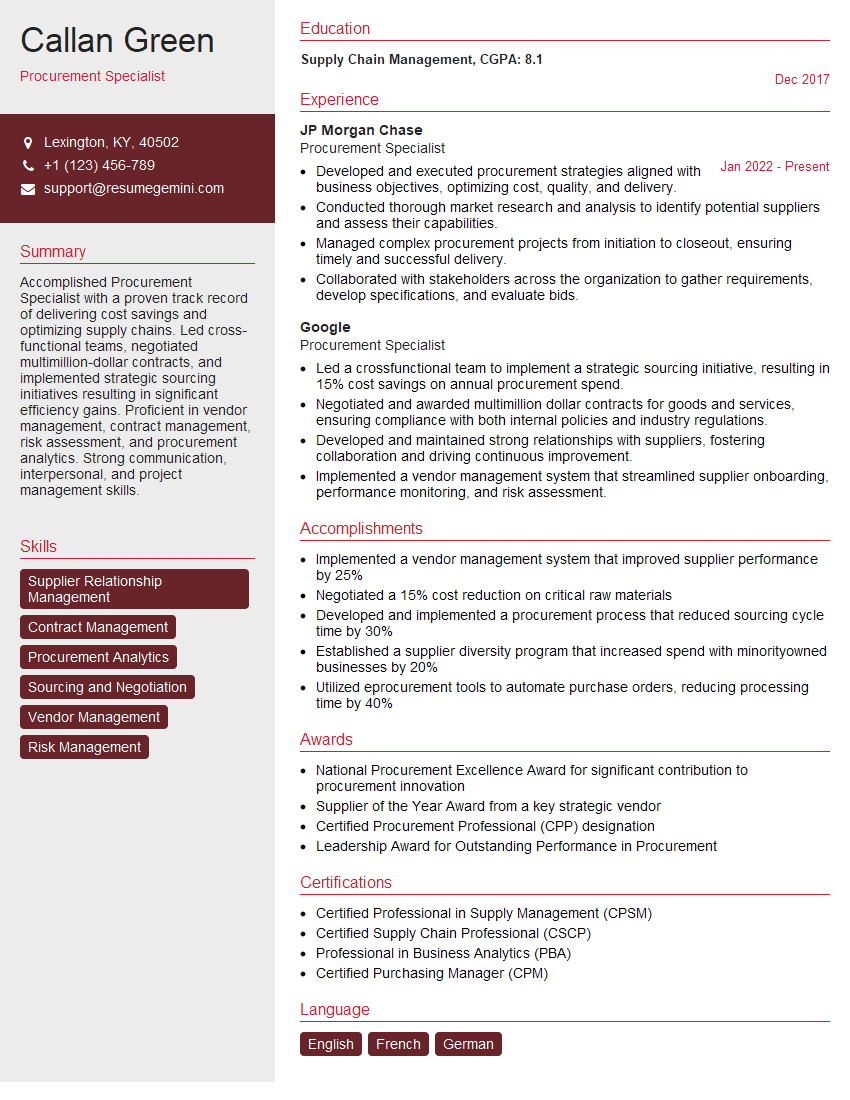
Procurement Specialist Resume Sample
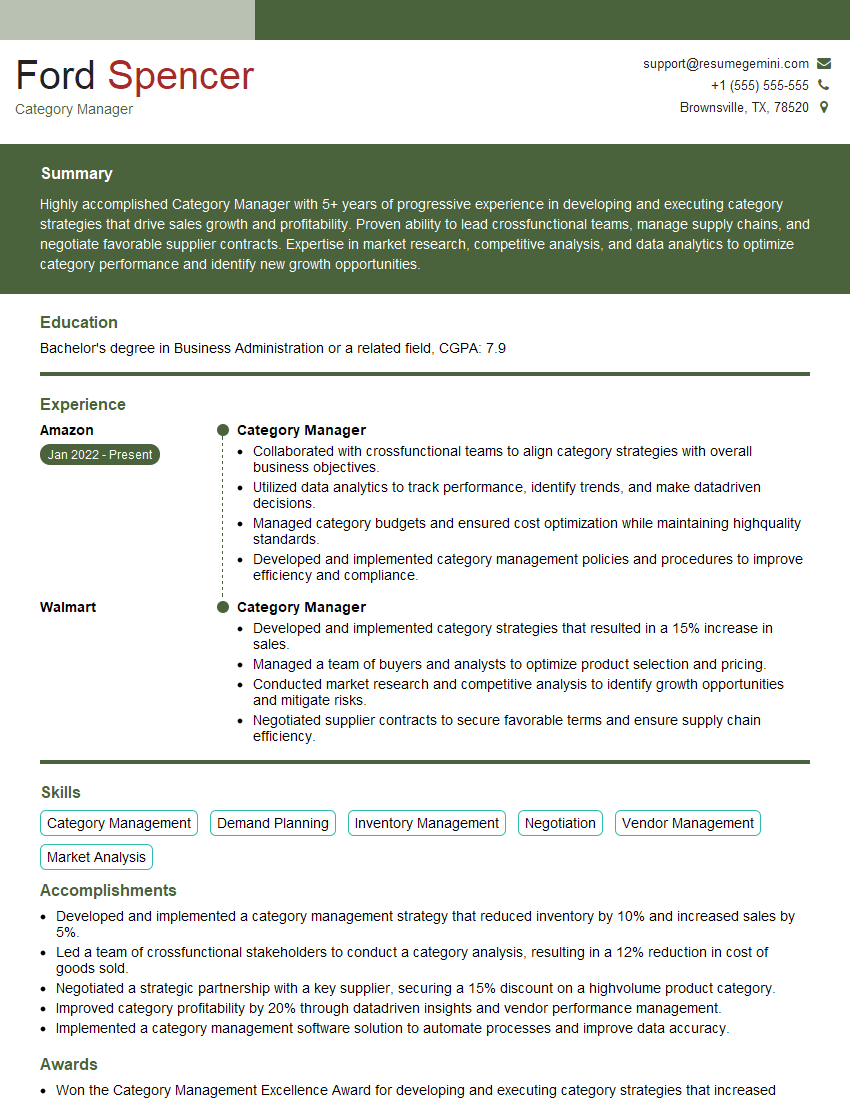
Category Manager Resume Sample
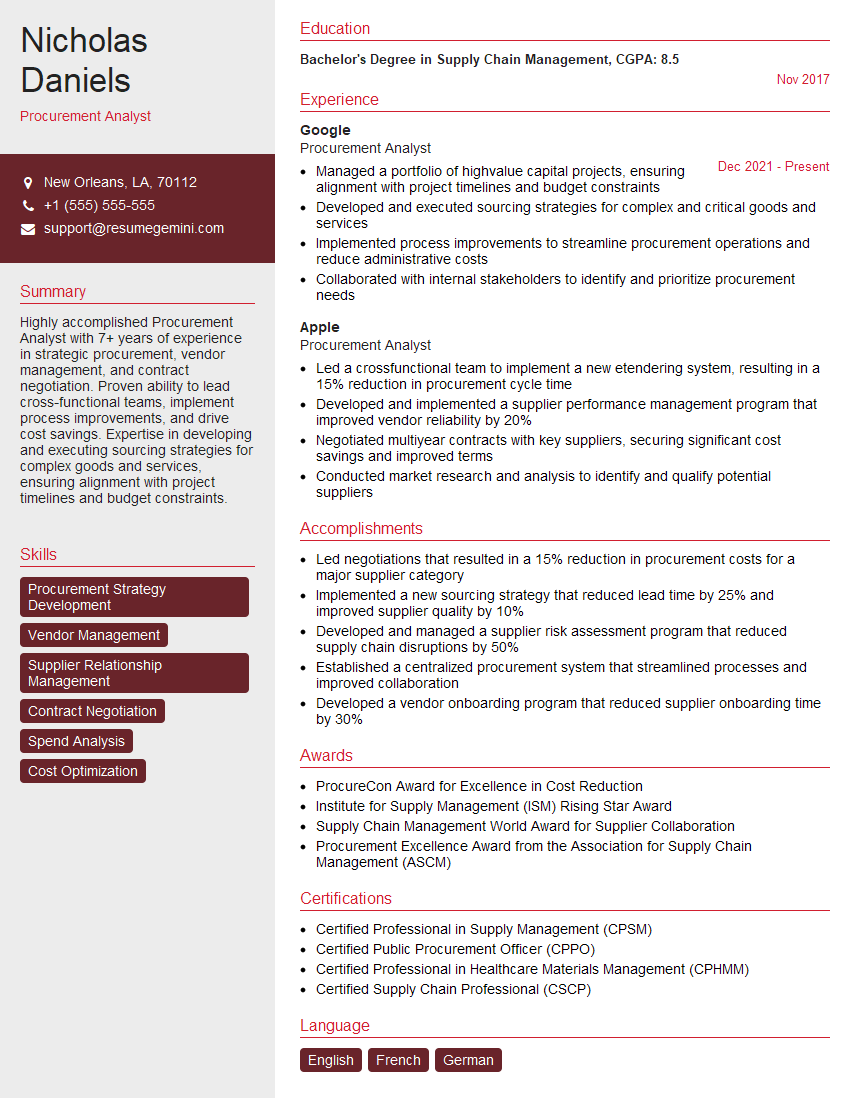
Procurement Analyst Resume Sample
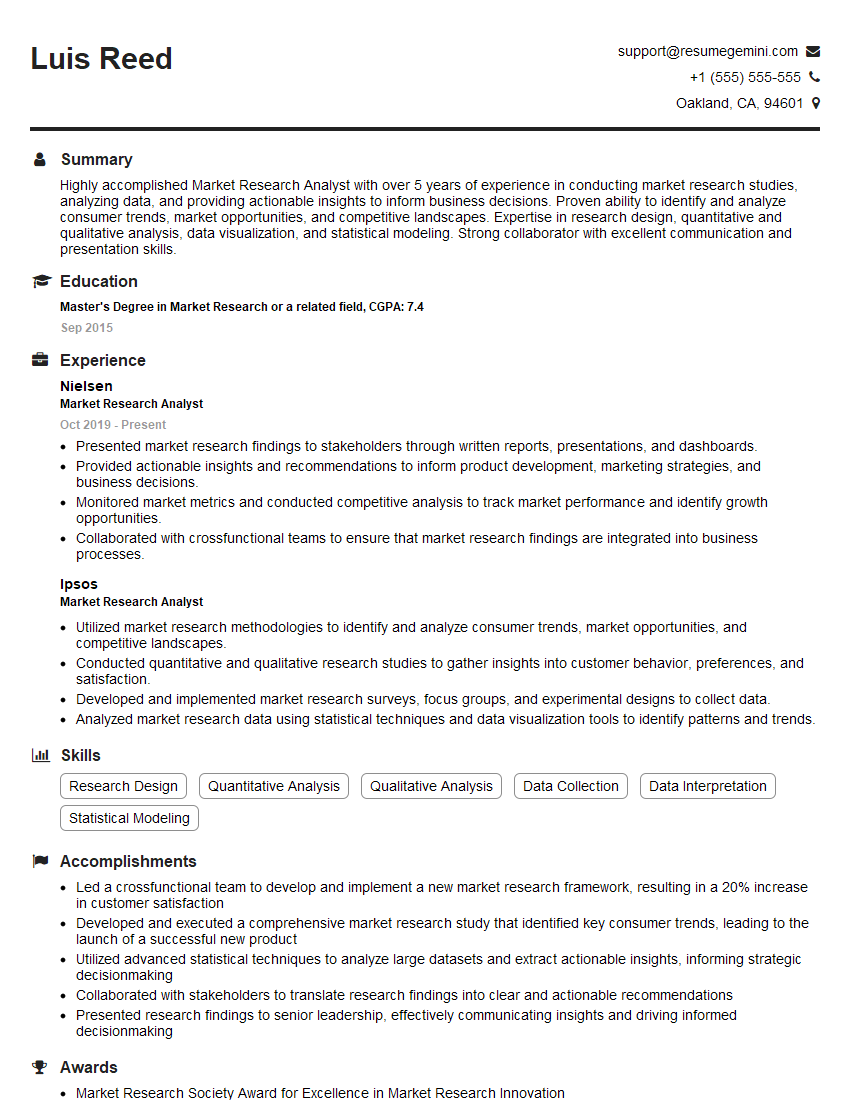
Market Research Analyst Resume Sample
Explore more articles
Users Rating of Our Blogs
Share Your Experience
We value your feedback! Please rate our content and share your thoughts (optional).
What Readers Say About Our Blog
Very informative content, great job.
good