The right preparation can turn an interview into an opportunity to showcase your expertise. This guide to RFP/RFQ Development and Evaluation interview questions is your ultimate resource, providing key insights and tips to help you ace your responses and stand out as a top candidate.
Questions Asked in RFP/RFQ Development and Evaluation Interview
Q 1. Explain the key differences between an RFP and an RFQ.
The key difference between an RFP (Request for Proposal) and an RFQ (Request for Quotation) lies in the level of detail and the type of response sought. An RFQ focuses primarily on price. It’s best used when the requirements are well-defined, and the buyer seeks the lowest cost option for a clearly specified good or service. Think of ordering office supplies – you know exactly what you need; you just want the best price. An RFP, on the other hand, seeks a more comprehensive proposal. It’s used when the buyer needs a more complex solution, requiring innovative approaches and potentially involving multiple vendors. It asks not only for pricing but also for a detailed explanation of the proposed solution, methodology, team qualifications, and project timeline. Imagine designing a new software system – price is a factor, but the overall solution, its long-term viability, and the vendor’s capabilities are equally, if not more, important.
- RFQ: Price-focused, clear specifications, simpler evaluation process.
- RFP: Solution-focused, flexible specifications, more complex evaluation process involving multiple criteria.
Q 2. Describe your process for developing a comprehensive RFP.
Developing a comprehensive RFP is a multi-stage process. It starts with a thorough understanding of your needs and the desired outcome. My process usually includes:
- Needs Assessment: Define the problem or opportunity you’re addressing. What are your objectives? What are the key performance indicators (KPIs)?
- Scope Definition: Clearly articulate the project scope, including deliverables, timelines, and acceptable outcomes. Avoid ambiguity. Be specific.
- Requirements Gathering: Detail all technical, functional, and operational requirements. Consider legal and compliance requirements as well.
- Vendor Selection Criteria: Establish clear and measurable evaluation criteria. These will be used to score the proposals objectively. This often includes factors like experience, expertise, proposed approach, and price.
- RFP Drafting: Structure the document logically, clearly explaining each section and providing sufficient context. Use plain language and avoid jargon.
- Internal Review: Have the RFP reviewed by key stakeholders to ensure completeness, clarity, and alignment with organizational goals.
- Release and Distribution: Disseminate the RFP through appropriate channels, ensuring that it reaches a diverse pool of qualified bidders.
Throughout the process, I maintain meticulous documentation to ensure transparency and accountability.
Q 3. How do you ensure the RFP is clear, concise, and unambiguous?
Clarity, conciseness, and unambiguity are paramount. To achieve this, I use the following strategies:
- Plain Language: Avoid technical jargon or overly complex phrasing. Use simple, direct language that is easily understood by all potential bidders.
- Precise Terminology: Define key terms and acronyms to avoid misinterpretations. Use consistent terminology throughout the document.
- Logical Structure: Organize the RFP in a logical and intuitive manner, using headings, subheadings, and bullet points to improve readability.
- Visual Aids: Use diagrams, charts, or tables to present complex information in a clear and concise manner.
- Templates and Checklists: Leverage pre-existing templates and checklists to ensure consistency and completeness.
- Internal Review and Feedback: Have multiple people review the draft RFP to identify areas for improvement.
A well-written RFP should leave no room for doubt or confusion. The goal is for every bidder to understand exactly what is expected and how their proposal will be evaluated.
Q 4. What strategies do you employ to attract a diverse pool of qualified bidders?
Attracting a diverse pool of qualified bidders requires a proactive approach. My strategies include:
- Targeted Outreach: Identify and contact potential bidders directly, tailoring the outreach to their specific expertise and experience.
- Wide Dissemination: Publish the RFP on multiple platforms, including government websites, industry-specific portals, and professional networks.
- Pre-Proposal Conferences: Hold a pre-proposal conference to allow potential bidders to ask questions and clarify any ambiguities.
- Supplier Diversity Programs: Actively seek out and encourage participation from businesses owned by minorities, women, veterans, and other underrepresented groups.
- Clear and Inclusive Language: Use language that is inclusive and welcoming to all potential bidders, avoiding any bias or discrimination.
- Sufficient Lead Time: Provide ample time for bidders to prepare and submit their proposals.
Diversity in bidding leads to innovation and better outcomes. It allows for a wider range of perspectives and approaches to be considered.
Q 5. How do you evaluate and score proposals effectively?
Effective proposal evaluation involves a structured and objective process. I typically use a weighted scoring system, where each evaluation criterion is assigned a weight reflecting its relative importance. For example, technical approach might be weighted higher than pricing in a complex project. Each proposal is then scored against each criterion. This ensures objectivity and reduces the influence of subjective bias.
My process generally involves:
- Develop Evaluation Criteria: Define clear and measurable criteria based on the RFP’s requirements. This should be done *before* proposals are received.
- Establish a Scoring System: Use a weighted scoring system to quantify the relative importance of each criterion.
- Assemble an Evaluation Team: Select a diverse team of subject matter experts to conduct the review. Having multiple reviewers ensures a more robust and comprehensive assessment.
- Conduct Independent Reviews: Each evaluator scores each proposal independently to avoid bias and improve accuracy.
- Consolidate Scores: Aggregate the scores from all evaluators. Analyze the results and identify any significant discrepancies.
- Debriefing and Selection: Discuss the results with the evaluation team, address any discrepancies, and ultimately select the winning proposal(s).
Transparency and documentation are crucial throughout the evaluation process to ensure fairness and accountability.
Q 6. What are the common pitfalls to avoid when writing an RFP?
Several common pitfalls can significantly hinder the success of an RFP. Avoiding these is crucial:
- Unclear Requirements: Vague or ambiguous requirements can lead to proposals that don’t meet the buyer’s needs.
- Unrealistic Deadlines: Imposing overly short deadlines can limit the number of responses and the quality of proposals.
- Too Much or Too Little Detail: The RFP needs to provide enough information for bidders to respond effectively but should avoid unnecessary complexity.
- Lack of Transparency: A lack of transparency in the evaluation process can lead to mistrust and disputes.
- Poor Communication: Ineffective communication with potential bidders can discourage participation.
- Biased Evaluation Criteria: Unfair or subjective evaluation criteria can lead to unfair results.
- Ignoring Legal and Regulatory Requirements: Overlooking mandatory compliance stipulations can create legal issues and invalidate the process.
Thorough planning, clear communication, and objective evaluation are key to avoiding these pitfalls.
Q 7. How do you handle late submissions or incomplete proposals?
Handling late submissions or incomplete proposals requires a fair yet firm approach. My strategy involves:
- Establish Clear Deadlines: Clearly state the deadline and the consequences of late submission in the RFP. This sets the expectation from the outset.
- Consistent Enforcement: Apply the deadline consistently to all bidders, ensuring fairness and impartiality.
- Documentation: Meticulously document all communications and decisions regarding late submissions.
- Case-by-Case Evaluation: Evaluate each late submission or incomplete proposal on its own merits, considering the reasons for the delay or incompleteness. Extreme extenuating circumstances might warrant an exception, but this should be thoroughly documented and justified.
- Rejection or Conditional Acceptance: If the late submission significantly impacts the evaluation process, it may need to be rejected. However, in some cases, a conditional acceptance might be considered if the issues can be resolved quickly and without significant disruption.
Maintaining transparency and consistency is crucial in these situations to prevent any perceptions of unfairness.
Q 8. Describe your experience with RFP software or tools.
My experience with RFP software spans several platforms, including dedicated RFP management systems like Loopio and Jaggaer, as well as more general project management tools like Asana and Monday.com adapted for RFP processes. I’ve found that dedicated RFP software offers significant advantages in terms of automated workflows, central document repositories, and collaborative features. For instance, using Loopio, I was able to streamline the response process for a large government RFP, reducing the response time by 30% compared to previous manual processes. This software allowed for controlled access, version control, and automated reminders, preventing errors and ensuring consistency across the responses. With tools like Asana, while not specifically designed for RFPs, we effectively managed task assignments, deadlines, and communication among team members across various departments involved in the RFP response. The choice of software often depends on the complexity and scale of the RFP, the number of stakeholders, and the budget.
Q 9. How do you ensure compliance with legal and regulatory requirements in the RFP process?
Ensuring compliance is paramount. My approach involves a multi-step process. First, a thorough review of all applicable legal and regulatory requirements, including procurement regulations (e.g., FAR, DFARS, state-specific rules), data privacy laws (e.g., GDPR, CCPA), and industry-specific standards, is conducted before even drafting the RFP. This is often done in collaboration with legal counsel. Second, the RFP itself is meticulously drafted to incorporate language explicitly requiring bidders to demonstrate compliance and adhere to all relevant regulations. This might include specific questions about certifications, licenses, or adherence to particular standards. Third, the evaluation criteria explicitly include compliance as a major factor. We develop a detailed compliance checklist, and scoring is adjusted based on demonstrated compliance. Finally, post-award, contracts are thoroughly reviewed for compliance before signing, to ensure the selected bidder’s proposed approach aligns with applicable laws and regulations. This proactive approach minimizes legal risks and ensures a fair and transparent procurement process.
Q 10. Explain your approach to negotiating contracts based on RFP responses.
Negotiating contracts based on RFP responses requires a strategic approach that balances fairness, cost-effectiveness, and legal compliance. My approach starts with a thorough review of the top-ranked proposals, identifying key areas of negotiation, such as pricing, timelines, service level agreements (SLAs), and payment terms. I then engage in collaborative discussions with the selected bidder(s), clarifying any ambiguities and addressing any concerns. This involves a clear articulation of our needs and priorities, along with a willingness to consider reasonable requests from the bidder. We use a comparative analysis of multiple proposals to leverage competitive pricing and favorable terms. It’s crucial to document all agreements in writing and amend the contract accordingly. I often use a structured approach, creating a matrix comparing different proposals’ key terms, allowing for a data-driven negotiation. For instance, in one project, we were able to negotiate a 15% reduction in the initial price by highlighting a competitor’s more favorable terms, achieving significant cost savings while ensuring high-quality deliverables.
Q 11. How do you manage stakeholder expectations throughout the RFP process?
Managing stakeholder expectations is critical for successful RFPs. My strategy begins with clearly defining roles and responsibilities from the outset. This involves creating a communication plan that outlines regular updates, including progress reports, key decision points, and opportunities for feedback. Regular meetings are scheduled with stakeholders to discuss progress and address concerns proactively. I establish clear channels for communication, using project management tools and regular email updates to ensure everyone is informed. Transparency is key; I ensure that all stakeholders have access to relevant information, allowing them to contribute effectively. Addressing potential objections or concerns promptly and professionally is also crucial, minimizing frustration and misunderstandings. In one instance, I created a dedicated online portal to keep stakeholders constantly updated on the RFP progress, leading to enhanced collaboration and satisfaction among the various departments involved. Open communication fosters collaboration and avoids conflicts, resulting in a smoother and more efficient process.
Q 12. How do you prioritize different criteria when evaluating proposals?
Prioritizing criteria for proposal evaluation necessitates a well-defined scoring system. This involves assigning weights to different criteria based on their relative importance to the organization’s objectives. For example, price might be weighted 30%, technical capabilities 40%, and experience 30%. This weighting system reflects the relative importance of each aspect. A rubric is developed with specific criteria under each category, with clear scoring guidelines, for example, a scoring scale from 1 to 5. Then, each proposal is scored against each criterion using the rubric. The weighted scores are then aggregated to produce an overall score for each proposal. In situations where criteria conflict (e.g., a high-scoring proposal is expensive), I will often conduct a sensitivity analysis to evaluate the impact of changes in weighting, ensuring the decision is data-driven and justified. A clear and documented scoring process allows for transparency and accountability, supporting decision-making and minimizing bias.
Q 13. Describe a time you had to revise an RFP due to unforeseen circumstances.
In one instance, we issued an RFP for a large-scale software implementation. After receiving several proposals, it became clear that the initial RFP lacked clarity on certain technical requirements, leading to proposals that were not fully aligned with our needs. We had to revise the RFP, clarifying the specific functionalities and integration requirements. This involved extending the deadline and communicating the changes to all potential bidders. We emphasized the reasons for the revisions, ensuring fairness and transparency. While extending the deadline caused some schedule slippage, the revised RFP resulted in more relevant and suitable proposals, ultimately leading to a more successful implementation. This experience highlighted the importance of thorough planning and validation of the RFP before its release, and the importance of proactively addressing any ambiguities or misunderstandings.
Q 14. How do you handle objections or challenges from potential bidders?
Handling objections and challenges requires a professional and responsive approach. I begin by actively listening to the bidder’s concerns, ensuring a clear understanding of their perspective. I then attempt to address the concerns directly, providing clarifications, addressing any misunderstandings, or offering reasonable accommodations if appropriate. For example, if a bidder objects to a specific requirement, we may assess if it’s truly essential or if a reasonable alternative could be considered. Documentation of all communication and agreed-upon changes is crucial. If an objection cannot be resolved, I clearly communicate the decision-making process and rationale, justifying any rejection. Open communication and a transparent process minimize the potential for disputes and maintain positive relationships with potential bidders. Building strong relationships throughout the process can significantly help navigate these challenges. In several cases, proactively addressing potential objections during the Q&A phase of the RFP process, helped eliminate misunderstandings and ensure a smoother process.
Q 15. How do you measure the success of an RFP process?
Measuring the success of an RFP process goes beyond simply selecting a vendor. It’s about evaluating the entire process against pre-defined objectives. A successful RFP achieves its goals efficiently and effectively, leading to a positive outcome for the organization.
We can measure success through several key performance indicators (KPIs):
- Vendor Response Rate: A high response rate indicates a well-written and attractive RFP, attracting a diverse pool of qualified bidders.
- Quality of Proposals Received: Did the proposals meet the requirements and provide sufficient detail? A high quality of responses suggests clear and comprehensive RFP instructions.
- Timeliness of Responses: Did vendors submit their proposals on time? This reflects the clarity of deadlines and expectations set in the RFP document.
- Cost Savings/Value Achieved: This is a critical measure. Did the selected vendor deliver value exceeding the cost, thus justifying the RFP process investment?
- Project Success: Ultimately, the true success is measured by the overall success of the project initiated through the RFP. This could encompass factors like project completion on time and within budget, client satisfaction, etc.
- Risk Mitigation: Did the RFP process effectively identify and mitigate potential risks that could impact project success?
For example, in a recent project, we measured success by comparing the number of qualified bids received against our target and the final contract cost against the initial budget. The resulting cost savings of 15% were a direct result of a well-structured RFP process.
Career Expert Tips:
- Ace those interviews! Prepare effectively by reviewing the Top 50 Most Common Interview Questions on ResumeGemini.
- Navigate your job search with confidence! Explore a wide range of Career Tips on ResumeGemini. Learn about common challenges and recommendations to overcome them.
- Craft the perfect resume! Master the Art of Resume Writing with ResumeGemini’s guide. Showcase your unique qualifications and achievements effectively.
- Don’t miss out on holiday savings! Build your dream resume with ResumeGemini’s ATS optimized templates.
Q 16. What is your experience with different RFP response formats?
I have extensive experience with various RFP response formats, ranging from simple questionnaires to complex, multi-volume proposals. My experience encompasses:
- Standard Document Format: This typically involves a structured document following a specific outline provided in the RFP. This is common for simpler procurements.
- Online Portals: Many organizations now utilize online platforms for RFP submission, streamlining the process and enhancing collaboration. These platforms often enforce specific formatting rules.
- Presentation-Based Responses: Some RFPs require an initial presentation summarizing the proposal followed by a detailed written response. This allows for immediate clarification and interaction with vendors.
- Interactive RFPs: These are increasingly popular, incorporating features that allow for dynamic responses and data entry. This promotes clearer communication and reduces ambiguity.
I’m adept at adapting my evaluation strategies to accommodate different formats, ensuring a fair and consistent assessment across all submissions. The key is to establish clear expectations regarding format and content in the initial RFP document.
Q 17. Describe your experience with analyzing cost proposals.
Analyzing cost proposals is a crucial element of RFP evaluation. It requires a thorough understanding of cost structures, pricing models, and potential risks. My approach involves several key steps:
- Understanding the Pricing Model: Identifying the costing methodology employed by the vendor (e.g., fixed price, time and materials, cost-plus).
- Detailed Line-Item Review: Scrutinizing each line item for reasonableness, identifying potential overcharges, or inconsistencies.
- Benchmarking Against Market Rates: Comparing vendor pricing with industry averages and previously received bids to assess competitiveness.
- Risk Assessment: Evaluating potential cost overruns and incorporating contingency factors into the analysis.
- Sensitivity Analysis: Testing the impact of variations in key cost drivers to assess the robustness of the proposal.
- Cost-Benefit Analysis: Comparing the total cost of ownership with the projected value and benefits to determine overall value proposition.
For instance, in a recent project, a vendor proposed a significantly lower price than others. Through detailed analysis, we discovered some critical functionalities were missing, ultimately making their lower price misleading. A thorough cost analysis prevented a potentially costly mistake.
Q 18. How do you identify and mitigate risks associated with the RFP process?
Risk mitigation is integral to a successful RFP process. I proactively identify and address potential risks throughout the entire lifecycle, from RFP development to contract award.
My risk identification strategy focuses on:
- Defining Scope and Requirements: Ambiguous or incomplete requirements lead to proposal inconsistencies and potential disputes. Clear specifications are paramount.
- Vendor Selection Criteria: Using inappropriate criteria can lead to selecting unqualified vendors. Clear and objective evaluation criteria are critical.
- Timeline Management: Inadequate time allocation can result in missed deadlines and rushed decisions. Careful planning is crucial.
- Communication Management: Poor communication among stakeholders can lead to misunderstandings and delays. Establishing clear communication channels is key.
- Compliance Risks: Ensuring adherence to legal and regulatory requirements throughout the process.
For mitigation, I implement strategies like creating detailed risk registers, developing contingency plans, and conducting thorough due diligence on potential vendors. For example, I recently incorporated a clause in an RFP requiring vendors to provide a detailed risk mitigation plan as part of their proposal, proactively addressing potential challenges before award.
Q 19. How familiar are you with different procurement methodologies?
I’m familiar with various procurement methodologies, including:
- Competitive Bidding: A traditional approach where multiple vendors submit bids, and the lowest compliant bid is selected.
- Negotiated Procurement: This involves discussions with potential vendors to refine proposals and reach mutually acceptable terms. It’s often used for complex or unique requirements.
- Reverse Auctions: An online bidding process where vendors competitively bid down their prices in real-time.
- Two-Step Procurement: This involves a preliminary qualification stage followed by a detailed proposal submission from qualified vendors.
- Best and Final Offer (BAFO): Used after initial proposal submissions to encourage vendors to improve their offers.
The choice of methodology depends on various factors such as project complexity, budget constraints, and time limitations. I select the most suitable approach based on a thorough assessment of project requirements and organizational needs. For example, a complex IT system procurement might benefit from a two-step process combined with negotiated procurement, whereas a simple office supply order can use competitive bidding effectively.
Q 20. How do you ensure the confidentiality and integrity of the RFP process?
Maintaining confidentiality and integrity is paramount in any RFP process. I employ several measures to ensure data security:
- Confidentiality Agreements: Requiring all participating vendors to sign non-disclosure agreements (NDAs) before accessing RFP documents.
- Secure Data Storage: Utilizing secure servers and encryption technologies to protect sensitive information.
- Access Control: Limiting access to RFP documents and responses only to authorized personnel.
- Blind Evaluation: Removing vendor identities from proposals during the evaluation phase to prevent bias.
- Data Anonymization: Removing personally identifiable information from submissions to maintain anonymity.
- Chain of Custody: Tracking the movement and handling of all documents and responses.
For example, in a recent RFP involving sensitive client data, we implemented a secure online portal with robust access controls and encryption to guarantee both confidentiality and transparency. We also audited the system’s access logs regularly to ensure security and compliance.
Q 21. What is your experience with using weighted scoring models?
Weighted scoring models are a powerful tool for evaluating RFP responses objectively. These models assign weights to different evaluation criteria based on their relative importance to the organization.
My experience includes developing and applying weighted scoring models across diverse procurement projects. The process typically involves:
- Identifying Key Criteria: Defining specific criteria aligned with project goals and requirements. This often involves collaboration with stakeholders.
- Assigning Weights: Determining the relative importance of each criterion through a collaborative process, often involving a prioritization matrix.
- Developing Scoring Rubrics: Creating clear scoring scales and descriptions for each criterion, ensuring consistent evaluation.
- Applying the Model: Systematically evaluating each proposal against each criterion and calculating the overall score.
- Sensitivity Analysis: Evaluating how changes in weights or scores impact the final ranking.
For example, in a recent project to select a new CRM system, we used a weighted scoring model where functionality received 40% weight, cost 30%, vendor experience 20%, and implementation plan 10%. This ensured that the selection was based on a balanced assessment of all critical factors.
Q 22. How do you address potential conflicts of interest in the RFP process?
Addressing conflicts of interest in the RFP process is crucial for maintaining fairness and transparency. It begins with establishing a clear conflict of interest policy, communicated to all involved parties, including the RFP evaluation committee members. This policy should outline procedures for disclosing potential conflicts and the steps to mitigate or eliminate them. For example, if a committee member has a personal relationship with a potential bidder, they should recuse themselves from the evaluation process for that specific bidder.
Furthermore, we implement blind evaluation techniques whenever possible. This means removing identifying information from proposals during the initial scoring phase, allowing the committee to focus solely on the merits of the proposal. We also maintain meticulous documentation of all communications and interactions with potential bidders, ensuring a clear audit trail. A robust conflict of interest policy, combined with blind evaluation and comprehensive documentation, protects the integrity of the RFP process and ensures a level playing field for all participants.
Q 23. What are your strategies for managing the RFP timeline effectively?
Effective RFP timeline management is paramount. My strategy begins with a detailed project plan that outlines all key milestones and deadlines, from RFP release to contract award. This plan includes buffer time to account for unexpected delays. We use project management software to track progress and identify potential roadblocks proactively. Regular status meetings with all stakeholders are essential to ensure everyone is informed and aligned.
We also employ a phased approach, breaking down the entire process into manageable chunks. For instance, the initial phase might focus on RFP development and distribution; the second, on proposal review; and the third, on evaluation and selection. This segmentation enables better control and allows for adjustments as needed. Regular communication, proactive risk management, and utilization of project management tools are key to successfully navigating the RFP timeline.
Q 24. How do you communicate the results of the RFP evaluation to stakeholders?
Communicating the results of the RFP evaluation requires a clear and transparent approach. We prepare a comprehensive evaluation report that details the scoring methodology, the evaluation criteria, and the final rankings of each bidder. This report clearly explains the rationale behind the selection, including strengths and weaknesses of each proposal. We present this report to the stakeholders in a formal meeting, allowing for questions and discussions.
For bidders who weren’t selected, we provide individual feedback, explaining the reasons for the decision without disclosing sensitive information about competing bids. This feedback is constructive and aims to help them improve future proposals. Transparency and clear communication are crucial in building trust and maintaining positive relationships with all stakeholders, even those not awarded the contract.
Q 25. Explain your experience with different types of contracts (e.g., fixed-price, time and materials).
I have extensive experience working with various contract types, including fixed-price, time and materials, and cost-plus contracts. A fixed-price contract specifies a predetermined price for a clearly defined scope of work. This offers predictability and simplifies budgeting. However, it requires a detailed and accurate scope upfront, leaving less room for changes.
A time and materials contract charges for the actual time spent and materials used. This is more flexible, particularly for projects with evolving requirements, but can lead to cost uncertainty. A cost-plus contract reimburses the contractor’s expenses plus a fee or profit margin. It’s best suited for complex projects with high uncertainty but carries the risk of cost overruns if not carefully managed. The choice of contract type depends on the project’s complexity, risk tolerance, and the level of detail known at the outset.
Q 26. How do you handle complex technical requirements in an RFP?
Handling complex technical requirements in an RFP necessitates a structured and methodical approach. Firstly, we engage subject matter experts (SMEs) to help define and articulate these requirements clearly and concisely. We use a hierarchical structure, breaking down complex requirements into smaller, manageable components. This allows for a better understanding and clearer evaluation.
We incorporate detailed specifications and performance standards in the RFP document. We might include diagrams, flowcharts, and examples to aid understanding and ensure consistent interpretation. We also incorporate testing and acceptance criteria to verify that the final product meets the stated requirements. Thorough planning, clear communication, and expert involvement are key to navigating complex technical requirements in an RFP.
Q 27. How do you build and maintain relationships with potential bidders?
Building and maintaining relationships with potential bidders is crucial for a successful RFP process. We start by establishing clear and open communication channels. This includes proactively answering bidder questions and providing clarifications on the RFP document. We also conduct pre-bid conferences or webinars to address common concerns and foster a collaborative environment.
We treat all bidders with respect and fairness, regardless of their size or past experience. We ensure that the evaluation process is transparent and equitable. Following the RFP process, we maintain ongoing communication with all bidders, even those not selected, to foster positive long-term relationships within the industry. This approach builds trust and ensures a healthy pool of qualified vendors for future projects.
Q 28. Describe your experience with using a Request for Information (RFI) process.
A Request for Information (RFI) is a preliminary step used to gather information from potential vendors before issuing a formal RFP. It’s a valuable tool for understanding market capabilities and identifying potential solutions. My experience includes using RFIs to explore the availability of specific technologies or services, gauge vendor capabilities, and refine the requirements for a subsequent RFP.
For example, before issuing an RFP for a complex software solution, we might send an RFI to gather information on different vendors’ experience, technologies, and pricing models. This allows us to refine our requirements and develop a more targeted and effective RFP. The RFI process significantly reduces the risk of issuing an RFP that is unrealistic or poorly defined, saving time and resources in the long run.
Key Topics to Learn for RFP/RFQ Development and Evaluation Interview
- Understanding RFP/RFQ Requirements: Learn to dissect complex requirements documents, identifying key objectives, deliverables, and constraints. This includes understanding the nuances of different types of RFPs and RFQs.
- Developing Effective RFP/RFQ Documents: Master the art of writing clear, concise, and unambiguous RFP/RFQ documents that elicit comprehensive and comparable proposals. Practice structuring your documents for optimal clarity and efficiency.
- Proposal Evaluation Strategies: Explore various methods for evaluating proposals, including weighted scoring models, qualitative assessments, and risk analysis. Practice applying these methods to different scenarios.
- Negotiation and Contract Management: Understand the negotiation process following proposal evaluation, and how to manage contracts effectively to ensure successful project execution. This includes understanding contract language and risk mitigation.
- Compliance and Regulatory Considerations: Familiarize yourself with relevant laws, regulations, and ethical considerations that impact RFP/RFQ processes, ensuring fairness and transparency.
- Using Technology for RFP/RFQ Management: Explore the use of software and tools to streamline the RFP/RFQ process, improve efficiency, and facilitate collaboration. This includes proposal tracking and analysis software.
- Risk Management in RFP/RFQ Processes: Identify and mitigate potential risks throughout the entire RFP/RFQ lifecycle, from initial planning to contract execution.
Next Steps
Mastering RFP/RFQ Development and Evaluation significantly enhances your value to any organization, opening doors to leadership roles and higher earning potential. A strong grasp of these skills showcases your strategic thinking, analytical abilities, and project management expertise. To make your skills shine, create an ATS-friendly resume that highlights these capabilities. ResumeGemini is a trusted resource to help you build a professional resume that gets noticed. Examples of resumes tailored to RFP/RFQ Development and Evaluation are provided to help you get started.
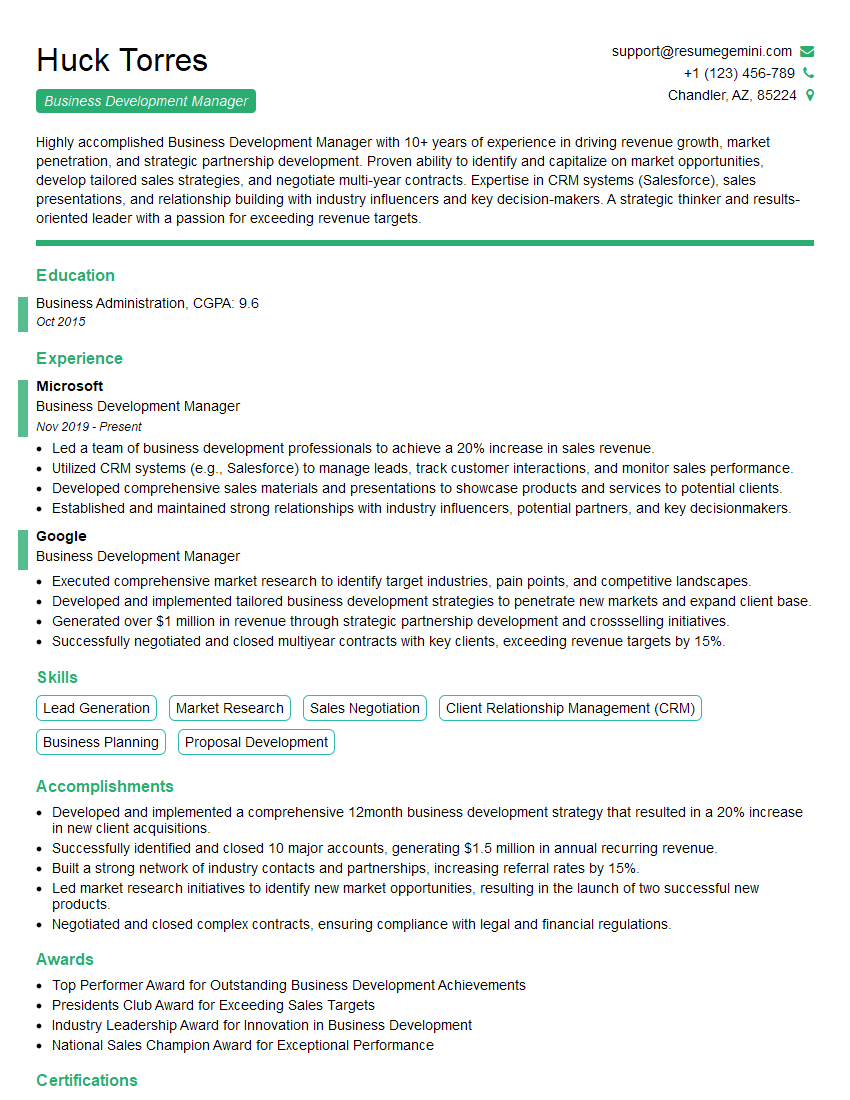
Business Development Manager Resume Sample
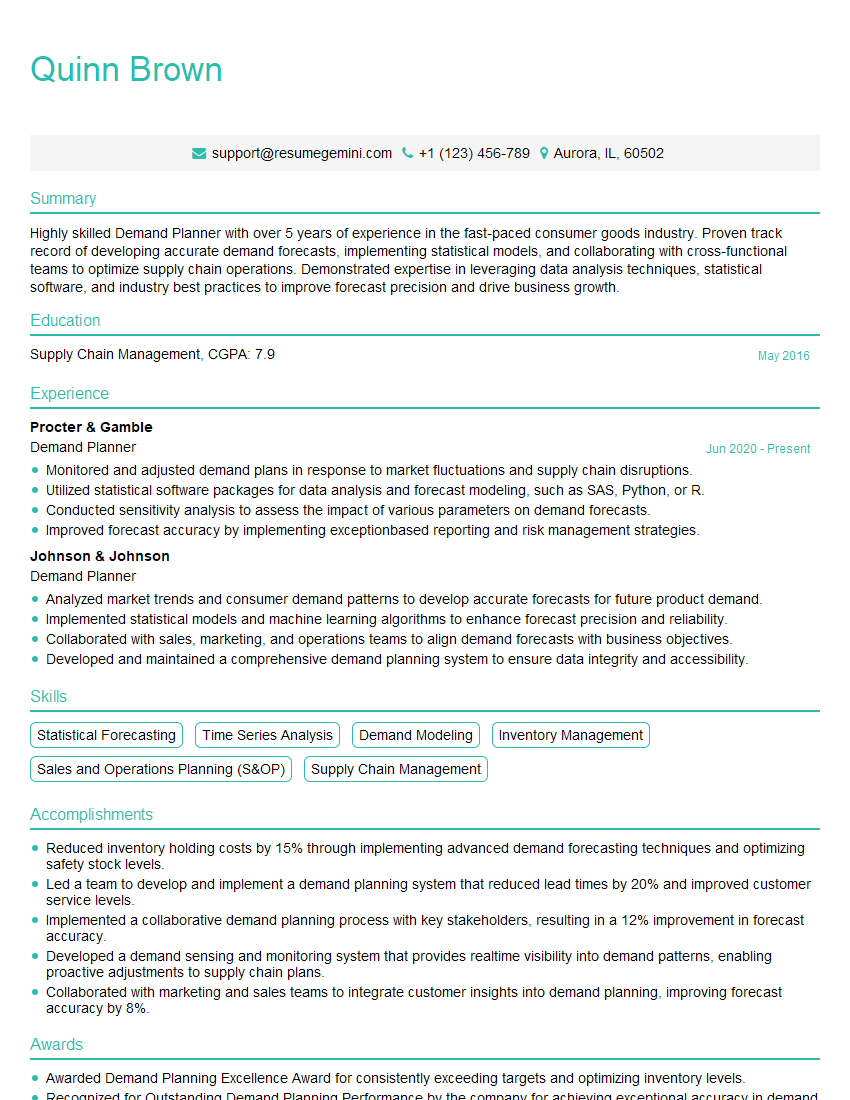
Demand Planner Resume Sample
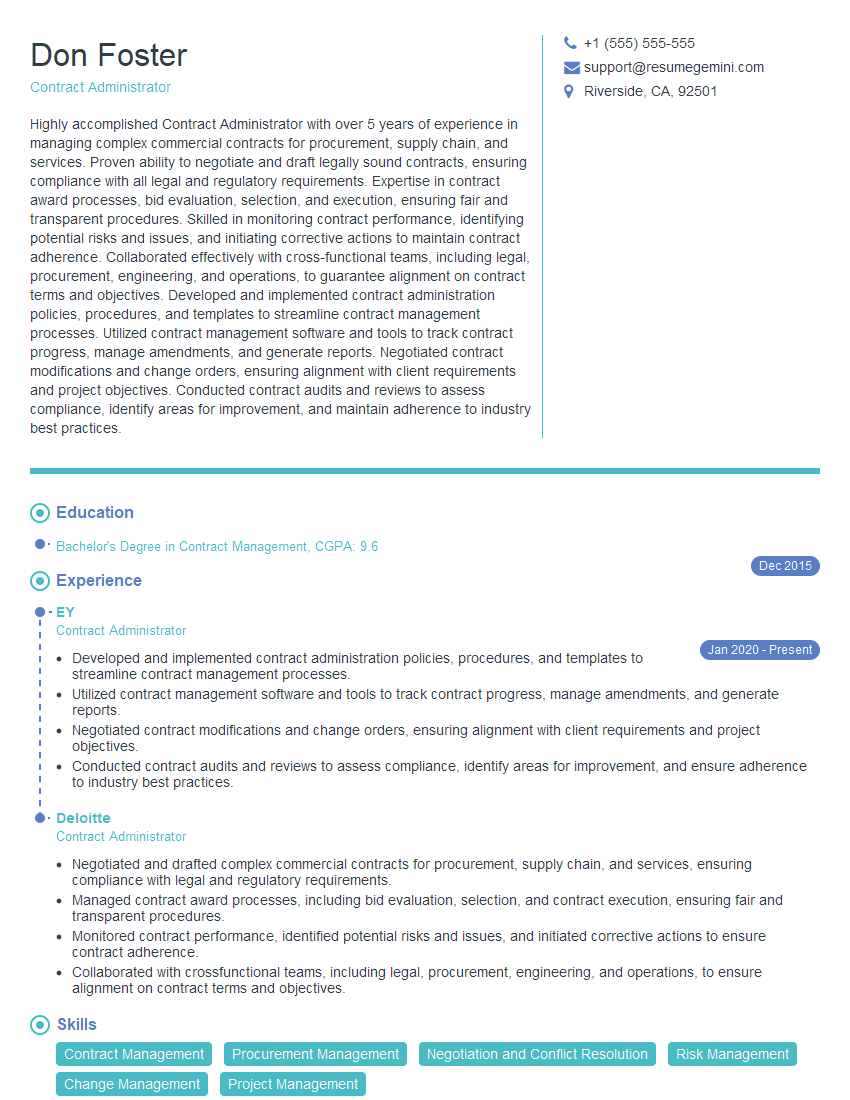
Contract Administrator Resume Sample

Sourcing Specialist Resume Sample
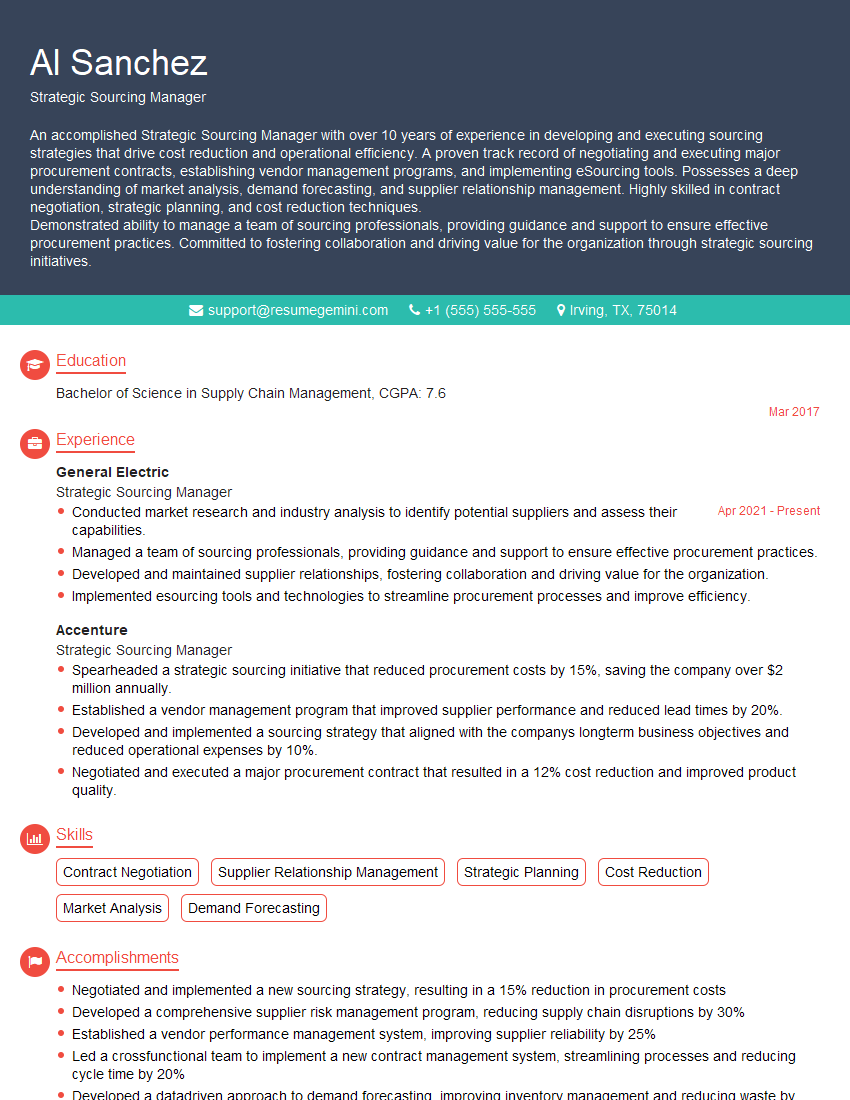
Strategic Sourcing Manager Resume Sample

Supply Chain Manager Resume Sample

Compliance Officer Resume Sample
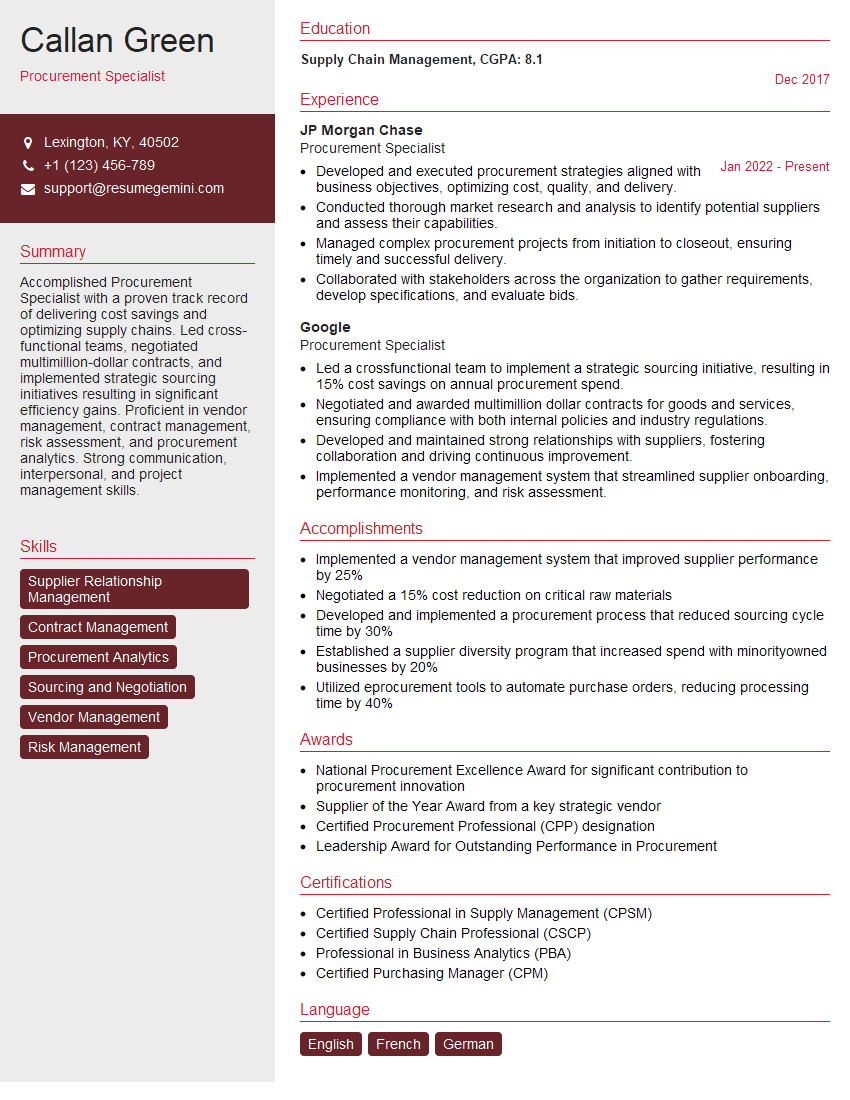
Procurement Specialist Resume Sample
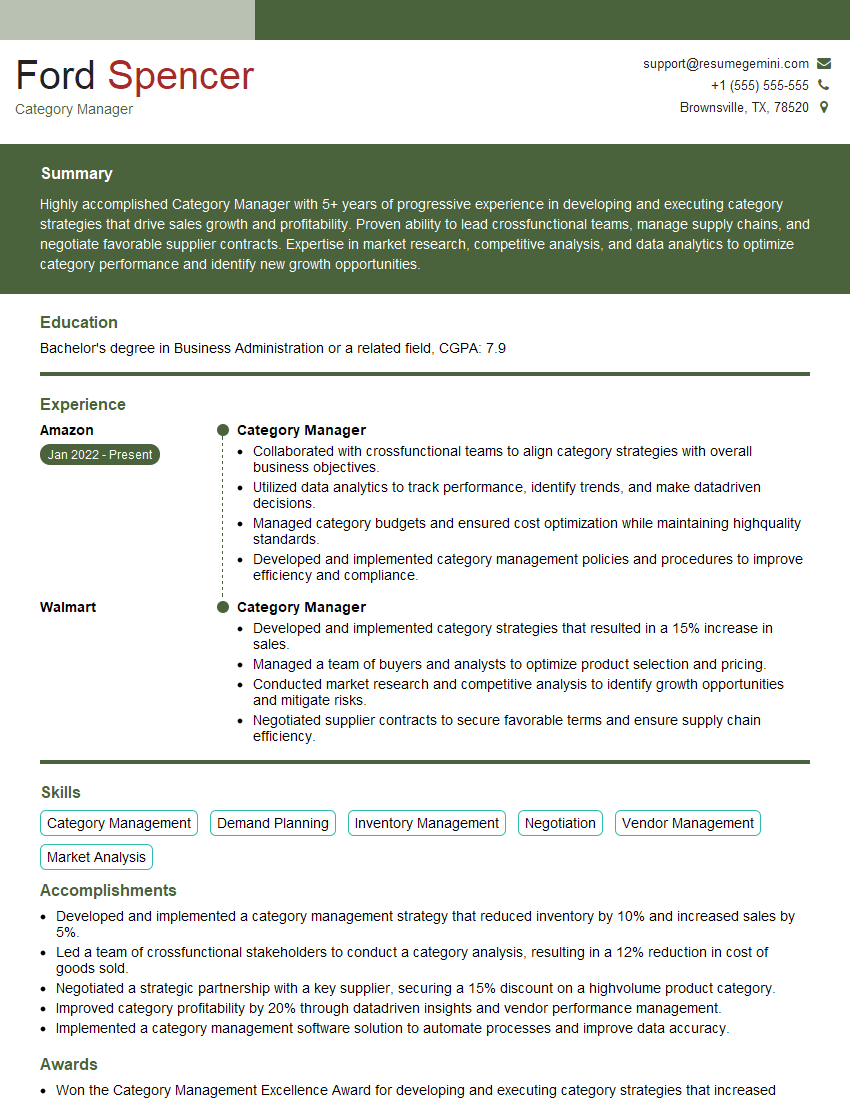
Category Manager Resume Sample
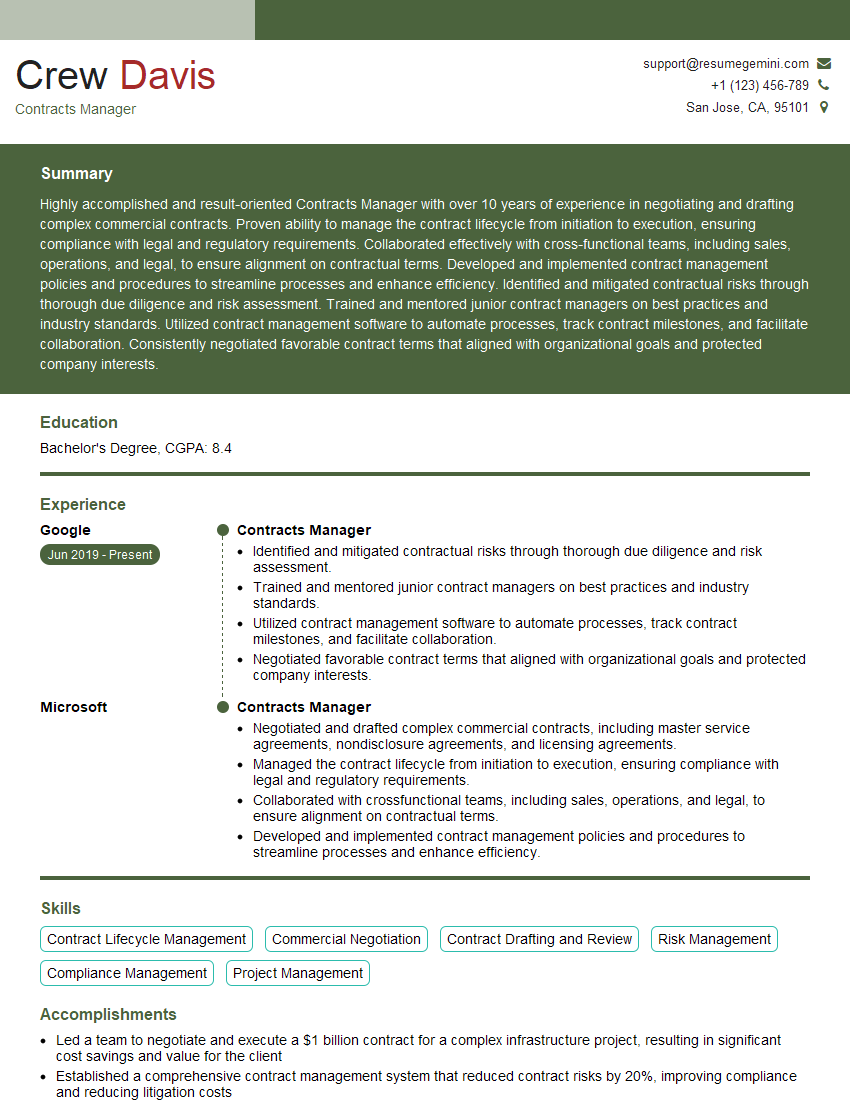
Contracts Manager Resume Sample
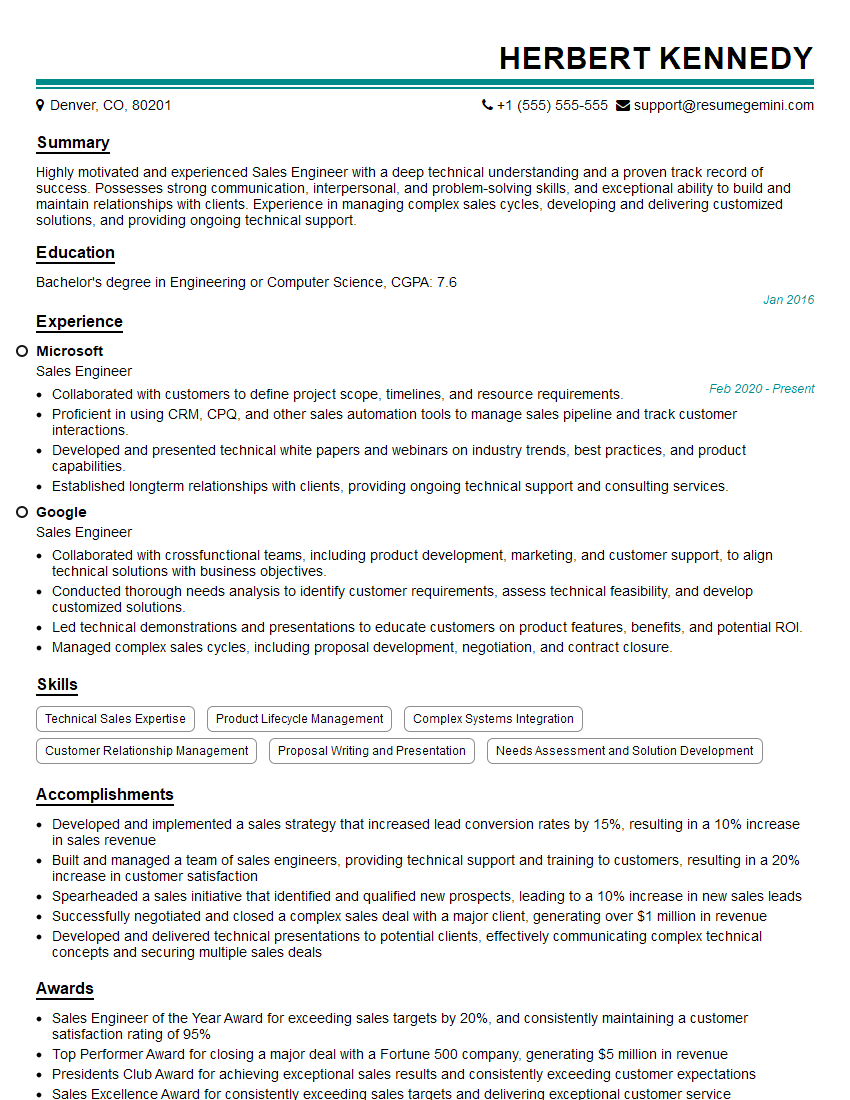
Sales Engineer Resume Sample
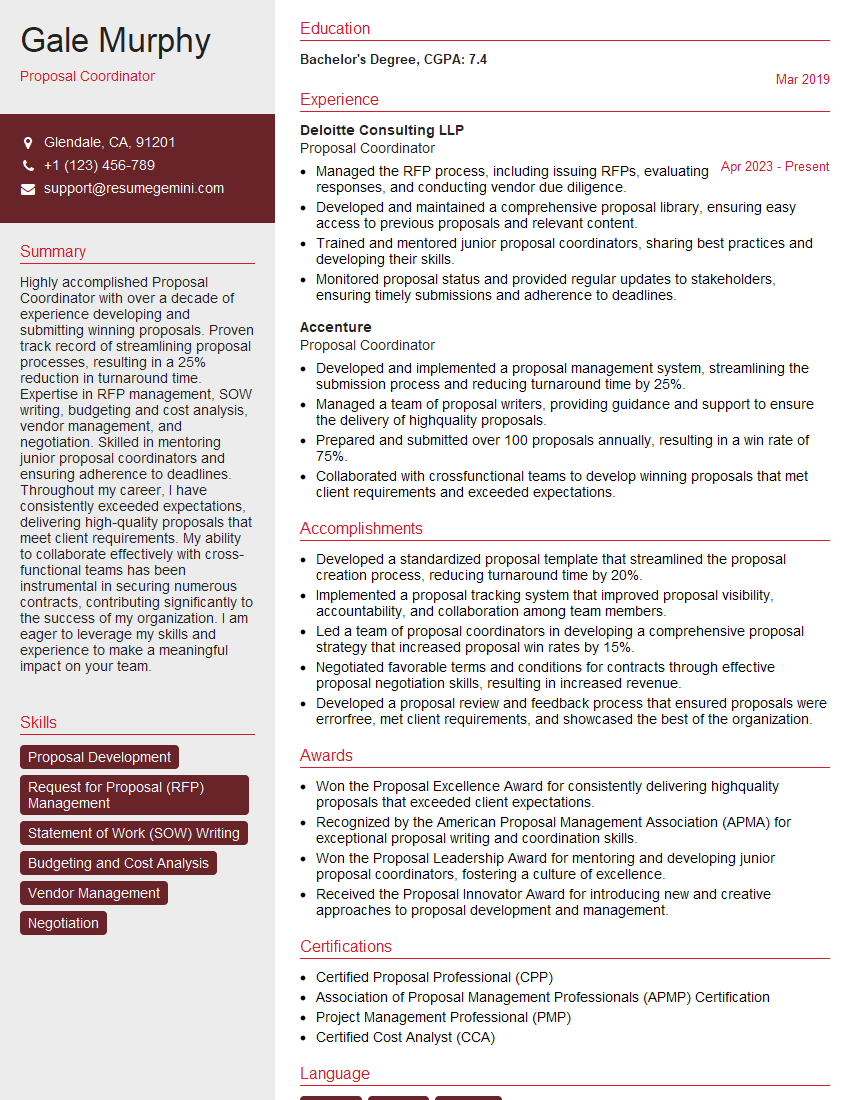
Proposal Coordinator Resume Sample
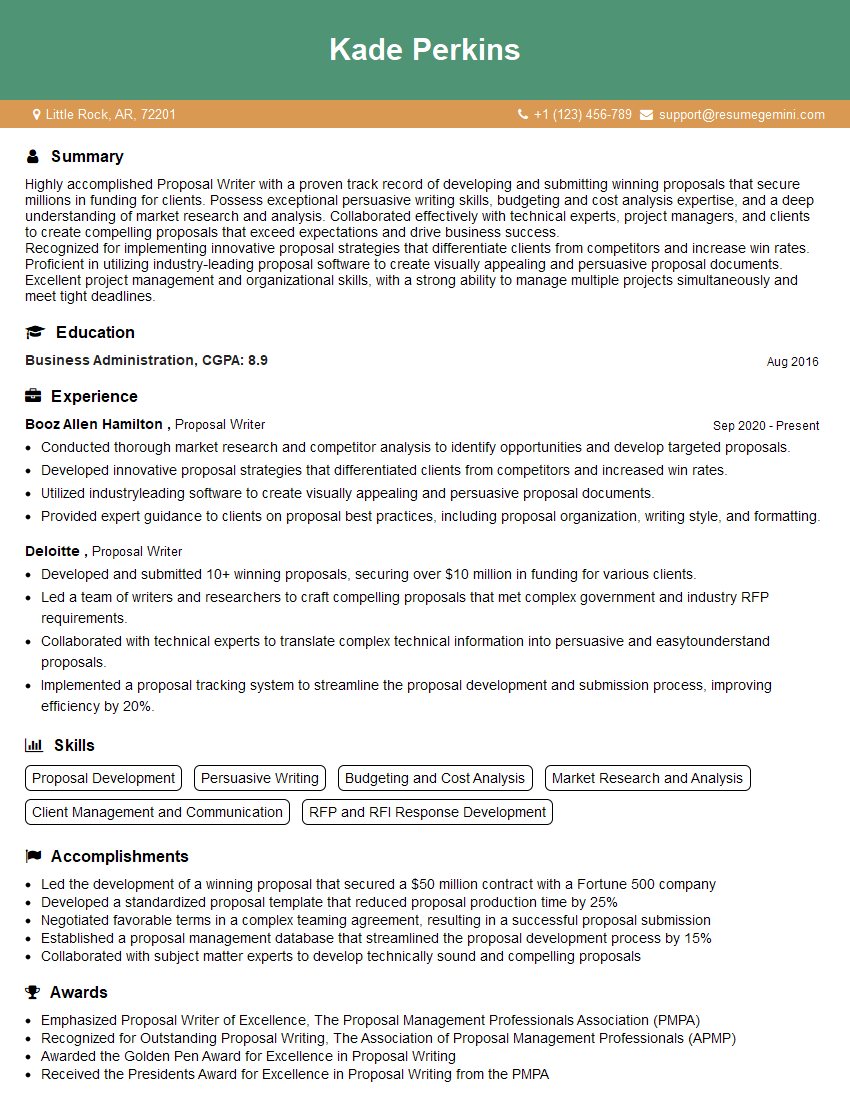
Proposal Writer Resume Sample

Technical Writer Resume Sample
Explore more articles
Users Rating of Our Blogs
Share Your Experience
We value your feedback! Please rate our content and share your thoughts (optional).
What Readers Say About Our Blog
Very informative content, great job.
good