Unlock your full potential by mastering the most common Rig Management interview questions. This blog offers a deep dive into the critical topics, ensuring you’re not only prepared to answer but to excel. With these insights, you’ll approach your interview with clarity and confidence.
Questions Asked in Rig Management Interview
Q 1. Describe your experience managing rig operations in [specific environment, e.g., offshore, deepwater].
My experience managing rig operations in deepwater environments spans over 10 years, encompassing various phases from pre-drilling preparations to post-well completion activities. I’ve overseen multiple deepwater drilling projects in the Gulf of Mexico, consistently delivering projects on time and within budget while maintaining a strong safety record. This includes managing all aspects of the rig, from personnel and logistics to equipment maintenance and operational efficiency. For example, on the ‘Ocean Valiant’ project, I implemented a new well planning software which reduced operational downtime by 15% and improved overall efficiency. This involved thorough training of the team on the new system and continuous monitoring of its effectiveness. I’ve also been responsible for ensuring compliance with all relevant regulations and environmental standards, including those related to underwater noise pollution and potential subsea risks.
A key aspect of my role was proactive risk management. We implemented a comprehensive risk assessment program that involved regular safety meetings, equipment inspections, and emergency response drills. Another significant challenge was navigating the complexities of deepwater operations, including managing the subsea infrastructure and ensuring seamless integration between various operational elements.
Q 2. What safety protocols do you enforce on a rig?
Safety is paramount on any rig. My approach is based on a multi-layered system of protocols, including comprehensive pre-job briefings, daily toolbox talks, and rigorous adherence to company and regulatory safety procedures. We enforce a strict permit-to-work system for all high-risk activities, ensuring thorough risk assessments are completed before commencement. This system is not just a checklist; it encourages active participation from the entire team. We use a ‘Stop Work Authority’ policy empowering any team member to halt operations if they observe unsafe practices. Regular safety inspections, both planned and impromptu, are conducted to identify potential hazards and rectify issues promptly. We maintain detailed records of all safety incidents, both major and minor, for thorough analysis and to prevent recurrence.
Furthermore, we emphasize personal protective equipment (PPE) use, training on emergency procedures (including fire and evacuation drills), and promoting a strong safety culture where reporting near misses is encouraged without fear of retribution. This fosters a proactive environment where hazards are identified and addressed before they escalate into accidents. For instance, during a routine inspection, we discovered a faulty pressure gauge which could have caused a significant pressure issue. Immediate action was taken to replace the gauge preventing potential safety hazards.
Q 3. How do you handle a critical equipment failure on a rig?
Handling critical equipment failures requires a swift, methodical response. The first step is to immediately shut down the affected system and isolate the problem to prevent further damage or injury. Then, a thorough assessment is conducted to determine the extent of the failure and its impact on overall operations. This assessment involves input from experienced engineers and technicians. We establish a clear chain of command and communication to ensure effective coordination between different teams.
Simultaneously, we initiate emergency procedures, which may include contacting emergency services if necessary. We explore all available options for repair or replacement, prioritizing safety and minimizing downtime. This could involve utilizing on-board spare parts, contacting supply vessels for urgent delivery, or implementing temporary workarounds. Detailed documentation of the entire process – from initial failure detection to resolution – is maintained for both immediate action and future analysis to prevent similar incidents.
For example, when a critical mud pump failed during drilling operations, we immediately secured the well, followed by a systematic diagnostic assessment. While awaiting a replacement pump, we utilized a secondary pump at a reduced capacity to continue some critical operations. Post-incident analysis revealed a maintenance oversight, resulting in changes to our preventive maintenance schedules.
Q 4. Explain your experience with rig maintenance scheduling and budgeting.
Rig maintenance scheduling and budgeting is crucial for operational efficiency and safety. We employ a Computerized Maintenance Management System (CMMS) to track equipment condition, schedule preventative maintenance, and manage work orders. The CMMS allows us to accurately predict potential failures and allocate resources proactively. Our maintenance schedules are based on manufacturers’ recommendations, operational data, and industry best practices. We factor in expected wear and tear based on historical data and the specific operating conditions of the rig.
Budgeting involves detailed cost estimations for both preventative and corrective maintenance. This includes labor costs, spare parts, specialized equipment, and contractor fees. We constantly monitor maintenance expenses against the budget, identifying potential cost overruns early and implementing corrective actions. Prioritization of maintenance tasks is based on criticality and risk assessment. High-risk equipment receives more frequent attention, while lower-risk items are scheduled according to their operational life cycle.
For example, during a particular project, we implemented a predictive maintenance strategy on critical components, which led to a 10% reduction in unplanned downtime and a corresponding increase in efficiency. We tracked these results meticulously and presented them during budget reviews to justify further investments in predictive maintenance technologies.
Q 5. How do you manage a diverse team of rig personnel?
Managing a diverse team requires strong leadership, communication, and a commitment to inclusivity. I foster an environment of mutual respect and open communication where every team member feels valued and heard. We have regular team meetings to address concerns, brainstorm solutions, and celebrate successes. I leverage the diverse skills and experiences within the team, assigning roles and responsibilities based on individual strengths. Moreover, I provide opportunities for professional development and training, promoting skill enhancement and career progression within the team.
Effective conflict resolution is crucial. I handle disagreements fairly and impartially, encouraging open dialogue and finding mutually acceptable solutions. I lead by example, demonstrating respect for all cultures and backgrounds. Clear communication is key, ensuring that all instructions and information are understood, regardless of language or background. For instance, during a project, we had personnel from multiple nationalities. We established clear communication protocols, including translators if necessary, and held culturally sensitive training sessions to ensure seamless teamwork.
Q 6. Describe your experience with well control procedures.
Well control procedures are fundamental to rig safety and environmental protection. My experience encompasses extensive training and practical application of well control techniques, including the use of blowout preventers (BOPs), drilling fluids, and various well control equipment. I am proficient in interpreting well pressure data and responding effectively to various well control scenarios. Regular drills and simulations ensure the team’s preparedness for emergencies. These drills cover a range of scenarios, from minor pressure fluctuations to major well control events.
A crucial aspect is adherence to strict operating procedures, detailed well control plans, and maintaining a constant awareness of wellbore conditions. We meticulously document all well control-related activities, including pressure readings, fluid levels, and any corrective actions taken. This meticulous documentation helps us monitor well integrity and conduct post-incident analysis to improve future operations. Furthermore, I’m intimately familiar with regulatory guidelines regarding well control and ensure full compliance with all standards and best practices. For example, I was instrumental in successfully controlling a minor kick during drilling operations using the established well control procedures. This quick and effective response minimized the impact and prevented any major incident.
Q 7. How do you ensure compliance with regulatory requirements on a rig?
Ensuring compliance with regulatory requirements is a non-negotiable aspect of rig management. We maintain a comprehensive understanding of all applicable local, national, and international regulations, including those related to safety, environmental protection, and operational standards. We have a dedicated team responsible for monitoring regulatory updates and ensuring we remain fully compliant. This involves regularly reviewing permits, licenses, and operational procedures to identify potential non-compliance issues. We conduct internal audits to assess our adherence to regulations and identify areas for improvement.
We document all compliance-related activities, including training records, inspection reports, and incident investigations. This documentation provides evidence of our commitment to regulatory compliance and facilitates potential audits by regulatory authorities. Proactive engagement with regulatory bodies is key. We maintain open communication and seek clarification when needed. For example, we were involved in a review of a new environmental regulation, proactively adapting our operations to ensure compliance long before its official implementation.
Q 8. What is your experience with rig mobilization and demobilization?
Rig mobilization and demobilization are critical phases in any drilling operation, representing the transition between a rig’s inactive state and its operational readiness, and vice versa. Mobilization involves transporting and setting up the rig at the wellsite, while demobilization is the reverse process – dismantling and transporting the rig away.
My experience encompasses overseeing all aspects of both processes, from initial planning and logistics – securing permits, arranging transportation, and coordinating with various contractors – to on-site supervision, ensuring the safe and efficient execution of each step. I’ve managed mobilizations and demobilizations of both land rigs and offshore jack-up rigs. For example, during a recent project in the North Sea, I successfully coordinated the mobilization of a jack-up rig within a tight timeframe, optimizing the use of specialized vessels and minimizing downtime. This involved meticulous pre-planning, including detailed equipment lists, contingency planning for potential weather delays, and close communication with all involved parties, leading to a smooth and timely mobilization.
During demobilization, I focus on rigorous equipment inspections, ensuring all components are properly cleaned, packed, and secured for transport, and adhering to stringent safety protocols to prevent accidents. One instance involved the safe and efficient demobilization of a land rig after a successful well completion in a remote location. This required coordination with local authorities, careful dismantling of the rig, and ensuring environmentally responsible disposal of waste materials.
Q 9. How do you manage rig performance and efficiency?
Managing rig performance and efficiency requires a multifaceted approach combining proactive planning, real-time monitoring, and data-driven decision-making. It’s akin to conducting an orchestra; each section (drilling, mud, maintenance, etc.) needs to be in perfect harmony for optimal performance.
Firstly, I use Key Performance Indicators (KPIs) to track critical aspects such as drilling rate, trip times, non-productive time (NPT), and equipment uptime. Regularly reviewing these KPIs allows for prompt identification of bottlenecks and areas needing improvement. For instance, consistently high NPT due to equipment failures suggests a need for enhanced preventative maintenance schedules or improved parts management.
Secondly, I implement and enforce standardized operating procedures (SOPs) to minimize errors and ensure consistency in operations. This includes regular training for the crew on best practices and safety protocols. I also encourage a culture of continuous improvement, where the crew is encouraged to identify and report inefficiencies, leading to collaborative problem-solving. One successful initiative involved implementing a new drilling technique based on crew feedback, resulting in a 15% improvement in drilling rate.
Finally, I leverage technological tools like drilling optimization software to analyze real-time data and make data-driven decisions. This can include adjusting parameters like weight on bit (WOB) and rotary speed to optimize drilling performance. Regular meetings with the drilling team to review data and performance are also crucial.
Q 10. How do you handle conflict resolution within a rig crew?
Conflict resolution within a rig crew requires a proactive and empathetic approach, combining strong leadership with effective communication skills. A rig is a high-pressure environment; it’s essential to address conflicts swiftly and fairly to maintain safety and productivity.
My approach involves encouraging open communication and creating a safe space where crew members feel comfortable voicing concerns. I believe in addressing issues directly and promptly, using active listening to understand all perspectives. I often employ a collaborative problem-solving approach, working with involved parties to identify the root cause of the conflict and develop mutually agreeable solutions.
In cases involving serious disagreements or breaches of safety protocols, I follow established disciplinary procedures while ensuring fairness and transparency. Documentation of all incidents and resolutions is critical. For example, in one instance, a conflict arose between two crew members due to a miscommunication leading to an unsafe work practice. By carefully investigating the situation, facilitating open dialogue, and implementing a revised training program addressing communication protocols, I successfully resolved the conflict and improved overall team dynamics.
Maintaining a positive and respectful work environment is paramount; a well-managed team is a productive team.
Q 11. What is your experience with mud logging and interpretation?
Mud logging involves monitoring the drilling mud (a fluid circulated down the wellbore) for changes that indicate the presence of hydrocarbons or other geological formations. Interpretation of mud logs is essential for geological interpretation and well planning.
My experience includes supervising mud logging operations, ensuring the accuracy and reliability of data collection and interpretation. I’m proficient in identifying key indicators such as gas kicks, changes in cuttings lithology, and drilling parameters that correlate with geological formations. This involves using both traditional methods, such as visually inspecting cuttings and monitoring mud properties, and modern techniques using digital mud logging systems.
Interpreting mud logs requires a strong understanding of geology, petroleum engineering, and drilling operations. I can use mud log data to help make real-time drilling decisions, such as adjusting drilling parameters or identifying potential hazards. For instance, detecting an unexpected gas increase in the mud log can indicate a potential gas kick, requiring immediate action to prevent a well control incident.
I can also use historical mud log data to correlate with well logs and seismic data to create a more complete geological model, crucial for reservoir characterization and production optimization.
Q 12. How do you ensure the rig remains within budget?
Ensuring a rig remains within budget necessitates rigorous cost control throughout all phases of operations, from pre-planning to completion. It’s like managing a household budget; every expense needs to be tracked and managed effectively.
My approach starts with detailed budgeting and forecasting at the project planning stage, identifying all potential cost elements and establishing realistic cost targets. I employ regular cost tracking and reporting to monitor actual expenses against the budget, identifying any deviations early on. This involves reviewing invoices from contractors, analyzing operational data to identify potential cost-saving measures, and closely managing material usage.
For instance, a thorough analysis of drilling parameters helped identify opportunities to reduce bit wear and tear by optimizing drilling parameters, resulting in significant savings on bit costs. Another example includes implementing a just-in-time inventory system to minimize storage costs and reduce waste.
Proactive communication with the client and all stakeholders about potential cost overruns and their causes, along with developing and implementing mitigation strategies, is crucial for transparency and successful budget management. Regular budget reviews with the team are held to promote awareness and shared responsibility for cost control.
Q 13. Describe your experience with daily reporting and communication on the rig.
Daily reporting and communication are the lifeblood of efficient rig operations. It’s how everyone on the rig and the onshore teams stay informed and aligned, ensuring smooth and safe operations. Think of it as the nervous system of the rig.
My experience encompasses developing and implementing robust communication systems, including daily reports that detail key performance indicators (KPIs), significant events, and safety incidents. These reports are disseminated to relevant stakeholders, including the client, operations managers, and relevant support teams. I emphasize clarity, accuracy, and timeliness in reporting to minimize misunderstandings.
In addition to formal reports, I foster a culture of open and proactive communication among the crew, using regular shift change meetings, toolbox talks, and daily briefings to address immediate concerns and share information. I utilize various communication channels, including email, phone, and secure messaging platforms depending on the urgency and sensitivity of the information. For instance, a critical safety issue would require immediate notification via phone call and followed up with a written report.
Effective communication is essential for preventing accidents, resolving issues quickly, and maintaining positive team dynamics. Transparency and honesty are also key, building trust among the team and with stakeholders.
Q 14. What is your experience with risk assessment and mitigation on a rig?
Risk assessment and mitigation are integral to safe and successful rig operations. It involves identifying potential hazards, assessing their likelihood and severity, and implementing control measures to minimize the risk. This is akin to building a strong safety net before any activity begins.
My experience includes leading comprehensive risk assessments using established methodologies like HAZOP (Hazard and Operability Study) and JSA (Job Safety Analysis). This involves identifying potential hazards related to well control, equipment failure, human error, environmental conditions, and other factors. For each identified hazard, I assess its likelihood and potential consequences, prioritizing risks based on their severity.
Once risks are identified and assessed, I develop and implement mitigation strategies, employing both preventative and reactive measures. Preventative measures might include implementing stricter safety protocols, conducting regular equipment inspections, and providing additional training. Reactive measures include developing emergency response plans and ensuring availability of necessary equipment and resources. For example, a risk assessment might identify a potential fire hazard; mitigation would include installing fire suppression systems, providing fire safety training, and establishing emergency evacuation procedures.
Regular review and updates of risk assessments are also crucial to ensure their continued relevance and effectiveness, as conditions and operational parameters may change over time.
Q 15. Explain your understanding of different drilling techniques.
Drilling techniques are chosen based on factors like well depth, formation characteristics, and environmental considerations. There are several key methods:
- Rotary Drilling: This is the most common method, using a rotating drill bit to cut through the earth. A drilling mud is circulated to remove cuttings, cool the bit, and maintain wellbore stability. Variations include air or mist drilling for shallower wells.
- Directional Drilling: This involves drilling a wellbore that deviates from a vertical path, allowing access to reservoirs that are offset from the surface location. This is crucial for maximizing resource recovery and minimizing surface impact. We use downhole motors and bent sub assemblies to steer the drill string.
- Horizontal Drilling: An extension of directional drilling, this technique creates a nearly horizontal wellbore section, dramatically increasing contact with the reservoir and improving production. This is especially prevalent in shale gas and tight oil extraction.
- Underbalanced Drilling: This method maintains a lower pressure in the wellbore than the formation pressure, reducing the potential for formation damage. It is, however, more challenging to manage and requires rigorous control to prevent unwanted influx.
In my experience, selecting the right drilling technique requires a thorough understanding of the geological conditions and a careful risk assessment. For example, in a challenging, high-pressure reservoir, underbalanced drilling might be considered, but its increased risk of well control issues needs meticulous planning and experienced personnel.
Career Expert Tips:
- Ace those interviews! Prepare effectively by reviewing the Top 50 Most Common Interview Questions on ResumeGemini.
- Navigate your job search with confidence! Explore a wide range of Career Tips on ResumeGemini. Learn about common challenges and recommendations to overcome them.
- Craft the perfect resume! Master the Art of Resume Writing with ResumeGemini’s guide. Showcase your unique qualifications and achievements effectively.
- Don’t miss out on holiday savings! Build your dream resume with ResumeGemini’s ATS optimized templates.
Q 16. How do you manage the logistics of supplies and equipment on a rig?
Rig logistics are critical for efficient and safe operations. Effective management involves a multifaceted approach:
- Detailed Planning: This begins with a comprehensive list of required materials, equipment, and tools, considering potential contingencies. We utilize software for accurate material tracking and forecasting.
- Procurement & Supply Chain: Establishing reliable vendor relationships and implementing effective inventory management systems are key to timely delivery. Just-in-time delivery often minimizes storage costs and reduces waste.
- Transportation & Storage: Efficient transportation strategies including optimal routes and scheduling are paramount. Secure and organized storage on the rig is crucial, minimizing the risk of damage or loss.
- Inventory Control: A robust inventory management system tracks materials from ordering to usage, ensuring optimal stock levels and preventing shortages. Regular audits verify accuracy.
- Waste Management: This includes responsible disposal of drilling muds, cuttings, and other waste products, adhering to environmental regulations and promoting sustainability.
I have experience in managing the logistics for various rig sizes and project scopes. In one instance, managing the timely delivery of specialized downhole tools to a remote location involved coordinating multiple transport modes and pre-positioning critical equipment to minimize delays.
Q 17. Describe your experience with troubleshooting mechanical issues on a rig.
Troubleshooting mechanical issues requires a systematic approach and a deep understanding of the rig’s systems. My experience includes:
- Identifying the Problem: This often involves careful observation, data analysis, and input from experienced rig personnel. We use diagnostic tools and historical data to pinpoint the root cause.
- Safety First: All troubleshooting must prioritize safety. Isolating the affected system and implementing lockout/tagout procedures is critical.
- Diagnosis & Repair: Employing technical manuals, schematics, and specialized tools helps to diagnose faults. Repairs range from minor fixes to major component replacement, requiring familiarity with hydraulics, mechanics, and electrical systems.
- Preventive Maintenance: Regular preventative maintenance significantly reduces the likelihood of unexpected breakdowns. This includes scheduled inspections, lubrication, and component replacement.
I once encountered a significant hydraulic leak in the top drive system. By systematically isolating sections of the hydraulic circuit, I identified a faulty seal. Replacing the seal quickly restored functionality, avoiding costly downtime.
Q 18. What is your experience with well testing procedures?
Well testing is a crucial process to determine reservoir properties and production potential. My experience encompasses:
- Pre-Test Preparation: This involves reviewing well design, selecting appropriate testing equipment, and preparing the well for testing. Safety procedures are paramount.
- Test Execution: I’m proficient in running various tests, including pressure buildup tests, drawdown tests, and production tests. Accurate data acquisition is essential.
- Data Analysis: Post-test analysis uses specialized software to interpret the data and calculate reservoir parameters such as permeability and porosity. The results provide valuable insights for reservoir management.
- Reporting: Detailed reports are generated to communicate the findings and recommendations to stakeholders. These reports include raw data, interpretations, and recommendations for future operations.
In one project, I successfully conducted a multi-rate test which provided accurate reservoir permeability data crucial for optimizing production strategies. This test required careful monitoring and precise control of flow rates.
Q 19. How do you monitor and control rig operating costs?
Controlling rig operating costs requires a comprehensive strategy:
- Budgeting & Forecasting: Accurate budgeting is essential. We regularly review actual vs. budgeted costs to identify variances.
- Efficient Resource Allocation: Optimizing personnel deployment, equipment utilization, and material usage is critical. Minimizing idle time and waste is key.
- Negotiation with Vendors: Strong negotiation skills ensure competitive pricing for services and supplies.
- Performance Monitoring: Continuous monitoring of key performance indicators (KPIs) such as drilling rate, trip times, and non-productive time (NPT) helps to identify areas for improvement.
- Data Analytics: Analyzing operational data can reveal inefficiencies and optimize processes.
By implementing a robust cost control system, we have consistently met or exceeded budget targets in several projects. For instance, using data analytics, we identified an opportunity to reduce fuel consumption by optimizing the mud pump operations, resulting in significant savings.
Q 20. Describe your experience with environmental protection measures on a rig.
Environmental protection is paramount in rig operations. My experience includes:
- Spill Prevention & Response: Implementing robust procedures for preventing spills of drilling fluids, fuels, and other hazardous materials. This includes regular inspections, training, and emergency response plans.
- Waste Management: Proper management and disposal of drilling muds, cuttings, and other wastes in compliance with all applicable regulations. This frequently involves recycling or treating waste to reduce environmental impact.
- Air Emissions Control: Minimizing emissions from engines and other sources by using emission control technologies and optimized operations.
- Water Conservation: Implementing water conservation measures to reduce water usage and protect water resources. This might involve using water-based drilling fluids or recycling water.
- Environmental Monitoring: Regular monitoring of air and water quality to ensure compliance and mitigate environmental risks.
In one operation, we implemented a water recycling system, significantly reducing water consumption and minimizing our environmental footprint. This initiative was not only environmentally responsible but also resulted in substantial cost savings.
Q 21. How do you manage changes to rig operations during drilling?
Managing changes effectively during drilling is crucial for maintaining efficiency and safety. My approach includes:
- Change Management Process: Implementing a formal change management process that involves documenting, reviewing, and approving all changes before implementation. This ensures controlled changes and minimizes risks.
- Risk Assessment: Evaluating the potential risks associated with any proposed change, considering its impact on safety, schedule, and cost. Mitigation strategies must be in place.
- Communication: Clear and effective communication of changes to all relevant personnel, including the drilling crew, engineers, and management. This is essential for a smooth transition.
- Documentation: Maintaining detailed records of all changes made, including the rationale, implementation details, and outcomes. This is essential for future reference and improvement.
- Flexibility & Adaptability: Responding quickly and effectively to unforeseen issues and adjusting plans accordingly. Experience helps anticipate potential problems and prepare contingency plans.
I once managed a significant change to the drilling plan due to an unexpected geological formation. By swiftly coordinating with the engineering team, implementing the necessary changes, and communicating effectively with the rig crew, we avoided major delays and maintained operational safety.
Q 22. Explain your experience with using drilling software and data analysis.
My experience with drilling software and data analysis is extensive. I’m proficient in several industry-standard platforms, including Petrel, Landmark, and Drilling Information Systems (DIS). My work involves not just using these tools but also interpreting the data they produce to optimize drilling operations. For instance, I’ve used real-time data from DIS to monitor drilling parameters like rate of penetration (ROP), torque, and weight on bit (WOB) to identify potential problems like downhole complications or bit wear. This allows for proactive adjustments to the drilling plan, preventing costly delays and improving overall efficiency. Furthermore, I utilize Petrel to build detailed geological models, incorporating seismic data and well logs to better understand subsurface formations and optimize well placement. Post-drilling, I conduct thorough data analysis, identifying trends and anomalies to improve future drilling operations and create more accurate predictive models. For example, I once identified a correlation between specific mud properties and increased ROP, leading to changes in mud formulation that increased efficiency by 15% on subsequent wells.
Q 23. How do you handle emergencies and accidents on a rig?
Handling emergencies and accidents on a rig requires a calm, decisive, and systematic approach. Our first priority is always safety. My experience involves implementing and adhering to strict emergency response plans, including well control procedures. This involves immediately initiating the appropriate shutdown procedures, assessing the situation, and contacting relevant authorities. For example, during a recent incident involving a minor gas leak, we followed a step-by-step protocol to isolate the source, vent the gas safely, and conduct repairs according to established safety standards. Beyond immediate response, thorough post-incident investigations are crucial, examining the root causes to prevent similar occurrences. This may involve analyzing data from the rig’s various monitoring systems and conducting interviews with personnel involved. We use these findings to refine safety protocols and training programs, always prioritizing continuous improvement and preventing future incidents. A key element is maintaining open communication with all personnel to foster trust and ensure everyone understands their roles during emergencies.
Q 24. What is your experience with training and mentoring rig personnel?
Training and mentoring rig personnel is a vital part of my role. I believe in a hands-on, practical approach combined with theoretical knowledge. My training methodology includes classroom sessions, on-the-job training, and regular performance reviews. I’ve developed and delivered training modules on various aspects of rig operations, including well control, safety procedures, and equipment maintenance. I emphasize practical skills development through simulations and real-world scenarios. For example, I’ve overseen the training of new rig hands in using specialized equipment, conducting regular drills and evaluations to ensure competency. Mentoring involves guiding individuals, offering constructive feedback, and fostering a supportive learning environment. I regularly meet with team members to discuss their progress, identify areas for improvement, and address any concerns. This approach builds confidence and improves the overall performance of the team. A particular success was mentoring a junior engineer who, after receiving targeted training and support, quickly progressed to become a highly effective and responsible member of the drilling team.
Q 25. How do you ensure the rig meets all quality standards?
Ensuring the rig meets all quality standards is an ongoing process that involves meticulous planning, execution, and monitoring. This process starts with pre-job planning and risk assessments. We use checklists and standardized procedures to verify that all equipment meets regulatory requirements and is properly maintained. During operations, we conduct regular inspections, both planned and unplanned, to identify potential problems early. Data logging and analysis are crucial for ongoing quality control. This includes monitoring key performance indicators (KPIs) such as equipment uptime, safety incidents, and environmental impact. We utilize quality control software to track maintenance schedules and ensure compliance with industry best practices. For example, we implement a robust preventative maintenance schedule based on manufacturers’ recommendations and our own operational experience. This preventative maintenance strategy has significantly reduced equipment downtime and avoided costly repairs. Non-compliance is addressed immediately, with corrective actions documented and communicated to all relevant parties. The goal is to maintain a culture of quality and continuous improvement.
Q 26. Describe your experience with well completion and workover operations.
My experience with well completion and workover operations is considerable. I’ve been involved in various aspects, from planning and execution to post-completion analysis. This includes working with different completion techniques, including cemented liners, gravel packs, and packers. I’ve overseen operations involving both conventional and unconventional reservoirs. My understanding extends to the challenges associated with each method, including managing risks associated with pressure, temperature, and formation integrity. For example, during one well completion, we encountered an unexpected pressure surge. By using real-time data analysis and quick decision-making, we successfully mitigated the situation and prevented a costly blowout. Post-completion analysis is crucial to evaluate the success of the operation and identify opportunities for optimization in future projects. We analyze production data to assess well performance and identify any issues that require further action. The data-driven approach helps to improve well completion designs and reduce operational risks in future projects.
Q 27. Explain your understanding of various types of drilling rigs.
My understanding of various drilling rig types is comprehensive. I’m familiar with land rigs, offshore rigs (jack-ups, semisubmersibles, drillships), and platform rigs. Each type has unique capabilities and limitations. Land rigs are typically used for onshore drilling and are characterized by their mobility and adaptability to diverse terrains. Offshore rigs, on the other hand, are designed for deepwater operations and are classified based on their hull design and positioning systems. Jack-ups have legs that rest on the seabed, while semisubmersibles and drillships maintain position through dynamic positioning systems. The choice of rig type depends on factors like water depth, location, and the specific requirements of the well. For instance, a jack-up rig would be suitable for shallow waters, whereas a drillship would be required for ultra-deepwater operations. Understanding the differences and capabilities of each rig type is crucial for planning and executing safe and efficient drilling operations. I can assess the suitability of each rig type for a particular project and effectively manage the challenges associated with each type of equipment.
Q 28. How do you prioritize tasks and manage workload during peak activity?
Prioritizing tasks and managing workload during peak activity requires a structured and organized approach. I use various tools and techniques to effectively manage multiple priorities. First, I establish clear goals and objectives, breaking down large tasks into smaller, manageable components. This enables better tracking of progress and allows for efficient allocation of resources. I utilize project management software to create schedules and track progress, ensuring all deadlines are met. Prioritization is based on several factors including safety, urgency, and operational impact. Critical tasks related to safety are always given the highest priority. Using a prioritization matrix (such as Eisenhower Matrix) helps to categorize tasks based on their importance and urgency. Effective communication is crucial to keeping the team informed of priorities and progress. Regular team meetings help to coordinate efforts and address any potential challenges. Finally, I strive to create a culture of teamwork and mutual support. This collaborative environment ensures that everyone contributes effectively and that the workload is distributed fairly, even during peak activity periods. This system has helped me consistently deliver projects on time and within budget, even in challenging situations.
Key Topics to Learn for Rig Management Interview
- Rig Safety and Compliance: Understanding and implementing safety protocols, regulatory compliance (e.g., OSHA, API), and risk management strategies within a rig environment.
- Rig Operations and Maintenance: Knowledge of drilling operations, well control procedures, equipment maintenance schedules, and troubleshooting common rig issues. Practical application includes understanding the impact of preventative maintenance on operational efficiency and safety.
- Budgeting and Cost Control: Experience with cost estimation, budget development, variance analysis, and cost-saving initiatives within the context of rig operations. This includes understanding the impact of operational decisions on the overall project budget.
- Personnel Management and Teamwork: Effective communication, team leadership, conflict resolution, and motivating a diverse workforce on a rig. Practical application involves demonstrating experience in managing personnel performance and fostering a positive team environment under pressure.
- Logistics and Supply Chain Management: Understanding the procurement process, inventory management, supply chain optimization, and managing logistics challenges in remote locations. This includes anticipating potential supply chain disruptions and implementing mitigation strategies.
- Data Analysis and Reporting: Experience with analyzing operational data, generating reports, identifying trends, and using data to inform decision-making processes to improve rig efficiency and performance. This may include proficiency with relevant software.
- Emergency Response and Crisis Management: Developing and implementing emergency response plans, handling crisis situations, and ensuring the safety of personnel during unexpected events. Practical application would showcase experience in leading a team through a simulated or actual emergency.
Next Steps
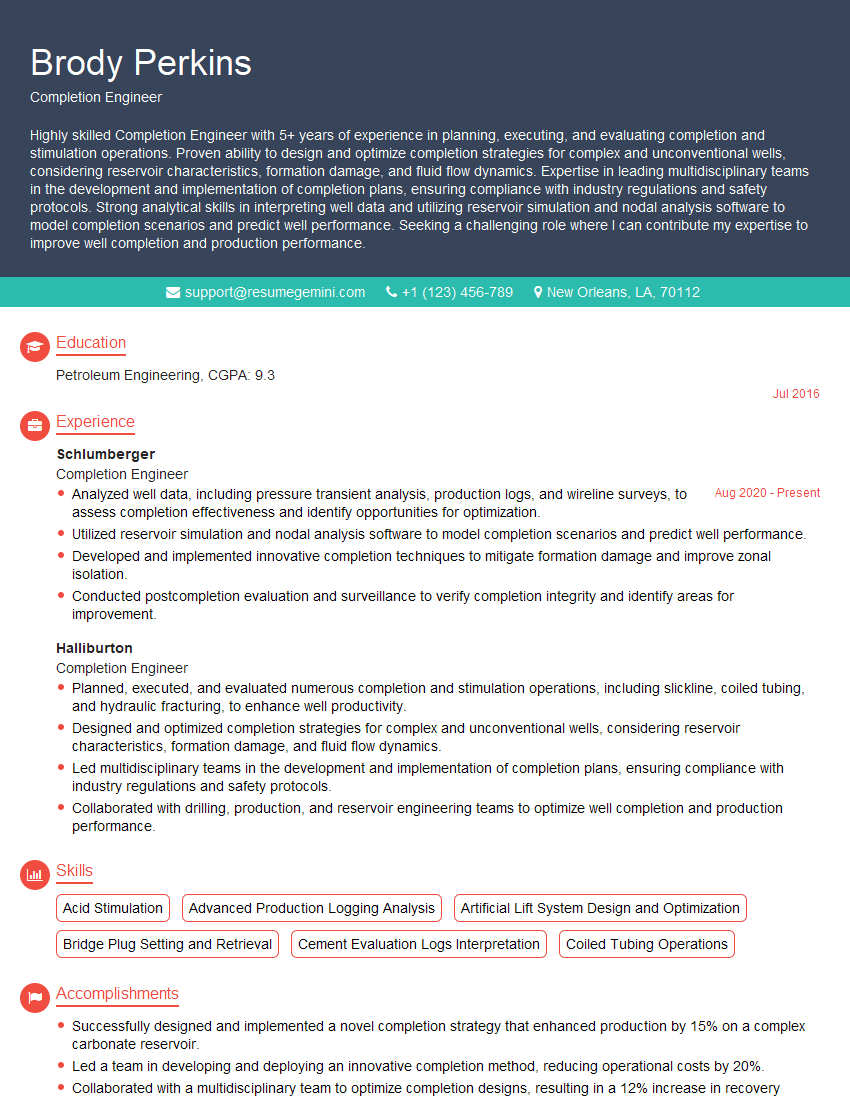
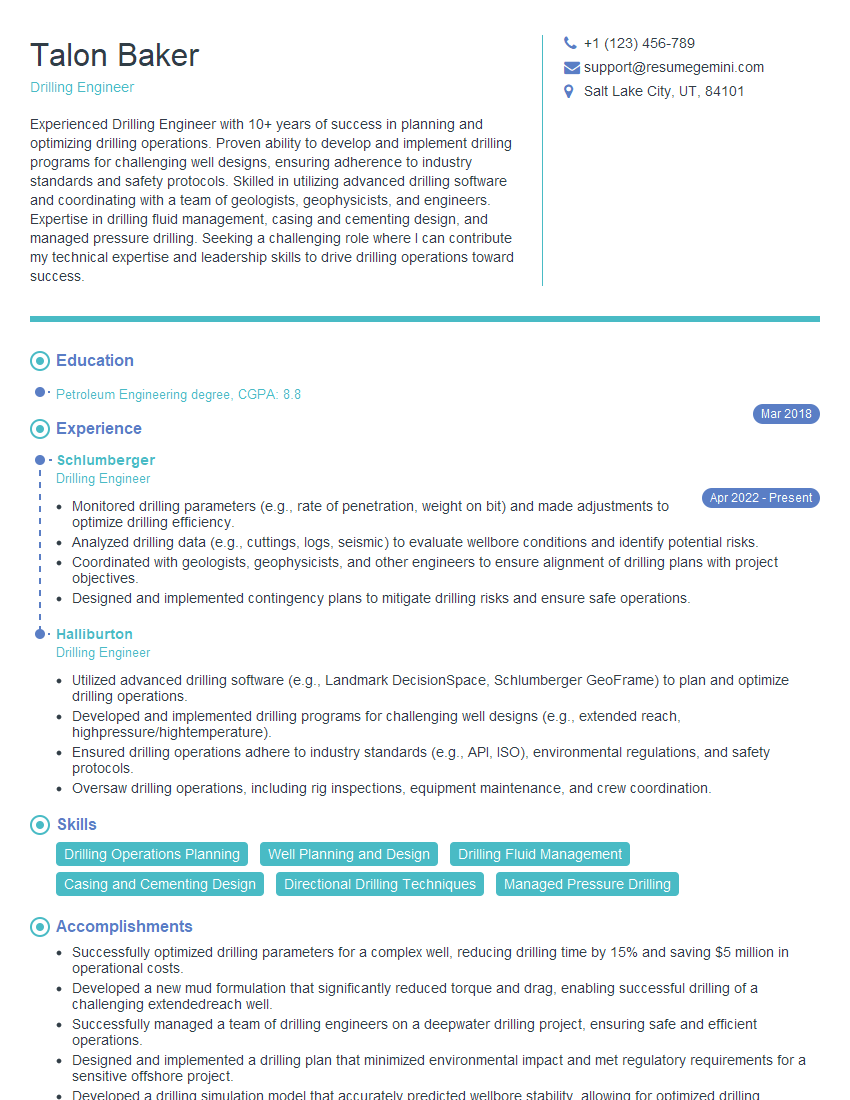
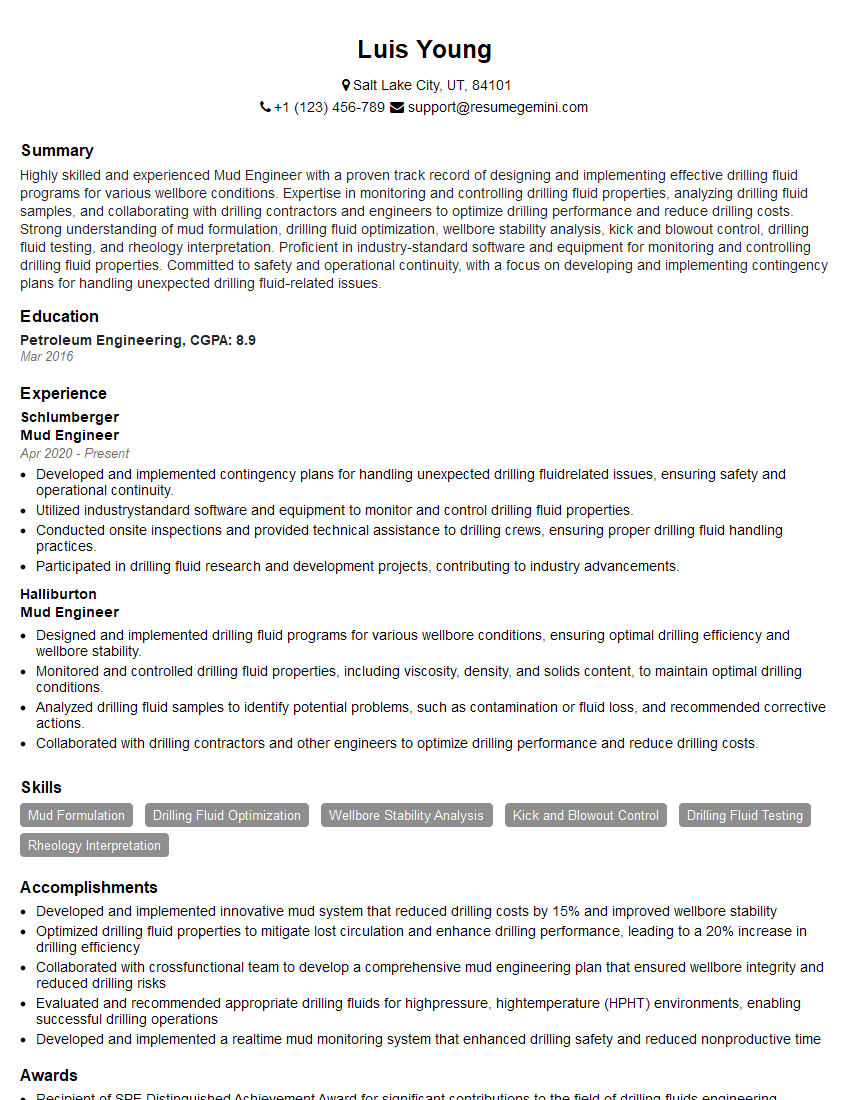
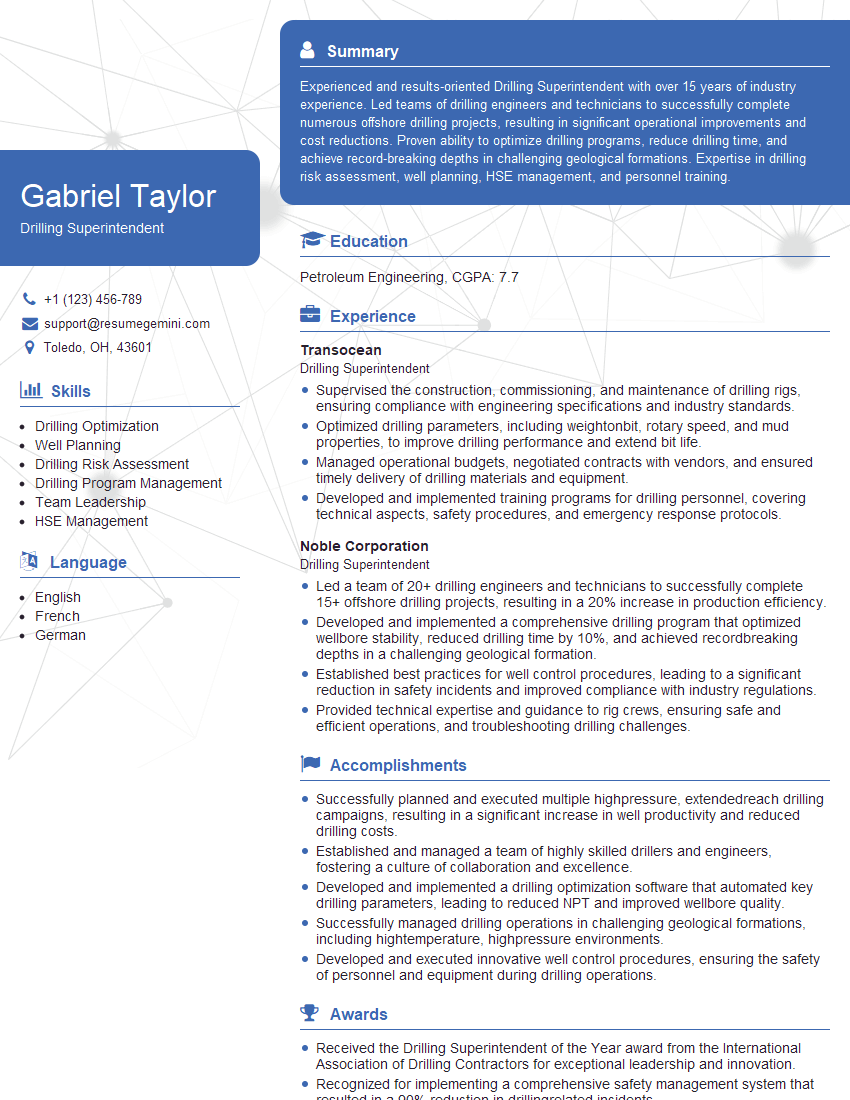
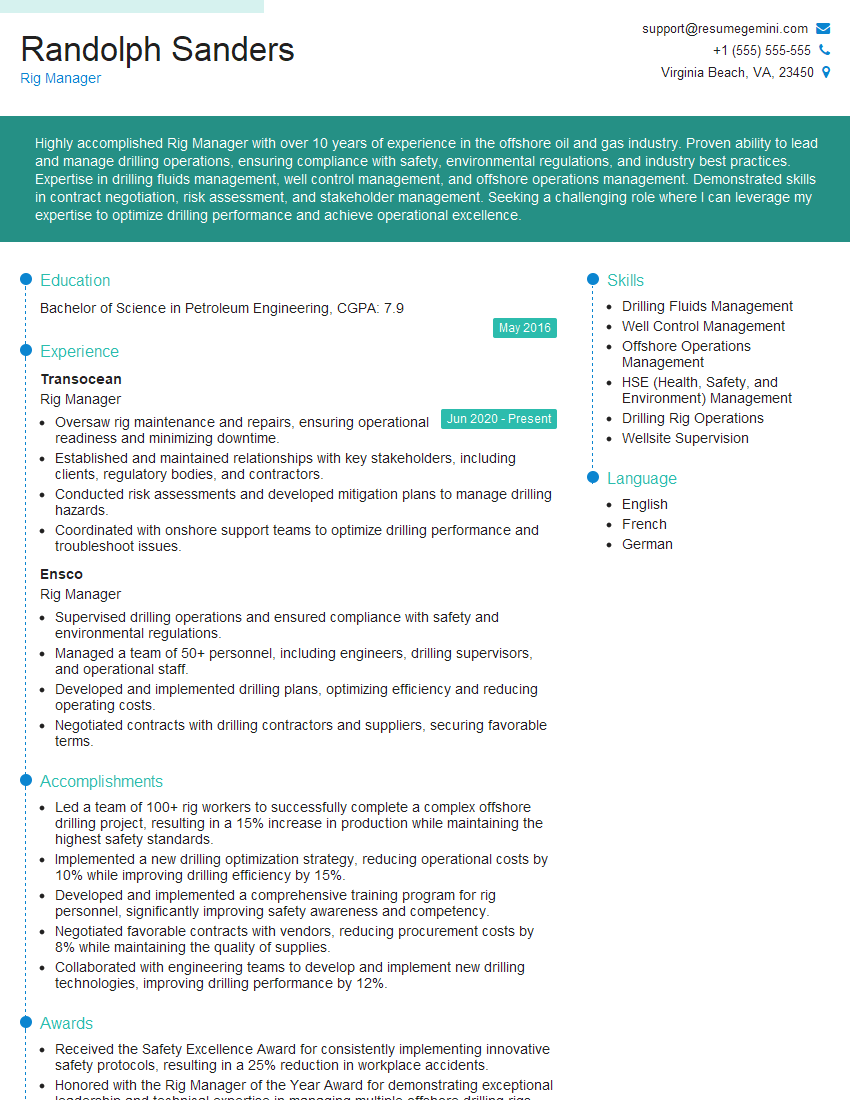
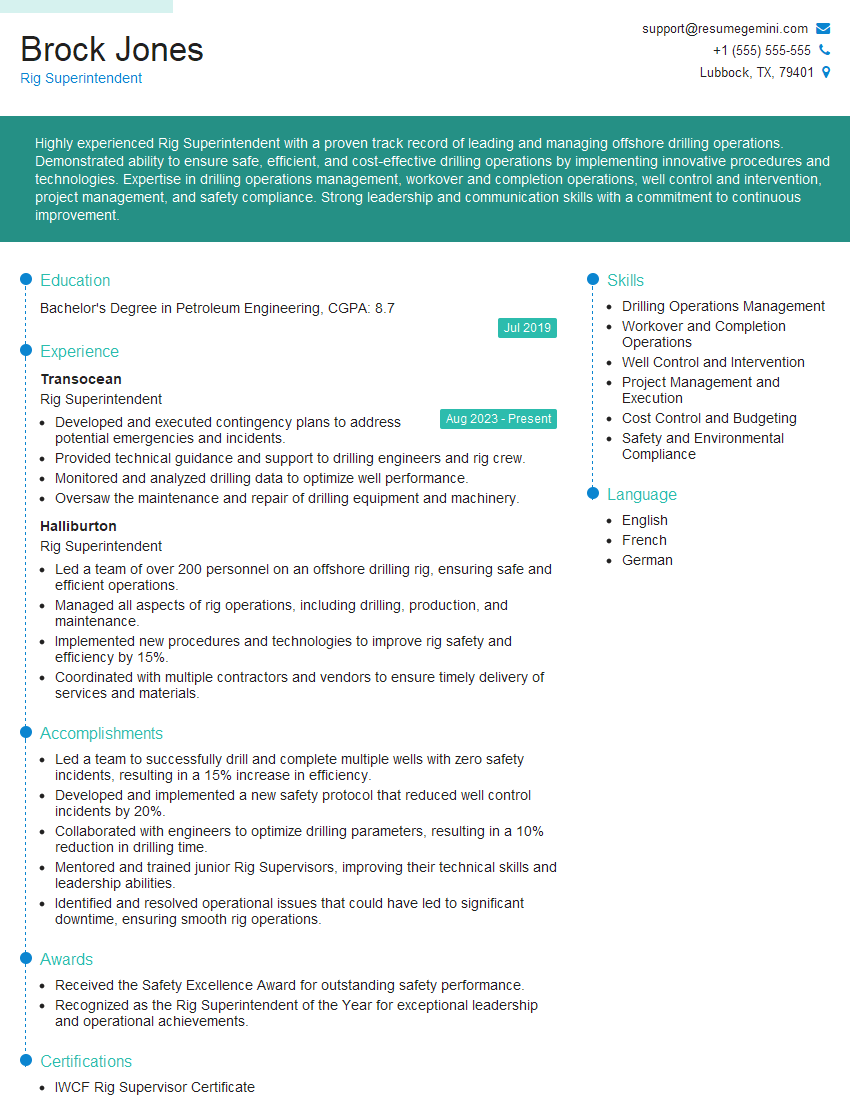
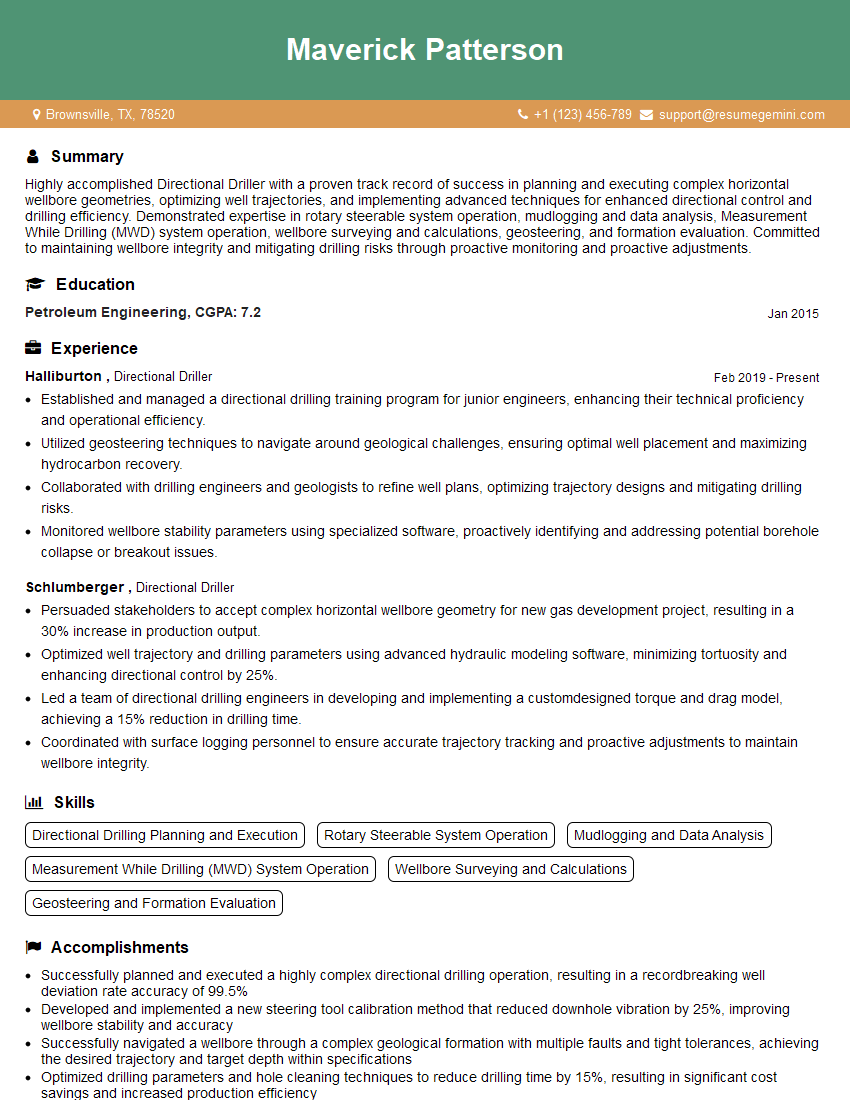
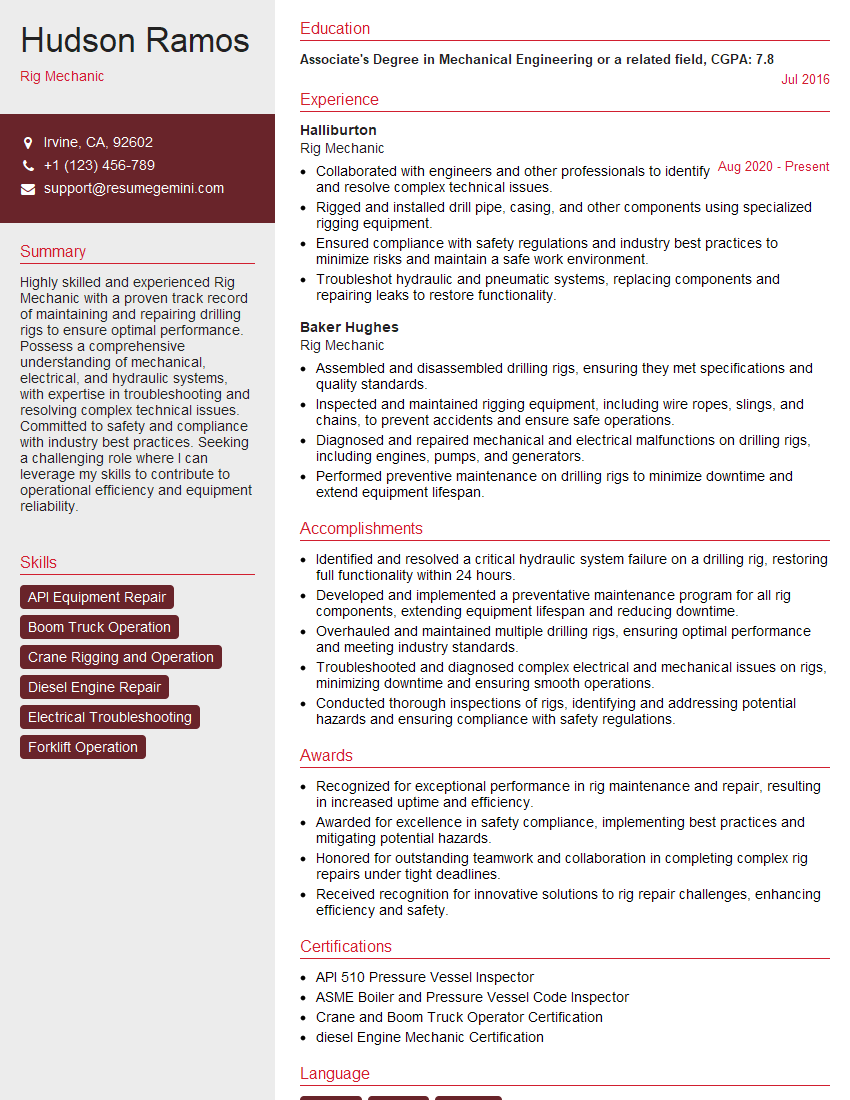
Mastering Rig Management opens doors to exciting career advancements and leadership opportunities within the energy sector. To maximize your job prospects, create an ATS-friendly resume that effectively showcases your skills and experience. ResumeGemini is a trusted resource for building professional resumes that stand out. We provide examples of resumes tailored to Rig Management to help you create a compelling application that highlights your unique qualifications. Invest time in crafting a strong resume – it’s your first impression with potential employers.
Explore more articles
Users Rating of Our Blogs
Share Your Experience
We value your feedback! Please rate our content and share your thoughts (optional).
What Readers Say About Our Blog
Very informative content, great job.
good