Interviews are more than just a Q&A session—they’re a chance to prove your worth. This blog dives into essential Risk Assessment and Contingency Planning interview questions and expert tips to help you align your answers with what hiring managers are looking for. Start preparing to shine!
Questions Asked in Risk Assessment and Contingency Planning Interview
Q 1. Define risk assessment and explain its importance.
Risk assessment is a systematic process of identifying potential hazards and analyzing the likelihood and consequences of those hazards occurring. It’s essentially a proactive approach to understanding and managing uncertainty. Its importance lies in minimizing potential losses, protecting assets (both physical and intangible), ensuring compliance with regulations, and ultimately improving decision-making. Think of it like a pre-flight check for an airplane – you wouldn’t take off without ensuring all systems are functioning properly, and risk assessment is that crucial check for any endeavor.
For example, a hospital conducting a risk assessment might identify the risk of a power outage impacting critical life support systems. This assessment would then allow them to implement backup power solutions, thus mitigating the risk and protecting patients.
Q 2. Describe the different methods used for risk assessment.
Several methods exist for conducting risk assessments, each with its own strengths and weaknesses. These include:
- Checklists: Simple, structured lists of potential hazards. Effective for routine tasks and identifying common risks, but might miss less obvious or unique hazards.
- What-if analysis: A brainstorming technique exploring potential scenarios and their consequences. Useful for identifying a broad range of risks, but requires experienced individuals to lead and can be less structured.
- Fault tree analysis (FTA): A deductive, top-down approach that identifies potential causes of a specific unwanted event. Excellent for complex systems, but can be time-consuming and requires specialized knowledge.
- Failure Mode and Effects Analysis (FMEA): A systematic approach to identify potential failure modes of a system and their effects. Allows for ranking risks based on severity and probability.
- HAZOP (Hazard and Operability Study): A structured group discussion method to identify potential hazards and operability problems. Particularly useful for process industries.
The choice of method depends on the complexity of the system, the resources available, and the desired level of detail.
Q 3. What are the key components of a comprehensive risk assessment?
A comprehensive risk assessment typically includes these key components:
- Hazard Identification: Identifying all potential hazards that could cause harm or loss.
- Risk Analysis: Assessing the likelihood (probability) and potential consequences (severity) of each hazard.
- Risk Evaluation: Comparing the identified risks against predefined criteria to determine their significance or level of acceptability.
- Risk Control: Developing and implementing strategies to mitigate or eliminate the identified risks. This often involves a combination of preventative and reactive measures.
- Risk Monitoring and Review: Regularly reviewing and updating the risk assessment to reflect changes in the environment, processes, or controls.
- Documentation: Maintaining a detailed record of the entire assessment process, including findings, decisions, and implemented controls.
This ensures a thorough and well-documented process for managing risks effectively.
Q 4. Explain the difference between qualitative and quantitative risk assessment.
Qualitative and quantitative risk assessments differ primarily in how they measure risk.
Qualitative risk assessment uses descriptive terms (e.g., low, medium, high) to assess the likelihood and impact of risks. It’s simpler, quicker, and often sufficient for less critical situations. Think of it like using a traffic light system – red, amber, green.
Quantitative risk assessment uses numerical data and statistical methods to express the likelihood and impact of risks. This provides a more precise and objective measure of risk but requires more data and expertise. Imagine this as assigning specific numbers to the risk – a 10% chance of a $10,000 loss, for example.
Often, a combination of both methods is used – a qualitative assessment to screen risks initially, followed by a quantitative assessment for high-priority risks.
Q 5. How do you prioritize risks identified during an assessment?
Risk prioritization is crucial for efficient resource allocation. A common method is using a risk matrix, which plots risks based on their likelihood and severity. Risks are typically prioritized based on a combination of these two factors, often expressed as a risk score or level.
For example, a risk with high likelihood and high severity would be given a high priority, whereas a risk with low likelihood and low severity would receive low priority. Other factors, such as regulatory requirements or potential reputational damage, might also be considered when making prioritization decisions. A simple prioritization matrix might use a scoring system (e.g., 1-5 for likelihood and 1-5 for severity), multiplying the scores to get a risk score. Higher scores warrant higher priority.
Q 6. What are the common challenges encountered during risk assessment?
Common challenges in risk assessment include:
- Data limitations: Insufficient data to accurately assess the likelihood and severity of certain risks.
- Subjectivity: The assessment process can be influenced by biases and subjective judgments, particularly in qualitative assessments.
- Time constraints: The need to complete assessments quickly can lead to compromises in thoroughness.
- Resource limitations: Limited budget, staff, or expertise can hinder the effectiveness of the assessment.
- Communication barriers: Difficulties communicating risk information effectively to stakeholders.
- Lack of buy-in: Failure to obtain the support and participation of stakeholders in the process.
Overcoming these challenges requires careful planning, the use of appropriate methodologies, and effective communication throughout the process.
Q 7. Describe your experience with risk mitigation strategies.
My experience with risk mitigation strategies encompasses a wide range of approaches, tailored to the specific risks identified. This has included implementing technical controls like firewalls and intrusion detection systems to protect IT infrastructure, developing emergency response plans to address natural disasters, and implementing training programs to improve employee awareness and reduce human error.
For instance, while working on a large-scale construction project, we identified a significant risk of schedule delays due to inclement weather. Our mitigation strategies included incorporating weather contingencies into the project schedule, procuring weather insurance, and securing alternative construction methods suitable for adverse weather conditions. This proactive approach allowed us to successfully complete the project despite experiencing several weather-related setbacks.
Another example involved developing cybersecurity mitigation strategies for a financial institution. This included regular security audits, employee training on phishing and malware threats, multi-factor authentication systems, and incident response plans to deal with potential security breaches.
Q 8. Explain the concept of contingency planning.
Contingency planning is the process of identifying potential risks and developing proactive strategies to mitigate their impact. It’s like having a backup plan for your backup plan – ensuring that even if unexpected events occur, you can minimize disruption and keep things moving forward. Instead of reacting to crises in a panicked fashion, a robust contingency plan allows for a calm, organized response.
Think of it like this: You’re planning a large conference. Your contingency plan would address potential issues like a power outage (backup generator), a speaker canceling (a replacement speaker lined up), or a sudden surge in attendees (additional seating and catering arranged).
Q 9. What are the essential elements of a robust contingency plan?
A robust contingency plan comprises several essential elements:
- Risk Identification: Thoroughly identifying all potential risks, both internal (e.g., equipment failure, staff shortages) and external (e.g., natural disasters, economic downturns).
- Risk Analysis: Assessing the likelihood and potential impact of each identified risk. This often involves using qualitative and quantitative methods to prioritize risks.
- Contingency Strategies: Developing specific actions to mitigate or respond to each risk. This might involve preventative measures (e.g., regular equipment maintenance) or recovery strategies (e.g., data backups, alternative communication channels).
- Resource Allocation: Identifying and securing the necessary resources (financial, personnel, equipment) to implement the contingency plan.
- Communication Plan: Establishing clear communication channels and procedures to keep stakeholders informed during and after a disruption.
- Testing and Review: Regularly testing and reviewing the plan to ensure its effectiveness and update it as needed. This might involve simulations or tabletop exercises.
- Documentation: Maintaining comprehensive documentation of the plan, including roles and responsibilities, procedures, contact information, and other relevant details.
Q 10. How do you develop a contingency plan for a specific risk?
Developing a contingency plan for a specific risk follows a structured approach:
- Define the Risk: Clearly articulate the nature of the risk, its potential impact, and the likelihood of its occurrence. For example, let’s say the risk is a data breach due to a cyberattack.
- Identify Potential Impacts: Analyze the potential consequences of the risk materializing. A data breach could lead to financial losses, reputational damage, legal liabilities, and loss of customer trust.
- Develop Mitigation Strategies: Brainstorm a range of strategies to reduce the likelihood or impact of the risk. This could involve implementing strong firewalls, employee security training, data encryption, and incident response protocols.
- Create Action Steps: Detail specific actions that need to be taken in case the risk occurs. This might include activating the incident response team, notifying relevant authorities, communicating with customers, and restoring data from backups.
- Allocate Resources: Assign responsibilities, budget funds, and acquire necessary technology or expertise to support the contingency plan.
- Document and Communicate: Write down the plan clearly and concisely. Communicate it to all relevant stakeholders.
- Test and Revise: Regularly test the plan through simulations or tabletop exercises to ensure its effectiveness. Update the plan based on lessons learned and changing circumstances.
Q 11. Describe a situation where you had to develop and implement a contingency plan.
During a major software launch, we faced the risk of a significant system outage due to unexpectedly high user traffic. We developed a contingency plan that included:
- Load Balancing: Distributing the traffic across multiple servers to prevent overload on any single server.
- Scalability: Ensuring our infrastructure could easily scale up to handle increased demand.
- Monitoring: Implementing robust monitoring tools to detect and respond to performance issues promptly.
- Communication Plan: Creating a communication strategy to inform users about potential delays or issues.
When the launch did result in higher-than-anticipated traffic, the contingency plan enabled us to quickly scale our infrastructure, effectively manage the load, and minimize user disruption. Regular testing and review of our plan prior to launch were critical to its success. The post-incident review highlighted areas for further improvement in our capacity planning and early warning systems.
Q 12. What key performance indicators (KPIs) would you use to measure the effectiveness of a contingency plan?
Key Performance Indicators (KPIs) for measuring the effectiveness of a contingency plan include:
- Recovery Time Objective (RTO): The maximum acceptable time to restore services after an incident.
- Recovery Point Objective (RPO): The maximum acceptable data loss in case of an incident.
- Mean Time To Recovery (MTTR): The average time it takes to restore services after an incident.
- Number of Incidents: Tracking the number of incidents that trigger the contingency plan.
- Cost of Incidents: Measuring the financial impact of incidents.
- Stakeholder Satisfaction: Assessing how effectively the plan meets stakeholder needs and expectations.
- Plan Adherence: Evaluating the degree to which the plan was followed during an incident.
By monitoring these KPIs, we can identify areas where the contingency plan is performing well and areas that need improvement.
Q 13. How do you communicate risk assessments and contingency plans to stakeholders?
Communicating risk assessments and contingency plans effectively requires a multi-faceted approach:
- Tailored Communication: Adapting the communication style and content to the specific audience (e.g., executive summary for senior management, detailed explanation for technical staff).
- Multiple Channels: Using various communication channels, such as presentations, reports, emails, and training sessions, to ensure everyone receives and understands the information.
- Visual Aids: Employing diagrams, charts, and other visual aids to enhance understanding and make the information more engaging.
- Regular Updates: Providing regular updates on the status of the plan and any changes made.
- Feedback Mechanisms: Establishing mechanisms for gathering feedback from stakeholders to ensure the plan is relevant and effective.
- Training and Drills: Conducting regular training and drills to educate stakeholders on the plan and how to respond to various scenarios. This fosters familiarity and confidence.
Q 14. How do you ensure that contingency plans are regularly reviewed and updated?
Ensuring regular review and updates of contingency plans is crucial for their ongoing effectiveness. This can be achieved through:
- Scheduled Reviews: Implementing a formal review process with a defined schedule (e.g., annually, or after significant organizational changes).
- Post-Incident Reviews: Conducting thorough reviews after any incident that triggers the contingency plan to identify areas for improvement and update the plan accordingly.
- Changes in Business Environment: Reviewing and updating the plan whenever there are significant changes in the business environment, technology, or regulatory landscape.
- Technology Upgrades: Regularly updating the plan to reflect changes in technology and infrastructure.
- Internal Audits: Conducting regular internal audits to assess the effectiveness of the contingency plan and identify any gaps or weaknesses.
- Version Control: Implementing a version control system to track changes to the plan and maintain a history of revisions.
By proactively updating the plan, organizations can ensure it remains relevant and effective in mitigating potential risks.
Q 15. What is the role of risk registers in managing risks?
A risk register is a centralized document that provides a comprehensive overview of all identified risks within a project or organization. It’s essentially a living document that’s updated throughout the project lifecycle. Its role is crucial in managing risks because it allows for a structured approach to risk identification, assessment, and response.
- Risk Identification: The register serves as a repository for all identified risks, ensuring nothing is missed.
- Risk Assessment: Each risk is analyzed, considering its likelihood and potential impact. This analysis helps prioritize which risks need immediate attention.
- Risk Response Planning: The register facilitates the development and tracking of responses to identified risks. It outlines the planned actions, responsible parties, timelines, and budgets for each risk response strategy.
- Monitoring and Control: The register tracks the status of each risk and the effectiveness of the implemented response strategies. It allows for proactive identification of emerging risks and adjustments to plans as needed.
- Communication: A well-maintained register improves communication among stakeholders by providing a clear, concise picture of the organization’s risk profile.
Imagine building a house. The risk register is like a blueprint that lists all potential problems (e.g., bad weather delaying construction, material shortages, worker injury). It documents how to mitigate each risk (e.g., having backup materials, insurance, safety training) and tracks the progress in addressing them.
Career Expert Tips:
- Ace those interviews! Prepare effectively by reviewing the Top 50 Most Common Interview Questions on ResumeGemini.
- Navigate your job search with confidence! Explore a wide range of Career Tips on ResumeGemini. Learn about common challenges and recommendations to overcome them.
- Craft the perfect resume! Master the Art of Resume Writing with ResumeGemini’s guide. Showcase your unique qualifications and achievements effectively.
- Don’t miss out on holiday savings! Build your dream resume with ResumeGemini’s ATS optimized templates.
Q 16. Explain the concept of Business Impact Analysis (BIA).
A Business Impact Analysis (BIA) is a systematic process used to identify and assess the potential impact of disruptions on an organization’s operations. It’s a crucial step in developing effective contingency plans. The goal is to understand the criticality of different business functions and the potential consequences of their failure or interruption.
- Identify Critical Business Functions: Determine which functions are essential for the organization’s survival and success.
- Determine Maximum Tolerable Downtime (MTD): Establish the maximum acceptable period of disruption for each critical function before significant damage occurs.
- Assess the Impact of Disruptions: Analyze the financial, operational, legal, and reputational consequences of disruptions to each critical function.
- Prioritize Functions Based on Impact: Rank critical business functions based on the severity and likelihood of disruptions and their potential impacts.
For example, a bank needs to assess the impact of a system failure on its online banking services. The BIA would identify the criticality of this function, the potential loss of revenue, the impact on customer satisfaction, and the regulatory implications. The MTD would be determined based on how quickly the system needs to be restored to prevent severe customer dissatisfaction and financial losses.
Q 17. How do you integrate risk assessment and contingency planning into project management?
Integrating risk assessment and contingency planning into project management is essential for successful project delivery. It’s not an afterthought but a core part of the planning and execution phases.
- Proactive Risk Management: Begin with a thorough risk assessment during project initiation, identifying potential threats and opportunities impacting project scope, schedule, cost, and quality.
- Contingency Planning: Develop detailed contingency plans for high-priority risks. These plans should outline proactive steps to mitigate risks and reactive steps to address issues if they occur.
- Risk Register Integration: Utilize a risk register to track identified risks, planned responses, and the status of mitigation efforts. Regularly update the register to reflect project changes and new risks.
- Regular Monitoring and Reporting: Continuously monitor risks throughout the project lifecycle. Report on risk status to stakeholders, highlighting emerging threats and the effectiveness of mitigation strategies.
- Lessons Learned: After project completion, conduct a thorough review of risks and the effectiveness of the response strategies. Document lessons learned and incorporate this knowledge into future projects.
Think of it like navigating a ship. Risk assessment is like studying the weather charts and potential hazards before departure. Contingency planning is preparing for storms or unexpected events by having backup equipment, navigational charts, and emergency procedures in place. Regular monitoring is like constantly checking the weather and adjusting the course as needed.
Q 18. How do you incorporate regulatory compliance into risk assessment and contingency planning?
Regulatory compliance is paramount in risk assessment and contingency planning. Failure to meet regulatory requirements can lead to severe consequences, including fines, legal action, and reputational damage. Integrating compliance necessitates:
- Identify Applicable Regulations: Thoroughly research and identify all relevant laws, industry standards, and regulations that apply to the organization’s operations and the specific project.
- Assess Compliance Risks: Determine the potential risks associated with non-compliance, including the likelihood and potential impact of violating regulations.
- Develop Compliance Controls: Implement controls and processes to ensure adherence to all relevant regulations. This might include developing specific procedures, investing in appropriate technology, or providing employee training.
- Document Compliance Efforts: Maintain detailed records of all compliance activities, including risk assessments, control implementation, and audit results. This ensures transparency and facilitates audits.
- Regular Audits and Reviews: Conduct regular audits and reviews to ensure ongoing compliance. Identify gaps and implement corrective actions promptly.
For example, a financial institution must comply with data privacy regulations (like GDPR or CCPA). Their risk assessment will identify the risks associated with data breaches, and their contingency plans must outline procedures for handling data incidents, notifying affected individuals, and working with regulators.
Q 19. Describe your experience using risk management software or tools.
I have extensive experience using various risk management software and tools, including Jira, Microsoft Project, and specialized risk management platforms like RiskLens. These tools provide capabilities for risk identification, qualitative and quantitative risk analysis, risk register management, and reporting. My experience includes:
- Using Jira for Agile Risk Management: Integrating risk management into agile sprints, tracking risks on kanban boards, and using Jira’s issue tracking system to manage and monitor risk response actions.
- Leveraging Microsoft Project for Project-Based Risk Assessment: Utilizing the built-in features to identify risks, assess their impact, and assign ownership of risk response actions within a project plan.
- Employing Specialized Risk Management Platforms: Utilizing platforms like RiskLens for quantitative risk analysis, Monte Carlo simulations, and advanced reporting to support strategic decision-making on risk mitigation and acceptance.
These tools have dramatically improved efficiency and accuracy in managing risk by automating processes, providing centralized data storage, and facilitating collaboration among stakeholders. The ability to generate insightful reports and dashboards provides a clear view of the risk profile and the effectiveness of mitigation strategies.
Q 20. How do you handle unexpected risks or events not covered in the contingency plan?
Handling unexpected risks not included in the initial contingency plan requires a structured approach. The key is to remain calm, assess the situation, and activate the organization’s crisis management plan (if one exists). This involves:
- Rapid Assessment: Quickly assess the nature and potential impact of the unexpected event.
- Communication: Establish clear communication channels to keep stakeholders informed and coordinated.
- Emergency Response: Take immediate steps to contain the impact of the event and protect personnel and assets.
- Problem Solving: Assemble a team to brainstorm solutions and develop an immediate response strategy to address the unexpected risk.
- Adaptation and Learning: Document the unexpected event, its impact, and the response taken. Use this learning opportunity to update the existing contingency plan to prevent similar incidents in the future.
Imagine a power outage during a critical event. While the initial plan might cover a smaller power disruption, a full blackout requires a new immediate response. The team would implement emergency procedures, find alternate power sources, and re-assess timelines and resources, all while communicating transparently with attendees and stakeholders.
Q 21. Explain your understanding of different risk response strategies (avoid, transfer, mitigate, accept).
Risk response strategies are the actions taken to address identified risks. Choosing the right strategy depends on the risk’s likelihood, impact, and the organization’s risk tolerance.
- Avoidance: Eliminating the risk entirely by not undertaking the activity or project that poses the risk. This is ideal for high-impact, high-likelihood risks where the cost of mitigation outweighs the potential benefits. Example: Deciding not to invest in a project in a politically unstable region.
- Transfer: Shifting the risk to a third party. This is typically done through insurance, outsourcing, or contracts. Example: Purchasing insurance to cover potential losses from a natural disaster.
- Mitigation: Reducing the likelihood or impact of a risk. This involves implementing controls and measures to reduce the probability or severity of the risk. Example: Implementing security protocols to reduce the likelihood of a cyberattack.
- Acceptance: Accepting the risk and its potential consequences. This is often appropriate for low-impact, low-likelihood risks where the cost of mitigation is too high. Example: Accepting the risk of minor equipment malfunction due to its low impact on project deliverables.
Selecting the right strategy involves a cost-benefit analysis. Weighing the cost of implementing a response against the potential cost of the risk materializing. It is about proactively reducing risk exposure while still enabling the organization to meet its objectives.
Q 22. How do you ensure buy-in from stakeholders for risk management initiatives?
Securing stakeholder buy-in for risk management is crucial for its success. It’s not just about presenting a plan; it’s about fostering a shared understanding of the importance of proactive risk mitigation. I achieve this through a multi-pronged approach:
- Demonstrate Value: I quantify the potential costs of not managing risks, comparing them to the investment required for mitigation. For example, I might show how investing in a new security system could prevent a data breach costing millions.
- Collaborative Risk Assessment: I involve stakeholders in the risk identification and analysis process itself. This allows them to contribute their expertise and feel ownership of the resulting plan. Workshops, brainstorming sessions, and surveys are all effective tools.
- Tailored Communication: I communicate risk information in a way that is easily understandable and relevant to each stakeholder group. Executives need high-level summaries; operational teams need detailed action plans. Using visuals like heat maps or dashboards can help.
- Transparency and Reporting: Regular updates on risk status and the effectiveness of mitigation strategies build trust and demonstrate the value of the initiative. Success stories should be highlighted to reinforce positive outcomes.
- Championing from within: Identifying and empowering internal champions within each stakeholder group can significantly boost engagement and support. These individuals can advocate for the initiative within their teams and provide valuable feedback.
Ultimately, buy-in comes from demonstrating that risk management is not just a compliance exercise, but a strategic advantage that protects the organization’s objectives and enhances its resilience.
Q 23. Describe a time you failed to anticipate a risk. What did you learn?
In a previous project involving the launch of a new software application, I underestimated the potential impact of user adoption resistance. We focused heavily on technical testing and overlooked the crucial aspect of user training and support. The launch resulted in significant user frustration and several negative online reviews, impacting the product’s early market success.
The key learning was the criticality of incorporating human factors into risk assessments. I learned to move beyond purely technical risks and consider the broader context of user behaviour, market trends, and competitive factors. Now I use techniques like user surveys, beta testing, and scenario planning to anticipate and mitigate risks related to human adoption and behaviour. This involves identifying potential user pain points and proactively designing solutions to address them before they escalate into major problems.
Q 24. What are your preferred methods for documenting risks and contingency plans?
I prefer a combination of methods for documenting risks and contingency plans to ensure clarity, accessibility, and traceability. My approach includes:
- Risk Register: A central repository documenting all identified risks, including their likelihood, impact, owner, mitigation strategies, and status. I use a spreadsheet or a dedicated risk management software for this.
- Contingency Plans: For critical risks, I create detailed contingency plans outlining the steps to be taken in case the risk materializes. These plans include trigger points, response teams, communication protocols, and recovery procedures.
- Visualizations: I use visual aids like risk heatmaps to present risk information concisely and effectively to stakeholders. Flowcharts or diagrams are helpful for visualizing contingency plans.
- Version Control: Using version control systems (like Git) ensures that all documents are tracked, changes are logged, and historical information is available for review and analysis.
All documentation is stored securely and made accessible to relevant stakeholders with appropriate access controls. The format is chosen based on the audience and the complexity of the risk. For instance, a simple risk might be handled in a spreadsheet, while complex risks could necessitate a more formal, documented plan.
Q 25. How do you measure the return on investment (ROI) of risk management efforts?
Measuring the ROI of risk management is challenging because it involves quantifying the value of averted losses. However, a robust approach considers both direct and indirect benefits:
- Cost Avoidance: Calculate the potential financial losses avoided due to successful risk mitigation. This could include the cost of a data breach prevented, a project delay avoided, or a regulatory fine prevented.
- Increased Efficiency: Measure improvements in operational efficiency resulting from effective risk management. This could be through reduced downtime, improved productivity, or streamlined processes.
- Enhanced Reputation: While harder to quantify, a strong risk management program can safeguard the organization’s reputation and build trust with stakeholders, potentially leading to increased revenue and investment.
- Compliance Costs: Consider the costs associated with non-compliance—fines, legal fees, etc.—and compare them to the investment in a risk management program that aids in compliance.
By calculating these factors and comparing them to the cost of implementing risk management initiatives, a clearer picture of the ROI emerges. It’s also important to remember that a strong risk management program is an investment in long-term stability and resilience, making it difficult to assign a short-term ROI.
Q 26. How do you handle conflicting priorities when managing multiple risks?
When managing multiple risks with conflicting priorities, a structured approach is vital. I utilize a prioritization framework that considers several factors:
- Likelihood and Impact: Risks are assessed based on the probability of occurrence and their potential consequences. A risk matrix, visually representing this, is highly effective.
- Urgency and Criticality: Some risks might require immediate attention, while others can be addressed later. This considers the timeline for the risk’s potential impact.
- Resource Availability: The availability of resources (time, budget, personnel) influences the prioritization. High-impact risks may require more resources.
- Stakeholder Input: Stakeholder perspectives are crucial. I involve stakeholders in the prioritization process to ensure alignment and accountability.
Using a combination of these factors, I rank risks based on their overall importance. This ranking informs resource allocation and allows for the development of a prioritized action plan. For instance, using a decision matrix, you can weight each factor to assign a score for each risk.
Q 27. Explain the importance of regular risk monitoring and reporting.
Regular risk monitoring and reporting are essential for ensuring the ongoing effectiveness of risk management efforts. The business environment is dynamic, and what might be a low-risk today could become high-risk tomorrow. Regular monitoring allows for the identification of emerging risks and the timely adjustment of mitigation strategies.
Monitoring involves tracking key risk indicators (KRIs), assessing changes in the risk landscape, and reviewing the effectiveness of implemented controls. This could involve scheduled meetings, regular data analysis, or ongoing surveillance of relevant news and events. Reporting involves communicating the status of risks to relevant stakeholders, highlighting any emerging concerns or changes in risk profiles. This keeps management informed and fosters accountability.
Regular monitoring and reporting allow for proactive adjustments, ensuring that the organization maintains an acceptable level of risk exposure and remains resilient in the face of change. These also help to continuously improve the effectiveness of the risk management program itself, based on lessons learned and data collected.
Q 28. What are the ethical considerations in risk assessment and contingency planning?
Ethical considerations are paramount in risk assessment and contingency planning. Transparency, fairness, and accountability are crucial. Here are key ethical aspects:
- Transparency: All risk assessments should be conducted openly and honestly, with clear disclosure of methods, assumptions, and limitations. Stakeholders should have access to relevant information.
- Fairness: Risk management strategies should be implemented fairly, without bias or discrimination. This includes considering the impact of risks on all stakeholders, not just certain groups.
- Accountability: Clearly define roles and responsibilities for risk management. Individuals should be accountable for their actions and decisions related to risk mitigation. Regular audits can ensure compliance and ethical conduct.
- Data Privacy: When assessing risks related to data, privacy must be protected. All data handling should comply with relevant regulations and ethical guidelines.
- Conflict of Interest: Identify and manage potential conflicts of interest that could bias the risk assessment process. Ensure objectivity throughout.
Ignoring these ethical considerations can lead to biased assessments, unfair mitigation strategies, and potential legal or reputational damage. A strong ethical framework ensures that risk management contributes to responsible and sustainable organizational practices.
Key Topics to Learn for Risk Assessment and Contingency Planning Interview
- Risk Identification & Analysis: Understanding various risk identification methodologies (e.g., brainstorming, SWOT analysis, checklists) and qualitative/quantitative risk analysis techniques.
- Risk Assessment Frameworks: Familiarity with common frameworks like ISO 31000, NIST Cybersecurity Framework, and their practical application in diverse settings (e.g., project management, cybersecurity, healthcare).
- Contingency Planning Principles: Developing effective contingency plans, including defining triggers, outlining response actions, and establishing communication protocols.
- Scenario Planning & What-If Analysis: Practicing proactive scenario planning to anticipate potential disruptions and formulating robust responses.
- Risk Mitigation Strategies: Exploring and applying various risk mitigation techniques, including avoidance, reduction, transfer, and acceptance, with a focus on cost-benefit analysis.
- Communication & Stakeholder Management: Effective communication of risk assessments and contingency plans to relevant stakeholders, including executives and operational teams.
- Monitoring & Review: Implementing mechanisms for continuous monitoring of risks and the effectiveness of implemented contingency plans; conducting regular reviews and updates.
- Business Continuity Planning (BCP): Understanding the relationship between risk assessment, contingency planning, and broader business continuity strategies.
- Disaster Recovery Planning (DRP): Developing and testing plans for recovering from major incidents or disasters.
- Practical Application & Case Studies: Analyzing real-world case studies to understand how risk assessment and contingency planning have been successfully implemented in different industries.
Next Steps
Mastering Risk Assessment and Contingency Planning is crucial for career advancement in various sectors. These skills are highly sought after, demonstrating your ability to proactively manage challenges and protect organizational assets. To significantly boost your job prospects, invest time in creating an ATS-friendly resume that showcases your expertise effectively. ResumeGemini is a trusted resource that can help you craft a compelling and impactful resume. We provide examples of resumes tailored to Risk Assessment and Contingency Planning to guide you in creating a document that highlights your skills and experience in the best possible light. Take advantage of these resources to maximize your interview success!
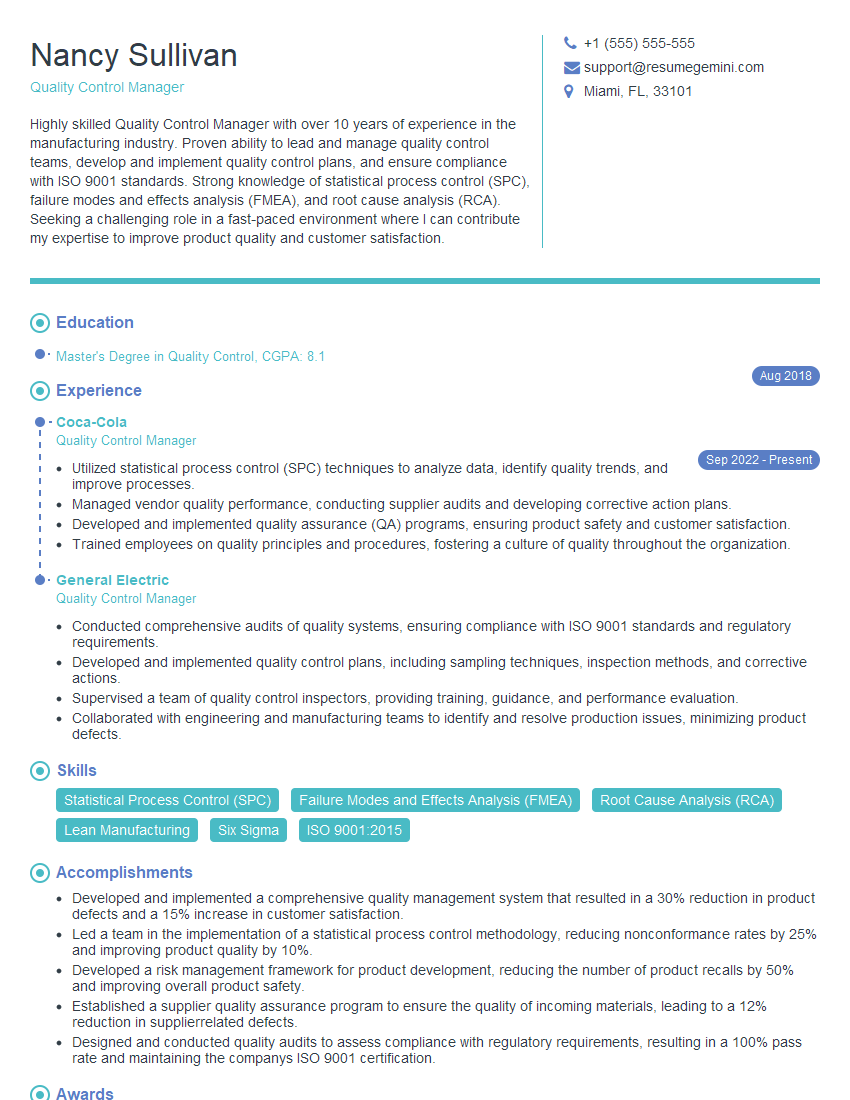
Quality Control Manager Resume Sample
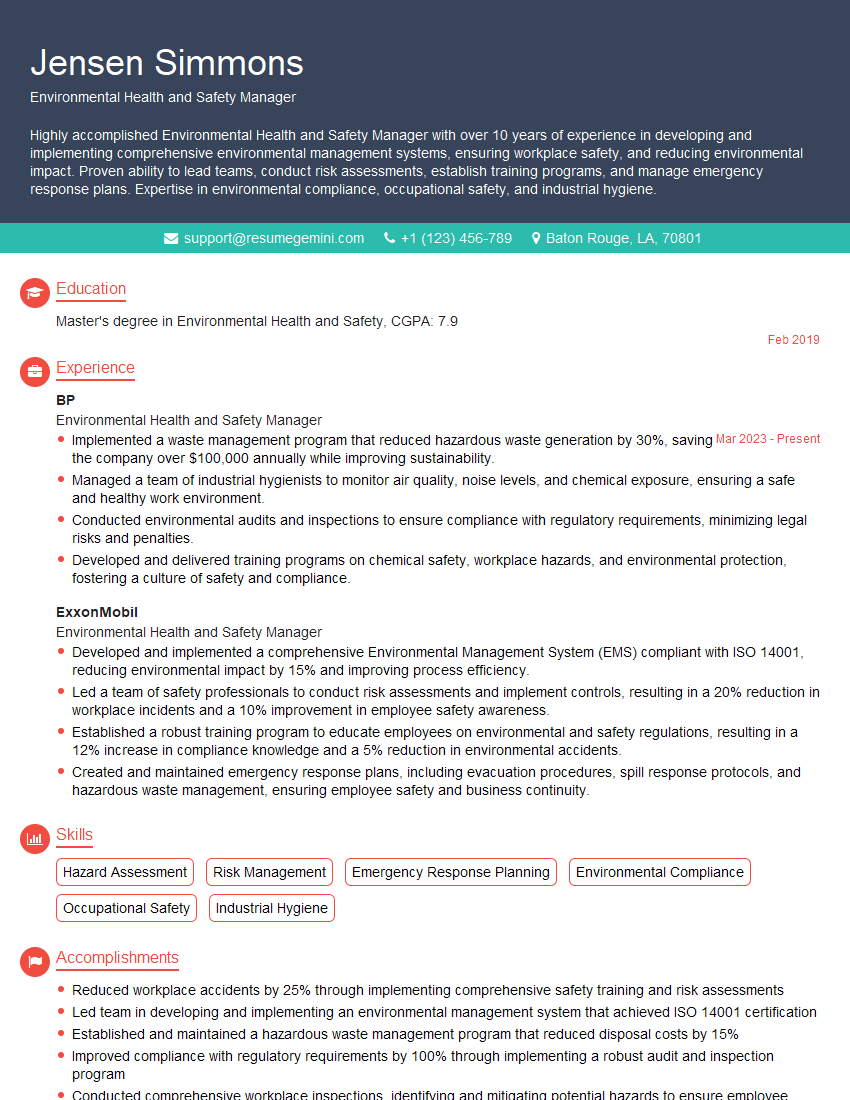
Environmental Health and Safety Manager Resume Sample
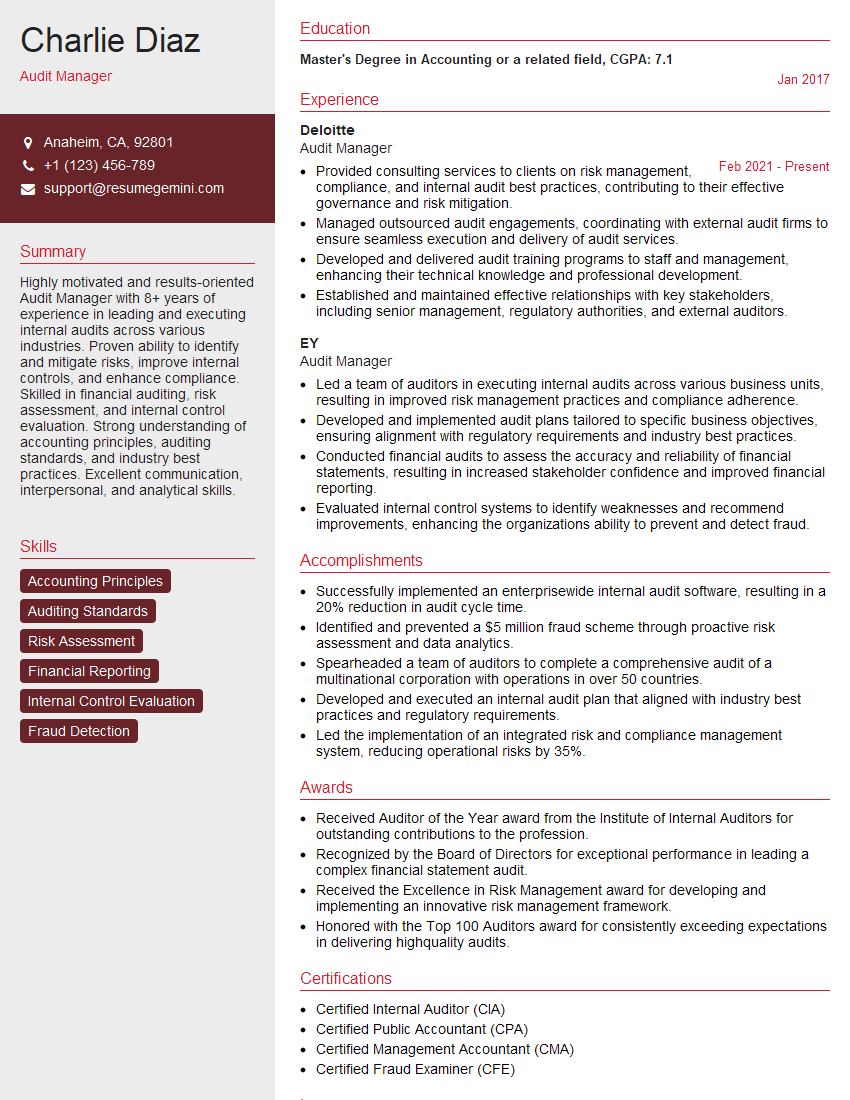
Audit Manager Resume Sample

Compliance Officer Resume Sample
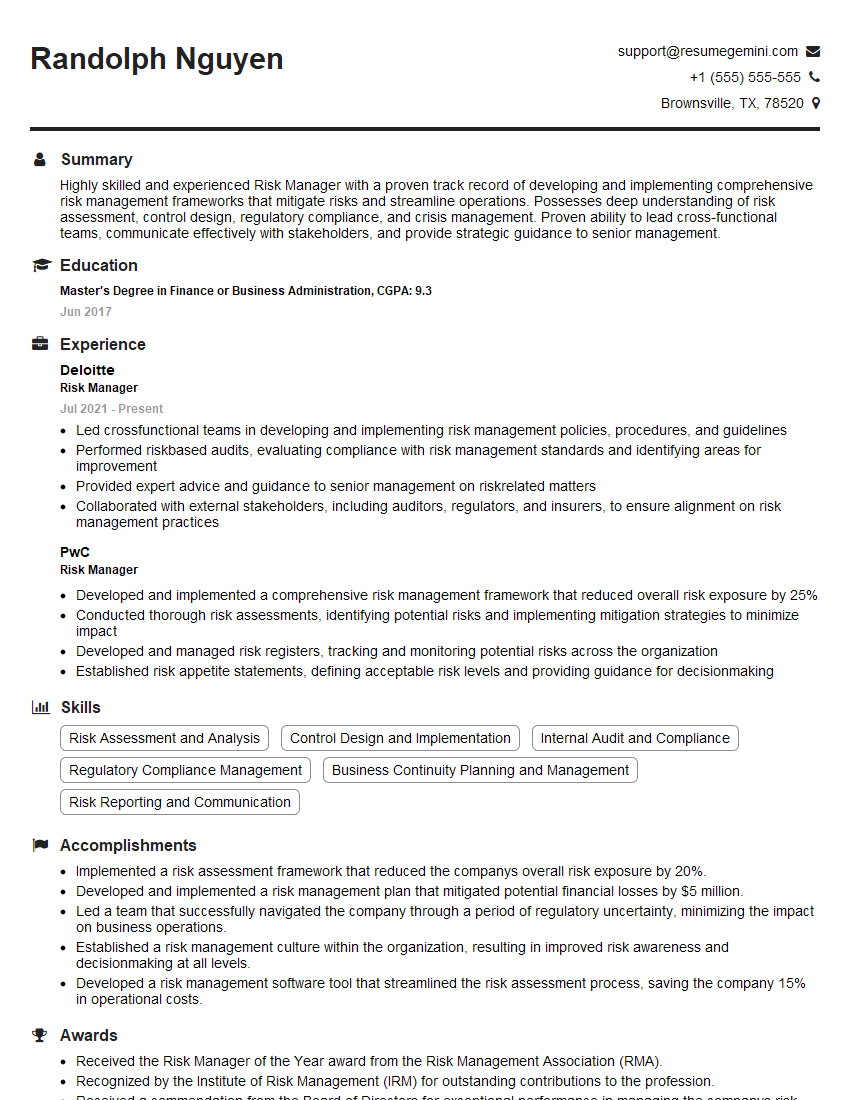
Risk Manager Resume Sample
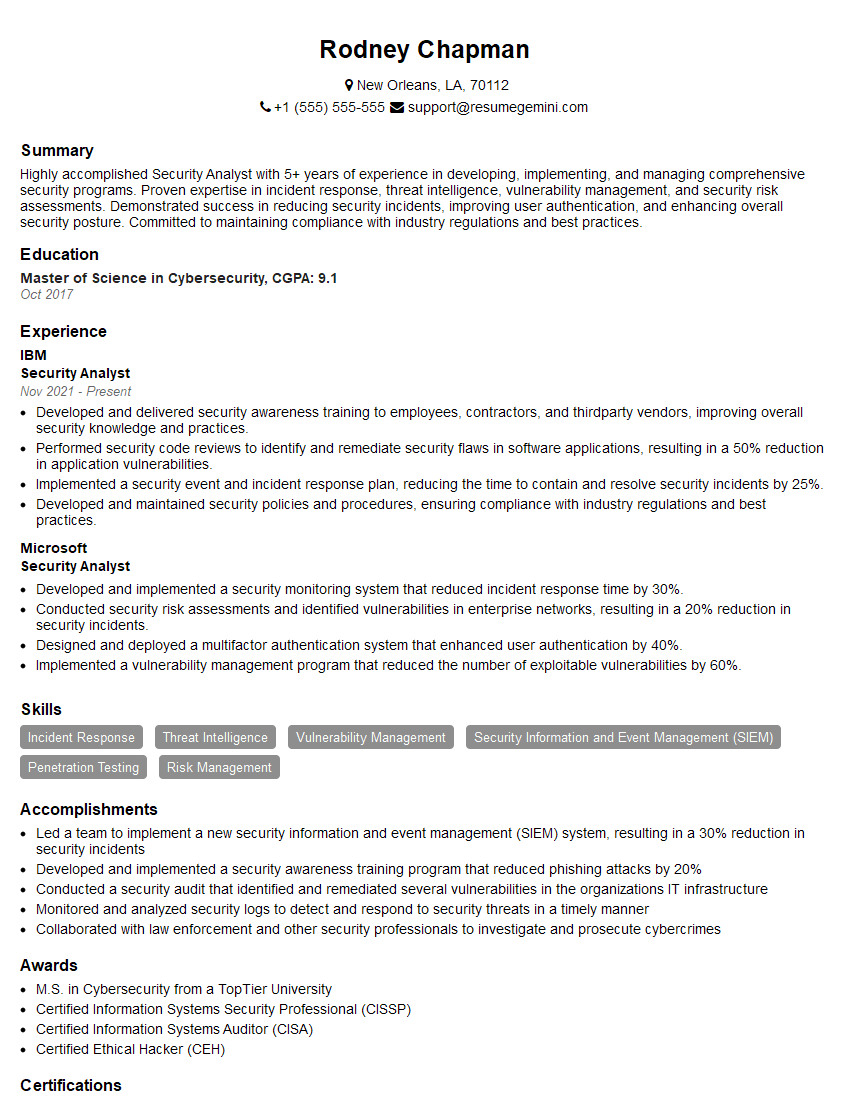
Security Analyst Resume Sample
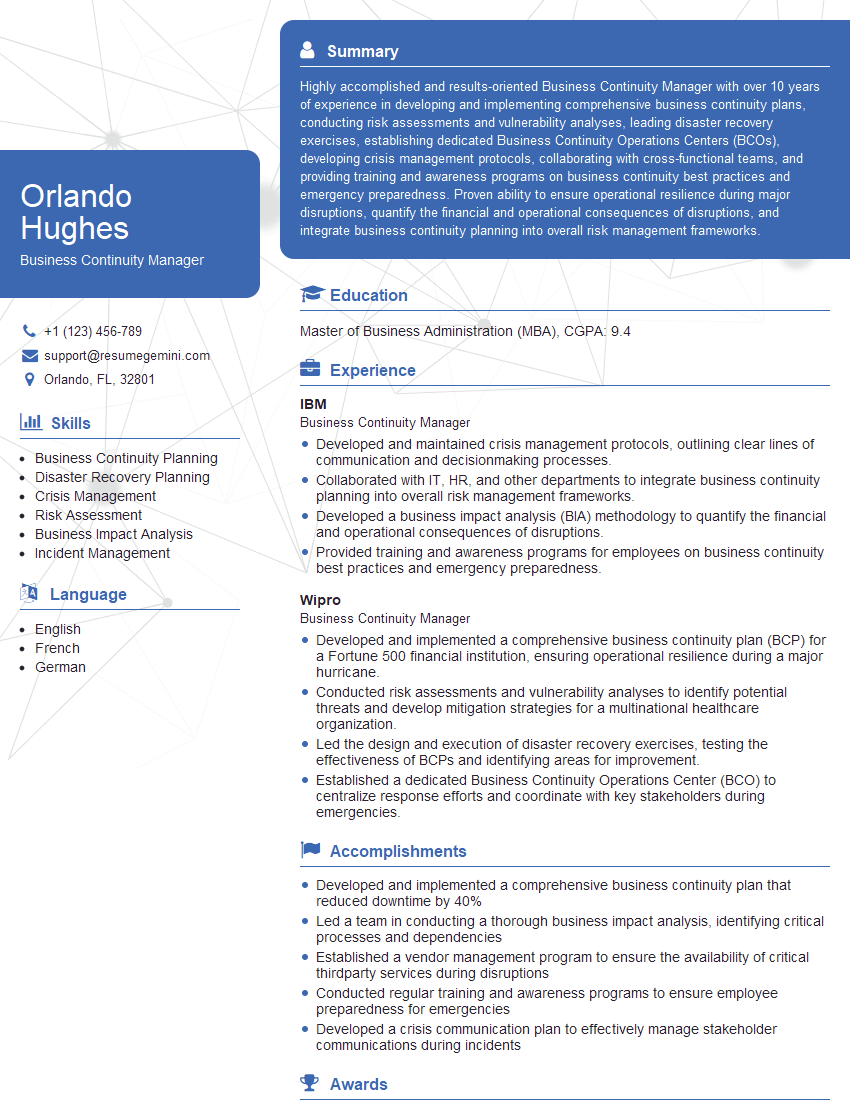
Business Continuity Manager Resume Sample
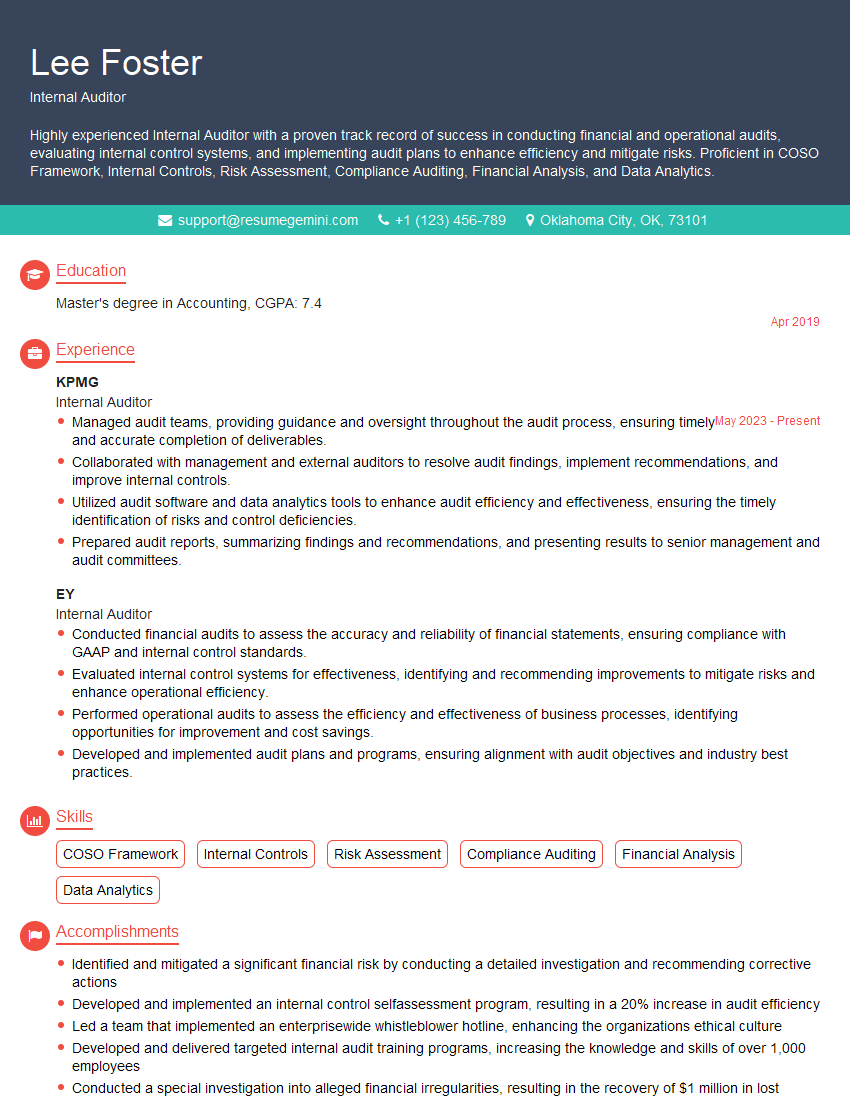
Internal Auditor Resume Sample
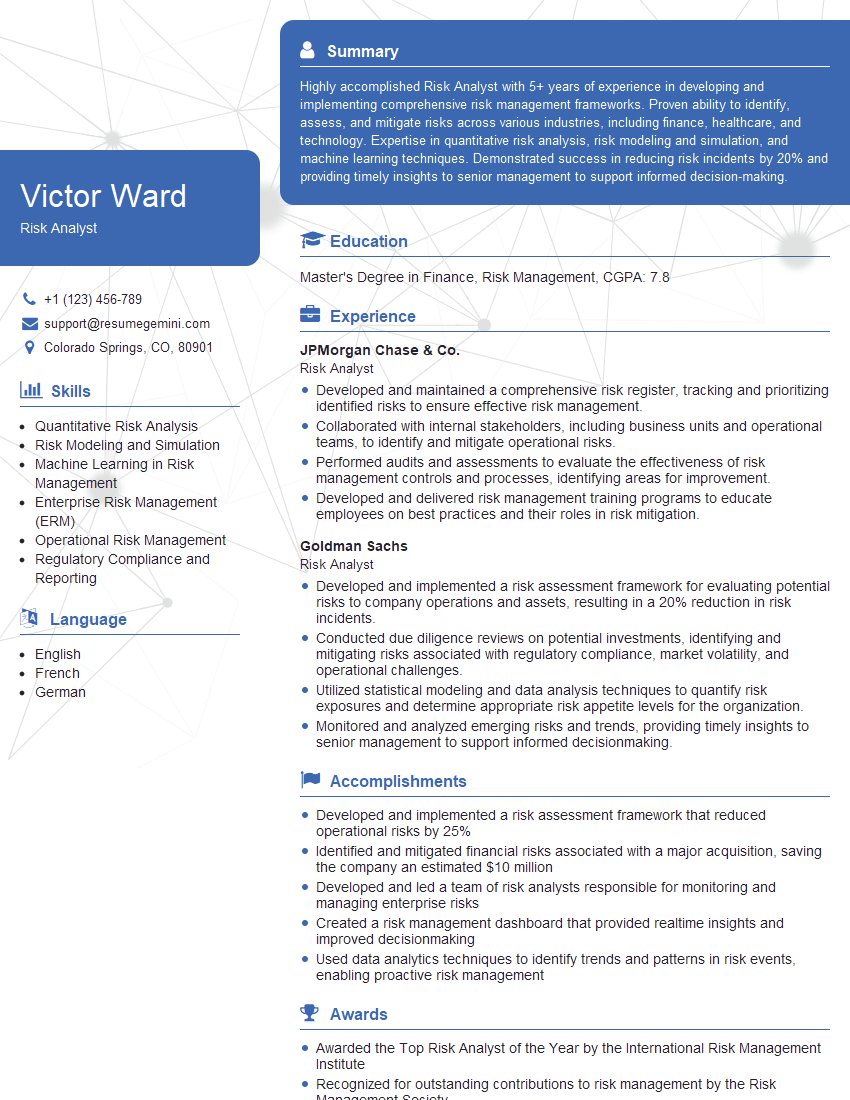
Risk Analyst Resume Sample
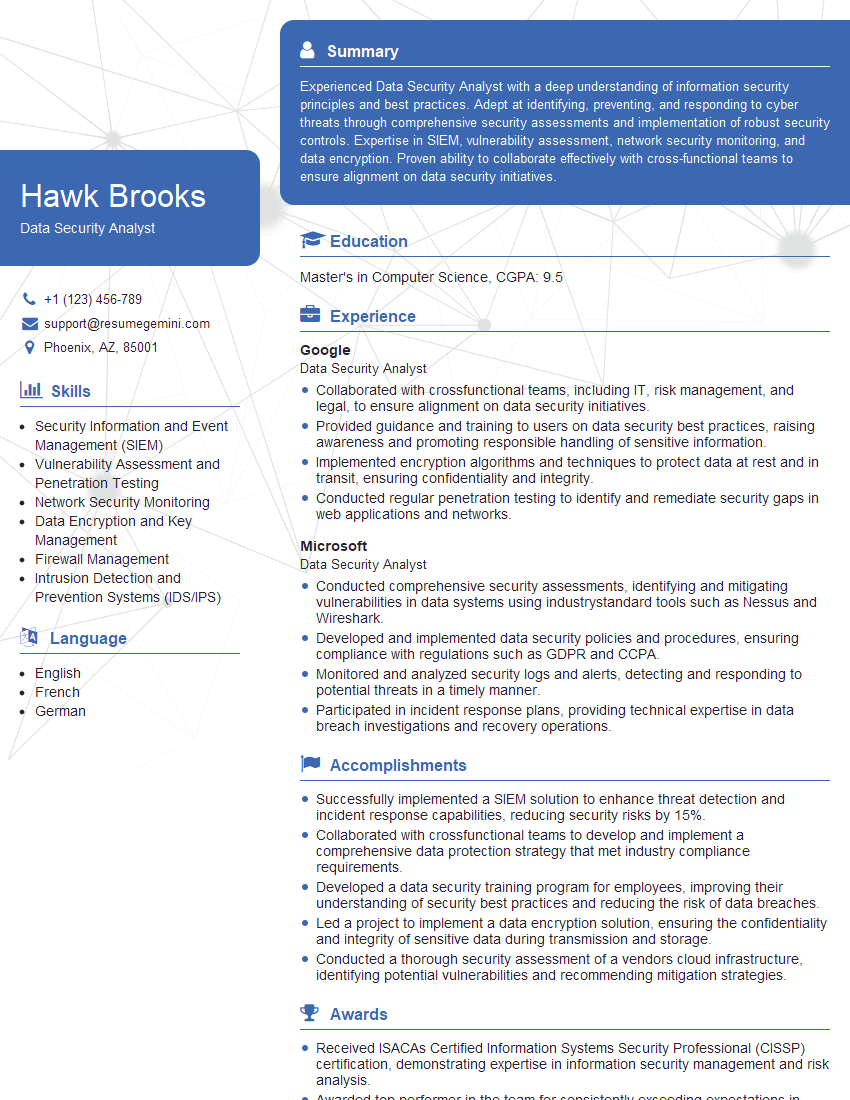
Data Security Analyst Resume Sample
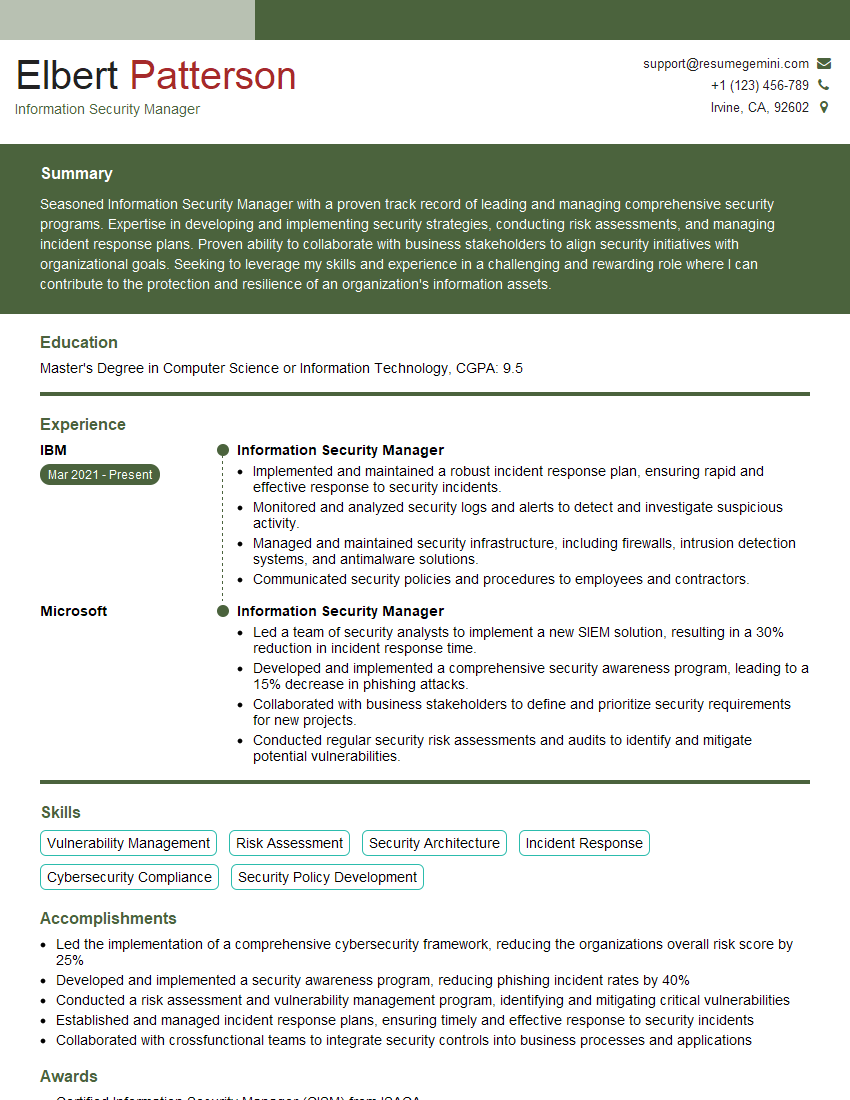
Information Security Manager Resume Sample
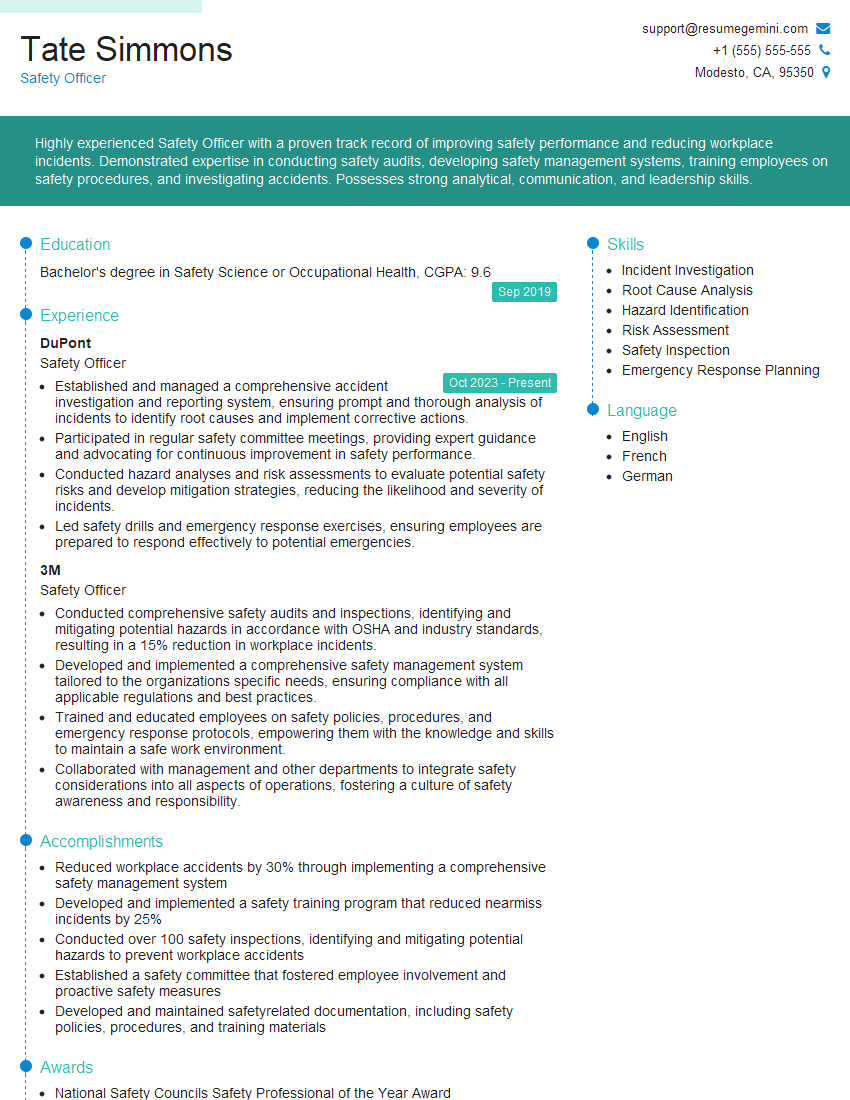
Safety Officer Resume Sample
Explore more articles
Users Rating of Our Blogs
Share Your Experience
We value your feedback! Please rate our content and share your thoughts (optional).
What Readers Say About Our Blog
good