The right preparation can turn an interview into an opportunity to showcase your expertise. This guide to RoHS Directive interview questions is your ultimate resource, providing key insights and tips to help you ace your responses and stand out as a top candidate.
Questions Asked in RoHS Directive Interview
Q 1. Explain the RoHS Directive and its main objectives.
The Restriction of Hazardous Substances (RoHS) Directive is a European Union (EU) regulation that restricts the use of certain hazardous materials in electrical and electronic equipment (EEE). Think of it as a safety net for the environment and human health. Its main objectives are to minimize the environmental impact of EEE throughout its lifecycle, from manufacturing to disposal, and to protect human health from hazardous substances. This is achieved by limiting the concentration of these substances in the products, promoting the use of safer alternatives, and encouraging responsible waste management practices. It’s essentially about making electronics greener and safer.
Q 2. What substances are restricted under RoHS?
RoHS currently restricts six substances, often referred to as the ‘RoHS 6’:
- Lead (Pb): Found in solder, certain plastics, and coatings.
- Mercury (Hg): Used in switches and lighting.
- Cadmium (Cd): Present in batteries and stabilizers.
- Hexavalent chromium (CrVI): Used in plating and coatings.
- Polybrominated biphenyls (PBBs): Found in plastics as flame retardants.
- Polybrominated diphenyl ethers (PBDEs): Also used as flame retardants in plastics.
The maximum concentration allowed for these substances is typically 0.1% by weight (1000 ppm) for homogeneous materials, though there are some exceptions and specific limitations. Think of it like a recipe – each ingredient (substance) is limited to a specific amount to maintain the safety and quality of the ‘dish’ (electronic product).
Q 3. What are the exemptions available under RoHS?
RoHS allows for exemptions for certain applications where suitable alternatives are not yet available, or where the restricted substances are essential for the functionality of the product. These exemptions are granted for specific periods and are regularly reviewed by the European Commission. For example, there have been exemptions for lead in some types of solders used in high-reliability applications, acknowledging that a complete replacement wouldn’t be immediately feasible without sacrificing performance or safety.
These exemptions are crucial, ensuring that the directive remains practical and doesn’t unintentionally hinder technological progress or create insurmountable barriers for manufacturers. It’s a balancing act between environmental protection and industrial feasibility.
Q 4. How is RoHS compliance determined?
RoHS compliance is determined by demonstrating that the concentration of the restricted substances in the EEE is below the maximum permitted levels. This involves a combination of material declarations from suppliers, design specifications, and testing procedures. Manufacturers must document their compliance, often maintaining a detailed record of the materials used in their products, including certificates of conformity from their suppliers. Imagine it like a detective’s case – gathering evidence (test results and documentation) to show the product is ‘innocent’ of containing excessive restricted substances.
Q 5. Describe the process of RoHS testing and verification.
RoHS testing typically involves analyzing samples of the EEE to determine the concentration of the restricted substances. This is usually done using techniques such as X-ray fluorescence (XRF) spectroscopy or inductively coupled plasma mass spectrometry (ICP-MS). These methods can accurately measure the concentration of elements down to very low levels. Think of it as a highly sensitive ‘taste test’ for harmful substances.
Verification involves an independent third-party laboratory confirming the results of the testing. This adds a layer of credibility and assurance to the compliance claims made by the manufacturer. An independent audit might also be conducted to ensure the manufacturer’s internal processes and documentation adhere to the directive’s requirements.
Q 6. What are the implications of non-compliance with RoHS?
Non-compliance with RoHS can have serious consequences for manufacturers. These can include:
- Fines and penalties: Significant financial repercussions from regulatory authorities.
- Product recalls: Costly and damaging to brand reputation.
- Market restrictions: Inability to sell products within the EU and other markets with similar regulations.
- Legal action: Lawsuits from consumers or environmental groups.
- Damage to reputation: Loss of consumer trust and brand value.
The implications extend beyond just financial losses – it’s about protecting the environment and ensuring consumer safety. A strong commitment to compliance is essential for long-term success and sustainability.
Q 7. Explain the difference between RoHS 2 and previous versions.
RoHS 2 (2011/65/EU) is a significant update to the original RoHS Directive. Key differences include:
- Expanded scope: RoHS 2 broadened the scope to include more types of EEE, such as medical devices and monitoring and control equipment.
- Homogeneous materials clause: This clarifies that the limits on hazardous substances apply to each homogeneous material within the product.
- Enhanced enforcement: The revised directive included stricter enforcement mechanisms, including more rigorous reporting and compliance requirements.
- Substance list modifications: While the original six substances remain, additional substances may be added to the restricted list in the future through the process of amendments. It allows the directive to remain current and adapt to evolving scientific knowledge and technological advancements.
In essence, RoHS 2 made the directive more comprehensive and robust, improving the protection of both human health and the environment.
Q 8. What documentation is required to demonstrate RoHS compliance?
Demonstrating RoHS compliance requires a robust documentation system. This isn’t just about having test reports; it’s about traceability throughout the entire supply chain. Key documents include:
- Declaration of Conformity (DoC): This is a crucial document stating that your product meets the RoHS requirements. It details the restricted substances and their concentrations.
- Material Declarations (MDs) from Suppliers: These declarations from your component suppliers list the materials used in their parts and their compliance status with RoHS. You need these for every component to build a complete picture.
- Test Reports: Independent laboratory test reports are essential to validate the concentrations of restricted substances in your product or components, especially if you’re dealing with complex or borderline cases. These reports should clearly identify the testing methodology used.
- Process Documentation: This includes details about your quality control procedures, including the checks and balances in place to ensure consistent RoHS compliance during manufacturing. Think of things like incoming inspection protocols for materials.
- Internal Compliance Records: Maintaining detailed internal records of your compliance efforts is critical for internal audits and for demonstrating due diligence to regulators. This could include internal audit reports and corrective action reports.
Think of it like a detective case: you need all the evidence – the DoC is your summary, the MDs are witness testimonies, test reports are the forensic evidence, and process documentation proves the crime scene wasn’t tampered with. All are essential to prove your product’s innocence (i.e., compliance).
Q 9. How do you manage RoHS compliance throughout the product lifecycle?
Managing RoHS compliance across a product’s lifecycle is a continuous process requiring proactive planning and rigorous execution. It begins even before design and continues well after the product reaches the market.
- Design Phase: This involves careful material selection, considering RoHS restrictions from the outset. Utilizing RoHS-compliant design tools and databases is crucial.
- Sourcing and Procurement: Implementing a robust supplier management system that includes RoHS compliance clauses in contracts and regular audits is vital.
- Manufacturing: Maintaining strict controls throughout the manufacturing process ensures consistent compliance. This includes tracking materials, managing waste, and adhering to established quality control processes.
- End-of-Life: Compliance extends to responsible end-of-life management, ensuring proper disposal or recycling of the product according to relevant regulations to minimize environmental impact.
Imagine building a house. RoHS compliance is like ensuring you only use approved, non-toxic building materials (design), selecting reliable suppliers (sourcing), employing skilled builders who follow safety regulations (manufacturing), and ensuring responsible demolition and recycling (end-of-life).
Q 10. What are the key challenges in ensuring RoHS compliance in a global supply chain?
Ensuring RoHS compliance in a global supply chain presents numerous challenges, primarily due to the complexities of managing multiple suppliers across different jurisdictions with varying regulatory interpretations and enforcement levels. Key challenges include:
- Supplier Non-Compliance: Identifying and managing non-compliant suppliers is a constant struggle. Many smaller suppliers may lack the resources or understanding of RoHS requirements.
- Lack of Transparency: Obtaining accurate and reliable information on the composition of materials from suppliers throughout the supply chain can be difficult. ‘Greenwashing’ is a real concern.
- Varying Regulatory Standards: Different countries may have slight variations in their interpretation or implementation of the RoHS Directive, leading to complexities in maintaining a consistent approach.
- Communication Barriers: Effective communication and collaboration with suppliers, particularly those in different geographical locations and with different languages, is essential.
- Traceability Issues: Tracking materials and components through a complex global supply chain requires meticulous record-keeping and sophisticated systems.
It’s like navigating a maze blindfolded. Each supplier is a turn in the maze, and without clear communication and reliable information, compliance becomes extremely difficult.
Q 11. How do you identify and mitigate RoHS risks in the design phase?
Identifying and mitigating RoHS risks during the design phase is proactive risk management. It prevents problems later in the lifecycle and significantly reduces costs. Key steps include:
- Material Selection: Begin with a thorough review of all potential materials, using RoHS-compliant databases and design tools to select materials known to be compliant. Prioritize materials with readily available compliance information.
- Component Selection: Choose components from reputable suppliers who can provide robust Material Declarations and readily meet their obligations for compliance.
- Design for Disassembly: Designing products for easy disassembly aids in recycling and reduces the complexity of compliance during the end-of-life stage.
- Early Supplier Engagement: Involve potential suppliers early in the design phase to get their input on material selection and ensure early identification of any potential compliance issues.
- Regular Design Reviews: Conduct regular design reviews to assess the RoHS compliance status of the design throughout the development process.
This is like building a house with blueprints that already specify only approved, non-toxic materials. It’s much easier and cheaper than having to rebuild sections later.
Q 12. What are your strategies for supplier RoHS compliance management?
Effective supplier RoHS compliance management requires a multifaceted approach:
- Pre-qualification: Establish a robust supplier qualification process that includes evaluating their RoHS compliance capabilities. This could involve audits and a review of their documentation.
- Contractual Agreements: Incorporate clear and explicit RoHS compliance clauses into supplier contracts, specifying their obligations and responsibilities.
- Regular Audits: Conduct regular audits of key suppliers to verify their compliance status and assess their risk levels. This can include on-site visits or remote audits.
- Performance Monitoring: Establish a system for monitoring supplier performance on RoHS compliance, using key performance indicators (KPIs). This will quickly highlight any areas needing improvement.
- Communication and Collaboration: Maintain open and effective communication with suppliers to address compliance-related issues promptly.
Think of it as a team effort. Regular communication and collaboration are key to preventing issues before they snowball into larger problems.
Q 13. Describe your experience with RoHS-compliant materials selection.
My experience with RoHS-compliant materials selection involves a detailed and methodical approach. I’ve worked on numerous projects where we’ve successfully replaced non-compliant materials with RoHS-compliant alternatives without compromising performance. This involved:
- Using RoHS-compliant material databases: These databases provide comprehensive information on the RoHS compliance status of various materials and components.
- Analyzing material composition: Carefully analyzing the chemical composition of materials to identify any restricted substances. We would consider not just the main material but any additives or coatings.
- Testing and verification: Where necessary, we’ve conducted independent laboratory testing to verify the compliance of materials or substitute materials. This is often done for critical components.
- Collaborating with suppliers: We worked closely with suppliers to find compliant alternatives, leveraging their expertise and supply chain knowledge.
- Evaluating cost and performance trade-offs: It is important to consider the cost implications of choosing compliant materials. We’ve had to sometimes weigh performance against cost and compliance.
It’s a bit like being a chef carefully selecting ingredients. You need to know the properties of each ingredient and how it interacts with others while ensuring none are poisonous (non-compliant).
Q 14. How do you handle RoHS-related audits and inspections?
Handling RoHS-related audits and inspections requires preparation and a clear understanding of the regulatory requirements. Our strategy involves:
- Maintaining comprehensive documentation: We keep meticulous records of all compliance-related activities, including supplier declarations, test reports, and internal audit results.
- Developing a robust internal audit program: We conduct regular internal audits to identify and address potential compliance issues before external audits.
- Creating a traceability system: Having a comprehensive traceability system allows us to quickly trace materials and components back to their origin.
- Addressing audit findings promptly: Any audit findings (internal or external) are addressed promptly and efficiently, implementing corrective actions to prevent recurrence.
- Training employees: We provide regular training to our employees to ensure they are aware of the requirements and their roles in maintaining compliance.
Think of it as preparing your house for an inspection. You’d clean up, ensure everything is in order, and have all the necessary paperwork ready. The same applies to RoHS compliance audits – thorough preparation is key.
Q 15. What is your experience with RoHS reporting and documentation?
My experience with RoHS reporting and documentation spans over ten years, encompassing various roles in manufacturing and supply chain management. I’ve been directly involved in developing and implementing RoHS compliance programs for multiple companies, including creating and maintaining documentation such as declarations of conformity (DoCs), material declarations (MDs), and supplier questionnaires. I’m proficient in interpreting and applying the specific requirements of RoHS directives, including exemptions and related legislation. I’m also experienced in using various software tools for managing RoHS compliance data and generating reports to meet regulatory and internal auditing requirements.
For example, I once led a project to transition our company’s entire product line to RoHS compliance, requiring a detailed review of over 200 components. This involved collaborating with suppliers to obtain MDs, analyzing material composition data to identify restricted substances, and ultimately preparing the necessary documentation for regulatory compliance.
Career Expert Tips:
- Ace those interviews! Prepare effectively by reviewing the Top 50 Most Common Interview Questions on ResumeGemini.
- Navigate your job search with confidence! Explore a wide range of Career Tips on ResumeGemini. Learn about common challenges and recommendations to overcome them.
- Craft the perfect resume! Master the Art of Resume Writing with ResumeGemini’s guide. Showcase your unique qualifications and achievements effectively.
- Don’t miss out on holiday savings! Build your dream resume with ResumeGemini’s ATS optimized templates.
Q 16. What are the different methods used for RoHS substance analysis?
Several methods are used for RoHS substance analysis, each with varying levels of accuracy and cost. These methods typically involve analyzing the chemical composition of materials to identify the presence and concentration of restricted substances.
X-ray Fluorescence (XRF): This non-destructive technique is commonly used for screening and quickly identifying the presence of heavy metals like lead, mercury, cadmium, and chromium (VI). It’s relatively fast and cost-effective but may not be as accurate for determining very low concentrations.
Inductively Coupled Plasma Mass Spectrometry (ICP-MS): This method offers higher sensitivity and accuracy than XRF, allowing for the detection of even trace amounts of restricted substances. It’s frequently employed for confirmation testing or when high precision is required but can be more expensive and time-consuming.
Atomic Absorption Spectrometry (AAS): Another sensitive technique used to determine the concentration of specific elements. It provides good accuracy for many restricted substances.
Other methods: Depending on the material and required substance analysis, other techniques such as Gas Chromatography-Mass Spectrometry (GC-MS) or High-Performance Liquid Chromatography (HPLC) might be employed.
The choice of method depends on factors like the type of material, required accuracy, turnaround time, and budget constraints. Often, a combination of methods is used to ensure comprehensive analysis and compliance.
Q 17. Explain the role of WEEE in relation to RoHS.
RoHS (Restriction of Hazardous Substances) and WEEE (Waste Electrical and Electronic Equipment) are interconnected directives aiming to reduce environmental impact. RoHS focuses on restricting the use of hazardous substances in the manufacture of electrical and electronic equipment, while WEEE focuses on the end-of-life management of these products.
Think of it this way: RoHS prevents the problem from arising in the first place by controlling what materials are used to build electronic devices. WEEE ensures responsible disposal and recycling when those devices reach the end of their life, preventing hazardous substances from entering the environment through improper waste handling. Effective WEEE management requires RoHS compliance, as devices designed without hazardous substances are easier and safer to recycle.
Q 18. How do you ensure traceability of RoHS compliance in your supply chain?
Ensuring RoHS traceability throughout the supply chain is critical. We achieve this through a multi-faceted approach:
Supplier Audits: Regular audits of key suppliers ensure they understand and comply with our RoHS requirements. This includes reviewing their internal processes and documentation.
Material Declarations (MDs): We require all suppliers to provide detailed MDs for every component, clearly specifying the chemical composition and confirming RoHS compliance. These are carefully reviewed for accuracy and completeness.
Traceability Systems: We use dedicated software to track component traceability from the raw material source to the finished product. This allows for rapid identification of components in case of a non-compliance issue.
Continuous Monitoring: We regularly monitor new regulations and updates related to RoHS compliance, adapting our procedures to maintain alignment.
This systematic approach ensures not just compliance, but also strengthens supplier relationships and helps mitigate potential risks.
Q 19. How do you communicate RoHS compliance requirements to suppliers?
Communicating RoHS compliance requirements to suppliers is crucial and involves clear, concise, and consistent communication. This begins with including RoHS requirements in our purchasing contracts and supplier agreements. We also provide detailed RoHS compliance guides and templates for MDs and other necessary documentation. Regular meetings and communication with key suppliers help maintain awareness of the requirements and address any questions or challenges they might face.
We also implement training programs for our procurement teams to ensure they understand the importance of RoHS compliance and can effectively communicate and enforce these requirements with suppliers. Open communication and collaboration are key to maintaining a compliant and sustainable supply chain.
Q 20. Describe a situation where you had to resolve a RoHS compliance issue.
In one instance, a key supplier inadvertently used a component containing lead above the permitted threshold. This was identified during routine testing of our finished product. We immediately initiated a root cause analysis with the supplier, identifying the problem in their material sourcing.
Our response involved several steps: (1) We worked with the supplier to identify and remove the non-compliant components from their production line, (2) we implemented a corrective action plan to prevent recurrence, including additional quality control checks and revised material specifications, and (3) we collaborated to develop a remediation plan for the affected products, which included retrieving the affected units and implementing a replacement process. This situation highlighted the importance of robust traceability systems and proactive communication with suppliers.
Q 21. What are the potential legal ramifications of RoHS non-compliance?
RoHS non-compliance can lead to serious legal ramifications, varying by jurisdiction. Penalties can include significant fines, product recalls, and legal action from regulatory bodies. Companies found to be non-compliant may face reputational damage, loss of market share, and difficulty in securing future contracts. In some cases, criminal charges may be filed for intentional or negligent non-compliance. The specific penalties depend on factors such as the severity of the non-compliance, the volume of affected products, and the company’s history of compliance.
For instance, a company intentionally misrepresenting its RoHS compliance to gain a competitive advantage could face substantial fines and legal action, potentially damaging its reputation and losing investor trust. The consequences of non-compliance underscore the need for a robust and proactive RoHS compliance program.
Q 22. How do you stay updated on RoHS changes and amendments?
Staying updated on RoHS changes is crucial for maintaining compliance. I utilize a multi-pronged approach. Firstly, I subscribe to official publications and newsletters from the European Commission and relevant national authorities. This ensures I receive direct updates on amendments and any new legislation. Secondly, I actively monitor industry news and publications – reputable trade journals, websites of regulatory bodies, and industry associations often provide insightful analysis and interpretations of the evolving RoHS landscape. Thirdly, I participate in professional development workshops and conferences, where experts discuss recent changes and best practices. Finally, I maintain contact with a network of colleagues and consultants specializing in RoHS compliance. This professional network allows for the rapid exchange of information and perspectives on emerging issues. This combination of formal and informal methods ensures I’m consistently abreast of all relevant developments.
Q 23. How would you implement a RoHS compliance program in a new organization?
Implementing a RoHS compliance program requires a structured approach. I would begin with a comprehensive assessment of the organization’s supply chain, identifying all materials and components used in the production process. This involves close collaboration with procurement and engineering teams. Next, I would develop a clear RoHS compliance policy, incorporating a risk assessment to identify high-risk substances and components. This policy needs to be communicated clearly to all relevant personnel, including suppliers. A crucial step is selecting and engaging a reputable testing laboratory to conduct material analysis and ensure compliance with the relevant RoHS directives. Regular internal audits and supplier audits would be scheduled to maintain compliance. Documentation, including certificates of conformity, material declarations, and test reports, needs to be meticulously managed. Finally, I would establish a system for tracking and addressing non-compliances, ensuring corrective and preventive actions are implemented promptly. Think of it like building a strong foundation for a house – a solid policy, effective communication, and ongoing monitoring are vital for lasting compliance.
Q 24. What is your experience with different RoHS testing laboratories?
Over the years, I’ve worked with several RoHS testing laboratories, both large international organizations and smaller specialized firms. My experience has shown that the most reliable laboratories are those accredited by internationally recognized bodies, such as ISO 17025. This accreditation ensures their testing methods are accurate and their results are credible. I look for laboratories that possess specialized equipment and expertise relevant to the specific materials and substances covered by RoHS. Experience also taught me to assess a lab’s responsiveness and communication – quick turnaround times on testing and clear communication of results are crucial. For example, one laboratory I’ve worked with consistently delivered high-quality reports in a timely fashion, while another had significant delays and communication challenges. Ultimately, choosing the right laboratory depends on the specific needs of the project, but accreditation and proven track record are paramount.
Q 25. What is your understanding of the RoHS declaration of conformity?
The RoHS Declaration of Conformity (DoC) is a crucial document that legally confirms a product meets the requirements of the RoHS directive. It’s essentially a statement of compliance signed by the manufacturer or importer, stating that their product is free from restricted substances above the allowed concentration thresholds. The DoC should clearly identify the product, list the applicable RoHS directive(s), specify the restricted substances, and state the compliance status. It should also include details of the testing performed, including the name and address of the testing laboratory. Without a valid DoC, it’s difficult to prove the legal compliance of a product, and can result in significant penalties. The DoC acts as a key element in the supply chain transparency – manufacturers can demonstrate compliance to their customers and regulatory authorities. It is a vital piece of the compliance puzzle. Imagine it as a passport for your product – it validates its right to enter the market.
Q 26. Explain the concept of conflict minerals and their relevance to RoHS.
Conflict minerals are raw materials originating from conflict zones, often mined and traded under circumstances that violate human rights. While RoHS primarily focuses on hazardous substances, the sourcing of materials is increasingly important. The relevance to RoHS is indirect but significant: if a component contains conflict minerals extracted in violation of ethical or legal standards, it could impact the overall sustainability and ethical profile of the product, even if it’s RoHS compliant in terms of hazardous substances. Companies are increasingly scrutinized not only for their compliance with technical regulations but also for their ethical sourcing practices. Therefore, responsible sourcing of materials, including avoiding conflict minerals, is becoming a vital part of overall product compliance and corporate social responsibility. Think of it as an added layer of ethical compliance that complements the technical requirements of RoHS.
Q 27. How do you manage the cost implications of RoHS compliance?
Managing the cost implications of RoHS compliance requires proactive planning. Upfront costs include material substitutions, testing, and potential modifications to manufacturing processes. However, these are often offset by long-term benefits. Choosing cost-effective materials and components early in the design phase is critical. Early collaboration with suppliers can facilitate the selection of RoHS-compliant materials at competitive prices. Adopting efficient testing strategies can also minimize costs, including utilizing targeted testing rather than blanket testing for all components. Furthermore, the reputational benefits of RoHS compliance, including enhanced brand image and access to markets where RoHS compliance is mandatory, can far outweigh the initial investment. Remember, non-compliance can lead to significantly higher costs including fines, product recalls, and reputational damage. Thus, proactive cost management is an investment in long-term sustainability and profitability.
Q 28. How do you balance RoHS compliance with other regulatory requirements?
Balancing RoHS compliance with other regulatory requirements requires a holistic approach. Often, products must meet several regulations simultaneously, including those related to safety, energy efficiency, and waste disposal. A strong compliance management system is crucial. This system should integrate all relevant regulations, allowing for efficient tracking and monitoring of compliance across different aspects. For example, a product might need to meet RoHS requirements for hazardous substances while also complying with safety standards like UL or CE marking. A well-structured system streamlines this process, ensuring no regulatory obligation is overlooked. This often involves prioritizing requirements based on urgency and potential impact, but ideally aims for simultaneous compliance across all relevant directives to ensure complete regulatory compliance. It’s like orchestrating a symphony – each instrument (regulation) plays its part in harmony to create a compliant and successful product.
Key Topics to Learn for RoHS Directive Interview
- Core Requirements: Understand the six restricted substances (lead, mercury, cadmium, hexavalent chromium, PBBs, PBDEs) and their permitted concentration limits. Be prepared to discuss exemptions and waivers.
- Compliance Procedures: Familiarize yourself with the process of RoHS compliance, including material declarations, conformity assessment, and CE marking. Discuss the role of supplier declarations and internal testing.
- Practical Application: Be ready to discuss real-world scenarios. For example, how would you identify and address potential RoHS non-compliance in a product design or during a supply chain audit?
- Environmental Impact: Understand the environmental rationale behind the RoHS Directive and its broader impact on sustainability and e-waste management.
- Legal and Regulatory Aspects: Be familiar with the legal framework surrounding RoHS, including potential penalties for non-compliance and the relevant enforcement agencies.
- Industry Best Practices: Explore industry standards and best practices related to RoHS compliance, such as design for environment (DfE) principles and the use of alternative materials.
- Specific Product Categories: Focus on understanding the RoHS requirements relevant to specific industries or product types you are targeting in your job search (e.g., electronics, electrical equipment, automotive).
- Future Developments: Be aware of ongoing developments and potential revisions to the RoHS Directive and related legislation.
Next Steps
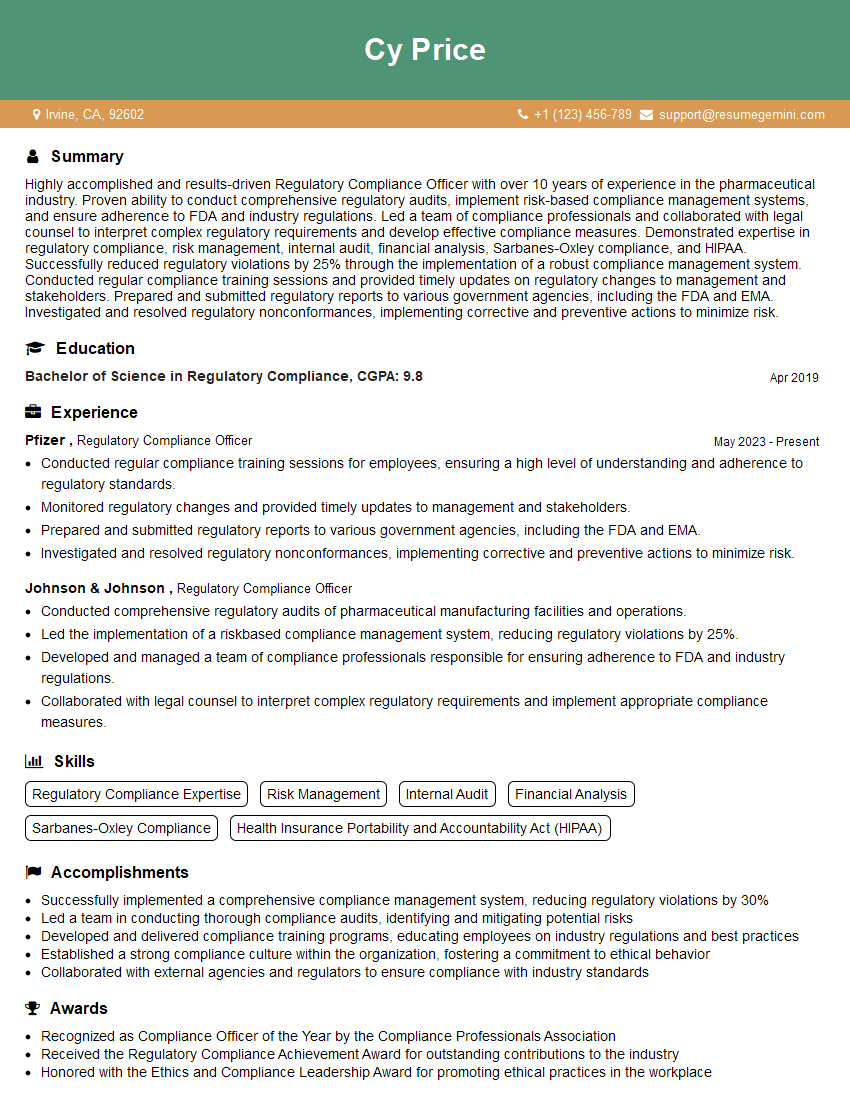
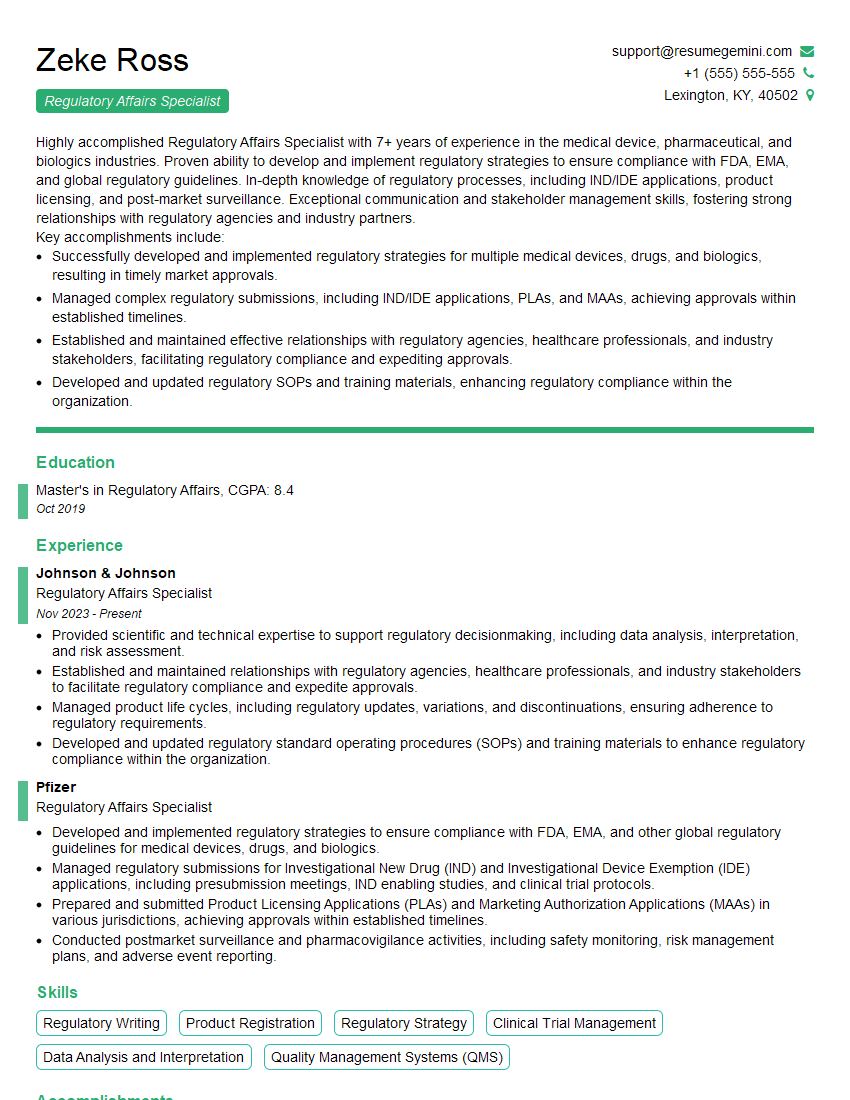
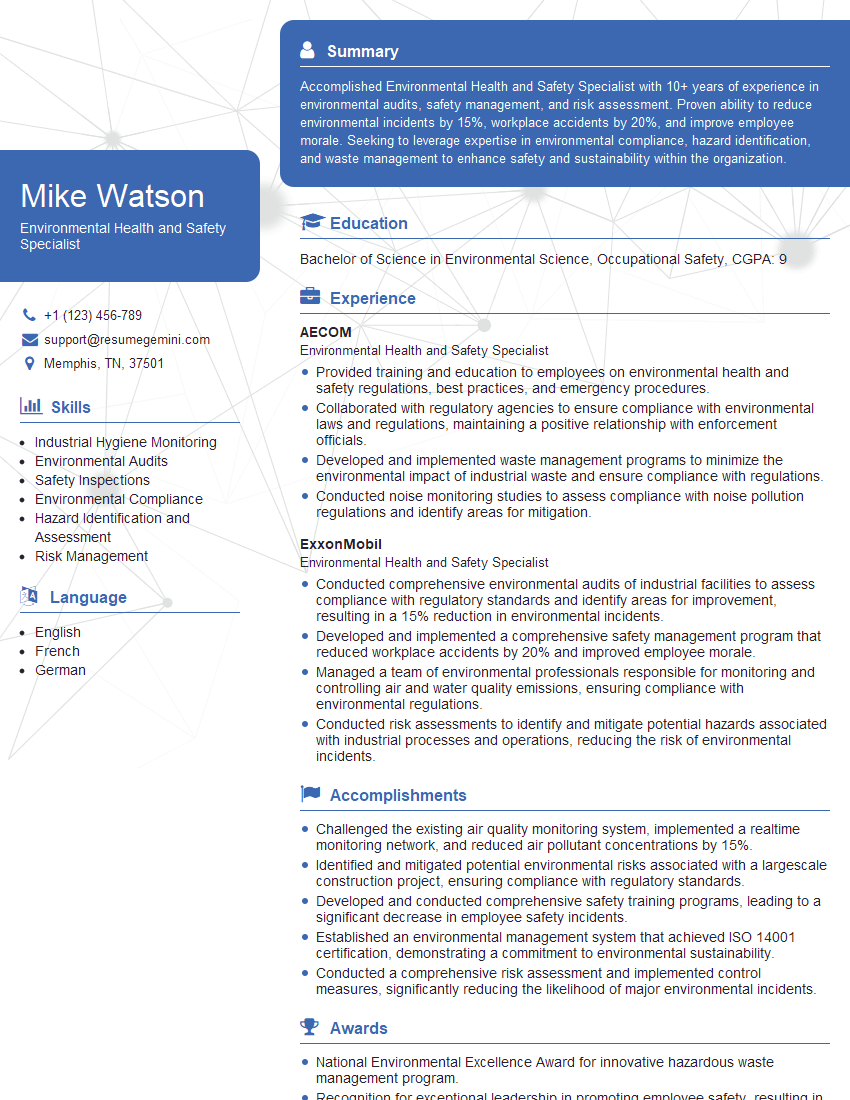
Mastering the RoHS Directive is crucial for career advancement in fields like electronics manufacturing, supply chain management, and environmental compliance. A strong understanding of RoHS demonstrates your commitment to sustainability and regulatory compliance, making you a highly valuable asset to any organization. To increase your job prospects, create an ATS-friendly resume that highlights your RoHS expertise. ResumeGemini is a trusted resource that can help you build a professional and impactful resume that showcases your skills and experience. Examples of resumes tailored to RoHS Directive roles are available on ResumeGemini to help guide you.



Explore more articles
Users Rating of Our Blogs
Share Your Experience
We value your feedback! Please rate our content and share your thoughts (optional).
What Readers Say About Our Blog
Very informative content, great job.
good