The thought of an interview can be nerve-wracking, but the right preparation can make all the difference. Explore this comprehensive guide to Root Cause Analysis and Corrective Action (RCA) interview questions and gain the confidence you need to showcase your abilities and secure the role.
Questions Asked in Root Cause Analysis and Corrective Action (RCA) Interview
Q 1. Explain the 5 Whys technique and its limitations.
The 5 Whys technique is a simple yet powerful iterative interrogative technique used in RCA. It involves repeatedly asking “Why?” to peel back layers of explanation and uncover the root cause of a problem. Each answer forms the basis of the next “Why?” question. The goal is to progress beyond superficial symptoms to the underlying causes.
Example: A machine stopped working (Problem).
Why? Because the motor burned out.
Why? Because it overheated.
Why? Because the cooling fan failed.
Why? Because the fan belt broke.
Why? Because the belt was worn out (Root Cause).
Limitations: While effective for simple problems, the 5 Whys can be insufficient for complex issues with multiple interacting causes. It can also be subjective, leading to different conclusions depending on who asks the questions and how they interpret the answers. It doesn’t guarantee reaching the *true* root cause, and may overlook systemic issues.
Q 2. Describe the Fishbone diagram (Ishikawa diagram) and how it’s used in RCA.
A Fishbone diagram, also known as an Ishikawa diagram, is a visual tool used to brainstorm and organize potential causes of a problem. It resembles a fish skeleton, with the problem statement forming the head and potential causes categorized as “bones” branching out from the spine.
How it’s used in RCA: Teams brainstorm potential causes categorized into key areas (e.g., Manpower, Methods, Machines, Materials, Measurement, and Environment – the 6Ms). Each category forms a major bone, and sub-causes are added as smaller bones branching from the main ones. This collaborative approach helps identify potential root causes and their interrelationships. This is particularly useful for complex problems where many factors might contribute.
Example: If the problem is “High defect rate in product X,” the bones might include:
- Manpower: Lack of training, insufficient staff, high employee turnover.
- Methods: Inefficient process, unclear instructions, improper testing.
- Machines: Poorly maintained equipment, outdated technology, machine malfunctions.
Q 3. What is the Pareto principle and how does it apply to RCA?
The Pareto principle, also known as the 80/20 rule, suggests that roughly 80% of effects come from 20% of causes. In RCA, this means that a small number of root causes often contribute to the majority of problems.
Application in RCA: Understanding the Pareto principle helps prioritize RCA efforts. By focusing on the vital few root causes (the 20%), organizations can achieve significant improvements with less effort than trying to address all contributing factors. Data analysis techniques such as Pareto charts are used to identify these key causes.
Example: If a company experiences frequent production delays, a Pareto chart might reveal that 80% of the delays are caused by only two factors: supplier issues and equipment malfunctions. RCA efforts should prioritize investigating and resolving these two major causes first.
Q 4. Compare and contrast Fault Tree Analysis (FTA) and Failure Mode and Effects Analysis (FMEA).
Both Fault Tree Analysis (FTA) and Failure Mode and Effects Analysis (FMEA) are proactive and systematic methods to identify potential failures, but they differ significantly in approach and application.
FTA: A deductive approach starting with an undesired event (top event) and working backward to identify the combinations of events that could lead to it. It uses Boolean logic (AND, OR gates) to represent the relationships between events, creating a tree-like structure. FTA is best for analyzing complex systems and identifying critical failure points.
FMEA: A proactive, bottom-up approach that systematically identifies potential failure modes in a system or process. For each failure mode, it assesses the severity, occurrence, and detection, and calculates a Risk Priority Number (RPN). FMEA is used to prevent failures before they occur by prioritizing actions to mitigate high-RPN failure modes.
Comparison: FTA is reactive (analyzing after a failure), while FMEA is proactive (preventing future failures). FTA focuses on the *combination* of events leading to failure, while FMEA focuses on individual failure *modes* and their severity.
Q 5. How do you identify root causes versus contributing factors?
Distinguishing between root causes and contributing factors is crucial for effective RCA. A root cause is the fundamental reason for a problem, while contributing factors are events or conditions that increase the likelihood or severity of the problem but are not the primary cause.
Identification: A root cause is typically something that can be changed or controlled to prevent the problem from recurring. Contributing factors, while important, are often consequences of the root cause. A helpful question is: “If we eliminate this factor, will the problem still occur?” If yes, it’s a contributing factor; if no, it could be a root cause (though further investigation might be needed).
Example: Imagine a car accident. A contributing factor could be icy road conditions. However, the root cause might be speeding in those conditions. Removing the ice wouldn’t prevent the accident if the driver still sped.
Q 6. What are some common barriers to effective RCA?
Several barriers hinder effective RCA:
- Organizational Culture: A blame-oriented culture discourages open communication and prevents honest identification of root causes.
- Time Constraints: Pressure to quickly resolve issues can lead to superficial analysis and overlook of root causes.
- Lack of Data: Insufficient data or poor data quality makes it difficult to accurately identify the root cause.
- Lack of Expertise: Teams may lack the necessary skills or experience to conduct a thorough RCA.
- Cognitive Biases: Confirmation bias (favoring information confirming existing beliefs) and anchoring bias (over-reliance on initial information) can skew the investigation.
- Siloed Information: Relevant information might be scattered across different departments, hindering a comprehensive analysis.
Overcoming these barriers requires a commitment to a just culture, sufficient resources, appropriate training, and utilizing data-driven techniques.
Q 7. Describe your experience implementing corrective actions.
In my previous role at [Company Name], I led several RCA initiatives following significant production downtime events. One involved a critical system failure resulting in a factory shutdown. We utilized a combination of FTA and the 5 Whys, along with data analysis of system logs.
We identified the root cause as a software bug interacting with a hardware limitation. Corrective actions included: 1) a software patch addressing the bug; 2) hardware upgrades to alleviate the limitation; 3) implementation of a more robust monitoring system with automated alerts to prevent future failures.
Post-implementation, we tracked key metrics to monitor effectiveness. This included system uptime, error rates, and alert response times. We documented all findings and implemented process improvements to better manage software updates and hardware maintenance, reducing similar incidents by 85% within the next year.
Another project involved high employee turnover in a specific department. After an RCA using Fishbone diagramming and employee surveys, we implemented improved training programs, enhanced communication channels, and adjusted work schedules to better address work-life balance. This significantly reduced turnover, improving productivity and team morale.
Q 8. How do you prioritize corrective actions?
Prioritizing corrective actions is crucial for efficient resource allocation and risk mitigation. I typically use a risk-based prioritization matrix, considering factors like the severity of the problem’s impact (e.g., safety, financial losses, customer satisfaction), the likelihood of recurrence, and the feasibility of implementing the corrective action.
For example, a high-severity, high-likelihood issue with a readily available solution would be prioritized over a low-severity, low-likelihood issue requiring extensive investigation and resources. I often use a simple scoring system, assigning weights to each factor and summing them to get a priority score. The actions with the highest scores are tackled first. This structured approach ensures that the most critical issues are addressed promptly.
- Severity: Impact on safety, production, financials, etc. (e.g., critical, major, minor)
- Likelihood: Probability of recurrence (e.g., high, medium, low)
- Feasibility: Resources and time needed for implementation (e.g., easy, medium, difficult)
Q 9. How do you measure the effectiveness of corrective actions?
Measuring the effectiveness of corrective actions is essential to verify their success and prevent future occurrences. Key Performance Indicators (KPIs) are used to track improvements. The specific KPIs depend on the nature of the problem but often include:
- Recurrence Rate: The number of times the same problem occurs after the corrective action was implemented. A significant reduction in this rate indicates effectiveness.
- Defect Rate: The number of defective products or services produced after the corrective action. A lower defect rate shows improvement.
- Downtime Reduction: For operational issues, measuring the reduction in downtime is a crucial indicator.
- Customer Satisfaction: If the issue impacted customers, measuring their satisfaction levels post-corrective action is vital.
For instance, if a corrective action addressed a production bottleneck, we’d track the improvement in production throughput and compare it to pre-action levels. Regular monitoring of these KPIs helps assess the long-term success of the corrective actions.
Q 10. Explain the concept of ‘verification’ and ‘validation’ in RCA.
In RCA, ‘verification’ and ‘validation’ are distinct but equally important steps to ensure the accuracy and effectiveness of the root cause identification and corrective actions.
Verification confirms that the proposed root cause is indeed the cause. It involves gathering evidence and data to support the identified root cause. This might involve analyzing data logs, reviewing process documentation, conducting interviews, or performing experiments to replicate the problem. Think of it as asking, ‘Did we find the *right* problem?’
Validation confirms that the implemented corrective action effectively addresses the identified root cause and prevents recurrence. This involves monitoring the relevant KPIs after the corrective action is implemented. It answers the question, ‘Did we fix the *right* problem?’
For example, if a machine malfunction was identified as the root cause (verification), validation would involve monitoring the machine’s performance after repairs to ensure the problem doesn’t recur. The lack of recurrence would validate the effectiveness of the corrective action.
Q 11. What is a control plan, and how is it developed?
A control plan is a documented set of procedures and actions designed to ensure that corrective actions remain effective and prevent the recurrence of problems. It’s like an instruction manual to maintain the solution. Developing a control plan typically involves:
- Identifying key process parameters: Determine the critical factors that need to be monitored to prevent the problem from happening again.
- Establishing control limits: Define acceptable ranges for these parameters. Any deviation from these limits triggers corrective action.
- Defining monitoring methods: Specify how the parameters will be monitored (e.g., visual inspection, automated data logging).
- Assigning responsibilities: Clearly define who is responsible for monitoring and taking corrective action.
- Creating a schedule: Establish a schedule for regular monitoring (e.g., daily, weekly, monthly).
- Documentation: All aspects of the plan should be documented and made easily accessible.
For instance, a control plan for preventing equipment malfunctions might include daily inspections of critical components, automated monitoring of operating temperatures, and a maintenance schedule.
Q 12. How do you handle situations where the root cause is unknown?
When the root cause remains unknown despite initial investigations, a structured approach is crucial. I would employ the following steps:
- Review Existing Data: Re-examine all collected data, looking for patterns or insights that may have been overlooked.
- Expand the Investigation: Gather more data from different sources, perhaps involving new stakeholders or using different analytical techniques.
- Employ Advanced Analytical Methods: Consider using statistical process control (SPC) charts, fault tree analysis (FTA), or other advanced tools to identify potential root causes.
- Design Experiments: If possible, conduct experiments to systematically test hypotheses about potential causes.
- Implement Interim Corrective Actions: While the investigation continues, implement temporary actions to mitigate the problem’s impact and prevent further occurrences.
- Document the Uncertainty: It’s important to acknowledge the uncertainty and document the ongoing investigation and the interim measures.
The key is to remain systematic and persistent, gradually refining the investigation until a likely root cause is identified. Even with interim measures, the investigation remains paramount to a lasting solution.
Q 13. What software or tools have you used for RCA?
Throughout my career, I’ve used several software and tools for RCA. These include:
- Microsoft Excel/Spreadsheets: For data analysis, creating dashboards, and tracking KPIs.
- Statistical Software (e.g., Minitab): For advanced statistical analysis, control charts, and hypothesis testing.
- Root Cause Analysis Software (e.g., various specialized RCA platforms): To guide the RCA process, facilitate data collection, and generate reports.
- Project Management Software (e.g., Jira, Asana): To track tasks, deadlines, and progress of the RCA investigation and implementation of corrective actions.
The choice of tool depends heavily on the complexity of the problem and the resources available. Simple problems might only require spreadsheets, while complex investigations often benefit from dedicated RCA software. A combination of tools is common.
Q 14. Describe a time you used RCA to solve a complex problem.
In a previous role, we experienced a significant increase in customer complaints about delayed order shipments. Initial investigations pointed to various issues, from supplier delays to internal processing bottlenecks. Using a 5 Whys analysis and Pareto charts, we discovered that the root cause was an outdated inventory management system that lacked real-time tracking capabilities. This led to inaccurate stock levels and inefficient order fulfillment.
The verification process included reviewing shipment logs, interviewing warehouse staff, and analyzing system logs to confirm the system’s inadequacies. The corrective action involved implementing a new, real-time inventory management system. Validation involved monitoring order fulfillment times, customer complaint rates, and inventory accuracy post-implementation. The new system significantly improved order fulfillment times, reduced customer complaints, and increased overall efficiency. This project highlighted the importance of a thorough and systematic approach to RCA, using various tools to pinpoint the root cause and ensuring the chosen solution effectively addresses the problem.
Q 15. What is your approach to documenting the RCA process?
My approach to documenting the RCA process is meticulous and standardized to ensure clarity, traceability, and future reference. I utilize a structured format, typically a template, that captures every stage. This usually includes a clear problem statement, a detailed description of the event, a timeline of events, data gathered during the investigation, identified root causes (often using a fishbone diagram or similar tool to visually represent cause-and-effect relationships), proposed corrective actions, assigned responsibilities, timelines for implementation, and finally, verification steps to confirm effectiveness. The entire process is documented digitally, preferably using a collaborative platform like SharePoint or a project management tool, allowing for easy access and version control by all stakeholders. For instance, if a manufacturing defect led to product recalls, the documentation would detail the defect’s characteristics, the steps taken to isolate the source (faulty equipment, operator error, etc.), the corrective actions (equipment repair, retraining, process improvement), and the verification metrics (defect rate after implementation). This ensures that we can learn from the event and avoid repeating the same mistake.
Career Expert Tips:
- Ace those interviews! Prepare effectively by reviewing the Top 50 Most Common Interview Questions on ResumeGemini.
- Navigate your job search with confidence! Explore a wide range of Career Tips on ResumeGemini. Learn about common challenges and recommendations to overcome them.
- Craft the perfect resume! Master the Art of Resume Writing with ResumeGemini’s guide. Showcase your unique qualifications and achievements effectively.
- Don’t miss out on holiday savings! Build your dream resume with ResumeGemini’s ATS optimized templates.
Q 16. How do you ensure that corrective actions are implemented effectively?
Ensuring effective implementation of corrective actions requires a structured approach and diligent follow-up. First, clear responsibilities and ownership are assigned to specific individuals or teams. Realistic timelines are established, and progress is regularly monitored. I use project management tools to track progress, identify potential roadblocks, and facilitate communication among stakeholders. Key performance indicators (KPIs) are defined to measure the effectiveness of the corrective actions. For example, if the root cause analysis revealed a training deficiency leading to errors, a training program would be developed and implemented. The KPI might be a reduction in error rates by a certain percentage within a specific timeframe. Regular meetings and progress reports are used to address any challenges and ensure timely completion. Finally, post-implementation reviews are conducted to evaluate the long-term effectiveness of the corrective actions and make necessary adjustments.
Q 17. How do you communicate the findings of an RCA to stakeholders?
Communicating RCA findings to stakeholders requires tailoring the message to the audience’s needs and understanding. I avoid technical jargon whenever possible, focusing on clear and concise language. The communication usually includes a summary of the problem, the root causes identified, the corrective actions planned, and the expected outcomes. Visual aids like charts, graphs, and flowcharts are helpful in conveying complex information. The communication format varies depending on the audience; a formal report might be appropriate for senior management, while a concise presentation might suffice for a team meeting. For example, if communicating to senior management, I would focus on the financial impact and the risk mitigation strategies implemented. When communicating with the operational team, the focus would shift to process improvements and their implementation details. A follow-up meeting or Q&A session allows for clarification and addresses concerns.
Q 18. How do you manage resistance to change during the implementation of corrective actions?
Resistance to change is a common challenge during the implementation of corrective actions. To manage this effectively, I utilize a proactive and participatory approach. This involves engaging stakeholders early in the process, explaining the rationale behind the changes, and addressing their concerns openly and honestly. Active listening and empathy are crucial in understanding their perspectives. I emphasize the benefits of the changes and how they will improve overall performance and safety. Collaboration is vital; involving stakeholders in the design and implementation of corrective actions increases their buy-in and reduces resistance. Incentives or recognition for participation can also be motivating. For instance, if a team is resistant to adopting a new software system, I would organize training sessions, provide hands-on support, and gather feedback to address their concerns and demonstrate the system’s value through a pilot project.
Q 19. What are some common mistakes to avoid during RCA?
Several common mistakes should be avoided during RCA. One common mistake is jumping to conclusions without sufficient evidence. A thorough investigation is vital, relying on data and facts rather than assumptions or biases. Another mistake is focusing on symptoms rather than root causes. The investigation should delve deeper to identify the underlying reasons for the problem, not just addressing the surface-level issues. Failing to involve the right people in the process is another pitfall. A diverse team with relevant expertise is needed to ensure a comprehensive analysis. Finally, neglecting to document the process thoroughly can lead to inconsistencies and hinder future learning. The process should be documented clearly and concisely, facilitating knowledge sharing and continuous improvement. For instance, simply blaming an individual for a mistake without investigating the contributing factors, such as inadequate training or faulty equipment, is a classic mistake that prevents true root cause identification and effective corrective action.
Q 20. Describe your experience with different RCA methodologies.
I have extensive experience with various RCA methodologies, including the 5 Whys, Fishbone diagrams (Ishikawa diagrams), Fault Tree Analysis (FTA), and Failure Mode and Effects Analysis (FMEA). The 5 Whys is a simple yet effective method for uncovering root causes by repeatedly asking “Why?” until the fundamental issue is identified. Fishbone diagrams provide a visual representation of potential causes, categorizing them for easier analysis. FTA is particularly useful for complex systems by systematically breaking down potential failures and their contributing factors. FMEA is a proactive technique used to identify potential failure modes and their effects, allowing for preventive measures before they occur. The choice of methodology depends on the complexity of the problem and the available data. For instance, the 5 Whys might be sufficient for a simple problem, while FTA might be necessary for a complex system failure. My experience enables me to select and adapt the most appropriate method for each specific situation.
Q 21. How do you ensure that the corrective action is sustainable?
Ensuring the sustainability of corrective actions requires several key steps. First, integrating the corrective actions into existing processes and procedures is vital. This prevents the actions from becoming isolated initiatives and ensures their continued implementation. Training and communication are crucial to ensure that all affected parties understand and adhere to the changes. Regular monitoring and review are necessary to track the effectiveness of the actions and identify any areas needing adjustment. Finally, establishing clear accountability and ownership helps to sustain the changes over the long term. This means assigning individuals or teams the responsibility of maintaining the improvements and reporting on their effectiveness. For instance, if a process improvement is implemented, it should be documented in standard operating procedures, integrated into the training materials, and regularly audited to ensure its ongoing adherence and effectiveness.
Q 22. How do you handle conflicting information during an RCA investigation?
Conflicting information is a common challenge in RCA. Think of it like assembling a jigsaw puzzle with some pieces missing or looking similar. My approach involves a structured process to resolve discrepancies:
Document all information: I meticulously record all viewpoints, even contradictory ones, with their sources clearly noted. This creates a comprehensive record for later analysis.
Triangulation: I look for corroborating evidence. If one source claims X, I search for other independent pieces of evidence that confirm or refute this. This is like checking multiple eyewitness accounts in a crime investigation.
Data analysis: I leverage data analysis techniques—e.g., statistical analysis of logs, process monitoring data—to identify patterns and trends that may shed light on conflicting claims. Data provides an objective perspective.
Expert Consultation: If the conflict remains unresolved, I may consult with subject matter experts who can provide insight into the specifics and potentially resolve ambiguities.
Root Cause Prioritization: Ultimately, even with conflicting information, we need to prioritize the most likely root causes based on the available evidence, acknowledging uncertainties if necessary. We might state ‘Cause A is the most likely root cause based on evidence X and Y, although conflicting evidence Z exists.’
For instance, in a manufacturing incident involving a faulty component, one team might blame the supplier, while another blames a process flaw. I’d collect data on supplier performance, internal quality checks, and failure rates to determine the most plausible explanation.
Q 23. What metrics do you use to evaluate the success of an RCA?
Evaluating RCA success isn’t just about fixing the immediate problem; it’s about preventing recurrence. I use a multi-faceted approach to measure success:
Problem Recurrence Rate: This is arguably the most critical metric. A successful RCA should significantly reduce or eliminate the recurrence of the same problem. We track this over time.
Effectiveness of Corrective Actions: We monitor the implementation and effectiveness of the corrective actions implemented, measuring whether they achieved their intended outcomes. Did the implemented solution address the root cause?
Time to Resolution: A shorter time from problem identification to resolution indicates efficient RCA and swift corrective action. We track the time spent on each phase of the RCA process and aim for continuous improvement.
Stakeholder Satisfaction: Feedback from involved stakeholders is essential. Did they feel their input was considered? Were their concerns addressed? This helps improve future RCA processes.
Cost Savings: In many cases, successful RCA leads to cost savings by preventing future downtime, repairs, or rework. This metric might involve reduced downtime, reduced waste and associated material costs, etc.
For example, if a software bug caused a system crash, we’d measure the reduction in subsequent crashes after the bug fix, the speed of deployment of the fix, and user satisfaction with the resolution.
Q 24. How do you incorporate data analysis into your RCA process?
Data analysis is the backbone of a robust RCA. It helps move beyond assumptions and opinions to evidence-based conclusions. My process involves:
Data Collection: I systematically gather relevant data from various sources, such as logs, databases, sensor readings, incident reports, and interviews. The type of data will depend on the nature of the problem.
Data Cleaning and Preprocessing: Raw data often needs cleaning. This involves handling missing values, outliers, and inconsistencies to ensure data accuracy and reliability.
Exploratory Data Analysis (EDA): I use EDA techniques, like visualizations (histograms, scatter plots) and summary statistics, to explore the data, identify patterns, and formulate hypotheses about potential root causes. This helps visualize the problem and understand potential correlations.
Statistical Analysis: For more complex situations, I may employ statistical methods like regression analysis or hypothesis testing to determine statistically significant relationships between variables and the problem’s occurrence.
Data Visualization: Visualizing the data through charts and graphs makes it easier for stakeholders to understand the findings and support conclusions.
For example, in a network outage, I’d analyze network logs to identify patterns in error messages, packet loss, and latency. This data would reveal whether the root cause was a hardware failure, software bug, or network congestion.
Q 25. How do you ensure that all relevant stakeholders are involved in the RCA process?
Engaging all relevant stakeholders is critical for a successful RCA. Missing a key perspective can lead to incomplete analysis and ineffective solutions. My strategy involves:
Identifying Stakeholders: This involves carefully mapping out all individuals or groups with a vested interest in the problem, including those directly affected, those responsible for maintaining the system, and those with relevant expertise.
Communication Plan: Establishing a clear communication plan ensures everyone understands their role and responsibilities. Regular updates and feedback sessions keep everyone informed.
Structured Meetings: I facilitate meetings using structured techniques (e.g., 5 Whys, Fishbone diagrams) to ensure all voices are heard and information is shared effectively. I actively encourage participation from all stakeholders.
Diverse Perspectives: I actively seek out diverse perspectives to challenge assumptions and uncover hidden factors. Different people will have different insights based on their roles and experience.
Documentation and Transparency: Maintaining transparent documentation of the entire RCA process, including all findings and decisions, ensures that everyone is informed and accountable. This also provides a valuable reference point in the future.
For example, in an incident involving a production line stoppage, I’d include operators, maintenance personnel, engineers, and management in the RCA process to obtain a holistic view of the problem.
Q 26. Explain the importance of preventative actions in addition to corrective actions.
Corrective actions address the immediate problem, while preventative actions focus on preventing future occurrences. Think of it like treating a disease (corrective) versus strengthening your immune system (preventative). Both are essential for long-term health (system reliability).
Corrective actions fix the existing problem. For example, if a server crashed, a corrective action would be to reboot it or replace a faulty component. These are reactive measures addressing the *symptoms*.
Preventative actions address the underlying causes to prevent similar problems from happening again. Using the server example, preventative actions could include implementing better monitoring, improving redundancy, or upgrading hardware. These are proactive measures addressing the *root cause*.
Omitting preventative actions creates a cycle of recurring problems. Correcting the same issue repeatedly is costly and inefficient. Effective RCA must address both corrective and preventative actions simultaneously for sustained improvement.
Q 27. Describe a time when an RCA process failed. What went wrong, and what did you learn?
In a previous engagement involving a complex software failure, the RCA process faltered due to a lack of sufficient data logging. We initially focused on identifying the immediate trigger of the failure, but the root cause remained elusive.
What went wrong: Insufficient logging meant we lacked detailed information about system performance prior to the failure. We relied heavily on user reports and anecdotal evidence which proved unreliable and produced misleading information, leading to incorrect conclusions. We didn’t have sufficient information to understand system behavior before the failure.
What I learned: This highlighted the critical importance of comprehensive data logging and proactive monitoring. Investing time in building a robust data collection system is vital, even if it seems costly upfront. This experience underscored the necessity for a structured approach to data analysis. We improved our process by defining specific data points to be collected, establishing clear logging standards, and incorporating robust monitoring tools into our infrastructure.
Q 28. How do you stay up-to-date with the latest RCA methodologies and best practices?
Staying current in RCA methodologies is ongoing professional development. I utilize several strategies:
Professional Certifications: Pursuing certifications such as Six Sigma or Certified Reliability Engineer (CRE) provides formal training and updates on best practices.
Industry Conferences and Workshops: Attending relevant conferences and workshops offers opportunities to learn from experts, network with colleagues, and discover new techniques.
Online Courses and Resources: Many online platforms offer courses and resources on RCA methodologies, statistical analysis, and problem-solving techniques.
Professional Publications and Journals: Staying updated with the latest research and best practices through publications in relevant fields provides valuable knowledge.
Mentorship and Peer Learning: Engaging in knowledge sharing with experienced professionals provides invaluable insights into real-world applications and challenges.
Continuous learning is essential to adapt to evolving technologies and best practices. It ensures that I apply the most effective methods available in each RCA investigation.
Key Topics to Learn for Root Cause Analysis and Corrective Action (RCA) Interview
- Understanding RCA Methodologies: Familiarize yourself with various RCA techniques like the 5 Whys, Fishbone diagrams (Ishikawa diagrams), Fault Tree Analysis (FTA), and Failure Mode and Effects Analysis (FMEA). Understand their strengths and weaknesses and when to apply each.
- Data Analysis for RCA: Practice extracting relevant data from various sources (logs, reports, interviews) to identify patterns and potential root causes. Develop skills in data visualization to effectively communicate your findings.
- Corrective Action Planning: Learn how to develop effective corrective actions that address the root cause, are measurable, and prevent recurrence. Understand the importance of verification and validation of implemented solutions.
- Root Cause vs. Symptom Identification: Master the ability to differentiate between the surface-level symptoms and the underlying root causes of problems. This is crucial for effective RCA.
- Communication and Collaboration in RCA: Practice explaining complex technical issues clearly and concisely to both technical and non-technical audiences. Understand the importance of teamwork and collaboration in the RCA process.
- Risk Assessment and Mitigation: Learn to identify potential risks associated with identified root causes and develop mitigation strategies to minimize future occurrences.
- Documentation and Reporting: Understand the importance of clear, concise, and well-documented RCA reports. Practice creating effective reports that clearly communicate findings and corrective actions.
Next Steps
Mastering Root Cause Analysis and Corrective Action (RCA) is vital for career advancement in many fields, demonstrating your problem-solving abilities and commitment to continuous improvement. A strong resume is your first step towards securing your dream role. Make sure your resume is ATS-friendly to maximize your chances of getting noticed by recruiters. ResumeGemini can help you create a professional and impactful resume tailored to your skills and experience in RCA. Examples of resumes specifically designed for RCA roles are available through ResumeGemini, helping you showcase your expertise effectively. Take the initiative and build a compelling resume that reflects your capabilities – your future self will thank you!
Operations Manager Resume Sample
Maintenance Manager Resume Sample
Quality Control Manager Resume Sample
Production Supervisor Resume Sample
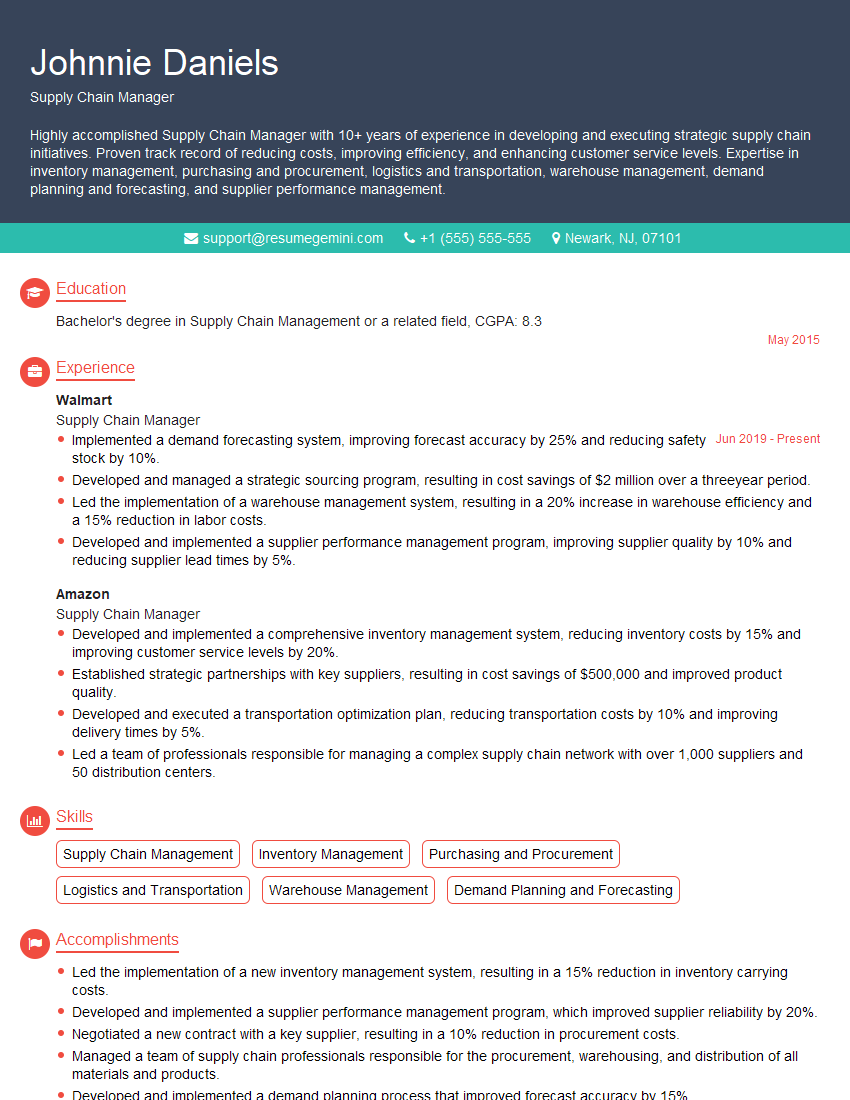
Supply Chain Manager Resume Sample
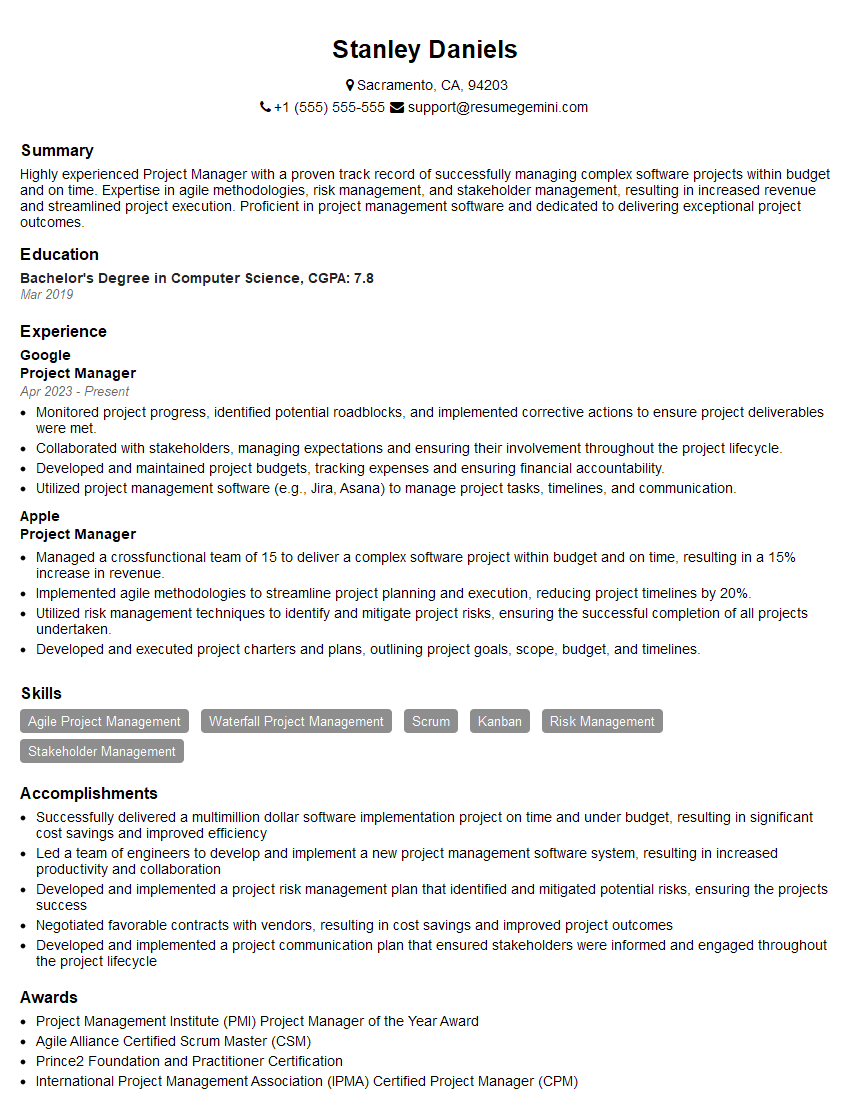
Project Manager Resume Sample
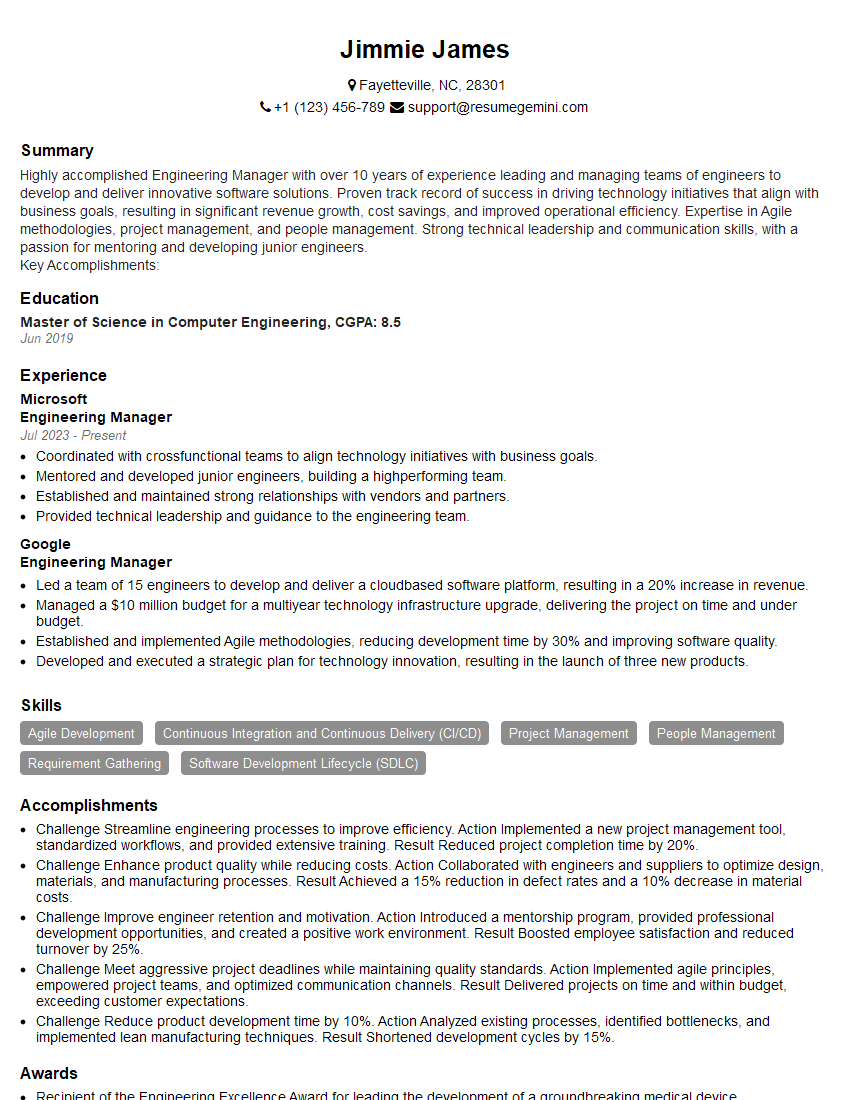
Engineering Manager Resume Sample
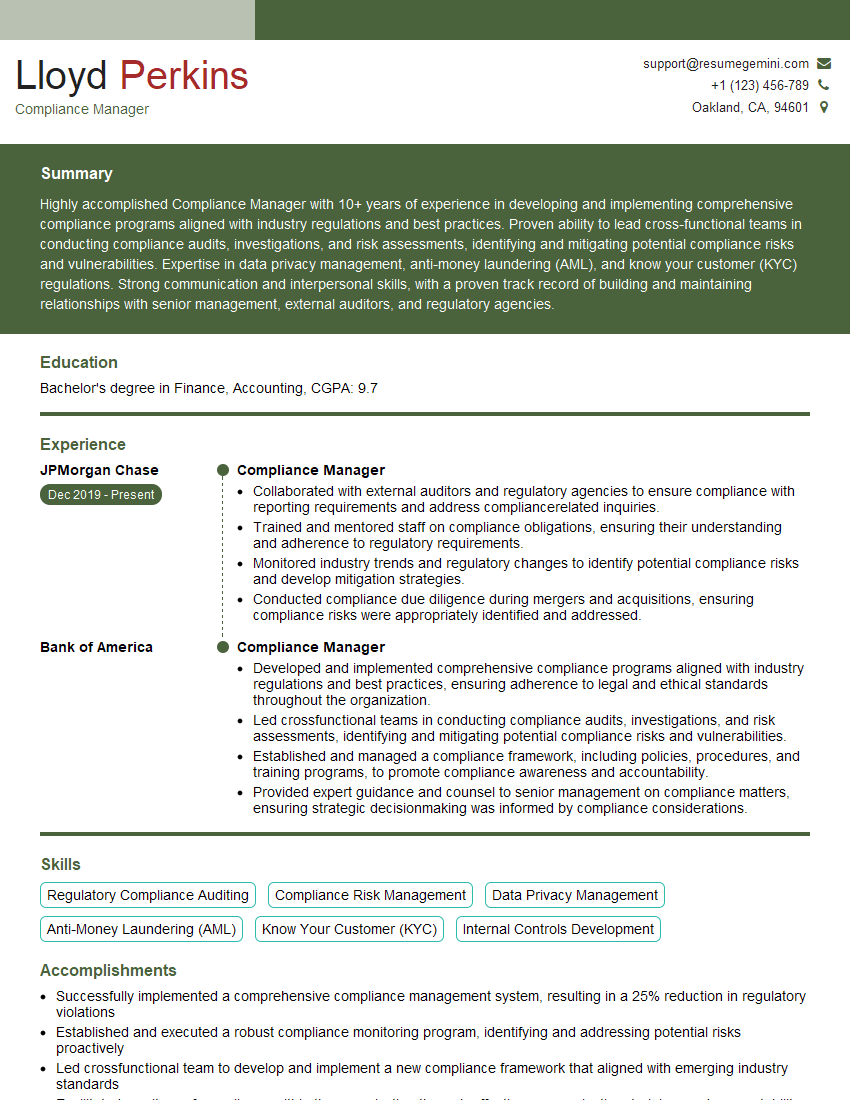
Compliance Manager Resume Sample
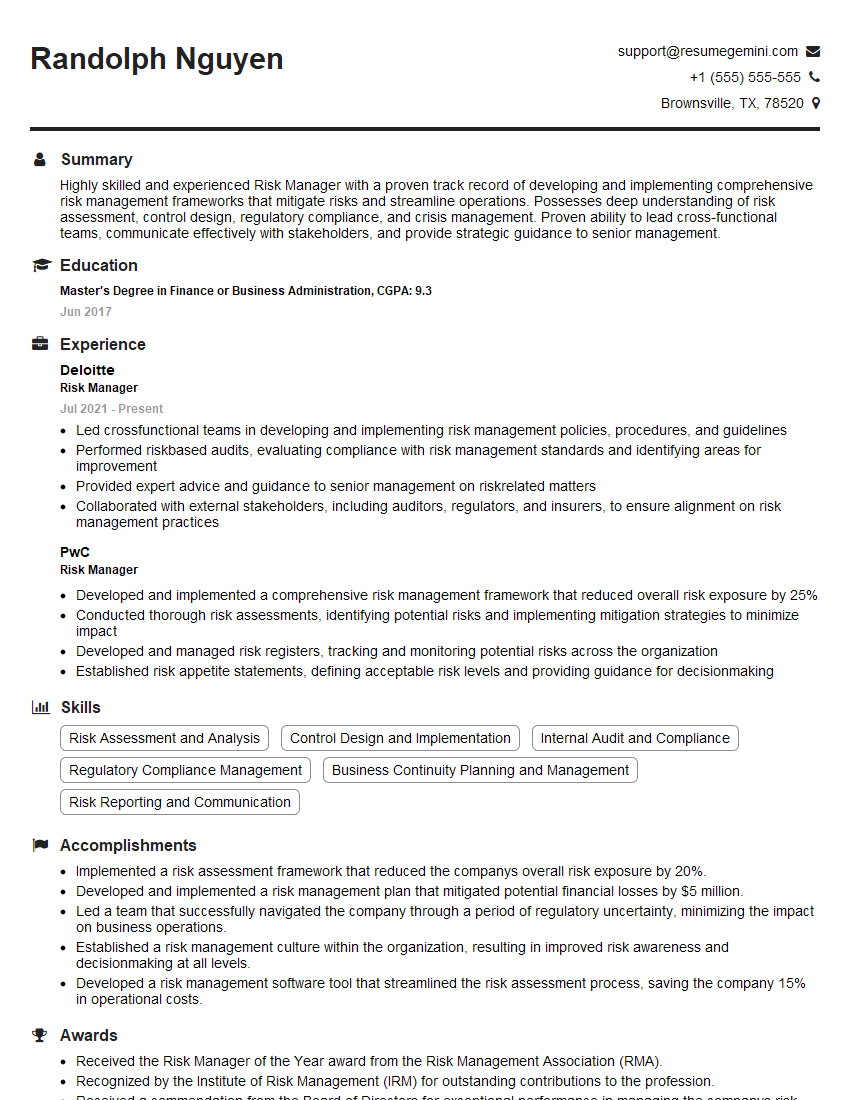
Risk Manager Resume Sample
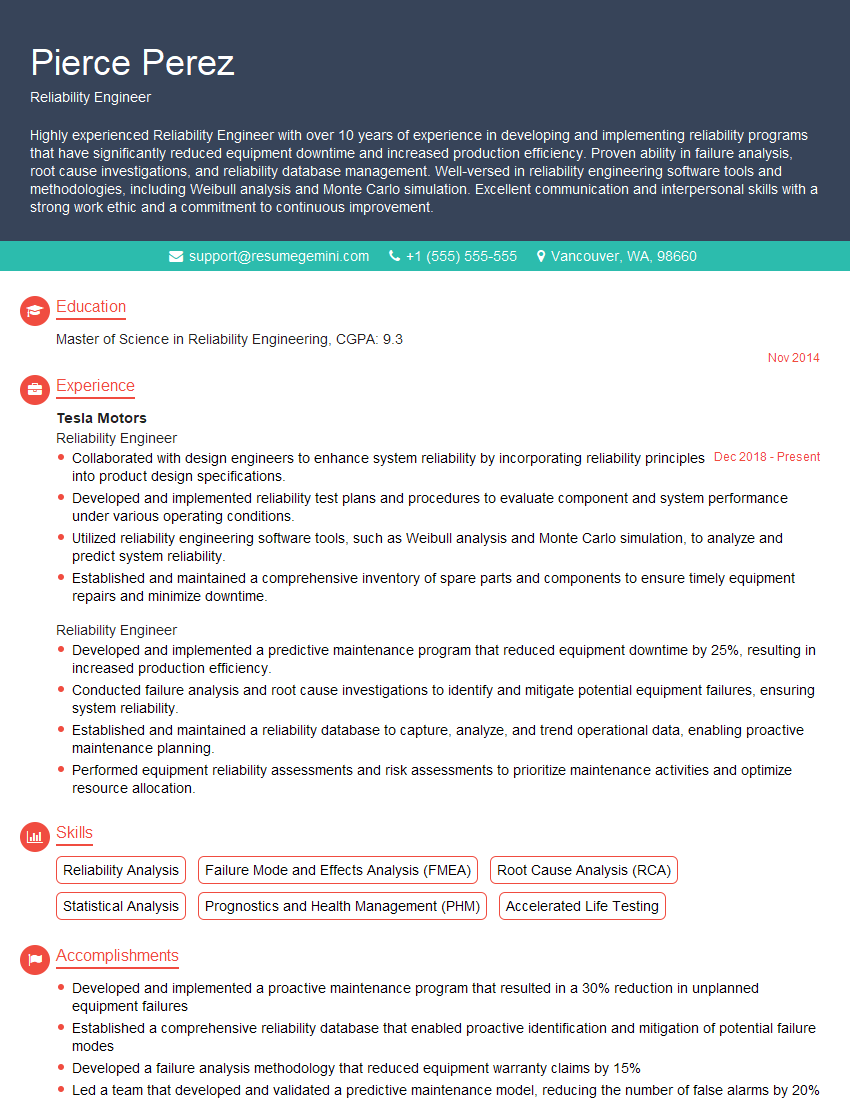
Reliability Engineer Resume Sample
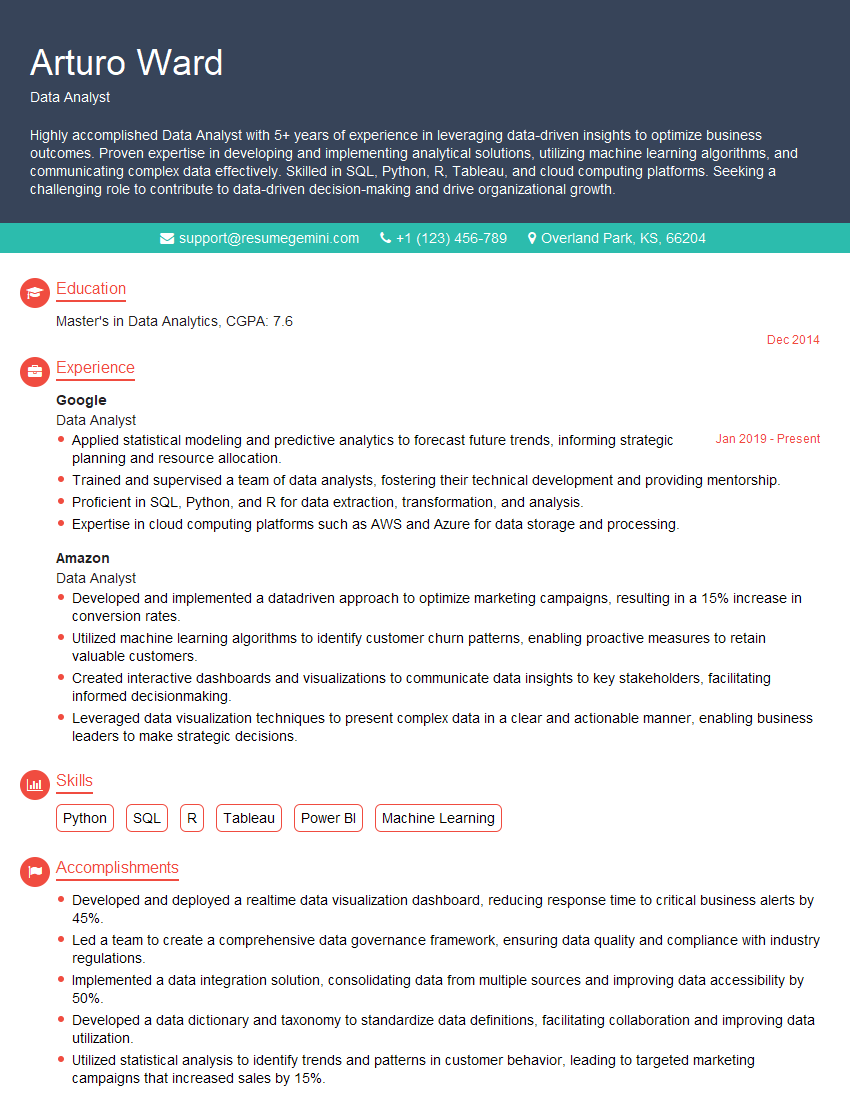
Data Analyst Resume Sample
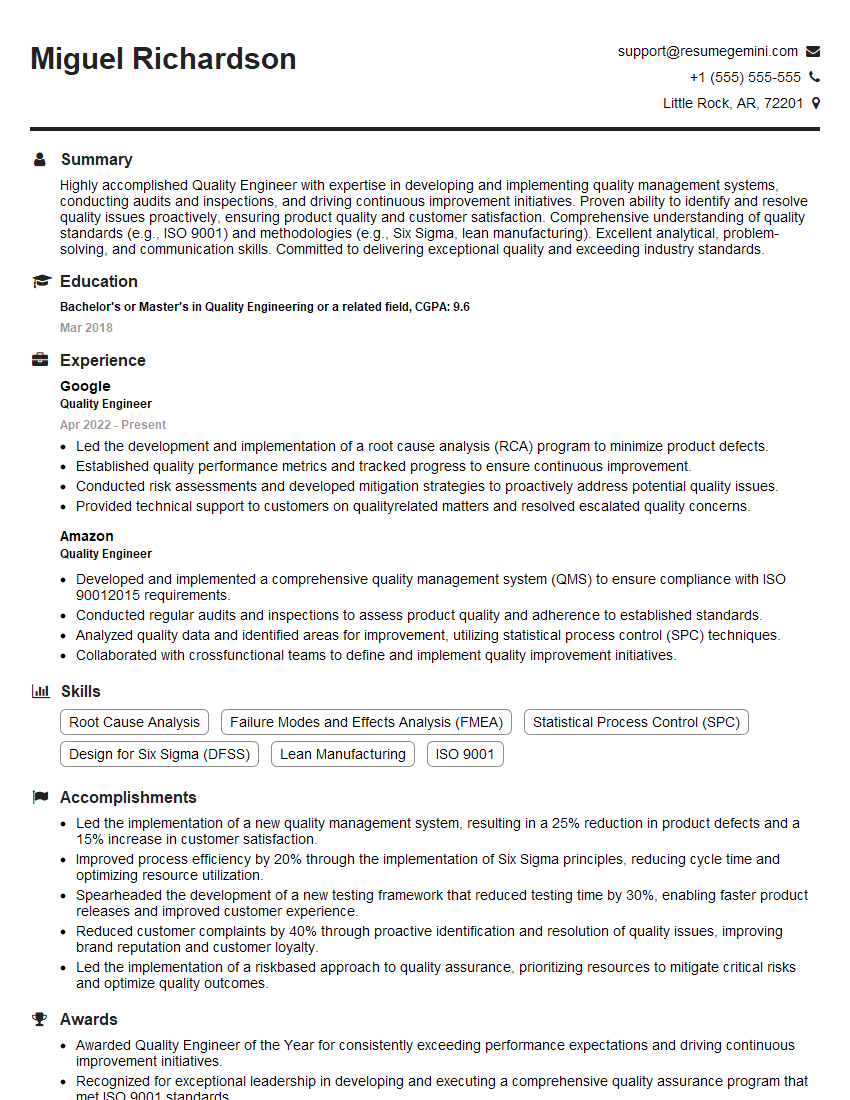
Quality Engineer Resume Sample
Safety Engineer Resume Sample
Industrial Engineer Resume Sample
Manufacturing Engineer Resume Sample
Continuous Improvement Manager Resume Sample
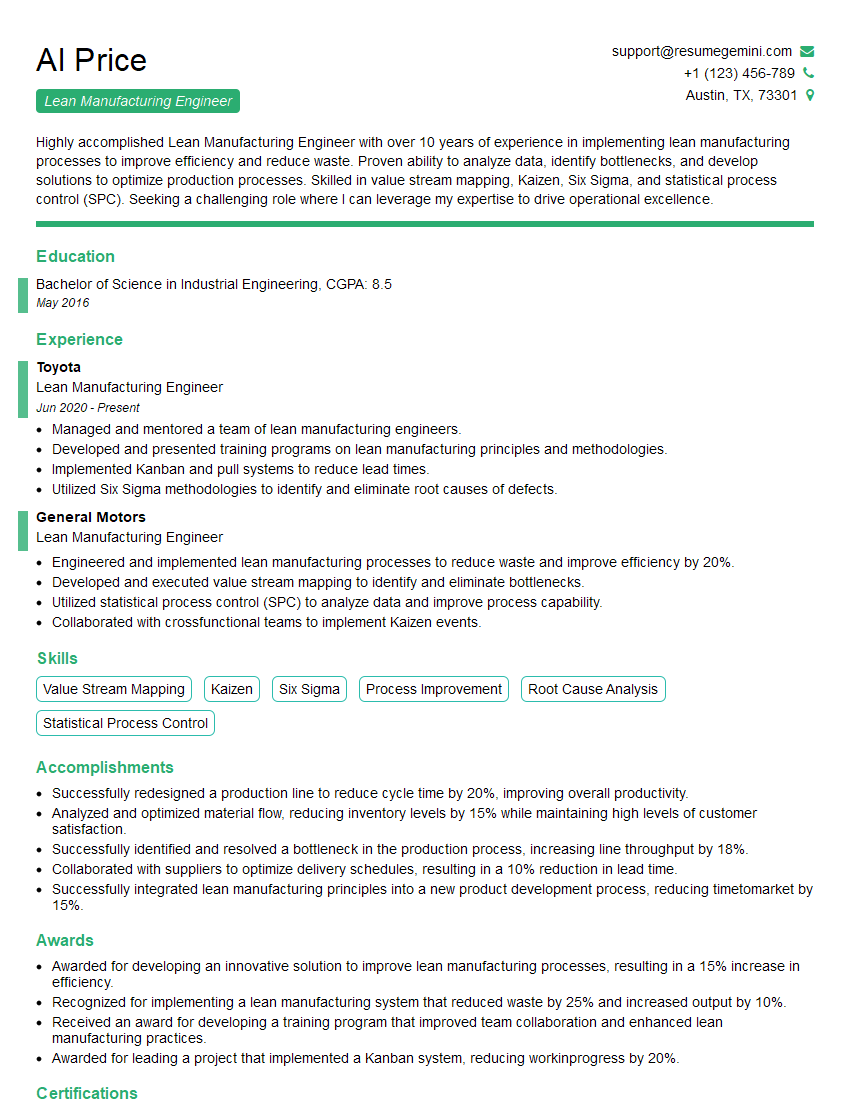
Lean Manufacturing Engineer Resume Sample
- Operations Manager
- Maintenance Manager
- Quality Control Manager
- Production Supervisor
- Supply Chain Manager
- Project Manager
- Engineering Manager
- Compliance Manager
- Risk Manager
- Reliability Engineer
- Data Analyst
- Quality Engineer
- Safety Engineer
- Industrial Engineer
- Manufacturing Engineer
- Continuous Improvement Manager
- Lean Manufacturing Engineer
Explore more articles
Users Rating of Our Blogs
Share Your Experience
We value your feedback! Please rate our content and share your thoughts (optional).
What Readers Say About Our Blog
Very informative content, great job.
good