Interviews are more than just a Q&A session—they’re a chance to prove your worth. This blog dives into essential Safety and Operations Analysis interview questions and expert tips to help you align your answers with what hiring managers are looking for. Start preparing to shine!
Questions Asked in Safety and Operations Analysis Interview
Q 1. Describe your experience conducting risk assessments using various methodologies (e.g., HAZOP, FMEA).
Risk assessments are crucial for proactively identifying and mitigating potential hazards. I have extensive experience conducting these assessments using a variety of methodologies, tailored to the specific context of the project or system. HAZOP (Hazard and Operability Study) is a systematic technique focusing on deviations from the intended design and operating parameters. I’ve used HAZOP in the design phase of chemical processing plants, meticulously examining each process step for potential hazards like runaway reactions or equipment failures. The result is a comprehensive list of hazards with recommended safeguards. FMEA (Failure Mode and Effects Analysis) on the other hand, is a bottom-up approach, focusing on individual components and their potential failure modes. I’ve employed FMEA in the analysis of complex automated systems, such as robotic assembly lines, identifying potential component failures and their cascading effects on the overall system, and prioritizing mitigation strategies based on severity and likelihood.
For example, in a recent HAZOP study for an offshore oil platform, we identified a potential hazard related to gas leaks in a subsea pipeline. Through guided brainstorming sessions with process engineers and operators, we pinpointed the potential causes (corrosion, valve failure), the consequences (fire, explosion, environmental damage), and mitigation measures (improved inspection protocols, redundant safety systems). Similarly, during an FMEA of a medical device, we identified the risk of pump failure leading to inaccurate drug delivery. Our analysis led to the implementation of multiple redundancies, including pressure sensors and backup pumps, significantly decreasing the risk.
Q 2. Explain your understanding of root cause analysis techniques and their application in safety investigations.
Root cause analysis is the process of identifying the underlying causes of an incident or problem, not just the surface symptoms. Understanding the root cause is crucial for implementing effective corrective actions and preventing recurrence. I am proficient in several techniques, including the 5 Whys, Fishbone diagrams (Ishikawa diagrams), and Fault Tree Analysis (FTA). The 5 Whys involves repeatedly asking “Why?” to delve deeper into the chain of events leading to the incident. While simple, it’s often surprisingly effective. Fishbone diagrams provide a visual way to brainstorm potential causes categorized by factors like people, equipment, materials, and environment. FTA, more complex, is a deductive method that uses Boolean logic to show the relationships between potential causes and the resulting failure.
For instance, in investigating a recent near-miss incident involving a crane dropping a load, we used the 5 Whys to uncover the root cause. The initial answer was operator error. Subsequent questioning revealed faulty communication between the crane operator and ground crew, a lack of adequate signaling procedures, and finally, insufficient training for the crew. By tracing back to the training deficiency, we could design targeted training programs, implement better communication protocols, and prevent such incidents in the future. In more complex situations, FTA is more appropriate as it facilitates better understanding of complex system failures and interdependencies.
Q 3. How would you develop and implement a safety management system for a new project?
Developing and implementing a Safety Management System (SMS) for a new project requires a structured approach. It starts with defining the scope and objectives of the SMS, which are tailored to the project’s specific hazards and risks. Then, I’d establish clear roles and responsibilities, ensuring accountability and ownership throughout the organization. Next, I would develop comprehensive procedures for hazard identification, risk assessment, and control. This typically involves using techniques like HAZOP and FMEA, as discussed earlier, to systematically identify potential hazards and implement appropriate control measures (administrative, engineering, personal protective equipment). The SMS needs to be documented and readily accessible, and regularly reviewed and updated to reflect project changes. Finally, effective training and communication are crucial to ensure all stakeholders understand their roles and responsibilities and how the SMS operates.
For example, in the initial stages of a new construction project, the SMS would include procedures for working at heights, confined space entry, and managing heavy machinery, along with procedures for reporting incidents and near-misses. Regular safety inspections, audits, and training would ensure the SMS continues to function correctly. Performance monitoring through KPIs would help track the effectiveness of the system and identify areas needing improvement. It’s important to remember that a SMS is not a static document but a dynamic system continually adapting to the evolving needs of the project.
Q 4. Describe a time you identified a safety hazard and implemented a corrective action.
During a routine inspection at a manufacturing plant, I observed workers frequently bypassing a safety interlock on a piece of machinery to speed up their tasks. This created a significant risk of injury as the interlock was designed to prevent accidental operation when the machine was being serviced or repaired. The immediate corrective action was to halt production and immediately address the issue with the workers, reinforcing the importance of following established safety procedures.
To prevent recurrence, we implemented several measures. Firstly, we initiated additional training to re-emphasize the risks associated with bypassing the interlock. We also introduced a more efficient work process that reduced the time pressure on the workers, removing the incentive to bypass the safety system. Finally, we investigated and upgraded the machine’s operational efficiency, improving production flow and mitigating the need for shortcuts. We also implemented a system for monitoring compliance through regular inspections and feedback. The incident highlighted the importance of proactive supervision, comprehensive training, and continuous improvement.
Q 5. What are the key performance indicators (KPIs) you would use to monitor safety performance?
Key Performance Indicators (KPIs) are vital for monitoring safety performance and identifying areas needing improvement. The choice of KPIs depends on the specific context, but some common and effective ones include:
- Incident rate: This measures the number of accidents or near-misses per employee or per work hour. A lower incident rate indicates improved safety performance.
- Lost Time Injury (LTI) rate: This focuses on incidents resulting in lost work time, providing a clearer picture of the severity of injuries.
- Safety observation rate: This measures the frequency of safety observations and audits conducted, highlighting the commitment to proactive safety management.
- Training completion rate: This reflects the effectiveness of safety training programs and employees’ understanding of safety protocols.
- Near-miss reporting rate: High reporting rates can signal a culture of open communication and proactive hazard identification, even though it may result in a seemingly higher overall incident rate.
- Time to corrective action: This tracks the time taken to implement corrective actions after identifying a hazard. A shorter time indicates a more responsive safety management system.
Analyzing these KPIs over time allows for trend identification and assessment of the effectiveness of safety interventions. By regularly reviewing and analyzing these metrics, I can effectively target areas needing improvement and demonstrate the impact of safety initiatives.
Q 6. How familiar are you with regulatory compliance standards related to safety and operations (e.g., OSHA, ISO)?
I am very familiar with various regulatory compliance standards related to safety and operations. My knowledge encompasses standards like OSHA (Occupational Safety and Health Administration) regulations in the US, including general industry standards, construction standards, and specific regulations for hazardous materials. I also have experience with ISO 45001 (Occupational health and safety management systems), a globally recognized standard specifying requirements for an effective occupational health and safety management system. Furthermore, I’m knowledgeable about other industry-specific regulations, such as those related to process safety management (PSM) in chemical manufacturing.
My experience involves ensuring compliance by developing and implementing safety programs, conducting audits, and staying updated on regulatory changes. I understand the importance of accurate documentation, record-keeping, and emergency preparedness as critical components of regulatory compliance. I also actively participate in training programs to stay current with evolving regulations and best practices.
Q 7. Explain your understanding of human factors and their contribution to accidents.
Human factors play a significant role in accidents, often accounting for a substantial portion of incidents. Human factors encompass various elements influencing human behavior and performance in the workplace, including physical and cognitive capabilities, perception, decision-making, teamwork, and training. Errors stemming from human factors can range from simple slips and lapses to more complex violations of procedures or rules. Understanding human factors is crucial for designing safer work environments and preventing accidents.
For example, poor ergonomic design of workstations can lead to musculoskeletal disorders and fatigue, increasing the risk of accidents. Inadequate training or communication can cause confusion and misunderstandings leading to errors. Stress, fatigue, and distractions can also impair judgment and increase the likelihood of mistakes. In accident investigations, it is essential to consider human factors alongside technical failures. This involves examining the work environment, training procedures, communication systems, and organizational culture to identify contributing human factors and implement corrective actions like redesigning the workstation, improving training procedures, and implementing better communication protocols. This holistic approach, considering both the human and technical aspects, is essential for effective accident prevention.
Q 8. How would you design a safety training program for a specific operational task?
Designing a safety training program begins with a thorough job hazard analysis (JHA) for the specific operational task. This involves identifying all potential hazards associated with the task, assessing the risks associated with each hazard, and determining the appropriate control measures.
The training program itself should be modular, covering theoretical knowledge and practical application. For example, if the task involves operating heavy machinery, the training would include classroom instruction on the machine’s controls, safety mechanisms, and emergency procedures, followed by hands-on training under supervision in a controlled environment. The program should also include regular refresher training and competency assessments to ensure that employees maintain a high level of proficiency and awareness.
Consider these key components:
- Needs Assessment: Identify the knowledge and skill gaps among employees.
- Learning Objectives: Clearly define what trainees should know and be able to do after completing the training.
- Training Methods: Utilize a mix of methods like lectures, demonstrations, simulations, and hands-on practice.
- Assessment: Implement practical tests, written exams, or observation to ensure competency.
- Documentation: Maintain comprehensive records of training completion and assessment results.
For instance, I once developed a training program for operating a fork-lift. We included classroom sessions on safe operation procedures, pre-operational checks, and load stability. This was followed by practical training on a simulator, and then finally, supervised operation on the actual forklift. This layered approach significantly reduced near-miss incidents and accidents.
Q 9. Describe your experience with safety audits and inspections.
My experience with safety audits and inspections involves conducting both planned and unplanned inspections across various industrial settings. I follow a structured approach, using checklists based on relevant regulations and industry best practices. This ensures consistent evaluation and identification of hazards.
During an audit, I examine workplace environments, machinery, equipment, procedures, and employee practices. I look for compliance with safety regulations, proper use of personal protective equipment (PPE), the effectiveness of existing safety controls, and the overall safety culture of the organization. I document all findings, including both positive and negative observations, with photographic or video evidence where appropriate. I then prepare a comprehensive report with recommendations for improvement, prioritized by risk level.
For example, in a recent audit of a manufacturing facility, I identified a lack of proper machine guarding on certain equipment, which posed a significant risk of injury. My report included specific recommendations for upgrading the guards and provided examples of compliant systems. Following the audit, the company implemented the recommendations, resulting in a marked improvement in workplace safety.
Q 10. How would you analyze accident data to identify trends and potential areas for improvement?
Analyzing accident data is crucial for proactive safety management. I typically use a combination of quantitative and qualitative methods. The process involves collecting data from various sources, including incident reports, near-miss reports, and medical records.
Quantitative analysis involves using statistical methods to identify trends and patterns. For example, I might use Pareto charts to identify the most frequent types of accidents or scatter plots to determine correlations between accident rates and specific factors like employee experience or environmental conditions.
Qualitative analysis involves examining the narrative descriptions in accident reports to understand the underlying causes of accidents. This often involves using techniques like root cause analysis (RCA) to identify the root causes of accidents and the contributing factors. This helps to develop targeted interventions.
Consider this example: If accident data shows a high incidence of slips, trips, and falls in a particular area, quantitative analysis might show a correlation between the number of accidents and the condition of the flooring. Qualitative analysis of incident reports might reveal poor housekeeping practices as the root cause. Therefore, a targeted improvement program could focus on improving housekeeping and floor maintenance in that area.
Q 11. Explain your understanding of different types of safety controls (e.g., engineering, administrative, personal protective equipment).
Safety controls are implemented to eliminate or mitigate hazards. They’re categorized into three main types:
- Engineering Controls: These are physical changes to the workplace or equipment to eliminate or reduce hazards. Examples include machine guarding, improved ventilation systems, and ergonomic workstation designs. These are generally the most effective controls as they remove the hazard at its source.
- Administrative Controls: These are procedures, policies, and practices that reduce risk. Examples include training programs, standard operating procedures (SOPs), job rotation, and work permits. They manage how work is done.
- Personal Protective Equipment (PPE): These are items worn by employees to protect them from hazards. Examples include safety glasses, hard hats, hearing protection, and respirators. PPE is often a last line of defense, and its effectiveness relies on proper use and maintenance.
A layered approach is usually most effective. Imagine a construction site: Engineering controls include using guarded machinery; administrative controls include safety briefings and permit-to-work systems; and PPE includes hard hats, high-visibility vests and safety boots. Each layer contributes to the overall safety system, compensating for failures in other layers.
Q 12. How would you communicate safety concerns and recommendations to different stakeholders?
Communicating safety concerns and recommendations effectively requires tailoring the message to the audience. I use a variety of methods depending on the stakeholder.
Management: I present concise reports with key findings, prioritized recommendations, and associated costs and benefits. Data visualizations (charts, graphs) are used to highlight significant trends and risks. I may also conduct presentations summarizing the key findings and proposed actions.
Employees: I use clear, concise language, avoiding jargon. I emphasize the importance of safety for their well-being and the organization’s success. Tools like toolbox talks, safety posters, and interactive training sessions are effective in this context.
Regulatory bodies: Communication must be formal and compliant with all relevant regulations. Reports must be comprehensive, accurate, and follow specified formats.
For instance, when communicating a serious safety concern to management, I would present a detailed report with quantitative data and qualitative observations, clearly outlining the potential consequences of inaction and the costs and benefits of implementing the recommended corrective actions. This approach ensures that management understands the severity of the issue and is motivated to take action.
Q 13. What are your experiences with safety incident investigation and reporting?
My experience with safety incident investigation and reporting involves conducting thorough investigations to determine the root causes of incidents, both accidents and near misses. I use a structured approach, often employing techniques such as the ‘5 Whys’ or Fishbone diagrams to identify contributing factors.
The investigation involves collecting evidence, interviewing witnesses, reviewing documentation (e.g., training records, maintenance logs), and analyzing physical evidence. The goal is not to assign blame but to understand the circumstances that led to the incident and to identify corrective actions to prevent recurrence.
Reports are documented comprehensively, including a description of the incident, the findings of the investigation, the root causes, contributing factors, and recommendations for corrective and preventive actions. These reports are disseminated to relevant stakeholders and used to improve safety procedures and training programs. For example, following a fall from height incident, I’d investigate the use of fall protection equipment, the adequacy of training, and the work procedures in place at the time.
Q 14. Describe your experience with quantitative risk assessment techniques.
Quantitative risk assessment involves using numerical data to estimate the likelihood and consequences of potential hazards. Techniques include Fault Tree Analysis (FTA), Event Tree Analysis (ETA), and Failure Mode and Effects Analysis (FMEA).
FTA starts with an undesired event (top event) and works backward to identify the various combinations of failures that could lead to it. It uses Boolean logic and probabilities to estimate the likelihood of the top event.
ETA starts with an initiating event and traces the possible consequences through a series of branching events, assigning probabilities to each branch. It helps to understand the likelihood of various outcomes.
FMEA systematically evaluates potential failure modes of a system or process, estimating the severity, occurrence, and detectability of each failure mode. A risk priority number (RPN) is calculated (Severity x Occurrence x Detectability) to prioritize corrective actions.
For instance, in assessing the risk of a chemical spill, FTA might be used to identify the sequence of events leading to a spill, ETA could determine the consequences depending on the size of the spill and weather conditions, and FMEA would analyze the failure modes of the storage tanks and associated piping.
Q 15. How would you evaluate the effectiveness of safety interventions?
Evaluating the effectiveness of safety interventions requires a multi-faceted approach that goes beyond simply counting incidents. We need to assess whether the intervention truly reduced risks and improved safety performance. This involves a systematic process:
- Define Measurable Outcomes: Before implementing any intervention, clearly define what success looks like. Are we aiming to reduce near misses by a certain percentage? Improve safety training scores? Decrease lost-time injury rates? Specific, measurable, achievable, relevant, and time-bound (SMART) goals are crucial.
- Data Collection and Analysis: Collect data both before and after the intervention. This might include incident reports, near-miss reports, safety observation checklists, employee surveys, and production data. Analyzing this data helps identify trends and measure the impact of the intervention. For example, if we implement a new safety training program, we would compare the number of incidents before and after the training.
- Qualitative Assessments: Quantitative data isn’t the whole story. Conduct interviews with employees to gauge their perceptions of the intervention’s effectiveness. Did they find the training useful? Did the new safety equipment improve their work experience? This provides valuable qualitative insights.
- Continuous Monitoring and Improvement: Safety is an ongoing process. Regularly monitor key performance indicators (KPIs) to track progress and identify areas for improvement. If the intervention isn’t working, be prepared to adjust the strategy or implement a new one. For instance, if the new safety equipment is cumbersome and underutilized, it requires redesign or alternative solutions.
For instance, in a manufacturing plant, implementing a new machine guarding system would be evaluated by comparing the number of hand injuries before and after installation, supplemented by employee feedback on the usability of the guards.
Career Expert Tips:
- Ace those interviews! Prepare effectively by reviewing the Top 50 Most Common Interview Questions on ResumeGemini.
- Navigate your job search with confidence! Explore a wide range of Career Tips on ResumeGemini. Learn about common challenges and recommendations to overcome them.
- Craft the perfect resume! Master the Art of Resume Writing with ResumeGemini’s guide. Showcase your unique qualifications and achievements effectively.
- Don’t miss out on holiday savings! Build your dream resume with ResumeGemini’s ATS optimized templates.
Q 16. Explain your understanding of emergency response planning and procedures.
Emergency response planning and procedures are critical for mitigating the impact of unforeseen events. A robust plan should be proactive, rather than reactive, and involve a structured approach:
- Hazard Identification and Risk Assessment: Identify potential hazards (e.g., fire, chemical spills, equipment failure) and assess their likelihood and potential consequences. This forms the basis for developing tailored emergency procedures.
- Development of Emergency Procedures: Develop detailed procedures for each identified hazard. These should include clear instructions for evacuation, communication protocols, first aid and medical assistance, and post-incident procedures.
- Training and Drills: Regular training and drills are essential to ensure employees are familiar with and capable of executing the procedures. Drills should be realistic and simulate various scenarios.
- Communication and Coordination: Establish clear communication channels and procedures for emergency situations. This might involve designated emergency contacts, warning systems (alarms, sirens), and communication protocols with external agencies (fire department, ambulance).
- Post-Incident Analysis: After any incident, conduct a thorough investigation to identify contributing factors, lessons learned, and areas for improvement in the plan. This iterative process helps improve the effectiveness of the plan over time.
Imagine a chemical plant: their emergency plan would include procedures for containing chemical spills, emergency shutdowns, evacuation routes, and communication with local emergency services. Regular drills would ensure the plant’s workforce is prepared for a variety of scenarios.
Q 17. How would you utilize data analytics to improve safety performance?
Data analytics plays a vital role in improving safety performance by providing insights that wouldn’t be visible through traditional methods. Here’s how I’d utilize it:
- Identify Trends and Patterns: Analyze historical safety data (incident reports, near misses, inspections) to identify trends and patterns. This might reveal specific hazards, high-risk activities, or contributing factors to incidents. For instance, analyzing accident reports might show a cluster of incidents related to a specific machine or work process.
- Predictive Modeling: Use machine learning algorithms to predict potential future incidents based on identified patterns and risk factors. This allows for proactive interventions before an incident occurs. A model might predict a higher likelihood of slips and falls during winter months, leading to preventive measures like improved floor cleaning protocols.
- Real-time Monitoring: Utilize sensors and data logging to monitor equipment performance, environmental conditions (temperature, humidity), and worker behavior in real-time. This allows for immediate identification and response to potential hazards.
- Performance Measurement and Evaluation: Track key performance indicators (KPIs) to measure the effectiveness of safety interventions. This data-driven approach helps quantify the impact of safety initiatives and guide future improvements.
Example: In a construction setting, using wearable sensors to monitor workers’ movements and proximity to hazards can identify unsafe practices in real-time, allowing for immediate corrective action.
Q 18. Describe your experience with developing safety procedures and guidelines.
I have extensive experience in developing safety procedures and guidelines. My approach involves a collaborative and iterative process:
- Needs Assessment: Begin by identifying specific safety needs and hazards within the workplace. This might involve conducting job hazard analyses (JHAs), reviewing incident reports, and consulting with employees.
- Procedure Development: Based on the needs assessment, develop clear, concise, and easily understandable safety procedures. These should address specific hazards and outline steps to mitigate risks. Use visuals like diagrams or flowcharts where appropriate.
- Consultation and Review: Involve relevant stakeholders (employees, supervisors, safety managers) in the review and feedback process. This ensures buy-in and helps identify potential gaps or improvements in the procedures.
- Implementation and Training: Provide comprehensive training on the new procedures, ensuring employees understand their responsibilities and how to follow the guidelines effectively.
- Review and Updates: Regularly review and update procedures to reflect changes in work processes, technology, or regulatory requirements. This continuous improvement cycle is vital for maintaining effective safety management.
In a previous role, I developed detailed safety procedures for a warehousing operation, encompassing forklift operation, manual handling, and emergency response procedures, resulting in a significant decrease in workplace injuries.
Q 19. How do you prioritize safety risks and allocate resources effectively?
Prioritizing safety risks and allocating resources effectively requires a structured approach. I typically use a risk assessment matrix combining likelihood and severity:
- Risk Identification: Identify all potential hazards and risks using methods such as HAZOP (Hazard and Operability Study), FMEA (Failure Mode and Effects Analysis), or simply brainstorming sessions with employees.
- Risk Assessment: Assess each risk based on its likelihood of occurrence and potential severity. This can be represented using a matrix (e.g., a 3×3 matrix with low, medium, and high likelihood and severity). This assigns a risk priority number (RPN).
- Risk Prioritization: Prioritize risks based on their RPN, focusing on high-priority risks first. This ensures resources are allocated to the most critical areas.
- Resource Allocation: Allocate resources (budget, personnel, equipment) based on the prioritized risks. This might involve implementing control measures (engineering controls, administrative controls, personal protective equipment) to reduce risks.
- Risk Monitoring and Review: Regularly monitor the effectiveness of implemented controls and reassess risks to ensure the allocation of resources remains appropriate.
For example, in a hospital, the risk of a patient fall might be considered high-priority, requiring resource allocation for fall prevention programs, specialized beds, and staff training.
Q 20. Explain your understanding of the relationship between safety and operational efficiency.
Safety and operational efficiency are intrinsically linked; a strong safety culture contributes directly to improved efficiency. Neglecting safety often leads to increased costs and decreased productivity:
- Reduced Downtime: A safe workplace experiences less downtime due to accidents, injuries, and equipment damage. This translates to increased productivity and output.
- Improved Employee Morale and Productivity: Employees who feel safe are more productive and engaged. A culture of safety fosters trust and improves morale, which has a positive impact on overall efficiency.
- Lower Costs: Investing in safety prevents costly incidents, reduces workers’ compensation claims, and minimizes potential legal liabilities.
- Enhanced Reputation: A strong safety record enhances an organization’s reputation, attracting clients, investors, and top talent.
- Continuous Improvement: A robust safety management system encourages continuous improvement processes, leading to both enhanced safety and operational efficiency.
A construction company with a strong safety culture will experience fewer work stoppages due to injuries, resulting in a more efficient and cost-effective project completion. Conversely, a company with poor safety practices can face delays, cost overruns, and reputational damage.
Q 21. How do you stay updated on the latest safety regulations and best practices?
Staying updated on safety regulations and best practices is crucial. My approach is multi-pronged:
- Professional Organizations: I actively participate in professional organizations such as the American Society of Safety Professionals (ASSP) or similar organizations relevant to my industry, attending conferences, webinars, and accessing their resources.
- Regulatory Agencies: I regularly review the websites of relevant regulatory agencies (OSHA, EPA, etc.) to monitor changes in regulations and compliance requirements.
- Industry Publications and Journals: I subscribe to industry publications and journals to stay informed on the latest research, best practices, and technological advancements in safety.
- Networking and Collaboration: I actively network with other safety professionals, attending conferences and workshops to learn from their experiences and share best practices.
- Training and Continuing Education: I participate in ongoing training and professional development programs to maintain and enhance my knowledge and skills in safety and operations analysis.
This approach ensures I remain abreast of the latest developments, enabling me to provide informed and effective safety solutions.
Q 22. Describe your experience working with safety databases and reporting systems.
My experience with safety databases and reporting systems is extensive. I’ve worked with a variety of systems, from simple spreadsheet-based trackers to sophisticated, enterprise-level platforms like [Mention specific software, e.g., Isograph, EHS software]. My expertise spans the entire lifecycle, from data entry and validation to sophisticated analysis and reporting. I’m proficient in using these systems to track incidents, near misses, hazards, and corrective actions. For instance, in a previous role at [Previous Company], I was responsible for migrating our safety data from a legacy system to a cloud-based solution. This involved cleaning, validating, and migrating a large dataset, ensuring data integrity throughout the process. This not only improved data accessibility but also enabled advanced analytics to identify trends and proactively address potential safety risks. Furthermore, I’ve developed and implemented customized reporting dashboards to effectively communicate safety performance to management and stakeholders, fostering a data-driven approach to safety management.
Specifically, I am experienced in using data to identify leading indicators of incidents – these are precursors to accidents that allow for proactive intervention. For example, by analyzing near-miss reports, I identified a pattern of unsafe equipment use, leading to the implementation of a comprehensive training program and equipment upgrade. This resulted in a significant decrease in near misses and, ultimately, a safer working environment.
Q 23. Explain your proficiency in using specific safety software or tools.
I’m proficient in several safety software and tools. My experience includes using [Mention specific software e.g., Bowtie analysis software, HAZOP software, risk assessment software]. For example, I’ve extensively used Bowtie analysis software to model complex risk scenarios, identifying potential causes, consequences, and control measures. This allowed for a more comprehensive understanding of risks and improved the effectiveness of risk mitigation strategies. In another project, I utilized HAZOP (Hazard and Operability Study) software to systematically identify and assess potential hazards in a new process. This proactive approach ensured that safety controls were integrated into the design phase, preventing potential problems before they could arise. Beyond dedicated safety software, I am also highly proficient in using data analysis tools like Excel and statistical packages such as R or Python for advanced analysis of safety data, identifying trends and drawing meaningful conclusions to inform safety improvements.
Q 24. How would you handle a disagreement with a manager regarding a safety issue?
Disagreements regarding safety are inevitable, but I approach them professionally and constructively. My first step is always to document the concern thoroughly, including all relevant data and evidence. Then, I schedule a meeting with my manager to respectfully discuss the issue. My approach centers on collaboration and problem-solving rather than confrontation. I present my concerns clearly, using data and industry best practices to support my position. I actively listen to my manager’s perspective and seek to find common ground. If we can’t reach an agreement, I would escalate the issue through the appropriate channels, documenting each step of the process to maintain transparency and accountability. For example, I once disagreed with a manager regarding the implementation of a new safety procedure. I presented data showing that the proposed procedure was insufficient, potentially exposing workers to unnecessary risk. We eventually reached a compromise, incorporating my recommendations into a revised procedure that better protected workers.
Q 25. Describe your experience with safety culture development and promotion.
Developing and promoting a strong safety culture is crucial for preventing incidents. My experience in this area involves a multifaceted approach. I’ve designed and delivered safety training programs, incorporating interactive elements and real-world scenarios to enhance engagement and retention. I’ve also led safety campaigns, utilizing various communication methods, such as posters, newsletters, and toolbox talks to raise awareness of safety issues and promote best practices. Furthermore, I’ve actively participated in safety committees, fostering open communication and collaboration among employees. One successful initiative involved implementing a peer-to-peer safety observation program, empowering employees to identify and report hazards. This fostered a sense of shared responsibility for safety, significantly improving the overall safety culture. Measuring the success involved tracking the number of reported hazards, near misses, and ultimately, the reduction of incidents. It’s important to remember that safety culture isn’t a one-time project but an ongoing process of improvement, which requires constant vigilance and reinforcement.
Q 26. How do you ensure that safety is integrated into all aspects of operations?
Integrating safety into all aspects of operations requires a proactive and holistic approach. This begins with embedding safety considerations into the design phase of new projects and processes, using techniques like HAZOP studies. It involves providing appropriate training for all employees, ensuring they possess the necessary skills and knowledge to work safely. Regular safety inspections and audits are essential to identify potential hazards and ensure compliance with regulations. Furthermore, a robust incident investigation process is vital for identifying root causes, preventing future incidents, and learning from mistakes. Leading indicators, such as near misses and unsafe acts, should be closely monitored to proactively address potential issues before they escalate into incidents. The most effective way to achieve this integration is to make safety a core value of the organization, embedded into every aspect of the company culture, and actively communicated at all levels. This is most effectively achieved by consistently demonstrating leadership commitment to safety, and by rewarding safe behaviours.
Q 27. Describe your experience working with cross-functional teams on safety initiatives.
I’ve consistently worked effectively in cross-functional teams on safety initiatives. My experience includes collaborating with engineers, operations personnel, human resources, and management to develop and implement safety programs. My collaborative approach involves actively listening to different perspectives, facilitating open communication, and fostering a sense of shared responsibility. I’ve found that using collaborative tools, such as project management software, enhances teamwork and efficiency. For example, in a recent project involving the improvement of a manufacturing process, I worked with engineers to identify potential hazards, with operations personnel to develop safe operating procedures, and with HR to design relevant training materials. This collaborative effort resulted in a significant reduction in workplace incidents and improved overall efficiency. The success of this process relied on ensuring that all team members felt valued and had the opportunity to contribute their expertise. This involved regularly communicating progress and acknowledging everyones contributions.
Q 28. How would you measure the return on investment (ROI) of safety improvements?
Measuring the ROI of safety improvements requires a multifaceted approach that considers both direct and indirect costs and benefits. Direct costs include investments in safety equipment, training, and programs. Direct benefits can be measured through a reduction in incident rates, resulting in lower medical costs, lost productivity, and insurance premiums. However, indirect benefits are often more significant, and harder to quantify. These include improved employee morale and productivity, enhanced company reputation, and increased customer confidence. To calculate ROI, I would use a cost-benefit analysis approach. This involves calculating the total cost of safety improvements, the total cost savings from reduced incidents, and the value of indirect benefits (estimated using methods such as surveys or productivity assessments). For example, a reduction in lost-time accidents can be directly measured in terms of reduced medical expenses, wage replacement, and insurance costs. However, the improvement in employee morale and productivity may need to be quantified indirectly through employee surveys and productivity metrics. By comprehensively evaluating both direct and indirect benefits, a robust ROI analysis provides a compelling justification for safety investments.
Key Topics to Learn for Safety and Operations Analysis Interview
- Risk Assessment and Management: Understand various methodologies (e.g., HAZOP, FMEA, FTA) for identifying, analyzing, and mitigating risks in operational settings. Consider practical applications in different industries (e.g., manufacturing, aviation, healthcare).
- Data Analysis and Interpretation: Master statistical methods and data visualization techniques to interpret operational data, identify trends, and draw meaningful conclusions about safety performance. Practice presenting findings clearly and concisely.
- Accident Investigation and Reporting: Learn about root cause analysis techniques and the importance of thorough investigation to prevent future incidents. Familiarize yourself with relevant reporting standards and regulations.
- Human Factors in Safety: Explore the impact of human behavior and cognition on safety performance. Understand ergonomic principles and strategies for improving human-machine interaction.
- Safety Management Systems (SMS): Learn about the framework and implementation of SMS, including safety policy, risk management, and continuous improvement processes. Be prepared to discuss practical examples of SMS implementation.
- Regulatory Compliance: Familiarize yourself with relevant safety regulations and standards applicable to your target industry. Understand the implications of non-compliance and best practices for maintaining compliance.
- Performance Indicators (KPIs) and Metrics: Learn to select, track, and interpret KPIs related to safety and operational efficiency. Be prepared to discuss how these metrics can be used to drive improvement.
- Safety Culture and Communication: Understand the importance of fostering a strong safety culture within an organization. Discuss effective communication strategies for promoting safety awareness and encouraging reporting of near misses.
Next Steps
Mastering Safety and Operations Analysis is crucial for career advancement in various high-impact industries. It demonstrates a commitment to safety, problem-solving, and data-driven decision-making – highly valued skills in today’s competitive job market. To significantly increase your job prospects, create an ATS-friendly resume that effectively highlights your skills and experience. ResumeGemini is a trusted resource to help you build a professional and impactful resume. Examples of resumes tailored to Safety and Operations Analysis are available to guide you in creating your own compelling application materials.
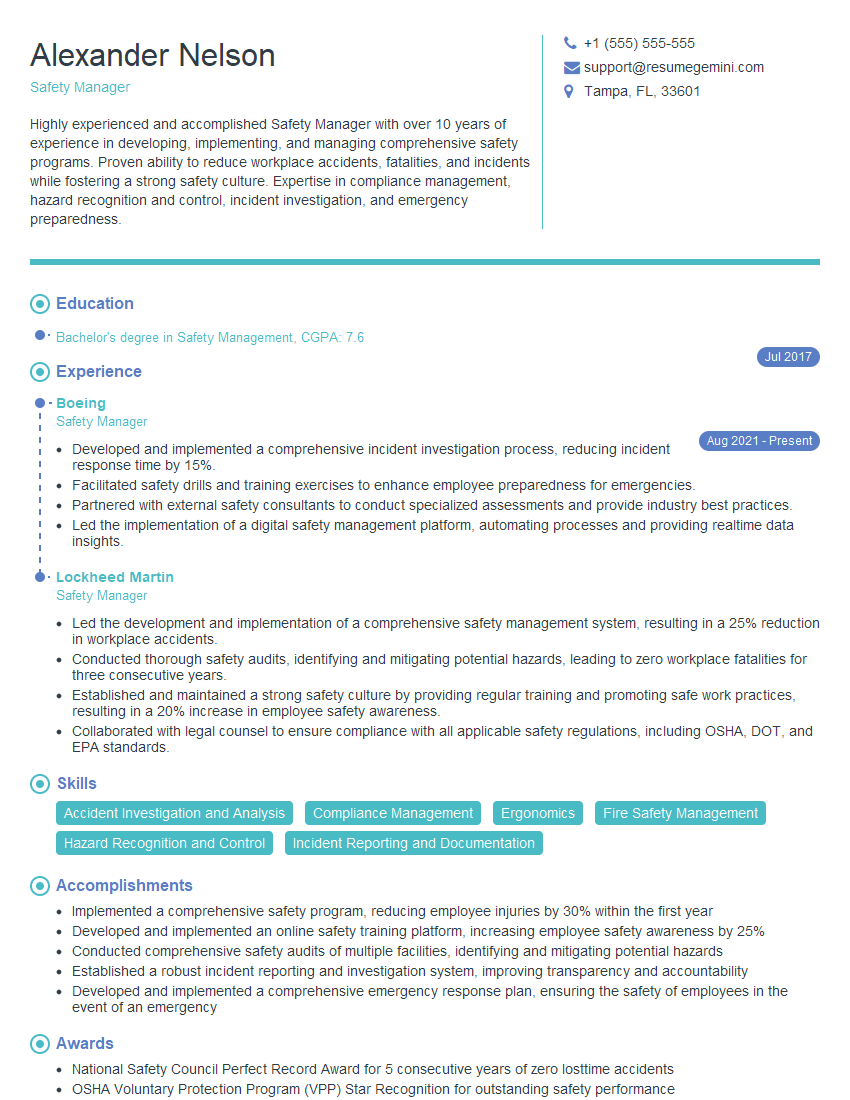
Safety Manager Resume Sample

Operations Manager Resume Sample
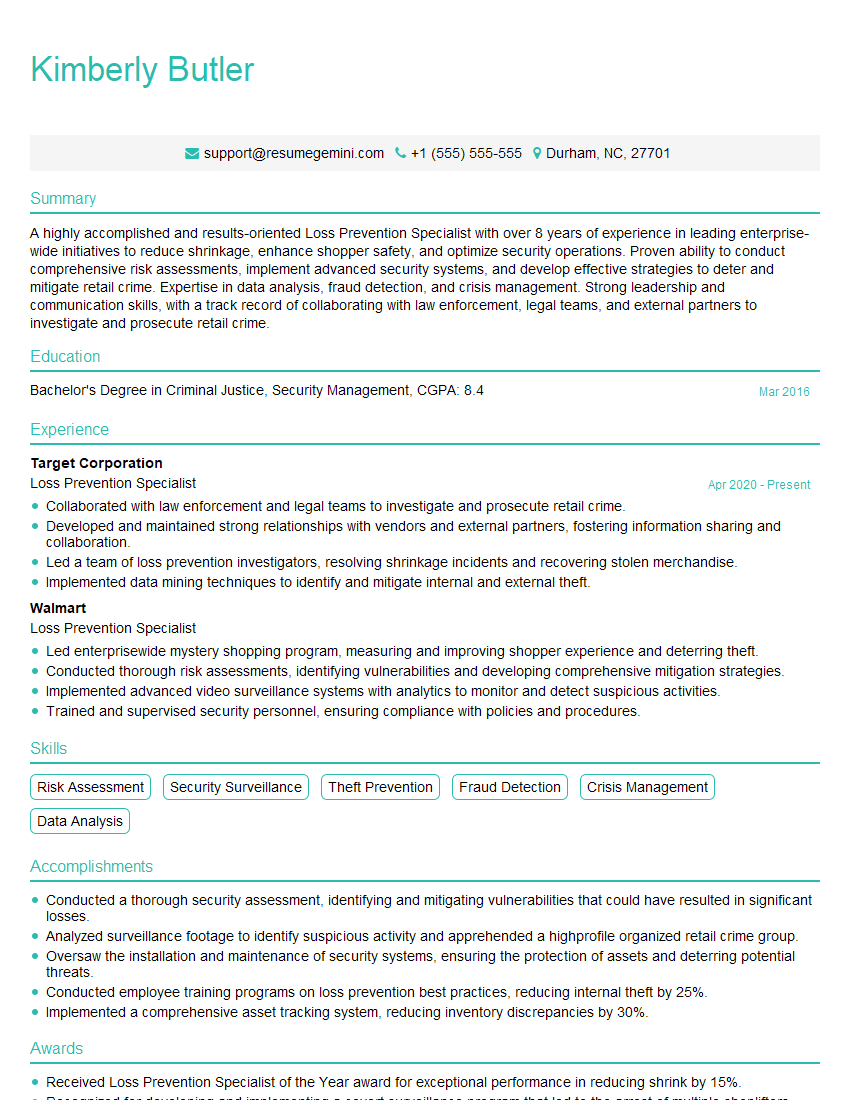
Loss Prevention Specialist Resume Sample
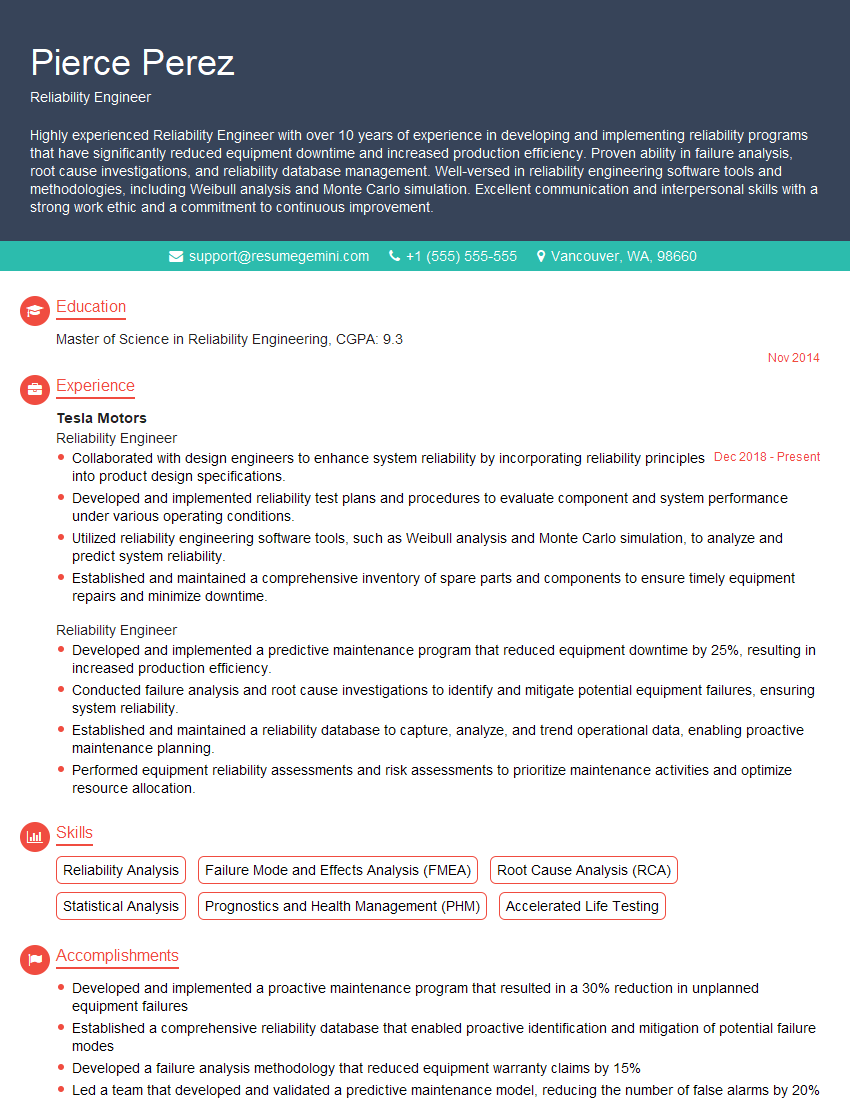
Reliability Engineer Resume Sample
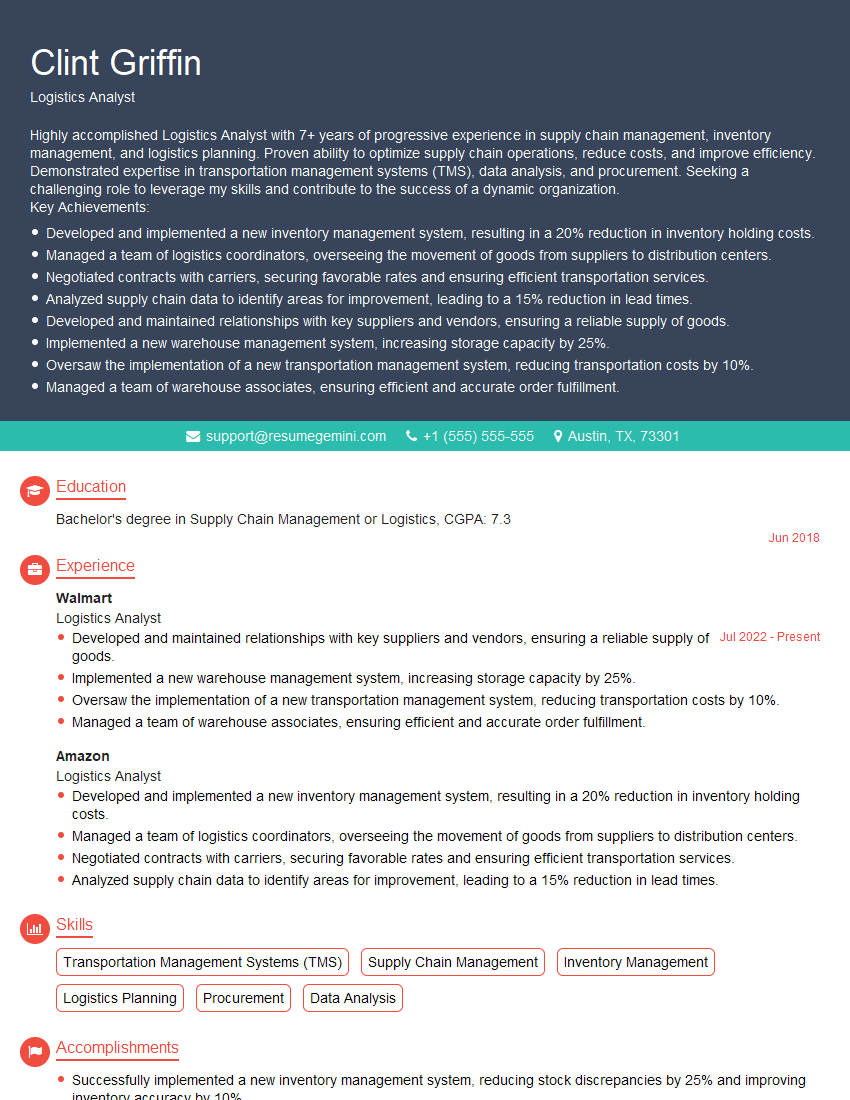
Logistics Analyst Resume Sample
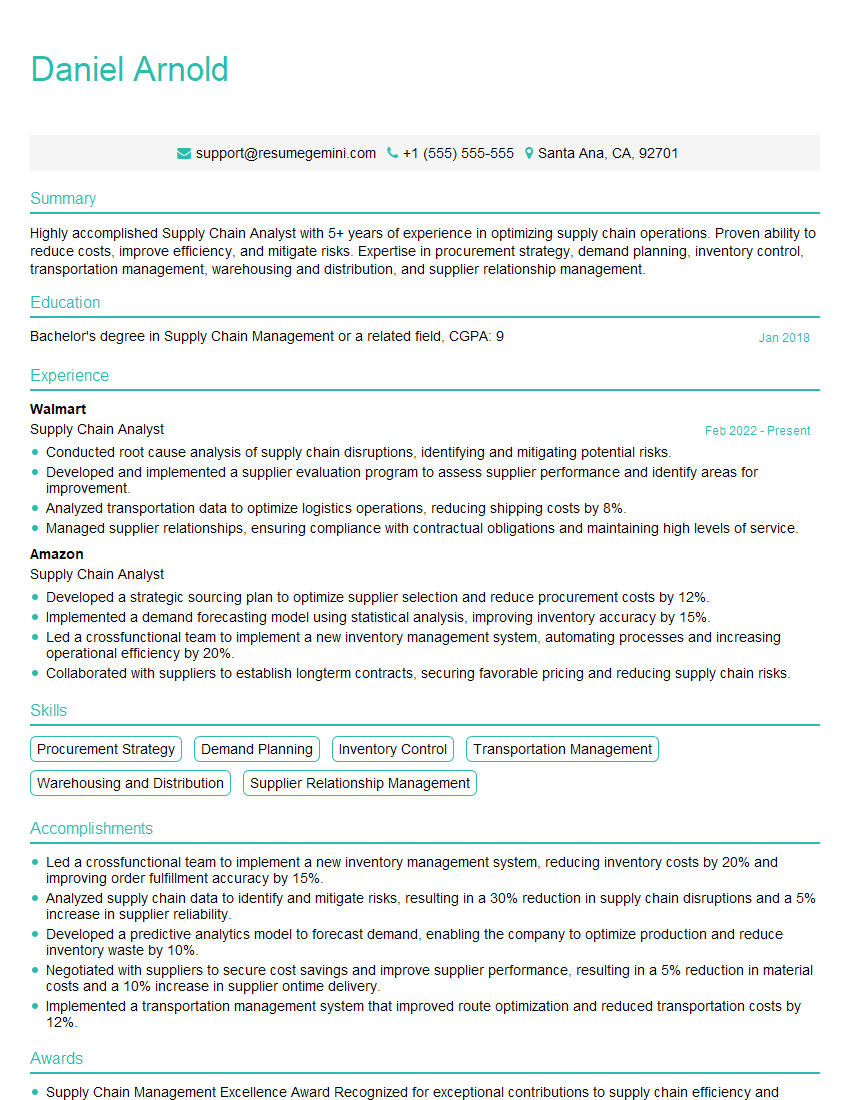
Supply Chain Analyst Resume Sample
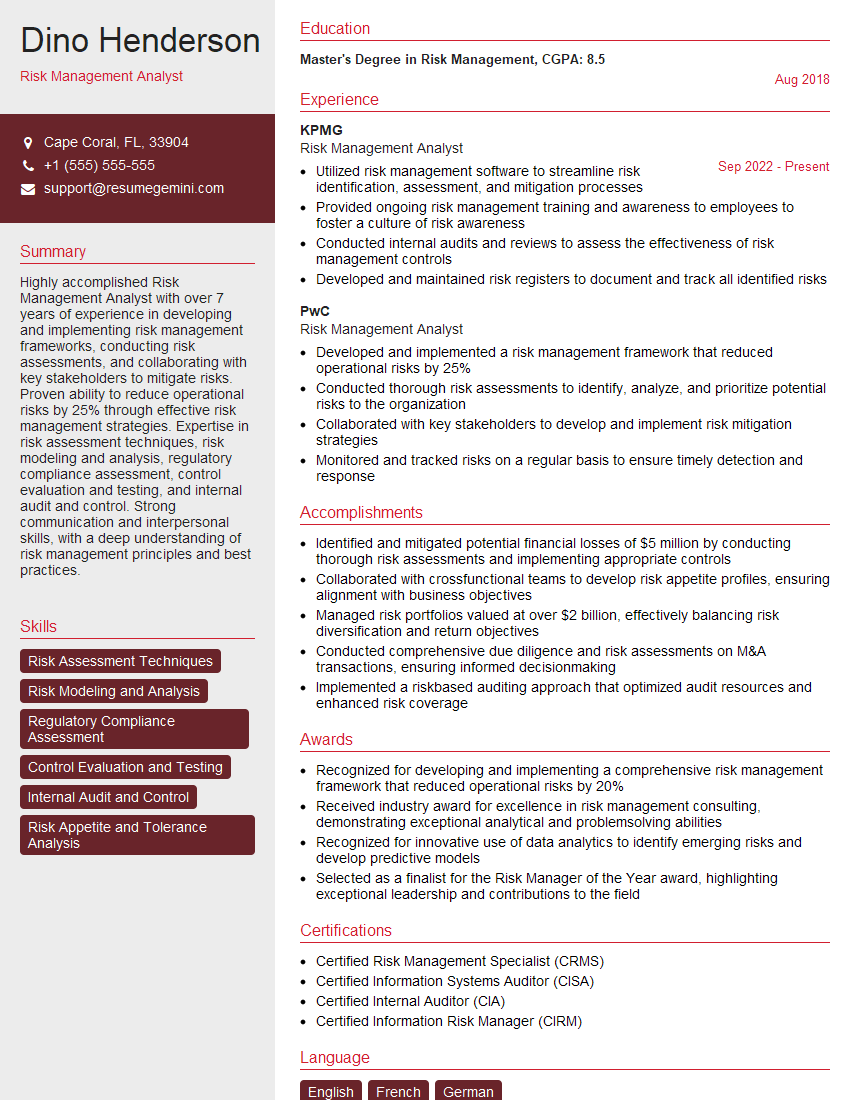
Risk Management Analyst Resume Sample

Operations Research Analyst Resume Sample
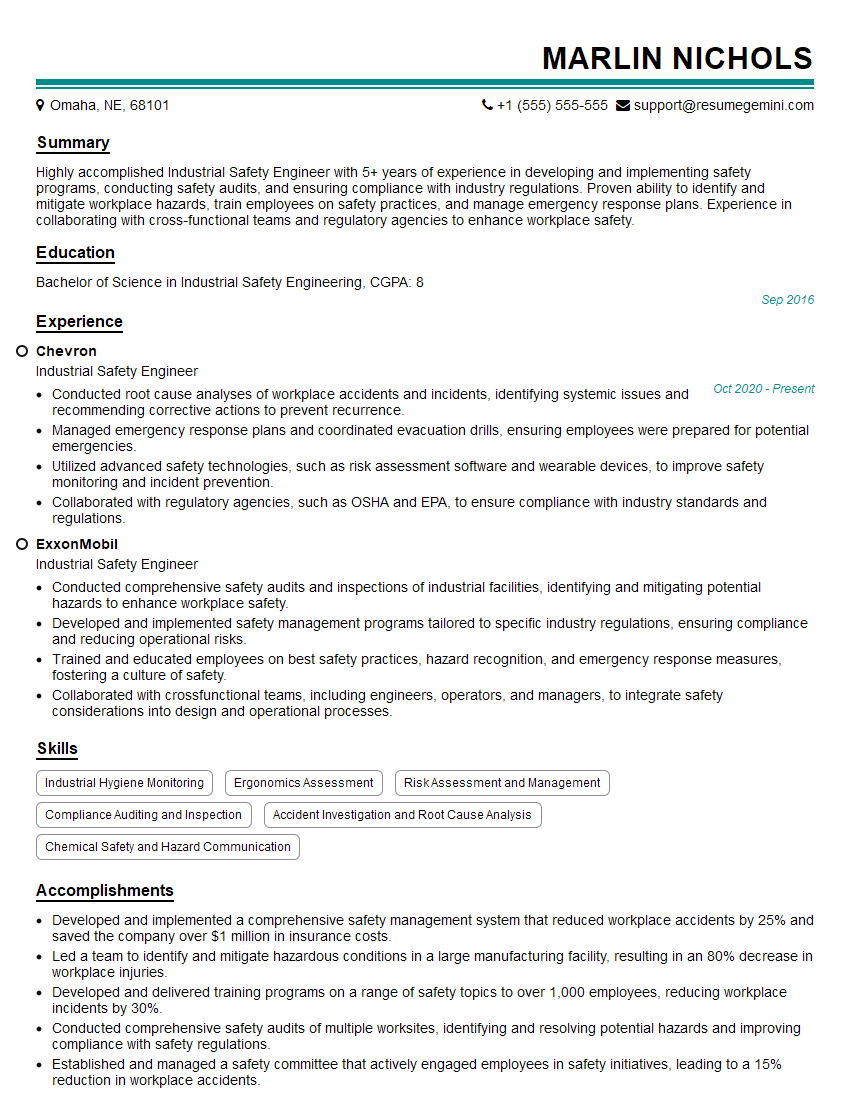
Industrial Safety Engineer Resume Sample
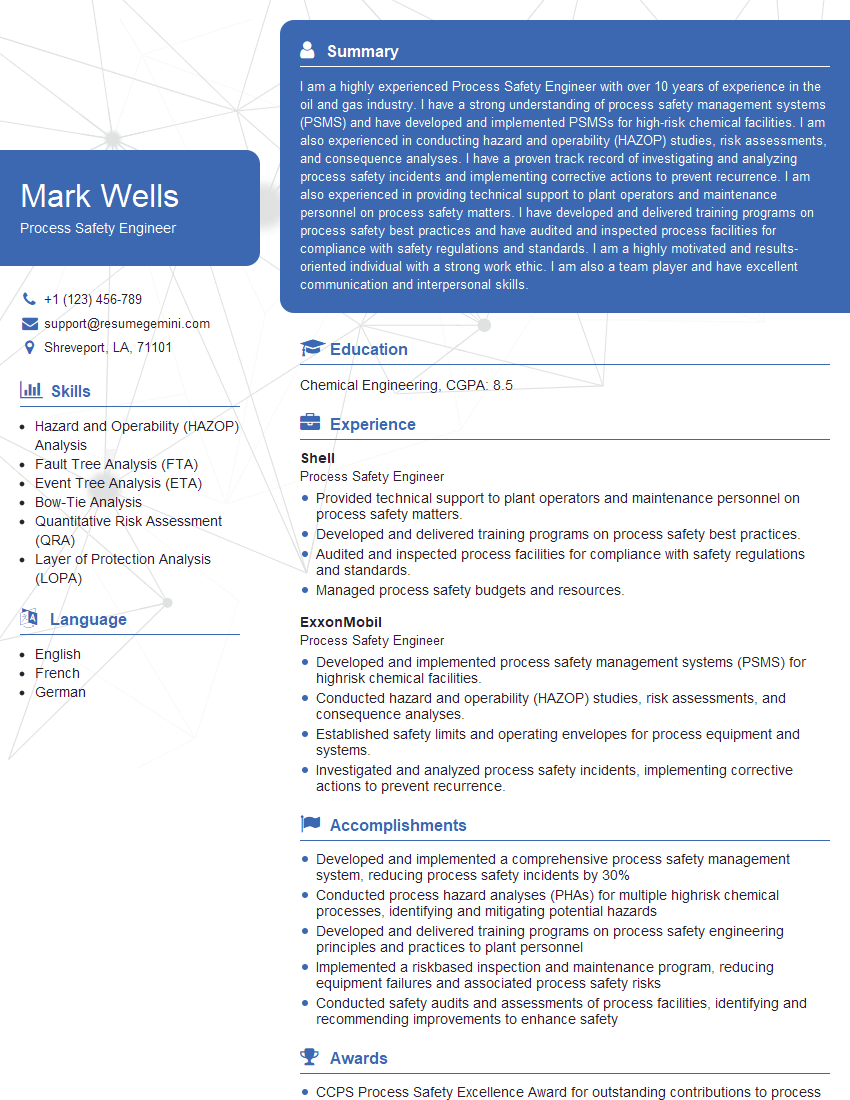
Process Safety Engineer Resume Sample
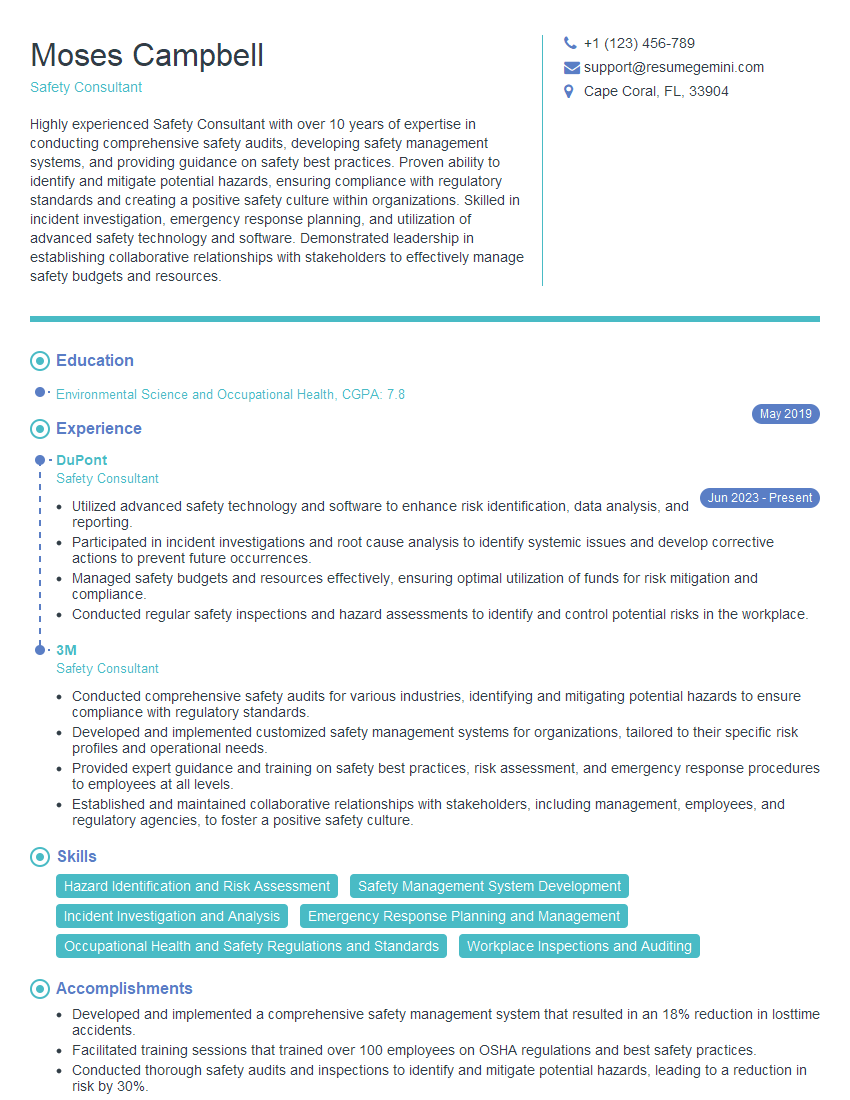
Safety Consultant Resume Sample
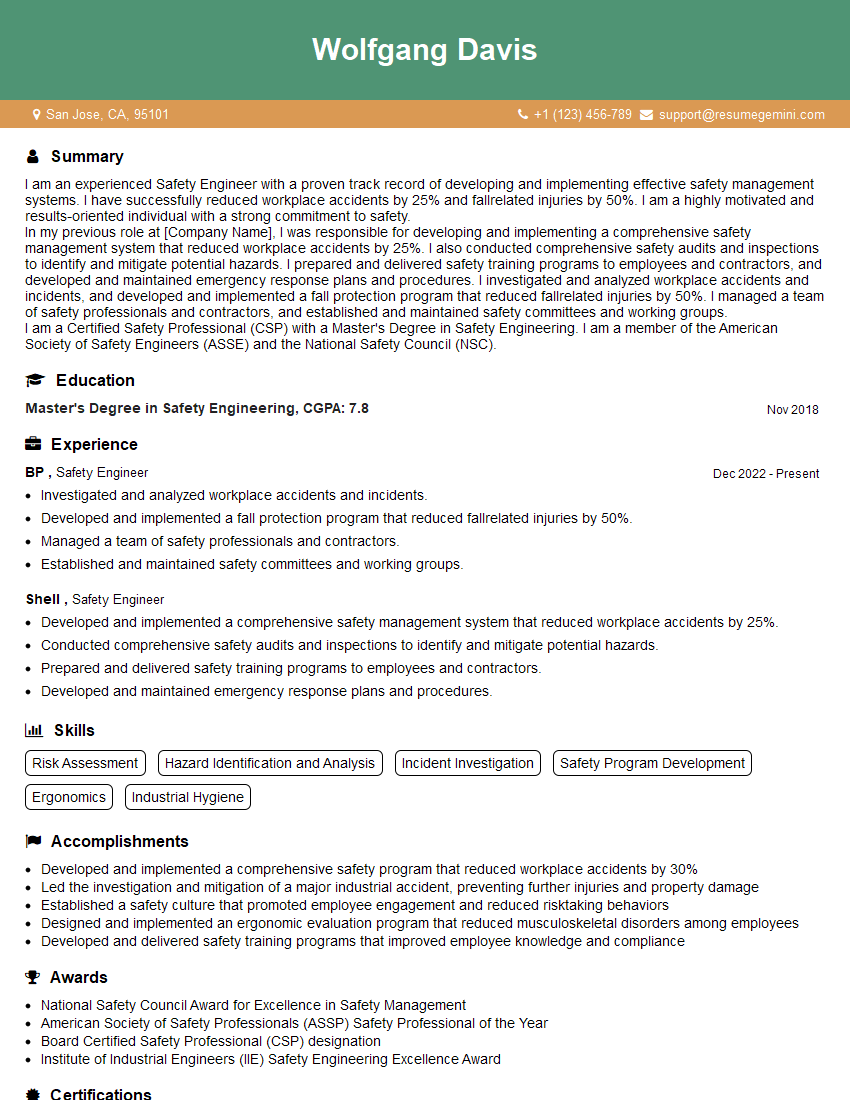
Safety Engineer Resume Sample
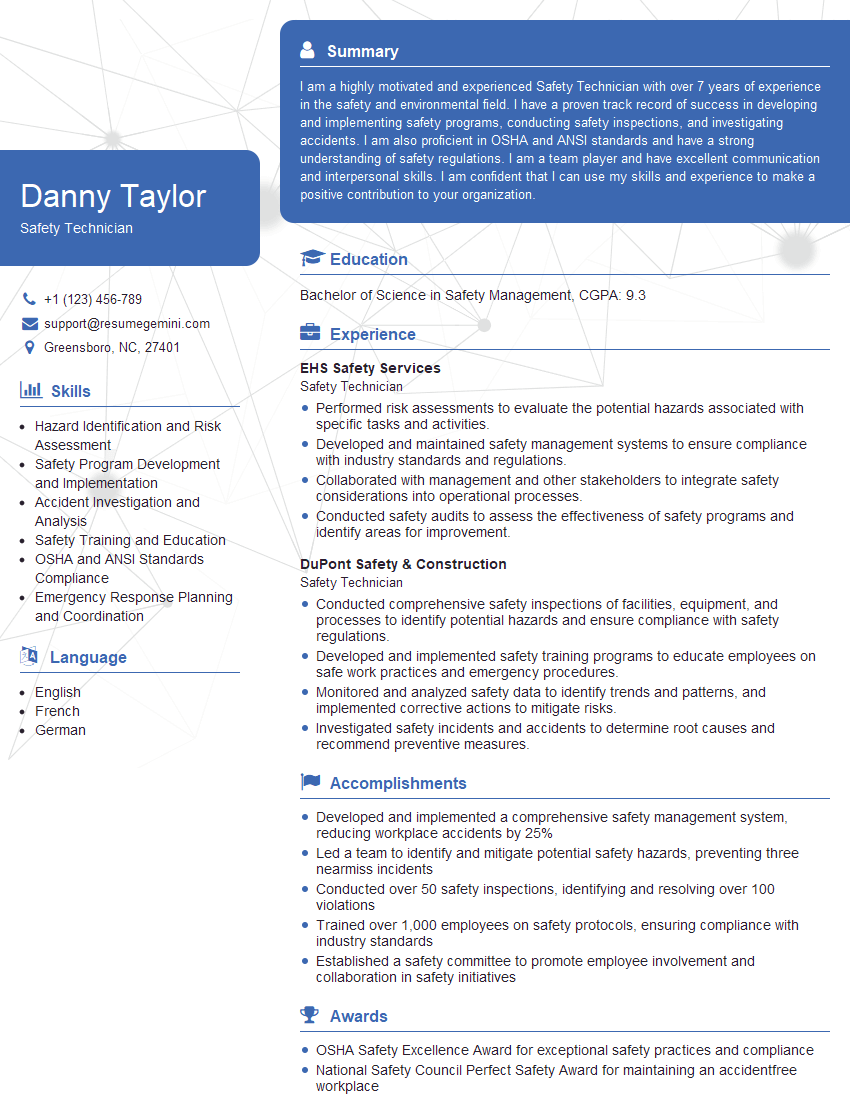
Safety Technician Resume Sample
Explore more articles
Users Rating of Our Blogs
Share Your Experience
We value your feedback! Please rate our content and share your thoughts (optional).
What Readers Say About Our Blog
Very informative content, great job.
good