Interviews are opportunities to demonstrate your expertise, and this guide is here to help you shine. Explore the essential Safety Compliance and Hazard Prevention interview questions that employers frequently ask, paired with strategies for crafting responses that set you apart from the competition.
Questions Asked in Safety Compliance and Hazard Prevention Interview
Q 1. Explain your understanding of OSHA regulations.
OSHA (Occupational Safety and Health Administration) regulations are a set of legally mandated rules designed to protect workers from workplace hazards. My understanding encompasses a broad spectrum, from general industry standards to those specific to particular sectors like construction, maritime, or healthcare. These regulations cover a wide range of issues including:
- Hazard Communication: Proper labeling, safety data sheets (SDS), and employee training on chemical hazards.
- Personal Protective Equipment (PPE): Providing and ensuring the proper use of PPE like hard hats, safety glasses, and respirators.
- Machine Guarding: Preventing worker injuries from moving machinery through appropriate guarding and lockout/tagout procedures.
- Fall Protection: Implementing measures to prevent falls from heights, including the use of harnesses, guardrails, and safety nets.
- Emergency Action Plans: Developing and implementing procedures for evacuations, fire safety, and other emergencies.
I understand that OSHA regulations are not simply a list of rules, but a framework for creating a culture of safety within a workplace. Compliance requires more than just ticking boxes; it necessitates a proactive approach to hazard identification and mitigation. For example, I’ve worked with companies to not just meet minimum requirements for machine guarding, but to proactively assess machine design flaws and recommend improvements that go beyond regulatory compliance to achieve optimal worker safety.
Q 2. Describe your experience conducting workplace safety audits.
I have extensive experience conducting workplace safety audits, both internal and external, using a systematic approach. My audits typically involve a thorough walkthrough of the facility, examining work processes, equipment, and the overall work environment. I use checklists tailored to specific OSHA standards and industry best practices. I also conduct interviews with employees at various levels to understand their perspectives and identify any potential hazards they may have observed.
For instance, during an audit at a manufacturing plant, I identified a significant hazard involving improper storage of flammable materials near ignition sources. My report detailed the violation, recommended corrective actions including relocation of materials and improved fire prevention training, and suggested a schedule for implementation and follow-up inspection. The audit also involved reviewing documentation such as safety training records and incident reports to ensure compliance and identify trends.
Beyond identifying violations, I focus on providing constructive feedback and collaborating with management to develop comprehensive solutions. The goal isn’t just to find problems but to help the company improve its safety performance and build a safer work environment.
Q 3. How do you identify and assess workplace hazards?
Identifying and assessing workplace hazards is a systematic process that combines observation, analysis, and input from workers. I utilize a multi-faceted approach incorporating the following methods:
- Walkthrough Surveys: A physical inspection of the workplace to identify potential hazards, observing processes and equipment in action.
- Job Hazard Analysis (JHA): A detailed breakdown of each job task to identify potential hazards and control measures.
- Employee Input: Encouraging workers to report hazards, as they often have the most direct experience and understanding of risks.
- Incident Investigations: Thoroughly examining past incidents to understand the root cause and prevent recurrence.
- Near Miss Reporting: Analyzing near misses to identify latent hazards before they lead to an accident.
For example, while performing a JHA for a construction site, I might identify the risk of falling from heights during scaffolding work. This would lead to recommending the implementation of fall protection measures such as guardrails, safety nets, and harnesses, along with appropriate training for workers.
Assessing hazards involves evaluating the likelihood and severity of potential harm. I typically use a risk matrix to prioritize hazards based on their risk level, allowing us to focus resources on the most critical issues first.
Q 4. What methods do you use to develop and implement safety programs?
Developing and implementing safety programs is an iterative process involving several key steps:
- Needs Assessment: Identifying the specific hazards and risks within the workplace.
- Goal Setting: Establishing clear, measurable, achievable, relevant, and time-bound (SMART) safety goals.
- Program Development: Creating a comprehensive safety program addressing identified hazards with specific control measures and procedures.
- Training and Communication: Ensuring all employees receive adequate training on safe work practices and emergency procedures.
- Implementation and Monitoring: Putting the program into action and regularly monitoring its effectiveness.
- Evaluation and Improvement: Regularly evaluating the program’s performance and making adjustments as needed.
For instance, I once helped a small manufacturing company develop a comprehensive lockout/tagout program. This involved training employees on the procedures, providing them with the necessary equipment, and establishing a system for verifying compliance. The implementation of this program significantly reduced the risk of electrical shock injuries.
A successful safety program is not a static document but a living document, consistently updated and improved based on performance data, incident investigations, and best practices. It requires strong leadership commitment and ongoing employee participation.
Q 5. Explain your experience with incident investigation and reporting.
Incident investigation and reporting are critical components of any effective safety program. My experience includes conducting thorough investigations using established methodologies such as the ‘5 Whys’ and fishbone diagrams to identify root causes. The process involves:
- Gathering Information: Collecting data from various sources, including witness statements, physical evidence, and documentation.
- Analyzing the Data: Identifying contributing factors and the root cause of the incident.
- Developing Corrective Actions: Implementing measures to prevent similar incidents from occurring.
- Reporting: Documenting the investigation findings and corrective actions in a clear and concise manner.
In one instance, I investigated a near-miss incident involving a forklift nearly colliding with a pedestrian. The investigation revealed inadequate signage and a lack of designated pedestrian walkways. The corrective actions included improved signage, the establishment of designated walkways, and additional training for forklift operators and pedestrians on safe practices.
The goal of incident investigation is not to assign blame but to learn from mistakes and implement changes that improve workplace safety. Detailed reporting is vital for tracking trends, identifying systemic issues, and demonstrating a commitment to safety.
Q 6. How do you ensure compliance with safety regulations?
Ensuring compliance with safety regulations is an ongoing process requiring proactive measures and diligent monitoring. My approach involves:
- Regular Audits and Inspections: Conducting routine safety audits and inspections to identify potential hazards and violations.
- Employee Training: Providing regular training to employees on safety regulations and procedures.
- Record Keeping: Maintaining accurate and complete records of safety training, inspections, and incidents.
- Communication and Collaboration: Establishing open communication channels between management and employees to encourage hazard reporting.
- Continuous Improvement: Regularly evaluating and improving safety procedures based on feedback and performance data.
For example, I’ve worked with companies to implement a robust safety management system (SMS) that integrates all aspects of safety compliance. This includes developing standardized operating procedures (SOPs), documenting compliance with relevant regulations, and tracking key performance indicators (KPIs) related to safety.
Compliance is not a destination but a journey. It requires a commitment to continuous improvement and a culture that values safety above all else.
Q 7. Describe your experience in developing and delivering safety training.
I have significant experience developing and delivering safety training programs tailored to different audiences and skill levels. My approach is to make training engaging and relevant, using a combination of methods:
- Needs Assessment: Identifying the specific training needs of the target audience.
- Curriculum Development: Creating a training curriculum that covers relevant safety topics using clear and concise language.
- Interactive Training Methods: Employing interactive methods such as group discussions, case studies, and simulations to enhance learning.
- Hands-on Training: Providing practical, hands-on training where appropriate, such as demonstrating the proper use of PPE.
- Evaluation and Feedback: Assessing employee understanding through quizzes, practical demonstrations, and feedback sessions.
I once developed a comprehensive training program on hazardous waste handling for a chemical manufacturing plant. This involved theoretical instruction on regulations, safe handling procedures, and emergency response, supplemented by hands-on training in proper waste disposal techniques. Post-training evaluations demonstrated a significant improvement in employee knowledge and skills.
Effective safety training is an investment that pays off in reduced incidents, improved productivity, and a stronger safety culture.
Q 8. How do you manage safety risks and prioritize mitigation efforts?
Managing safety risks involves a systematic approach that prioritizes the most critical hazards. I utilize a risk matrix, often incorporating a combination of likelihood and severity scoring. This allows me to visually represent the potential impact of each hazard and rank them accordingly. For example, a hazard with a high likelihood of occurrence and severe potential consequences (like a chemical spill in a confined space) would be prioritized over a hazard with a low likelihood and minor consequences (like a minor trip hazard). Mitigation efforts then focus on the highest-ranked risks, implementing controls in a phased approach, starting with the most effective and feasible solutions. This might involve engineering controls (e.g., installing safety guards), administrative controls (e.g., implementing stricter procedures), or personal protective equipment (PPE) as a last resort. Regular monitoring and review of the risk matrix are crucial to ensure its accuracy and effectiveness, adapting the mitigation strategies as needed.
Imagine a manufacturing plant; we might prioritize addressing the risk of machinery malfunctions before focusing on improving housekeeping, even if both contribute to overall safety. The risk matrix guides us in this prioritization, ensuring that resources are allocated effectively.
Q 9. What is your experience with safety data sheets (SDS)?
Safety Data Sheets (SDS) are critical documents that provide comprehensive information on hazardous materials. My experience involves not only understanding and interpreting SDSs but also ensuring their accessibility and utilization within the workplace. I’ve been involved in creating SDS databases, training employees on how to properly access and understand the information within them, ensuring compliance with relevant regulations, and verifying that the SDS information aligns with the actual hazardous material in use. I’ve also implemented systems to manage changes in SDS information to keep the workplace updated on any hazards or recommended handling procedures. We use a system of regular updates, distribution via our intranet and also physical copies in areas of high risk, ensuring everyone has access to the most current information. A key aspect is using this data to inform our risk assessment and mitigation strategies.
For example, if an SDS indicates a specific chemical requires ventilation during use, we ensure that appropriate ventilation systems are in place and communicated to employees.
Q 10. How do you handle employee resistance to safety procedures?
Employee resistance to safety procedures is a common challenge, and addressing it requires a multifaceted approach that prioritizes open communication and understanding. I believe in starting by actively listening to employee concerns; often, resistance stems from practicality, discomfort, or a lack of understanding.
- Education and Training: Thorough training, tailored to the specific needs and concerns of the workforce, helps build trust and understanding of why safety procedures are essential.
- Involvement and Feedback: Involving employees in developing and improving safety procedures fosters a sense of ownership and reduces resistance. Feedback mechanisms ensure concerns are addressed.
- Incentives and Recognition: Positive reinforcement through recognition programs and rewards for safe work practices can significantly improve compliance.
- Leadership Buy-in: Consistent and visible support for safety procedures from leadership is crucial. If leaders don’t follow procedures, why should employees?
- Addressing Root Causes: Sometimes resistance signals underlying issues, such as inefficient work processes or uncomfortable PPE. Addressing these root causes can eliminate the reasons for non-compliance.
For instance, if workers resist wearing specific PPE because it’s uncomfortable, we might explore alternative options that provide the same level of protection. This proactive approach fosters a collaborative safety culture.
Q 11. Describe your experience with emergency response planning and procedures.
Emergency response planning is fundamental to workplace safety. My experience includes developing, implementing, and regularly testing comprehensive emergency response plans, including evacuation procedures, emergency communication systems, first aid protocols, and procedures for handling specific hazards (e.g., chemical spills, fires). This involves collaborating with emergency services to ensure effective coordination.
The plans are developed based on risk assessments and include detailed instructions and diagrams, ensuring all personnel understand their roles and responsibilities. Regular drills and training sessions are conducted to keep employees prepared and comfortable with the procedures. Post-incident analysis is critical for continuous improvement, identifying areas needing modification or improvement in future planning.
For instance, we’ve developed detailed maps for evacuation routes, clearly marked assembly points, and emergency contact numbers readily accessible throughout the facility. We’ve also held regular fire drills, practicing various scenarios to ensure readiness.
Q 12. Explain your understanding of risk assessment methodologies.
Risk assessment methodologies are crucial for identifying and evaluating hazards. I’m proficient in several, including HAZOP (Hazard and Operability Study), FMEA (Failure Mode and Effects Analysis), and bow-tie analysis. These methodologies involve systematically identifying potential hazards, analyzing their likelihood and severity, and evaluating the effectiveness of existing controls. The chosen method depends on the complexity of the system or process being assessed.
- HAZOP is a qualitative technique ideal for complex systems, examining deviations from intended operation.
- FMEA provides a structured approach to identifying potential failures and their consequences, ranking them by severity, occurrence, and detection.
- Bow-tie analysis provides a visual representation of the sequence of events leading to an incident and identifies preventative and mitigating controls.
For example, in a chemical processing plant, HAZOP would be suitable to analyze the entire process, identifying potential deviations in temperature, pressure, or flow rate. For a simpler system, like a piece of equipment, FMEA might suffice, focusing on potential component failures.
Q 13. How do you measure the effectiveness of your safety program?
Measuring the effectiveness of a safety program requires a multifaceted approach combining leading and lagging indicators.
- Lagging indicators measure outcomes, such as the number of accidents, injuries, or near misses. A decrease in these indicates an improvement in safety.
- Leading indicators measure the effectiveness of proactive safety measures, such as the number of safety inspections conducted, training hours completed, or the number of safety suggestions implemented. An increase in these suggests a proactive and improving safety culture.
Data is collected and analyzed regularly, identifying trends and areas for improvement. Regular safety audits and inspections further supplement this data, providing an objective assessment of compliance and potential hazards. Key performance indicators (KPIs) are established to track progress against established goals. We also use employee surveys to gauge satisfaction and identify areas for improvement in safety communications and programs.
For instance, if we see a decrease in near-miss reports and an increase in employee participation in safety training, that suggests a positive trend and effective safety program.
Q 14. Describe your experience with personal protective equipment (PPE).
Personal Protective Equipment (PPE) is a critical component of hazard prevention, but it’s crucial to remember it’s a last resort, not a primary solution. My experience with PPE involves selecting appropriate PPE based on hazard assessments, ensuring proper training and fitting for employees, maintaining adequate supplies, and regularly inspecting the equipment for damage or wear. Employee comfort and usability are also vital considerations. We use a system for tracking PPE usage and ensuring it’s properly cleaned and maintained. Crucially, we communicate that while PPE is essential, it is only effective when used correctly, within the limitations of its design and purpose.
For example, if employees are working with chemicals, we provide appropriate gloves, eye protection, and respirators, tailored to the specific chemicals involved. Proper training ensures employees understand how to correctly don, doff, and care for the PPE.
Q 15. How do you communicate safety information effectively to employees?
Effective safety communication is crucial for a safe work environment. It’s not just about providing information; it’s about ensuring understanding and adoption. My approach is multifaceted and considers the audience and the message’s complexity.
Multi-Modal Communication: I utilize a variety of methods – safety meetings, toolbox talks (short, focused discussions at the worksite), posters, videos, emails, and even interactive online modules. This caters to different learning styles and ensures information reaches everyone.
Tailored Messaging: I ensure the language and format are appropriate for the audience’s literacy level and cultural background. Complex information is broken down into easily digestible chunks, using plain language and visual aids whenever possible. For example, when explaining lockout/tagout procedures, I’d use diagrams and demonstrations alongside verbal explanations.
Interactive Sessions: Instead of simply delivering information, I incorporate interactive elements such as quizzes, discussions, and practical demonstrations to assess understanding and encourage engagement. This fosters a sense of ownership and accountability.
Feedback Mechanisms: Regular feedback loops are essential. This could involve conducting post-training surveys or informally checking in with employees to gauge their understanding and identify areas for improvement. This helps to refine communication strategies over time.
Regular Reinforcement: Safety messages should not be a one-time event. Consistent reinforcement through regular reminders, updates, and refresher training is key to maintaining a strong safety culture.
For instance, in a previous role, I implemented a gamified safety training program using an online platform that increased employee engagement by 30% and improved safety knowledge scores by 20%.
Career Expert Tips:
- Ace those interviews! Prepare effectively by reviewing the Top 50 Most Common Interview Questions on ResumeGemini.
- Navigate your job search with confidence! Explore a wide range of Career Tips on ResumeGemini. Learn about common challenges and recommendations to overcome them.
- Craft the perfect resume! Master the Art of Resume Writing with ResumeGemini’s guide. Showcase your unique qualifications and achievements effectively.
- Don’t miss out on holiday savings! Build your dream resume with ResumeGemini’s ATS optimized templates.
Q 16. What is your experience with lockout/tagout procedures?
Lockout/Tagout (LOTO) procedures are critical for preventing accidental energization or startup of machinery during maintenance or repairs. My experience includes developing, implementing, and auditing LOTO programs across various industries. I am proficient in both the theoretical understanding and practical application of these procedures.
Procedure Development: I’ve been involved in creating site-specific LOTO procedures that comply with OSHA standards (or equivalent regulations depending on the location) and address the unique hazards of different types of equipment. These procedures clearly define the steps to isolate energy sources, apply locks and tags, verify isolation, and release the lockout.
Training and Competency Assessment: I’ve trained hundreds of employees on proper LOTO procedures, emphasizing the importance of correct technique and verifying their competency through practical assessments. This includes hands-on demonstrations and simulated scenarios to ensure understanding and safe execution.
Auditing and Enforcement: I regularly audit LOTO procedures to identify any deviations from established protocols or potential areas of improvement. I work with employees to correct any deficiencies and ensure strict adherence to established safety rules. Non-compliance is addressed through progressive discipline, always prioritizing safety over production.
In one instance, I identified a weakness in our LOTO procedure related to group lockout, leading to an improved process that reduced the potential for human error during complex maintenance tasks.
Q 17. Explain your experience with confined space entry procedures.
Confined space entry presents significant hazards, and a robust permit-required confined space program is vital. My experience involves managing all aspects of confined space entry, from program development to rescue planning.
Permit System Implementation: I’ve designed and implemented permit systems ensuring compliance with all applicable regulations, including the identification and assessment of hazards, atmospheric testing protocols, and emergency response procedures.
Atmospheric Monitoring: I’m experienced in using various gas detection instruments to monitor atmospheric conditions in confined spaces before, during, and after entry to ensure worker safety. This includes identifying and mitigating risks related to oxygen deficiency, combustible gases, and toxic substances.
Rescue Planning and Training: I’ve developed and implemented rescue plans that account for different scenarios and emergency situations. This includes regular training for rescue teams, ensuring they possess the skills and equipment necessary to conduct effective rescues.
Equipment Inspection and Maintenance: I regularly inspect and maintain all equipment used for confined space entry, including harnesses, respirators, and gas detection instruments, to ensure functionality and prevent equipment failure.
For example, I once oversaw the development and implementation of a new confined space entry procedure, which resulted in a 40% reduction in near-miss incidents within the first year.
Q 18. How do you handle safety violations?
Handling safety violations requires a fair and consistent approach focused on both corrective action and preventative measures. My approach emphasizes investigation, education, and reinforcement.
Investigation: I thoroughly investigate each violation to determine the root cause. This may involve interviewing witnesses, reviewing documentation, and analyzing data to identify contributing factors.
Corrective Action: Depending on the severity of the violation, corrective action may range from verbal counseling to written warnings, suspensions, or termination. The action taken is always proportionate to the offense and aligned with company policy.
Preventative Measures: In addition to corrective action, I focus on implementing preventative measures to prevent similar violations from occurring in the future. This may involve retraining employees, modifying procedures, or improving equipment.
Documentation: All violations, investigations, corrective actions, and preventative measures are thoroughly documented to maintain a record of compliance and track trends.
It’s important to remember that my goal is to improve safety, not to punish employees. A positive and supportive approach, combined with clear expectations and consequences, is most effective.
Q 19. Describe your experience with ergonomic assessments.
Ergonomic assessments are critical for identifying and mitigating workplace hazards that can lead to musculoskeletal disorders (MSDs). My experience includes conducting comprehensive ergonomic evaluations and implementing corrective actions.
Assessment Methods: I utilize a variety of assessment methods, including observational analysis, questionnaires, and physical measurements to evaluate workplace tasks and identify ergonomic risk factors.
Risk Factor Identification: I’m skilled in identifying common ergonomic risk factors, such as awkward postures, repetitive movements, forceful exertions, and vibration. This involves considering both the physical demands of the job and the individual’s capabilities.
Corrective Actions: Based on the assessment findings, I develop and implement corrective actions to reduce ergonomic risks. This may include recommending changes to workstation design, equipment modifications, or changes in work procedures. I might suggest the use of ergonomic chairs, adjustable desks, or specialized tools.
Employee Training: I provide training to employees on proper body mechanics, lifting techniques, and workstation setup to improve their awareness and prevent injuries. This also includes teaching them about recognizing early signs of MSDs.
For example, in one case I conducted an ergonomic assessment that identified high risk of repetitive strain injuries. By redesigning workstations and implementing new work practices, we saw a significant reduction in reported MSDs.
Q 20. Explain your experience with developing and maintaining safety manuals.
Developing and maintaining comprehensive safety manuals is essential for a robust safety program. My experience covers all aspects of this process, from initial development to ongoing updates.
Content Development: I collaborate with subject matter experts and stakeholders to develop clear, concise, and easy-to-understand safety manuals that cover all relevant regulations, procedures, and best practices.
Regulatory Compliance: I ensure the manuals are compliant with all applicable regulations and standards, such as OSHA guidelines. I also keep them up to date with any changes in regulations.
User-Friendly Design: I design the manuals to be user-friendly, easily accessible, and visually appealing. This includes using clear headings, subheadings, bullet points, and visuals to improve readability and understanding.
Version Control and Updates: I use a version control system to manage different versions of the manuals, track changes, and ensure everyone has access to the most current information. Regular updates and revisions are made to keep the manual current and relevant.
In a previous role, I oversaw the complete overhaul of our company’s safety manual, resulting in a more streamlined, user-friendly document that improved employee understanding and adherence to safety procedures.
Q 21. What is your experience with root cause analysis techniques?
Root cause analysis (RCA) is a systematic process for identifying the underlying causes of incidents or near misses, going beyond simply addressing the surface symptoms. My experience includes using various RCA techniques to prevent future occurrences.
Technique Selection: I select the appropriate RCA technique based on the complexity of the incident and the available data. Common techniques I utilize include the “5 Whys”, Fishbone diagrams, Fault Tree Analysis, and Failure Mode and Effects Analysis (FMEA).
Data Gathering: Thorough data collection is critical for an effective RCA. I gather data from various sources including incident reports, witness statements, equipment logs, and other relevant documents.
Team Collaboration: I conduct RCA investigations as a collaborative effort, bringing together individuals with relevant expertise and perspectives. This ensures a comprehensive and objective analysis.
Corrective Action Implementation: Following the identification of root causes, I develop and implement effective corrective actions to prevent recurrence. These actions are documented and monitored to ensure their effectiveness.
For instance, using the 5 Whys technique, I once uncovered a series of underlying issues behind a near miss, not just the immediate cause, leading to comprehensive changes in training procedures and equipment maintenance that effectively mitigated the risk.
Q 22. How do you stay up-to-date on the latest safety regulations and best practices?
Staying current in the dynamic field of safety compliance requires a multi-faceted approach. It’s not enough to simply rely on initial training; continuous learning is crucial. My strategy involves a combination of methods:
- Active Membership in Professional Organizations: I’m an active member of organizations like the American Society of Safety Professionals (ASSP) and the National Safety Council (NSC). These memberships provide access to updated regulations, best practices, and networking opportunities with other safety professionals.
- Regular Review of Regulatory Updates: I subscribe to official government agency websites like OSHA (Occupational Safety and Health Administration) and relevant industry-specific regulatory bodies. I actively monitor changes in legislation and interpret them for practical application in the workplace.
- Industry Publications and Journals: I regularly read professional journals and industry publications to keep abreast of emerging hazards, technological advancements in safety, and new research findings in safety management.
- Professional Development Courses and Webinars: I actively seek out and participate in continuing education courses and webinars focusing on areas such as hazard identification, risk assessment, and incident investigation. This helps me refine existing skills and learn new techniques.
- Networking and Collaboration: Engaging with other safety professionals through conferences, workshops, and online forums allows for the exchange of knowledge, experiences, and best practices. Learning from others’ successes and mistakes is invaluable.
This proactive approach ensures I’m always equipped with the most up-to-date knowledge and can effectively adapt to evolving safety landscapes.
Q 23. Describe your experience with safety performance indicators (KPIs).
Safety performance indicators (KPIs) are crucial for measuring the effectiveness of safety programs. My experience encompasses selecting, tracking, and analyzing a range of KPIs, tailored to the specific context of each workplace. Examples include:
- Incident Rates (TRIR, LTIR): Tracking Total Recordable Incident Rates and Lost Time Incident Rates provides a clear picture of workplace accidents and their severity. A decrease in these rates is a positive indicator.
- Near Miss Reporting: Encouraging near-miss reporting is critical. Analyzing near misses helps identify potential hazards before they result in actual incidents, allowing for proactive mitigation.
- Safety Training Completion Rates: Monitoring the percentage of employees who complete required safety training demonstrates the program’s effectiveness in reaching its workforce.
- Employee Safety Survey Results: Regularly conducting employee safety surveys provides valuable feedback on employee perceptions of safety culture and identifies areas for improvement.
- Safety Observation Scores: Implementing regular safety observations and scoring systems allows for the identification of unsafe acts and conditions that need immediate attention.
I use data visualization tools to present KPI data clearly and concisely to management and employees. This allows for data-driven decision-making and ensures continuous improvement in workplace safety. For example, a consistent increase in near-miss reporting, even without a corresponding decrease in incident rates, could indicate a positive change in safety culture where employees are more comfortable reporting concerns.
Q 24. How do you manage safety budgets and resources?
Managing safety budgets and resources requires careful planning and prioritization. My approach involves:
- Needs Assessment: Conducting a thorough needs assessment to identify critical safety requirements and allocate resources accordingly. This includes assessing existing equipment, training needs, and potential hazards.
- Budget Allocation: Developing a detailed budget that outlines expenditures for various safety initiatives, including personal protective equipment (PPE), safety training, safety equipment maintenance, and safety audits. I often use a cost-benefit analysis to justify investments in safety improvements.
- Resource Optimization: Finding cost-effective solutions while maintaining high safety standards is paramount. This can involve exploring options like using less expensive but equally effective PPE, negotiating better prices with suppliers, or implementing training programs internally.
- Regular Monitoring and Adjustments: Continuously monitoring expenditures and making necessary adjustments throughout the year based on emerging needs and changing priorities.
- Justification of Expenditures: Presenting a clear and concise justification for all safety-related expenditures to stakeholders to demonstrate return on investment (ROI).
For example, investing in advanced safety technology, like automated safety systems, might have a high initial cost, but the long-term benefits of reduced injuries and increased productivity often justify the expense.
Q 25. Describe your experience with conducting safety inspections.
My experience in conducting safety inspections is comprehensive. I follow a structured approach that incorporates both planned and unplanned inspections. I utilize checklists tailored to the specific work area and hazards present. The process includes:
- Pre-Inspection Planning: This stage involves identifying the areas to inspect, reviewing relevant safety regulations and procedures, and gathering the necessary equipment (e.g., checklists, cameras, measuring devices).
- Inspection Execution: During the inspection, I systematically check for hazards, observe employee work practices, and verify compliance with safety regulations. I document all findings thoroughly, including photos or videos as needed.
- Post-Inspection Reporting: Following the inspection, I prepare a detailed report summarizing the findings, including identified hazards, non-compliances, and recommendations for corrective actions. This report is distributed to relevant personnel.
- Follow-up and Verification: After corrective actions are implemented, I conduct follow-up inspections to verify that the hazards have been effectively mitigated and that safety procedures are being followed. This ensures that the improvements are sustainable.
A real-world example would involve inspecting a construction site for compliance with fall protection regulations. This might include checking the condition of scaffolding, the use of appropriate harnesses and lanyards, and ensuring proper safety signage.
Q 26. How would you address a situation where employees are not following safety procedures?
Addressing employee non-compliance with safety procedures requires a multi-pronged approach that prioritizes education, training, and constructive feedback, while maintaining a firm stance on safety. My strategy involves:
- Initial Observation and Documentation: First, I observe the non-compliance and document the specific incident, including time, location, and individuals involved. This provides an objective record.
- Open Communication and Coaching: I then speak directly with the employee involved. The conversation focuses on understanding the reasons behind the non-compliance, providing clarification on safety procedures, and offering coaching and support to change their behavior.
- Refresher Training: If the non-compliance stems from a lack of understanding or inadequate training, I arrange for refresher training. This may involve on-the-job training, classroom sessions, or online modules.
- Progressive Discipline: In cases of repeated non-compliance, after providing ample opportunities for improvement, progressive discipline is implemented. This may involve warnings, performance improvement plans, or, in serious cases, disciplinary action consistent with company policy.
- Review of Safety Procedures: I also assess whether the safety procedure itself is clear, concise, and easily understood. If there are deficiencies in the procedure, revision is necessary to make it more user-friendly and effective.
The goal is not to punish, but to foster a culture of safety where employees understand and comply with procedures. Building trust and open communication are key to achieving this goal.
Q 27. Explain your experience with implementing safety improvements based on audit findings.
Implementing safety improvements based on audit findings requires careful analysis, prioritization, and effective communication. My approach is:
- Thorough Review of Audit Findings: First, I meticulously review the audit report, identifying all critical and non-critical findings. This review prioritizes findings based on the potential severity of the risk.
- Development of Corrective Actions: For each finding, I develop specific and measurable corrective actions. These actions should clearly define the steps to be taken, assign responsibilities, and set deadlines.
- Resource Allocation: I ensure that adequate resources are allocated to implement the corrective actions. This may involve acquiring new equipment, providing additional training, or adjusting existing procedures.
- Implementation and Monitoring: I closely monitor the implementation of the corrective actions, ensuring that they are completed on time and effectively address the identified hazards. Regular follow-up is vital.
- Verification and Documentation: Once the corrective actions are completed, I verify their effectiveness and document the process thoroughly. This documentation serves as evidence of compliance and continuous improvement.
An example would be an audit finding revealing inadequate lockout/tagout procedures. The corrective actions might involve providing additional training to employees, revising the lockout/tagout procedure to be clearer and more comprehensive, and conducting regular audits to ensure compliance.
Q 28. Describe a time you had to make a difficult decision regarding workplace safety.
In a previous role, I faced a difficult decision regarding the implementation of a new, cost-effective safety device. While the device was significantly cheaper than the existing equipment, it had slightly lower safety ratings. The decision involved weighing the financial benefits against potential risks to employee safety.
My approach involved a thorough risk assessment that considered the probability and severity of potential hazards with both the old and new equipment. I also consulted with safety experts and engineers to gain diverse perspectives. I presented a detailed cost-benefit analysis to senior management, highlighting the potential risks and benefits of both options. Ultimately, the decision was made to implement the new device after implementing supplementary safety measures to mitigate the identified risks. These measures included additional training for employees and more frequent inspections. The decision, while difficult, was made transparently and with careful consideration of all factors, ultimately prioritizing employee safety while recognizing budgetary constraints.
The outcome demonstrated that even in situations with budgetary limitations, a well-considered approach to risk management can allow for improvements that prioritize safety without sacrificing crucial aspects of operational efficiency. It underscores the importance of clear communication, risk assessment, and data-driven decision-making in workplace safety.
Key Topics to Learn for Your Safety Compliance and Hazard Prevention Interview
Ace your interview by mastering these crucial areas. Remember, practical application and problem-solving skills are just as important as theoretical knowledge.
- Regulatory Compliance: Understand OSHA regulations, industry-specific standards (e.g., ANSI, NFPA), and the legal ramifications of non-compliance. Consider how to implement and maintain compliance programs effectively.
- Hazard Identification & Risk Assessment: Learn various methods for identifying potential hazards (e.g., Job Safety Analysis, HAZOP). Practice conducting thorough risk assessments, including evaluating the likelihood and severity of hazards and determining appropriate control measures.
- Hazard Control & Prevention: Explore engineering controls (e.g., guarding machinery, ventilation systems), administrative controls (e.g., training programs, work permits), and personal protective equipment (PPE) selection and usage. Be prepared to discuss the hierarchy of controls.
- Incident Investigation & Reporting: Understand root cause analysis techniques (e.g., 5 Whys, Fishbone diagrams) and how to conduct thorough investigations to prevent future incidents. Familiarize yourself with incident reporting procedures and documentation requirements.
- Safety Training & Communication: Discuss effective methods for delivering safety training to diverse audiences. Consider how to communicate safety information clearly and concisely, fostering a strong safety culture.
- Emergency Response Planning & Procedures: Be ready to discuss emergency response plans, including evacuation procedures, first aid/CPR, and the use of emergency equipment. Understand your role in emergency response scenarios.
- Safety Auditing & Inspections: Learn how to conduct effective safety audits and inspections, identify non-compliances, and develop corrective actions. Understand the importance of documentation and follow-up.
Next Steps: Boost Your Career in Safety
Mastering Safety Compliance and Hazard Prevention is crucial for career advancement in this vital field. A strong understanding of these principles will set you apart from other candidates. To maximize your job prospects, focus on crafting an ATS-friendly resume that highlights your skills and experience. ResumeGemini is a trusted resource that can help you build a professional and impactful resume. They even provide examples tailored to Safety Compliance and Hazard Prevention roles – making your job search easier and more effective. Take the next step towards your dream career today!
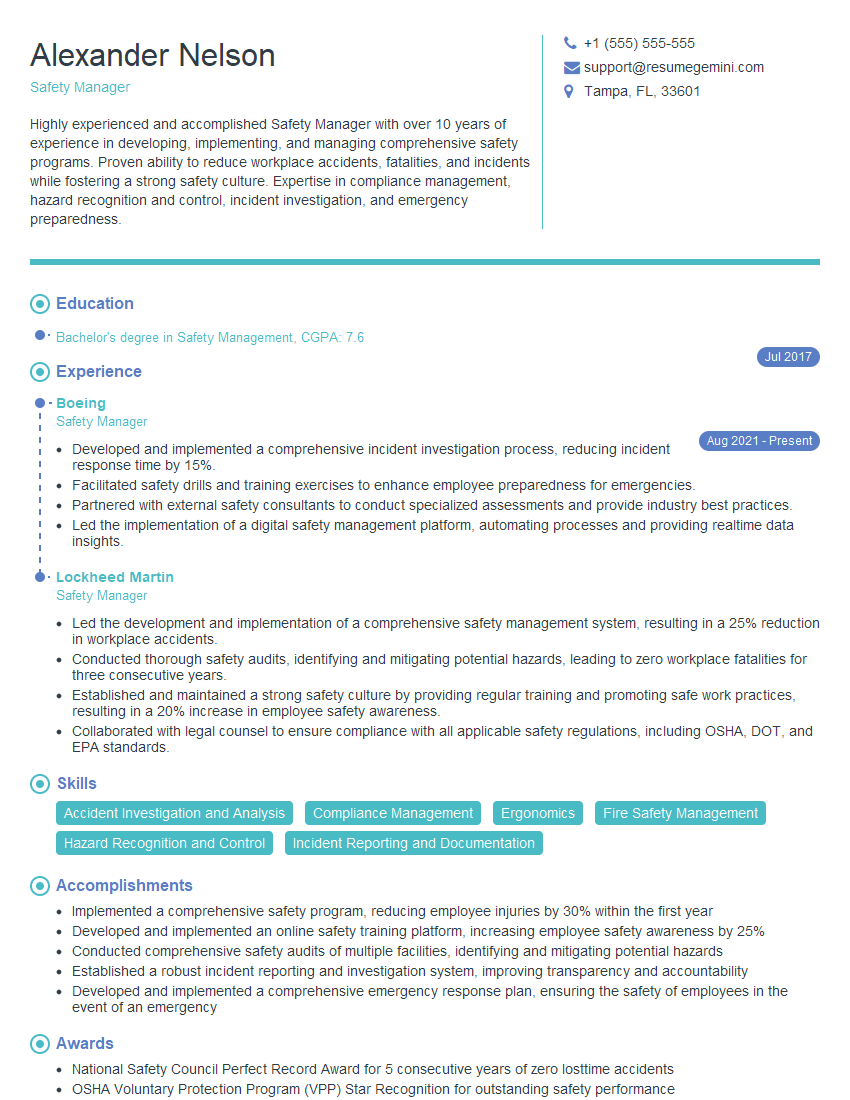
Safety Manager Resume Sample
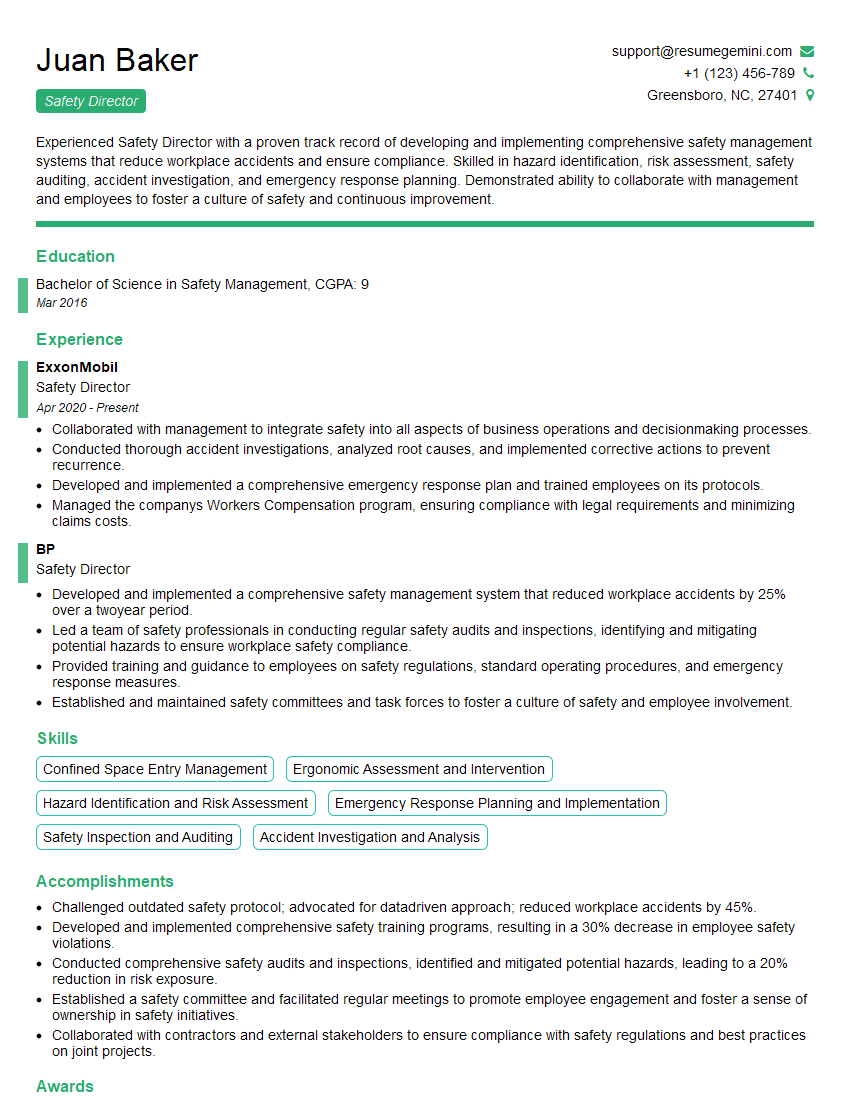
Safety Director Resume Sample
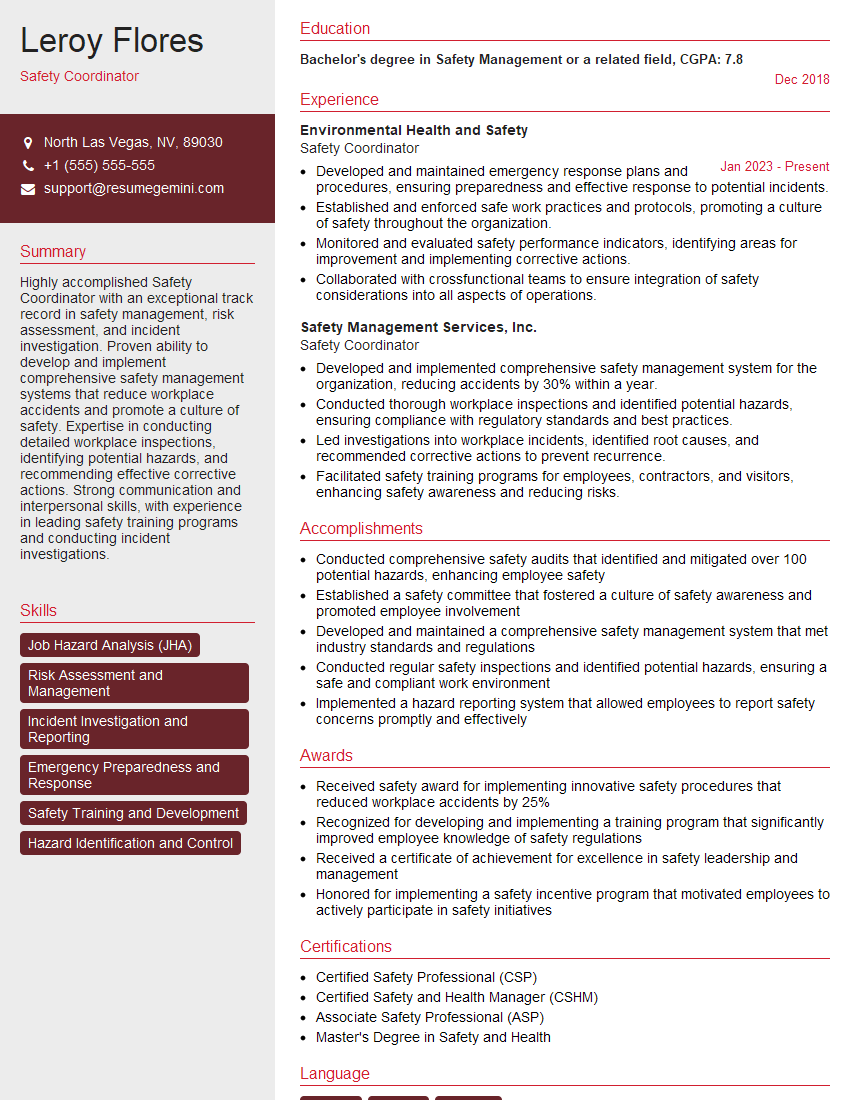
Safety Coordinator Resume Sample

Compliance Officer Resume Sample
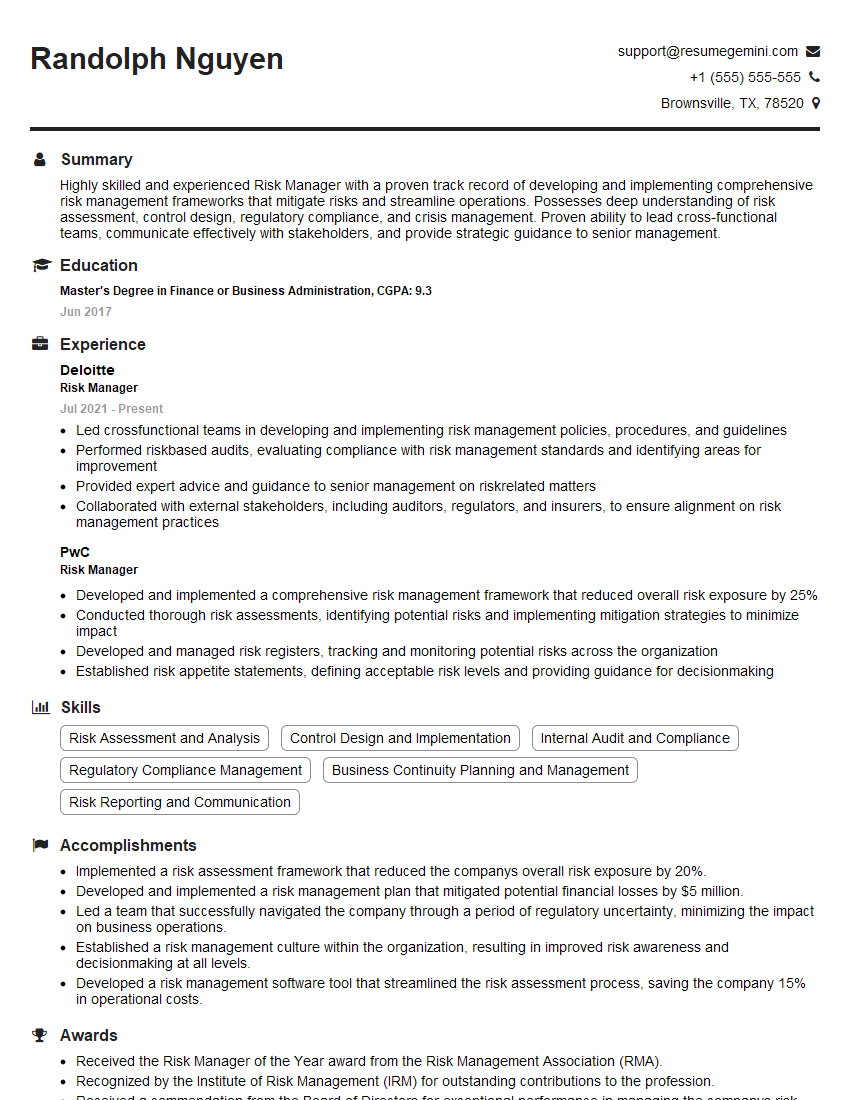
Risk Manager Resume Sample
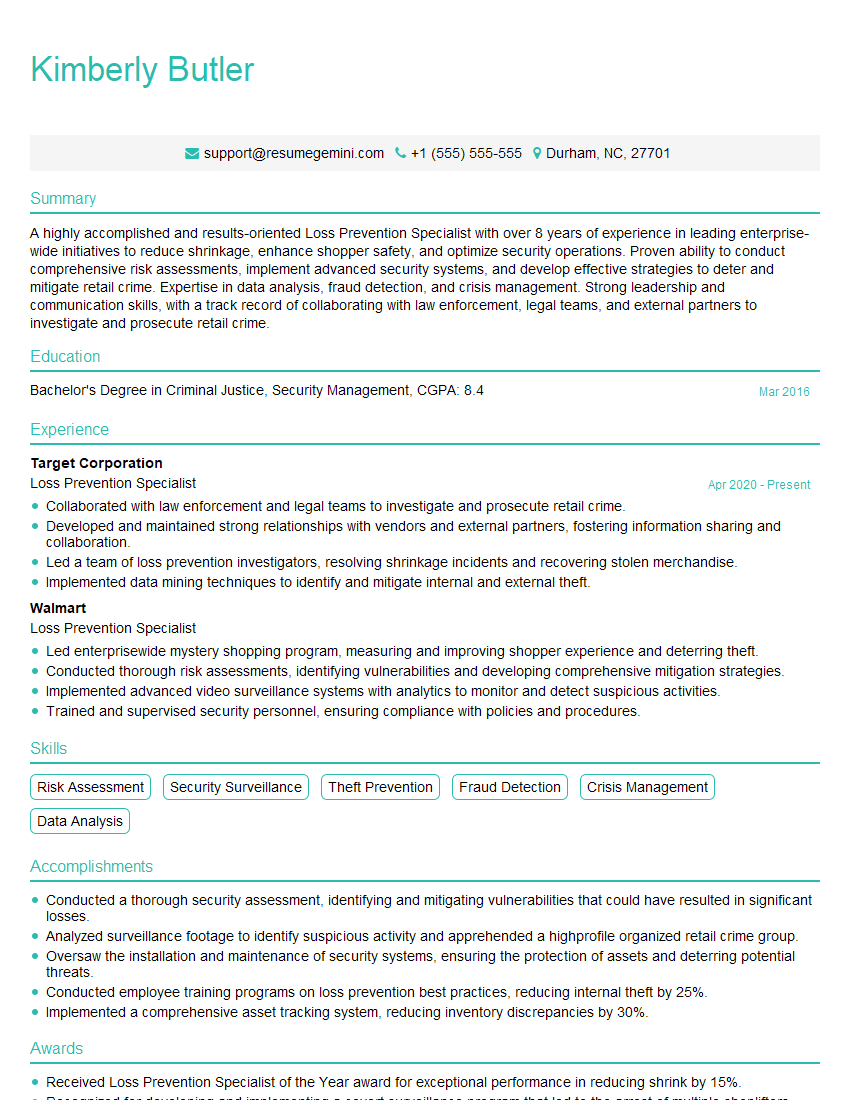
Loss Prevention Specialist Resume Sample
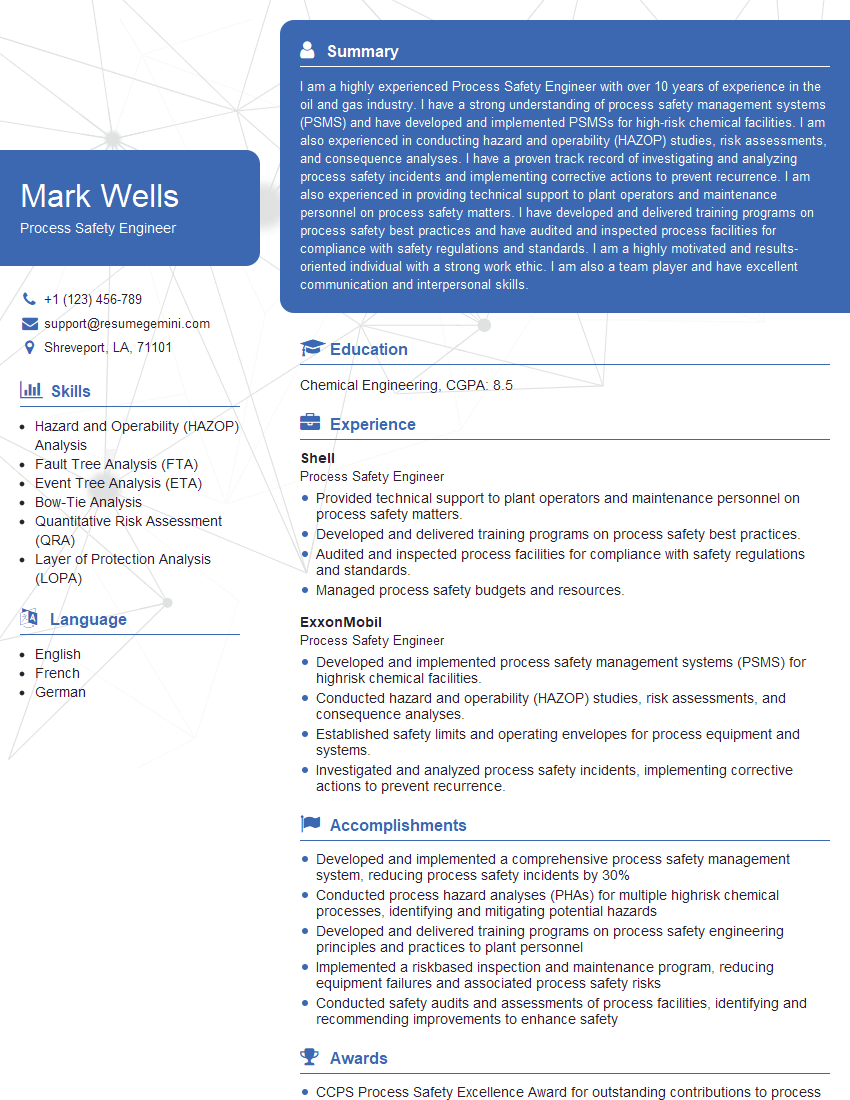
Process Safety Engineer Resume Sample
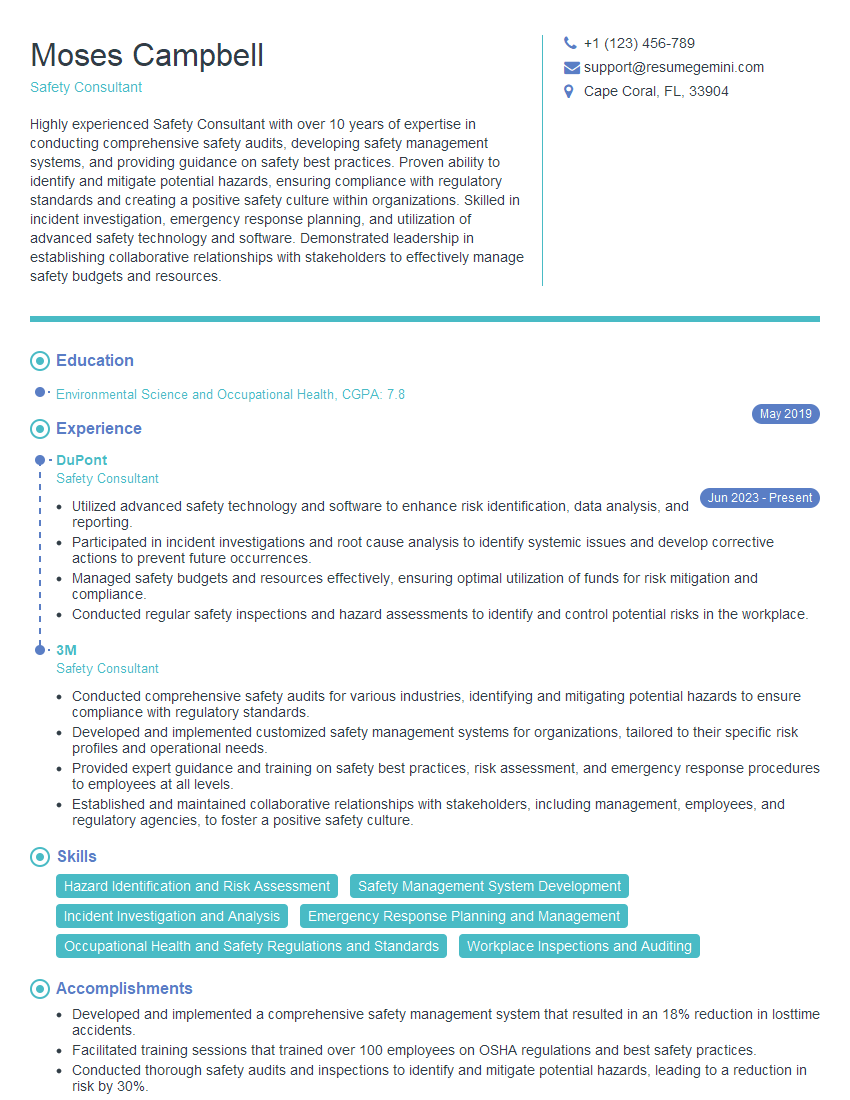
Safety Consultant Resume Sample
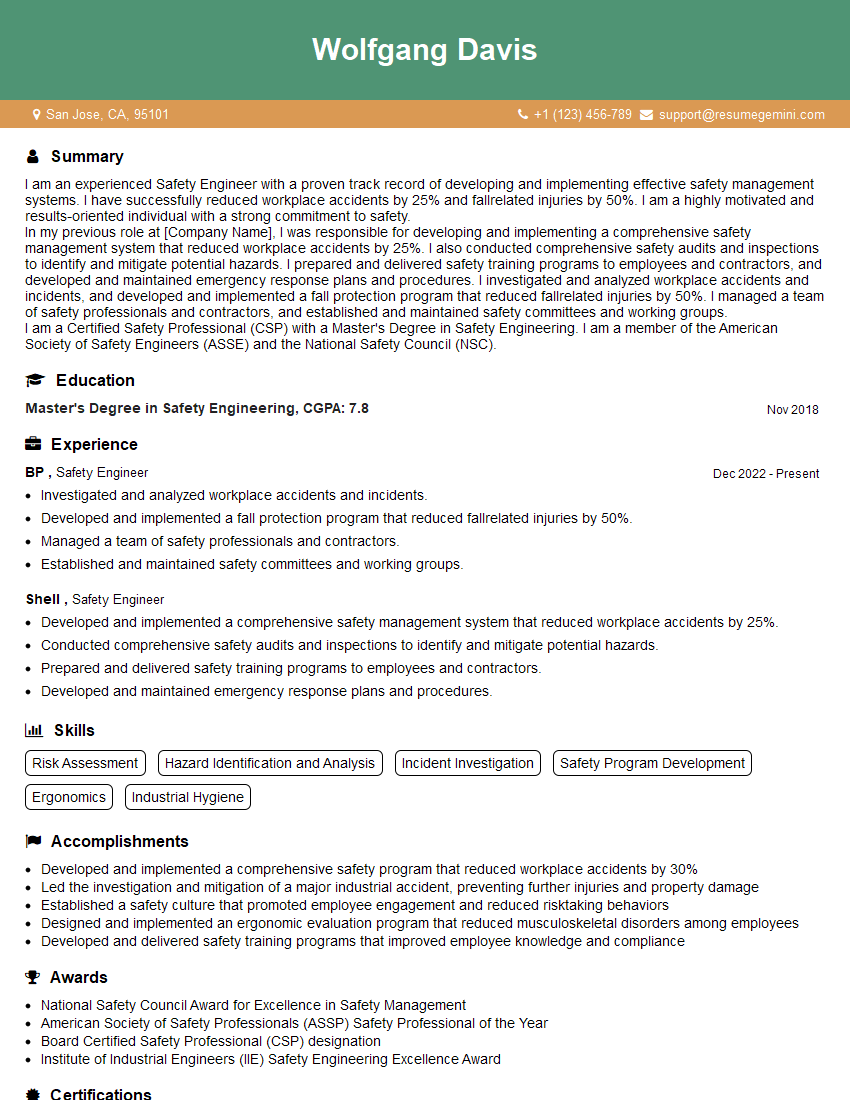
Safety Engineer Resume Sample
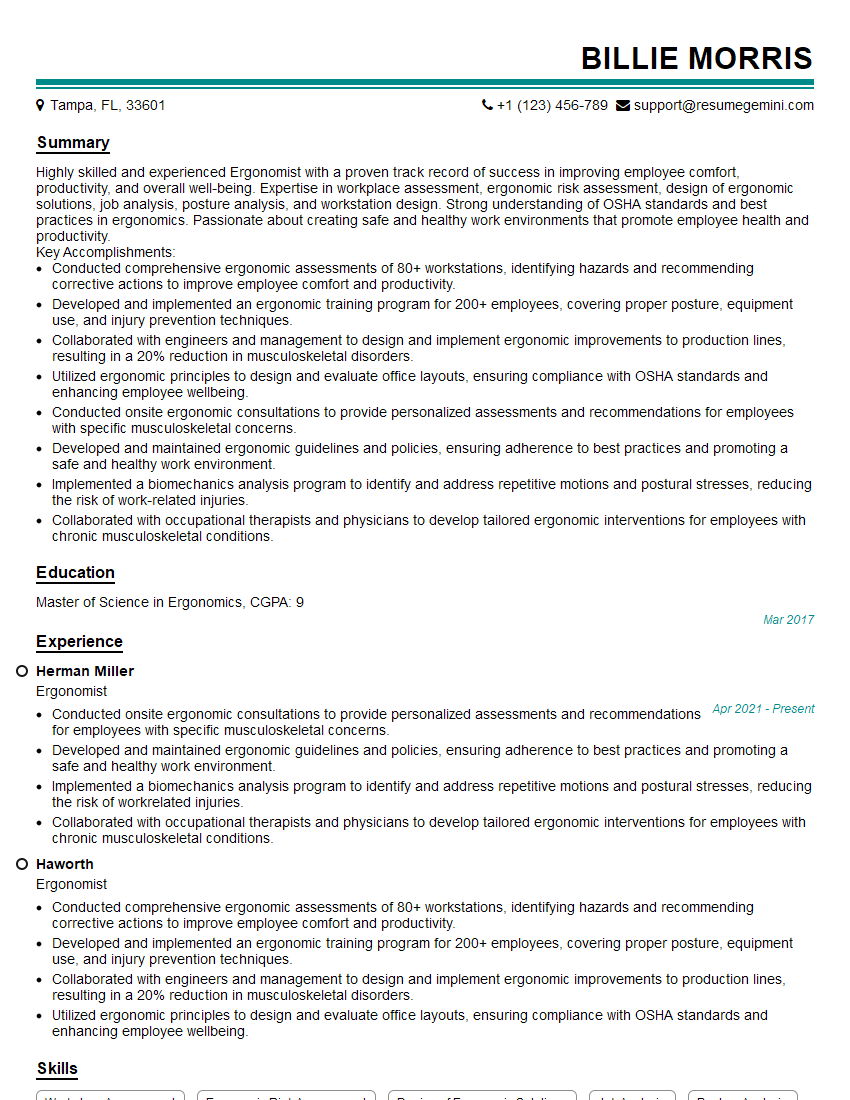
Ergonomist Resume Sample
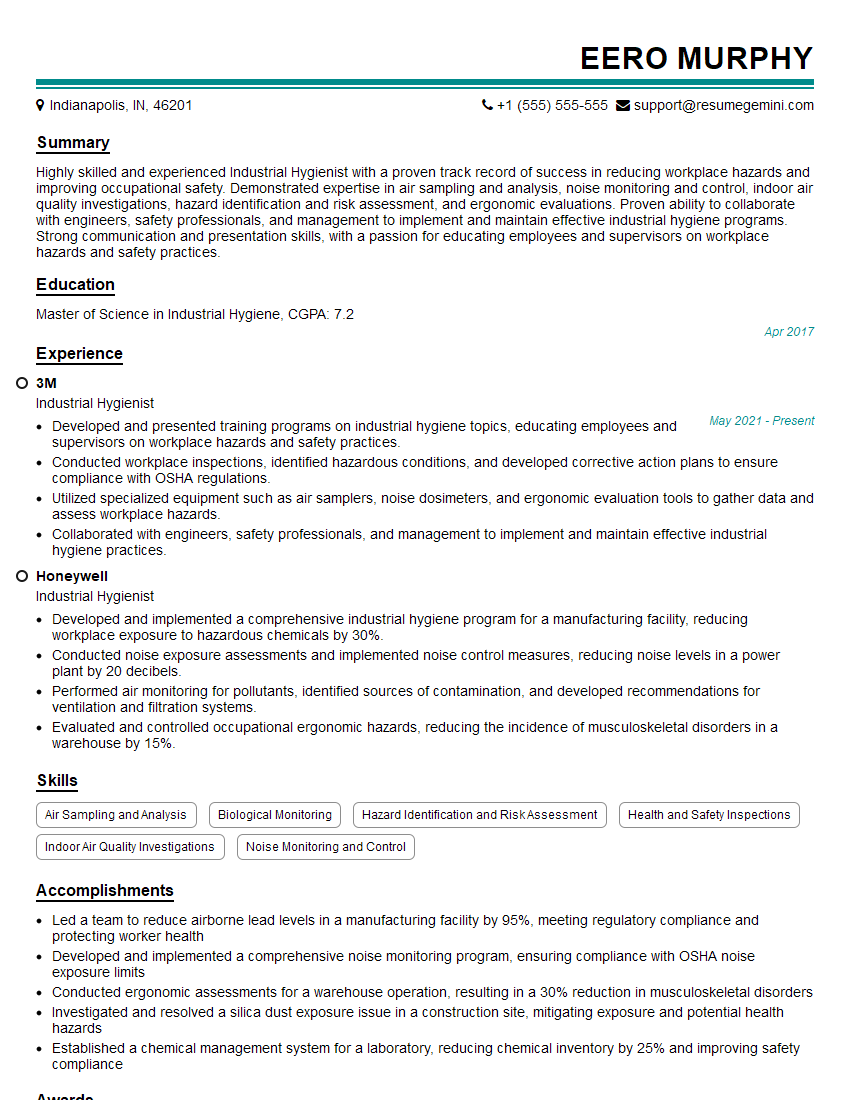
Industrial Hygienist Resume Sample
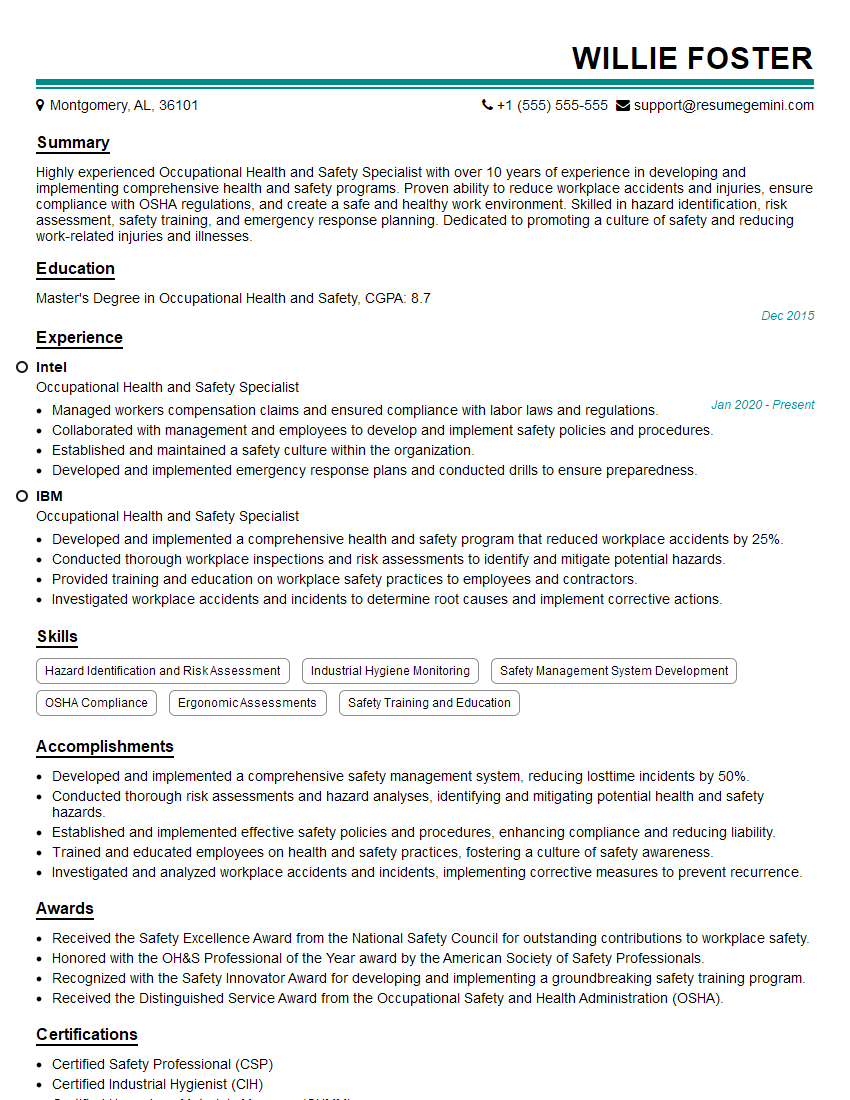
Occupational Health and Safety Specialist Resume Sample
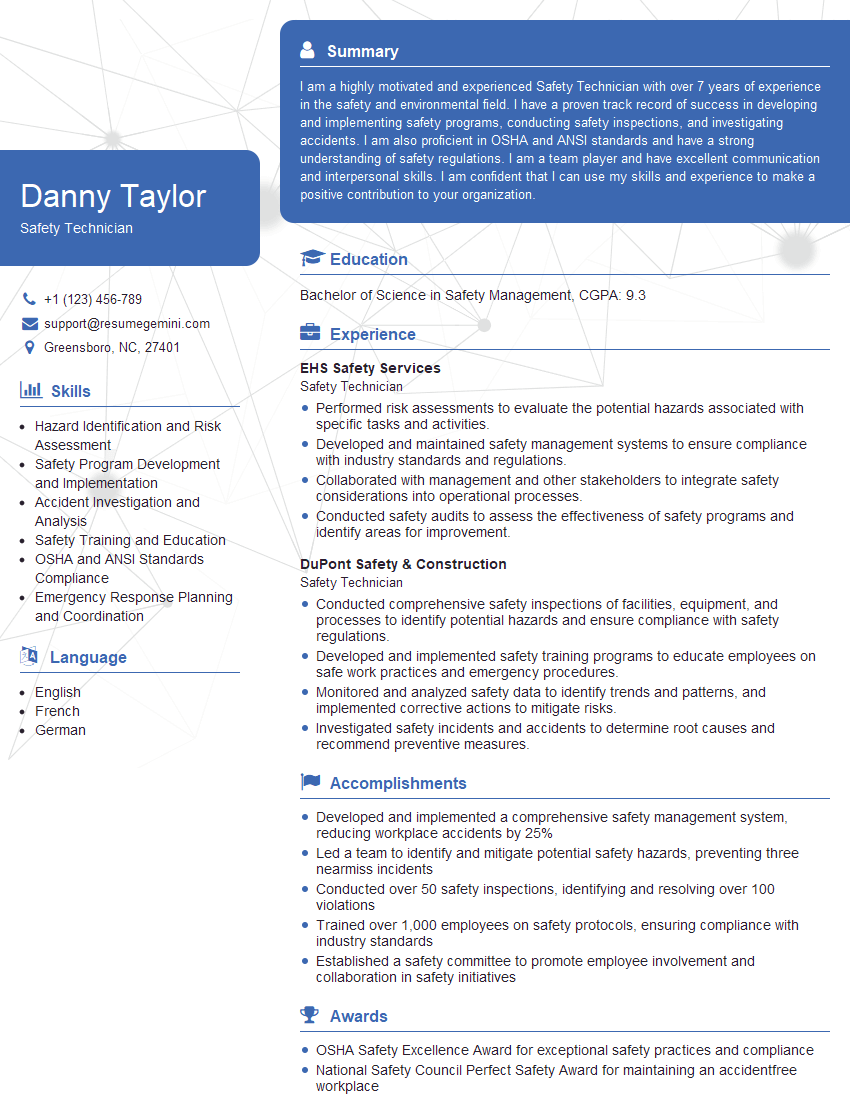
Safety Technician Resume Sample
Explore more articles
Users Rating of Our Blogs
Share Your Experience
We value your feedback! Please rate our content and share your thoughts (optional).
What Readers Say About Our Blog
Very informative content, great job.
good