Are you ready to stand out in your next interview? Understanding and preparing for Safety-Conscious and Risk Management interview questions is a game-changer. In this blog, we’ve compiled key questions and expert advice to help you showcase your skills with confidence and precision. Let’s get started on your journey to acing the interview.
Questions Asked in Safety-Conscious and Risk Management Interview
Q 1. Describe your experience conducting risk assessments.
Conducting risk assessments is a systematic process I approach with a structured methodology. It typically involves identifying hazards, analyzing their potential risks, and evaluating the likelihood and severity of those risks. My experience spans various industries, including manufacturing and construction. For instance, in a manufacturing setting, I’ve led assessments focusing on machinery hazards, identifying potential pinch points, entanglement risks, and risks associated with the use of hazardous materials. This involved using techniques like HAZOP (Hazard and Operability study) and FMEA (Failure Mode and Effects Analysis) to systematically break down processes and identify potential failure points. In a construction project, I’ve used similar methods but with an emphasis on fall hazards, electrical hazards, and heavy equipment operation. The process always includes documenting findings, proposing control measures, and then monitoring the effectiveness of those controls.
- Hazard Identification: Brainstorming sessions, checklists, site inspections, process flow diagrams.
- Risk Analysis: Using qualitative methods (likelihood and severity matrices) and, when feasible, quantitative methods (e.g., fault tree analysis, event tree analysis) to quantify risks.
- Risk Evaluation: Prioritizing risks based on their likelihood and severity, considering factors like cost and feasibility of mitigation.
- Risk Control: Implementing control measures such as engineering controls (e.g., guarding machinery), administrative controls (e.g., work permits), and personal protective equipment (PPE).
- Monitoring and Review: Regularly reviewing the effectiveness of control measures and updating risk assessments as necessary.
Q 2. Explain the difference between qualitative and quantitative risk analysis.
Qualitative and quantitative risk analysis are two approaches to assessing risk, differing primarily in their use of numerical data. Qualitative risk analysis uses descriptive scales and subjective judgments to assess risk. Think of it like using words instead of numbers. For example, we might rate the likelihood of an event as ‘high,’ ‘medium,’ or ‘low,’ and its severity as ‘catastrophic,’ ‘critical,’ or ‘minor.’ This method is useful when data is scarce or uncertain. On the other hand, quantitative risk analysis uses numerical data and statistical models to express risk in measurable terms. This is often expressed as probabilities and potential consequences, allowing for a more precise measurement of risk. For example, we might say there’s a 10% chance of a specific equipment failure, leading to a loss of $100,000. Quantitative analysis is more precise but requires more data and resources.
Consider a scenario where we assess the risk of a fire in a building. A qualitative approach might involve assessing the likelihood of a fire as ‘moderate’ and the severity as ‘severe.’ A quantitative approach might involve calculating the annual probability of a fire (e.g., 0.01%), the average cost of a fire incident ($500,000), and then calculating the annual expected loss ($5,000).
Q 3. What are the key elements of a comprehensive safety program?
A comprehensive safety program is much more than just a collection of rules. It’s a holistic system designed to prevent workplace accidents and illnesses. Key elements include:
- Safety Policy: A formal statement of the organization’s commitment to safety, outlining its objectives and responsibilities.
- Risk Assessment and Control: Regularly identifying, analyzing, and mitigating workplace hazards.
- Training and Education: Providing employees with the necessary knowledge and skills to work safely.
- Emergency Preparedness: Developing and implementing plans for responding to emergencies, including drills and training.
- Incident Investigation: Thoroughly investigating accidents and near misses to identify root causes and prevent recurrence.
- Personal Protective Equipment (PPE): Providing and ensuring the proper use of PPE.
- Safety Audits and Inspections: Regularly inspecting the workplace and identifying hazards.
- Communication and Consultation: Effectively communicating safety information to employees and involving them in safety decision-making.
- Performance Measurement: Tracking key safety indicators (e.g., accident rates, lost time injuries) and using this data to improve safety performance.
Imagine a construction site – a comprehensive safety program would address fall protection, equipment safety, hazard communication, emergency response plans, and regular safety meetings.
Q 4. How do you prioritize risks?
Risk prioritization is crucial for effective risk management. It involves ranking risks based on their potential impact and likelihood. Several methods exist, including:
- Risk Matrix: A simple and widely used method that plots risks based on their likelihood and severity (often using a grid with low/medium/high ratings for both). Risks in the high-likelihood/high-severity quadrant are prioritized.
- Decision Tree Analysis: A more complex method that considers multiple factors and potential outcomes to help make decisions about risk mitigation strategies.
- Cost-Benefit Analysis: This involves evaluating the cost of implementing a control measure against the potential cost of an incident, helping prioritize based on economic impact.
Consider a scenario where a company is facing several risks: a potential data breach, a product recall, and an equipment malfunction. A risk matrix may show a high likelihood of an equipment malfunction, with moderate severity. The data breach might have low likelihood but high severity. Prioritization will depend on the assigned weights and the organization’s risk appetite. A robust process considers qualitative factors like reputation and legal ramifications along with quantitative values.
Q 5. Describe your experience with incident investigation and root cause analysis.
Incident investigation and root cause analysis are critical for learning from past events and preventing future incidents. My approach follows a structured methodology. I begin by securing the scene (if applicable), gathering information from witnesses and documenting evidence. Next, I reconstruct the event sequence. I utilize tools like the ‘5 Whys’ technique and fishbone diagrams to identify contributing factors and get to the root cause(s). For example, in investigating a workplace injury, I would examine contributing factors like equipment malfunction, inadequate training, unsafe work practices, and environmental conditions. Once the root cause is identified, I develop recommendations for corrective actions, preventive measures, and improvements to safety procedures. The final report provides a detailed summary, including findings, root causes, and recommended changes. This isn’t just about assigning blame but about understanding the systemic issues that led to the incident.
For example, if a worker was injured due to a falling object, simply saying it was due to ‘a falling object’ is insufficient. The root cause analysis might uncover a lack of proper storage procedures for materials, resulting in an unstable stack of objects. This could then lead to recommendations for improving storage practices, providing training on proper stacking techniques, and implementing regular inspections.
Q 6. How do you communicate safety information effectively to various audiences?
Effective communication is vital in safety. I tailor my approach to the audience. For workers, I use clear, concise language, avoiding jargon and focusing on practical implications. Visual aids like posters, videos, and safety talks are highly effective. For management, I provide data-driven reports, outlining performance indicators and risks, emphasizing potential financial impacts. Involving employees in safety discussions and allowing for feedback fosters ownership and understanding. Regular safety meetings, training sessions, and toolbox talks ensure consistent communication. Different media (email, intranet, posters) are used depending on the message and urgency.
For instance, when communicating about a new safety procedure, I’d use visual aids and demonstrations for hands-on learning during training. For management, I’d present data on the effectiveness of the new procedure to justify its implementation and demonstrate ROI.
Q 7. What are your methods for ensuring compliance with safety regulations?
Ensuring compliance with safety regulations is an ongoing process, not a one-time task. It begins with a thorough understanding of all applicable regulations. This includes regularly reviewing and updating knowledge of legislation, standards, and industry best practices. I use a multi-pronged approach:
- Regular Audits and Inspections: To identify non-compliance issues and potential hazards.
- Documentation and Record Keeping: Maintaining accurate records of training, inspections, risk assessments, and incident investigations.
- Employee Training: Ensuring that employees are aware of and comply with safety regulations.
- Corrective Actions: Implementing timely and effective corrective actions to address non-compliance issues.
- Continuous Improvement: Regularly reviewing and updating safety procedures to ensure continued compliance and prevent future incidents.
For example, in a manufacturing setting, I’d ensure we’re compliant with OSHA standards for machine guarding, lockout/tagout procedures, and hazard communication. Proactive monitoring and training will minimize risks and help maintain compliance.
Q 8. How do you measure the effectiveness of safety programs?
Measuring the effectiveness of safety programs isn’t a one-size-fits-all approach. It requires a multi-faceted strategy focusing on both lagging and leading indicators. Lagging indicators are retrospective, measuring the results of safety efforts, while leading indicators predict future performance by assessing safety processes and behaviors.
- Lagging Indicators: These include metrics like the number of accidents, injuries, illnesses, lost-time incidents, and property damage. Analyzing trends in these metrics over time reveals whether safety programs are reducing risks. For example, a decrease in lost-time incidents year-over-year strongly suggests program effectiveness.
- Leading Indicators: These focus on proactive measures and are more predictive. Examples include the number of safety training hours completed, the frequency of safety audits and inspections, the rate of near misses reported, and employee safety survey results. A high number of near misses reported, while seemingly negative, is a positive leading indicator because it signifies employees are actively identifying and reporting potential hazards before they escalate into accidents.
- Qualitative Measures: Beyond quantitative data, we need to consider qualitative factors. Employee feedback through surveys and interviews is crucial. Are employees feeling safe and empowered to report hazards? Do they believe the safety program is effective and well-managed? Positive feedback suggests a strong safety culture.
A comprehensive assessment requires analyzing both lagging and leading indicators alongside qualitative feedback. This holistic approach provides a clearer picture of the program’s overall effectiveness and areas for improvement.
Q 9. Describe a time you had to manage a safety crisis.
During my time at a construction site, a significant crane malfunction caused a near-miss incident. A load nearly dropped, narrowly missing workers below. My immediate response followed a structured crisis management protocol:
- Secure the Scene: First, I ensured the immediate area was evacuated and secured to prevent further incidents. This involved shutting down the crane and cordoning off the affected area.
- Assess the Damage and Casualties: Thankfully, there were no injuries, but we thoroughly inspected the crane and the surrounding area for damage.
- Investigate the Root Cause: We launched a comprehensive investigation involving engineers, crane operators, and safety personnel to determine the cause of the malfunction. This involved reviewing maintenance records, interviewing witnesses, and analyzing the crane’s operational data.
- Implement Corrective Actions: Based on the investigation’s findings, we immediately implemented corrective actions. This included mandatory crane inspections, retraining of crane operators, and upgrades to the crane’s safety systems.
- Communicate Effectively: We communicated transparently with all stakeholders – workers, management, and regulatory agencies – keeping everyone informed of the incident, the investigation’s progress, and the corrective measures being taken.
This experience highlighted the criticality of having robust emergency response plans, well-trained personnel, and a commitment to thorough root cause analysis. The incident, while a near-miss, underscored the potential for catastrophic consequences and reinforced the importance of proactive safety measures.
Q 10. How do you handle conflicts between safety and production goals?
Conflicts between safety and production goals are unfortunately common. The key is to understand that safety is not a constraint on production but an integral part of efficient operations. Compromising safety to boost production is short-sighted and ultimately counterproductive.
I address such conflicts using a collaborative approach:
- Data-Driven Decision Making: Instead of relying on opinions, I present data showing the long-term costs of accidents and injuries (lost time, medical expenses, legal fees, decreased morale). This often outweighs the short-term gains from pushing production without regard for safety.
- Process Optimization: Rather than viewing safety as a roadblock, we explore ways to improve processes to enhance both safety and efficiency. This might involve implementing new technologies, streamlining workflows, or improving ergonomic design.
- Open Communication and Collaboration: I foster open dialogue between safety personnel, production managers, and workers, ensuring everyone understands the importance of safety and participates in finding solutions that balance both goals. This collaborative approach ensures buy-in from all stakeholders.
- Prioritization and Risk Assessment: In cases where compromises seem necessary, we conduct thorough risk assessments. This helps prioritize tasks and allocate resources effectively, ensuring that the most critical safety concerns are addressed first.
Ultimately, a strong safety culture makes both production and safety mutually supportive. A safe workplace is also a more productive workplace.
Q 11. Explain your understanding of hazard identification and control.
Hazard identification and control is a systematic process to proactively manage risks. It involves identifying potential hazards, assessing their risks, and implementing controls to mitigate those risks.
- Hazard Identification: This involves systematically looking for potential sources of harm in the workplace. Methods include workplace inspections, job hazard analyses (JHAs), checklists, and employee feedback. For example, a JHA for operating a forklift would identify hazards such as uneven surfaces, pedestrian traffic, and load instability.
- Risk Assessment: Once hazards are identified, we assess their risks using a risk matrix. This considers the likelihood of the hazard occurring and the severity of the potential consequences. A high likelihood and high severity combination necessitate strong controls.
- Hazard Control: This involves implementing control measures to eliminate or reduce risks. The hierarchy of controls prioritizes the most effective measures:
- Elimination: Completely removing the hazard, if possible. (e.g., replacing a dangerous chemical with a safer alternative).
- Substitution: Replacing the hazard with a less hazardous alternative (e.g., using a robotic arm instead of manual handling).
- Engineering Controls: Modifying the work environment to reduce risk (e.g., installing guarding on machinery).
- Administrative Controls: Implementing procedures and training to manage the risk (e.g., developing safe work procedures, providing safety training).
- Personal Protective Equipment (PPE): Providing workers with protective equipment as a last resort (e.g., safety glasses, hard hats).
- Monitoring and Review: The effectiveness of controls must be regularly monitored and reviewed. This involves ongoing inspections, audits, and incident investigations to identify any deficiencies and make necessary adjustments.
This iterative process ensures that risks are continually managed and reduced, creating a safer and more productive workplace.
Q 12. What are some common safety hazards in your industry?
Common safety hazards vary significantly depending on the specific industry. However, some general hazards that frequently appear include:
- Falls from Heights: A significant risk in construction, manufacturing, and maintenance.
- Struck-By Hazards: Being struck by falling objects, vehicles, or equipment. Common across many industries.
- Caught-In/Between Hazards: Being caught in or between machinery or equipment. A major concern in manufacturing and warehousing.
- Electrocution: Exposure to electrical hazards. This is a risk in many workplaces, especially those involving electrical equipment.
- Fire Hazards: The risk of fire or explosion, particularly in industries using flammable materials.
- Chemical Hazards: Exposure to hazardous chemicals, requiring proper handling, storage, and personal protective equipment.
- Ergonomic Hazards: Repetitive movements, awkward postures, and heavy lifting can cause musculoskeletal disorders. This is a broad concern impacting many workplaces.
Beyond these common hazards, specific industries have unique risks that must be considered. For example, the healthcare industry has biological hazards, and the mining industry faces unique geological hazards.
Q 13. What safety certifications or training do you possess?
Throughout my career, I have actively pursued and obtained several safety certifications and training programs to enhance my expertise. These include:
- Certified Safety Professional (CSP): This globally recognized certification demonstrates a high level of competence in occupational safety and health.
- Occupational Safety and Health Administration (OSHA) 10-Hour Construction Safety Training: Provides a foundational understanding of OSHA standards and requirements specific to construction.
- Advanced training in Hazard Communication, Lockout/Tagout procedures, and Confined Space Entry: These specialized trainings equip me with the knowledge to effectively manage specific workplace hazards.
- Incident Investigation and Root Cause Analysis: I’ve completed comprehensive training on investigating accidents and identifying underlying causes to prevent future incidents.
I am committed to continuous professional development and regularly seek opportunities to expand my safety knowledge and skills.
Q 14. How do you stay updated on the latest safety regulations and best practices?
Staying current with safety regulations and best practices is crucial in this ever-evolving field. I use a multi-pronged approach:
- Professional Organizations: I am an active member of professional safety organizations, such as the American Society of Safety Professionals (ASSP), which provides access to publications, conferences, and networking opportunities that keep me informed about industry advancements and regulatory changes.
- Regulatory Websites: I regularly monitor relevant government websites, such as the OSHA website, for updates on regulations, guidance documents, and enforcement actions.
- Industry Publications and Journals: I subscribe to industry publications and journals that feature articles on emerging safety issues, new technologies, and best practices.
- Conferences and Workshops: Attending industry conferences and workshops allows me to learn from experts, network with colleagues, and discover the latest innovations in safety.
- Online Courses and Webinars: Many reputable organizations offer online courses and webinars on various safety topics, allowing me to pursue continuous learning at my own pace.
This proactive approach ensures that I am always up-to-date with the latest developments and can effectively implement the most current safety standards and best practices in my work.
Q 15. Describe your experience with safety audits and inspections.
Safety audits and inspections are crucial for proactively identifying and mitigating potential hazards. My experience encompasses conducting both planned and reactive audits, using checklists and observation techniques to assess compliance with safety regulations, policies, and procedures.
For example, in a previous role at a manufacturing plant, I conducted regular safety audits of machinery, identifying and reporting several instances of inadequate guarding and malfunctioning emergency stops. This led to immediate corrective actions, preventing potential injuries. Another example involves performing safety inspections at construction sites, ensuring proper use of personal protective equipment (PPE), adherence to fall protection protocols, and safe handling of materials.
My audits aren’t simply about finding problems; I focus on providing constructive feedback and recommendations for improvement, collaborating with management and workers to develop practical solutions.
Career Expert Tips:
- Ace those interviews! Prepare effectively by reviewing the Top 50 Most Common Interview Questions on ResumeGemini.
- Navigate your job search with confidence! Explore a wide range of Career Tips on ResumeGemini. Learn about common challenges and recommendations to overcome them.
- Craft the perfect resume! Master the Art of Resume Writing with ResumeGemini’s guide. Showcase your unique qualifications and achievements effectively.
- Don’t miss out on holiday savings! Build your dream resume with ResumeGemini’s ATS optimized templates.
Q 16. What is your experience with developing and delivering safety training?
Developing and delivering effective safety training is a core competency of mine. My approach involves creating engaging and interactive training materials tailored to the specific needs and skill levels of the audience. I believe in a blended learning approach combining theory, practical exercises, case studies, and interactive simulations.
In one instance, I developed a comprehensive safety training program for a team of warehouse workers, incorporating interactive modules on forklift operation, safe lifting techniques, and hazard identification. Post-training assessments showed a significant improvement in their knowledge and practical skills. I also regularly incorporate real-world examples and scenarios to make the training relatable and memorable. For example, instead of just explaining fire safety regulations, we perform a mock evacuation drill to reinforce the concepts learned.
Q 17. How do you ensure that safety procedures are followed consistently?
Ensuring consistent adherence to safety procedures requires a multi-pronged approach. It begins with clear, concise, and easily accessible procedures, accompanied by regular reinforcement through training and communication.
Firstly, I implement robust monitoring systems including regular spot checks, documented observations, and feedback mechanisms. Secondly, I establish a culture of accountability where everyone feels responsible for their own safety and the safety of others. This includes establishing clear roles and responsibilities, regular safety meetings, and proactive communication channels.
Finally, I leverage technology where possible. For instance, using digital checklists for inspections and implementing safety management software to track incidents and compliance. This data helps me identify areas needing improvement and provides a clear picture of the effectiveness of safety protocols.
Q 18. How do you foster a safety-conscious culture within a team?
Fostering a safety-conscious culture is about more than just rules and regulations; it’s about creating a shared belief that safety is everyone’s responsibility and an integral part of the workplace.
I achieve this through:
- Leadership buy-in: Ensuring that safety is prioritized at all levels of the organization.
- Open communication: Encouraging open dialogue about safety concerns, without fear of reprisal.
- Employee empowerment: Giving employees the authority to stop unsafe work practices and report hazards.
- Recognition and rewards: Recognizing and rewarding safe behaviors.
- Regular safety meetings: Providing a forum for discussion and updates.
For instance, in a past role, we implemented a ‘Safety Suggestion Box’ which encouraged workers to contribute ideas for improvement, fostering a collaborative safety culture.
Q 19. Explain your understanding of different risk management frameworks (e.g., ISO 31000).
My understanding of risk management frameworks is comprehensive, encompassing various approaches, including the internationally recognized ISO 31000. ISO 31000 provides a holistic framework for managing risk across all aspects of an organization. It emphasizes a proactive and iterative approach, focusing on understanding the context, identifying risks, analyzing and evaluating them, treating them appropriately, and monitoring and reviewing the effectiveness of risk treatment.
Other frameworks I’m familiar with include HAZOP (Hazard and Operability Study) frequently used in process industries, and FMEA (Failure Mode and Effects Analysis) which focuses on identifying potential failures in a system and assessing their impact. I can adapt my approach depending on the specific industry, project, or organizational context.
Q 20. What is your experience with developing safety policies and procedures?
Developing safety policies and procedures requires a thorough understanding of legal requirements, industry best practices, and the specific hazards associated with a particular operation or workplace.
My approach is collaborative; I work closely with stakeholders across different departments to ensure that policies are comprehensive, practical, and aligned with the overall organizational goals. Policies should be clear, concise, and easy to understand. The development process involves:
- Hazard identification and risk assessment: Determining potential hazards and the level of risk associated with each.
- Policy drafting and review: Writing clear, concise, and legally compliant policies.
- Implementation and training: Providing training and communication materials to ensure that the policies are understood and followed.
- Monitoring and review: Regular review and updating of policies to reflect changes in legislation, technology, or workplace practices.
Q 21. How do you use data to drive safety improvements?
Data is crucial for driving continuous safety improvement. I use data from various sources, including incident reports, near-miss reports, audits, inspections, and training records, to identify trends, patterns, and areas needing attention.
For example, by analyzing incident reports, I can identify common causes of accidents and develop targeted interventions. Using leading indicators (e.g., number of near misses) allows proactive measures before incidents occur. I use data visualization techniques to present findings clearly, making it easy for stakeholders to understand the situation and support informed decision-making. This data-driven approach ensures that resources are allocated effectively to address the most critical safety issues.
Q 22. How do you manage safety in remote or hazardous locations?
Managing safety in remote or hazardous locations requires a multi-layered approach that prioritizes preemptive planning and robust communication. It’s not just about having the right equipment; it’s about anticipating challenges and mitigating risks before they arise.
- Comprehensive Risk Assessment: A thorough risk assessment, specific to the location, is paramount. This involves identifying potential hazards (e.g., extreme weather, wildlife, unstable terrain, lack of readily available medical assistance) and evaluating their likelihood and severity. For example, working in the Arctic requires different safety protocols than working in a desert environment.
- Specialized Training: Personnel must receive specialized training relevant to the hazards they will face. This might include wilderness survival skills, emergency first aid in remote settings, or operation of specific safety equipment. Practical, hands-on training is crucial.
- Redundant Communication Systems: Reliable communication is vital. Multiple communication systems (satellite phones, two-way radios, emergency beacons) should be in place to ensure contact can be maintained even in case of system failure. Regular communication check-ins are non-negotiable.
- Emergency Procedures and Evacuation Plans: Detailed emergency procedures and evacuation plans must be established and practiced regularly. These plans should address various scenarios (e.g., medical emergencies, equipment failure, severe weather). Regular drills ensure everyone is prepared.
- Advanced Safety Equipment: Investing in high-quality, durable safety equipment designed for the specific environment is crucial. This might include specialized clothing, protective gear, and advanced rescue equipment.
In essence, managing safety in remote locations necessitates a proactive, meticulously planned approach that emphasizes preparedness, communication, and the use of appropriate technology and training.
Q 23. Describe your experience with safety incident reporting and tracking systems.
My experience with safety incident reporting and tracking systems spans several years and various industries. I’ve worked with both custom-built systems and commercially available software solutions. A robust system is critical for identifying trends, improving safety measures, and ensuring accountability.
- Data Collection: Effective systems facilitate thorough data collection, ensuring all incidents, near misses, and hazards are documented. This includes detailed descriptions of the incident, contributing factors, and corrective actions taken.
- Analysis and Reporting: The system should allow for analysis of incident data to identify trends and patterns. This analysis forms the basis for targeted safety improvements. Regular reports should be generated for management review, highlighting key findings and trends.
- Corrective Action Tracking: The system must track the implementation of corrective actions resulting from identified incidents or near misses. This includes monitoring the effectiveness of implemented solutions and making adjustments as needed.
- Integration with other Systems: Ideally, the system should integrate with other safety-related systems, such as risk assessments or training records. This ensures a holistic view of safety performance.
For example, in a previous role, I implemented a system that used a mobile app for immediate reporting of incidents, which reduced reporting lag time and improved the quality of reported information. The data was then automatically analyzed to identify high-risk areas and personnel requiring additional training.
Q 24. How do you use technology to enhance safety?
Technology plays a pivotal role in enhancing safety across various domains. From wearable sensors to sophisticated monitoring systems, technology provides tools to improve risk identification, communication, and response capabilities.
- Wearable Sensors: Wearable sensors can monitor workers’ vital signs, location, and environmental conditions in real-time. This allows for immediate intervention in case of emergencies or exposure to hazardous conditions.
- Real-time Monitoring Systems: Remote monitoring systems enable continuous surveillance of critical equipment and processes. This reduces the risk of equipment failure and facilitates early detection of potential hazards.
- Data Analytics and Predictive Modeling: Analyzing safety data through advanced analytics and predictive modeling allows for identifying patterns, predicting potential incidents, and proactively mitigating risks.
- Virtual Reality (VR) and Augmented Reality (AR): VR and AR can be used for immersive safety training, improving the realism and effectiveness of training programs.
- Automated Safety Systems: Automated systems can provide immediate alerts or initiate safety responses, reducing human error and enhancing overall safety.
For instance, I’ve used drone technology to conduct remote inspections of high-risk areas, minimizing exposure to hazardous conditions for personnel. The data collected provided valuable insights for improving safety protocols.
Q 25. What is your understanding of emergency preparedness and response?
Emergency preparedness and response are not merely about having a plan; it’s about having a well-rehearsed, adaptable plan that everyone understands and can execute effectively. It’s about anticipating the unexpected and being ready to act decisively.
- Hazard Identification and Risk Assessment: Begin with identifying potential hazards specific to the work environment. This includes considering both internal and external factors (e.g., equipment failures, natural disasters, security threats).
- Development of Emergency Plans: Develop comprehensive emergency plans that address different scenarios, including evacuation procedures, communication protocols, and emergency response teams. These plans must be regularly reviewed and updated.
- Training and Drills: Conduct regular training and drills to ensure all personnel are familiar with the emergency plans and their roles in an emergency. Real-world simulations are incredibly valuable.
- Emergency Response Teams: Establish dedicated emergency response teams with clearly defined roles and responsibilities. Ensure adequate resources (equipment, supplies, training) are available for these teams.
- Post-Incident Review: After an emergency event, conduct a thorough review to identify areas for improvement in the emergency plan and response procedures.
I’ve found that using scenario-based training, involving real-life simulations, is particularly effective. This ensures that individuals are not just familiar with the plans but also capable of responding effectively under pressure.
Q 26. How do you balance proactive and reactive safety measures?
Balancing proactive and reactive safety measures is essential for a comprehensive safety program. A purely reactive approach is inefficient and costly, while a purely proactive approach might overlook immediate, critical risks.
- Proactive Measures: Focus on preventing incidents before they happen. This involves regular safety inspections, risk assessments, hazard identification, implementing control measures, and providing comprehensive training. Think of it as preventative medicine – catching problems early.
- Reactive Measures: Addressing incidents after they occur. This involves prompt incident investigation, reporting, corrective actions, and implementing improvements to prevent recurrence. This is like treating the symptoms and learning from mistakes.
The ideal approach involves a continuous cycle of proactive measures, followed by reactive adjustments based on lessons learned from incidents. Regular safety audits, combined with immediate incident response, provide a balanced approach. For example, a proactive measure might be implementing regular machine maintenance, while a reactive measure would be investigating a machine malfunction and implementing safeguards to prevent a similar occurrence.
Q 27. Describe a situation where you had to make a difficult safety decision.
In a previous project involving the transportation of hazardous materials, we encountered a situation where a critical piece of safety equipment malfunctioned during transit. The equipment was essential for containing potential spills. The decision to halt the transportation, even with significant cost implications, was difficult, but necessary.
The immediate reaction was to assess the risk. While continuing the journey posed the risk of a major environmental incident and potential harm to the public, halting transportation caused delays and financial repercussions. After a careful risk assessment involving all stakeholders, including clients and regulatory bodies, the decision was made to prioritize safety. We implemented an emergency response plan and waited for a replacement piece of equipment. This decision, though costly, proved to be the right one, avoiding a potentially catastrophic event. The incident highlighted the importance of always prioritizing safety over short-term gains. This situation also demonstrated the importance of having a strong risk assessment framework in place and the value of clear communication among stakeholders.
Q 28. How do you identify and mitigate human factors contributing to accidents?
Human factors are frequently significant contributors to accidents. Understanding and mitigating these factors requires a multi-faceted approach. It’s not just about blaming individuals; it’s about understanding the systemic issues that contribute to human error.
- Human Factors Analysis: Conduct thorough investigations to identify human factors that contributed to accidents. This might include fatigue, stress, inadequate training, poor communication, or lack of awareness.
- Ergonomics and Workplace Design: Improve workplace design to minimize physical and mental strain on workers. This might involve optimizing equipment design, workstation layout, or work schedules.
- Training and Education: Provide comprehensive training to address identified human factors. This might include training on safe work procedures, hazard awareness, or stress management techniques.
- Leadership and Communication: Foster a strong safety culture that prioritizes open communication and encourages reporting of near misses without fear of retribution.
- Use of Technology: Leverage technology (e.g., alarm systems, automated checks) to reduce reliance on human factors in critical operations.
For example, in one instance, we discovered that fatigue was a contributing factor to several near misses. We implemented changes to work schedules, providing more breaks and ensuring adequate rest periods, resulting in a significant reduction in incidents. This required not only addressing individual employee well-being but also working with management to adjust operational plans.
Key Topics to Learn for Safety-Conscious and Risk Management Interview
- Hazard Identification & Risk Assessment: Understanding methods like HAZOP, What-If analysis, and FMEA. Practical application includes conducting a risk assessment for a given scenario and prioritizing mitigation strategies.
- Safety Regulations & Compliance: Familiarity with relevant industry standards (OSHA, ISO etc.) and legal frameworks. Practical application involves explaining how to ensure compliance within a specific operational context.
- Incident Investigation & Reporting: Mastering root cause analysis techniques (e.g., 5 Whys, fishbone diagrams) and effective incident reporting procedures. Practical application includes outlining a step-by-step process for investigating a workplace accident.
- Emergency Response Planning & Procedures: Developing and implementing emergency plans, including evacuation procedures, communication protocols, and first aid response. Practical application focuses on explaining the role of different team members during an emergency.
- Safety Training & Communication: Designing and delivering effective safety training programs, communicating risk information clearly and concisely to diverse audiences. Practical application includes describing methods for engaging employees in safety initiatives.
- Safety Culture & Leadership: Understanding the importance of fostering a strong safety culture and leading by example. Practical application includes strategies for promoting proactive safety behaviors within a team.
- Risk Management Frameworks: Understanding and applying different risk management frameworks, such as the COSO framework or ISO 31000. Practical application includes describing how to select and apply an appropriate framework for a specific organization.
Next Steps
Mastering Safety-Conscious and Risk Management principles is crucial for career advancement in many fields. Demonstrating a strong understanding of these concepts significantly enhances your value to potential employers. To maximize your job prospects, create an ATS-friendly resume that effectively highlights your skills and experience. ResumeGemini is a trusted resource that can help you build a professional and impactful resume, ensuring your qualifications shine. Examples of resumes tailored to Safety-Conscious and Risk Management are available to help guide you through the process.
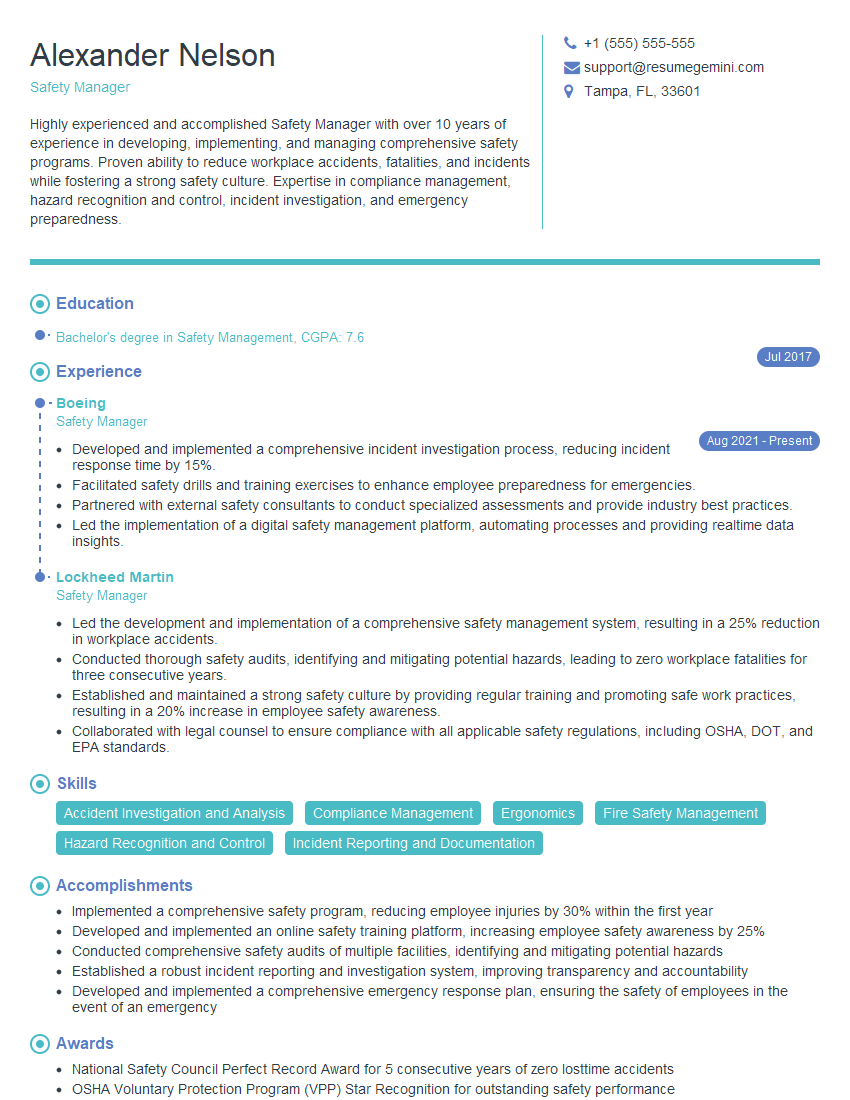
Safety Manager Resume Sample
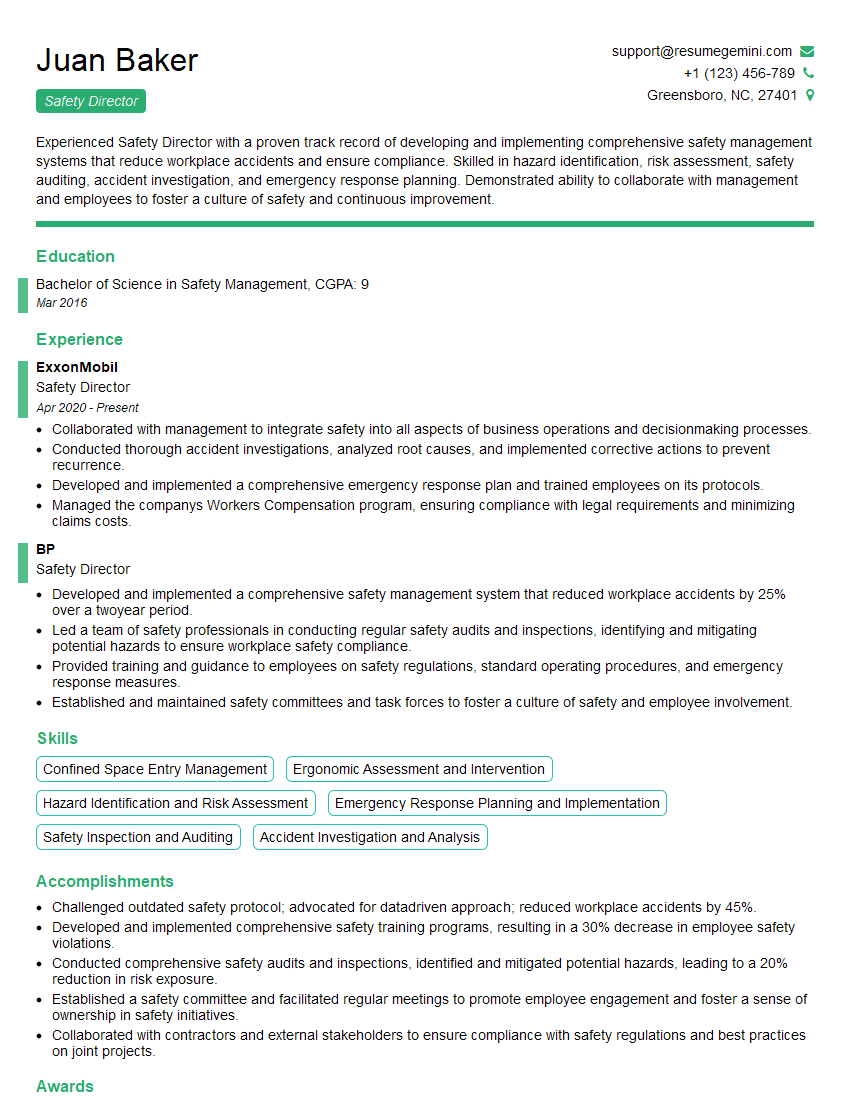
Safety Director Resume Sample
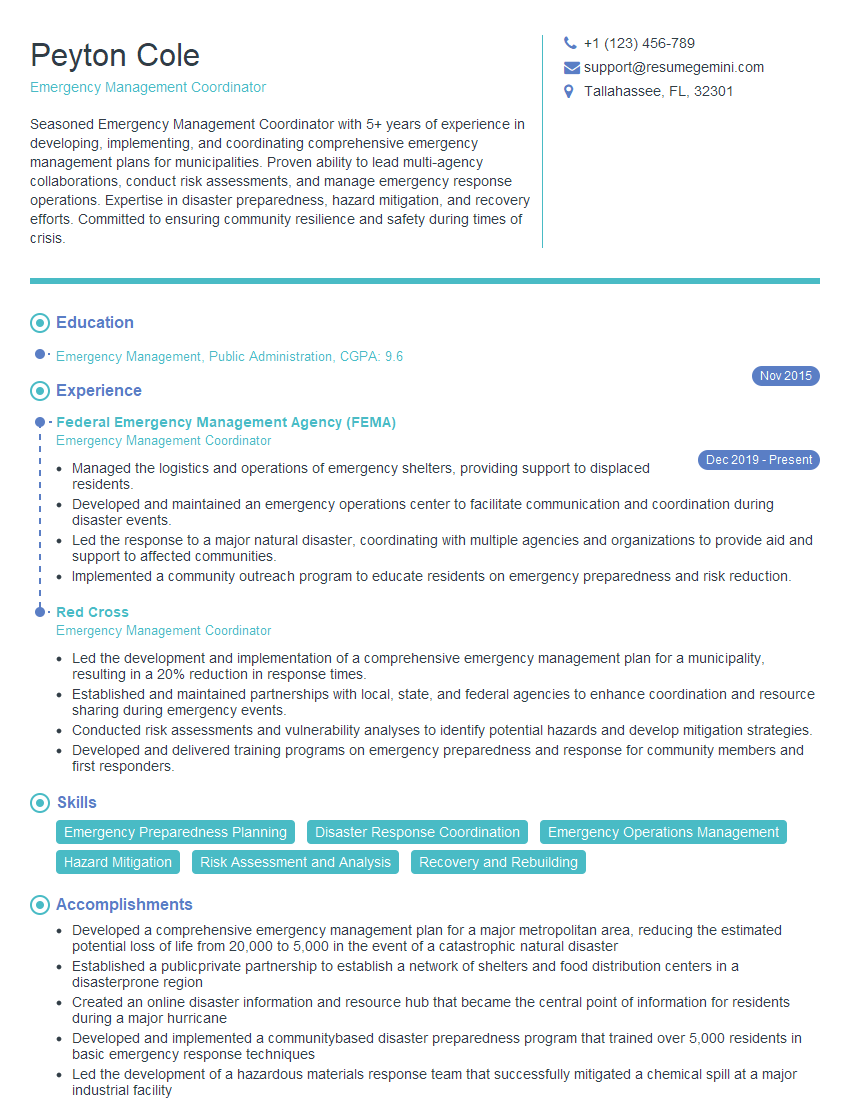
Emergency Management Coordinator Resume Sample
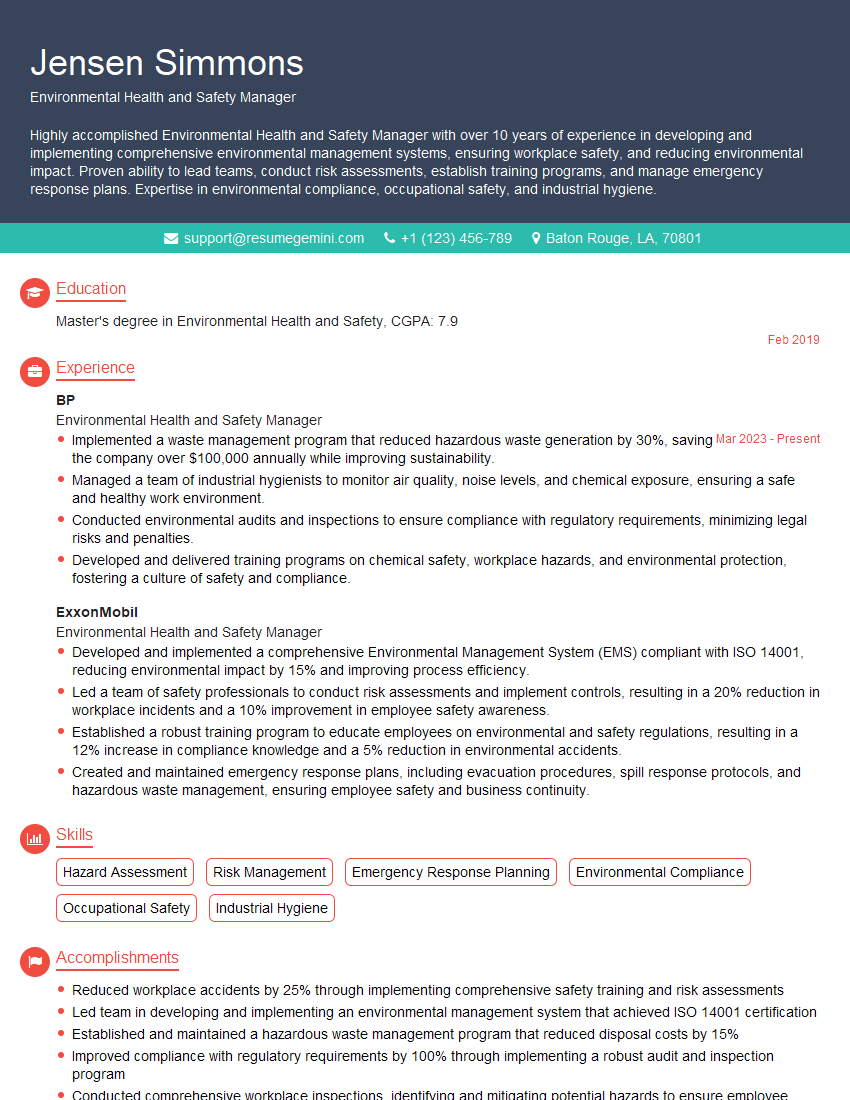
Environmental Health and Safety Manager Resume Sample
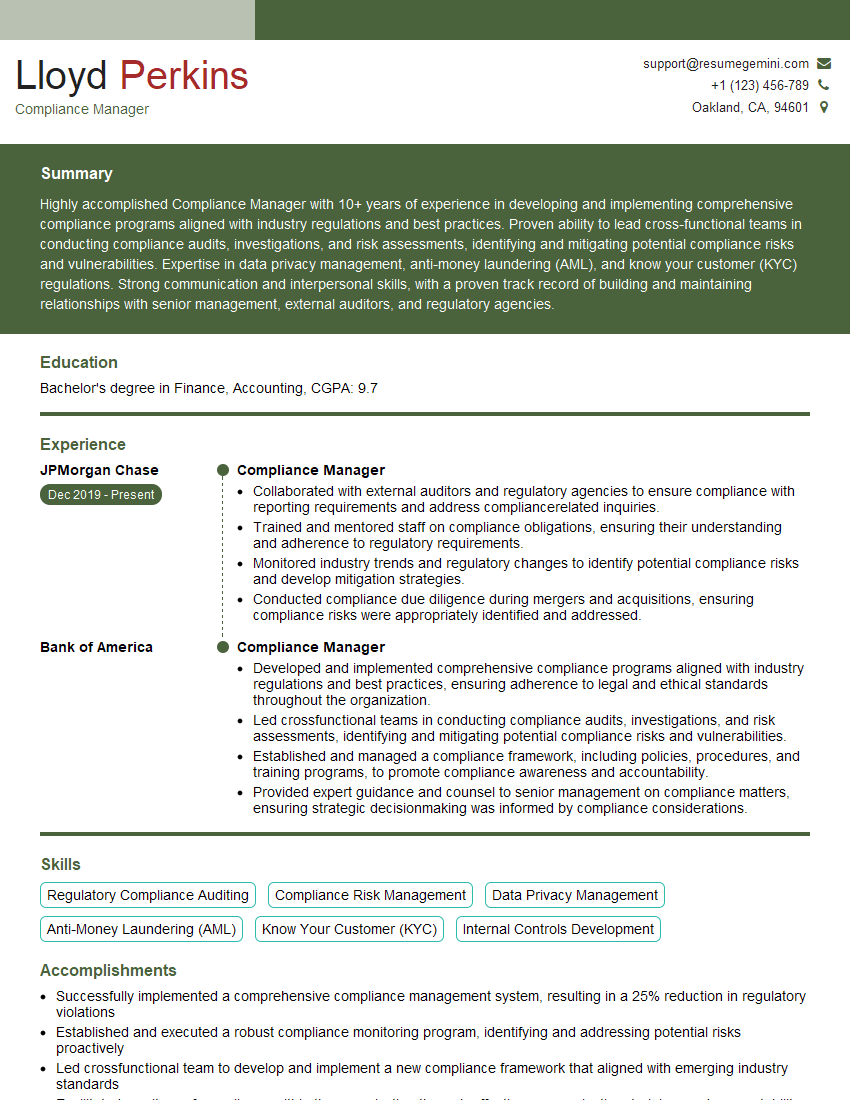
Compliance Manager Resume Sample
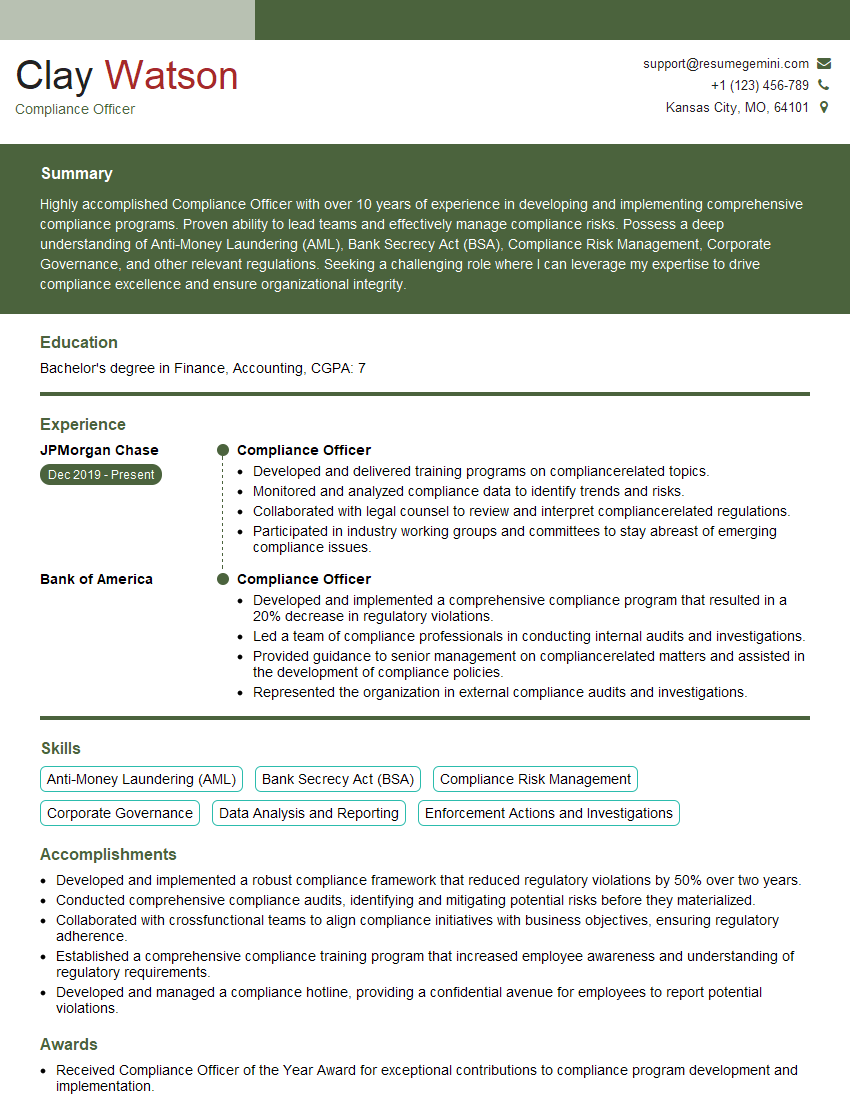
Compliance Officer Resume Sample
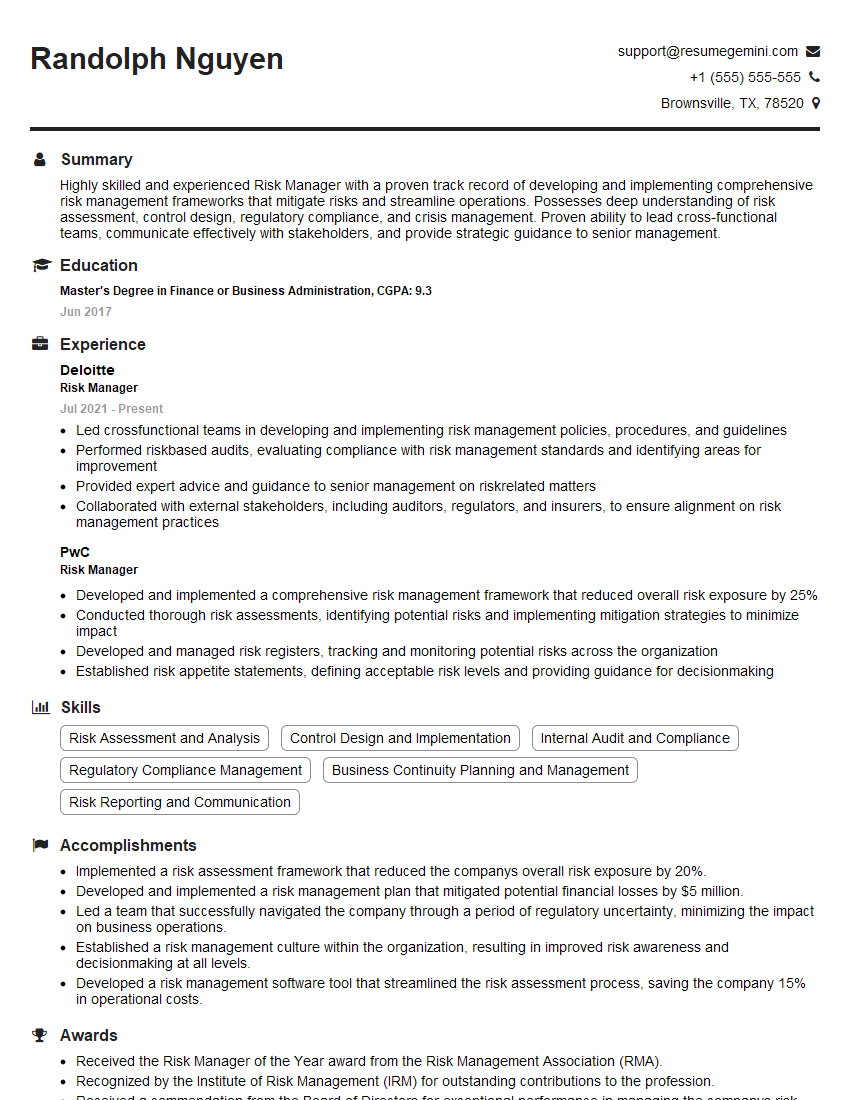
Risk Manager Resume Sample
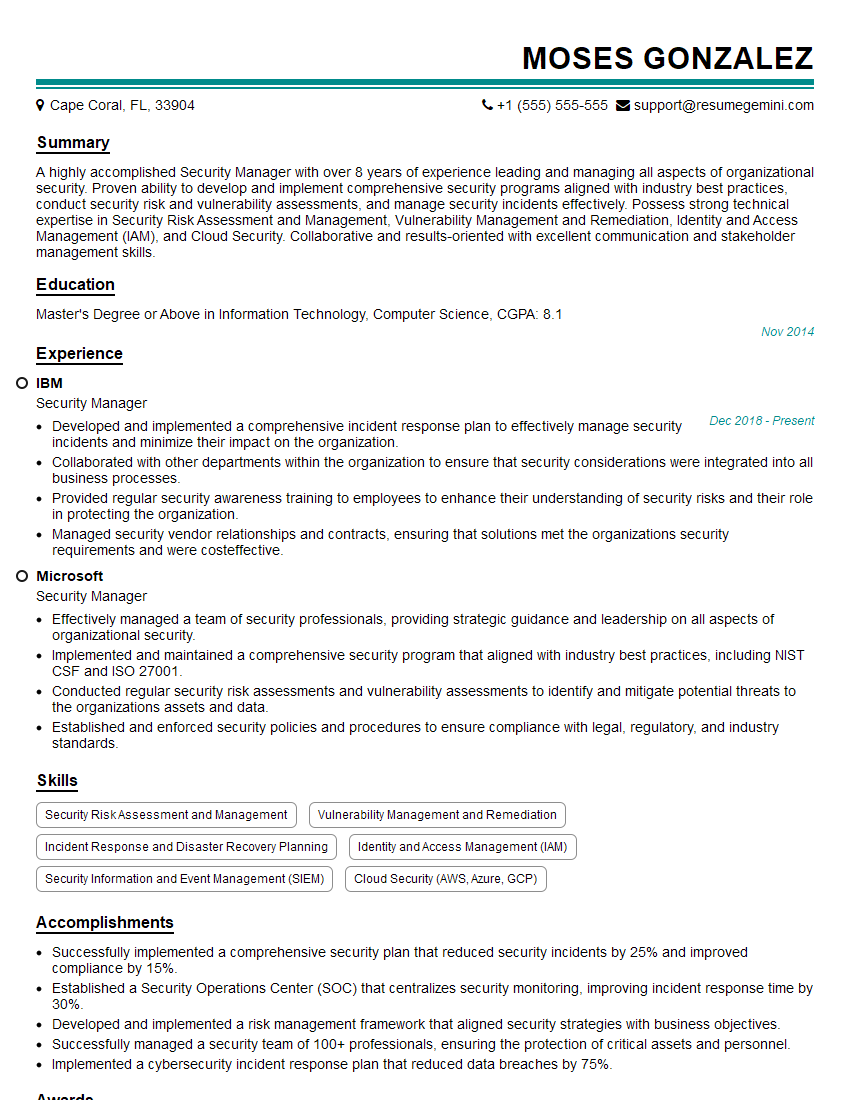
Security Manager Resume Sample
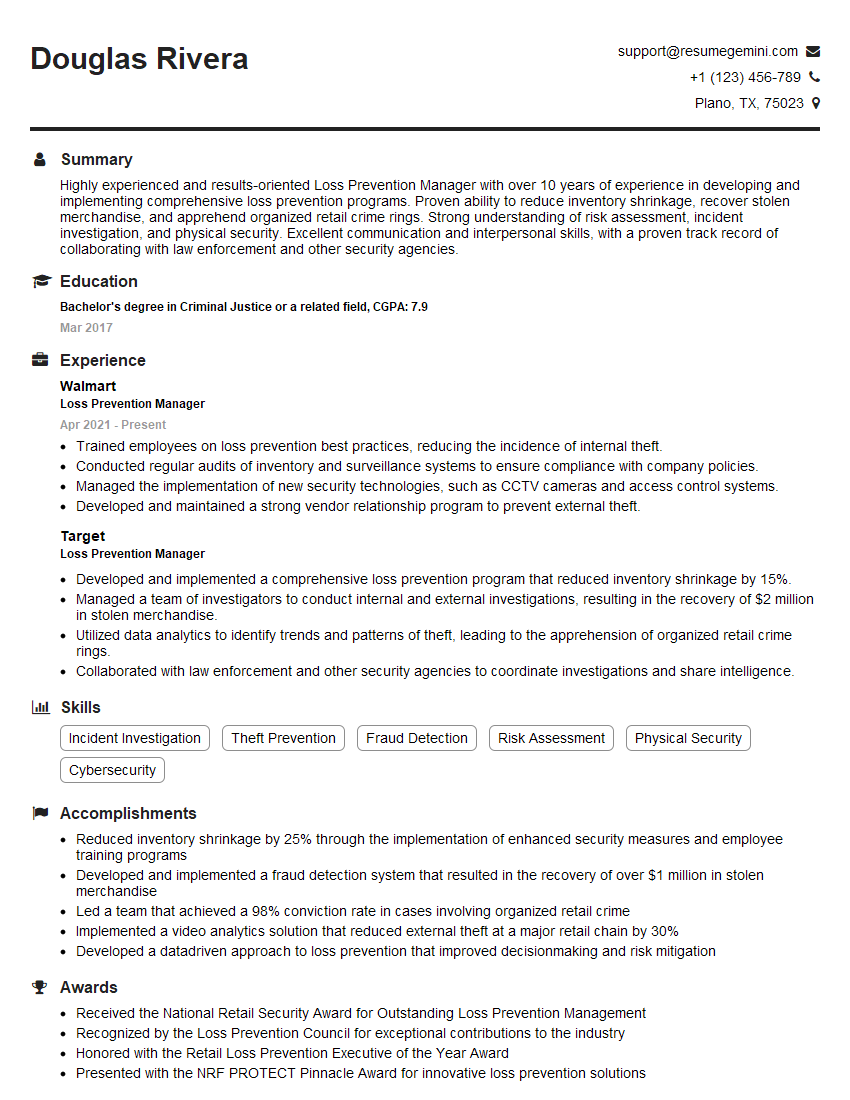
Loss Prevention Manager Resume Sample
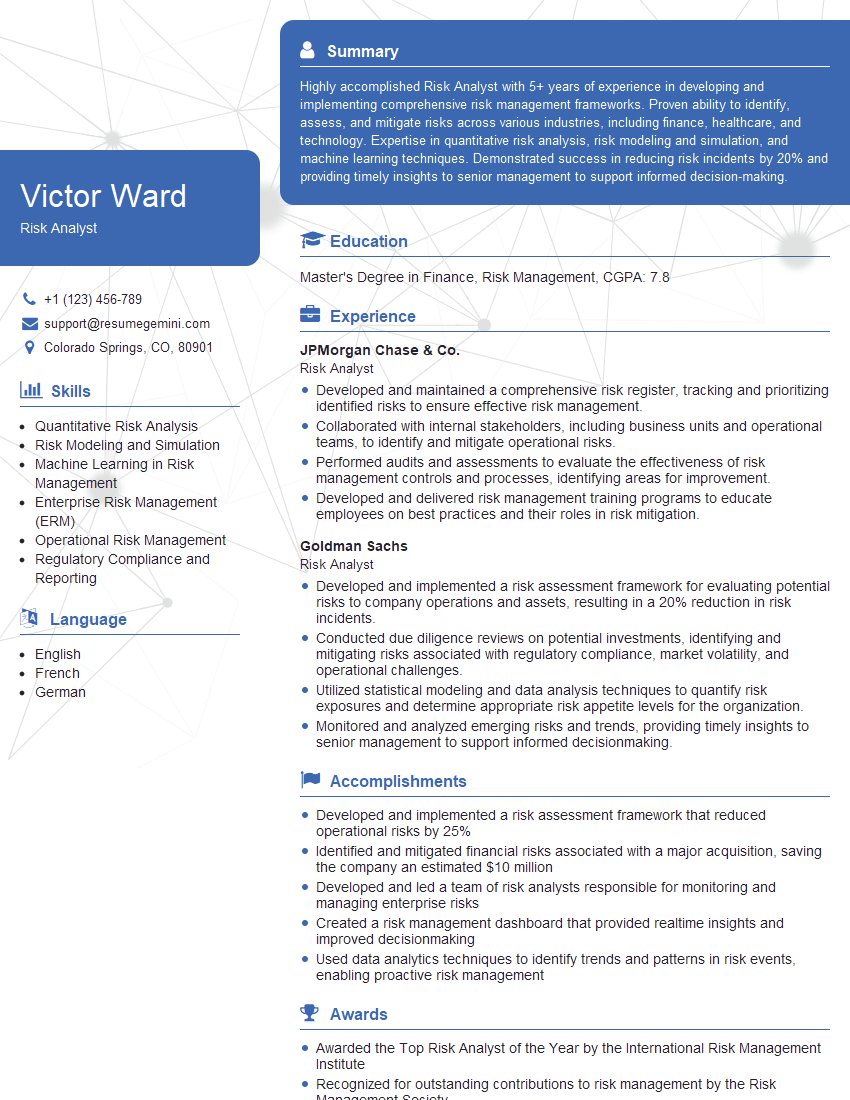
Risk Analyst Resume Sample
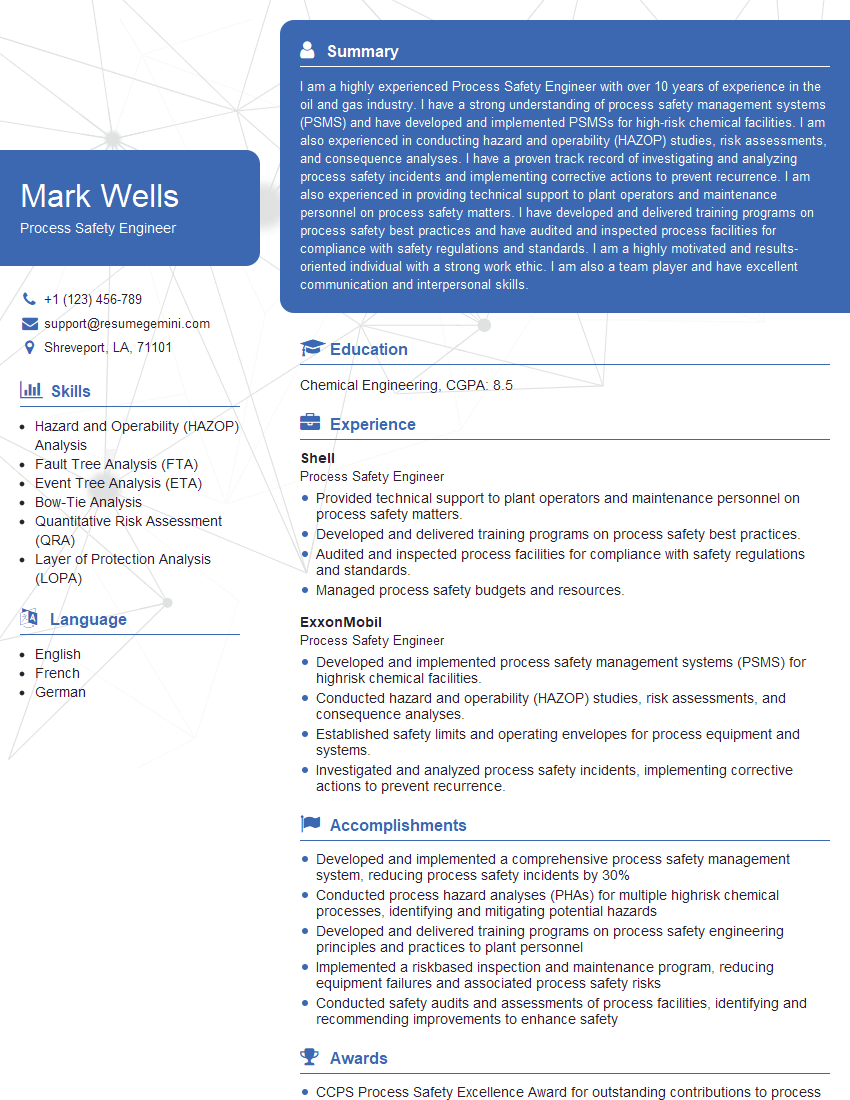
Process Safety Engineer Resume Sample
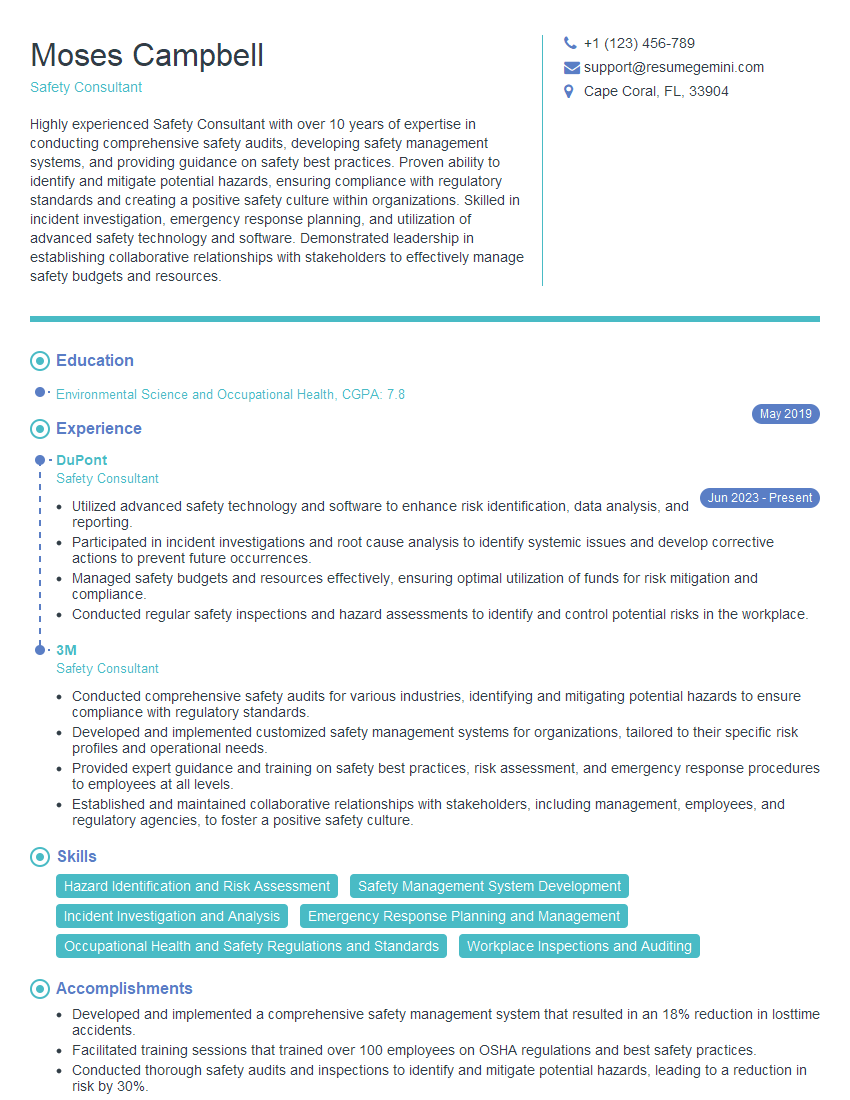
Safety Consultant Resume Sample
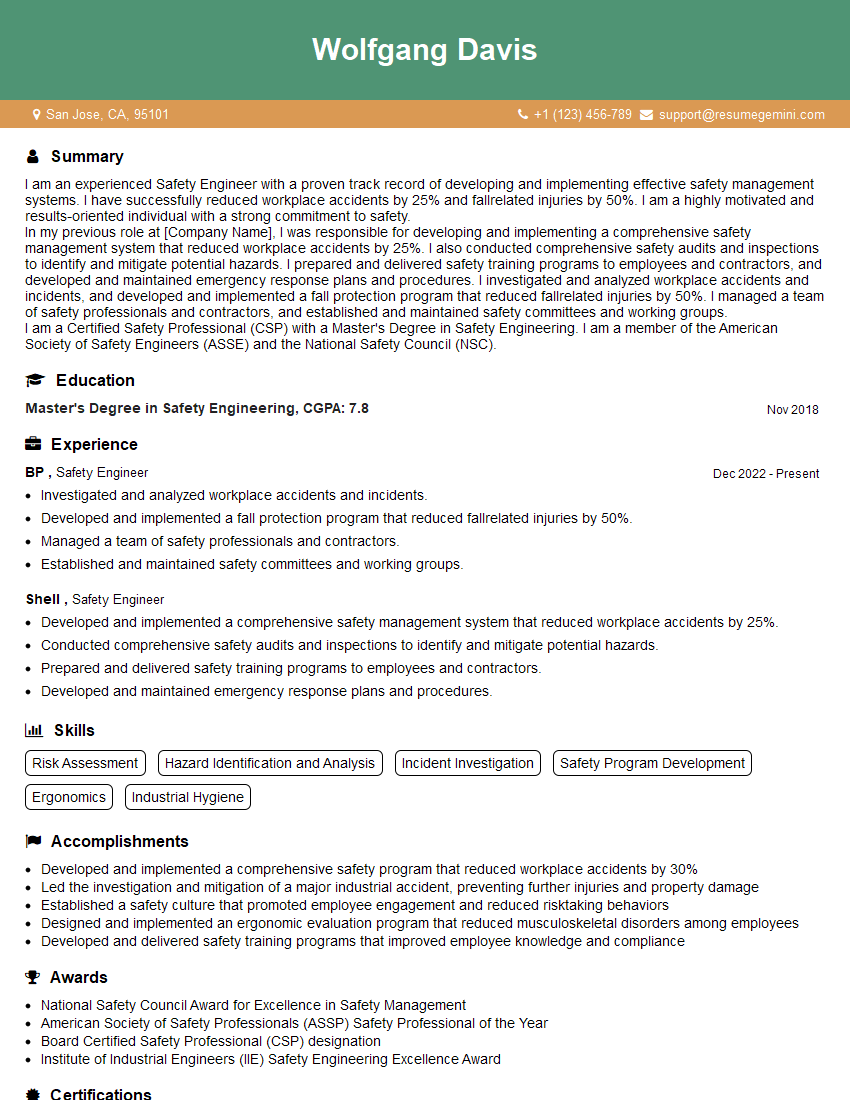
Safety Engineer Resume Sample
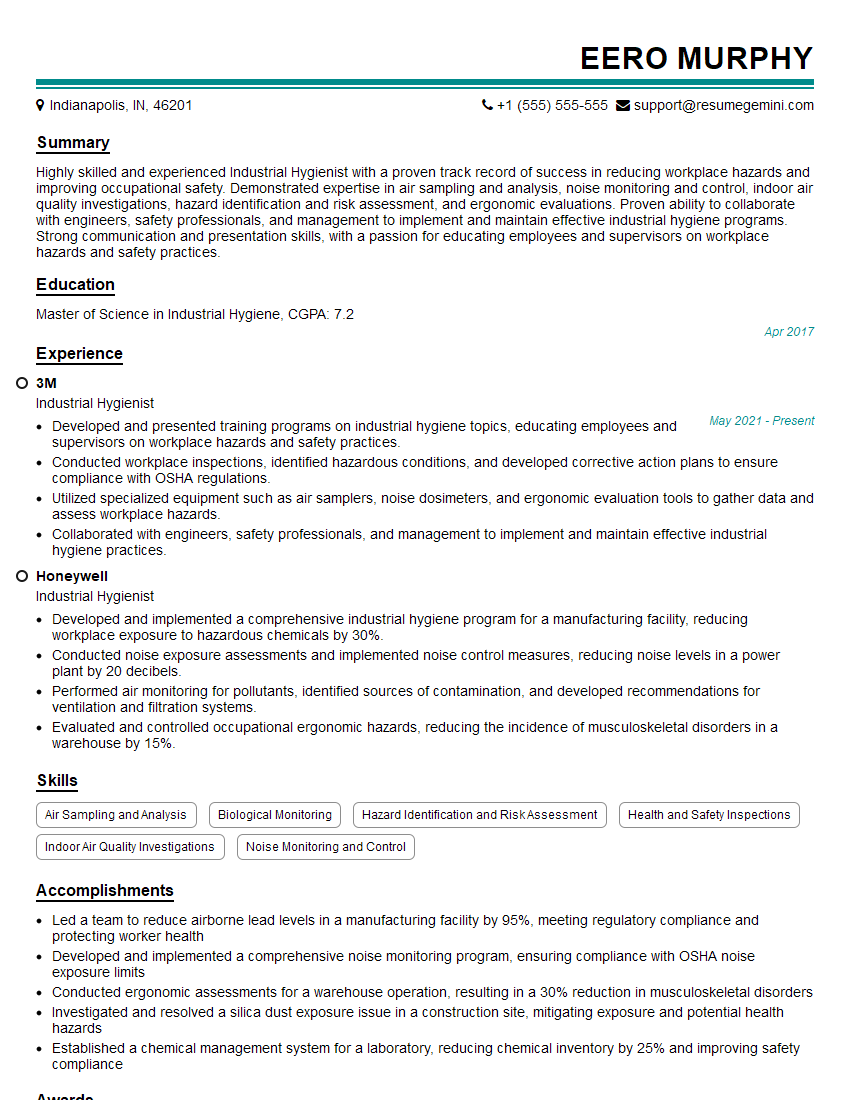
Industrial Hygienist Resume Sample
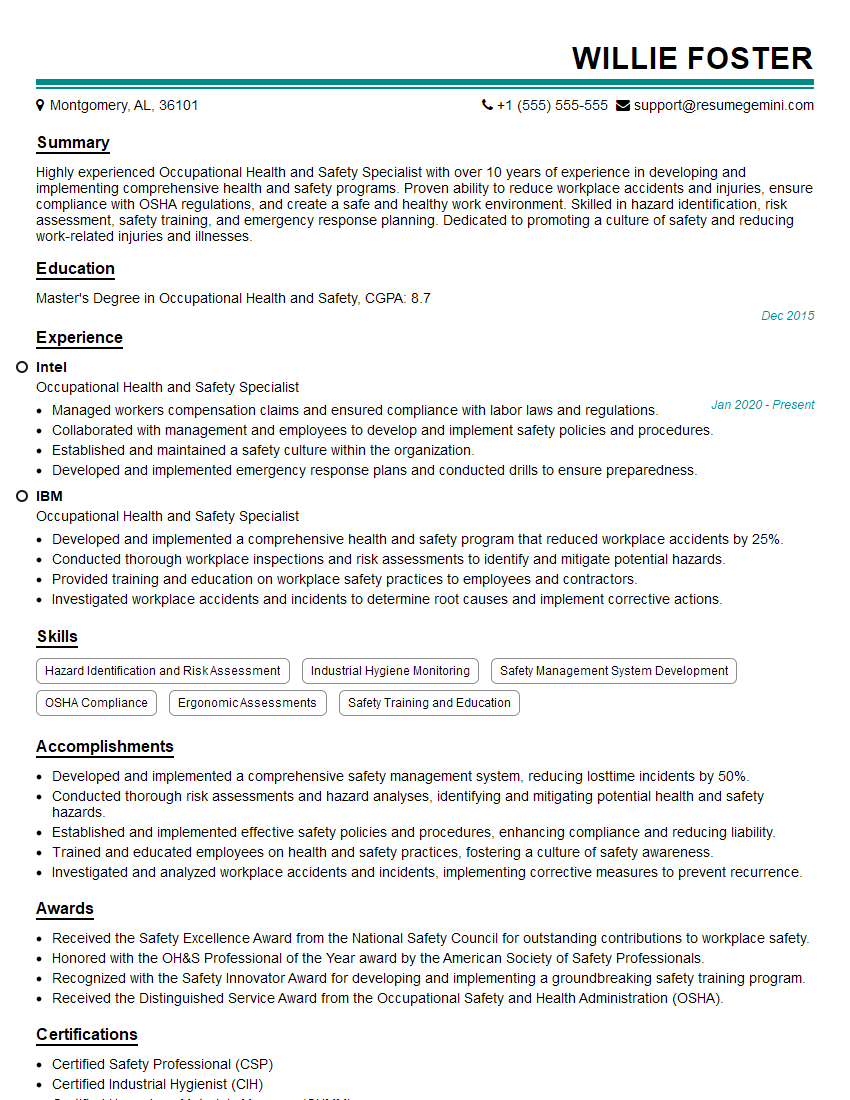
Occupational Health and Safety Specialist Resume Sample
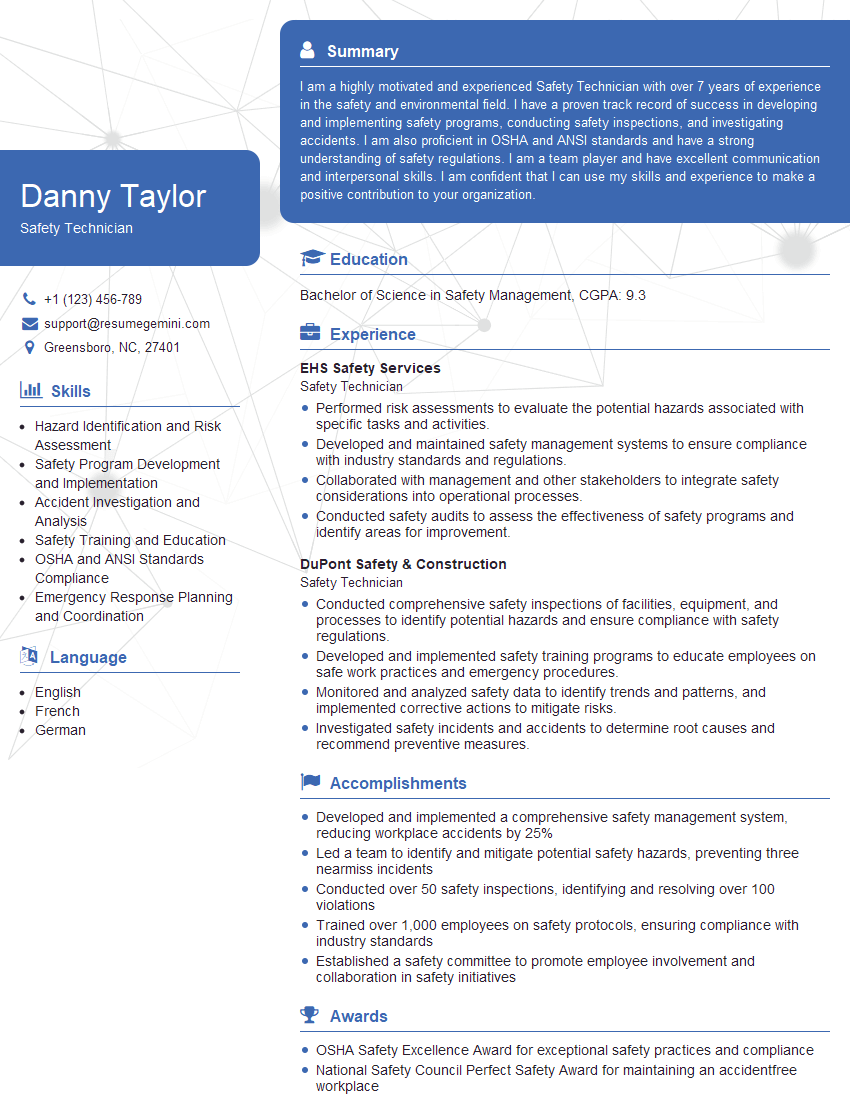
Safety Technician Resume Sample
- Safety Manager
- Safety Director
- Emergency Management Coordinator
- Environmental Health and Safety Manager
- Compliance Manager
- Compliance Officer
- Risk Manager
- Security Manager
- Loss Prevention Manager
- Risk Analyst
- Process Safety Engineer
- Safety Consultant
- Safety Engineer
- Industrial Hygienist
- Occupational Health and Safety Specialist
- Safety Technician
Explore more articles
Users Rating of Our Blogs
Share Your Experience
We value your feedback! Please rate our content and share your thoughts (optional).
What Readers Say About Our Blog
Very informative content, great job.
good