Interviews are opportunities to demonstrate your expertise, and this guide is here to help you shine. Explore the essential Safety-Conscious Mindset interview questions that employers frequently ask, paired with strategies for crafting responses that set you apart from the competition.
Questions Asked in Safety-Conscious Mindset Interview
Q 1. Describe your approach to identifying and assessing workplace hazards.
Identifying and assessing workplace hazards requires a systematic and proactive approach. I utilize a multi-faceted strategy that combines hazard recognition techniques with a robust risk assessment methodology. This begins with a thorough walkthrough of the workplace, engaging all levels of staff to gather perspectives. We then use techniques like Job Safety Analysis (JSA) to break down tasks, identifying potential hazards at each step. For instance, in a manufacturing setting, a JSA for operating a machine would identify hazards such as pinch points, moving parts, and exposure to high noise levels. We would then use a risk matrix to assess the likelihood and severity of each hazard, prioritizing those posing the greatest risk for mitigation. This matrix considers factors like frequency of exposure, potential for injury, and controllability. The final step is documentation—clearly outlining identified hazards, their risk levels, and the control measures implemented. This forms the basis for our ongoing safety program.
Q 2. Explain your understanding of proactive vs. reactive safety measures.
Proactive safety measures aim to prevent accidents before they occur, while reactive measures address accidents after they happen. Think of it like this: proactive safety is like preventative maintenance on a car—regular check-ups and oil changes to prevent breakdowns. Reactive safety is like fixing a flat tire after it’s already happened. Proactive measures include things like regular safety inspections, implementing robust safety training programs, providing personal protective equipment (PPE), and designing jobs with safety in mind. Reactive measures, on the other hand, involve investigating accidents, implementing corrective actions, and updating safety procedures based on lessons learned. While reactive measures are essential, a truly safety-conscious organization prioritizes proactive measures to minimize the likelihood of accidents happening in the first place. For example, proactively implementing machine guarding significantly reduces the risk of workplace injuries compared to reactively addressing injuries after they occur due to unguarded machinery.
Q 3. How do you ensure compliance with relevant safety regulations and standards?
Ensuring compliance is paramount. My approach involves a multi-pronged strategy. First, we identify all relevant safety regulations and standards applicable to our operations. This might include OSHA regulations in the US, or equivalent standards in other countries. Second, we develop and implement internal procedures and policies that explicitly meet or exceed these standards. This isn’t just a matter of ticking boxes; we integrate compliance into our daily operations. We use tools like regular audits and inspections to verify that these procedures are being followed. Furthermore, we utilize training programs to educate employees about relevant regulations and their responsibilities in maintaining compliance. Finally, we maintain detailed records of all safety-related activities, including training records, inspection reports, and any corrective actions taken. This ensures transparency and allows for continuous improvement in our safety management system.
Q 4. What methods do you use to communicate safety information effectively to diverse teams?
Effective communication is crucial. I tailor my communication style to the audience. This means using different methods for different groups. For example, I might use brief, visual aids for a production line team, while utilizing more detailed presentations for management. We use a variety of methods including safety meetings, toolbox talks (short safety discussions at the start of work), posters, email updates, and even interactive safety training modules. Crucially, we encourage feedback and create a culture where employees feel comfortable reporting hazards or concerns without fear of reprisal. We utilize multiple languages and various communication styles to cater to our diverse workforce, ensuring everyone understands and feels safe.
Q 5. How do you develop and implement safety training programs?
Developing effective safety training involves a needs analysis to identify knowledge gaps and specific training requirements. This is followed by the design and development of training materials, selecting appropriate training methods (classroom, online, hands-on), and selecting qualified trainers. Training programs should be engaging, relevant, and tailored to the specific hazards and tasks performed by employees. We use a blended learning approach, combining classroom sessions with practical demonstrations and simulations. For instance, training on operating forklifts would include classroom instruction on safety procedures, followed by hands-on training in a controlled environment. Finally, we evaluate the effectiveness of our training programs through assessments, feedback mechanisms, and observation of on-the-job performance to ensure continuous improvement.
Q 6. Describe your experience in conducting safety inspections and audits.
I have extensive experience conducting safety inspections and audits, using a structured checklist approach that covers all aspects of the workplace—from equipment and machinery to working conditions and employee practices. These inspections are not simply about identifying non-compliances; they are opportunities to observe the overall safety culture. I utilize a combination of planned inspections and unannounced spot checks to ensure comprehensive coverage. During inspections, I document all findings, including photographs and detailed descriptions of hazards or non-compliances. Based on the inspection results, I generate detailed reports with recommendations for corrective actions, prioritizing those addressing high-risk hazards. These reports are shared with relevant personnel and management, and progress towards implementing corrective actions is closely monitored. Furthermore, I actively engage in regular audits of our safety management system, ensuring it’s effective and aligned with best practices and legal requirements.
Q 7. Explain your process for investigating and reporting workplace accidents.
Investigating workplace accidents is a critical process aimed at identifying root causes and preventing recurrence. I follow a systematic approach, beginning with securing the accident scene and providing first aid if necessary. I then gather information from various sources, including witnesses, injured parties (if possible), and reviewing any available documentation (e.g., incident reports, maintenance records). I use techniques like ‘5 Whys’ to delve deeper into the root causes of the accident, going beyond superficial explanations. For example, if a worker fell from a ladder, the ‘5 Whys’ might reveal that the fall was caused by a faulty ladder, which was caused by inadequate maintenance, which was caused by insufficient training, etc. My final step involves creating a comprehensive accident report, detailing the circumstances, root causes, and recommended corrective and preventative actions. This report is shared with relevant parties and used to update safety procedures, training materials, and risk assessments to prevent similar accidents from occurring in the future.
Q 8. How do you encourage a positive safety culture within a team?
Building a positive safety culture isn’t about posting rules; it’s about fostering a shared commitment to safety. It starts with leadership visibly championing safety, making it a core value, not just a policy. This means leading by example, actively participating in safety discussions, and rewarding safe behavior.
- Open Communication: Create an environment where everyone feels comfortable reporting near misses, hazards, or concerns without fear of reprisal. Regular safety meetings, toolbox talks, and anonymous reporting systems are crucial.
- Training and Education: Provide comprehensive and engaging safety training tailored to different roles and responsibilities. Refreshers are key, ensuring everyone stays up-to-date on best practices.
- Recognition and Rewards: Publicly acknowledge and reward individuals and teams who demonstrate exemplary safety practices. This could include awards, certificates, or simply a sincere expression of appreciation.
- Proactive Hazard Identification: Encourage a culture of proactive hazard identification, where everyone is actively looking for potential dangers and suggesting improvements. Regular safety audits and inspections are essential here.
- Continuous Improvement: Regularly review safety performance, identify areas for improvement, and implement corrective actions. This should be a cyclical process of assessment, improvement, and reassessment.
For example, in a previous role, we implemented a peer-to-peer safety recognition program. Team members could nominate colleagues for safe work practices, fostering a sense of shared responsibility and creating a positive reinforcement loop.
Q 9. Describe a time you had to address a safety concern that was not immediately apparent.
During a project involving high-voltage equipment, I noticed a subtle shift in team dynamics. While everyone adhered to the written safety procedures, I observed a growing complacency and a reduced level of caution during routine tasks. This wasn’t a blatant violation, but a gradual erosion of safety awareness. It wasn’t immediately apparent as a significant hazard, but it presented a considerable long-term risk.
My approach involved several steps:
- Informal Conversations: I initiated informal conversations with team members, actively listening to their concerns and perspectives. This helped identify the root cause – a combination of project pressure and repetitive tasks leading to a sense of overconfidence.
- Refresher Training: We conducted a targeted refresher training session focusing on the potential consequences of even seemingly minor errors involving high-voltage equipment, emphasizing the cumulative effects of small oversights.
- Process Improvement: We adjusted the workflow to incorporate additional checks and balances, reducing the potential for errors caused by routine tasks. This involved streamlining processes and eliminating unnecessary steps.
- Reinforced Safety Culture: We re-emphasized the importance of maintaining a vigilant safety attitude, even during routine tasks, through daily toolbox talks and open discussions.
The result was a renewed focus on safety, a reduction in near misses, and a stronger, more safety-conscious team.
Q 10. How do you prioritize safety risks based on likelihood and severity?
Prioritizing safety risks involves a risk assessment process that considers both the likelihood and severity of potential hazards. This is often represented using a risk matrix.
A simple risk matrix uses a scale (e.g., low, medium, high) for both likelihood and severity. The combination determines the overall risk level:
- Low Likelihood, Low Severity: Low risk. Monitor but may not require immediate action.
- Low Likelihood, High Severity: Medium risk. Requires mitigation strategies, even if unlikely.
- High Likelihood, Low Severity: Medium risk. Requires mitigation strategies, even if the consequences are minor.
- High Likelihood, High Severity: High risk. Requires immediate and significant mitigation strategies. May necessitate work stoppage until addressed.
Example:
Consider a chemical spill. If the chemical is mildly irritating (low severity) and spills are infrequent (low likelihood), the risk is low. However, if the chemical is highly toxic (high severity) and spills are frequent (high likelihood), the risk is extremely high, demanding immediate action like improved storage, stricter handling procedures, and emergency response training.
More sophisticated risk matrices use numerical scales for a more precise assessment.
Q 11. What are some effective strategies for reducing human error in the workplace?
Reducing human error is a multi-faceted challenge requiring a combination of strategies. It’s not about blaming individuals; it’s about understanding the systemic factors contributing to errors.
- Improved Design and Ergonomics: Designing workplaces and tools to be user-friendly and intuitive reduces the likelihood of mistakes. This includes ergonomic design to minimize physical strain and fatigue.
- Standard Operating Procedures (SOPs): Clear, concise, and readily available SOPs guide workers through tasks consistently, minimizing deviations and errors.
- Checklists and Verification Procedures: Implementing checklists at crucial steps and incorporating verification procedures ensures tasks are completed accurately and safely.
- Automation and Technology: Automating repetitive or error-prone tasks can significantly reduce human error. This can include using automated systems for data entry or machinery controls.
- Training and Competency Assessment: Providing thorough training and regularly assessing worker competence ensures they have the knowledge and skills to perform their tasks safely.
- Fatigue Management: Addressing fatigue through appropriate work schedules, rest breaks, and rotating shifts can dramatically improve performance and safety.
- Human Factors Engineering: Applying principles of human factors engineering takes into account human limitations and cognitive biases when designing systems and processes.
For instance, a checklist before starting heavy machinery could prevent serious incidents.
Q 12. Explain your understanding of different types of personal protective equipment (PPE).
Personal Protective Equipment (PPE) is crucial for safeguarding workers from hazards. Different types of PPE cater to various risks:
- Eye and Face Protection: Safety glasses, goggles, face shields protect against impacts, chemical splashes, and radiation.
- Hearing Protection: Earplugs and earmuffs reduce exposure to excessive noise levels, preventing hearing damage.
- Respiratory Protection: Respirators filter out airborne contaminants, protecting against dust, fumes, gases, and vapors. Different respirator types exist for various hazards.
- Head Protection: Hard hats protect against falling objects, impacts, and electrical hazards.
- Hand Protection: Gloves protect against cuts, abrasions, chemical exposure, and burns. Different materials (e.g., leather, nitrile) offer protection against specific hazards.
- Foot Protection: Safety shoes or boots protect feet from punctures, crushing, and electrical hazards.
- Body Protection: Aprons, coveralls, and other protective clothing shield against chemical splashes, burns, and cuts.
Choosing the right PPE depends on the specific hazards present in the workplace. Proper training on how to use and maintain PPE is essential.
Q 13. How do you ensure that safety procedures are followed consistently?
Ensuring consistent adherence to safety procedures requires a multi-pronged approach focusing on both enforcement and engagement.
- Clear Communication and Training: Procedures must be clearly communicated, easily understood, and regularly reinforced through training programs.
- Regular Audits and Inspections: Conducting regular audits and inspections verifies adherence to procedures and identifies areas needing improvement.
- Feedback Mechanisms: Establish systems for feedback, allowing workers to report non-compliance or suggest improvements to procedures.
- Consequences for Non-Compliance: Establish clear and fair consequences for non-compliance, ensuring that safety procedures are taken seriously.
- Leadership Commitment: Leadership must visibly support and enforce safety procedures. This sends a strong message that safety is a priority.
- Technology and Automation: Technology can be used to monitor compliance and provide alerts for potential violations.
For instance, regular safety audits combined with worker feedback forms can create a continuous improvement cycle, ensuring procedures are effective and followed consistently.
Q 14. What is your approach to managing safety risks during project planning?
Safety risk management is integral to effective project planning. It shouldn’t be an afterthought; it should be embedded from the outset.
- Hazard Identification: Identify all potential hazards associated with the project, from initial design through completion. Use techniques like HAZOP (Hazard and Operability Study) or What-If analysis.
- Risk Assessment: Assess the likelihood and severity of each identified hazard using a risk matrix (as described earlier).
- Risk Control Measures: Develop and implement control measures to eliminate or reduce the risks. This may involve engineering controls (e.g., guarding machinery), administrative controls (e.g., work permits), or PPE.
- Emergency Planning: Develop contingency plans for potential emergencies, outlining procedures for response and evacuation.
- Communication and Training: Communicate the identified hazards and control measures to all project personnel. Provide appropriate safety training.
- Monitoring and Review: Monitor the effectiveness of the control measures throughout the project lifecycle and review the risk assessment as needed.
By proactively addressing safety risks during planning, you can minimize incidents, improve productivity, and protect your team.
Q 15. How do you measure the effectiveness of safety programs?
Measuring the effectiveness of safety programs isn’t a simple task; it requires a multifaceted approach. We can’t solely rely on the absence of incidents, as that’s a lagging indicator. Instead, we need to assess leading indicators that predict future performance. This includes tracking key metrics across several domains.
Leading Indicators: These anticipate problems before they occur. Examples include the number of safety training hours completed, the frequency of safety audits and inspections, the number of near misses reported, employee safety survey results reflecting perceptions of safety, and proactive identification of hazards through job safety analysis (JSA).
Lagging Indicators: These reflect past performance and include the number and severity of accidents, lost-time injury rates (LTIR), and total recordable incident rates (TRIR). While important, they only tell part of the story.
Behavioral Observations: Observing workers’ adherence to safety procedures, use of PPE, and reporting of hazards provides valuable insights into the program’s effectiveness. This might involve conducting safety observations using a structured checklist.
Data Analysis: Regularly analyzing the data collected from leading and lagging indicators helps identify trends, pinpoint areas needing improvement, and track the program’s overall effectiveness. This should incorporate statistical methods to identify correlations and significant patterns.
Ultimately, a comprehensive approach combines qualitative and quantitative data to create a holistic picture of safety program performance. For example, a low TRIR might seem positive, but high near-miss reporting could reveal a culture where hazards are identified but not effectively mitigated. This would indicate a need for improved hazard control and training.
Career Expert Tips:
- Ace those interviews! Prepare effectively by reviewing the Top 50 Most Common Interview Questions on ResumeGemini.
- Navigate your job search with confidence! Explore a wide range of Career Tips on ResumeGemini. Learn about common challenges and recommendations to overcome them.
- Craft the perfect resume! Master the Art of Resume Writing with ResumeGemini’s guide. Showcase your unique qualifications and achievements effectively.
- Don’t miss out on holiday savings! Build your dream resume with ResumeGemini’s ATS optimized templates.
Q 16. Describe a situation where you had to make a difficult decision related to safety.
In a previous role, we were implementing a new machine with automated processes. The initial risk assessment indicated potential for worker injury due to unexpected machine movements. The manufacturer’s safety protocols were insufficient, and the deadline for installation was rapidly approaching. The decision was whether to proceed with installation using the existing safety measures (which I felt were inadequate) or delay the project, facing potential financial penalties and project delays.
After thorough re-assessment with the team, we opted to delay installation. We engaged an independent safety consultant to review the design and recommend enhanced safety features. This cost time and money in the short term, but ultimately prevented potential serious injuries. It also demonstrated a commitment to safety that improved employee morale and trust. The revised safety measures included emergency stop buttons in multiple locations, light curtains to prevent access during operation, and comprehensive operator training.
Q 17. How familiar are you with the principles of hazard analysis and critical control points (HACCP)?
I’m very familiar with HACCP principles. HACCP, or Hazard Analysis and Critical Control Points, is a systematic, preventative approach to food safety. It identifies potential hazards throughout the food production process and establishes critical control points (CCPs) to prevent or eliminate those hazards. It’s a proactive system, rather than reactive, minimizing risk by addressing hazards before they affect the finished product.
The seven principles of HACCP are:
- Conduct a hazard analysis.
- Determine critical control points (CCPs).
- Establish critical limits for each CCP.
- Establish monitoring procedures for CCPs.
- Establish corrective actions to be taken when monitoring indicates that a CCP is not under control.
- Establish verification procedures to confirm that the HACCP system is working effectively.
- Establish record-keeping and documentation procedures.
While initially developed for food safety, the principles of HACCP are applicable to many other industries where safety is paramount. Its systematic approach to risk assessment and control can be adapted to manage hazards in diverse settings.
Q 18. Describe your experience with safety management systems (SMS).
My experience with Safety Management Systems (SMS) is extensive. I’ve been involved in developing, implementing, and auditing SMS across various industries. An SMS is a holistic approach to managing safety, encompassing policy, procedures, and practices designed to proactively identify and mitigate risks. A well-designed SMS is cyclical, continually improving through data analysis and feedback.
My experience includes:
- Developing and implementing SMS documentation, including safety policies, procedures, and training materials.
- Conducting regular safety audits and inspections to ensure compliance with established procedures.
- Investigating incidents and near misses to identify root causes and implement corrective actions.
- Working with teams to conduct hazard identification and risk assessments (HIRAs).
- Developing and delivering safety training programs for employees at all levels.
- Using SMS data to track key safety performance indicators (KPIs) and identify trends.
I’m particularly proficient in using data-driven insights to improve safety performance. I believe in a proactive, preventative approach rather than reactive measures. My goal is to build a strong safety culture, where everyone is actively involved in identifying and reporting hazards.
Q 19. What are your thoughts on the role of leadership in fostering a safety culture?
Leadership plays a pivotal role in fostering a safety culture. It starts at the top, with visible commitment from senior management. Leaders must demonstrate a genuine concern for employee well-being and safety, making it a core value within the organization. This involves more than simply stating the importance of safety; it requires consistent action.
Key aspects of leadership in safety include:
- Leading by Example: Leaders must adhere to safety rules and procedures, setting a positive example for employees.
- Resource Allocation: Sufficient resources must be allocated to safety initiatives, including training, equipment, and personnel.
- Accountability: Leaders must hold themselves and others accountable for maintaining safe work practices.
- Open Communication: Creating an environment where employees feel comfortable reporting hazards and concerns without fear of reprisal.
- Promoting a Culture of Learning: Encouraging the reporting and investigation of near misses to learn from mistakes and prevent future incidents.
When leadership is genuinely committed, employees feel valued and respected, leading to increased engagement in safety programs. A strong safety culture doesn’t just reduce accidents; it improves productivity, morale, and the overall success of the organization.
Q 20. How do you stay current on best practices and emerging safety trends?
Staying current in safety is crucial. I utilize several strategies to remain up-to-date on best practices and emerging trends:
- Professional Organizations: Active membership in organizations like the American Society of Safety Professionals (ASSP) or equivalent provides access to publications, conferences, and networking opportunities.
- Industry Publications and Journals: Regularly reading publications such as professional journals and industry-specific magazines keeps me abreast of the latest research, regulations, and best practices.
- Conferences and Workshops: Attending industry conferences and workshops provides opportunities to learn from experts and network with other professionals.
- Online Resources: Utilizing reputable online resources, such as government safety agencies’ websites, and professional organizations’ websites, to access updated information and guidance.
- Networking: Maintaining a network of contacts within the safety profession facilitates the exchange of information and best practices.
Continuous learning is essential, ensuring that my knowledge remains relevant and I can effectively address emerging safety challenges.
Q 21. What are the key elements of a successful safety training program?
A successful safety training program is more than just a box-ticking exercise. It must be engaging, relevant, and tailored to the specific needs and risks of the workplace. Key elements include:
- Needs Assessment: A thorough needs assessment to identify the specific safety knowledge and skills gaps of employees.
- Interactive and Engaging Methods: Utilizing a variety of training methods, such as interactive simulations, hands-on exercises, and case studies, to enhance engagement and knowledge retention.
- Relevant Content: Training content that is directly relevant to the specific hazards and risks faced by employees in their daily tasks. Generic training is often ineffective.
- Regular Reinforcement: Providing regular reinforcement of training through toolbox talks, refresher courses, and ongoing communication.
- Assessment and Evaluation: Regular assessment of training effectiveness through testing, observation, and feedback to identify areas needing improvement.
- Practical Application: Emphasis on the practical application of training in the workplace through observation and coaching.
- Documentation: Thorough documentation of training records and completion certificates.
A well-designed safety training program empowers employees to work safely, reducing the risk of accidents and fostering a strong safety culture.
Q 22. Describe your experience with incident investigation and root cause analysis.
Incident investigation and root cause analysis are crucial for preventing future incidents. My approach involves a systematic process, starting with securing the scene and gathering all relevant evidence – witness statements, photos, videos, and equipment data. I then use various techniques like the ‘5 Whys’ to drill down to the root cause, going beyond simply identifying the immediate cause to uncovering underlying systemic issues. For example, in investigating a near-miss fall from a ladder, the immediate cause might be a damaged rung. However, the root cause could be inadequate inspection procedures or a lack of training on proper ladder safety.
I also utilize fault tree analysis (FTA) and fishbone diagrams to visually map contributing factors and identify potential failure points. This helps to understand the complex interplay of events leading to the incident. Finally, I document all findings in a comprehensive report, including recommendations for corrective and preventive actions. These recommendations go beyond simply fixing the immediate problem to addressing the systemic issues identified during the analysis.
Q 23. How do you balance productivity and safety concerns?
Balancing productivity and safety is a continuous challenge, but it’s not a zero-sum game. They are interconnected; a safe work environment boosts productivity by reducing downtime, accidents, and associated costs. My approach focuses on proactive measures rather than reactive ones. This means implementing robust safety programs that are integrated into the workflow, not seen as an add-on. For instance, incorporating regular safety checks into daily routines, providing appropriate personal protective equipment (PPE), and ensuring proper training are all essential.
I advocate for a culture where safety is valued equally with efficiency. This involves clear communication, setting realistic goals, and celebrating safe work practices. Using metrics, such as incident rates and near-miss reporting, we can monitor progress and identify areas for improvement, without compromising productivity. It’s about creating a system where safety is not just a checklist but an integral part of the work process itself. The investment in safety upfront is significantly smaller than dealing with the aftermath of an accident.
Q 24. How do you handle situations where safety concerns are met with resistance?
Resistance to safety concerns often stems from a lack of understanding, perceived inconvenience, or pressure to meet deadlines. My approach involves addressing these concerns directly through open communication and collaboration. I’d start by actively listening to understand their perspective. Then, I’d explain the potential risks clearly and concisely, emphasizing the potential consequences of neglecting safety protocols, not just in terms of injuries but also in productivity losses and legal liabilities. For example, if workers resist using safety harnesses, I would show them case studies of similar incidents and highlight the long-term cost of potential injuries—lost time, medical bills, and potential lawsuits.
Data and metrics can be powerful tools here. Showing concrete evidence of accidents or near-misses that could have been prevented with the suggested safety measure can be persuasive. Involving employees in the solution-finding process can also reduce resistance. Instead of imposing a safety measure, I’d work with them to find ways to implement it that minimize disruption to their workflow.
Q 25. How do you involve employees in safety programs and decision making?
Employee involvement is paramount to a successful safety program. I foster a culture of participation through various methods. Regular safety meetings, toolbox talks, and open forums provide platforms for employees to voice concerns and contribute ideas. Establishing a safety committee with representative employees empowers them to actively participate in decision-making. This committee could be responsible for conducting safety inspections, developing safety guidelines, and reviewing incident reports. Furthermore, providing safety training that is engaging and relevant, not just compliance-focused, makes employees feel valued and informed.
Incentivizing safe behaviors through recognition programs and rewards reinforces positive attitudes. Finally, creating a psychologically safe environment, where employees feel comfortable reporting hazards without fear of reprisal, is critical. Anonymous reporting systems and regular feedback mechanisms can encourage open communication and ensure everyone feels heard.
Q 26. Describe your experience with implementing safety improvements.
Implementing safety improvements requires a phased approach. I begin by identifying areas needing attention through data analysis of incident reports, near-misses, and risk assessments. Then, I prioritize these areas based on their risk level and potential impact. For example, if data shows a high incidence of slips, trips, and falls, improving floor maintenance and providing adequate lighting would be a high priority.
Implementing solutions involves careful planning, procurement of necessary equipment, and adequate employee training. For example, if implementing new machinery, it would involve thorough operator training on safe operating procedures and safety features. I also track the effectiveness of these changes by monitoring key metrics, such as accident rates, and adjusting our strategy as needed. The process is iterative, involving continuous monitoring and refinement based on performance data and feedback from employees.
Q 27. Explain your understanding of the hierarchy of safety controls.
The hierarchy of controls is a fundamental principle in safety management. It prioritizes eliminating hazards at their source, using the most effective control measure available. It proceeds from the most effective to the least effective, with each level serving as a backup for the levels above it. The hierarchy typically includes:
- Elimination: Removing the hazard entirely. (e.g., replacing a hazardous chemical with a safer alternative)
- Substitution: Replacing the hazard with something less hazardous. (e.g., using a less powerful machine)
- Engineering Controls: Isolating people from the hazard using physical barriers, guards, or other engineering solutions. (e.g., installing machine guards)
- Administrative Controls: Changing work practices or procedures to reduce exposure to the hazard. (e.g., implementing lockout/tagout procedures)
- Personal Protective Equipment (PPE): Providing employees with PPE to protect them from the hazard. (e.g., safety glasses, hard hats). This is the last resort, as it protects the person, not the hazard itself.
This hierarchy ensures that the most effective controls are implemented first, reducing reliance on less effective measures like PPE, which only protects the worker, not the source of the hazard. It’s a layered approach that offers multiple levels of protection.
Q 28. How do you use data and metrics to improve safety performance?
Data-driven decision making is essential for improving safety performance. I use leading indicators, such as the number of safety inspections conducted, training hours completed, and near-miss reports, to predict future performance and identify potential problems early. Lagging indicators, such as the number of accidents, lost-time injuries, and medical costs, show past performance and help evaluate the effectiveness of safety initiatives.
Key metrics I track include incident rates, severity rates, and lost-time injury frequency rates. I use data visualization techniques like charts and dashboards to present this information clearly and concisely. By analyzing trends in these metrics, we can identify areas requiring improvement and measure the effectiveness of interventions. For example, a sudden increase in near-miss reports could indicate a need for additional training or a review of safety procedures. This proactive approach, leveraging data analysis, ensures that safety improvements are targeted and effective, leading to a safer and more productive workplace.
Key Topics to Learn for a Safety-Conscious Mindset Interview
- Hazard Identification and Risk Assessment: Understanding proactive hazard identification techniques, including proactive risk assessments and utilizing various safety tools and methodologies.
- Proactive vs. Reactive Safety: Differentiate between proactive safety measures (preventative actions) and reactive safety measures (responses to incidents). Discuss the importance of a proactive approach and its impact on workplace culture.
- Safety Regulations and Compliance: Demonstrate familiarity with relevant safety regulations and compliance standards within your industry. Be prepared to discuss how you ensure adherence to these standards.
- Incident Reporting and Investigation: Explain your approach to reporting safety incidents, conducting thorough investigations, and implementing corrective actions to prevent recurrence.
- Safety Training and Communication: Discuss the importance of effective safety training programs and clear communication strategies for promoting a safety-conscious culture. Consider your role in educating and mentoring colleagues.
- Personal Protective Equipment (PPE): Explain the importance of proper PPE selection, use, and maintenance. Be prepared to discuss specific examples of PPE and its application in various scenarios.
- Emergency Response Procedures: Demonstrate knowledge of emergency response procedures, including evacuation plans, first aid, and communication protocols during emergencies.
- Continuous Improvement and Safety Audits: Discuss your approach to continuous improvement in safety practices, including the implementation of regular safety audits and the use of data analysis to identify trends and areas for improvement.
- Safety Culture and Leadership: Explain how to foster a positive safety culture within a team or organization. Discuss your role as a safety leader and how you motivate others to prioritize safety.
Next Steps
Mastering a safety-conscious mindset is crucial for career advancement in any industry. It demonstrates your commitment to a safe and productive work environment, highlighting your responsibility and leadership potential. To increase your job prospects, creating an ATS-friendly resume that effectively showcases these skills is essential. We highly recommend using ResumeGemini to build a professional and impactful resume that highlights your safety expertise. ResumeGemini provides examples of resumes tailored to Safety-Conscious Mindset roles to help guide you.
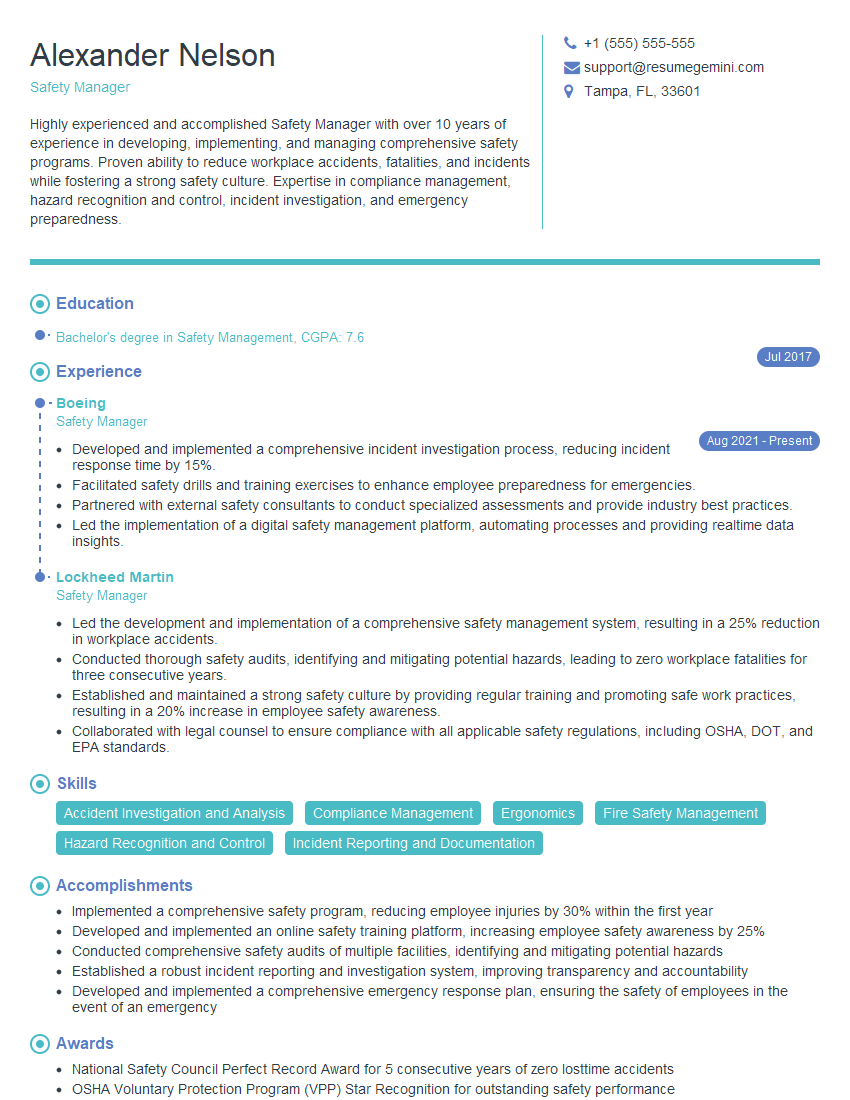
Safety Manager Resume Sample
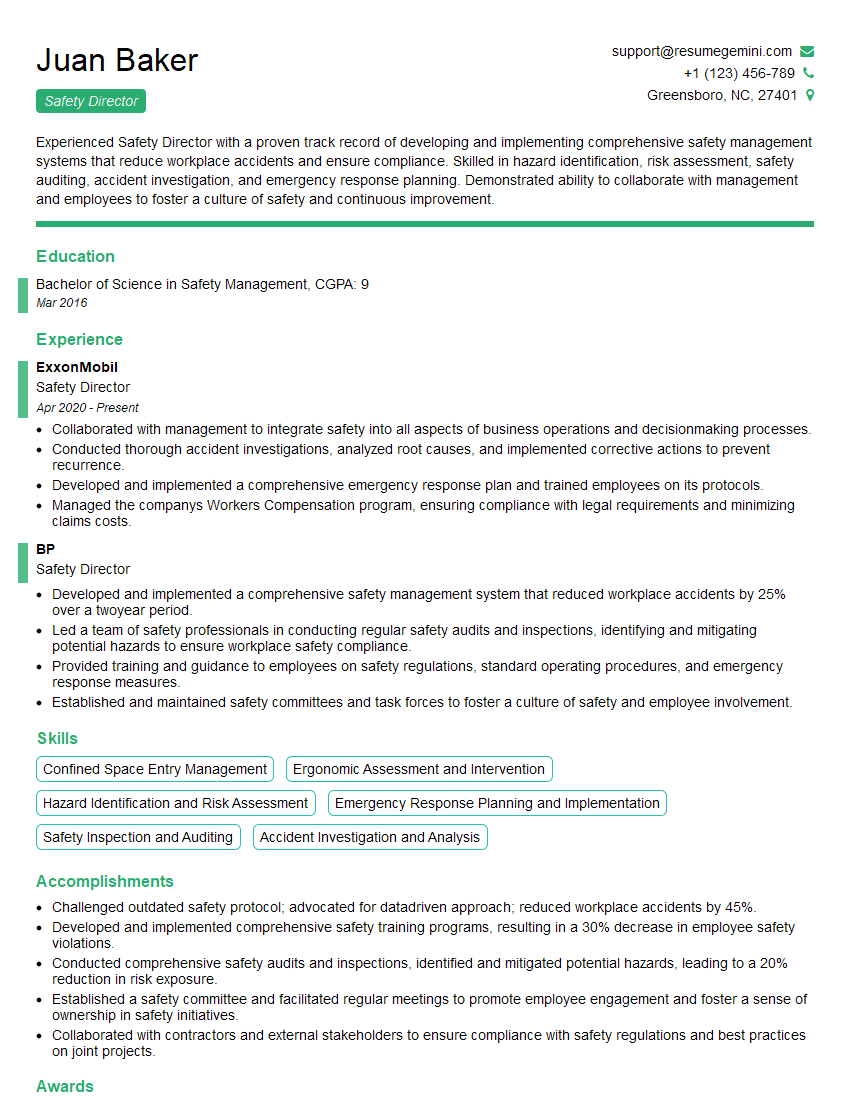
Safety Director Resume Sample
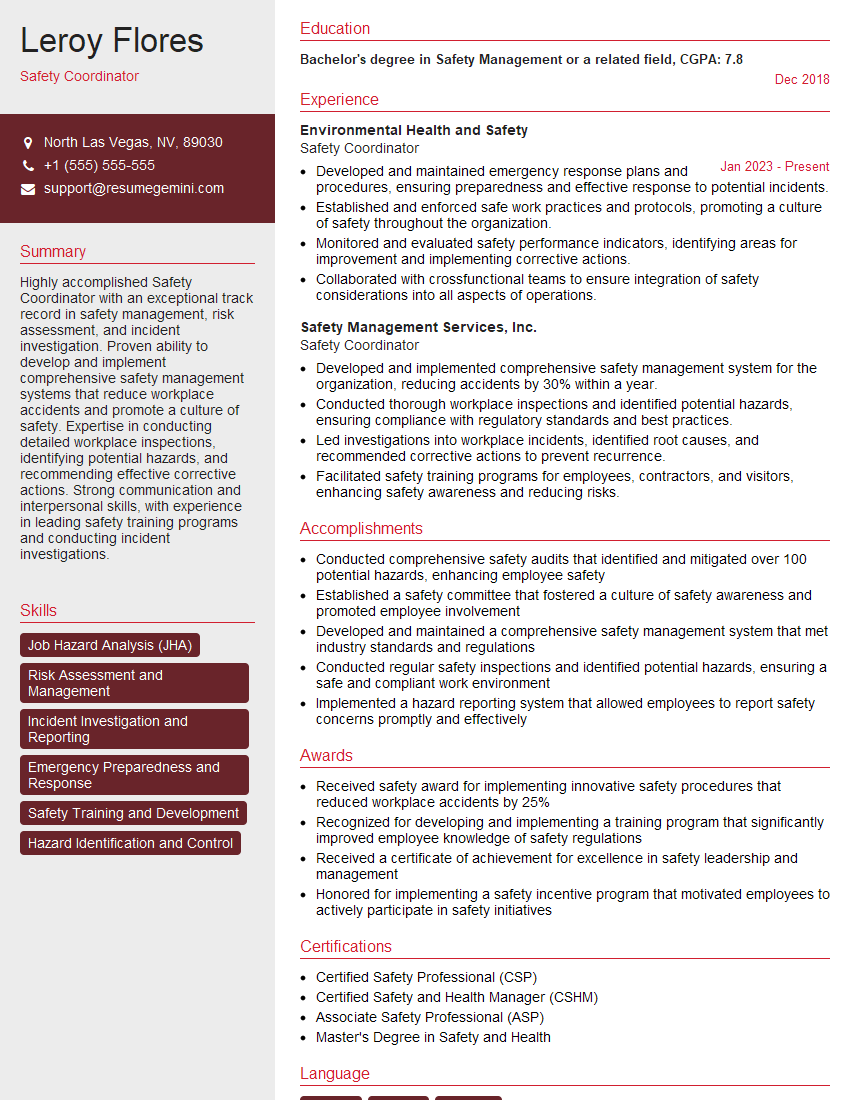
Safety Coordinator Resume Sample
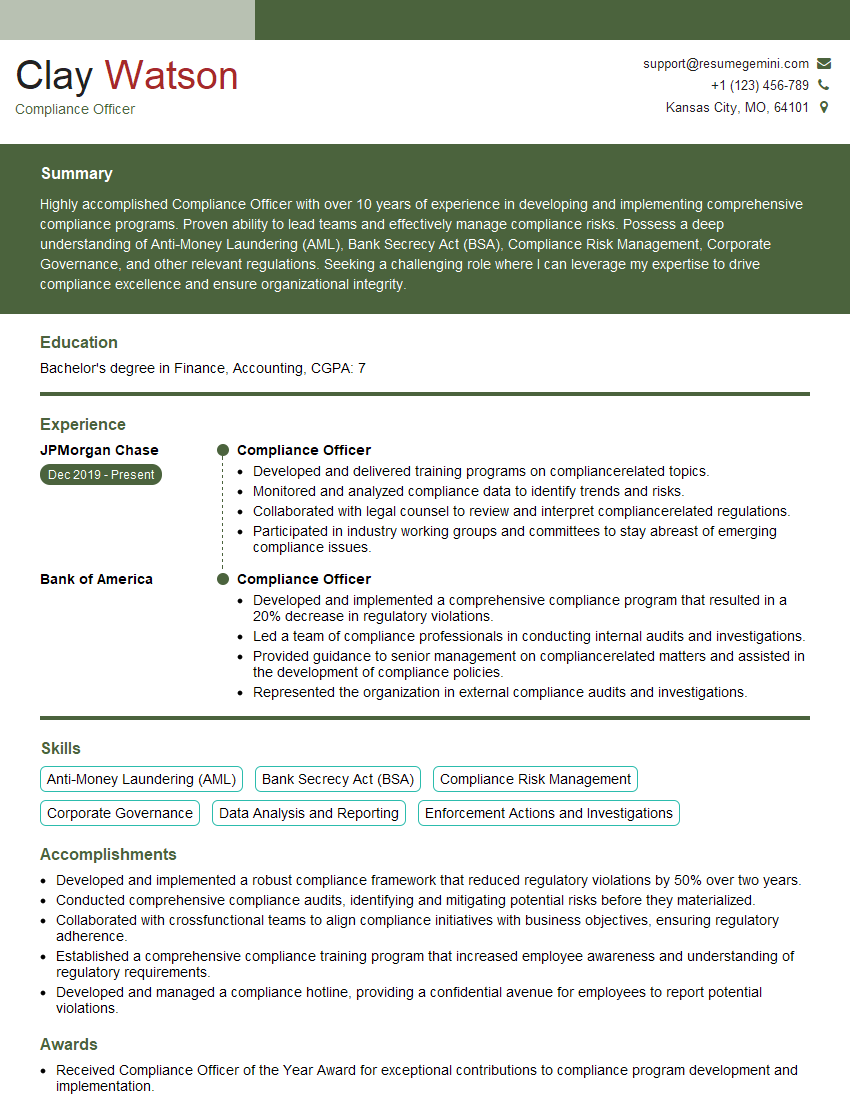
Compliance Officer Resume Sample
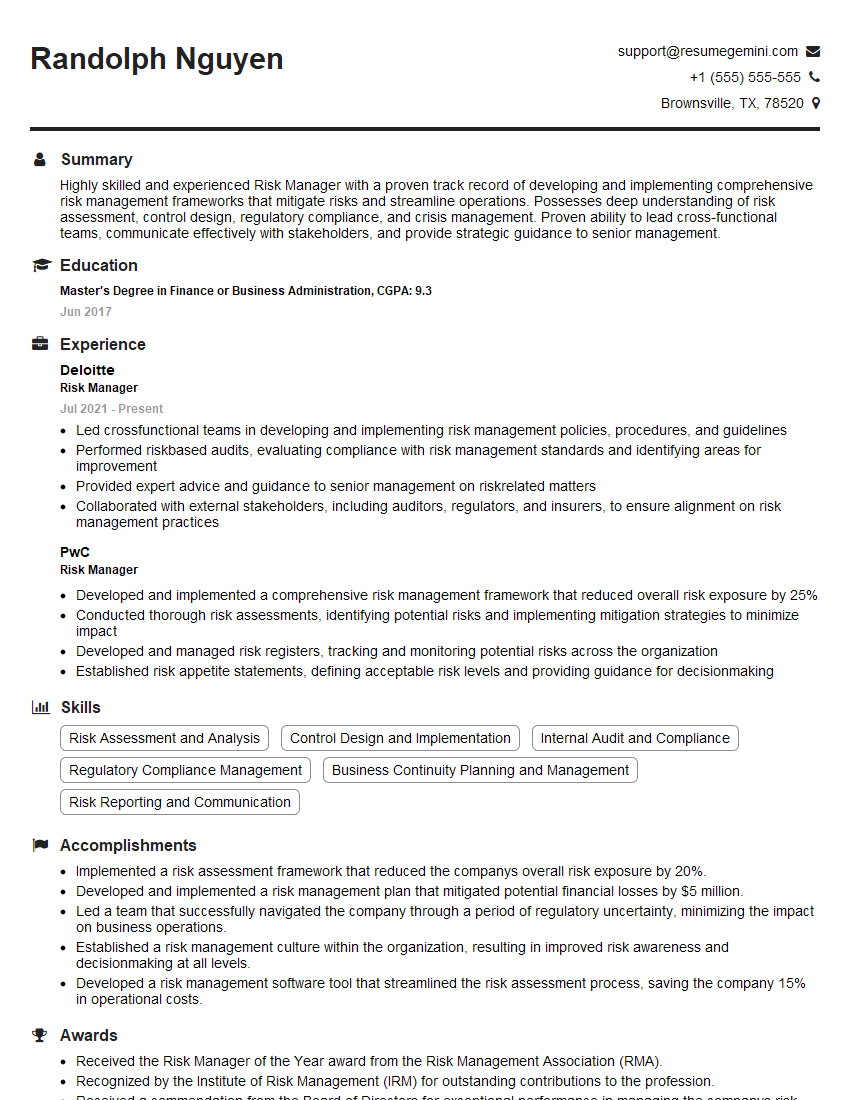
Risk Manager Resume Sample
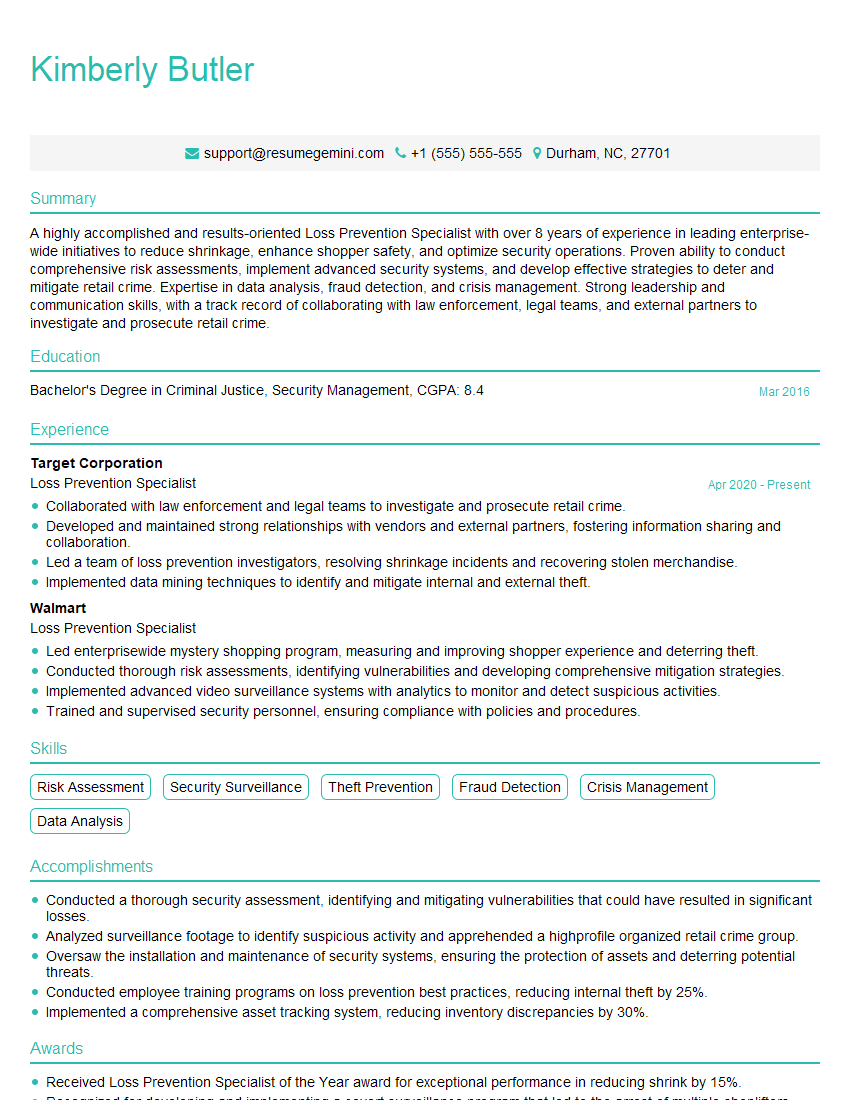
Loss Prevention Specialist Resume Sample
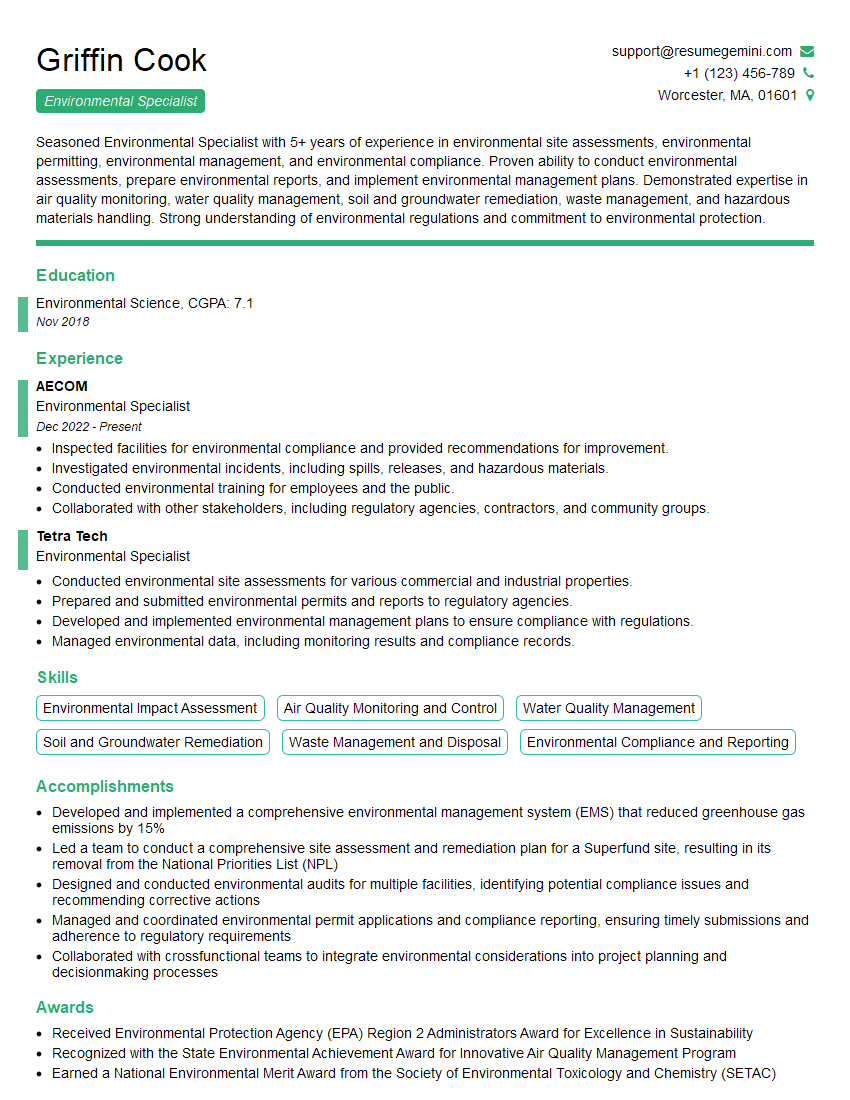
Environmental Specialist Resume Sample
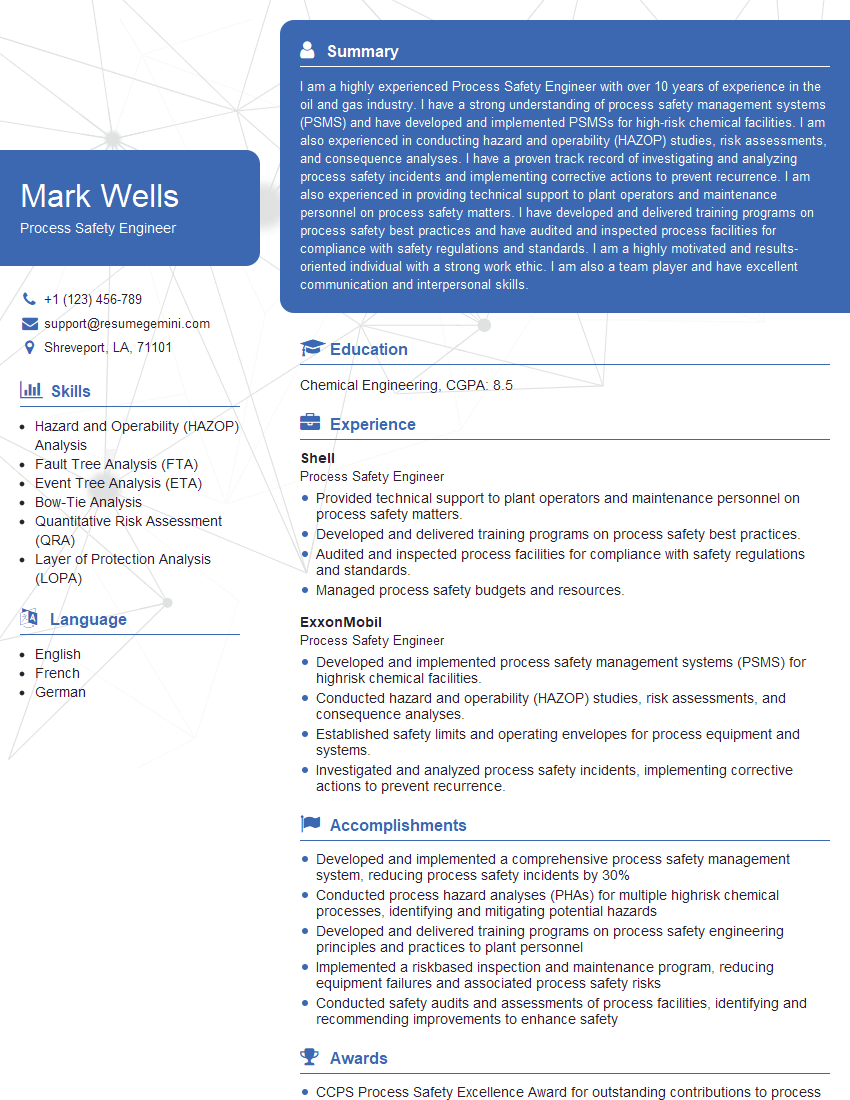
Process Safety Engineer Resume Sample
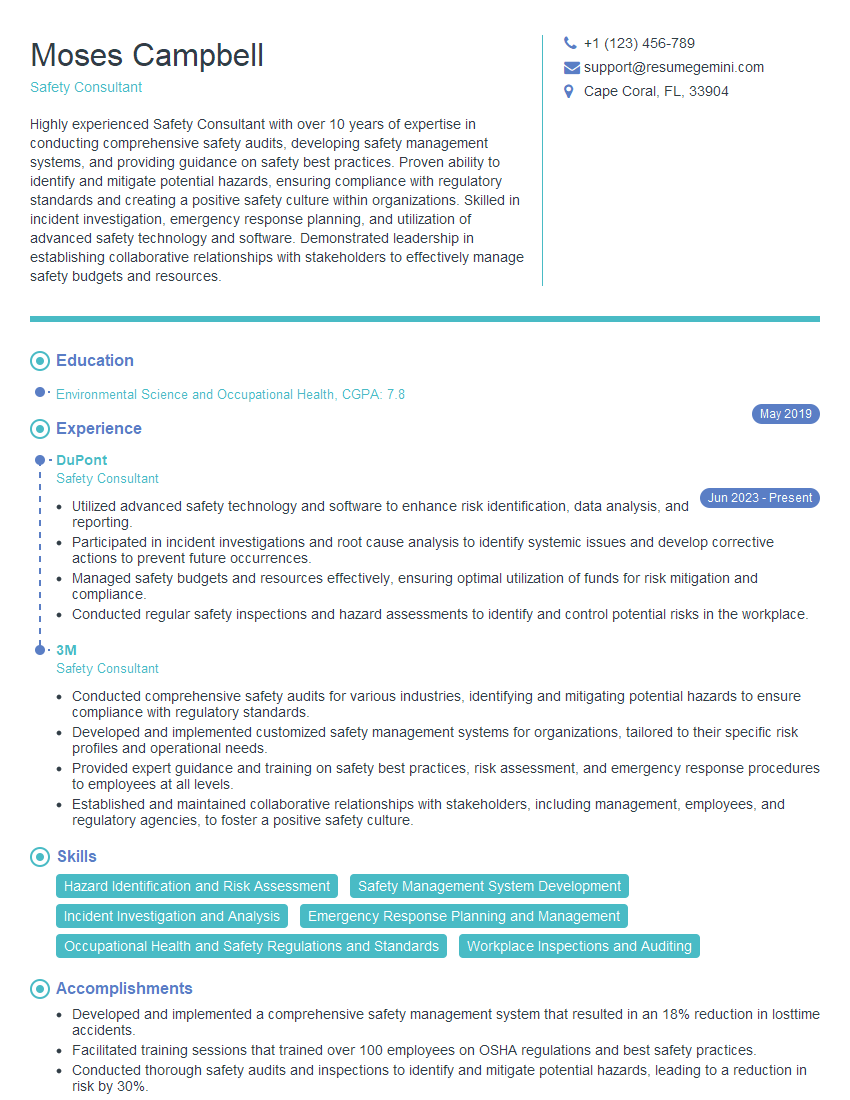
Safety Consultant Resume Sample
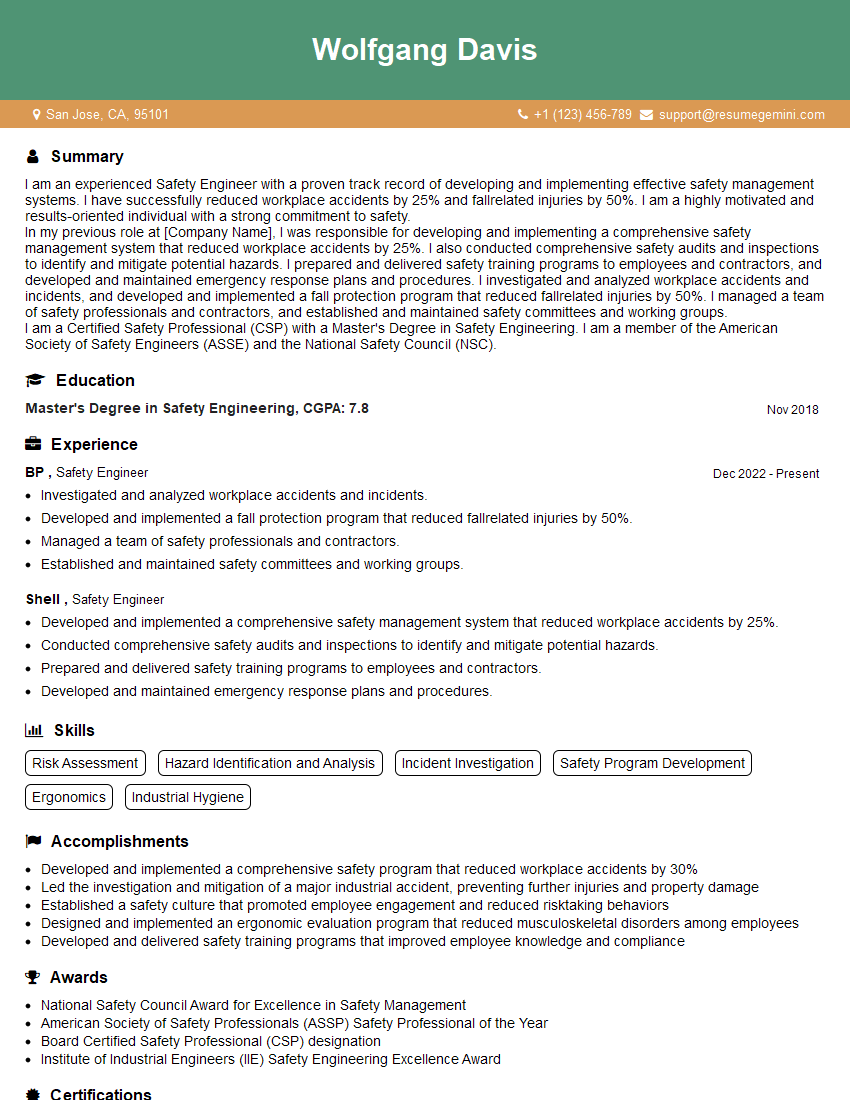
Safety Engineer Resume Sample
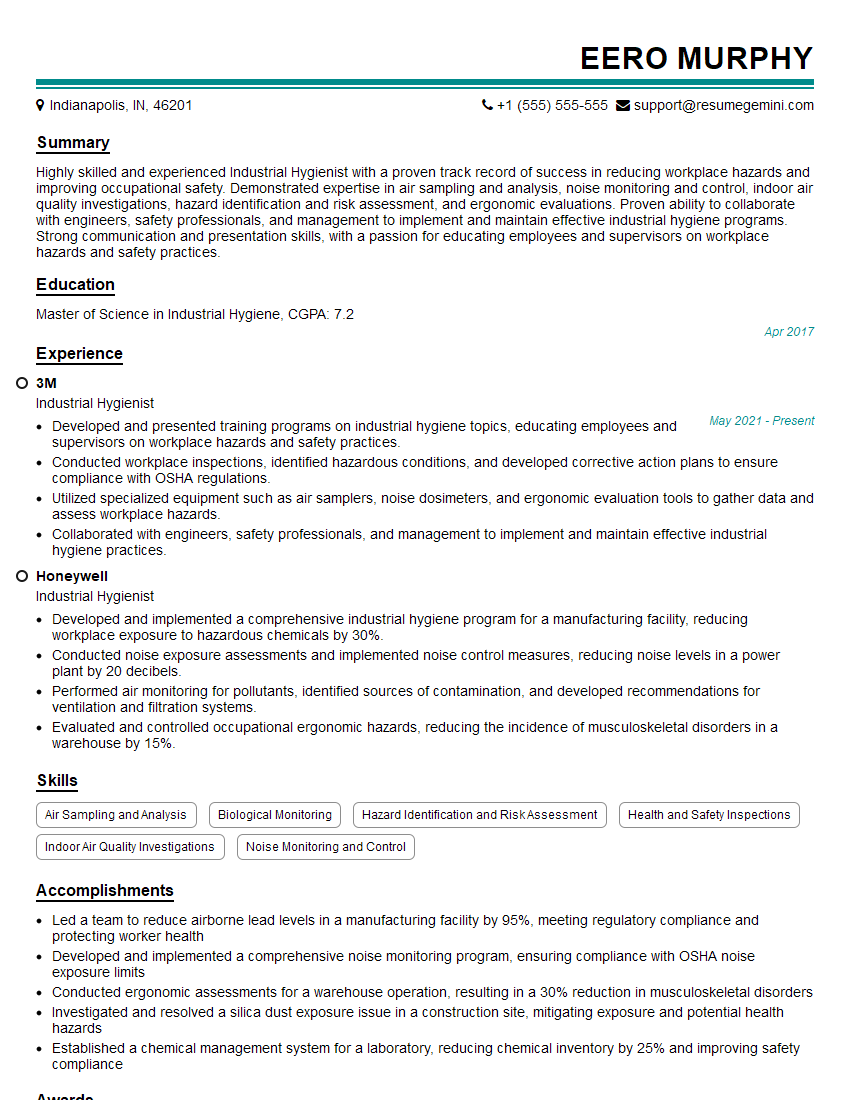
Industrial Hygienist Resume Sample
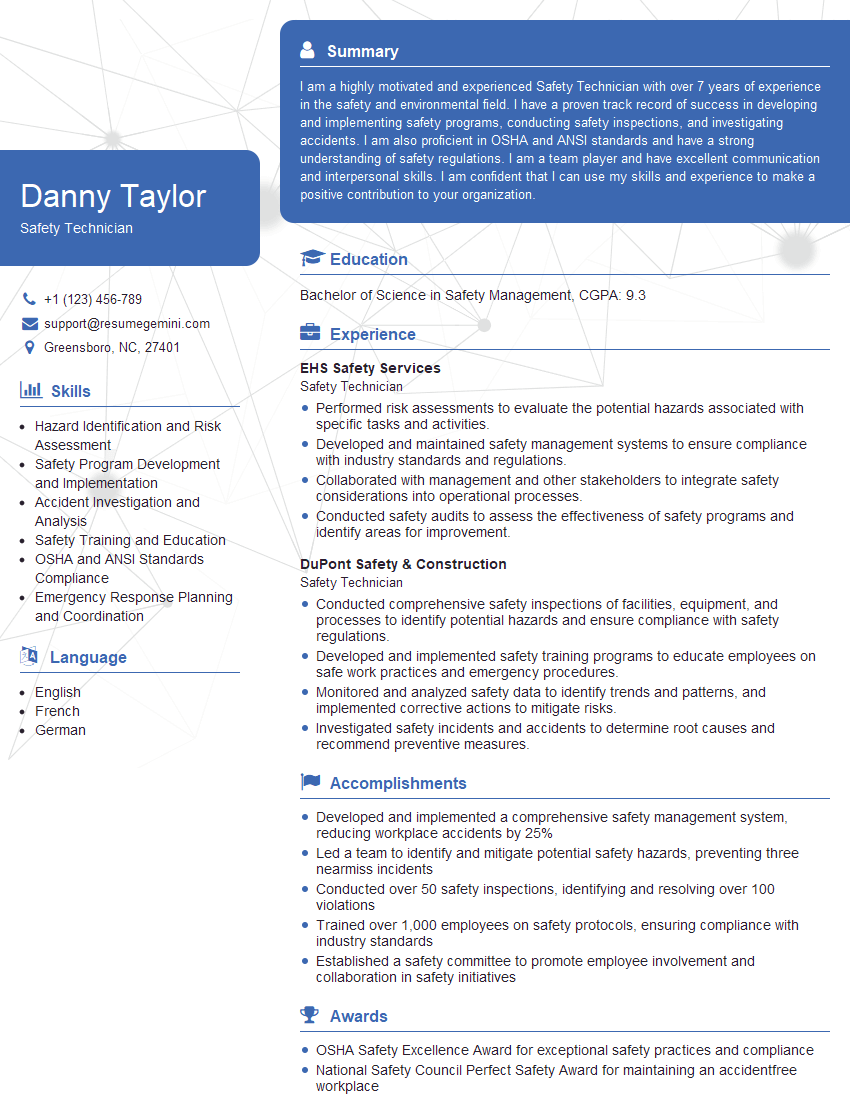
Safety Technician Resume Sample
Explore more articles
Users Rating of Our Blogs
Share Your Experience
We value your feedback! Please rate our content and share your thoughts (optional).
What Readers Say About Our Blog
Very informative content, great job.
good