Cracking a skill-specific interview, like one for Safety Culture and Human Factors, requires understanding the nuances of the role. In this blog, we present the questions you’re most likely to encounter, along with insights into how to answer them effectively. Let’s ensure you’re ready to make a strong impression.
Questions Asked in Safety Culture and Human Factors Interview
Q 1. Describe your experience in developing and implementing a safety management system.
Developing and implementing a Safety Management System (SMS) is a multifaceted process that requires a deep understanding of organizational structure, risk assessment, and regulatory compliance. My experience involves a holistic approach, starting with a thorough gap analysis against relevant standards like ISO 45001. This analysis identifies existing safety practices, pinpoints shortcomings, and forms the basis for developing a tailored SMS.
In one project, I led the development of an SMS for a construction company. We began by conducting a comprehensive hazard identification, using methods such as Job Safety Analysis (JSA) and HAZOP (Hazard and Operability Study). This identified critical hazards like falls from height and struck-by incidents. We then established clear lines of responsibility, defined roles and accountabilities for safety, and created a robust system for reporting and investigating incidents. This included developing incident reporting forms, setting up a database for tracking incident trends, and implementing a corrective action system to prevent recurrence. The system also incorporated regular safety audits, training programs, and management reviews to ensure continual improvement and effectiveness. The result was a significant reduction in lost-time injuries and a marked improvement in the overall safety culture.
Another key component was the integration of the SMS with the company’s existing management systems, ensuring seamless communication and coordination. This included embedding safety considerations within project planning, procurement, and contract management processes. The final SMS is a living document regularly updated to reflect changing risks and operational needs.
Q 2. Explain the concept of ‘Just Culture’ and its application in accident investigation.
A ‘Just Culture’ is an organizational approach to safety that seeks to balance accountability with a commitment to learning from errors. It aims to create an environment where individuals feel comfortable reporting errors and near misses without fear of punishment, while still holding individuals accountable for reckless or malicious behavior. Think of it as a three-legged stool: holding people accountable for their actions, learning from errors to prevent future incidents, and fostering a climate of trust and open communication.
In accident investigation, a Just Culture approach focuses on understanding the underlying causes of incidents rather than simply assigning blame. Instead of asking ‘who made the mistake?’, the focus shifts to ‘what systems or processes failed?’. This involves using techniques such as root cause analysis, human factors analysis, and system safety analysis to identify latent conditions – weaknesses in the system that may have contributed to the incident. This systematic approach facilitates organizational learning and helps identify opportunities for improvement. For example, if a technician misses a crucial step in a maintenance procedure, a Just Culture investigation would explore whether the procedure was clear, easily accessible, adequately supported by training, or if the technician was working under excessive pressure. This system-wide perspective leads to more effective solutions than simply reprimanding the individual.
Q 3. How would you assess the effectiveness of a company’s safety culture?
Assessing the effectiveness of a company’s safety culture requires a multi-pronged approach that goes beyond simply reviewing accident statistics. A strong safety culture is more than just the absence of incidents; it’s a proactive, positive atmosphere where everyone feels responsible for safety. My assessment strategy involves several key components:
- Surveys and Interviews: Anonymous employee surveys provide valuable insights into perceptions of safety, management commitment, and reporting practices. Individual interviews allow for deeper exploration of specific issues and concerns.
- Observation and Walkthroughs: Direct observation of work practices provides a real-time view of adherence to safety protocols. Walkthroughs with frontline employees can identify potential hazards and areas for improvement.
- Incident Reporting and Investigation: Analysis of reported incidents, including near misses, reveals patterns and trends. The thoroughness and effectiveness of incident investigations provide a strong indication of the organizational commitment to learning from mistakes.
- Safety Performance Indicators (KPIs): While accident rates are important, other KPIs, such as the number of safety observations, near misses reported, and proactive safety suggestions made, provide a more complete picture of safety performance.
- Leading and Lagging Indicators: Leading indicators (e.g., training hours, safety meetings held) predict future performance, while lagging indicators (e.g., accident rates) show past performance. A strong focus on leading indicators is a hallmark of a proactive safety culture.
The combination of these methods provides a holistic understanding of the safety culture, allowing for a comprehensive and accurate assessment.
Q 4. Define Human Factors and its relevance to workplace safety.
Human Factors is the scientific discipline concerned with understanding the interaction between humans and other elements of a system. In the context of workplace safety, it examines how human capabilities and limitations influence safety performance. This includes physical, cognitive, and organizational factors that can contribute to errors and accidents.
Human factors are incredibly relevant to workplace safety because humans are integral to most work systems. Fatigue, stress, inadequate training, poor design of equipment or procedures, and ineffective communication are all human factors that can increase the likelihood of errors. For example, poorly designed control panels, ambiguous instructions, or excessive workload can lead to human error, increasing the risk of accidents. Understanding these factors allows for the design of safer systems, improved training programs, and more effective safety procedures. A human factors analysis might reveal that a particular accident was caused not by a single individual’s negligence, but by a combination of factors, such as poor lighting, cumbersome equipment, and inadequate training. Addressing these underlying issues is vital for preventing future incidents.
Q 5. What are the key elements of a successful safety training program?
A successful safety training program is more than just ticking boxes; it’s a continuous process that adapts to evolving risks and technological advancements. Key elements include:
- Needs Assessment: Identifying specific safety hazards and training needs through risk assessments and job task analyses. Training must be tailored to the specific risks faced by employees.
- Engaging Content: Utilizing diverse teaching methods, including interactive exercises, simulations, and case studies, to ensure active participation and knowledge retention. Passive lectures alone are often ineffective.
- Competency-Based Training: Focusing on measurable outcomes and assessing learners’ competencies through practical assessments and demonstrations of skills. Training should equip employees with the knowledge and skills to perform their jobs safely.
- Regular Refresher Training: Reinforcing learning through regular refresher courses and updates to address changes in regulations, procedures, or technology.
- Accessibility: Tailoring training materials and methods to accommodate diverse learning styles and abilities. Multilingual support and alternative formats may be necessary.
- Feedback and Evaluation: Regularly evaluating the effectiveness of the training program through post-training assessments, feedback surveys, and tracking of safety performance indicators. This continuous improvement cycle ensures the training remains relevant and effective.
Finally, effective safety training is not a one-off event; it’s an ongoing commitment that reinforces safety awareness and empowers employees to proactively contribute to a safe work environment.
Q 6. Describe your experience conducting root cause analysis of safety incidents.
Conducting root cause analysis of safety incidents is crucial for preventing future occurrences. My approach is guided by structured methodologies such as the “5 Whys” technique and Fault Tree Analysis (FTA). I also draw upon my understanding of human factors and system safety to identify both proximate and underlying causes.
For example, in investigating a near miss involving a forklift striking a pedestrian, I wouldn’t stop at identifying the immediate cause (the forklift driver’s inattention). Instead, I would delve deeper using the ‘5 Whys’ to uncover underlying causes: Why was the driver inattentive? (Poor visibility). Why was visibility poor? (Lack of adequate lighting). Why was the lighting inadequate? (Deferred maintenance). Why was maintenance deferred? (Lack of budget). By systematically exploring these contributing factors, we identify opportunities to improve lighting, implement preventive maintenance programs, and potentially address budgetary constraints.
FTA provides a more visual and comprehensive method for identifying root causes. It graphically represents the relationships between different events and failures that could lead to an undesirable outcome. This helps in identifying multiple contributing factors and evaluating the relative importance of each. The results of the root cause analysis inform the development of corrective actions, aimed at eliminating or mitigating the underlying causes to prevent similar incidents from occurring.
Q 7. How do you identify and mitigate human error in the workplace?
Identifying and mitigating human error in the workplace is a critical aspect of safety management. It requires a multi-faceted approach that focuses both on individual performance and the design of safer systems.
Identifying Human Error: This involves analyzing incident reports, near misses, and conducting thorough investigations using techniques such as human factors analysis and error classification schemes (e.g., Reason’s Swiss Cheese model). Data analysis helps pinpoint recurring error patterns and identify high-risk areas. Observations of work practices and task analysis can also highlight potential human error vulnerabilities. This can range from simple checklists to more complex ergonomic assessments and cognitive task analyses.
Mitigating Human Error: Once error sources are identified, mitigation strategies are implemented. These may include:
- Engineering Controls: Redesigning equipment or workspaces to reduce the likelihood of errors. For example, using foolproof devices to prevent incorrect actions or incorporating ergonomic design to reduce physical strain.
- Administrative Controls: Implementing policies and procedures to minimize error. This could include standardizing work processes, implementing double-checking procedures, and improving communication channels.
- Training and Education: Providing comprehensive training on safe work practices and procedures, emphasizing error prevention strategies and situational awareness.
- Human Factors Interventions: Addressing cognitive limitations through better design, providing adequate rest breaks to combat fatigue, and promoting a positive safety culture that encourages error reporting.
A proactive approach that combines systematic error identification with targeted mitigation strategies is key to achieving a significant reduction in human error and creating a safer work environment.
Q 8. Explain different types of risk assessment methodologies and their applications.
Risk assessment methodologies are systematic processes to identify, analyze, and evaluate hazards and risks. Different methodologies cater to varying contexts and complexities.
- Qualitative Risk Assessment: This relies on subjective judgment and experience. It’s often used for quick assessments or where data is limited. For example, using a simple risk matrix that plots likelihood and severity to categorize risks as low, medium, or high. We might use this for a brainstorming session on potential hazards in a new office space before a more detailed quantitative assessment.
- Quantitative Risk Assessment: This uses numerical data to estimate the probability and impact of risks. It’s more precise but requires more data and resources. For example, calculating the probability of a specific equipment failure leading to a production line shutdown, based on historical failure rates and the potential financial loss associated with downtime. This would inform decisions about preventative maintenance or redundancy measures.
- Fault Tree Analysis (FTA): This deductive technique traces back from an undesired event (top event) to identify the underlying causes. It uses Boolean logic to determine the probability of the top event. Imagine using FTA to analyze the causes of a chemical spill in a lab. The top event is the spill, and branches would show potential contributing factors like equipment failure, human error, and inadequate safety procedures.
- Bow-Tie Analysis: This combines FTA with preventative and mitigating controls. It visualizes the sequence of events leading to a hazard (the ‘bow’), and the preventive and mitigating actions that can reduce the risk (the ‘tie’). This would be particularly useful in an operational setting like a refinery to analyze a major incident involving fire or explosion. The bowtie would show triggers, hazards, consequences and various layers of prevention and mitigation, both active and passive.
The choice of methodology depends on the nature of the risk, available resources, and regulatory requirements. A combination of approaches is often most effective.
Q 9. Describe your experience with ergonomic assessments and recommendations.
My experience with ergonomic assessments involves conducting thorough workplace evaluations to identify factors contributing to musculoskeletal disorders (MSDs). I utilize a variety of methods including observation, interviews with workers, and physical measurements.
For example, in a recent assessment of a packaging facility, I observed workers repeatedly lifting heavy boxes. My recommendations involved implementing workstation modifications like adjustable height tables and using ergonomic lifting aids. I also suggested implementing job rotation to reduce repetitive movements. I documented everything with photos and measurements, creating a comprehensive report with prioritized recommendations. These included short-term solutions like providing better seating and long-term improvements like redesigning the work process to minimize manual lifting.
I also have experience utilizing software for ergonomic risk assessment such as RULA (Rapid Upper Limb Assessment) and REBA (Rapid Entire Body Assessment). These tools provide a systematic approach to evaluate posture and risk levels. The results are used to create evidence-based ergonomic recommendations.
Q 10. How do you communicate safety information effectively to different audiences?
Effective communication is critical for safety. My approach involves tailoring the message to the audience’s understanding and needs.
- For management: I use concise reports and data visualizations to demonstrate the impact of safety initiatives and ROI. I focus on the business case and strategic implications.
- For workers: I utilize simple language, visuals, and interactive training methods. I ensure the information is relevant to their daily tasks and responsibilities. Storytelling, real-life examples, and interactive training, like simulations or games, are effective.
- For contractors: I clearly outline safety requirements and expectations. I provide written instructions, safety talks and pre-task briefings to ensure alignment with our safety standards.
I also leverage various communication channels – toolbox talks, posters, intranet sites, newsletters, and even short videos, to reach a wider audience and reinforce key messages. Regular feedback and open communication channels are essential to ensure that the message is received and understood.
Q 11. What are the leading indicators of safety performance?
Leading indicators predict future safety performance, unlike lagging indicators which only measure the results of past events (e.g., lost-time injury rate). Leading indicators focus on proactive measures.
- Near misses reporting: The number of near misses reported indicates the level of risk awareness and the potential for future incidents. A high number could be a positive sign of a safety conscious culture, or a worrying sign of many near misses that could become serious incidents.
- Safety observation scores: Regular safety observations and audits identify unsafe acts or conditions. High scores suggest a well-maintained safety environment, whereas low scores indicate a need for further action.
- Training completion rates: High completion rates for safety training demonstrate commitment to continuous improvement.
- Safety participation rates: High participation in safety meetings and initiatives reflects a strong safety culture.
- Number of safety suggestions: A higher number often suggests a more proactive environment where employees feel comfortable contributing towards improved safety.
By tracking and analyzing these leading indicators, organizations can identify potential hazards and implement corrective actions before incidents occur.
Q 12. Explain the importance of proactive safety measures.
Proactive safety measures focus on preventing incidents before they happen. They are crucial for creating a safe and productive work environment and significantly reduce costs associated with accidents and injuries.
Examples include regular safety inspections, risk assessments, implementing engineering controls (e.g., machine guards), providing appropriate personal protective equipment (PPE), and comprehensive safety training. Proactive measures also include investing in a robust safety management system and fostering a strong safety culture where employees feel empowered to identify and report hazards. In a manufacturing setting, this might include pre-emptive maintenance schedules to prevent equipment malfunction, while in an office it could mean providing ergonomic assessments and adjustable furniture.
The cost of proactive measures is far outweighed by the potential savings from preventing accidents, reducing worker compensation claims, improving productivity and protecting your company’s reputation.
Q 13. How do you ensure compliance with relevant safety regulations and standards?
Ensuring compliance involves staying updated on all relevant legislation and regulations, conducting regular internal audits and inspections to identify any gaps, and implementing corrective actions to address any non-conformances.
I use a combination of methods, including reviewing safety regulations and standards relevant to the industry, maintaining comprehensive documentation of safety procedures and training records, and ensuring that safety protocols are integrated into all aspects of operations. When working with contractors, I verify their compliance with regulations and ensure that they have adequate safety policies and procedures. This process involves thorough checks of their safety documentation, licenses and insurance.
Regular management review meetings ensure compliance remains a top priority. I stay informed about changes in legislation through professional development and industry networks. Non-compliance isn’t just about avoiding penalties, but about creating a safe and healthy working environment for everyone.
Q 14. Describe your experience with safety audits and inspections.
My experience includes conducting both planned and unplanned safety audits and inspections. Planned audits follow a structured methodology, based on checklists and standards. Unplanned inspections are often triggered by incidents or near misses.
During an audit, I thoroughly review safety documentation, observe work practices, interview employees, and assess the effectiveness of safety controls. I document findings, highlighting areas of compliance and non-compliance. My inspection reports are comprehensive, providing detailed observations, photographs and recommendations for corrective and preventive actions. For example, I recently audited a construction site, reviewing safety plans, inspecting equipment, and interviewing workers to assess compliance with fall protection regulations. I identified several deficiencies related to fall protection and inadequate signage, which were promptly addressed by the contractor.
Follow-up is crucial to ensure that corrective actions are implemented and effective. It also builds trust and promotes continuous improvement in safety performance.
Q 15. How do you handle conflict related to safety concerns?
Addressing safety-related conflicts requires a delicate balance of assertiveness and collaboration. My approach centers on creating a safe space for open communication where everyone feels comfortable voicing concerns without fear of reprisal.
First, I’d facilitate a structured discussion, ensuring all parties involved have a chance to express their perspectives. Active listening is crucial here—understanding the root causes of the conflict, not just the surface-level disagreements. Often, disagreements stem from differing interpretations of safety protocols or risk assessments.
Next, I’d collaboratively analyze the situation, using data and evidence to guide our decision-making. This might involve reviewing incident reports, safety audits, or relevant standards. The goal is to find common ground and develop solutions that address everyone’s concerns while prioritizing safety. If necessary, I’d involve a neutral third party to mediate the discussion and ensure fairness.
Finally, I’d document the agreement reached, ensuring all parties are clear on their roles and responsibilities. Regular follow-up is essential to ensure the implemented solution is effective and to address any emerging issues. For example, in a past conflict regarding the use of personal protective equipment (PPE), I facilitated a workshop demonstrating the proper use of the equipment and the potential consequences of not using it correctly. This collaborative approach led to increased buy-in and improved compliance.
Career Expert Tips:
- Ace those interviews! Prepare effectively by reviewing the Top 50 Most Common Interview Questions on ResumeGemini.
- Navigate your job search with confidence! Explore a wide range of Career Tips on ResumeGemini. Learn about common challenges and recommendations to overcome them.
- Craft the perfect resume! Master the Art of Resume Writing with ResumeGemini’s guide. Showcase your unique qualifications and achievements effectively.
- Don’t miss out on holiday savings! Build your dream resume with ResumeGemini’s ATS optimized templates.
Q 16. Explain your understanding of human error models (e.g., Swiss cheese model).
Human error models help us understand why accidents happen, moving beyond simply blaming individuals. The Swiss cheese model is a particularly insightful example. It illustrates that accidents are rarely caused by a single event but rather a chain of failures, each represented as a slice of Swiss cheese. Each slice represents a defensive layer – a safeguard, procedure, or check designed to prevent errors from leading to accidents.
The holes in the cheese represent weaknesses or failures in these defensive layers. An accident occurs when the holes in multiple layers align, allowing the ‘accident trajectory’ to pass through to the final undesired event. For instance, a poorly designed process (one slice) coupled with inadequate training (another slice) and a fatigued worker (a third slice) might align, resulting in an accident.
Understanding this model highlights the importance of strengthening multiple layers of defense rather than focusing on individual actions. Instead of simply reprimanding a worker for an error, we need to investigate the systemic failures that allowed the error to occur and potentially lead to an accident. This might involve improvements to procedures, equipment design, or training programs.
Q 17. How do you incorporate human factors principles into the design of systems and processes?
Incorporating human factors principles into system and process design is crucial for preventing accidents and improving overall efficiency. This involves designing systems that account for human limitations and capabilities. I employ a user-centered design approach, focusing on understanding the cognitive, physical, and perceptual characteristics of the individuals interacting with the system.
For example, when designing a new control panel, I’d consider factors like the size and placement of controls, the clarity of labeling, and the ease of understanding instructions. I’d conduct usability testing to identify and address any potential usability issues. I’d also consider cognitive workload, ensuring that the system doesn’t overwhelm users with excessive information or complex procedures.
Furthermore, I consider human error probabilities. For example, I might use techniques like failure mode and effects analysis (FMEA) to identify potential human errors and design safeguards to mitigate their consequences. This proactive approach helps create systems that are both safe and efficient. Another crucial step is to design for both anticipated and unanticipated user behavior. This means creating flexible and forgiving systems that are tolerant to human error and can recover gracefully from unexpected events.
Q 18. What are some common human factors contributing to accidents?
Numerous human factors contribute to accidents. Some of the most common include:
- Fatigue and sleep deprivation: Reduced alertness and impaired decision-making.
- Stress and workload: Increased error rates and risk-taking behaviors.
- Lack of training and experience: Insufficient knowledge or skills to perform tasks safely.
- Poor communication: Misunderstandings and lack of coordination.
- Distractions: Interruptions that divert attention from the task at hand.
- Cognitive biases: Systematic errors in thinking that lead to flawed judgments.
- Normalization of deviance: Acceptance of unsafe practices as the norm.
- Complacency: Overconfidence and a lack of vigilance.
Understanding these factors allows us to develop targeted interventions, such as improved training programs, better communication protocols, and ergonomic workplace designs to mitigate the risks associated with these human factors.
Q 19. How do you measure the effectiveness of safety interventions?
Measuring the effectiveness of safety interventions requires a multi-faceted approach. We can’t simply rely on anecdotal evidence; we need quantifiable data. Effective measurement involves establishing baseline metrics before implementing the intervention and then tracking changes over time.
Key performance indicators (KPIs) might include:
- Accident rates: Frequency and severity of accidents.
- Near-miss reports: Number of incidents that almost resulted in an accident.
- Compliance rates: Adherence to safety procedures and regulations.
- Safety observation scores: Results of regular safety inspections and audits.
- Employee safety survey results: Gauge employee perception of safety and their comfort level reporting hazards.
Statistical analysis techniques, like comparing accident rates before and after the intervention or conducting regression analysis to understand the relationship between interventions and safety outcomes, help to determine the effectiveness of the intervention and inform future improvements. For example, if we implement a new training program and see a significant reduction in accident rates and an increase in compliance rates, we can conclude that the program was effective. However, if the data show no significant changes, we need to re-evaluate the intervention and potentially implement adjustments.
Q 20. Describe your experience with safety data analysis and reporting.
I have extensive experience in safety data analysis and reporting. My process involves several key steps:
- Data collection: Gathering data from various sources, including accident reports, near-miss reports, safety observations, and employee surveys.
- Data cleaning and validation: Ensuring data accuracy and completeness.
- Data analysis: Using statistical methods to identify trends, patterns, and root causes of incidents.
- Report generation: Creating clear and concise reports that communicate findings and recommendations to stakeholders.
- Visualization: Using charts and graphs to effectively communicate complex data.
I’m proficient in using various software tools for data analysis, including statistical packages and spreadsheet software. In a previous role, I used data analysis to identify a recurring pattern of accidents related to a specific piece of equipment. This led to the implementation of a safety modification for that equipment, resulting in a significant reduction in incidents related to that equipment. My reports always emphasize actionable recommendations, focusing on practical solutions to improve safety performance, avoiding solely descriptive reporting.
Q 21. How do you promote a positive safety culture within a team?
Promoting a positive safety culture involves creating an environment where safety is a shared value and everyone feels responsible for their own safety and the safety of others. This is achieved through a combination of leadership commitment, employee empowerment, and effective communication.
Firstly, leadership must visibly champion safety. This means actively participating in safety initiatives, demonstrating a commitment to safety regulations, and holding employees accountable for safety performance.
Secondly, employee empowerment is essential. This involves encouraging employees to report hazards and near misses without fear of reprisal, actively involving them in safety decision-making, and recognizing and rewarding safe behavior. A suggestion box, regular safety meetings, and open communication channels are vital.
Finally, effective communication is crucial. This includes clear and consistent communication of safety policies and procedures, regular feedback on safety performance, and open discussion of safety-related incidents. I’ve found that using storytelling to share near-miss experiences is particularly effective in reinforcing safety messages. For instance, by narrating a near miss scenario, highlighting the potential consequences, and discussing what could have been done differently, we enhance learning and encourage vigilance. A strong safety culture isn’t simply about rules; it’s about a shared commitment to preventing harm.
Q 22. Explain the importance of safety leadership and management commitment.
Safety leadership and management commitment are the bedrock of a strong safety culture. It’s not enough to simply have safety policies; leaders must visibly champion safety, making it a core value integrated into every aspect of the organization. This involves actively participating in safety initiatives, leading by example, and holding themselves and others accountable for safety performance.
Importance: When leaders demonstrate a genuine commitment to safety, it trickles down. Employees are more likely to report hazards, participate in safety training, and follow procedures when they see safety as a priority at all levels. This translates to fewer accidents, reduced costs, and improved morale. A lack of visible commitment, on the other hand, creates a culture of complacency and can lead to serious incidents.
Example: Imagine a construction site where the project manager consistently prioritizes deadlines over safety protocols. Workers might feel pressured to cut corners, leading to increased risk. Conversely, a site where the manager regularly attends safety meetings, participates in toolbox talks, and addresses safety concerns promptly fosters a culture where safety is paramount.
Q 23. What are the principles of effective safety communication?
Effective safety communication is a two-way street, ensuring information flows clearly and consistently between management, supervisors, and workers. It’s about more than just posting notices; it requires active listening, feedback mechanisms, and a commitment to understanding the audience.
- Clarity: Use simple, unambiguous language. Avoid jargon and technical terms unless everyone understands them.
- Accessibility: Ensure information is accessible to all employees, regardless of language skills, literacy levels, or disabilities. This might involve using multiple formats (visual aids, videos, multilingual translations).
- Timeliness: Deliver safety information promptly. Delayed communication can lead to increased risk.
- Regularity: Establish consistent communication channels – regular toolbox talks, safety meetings, newsletters – to keep safety top-of-mind.
- Feedback: Create opportunities for two-way communication. Encourage employees to ask questions, provide feedback, and report hazards without fear of reprisal.
Example: Instead of a generic safety poster, a construction company might use short, engaging videos demonstrating proper equipment use, featuring workers from different backgrounds speaking their native languages. They could also hold regular small group discussions to address specific safety concerns.
Q 24. How do you identify and manage safety hazards?
Identifying and managing safety hazards involves a systematic approach, often using a combination of proactive and reactive methods. Proactive hazard identification is crucial for preventing incidents before they occur.
- Hazard Identification: This often involves regular workplace inspections, Job Safety Analyses (JSAs), risk assessments, and safety audits. We look for physical hazards (e.g., slippery floors, unguarded machinery), chemical hazards (e.g., exposure to toxic substances), biological hazards (e.g., infectious diseases), ergonomic hazards (e.g., repetitive strain injuries), and psychosocial hazards (e.g., stress, bullying).
- Risk Assessment: Once hazards are identified, we assess the likelihood and severity of potential harm. This helps prioritize which hazards need immediate attention.
- Hazard Control: This is the most crucial step. We implement control measures to eliminate or reduce the risk. This can include engineering controls (e.g., guarding machinery), administrative controls (e.g., work permits, training programs), and personal protective equipment (PPE).
- Monitoring and Review: Once control measures are in place, we monitor their effectiveness and review the risk assessment regularly to ensure it remains relevant and accurate.
Example: In a manufacturing plant, a safety audit might reveal inadequate machine guarding. The risk assessment would then highlight the potential for serious injury. Control measures would involve installing appropriate guards, providing training on safe operating procedures, and ensuring regular maintenance.
Q 25. Describe your experience with incident investigation and reporting.
Incident investigation and reporting are critical for learning from mistakes and preventing future incidents. My approach involves a thorough, unbiased investigation to determine the root causes, not just the immediate causes of an incident.
- Secure the Scene: The first step is to ensure the safety of individuals and preserve evidence.
- Gather Information: This involves interviewing witnesses, reviewing documentation (e.g., permits, training records), and examining physical evidence.
- Analyze Data: We use various tools and techniques, including fault tree analysis and ‘5 Whys’ to determine the root causes.
- Develop Corrective Actions: Based on the findings, we develop specific, measurable, achievable, relevant, and time-bound (SMART) corrective actions to prevent recurrence.
- Report Findings and Recommendations: A comprehensive report is generated and shared with relevant stakeholders.
- Follow-up: We ensure that corrective actions are implemented and their effectiveness is monitored.
Example: In a previous role, we investigated a near-miss incident involving a forklift collision. Through interviews and analysis, we discovered that inadequate training on safe forklift operation and poor visibility in the warehouse were contributing factors. This led to improved training programs, better warehouse layout, and the installation of additional safety mirrors.
Q 26. How do you use data to drive safety improvements?
Data is essential for driving safety improvements. It allows us to move beyond anecdotes and focus on objective evidence to identify trends, measure the effectiveness of interventions, and prioritize resources.
Methods: We use leading indicators (proactive measures like near-miss reporting, safety observation data, training completion rates) and lagging indicators (reactive measures like incident rates, lost-time injury frequency rates) to gain a comprehensive understanding of safety performance. This data is analyzed using statistical methods, dashboards, and trend analysis to identify areas needing improvement.
Example: By tracking near-miss reports, we might notice a consistent pattern of near misses related to a specific machine. This data would then inform targeted training and process improvements for that machine, potentially preventing a serious accident.
Tools: I’m proficient in using various software tools for data analysis, including spreadsheets, statistical packages, and safety management systems to visualize trends and generate reports.
Q 27. Explain your understanding of proactive versus reactive safety approaches.
Proactive safety focuses on preventing incidents before they happen, while reactive safety addresses incidents after they occur. Ideally, a balanced approach is crucial for a robust safety management system.
- Proactive Safety: This involves hazard identification, risk assessment, implementing control measures, and continuous improvement initiatives. Examples include proactive risk assessments, safety training, regular inspections, and safety audits.
- Reactive Safety: This involves incident investigation, reporting, corrective actions, and learning from mistakes. Examples include incident investigations, root cause analysis, corrective actions, and disciplinary actions (in appropriate cases).
The ideal approach: A robust safety management system needs a strong proactive element, preventing incidents from occurring in the first place. However, reactive measures are still necessary to learn from incidents and further improve safety performance. A strong safety culture values both proactive and reactive approaches equally.
Q 28. How would you address a situation where a safety procedure is being consistently ignored?
When a safety procedure is consistently ignored, it indicates a deeper issue within the safety culture. Addressing this requires a multi-pronged approach.
- Investigate the Root Cause: Why are employees ignoring the procedure? Is it unclear, inconvenient, overly complex, or perceived as unnecessary? Are there any underlying pressures (e.g., time constraints, production targets) leading to non-compliance?
- Engage with Employees: Hold discussions with employees to understand their perspectives and concerns. Use this feedback to improve the procedure or address any underlying issues.
- Reinforce Training and Communication: Provide refresher training, emphasizing the importance of the procedure and its consequences. Use various communication methods to ensure understanding.
- Improve the Procedure: If the procedure is complex or inconvenient, simplify it to make it more user-friendly and easier to follow.
- Enforce Consequences: While addressing the root causes is crucial, consistent enforcement of consequences (following established disciplinary procedures) for non-compliance is essential to deter future violations.
- Monitor and Evaluate: Track compliance levels after implementing changes and adjust as needed. Continuous monitoring is key to ensuring lasting improvements.
Example: If workers consistently fail to wear safety glasses, investigate if the glasses are uncomfortable, inadequate, or if there’s a lack of enforcement. Solutions might include providing more comfortable glasses, conducting regular safety observations, and providing consequences for non-compliance.
Key Topics to Learn for Safety Culture and Human Factors Interview
- Safety Culture Assessment: Understanding methodologies for evaluating existing safety cultures, including surveys, observations, and interviews. Practical application: Analyzing survey data to identify areas for improvement.
- Human Factors Engineering Principles: Applying human factors principles (ergonomics, human-computer interaction, cognitive psychology) to design safer work environments and processes. Practical application: Designing a safer workstation layout to reduce musculoskeletal injuries.
- Hazard Identification and Risk Assessment: Proficiently identifying hazards, assessing risks, and implementing control measures. Practical application: Conducting a Job Safety Analysis (JSA) to mitigate workplace risks.
- Incident Investigation and Root Cause Analysis: Mastering techniques like the “5 Whys” and fault tree analysis to understand the root causes of incidents and prevent recurrence. Practical application: Leading an investigation into a near-miss event to identify systemic issues.
- Safety Training and Communication: Developing and delivering effective safety training programs, communicating safety information clearly and engagingly. Practical application: Designing a training program to improve employee understanding of lockout/tagout procedures.
- Behavioral Safety: Understanding the influence of human behavior on safety performance and applying behavioral interventions to improve safety outcomes. Practical application: Implementing a behavioral observation program to reinforce safe work practices.
- Regulatory Compliance: Familiarity with relevant safety regulations and standards (e.g., OSHA). Practical application: Ensuring compliance with relevant regulations in a specific industry.
- Safety Management Systems (SMS): Understanding the principles and implementation of SMS frameworks. Practical application: Contributing to the development and improvement of an organization’s SMS.
Next Steps
Mastering Safety Culture and Human Factors is crucial for a successful and impactful career in this vital field. A strong understanding of these principles positions you for leadership roles and allows you to contribute significantly to creating safer and more productive work environments. To maximize your job prospects, focus on creating an ATS-friendly resume that highlights your skills and experience effectively. ResumeGemini is a trusted resource that can help you build a professional and compelling resume, showcasing your expertise in Safety Culture and Human Factors. Examples of resumes tailored to this field are available to help guide your efforts.
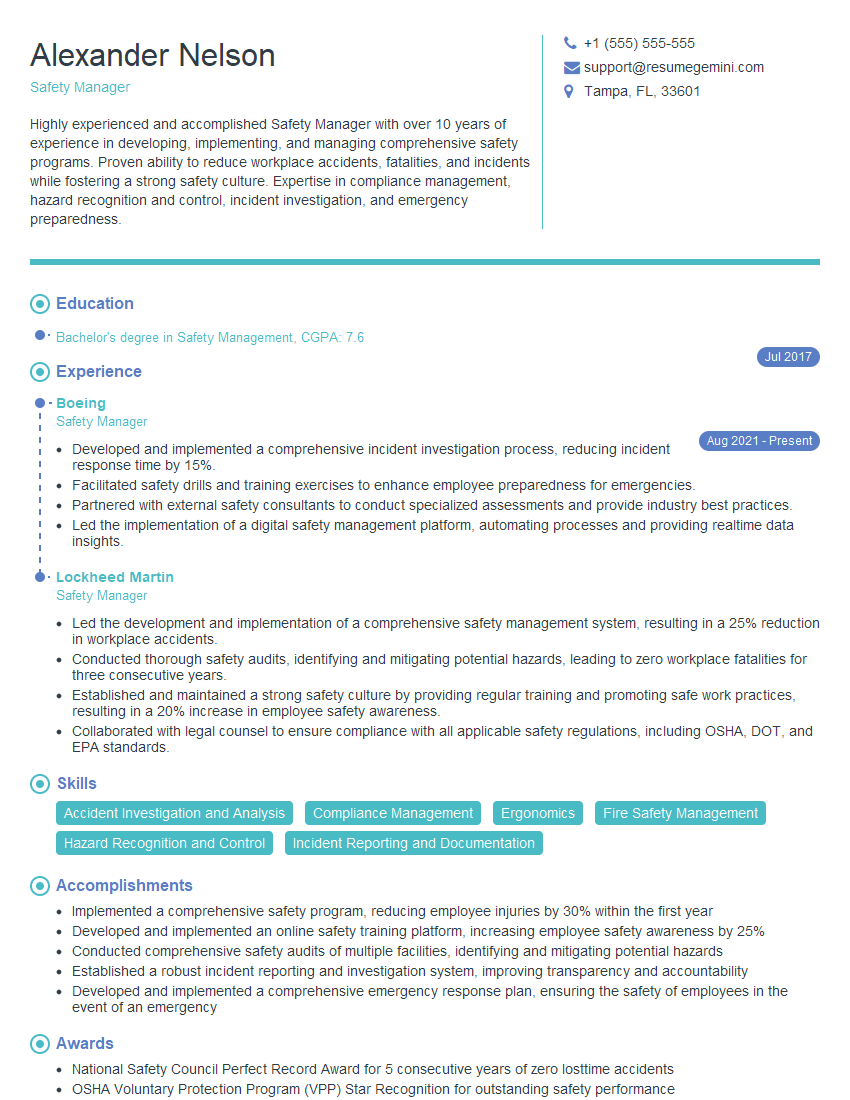
Safety Manager Resume Sample
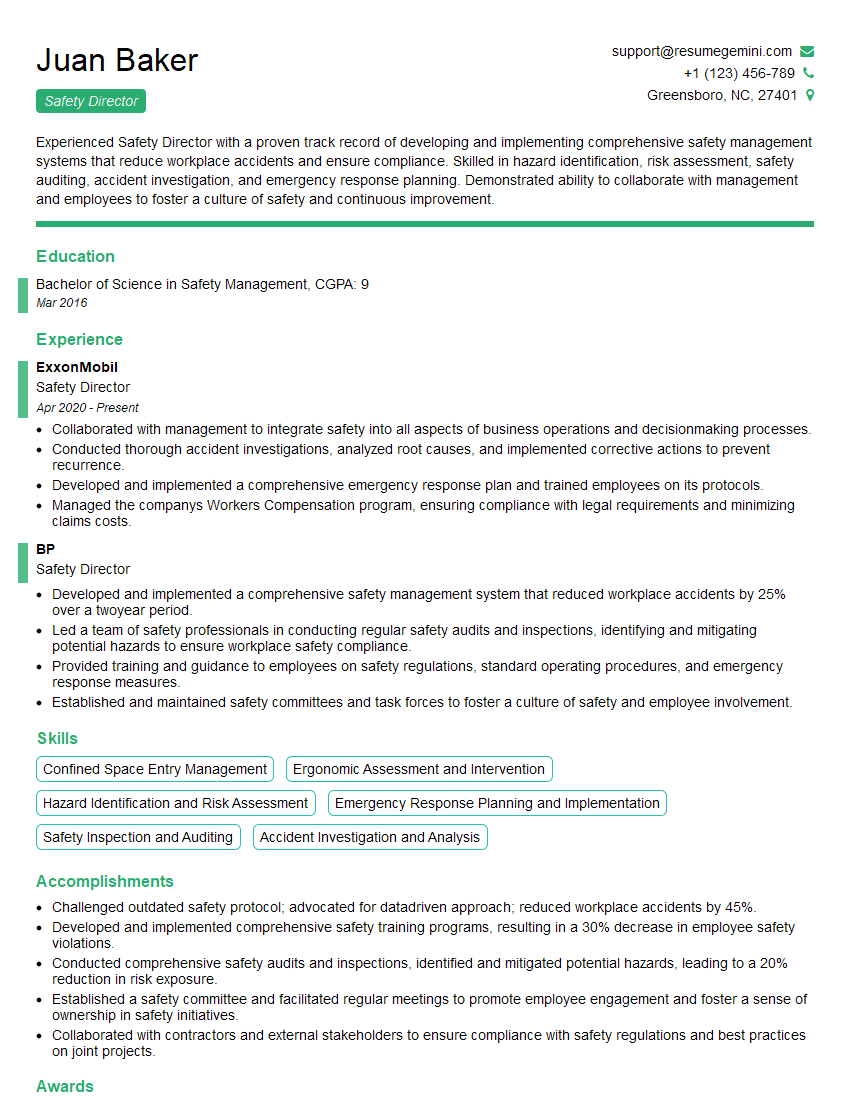
Safety Director Resume Sample

Environmental Health and Safety Manager Resume Sample
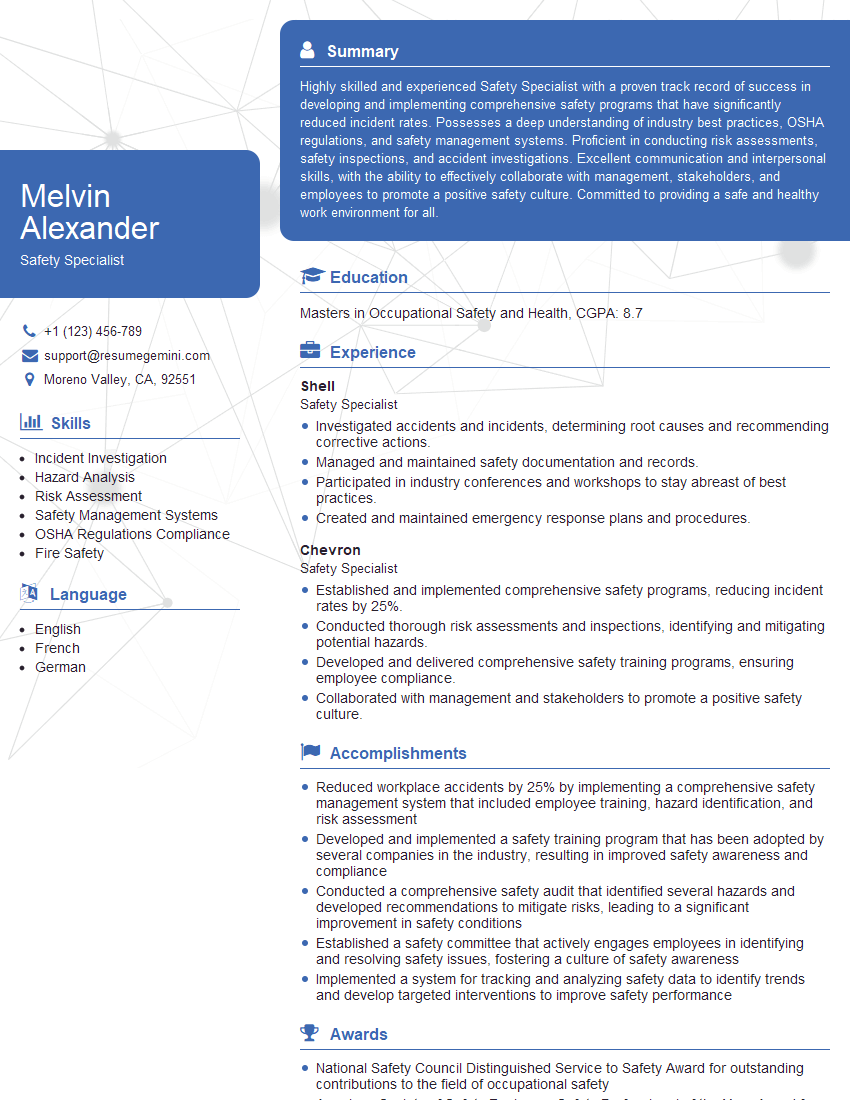
Safety Specialist Resume Sample

Compliance Officer Resume Sample
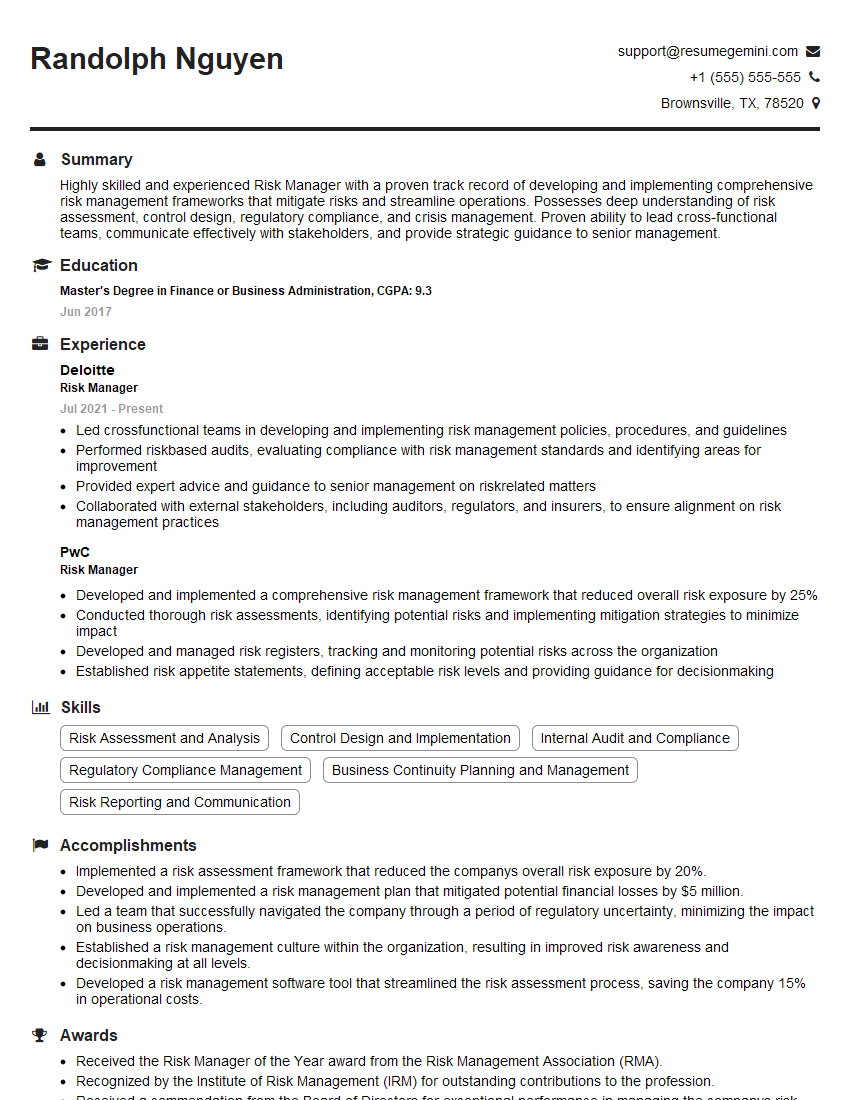
Risk Manager Resume Sample
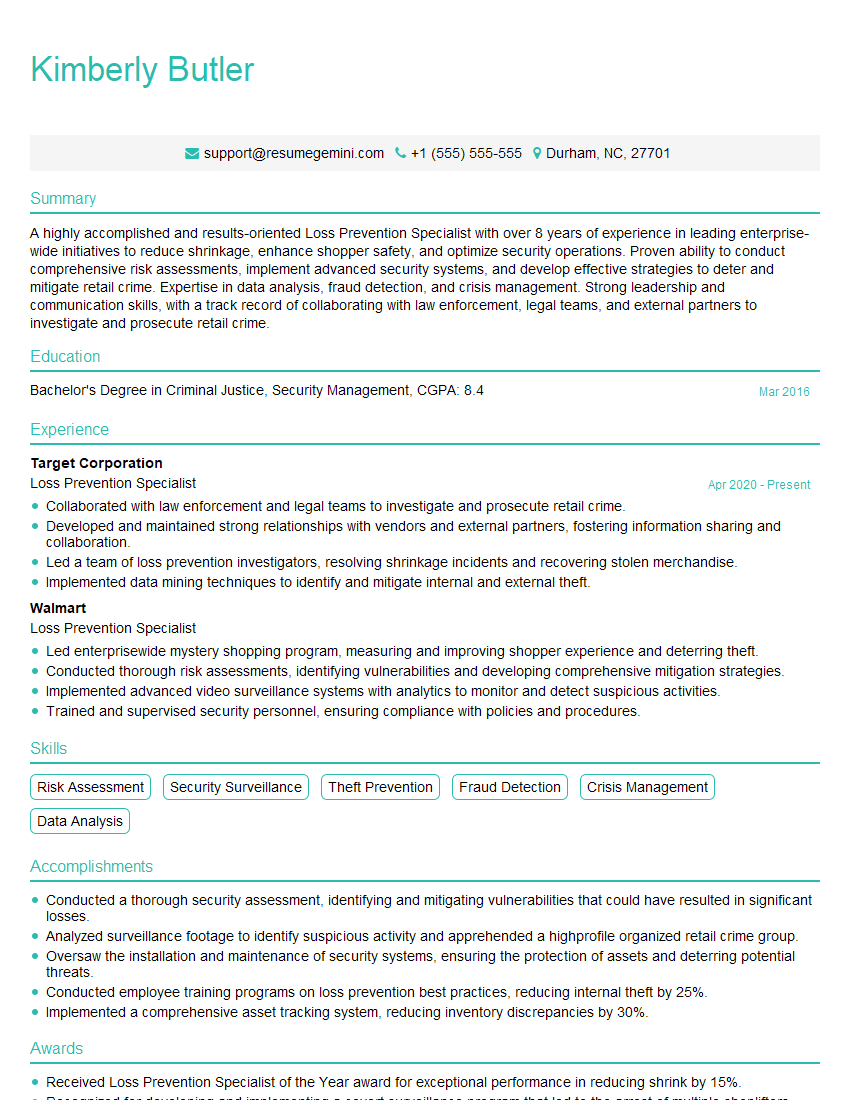
Loss Prevention Specialist Resume Sample
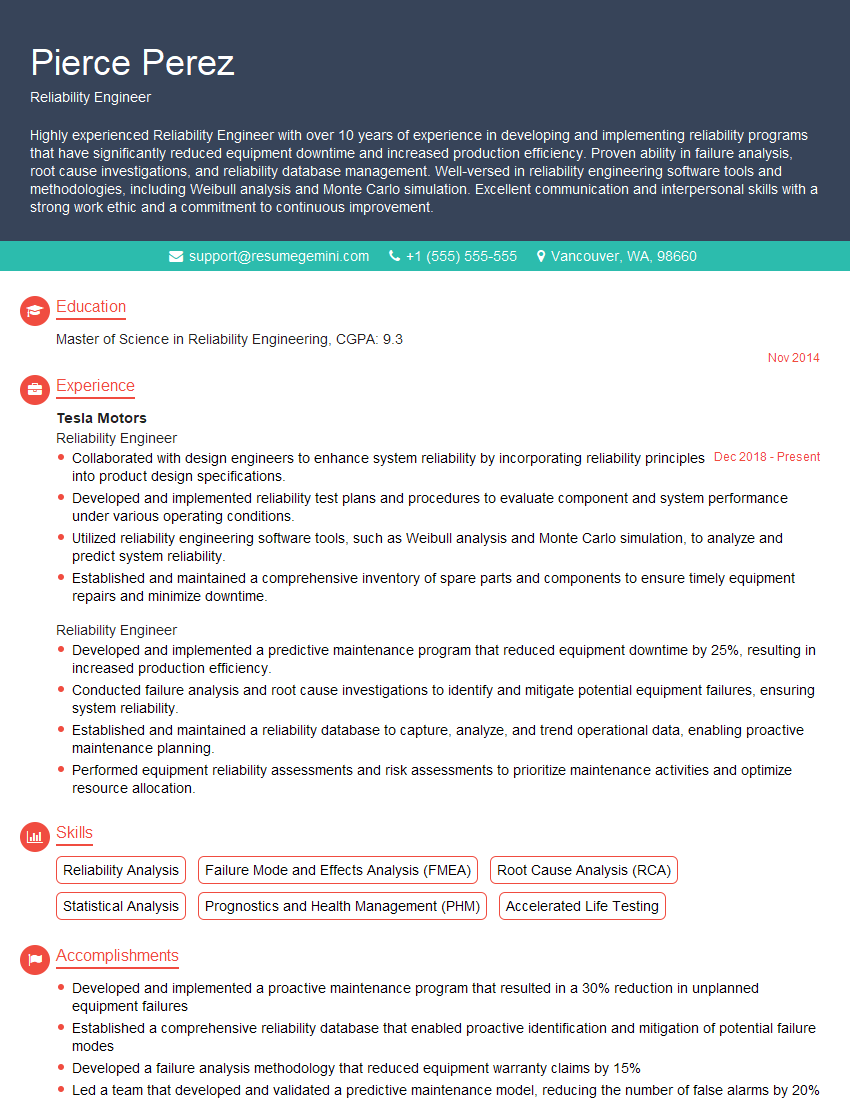
Reliability Engineer Resume Sample
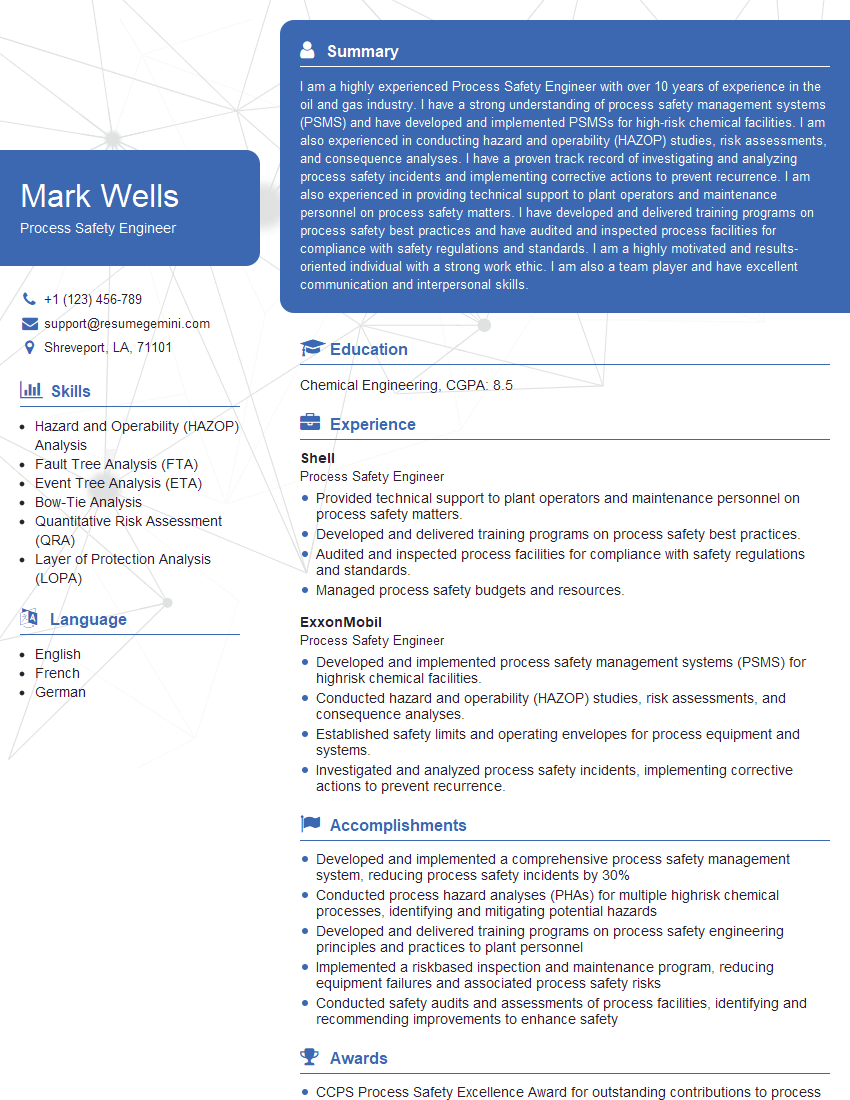
Process Safety Engineer Resume Sample
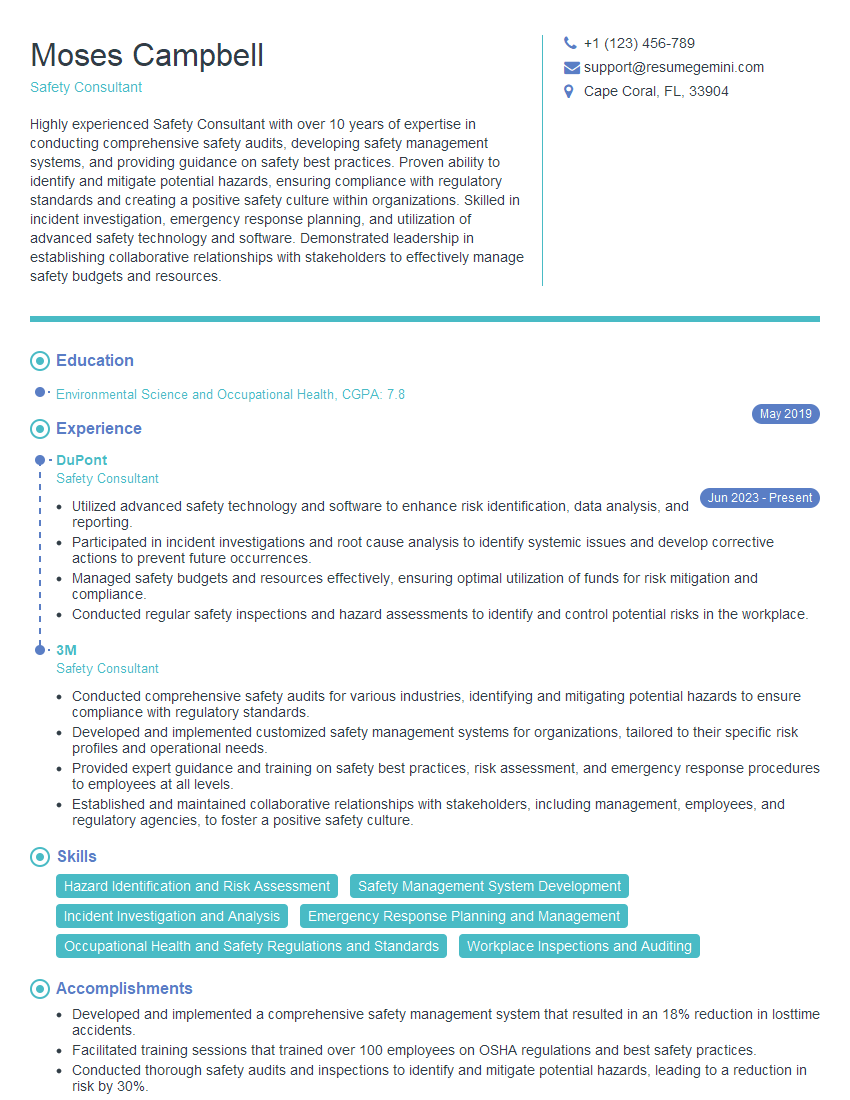
Safety Consultant Resume Sample
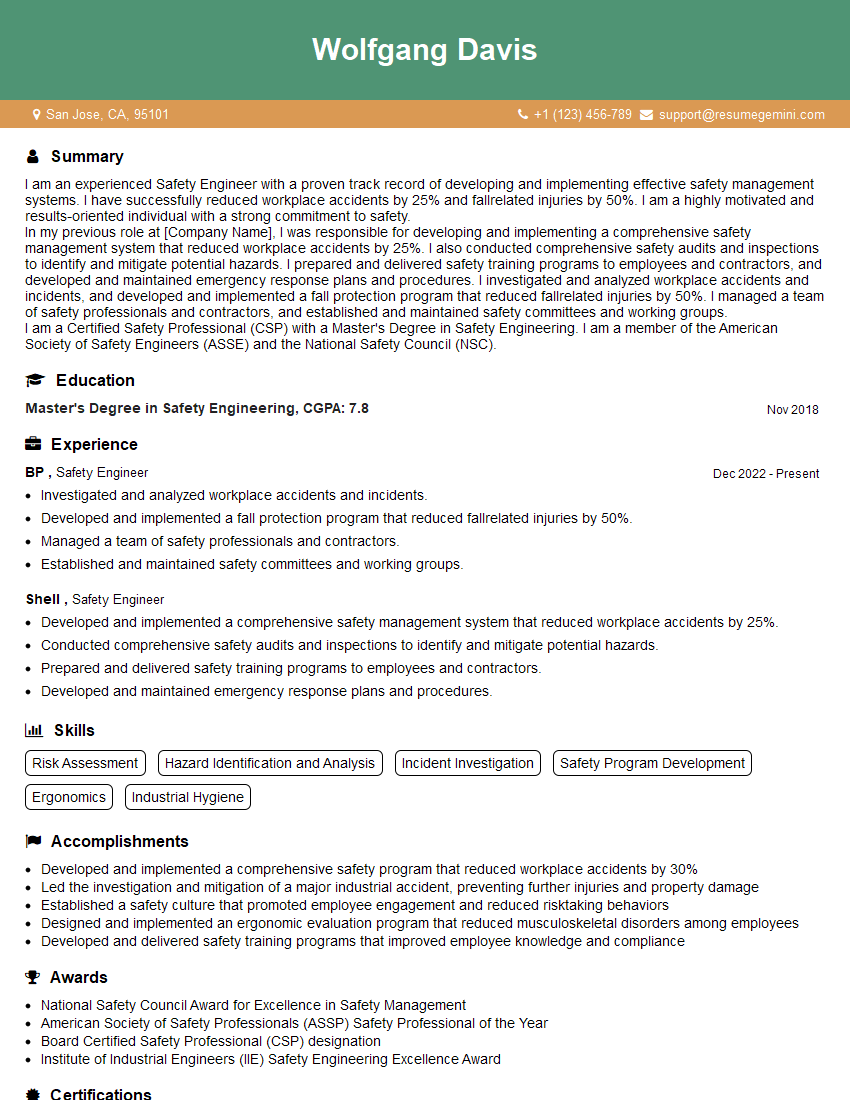
Safety Engineer Resume Sample
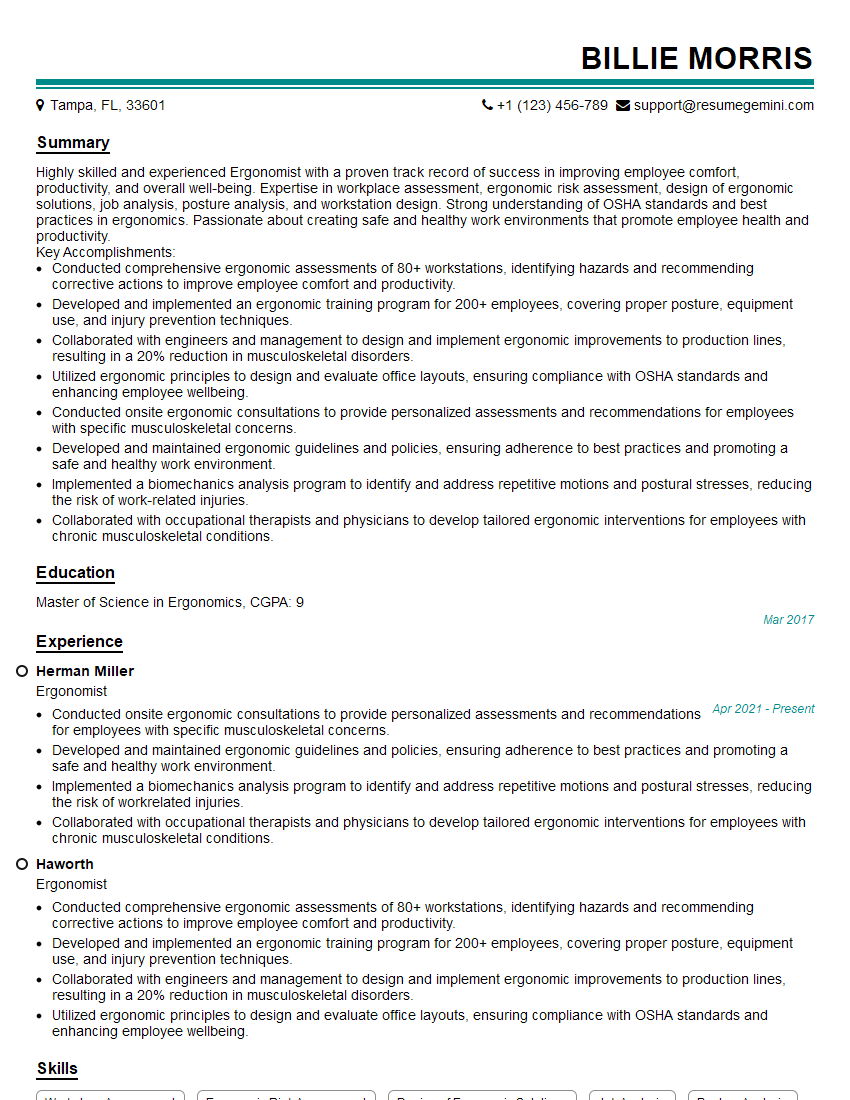
Ergonomist Resume Sample
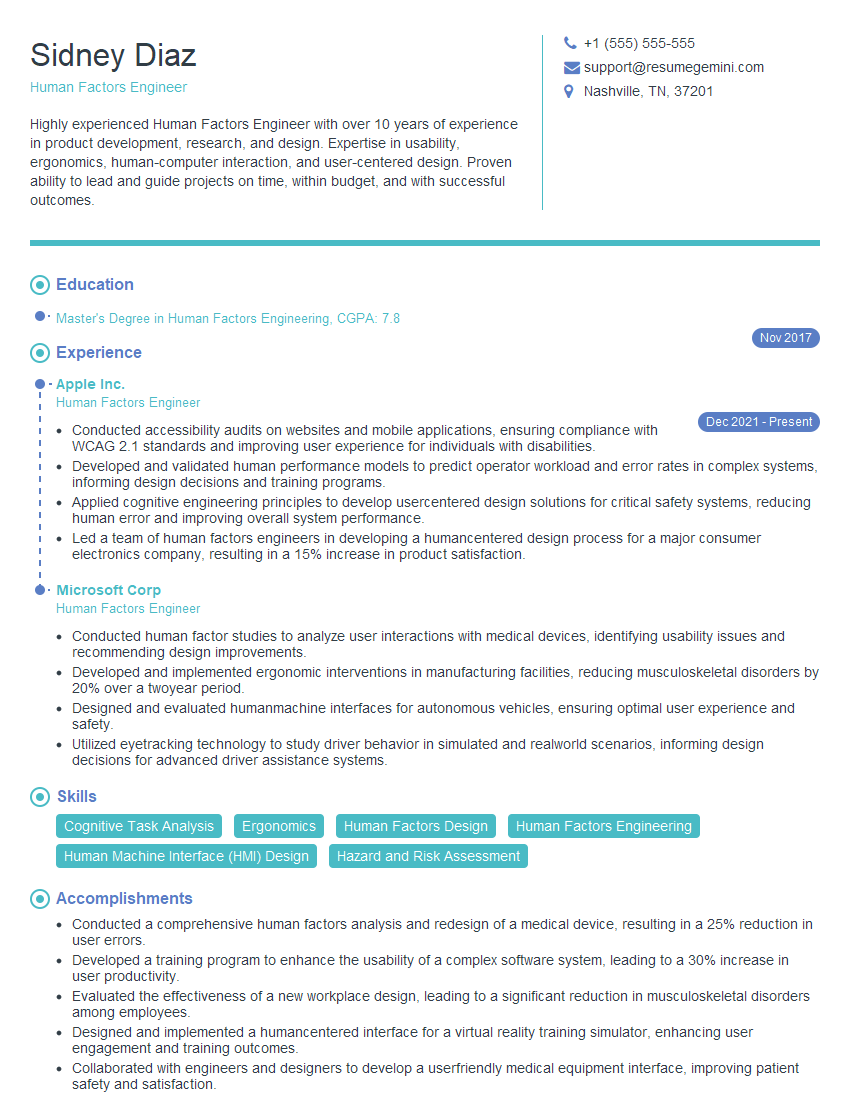
Human Factors Engineer Resume Sample
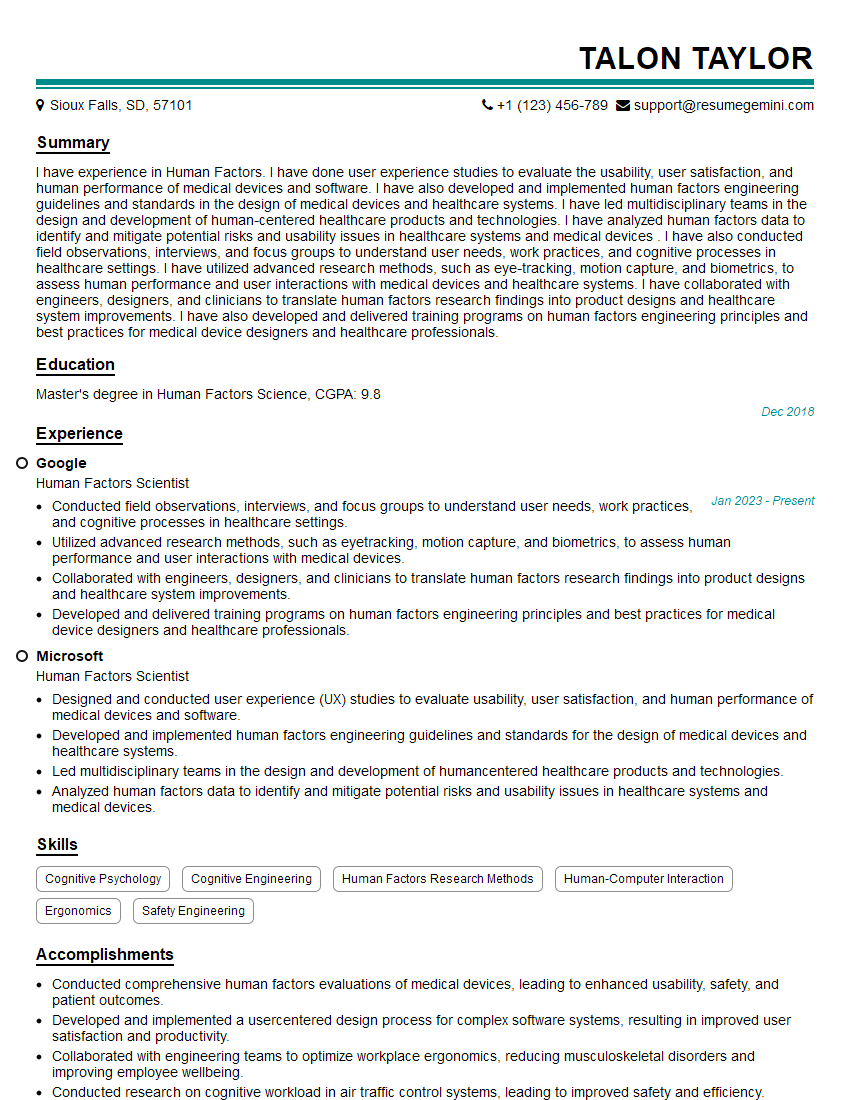
Human Factors Scientist Resume Sample
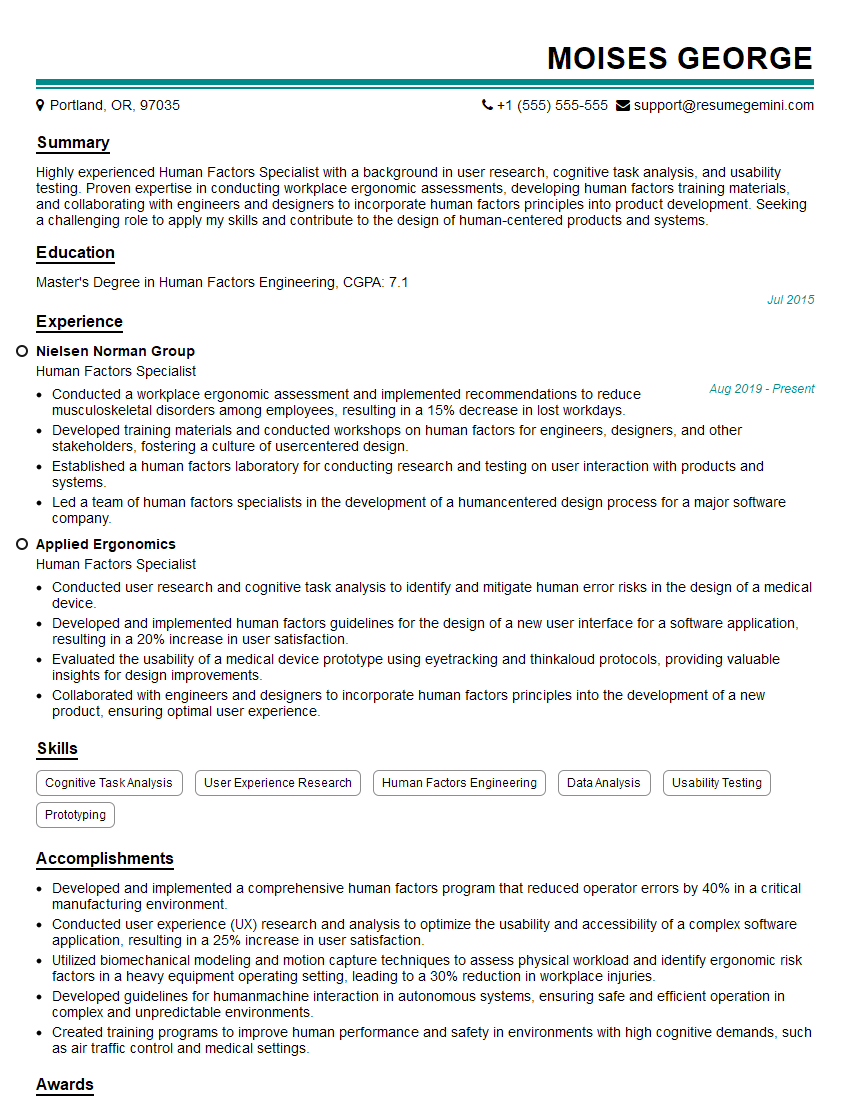
Human Factors Specialist Resume Sample
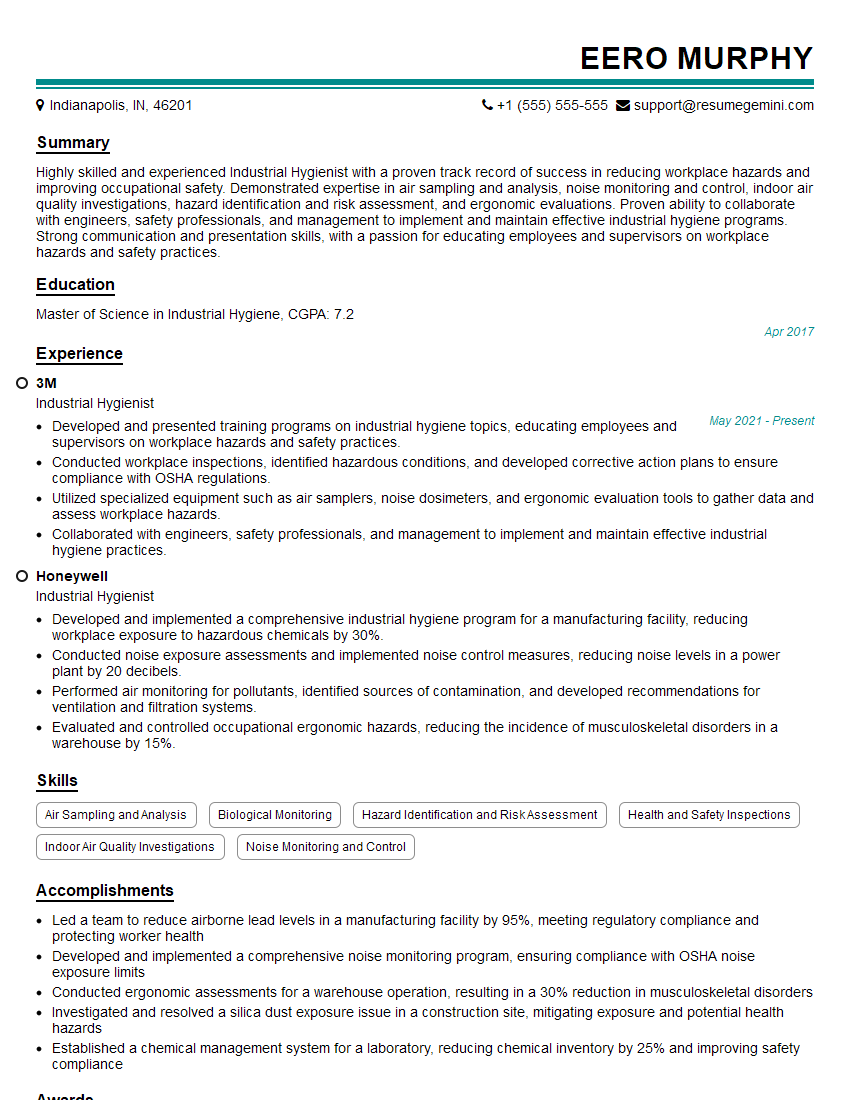
Industrial Hygienist Resume Sample
- Safety Manager
- Safety Director
- Environmental Health and Safety Manager
- Safety Specialist
- Compliance Officer
- Risk Manager
- Loss Prevention Specialist
- Reliability Engineer
- Process Safety Engineer
- Safety Consultant
- Safety Engineer
- Ergonomist
- Human Factors Engineer
- Human Factors Scientist
- Human Factors Specialist
- Industrial Hygienist
Explore more articles
Users Rating of Our Blogs
Share Your Experience
We value your feedback! Please rate our content and share your thoughts (optional).
What Readers Say About Our Blog
Very informative content, great job.
good