The right preparation can turn an interview into an opportunity to showcase your expertise. This guide to Safety Data Sheets (SDS) interview questions is your ultimate resource, providing key insights and tips to help you ace your responses and stand out as a top candidate.
Questions Asked in Safety Data Sheets (SDS) Interview
Q 1. Explain the purpose and importance of Safety Data Sheets (SDS).
Safety Data Sheets (SDSs) are crucial documents providing comprehensive information about the hazards of chemical products and how to work with them safely. Think of them as the instruction manuals for chemicals. Their importance lies in protecting workers, consumers, and the environment from potential harm. Without SDSs, handling chemicals becomes a gamble, potentially leading to accidents, injuries, and environmental damage.
SDSs detail a chemical’s physical and chemical properties, health hazards, flammability, reactivity, and proper handling procedures. This information empowers users to make informed decisions about safe storage, handling, use, and disposal, preventing accidents and mitigating risks.
Q 2. What are the key sections of an SDS, and what information is contained in each?
A typical SDS is structured into 16 sections, although the exact content and order might vary slightly depending on the jurisdiction and the specific chemical. Here’s a summary of the key sections:
- Section 1: Identification: Product name, manufacturer contact information, emergency phone numbers.
- Section 2: Hazard Identification: Classification of hazards (e.g., flammability, toxicity), hazard statements, precautionary statements.
- Section 3: Composition/Information on Ingredients: Lists the chemical components and their concentrations.
- Section 4: First-aid measures: Instructions for handling exposure, such as eye contact or ingestion.
- Section 5: Fire-fighting measures: Suitable extinguishing agents, special firefighting procedures.
- Section 6: Accidental release measures: Steps to take in case of spills or leaks.
- Section 7: Handling and storage: Safe handling practices, storage conditions, and incompatible materials.
- Section 8: Exposure controls/personal protection: Recommended personal protective equipment (PPE), engineering controls.
- Section 9: Physical and chemical properties: Physical state, boiling point, melting point, etc.
- Section 10: Stability and reactivity: Chemical stability, conditions to avoid, hazardous decomposition products.
- Section 11: Toxicological information: Health effects of exposure, acute and chronic toxicity data.
- Section 12: Ecological information: Environmental effects of the chemical.
- Section 13: Disposal considerations: Proper disposal methods.
- Section 14: Transport information: Transportation regulations and requirements.
- Section 15: Regulatory information: Relevant regulations and legal requirements.
- Section 16: Other information: Date of preparation, revision date, references.
For example, Section 4 (First-aid measures) might specify that in case of eye contact with a particular chemical, immediate flushing with water for at least 15 minutes is crucial, followed by medical attention.
Q 3. Describe the Globally Harmonized System of Classification and Labelling of Chemicals (GHS).
The Globally Harmonized System of Classification and Labelling of Chemicals (GHS) is an internationally agreed-upon standard for classifying chemicals according to their hazards and communicating those hazards on labels and SDSs. It aims to standardize hazard communication worldwide, making it easier for workers and consumers to understand the risks associated with chemicals regardless of their origin.
Key elements of GHS include hazard classification (using categories like acute toxicity, flammability, etc.), standardized hazard pictograms (graphical symbols representing specific hazards), signal words (warning or danger), hazard statements (describe the nature of the hazard), and precautionary statements (recommend measures to mitigate the hazard).
Imagine trying to understand chemical hazard warnings in multiple languages and with inconsistent symbols. GHS provides a unified, internationally recognized system, thereby enhancing safety and preventing misunderstandings.
Q 4. How does the SDS relate to the Hazard Communication Standard (HCS)?
The Hazard Communication Standard (HCS) is a U.S. Occupational Safety and Health Administration (OSHA) regulation requiring employers to inform their workers about the hazardous chemicals they handle. The SDS is a cornerstone of the HCS. In essence, the HCS mandates the use and availability of SDSs for all hazardous chemicals present in the workplace.
Employers must provide training on chemical hazards, maintain a chemical inventory, and ensure that SDSs are readily accessible to employees. The SDS provides the detailed information necessary to comply with the HCS’s training and information requirements. The HCS aligns with the GHS, making SDSs compliant with both sets of standards.
Q 5. What are the differences between an SDS and an MSDS?
The terms SDS and MSDS (Material Safety Data Sheet) are often used interchangeably, but there is a key distinction. MSDS is the older term, representing the format prior to the GHS adoption. The SDS is the updated, GHS-compliant version. The main difference lies in the structure and content: SDSs follow the standardized 16-section format dictated by the GHS, while MSDSs may have varied formats. SDSs also employ standardized hazard pictograms and signal words, offering a more consistent and globally recognized system than MSDSs.
In short, the SDS is the modern, standardized replacement for the MSDS, enhancing clarity and consistency in chemical hazard communication.
Q 6. How do you identify hazardous chemicals in a workplace?
Identifying hazardous chemicals in a workplace requires a multi-pronged approach. Firstly, a thorough inventory of all chemicals present is crucial. This includes checking labels, reviewing purchase orders, and consulting with suppliers. Secondly, labels themselves provide initial clues; the presence of hazard pictograms, signal words, or hazard statements indicates a hazardous chemical. Thirdly, checking the SDS for each chemical provides comprehensive information about its hazards.
For example, if a label shows a flame pictogram and the signal word ‘Danger,’ you immediately know you’re dealing with a flammable substance requiring careful handling and storage. Always consult the SDS for detailed instructions on safe handling and emergency procedures.
Q 7. How do you interpret pictograms and signal words on SDSs?
Pictograms are graphical symbols representing specific hazard classes, such as flammability, toxicity, or corrosivity. Signal words, either ‘Danger’ or ‘Warning,’ indicate the severity of the hazard; ‘Danger’ signifies a more serious hazard than ‘Warning’.
For instance, a skull and crossbones pictogram signifies acute toxicity (‘Danger’), indicating that the chemical can cause death or serious health effects through short-term exposure. A flame pictogram (‘Warning’ or ‘Danger’ depending on the specific hazard class) indicates flammability. Understanding these pictograms and signal words allows for quick assessment of the chemical’s hazards and appropriate safety measures.
Q 8. Explain the different hazard classes and categories in GHS.
The Globally Harmonized System of Classification and Labelling of Chemicals (GHS) uses a standardized system to classify chemicals based on their hazards. This involves assigning them to hazard classes and categories, indicating the type and severity of the risk. Think of it like a detailed warning label, making sure everyone understands the potential dangers.
- Physical Hazards: These describe the inherent dangers of a substance’s physical properties. Examples include flammability (Category 1, 2, 3, 4), explosiveness, oxidising properties, and corrosivity (Category 1, 1A, 1B).
- Health Hazards: This class encompasses the potential for a substance to cause harm through various routes of exposure. Examples include acute toxicity (Category 1, 2, 3, 4), skin corrosion/irritation, serious eye damage/irritation, respiratory or skin sensitization, germ cell mutagenicity, carcinogenicity, reproductive toxicity, STOT (Specific Target Organ Toxicity) – single exposure, and STOT – repeated exposure.
- Environmental Hazards: This covers the potential harm a substance poses to the environment. Categories include aquatic toxicity (Category 1, 2, 3).
Each hazard class contains multiple categories that further refine the level of hazard. For instance, acute toxicity Category 1 represents the most severe hazard, while Category 4 represents the least severe within that hazard class. The specific category assigned to a substance dictates the precautionary statements and hazard pictograms that appear on its label and within the SDS.
Q 9. Describe your experience with SDS authoring or updating.
I have extensive experience in SDS authoring and updating, having worked on hundreds of SDSs across a wide range of industries, from manufacturing to pharmaceuticals. My process typically involves a thorough review of all available data, including chemical composition, toxicological studies, and regulatory requirements. I’m proficient in using various software tools to ensure compliance with GHS and other relevant regulations. For example, I recently updated the SDS for a new formulation of a cleaning agent, requiring careful consideration of its new chemical composition, toxicity data, and potential environmental impacts. This involved updating sections like ‘Composition/Information on Ingredients’, ‘Hazards Identification’, ‘First-aid measures’, ‘Fire-fighting measures’, and ‘Ecological Information’ to reflect the changes and ensure accuracy and completeness.
I also have experience in translating SDSs into multiple languages to meet the needs of a global workforce and ensuring consistency across all versions. I follow a rigorous quality control process to guarantee accuracy, including peer review before final approval. My approach ensures that the final SDS is a comprehensive, reliable, and legally compliant document.
Q 10. How do you ensure SDSs are readily accessible to employees?
Ensuring readily accessible SDSs is paramount for employee safety. My approach involves a multi-pronged strategy. Firstly, a central, easily searchable digital database is essential. This database should be accessible to all employees via computer and mobile devices, even offline in some cases. I’ve implemented systems using dedicated SDS management software and cloud-based solutions.
Secondly, physical copies should be available at the point of use. This is crucial in areas with limited or no internet access. Clearly labeled binders or wall charts are often employed. Regular audits ensure that the physical copies remain up-to-date and readily available. Finally, a comprehensive communication plan is essential. Training programs and regular reminders are vital to ensure that all employees understand where to find and how to utilize the SDSs.
Q 11. What are your methods for training employees on the proper handling and use of SDSs?
Training employees on SDS usage is critical to ensure they understand and utilize this crucial safety information effectively. My approach combines various methods for optimal impact. I develop interactive training modules that walk employees through the various sections of an SDS, explaining the information presented and emphasizing its practical application in their work.
These modules incorporate quizzes and scenario-based questions to reinforce learning and check for understanding. Hands-on workshops and demonstrations are also incorporated, demonstrating how to locate specific information and interpret hazard warnings. Regular refresher training is provided to keep information fresh, especially when changes occur in the workplace or when new chemicals are introduced. Documentation of training is meticulously maintained to ensure compliance and traceability.
Q 12. How do you handle inconsistencies or missing information on an SDS?
Inconsistencies or missing information on an SDS are serious issues that require immediate attention. My first step involves identifying the source of the discrepancy. If the issue is an inconsistency, I cross-reference the data with other reliable sources, such as the manufacturer’s website or original safety data. If inconsistencies remain, I contact the manufacturer directly for clarification and updated information. For missing information, I would employ a similar approach, contacting the manufacturer or conducting thorough literature reviews to obtain the missing data.
In the interim, while awaiting a response, I may issue a temporary SDS with clearly marked placeholders for the missing or inconsistent information, alerting employees to the uncertainty and advising caution. I maintain a meticulous record of all communications and actions taken to resolve these issues. The goal is always to have a complete and accurate SDS available for use.
Q 13. How do you manage SDS updates and revisions?
Managing SDS updates and revisions is a continuous process. I utilize SDS management software to track all versions and changes. When updates are received from manufacturers, I verify their authenticity and thoroughly review the changes before implementing them. This includes checking for any impacts on existing safety procedures and employee training materials.
A notification system, typically email or SMS alerts, is used to immediately inform all relevant personnel of the update and changes. The updated SDS is then immediately uploaded to the central database and physical copies are updated and distributed to the relevant workstations. This systematic approach ensures that all employees always have access to the most current and accurate SDS information.
Q 14. Describe your experience with SDS software or databases.
I have extensive experience with several SDS software and database systems. This includes both standalone applications and cloud-based solutions. I am proficient in using these systems to manage, update, and distribute SDSs efficiently and effectively. My experience includes using software for generating, translating, and tracking SDS revisions, ensuring that all required compliance standards are met. For instance, I’ve implemented a cloud-based SDS management system that allows for real-time updates and access from anywhere, enhancing efficiency and improving workplace safety.
My expertise also extends to using databases for querying and reporting purposes, enabling me to generate customized reports on chemical inventory, SDS updates, and employee training records. The key is selecting software that fits the specific needs of the organization, considering factors such as user accessibility, data security, integration with existing systems, and regulatory compliance.
Q 15. How do you ensure SDS compliance with relevant regulations?
Ensuring SDS compliance involves a multi-faceted approach, beginning with identifying all applicable regulations. This includes national regulations like OSHA’s Hazard Communication Standard (HCS) in the US, as well as international standards like Globally Harmonized System of Classification and Labelling of Chemicals (GHS). We must then meticulously verify that every SDS on file meets the specific requirements of these standards. This involves checking for accuracy and completeness in sections detailing chemical identification, hazards, composition, first aid measures, handling and storage, exposure controls, and personal protective equipment. Regular updates are crucial, as chemical regulations and formulations can change. Finally, a robust system for managing SDSs – either a dedicated software or a meticulously organized physical filing system – is essential to ensure easy access and version control.
For example, if a company manufactures cleaning solutions, its SDSs must comply with all relevant EPA and OSHA regulations related to cleaning chemicals. A failure to do so can result in significant fines and legal repercussions.
In my previous role, we implemented a software solution to manage SDSs, which included automated alerts for updates and ensured that only the most current version was accessible to employees.
Career Expert Tips:
- Ace those interviews! Prepare effectively by reviewing the Top 50 Most Common Interview Questions on ResumeGemini.
- Navigate your job search with confidence! Explore a wide range of Career Tips on ResumeGemini. Learn about common challenges and recommendations to overcome them.
- Craft the perfect resume! Master the Art of Resume Writing with ResumeGemini’s guide. Showcase your unique qualifications and achievements effectively.
- Don’t miss out on holiday savings! Build your dream resume with ResumeGemini’s ATS optimized templates.
Q 16. Explain the process for handling spills or accidents involving hazardous materials.
Handling spills or accidents involving hazardous materials requires immediate and decisive action, prioritizing safety above all else. The first step is to evacuate the immediate area and prevent further exposure. This is followed by assessing the situation, identifying the spilled material, and consulting its SDS for specific guidance on cleanup procedures. The SDS will detail recommended personal protective equipment (PPE), cleanup methods, and emergency contact information. Proper containment and cleanup methods are crucial to avoid environmental contamination and further exposure risk. Once the spill is contained and cleaned, appropriate disposal procedures as outlined in the SDS must be followed. Thorough documentation of the incident, including the type and quantity of material spilled, cleanup methods used, and any injuries sustained, is essential for future reference and compliance.
Imagine a spill of concentrated sulfuric acid. The SDS will clearly indicate the need for specialized PPE, like acid-resistant gloves, aprons, and eye protection. It will also specify the use of absorbent materials, such as vermiculite, to neutralize the acid and the proper disposal route for the contaminated material.
Post-incident training to reinforce the correct procedures and address any identified gaps in response is vital for preventing future incidents.
Q 17. What is your familiarity with OSHA’s Hazard Communication Standard?
My familiarity with OSHA’s Hazard Communication Standard (HCS) is extensive. I understand its core requirements, including the creation and distribution of SDSs, proper labeling of hazardous chemicals, employee training programs, and the establishment of a hazard communication program. The HCS mandates that employers provide employees with information about the hazards of chemicals they are exposed to in the workplace, in a clear and understandable way. I’m proficient in interpreting the HCS requirements and ensuring that an organization’s hazard communication program complies with all aspects of this standard. This includes understanding the GHS alignment, which ensures consistency in chemical hazard classification and communication globally.
For instance, I am very comfortable with the required elements of a Safety Data Sheet (SDS) according to HCS, such as the 16 sections mandated by OSHA, and how those sections relate to hazard identification, prevention and response to accidents.
I’ve conducted numerous training sessions on HCS compliance and regularly review and update our company’s safety protocols to align with changes in this standard.
Q 18. How do you determine the appropriate personal protective equipment (PPE) based on SDS information?
Determining appropriate PPE is a critical task, and the SDS is the primary resource. The SDS section on ‘Exposure Controls/Personal Protection’ provides detailed guidance on the required PPE to minimize exposure risks. This section might specify the type of gloves (e.g., nitrile, neoprene, etc.), eye protection (e.g., safety glasses, goggles, face shields), respiratory protection (e.g., respirators with specific filter types), and other protective clothing (e.g., aprons, boots). The choice of PPE should always prioritize the highest level of protection necessary, based on the specific tasks and potential exposure levels. It’s crucial to remember that this information is hazard-specific and varies greatly depending on the chemical in question. You can’t just assume; the SDS is the deciding factor.
For instance, handling concentrated hydrochloric acid necessitates acid-resistant gloves, eye protection, and potentially a respirator depending on the concentration and ventilation. The SDS would provide those specific requirements. Simply relying on general knowledge would be insufficient and potentially dangerous.
Regular reviews of the SDS and associated risk assessments ensure that PPE remains appropriate and up-to-date.
Q 19. What are some common challenges in managing SDSs in a large organization?
Managing SDSs in large organizations presents several challenges. One major issue is maintaining version control. With numerous chemicals and frequent SDS updates, ensuring that everyone is using the most current versions can be difficult. Another challenge is SDS accessibility. Employees need easy and immediate access to SDSs, but locating them efficiently within a large company can be problematic without a centralized, well-organized system. Language barriers can also create complications in multinational organizations, requiring translations of SDSs into multiple languages. Furthermore, keeping track of SDSs for all subcontracted materials or chemicals used during maintenance can be complex.
An effective solution is to utilize a centralized SDS management system, either through dedicated software or a well-structured database system that includes automated alerts for updates and facilitates easy search functions.
In my experience, implementing a digital SDS management system and providing comprehensive training to employees has greatly streamlined the process and minimized these challenges.
Q 20. How do you communicate SDS information effectively to non-technical personnel?
Communicating SDS information effectively to non-technical personnel requires simplifying complex technical jargon and focusing on key hazard information. Instead of presenting the entire SDS, we can create concise summaries, safety alerts, or visual aids, highlighting crucial information like potential health hazards, emergency procedures, and appropriate PPE. Using clear, simple language, avoiding technical terms whenever possible, and providing visual cues like pictograms significantly improve comprehension. Training sessions, tailored to the specific job roles and tasks, can also help ensure a better understanding.
For example, instead of saying ‘acute dermal toxicity,’ we could say ‘this chemical can harm your skin if it touches you.’ Simple, memorable visual cues (like pictograms) can further enhance understanding.
I’ve found that using a combination of interactive training, visual aids, and simplified summaries significantly improves communication and ensures that safety information reaches everyone effectively, even those without extensive scientific backgrounds.
Q 21. Describe your experience with SDS audits or inspections.
I have extensive experience with SDS audits and inspections. This typically involves reviewing SDSs for compliance with relevant regulations (e.g., OSHA HCS, GHS), ensuring accuracy and completeness of information, and verifying that SDSs are readily accessible to employees. I check for current versions, the proper handling and storage of SDSs, and the effectiveness of the overall SDS management system. Audits often include reviewing training records and inspecting work areas to see if the information provided in SDSs is appropriately implemented in daily operations. Any deficiencies identified during audits are documented, and corrective actions are recommended to ensure compliance and improve safety practices.
During one audit, we discovered that several SDSs were outdated, and this was addressed by creating an updated SDS library and scheduling regular updates.
The results of audits are often shared with management, helping them understand the current state of compliance and prioritize improvement areas for safety protocols.
Q 22. How do you ensure that SDS information remains current and accurate?
Maintaining current and accurate SDS information is crucial for workplace safety. It’s not a one-time task, but a continuous process. Think of it like regularly updating a software program – you need to address bugs and incorporate new features. Similarly, SDSs need to reflect any changes in the composition, handling, or hazards associated with a chemical.
- Regular Reviews: We establish a schedule for reviewing all SDSs, typically annually or whenever there’s a significant change in the product or its handling procedures. This might involve checking for updates from the manufacturer.
- Supplier Communication: Maintaining strong relationships with our chemical suppliers is vital. We actively solicit updates and revisions to SDSs directly from them. Their expertise ensures we have the most accurate information available.
- Internal Audits: We conduct internal audits to verify that SDSs are accessible, up-to-date, and properly implemented throughout the organization. This involves checking that employees are properly trained on the information and the documents are correctly filed.
- Version Control: A critical element is robust version control. We clearly label and archive previous versions of SDSs, maintaining a historical record of changes. This allows us to trace any discrepancies or answer questions regarding past practices.
For example, if a new safety regulation comes into effect that affects the handling of a specific chemical, we immediately update the corresponding SDS to reflect this change, train employees on the new procedures, and ensure all relevant stakeholders are aware of the update.
Q 23. How do you handle SDSs for mixtures of chemicals?
Handling SDSs for chemical mixtures requires a careful and often complex approach. Unlike pure substances, mixtures don’t have their own pre-existing SDSs. We must create a new SDS that accurately reflects the hazards of the combined components.
This process usually involves a thorough hazard assessment considering each component’s properties and concentrations within the mixture. This assessment might involve using specialized software or consulting with a qualified chemist. We need to identify the most hazardous components and determine how they interact with each other.
- Classification: Based on the hazard assessment, we classify the mixture according to globally harmonized system (GHS) criteria, determining its hazard statements and precautionary measures.
- SDS Compilation: We then compile the SDS, drawing upon information from the SDSs of individual components. This requires careful attention to detail, ensuring all relevant data is incorporated accurately and concisely.
- Professional Expertise: For particularly complex mixtures, we consult with specialists in occupational safety and health to ensure the SDS is complete and legally compliant.
For instance, if mixing two solvents, one flammable and one corrosive, the resulting mixture’s SDS must clearly communicate both flammability and corrosive hazards, along with appropriate handling, storage, and emergency response procedures. The SDS must accurately reflect the combined risks, not simply a summation of individual risks.
Q 24. What is your understanding of the role of SDSs in emergency response?
SDSs are absolutely paramount in emergency response. They act as the first responder’s bible, providing crucial information to effectively manage a chemical incident. Imagine firefighters arriving at a scene involving an unknown chemical spill—the SDS is their lifeline.
SDSs provide the critical details required to handle a hazardous chemical spill or release:
- Immediate Actions: They indicate the immediate actions to take to protect first responders and mitigate the spill’s spread.
- Health Hazards: They clearly outline the health risks associated with exposure, helping medical professionals administer appropriate treatment.
- Protective Measures: They specify the necessary protective equipment (PPE) to ensure the safety of responders.
- Spill Response Procedures: They detail the correct procedures for containing and cleaning up the spill, minimizing environmental impact and further risk.
In an emergency situation, readily accessible and easily understandable SDS information can be the difference between a successful containment and a major incident.
Q 25. How do you manage SDSs for outsourced or contract work?
Managing SDSs for outsourced or contract work requires a clear and robust system to ensure consistent safety standards. This involves a two-pronged approach: open communication and clear contractual obligations.
- Contractual Requirements: Our contracts with external contractors explicitly state their responsibility to provide SDSs for all materials used in their work on our premises. We stipulate that these SDSs must be readily accessible to our employees and comply with all relevant regulations.
- Communication Protocol: We establish a clear communication channel for the exchange of SDS information. This might involve a dedicated online portal or regular meetings to review the SDSs related to their work.
- On-Site Access: We ensure that all relevant SDSs are available on-site, regardless of who supplies the chemicals. This ensures that our employees have access to the information they need, even if a contractor is working with specific materials.
- Regular Review: We integrate the SDSs received from contractors into our overall SDS management system, ensuring they are reviewed and updated as needed, just like our own company’s SDSs.
This rigorous system guarantees the safety of our employees and complies with legal and ethical responsibilities, even when work is performed by external parties.
Q 26. What are the legal implications of failing to properly manage SDSs?
The legal implications of failing to properly manage SDSs can be severe and far-reaching. Think of it like ignoring traffic laws; the consequences can range from minor infractions to major accidents.
- Fines and Penalties: Regulatory bodies can levy significant fines for non-compliance. These fines can vary significantly depending on the severity of the violation and the jurisdiction.
- Legal Liability: In case of accidents or injuries resulting from inadequate SDS management, the company can face lawsuits and substantial financial liabilities. This includes compensation for medical expenses, lost wages, and pain and suffering.
- Reputational Damage: A failure to properly manage SDSs can damage a company’s reputation, leading to a loss of public trust and potential business losses.
- Criminal Charges: In cases of gross negligence or willful disregard for safety regulations, criminal charges could be filed, resulting in even more severe penalties.
Compliance with SDS regulations is not just a matter of administrative tasks; it’s a critical aspect of legal compliance and ethical responsibility. It’s about protecting the health and safety of employees and the environment.
Q 27. Describe your experience with different SDS formats and languages.
Throughout my career, I’ve encountered various SDS formats and languages, reflecting the global nature of chemical manufacturing and trade. SDSs aren’t standardized across all regions or companies.
- Formats: I’m proficient in interpreting SDSs presented in various formats, including both the older, less structured versions, and the more standardized formats conforming to the Globally Harmonized System (GHS). This includes digital formats (PDFs, online databases) and printed copies.
- Languages: I’ve handled SDSs in multiple languages, understanding that translation accuracy is crucial for safety. We often rely on certified translations when dealing with SDSs in languages other than our primary language to ensure proper understanding of the hazards and safety precautions.
- Software Proficiency: I’m also adept at using SDS management software which provides features like centralized storage, automated updates, and improved search functionalities.
My experience with diverse formats and languages highlights the need for adaptability and consistent verification to ensure that safety information is accurately understood and applied across all situations.
Q 28. How do you prioritize SDS management tasks in a busy workplace?
Prioritizing SDS management tasks in a busy workplace requires a structured approach that blends proactive planning with reactive responses to immediate needs. This process involves combining planning, risk assessment, and efficient task management.
- Risk-Based Prioritization: We prioritize tasks based on the potential risk associated with each chemical. Chemicals posing higher hazards or those used frequently get higher priority for SDS review and updates.
- Time-Sensitive Tasks: Any time-sensitive tasks, such as responding to SDS updates from suppliers or addressing newly identified hazards, take precedence.
- Scheduled Reviews: Regular scheduled reviews ensure that all SDSs are periodically examined, even those not requiring immediate attention.
- Technology Utilization: We utilize SDS management software to streamline tasks such as automated updates, reminders, and efficient searching and retrieval of information.
- Delegation and Teamwork: Assigning responsibilities to team members ensures that tasks are spread efficiently and reduces the workload on any single individual.
By using a system that balances planned maintenance with responsive adjustments, we ensure efficient and proactive SDS management, even in a demanding work environment.
Key Topics to Learn for Safety Data Sheets (SDS) Interview
- Understanding SDS Structure and Sections: Learn the 16 sections of an SDS and how information is organized for quick access and interpretation. This includes understanding the purpose and content of each section.
- Hazard Identification and Risk Assessment: Practice identifying hazards from SDS information and applying this knowledge to risk assessment methodologies. Understand how to interpret pictograms, signal words, and hazard statements.
- Safe Handling and Storage Procedures: Develop your ability to translate SDS information into practical safe handling and storage procedures for various chemicals. Consider scenarios requiring specific PPE or storage conditions.
- Emergency Response and Spill Management: Familiarize yourself with the emergency procedures outlined in SDSs. Practice applying this knowledge to hypothetical spill scenarios, focusing on containment, cleanup, and reporting procedures.
- Regulatory Compliance and Legal Aspects: Understand the legal implications of SDS usage and compliance requirements. This includes knowing the difference between an SDS and a label, and understanding relevant legislation.
- Interpreting Different Chemical Classifications: Learn to identify and interpret various chemical classifications and their associated hazards (e.g., flammability, toxicity, reactivity).
- Communicating SDS Information Effectively: Practice explaining complex SDS information clearly and concisely to colleagues and other stakeholders. This will demonstrate your ability to translate technical information into actionable steps.
Next Steps
Mastering Safety Data Sheets is crucial for career advancement in many industries. A strong understanding of SDSs demonstrates your commitment to safety, regulatory compliance, and responsible chemical handling. To significantly boost your job prospects, invest time in crafting an ATS-friendly resume that highlights your SDS expertise. ResumeGemini is a valuable resource to help you build a professional and effective resume. Use their tools and templates to create a compelling document that showcases your skills and experience. Examples of resumes tailored to Safety Data Sheets (SDS) expertise are available within ResumeGemini to guide you.
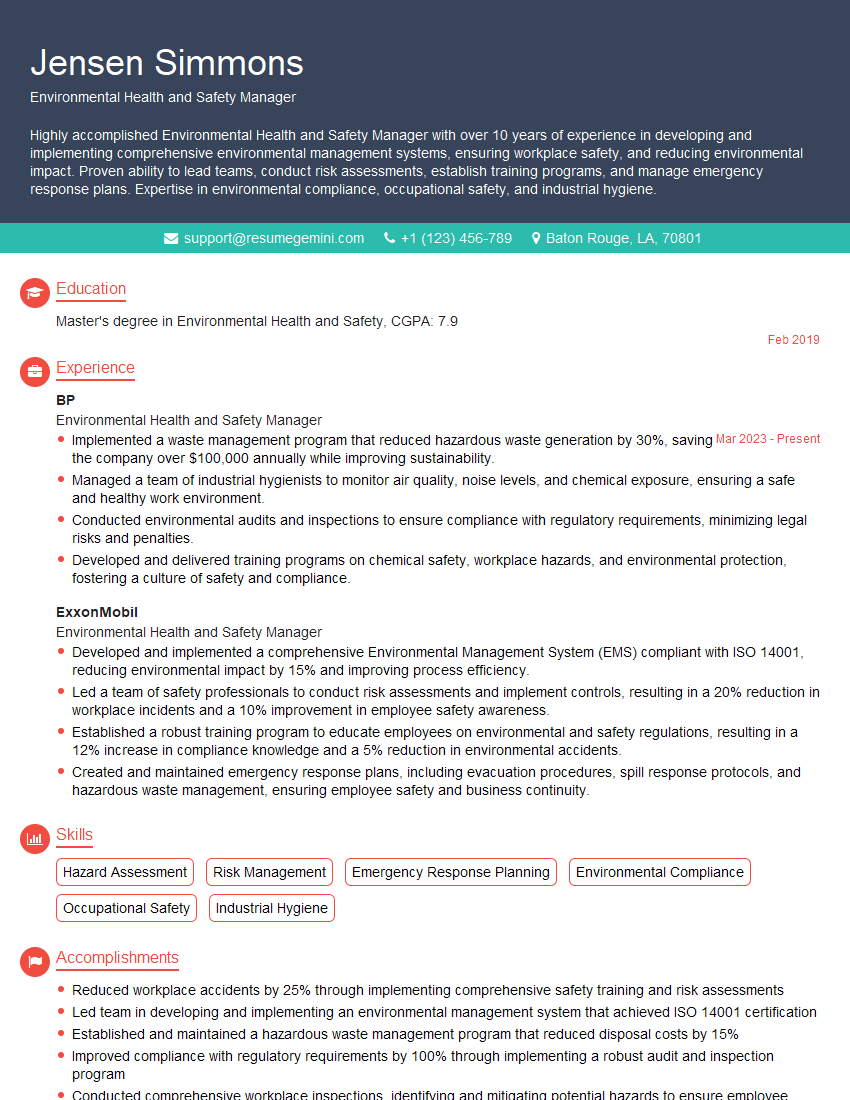
Environmental Health and Safety Manager Resume Sample

Compliance Manager Resume Sample
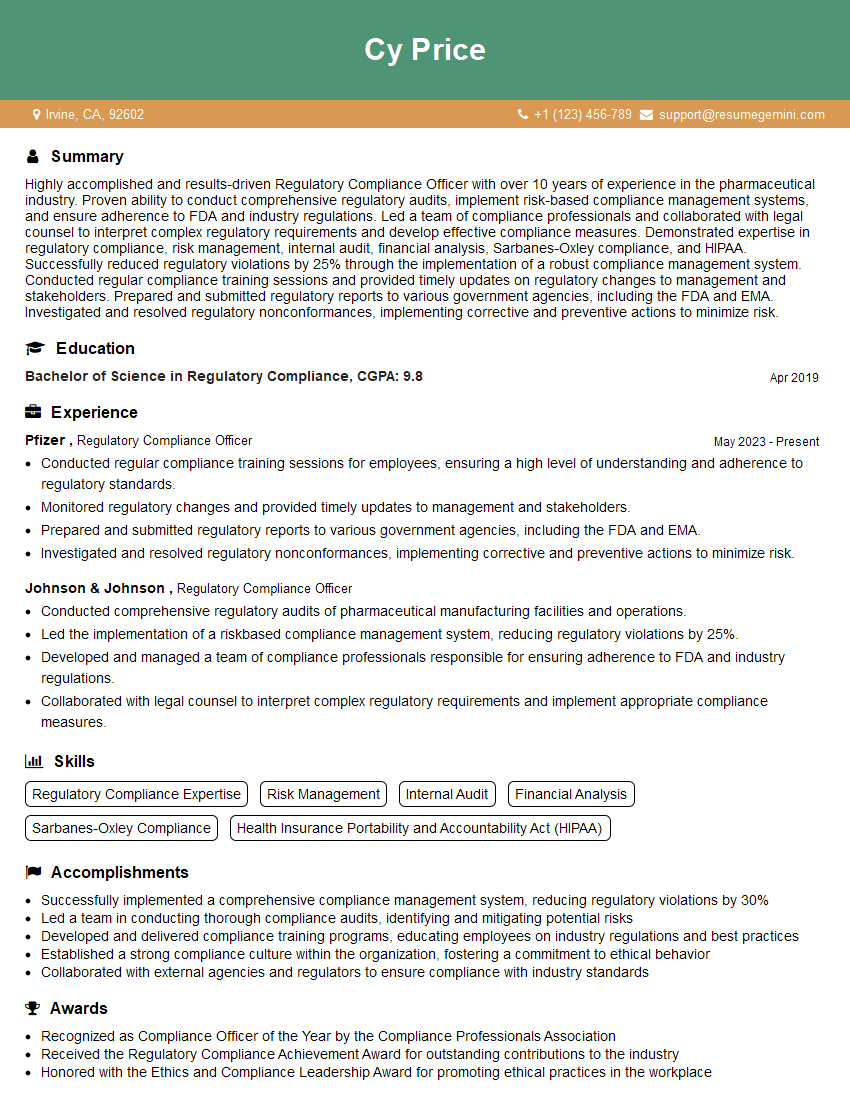
Regulatory Compliance Officer Resume Sample
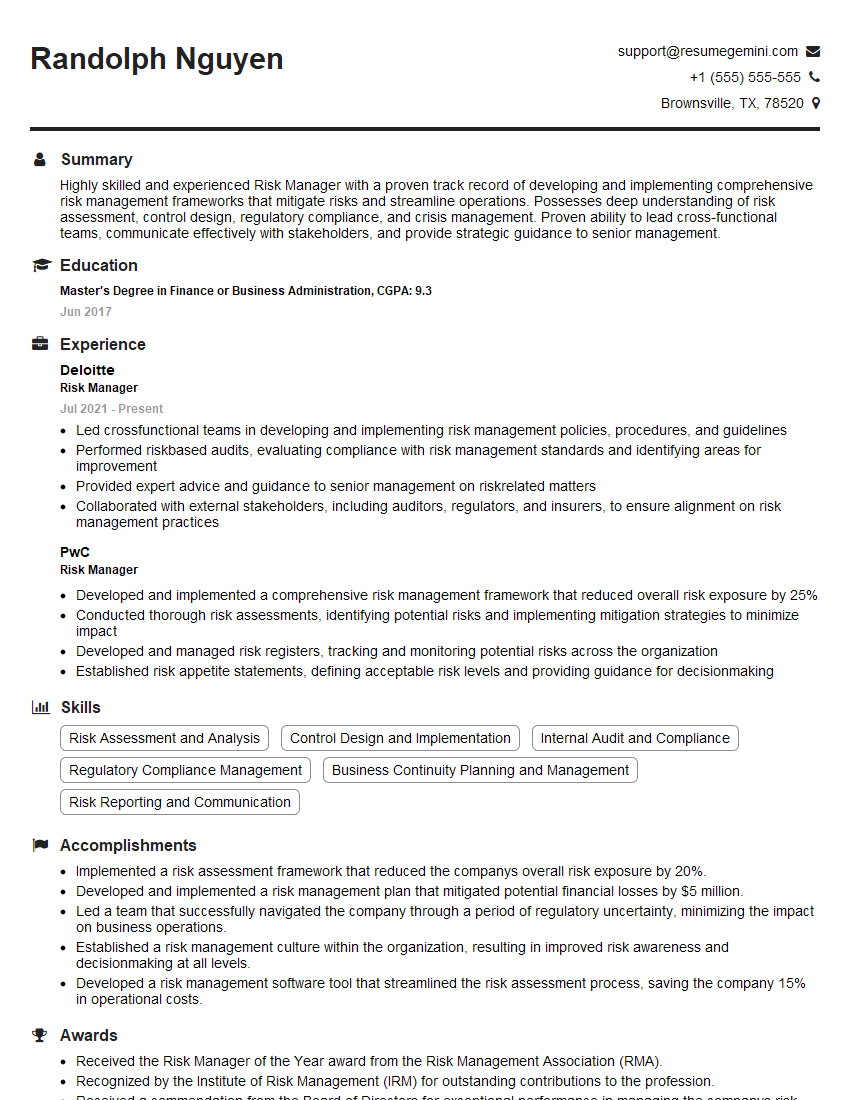
Risk Manager Resume Sample
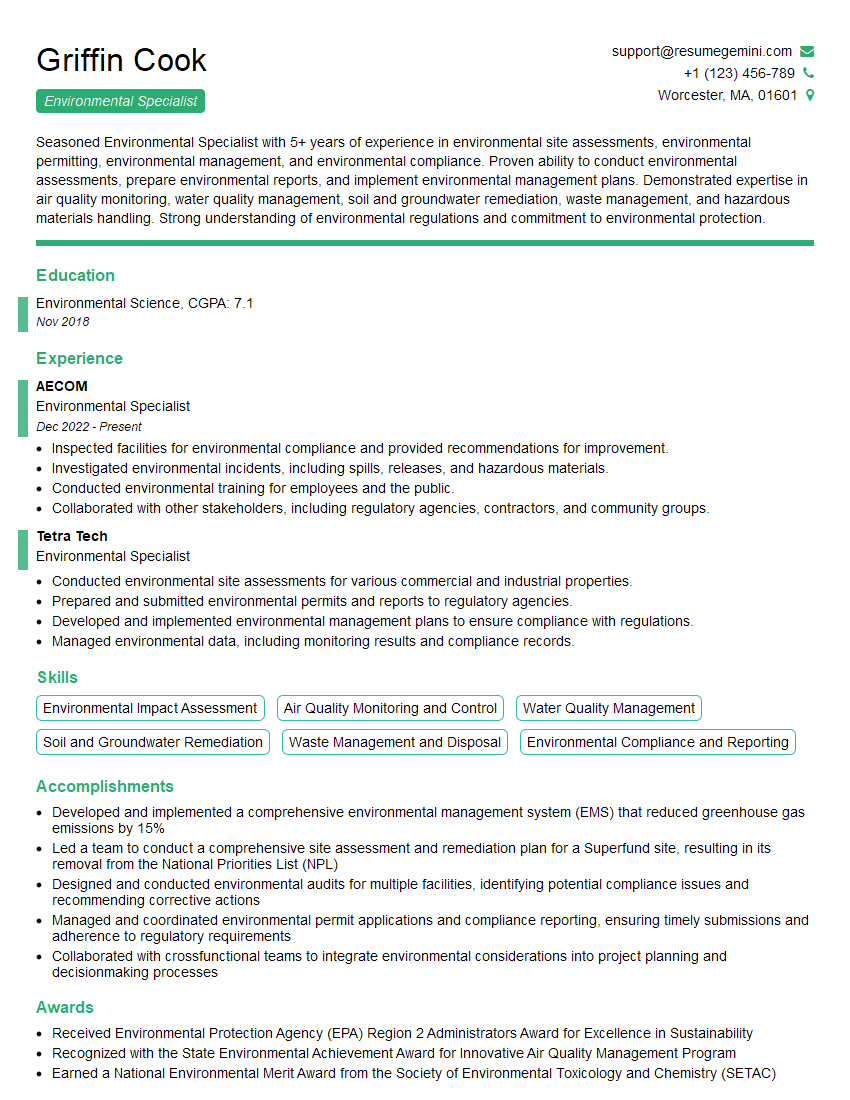
Environmental Specialist Resume Sample
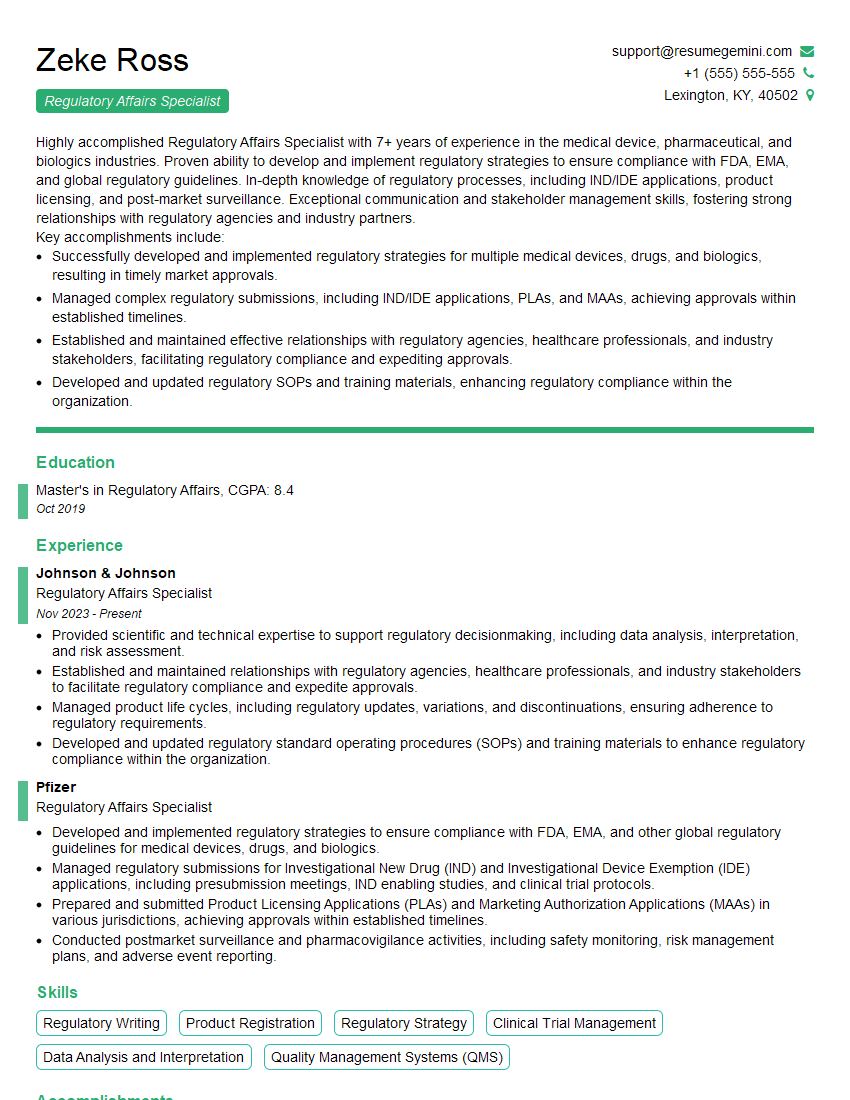
Regulatory Affairs Specialist Resume Sample
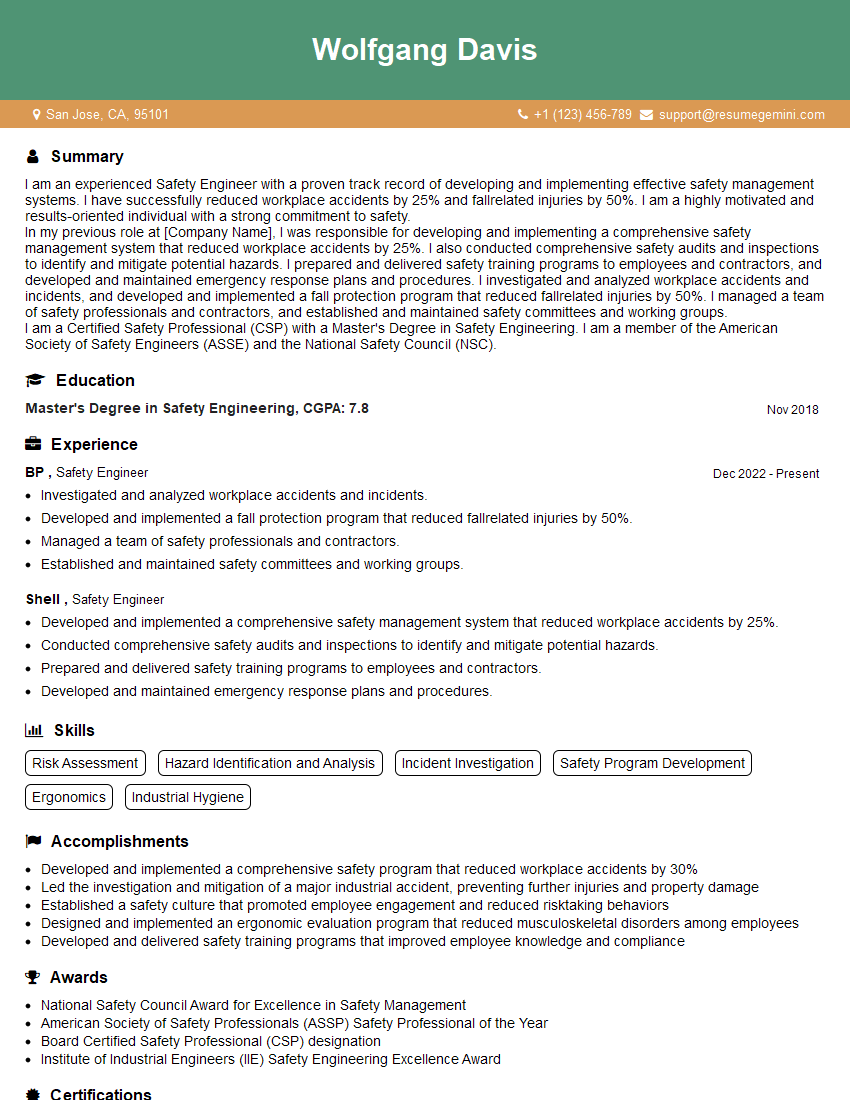
Safety Engineer Resume Sample
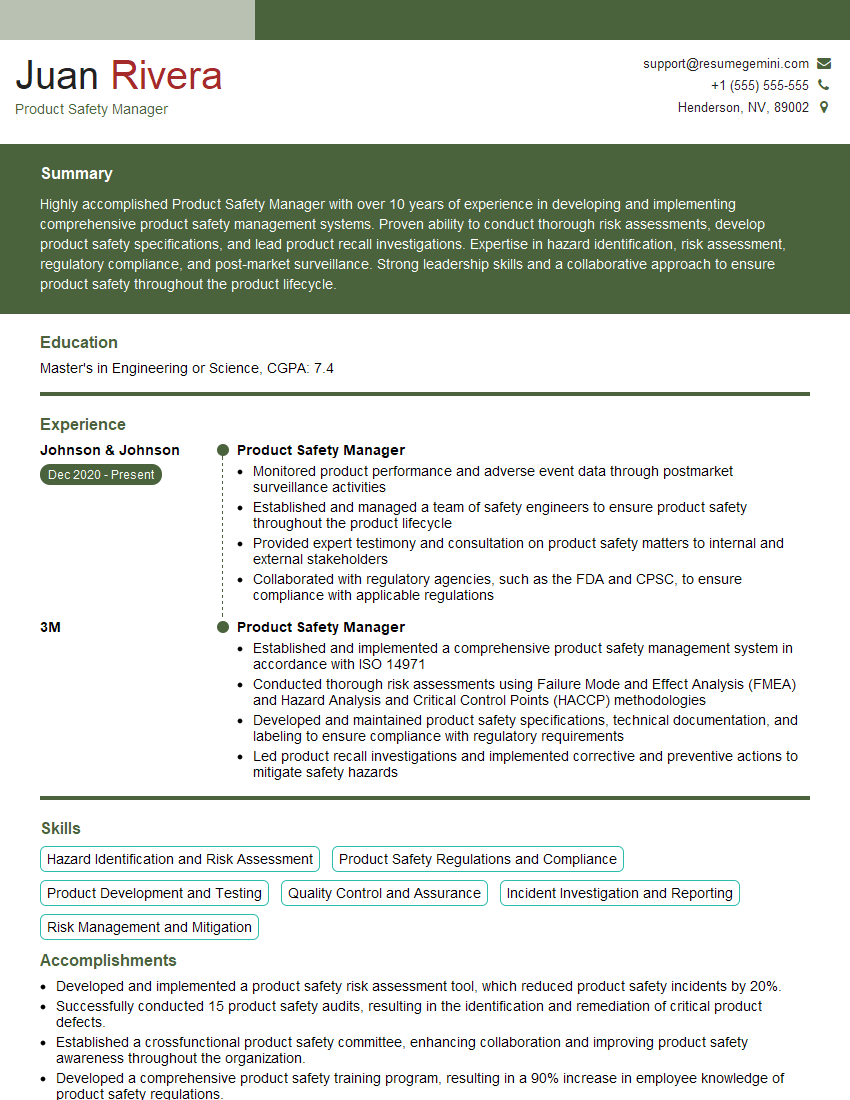
Product Safety Manager Resume Sample
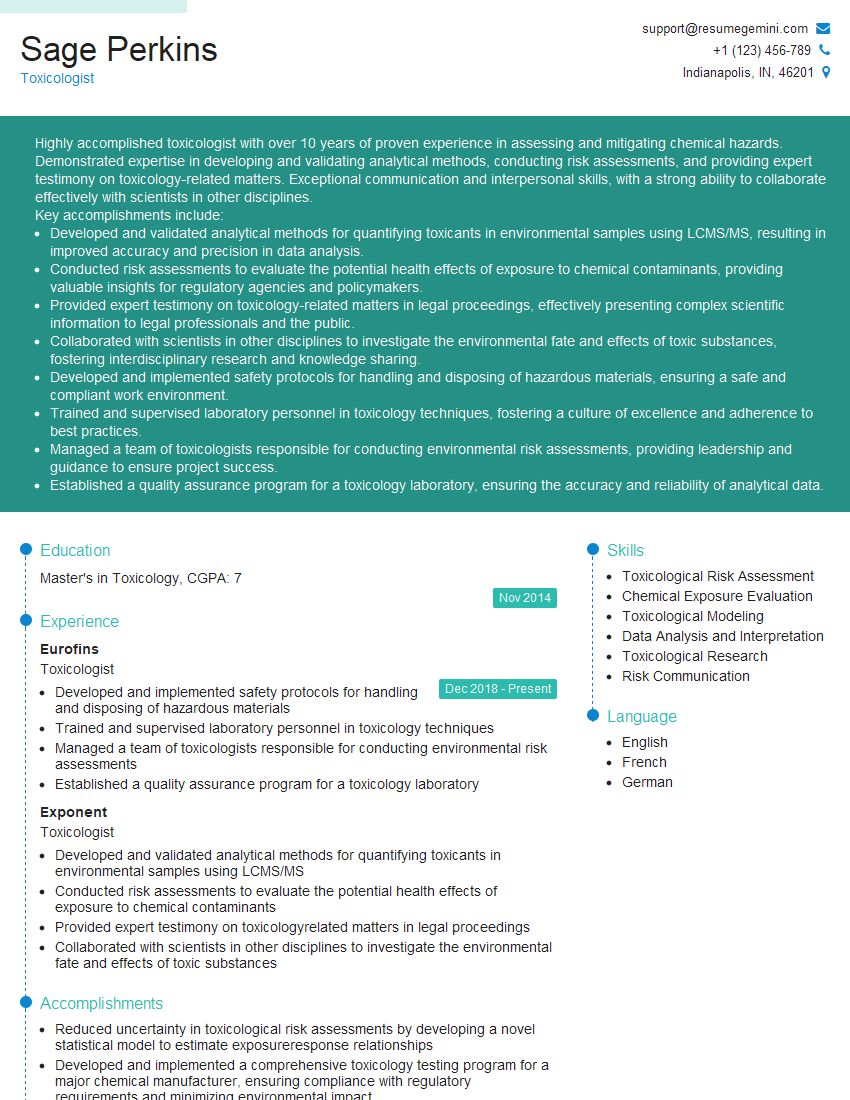
Toxicologist Resume Sample
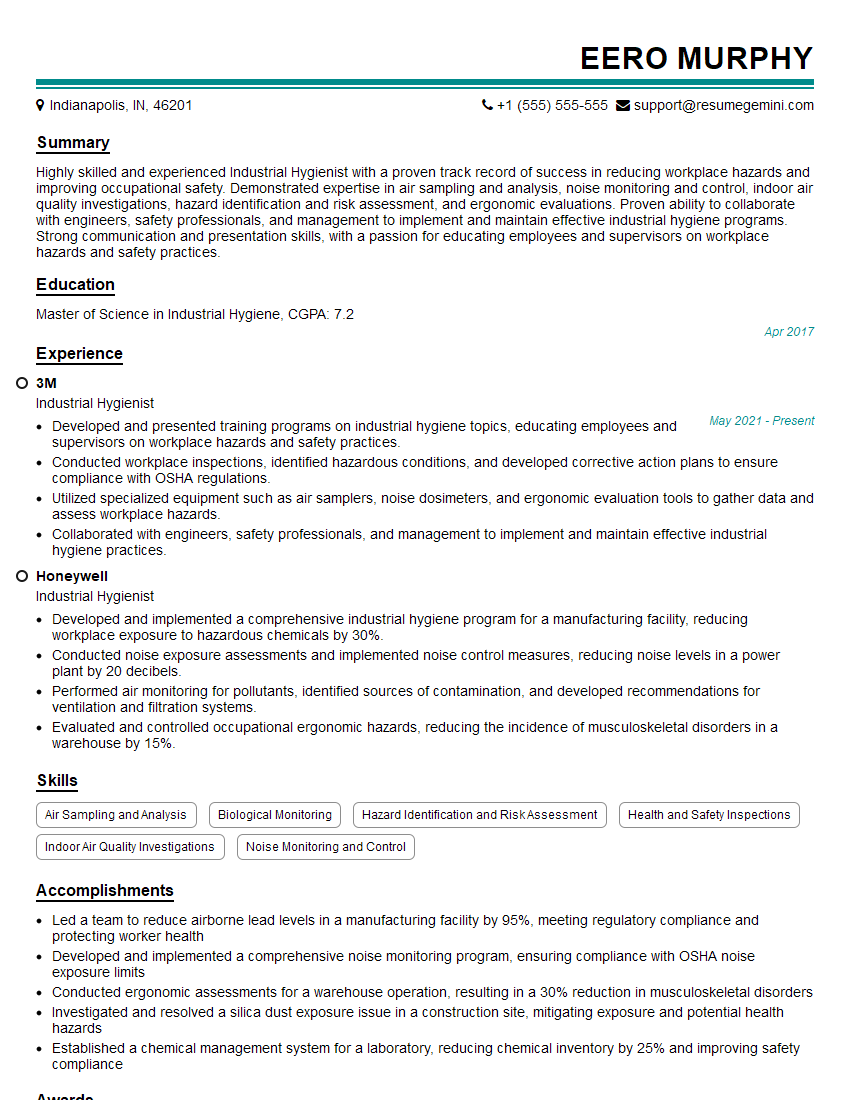
Industrial Hygienist Resume Sample
Explore more articles
Users Rating of Our Blogs
Share Your Experience
We value your feedback! Please rate our content and share your thoughts (optional).
What Readers Say About Our Blog
Very informative content, great job.
good