Feeling uncertain about what to expect in your upcoming interview? We’ve got you covered! This blog highlights the most important Sams Club interview questions and provides actionable advice to help you stand out as the ideal candidate. Let’s pave the way for your success.
Questions Asked in Sams Club Interview
Q 1. Describe your experience managing inventory in a fast-paced retail environment.
Managing inventory in a fast-paced retail environment like Sam’s Club requires a multifaceted approach combining forecasting, real-time tracking, and agile response to fluctuations in demand. It’s like conducting an orchestra – each instrument (product) needs precise attention to avoid dissonance (stockouts or overstocking).
- Forecasting Demand: I leverage historical sales data, promotional calendars, and seasonal trends to predict future demand. This involves using sophisticated forecasting models, incorporating external factors like economic indicators, and considering new product introductions. For example, anticipating increased demand for grilling supplies during the summer months allows for proactive stocking.
- Real-time Tracking: Sam’s Club utilizes robust inventory management systems (WMS) that provide real-time visibility into stock levels across all locations. This enables quick identification of low-stock items, allowing for timely replenishment orders and preventing stockouts. Think of it as a live dashboard constantly updating inventory levels.
- Agile Response: Unexpected events – a sudden surge in demand due to a viral TikTok trend or a supplier delay – require quick adaptation. My experience includes efficiently re-allocating inventory between locations, prioritizing critical items, and collaborating with purchasing to expedite orders.
- Waste Reduction: Minimizing waste through effective stock rotation (FIFO – First In, First Out) and close monitoring of perishable goods are crucial for profitability. This involves training staff on proper handling and monitoring expiration dates.
Q 2. How would you handle a customer complaint about a damaged product?
Handling customer complaints about damaged products requires a calm, empathetic, and efficient approach. My priority is to ensure customer satisfaction while adhering to Sam’s Club’s return and exchange policies.
- Acknowledge and Empathize: I begin by listening attentively to the customer’s complaint, acknowledging their frustration, and offering a sincere apology. A simple ‘I understand your frustration, and I’m sorry this happened’ can go a long way.
- Assess the Situation: I carefully examine the damaged product and gather any relevant information, such as the purchase date and receipt. Taking photos of the damage can be helpful.
- Offer a Resolution: Depending on the product’s condition and Sam’s Club’s return policy, I offer a suitable solution – a full refund, a replacement product, or a store credit. I ensure the process is seamless and hassle-free for the customer.
- Follow Up: After resolving the issue, I may follow up with the customer to ensure they are satisfied. This demonstrates a commitment to excellent customer service.
For example, if a customer reports receiving a dented can of paint, I would process a full refund or offer a replacement, depending on stock availability. I would then inform the warehouse team to be more attentive to damage during stocking.
Q 3. Explain your experience with point-of-sale (POS) systems.
My experience with point-of-sale (POS) systems encompasses both operational use and troubleshooting. In Sam’s Club, we primarily utilize advanced POS systems that integrate various functions, from sales transactions to inventory management.
- Transaction Processing: I’m proficient in handling all types of transactions, including cash, credit, debit, and Sam’s Club memberships. This includes processing returns, exchanges, and applying discounts.
- Inventory Management: The POS system integrates with the inventory management system, providing real-time updates on stock levels. I can use the system to identify low-stock items and adjust inventory levels accordingly.
- Troubleshooting: I’m experienced in troubleshooting common POS issues, such as network connectivity problems, printer malfunctions, and software glitches. I can resolve minor issues independently, but I know when to escalate complex problems to IT support.
- Data Analysis: POS systems generate valuable data that can be used for sales analysis and performance monitoring. I can use this data to identify trends, track sales performance, and make data-driven decisions.
For instance, if a POS terminal is down, I can quickly identify the problem (e.g., network connectivity) and either troubleshoot it myself or contact IT support promptly, minimizing disruption to customer service.
Q 4. How do you ensure compliance with Sams Club’s safety regulations?
Ensuring compliance with Sam’s Club’s safety regulations is paramount. This involves a proactive and multifaceted approach, prioritizing both employee and customer safety.
- Training and Education: I ensure all team members receive thorough training on safety protocols, including proper lifting techniques, hazard identification, emergency procedures, and the use of safety equipment (e.g., forklifts).
- Hazard Identification and Mitigation: I regularly inspect the workplace for potential hazards, such as spills, obstructed walkways, and faulty equipment. I promptly report and rectify any safety issues, ensuring immediate mitigation.
- Compliance with OSHA Standards: I maintain a thorough understanding of Occupational Safety and Health Administration (OSHA) standards and ensure all operations adhere to these regulations. This includes maintaining accurate safety records and conducting regular safety meetings.
- Emergency Preparedness: I’m involved in developing and practicing emergency procedures, ensuring the team knows how to respond effectively in various situations, such as fire evacuations or medical emergencies.
For example, if I notice a spill in the aisle, I immediately address it, using appropriate cleaning supplies and warning signage to prevent accidents. I would also report this to ensure proper cleaning and to review potential underlying causes of the spill.
Q 5. Describe your experience with loss prevention strategies.
Loss prevention is critical for maintaining profitability and protecting Sam’s Club’s assets. My experience includes implementing and monitoring strategies to minimize shrinkage (loss of inventory).
- Surveillance and Monitoring: I utilize surveillance systems (CCTV) to monitor the store for suspicious activity, identify potential theft attempts, and review footage to assist in investigations. It’s like having an extra set of eyes watching over the merchandise.
- Employee Training: Educating employees about loss prevention techniques, such as recognizing shoplifting attempts and proper cash handling procedures, is crucial. This creates a culture of awareness and responsibility.
- Inventory Control: Implementing robust inventory management practices, including regular stock checks and cycle counts, helps identify discrepancies and detect potential losses early on.
- Security Measures: I am familiar with and utilize security measures such as electronic article surveillance (EAS) tags, security cameras, and appropriate lighting to deter theft.
- Data Analysis: Analyzing loss prevention data helps identify patterns and trends in shrinkage, enabling the implementation of targeted interventions and improvement strategies. Understanding ‘why’ losses occur is key to preventative measures.
Q 6. How would you motivate a team to exceed sales targets?
Motivating a team to exceed sales targets requires a combination of clear communication, recognition, and fostering a positive work environment. It’s about inspiring them to achieve shared goals.
- Set Clear and Achievable Goals: I ensure sales targets are realistic, communicated clearly, and broken down into smaller, manageable milestones. This gives the team a sense of progress and accomplishment.
- Provide Training and Support: Equipping the team with the necessary skills and resources is vital for success. This might involve product knowledge training, sales techniques workshops, or access to sales data and analytics.
- Recognition and Rewards: Acknowledging individual and team accomplishments, whether through verbal praise, bonuses, or team outings, significantly boosts morale and motivation.
- Foster a Positive Team Environment: A supportive and collaborative environment encourages teamwork and shared success. Regular team meetings, open communication, and addressing team concerns promptly are essential.
- Lead by Example: Demonstrating a strong work ethic and commitment to exceeding expectations sets a positive example for the team to follow.
For example, I might implement a team-based incentive program where teams that exceed their targets receive a bonus or a team-building event. Celebrating successes publicly reinforces positive behaviours.
Q 7. How familiar are you with Sams Club’s membership program?
I’m very familiar with Sam’s Club’s membership program, understanding its value proposition and its role in driving sales and customer loyalty. It’s the cornerstone of Sam’s Club’s business model.
- Membership Tiers: I understand the different membership tiers (e.g., Sam’s Club Plus, Sam’s Club Business) and their associated benefits, such as discounts, free shipping, and exclusive offers. This allows me to effectively target different customer segments.
- Membership Acquisition and Retention: I’m aware of the strategies Sam’s Club uses to acquire new members and retain existing ones, such as promotions, targeted marketing campaigns, and exceptional customer service.
- Member Benefits Communication: I’m adept at communicating the value of membership to potential and existing customers, highlighting the benefits and driving membership renewals. This includes educating team members on these benefits so they can effectively convey the value proposition to customers.
- Data Analysis: I understand how membership data can be used to analyze customer behavior, personalize offers, and improve customer retention strategies. For example, understanding which benefits resonate most with members allows us to tailor future promotions.
Q 8. Describe your experience with handling cash and credit card transactions.
Throughout my tenure at Sam’s Club, I’ve extensively handled both cash and credit card transactions, processing hundreds of transactions daily. My experience encompasses operating point-of-sale (POS) systems efficiently and accurately, ensuring prompt and courteous service to members. I’m proficient in handling various payment methods, including debit cards, credit cards (Visa, Mastercard, American Express, Discover), Sam’s Club gift cards, and of course, cash. I’m adept at balancing my cash drawer at the end of each shift, resolving discrepancies, and adhering to strict company protocols for cash handling, including security measures like safekeeping and deposit procedures. For instance, I once identified a discrepancy in my cash drawer, traced it back to a mis-keyed transaction, and corrected it before the end of the shift, preventing any financial loss for the club.
I’m also familiar with fraud prevention techniques, regularly checking for counterfeit bills and suspicious card activity. My strong attention to detail and mathematical skills allow me to consistently maintain accuracy in transactions, minimizing errors and ensuring a positive customer experience.
Q 9. How do you prioritize tasks in a high-pressure environment?
Prioritizing tasks in a fast-paced environment like Sam’s Club demands a strategic approach. I utilize a combination of techniques, including the Eisenhower Matrix (urgent/important), to effectively manage my workload. This helps me differentiate between tasks needing immediate attention and those that can be scheduled. For example, during a busy Saturday, I might prioritize assisting members at checkout over restocking shelves, as member service is paramount to immediate customer satisfaction. However, I’d also ensure that stock replenishment is tackled during quieter periods throughout the day to prevent shortages.
I also rely heavily on time management skills, breaking down large tasks into smaller, manageable steps. Using a checklist or similar method helps ensure nothing is overlooked. Furthermore, effective communication with colleagues is vital, allowing me to delegate where appropriate and receive support when needed. For instance, if I’m overwhelmed with customer inquiries, I’ll communicate my workload to a fellow associate, and we may jointly assist members to streamline the process.
Q 10. Explain your experience with resolving customer conflicts.
Resolving customer conflicts is a crucial aspect of working at Sam’s Club. My approach prioritizes active listening and empathy, allowing me to understand the member’s perspective fully before offering solutions. I remain calm and professional, even in stressful situations, ensuring that I approach every conflict with respect and understanding.
For example, I once had a member upset about a damaged product. I listened patiently to their concerns, apologized for the inconvenience, and promptly processed a return and refund. In some cases, offering a small compensatory gesture, such as a discount on a future purchase within policy guidelines, can further de-escalate the situation and leave a positive impression. However, if a situation involves complex issues or policy violations, I know when and how to escalate it to a supervisor for appropriate handling. Proper documentation of each conflict is key for future reference and for ensuring consistency and fairness.
Q 11. How would you handle a shortage of staff during peak hours?
A shortage of staff during peak hours necessitates a proactive and collaborative approach. First, I would assess the immediate needs – which areas are most affected by the staffing gap? Then, I would quickly communicate the situation to my supervisor and suggest potential solutions, such as calling in additional staff or reassigning tasks among the available team.
I’d also focus on optimizing workflow to maximize efficiency. This might involve streamlining checkout processes, directing members to self-checkout kiosks where applicable, and asking other team members to assist in high-traffic areas. Open and transparent communication with members about the situation, while remaining professional and apologetic for any delays, also greatly helps to manage expectations and maintain a positive shopping experience.
Q 12. How familiar are you with Sams Club’s return policy?
I’m very familiar with Sam’s Club’s return policy, understanding its nuances regarding different product categories, the timeframe for returns, and the required documentation (receipts or membership card). I know that certain items, such as electronics or perishable goods, may have specific return policies, and I’m also aware of the requirements for damaged or defective goods, including the possibility of exchanges or refunds.
The policy’s emphasis on member satisfaction is paramount, and I always strive to ensure the process is handled fairly and efficiently. This involves clearly explaining the return policy to members, verifying their purchase information, and processing the return according to company guidelines. I’m particularly aware of exceptions to the standard policy and know how to escalate situations requiring special authorization from management.
Q 13. How would you train new employees on Sams Club’s procedures?
Training new employees on Sam’s Club procedures involves a structured, multi-faceted approach. I’d begin with a comprehensive overview of the company’s mission, values, and culture, emphasizing the importance of exceptional member service. Then, I’d provide hands-on training on all POS systems, cash handling procedures, and the return policy, ensuring they are comfortable with these fundamental tasks.
Shadowing experienced colleagues would be a critical part of the process, allowing new hires to learn by observation and gain practical experience in a real-world setting. Role-playing scenarios, particularly involving challenging customer interactions, would help develop conflict resolution skills. Regular feedback and performance evaluations would provide ongoing support and address any questions or concerns. Finally, access to online training modules and reference materials would ensure consistent reinforcement of training content, making the learning process more effective and efficient.
Q 14. Describe your experience working with a diverse team.
I’ve consistently thrived in diverse team environments, appreciating the varied perspectives and experiences that individuals bring. My experience at Sam’s Club has provided ample opportunity to work alongside colleagues from various cultural backgrounds and skill sets. I believe that diversity fosters creativity and innovation, leading to better problem-solving and more effective teamwork.
I actively foster inclusivity by communicating openly and respectfully with everyone, ensuring everyone feels valued and respected for their unique contributions. I actively seek out and listen to diverse viewpoints, creating a space where everyone feels comfortable sharing their ideas and concerns. This has helped us to develop better solutions for our customers and improve overall team performance. I find that celebrating differences, rather than ignoring them, makes for a stronger and more harmonious team.
Q 15. How do you maintain a clean and organized work area?
Maintaining a clean and organized workspace isn’t just about aesthetics; it’s crucial for efficiency and safety in a fast-paced environment like Sam’s Club. My approach is multifaceted:
- Regular Cleaning: I start each shift by wiping down my assigned area, organizing shelves, and ensuring walkways are clear. This prevents clutter from accumulating throughout the day.
- Strategic Organization: I utilize all available space effectively. For example, I ensure frequently accessed items are easily reachable, while less frequently used items are stored systematically to minimize search time.
- Designated Spaces: I maintain designated areas for specific tasks. This helps me stay focused and prevents materials from getting mixed up. For example, I might have a separate area for processing returns, another for handling price changes, and so on.
- Proactive Maintenance: I anticipate potential messes, such as spills or damaged packaging, and address them promptly. This ensures the area remains presentable and prevents accidents.
- Teamwork: I collaborate with colleagues to maintain a consistent level of cleanliness across the entire department. A shared sense of responsibility makes the task much easier.
Think of it like this: a cluttered workspace is like a cluttered mind – it’s harder to focus and be productive. A clean and organized space directly translates to a more efficient and safer work environment, benefitting both myself and my team.
Career Expert Tips:
- Ace those interviews! Prepare effectively by reviewing the Top 50 Most Common Interview Questions on ResumeGemini.
- Navigate your job search with confidence! Explore a wide range of Career Tips on ResumeGemini. Learn about common challenges and recommendations to overcome them.
- Craft the perfect resume! Master the Art of Resume Writing with ResumeGemini’s guide. Showcase your unique qualifications and achievements effectively.
- Don’t miss out on holiday savings! Build your dream resume with ResumeGemini’s ATS optimized templates.
Q 16. Describe your experience with data entry and reporting.
My experience with data entry and reporting in previous roles has equipped me with proficiency in handling large datasets and generating insightful reports. I’m adept at using various software, including spreadsheets (Excel, Google Sheets) and database management systems.
For example, in my previous role, I was responsible for daily sales data entry, ensuring accuracy and completeness. This involved validating data, identifying inconsistencies, and resolving discrepancies. I then utilized this data to generate weekly and monthly sales reports, highlighting key trends and performance indicators. These reports were crucial for management in making informed business decisions. I’m also comfortable with more advanced techniques like pivot tables and data visualization to make the information more accessible and understandable.
Furthermore, I have experience using reporting software to create customized reports that answer specific business questions. I can easily adapt to different systems and am always looking for ways to improve the efficiency and accuracy of data entry and reporting processes. I understand the importance of data integrity and ensure the accuracy of the data before it’s used for analysis.
Q 17. How would you handle a difficult customer who refuses to follow store policy?
Handling a difficult customer requires patience, empathy, and a firm but respectful approach. My strategy involves:
- Active Listening: I would first listen carefully to the customer’s concerns, allowing them to fully express their frustration. This shows I value their perspective and helps me understand the root of the problem.
- Empathy and Validation: I’d acknowledge their feelings, even if I don’t agree with their approach. For example, I might say, “I understand your frustration with this situation.” This de-escalates tension.
- Clearly Explain the Policy: Once I’ve understood their concerns, I would calmly and clearly explain the relevant store policy, providing specific examples if necessary. I’d avoid using jargon.
- Offer Alternatives (If Possible): If the customer’s request is reasonable and aligns with company policy, I would explore alternative solutions to meet their needs. If not, I’d explain why.
- Escalate if Necessary: If the situation continues to escalate despite my best efforts, I would seek assistance from a manager. This ensures the customer receives appropriate attention and prevents the situation from further escalating.
The key is to remain professional and calm throughout the interaction. I believe in finding a solution that satisfies both the customer and adheres to company policy.
Q 18. Explain your experience with using Sams Club’s internal systems.
I have extensive experience using Sam’s Club’s internal systems, including:
- POS System: I am proficient in processing transactions, handling returns and exchanges, and managing inventory using the point-of-sale system. I understand how to resolve various POS errors and ensure accurate transaction processing.
- Inventory Management System: I’m familiar with using the system to track stock levels, manage orders, and identify potential shortages. This includes understanding how to perform cycle counts and reconcile discrepancies.
- Member Management System: I know how to access member information, verify memberships, and process member updates. This includes understanding privacy guidelines and protecting member data.
- Communication Platforms: I’m proficient in using Sam’s Club’s internal communication tools for updates, scheduling, and team collaboration.
I’m confident in my ability to efficiently use these systems to improve operational efficiency and provide excellent customer service. My knowledge of these systems allows me to quickly resolve issues and contribute effectively to the overall success of the store.
Q 19. How would you address a situation where a product is out of stock?
When a product is out of stock, my priority is to provide the customer with accurate information and alternatives. My approach includes:
- Checking Availability: I would first verify the product’s availability using the inventory management system to rule out any potential errors in the system.
- Inform the Customer: I would politely inform the customer that the product is currently unavailable. I’d empathize with their disappointment and explain the reasons if I have that information (e.g., high demand, supply chain issues).
- Offer Alternatives: I’d suggest alternative products that offer similar features or benefits, if available. This might involve showcasing related items or suggesting a substitute.
- Order Assistance: If the customer is interested, I’d help them place a special order or suggest alternative purchasing options such as online ordering for delivery or pickup.
- Follow Up: If the customer provides contact information, I’d inform them when the item is back in stock (if applicable).
My goal is to transform a potentially negative experience into a positive one by providing excellent customer service and demonstrating that I’m committed to helping them find what they need.
Q 20. How do you manage your time effectively to meet deadlines?
Effective time management is essential for success in a busy retail environment like Sam’s Club. I utilize several strategies:
- Prioritization: I prioritize tasks based on urgency and importance, focusing on high-impact activities first. I use a combination of to-do lists and task management software.
- Time Blocking: I allocate specific time blocks for different tasks. This helps prevent multitasking and ensures I dedicate sufficient time to each activity.
- Break Down Large Tasks: I break down large, complex tasks into smaller, more manageable steps. This makes them less overwhelming and easier to track progress.
- Delegate (When Possible): If appropriate, I delegate tasks to teammates to optimize efficiency and utilize everyone’s strengths.
- Regular Reviews: I regularly review my progress and adjust my schedule as needed to stay on track.
I am always looking for ways to optimize my workflow and improve my efficiency. I believe that efficient time management not only helps me meet deadlines, but also contributes to a more positive and less stressful work environment.
Q 21. How familiar are you with Sams Club’s pricing strategies?
Sam’s Club’s pricing strategies are designed to attract members and offer value. They leverage a combination of:
- Bulk Discounts: Offering lower per-unit prices on larger quantities to encourage higher volume purchases.
- Everyday Low Prices (EDLP): Maintaining consistently low prices on many items to provide predictable value for members.
- Member-Only Savings: Providing exclusive discounts and promotions to members only, further incentivizing membership.
- Promotional Pricing: Utilizing temporary price reductions on select items to drive sales and attract customers.
- Competitive Pricing: Analyzing competitor pricing and positioning Sam’s Club strategically to remain competitive in the market.
Understanding these strategies is crucial for effectively assisting customers and providing them with information about product pricing and value. It also helps in explaining price differences between items and different sizes.
Q 22. Describe your experience with merchandising and product placement.
My experience in merchandising and product placement at Sam’s Club centers around maximizing sales and enhancing the shopping experience. I understand that strategic product placement is crucial for driving impulse buys and guiding customers through the warehouse efficiently. For example, I’ve successfully implemented promotional displays near high-traffic areas, resulting in a significant increase in sales of seasonal items. I also understand the importance of grouping similar products together for ease of navigation. I leverage data analytics to understand customer purchase patterns and optimize shelf space accordingly. This includes considering factors such as product visibility, ease of access, and complementary product placement. For instance, placing snacks next to beverages or grilling supplies near charcoal and lighter fluid increases the likelihood of purchasing related items.
- Analyzing Sales Data: I regularly analyze sales data to identify top-performing and underperforming products, enabling data-driven decisions about product placement.
- Creating Eye-Catching Displays: I develop creative and effective displays that attract customer attention and highlight key promotions.
- Planogram Implementation: I have extensive experience implementing and monitoring planograms (schematics showing ideal product placement) to ensure consistency across the store.
Q 23. How would you identify and address potential safety hazards in the store?
Safety is paramount at Sam’s Club. My approach to identifying and addressing potential hazards involves proactive inspections and immediate corrective actions. I’d regularly conduct walkthroughs of the store, paying close attention to potential trip hazards like loose flooring, spills, or improperly stacked pallets. I also focus on ensuring that all equipment is functioning correctly and that proper safety procedures are followed, including the safe use of forklifts and other heavy machinery. If a hazard is identified, I immediately address it, if possible, or report it to the appropriate personnel to ensure a swift resolution. For example, if I noticed a spill, I’d immediately clean it and place a caution cone until it’s completely dry. For more significant issues like damaged flooring, I’d immediately report it to maintenance.
- Proactive Inspections: Regularly scheduled walkthroughs of the entire store to identify and address potential hazards.
- Immediate Corrective Action: Addressing minor hazards directly, and reporting major hazards to the appropriate department.
- Safety Training: Ensuring all team members receive adequate safety training and understand proper procedures.
- Documentation: Maintaining thorough records of all identified and addressed hazards.
Q 24. How do you ensure customer satisfaction?
Ensuring customer satisfaction is the cornerstone of a successful Sam’s Club. I approach this by consistently providing excellent service, addressing concerns promptly, and creating a positive shopping experience. This starts with a friendly greeting and ends with ensuring they leave with a positive feeling. I actively seek feedback from customers and address complaints efficiently and empathetically. For example, if a customer had a problem with a product, I would actively listen, apologize for the inconvenience, and work towards a suitable resolution, whether it’s an exchange, refund, or connecting them with the appropriate department for assistance.
- Proactive Customer Service: Greeting customers with a smile, offering assistance, and actively engaging with them.
- Prompt Issue Resolution: Addressing customer concerns quickly and efficiently, striving for timely and satisfactory resolutions.
- Feedback Collection: Actively seeking customer feedback through surveys or informal conversations to identify areas for improvement.
- Positive Attitude: Maintaining a positive and helpful attitude to create a welcoming atmosphere.
Q 25. Explain your experience with opening and closing procedures.
My experience with opening and closing procedures at Sam’s Club is thorough and meticulous, ensuring a safe and efficient start and end to each day. Opening procedures involve checking all equipment, ensuring the store is clean and well-organized, and preparing for the day’s business. This includes verifying that all registers are functioning, the stockrooms are tidy, and that all displays are adequately stocked. Closing procedures involve counting the cash register totals, completing reports, securing the store, ensuring all utilities are properly switched off, and locking up, all while maintaining security and safety protocols. I’m highly familiar with all relevant checklists and procedures and have always maintained a strict adherence to safety protocols.
- Safety Checks: Thoroughly inspecting the store for any safety hazards before opening and after closing.
- Equipment Verification: Confirming that all equipment (registers, lighting, etc.) is functioning correctly.
- Inventory Management: Participating in inventory counts as needed.
- Security Procedures: Adhering strictly to security protocols during both opening and closing procedures.
Q 26. How would you handle a situation involving a shoplifter?
Handling a shoplifting situation requires a calm and professional approach while adhering to company policy and legal requirements. My first step would be to observe the situation discreetly and gather evidence if possible, without putting myself in danger. Once I’m certain shoplifting is occurring, I would subtly alert a manager or security personnel, providing a detailed description of the individual and their actions. I would not directly confront the suspect myself, as that could lead to dangerous situations. The security personnel or management would handle the situation according to Sam’s Club procedures and local laws. This includes contacting law enforcement if necessary.
- Observation and Evidence Gathering: Discreetly observing the suspect without drawing attention or confronting them directly.
- Alerting Security: Immediately notifying management or security personnel.
- Following Company Policy: Adhering strictly to Sam’s Club procedures for handling shoplifting incidents.
- Cooperation with Law Enforcement: Cooperating fully with law enforcement if necessary.
Q 27. How do you maintain a positive and professional attitude in the workplace?
Maintaining a positive and professional attitude in the workplace is crucial for teamwork and productivity. I believe in treating everyone with respect and courtesy, regardless of their position. I’m always willing to lend a helping hand and maintain a positive demeanor, even during challenging situations. I also practice effective communication, actively listening to others and expressing my thoughts clearly and constructively. This includes taking initiative, demonstrating dependability, and remaining calm under pressure. I find that staying positive and maintaining a professional approach makes for a more enjoyable and productive work environment for myself and those around me.
- Respectful Communication: Treating all colleagues with courtesy and respect.
- Teamwork and Collaboration: Working effectively with colleagues to achieve common goals.
- Positive Demeanor: Maintaining a positive and optimistic attitude.
- Effective Communication: Communicating clearly and constructively.
Q 28. Describe your experience with managing and resolving supply chain issues.
Managing and resolving supply chain issues requires a proactive and organized approach. At Sam’s Club, this often involves working closely with suppliers and internal teams to ensure timely delivery of products. For example, if a shipment was delayed, I’d immediately contact the supplier to determine the cause and find a solution, such as finding an alternative supplier or expediting the order. Furthermore, I’d communicate the delay to my team to ensure appropriate adjustments to store displays and customer expectations. Accurate inventory management is crucial, so I would work with the receiving team to verify the accuracy of received goods and address any discrepancies. Tracking and analyzing data, for instance, by monitoring inventory levels and sales trends, allows for proactive ordering and minimizes the risk of stockouts or overstocking.
- Supplier Relationship Management: Maintaining strong relationships with suppliers to ensure timely delivery.
- Proactive Problem Solving: Identifying and addressing potential supply chain issues promptly.
- Inventory Management: Maintaining accurate inventory records to avoid stockouts and overstocking.
- Communication and Coordination: Communicating effectively with internal teams to ensure smooth operations.
Key Topics to Learn for Your Sams Club Interview
- Customer Service Excellence: Understanding Sams Club’s commitment to member satisfaction, and how you can contribute to a positive shopping experience. Consider examples of resolving difficult customer situations and exceeding expectations.
- Teamwork and Collaboration: Sams Club operates as a team. Prepare to discuss your collaborative skills, experiences working effectively in diverse teams, and how you contribute to a positive team environment. Think about examples where you’ve successfully collaborated on a project.
- Inventory Management & Operations: Demonstrate an understanding of efficient stock management, order fulfillment, and maintaining a clean and organized store environment. Think about how you would handle stock discrepancies or shortages.
- Sales and Merchandising: Showcase your understanding of sales techniques, product placement, and contributing to achieving sales targets. Prepare to discuss your experience with promoting products and driving sales.
- Loss Prevention & Security: Understanding the importance of loss prevention measures and your role in maintaining a safe and secure shopping environment for members and employees. Consider how you would handle suspected theft or security breaches.
- Technology and Systems: Familiarity with POS systems, inventory management software, and other technology used within a Sams Club setting. Be ready to discuss your proficiency with technology and your ability to learn new systems quickly.
- Problem-Solving and Decision-Making: Be prepared to discuss situations where you’ve had to solve problems independently or as part of a team. Highlight your problem-solving approach and decision-making process.
Next Steps
Landing a position at Sams Club can significantly boost your career trajectory, offering opportunities for growth and development within a large and established retail organization. To maximize your chances, crafting a strong, ATS-friendly resume is crucial. This ensures your application gets noticed by recruiters and hiring managers. We highly recommend using ResumeGemini to build a professional and impactful resume that showcases your skills and experience effectively. ResumeGemini provides tools and examples to create a resume tailored to Sams Club’s specific requirements, significantly increasing your chances of interview success. Examples of resumes tailored to Sams Club are available to help you get started.
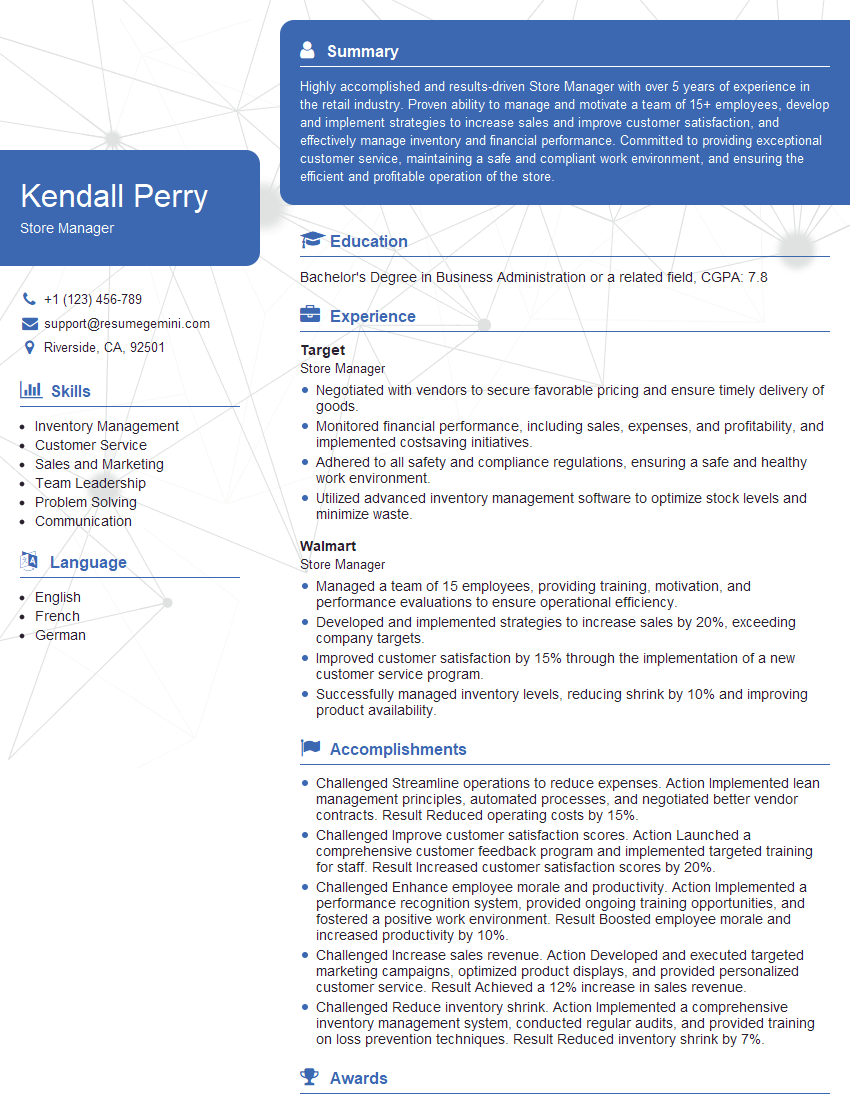
Store Manager Resume Sample
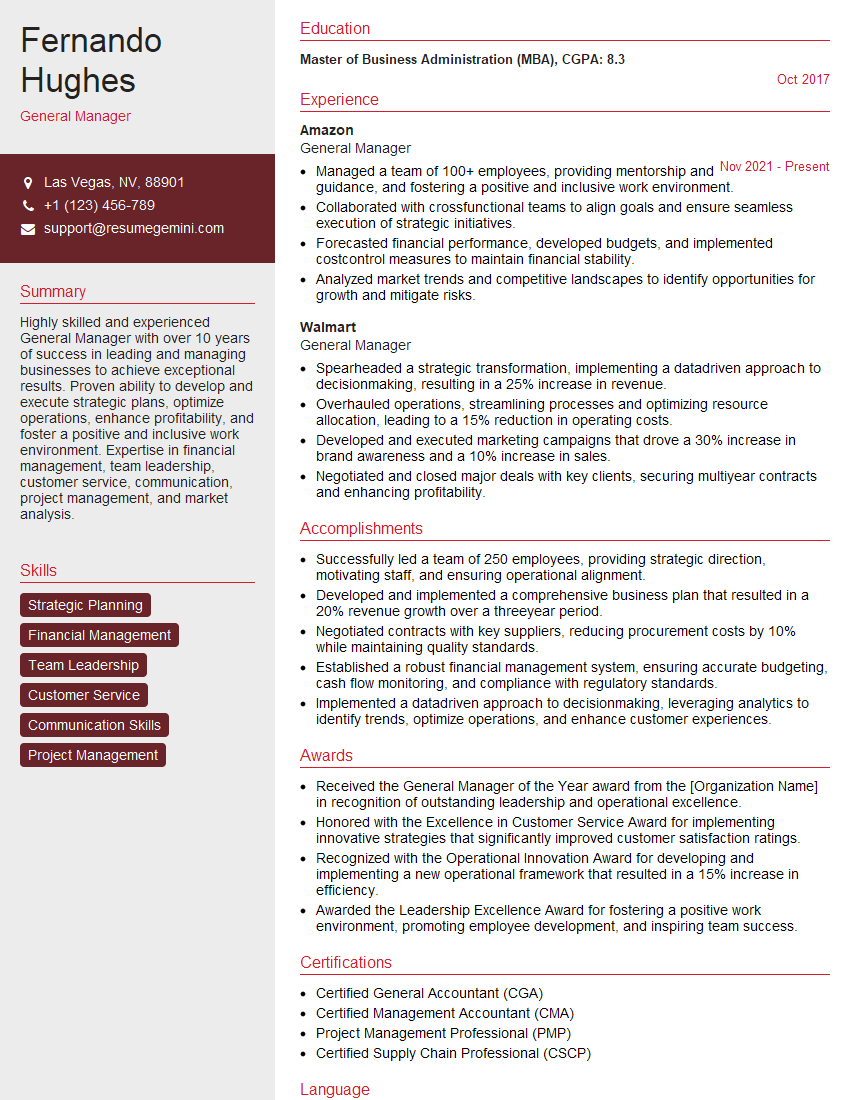
General Manager Resume Sample
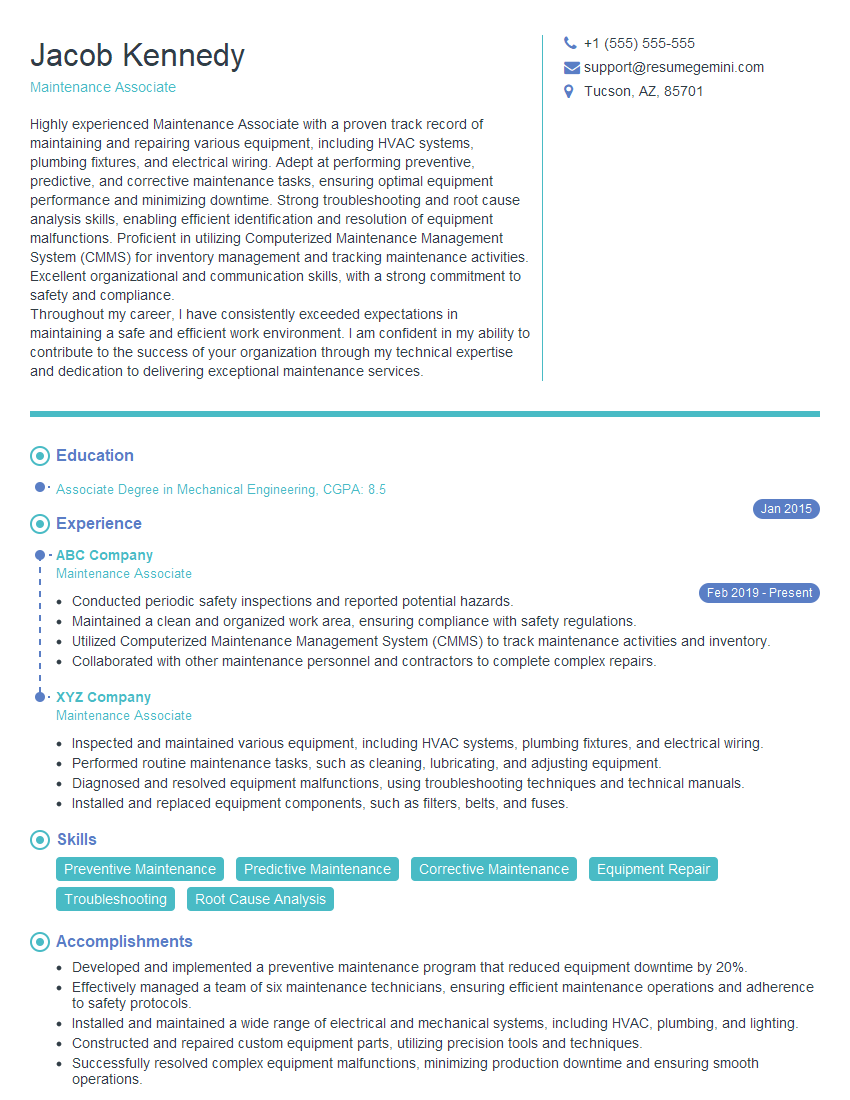
Maintenance Associate Resume Sample
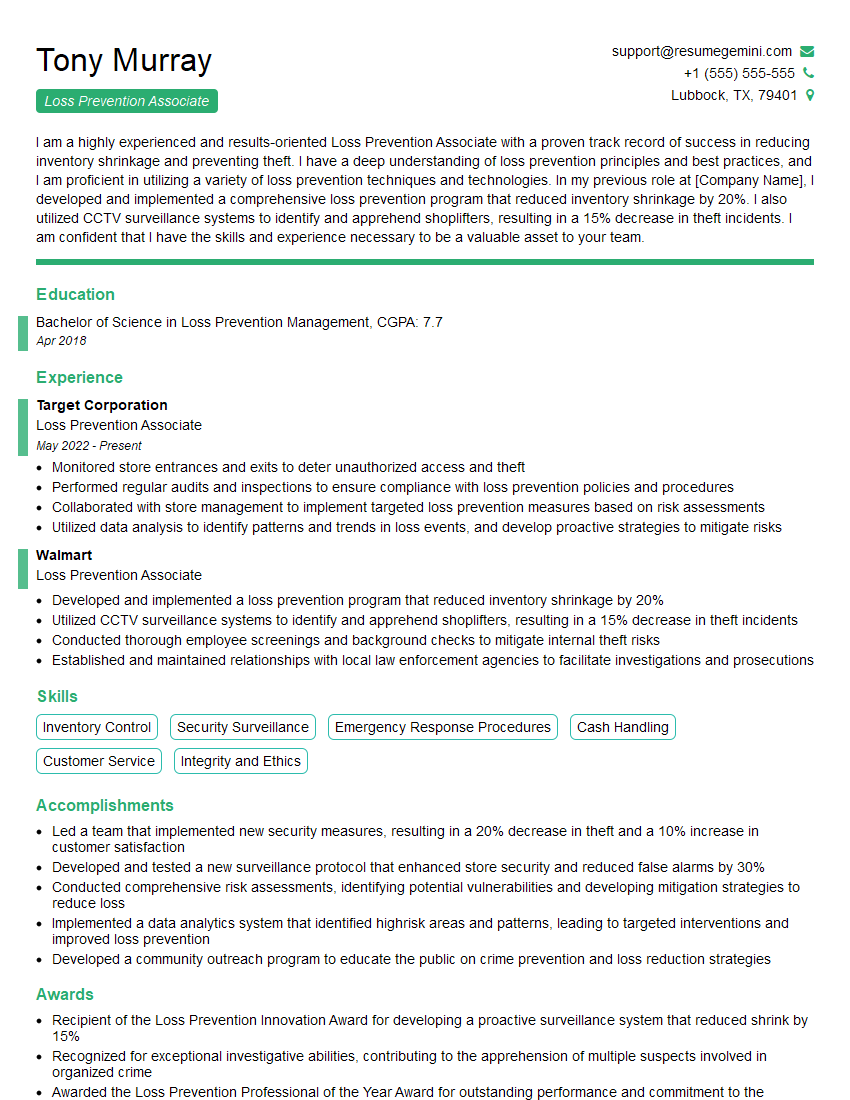
Loss Prevention Associate Resume Sample
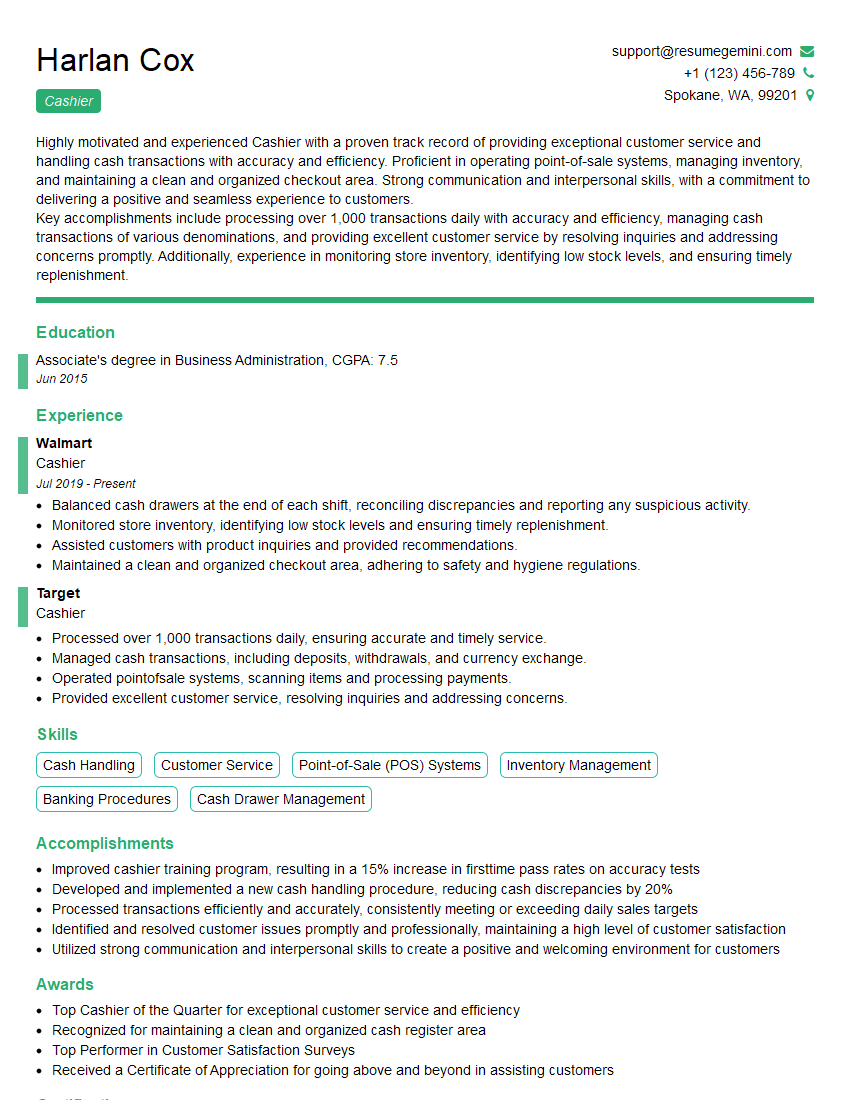
Cashier Resume Sample
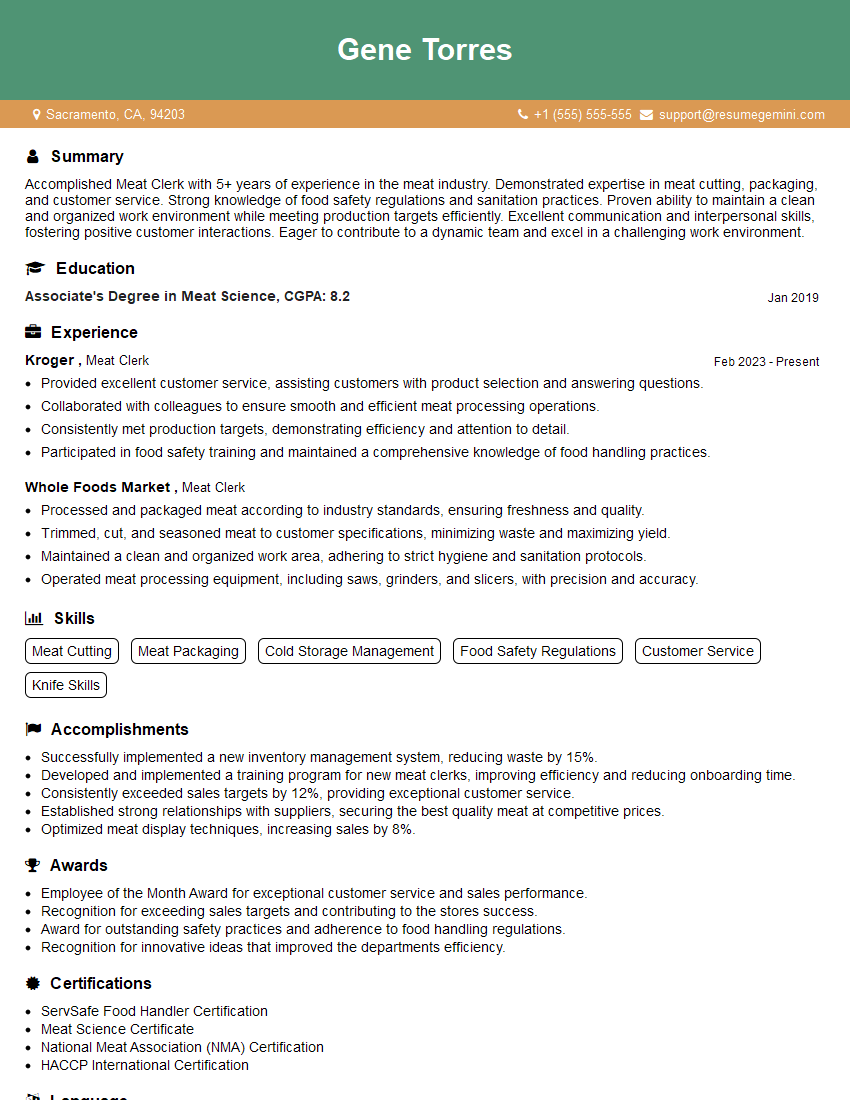
Meat Clerk Resume Sample
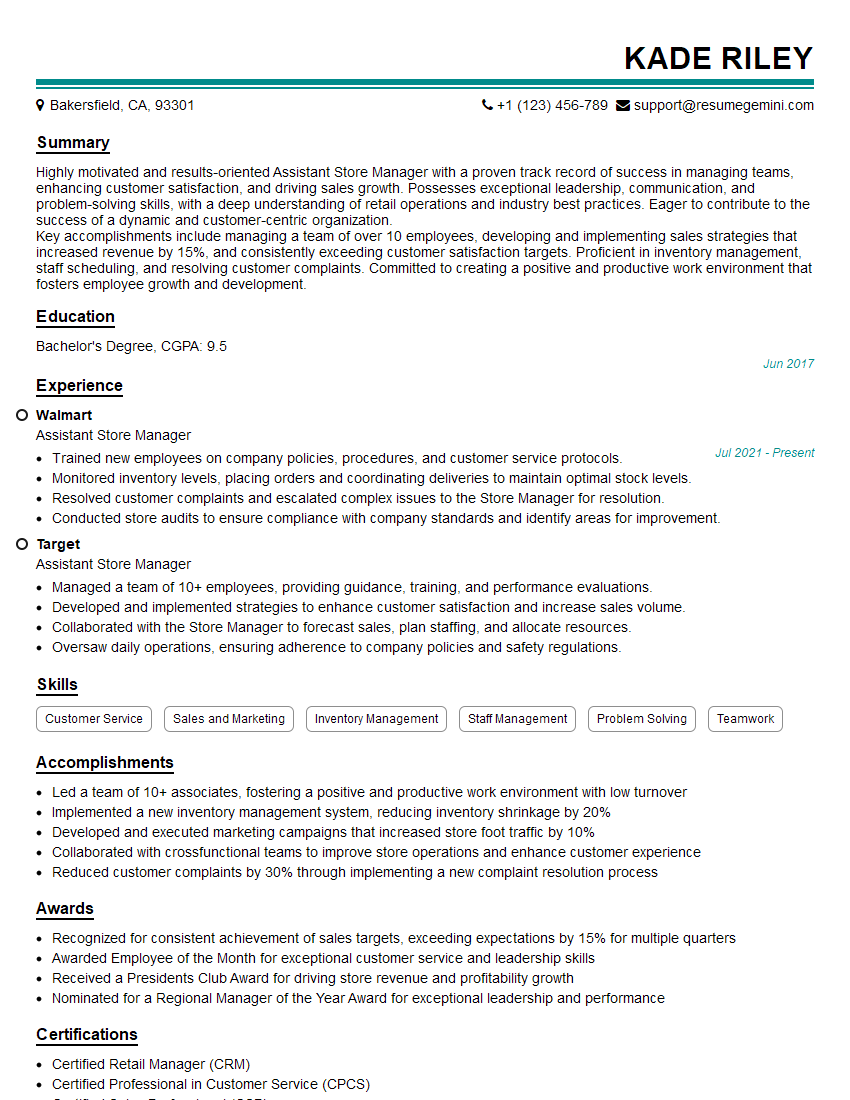
Assistant Store Manager Resume Sample
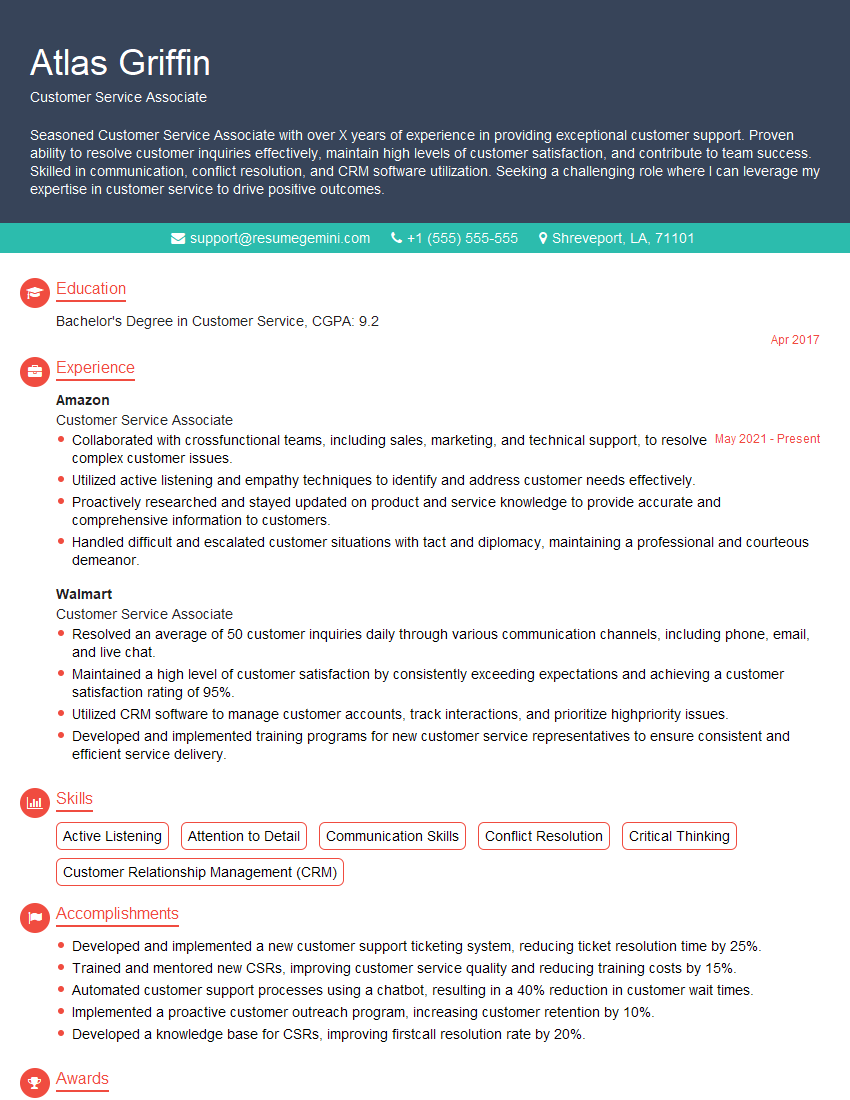
Customer Service Associate Resume Sample
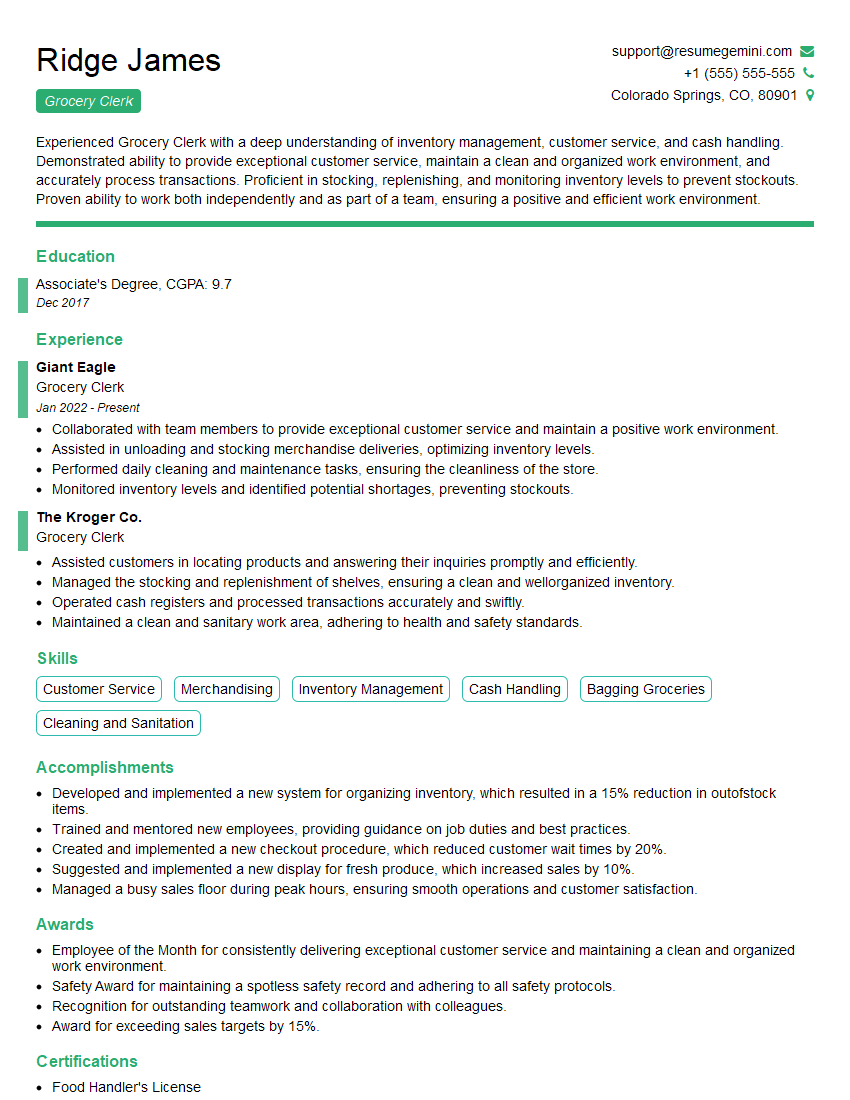
Grocery Clerk Resume Sample
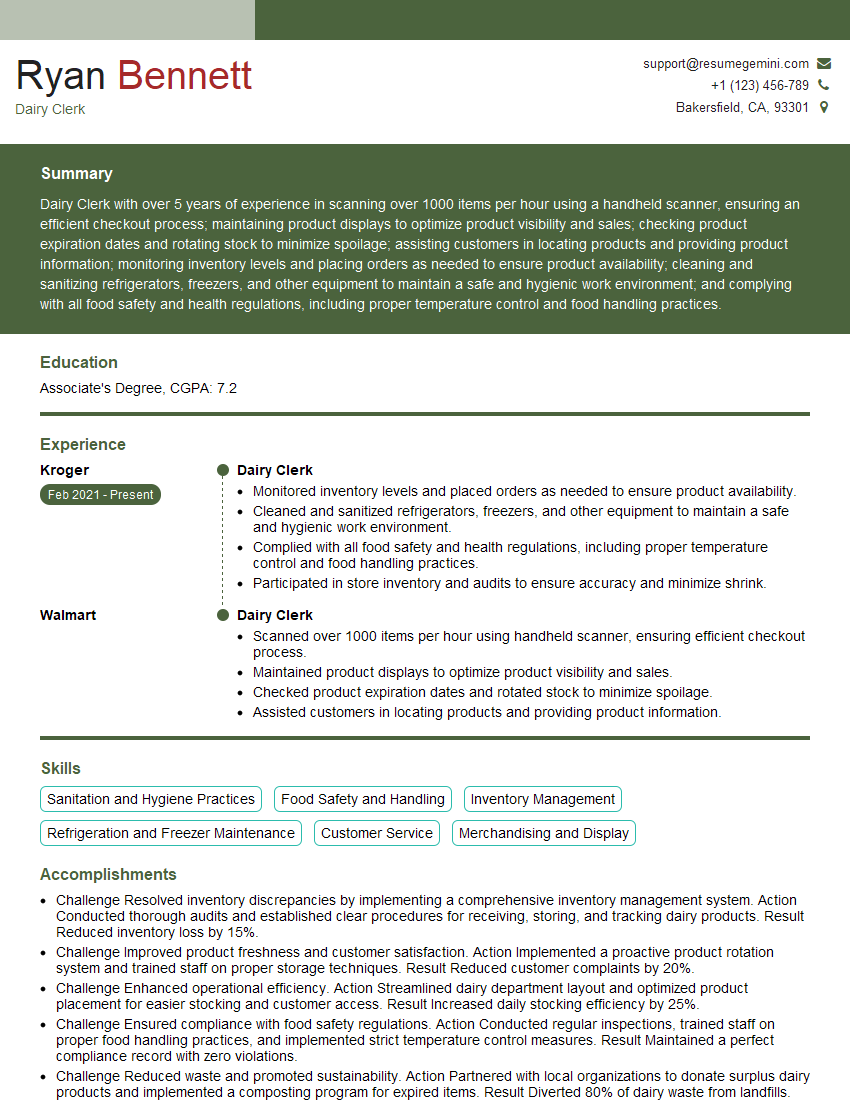
Dairy Clerk Resume Sample
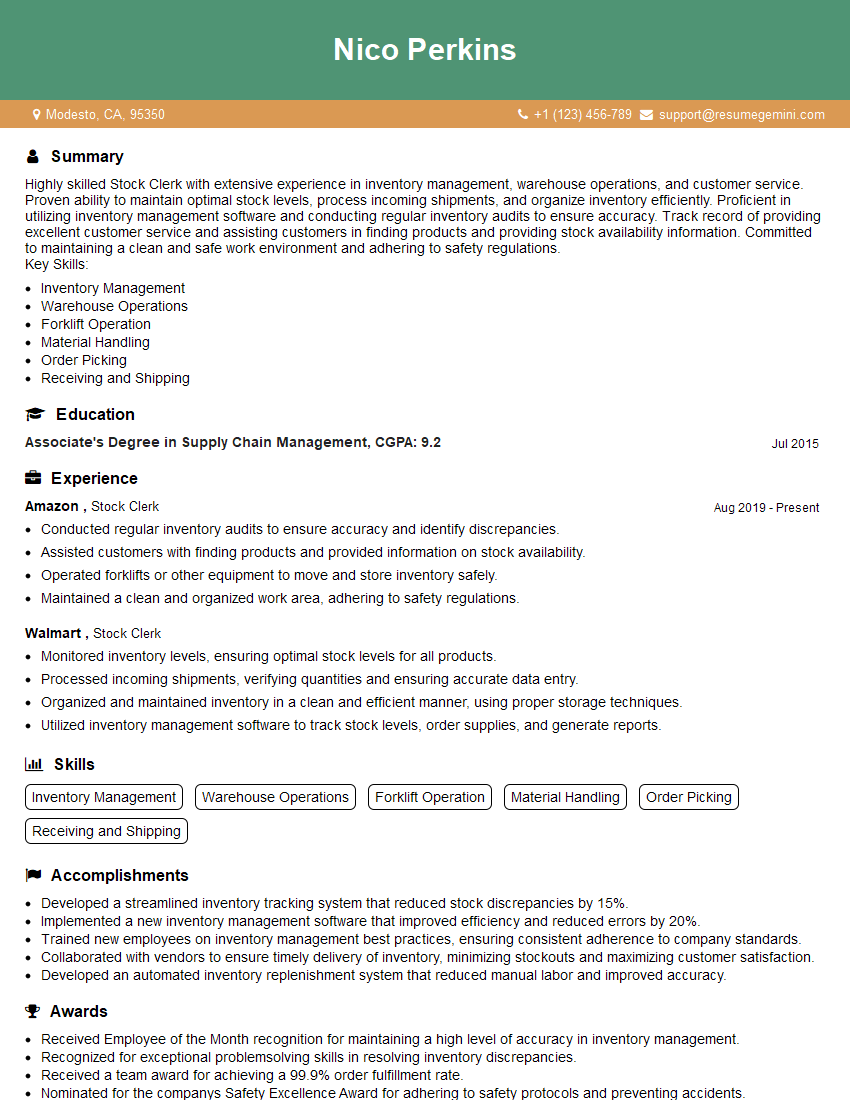
Stock Clerk Resume Sample

Produce Clerk Resume Sample
Explore more articles
Users Rating of Our Blogs
Share Your Experience
We value your feedback! Please rate our content and share your thoughts (optional).
What Readers Say About Our Blog
Very informative content, great job.
good