The right preparation can turn an interview into an opportunity to showcase your expertise. This guide to Scanning and Processing Orders interview questions is your ultimate resource, providing key insights and tips to help you ace your responses and stand out as a top candidate.
Questions Asked in Scanning and Processing Orders Interview
Q 1. Describe your experience with various scanning technologies (e.g., barcode scanners, OCR).
My experience with scanning technologies spans several years and encompasses a wide range of devices and applications. I’m proficient with various barcode scanners, from basic handheld models to more advanced presentation scanners used for high-volume processing. I understand the nuances of different barcode symbologies, including UPC, EAN, and Code 128, and can troubleshoot scanner malfunctions effectively. Beyond barcodes, I’ve extensive experience with Optical Character Recognition (OCR) software. This is crucial for processing information from handwritten or printed documents, such as invoices or customer orders, that don’t use barcodes. I’ve used OCR to extract key data like order numbers, item descriptions, and quantities, significantly improving the speed and accuracy of order processing. In one instance, I implemented an OCR system to automate the entry of shipping addresses, reducing manual data entry errors by over 70%.
For example, I’ve worked with both laser scanners which provide immediate feedback and imager scanners which are adept at reading damaged or poorly printed barcodes. Understanding these differences is vital for choosing the right tool for the job and optimizing the scanning process for maximum efficiency. My skills also extend to integrating scanners with different software systems to streamline the workflow.
Q 2. What data entry skills are essential for efficient order processing?
Accurate and efficient data entry is the backbone of successful order processing. Essential skills include attention to detail, speed and accuracy in typing, and familiarity with various data entry methods, including keyboard shortcuts and potentially using specialized data entry software. Understanding data validation techniques is also vital to catch errors early on. This includes recognizing invalid characters or illogical entries, such as negative quantities. For instance, checking that the order number is in the correct format (e.g., starts with ‘ORD’ followed by 7 digits) and cross-referencing data against existing databases.
Furthermore, a strong understanding of the data fields and their significance within the order processing system is critical. For example, recognizing the importance of correctly entering the customer’s shipping address to avoid delays or incorrect deliveries. In addition, proficiency in using various data input devices, such as scanners, is necessary to streamline the process and minimize human error.
Q 3. Explain your understanding of order fulfillment processes.
Order fulfillment is a multi-step process encompassing order receipt, verification, picking, packing, shipping, and finally, tracking. It starts with the order being placed – whether online, through a phone call, or via other channels. The order is then verified against inventory availability and customer information. Next, the order is picked from the warehouse location, where items are gathered and verified. This often involves using handheld scanners to check against the order picking list. After picking, the items are packed carefully, labels are generated and applied, and the package is dispatched using a chosen shipping carrier. Finally, the order is tracked from dispatch until it reaches the customer.
I’m experienced in managing each phase, ensuring accuracy, speed, and efficiency. For instance, I’ve implemented strategies to improve pick accuracy through implementing a ‘put-to-light’ system in a warehouse, significantly reducing picking errors and increasing throughput. Experience with various shipping methods and carrier integrations is also essential for providing reliable and cost-effective delivery to customers.
Q 4. How do you handle discrepancies between scanned data and order information?
Discrepancies between scanned data and order information can arise from various sources: scanning errors, data entry mistakes, or even issues with the original order itself. My approach involves a systematic investigation to identify the root cause. This begins with verifying the scanned data against the original order, ensuring the data was scanned correctly and no digits were misread. I will then compare the scanned data to the warehouse management system (WMS) inventory records to ensure that the items exist and are available.
If the discrepancy remains, I’d investigate potential data entry errors within the order itself. For instance, a missing item or incorrect quantity. If the error is with the scan, I’d re-scan and then cross-reference it with similar orders to identify any patterns or underlying problems with scanner calibration or barcode quality. In cases where the discrepancy can’t be immediately resolved, I’d escalate the issue to the relevant team members (e.g., inventory control, customer service) for a thorough investigation and resolution to prevent recurrence.
Q 5. What are the key metrics you track in order processing, and why?
Key metrics I track in order processing include order accuracy rate (percentage of orders processed without errors), order fulfillment speed (time taken to complete the process from order placement to dispatch), picking accuracy (accuracy of items picked against the order), inventory accuracy (accuracy of inventory records in WMS), and shipping cost per order. These metrics provide insights into the efficiency and accuracy of the entire process.
Tracking these metrics allows us to identify areas for improvement and to measure the impact of any changes implemented. For instance, a consistently low picking accuracy rate might indicate a need for better training for pickers or an upgrade to the warehouse management system. Analyzing the shipping costs helps in negotiating better rates with carriers or optimizing shipping strategies to reduce costs. Regularly monitoring these metrics helps in maintaining high standards of order processing and continuously improving operational efficiency.
Q 6. How do you prioritize tasks during peak order volumes?
Prioritizing tasks during peak order volumes requires a strategic approach. I utilize a combination of techniques, such as prioritizing orders based on urgency (e.g., expedited orders or those with strict delivery deadlines), customer importance (e.g., high-value customers or repeat buyers), and order size. This might involve using a WMS system that automatically prioritizes orders based on pre-defined rules or manually adjusting the workflow to allocate resources effectively. Effective communication with the team is also crucial to ensure everyone understands the priorities and works together seamlessly.
Furthermore, during peak times, I focus on minimizing bottlenecks and identifying the tasks that contribute most to order fulfillment throughput. This could involve re-allocating staff to areas that are falling behind, improving picking routes, or optimizing the packing process. Employing overtime or temporary staff might be necessary in extreme cases. Proactive planning and anticipation of peak periods are essential for mitigating potential disruptions.
Q 7. Describe your experience with warehouse management systems (WMS).
My experience with Warehouse Management Systems (WMS) includes using various systems to manage inventory, track orders, optimize warehouse layouts, and manage labor. I’m familiar with both on-premise and cloud-based WMS solutions. I understand how to configure and customize WMS settings to adapt to specific business needs and processes. I can extract reports from the system to monitor key performance indicators (KPIs) and identify areas for improvement.
For example, I’ve worked with WMS systems to streamline the order picking process through features like wave picking or batch picking, which significantly improves efficiency and accuracy. I’ve also used WMS reporting capabilities to analyze inventory levels and predict future demand, enabling better stock management and reducing stock-outs. My experience extends to troubleshooting WMS issues, resolving data discrepancies, and integrating the WMS with other enterprise systems such as ERP or e-commerce platforms, enabling a seamless flow of information across the entire order fulfillment chain.
Q 8. How do you ensure data accuracy in high-volume order processing?
Data accuracy in high-volume order processing is paramount. Think of it like building a skyscraper – a single inaccurate brick can compromise the entire structure. We achieve this through a multi-layered approach:
- Double-checking mechanisms: Implementing systems where orders are verified at multiple stages. For instance, a barcode scan upon receiving, another during picking, and a final check before packaging. This creates redundancy and minimizes errors.
- Data validation rules: Our systems employ validation rules that automatically flag inconsistencies. For example, if an order quantity exceeds available inventory, a warning will alert the operator. This prevents incorrect data from being entered in the first place.
- Regular audits and reconciliation: Periodically, we reconcile our system data with physical inventory and sales records. This catches discrepancies that might have slipped through earlier checks. We use statistical sampling techniques for efficiency in large-scale audits.
- Investing in quality scanning equipment: Using high-quality scanners with error-correction features significantly reduces misreadings, saving time and preventing costly mistakes. We also regularly calibrate our equipment to ensure optimal performance.
- Training and continuous improvement: Thorough training for staff on proper scanning techniques and data entry procedures is crucial. Regular feedback sessions and ongoing training on new technologies improve accuracy and identify areas for process refinement.
For example, in one instance, we discovered a minor software glitch that consistently misrepresented a specific product code. By identifying and rectifying this error, we prevented thousands of potential inaccuracies further down the line.
Q 9. What strategies do you use to maintain productivity and efficiency?
Maintaining productivity and efficiency in order processing hinges on optimizing both people and processes. Think of it as conducting an orchestra – each section needs to play in harmony for a successful performance.
- Workflow optimization: We constantly analyze our processes to eliminate bottlenecks and redundant steps. This might involve re-arranging workstations for a smoother flow or implementing automation where appropriate.
- Technology adoption: We leverage technology like Warehouse Management Systems (WMS) and Order Management Systems (OMS) to automate tasks such as order routing, picking optimization, and shipping label generation. This reduces manual effort and speeds up processing times.
- Lean principles: We implement lean methodologies to minimize waste (time, resources, materials) in every step of the process. This includes techniques like 5S (Sort, Set in Order, Shine, Standardize, Sustain) to keep workstations organized and efficient.
- Employee empowerment: We encourage our employees to identify and suggest improvements. Creating a culture where everyone is involved in optimizing processes leads to greater buy-in and improved efficiency.
- Performance metrics and KPIs: We track key performance indicators (KPIs) such as order processing time, error rate, and on-time delivery to monitor progress and identify areas for improvement. Regular reporting and analysis are essential.
For example, by implementing a new pick-to-light system, we reduced order picking time by 20% and improved accuracy significantly. This demonstrates the tangible benefits of technology and process optimization.
Q 10. How do you troubleshoot common scanning and data entry problems?
Troubleshooting scanning and data entry problems requires a systematic approach. Think of it as detective work – you need to gather clues and systematically eliminate possibilities.
- Verify scanner functionality: First, ensure the scanner itself is functioning correctly. Try scanning a known-good barcode to rule out hardware issues.
- Check barcode quality: Poorly printed or damaged barcodes are a common cause of scanning errors. Inspect the barcode for damage or poor print quality.
- Examine data entry procedures: Review the data entry process to ensure operators are following proper procedures and double-checking their work. Are there any inconsistencies in how data is being entered?
- Investigate system issues: Look for issues within the order management system. Are there any software bugs or glitches affecting data entry or scanning? Consult system logs for error messages.
- Review inventory management: Incorrect inventory data can lead to scanning errors. Confirm the accuracy of the inventory database and check for discrepancies.
For example, if multiple operators are reporting problems with a specific barcode, it might indicate a problem with the barcode itself, requiring a reprint. If errors are clustered around a specific time, it may suggest a temporary system issue.
Q 11. Explain your experience with different order types (e.g., B2B, B2C).
My experience encompasses both B2B (business-to-business) and B2C (business-to-consumer) order types, each presenting unique challenges and opportunities.
- B2B: B2B orders often involve larger quantities, customized products, and more complex invoicing. I have experience managing large-scale orders with specific delivery requirements and intricate tracking needs. This often involves working closely with clients to ensure timely and accurate fulfillment.
- B2C: B2C orders tend to be smaller and more diverse, requiring efficient handling of a high volume of individual orders with varying shipping addresses and delivery preferences. I’m proficient in managing e-commerce order flows and integrating with different online marketplaces.
A key difference lies in the level of customization and communication. B2B clients often require detailed reporting and proactive communication, while B2C focuses on fast and accurate delivery with customer-friendly tracking.
Q 12. How familiar are you with various shipping carriers and their requirements?
I am familiar with a wide range of shipping carriers, including UPS, FedEx, USPS, DHL, and regional carriers. Understanding their specific requirements is crucial for efficient order processing and on-time delivery.
- Shipping label generation: I can generate shipping labels using various carrier systems, ensuring accurate address information and correct service selection (e.g., ground, express).
- Rate calculation: I understand how to calculate shipping costs based on weight, dimensions, and destination, leveraging carrier APIs or rate calculators.
- Tracking integration: I have experience integrating with carrier tracking systems to provide real-time shipment status updates to customers.
- Compliance: I’m aware of various shipping regulations and documentation requirements, ensuring compliance with local and international shipping laws.
For example, I know that FedEx has different dimensional weight calculations compared to UPS, and I adapt the shipping label generation accordingly to ensure accurate pricing and efficient shipping.
Q 13. Describe your experience with inventory management processes.
Inventory management is tightly integrated with order processing. Accurate inventory data is the foundation of efficient order fulfillment. My experience includes:
- Cycle counting: Regularly auditing a portion of the inventory to verify accuracy and catch discrepancies early.
- Inventory tracking: Using inventory management systems to track stock levels in real-time, anticipating potential stockouts, and managing replenishment processes.
- Inventory forecasting: Analyzing historical sales data to predict future demand and optimize stock levels to minimize waste and meet customer demand.
- Inventory control: Implementing strategies to prevent theft, damage, and obsolescence. This might include using barcodes, RFID tags, or other tracking methods.
For instance, during peak season, I’ve used historical sales data and forecasting models to predict demand and ensured we had sufficient inventory to meet customer orders. This prevented stockouts and delays.
Q 14. How do you handle returns and exchanges efficiently?
Handling returns and exchanges efficiently is crucial for customer satisfaction and operational efficiency. We utilize a streamlined process:
- Clear return policy: Having a clear and easily accessible return policy minimizes confusion and streamlines the process.
- Automated return processing: Using software to automate the generation of return labels and tracking of returned items.
- Efficient processing: Having a dedicated team or process for inspecting returned items and processing refunds or exchanges.
- Inventory updates: Accurate updates to inventory levels to reflect returned items.
- Customer communication: Proactive communication with customers throughout the return process.
For example, we implemented an automated system that generates return shipping labels, reducing customer wait times and improving efficiency. We also use customer feedback to continuously improve our return process.
Q 15. What is your experience with order tracking and status updates?
Order tracking and status updates are crucial for maintaining transparency and customer satisfaction. My experience encompasses utilizing various systems to monitor orders from the moment they’re placed until delivery. This involves integrating with shipping carriers’ APIs to fetch real-time tracking data, then presenting this information clearly and concisely to customers via email, SMS, or on a dedicated online portal. For example, I’ve worked with systems that automatically send email updates like ‘Order Received,’ ‘Order Shipped,’ and ‘Order Delivered,’ each including the tracking number and a link to the carrier’s website. In cases of delays, I’ve developed automated systems to proactively notify customers, mitigating potential frustration.
I also have experience implementing custom dashboards that allow internal teams to monitor key performance indicators (KPIs) related to order fulfillment, such as average delivery time and on-time delivery rate. This provides insights into operational efficiency and identifies potential bottlenecks.
Career Expert Tips:
- Ace those interviews! Prepare effectively by reviewing the Top 50 Most Common Interview Questions on ResumeGemini.
- Navigate your job search with confidence! Explore a wide range of Career Tips on ResumeGemini. Learn about common challenges and recommendations to overcome them.
- Craft the perfect resume! Master the Art of Resume Writing with ResumeGemini’s guide. Showcase your unique qualifications and achievements effectively.
- Don’t miss out on holiday savings! Build your dream resume with ResumeGemini’s ATS optimized templates.
Q 16. How do you ensure compliance with data security and privacy regulations?
Data security and privacy are paramount in order processing. My approach is built around a multi-layered security strategy. This begins with adhering to regulations like GDPR, CCPA, and PCI DSS, depending on the geographic location of the data and the type of information handled. We utilize robust encryption methods both in transit and at rest to protect sensitive customer and order data. Access controls are strictly enforced, with roles and permissions carefully assigned to ensure only authorized personnel can access specific data.
Regular security audits and penetration testing are performed to identify vulnerabilities and proactively address them. We also implement data loss prevention (DLP) measures to prevent accidental or malicious data breaches. Furthermore, comprehensive employee training on data security best practices is mandatory. For example, all employees are trained to recognize and avoid phishing scams and to understand the importance of strong password management.
Q 17. How do you handle damaged or missing items during order processing?
Handling damaged or missing items requires a systematic approach. First, a clear and efficient reporting mechanism is crucial. This could involve customers reporting issues directly through our website or mobile app, or via phone calls to our customer service team. The reported issue is logged into our order management system, immediately flagging the order for special attention.
Next, a thorough investigation is conducted, often involving examining the shipping carrier’s records and potentially requesting photographic evidence from the customer. Depending on the situation, we may initiate a claim with the shipping carrier or replace the damaged/missing items with new ones. Transparent and empathetic communication with the customer throughout this process is key, ensuring them that their issue is being addressed. We aim to resolve such issues quickly and efficiently to retain customer trust.
Q 18. Describe your experience with order confirmation and communication with customers.
Order confirmation and customer communication are central to a positive customer experience. I have extensive experience in designing and implementing automated order confirmation emails that include order details, tracking information (when available), and estimated delivery times. In addition, proactive communication, such as shipping updates and delivery notifications, reduces customer anxiety and improves satisfaction.
For example, I’ve helped implement systems that automatically send SMS notifications to customers when their order ships or is out for delivery. I’ve also worked on building self-service portals that allow customers to view their order history, track shipments, and manage their account preferences. In cases of order discrepancies or delays, I ensure that customers receive personalized and timely communication to keep them informed and address their concerns promptly.
Q 19. What software or systems have you used for order processing?
Throughout my career, I’ve worked with various order processing software and systems. These include enterprise resource planning (ERP) systems like SAP and Oracle, order management systems (OMS) such as Salesforce Commerce Cloud and NetSuite, and various e-commerce platforms including Shopify and Magento. I’m also proficient in using warehouse management systems (WMS) for managing inventory and fulfillment processes. Additionally, I have experience integrating these systems with shipping carrier APIs for automated shipping label generation and real-time tracking updates.
My experience extends to using data analytics tools to gain insights into order patterns and identify areas for improvement in efficiency and customer experience. For instance, I’ve used tools like Google Analytics to track order completion rates and identify potential points of friction in the checkout process.
Q 20. How do you maintain accurate records and documentation?
Maintaining accurate records and documentation is essential for auditing, compliance, and efficient order processing. We utilize a combination of digital and physical record-keeping methods. Our order management system serves as the central repository for all order-related data, including customer information, order details, payment information, and shipping records. This data is backed up regularly to ensure data integrity and business continuity.
Physical documentation, such as delivery receipts and warehouse inventory reports, is stored securely and organized according to company policy. Regular reconciliation of digital and physical records is performed to ensure accuracy and identify any discrepancies. Furthermore, our system automatically generates reports that provide key insights into order processing efficiency, inventory levels, and customer behavior. This data aids in continuous improvement and informed decision-making.
Q 21. Explain your problem-solving approach in order processing scenarios.
My problem-solving approach in order processing follows a structured methodology. First, I thoroughly understand the problem, gathering all relevant information from various sources including error logs, customer reports, and system data. Then, I analyze the issue to pinpoint the root cause. This often involves examining processes, system configurations, and data integrity. Once the root cause is identified, I develop and implement a solution. This may involve system modifications, process improvements, or retraining of personnel. Finally, I test the solution to ensure it resolves the initial problem without creating new issues and document the entire process for future reference and knowledge sharing.
For example, if experiencing a high rate of order cancellations, I would investigate potential causes such as unclear product descriptions, unexpected shipping costs, or complicated checkout processes. Once the root cause is identified (e.g., high shipping costs), I would propose a solution, such as renegotiating shipping rates with carriers or offering free shipping on orders above a certain threshold. After implementation, I would monitor cancellation rates to measure the effectiveness of the solution.
Q 22. How do you adapt to changes in order processing procedures?
Adapting to changes in order processing procedures is crucial for efficiency and accuracy. My approach involves a three-step process: Understanding, Training, and Implementation.
Understanding involves carefully reviewing the new procedures, understanding the rationale behind the changes, and identifying potential challenges. I’d ask clarifying questions to ensure complete comprehension. For example, if a new software is introduced, I’d thoroughly explore its features, functionalities, and any potential integration issues with existing systems.
Training is the next key step. I actively participate in any training sessions provided, focusing on hands-on practice and seeking clarification where needed. This allows me to build confidence and proficiency in the new procedures. I also seek feedback from colleagues and supervisors to identify areas for improvement.
Implementation involves applying the new procedures consistently and accurately. I meticulously follow the updated workflows, paying close attention to detail and seeking support when facing difficulties. I utilize checklists and documentation to ensure compliance and maintain accuracy throughout the process. For instance, if a new step is added to the order verification process, I would incorporate that into my daily routine using a checklist to avoid omissions.
Q 23. Describe a time you had to meet a tight deadline in order processing.
During a peak holiday season, we faced an unexpectedly high volume of orders. The initial projections were significantly underestimated, leading to a critical backlog. The deadline for order fulfillment was just three days away, which was incredibly tight. To tackle this, I immediately collaborated with my team to implement a prioritization strategy based on delivery dates and order size.
We divided the tasks according to individual strengths and expertise. For example, experienced team members focused on processing high-priority rush orders while others handled the remaining orders. We streamlined the order processing workflow by temporarily suspending less crucial tasks, such as detailed inventory updates, focusing solely on order fulfillment. Communication was key – we implemented regular status updates to ensure everyone was aware of the progress and potential roadblocks.
Through efficient teamwork, clear communication, and a focused prioritization strategy, we successfully fulfilled all orders before the deadline, preventing significant customer dissatisfaction and potential business losses.
Q 24. How do you prioritize orders based on urgency and importance?
Prioritizing orders requires a balanced approach considering urgency and importance. I use a system that combines several factors to create a clear priority ranking.
- Urgency: Orders with imminent delivery deadlines or those marked as ‘rush’ receive top priority. This is often dictated by customer expectations or contractual obligations.
- Importance: This takes into account the value of the order and the customer’s history. High-value orders or orders from VIP customers often receive higher priority, ensuring customer satisfaction and retention.
- Order Type: Certain order types might demand faster processing due to product fragility or specific handling requirements. For example, perishable goods need to be processed and shipped swiftly.
Using these factors, I can effectively manage multiple orders simultaneously. I often visualize the priorities using a Kanban board or a similar system to track progress and ensure no order slips through the cracks. This approach allows for efficient resource allocation and meets customer expectations effectively.
Q 25. What is your experience with manual order entry and verification?
I possess extensive experience in manual order entry and verification. This includes entering orders received via phone, fax, or email into the order management system. Accuracy is paramount in this process, so I meticulously double-check every detail, including customer information, product details, quantity, and shipping address.
Verification involves comparing the entered information with the original source document. This helps identify and rectify any discrepancies early on. In my previous role, I implemented a system of cross-checking against existing customer databases to minimize errors and improve data integrity. This included using automated validation rules to highlight inconsistencies in the data before submitting it into the system.
My experience also includes resolving data entry errors and managing exceptions. I am adept at identifying recurring errors to implement corrective measures and enhance the overall efficiency of the process. For example, I would identify common typos in customer addresses and create a list of frequently misspelled locations to assist data entry personnel.
Q 26. How familiar are you with different order picking methods?
I am familiar with several order picking methods, including:
- Zone picking: Where the warehouse is divided into zones, and each picker is responsible for a specific zone. This improves efficiency by reducing travel time.
- Batch picking: Picking multiple orders simultaneously to optimize picking routes and reduce overall picking time.
- Wave picking: Grouping orders into waves based on similar characteristics (e.g., delivery location, product type) to streamline picking and improve accuracy.
- Piece picking: Picking individual items for each order sequentially. This method is suitable for smaller warehouses or orders.
The choice of method depends on various factors, such as warehouse layout, order volume, and product variety. My experience allows me to adapt to different methods and optimize the process for maximum efficiency. I can also identify areas for improvement and suggest changes to improve overall performance. For example, I might suggest implementing a zone picking system with optimized routes to reduce travel time in a large warehouse.
Q 27. How do you handle customer inquiries related to order processing?
Handling customer inquiries related to order processing is a vital part of the job. My approach focuses on providing prompt, accurate, and courteous service. I begin by actively listening to the customer’s concern, ensuring I fully understand the issue.
I then access the order information in our system to verify the details and identify the root cause of the problem. This might involve tracking the order’s status, checking the shipping information, or verifying payment details. Depending on the nature of the inquiry, I might provide immediate solutions, such as tracking numbers or order status updates.
If the issue requires further investigation or escalation, I clearly communicate the next steps to the customer, providing an estimated timeframe for resolution. I maintain a professional and empathetic tone throughout the conversation, assuring the customer that I am actively working to resolve their issue. I document all interactions meticulously for future reference and accountability.
Q 28. Describe your understanding of quality control measures in order processing.
Quality control measures in order processing are critical for ensuring customer satisfaction and maintaining a positive business reputation. My understanding encompasses several key aspects:
- Data Entry Accuracy: Implementing double-checking procedures, using automated validation tools, and regular audits of data entry processes to minimize errors.
- Order Verification: Comparing order details against source documents and customer confirmations to identify and rectify discrepancies before order fulfillment.
- Inventory Management: Maintaining accurate inventory records to prevent stockouts and ensure the correct items are picked and shipped.
- Shipping Accuracy: Verifying shipping addresses and ensuring orders are packaged correctly to prevent damage or delays.
- Post-Shipping Monitoring: Tracking shipments and resolving any delivery issues promptly to maintain customer satisfaction.
Regular performance reviews and feedback mechanisms are essential to identify areas for improvement. I am proficient in using various quality control metrics such as error rates and customer satisfaction scores to track performance and identify areas that require attention. Implementing continuous improvement initiatives is crucial for maintaining high quality standards and enhancing overall efficiency.
Key Topics to Learn for Scanning and Processing Orders Interview
- Order Accuracy and Verification: Understanding the critical importance of accurate data entry and the processes for verifying order details against source documents. Practical application: Explain how you would handle a discrepancy between a scanned document and the customer’s order.
- Scanning Technologies and Software: Familiarity with various scanning equipment (e.g., handheld scanners, high-volume scanners) and associated software (e.g., Optical Character Recognition (OCR) software). Practical application: Describe your experience with different scanner types and how you troubleshoot common scanning issues.
- Data Entry and Processing Systems: Proficiency in using order processing systems, including data entry, validation, and error correction. Practical application: Explain your experience with different database systems and how you maintain data integrity.
- Workflow Optimization and Efficiency: Identifying and implementing strategies to improve the speed and accuracy of the order processing workflow. Practical application: Describe a situation where you improved the efficiency of an order processing system.
- Quality Control and Error Handling: Implementing procedures to minimize errors and identify/resolve discrepancies in scanned documents and entered data. Practical application: Explain your approach to quality control and how you handle different types of errors.
- Data Security and Compliance: Understanding data security protocols and compliance regulations related to handling sensitive order information. Practical application: Describe your understanding of data privacy and how you would handle a security breach.
- Problem-solving and Troubleshooting: Ability to identify and resolve technical and procedural issues related to scanning and order processing. Practical application: Describe a challenging problem you faced during order processing and how you solved it.
Next Steps
Mastering scanning and processing orders is crucial for career advancement in logistics, supply chain management, and administrative roles. It demonstrates attention to detail, accuracy, and efficiency – highly valued skills in today’s workplace. To significantly improve your job prospects, create an ATS-friendly resume that highlights your relevant skills and experience. ResumeGemini is a trusted resource to help you build a professional and impactful resume. We provide examples of resumes tailored to Scanning and Processing Orders to guide you through the process.
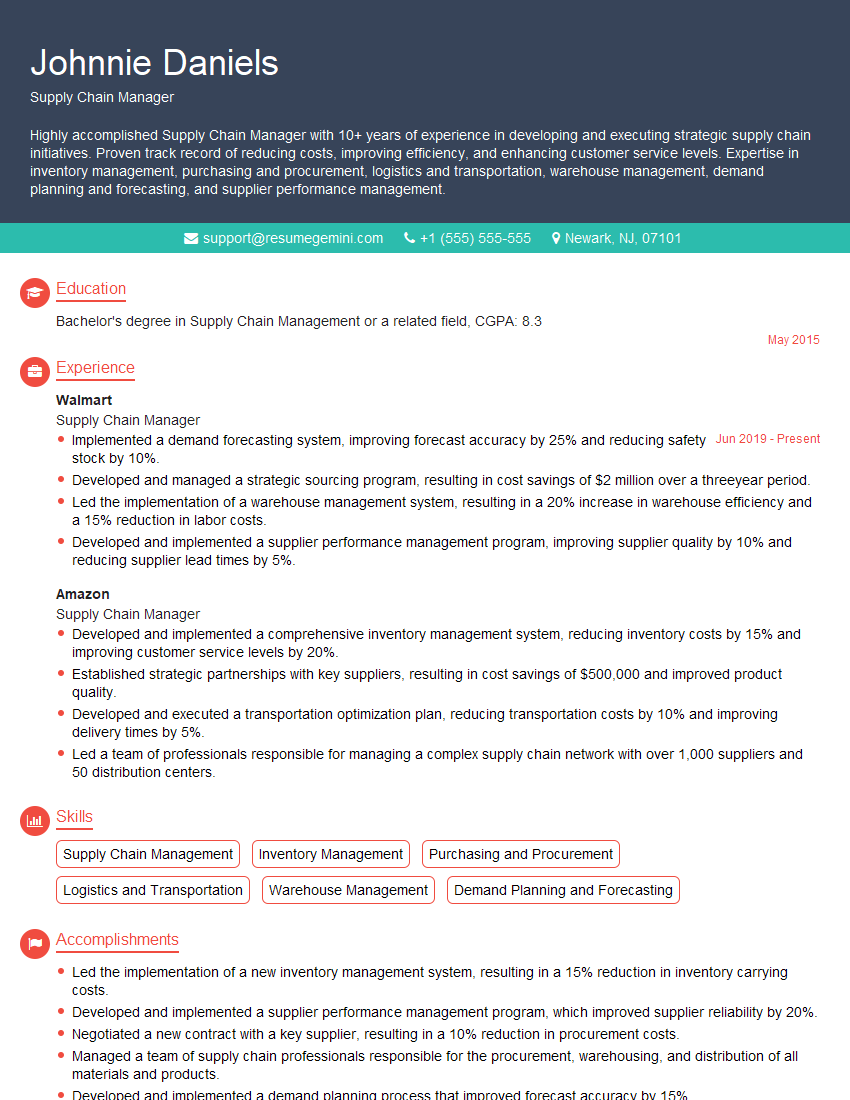
Supply Chain Manager Resume Sample
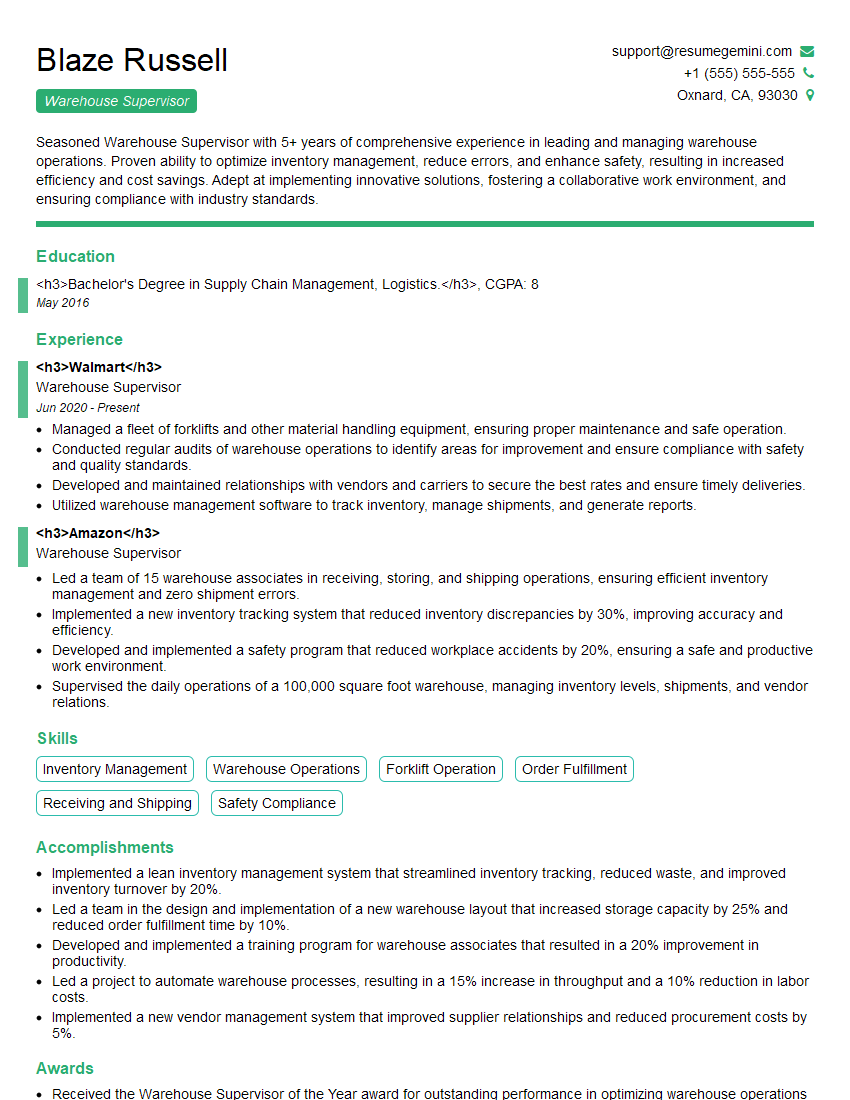
Warehouse Supervisor Resume Sample
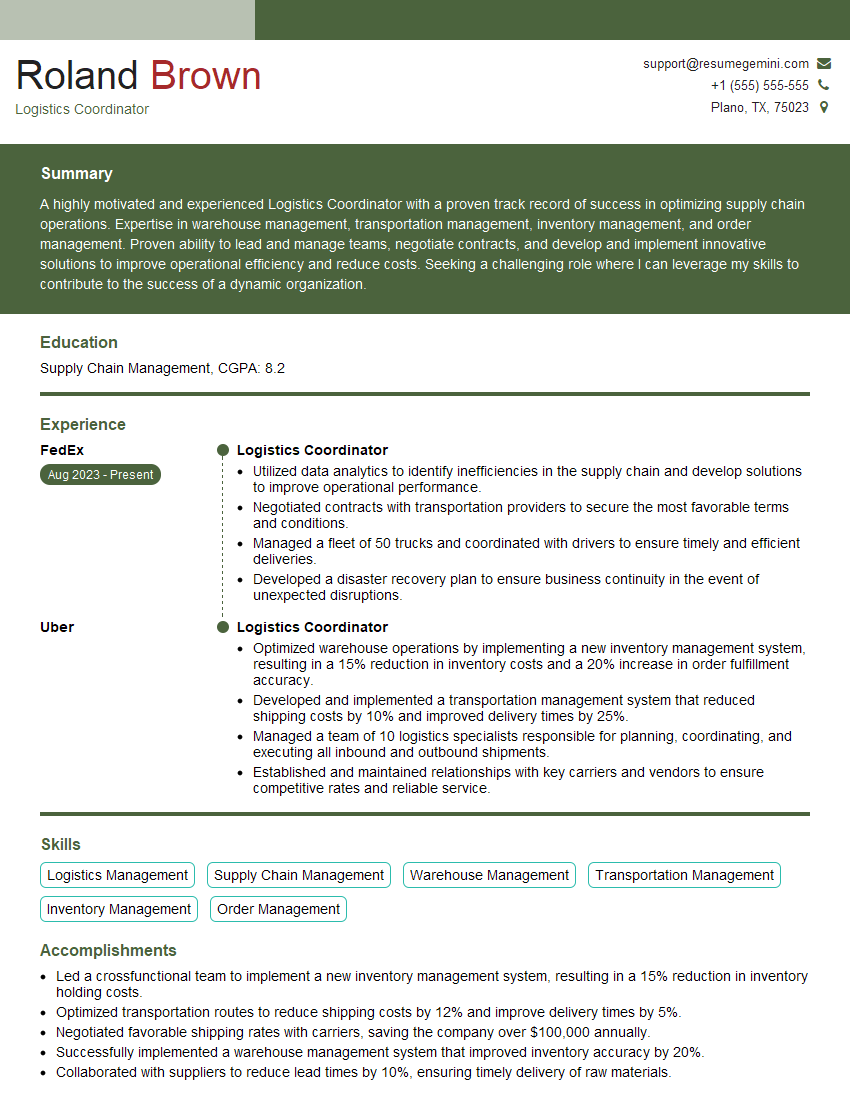
Logistics Coordinator Resume Sample
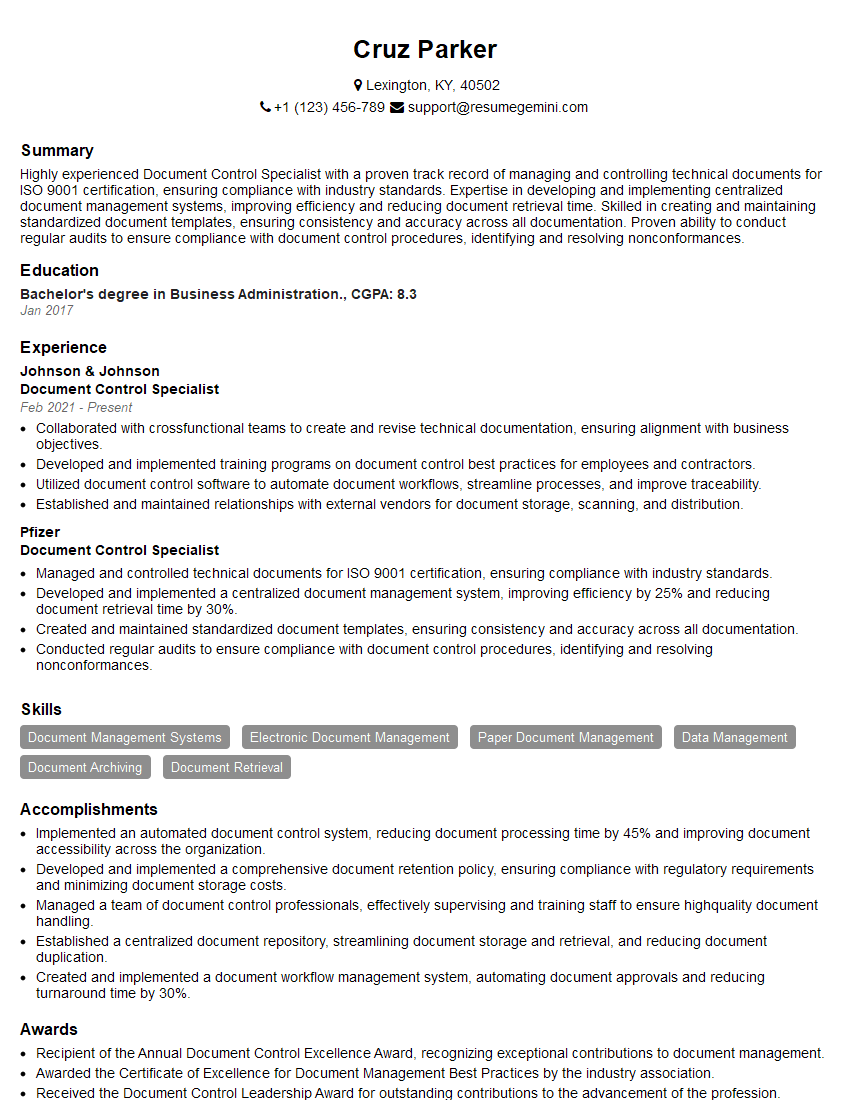
Document Control Specialist Resume Sample
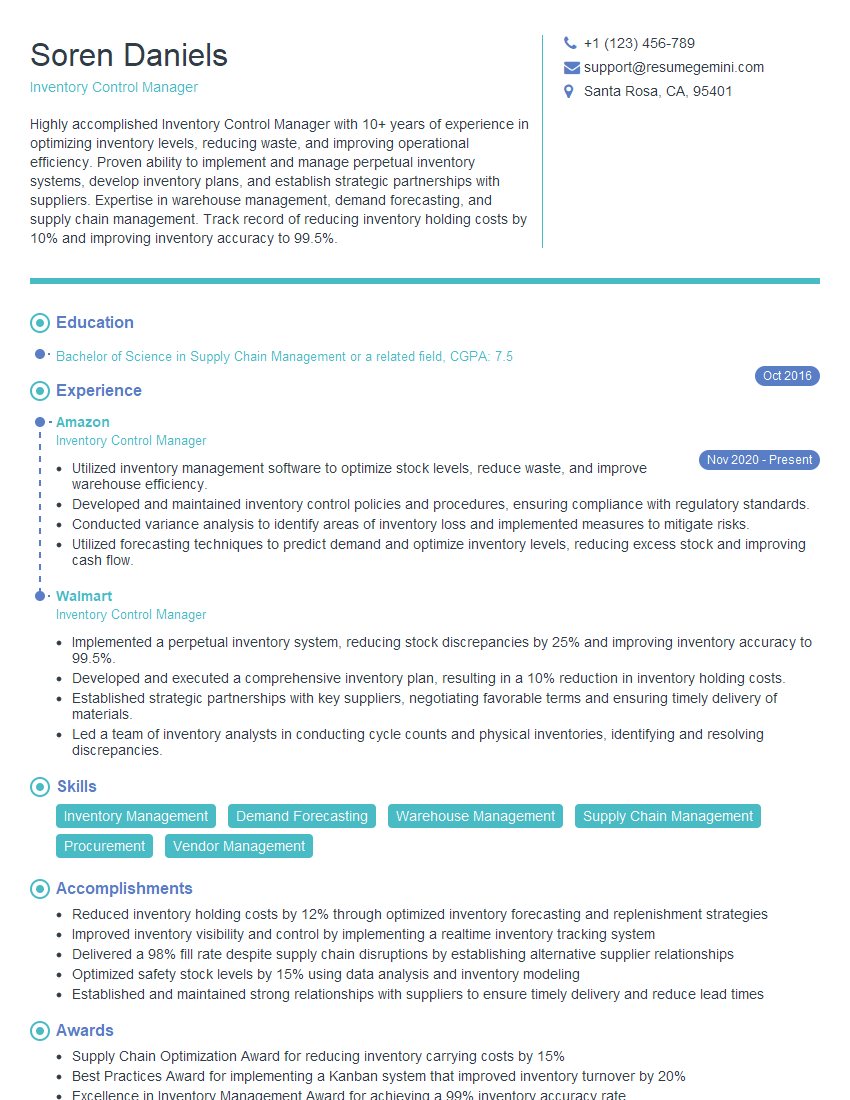
Inventory Control Manager Resume Sample
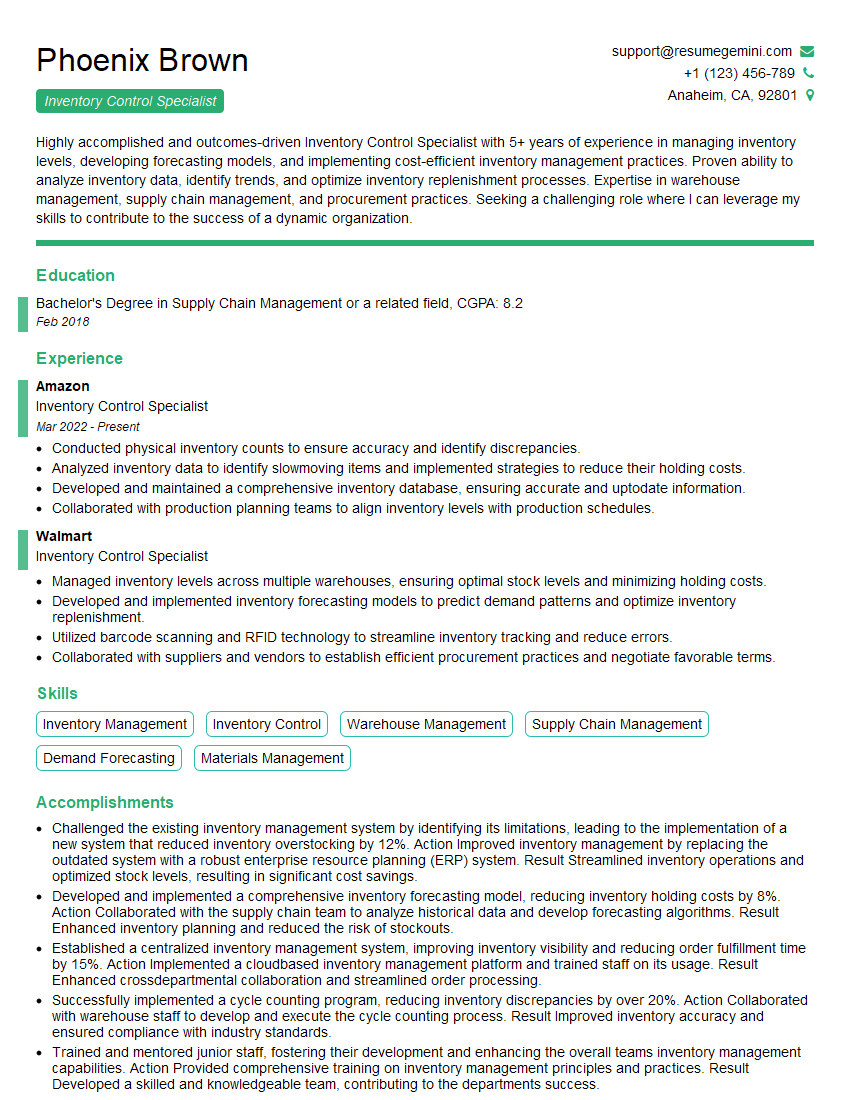
Inventory Control Specialist Resume Sample

Shipping and Receiving Clerk Resume Sample
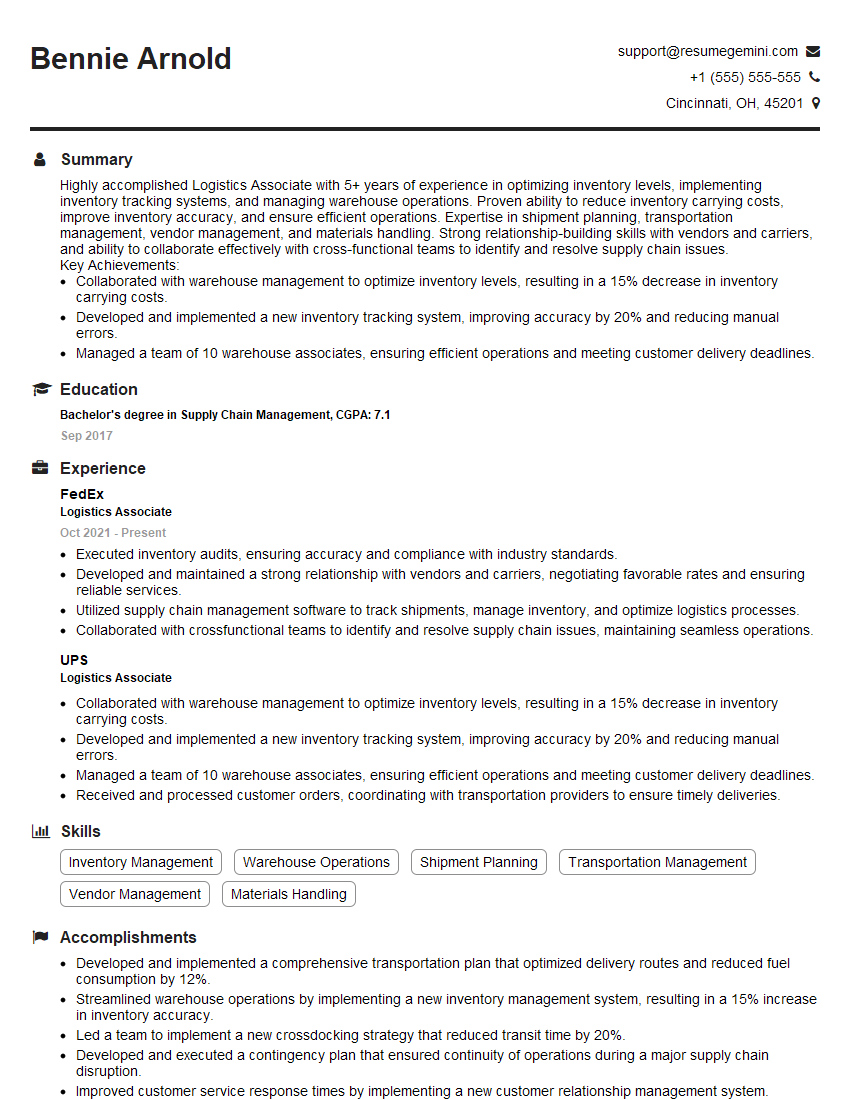
Logistics Associate Resume Sample
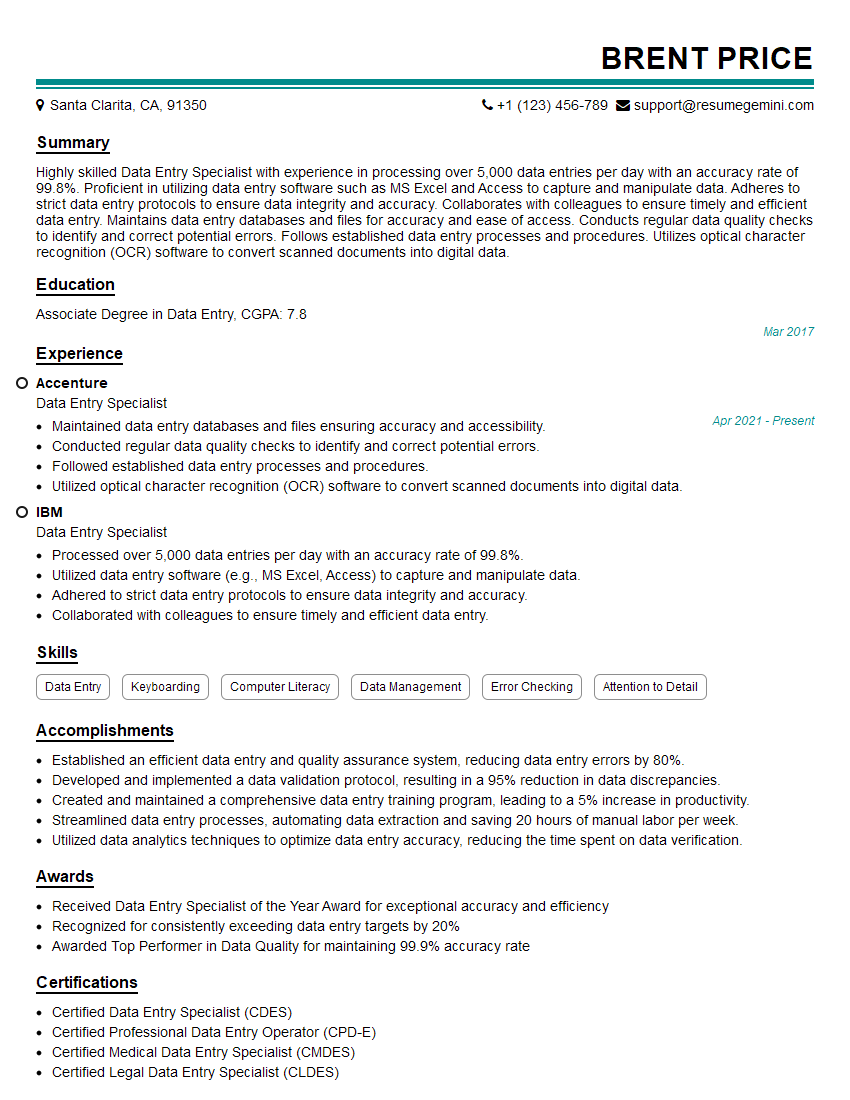
Data Entry Specialist Resume Sample
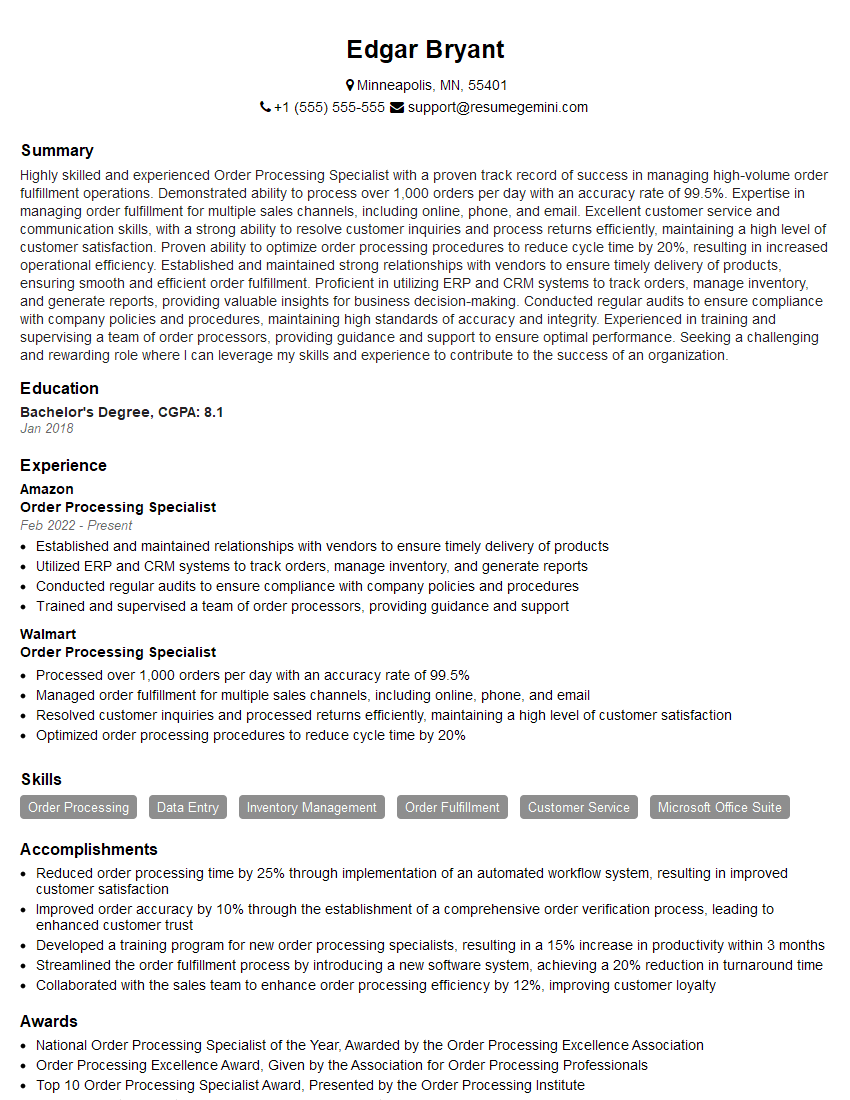
Order Processing Specialist Resume Sample
Explore more articles
Users Rating of Our Blogs
Share Your Experience
We value your feedback! Please rate our content and share your thoughts (optional).
What Readers Say About Our Blog
Hello,
we currently offer a complimentary backlink and URL indexing test for search engine optimization professionals.
You can get complimentary indexing credits to test how link discovery works in practice.
No credit card is required and there is no recurring fee.
You can find details here:
https://wikipedia-backlinks.com/indexing/
Regards
NICE RESPONSE TO Q & A
hi
The aim of this message is regarding an unclaimed deposit of a deceased nationale that bears the same name as you. You are not relate to him as there are millions of people answering the names across around the world. But i will use my position to influence the release of the deposit to you for our mutual benefit.
Respond for full details and how to claim the deposit. This is 100% risk free. Send hello to my email id: [email protected]
Luka Chachibaialuka
Hey interviewgemini.com, just wanted to follow up on my last email.
We just launched Call the Monster, an parenting app that lets you summon friendly ‘monsters’ kids actually listen to.
We’re also running a giveaway for everyone who downloads the app. Since it’s brand new, there aren’t many users yet, which means you’ve got a much better chance of winning some great prizes.
You can check it out here: https://bit.ly/callamonsterapp
Or follow us on Instagram: https://www.instagram.com/callamonsterapp
Thanks,
Ryan
CEO – Call the Monster App
Hey interviewgemini.com, I saw your website and love your approach.
I just want this to look like spam email, but want to share something important to you. We just launched Call the Monster, a parenting app that lets you summon friendly ‘monsters’ kids actually listen to.
Parents are loving it for calming chaos before bedtime. Thought you might want to try it: https://bit.ly/callamonsterapp or just follow our fun monster lore on Instagram: https://www.instagram.com/callamonsterapp
Thanks,
Ryan
CEO – Call A Monster APP
To the interviewgemini.com Owner.
Dear interviewgemini.com Webmaster!
Hi interviewgemini.com Webmaster!
Dear interviewgemini.com Webmaster!
excellent
Hello,
We found issues with your domain’s email setup that may be sending your messages to spam or blocking them completely. InboxShield Mini shows you how to fix it in minutes — no tech skills required.
Scan your domain now for details: https://inboxshield-mini.com/
— Adam @ InboxShield Mini
Reply STOP to unsubscribe
Hi, are you owner of interviewgemini.com? What if I told you I could help you find extra time in your schedule, reconnect with leads you didn’t even realize you missed, and bring in more “I want to work with you” conversations, without increasing your ad spend or hiring a full-time employee?
All with a flexible, budget-friendly service that could easily pay for itself. Sounds good?
Would it be nice to jump on a quick 10-minute call so I can show you exactly how we make this work?
Best,
Hapei
Marketing Director
Hey, I know you’re the owner of interviewgemini.com. I’ll be quick.
Fundraising for your business is tough and time-consuming. We make it easier by guaranteeing two private investor meetings each month, for six months. No demos, no pitch events – just direct introductions to active investors matched to your startup.
If youR17;re raising, this could help you build real momentum. Want me to send more info?
Hi, I represent an SEO company that specialises in getting you AI citations and higher rankings on Google. I’d like to offer you a 100% free SEO audit for your website. Would you be interested?
Hi, I represent an SEO company that specialises in getting you AI citations and higher rankings on Google. I’d like to offer you a 100% free SEO audit for your website. Would you be interested?
good