Every successful interview starts with knowing what to expect. In this blog, we’ll take you through the top Scholarship Negotiation interview questions, breaking them down with expert tips to help you deliver impactful answers. Step into your next interview fully prepared and ready to succeed.
Questions Asked in Scholarship Negotiation Interview
Q 1. What strategies do you employ to identify and prioritize scholarship opportunities?
Identifying and prioritizing scholarship opportunities is a strategic process that combines broad research with targeted selection. I begin by using comprehensive scholarship search engines like Scholly, Fastweb, and Peterson’s, filtering by criteria such as major, GPA requirements, and essay length. Simultaneously, I explore institutional scholarships offered directly by the student’s university or college, often found on their financial aid website. This two-pronged approach ensures a diverse pool of opportunities. Prioritization involves assessing the likelihood of success based on matching the student’s profile to the scholarship criteria, as well as considering the award amount and the effort required to complete the application.
For example, a student with a strong GPA and leadership experience might prioritize scholarships emphasizing academic achievement and extracurricular involvement, rather than those focused solely on financial need. I create a spreadsheet to track deadlines, application requirements, and the estimated time commitment for each, helping the student manage their time effectively and avoid missing deadlines.
Q 2. Describe your process for researching and evaluating scholarship criteria.
Researching and evaluating scholarship criteria is crucial for maximizing success. I meticulously review each scholarship’s guidelines, focusing on eligibility requirements (GPA, major, extracurriculars, etc.), essay prompts, and submission instructions. This goes beyond simply reading; it involves actively comparing the student’s qualifications with the criteria, identifying areas of strength and potential weaknesses. This evaluation helps determine if the scholarship is a good fit and if the student’s narrative can effectively resonate with the selection committee.
For instance, if a scholarship emphasizes community service, I’ll ensure the student’s application highlights relevant experiences and quantifies their impact. If the essay prompt centers on overcoming adversity, I’ll help them craft a narrative that showcases their resilience and growth. This deep dive into the criteria forms the foundation for a targeted and persuasive application.
Q 3. How do you effectively communicate the value proposition of a student’s application for a scholarship?
Effectively communicating a student’s value proposition involves crafting a compelling narrative that showcases their unique strengths and aligns them perfectly with the scholarship’s goals. It’s not just about listing accomplishments; it’s about demonstrating how those accomplishments directly translate into the values and priorities of the scholarship provider. I use the STAR method (Situation, Task, Action, Result) to structure stories within the application materials. This method provides a clear and concise way to illustrate the impact of the student’s experiences.
For example, instead of simply stating “I volunteered at a soup kitchen,” the application might detail a specific situation (the soup kitchen faced a shortage of volunteers), the task (organizing a team of volunteers), the action taken (recruiting and coordinating volunteers to address the shortage), and the positive result (increased efficiency and service provision). This approach paints a vivid picture of the student’s contributions and strengthens their application.
Q 4. Explain your approach to crafting a compelling scholarship essay or personal statement.
Crafting a compelling scholarship essay requires a multi-step approach. I start by understanding the essay prompt and its underlying themes. Then, I work with the student to brainstorm experiences that resonate with those themes, focusing on storytelling rather than simply listing facts. We collaboratively develop a compelling narrative arc – a beginning, a rising action, a climax, and a resolution – that showcases the student’s personal growth, resilience, and unique qualities. The essay should be authentic, well-written, and demonstrate a strong understanding of the scholarship provider’s mission and values.
Careful editing and proofreading are paramount. I use multiple rounds of revisions, focusing on clarity, conciseness, and impact. The final product should be polished, error-free, and leave a lasting impression on the reader. A strong personal statement becomes the narrative centerpiece of the application, highlighting the candidate’s suitability for the scholarship.
Q 5. How do you handle rejection and setbacks in the scholarship application process?
Rejection is a common part of the scholarship application process. My approach emphasizes reframing setbacks as learning opportunities. I analyze the application and identify areas for improvement, such as refining the essay, strengthening the resume, or targeting more suitable scholarships. We discuss the feedback received (if any) to understand the reasons for rejection and address them in future applications. It’s crucial to maintain perspective; one rejection doesn’t define the student’s potential.
We celebrate small victories along the way, such as completing a strong application or receiving an interview, to maintain motivation and build confidence. Focusing on the effort and learning, rather than solely on the outcome, helps foster resilience and a growth mindset.
Q 6. What are the ethical considerations involved in scholarship negotiation?
Ethical considerations in scholarship negotiation are paramount. Honesty and integrity must guide the entire process. This includes accurately representing the student’s qualifications and accomplishments without exaggeration or misrepresentation. It also involves respecting the scholarship provider’s rules and deadlines, and avoiding plagiarism in any application materials. Transparency in communication with the scholarship provider is essential.
For example, if a student’s circumstances change significantly after submitting an application, it’s important to communicate these changes honestly to the provider. Similarly, accepting a scholarship requires fulfilling any associated obligations, such as maintaining a certain GPA or participating in specific activities. Ethical conduct is not just about avoiding penalties; it’s about upholding the principles of fairness and academic integrity.
Q 7. How do you maintain organized records of applications, deadlines, and communication?
Maintaining organized records is critical for efficient scholarship management. I use a combination of digital tools and paper-based systems, tailoring the approach to the student’s preference. A spreadsheet is invaluable for tracking applications, deadlines, and communication. Columns might include the scholarship name, deadline, application status, required materials, and notes on communication with the provider. A dedicated folder for each scholarship application, both physical and digital, helps keep everything organized. This system minimizes the risk of missed deadlines or duplicated efforts.
Cloud-based storage services can further enhance organization, allowing access from multiple devices and facilitating collaboration. Regularly reviewing and updating the spreadsheet ensures accuracy and facilitates proactive planning. The ultimate goal is to create a system that is simple, reliable, and easily manageable for the student, minimizing stress and maximizing success.
Q 8. Describe your experience in building relationships with scholarship providers.
Building strong relationships with scholarship providers is crucial for securing funding for students. It’s not just about submitting an application; it’s about fostering genuine connections. I approach this by actively engaging with providers through various methods. This includes attending scholarship conferences and workshops to network directly with representatives, participating in webinars and online forums hosted by providers to demonstrate my knowledge and understanding of their mission, and maintaining consistent communication through emails and phone calls to follow up on applications and build rapport. I always personalize my communication, highlighting the unique strengths and achievements of the students I represent and showing how they align perfectly with the provider’s values and priorities. For example, if a scholarship is focused on STEM, I would emphasize the student’s research experience or relevant academic awards. Finally, providing regular updates on students’ progress, including academic achievements and participation in relevant extracurricular activities, strengthens the relationship and demonstrates a commitment to transparency and accountability.
Q 9. How do you adapt your negotiation approach based on the specific scholarship and provider?
My negotiation approach is highly adaptable and depends on the specific scholarship and provider. For merit-based scholarships, I focus on showcasing the student’s exceptional achievements – academic record, extracurricular involvement, research experience, and unique talents. I’ll quantify these achievements with concrete data (GPA, awards, publication details) to strengthen the case. For need-based scholarships, I emphasize the student’s financial need, using the FAFSA data and other documentation to illustrate the family’s financial situation. The provider’s mission and priorities are also critical. A scholarship focused on community service requires highlighting the student’s volunteer work and contributions. My communication style also varies. Some providers are formal, requiring structured proposals; others are more informal and open to creative narratives. For example, when negotiating with a large foundation, I may use a more formal, data-driven approach, while a smaller, family-run foundation may respond better to a more personal, storytelling approach. In all cases, I maintain professionalism, respect, and clear communication throughout the negotiation process.
Q 10. How do you assess the financial needs of students and match them with appropriate funding opportunities?
Assessing students’ financial needs and matching them with appropriate funding opportunities is a systematic process. It starts with a thorough review of the student’s financial documents, primarily the FAFSA (Free Application for Federal Student Aid), which provides a standardized measure of need. This is supplemented by documentation like tax returns, bank statements, and tuition bills to gain a comprehensive understanding of the family’s financial situation. I then meticulously research various scholarships based on the student’s academic profile, extracurricular activities, demographics, intended major, and areas of interest. This involves using specialized scholarship search engines and databases to locate relevant opportunities. For instance, a student with a high GPA in engineering might be a good fit for scholarships offered by engineering societies or technology companies. Finally, I prioritize matching the student’s eligibility criteria with the scholarship requirements to maximize their chances of success. This includes carefully reviewing eligibility requirements concerning GPA, major, geographic location, and any unique criteria specified by the provider. It’s a delicate balance – identifying and pursuing scholarships that align perfectly with the student’s needs and qualifications.
Q 11. What software or tools do you utilize for managing scholarship applications?
Effective scholarship management requires robust tools and software. I primarily use a combination of tools tailored to specific needs. A Customer Relationship Management (CRM) system helps me track student information, application deadlines, scholarship details, and communication history. This allows for organized management of many applications at once. Spreadsheet software like Excel or Google Sheets is invaluable for organizing scholarship information, tracking deadlines, and monitoring application progress. Dedicated scholarship search platforms, such as Scholly or Fastweb, provide access to extensive databases of scholarships and streamline the search process. Moreover, I utilize project management software to manage complex timelines, deadlines, and collaborative efforts with students and their families. The combination of these tools helps ensure that no opportunities are missed and that students are fully supported throughout the application process.
Q 12. How familiar are you with various types of scholarships (merit-based, need-based, etc.)?
My familiarity with various types of scholarships is extensive. I’m well-versed in the nuances of merit-based scholarships, which reward academic excellence, leadership skills, and talent. I understand how to highlight these attributes in applications effectively. Need-based scholarships, on the other hand, require a detailed understanding of the student’s financial situation, and I’m proficient in leveraging FAFSA data and other documentation to demonstrate financial need accurately. Furthermore, I’m aware of specific types like those based on major, ethnicity, geographic location, or religious affiliation. Each type has its own set of eligibility criteria and application requirements, and I tailor my approach to each one effectively. Understanding these differences is crucial for success in scholarship procurement. For instance, a need-based scholarship may require a detailed family financial statement, while a merit-based scholarship focuses on GPA and extracurricular achievements. The key is to understand the provider’s priorities and craft the application to align perfectly with their selection criteria.
Q 13. Explain your experience with the FAFSA process and its role in scholarship eligibility.
The FAFSA (Free Application for Federal Student Aid) is an integral part of the scholarship process. It’s a crucial document that provides a standardized measure of a student’s financial need. Many scholarships, particularly need-based ones, require completion of the FAFSA as a prerequisite for eligibility. The information provided in the FAFSA – family income, assets, and other financial details – is used to calculate the Expected Family Contribution (EFC), a key factor in determining financial aid eligibility. My experience with the FAFSA includes assisting students in completing the application accurately and timely, navigating any complexities or challenges that arise, and understanding how the EFC calculated impacts eligibility for various scholarships. In my experience, accurately completing and submitting the FAFSA often increases a student’s chances of obtaining financial aid, including scholarships, substantially. I educate students about the importance of timely submission, accuracy of information, and maintaining updated information as needed throughout the academic year. The FAFSA data forms the cornerstone of my financial need assessments, ensuring accurate matching of students with appropriate scholarships.
Q 14. How would you handle a situation where a scholarship provider offers a lower amount than expected?
Receiving a lower scholarship amount than expected is a common scenario. My response involves a professional and respectful approach that prioritizes maintaining a positive relationship with the provider. First, I express gratitude for the award, acknowledging the provider’s generosity. Then, I would carefully review the scholarship’s terms and conditions to understand the reasoning behind the reduced amount. If there’s a misunderstanding or error, I would politely address it with supporting documentation. If the reduction is due to increased competition or budgetary constraints, I might explore alternative funding options or appeal the decision, providing additional justification for the student’s exceptional qualifications or need. This might involve highlighting recent achievements, or providing additional details on financial hardship that were not previously known. The key is to remain proactive, resourceful, and maintain a professional tone, ensuring that future opportunities are not compromised. Sometimes, accepting the reduced award may be the most pragmatic option while simultaneously pursuing additional funding avenues to supplement the financial gap. Open and honest communication is essential in navigating these types of situations successfully.
Q 15. Describe your experience in tracking scholarship funds and reporting outcomes.
Tracking scholarship funds and reporting outcomes is crucial for ensuring accountability and transparency. It involves meticulous record-keeping, regular monitoring, and the generation of comprehensive reports. This process begins with establishing a clear system for recording each scholarship awarded – including the source, the amount, the recipient, and the award period. I utilize dedicated software, often customized spreadsheets or database systems, to maintain this information. This ensures that we can easily track disbursements, reconcile accounts, and generate reports showing how the funds are being utilized. For example, I might use a system where each scholarship has its unique identifier, allowing for easy tracking throughout its lifecycle. We then regularly reconcile the records with bank statements and other financial documents to ensure accuracy. Finally, outcome reports are generated periodically, detailing the number of scholarships awarded, the total amount disbursed, and the impact on recipients (e.g., improved academic performance, research outputs). These reports are vital for demonstrating the program’s effectiveness to funders and stakeholders.
Career Expert Tips:
- Ace those interviews! Prepare effectively by reviewing the Top 50 Most Common Interview Questions on ResumeGemini.
- Navigate your job search with confidence! Explore a wide range of Career Tips on ResumeGemini. Learn about common challenges and recommendations to overcome them.
- Craft the perfect resume! Master the Art of Resume Writing with ResumeGemini’s guide. Showcase your unique qualifications and achievements effectively.
- Don’t miss out on holiday savings! Build your dream resume with ResumeGemini’s ATS optimized templates.
Q 16. How do you ensure compliance with federal and institutional regulations regarding financial aid?
Compliance with federal and institutional regulations regarding financial aid is paramount. My approach involves a multi-faceted strategy. First, I stay thoroughly updated on all relevant regulations, including those from the Department of Education (like the Higher Education Act) and our institution’s internal policies. This involves regularly reviewing official publications, attending compliance workshops, and consulting with legal counsel when necessary. Secondly, we meticulously follow all established procedures for awarding scholarships. This includes verifying student eligibility based on defined criteria, ensuring accurate documentation of all financial transactions, and adhering to strict reporting requirements. We maintain detailed records of each step in the process, which are readily accessible for audits. For instance, if a scholarship has specific eligibility criteria – like GPA or major – every step of verification is documented. Thirdly, we implement strong internal controls and checks and balances to minimize errors and prevent fraud. This might include a dual-authorization process for disbursements or regular internal audits of our scholarship processes. A failure to comply can lead to significant penalties, including the loss of funding or legal action, so maintaining strict compliance is a top priority.
Q 17. How do you stay current on changes in scholarship policies and funding opportunities?
Keeping abreast of changes in scholarship policies and funding opportunities requires proactive and continuous effort. I subscribe to relevant newsletters and publications from organizations such as the National Association of Student Financial Aid Administrators (NASFAA) and relevant governmental agencies. I actively monitor websites of funding organizations, foundations, and corporations that offer scholarships. Attending conferences and workshops in the field provides direct access to the latest information and networking opportunities with other professionals. I also build and maintain relationships with individuals at these organizations, allowing for early notification of changes or new opportunities. Finally, using advanced search tools and databases specifically designed for scholarship searches and updates is vital to stay ahead of the curve. For example, I might use a combination of Google Scholar Alerts and specialized scholarship databases to track changes in specific fields or funding announcements from relevant agencies.
Q 18. What are some common challenges faced in scholarship negotiation, and how do you overcome them?
Common challenges in scholarship negotiation include limited funding, highly competitive applicant pools, and unclear or ambiguous scholarship terms. Overcoming these requires a strategic approach. Limited funding necessitates prioritizing applicants based on pre-defined criteria and demonstrating the exceptional value of the candidate. In highly competitive scenarios, showcasing unique achievements, research contributions, or community involvement can help applicants stand out. Ambiguous terms must be clarified through direct communication with the scholarship provider. For example, if a scholarship mentions ‘merit-based,’ I encourage students to directly inquire about the specific criteria used to determine ‘merit.’ I often assist students in crafting compelling narratives that highlight their qualifications and address the specific needs or goals of the scholarship provider. I coach them on effective communication strategies to build a rapport with the scholarship committee and tactfully negotiate for a higher award amount or extended funding duration, if possible. Persistent follow-up is also crucial after initial submissions.
Q 19. How do you evaluate the success of a scholarship negotiation strategy?
Evaluating the success of a scholarship negotiation strategy involves both quantitative and qualitative measures. Quantitatively, I track the number of scholarships secured, the total value of awards received, and the percentage of applications resulting in successful awards. Qualitative assessment focuses on the student’s overall experience, their satisfaction with the outcome, and the impact of the funding on their academic or professional goals. Did they secure sufficient funding to significantly reduce their financial burden? Did the negotiation process enhance their skills in communication and advocacy? Post-award feedback from students is invaluable in determining whether the strategies employed were effective and could be improved upon. For instance, comparing the average scholarship award amount secured by students this year versus last year helps measure the effectiveness of our negotiation training and support. Similarly, collecting student feedback on the clarity and helpfulness of our materials is essential for improvement.
Q 20. How do you prioritize competing scholarship deadlines and application requirements?
Prioritizing competing scholarship deadlines and application requirements demands meticulous planning and organizational skills. I typically start by creating a comprehensive master calendar documenting all deadlines and requirements. This calendar is then used to create a personalized timeline for each student, highlighting key milestones and deliverables for each application. We prioritize applications based on the scholarship’s value, the student’s likelihood of success, and the application’s complexity. This prioritization isn’t rigid; it’s regularly reviewed and adjusted as new opportunities arise or circumstances change. For example, we might prioritize an application with a high award amount and a reasonable deadline over multiple smaller scholarships with overlapping deadlines. We also leverage task management tools to track progress and ensure that all deadlines are met. Regular check-in meetings with students allow for proactive problem-solving and adjustments to the application strategy if needed.
Q 21. What are the key metrics you use to measure the effectiveness of a scholarship program?
Key metrics for measuring the effectiveness of a scholarship program include the number of students served, the total amount of funds disbursed, the average award amount, the student retention rate (to measure the long-term impact), and the graduation rate of scholarship recipients. We also track the students’ academic performance (GPA, honors, etc.) to gauge the impact of reduced financial stress on their studies. Furthermore, we assess the program’s efficiency by analyzing the cost of administering the program relative to the funds disbursed. Gathering feedback through surveys and focus groups provides qualitative data on student satisfaction and the perceived impact of the scholarship on their lives. The ultimate goal is to demonstrate the program’s effectiveness in achieving its objectives: supporting deserving students and improving their educational outcomes. These metrics are presented in regular reports to stakeholders to showcase the program’s overall performance and justify continued funding.
Q 22. Describe your experience in analyzing scholarship data to identify trends and inform strategic decisions.
Analyzing scholarship data is crucial for identifying trends and making informed decisions. My approach involves a multi-step process starting with data collection from various sources – institutional databases, scholarship websites, and even manually collating information from brochures and announcements. I then use data analysis techniques to identify patterns, such as popular scholarship types, application deadlines, average award amounts, and success rates based on applicant demographics and academic achievements.
For example, I might find a significant increase in scholarships targeted towards STEM fields, indicating a growing need for skilled professionals in those areas. This analysis can inform strategic decisions, such as advising students to focus their efforts on STEM-related scholarships or advocating for the creation of new scholarships in underrepresented areas. Similarly, identifying common application pitfalls—like missing deadlines or inadequate essays—allows me to develop targeted training programs for students to improve their success rates.
Visualizations such as charts and graphs are vital in communicating my findings effectively. I can easily demonstrate trends and patterns to stakeholders, making data-driven recommendations for resource allocation and strategic planning. For instance, a graph highlighting the success rate of students who leverage mentorship programs allows us to justify investment in such initiatives.
Q 23. How would you educate students on the best strategies for maximizing their scholarship opportunities?
Educating students about maximizing scholarship opportunities requires a holistic approach. I begin by teaching them about the various types of scholarships available—merit-based, need-based, major-specific, and those based on extracurricular activities, ethnicity, or geographic location.
Next, I guide them on effective scholarship searching. This involves using online search engines, scholarship databases (like Fastweb or Scholarship America), and networking with their academic advisors and mentors. I stress the importance of creating a master spreadsheet to track deadlines, application requirements, and contact information for each scholarship.
Crafting compelling applications is key. I teach students how to write impactful essays that highlight their unique experiences, skills, and goals, aligning them with the scholarship provider’s mission and values. I also provide workshops on preparing strong recommendations and navigating the interview process. Finally, I emphasize the importance of persistence and patience, reminding them that the scholarship application process can be lengthy and competitive.
Q 24. How would you respond to a scholarship provider requesting additional documentation?
Responding to a scholarship provider’s request for additional documentation requires promptness, professionalism, and meticulous attention to detail. I immediately acknowledge the request, confirming receipt and outlining the timeline for providing the requested materials. I then gather the necessary documents, ensuring they meet the specified formatting and submission requirements.
For instance, if they request updated transcripts, I’ll obtain official transcripts directly from the institution, ensuring they are properly sealed and sent through secure channels. If they require a letter of clarification, I work closely with the student to create a concise and persuasive response addressing their specific concerns. I always maintain clear communication, providing regular updates to both the student and the provider about the progress of fulfilling the request.
Furthermore, I meticulously document the entire process—the date of the request, the documents submitted, and the date of confirmation of receipt—to maintain a clear audit trail and ensure accountability. This proactive approach prevents delays and maintains a positive relationship with the scholarship provider.
Q 25. What are your preferred methods of communicating with scholarship providers and students?
Effective communication is paramount in scholarship management. With scholarship providers, I primarily use professional email and formal letters for official correspondence. For complex issues or when a quick response is needed, I might use phone calls. Maintaining a courteous and respectful tone is always essential. I aim to establish long-term relationships built on trust and mutual respect.
With students, I use a multi-channel approach: email for formal updates and announcements, online platforms (like a dedicated learning management system) for resources and workshops, and in-person meetings for personalized guidance and feedback. I always prioritize clear and concise language, avoiding jargon and technical terms. Regular check-ins and open communication lines are vital in providing timely support and addressing any concerns promptly. I also utilize feedback mechanisms – surveys and individual conversations – to adapt my communication strategies based on student needs.
Q 26. Describe a time you had to resolve a conflict related to scholarship funding.
One instance involved a conflict over a scholarship’s eligibility criteria. A student, despite meeting most requirements, was initially deemed ineligible due to a technicality in their application. The provider’s interpretation of the rule was very strict, leaving the student distraught and facing the loss of a significant amount of funding.
I carefully reviewed the scholarship guidelines, identifying a potential area of misinterpretation. I then prepared a detailed written explanation, respectfully highlighting the student’s strong qualifications and addressing the provider’s concerns point-by-point. I provided supporting documentation, including evidence of the student’s exceptional academic performance and extracurricular achievements. Finally, I initiated a phone call to directly discuss the matter with the scholarship committee. Through professional yet assertive communication, I was able to successfully advocate for the student, leading to the committee’s reconsideration and eventual approval of the scholarship.
This experience highlighted the importance of meticulous attention to detail, strong persuasive skills, and the ability to negotiate effectively within the constraints of institutional policies.
Q 27. How do you build rapport with scholarship committees and selection panels?
Building rapport with scholarship committees and selection panels requires a combination of professionalism, clear communication, and demonstrating a genuine understanding of their mission and values. I always start by thoroughly researching the organization and its priorities. This allows me to tailor my communication to their specific interests and expectations.
I approach communication with respect and demonstrate a clear understanding of their decision-making process and timeline. When presenting student applications, I highlight not just the achievements but also the qualities that align with the organization’s values and mission. For example, if the scholarship emphasizes community service, I would highlight the applicant’s volunteer work and its impact.
Furthermore, I maintain open communication, providing timely updates and responding promptly to any inquiries. By building a relationship of trust and demonstrating a shared commitment to supporting deserving students, I establish a strong foundation for future collaborations and increased chances of successful scholarship awards.
Q 28. What strategies do you use to advocate for students with unique circumstances and needs?
Advocating for students with unique circumstances requires empathy, resourcefulness, and a deep understanding of the available support systems. I start by carefully listening to their individual stories and identifying their specific needs. This might involve navigating challenges related to financial hardship, disabilities, or unexpected life events.
My advocacy involves finding scholarships specifically designed to support such circumstances, such as those for students with disabilities, first-generation college students, or those from low-income families. I also explore additional funding opportunities, including grants, loans, and institutional aid programs. When appropriate, I help students craft compelling narratives that highlight their resilience and demonstrate how their circumstances have shaped their academic pursuits and future goals.
For example, I might help a student articulate how overcoming a learning disability has fostered their determination and problem-solving skills, thereby making them a strong candidate for a merit-based scholarship. I work closely with the student, providing support and guidance at every stage of the process, ensuring their voice is heard and their unique needs are adequately addressed.
Key Topics to Learn for Scholarship Negotiation Interview
- Understanding Scholarship Criteria: Analyze the specific requirements and priorities of different scholarships to tailor your approach.
- Crafting a Compelling Narrative: Develop a persuasive story that highlights your achievements, potential, and alignment with the scholarship’s goals. This involves showcasing your unique value proposition.
- Researching and Analyzing Funding Sources: Investigate the scholarship provider’s mission, values, and past awardees to understand their preferences and expectations.
- Strategic Communication & Presentation: Practice articulating your qualifications and needs clearly and confidently, both verbally and in writing. This includes strong writing skills for your application materials.
- Financial Planning & Budget Justification: Demonstrate a clear understanding of your financial needs and how the scholarship will contribute to your educational goals. Prepare a realistic budget.
- Handling Objections and Counter-Offers: Develop strategies for addressing potential concerns or negotiating alternative funding solutions should your initial request be declined or partially funded.
- Professionalism and Etiquette: Maintain professional communication and demonstrate gratitude throughout the entire process, regardless of the outcome.
- Negotiation Strategies & Tactics: Explore different negotiation techniques such as collaborative negotiation and integrative bargaining to reach mutually beneficial agreements.
- Post-Negotiation Follow-Up: Understand the importance of expressing gratitude and maintaining contact with scholarship providers after a decision has been made.
Next Steps
Mastering scholarship negotiation is crucial for securing funding for your education and opens doors to exciting career opportunities. A strong financial foundation reduces stress and allows you to focus on academic excellence. This skill is highly transferable and will benefit you throughout your career, building confidence and demonstrating resourcefulness.
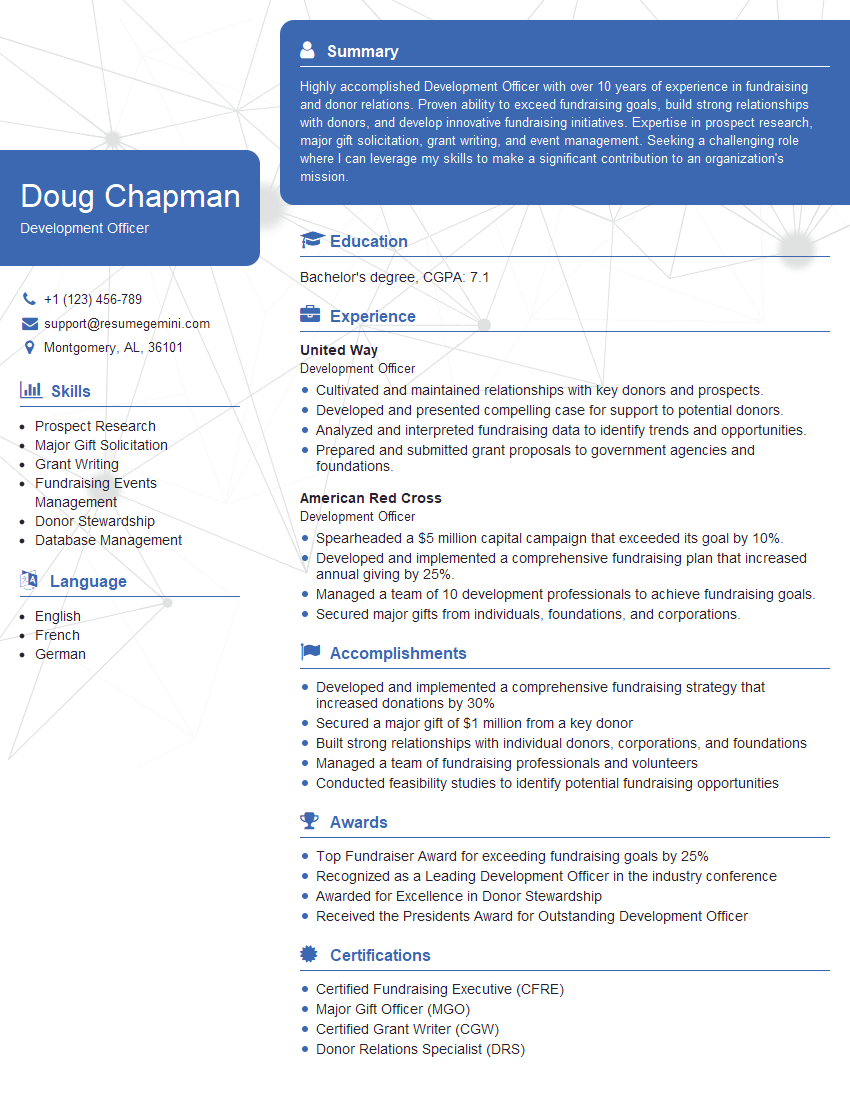
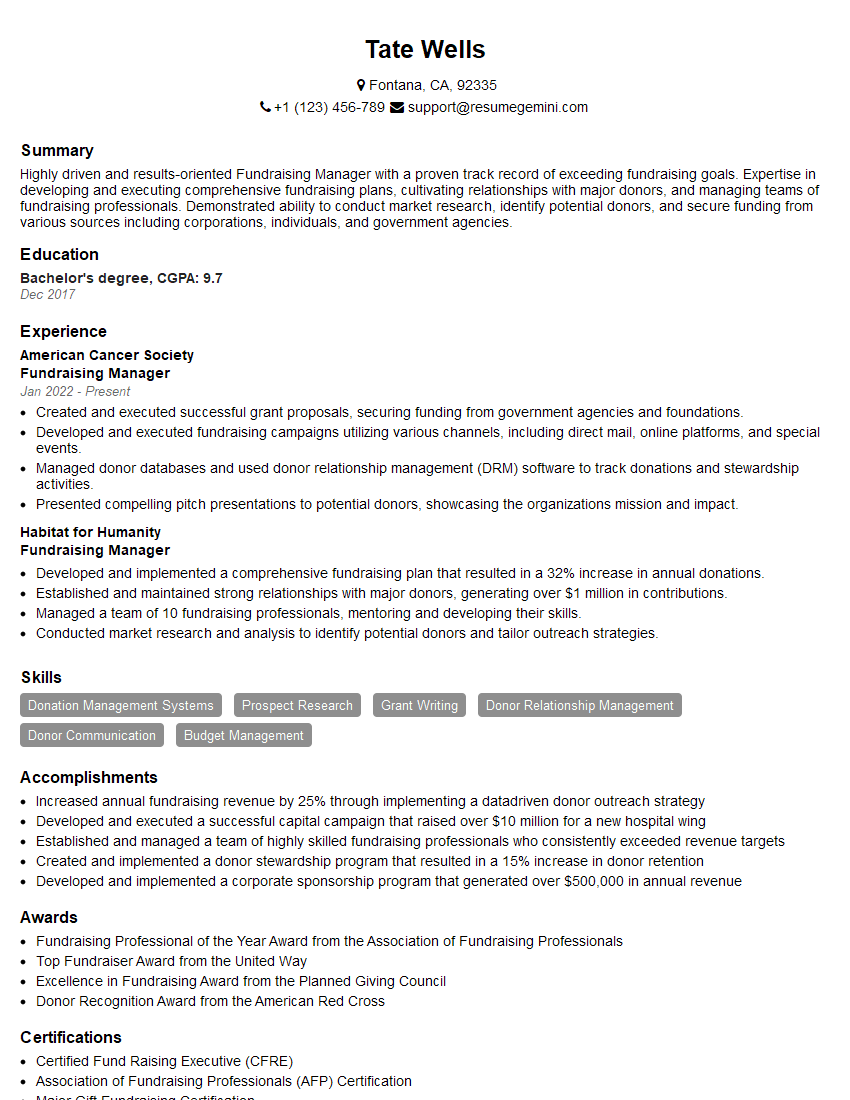
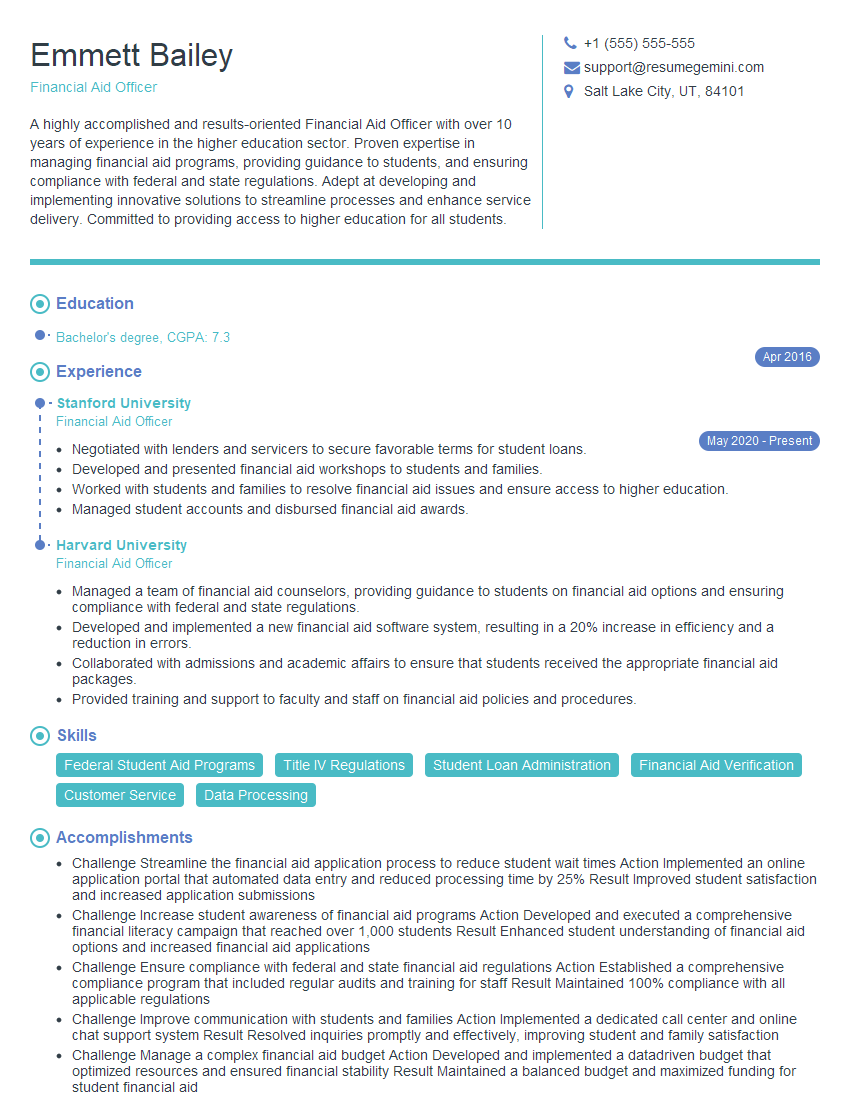
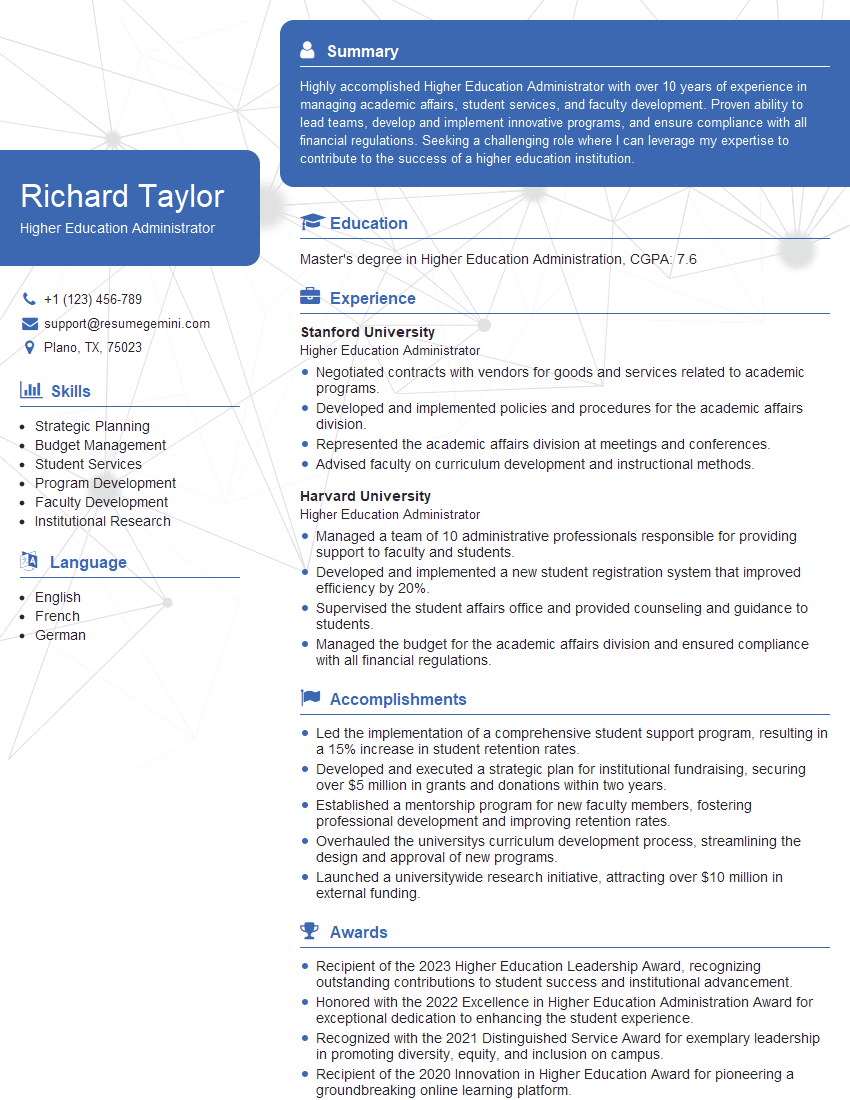
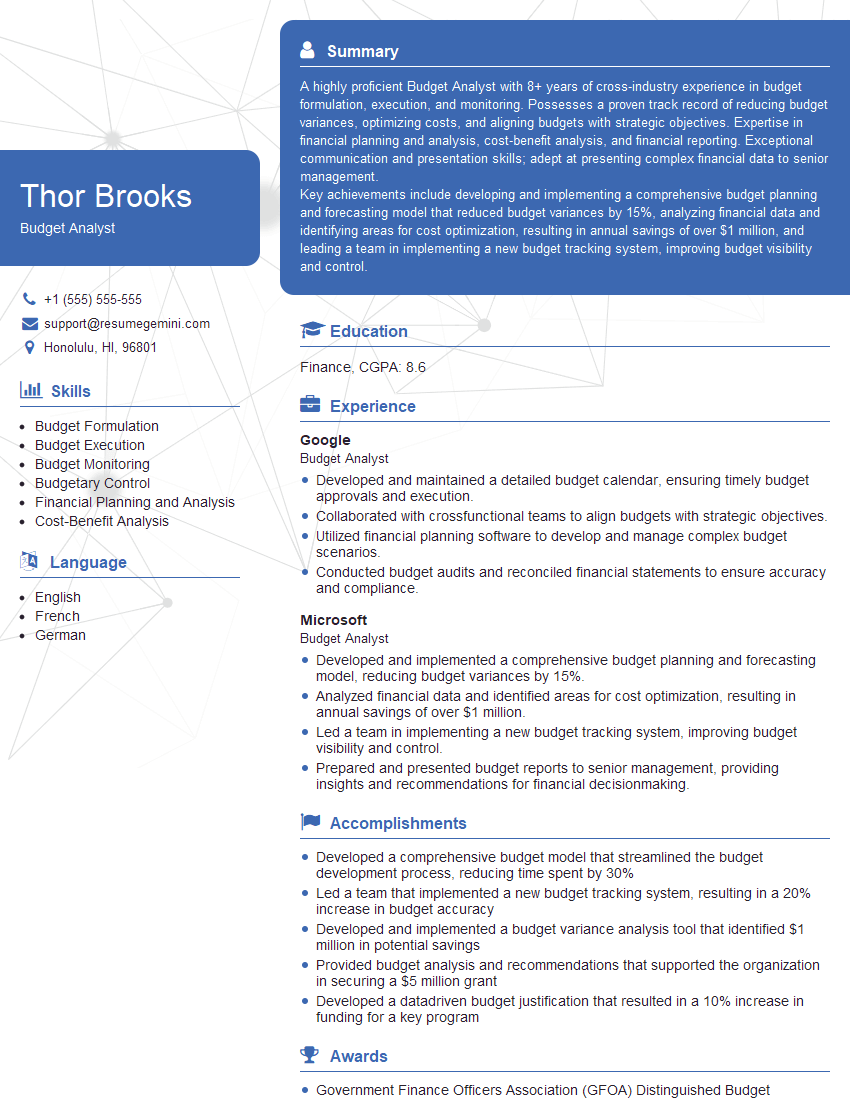
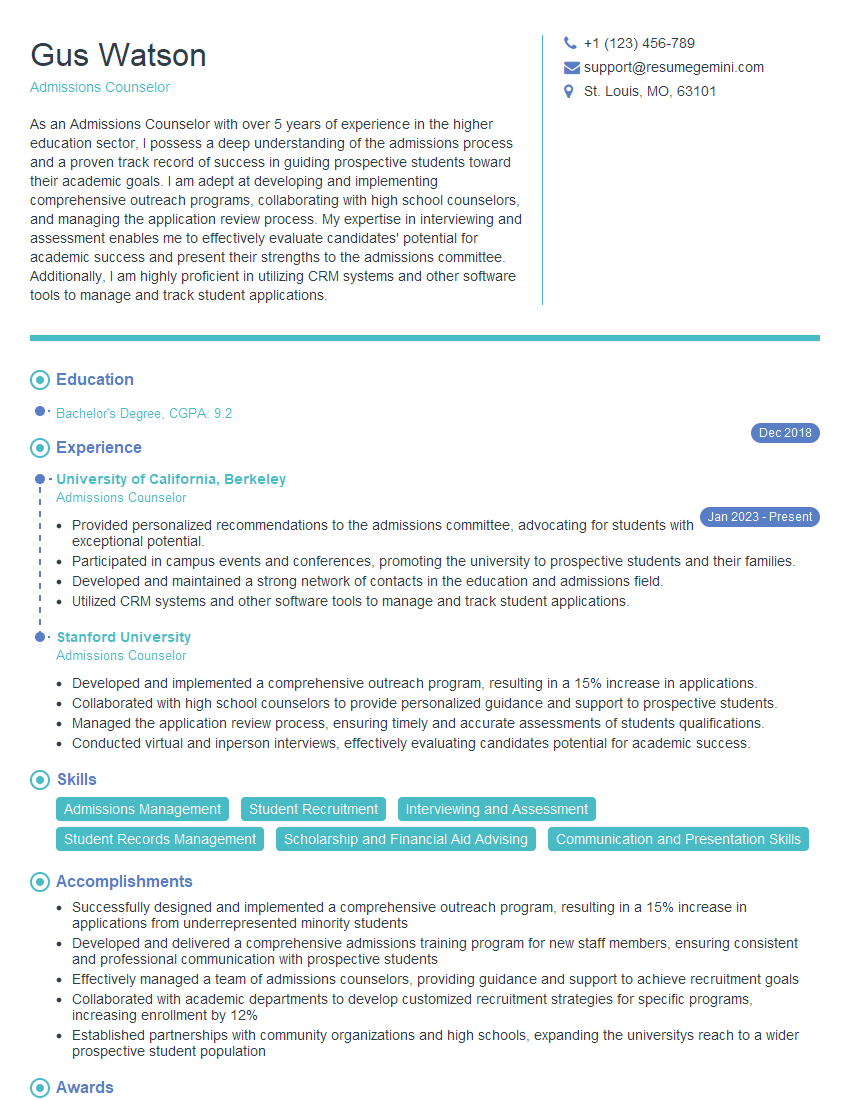
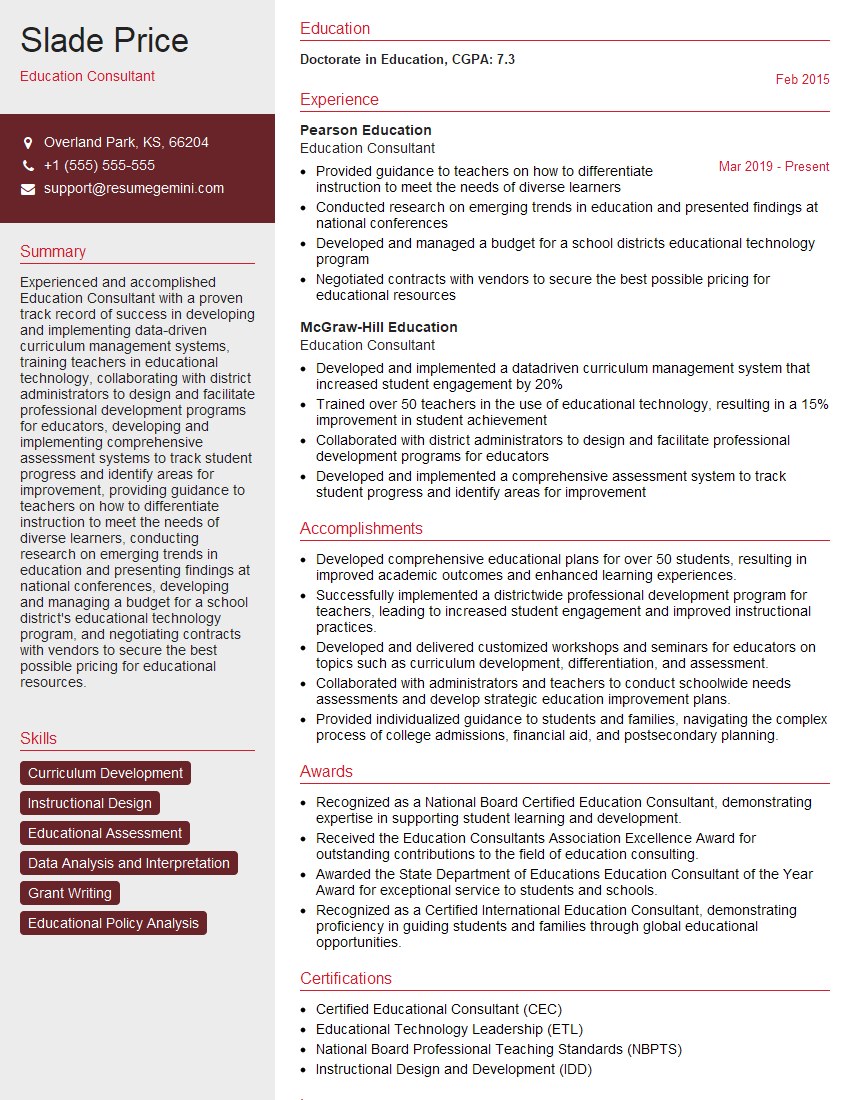
To maximize your job prospects, create an ATS-friendly resume that showcases your achievements and skills effectively. ResumeGemini is a trusted resource that can help you build a professional and impactful resume. We provide examples of resumes tailored to highlight experience in scholarship negotiation, helping you present yourself in the best possible light to prospective employers and scholarship committees.
Explore more articles
Users Rating of Our Blogs
Share Your Experience
We value your feedback! Please rate our content and share your thoughts (optional).
What Readers Say About Our Blog
Very informative content, great job.
good