Are you ready to stand out in your next interview? Understanding and preparing for Scripting and Coding interview questions is a game-changer. In this blog, we’ve compiled key questions and expert advice to help you showcase your skills with confidence and precision. Let’s get started on your journey to acing the interview.
Questions Asked in Scripting and Coding Interview
Q 1. Explain the difference between == and === in JavaScript.
In JavaScript, both == and === are used for comparison, but they differ significantly in how they perform the check. == is the loose equality operator, while === is the strict equality operator. The loose equality operator performs type coercion before comparison, meaning it attempts to convert the operands to a common type before checking for equality. The strict equality operator, on the other hand, does not perform type coercion. It checks for both value and type equality.
Example:
1 == '1' // true (loose equality: string '1' is coerced to number 1)1 === '1' // false (strict equality: types are different)0 == false // true (loose equality: boolean false is coerced to number 0)0 === false // false (strict equality: types are different)
In most cases, especially when dealing with potentially diverse data types, it’s safer and more predictable to use the strict equality operator === to avoid unexpected results due to type coercion. This improves code readability and reduces the likelihood of bugs.
Q 2. What are the benefits of using a version control system like Git?
Version control systems (VCS), like Git, are indispensable for collaborative software development and individual projects. They offer numerous benefits, significantly enhancing productivity and reducing errors:
- Tracking Changes: Git meticulously records every change made to your codebase, allowing you to revert to previous versions if needed. Imagine accidentally deleting crucial code – Git has your back!
- Collaboration: Multiple developers can work concurrently on the same project without overwriting each other’s work. Git facilitates merging changes efficiently, resolving conflicts through a well-defined process.
- Branching and Merging: Experiment with new features or bug fixes in isolated branches without affecting the main codebase. Once tested, these branches can be smoothly merged back into the main line.
- Backup and Recovery: Your entire project history is safely stored within the Git repository, acting as a robust backup. Restoration is a straightforward process.
- History and Auditing: The comprehensive history maintained by Git provides valuable insights into the development process, enabling better understanding of changes and facilitating debugging.
In essence, Git fosters better teamwork, enhances code quality, and provides a safety net for any unforeseen circumstances.
Q 3. Describe the process of debugging a complex script.
Debugging complex scripts requires a systematic approach. It’s not just about finding the error; it’s about understanding the root cause and preventing similar issues in the future. My process usually involves:
- Reproduce the error: Consistently reproduce the bug. This helps isolate the problem and narrow down potential causes.
- Isolate the problem area: Use logging statements, print statements, or debuggers (like Chrome DevTools or VS Code’s debugger) to identify the section of code where the error occurs. Break the problem down into smaller, more manageable parts.
- Use a debugger effectively: Set breakpoints in your code to pause execution at specific points. Step through the code line by line, inspecting variables and their values. Debuggers allow you to see exactly what your code is doing at each stage.
- Inspect logs and error messages: Carefully examine error messages and log entries. They often provide clues about the nature and location of the issue. Pay attention to stack traces which show the function call chain.
- Test incrementally: After making a change, thoroughly test to ensure that the bug is fixed and that you haven’t introduced new problems. This often involves writing unit tests.
- Seek external help: If you are stuck, don’t hesitate to ask for help from colleagues or online communities. Clearly explain the problem and provide relevant code snippets.
Debugging is an iterative process. It’s about experimenting, learning, and refining your understanding of the code and the problem until you have a solid solution.
Q 4. How do you handle errors in your code?
Robust error handling is crucial for creating reliable scripts. I employ several strategies:
- Try-catch blocks: These are fundamental for handling runtime exceptions. The
tryblock contains the code that might throw an error, and thecatchblock handles the exception. - Input validation: Before processing user input or data from external sources, validate it to ensure it meets expected formats and constraints. This prevents unexpected errors further down the line. Example: checking if a user input is a number before performing mathematical operations.
- Defensive programming: This involves writing code that anticipates potential errors and handles them gracefully. For example, checking for
nullorundefinedvalues before attempting to access properties. - Logging: Implement detailed logging to record program state and potential errors. This creates a trail for debugging and monitoring. Different log levels (debug, info, warning, error) can help filter the information effectively.
- Custom error classes: For complex applications, creating custom error classes can provide more specific error information which can be helpful during debugging and reporting.
Example (JavaScript):
try { // Code that might throw an error let result = 10 / 0; } catch (error) { console.error('An error occurred:', error.message); } Proper error handling not only enhances the robustness of your scripts, but it also contributes to a better user experience.
Q 5. What are some common design patterns used in scripting?
Many design patterns are applicable to scripting, depending on the specific problem and the language used. Some common ones include:
- Singleton: Ensures only one instance of a class is created. This is useful for managing resources or configurations.
- Factory: Provides an interface for creating objects without specifying their concrete classes. This is helpful when dealing with different types of objects with similar interfaces.
- Observer: Defines a one-to-many dependency between objects, where one object (the subject) notifies its dependents (observers) of any state changes. This is useful for event handling and real-time updates.
- Module: Organizes code into reusable and independent units, promoting modularity and maintainability.
- Decorator: Dynamically adds responsibilities to an object without altering its structure. This is beneficial for extending functionality in a flexible way.
The choice of a design pattern depends heavily on the specific context. Understanding these patterns helps in writing cleaner, more maintainable, and scalable scripts.
Q 6. Explain the concept of polymorphism.
Polymorphism, meaning “many forms,” is a powerful concept in object-oriented programming where objects of different classes can be treated as objects of a common type. This allows for flexible and extensible code.
Example: Imagine having different types of shapes (circle, square, triangle). Each shape has a method to calculate its area. Through polymorphism, you can have a single function that accepts any shape object and calls its calculateArea() method. The correct method will be invoked based on the object’s actual type (circle, square, or triangle), even though the function doesn’t explicitly know what type it is.
This reduces code duplication and enhances flexibility. You can easily add new shapes without modifying the main function that calculates areas, showcasing the extensibility and maintainability benefits of polymorphism.
Q 7. What is the difference between an array and a linked list?
Arrays and linked lists are both used to store collections of data, but they differ significantly in their structure and how data is accessed:
- Array: A contiguous block of memory that stores elements sequentially. Accessing elements by index is very fast (constant time complexity, O(1)), making it efficient for random access. However, inserting or deleting elements in the middle requires shifting other elements, making it less efficient for these operations.
- Linked List: Elements are scattered in memory, and each element (node) points to the next element in the sequence. Accessing elements requires traversing the list from the beginning, making random access slower (linear time complexity, O(n)). However, inserting or deleting elements is faster than in arrays, as it only requires updating pointers.
In Summary:
- Arrays: Excellent for random access, but inefficient for frequent insertions/deletions.
- Linked Lists: Efficient for insertions/deletions, but inefficient for random access.
The choice between an array and a linked list depends on the specific needs of your application. If random access is crucial, use an array. If frequent insertions and deletions are common, a linked list might be more suitable.
Q 8. Describe your experience with different scripting languages (e.g., Python, Bash, PowerShell).
My scripting experience spans several languages, each with its strengths and applications. Python, for instance, is my go-to for data science, machine learning, and automation tasks due to its readability and extensive libraries like NumPy and Pandas. I’ve used it to build everything from web scrapers to complex data analysis pipelines. Bash is my command-line scripting workhorse, indispensable for automating system administration tasks, managing files, and streamlining workflows on Linux-based systems. I’ve leveraged it to create efficient deployment scripts and automate backups. Finally, PowerShell has been invaluable for managing Windows environments, automating administrative tasks, and interacting with the Windows API. I’ve used it to build scripts for managing Active Directory, configuring servers, and creating custom reporting tools.
The choice of language always depends on the specific task. Python’s versatility makes it suitable for a wide array of problems, while Bash and PowerShell excel in their respective operating system contexts. I’m comfortable switching between them as needed.
Q 9. How do you optimize code for performance?
Optimizing code for performance is crucial for building efficient and scalable applications. My approach involves a multi-pronged strategy:
- Profiling: Identifying bottlenecks is the first step. I use profiling tools to pinpoint slow sections of code. This helps me focus my optimization efforts on the areas that will have the greatest impact.
- Algorithmic Optimization: Choosing the right algorithm is paramount. A poorly chosen algorithm can significantly impact performance, especially with large datasets. I often explore different algorithmic approaches to find the most efficient one for the task.
- Data Structures: Selecting appropriate data structures is crucial. For example, using a hash table for fast lookups instead of a linear search can drastically improve performance.
- Code Optimization: Techniques like reducing redundant calculations, minimizing memory allocations, and using vectorized operations (where applicable) can enhance speed. For example, in Python, using NumPy’s array operations is often far faster than using standard loops.
- Caching: Storing frequently accessed data in cache can dramatically reduce the time it takes to retrieve that information.
- Asynchronous Operations: For I/O-bound tasks, asynchronous programming can prevent blocking and improve overall responsiveness.
For example, I once optimized a Python script that processed large CSV files. By switching from standard loops to NumPy’s vectorized operations and implementing a more efficient algorithm, I reduced the processing time from several hours to under 30 minutes.
Q 10. Explain the concept of recursion and provide an example.
Recursion is a powerful programming technique where a function calls itself within its own definition. Think of it like a set of Russian nesting dolls – each doll contains a smaller version of itself. It’s particularly useful for solving problems that can be broken down into smaller, self-similar subproblems.
A classic example is calculating the factorial of a number. The factorial of a non-negative integer n (denoted by n!) is the product of all positive integers less than or equal to n. We can define this recursively:
def factorial(n):
  if n == 0:
    return 1
  else:
    return n * factorial(n-1)
Here, the factorial function calls itself with a smaller input (n-1) until it reaches the base case (n == 0). This recursive approach elegantly solves the problem. However, it’s important to have a well-defined base case to avoid infinite recursion, which would lead to a stack overflow error.
Recursion is used extensively in algorithms like tree traversal, graph search, and divide-and-conquer approaches to problem-solving.
Q 11. What are some common security vulnerabilities in scripting and how to mitigate them?
Scripting languages are susceptible to various security vulnerabilities. Some common ones include:
- Injection Attacks (SQL Injection, Command Injection): These occur when unsanitized user input is directly incorporated into database queries or shell commands. Mitigating this requires proper input validation and parameterized queries (for databases) or escaping special characters in shell commands.
- Cross-Site Scripting (XSS): This allows attackers to inject malicious scripts into web pages viewed by other users. Preventing XSS requires encoding user-supplied data before displaying it on the web page and using a web application firewall (WAF).
- Path Traversal: Attackers manipulate file paths to access unauthorized files or directories. Strict input validation and using safer functions for file access are crucial.
- Denial of Service (DoS): Overloading the system with requests can make it unavailable to legitimate users. Implementing rate limiting and input validation can help prevent DoS attacks.
- Privilege Escalation: Attackers exploit vulnerabilities to gain higher privileges than intended. This can be prevented by using the principle of least privilege and carefully managing user permissions.
A robust security posture involves combining secure coding practices, regular security audits, and using appropriate security tools. It’s also crucial to stay up-to-date on the latest security vulnerabilities and best practices.
Q 12. How do you approach testing your code?
My approach to testing encompasses various methodologies to ensure code quality and reliability.
- Unit Testing: I write unit tests to verify individual components or functions of my code. This allows me to isolate and test specific pieces of functionality in isolation, catching errors early in the development process.
- Integration Testing: After unit testing, I proceed with integration tests, focusing on the interaction and collaboration between different components or modules. This helps identify potential integration issues.
- System Testing: Once the integration is complete, I conduct system-level testing to evaluate the entire system as a whole. This ensures that all components work seamlessly together and meet the required specifications.
- Regression Testing: After making changes to the code, I perform regression tests to ensure that the modifications haven’t introduced new bugs or broken existing functionality.
- Test-Driven Development (TDD): For new features or modules, I often employ TDD, where tests are written before the code. This helps clarify requirements and ensure that the code meets the intended specifications.
I utilize testing frameworks like pytest (for Python) or Pester (for PowerShell) to automate the testing process. These frameworks provide tools for creating, running, and managing tests efficiently.
Q 13. Explain the difference between synchronous and asynchronous programming.
Synchronous and asynchronous programming represent different approaches to handling tasks.
- Synchronous Programming: In synchronous programming, tasks are executed sequentially. Each task must complete before the next one begins. Think of it like a single lane road – only one car can pass through at a time. This can lead to blocking, where a program waits idly for a long-running task to finish, even if other tasks could be performed in the meantime.
- Asynchronous Programming: Asynchronous programming, on the other hand, allows multiple tasks to run concurrently without blocking each other. It’s like having multiple lanes on a highway; cars can pass simultaneously. This is particularly useful for I/O-bound tasks, such as network requests or file operations, where the program doesn’t have to wait for the I/O operation to complete before proceeding with other tasks.
Asynchronous programming can significantly improve responsiveness and efficiency, particularly in applications that handle many concurrent operations. Languages like Python offer features like asyncio to support asynchronous programming.
Q 14. What is the difference between a stack and a queue?
Stacks and queues are both fundamental data structures used for organizing data, but they differ significantly in how they manage access.
- Stack: A stack follows the Last-In, First-Out (LIFO) principle. Imagine a stack of plates; you can only add or remove plates from the top. The last plate you put on is the first one you take off. Common stack operations include
push(adding an element to the top) andpop(removing an element from the top). Stacks are used in function calls (managing the call stack), expression evaluation, and undo/redo functionality. - Queue: A queue follows the First-In, First-Out (FIFO) principle. Think of a line at a store; the first person in line is the first person served. Common queue operations include
enqueue(adding an element to the rear) anddequeue(removing an element from the front). Queues are used in task scheduling, buffering, and breadth-first search algorithms.
The choice between a stack and a queue depends on the specific application and the order in which elements need to be accessed.
Q 15. Explain the concept of object-oriented programming.
Object-Oriented Programming (OOP) is a programming paradigm, or a way of thinking about and structuring code, based on the concept of ‘objects’. These objects are data fields (attributes) bundled together with the methods (functions) that operate on that data. Think of it like a real-world object: a car has attributes like color, model, and speed, and methods like accelerate, brake, and turn. In OOP, we model these real-world concepts into code.
Key principles of OOP include:
- Encapsulation: Bundling data and methods that operate on that data within a single unit (the object), hiding internal details and protecting data integrity. This promotes modularity and reduces complexity.
- Inheritance: Creating new objects (classes) based on existing ones, inheriting their attributes and methods. This promotes code reuse and reduces redundancy. For example, a ‘SportsCar’ class might inherit from a ‘Car’ class, inheriting common attributes and adding its own specific features like ‘turbocharged’ boolean.
- Polymorphism: The ability of objects of different classes to respond to the same method call in their own specific way. For instance, both ‘Car’ and ‘Bicycle’ might have a ‘move’ method, but their implementations would differ significantly.
- Abstraction: Hiding complex implementation details and showing only essential information to the user. A user interacts with a car by using the steering wheel, accelerator, and brake, without needing to know the intricate workings of the engine.
Example: Consider a simple ‘Dog’ class in Python:
class Dog: def __init__(self, name, breed): self.name = name self.breed = breed def bark(self): print("Woof!")myDog = Dog("Buddy", "Golden Retriever")myDog.bark() # Output: Woof!This illustrates encapsulation (data and methods within the class) and instantiation (creating an object of the class).
Career Expert Tips:
- Ace those interviews! Prepare effectively by reviewing the Top 50 Most Common Interview Questions on ResumeGemini.
- Navigate your job search with confidence! Explore a wide range of Career Tips on ResumeGemini. Learn about common challenges and recommendations to overcome them.
- Craft the perfect resume! Master the Art of Resume Writing with ResumeGemini’s guide. Showcase your unique qualifications and achievements effectively.
- Don’t miss out on holiday savings! Build your dream resume with ResumeGemini’s ATS optimized templates.
Q 16. What are some common database technologies you are familiar with?
I’m familiar with a range of database technologies, each suited to different needs. My experience includes:
- Relational Databases (SQL): MySQL, PostgreSQL, SQL Server, Oracle. These are excellent for structured data with well-defined relationships between tables. I’ve extensively used SQL for projects requiring data integrity and ACID properties (Atomicity, Consistency, Isolation, Durability).
- NoSQL Databases: MongoDB (document database), Cassandra (wide-column store), Redis (in-memory data structure store). These are ideal for handling large volumes of unstructured or semi-structured data, offering scalability and flexibility for applications like real-time analytics or content management systems. I’ve utilized MongoDB for projects requiring high write performance and flexible schema design.
- Cloud-based Databases: Amazon RDS, Google Cloud SQL, Azure SQL Database. These offer managed database services, simplifying administration and scaling.
The choice of database depends heavily on the project’s specific requirements, considering factors like data structure, scalability needs, and performance expectations.
Q 17. How do you handle concurrency in your scripts?
Handling concurrency in scripts requires careful consideration to avoid race conditions, deadlocks, and other issues that can arise when multiple processes or threads access and modify shared resources simultaneously. My strategies include:
- Locking Mechanisms: Using mutexes, semaphores, or other synchronization primitives to control access to shared resources. This ensures that only one process or thread can access a critical section of code at a time.
- Thread Pools: Managing a fixed number of worker threads to efficiently handle concurrent tasks, preventing resource exhaustion and improving performance.
- Asynchronous Programming: Utilizing asynchronous frameworks (like asyncio in Python) to allow multiple operations to run concurrently without blocking each other. This is particularly useful for I/O-bound tasks.
- Database Transactions: Employing database transactions to ensure atomicity and consistency when multiple processes update the database concurrently.
- Message Queues: Utilizing message queues (like RabbitMQ or Kafka) to decouple processes and handle asynchronous communication, preventing bottlenecks and improving scalability.
The best approach often depends on the specific context and the nature of the concurrent operations. I carefully evaluate the trade-offs between performance, complexity, and maintainability when selecting a concurrency model.
Q 18. Explain the importance of code documentation.
Code documentation is crucial for several reasons: it improves code readability, maintainability, and collaboration. Well-documented code is easier to understand, reducing the time required for debugging and future modifications. It also facilitates collaboration by providing a shared understanding of the codebase for different developers.
My approach to documentation includes:
- Inline Comments: Explaining complex logic or non-obvious code segments within the code itself.
- Docstrings: Providing comprehensive descriptions of modules, classes, and functions. I use tools like Sphinx to automatically generate documentation from docstrings.
- README files: Summarizing the project’s purpose, installation instructions, usage examples, and contributing guidelines.
- API documentation: Generating clear and concise documentation for APIs, enabling seamless integration with other systems.
I believe in writing documentation as I write the code, rather than leaving it for later. This ensures the documentation remains accurate and up-to-date.
Q 19. Describe your experience with working in an Agile environment.
I have significant experience working in Agile environments, primarily using Scrum. I’m comfortable with sprint planning, daily stand-ups, sprint reviews, and retrospectives. I understand the importance of iterative development, frequent feedback, and adapting to changing requirements.
In previous roles, I’ve actively participated in sprint planning, estimating story points, and contributing to the backlog refinement. I’ve also contributed to sprint reviews by demonstrating completed work and receiving feedback. Retrospectives are valuable opportunities to identify areas for improvement in our processes and teamwork. My experience has shown me the power of Agile in delivering high-quality software in a timely and efficient manner. I’m adept at working collaboratively with designers, product owners and other developers to deliver impactful results.
Q 20. What is your preferred code editor and why?
My preferred code editor is VS Code. Its extensibility and large community support make it highly customizable and versatile. I find its features, such as intelligent code completion, debugging tools, integrated terminal, and Git integration, extremely beneficial for my workflow. The vast array of extensions available allows me to tailor the editor to my specific needs, whether it’s adding support for a specific language, enhancing the debugging experience, or improving code formatting. The lightweight nature of VS Code also contributes to its efficiency, ensuring a smooth and responsive coding experience, even with large projects.
Q 21. How do you stay updated with the latest technologies in scripting and coding?
Staying updated with the latest technologies is vital in this rapidly evolving field. My approach involves a multi-pronged strategy:
- Online Courses and Tutorials: Platforms like Coursera, edX, Udemy, and freeCodeCamp offer excellent resources for learning new technologies and deepening existing knowledge.
- Industry Blogs and Publications: I regularly read blogs and publications from reputable sources such as InfoQ, Hacker News, and various technology company blogs to stay informed about emerging trends and best practices.
- Conferences and Workshops: Attending conferences and workshops provide opportunities to network with peers and learn from industry experts.
- Open-Source Contributions: Contributing to open-source projects allows me to learn from experienced developers and gain practical experience with new technologies.
- Experimentation and Personal Projects: I regularly work on personal projects to experiment with new technologies and solidify my understanding.
Continuous learning is a key aspect of my professional development, and I actively seek opportunities to enhance my skills and knowledge in scripting and coding.
Q 22. Explain the concept of REST APIs.
REST APIs, or Representational State Transfer Application Programming Interfaces, are a fundamental architectural style for building web services. They’re designed around the concept of resources, each identified by a unique URI (Uniform Resource Identifier), and interactions with those resources are performed using standard HTTP methods like GET, POST, PUT, and DELETE.
Think of it like ordering food at a restaurant: each dish is a resource, its URI is like the item number on the menu. You use different methods: GET to see the menu (retrieve information), POST to place an order (create a new resource), PUT to modify your order (update a resource), and DELETE to cancel your order (delete a resource).
- GET: Retrieves data about a resource.
- POST: Creates a new resource.
- PUT: Updates an existing resource.
- DELETE: Deletes a resource.
REST APIs are stateless, meaning each request contains all the information needed to process it; the server doesn’t store any context between requests. This makes them scalable and reliable. They typically use standard formats like JSON or XML to exchange data, ensuring interoperability between different systems.
Example: Imagine an e-commerce API. A GET request to /products/123 might retrieve details about product with ID 123. A POST request to /orders would create a new order.
Q 23. How do you approach problem-solving in a coding context?
My approach to problem-solving in coding is systematic and iterative. I start by clearly understanding the problem: what needs to be achieved, what are the input and output requirements, and what are the constraints? Then, I break the problem down into smaller, more manageable sub-problems. This helps avoid feeling overwhelmed and allows for focused attention on each part.
Next, I design a solution: I consider different algorithms and data structures, weighing their efficiency and suitability for the task. I might sketch out a flowchart or write pseudocode to outline the logic before diving into actual coding. This planning phase significantly reduces debugging time and ensures a more robust solution.
I code iteratively, testing and refining as I go. I use version control (like Git) to track my changes and easily revert if necessary. I focus on writing clean, well-documented code that is easy to understand and maintain. If I encounter a roadblock, I don’t hesitate to research, consult documentation, or seek help from colleagues.
Finally, I thoroughly test the solution, using various test cases to ensure it handles different scenarios correctly. This includes edge cases and potential error conditions. Once I’m confident in the solution’s correctness and performance, I deploy it and monitor its operation.
Q 24. Describe a time you had to debug a particularly challenging issue.
One challenging debugging experience involved a race condition in a multi-threaded application. The application was intermittently crashing, and the error logs weren’t providing much information. The problem manifested only under high load, making it difficult to reproduce reliably. I started by adding extensive logging statements to track the execution flow of each thread.
I also used debugging tools to step through the code execution line-by-line, paying close attention to shared resources accessed by multiple threads. After several hours of meticulous debugging, I identified a critical section of code where two threads were simultaneously modifying the same data structure. This was causing data corruption and eventually leading to the application crash.
The solution involved implementing appropriate locking mechanisms to ensure mutual exclusion—only one thread could access the shared resource at a time. This prevented the race condition and resolved the crashes. This experience taught me the importance of thorough testing, particularly in concurrent programming, and the value of using debugging tools effectively.
Q 25. What are your strengths and weaknesses as a coder?
My strengths as a coder include a strong problem-solving ability, a keen eye for detail, and the ability to learn new technologies quickly. I’m proficient in several programming languages and possess a solid understanding of software design principles. I also value collaboration and communication and enjoy working in teams.
One area I’m actively working on improving is my familiarity with the latest advancements in specific areas, such as machine learning frameworks. While I’m comfortable with core concepts, staying completely up-to-date with every new tool or library is challenging. I’m addressing this by dedicating time each week to exploring new technologies and participating in online courses and communities.
Q 26. Explain your understanding of different data structures.
I have a strong understanding of various data structures, including arrays, linked lists, stacks, queues, trees (binary trees, binary search trees, AVL trees), graphs, and hash tables. Each data structure has its own strengths and weaknesses, making it suitable for different types of problems.
- Arrays: Simple, efficient for accessing elements by index, but resizing can be costly.
- Linked Lists: Efficient for insertions and deletions, but accessing elements by index is slower.
- Stacks and Queues: Follow LIFO (Last-In, First-Out) and FIFO (First-In, First-Out) principles respectively, useful for managing function calls or processing tasks in a specific order.
- Trees: Hierarchical structures efficient for searching and sorting in certain scenarios. Different types of trees offer different performance characteristics.
- Graphs: Represent relationships between entities, suitable for modelling networks or dependencies.
- Hash Tables: Provide fast average-case lookups, insertions, and deletions, ideal for implementing dictionaries or caches.
The choice of data structure depends heavily on the specific requirements of the application. For instance, if fast random access is crucial, an array might be preferred. If frequent insertions and deletions are necessary, a linked list could be a better choice.
Q 27. What is your experience with cloud platforms (e.g., AWS, Azure, GCP)?
I have experience with AWS (Amazon Web Services), specifically using EC2 for instance management, S3 for object storage, and RDS for database hosting. I’ve worked on deploying and managing applications on these services, including configuring security groups, setting up load balancing, and monitoring performance. I’m also familiar with the basic concepts of Azure and GCP, though my practical experience is primarily with AWS.
In a recent project, I used AWS to deploy a microservice architecture. I leveraged EC2 to host individual services, S3 for storing static assets, and a load balancer to distribute traffic effectively. This experience highlighted the advantages of cloud computing for scalability and flexibility. I’m always eager to expand my knowledge and practical experience with other cloud platforms.
Q 28. Describe your experience with containerization technologies (e.g., Docker, Kubernetes).
My experience with containerization technologies centers around Docker and Kubernetes. I understand how Docker simplifies application deployment by packaging the application and its dependencies into a container, ensuring consistent execution across different environments. I’m proficient in creating Dockerfiles and managing container images.
Kubernetes enhances this by providing orchestration capabilities: automating deployment, scaling, and management of containerized applications across a cluster of machines. I’ve used Kubernetes to deploy and manage applications in a production environment, utilizing features such as deployments, services, and pods to ensure high availability and scalability. I’m comfortable with concepts such as namespaces, resource limits, and health checks. My understanding extends to using container registries like Docker Hub to store and manage container images.
Key Topics to Learn for Scripting and Coding Interviews
- Data Structures and Algorithms: Understanding fundamental data structures like arrays, linked lists, trees, and graphs is crucial. Practice implementing common algorithms (searching, sorting, etc.) and analyzing their time and space complexity.
- Object-Oriented Programming (OOP): Master core OOP concepts like encapsulation, inheritance, and polymorphism. Be prepared to discuss how you apply these principles in your coding projects.
- Databases (SQL/NoSQL): Familiarity with database management systems is essential. Practice writing SQL queries and understand the differences between relational and NoSQL databases. Consider exploring database design principles.
- Version Control (Git): Demonstrate proficiency in using Git for collaborative coding. Understand branching, merging, and resolving conflicts.
- Software Design Principles: Understand SOLID principles and design patterns. Be able to discuss how you design scalable and maintainable code.
- Problem-Solving and Debugging: Practice breaking down complex problems into smaller, manageable parts. Be able to articulate your thought process and demonstrate effective debugging techniques.
- Specific Languages/Frameworks: Deepen your expertise in the specific scripting and coding languages and frameworks relevant to the roles you’re targeting (e.g., Python, JavaScript, React, Node.js). Showcase projects that highlight your skills.
- System Design (for senior roles): For more senior positions, prepare to discuss system design concepts, including scalability, availability, and consistency. Practice designing simple systems.
Next Steps
Mastering scripting and coding opens doors to exciting and rewarding career opportunities in diverse fields. To maximize your chances of landing your dream job, invest time in crafting a compelling and ATS-friendly resume that showcases your skills and experience effectively. ResumeGemini is a trusted resource to help you build a professional and impactful resume. They provide examples of resumes tailored to Scripting and Coding roles, ensuring your application stands out from the competition. Take advantage of these resources to present your qualifications in the best possible light.
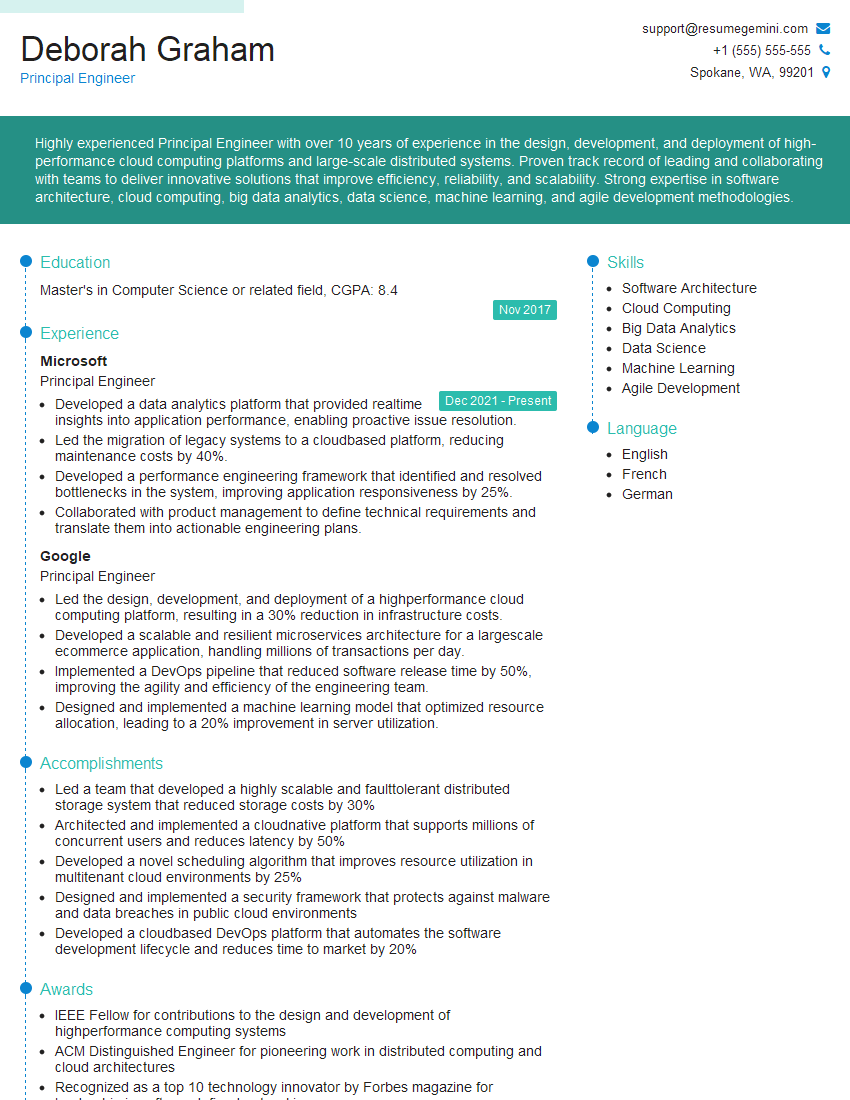
Principal Engineer Resume Sample
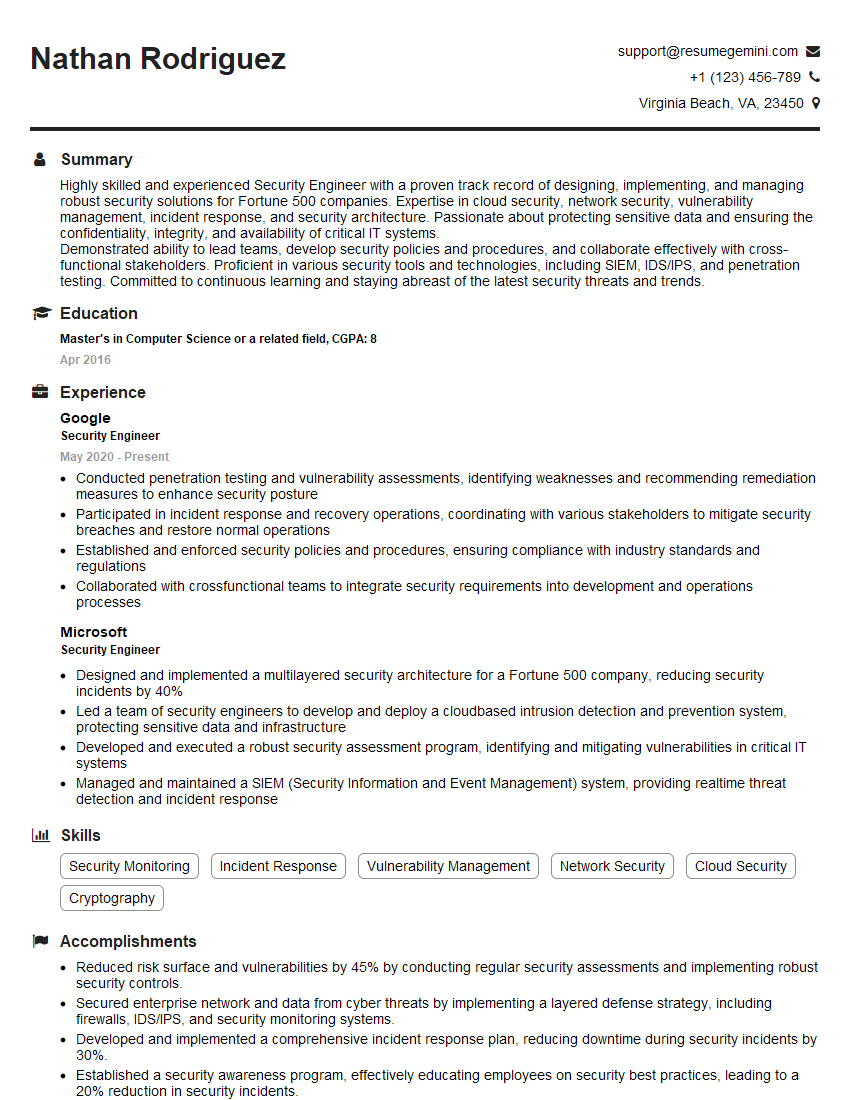
Security Engineer Resume Sample
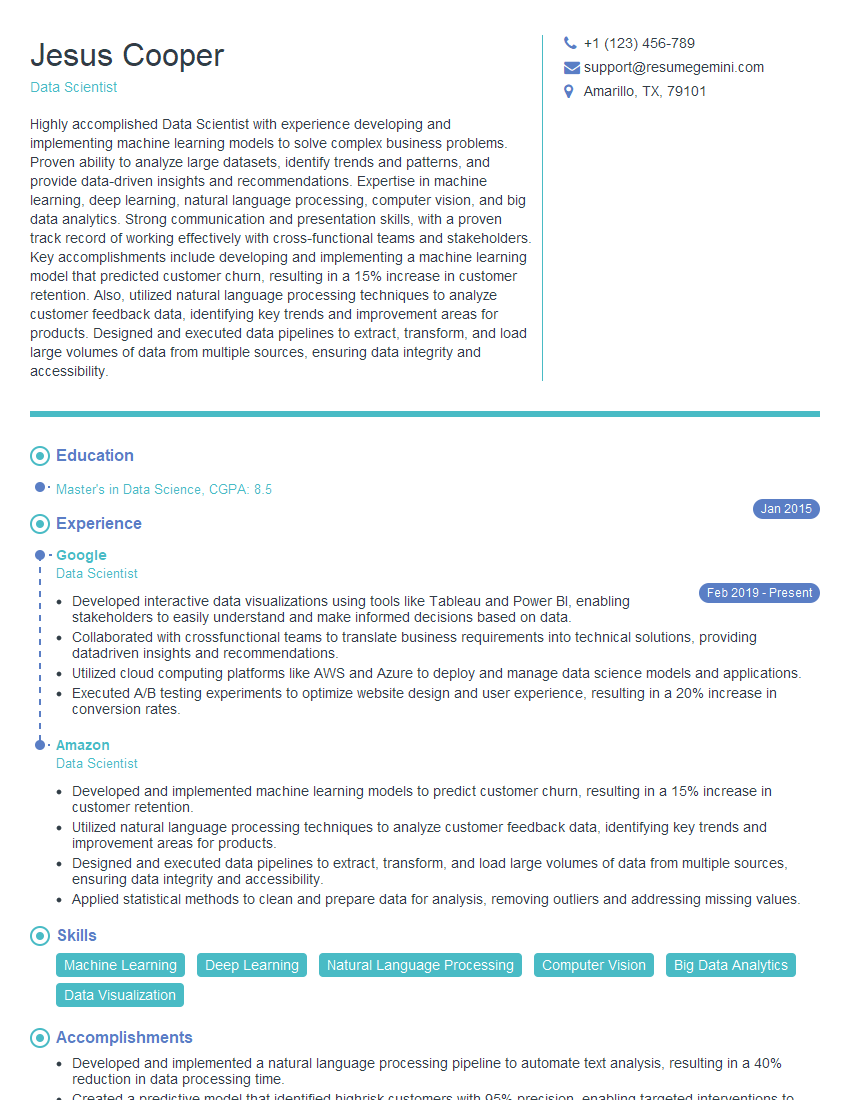
Data Scientist Resume Sample
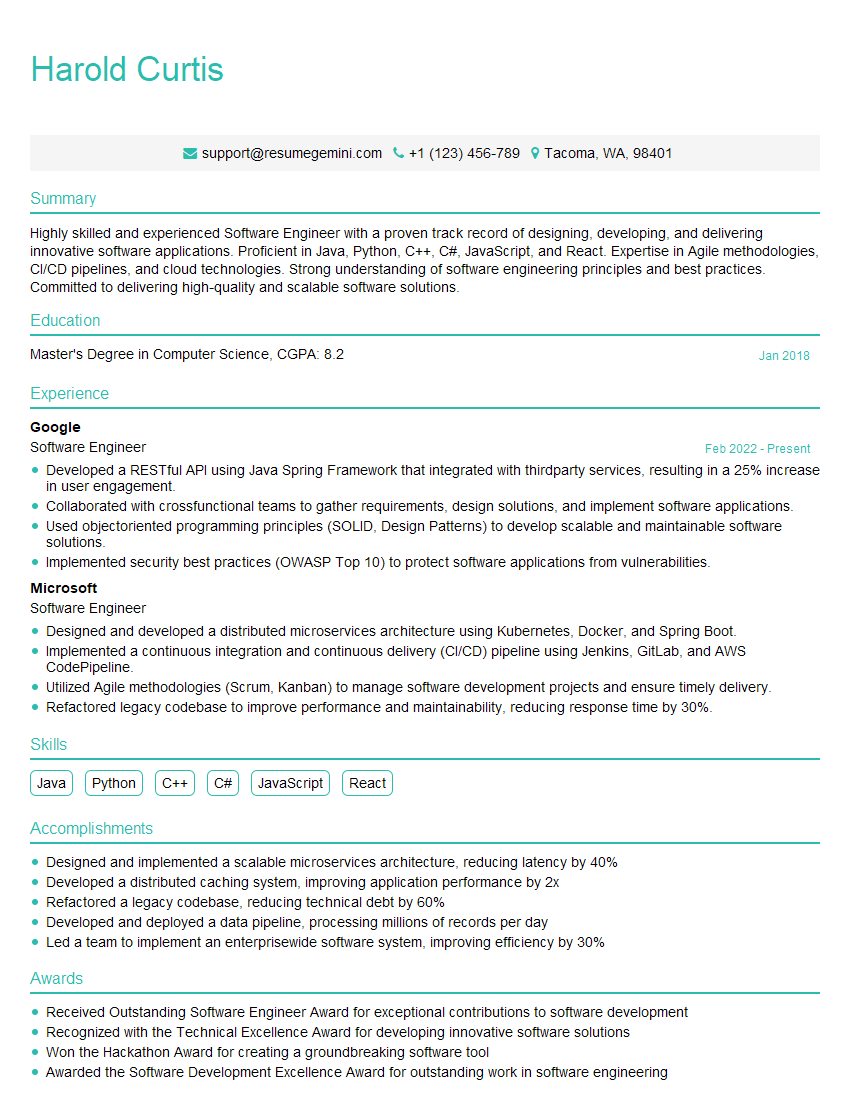
Software Engineer Resume Sample
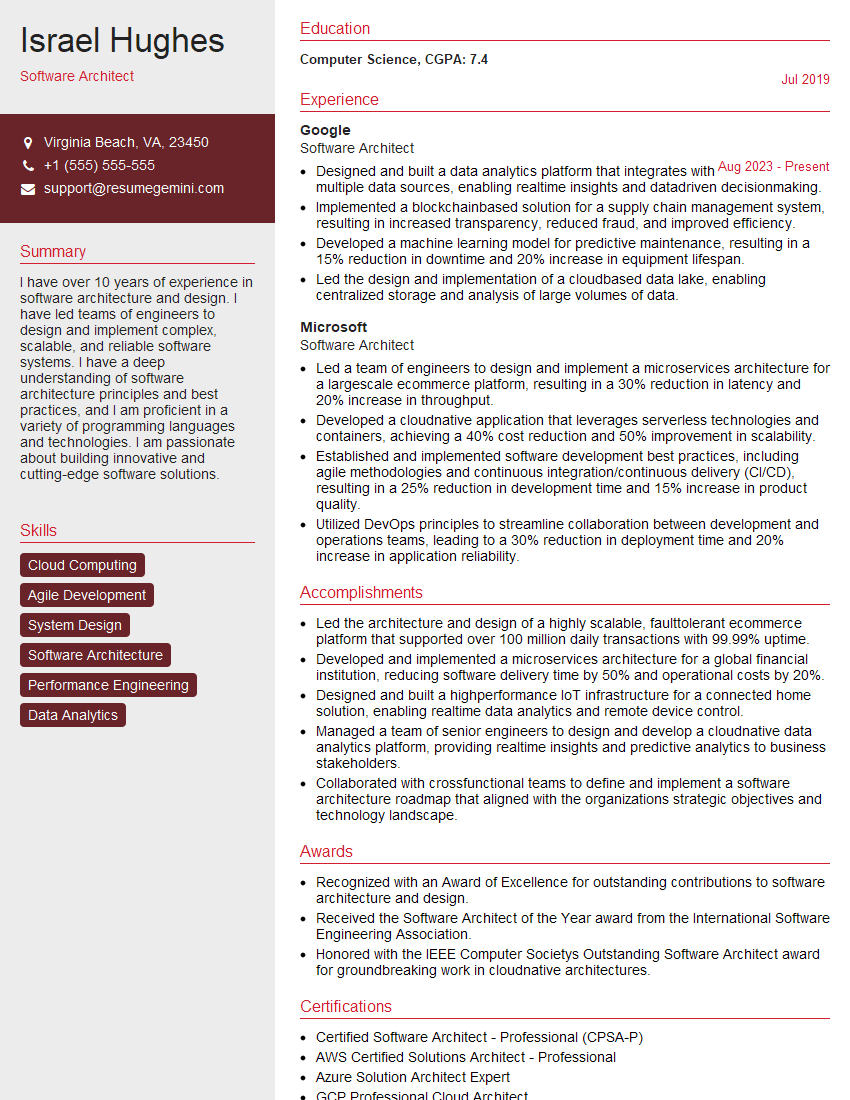
Software Architect Resume Sample
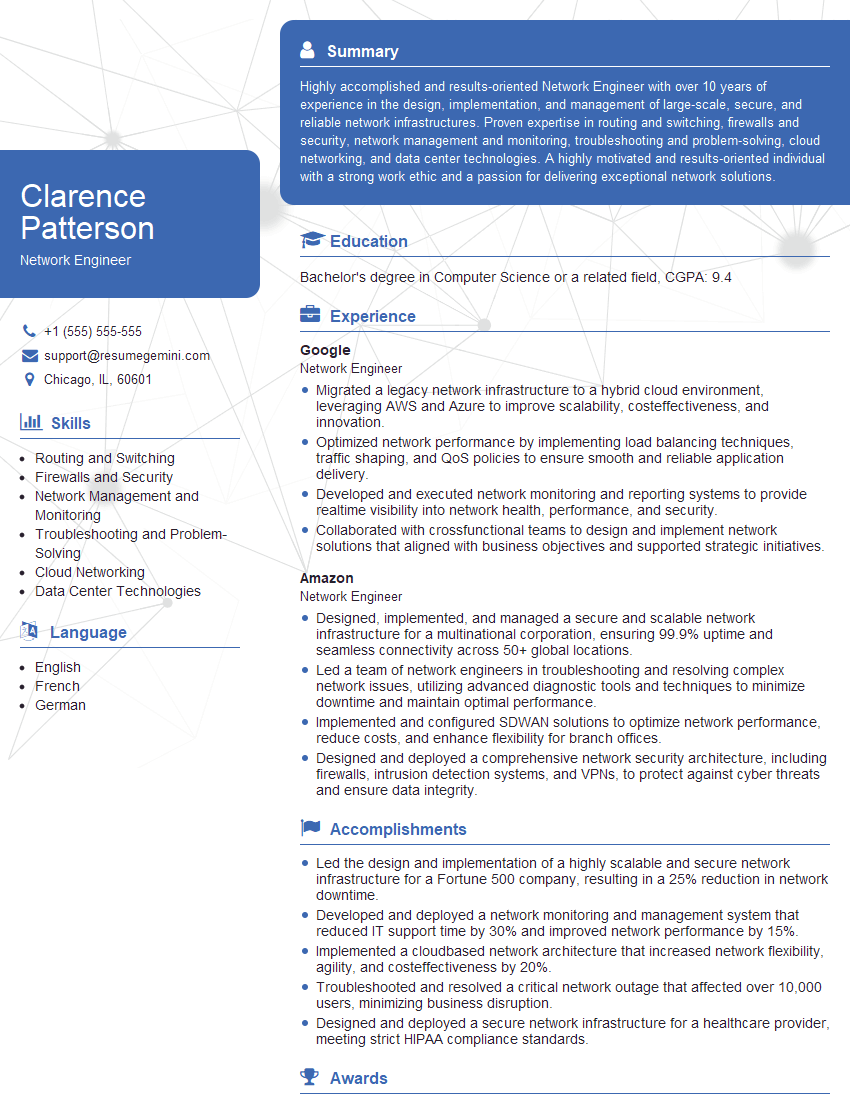
Network Engineer Resume Sample
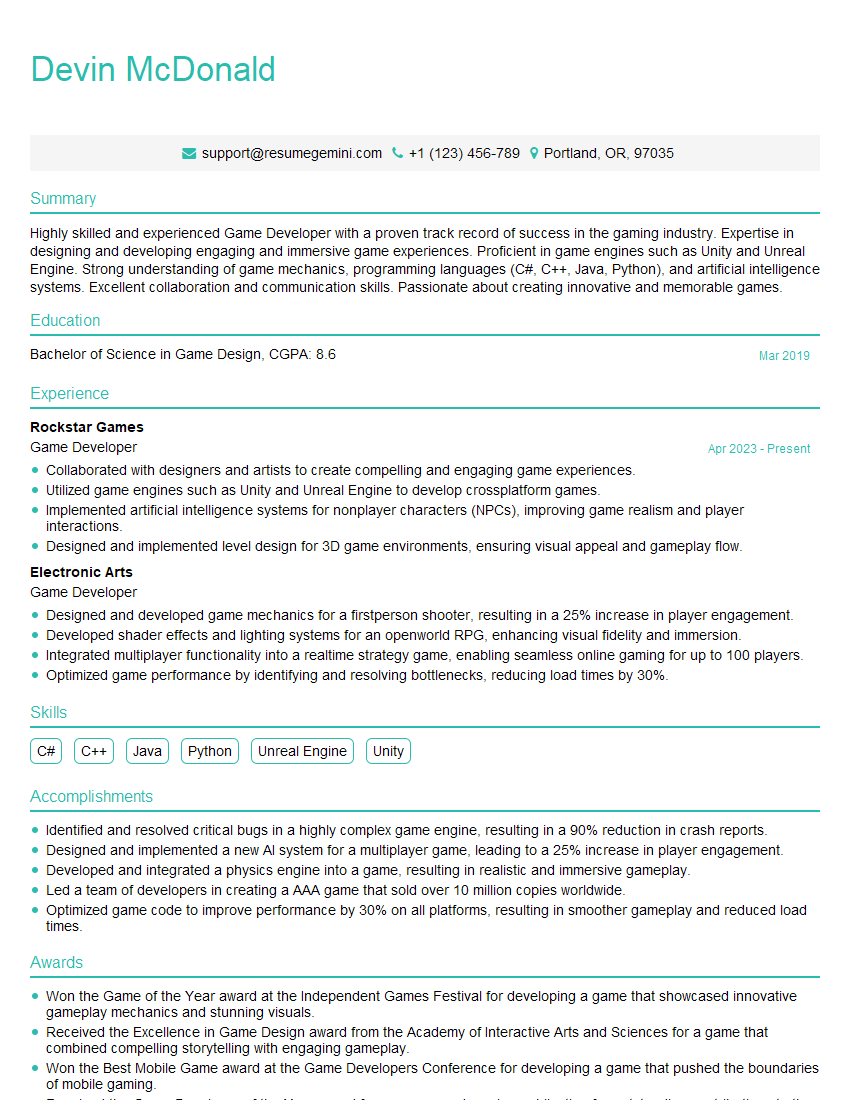
Game Developer Resume Sample
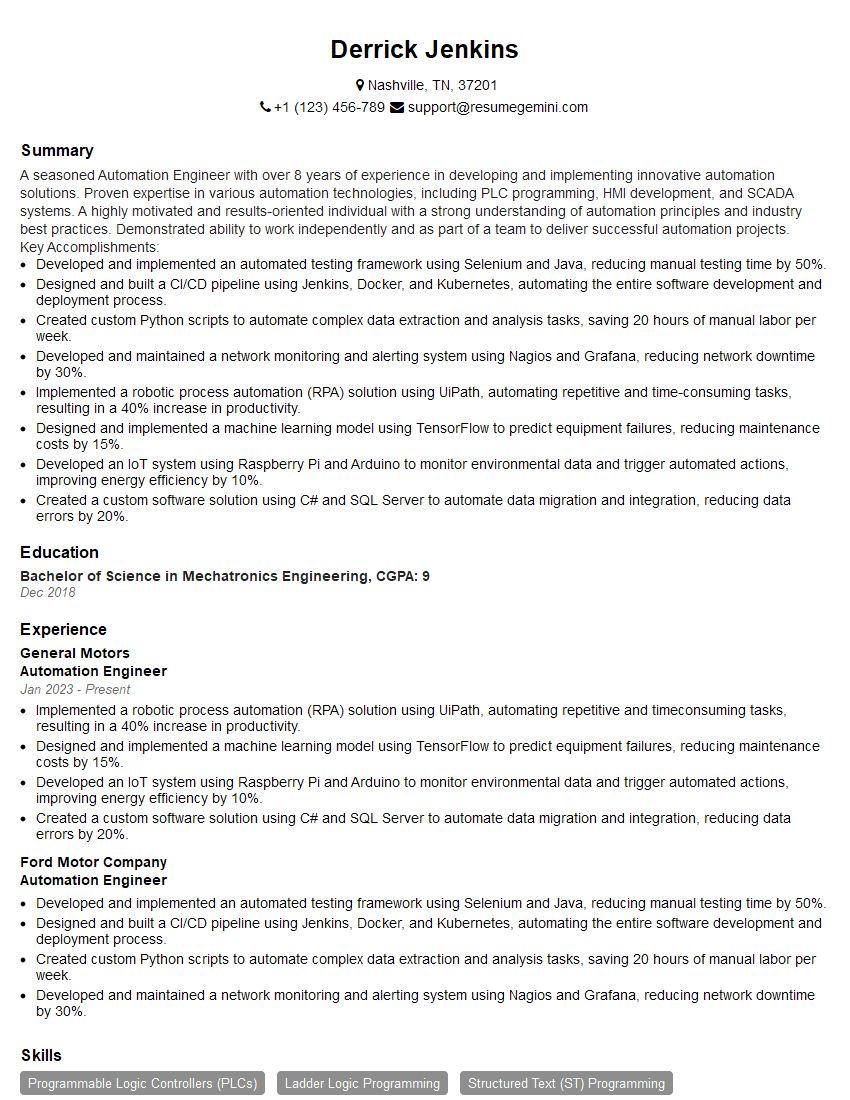
Automation Engineer Resume Sample

Senior Software Engineer Resume Sample
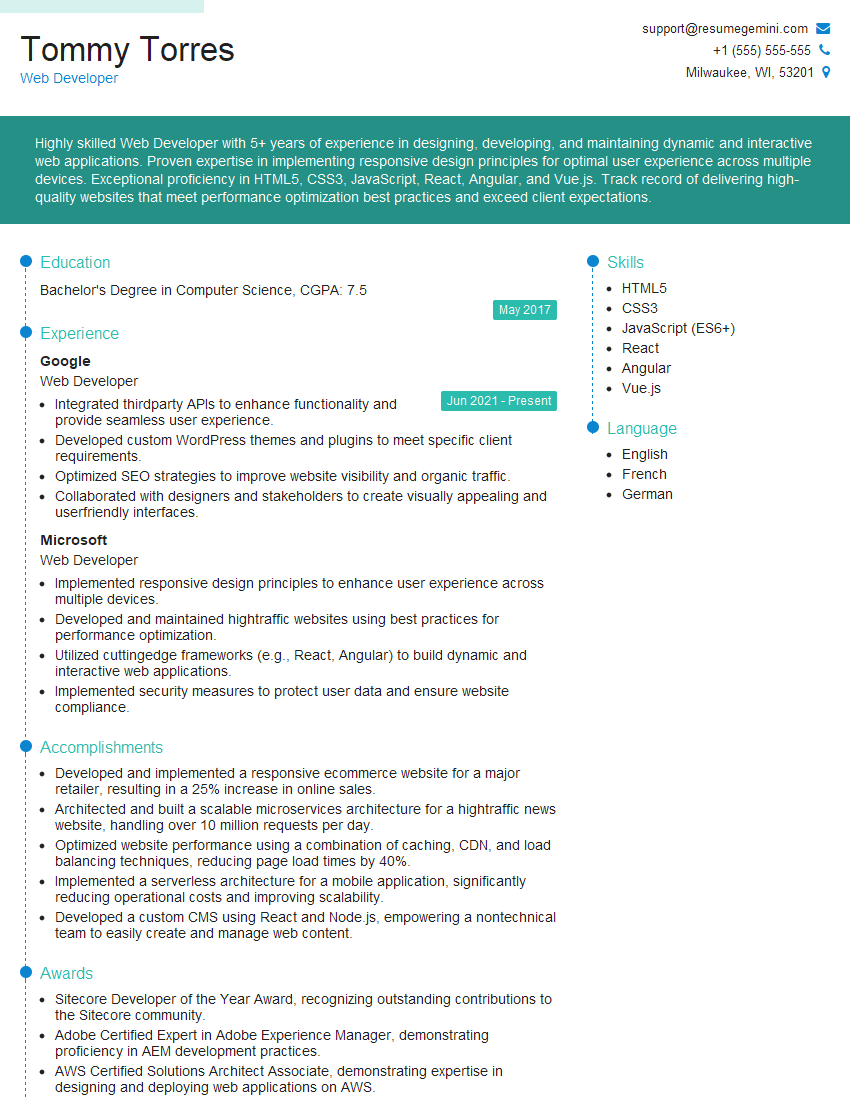
Web Developer Resume Sample
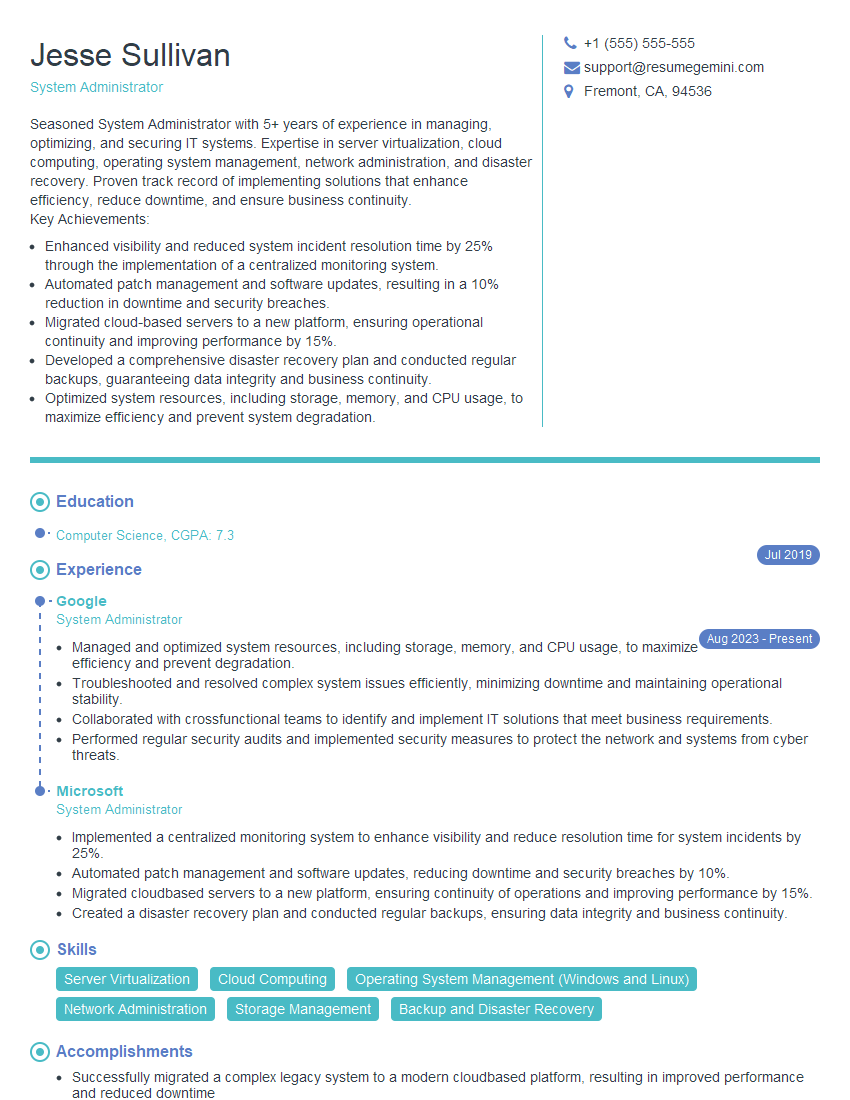
System Administrator Resume Sample
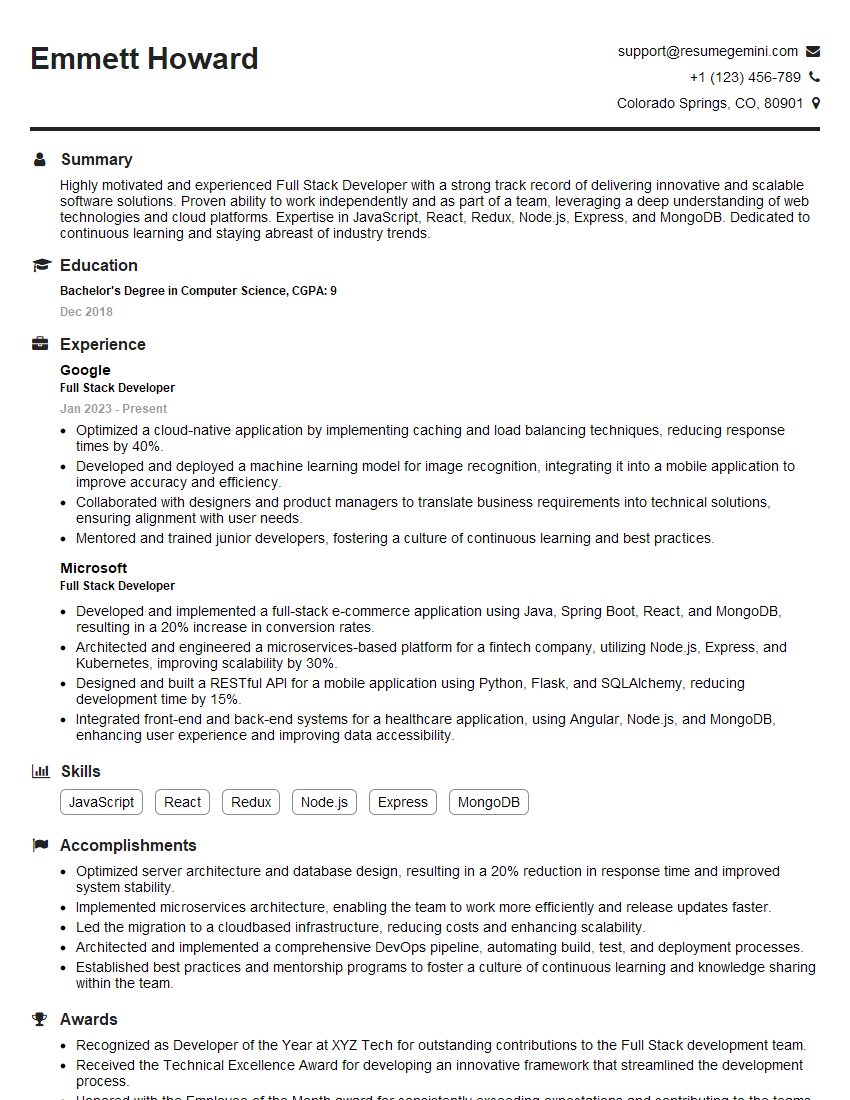
Full Stack Developer Resume Sample
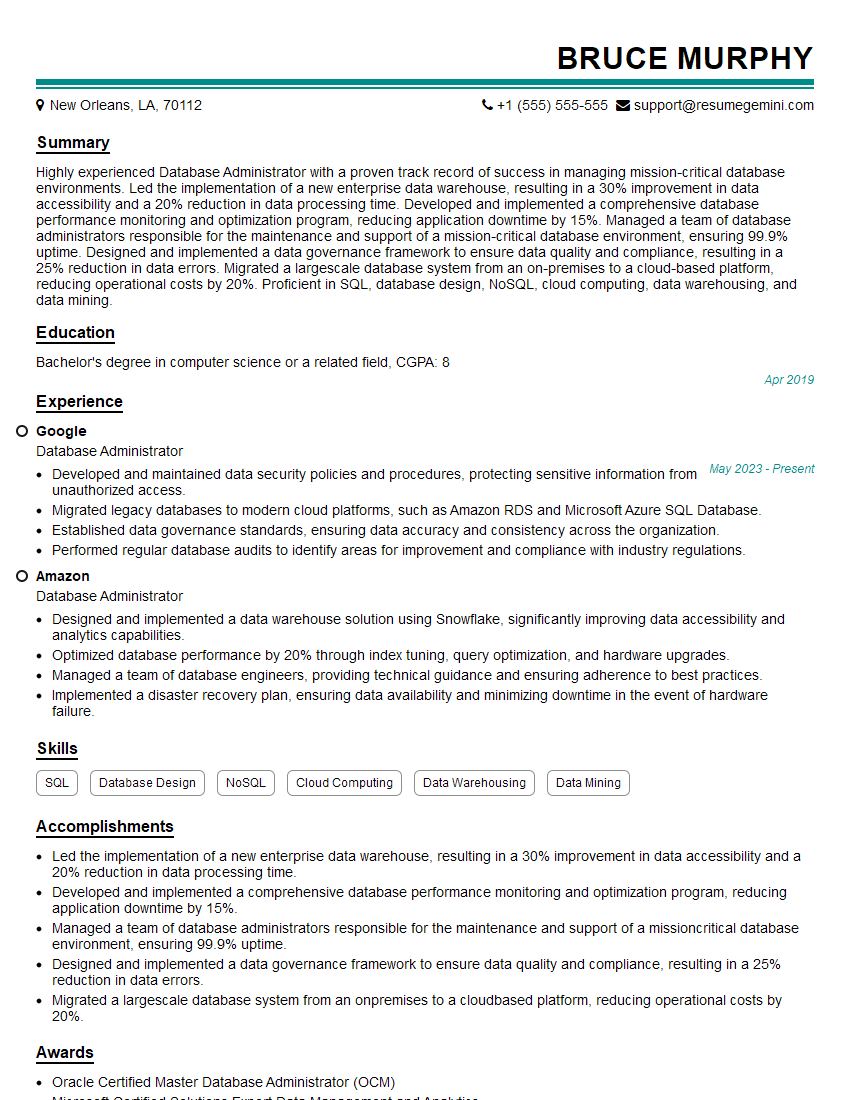
Database Administrator Resume Sample
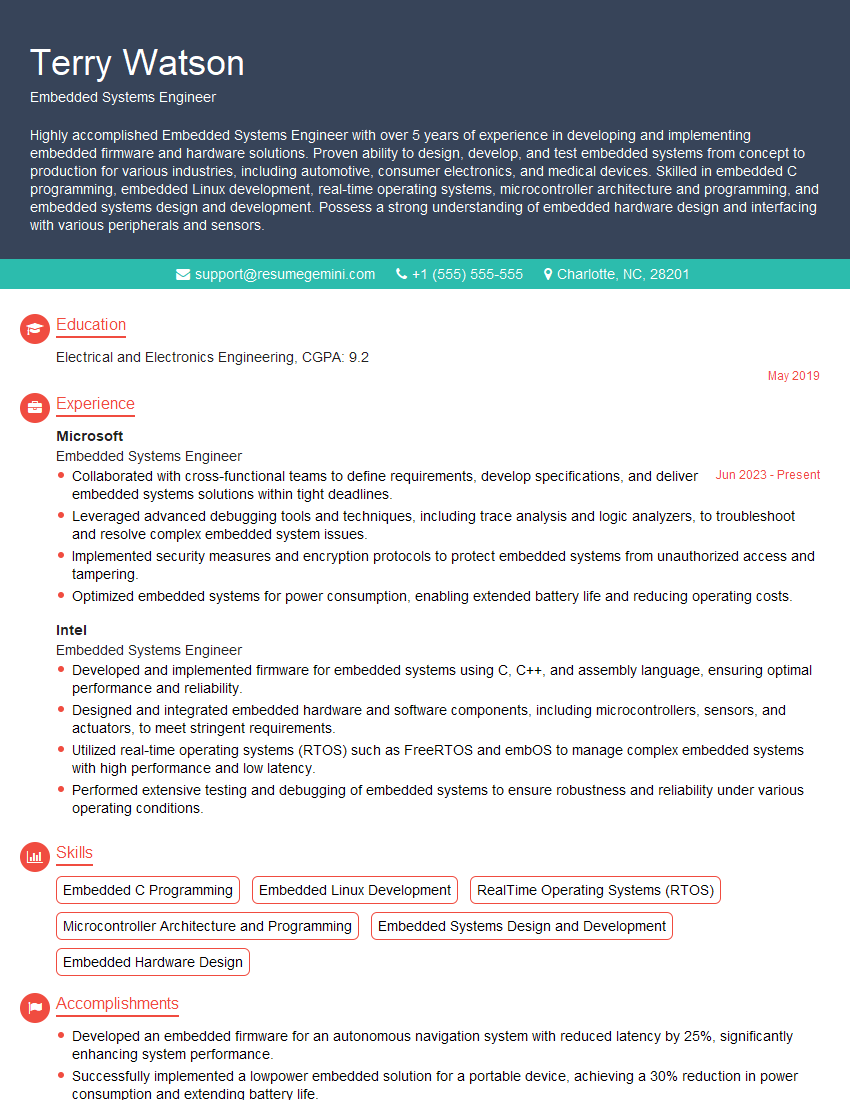
Embedded Systems Engineer Resume Sample
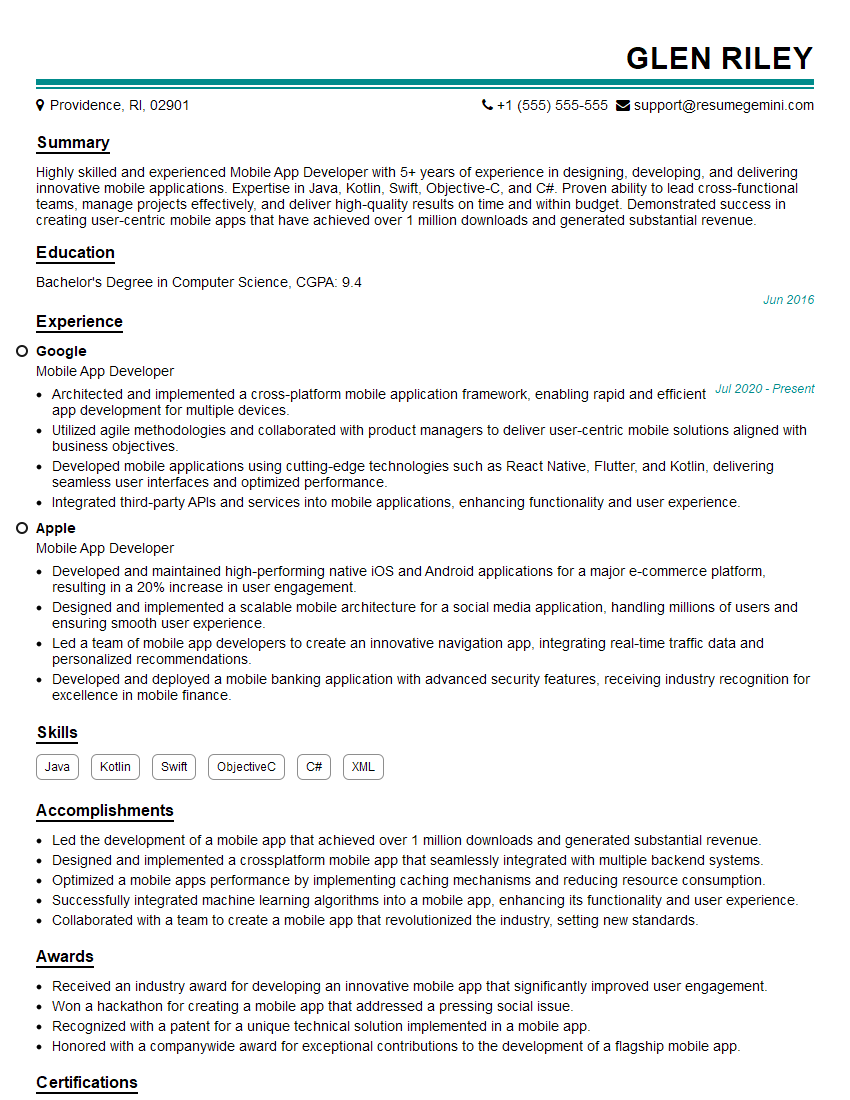
Mobile App Developer Resume Sample
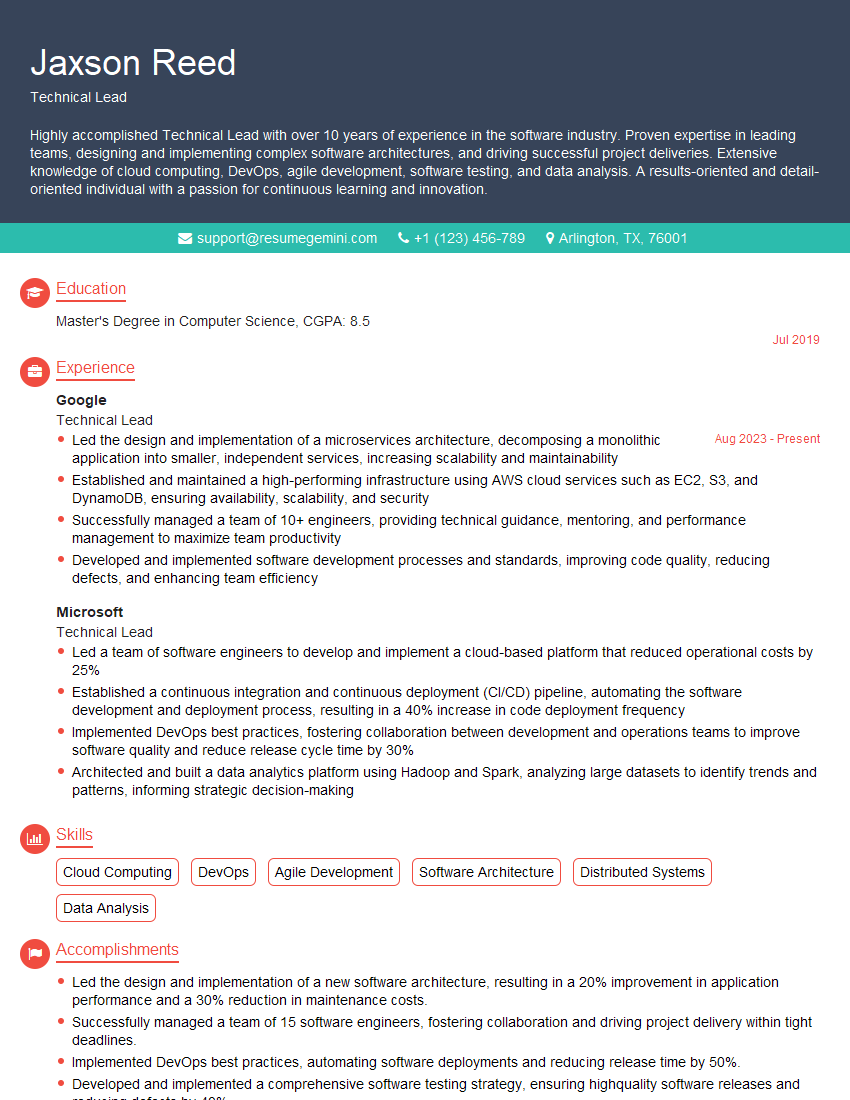
Technical Lead Resume Sample
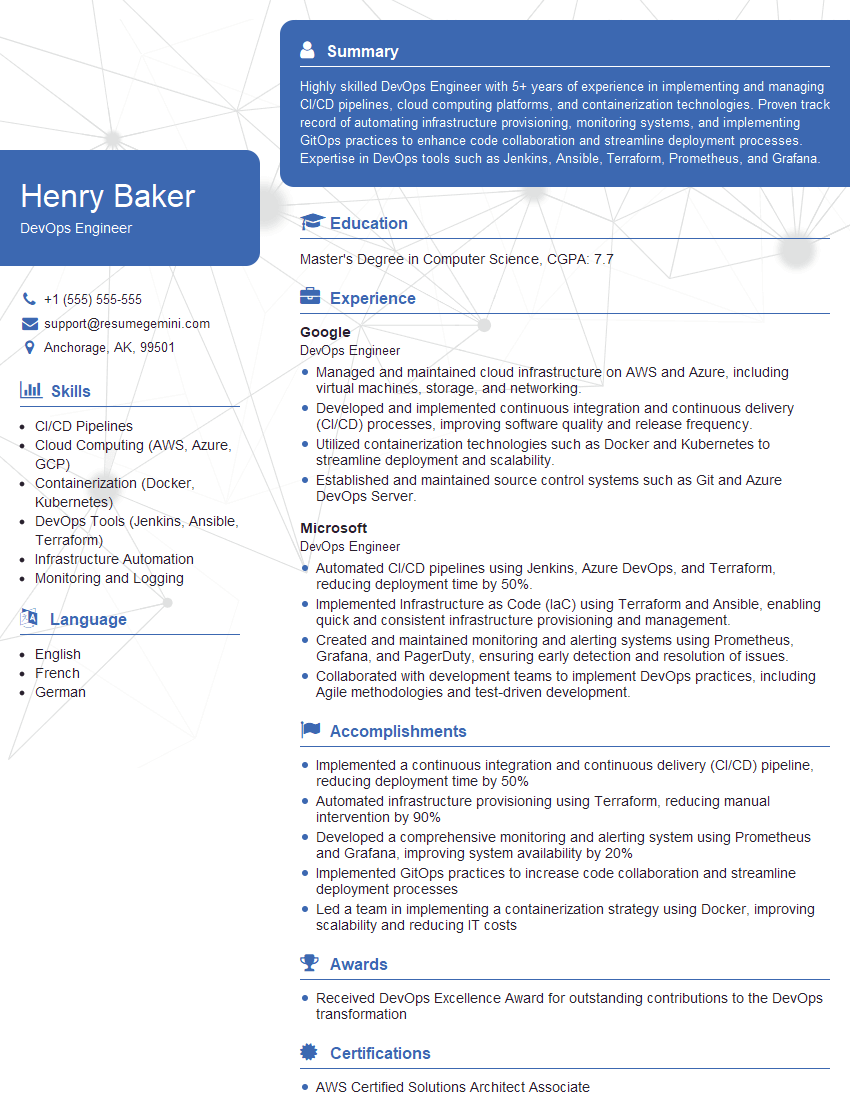
DevOps Engineer Resume Sample
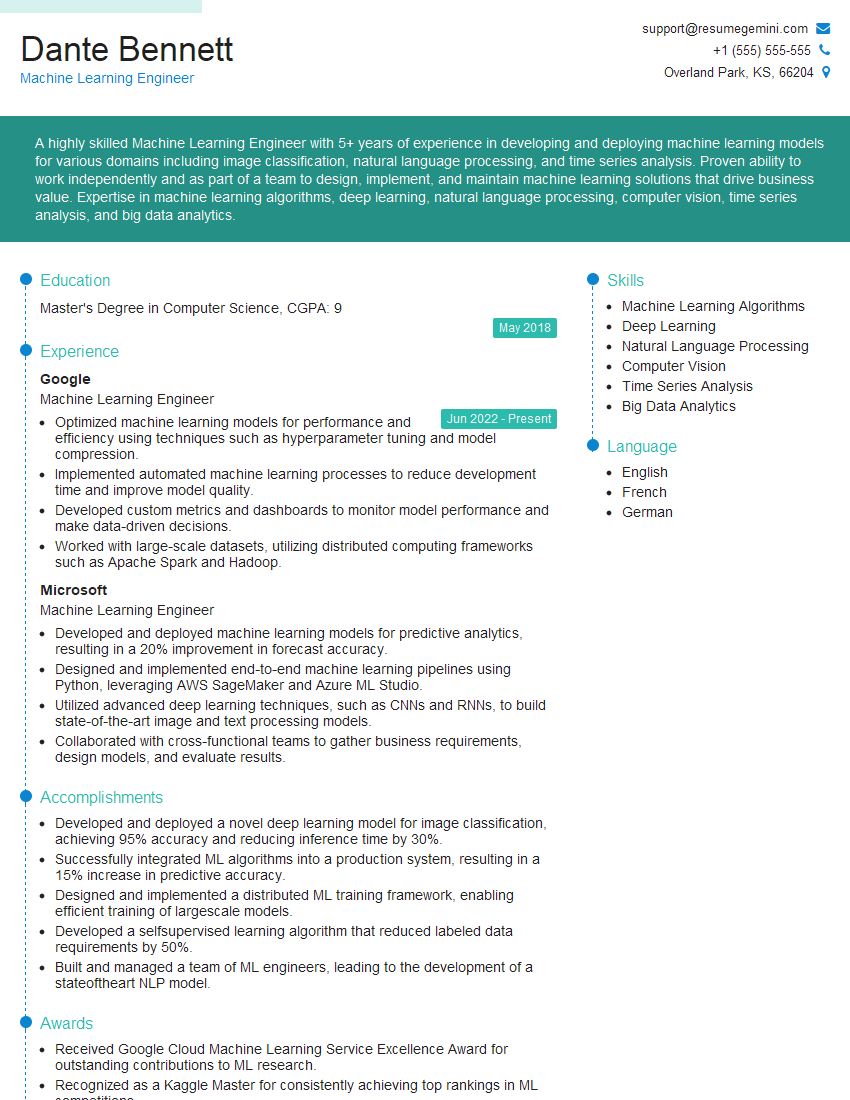
Machine Learning Engineer Resume Sample
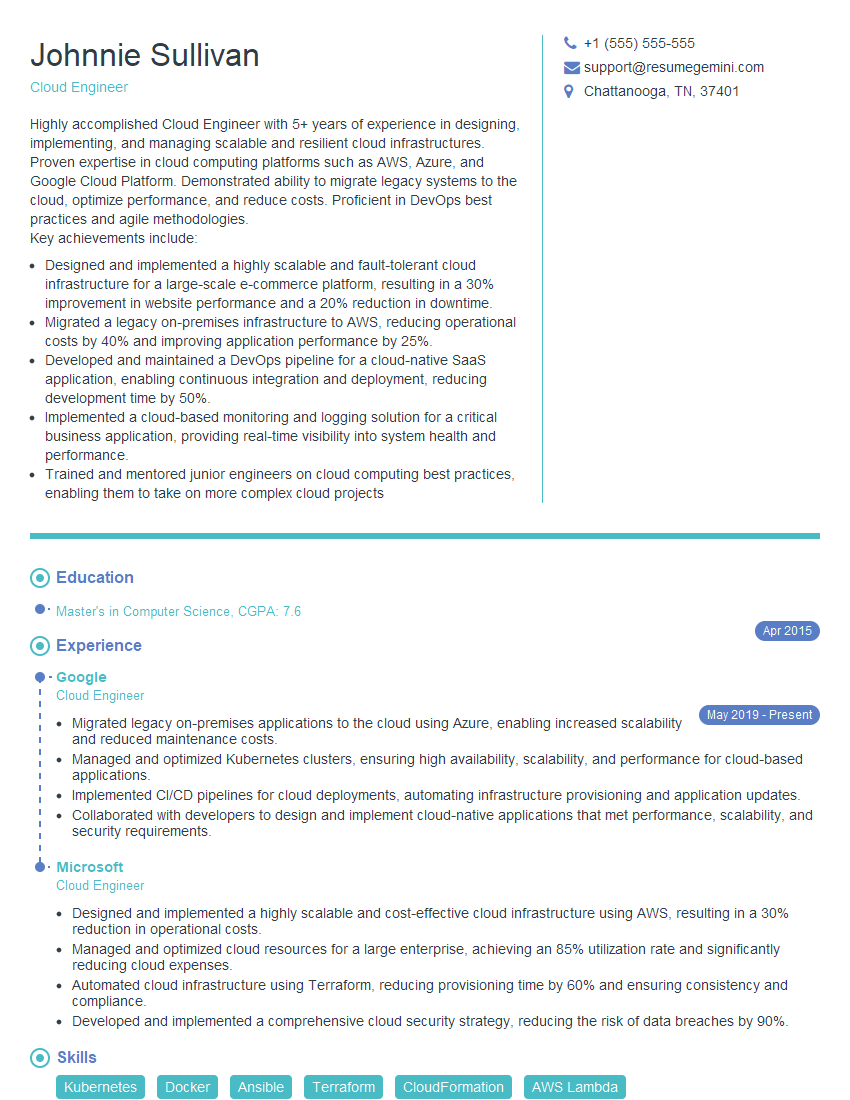
Cloud Engineer Resume Sample
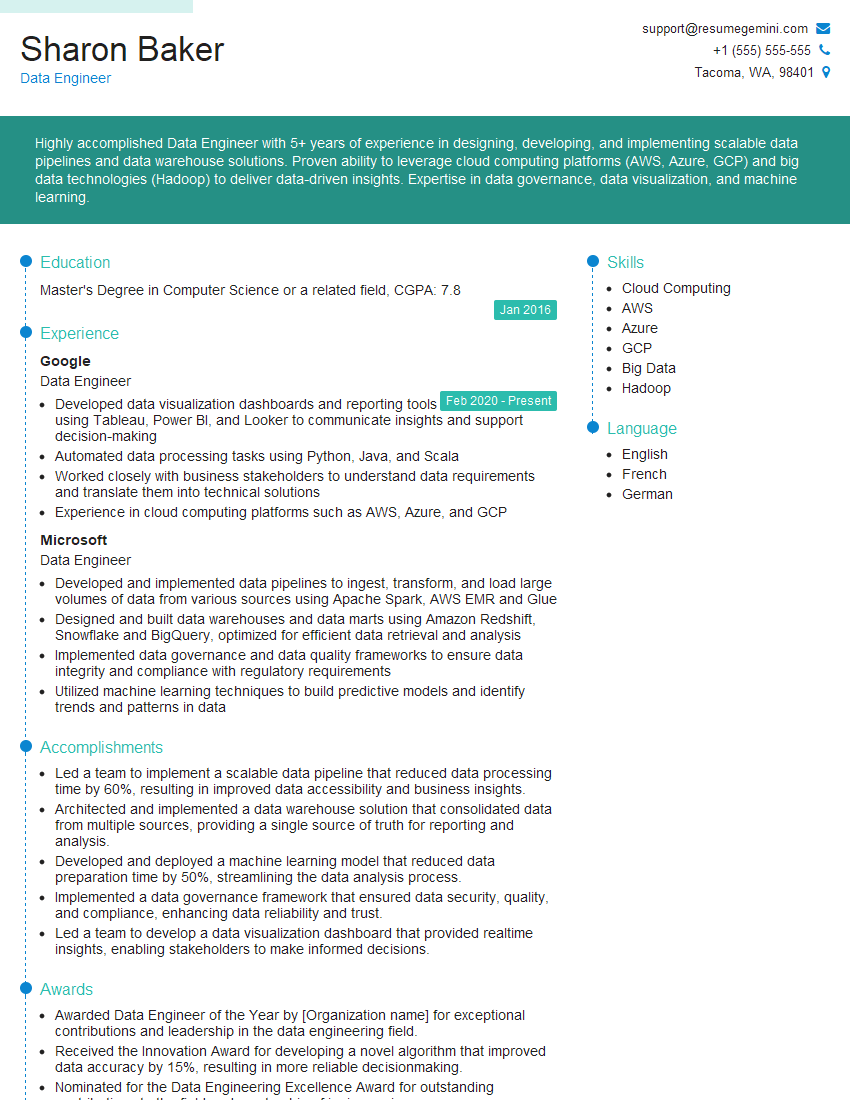
Data Engineer Resume Sample
- Principal Engineer
- Security Engineer
- Data Scientist
- Software Engineer
- Software Architect
- Network Engineer
- Game Developer
- Automation Engineer
- Senior Software Engineer
- Web Developer
- System Administrator
- Full Stack Developer
- Database Administrator
- Embedded Systems Engineer
- Mobile App Developer
- Technical Lead
- DevOps Engineer
- Machine Learning Engineer
- Cloud Engineer
- Data Engineer
Explore more articles
Users Rating of Our Blogs
Share Your Experience
We value your feedback! Please rate our content and share your thoughts (optional).
What Readers Say About Our Blog
Hello,
we currently offer a complimentary backlink and URL indexing test for search engine optimization professionals.
You can get complimentary indexing credits to test how link discovery works in practice.
No credit card is required and there is no recurring fee.
You can find details here:
https://wikipedia-backlinks.com/indexing/
Regards
NICE RESPONSE TO Q & A
hi
The aim of this message is regarding an unclaimed deposit of a deceased nationale that bears the same name as you. You are not relate to him as there are millions of people answering the names across around the world. But i will use my position to influence the release of the deposit to you for our mutual benefit.
Respond for full details and how to claim the deposit. This is 100% risk free. Send hello to my email id: [email protected]
Luka Chachibaialuka
Hey interviewgemini.com, just wanted to follow up on my last email.
We just launched Call the Monster, an parenting app that lets you summon friendly ‘monsters’ kids actually listen to.
We’re also running a giveaway for everyone who downloads the app. Since it’s brand new, there aren’t many users yet, which means you’ve got a much better chance of winning some great prizes.
You can check it out here: https://bit.ly/callamonsterapp
Or follow us on Instagram: https://www.instagram.com/callamonsterapp
Thanks,
Ryan
CEO – Call the Monster App
Hey interviewgemini.com, I saw your website and love your approach.
I just want this to look like spam email, but want to share something important to you. We just launched Call the Monster, a parenting app that lets you summon friendly ‘monsters’ kids actually listen to.
Parents are loving it for calming chaos before bedtime. Thought you might want to try it: https://bit.ly/callamonsterapp or just follow our fun monster lore on Instagram: https://www.instagram.com/callamonsterapp
Thanks,
Ryan
CEO – Call A Monster APP
To the interviewgemini.com Owner.
Dear interviewgemini.com Webmaster!
Hi interviewgemini.com Webmaster!
Dear interviewgemini.com Webmaster!
excellent
Hello,
We found issues with your domain’s email setup that may be sending your messages to spam or blocking them completely. InboxShield Mini shows you how to fix it in minutes — no tech skills required.
Scan your domain now for details: https://inboxshield-mini.com/
— Adam @ InboxShield Mini
Reply STOP to unsubscribe
Hi, are you owner of interviewgemini.com? What if I told you I could help you find extra time in your schedule, reconnect with leads you didn’t even realize you missed, and bring in more “I want to work with you” conversations, without increasing your ad spend or hiring a full-time employee?
All with a flexible, budget-friendly service that could easily pay for itself. Sounds good?
Would it be nice to jump on a quick 10-minute call so I can show you exactly how we make this work?
Best,
Hapei
Marketing Director
Hey, I know you’re the owner of interviewgemini.com. I’ll be quick.
Fundraising for your business is tough and time-consuming. We make it easier by guaranteeing two private investor meetings each month, for six months. No demos, no pitch events – just direct introductions to active investors matched to your startup.
If youR17;re raising, this could help you build real momentum. Want me to send more info?
Hi, I represent an SEO company that specialises in getting you AI citations and higher rankings on Google. I’d like to offer you a 100% free SEO audit for your website. Would you be interested?
Hi, I represent an SEO company that specialises in getting you AI citations and higher rankings on Google. I’d like to offer you a 100% free SEO audit for your website. Would you be interested?
good