Cracking a skill-specific interview, like one for Self-Potential, requires understanding the nuances of the role. In this blog, we present the questions you’re most likely to encounter, along with insights into how to answer them effectively. Let’s ensure you’re ready to make a strong impression.
Questions Asked in Self-Potential Interview
Q 1. Describe a time you identified a skill gap and developed a plan to address it.
Identifying skill gaps is crucial for continuous professional development. It’s like noticing a crack in a foundation – ignoring it leads to bigger problems later. Recently, I realized I needed to improve my proficiency in advanced geophysical data processing techniques for self-potential (SP) surveys. My current expertise lay primarily in data acquisition and basic interpretation.
My plan involved a multi-pronged approach:
- Formal Training: I enrolled in an online course offered by a reputable geophysics institute specializing in advanced SP data analysis. This provided structured learning and expert guidance.
- Hands-on Practice: I sought out opportunities to work with datasets beyond my usual scope, focusing on complex scenarios and challenging geological environments. This practical experience solidified my understanding.
- Mentorship: I connected with a senior geophysicist with extensive experience in SP data processing, seeking their feedback and guidance on my progress. This provided valuable real-world insights and helped identify blind spots in my approach.
- Self-Assessment: I regularly reviewed my work, comparing my results to established industry standards and identifying areas for improvement. This iterative process was crucial for continuous development.
This structured approach allowed me to effectively bridge the skill gap, significantly enhancing my ability to interpret and analyze SP data, leading to more accurate and insightful geological interpretations.
Q 2. How do you measure your personal and professional growth?
Measuring personal and professional growth requires a holistic approach, combining quantitative and qualitative measures. Quantitatively, I track project successes, the complexity of projects undertaken, and my technical skill development by acquiring new certifications or mastering new software packages. For instance, I can track my proficiency in specific SP interpretation software through successful project completions and feedback received.
Qualitatively, I assess my growth through self-reflection, feedback from colleagues and supervisors, and my contribution to team projects. This includes examining my problem-solving skills, ability to mentor junior colleagues, and my leadership in proposing innovative solutions to challenging projects. I maintain a professional development journal to record achievements, areas for improvement, and lessons learned. This journaling method allows for a retrospective analysis of my growth trajectory. Setting clear, measurable, achievable, relevant, and time-bound (SMART) goals also helps me quantitatively track progress. For example, mastering a new SP data processing technique within a specific timeframe.
Q 3. What strategies do you use to stay motivated and focused on self-improvement?
Staying motivated and focused requires a combination of strategies. Firstly, I set challenging but realistic goals. Breaking these down into smaller, manageable steps prevents overwhelm and keeps me consistently engaged. This step-by-step approach prevents burnout. Secondly, I actively seek out opportunities for learning and professional development. This prevents stagnation.
Thirdly, I actively cultivate a positive and supportive professional network. This network provides encouragement, accountability, and shared learning opportunities. Finally, I incorporate regular self-care into my routine – maintaining a healthy work-life balance, exercising regularly, and pursuing hobbies outside work. A balanced approach leads to sustainable energy and engagement.
Q 4. Describe a challenging goal you set for yourself and how you achieved it.
One challenging goal I set for myself was to become proficient in interpreting SP data from complex geological settings, particularly those with significant induced polarization (IP) effects. This was challenging because IP effects often mask the primary SP signal, requiring advanced data processing and interpretation techniques.
To achieve this, I immersed myself in relevant literature, attended workshops, and collaborated with experts in the field. I meticulously practiced advanced data processing techniques, working through numerous case studies and comparing my interpretations with established results. I presented my findings at a professional conference, receiving constructive feedback that further refined my skills. This process not only honed my skills but also increased my confidence in handling complex geological scenarios.
Q 5. How do you identify and overcome obstacles in your personal development?
Obstacles in personal development are inevitable. My approach involves a proactive strategy of identifying potential hurdles early. This includes consistently evaluating my strengths and weaknesses. If I encounter an obstacle, I start by clearly defining the problem, separating fact from assumption. Then, I brainstorm potential solutions, weighing their pros and cons.
This process frequently involves seeking guidance from mentors or colleagues. I also leverage online resources, professional journals, and workshops to find new approaches. Finally, I adopt a growth mindset, viewing setbacks as opportunities for learning and improvement. For example, if I struggle with a particular data processing technique, I will break it down into smaller steps, seek additional training resources, and practice consistently until mastery is achieved. This iterative process of problem-solving is fundamental to overcoming developmental challenges.
Q 6. What are your long-term career aspirations, and how are you actively working towards them?
My long-term career aspirations involve becoming a leading expert in the application of advanced self-potential techniques to challenging geological problems, such as geothermal resource exploration or mineral deposit discovery. I aim to contribute to the advancement of the field through research and innovation.
To achieve this, I am actively pursuing opportunities to publish my research findings, present at international conferences, and mentor the next generation of geophysicists. I am actively involved in professional organizations, staying abreast of the latest advancements in the field, and consistently seeking opportunities for collaboration on high-impact projects. Further, I am exploring opportunities to lead and manage complex geophysical surveys to gain broader experience and responsibility.
Q 7. How do you adapt to change and leverage it for personal growth?
Adaptability is key in the ever-evolving field of geophysics. I embrace change by viewing it as an opportunity for growth and learning, rather than a threat. When faced with new technologies or methodologies, I adopt a structured learning approach: research, hands-on practice, and continuous feedback.
For instance, the emergence of new, advanced processing algorithms is a constant occurrence. I proactively seek to understand these advancements, incorporating them into my workflows and evaluating their impact on the accuracy and efficiency of my interpretations. I view continuous learning as essential, ensuring that I can effectively leverage changes in the field to enhance my skills and remain at the forefront of my profession.
Q 8. Explain your approach to seeking feedback and using it to improve.
Seeking feedback is crucial for continuous improvement. My approach is multifaceted and involves actively soliciting feedback from various sources, including supervisors, colleagues, and even clients. I don’t just passively accept feedback; I actively engage in a two-way conversation, clarifying points and asking probing questions to understand the perspective better.
For instance, after a significant project, I’ll schedule dedicated feedback sessions. I’ll prepare a list of specific aspects I want feedback on, and I’ll also create a safe space for open and honest dialogue. After receiving feedback, I categorize it (e.g., technical skills, communication, teamwork) and prioritize areas needing improvement. I then create a detailed action plan with specific steps and timelines to address these areas.
I also utilize 360-degree feedback mechanisms whenever possible to get a holistic view of my performance. This helps identify blind spots I might not be aware of. Finally, I regularly track my progress and reflect on how effectively I’ve implemented the changes suggested, continuously refining my approach.
Q 9. How do you prioritize personal development amidst work and other commitments?
Prioritizing personal development alongside work and other commitments requires careful planning and self-discipline. I use a time-blocking technique, allocating specific time slots for professional development activities. This could include online courses, attending workshops, reading relevant publications, or even dedicated periods for self-reflection.
I also integrate learning into my daily routine. For example, I might listen to podcasts during my commute or read articles related to my field during lunch breaks. Furthermore, I set realistic, achievable goals. Instead of aiming for overwhelming transformations, I focus on small, incremental improvements. This prevents burnout and ensures consistency.
Finally, I utilize technology to help me stay organized. I employ productivity tools and apps to track my progress, schedule learning sessions, and manage my overall workload efficiently. This helps me balance my various commitments without sacrificing personal growth.
Q 10. Describe a situation where you had to learn a new skill quickly. How did you approach it?
During a previous project, we needed to implement a new data visualization tool within a tight deadline. I had minimal experience with this specific tool. My approach involved a combination of structured learning and hands-on practice.
First, I identified the key features and functionalities of the tool through its online documentation and tutorials. I then broke down the task into smaller, manageable steps. I started with simple exercises to familiarize myself with the basic commands and gradually moved towards more complex operations. I also actively sought help from colleagues who were more experienced with the tool, asking specific questions and seeking clarifications whenever I faced challenges.
Simultaneously, I used online forums and communities dedicated to the tool to find solutions to specific problems and learn from others’ experiences. This blended approach allowed me to rapidly acquire the necessary skills and complete the project successfully within the given timeframe. The experience highlighted the importance of a structured approach, seeking support, and utilizing online resources for rapid skill acquisition.
Q 11. How do you handle setbacks and use them as learning opportunities?
Setbacks are inevitable, but they offer invaluable learning opportunities. My approach to handling them is based on a structured process of reflection and adaptation. First, I acknowledge the setback and allow myself to process the emotions involved, avoiding self-criticism.
Next, I perform a thorough analysis to understand the root causes of the setback. This involves examining my actions, decisions, and any external factors that might have contributed. Once I identify the causes, I brainstorm potential solutions and strategies to prevent similar setbacks in the future. This often involves seeking guidance from mentors or colleagues.
Finally, I implement the chosen solutions and track their effectiveness. I document the entire process, including the lessons learned, to use as a reference for future projects. For example, a failed project led me to improve my risk assessment skills and project planning methodologies, ultimately improving my overall project success rate.
Q 12. What are your preferred methods for learning and acquiring new skills?
My preferred methods for learning and acquiring new skills are diverse and tailored to the specific skill being learned. I believe in a multimodal approach. I find hands-on practice to be particularly effective, allowing me to solidify my understanding through practical application.
I also find structured learning through online courses and workshops incredibly valuable. These provide a systematic approach and often include exercises and assessments to gauge my progress. I supplement these structured approaches with informal learning – reading books, articles, and blogs, and listening to podcasts related to my area of interest. I also value peer learning and mentorship; sharing knowledge and learning from experts helps in building a strong understanding.
Furthermore, I believe in the importance of spaced repetition, revisiting concepts at increasing intervals to reinforce memory and understanding. This keeps the learning active and ensures long-term retention.
Q 13. How do you maintain a positive and proactive mindset during challenges?
Maintaining a positive and proactive mindset during challenges is vital for resilience and success. My strategies involve focusing on what I *can* control and reframing challenges as opportunities for growth. I practice mindfulness and self-compassion, acknowledging that setbacks are a natural part of the learning process.
I also proactively seek support from my network – colleagues, mentors, or friends – to discuss challenges and gain different perspectives. This helps me avoid isolation and keeps my spirits high. I celebrate small victories along the way, recognizing progress and acknowledging efforts, even in the face of larger challenges.
Furthermore, I prioritize self-care activities like exercise, healthy eating, and sufficient sleep, as these significantly impact my mental and emotional well-being and capacity to handle challenges effectively.
Q 14. Describe your process for setting SMART goals and monitoring progress.
Setting SMART goals – Specific, Measurable, Achievable, Relevant, and Time-bound – is crucial for effective progress tracking. My process begins with identifying a clear objective, breaking it down into smaller, manageable tasks. These tasks are then defined with specific, quantifiable metrics to track progress.
For example, instead of a vague goal like ‘Improve technical skills,’ I’d set a SMART goal such as: ‘Complete the Coursera course on Python programming by December 15th, achieving a final score of 85% or higher.’ This ensures the goal is specific, measurable, achievable within a set timeframe, relevant to my career aspirations, and time-bound.
I utilize project management tools and trackers to monitor progress regularly. These tools help visualize progress and highlight any potential roadblocks early on, allowing me to adjust my approach proactively. Regular review and reflection on the progress made is essential, ensuring that adjustments are made as needed to stay on track and achieve the ultimate objective.
Q 15. How do you identify your strengths and weaknesses, and how do you leverage them?
Identifying my strengths and weaknesses is an ongoing process, much like refining a geological model. I regularly use a combination of self-assessment tools, like 360-degree feedback from colleagues and supervisors, and performance reviews to objectively evaluate my skills. For example, I’ve consistently received positive feedback on my ability to interpret complex geophysical data and communicate findings clearly – a key strength in my field of Self-Potential studies. However, I’ve also identified areas needing improvement, such as project management under tight deadlines.
To leverage my strengths, I seek out projects where my analytical skills and communication abilities are central. For example, I proactively volunteer for presentations and lead complex data interpretation efforts. To address my weaknesses, I actively seek opportunities for professional development, such as attending workshops on project management techniques and mentoring from experienced project leaders. This allows me to strategically build on my strengths while proactively mitigating my weaknesses, just as a geophysicist might use different survey techniques to overcome challenging terrain.
Career Expert Tips:
- Ace those interviews! Prepare effectively by reviewing the Top 50 Most Common Interview Questions on ResumeGemini.
- Navigate your job search with confidence! Explore a wide range of Career Tips on ResumeGemini. Learn about common challenges and recommendations to overcome them.
- Craft the perfect resume! Master the Art of Resume Writing with ResumeGemini’s guide. Showcase your unique qualifications and achievements effectively.
- Don’t miss out on holiday savings! Build your dream resume with ResumeGemini’s ATS optimized templates.
Q 16. Give an example of how you proactively sought out opportunities for professional development.
Proactive professional development is crucial in a constantly evolving field like geophysics. I recently sought out an opportunity to learn advanced data processing techniques using Python. Recognizing a gap in my skillset, I enrolled in an online course specifically focusing on Python programming for geophysical data analysis. This wasn’t just about learning syntax; it was about understanding how to efficiently process large Self-Potential datasets, improve accuracy, and reduce processing time. The course provided hands-on exercises and projects that allowed me to apply my newly acquired skills to real-world scenarios, culminating in a final project where I analyzed a complex SP dataset, significantly improving interpretation accuracy compared to my previous methods.
Q 17. What resources or tools do you use to enhance your self-development?
My self-development toolkit includes a blend of resources. I regularly subscribe to reputable geophysical journals and attend industry conferences to stay current on the latest advancements in SP techniques and interpretation. I also utilize online learning platforms, focusing on courses that improve my technical skills (like Python programming) and soft skills (like effective communication and teamwork). Furthermore, I maintain a professional network, engaging in discussions and knowledge sharing with colleagues and experts in the field. This collaborative learning, combined with structured courses and industry publications, forms a comprehensive approach to continuous improvement.
Q 18. How do you manage your time effectively to achieve both personal and professional goals?
Effective time management is essential, especially when balancing multiple research projects and collaborative efforts. I employ a project management approach that involves breaking down large tasks into smaller, manageable units. I use a combination of to-do lists, digital calendars, and time-blocking techniques to prioritize tasks and allocate specific time slots for different activities. This method helps me maintain focus, avoid procrastination, and ensure that both personal and professional goals remain aligned and achievable. For instance, I might allocate specific mornings for data analysis, afternoons for writing reports, and evenings for reviewing literature – a schedule tailored to my personal peak productivity times.
Q 19. Describe a time you mentored or coached someone. What was the outcome?
I recently mentored a junior geophysicist who was struggling to interpret a complex SP dataset showing anomalies that were initially difficult to explain. My approach involved a combination of guidance and practical application. First, I helped them understand the fundamental principles of SP methods and the geological context of the survey area. Then, we systematically reviewed the data, focusing on identifying potential sources of error and exploring different interpretation techniques. We worked together to develop a more refined interpretation, which significantly improved their understanding of the dataset and increased their confidence in their analytical skills. The outcome was not just a solved dataset, but a demonstrably improved skillset in the junior geophysicist, boosting their confidence and overall performance.
Q 20. How do you stay current with industry trends and best practices?
Staying current requires a multi-faceted strategy. I actively participate in online forums and discussion groups related to geophysics, particularly those focused on Self-Potential methods. Attending industry conferences and workshops allows me to engage directly with experts and learn about cutting-edge technologies. I regularly review literature and technical publications, specifically focusing on articles presenting new SP data acquisition and interpretation techniques. This holistic approach ensures I am continuously updated on emerging trends and best practices in the field.
Q 21. How do you build resilience and manage stress effectively?
Resilience and stress management are critical aspects of a successful career in any scientific field. I prioritize maintaining a healthy work-life balance, which involves regular exercise, sufficient sleep, and engaging in hobbies outside of work. When facing challenging situations, I utilize problem-solving strategies that involve breaking down complex problems into smaller, manageable components. I also practice mindfulness techniques to manage stress and maintain focus, ensuring I can approach challenges with a calm and rational perspective. Learning to effectively delegate tasks and seek support from colleagues when needed is also key to avoiding burnout and maintaining a positive attitude towards the challenges inherent in a research-intensive field.
Q 22. Describe your approach to continuous learning and improvement.
My approach to continuous learning and improvement is multifaceted and deeply ingrained in my professional practice. It’s not a passive activity but an active pursuit, fueled by a genuine curiosity and a commitment to staying at the forefront of my field. I leverage several key strategies:
- Targeted Learning: I identify specific skill gaps or knowledge areas where improvement is needed, whether it’s mastering a new geophysical technique or deepening my understanding of a specific geological formation. I then actively seek resources like peer-reviewed publications, online courses, workshops, and conferences to address these gaps.
- Mentorship and Collaboration: I actively seek feedback and guidance from experienced professionals. This involves collaborating on projects, participating in knowledge-sharing sessions, and seeking mentorship opportunities from experts in the field of Self-Potential (SP).
- Reflection and Analysis: After completing a project or undertaking a learning experience, I dedicate time to reflect on my performance, identifying both strengths and weaknesses. This reflective process is crucial in pinpointing areas needing improvement and shaping my future learning objectives.
- Practical Application: I ensure that my learning is not confined to theory but actively applied to real-world scenarios. This practical application solidifies my understanding and identifies challenges that wouldn’t be apparent through theoretical study alone. For example, interpreting SP data from a complex geological setting often requires far more than textbook knowledge.
This holistic approach ensures my continuous growth and keeps me at the cutting edge of SP interpretation and application.
Q 23. How do you balance self-development with the demands of your current role?
Balancing self-development with the demands of my current role requires careful planning and prioritization. It’s not about finding more time, but about making the most of the time I have. I utilize several strategies:
- Time Blocking: I allocate specific time slots in my schedule dedicated to learning and self-improvement. This could involve reading research papers during lunch breaks or dedicating evenings to online courses.
- Integration: I try to integrate self-development into my daily work. For instance, applying a newly learned SP interpretation technique to an ongoing project or presenting my findings at internal meetings to gain feedback.
- Prioritization: I identify learning activities that directly contribute to my current role and prioritize those. For example, if a project demands knowledge of a specific SP logging tool, that becomes a top priority for my learning efforts.
- Goal Setting: Setting realistic, achievable goals helps me stay focused and prevents feeling overwhelmed. Breaking down larger learning goals into smaller, manageable tasks makes the process less daunting.
This structured approach ensures my self-development complements my work, rather than competing with it.
Q 24. What are your career goals in the next 5 years? How will you achieve them?
In the next 5 years, I aim to establish myself as a leading expert in the application of Self-Potential methods in unconventional reservoirs. This involves several key goals:
- Publication and Presentation: Publish research findings in high-impact journals and present my work at international conferences to share my knowledge and expertise.
- Mentorship: Mentor junior professionals to contribute to the next generation of geophysicists specializing in SP interpretation.
- Advanced Techniques: Develop expertise in advanced SP data processing and interpretation techniques, including the integration of SP data with other geophysical datasets.
- Industry Collaboration: Collaborate with leading energy companies on challenging projects involving SP surveys in complex geological environments.
To achieve these goals, I will continue to engage in targeted learning, actively seek collaboration opportunities, and dedicate time to research and publication. I will also actively network within the industry to expand my professional connections and build strong collaborations.
Q 25. Explain how your personal values drive your self-development efforts.
My personal values of intellectual curiosity, integrity, and collaboration strongly influence my self-development efforts.
- Intellectual Curiosity: This drives me to constantly seek knowledge and understanding. It motivates me to explore new research, learn new techniques, and stay updated on advancements in SP technology.
- Integrity: My commitment to integrity ensures that my self-development practices are rigorous and ethically sound. I strive to build my expertise on a solid foundation of accurate and reliable information.
- Collaboration: My belief in the power of teamwork motivates me to actively seek out mentorship and collaboration opportunities. I recognize that learning is a collaborative process and that sharing knowledge enhances both individual and collective growth.
These values guide my choices in learning resources, collaboration partners, and professional goals, ensuring that my self-development aligns with my core beliefs.
Q 26. Describe a time you failed. What did you learn from it?
During a project involving the interpretation of SP data in a complex volcanic setting, I initially misjudged the influence of hydrothermal alteration on the SP response. This led to an inaccurate interpretation and delayed project timelines.
The failure highlighted the importance of thorough geological understanding in SP interpretation. I learned to:
- Conduct more comprehensive geological research: Before undertaking interpretation, I now meticulously investigate the geological context of the survey area, paying close attention to factors that could affect the SP response, such as alteration, fracturing, and lithology.
- Seek expert consultation: I now actively involve geologists and other specialists in the interpretation process to leverage their knowledge and gain a more holistic understanding of the data.
- Use multiple interpretation techniques: I avoid relying on a single interpretation method and instead employ a variety of techniques to validate the results and reduce ambiguity.
This experience taught me the value of thorough preparation, interdisciplinary collaboration, and a willingness to learn from mistakes. It also strengthened my resolve to continuously improve my knowledge and skills.
Q 27. How do you foster a growth mindset within a team or organization?
Fostering a growth mindset within a team requires creating a culture of continuous learning and improvement. This can be achieved through various strategies:
- Open Communication: Encourage open and honest communication, where team members feel comfortable sharing their ideas, challenges, and mistakes without fear of judgment. Regular team meetings focused on learning and sharing experiences can be beneficial.
- Feedback and Recognition: Provide constructive feedback that focuses on growth and improvement, rather than simply highlighting errors. Celebrate successes and acknowledge effort, creating a positive and encouraging environment.
- Training and Development: Invest in training programs and provide opportunities for professional development. This shows the team that the organization values learning and growth.
- Mentorship Programs: Establish mentorship programs to connect experienced professionals with junior team members, fostering a culture of knowledge sharing and skill development.
- Learning Opportunities: Provide opportunities for attending conferences, workshops, or taking online courses. This demonstrates a commitment to continuous learning within the organization.
By promoting a culture of learning, experimentation, and feedback, a growth mindset becomes the norm, rather than an exception.
Q 28. How do you measure the success of your self-development initiatives?
Measuring the success of my self-development initiatives involves a combination of qualitative and quantitative measures:
- Skill Enhancement: I track my progress in acquiring new skills by assessing my performance in relevant tasks and projects. For instance, I might compare the time taken to process SP data before and after completing a specialized course.
- Improved Performance: I look for improvements in my work quality, efficiency, and problem-solving abilities. This could be measured through project completion times, the accuracy of interpretations, or feedback from clients or colleagues.
- New Opportunities: I monitor whether my self-development efforts have opened up new career opportunities or projects. For instance, acquiring expertise in a specific software might lead to involvement in more advanced projects.
- Increased Confidence: I track my level of confidence in my abilities. Taking on challenging tasks and receiving positive feedback are good indicators of increased confidence.
- Knowledge Application: I evaluate how effectively I can apply newly acquired knowledge and skills in real-world situations.
Combining these measures gives a comprehensive picture of my progress and helps me refine my self-development strategies to maximize effectiveness.
Key Topics to Learn for Self-Potential Interview
- Understanding Your Strengths and Weaknesses: Identify your core competencies and areas for improvement. Reflect on past experiences where you demonstrated self-awareness and initiative.
- Goal Setting and Achievement: Discuss your approach to setting SMART goals (Specific, Measurable, Achievable, Relevant, Time-bound) and provide examples of goals you’ve successfully achieved, highlighting your self-motivation and perseverance.
- Learning Agility and Adaptability: Showcase instances where you’ve learned new skills quickly or adapted to changing circumstances. Demonstrate your proactive approach to skill development and continuous learning.
- Self-Discipline and Time Management: Explain how you prioritize tasks, manage your time effectively, and maintain focus on your goals, even under pressure. Provide quantifiable examples of your success in these areas.
- Proactive Problem Solving: Describe your approach to identifying and resolving problems independently. Highlight your critical thinking skills and ability to find creative solutions.
- Growth Mindset vs. Fixed Mindset: Articulate your understanding of growth mindset principles and how you embrace challenges as opportunities for learning and growth. Offer examples demonstrating this perspective.
- Resilience and Perseverance: Discuss how you handle setbacks and challenges. Illustrate your ability to bounce back from adversity and maintain a positive attitude in the face of difficulty.
Next Steps
Mastering self-potential is crucial for career advancement. It demonstrates initiative, adaptability, and a commitment to continuous improvement—qualities highly valued by employers. To significantly boost your job prospects, focus on crafting an ATS-friendly resume that highlights your achievements and skills related to self-potential. ResumeGemini is a trusted resource that can help you build a professional and impactful resume. Examples of resumes tailored to showcase self-potential are provided to guide you in this process.

Wellness Coach Resume Sample
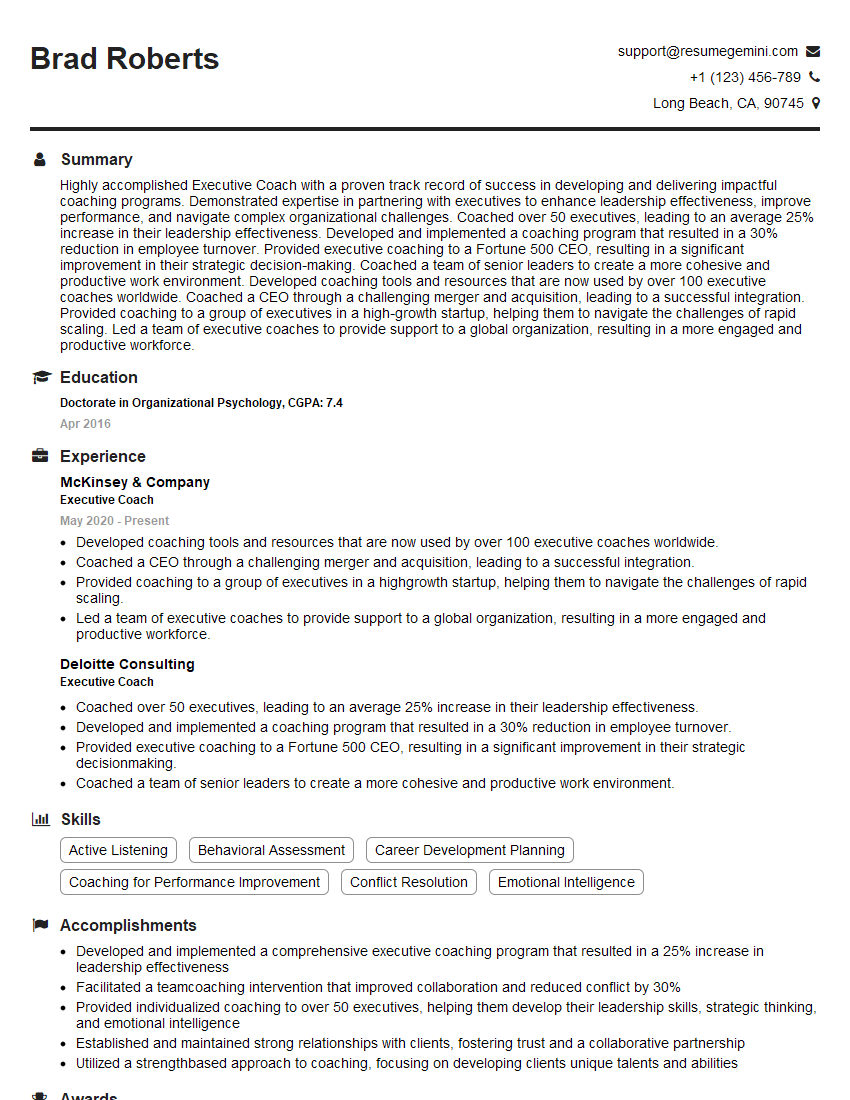
Executive Coach Resume Sample
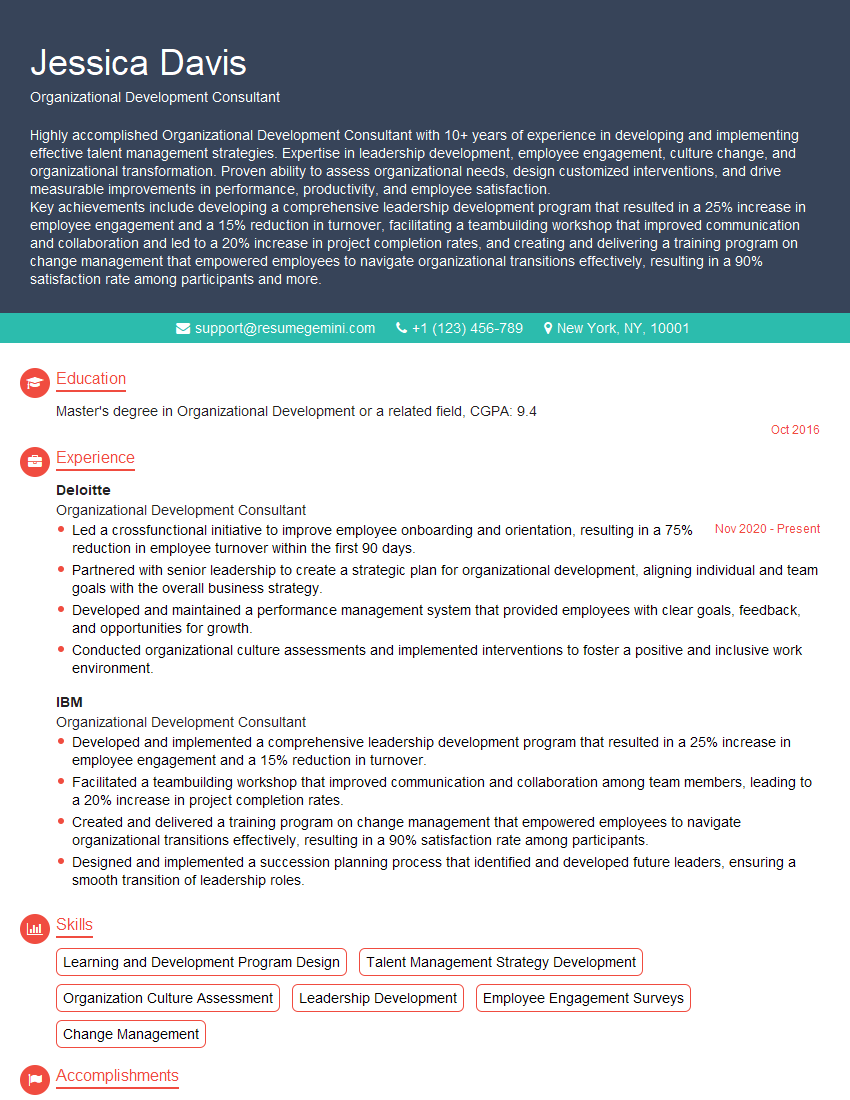
Organizational Development Consultant Resume Sample
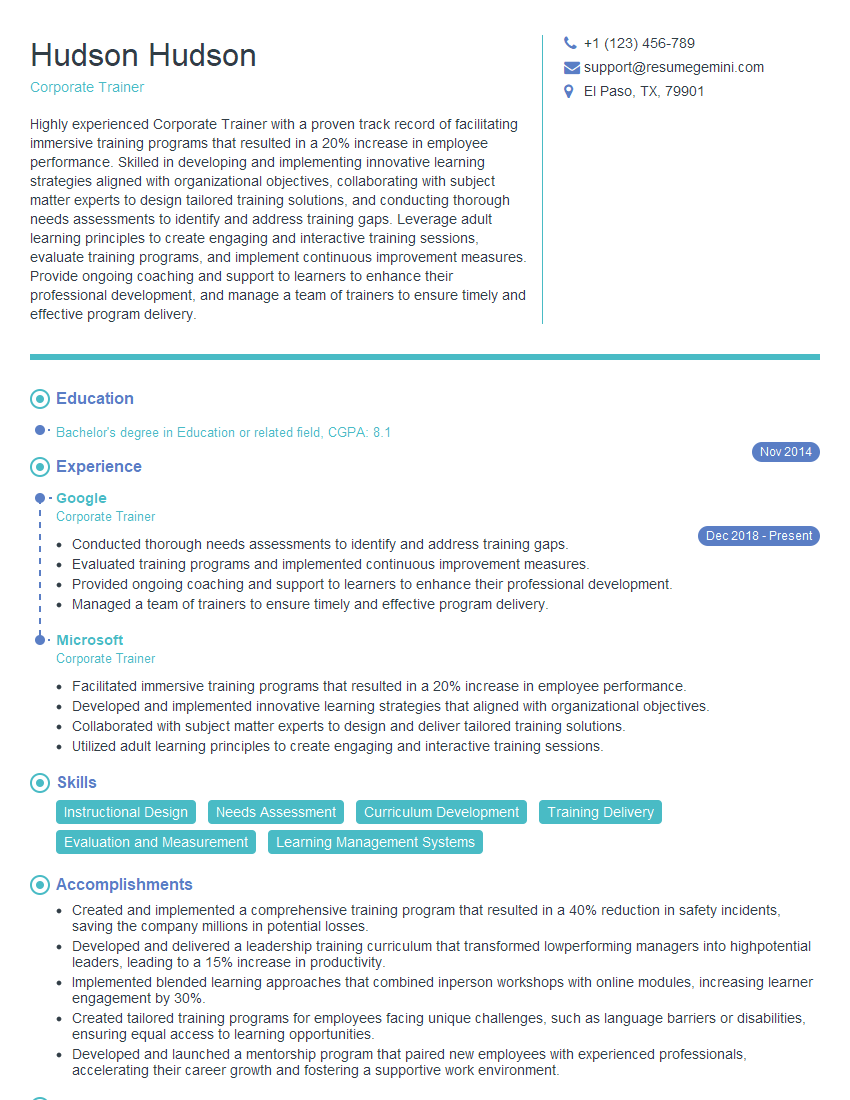
Corporate Trainer Resume Sample
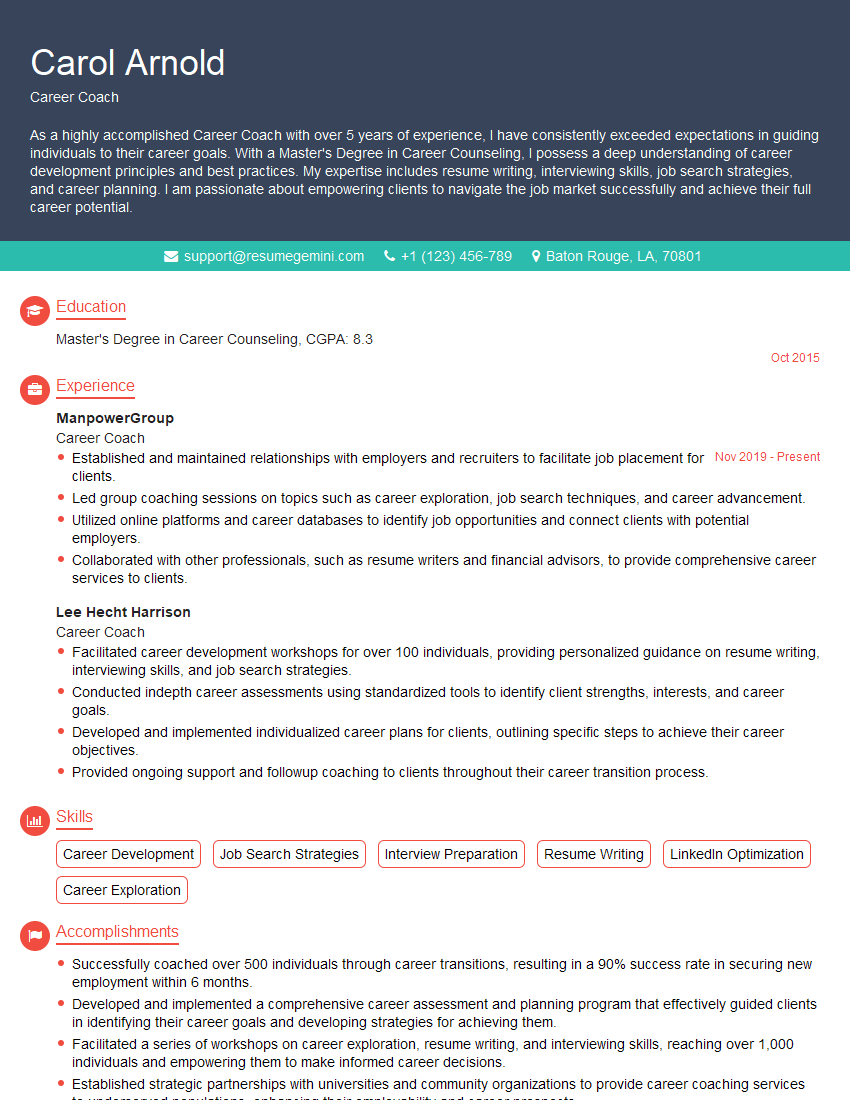
Career Coach Resume Sample
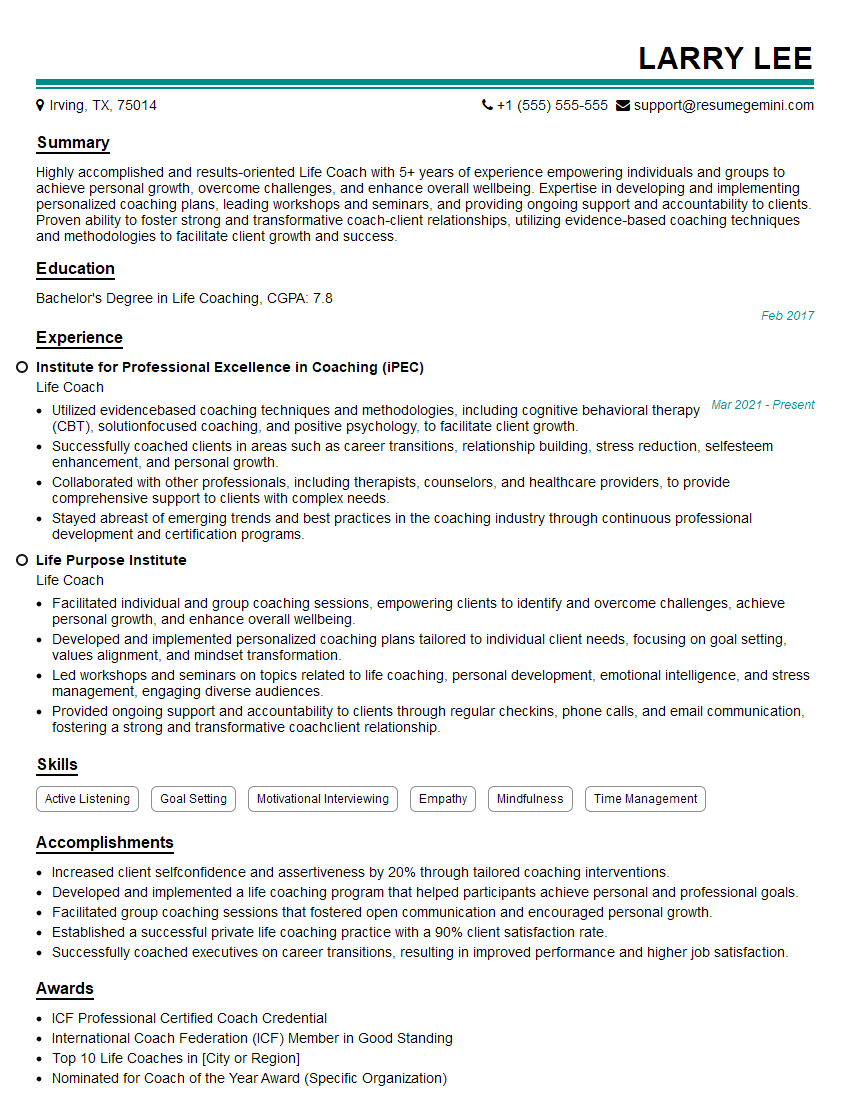
Life Coach Resume Sample
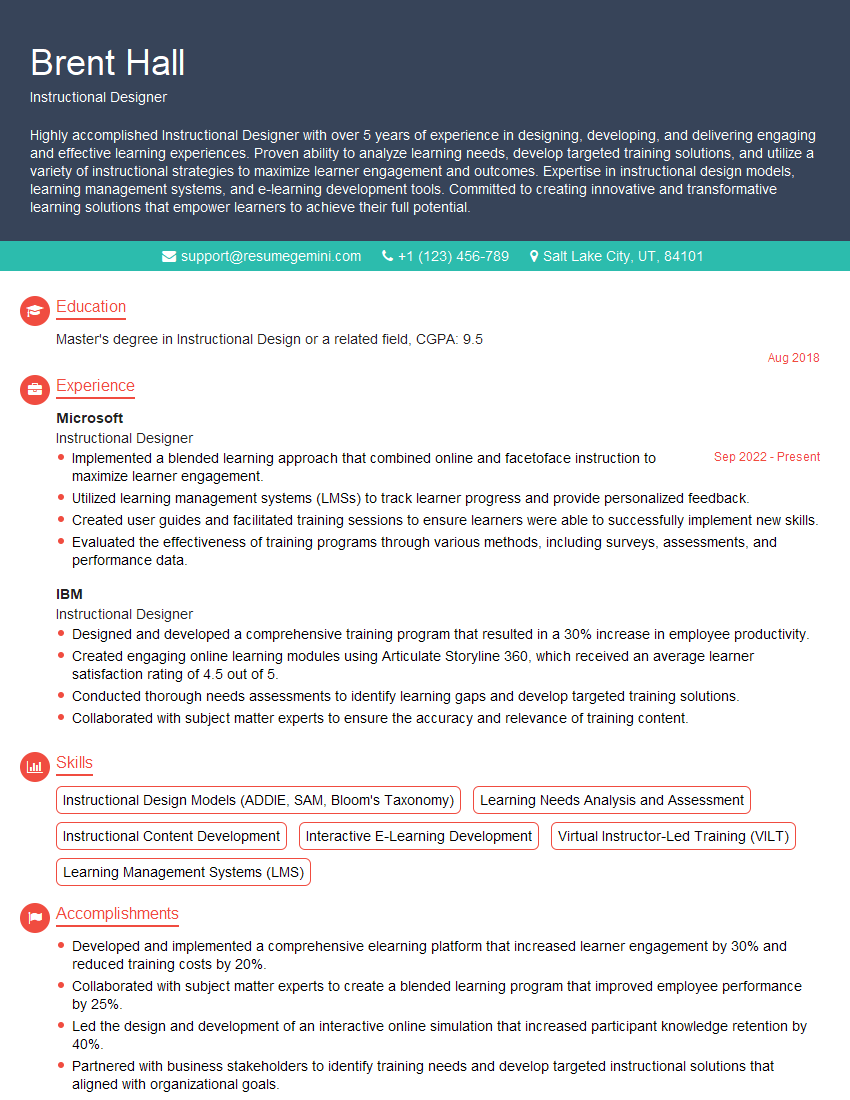
Instructional Designer Resume Sample
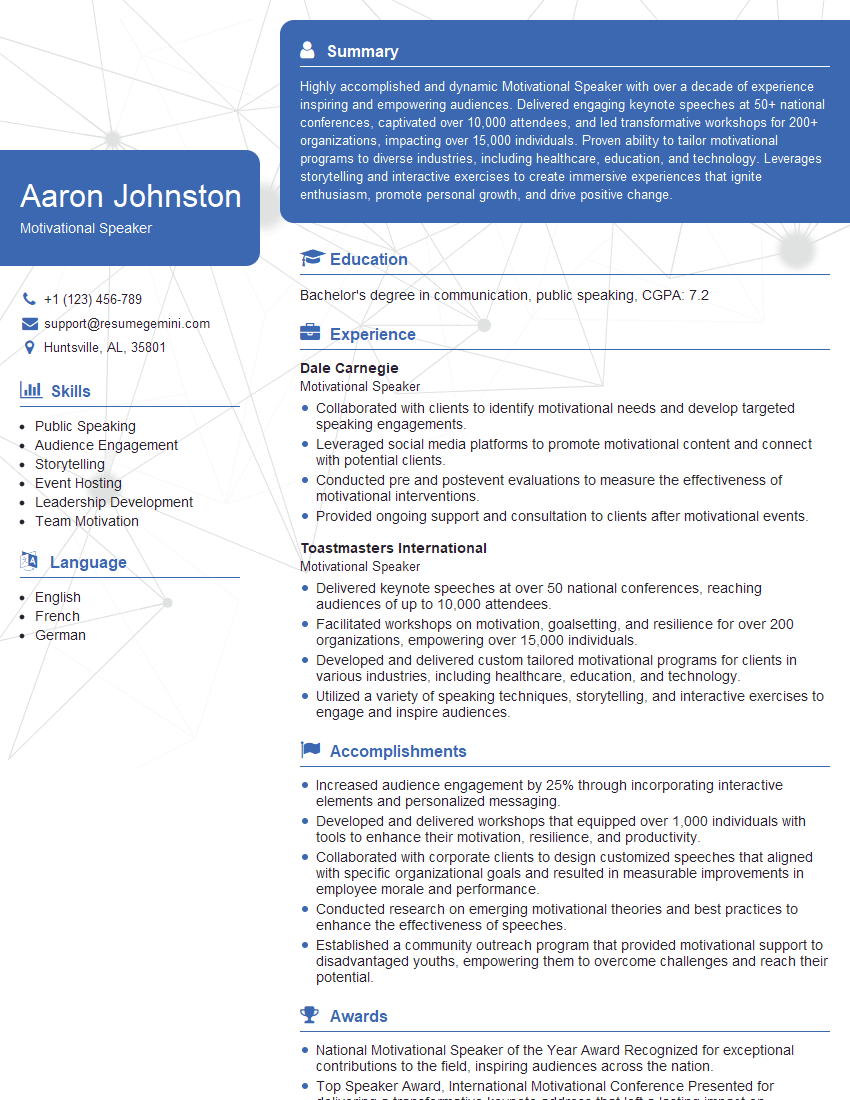
Motivational Speaker Resume Sample
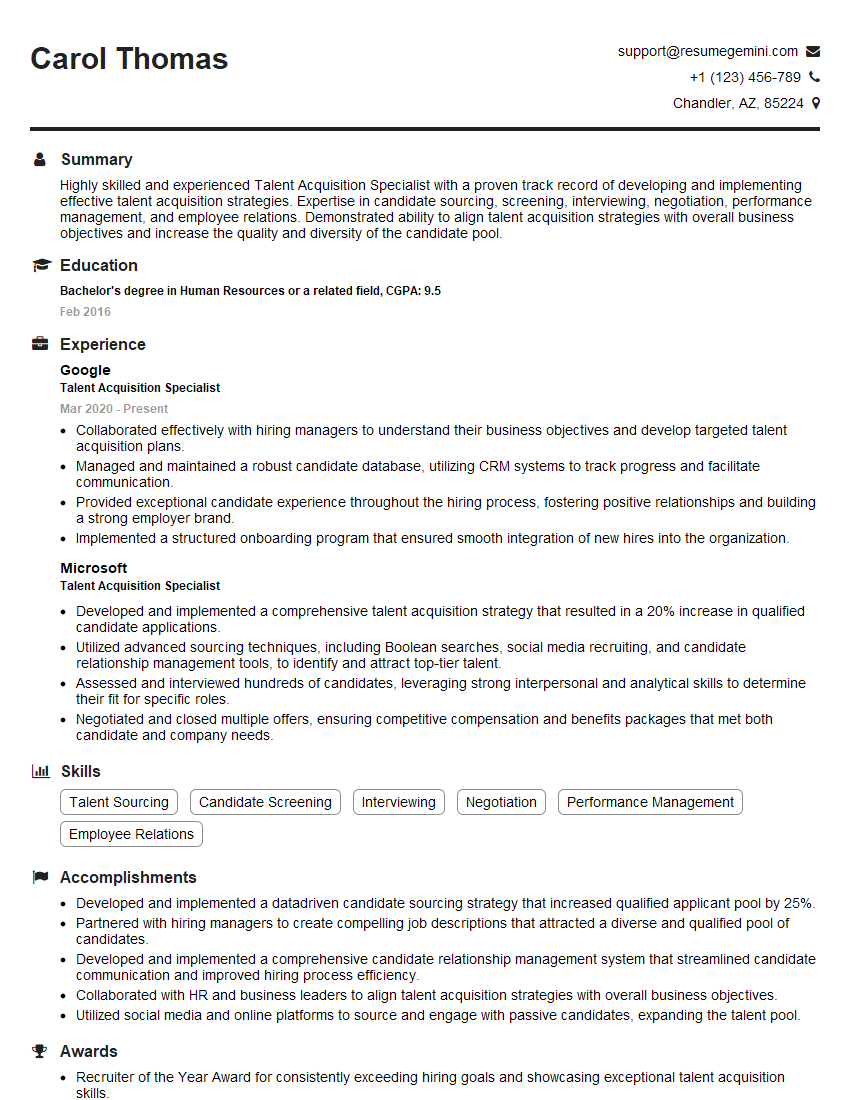
Talent Acquisition Specialist Resume Sample
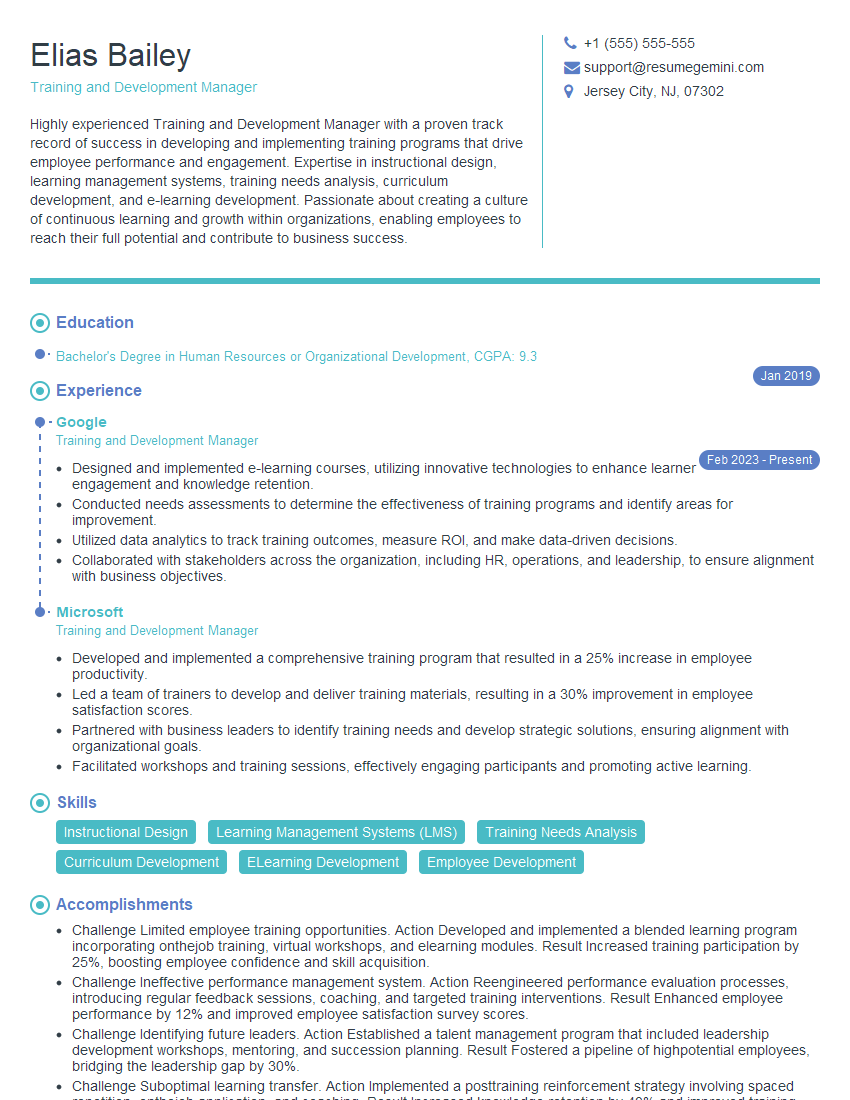
Training and Development Manager Resume Sample
Explore more articles
Users Rating of Our Blogs
Share Your Experience
We value your feedback! Please rate our content and share your thoughts (optional).
What Readers Say About Our Blog
Very informative content, great job.
good