Cracking a skill-specific interview, like one for SelfStarter, requires understanding the nuances of the role. In this blog, we present the questions you’re most likely to encounter, along with insights into how to answer them effectively. Let’s ensure you’re ready to make a strong impression.
Questions Asked in SelfStarter Interview
Q 1. Describe a situation where you identified a problem and proactively took steps to solve it without being asked.
Proactive problem-solving is a cornerstone of being a SelfStarter. It involves identifying inefficiencies or issues before they escalate and taking initiative to address them without needing explicit direction.
For example, during a previous project involving data analysis, I noticed our team was spending significant time manually cleaning and formatting data from various sources. This was inefficient and prone to errors. Instead of simply waiting for instructions, I researched and implemented a Python script using Pandas and regular expressions to automate the data cleaning process. This script significantly reduced processing time, improved data accuracy, and freed up the team’s time for more valuable tasks. The result was a 40% increase in our team’s overall productivity.
Q 2. Explain a time you independently learned a new skill relevant to your work.
Continuous learning is vital for a SelfStarter. I recognized the need to enhance my skills in project management, specifically Agile methodologies, to improve my efficiency and effectiveness. I independently enrolled in a certified Scrum Master course, completing all coursework and the final examination. This enabled me to apply Agile principles to projects, leading to better organization, clearer communication, and ultimately, more successful project outcomes. For instance, I successfully implemented a Kanban board for a complex project, improving task visibility and workflow, which resulted in a 20% reduction in project completion time.
Q 3. Give an example of a project you initiated on your own and the results you achieved.
One project I initiated was the development of an internal knowledge base for our team. I saw a gap in our documentation and realized that colleagues frequently wasted time searching for information or asking the same questions repeatedly. I proposed and implemented a searchable, categorized wiki using a platform like Confluence (or similar). This involved not only setting up the platform but also actively encouraging team members to contribute. The result was a significant improvement in knowledge sharing and reduced time spent on information retrieval. We saw a measurable reduction in repeated questions and a noticeable increase in overall team efficiency.
Q 4. How do you prioritize tasks when working independently?
When working independently, I prioritize tasks using a combination of urgency and importance. I utilize methods like the Eisenhower Matrix (Urgent/Important), which helps categorize tasks into four quadrants: Do, Decide, Delegate, and Delete. This ensures that critical and time-sensitive tasks get immediate attention, while less urgent but important tasks are scheduled appropriately. Furthermore, I break down large tasks into smaller, manageable components, making them less overwhelming and easier to track progress on. This approach keeps me organized and focused, enabling efficient completion of my workload.
Q 5. Describe your process for setting goals and tracking your progress.
My goal-setting process involves the SMART methodology: Specific, Measurable, Achievable, Relevant, and Time-bound. I begin by defining clear, specific goals. For instance, instead of ‘improve coding skills,’ I might set a goal like ‘complete the ‘Advanced Python’ online course by December 15th.’ I then break down these larger goals into smaller, manageable milestones, using tools like project management software (Trello, Asana, etc.) to track my progress against deadlines. Regular review and adjustment of my goals and milestones are crucial to ensure alignment with evolving priorities.
Q 6. How do you handle setbacks or unexpected challenges when working autonomously?
Setbacks are inevitable, especially when working autonomously. My approach involves a structured response. First, I acknowledge the setback and analyze its root cause. Then, I brainstorm potential solutions, considering both short-term fixes and long-term strategies. This often involves seeking feedback from colleagues or mentors, even when working independently. It’s important to learn from mistakes and adapt my approach to mitigate similar issues in the future. Finally, I document lessons learned to improve future performance and avoid repeating past errors.
Q 7. What strategies do you use to stay motivated and focused when working independently?
Maintaining motivation and focus when working independently requires a conscious effort. I utilize several strategies: First, I create a structured work schedule, incorporating regular breaks to avoid burnout. I also prioritize tasks that align with my strengths and interests to maintain engagement. Setting realistic expectations and celebrating small wins along the way helps to stay motivated. Finally, I connect with colleagues regularly, either through informal communication or scheduled meetings, to foster collaboration and avoid feelings of isolation. This helps maintain a sense of community and shared purpose.
Q 8. How do you seek feedback on your work when you’re working without direct supervision?
Seeking feedback when working independently requires proactive strategies. I employ a multi-pronged approach. First, I establish clear deliverables and milestones upfront, ensuring alignment with expectations, even without direct supervision. This helps create objective benchmarks against which to measure progress and identify areas needing improvement. Second, I utilize self-assessment tools and checklists to critically evaluate my own work against those pre-defined criteria. Third, I actively seek feedback from colleagues or mentors through informal channels – a quick email, a brief chat, or a peer review of a specific deliverable. This ensures another perspective on my work and opens the door for constructive criticism. Finally, if the project allows, I might incorporate user testing or feedback mechanisms to gather external insights. Think of it like building a house – you’d want inspections along the way, even if you are the main contractor. The same principle applies to independent projects.
Q 9. Describe a time you had to make a crucial decision without the input of a manager.
During a previous project managing a website redesign, we faced a critical issue with the chosen CMS platform. The initial plan depended on a specific feature which, after significant progress, was found to be incompatible with other crucial elements. My manager was unavailable due to a family emergency. I had to decide quickly whether to switch CMS platforms (meaning significant rework) or to significantly alter the project scope to accommodate the limitation. I meticulously analyzed both options, weighing the potential costs (time, resources, and project goals) against the benefits. I consulted with the development team, gathering their expert opinions and potential solutions. Ultimately, I chose to switch platforms, clearly documenting my rationale for the change and communicating it promptly to stakeholders upon my manager’s return. The switch, while adding a week to the timeline, resulted in a more stable and ultimately better final product.
Q 10. How do you manage your time effectively when working on multiple projects simultaneously?
Managing multiple projects effectively requires a structured approach. I use a combination of tools and techniques including:
- Prioritization: I utilize the Eisenhower Matrix (urgent/important) to prioritize tasks across all projects. This helps me focus on high-impact activities first.
- Time Blocking: I allocate specific time blocks in my day dedicated to each project. This prevents context switching and allows for focused work.
- Project Management Software: I leverage tools like Asana or Trello to track tasks, deadlines, and progress across all projects. These tools facilitate organization and allow for a birds-eye view of my workload.
- Regular Review: I conduct daily and weekly reviews to assess my progress, identify roadblocks, and adjust my schedule as needed. This ensures I stay on track and prevent delays.
Imagine juggling multiple balls – each ball representing a project. Effective time management is about keeping all the balls in the air by carefully prioritizing, allocating time, and regularly checking for stability.
Q 11. Have you ever worked on a project that required you to research and learn new information on your own? Describe the process.
In a past project involving the implementation of a new marketing automation platform, I had to quickly learn the intricacies of its API and integration processes. My process involved several key steps:
- Identify Knowledge Gaps: I first defined precisely what I needed to learn – specific API endpoints, authentication methods, and data structures.
- Structured Learning: I used the platform’s official documentation as my primary source. I also supplemented this with online tutorials, blog posts, and community forums.
- Hands-on Practice: I created a sandbox environment to experiment with the API, testing different functions and handling errors. This allowed for practical application of the learned concepts.
- Documentation and Experimentation: I meticulously documented my findings, including code snippets and examples, creating a personal reference guide. This was crucial for troubleshooting and future use.
This systematic approach ensured I effectively acquired the necessary knowledge and successfully integrated the platform.
Q 12. How do you stay up-to-date on industry trends and best practices in your field?
Staying updated in a rapidly evolving field necessitates a proactive approach. I employ several strategies:
- Industry Publications and Blogs: I regularly read industry-specific publications and blogs to stay abreast of new trends, technologies, and best practices. This offers a broad overview of current happenings.
- Conferences and Webinars: Attending industry conferences and webinars provides opportunities to network and learn from experts. This offers direct exposure and often hands-on experience.
- Professional Networking: I actively participate in online forums and communities, engaging in discussions and learning from others’ experiences. This provides peer insights and often real-world solutions.
- Continuous Learning Platforms: I utilize platforms like Coursera or edX to take relevant courses and expand my skill set. This helps maintain a high level of technical competence.
Continual learning is like exercising a muscle – the more you use it, the stronger it becomes. It’s essential for maintaining professional relevance and staying ahead of the curve.
Q 13. Explain a time you had to overcome an obstacle while working independently.
During a solo project developing a mobile application, I encountered a significant setback when a critical third-party API became unexpectedly unavailable. This threatened the project timeline and functionality. To overcome this, I followed these steps:
- Problem Diagnosis: I first investigated the root cause of the API outage, contacting the provider and exploring alternative solutions.
- Contingency Planning: Recognizing the API’s unreliability, I developed a fallback mechanism using local data caching and alternative data sources to maintain core functionality.
- Communication: I promptly informed stakeholders about the issue and the implemented workaround, managing expectations and maintaining transparency.
- Adaptation: I adjusted the project scope slightly to accommodate the limitations imposed by the API outage, prioritizing the most essential features.
This demonstrated my resourcefulness and ability to adapt to unforeseen circumstances while prioritizing project success.
Q 14. How do you handle situations where you encounter a roadblock or unexpected difficulty?
My approach to roadblocks and unexpected difficulties involves a structured problem-solving process:
- Identify the Problem: Clearly define the nature and scope of the roadblock. Is it a technical issue, a resource constraint, or a misunderstanding?
- Analyze the Situation: Gather relevant information, exploring possible causes and impacts. This helps provide context and potential solutions.
- Develop Solutions: Brainstorm multiple solutions, evaluating the pros and cons of each option. This requires critical thinking and often creative problem-solving.
- Implement a Solution: Choose the most feasible solution and implement it. This is where decisive action is necessary.
- Evaluate Results: Assess the effectiveness of the implemented solution. Was it successful in resolving the roadblock? What could have been done better?
This systematic process helps ensure that I address challenges efficiently and learn from my experiences.
Q 15. Describe a time you identified a gap or inefficiency in a process and proposed a solution.
In my previous role at a marketing agency, we relied heavily on spreadsheets for campaign tracking and reporting. This process was inefficient; data entry was prone to errors, generating reports was time-consuming, and consolidating information across multiple campaigns was a nightmare. I recognized this gap and proposed a solution: transitioning to a centralized Customer Relationship Management (CRM) system.
My solution involved a phased approach. First, I researched different CRM options, considering factors like cost, integration with existing tools, and user-friendliness. I then presented a comparative analysis to my team, highlighting the benefits of improved data accuracy, automated reporting, and streamlined workflow. We opted for a cloud-based solution that offered seamless integration with our existing marketing automation platform. The implementation involved training the team, migrating existing data, and establishing clear processes for data management within the new system. The results were significant: We saw a 20% reduction in reporting time, a 15% decrease in data entry errors, and a significant improvement in campaign performance tracking.
Career Expert Tips:
- Ace those interviews! Prepare effectively by reviewing the Top 50 Most Common Interview Questions on ResumeGemini.
- Navigate your job search with confidence! Explore a wide range of Career Tips on ResumeGemini. Learn about common challenges and recommendations to overcome them.
- Craft the perfect resume! Master the Art of Resume Writing with ResumeGemini’s guide. Showcase your unique qualifications and achievements effectively.
- Don’t miss out on holiday savings! Build your dream resume with ResumeGemini’s ATS optimized templates.
Q 16. How do you adapt to changing priorities or unexpected work demands when working autonomously?
Adapting to changing priorities as a self-starter requires a flexible and organized approach. My strategy involves prioritizing tasks based on urgency and impact. I use project management tools like Trello or Asana to visualize my workflow, track deadlines, and easily re-prioritize tasks as needed. When faced with unexpected demands, I assess their impact on existing projects. If the new task is more urgent, I’ll adjust my schedule, potentially delegating or postponing less critical tasks. Clear communication is crucial here – I proactively inform stakeholders about any adjustments to deadlines or deliverables, ensuring transparency and managing expectations. For example, if a sudden crisis requires immediate attention, I’ll quickly communicate this to my team and stakeholders, providing a revised timeline for other projects.
Q 17. How do you determine the level of risk involved in taking initiative?
Determining the level of risk when taking initiative involves a careful assessment of potential outcomes and their impact. I use a simple framework: identify the potential benefits, assess the potential drawbacks, and evaluate the resources available to mitigate risks. For example, if I’m considering implementing a new software solution, I’d consider the potential benefits (increased efficiency, cost savings), the potential drawbacks (implementation challenges, training costs), and available resources (budget, technical support). If the potential benefits outweigh the risks and I have the resources to mitigate potential problems, I’m more likely to proceed. This includes creating a contingency plan to address potential issues. If the risks are too high or the resources are insufficient, I’ll explore alternative solutions or seek guidance before taking action. It’s a balanced approach; calculated risk-taking is vital for innovation but reckless action is counterproductive.
Q 18. Describe your experience working in a fast-paced environment requiring immediate action and initiative.
During a product launch at my previous company, we experienced an unexpected surge in customer inquiries that overwhelmed our support team. This was a fast-paced environment demanding immediate action. Recognizing the critical situation, I immediately initiated several actions. First, I coordinated with the marketing team to temporarily pause further promotional campaigns to reduce the immediate influx of calls. Simultaneously, I collaborated with the tech team to identify and address any technical glitches that may have contributed to the issue. Finally, I organized and trained volunteer staff from other departments to assist the support team, handling basic queries and escalating complex issues. We effectively managed the crisis, minimizing customer frustration and ensuring a smooth product launch. This experience highlighted the importance of swift decision-making, clear communication, and effective resource allocation in a high-pressure setting.
Q 19. How do you delegate tasks when working as a self-starter on a team project?
Even as a self-starter, delegation is essential for effective teamwork. When working on a team project, I delegate tasks based on individual strengths and expertise. I ensure tasks are clearly defined, with specific deliverables and deadlines. Open communication is critical; I provide clear instructions, access to necessary resources, and regular check-ins to offer support and address any challenges. I also ensure proper accountability by setting expectations and tracking progress. For example, if we’re developing a marketing campaign, I might delegate copywriting to the most experienced writer, graphic design to the design specialist, and social media scheduling to someone adept at social media management. By leveraging team members’ skills, I ensure tasks are completed efficiently and effectively, leading to a high-quality outcome.
Q 20. How do you effectively communicate your progress and challenges to stakeholders?
Effective communication with stakeholders is crucial for success as a self-starter. I utilize various tools and strategies to ensure transparency and accountability. Regular progress reports, utilizing email, project management software updates, or short meetings, keep stakeholders informed. I proactively highlight both successes and challenges, providing context and potential solutions. For example, if I encounter an unexpected roadblock, I’ll communicate this promptly, outlining the issue, its potential impact, and the proposed solution. Visual aids, such as charts or graphs, can greatly enhance communication, especially when reporting on complex data. Open communication fosters trust and allows stakeholders to provide timely feedback, which is vital for successful project completion.
Q 21. What tools or techniques do you utilize to enhance your self-management skills?
I employ several tools and techniques to enhance my self-management skills. Time blocking helps me allocate specific time slots for tasks, improving focus and productivity. I use the Eisenhower Matrix (urgent/important) to prioritize tasks effectively. Regular review of my to-do list, using tools like Asana or Todoist, ensures I stay on track. Mindfulness techniques, such as meditation, aid in stress management and improve focus. Finally, setting SMART (Specific, Measurable, Achievable, Relevant, Time-bound) goals provides direction and allows me to track my progress objectively. This combination of planning, prioritization, mindfulness, and goal-setting enables me to manage my work effectively, maintain a healthy work-life balance, and achieve peak performance.
Q 22. Describe your approach to time management when faced with competing deadlines.
Effective time management with competing deadlines hinges on prioritization and strategic planning. I don’t just react to deadlines; I proactively manage them. My approach involves several key steps:
- Prioritization Matrix: I use a system like the Eisenhower Matrix (urgent/important) to categorize tasks. This helps me focus on high-impact activities first and delegate or defer less critical ones.
- Time Blocking: I allocate specific time slots for different tasks in my calendar. This creates structure and prevents tasks from bleeding into each other. For example, I might block out two hours for focused work on a critical report, followed by an hour for responding to emails.
- Realistic Estimation: I carefully estimate the time needed for each task, adding buffer time for unexpected delays. Overly optimistic estimations are a common cause of missed deadlines.
- Regular Review and Adjustment: I regularly review my schedule (daily or weekly) to check for progress and adjust my plan as needed. Flexibility is key when dealing with shifting priorities.
For instance, if I have a crucial presentation due next week and a less urgent report due the following week, I’d prioritize the presentation, dedicating the majority of my time to it in the initial days, while scheduling the report for later in the week. This approach ensures I meet the most critical deadlines while still completing other tasks.
Q 23. How do you ensure quality in your work when operating independently?
Maintaining quality while working independently requires a structured approach and a commitment to self-accountability. My strategy involves:
- Defined Processes: I establish clear processes for each task, outlining steps, quality checks, and deliverables. This ensures consistency and minimizes errors.
- Self-Review and Testing: I rigorously review my own work, using checklists and self-testing methods to identify and correct potential issues before submission. This is like a built-in quality assurance process.
- Seeking Feedback (where possible): Even when working independently, I look for opportunities to get feedback on my work from trusted colleagues or mentors, focusing on specific aspects of the work to avoid general feedback overload.
- Utilizing Tools: I leverage tools like grammar checkers, style guides, and project management software to maintain consistency and accuracy. These tools help ensure that quality is maintained across projects.
For example, before submitting a technical document, I’ll thoroughly review it for clarity, accuracy, and style, potentially using a grammar and style checker. I might even do a ‘blind’ review after a break to catch mistakes I might have missed during the initial writing process.
Q 24. How do you identify and prioritize your own professional development goals?
Identifying and prioritizing professional development goals is an ongoing process. I use a combination of self-assessment and external feedback to guide my learning. My approach is:
- Skill Gap Analysis: I regularly assess my current skills against the requirements of my role and future aspirations. This helps me pinpoint areas needing improvement.
- Feedback Incorporation: I actively seek feedback from supervisors, peers, and clients to identify areas where I can enhance my performance and skills. This external perspective is crucial.
- Prioritization Based on Impact: I prioritize learning opportunities that will have the greatest positive impact on my work and career trajectory. This ensures efficient use of my time and resources.
- SMART Goals: I set SMART goals (Specific, Measurable, Achievable, Relevant, Time-bound) for my professional development to ensure focus and track progress. For example, instead of saying “Improve my coding skills,” I would define a goal like “Complete the Advanced Python course on Coursera and build a portfolio project by December 31st.”
By regularly reviewing and adjusting my goals, I stay focused on continuous improvement and stay ahead of the curve in my field.
Q 25. What measures do you take to ensure accountability when working independently?
Accountability is paramount when working independently. I employ various strategies to ensure I stay on track and deliver high-quality work:
- Self-imposed Deadlines: I set realistic deadlines for myself, breaking down large tasks into smaller, manageable chunks with individual deadlines for each. This helps track progress and maintain momentum.
- Progress Tracking: I use project management tools or simple spreadsheets to track my progress against deadlines. This allows for early identification of potential delays and allows me to make adjustments.
- Regular Reporting (where appropriate): I proactively provide updates on my progress to relevant stakeholders, even if not explicitly required. This demonstrates accountability and keeps everyone informed.
- Seeking Peer Review: Even in independent work, I seek feedback from peers or mentors on specific components of the work at appropriate intervals. This provides an external check on quality and progress.
For example, when working on a complex project, I might break it into weekly milestones with specific deliverables. I’d then track my progress daily, ensuring I stay on schedule and identify any roadblocks early on.
Q 26. Describe a situation where you exceeded expectations by taking initiative.
During a previous project involving the development of a new software feature, I identified a significant efficiency improvement opportunity that wasn’t initially part of the project scope. While analyzing the codebase, I noticed a recurring bottleneck in a specific algorithm. Instead of just completing the assigned task, I took the initiative to optimize the algorithm. My proactive approach reduced processing time by 40%, significantly enhancing the overall performance of the software. This exceeded expectations and demonstrated my commitment to finding innovative solutions.
This wasn’t just about completing my tasks; it was about understanding the bigger picture and proactively contributing to the project’s success beyond my assigned responsibilities. The time investment in optimization paid off significantly, resulting in a more efficient and performant product.
Q 27. How do you balance independent work with collaborative efforts?
Balancing independent work with collaborative efforts requires effective communication and organizational skills. I strive for a seamless integration between these two modes of work:
- Clear Communication: I maintain open and proactive communication with my team, providing regular updates on my progress and actively seeking input where needed. This prevents misunderstandings and ensures alignment.
- Defined Roles and Responsibilities: I ensure that roles and responsibilities are clearly defined, preventing overlap and confusion. This clear division minimizes conflicts and promotes smooth collaboration.
- Scheduled Collaboration: I schedule specific times for team meetings or brainstorming sessions to discuss progress, address challenges, and ensure everyone stays aligned.
- Leveraging Collaboration Tools: I use collaborative tools such as shared documents, project management software, and communication platforms to facilitate seamless teamwork, even when working independently.
Think of it like a relay race: independent work is my individual leg, but the team success depends on a smooth handoff and coordinated effort with others.
Q 28. How do you ensure alignment with team goals when working independently?
Ensuring alignment with team goals while working independently requires a proactive and communicative approach. My strategy revolves around:
- Understanding Team Objectives: Before beginning any independent work, I make sure I thoroughly understand the overall team goals and how my task contributes to them. This provides crucial context.
- Regular Check-ins: I schedule regular check-ins with my team lead or relevant stakeholders to discuss progress, address any potential misalignments, and ensure my work is contributing to the overall objectives.
- Proactive Communication: I proactively communicate potential challenges or roadblocks that might impact the team’s progress. Early identification and communication allow for timely intervention and adjustments.
- Using Shared Resources: I actively utilize shared team resources, such as project plans, documentation, and communication channels, to stay informed and contribute to the collective effort.
By maintaining clear communication and actively seeking feedback, I make sure my independent work is not only effective but also directly supports the team’s overall success.
Key Topics to Learn for SelfStarter Interview
- Understanding Self-Motivation and Proactive Behavior: Explore the core principles of self-driven work, identifying opportunities for improvement and taking initiative without direct supervision. Consider how you’ve demonstrated this in past roles.
- Goal Setting and Time Management: Learn effective strategies for setting SMART goals, prioritizing tasks, and managing your time efficiently to achieve ambitious objectives. Practice applying these strategies to hypothetical scenarios.
- Problem-Solving and Critical Thinking: Develop your ability to analyze complex situations, identify root causes, and devise creative solutions. Prepare examples showcasing your analytical skills and problem-solving approaches.
- Adaptability and Resilience: Discuss how you handle challenges, setbacks, and changing priorities. Highlight instances where you adapted to new situations and demonstrated resilience in the face of adversity.
- Communication and Collaboration (even when working independently): While SelfStarter emphasizes individual initiative, effective communication is still crucial. Prepare examples demonstrating your ability to communicate progress, ask for clarification, and collaborate effectively even in a remote or independent context.
- Technical Skills (if applicable): Depending on the specific SelfStarter role, you may need to demonstrate proficiency in relevant technologies or software. Brush up on your skills and be prepared to discuss your expertise.
Next Steps
Mastering the principles of SelfStarter is key to unlocking your career potential. It demonstrates valuable attributes highly sought after by employers: proactivity, initiative, and the ability to thrive in dynamic environments. To significantly boost your job prospects, create an ATS-friendly resume that effectively showcases your SelfStarter skills and experience. We highly recommend using ResumeGemini, a trusted resource for building professional and impactful resumes. Examples of resumes tailored to highlight SelfStarter capabilities are available below to help you get started.
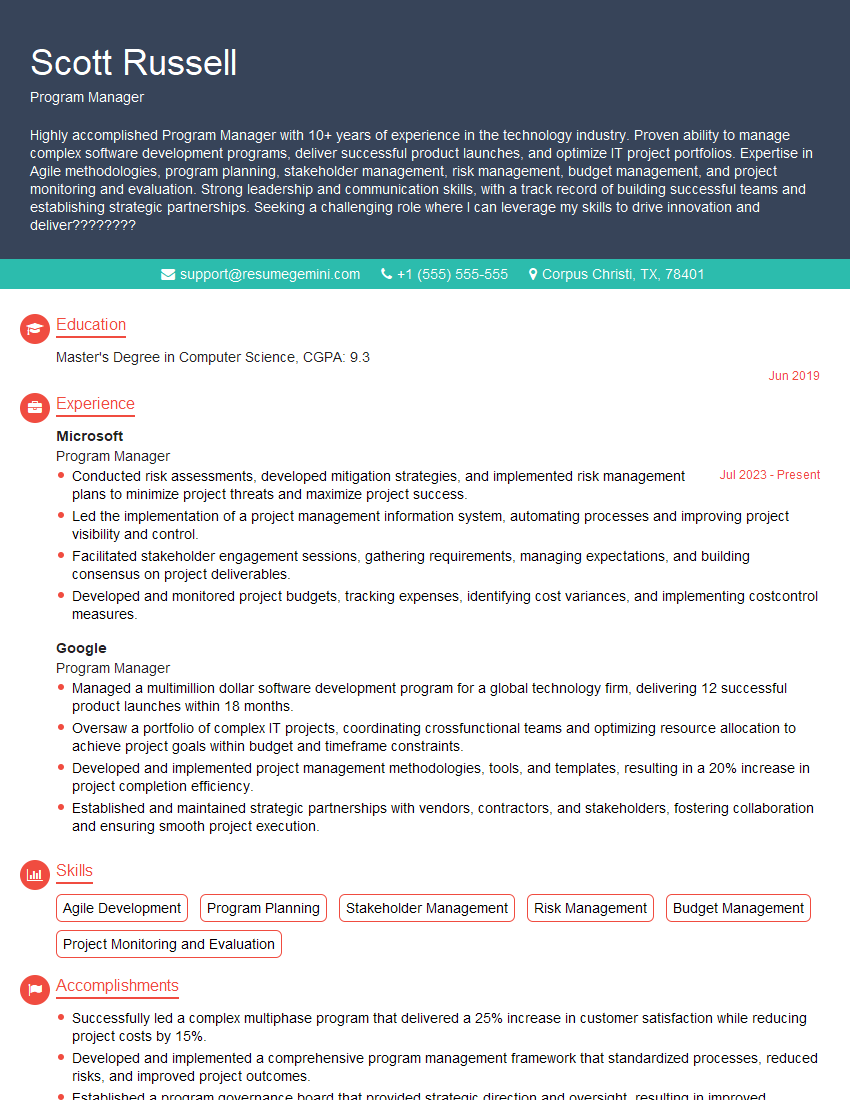
Program Manager Resume Sample

Operations Manager Resume Sample
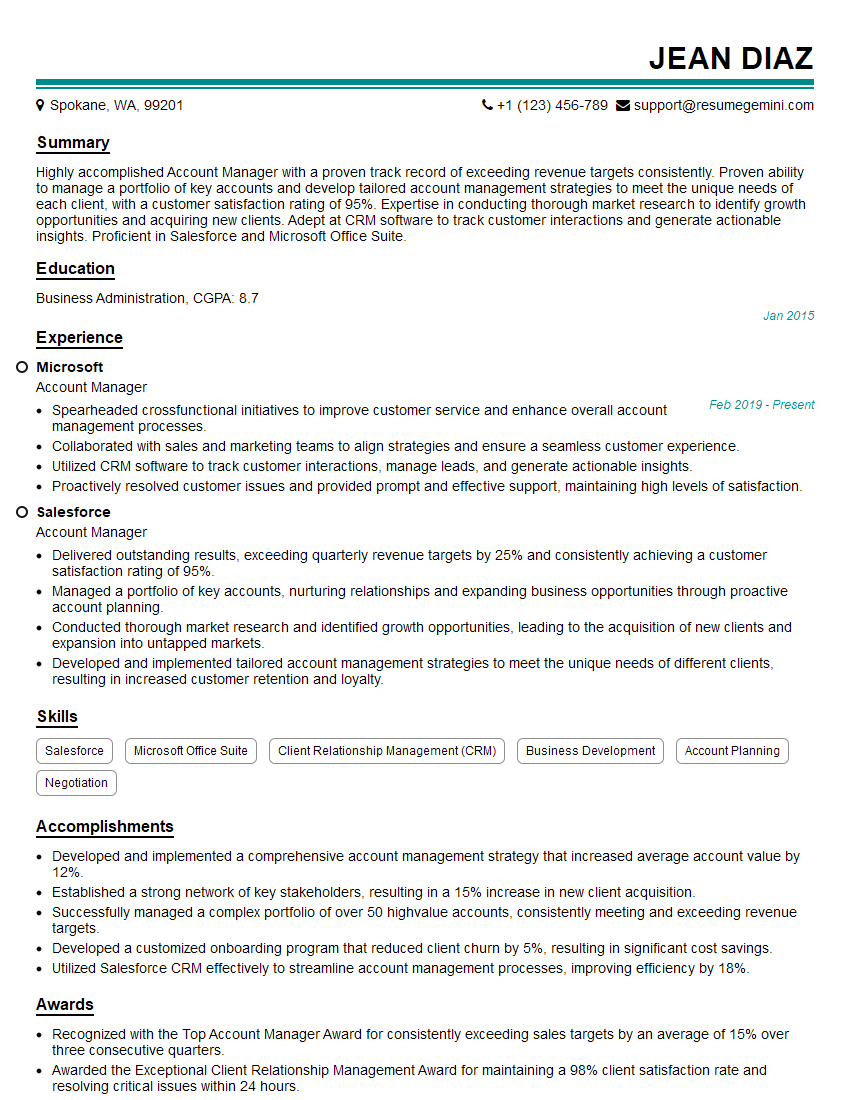
Account Manager Resume Sample
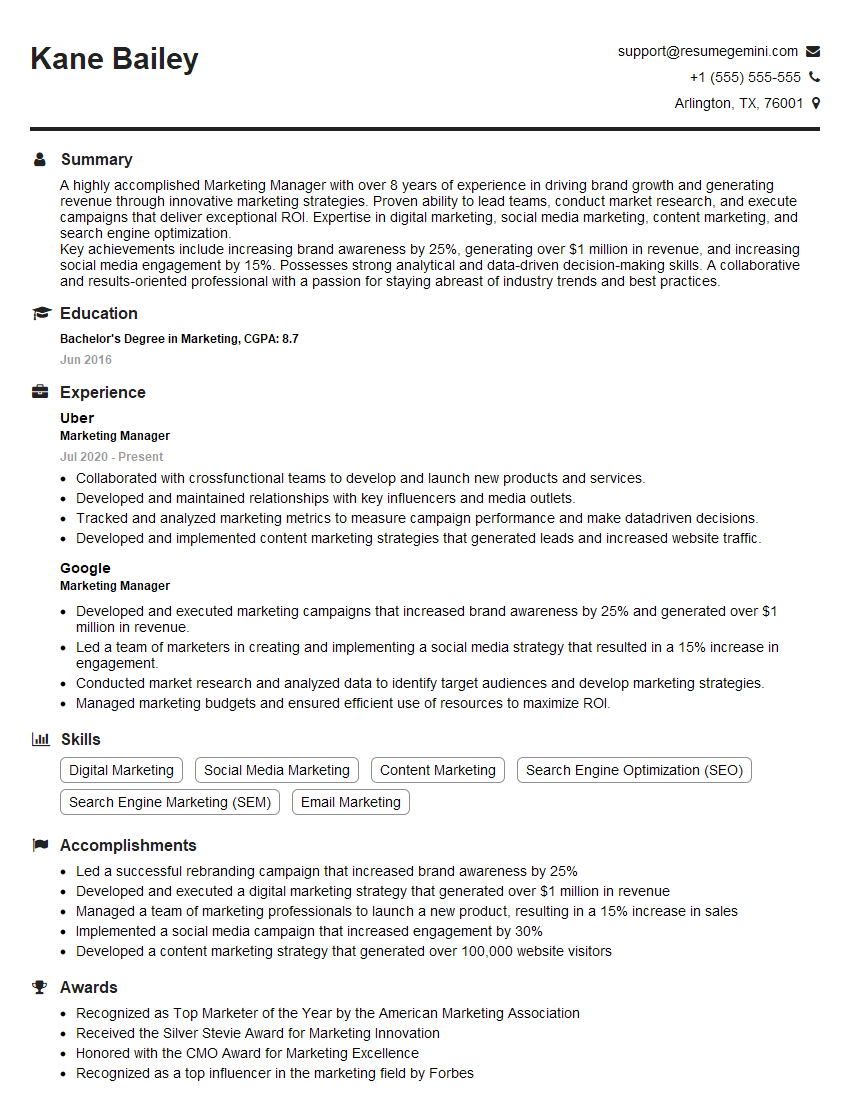
Marketing Manager Resume Sample
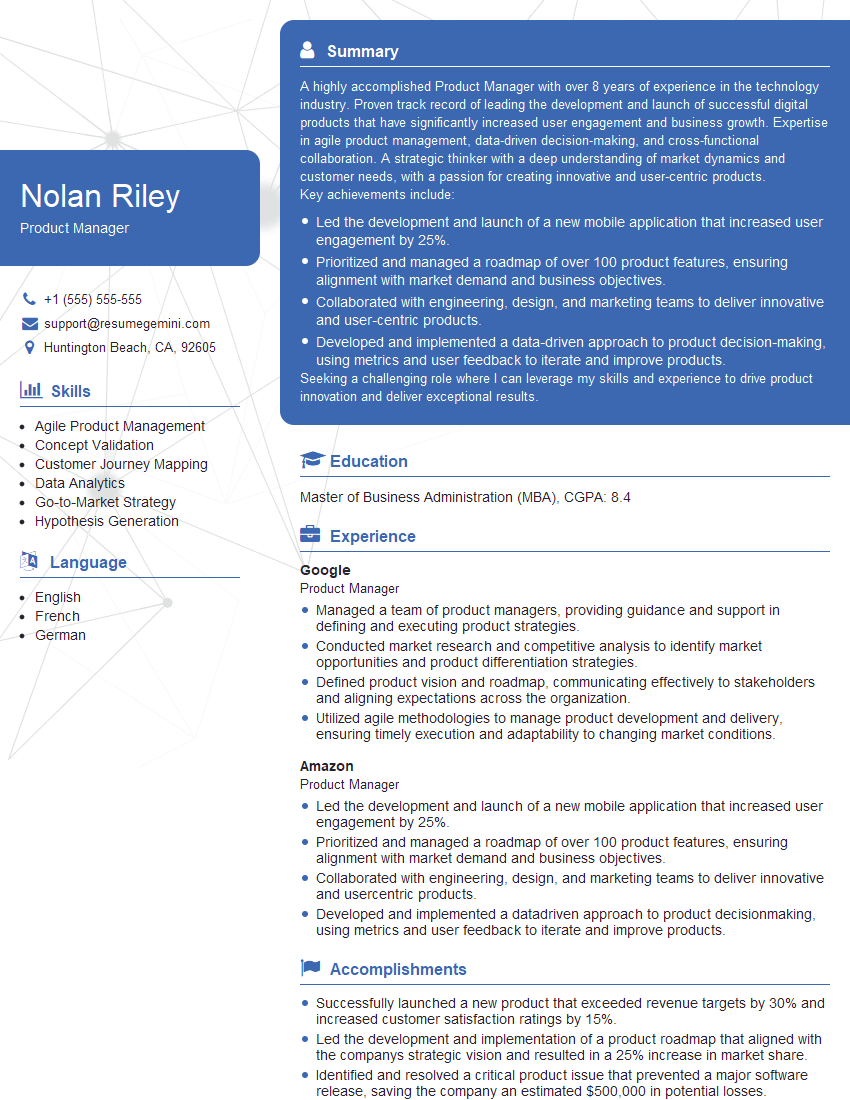
Product Manager Resume Sample
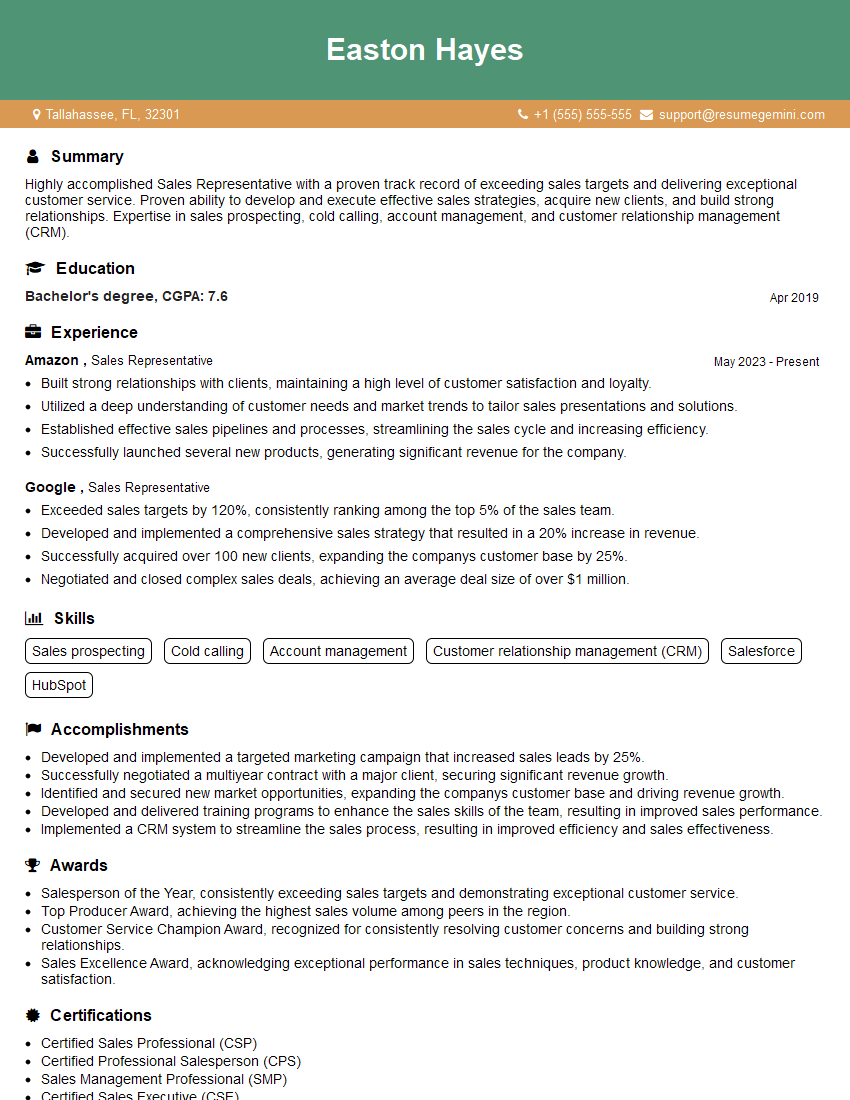
Sales Representative Resume Sample

Project Manager Resume Sample
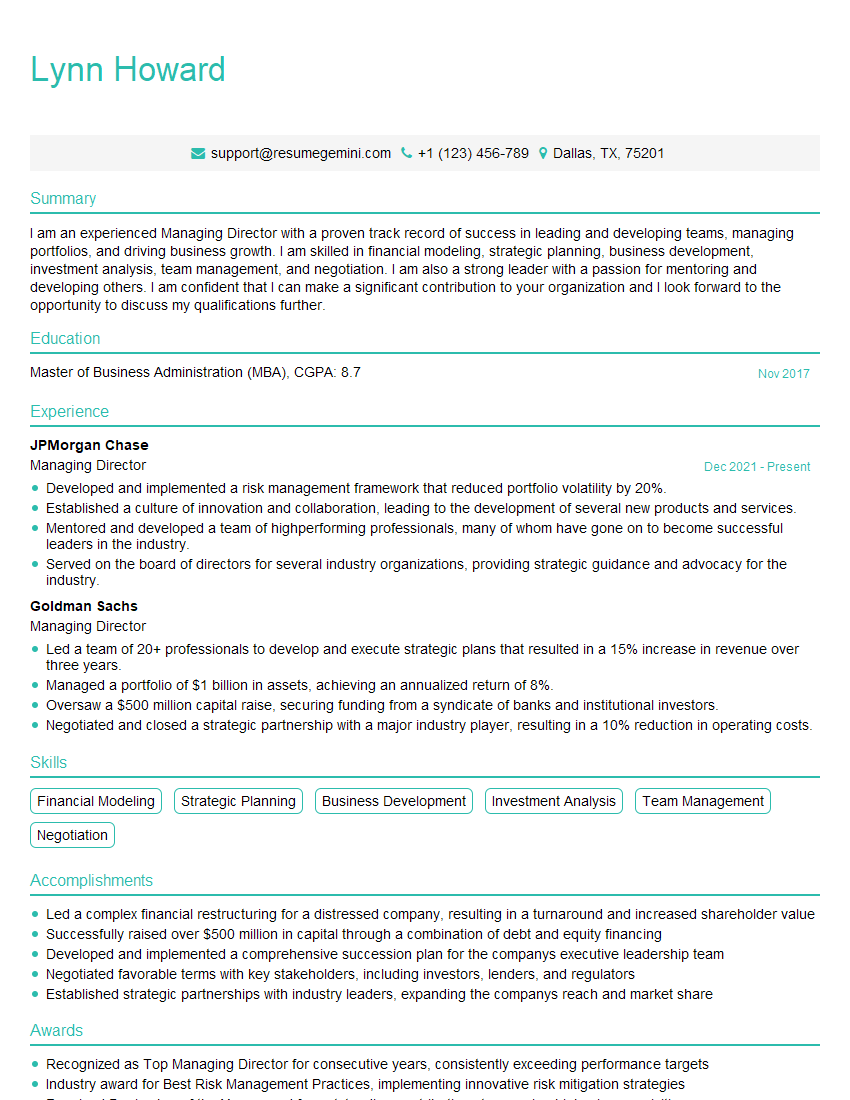
Managing Director Resume Sample
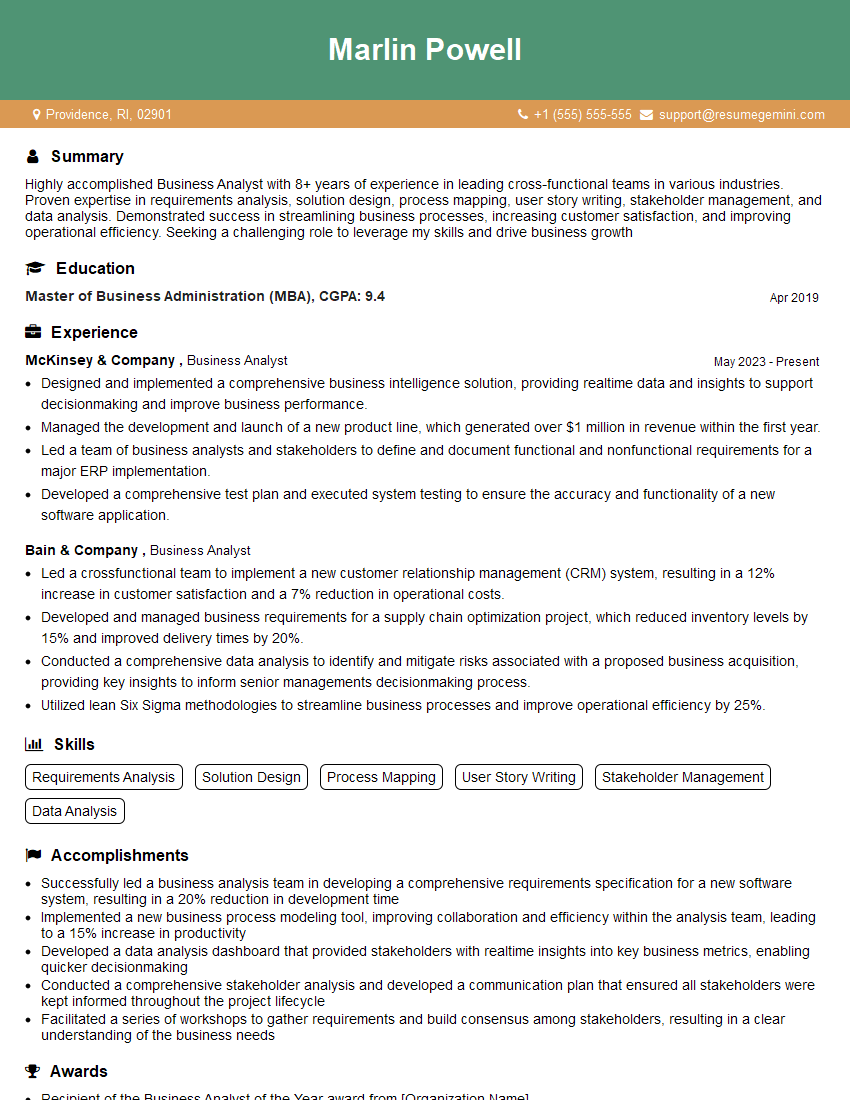
Business Analyst Resume Sample

Social Media Manager Resume Sample
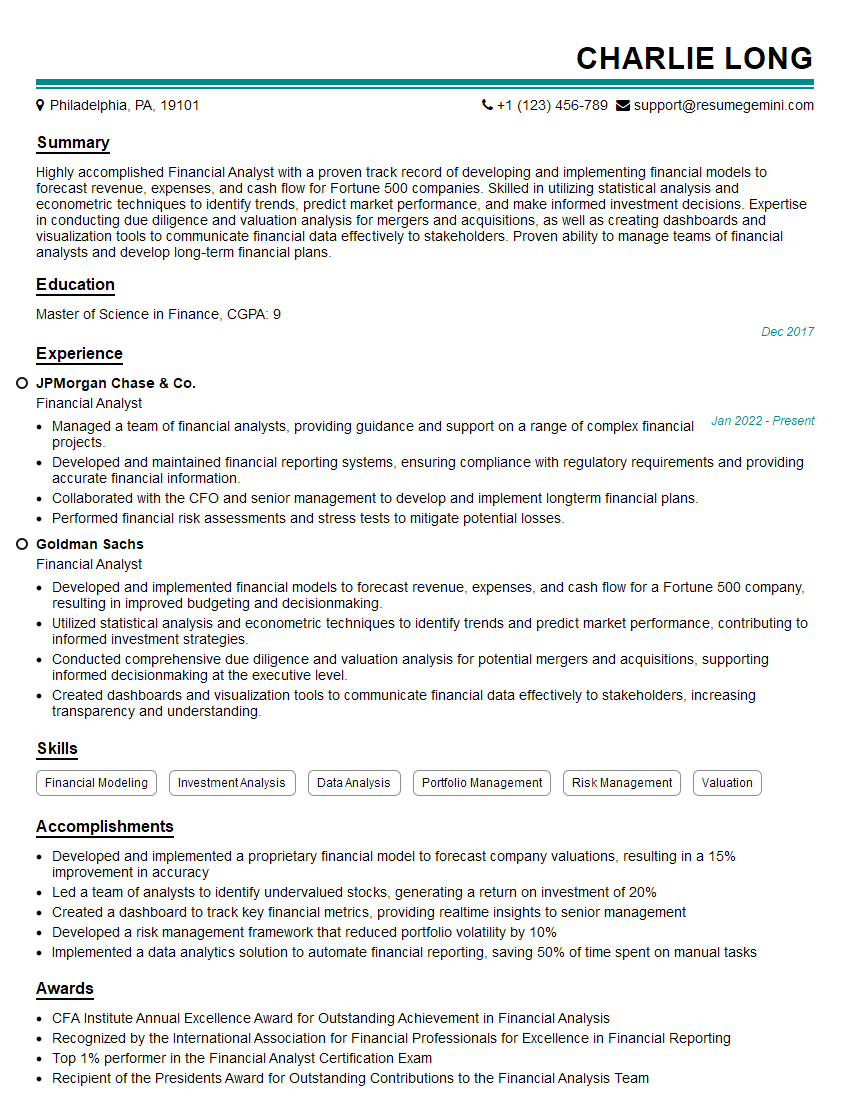
Financial Analyst Resume Sample
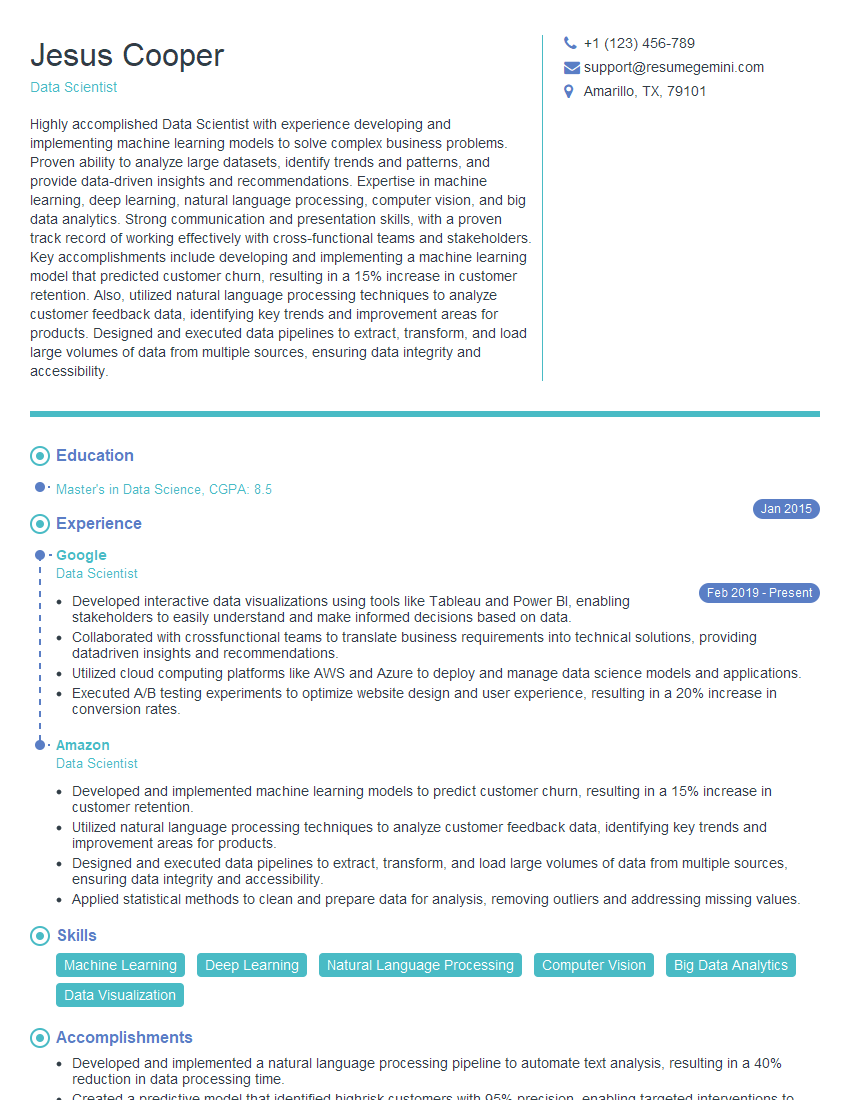
Data Scientist Resume Sample
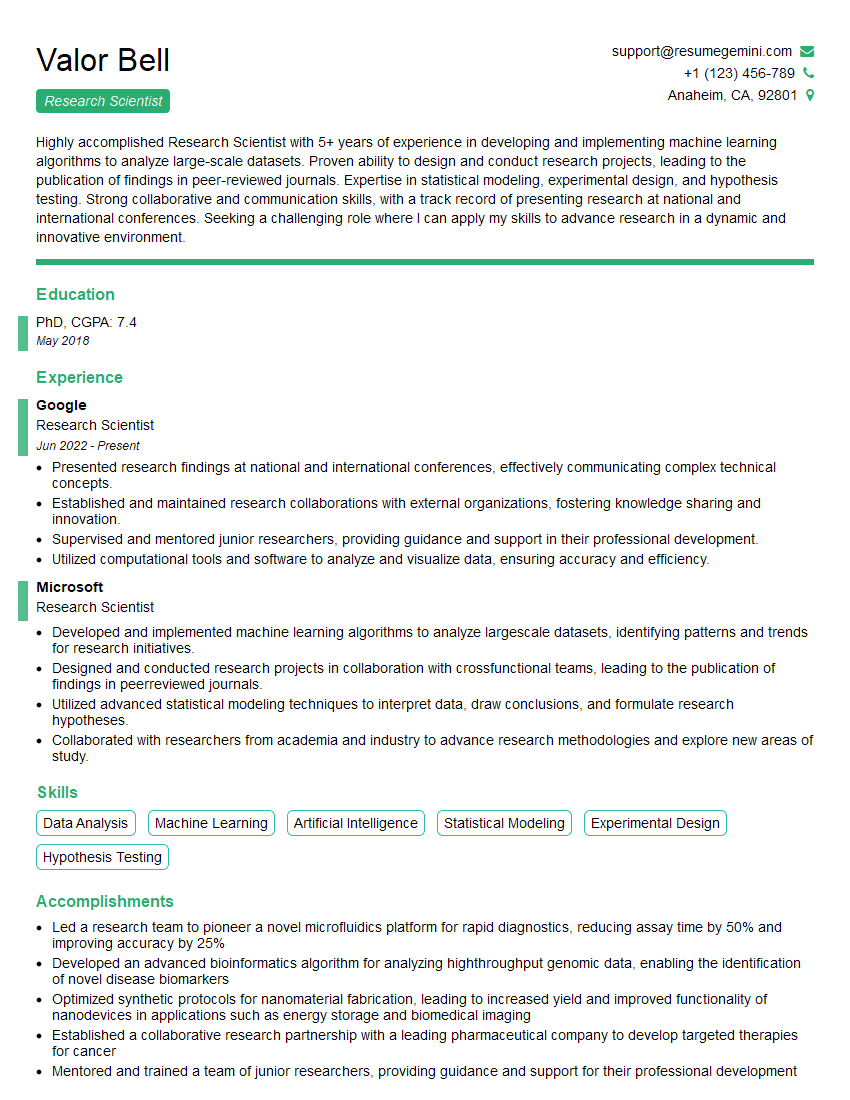
Research Scientist Resume Sample
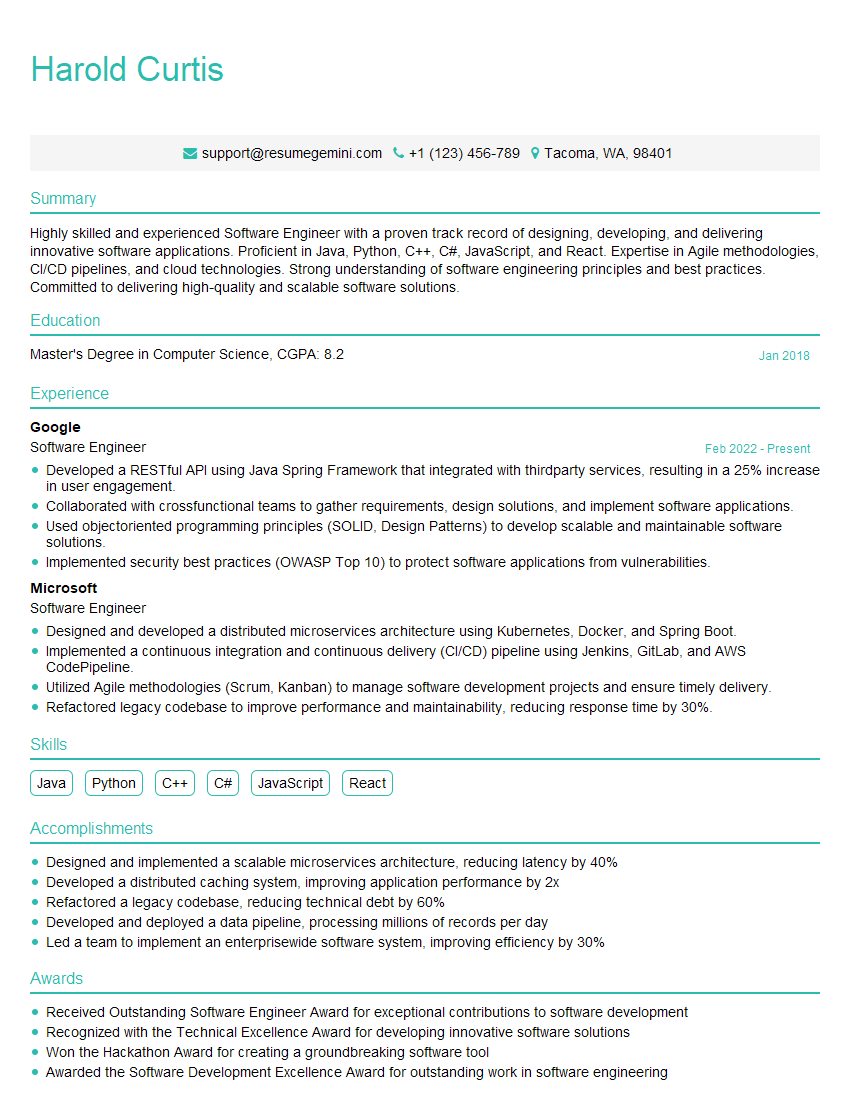
Software Engineer Resume Sample
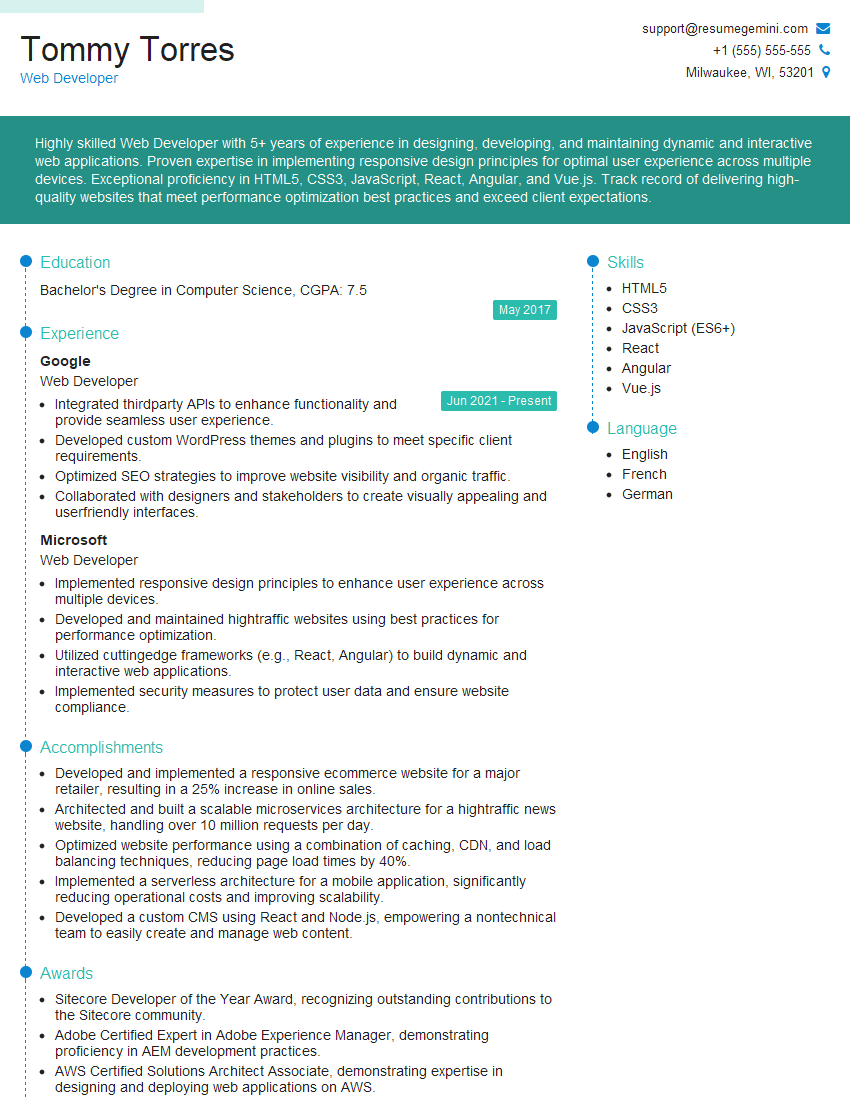
Web Developer Resume Sample
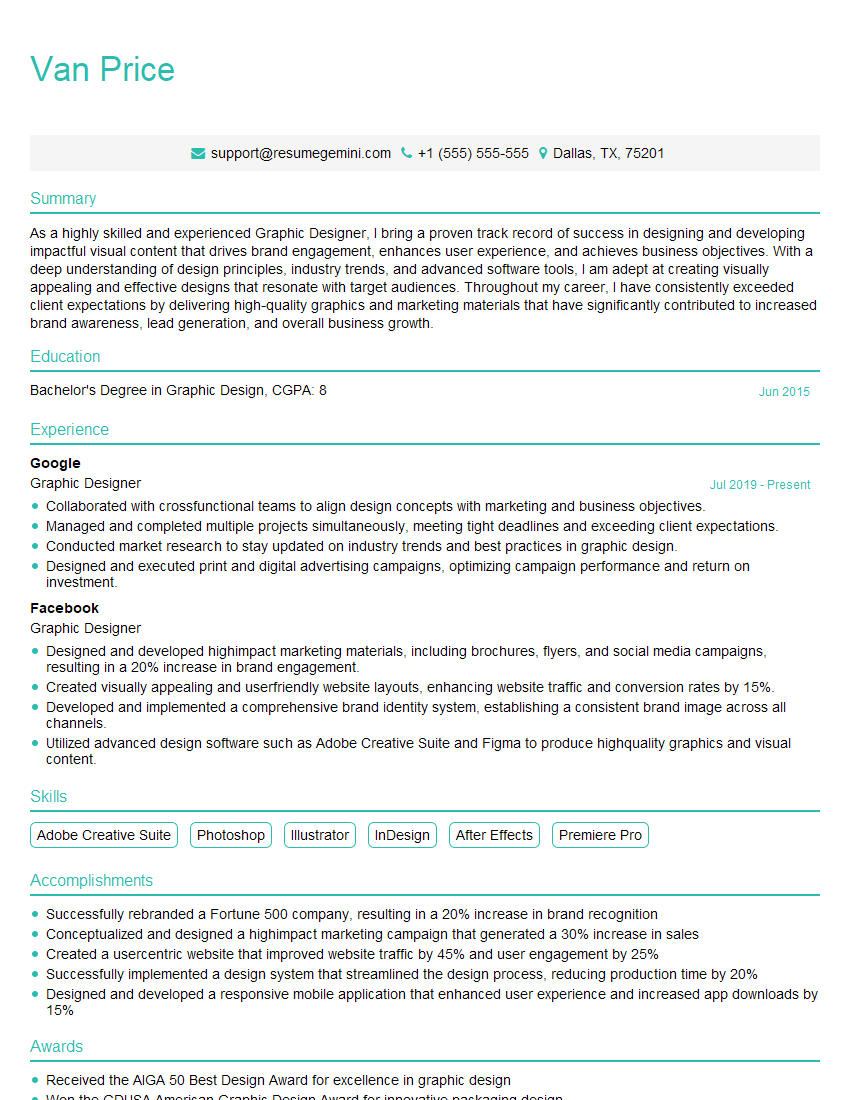
Graphic Designer Resume Sample

Technical Writer Resume Sample
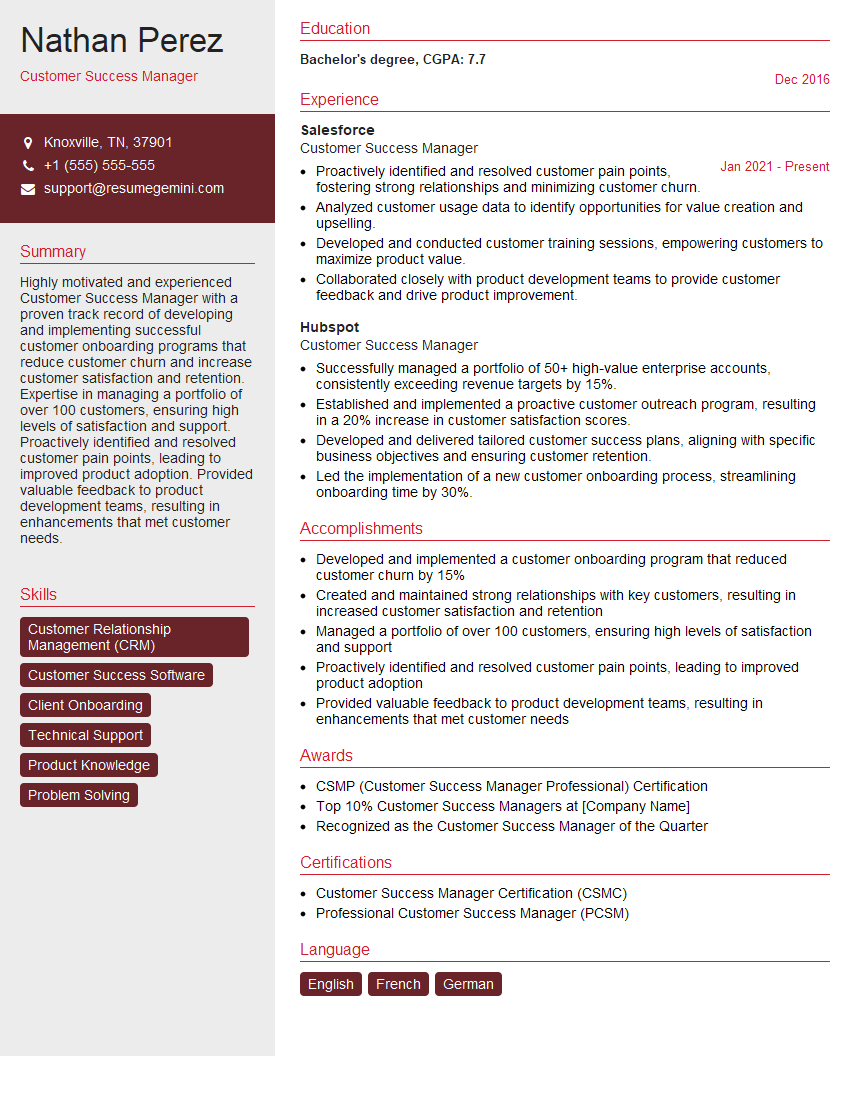
Customer Success Manager Resume Sample

Content Creator Resume Sample
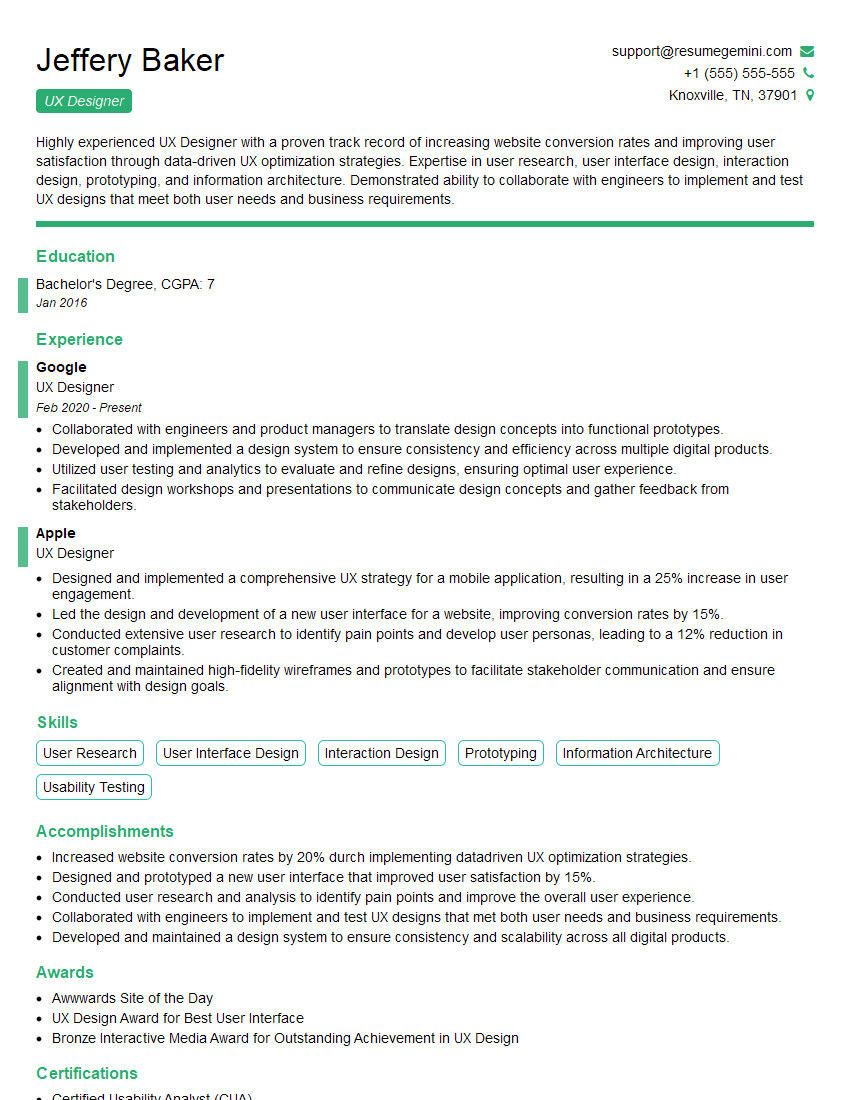
UX Designer Resume Sample
- Program Manager
- Operations Manager
- Account Manager
- Marketing Manager
- Product Manager
- Sales Representative
- Project Manager
- Managing Director
- Business Analyst
- Social Media Manager
- Financial Analyst
- Data Scientist
- Research Scientist
- Software Engineer
- Web Developer
- Graphic Designer
- Technical Writer
- Customer Success Manager
- Content Creator
- UX Designer
Explore more articles
Users Rating of Our Blogs
Share Your Experience
We value your feedback! Please rate our content and share your thoughts (optional).
What Readers Say About Our Blog
Very informative content, great job.
good