Every successful interview starts with knowing what to expect. In this blog, we’ll take you through the top Set Strike interview questions, breaking them down with expert tips to help you deliver impactful answers. Step into your next interview fully prepared and ready to succeed.
Questions Asked in Set Strike Interview
Q 1. Explain the difference between a strike and a set strike.
A strike in filmmaking refers to the dismantling of a set after filming is complete. A set strike, however, is a more precisely defined and organized process. It’s a meticulously planned and executed operation that involves the safe and efficient removal of all set elements, props, equipment, and materials following a shoot. Think of a strike as the general concept, and a set strike as the highly organized, professional execution of that concept.
The key difference lies in the level of planning and organization. A simple strike might be a quick and informal clearing of a small set. A set strike, in contrast, often involves a large team, detailed plans, specific safety protocols, and strict timelines, particularly on larger productions with complex sets.
Q 2. Describe your experience with different types of set strikes (e.g., partial, full).
My experience encompasses both partial and full set strikes. A partial strike might involve removing only specific elements from a set that will be used for future shoots. For example, we might remove only temporary props and set dressings while leaving the main set pieces in place. This requires meticulous planning to ensure that the removed items are properly labelled, stored, and easily retrievable. A full strike, on the other hand, is the complete removal of everything from the set, leaving it completely empty and ready for the next use or demolition. This requires a more extensive plan, a larger crew, and greater coordination.
I’ve also worked on strikes involving different set types, from simple interiors to complex exteriors involving elaborate special effects elements. The approach varies drastically depending on these factors. For instance, striking a set with heavy pyrotechnics remnants requires specific safety measures and specialized personnel unlike striking a simple office set.
Q 3. How do you prioritize tasks during a time-sensitive set strike?
Prioritization during a time-sensitive set strike is crucial. I use a combination of methods, beginning with a detailed pre-strike plan that outlines tasks in order of importance and urgency. This often includes a visual breakdown of the set and a color-coded task list. Tasks are prioritized based on several factors:
- Safety: Removing hazardous materials, such as pyrotechnics or sharp objects, always comes first.
- Logistics: Tasks involving large or heavy items requiring specialized equipment are often scheduled earlier to avoid delays.
- Time Constraints: The deadlines imposed by the production schedule are carefully considered. Tasks critical to meeting those deadlines are assigned higher priority.
- Interdependencies: Tasks that are prerequisites for others are tackled first to ensure a smooth workflow.
Regular communication with the crew is critical for keeping the strike on track. Any unforeseen issues are immediately addressed through adapting the plan in real-time. The use of checklists and regular progress updates prevents minor delays from cascading into larger problems.
Q 4. What safety protocols do you follow during set strike operations?
Safety is paramount during a set strike. We adhere to a strict protocol, including:
- Pre-Strike Inspection: A thorough inspection of the set to identify any hazards, such as exposed wires, sharp objects, or unstable structures.
- Personal Protective Equipment (PPE): Mandatory use of PPE, including safety glasses, gloves, and steel-toed boots, for all crew members.
- Hazardous Material Handling: Proper handling and disposal of hazardous materials, following all relevant regulations and safety guidelines.
- Heavy Lifting Procedures: Strict adherence to procedures for lifting and moving heavy objects, using appropriate lifting equipment and techniques.
- Communication & Supervision: Constant communication and supervision by experienced personnel to ensure everyone follows safety protocols and procedures.
- Emergency Procedures: Clear emergency procedures in place, including evacuation plans and contact information for emergency services.
We also maintain a safe work environment by keeping the strike area well-lit and free of obstacles.
Q 5. Describe your experience with managing a set strike crew.
Managing a set strike crew requires strong leadership, clear communication, and effective delegation. I typically start by conducting a thorough briefing that covers the strike plan, safety protocols, and individual responsibilities. My approach involves:
- Clear Task Assignments: Assigning specific tasks to each crew member based on their skills and experience.
- Effective Communication: Maintaining open communication channels throughout the strike, addressing questions and concerns promptly.
- Monitoring Progress: Regularly monitoring progress to identify and address any issues that might cause delays.
- Teamwork and Collaboration: Fostering a collaborative team spirit, encouraging cooperation and mutual support among crew members.
- Conflict Resolution: Addressing any conflicts or disagreements fairly and efficiently to maintain a positive and productive work environment.
I believe in empowering my team members, allowing them the autonomy to complete their assigned tasks while providing guidance and support as needed. A well-motivated and efficiently managed team significantly improves the efficiency and safety of the set strike.
Q 6. How do you handle unexpected challenges or delays during a set strike?
Unexpected challenges are inevitable during set strikes. My approach involves:
- Problem Identification & Assessment: Quickly identifying the nature and scope of the problem.
- Creative Problem-Solving: Finding creative solutions to overcome the obstacle, often involving improvisational skills and resourcefulness.
- Adapting the Plan: Adjusting the strike plan as needed to accommodate the unforeseen circumstances.
- Communication & Collaboration: Keeping all stakeholders informed of the situation and collaboratively finding solutions.
- Documentation: Documenting the event, including the solution implemented, to avoid similar problems in future strikes.
For example, if a key piece of equipment malfunctions, I would immediately assess the situation, find alternative solutions (perhaps using manual methods), communicate the delay to relevant parties and adjust the timeline accordingly. A calm and efficient response is key to minimizing the disruption caused by unexpected challenges.
Q 7. Explain your understanding of load-bearing capacities within set strike.
Understanding load-bearing capacities is crucial for safe and efficient set strikes, particularly when dealing with heavy set pieces or equipment. This involves:
- Identifying Load Limits: Accurately determining the weight and load-bearing capacity of set structures, floors, and other elements.
- Proper Equipment Selection: Using appropriate lifting equipment, such as forklifts, cranes, or hand trucks, with the capacity to handle the weight of the items being moved.
- Safe Lifting Practices: Adhering to safe lifting practices, including proper weight distribution and the use of lifting straps or slings.
- Structural Integrity: Ensuring the structural integrity of the set before and during the strike operation.
Failure to consider load-bearing capacities can lead to accidents, injuries, and property damage. I always work closely with riggers and other specialists to ensure all safety precautions are taken when handling heavy items during a set strike. We might even use load calculations and engineering assessments, especially for complex sets.
Q 8. How familiar are you with different types of set construction materials?
My familiarity with set construction materials is extensive, encompassing a wide range from traditional to modern options. I’m proficient in working with wood (various types and treatments), steel (including lightweight alloys), plastics (like PVC and ABS), and composites. I understand the properties of each, such as strength, weight, durability, and fire resistance, which is crucial for selecting the right material for specific set elements. For instance, lightweight aluminum might be ideal for intricate, mobile pieces, whereas robust steel might be necessary for load-bearing structures. I’m also experienced with various finishes and treatments, including painting, staining, and texturing, ensuring a cohesive and visually appealing set.
- Wood: Plywood, MDF, dimensional lumber – understanding grain direction and appropriate fastening techniques is key.
- Metal: Steel, aluminum, galvanized pipe – familiarity with welding, bolting, and other joining methods is essential.
- Plastics: PVC, ABS, acrylic – knowledge of their flexibility, durability, and appropriate adhesives is critical.
- Composites: Foamcore, fiberglass – understanding their strength-to-weight ratio and application in specific scenarios.
Q 9. Describe your experience with using hand tools and power tools during set strike.
My experience with both hand and power tools is comprehensive and spans many years. I’m adept at using a variety of hand tools, including saws (hand saws, circular saws, jigsaws), hammers, screwdrivers, measuring tapes, levels, and chisels. For power tools, my proficiency extends to drills, impact drivers, sanders, nail guns, and various saws. I always prioritize safety by using appropriate safety equipment, like eye protection, hearing protection, and dust masks. For example, on a recent production, we used a pneumatic nail gun to quickly assemble a large wooden platform. The speed and precision it offered significantly reduced build time while maintaining safety standards. I’m also proficient in maintaining tools, performing regular checks and necessary repairs to ensure optimal performance.
Q 10. How do you ensure the safety of equipment and personnel during a set strike?
Ensuring safety is paramount during a set strike. This involves a multi-faceted approach. Firstly, a thorough risk assessment is conducted before commencing any work, identifying potential hazards such as sharp objects, heavy equipment, and electrical wiring. Appropriate safety protocols are then implemented, including designated work areas, clear communication channels, and the mandatory use of personal protective equipment (PPE), such as safety glasses, gloves, and hard hats. Tools and equipment are inspected before use to prevent malfunctions, and proper lifting techniques are emphasized to avoid injuries. Regular toolbox talks are held to reinforce safety awareness and address any concerns. In one instance, we discovered a loose electrical wire during a set strike. Immediate action was taken to isolate the power source, repair the wiring, and report the incident, demonstrating a proactive approach to safety.
Q 11. What is your experience with dismantling complex sets efficiently?
I have extensive experience dismantling complex sets efficiently and safely. My approach is systematic and involves a detailed planning phase where the set is broken down into smaller, manageable sections. This includes identifying key support structures, connections, and potential hazards. A reverse assembly order is usually followed. We photograph the set prior to dismantling to assist in reconstruction, as well as create a detailed inventory sheet. This careful planning minimizes the risk of damage and ensures components are easily identified and stored. We prioritize safe removal of heavy elements, ensuring proper lifting techniques and using appropriate equipment. For example, during the strike of a multi-level set, we carefully deconstructed each level, starting from the top, ensuring the safety of the crew below. Each removed section is meticulously labeled, documented and stored for future use or disposal.
Q 12. How do you plan and organize a set strike to minimize downtime?
Minimizing downtime during a set strike requires meticulous planning and organization. This begins with a detailed schedule created in collaboration with the production team, outlining tasks, timelines, and personnel assignments. A clear communication plan is crucial, so that everyone is informed of their roles and responsibilities. Tools and equipment are organized efficiently to ensure minimal searching time, and waste disposal is planned to prevent delays. Prioritizing tasks based on their impact and dependencies ensures that critical areas are addressed first. A recent project saw us utilize a Gantt chart to visualize tasks and dependencies, leading to a remarkably efficient and timely set strike. The clearly defined roles and responsibilities streamlined the entire process and reduced any potential bottlenecks.
Q 13. Describe your experience with inventory management during a set strike.
Inventory management is critical during a set strike. This begins with an accurate pre-strike inventory of all set pieces, hardware, and materials. As items are removed, they are documented, categorized, and stored in a designated area. A digital inventory system is often used to track items, improving accuracy and accessibility. Regular stock checks are conducted to identify discrepancies or missing items. This helps in ensuring that all materials are accounted for, preventing loss and facilitating efficient reuse in future productions. The use of barcodes or RFID tags can further improve accuracy and speed up the inventory process. Proper labeling and organization of storage areas also significantly reduces time spent searching for specific items during the process.
Q 14. How do you communicate effectively with the set strike crew and other departments?
Effective communication is vital for a smooth set strike. I employ a clear and consistent communication strategy, involving regular briefings with the crew at the start of each shift. Any changes or challenges are immediately communicated to relevant personnel, fostering a collaborative environment. I utilize clear, concise language, avoiding jargon, and ensure all instructions are understood. Regular check-ins are conducted to monitor progress and address any issues proactively. Open communication channels are maintained with other departments, such as props and wardrobe, to ensure a coordinated effort. On one project, a clear communication strategy about the specific removal sequence of set pieces prevented any mishaps and ensured the strike was completed efficiently without damage to any property.
Q 15. How do you deal with conflicts or disagreements within the set strike team?
Conflict resolution on a set strike is crucial for safety and efficiency. Our team prioritizes open communication and a collaborative problem-solving approach. We use a structured process: First, we identify the root cause of the disagreement, ensuring everyone feels heard. Then, we brainstorm solutions collaboratively, focusing on the overall goals of a safe and timely strike. If needed, we involve a neutral third party, like a supervisor, to facilitate the discussion and mediate. For example, a disagreement might arise about the best way to dismantle a complex lighting rig. Instead of arguing, we’d discuss the risks associated with each method, analyze the available resources, and select the safest and most efficient option. Ultimately, the priority is safety and achieving the strike’s objectives successfully.
Career Expert Tips:
- Ace those interviews! Prepare effectively by reviewing the Top 50 Most Common Interview Questions on ResumeGemini.
- Navigate your job search with confidence! Explore a wide range of Career Tips on ResumeGemini. Learn about common challenges and recommendations to overcome them.
- Craft the perfect resume! Master the Art of Resume Writing with ResumeGemini’s guide. Showcase your unique qualifications and achievements effectively.
- Don’t miss out on holiday savings! Build your dream resume with ResumeGemini’s ATS optimized templates.
Q 16. What software or systems do you use to manage set strike operations?
We utilize a combination of software and systems to streamline set strike operations. Our primary tool is a custom-built project management software that allows us to track the location of all set pieces, assign tasks to crew members, and monitor progress in real-time. This software integrates with a digital inventory system, providing accurate details about each item, including weight, dimensions, and material. We also use specialized CAD software to visualize the dismantling process, ensuring we have a clear plan before starting the strike. Communication is key; we employ a dedicated communication system, which might involve walkie-talkies or a team messaging app, to facilitate clear and immediate communication among the crew.
Q 17. Describe your experience with different rigging techniques used in set strike.
My experience encompasses a wide range of rigging techniques, from basic chain hoists and come-alongs to more complex systems involving counterweights, motorized winches, and flying systems. I’m proficient in various knot tying techniques crucial for safe rigging, including bowlines, clove hitches, and figure-eight knots. For instance, when dismantling a large scenic piece, we might use a combination of chain hoists and manual pulling systems to ensure controlled lowering. Safety is paramount; we meticulously inspect all rigging equipment before each use and follow strict safety protocols, adhering to all relevant industry standards and regulations. The choice of rigging technique depends on the weight, size, and fragility of the set pieces, as well as the available equipment and the environment.
Q 18. Explain your understanding of weight distribution during the dismantling process.
Weight distribution is absolutely critical during the dismantling process to prevent accidents and damage. We carefully plan the weight distribution before initiating the strike, considering the load capacity of all equipment and the structural integrity of the set pieces. Heavier items are typically disassembled first and handled with greater care. We utilize specialized lifting equipment, such as spreader beams and multiple hoist points, to distribute weight evenly and prevent strain on any single point. Imagine dismantling a large, heavy backdrop: instead of lifting it from a single point, we’d use several points to distribute the weight, minimizing stress and ensuring stability during the movement and lowering of the backdrop. This meticulous approach ensures the safety of the crew and the integrity of the equipment.
Q 19. How do you ensure the proper disposal or storage of set materials after a strike?
Proper disposal or storage of set materials is a crucial aspect of our post-strike procedure. We categorize materials according to their type and condition. Reusable materials are carefully cleaned, labeled, and stored in a designated warehouse. We maintain a detailed inventory of stored items for future productions. Waste materials are sorted according to local regulations, with recyclable items separated for proper recycling. Non-recyclable materials are disposed of responsibly through authorized waste disposal channels. For instance, wood scraps might be sent to a recycling facility, while hazardous materials like paint or chemicals are disposed of following environmental guidelines. This process ensures environmental responsibility and reduces waste.
Q 20. How do you maintain accurate records and documentation during a set strike?
Accurate record-keeping is vital for accountability and future reference. We use a combination of digital and physical methods. The digital system mentioned earlier provides a comprehensive record of every item, its location, and its handling throughout the strike. We also maintain detailed physical logs, including photographs and video documentation, showing the process step by step. This documentation is crucial for insurance purposes and enables us to learn from past experiences and improve our efficiency and safety procedures in future strikes. We meticulously track the movement of all items to ensure nothing is lost or damaged, maintaining a complete chain of custody.
Q 21. Describe a situation where you had to adapt your plans during a set strike.
During a recent large-scale set strike, an unexpected structural issue was discovered in a key scenic element that required immediate attention. The initial plan called for dismantling the piece as a single unit, but due to the structural compromise, that became unsafe. We quickly adapted by carefully breaking down the element into smaller, manageable sections. This required re-allocating personnel, updating the task assignments in our project management software, and communicating the changes clearly to the team. Safety was the top priority. By rapidly adjusting the plan and focusing on communication, we successfully completed the strike without incident, demonstrating adaptability and problem-solving skills under pressure. We also made an amendment to our standard operating procedure to include this situation to prevent future problems.
Q 22. What is your experience with working in confined spaces or at heights?
My experience working in confined spaces and at heights is extensive, encompassing several years in the theatre and film industry. I’ve worked on numerous productions requiring access to fly systems, rigging, and scaffolding, always adhering to strict safety protocols. For instance, during the strike of a large-scale musical production, I spent several days working in the cramped spaces above the stage to dismantle complex lighting rigs. Safety harnesses, spotters, and thorough risk assessments were always part of the procedure. Similarly, I’ve worked on sets requiring access to high platforms, ensuring proper fall protection measures were in place and consistently followed.
Q 23. How familiar are you with relevant safety regulations and industry standards?
I’m intimately familiar with relevant safety regulations and industry standards, including OSHA guidelines for fall protection, confined space entry, and hazard communication. My knowledge extends to the specific regulations surrounding load-bearing capacity, material handling, and the safe use of power tools. I regularly consult resources like the ESTA (Entertainment Services & Technology Association) safety guidelines and I ensure that every member of my strike crew is fully briefed and trained on these procedures before we begin any dismantling work. Regular refresher training keeps everyone up-to-date with best practices.
Q 24. Describe your experience with using specialized tools and equipment during set strike.
My experience with specialized tools and equipment is broad and includes expertise in the use of hand tools (screwdrivers, wrenches, hammers), power tools (drills, saws, impact wrenches), and specialized rigging equipment (chain hoists, come-alongs, rope grabs). I’m also proficient with various lifting devices and forklifts, always ensuring that the equipment is appropriately certified and used in accordance with manufacturer guidelines. For instance, on a recent project involving a complex metal set, I supervised the use of specialized hydraulic shears to safely dismantle large metal structures without causing damage to adjoining set pieces. We also utilized a forklift to effectively and safely move heavy backdrops.
Q 25. How do you ensure the structural integrity of a set during the dismantling process?
Maintaining the structural integrity of a set during dismantling is paramount. My approach involves a methodical deconstruction, starting from the top and working down. Before disassembling any components, I carefully assess the overall structure, identifying load-bearing points and potential instability. We utilize temporary supports and bracing where necessary to ensure the stability of remaining sections. For example, when dismantling a large multi-level set, we would carefully remove upper sections first while ensuring that the lower sections are properly supported to prevent collapse. Detailed documentation, including photographs and sketches of the set’s structure, helps guide the deconstruction process.
Q 26. What measures do you take to protect fragile or valuable set pieces during a strike?
Protecting fragile or valuable set pieces requires meticulous care and attention to detail. We use appropriate cushioning materials like bubble wrap, foam padding, and blankets to protect surfaces during transportation. Fragile items are individually wrapped and clearly labeled. We use specialized crates and transport containers to safeguard valuable pieces. For example, when striking a set with antique furniture, each piece would be individually wrapped in protective material, secured within a custom-made crate, and clearly labeled to prevent damage or loss.
Q 27. How do you handle damaged or missing set pieces during a set strike?
Handling damaged or missing set pieces involves a systematic approach. First, we document the damage or loss, including photographs and a detailed description. This documentation is crucial for insurance claims or for ordering replacements. Then, we assess whether repairs are feasible. If so, we identify suitable materials and skilled personnel for repairs. If repair isn’t practical, we document the loss and proceed with the strike, keeping the missing piece information on file for future reference. If the missing piece is critical, we can consult the original blueprints or construction documentation to assist in constructing a replacement.
Q 28. What are your strategies for minimizing waste and maximizing efficiency during a set strike?
Minimizing waste and maximizing efficiency are crucial for a successful strike. My strategy involves careful planning and organization. This includes pre-strike sorting and identification of reusable materials. We meticulously categorize and label materials for proper disposal or recycling. Efficient workflow organization, with clearly defined roles and responsibilities, is also vital. We aim for a smooth, coordinated effort to avoid delays and unnecessary material handling. On a recent production, by meticulously separating reusable materials like lumber and hardware from non-reusable waste, we were able to significantly reduce waste sent to landfills.
Key Topics to Learn for Set Strike Interview
- Set Strike Fundamentals: Understanding the core principles and workflow of Set Strike. This includes its purpose, key features, and overall functionality.
- Practical Application: Scenario-based learning. Imagine yourself using Set Strike in different project contexts and how you’d apply its features to solve real-world problems. Consider various project scales and complexities.
- Data Management within Set Strike: How data is organized, accessed, and manipulated within the Set Strike system. This includes importing, exporting, and managing different data types.
- Collaboration and Teamwork: How Set Strike facilitates collaboration among team members. Understanding its features for shared workflows and communication is crucial.
- Troubleshooting and Problem-Solving: Familiarize yourself with common issues encountered while using Set Strike and how to effectively troubleshoot and resolve them. Thinking through potential error scenarios will demonstrate problem-solving skills.
- Integration with Other Tools: Explore how Set Strike interacts with other software and systems commonly used in the industry. Understanding integration points demonstrates broader technological understanding.
- Security and Best Practices: Learn about the security features of Set Strike and best practices for maintaining data integrity and user safety.
Next Steps
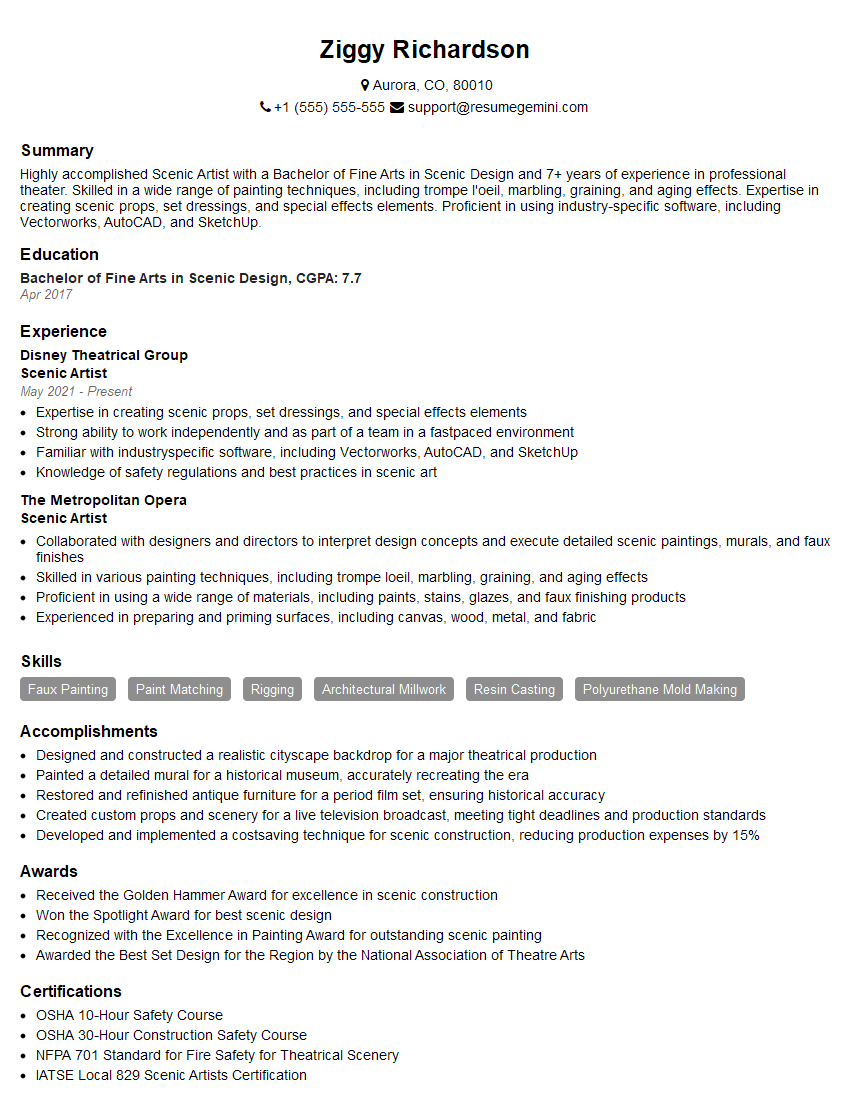
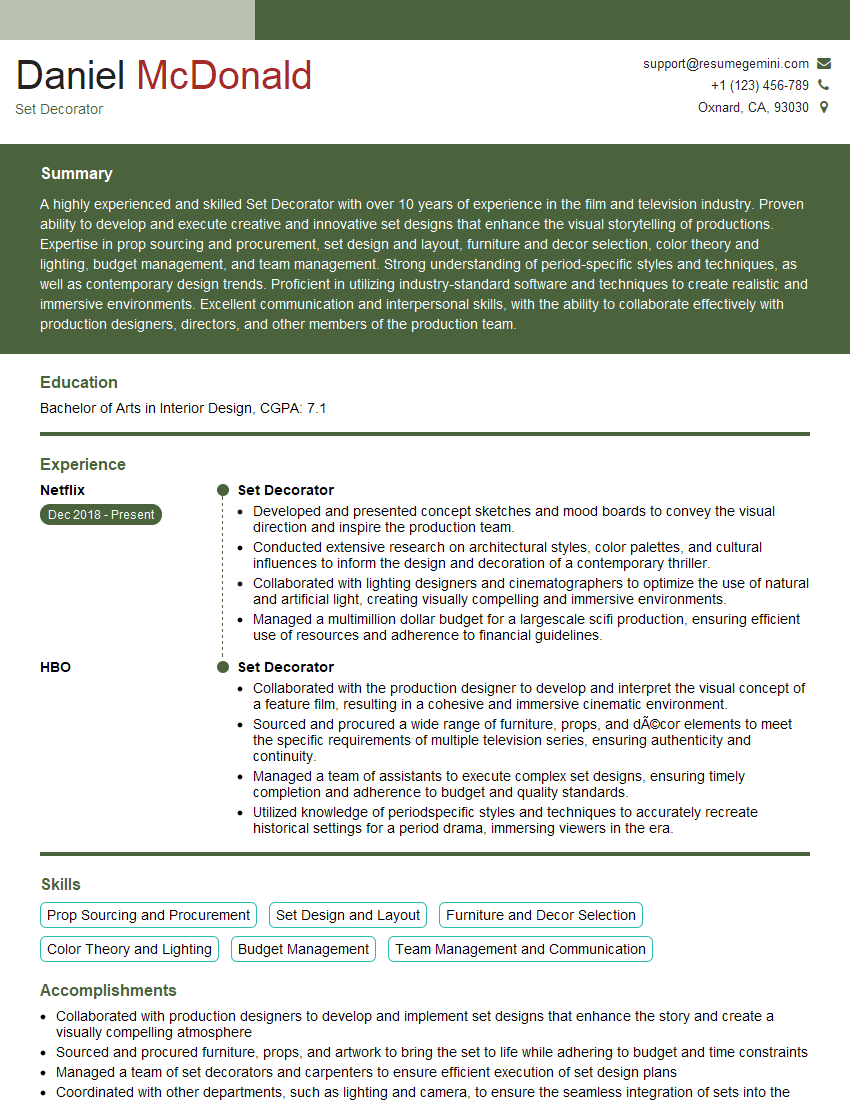
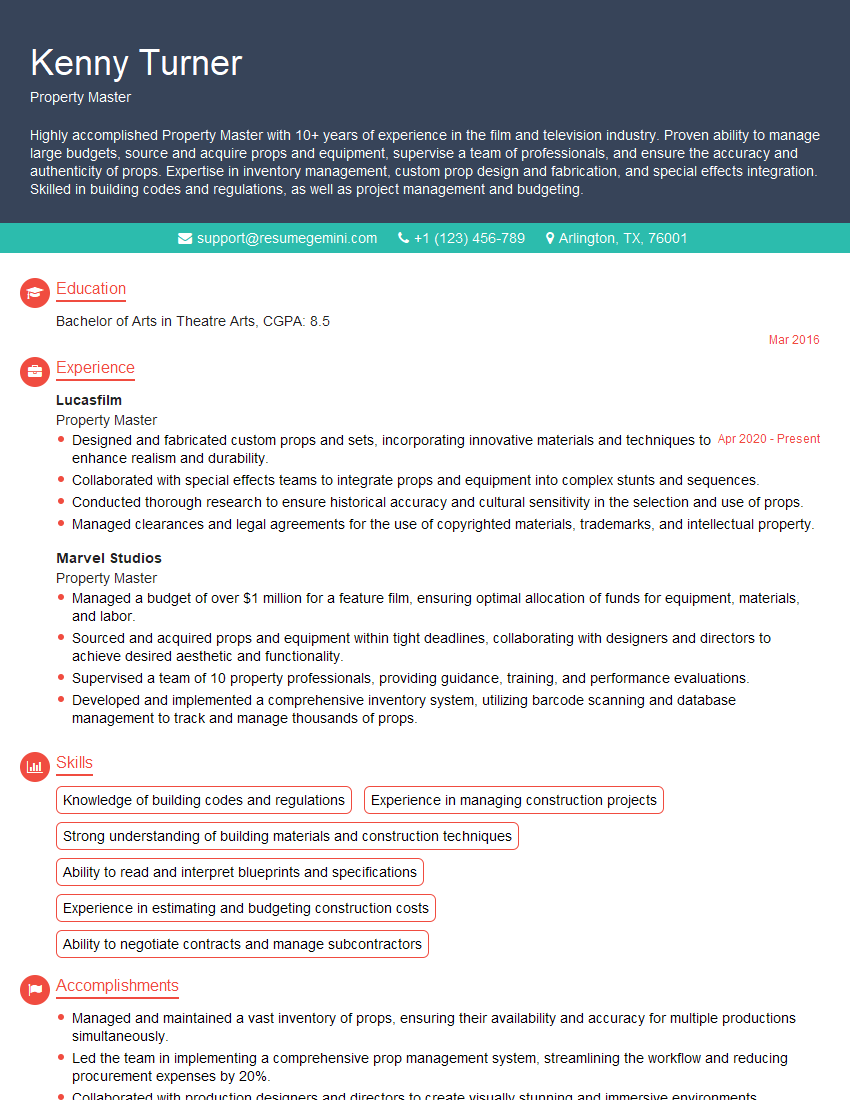
Mastering Set Strike significantly enhances your career prospects, opening doors to exciting opportunities in film, television, and other creative industries. A strong understanding of this tool demonstrates valuable technical skills and efficiency. To maximize your chances of landing your dream job, creating an ATS-friendly resume is vital. ResumeGemini is a trusted resource that can help you build a professional and effective resume tailored to your skills and experience. Examples of resumes tailored to Set Strike are available to help guide your resume creation process.
Explore more articles
Users Rating of Our Blogs
Share Your Experience
We value your feedback! Please rate our content and share your thoughts (optional).
What Readers Say About Our Blog
Attention music lovers!
Wow, All the best Sax Summer music !!!
Spotify: https://open.spotify.com/artist/6ShcdIT7rPVVaFEpgZQbUk
Apple Music: https://music.apple.com/fr/artist/jimmy-sax-black/1530501936
YouTube: https://music.youtube.com/browse/VLOLAK5uy_noClmC7abM6YpZsnySxRqt3LoalPf88No
Other Platforms and Free Downloads : https://fanlink.tv/jimmysaxblack
on google : https://www.google.com/search?q=22+AND+22+AND+22
on ChatGPT : https://chat.openai.com?q=who20jlJimmy20Black20Sax20Producer
Get back into the groove with Jimmy sax Black
Best regards,
Jimmy sax Black
www.jimmysaxblack.com
Hi I am a troller at The aquatic interview center and I suddenly went so fast in Roblox and it was gone when I reset.
Hi,
Business owners spend hours every week worrying about their website—or avoiding it because it feels overwhelming.
We’d like to take that off your plate:
$69/month. Everything handled.
Our team will:
Design a custom website—or completely overhaul your current one
Take care of hosting as an option
Handle edits and improvements—up to 60 minutes of work included every month
No setup fees, no annual commitments. Just a site that makes a strong first impression.
Find out if it’s right for you:
https://websolutionsgenius.com/awardwinningwebsites
Hello,
we currently offer a complimentary backlink and URL indexing test for search engine optimization professionals.
You can get complimentary indexing credits to test how link discovery works in practice.
No credit card is required and there is no recurring fee.
You can find details here:
https://wikipedia-backlinks.com/indexing/
Regards
NICE RESPONSE TO Q & A
hi
The aim of this message is regarding an unclaimed deposit of a deceased nationale that bears the same name as you. You are not relate to him as there are millions of people answering the names across around the world. But i will use my position to influence the release of the deposit to you for our mutual benefit.
Respond for full details and how to claim the deposit. This is 100% risk free. Send hello to my email id: [email protected]
Luka Chachibaialuka
Hey interviewgemini.com, just wanted to follow up on my last email.
We just launched Call the Monster, an parenting app that lets you summon friendly ‘monsters’ kids actually listen to.
We’re also running a giveaway for everyone who downloads the app. Since it’s brand new, there aren’t many users yet, which means you’ve got a much better chance of winning some great prizes.
You can check it out here: https://bit.ly/callamonsterapp
Or follow us on Instagram: https://www.instagram.com/callamonsterapp
Thanks,
Ryan
CEO – Call the Monster App
Hey interviewgemini.com, I saw your website and love your approach.
I just want this to look like spam email, but want to share something important to you. We just launched Call the Monster, a parenting app that lets you summon friendly ‘monsters’ kids actually listen to.
Parents are loving it for calming chaos before bedtime. Thought you might want to try it: https://bit.ly/callamonsterapp or just follow our fun monster lore on Instagram: https://www.instagram.com/callamonsterapp
Thanks,
Ryan
CEO – Call A Monster APP
To the interviewgemini.com Owner.
Dear interviewgemini.com Webmaster!
Hi interviewgemini.com Webmaster!
Dear interviewgemini.com Webmaster!
excellent
Hello,
We found issues with your domain’s email setup that may be sending your messages to spam or blocking them completely. InboxShield Mini shows you how to fix it in minutes — no tech skills required.
Scan your domain now for details: https://inboxshield-mini.com/
— Adam @ InboxShield Mini
Reply STOP to unsubscribe
Hi, are you owner of interviewgemini.com? What if I told you I could help you find extra time in your schedule, reconnect with leads you didn’t even realize you missed, and bring in more “I want to work with you” conversations, without increasing your ad spend or hiring a full-time employee?
All with a flexible, budget-friendly service that could easily pay for itself. Sounds good?
Would it be nice to jump on a quick 10-minute call so I can show you exactly how we make this work?
Best,
Hapei
Marketing Director
Hey, I know you’re the owner of interviewgemini.com. I’ll be quick.
Fundraising for your business is tough and time-consuming. We make it easier by guaranteeing two private investor meetings each month, for six months. No demos, no pitch events – just direct introductions to active investors matched to your startup.
If youR17;re raising, this could help you build real momentum. Want me to send more info?
Hi, I represent an SEO company that specialises in getting you AI citations and higher rankings on Google. I’d like to offer you a 100% free SEO audit for your website. Would you be interested?
Hi, I represent an SEO company that specialises in getting you AI citations and higher rankings on Google. I’d like to offer you a 100% free SEO audit for your website. Would you be interested?