Every successful interview starts with knowing what to expect. In this blog, we’ll take you through the top Setting Up and Dismantling Stages and Sets interview questions, breaking them down with expert tips to help you deliver impactful answers. Step into your next interview fully prepared and ready to succeed.
Questions Asked in Setting Up and Dismantling Stages and Sets Interview
Q 1. Describe your experience with different types of stage platforms.
My experience encompasses a wide range of stage platforms, from simple, basic wooden platforms used for smaller productions to complex, multi-level structures incorporating steel frames, hydraulic lifts, and even rotating sections for larger, more elaborate shows. I’ve worked with platforms constructed from plywood, composite materials, and even repurposed materials, always ensuring they meet the necessary weight-bearing requirements and safety standards. For instance, on one occasion, we built a three-tiered platform for a musical using a combination of steel I-beams and custom-cut plywood panels to create a visually stunning and structurally sound set piece. Another project involved working with a rotating platform driven by a sophisticated hydraulic system, requiring meticulous planning and execution to ensure smooth and safe operation.
- Basic Platforms: Plywood on a sturdy frame, often used for simple risers or small elevated areas.
- Complex Platforms: Steel frames, hydraulic lifts, rotating mechanisms, requiring detailed engineering and rigorous safety checks.
- Custom Platforms: Built to specific design requirements, often involving unique materials and construction techniques.
Q 2. How do you ensure the safety of crew members during set construction?
Safety is paramount in set construction. We begin by establishing clear safety protocols before any work begins. This involves regular toolbox talks covering specific hazards and safe work practices, mandatory use of personal protective equipment (PPE) such as hard hats, safety glasses, and steel-toe boots, and ensuring a well-organized workspace free from trip hazards and obstructions. We utilize spotters for lifting and moving heavy materials, implement fall protection measures (e.g., harnesses and safety nets) for working at heights, and conduct regular safety inspections. For example, during the construction of a large scaffold for lighting equipment, we implemented a rigorous tagging system for all components, ensured regular inspections, and used safety nets to prevent falls. This proactive approach minimizes risks and promotes a safe working environment for everyone involved.
Q 3. Explain your process for reading and interpreting stage plans.
Reading stage plans involves a systematic approach. I start by reviewing the overall design, noting the scale and identifying key features. I then examine each element individually, paying close attention to dimensions, materials specified, and placement relative to other elements and the stage itself. I look for construction details such as joinery methods and hardware specifications. Symbols and abbreviations are carefully interpreted, and any ambiguities are clarified with the design team. I consider factors like weight distribution and load-bearing capacity, ensuring the plans are structurally feasible and safe. Think of it like reading a complex recipe – you need to understand each ingredient and step to execute it correctly. Each plan is a blueprint that requires careful attention to detail to bring the vision to life safely and accurately.
Q 4. What are the different types of rigging systems you are familiar with?
My experience includes a variety of rigging systems, from simple counterweight systems used in traditional theaters to sophisticated motorized chain hoists and winch systems for larger venues. I am also familiar with wire rope rigging, commonly used for lighting and sound equipment, and the various safety components associated with these systems, including shackles, clamps, and safety belts. Furthermore, I have worked with automated rigging systems that use computer-controlled movement to achieve complex and dynamic stage effects. For instance, in one production, we used a computerized system to fly in several large scenic pieces at precise moments during the show, requiring careful programming and coordination.
Q 5. How do you handle unexpected problems during set construction or dismantling?
Unexpected problems are inevitable in set construction. My approach is to remain calm and assess the situation systematically. First, I identify the problem and its potential impact on the schedule and safety. Then, I gather the team and we brainstorm possible solutions, considering factors like available resources, time constraints, and safety regulations. We prioritize solutions that mitigate the immediate risk and then develop a long-term plan to address the root cause of the problem. For example, if a critical piece of equipment malfunctions, we’d immediately halt work in the affected area, assess the damage, and decide whether to repair, replace, or find a suitable alternative. Clear communication and effective problem-solving are key to navigating such challenges successfully.
Q 6. Describe your experience with different types of theatrical scenery.
My experience encompasses a broad range of theatrical scenery, including traditional flat scenery, three-dimensional constructions, and modern, abstract designs. I’ve worked with a variety of materials, from wood and fabric to metal, plastics, and even recycled materials. This experience ranges from hand-painting backdrops to constructing complex, moving set pieces. I’ve worked on everything from realistic period settings to highly stylized, abstract environments, each requiring specific construction techniques and attention to detail. For example, one memorable project involved building a massive, multi-level structure that transformed throughout the play, using a combination of hydraulics, hinges, and cleverly designed panels.
Q 7. What safety precautions do you take when working with power tools?
Safety when using power tools is non-negotiable. Before any work begins, I ensure that all tools are in proper working order and that appropriate PPE is worn, including safety glasses, hearing protection, and dust masks. Tools are used only as intended, and proper techniques are followed to prevent injury. The workspace is kept clean and organized to reduce trip hazards, and power cords are arranged to prevent entanglement. Regular maintenance and inspection of power tools are also crucial to prevent malfunctions. All team members are trained on safe power tool operation, and the importance of regular safety checks is stressed. We always follow the manufacturer’s guidelines and adhere to all relevant safety regulations.
Q 8. How do you manage your time effectively during a fast-paced load-in/load-out?
Effective time management during a fast-paced load-in/load-out is crucial. Think of it like a well-orchestrated symphony – every instrument (crew member) needs to know their part and play it efficiently. My approach involves meticulous pre-planning, clear communication, and a strong understanding of the workflow.
- Pre-Planning: Before the event, I create a detailed schedule that breaks down tasks into smaller, manageable chunks, assigning specific responsibilities to each crew member. This includes estimated times for each task, considering potential delays.
- Clear Communication: Open and constant communication is essential. I use a combination of pre-event briefings, walkie-talkies during the load-in/load-out, and visual aids (like diagrams) to ensure everyone is on the same page. Any unforeseen issues are addressed immediately.
- Prioritization: I prioritize tasks based on their dependency. For example, the stage floor must be prepared before any set pieces can be placed. This prevents bottlenecks and keeps the workflow smooth.
- Contingency Planning: I always build in buffer time to account for unexpected delays (equipment malfunctions, traffic issues). Having a backup plan for critical tasks is crucial for staying on schedule.
For example, during a recent outdoor concert load-in, a sudden downpour threatened to delay the setup. Thanks to our pre-planned contingency, we quickly moved essential equipment under cover, minimizing the disruption. We completed the load-in only slightly behind schedule.
Q 9. Explain your understanding of weight distribution and load bearing.
Understanding weight distribution and load-bearing is paramount to ensuring the safety and structural integrity of any stage or set. It’s like building a house – you wouldn’t build a second story without a strong foundation. Weight distribution refers to how the weight of the set is spread across the supporting structure, minimizing stress on any single point. Load-bearing refers to the capacity of the structure to support the weight without collapsing.
- Understanding Load Limits: Every structural element – beams, trusses, platforms – has a maximum load limit. Exceeding this limit can lead to catastrophic failure. We carefully calculate the weight of each set piece and ensure it’s distributed evenly across the supporting structure, staying well below the maximum load limit.
- Proper Support Structures: We use appropriate support structures, such as trusses, columns, and scaffolding, to support the weight of the set. These structures are designed to withstand significant loads and are carefully selected based on the weight and dimensions of the set.
- Weight Distribution Techniques: Techniques like using multiple support points for large pieces, employing weight-bearing platforms, and using appropriate bracing and guying help spread the load evenly and prevent stress concentrations.
For instance, during a theatrical production with a heavy backdrop, we strategically placed multiple support points along the backdrop’s frame, connecting them to the existing truss system to evenly distribute the weight, preventing any single point from being overloaded.
Q 10. Describe your experience with counterweight systems.
Counterweight systems are essential for safely and smoothly operating large and heavy stage elements like curtains, backdrops, and scenery. They’re basically a sophisticated system of weights and pulleys that counterbalance the weight of the moving elements. Imagine it like a seesaw – the weight of the moving element is balanced by an equivalent weight on the other side.
- Understanding the Mechanics: I have extensive experience with both traditional counterweight systems (using sandbags or iron weights) and modern motorized counterweight systems. I understand the importance of proper weight balancing to prevent accidents and ensure smooth operation.
- Safety Procedures: Safety is paramount. Before operating a counterweight system, I always check the weight balance, ensuring that the system is correctly rigged and that all safety mechanisms are functioning properly. I also ensure that all crew members are aware of safety protocols.
- Troubleshooting: I’m proficient in troubleshooting common issues in counterweight systems, such as jammed pulleys, broken cables, or unbalanced weights. I can quickly identify and rectify problems to minimize downtime.
In one instance, during a musical production, a counterweight system malfunctioned. By quickly diagnosing the problem as a frayed cable, I was able to replace it efficiently and safely, avoiding a major disruption to the show.
Q 11. How do you ensure the structural integrity of a set?
Ensuring the structural integrity of a set is crucial for the safety of performers, crew, and audience. It’s a matter of following best practices and relying on my knowledge of engineering principles. It’s like building a strong bridge – you need to consider the loads, materials, and construction methods.
- Material Selection: Using high-quality, durable materials that are suitable for the intended load and environment is crucial. Proper lumber grades for platforms, strong and corrosion-resistant materials for metal structures, etc.
- Proper Construction Techniques: Adhering to industry standards and best practices during construction, including proper fastening and bracing, is non-negotiable.
- Regular Inspections: Regular inspections throughout the setup process, and even during the event, can help identify any potential issues before they escalate. This includes checking for loose connections, cracks, or any signs of structural weakness.
- Load Calculations: We perform load calculations based on the set’s weight and the supporting structure’s capacity, ensuring that the set’s weight is well within the safe limits of the supporting structures.
For a large-scale production, we might use engineering software to model the set’s structure and run simulations to verify its structural integrity under various load conditions.
Q 12. What is your experience with different types of stage lighting equipment?
My experience with stage lighting equipment encompasses a wide range of technologies, from traditional incandescent fixtures to the latest LED and moving light systems. I’m familiar with the functionalities and limitations of each type.
- Incandescent Lighting: While less efficient than modern alternatives, incandescent lights offer a warm, familiar glow often favored for specific dramatic effects.
- LED Lighting: Energy-efficient and versatile, LED lighting offers a wide range of color temperatures and effects, with excellent control over intensity and color mixing.
- Moving Lights: Moving lights, with their ability to pan, tilt, and change color dynamically, add a layer of visual spectacle to any production. These require specialized knowledge for programming and operation.
- Lighting Control Consoles: I’m adept at using various lighting control consoles to program, operate, and cue lighting effects, ensuring precise execution of the lighting design.
Recently, I worked on a project that involved integrating both traditional and modern lighting solutions to achieve a unique visual effect. The warm glow of the incandescent lights blended beautifully with the vibrant colors of the LED fixtures to create the mood that the director envisioned.
Q 13. Explain your experience with different types of sound equipment setup and operation.
My experience with sound equipment spans various setups, from small intimate gigs to large-scale concerts. Understanding the nuances of sound system design, speaker placement, and signal flow is key to delivering high-quality audio.
- PA Systems: I’m proficient in setting up and operating PA (Public Address) systems, including speaker arrays, mixers, amplifiers, and signal processors. Knowing the proper speaker placement and ensuring even sound coverage throughout the venue is vital.
- Microphones: I understand different microphone types – dynamic, condenser, wireless – and their applications. Choosing the right mic for a particular instrument or vocal is important to capturing the best sound.
- Signal Processing: I’m familiar with using signal processors, such as equalizers and compressors, to shape the sound and ensure optimal audio quality.
- Sound Checks: Prior to any performance, conducting thorough sound checks is paramount. This ensures that the levels are correct, the sound quality is optimized, and all the equipment is functioning correctly.
For a recent outdoor festival, we strategically placed multiple speaker arrays to ensure even sound coverage across the entire audience area, considering factors such as terrain and potential sound reflections.
Q 14. How do you maintain a clean and organized workspace?
Maintaining a clean and organized workspace is not just about aesthetics; it’s about safety and efficiency. A cluttered workspace leads to accidents and slows down workflow. Think of it as a well-organized toolbox – you can find the right tool quickly and efficiently.
- Cable Management: Using cable ties, labels, and designated cable runs prevents tangled wires and minimizes the risk of tripping hazards.
- Designated Storage Areas: Having specific storage areas for different types of equipment and tools makes it easier to find what you need and keeps the workspace clutter-free.
- Regular Cleaning: Regular cleaning – sweeping, wiping down surfaces – maintains a safe and sanitary working environment.
- Tool Organization: Keeping tools organized, either in a toolbox or on a designated rack, ensures that they’re readily available and reduces the time spent searching for them.
I always make it a point to clean up the workspace at the end of each day, regardless of how tired I am. This ensures that we start the next day with a fresh, organized, and safe environment. A clean and organized workspace translates to a more efficient and safer workflow.
Q 15. Describe your problem-solving skills in a high-pressure environment.
In high-pressure environments, like a show opening night, my problem-solving skills are honed by years of experience. I prioritize a calm, methodical approach. My first step is always to accurately assess the situation. For instance, if a crucial set piece malfunctions just before curtain, I don’t panic. Instead, I quickly identify the problem – is it a broken hinge? A loose screw? Then, I gather my team and delegate tasks efficiently based on individual expertise. Maybe one person finds a replacement part, another secures the compromised section, and I coordinate communication with the stage manager to minimize delays. I’ve learned to think on my feet, to improvise solutions using available resources, and to trust my team’s skills. The key is effective communication and decisive action. One time, during a particularly demanding musical production, a key lighting truss malfunctioned. By calmly analyzing the situation, delegating tasks to the team, and communicating effectively with the stage manager, we managed to fix the issue within a 15 minute window. It may sound stressful, but being resourceful under duress comes with experience and a strong team.
Career Expert Tips:
- Ace those interviews! Prepare effectively by reviewing the Top 50 Most Common Interview Questions on ResumeGemini.
- Navigate your job search with confidence! Explore a wide range of Career Tips on ResumeGemini. Learn about common challenges and recommendations to overcome them.
- Craft the perfect resume! Master the Art of Resume Writing with ResumeGemini’s guide. Showcase your unique qualifications and achievements effectively.
- Don’t miss out on holiday savings! Build your dream resume with ResumeGemini’s ATS optimized templates.
Q 16. How do you communicate effectively with other crew members?
Clear, concise, and respectful communication is paramount in our field. I believe in a collaborative approach. I utilize a combination of verbal and non-verbal cues. Before a project begins, a thorough briefing is essential – outlining tasks, deadlines, and safety protocols. During the process, I rely heavily on visual aids, such as diagrams or sketches, to ensure everyone’s on the same page, especially with complex setups. I actively listen to concerns and suggestions, fostering a positive team environment where everyone feels comfortable communicating openly. Open communication helps in addressing potential issues early on, preventing them from escalating into larger problems. For example, if a team member notices a potential safety hazard, I make sure to immediately address it and adjust the plan accordingly. Respectful communication ensures a safe and efficient work environment.
Q 17. Explain your experience with different types of stage curtains and drapes.
My experience encompasses a wide range of stage curtains and drapes, from basic velvets and cycloramas to more complex, automated systems. I’m familiar with the properties of different fabrics—their weight, light diffusion capabilities, and fire retardant treatments. I understand the mechanics of various rigging systems, including manual and motorized operation. For instance, I’ve worked extensively with Austrian drapes, which allow for beautiful scenic transitions, and also with cyc curtains that create stunning backdrops. Each type requires specific handling and maintenance. I’m experienced in inspecting for wear and tear, making repairs, and ensuring proper installation to avoid accidents or damage. Understanding the nuances of each type – the weight, the fire-retardant properties and the specific hardware needed for installation – is key to a smooth and safe production.
Q 18. Describe your experience with the installation and dismantling of theatrical trusses.
I possess extensive experience in the installation and dismantling of theatrical trusses, adhering strictly to safety regulations. This involves a thorough understanding of weight distribution, load bearing capacities, and proper rigging techniques. I’m proficient in using various types of connectors and hardware, ensuring that the trusses are securely fastened and aligned. Before starting any rigging work, detailed plans are crucial. We always conduct a thorough risk assessment and utilize the correct safety equipment such as harnesses and fall protection systems. I’m experienced with both ground-supported and flown trusses, employing various methods depending on the venue and the design requirements. One challenging installation involved a complex flown truss system for a large-scale concert. Careful planning, precise execution, and strict adherence to safety protocols ensured a successful outcome.
Q 19. What is your experience with working with different types of materials used in set construction (wood, metal, etc.)?
I’m adept at working with a variety of materials in set construction, including wood, metal, plastics, and various composites. My experience encompasses everything from basic carpentry techniques, such as cutting, joining and finishing, to more advanced metalworking, including welding and fabrication. I understand the properties of each material and their suitability for different applications. For example, I’d choose sturdy plywood for building a large platform, whereas lightweight aluminum would be better suited for intricate scenic elements. Understanding the structural integrity of different materials allows for efficient and safe construction. This is particularly important when it comes to supporting heavy equipment or lighting rigs.
Q 20. How do you manage inventory and ensure all materials are accounted for?
Effective inventory management is crucial for avoiding delays and cost overruns. My approach involves a three-step process: First, a detailed inventory list is created before the project starts, specifying the quantity and type of every material. Second, we meticulously track materials as they are used, utilizing a barcode or RFID system when appropriate. Finally, a thorough inventory count is performed at the end of each project, comparing the actual usage with the initial list. Any discrepancies are investigated and documented. We use both physical and digital inventory management systems, ensuring data is readily accessible. This prevents mishaps and ensures we can easily account for every piece.
Q 21. What are your preferred methods for securing set pieces?
Securing set pieces depends greatly on the size, weight, and material of the piece, and the nature of the set. My preferred methods prioritize both safety and stability. For example, we use heavy-duty screws, bolts, and brackets for securing heavier items to the stage floor, ensuring they’re firmly anchored and won’t shift during a performance. Lightweight pieces may be secured with clamps or strategically placed weights. For flown pieces, I rely on reliable rigging techniques and regularly inspect all hardware for wear and tear. Proper weight distribution and the use of safety cables are essential to prevent accidents. Safety is paramount. Every securing method needs to be carefully considered and executed to protect the crew and the audience.
Q 22. How do you handle potential conflicts with other crew members?
Handling conflicts on a set requires proactive communication and a collaborative spirit. My approach involves:
- Open Dialogue: Addressing concerns directly and respectfully with the individual involved. I believe in fostering an environment where everyone feels comfortable voicing their opinions.
- Problem-Solving Focus: Shifting the conversation away from blame and towards finding mutually agreeable solutions. For example, if a lighting technician and sound engineer have conflicting needs for space, we brainstorm solutions like adjusting equipment placement or scheduling around peak usage.
- Seeking Mediation: If a conflict persists, I’ll involve the stage manager or production supervisor to facilitate a resolution. Their impartial perspective can be invaluable in navigating complex disagreements.
- Respectful Boundaries: Maintaining professional boundaries throughout the process. While collaborative, it’s crucial to establish clear roles and responsibilities to avoid unnecessary overlaps or confusion.
For instance, on a recent musical production, the set designer’s initial plans clashed with the choreographer’s requirements for dancer movement. Through open communication, we adjusted set pieces to accommodate the choreography, maintaining the aesthetic vision without compromising the performance.
Q 23. Explain your process for assessing and mitigating potential hazards on a set.
Assessing and mitigating hazards is paramount. My process involves a multi-stage approach:
- Pre-Production Site Survey: I thoroughly inspect the venue, noting potential tripping hazards, unstable structures, electrical issues, and any other safety concerns. This often includes documenting everything with photos and notes.
- Risk Assessment: Identifying potential hazards and evaluating their likelihood and severity. This helps prioritize which risks need immediate attention.
- Implementing Control Measures: Putting in place preventative measures such as clear pathways, proper lighting, secure rigging, and the use of appropriate PPE (Personal Protective Equipment). This includes regular safety checks during the build and strike.
- Communication and Training: Ensuring all crew members are aware of the identified hazards and the safety protocols in place. This often involves briefings and clear signage on the set.
- Emergency Procedures: Establishing clear emergency procedures, including evacuation routes, designated assembly points, and contact information for emergency services.
For example, during a large outdoor event, I identified a risk of strong winds potentially toppling unsecured lighting equipment. My solution involved securing all equipment with extra bracing and weight, as well as implementing a weather monitoring plan.
Q 24. What is your familiarity with relevant safety regulations and protocols?
I’m very familiar with relevant safety regulations and protocols, including OSHA (Occupational Safety and Health Administration) standards and local regulations pertaining to theatrical and event productions. My knowledge includes:
- Safe Working Practices: Proper use of tools and equipment, safe lifting techniques, and fall protection measures.
- Electrical Safety: Understanding and adhering to electrical codes, safe handling of power cables and distribution, and lockout/tagout procedures.
- Fire Safety: Knowing fire prevention measures, escape routes, and the use of fire extinguishers.
- Rigging Safety: Proper procedures for hanging scenery, lighting, and sound equipment, ensuring structural integrity and safe load limits.
I regularly update my knowledge by attending safety training courses and workshops.
Q 25. Describe your experience with working in various venue types (theatres, event spaces, etc.)
I have extensive experience working in various venues, including:
- Theatres: From intimate black box spaces to large proscenium arch theatres, adapting to the unique challenges of each space like stage dimensions, rigging systems, and existing infrastructure.
- Event Spaces: Working in convention centers, concert halls, and outdoor venues requires flexibility and problem-solving in environments without established stage setups.
- Film Studios: Experience with the specific demands of film and television productions, including set construction that must accommodate camera angles and lighting setups.
Each venue presents unique challenges. For example, working in a historic theatre might involve navigating intricate stage machinery and working within preservation guidelines, while a large outdoor event may require considerations for weather, security, and large-scale logistics.
Q 26. How do you adapt to changing schedules and unexpected requests?
Adaptability is essential in this field. My approach to changing schedules and requests includes:
- Prioritization: Focusing on the most urgent tasks first. This often involves assessing the impact of the change and readjusting the workflow accordingly.
- Open Communication: Keeping the team updated on any schedule changes and their implications.
- Flexibility and Resourcefulness: Being able to adjust plans quickly and find creative solutions to meet unexpected demands.
- Problem-Solving: Identifying potential bottlenecks and working with the team to find solutions that maintain safety and efficiency.
For example, once a crucial set piece arrived late due to transportation issues. I had to quickly reorganize the build schedule, communicating the changes to the team while adjusting the workflow to accommodate the delay without impacting the opening night.
Q 27. What software or applications are you familiar with for stage design or planning?
I am proficient in several software applications crucial for stage design and planning:
- Vectorworks: For 2D and 3D modeling of sets, lighting plots, and sound design. I utilize this for creating detailed plans and visualizations.
- AutoCAD: For precise drafting and detailed technical drawings. Useful for creating construction drawings for carpenters and other crew members.
- Microsoft Office Suite (Word, Excel, PowerPoint): For creating schedules, budgets, and presentations.
- Show Control Software (e.g., QLab): Experience with show control software for managing cues and automation.
These tools allow for efficient collaboration and communication amongst the design and technical teams.
Q 28. Describe a time you had to improvise a solution to a problem during a set change.
During a live theatre production, a critical backdrop malfunctioned moments before the curtain was to rise. The pre-built mechanism failed. Instead of panicking, I immediately rallied the team. We quickly assessed the situation and improvised by using existing flats (flat painted scenic pieces) and props to create a makeshift backdrop that visually represented the original intention. We worked as a team, re-blocking some stage movements to ensure functionality, and managed to pull it off without noticeable delay or impact on the show. It wasn’t the original design, but the audience didn’t notice the difference, and the show went on seamlessly. This highlighted the importance of teamwork, quick thinking, and the ability to adapt under pressure.
Key Topics to Learn for Setting Up and Dismantling Stages and Sets Interview
- Stage Planning & Design: Understanding blueprints, weight distribution, and safety regulations.
- Material Handling & Safety: Safe lifting techniques, proper use of rigging equipment, and hazard identification.
- Assembly & Disassembly Procedures: Step-by-step processes for various set pieces, including efficient workflows and teamwork strategies.
- Tools & Equipment Knowledge: Familiarity with common tools (e.g., hammers, screwdrivers, power drills) and specialized equipment (e.g., forklifts, scissor lifts).
- Problem-Solving & Troubleshooting: Addressing on-site challenges, adapting to unexpected issues, and finding creative solutions within time constraints.
- Time Management & Organization: Planning and executing tasks efficiently, adhering to schedules, and managing resources effectively.
- Communication & Teamwork: Collaborating with other crew members, following directions, and communicating effectively with supervisors.
- Health & Safety Regulations: Adherence to relevant industry standards and regulations, including risk assessment and mitigation.
- Inventory Management: Tracking and accounting for all set pieces and equipment.
- Sustainability Practices: Understanding and implementing environmentally conscious practices in stage setup and dismantling.
Next Steps
Mastering the skills of setting up and dismantling stages and sets is crucial for career advancement in the entertainment and events industry. It demonstrates practical skills, problem-solving abilities, and a commitment to safety – highly valued attributes by employers. To significantly boost your job prospects, create a strong, ATS-friendly resume that highlights your relevant experience and skills. We strongly recommend using ResumeGemini to build a professional and impactful resume. ResumeGemini provides valuable tools and resources, including examples of resumes tailored to Setting Up and Dismantling Stages and Sets, to help you present your qualifications effectively. Invest in your future – craft a resume that showcases your expertise and gets you noticed.
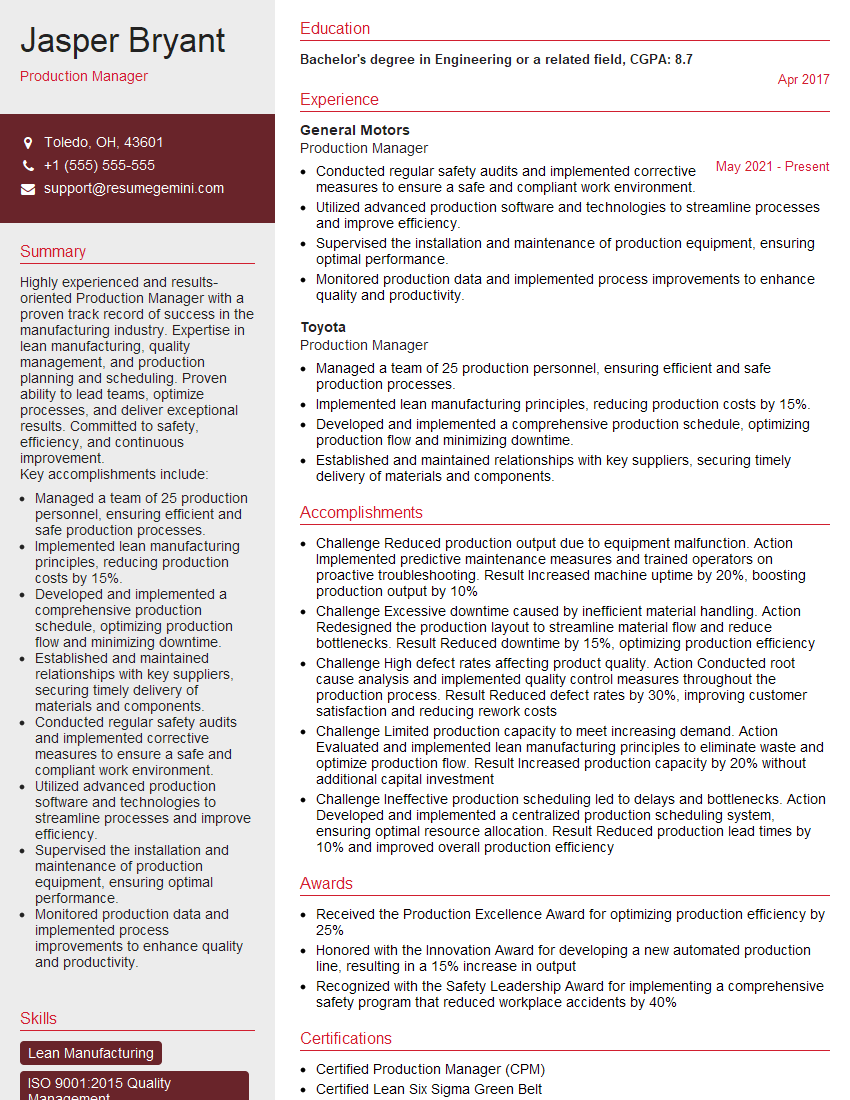
Production Manager Resume Sample
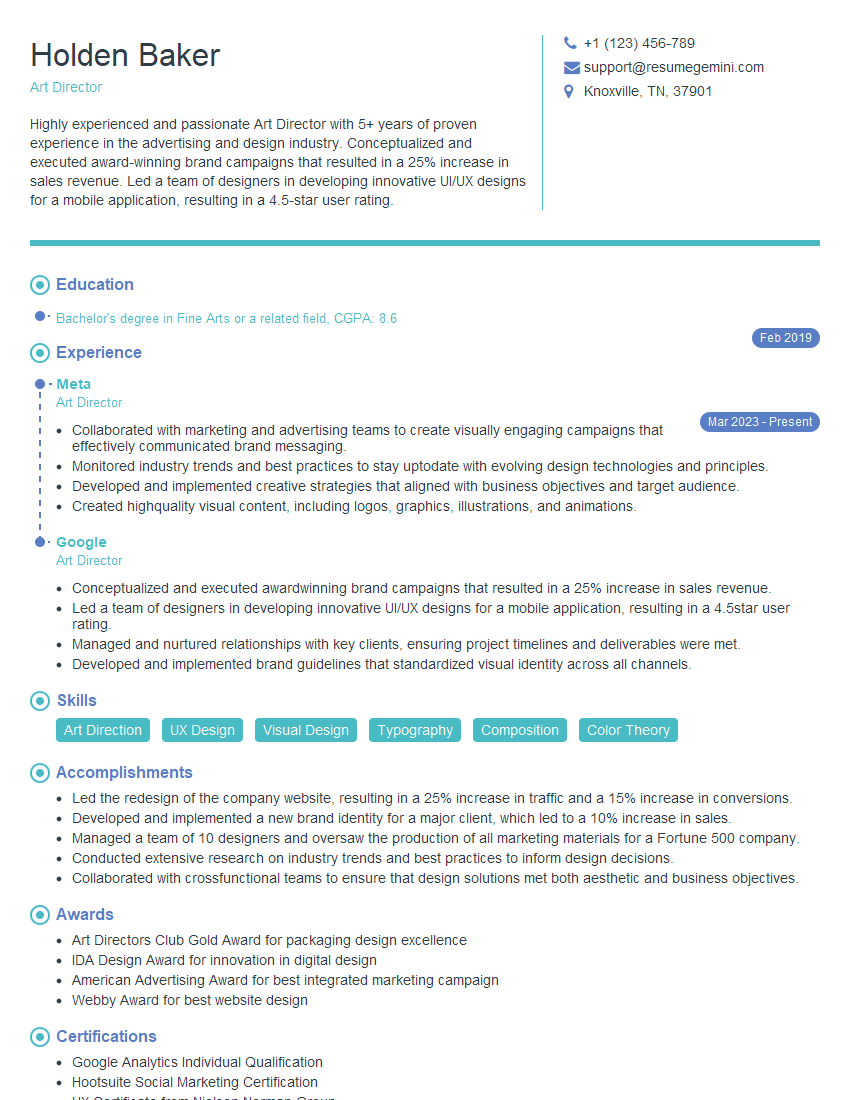
Art Director Resume Sample
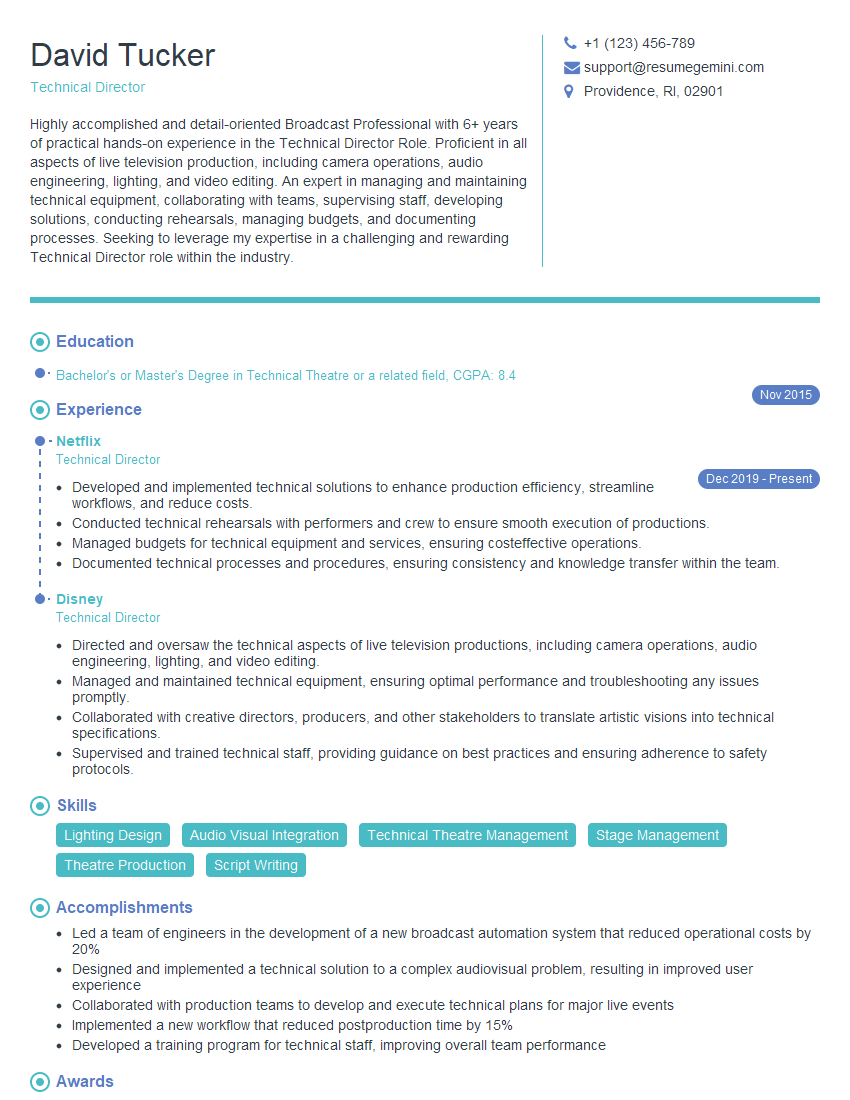
Technical Director Resume Sample
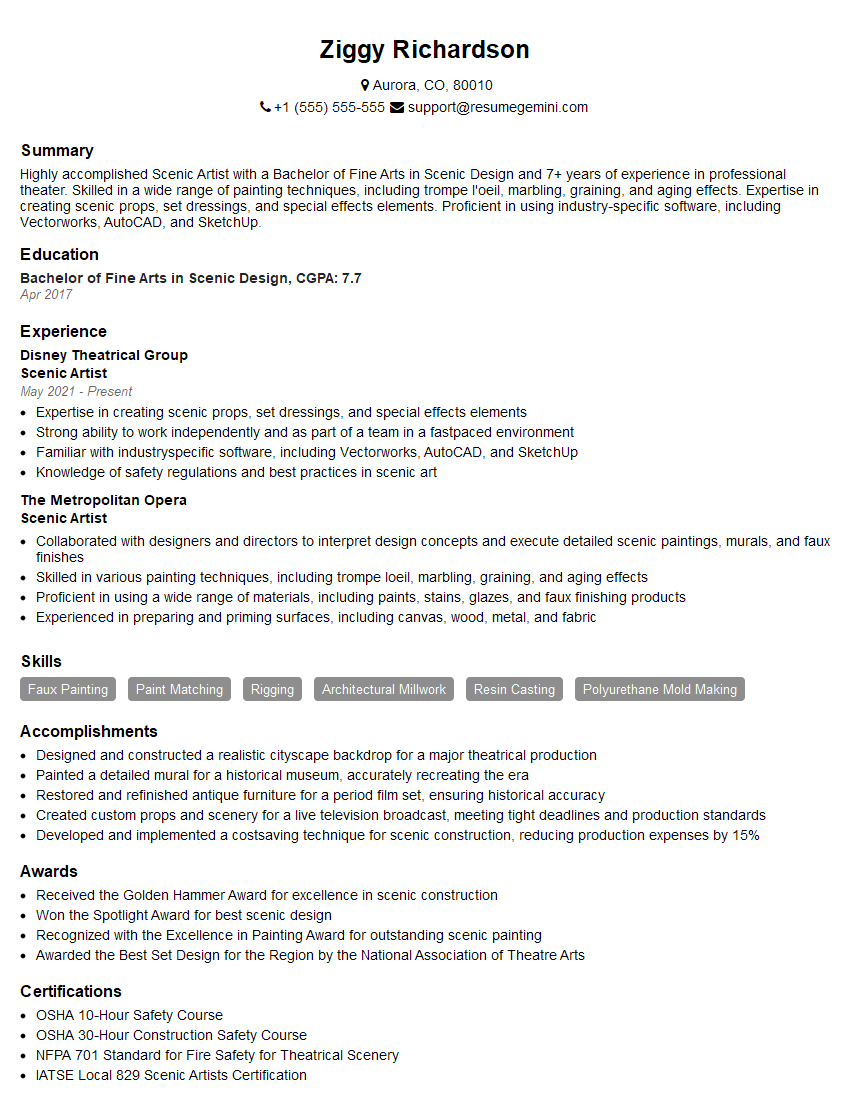
Scenic Artist Resume Sample
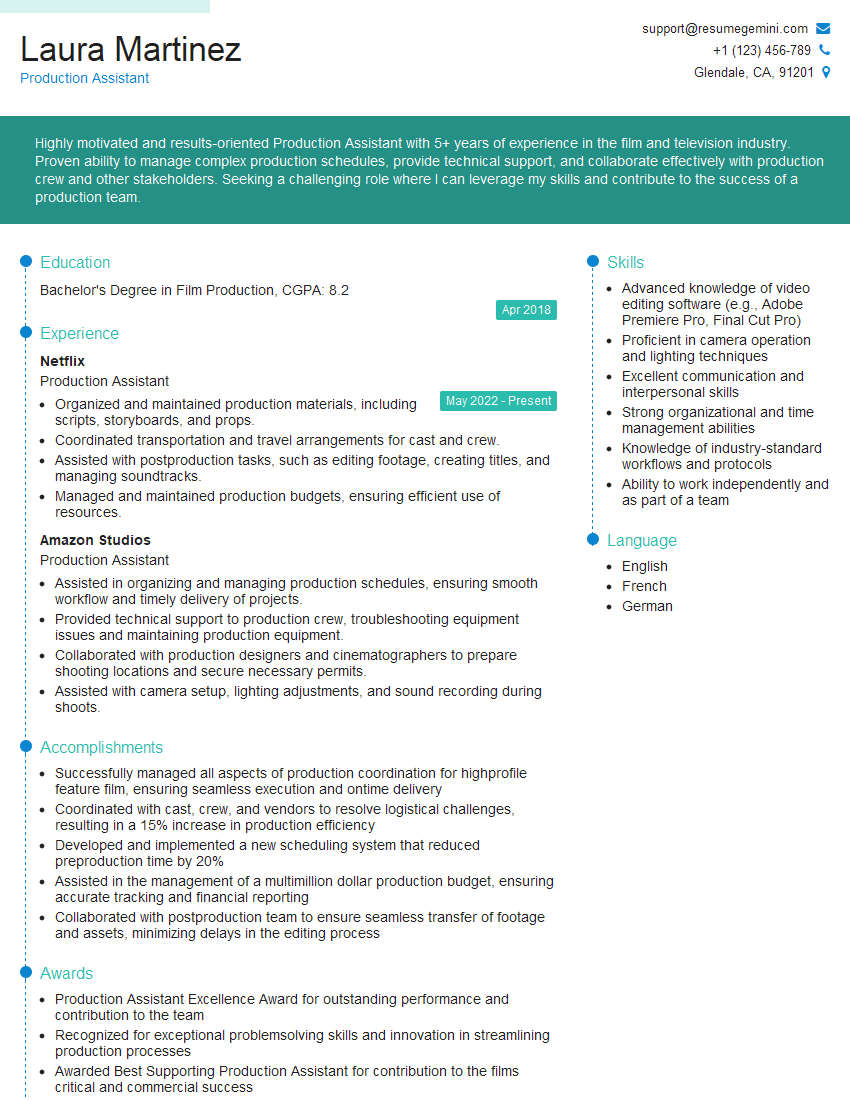
Production Assistant Resume Sample
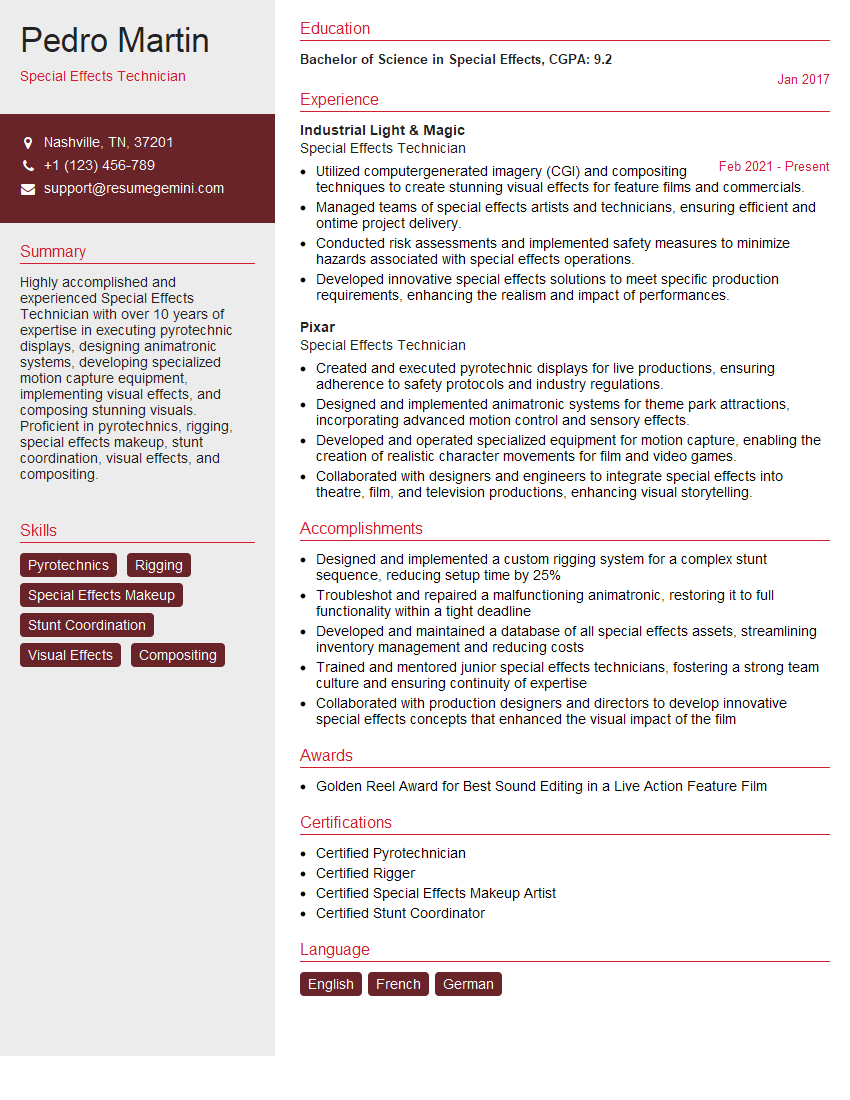
Special Effects Technician Resume Sample
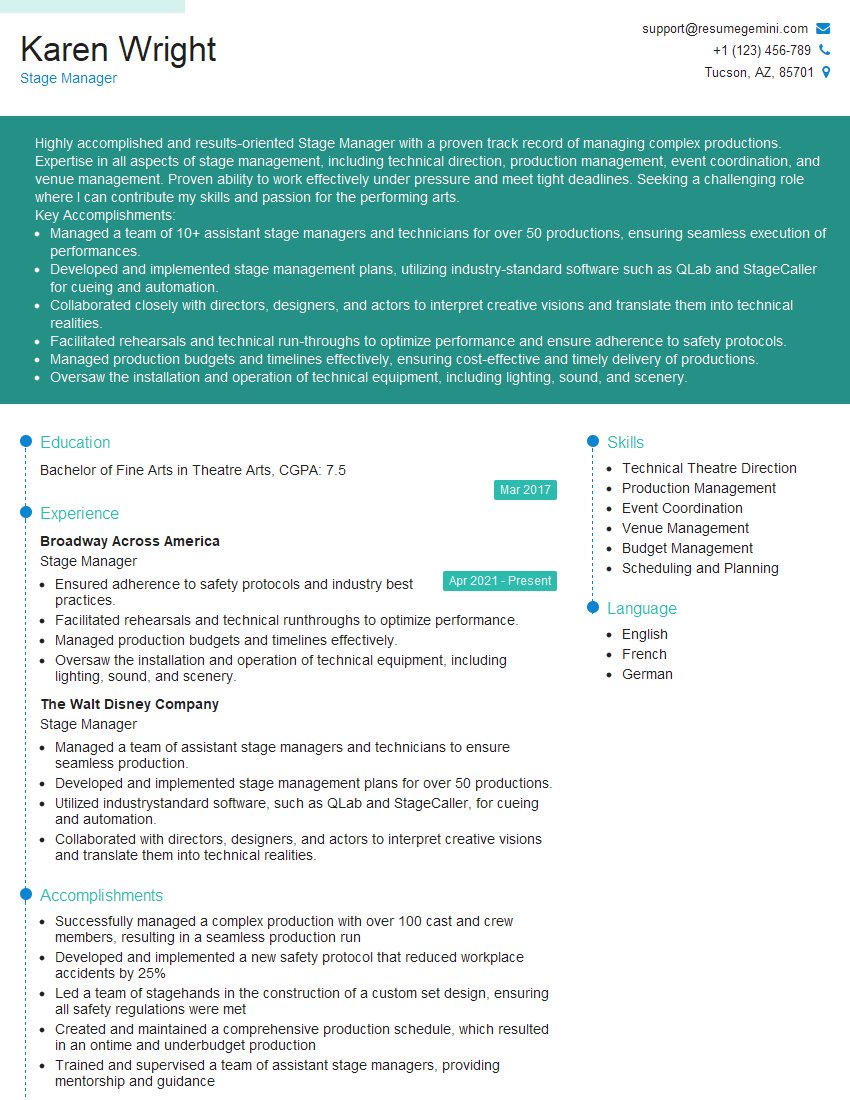
Stage Manager Resume Sample
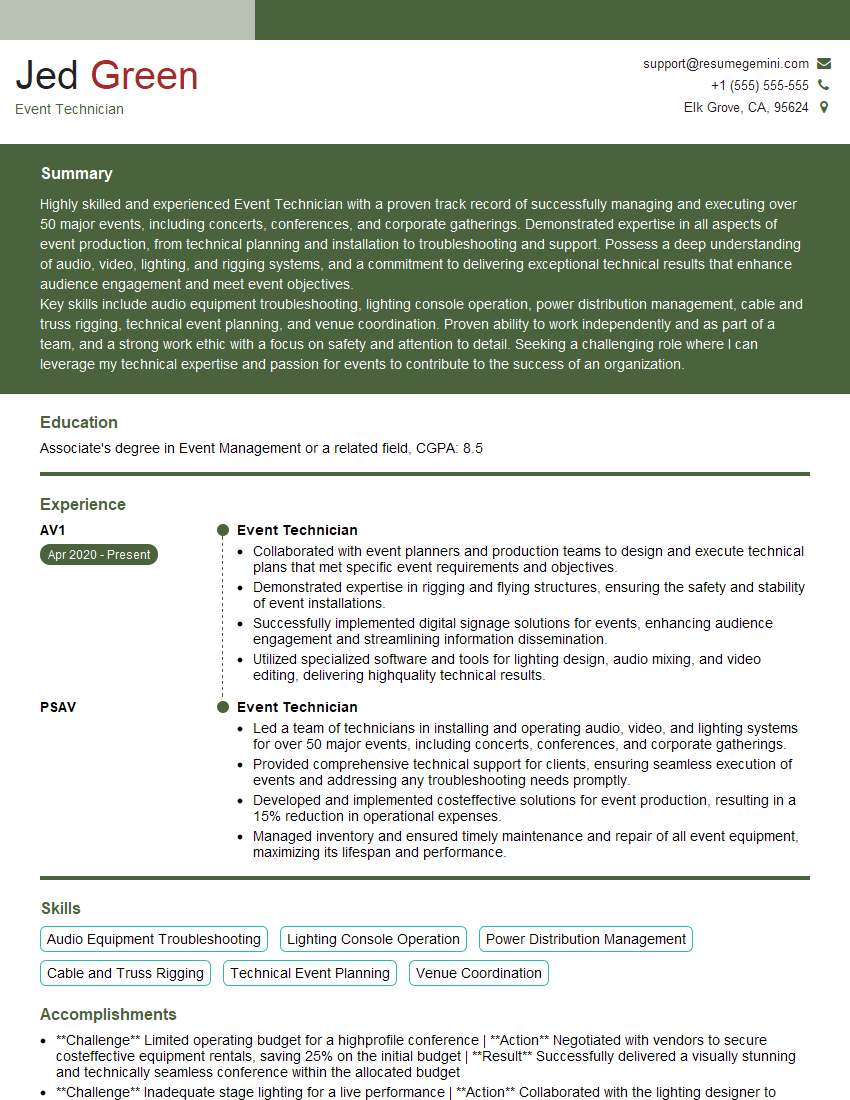
Event Technician Resume Sample
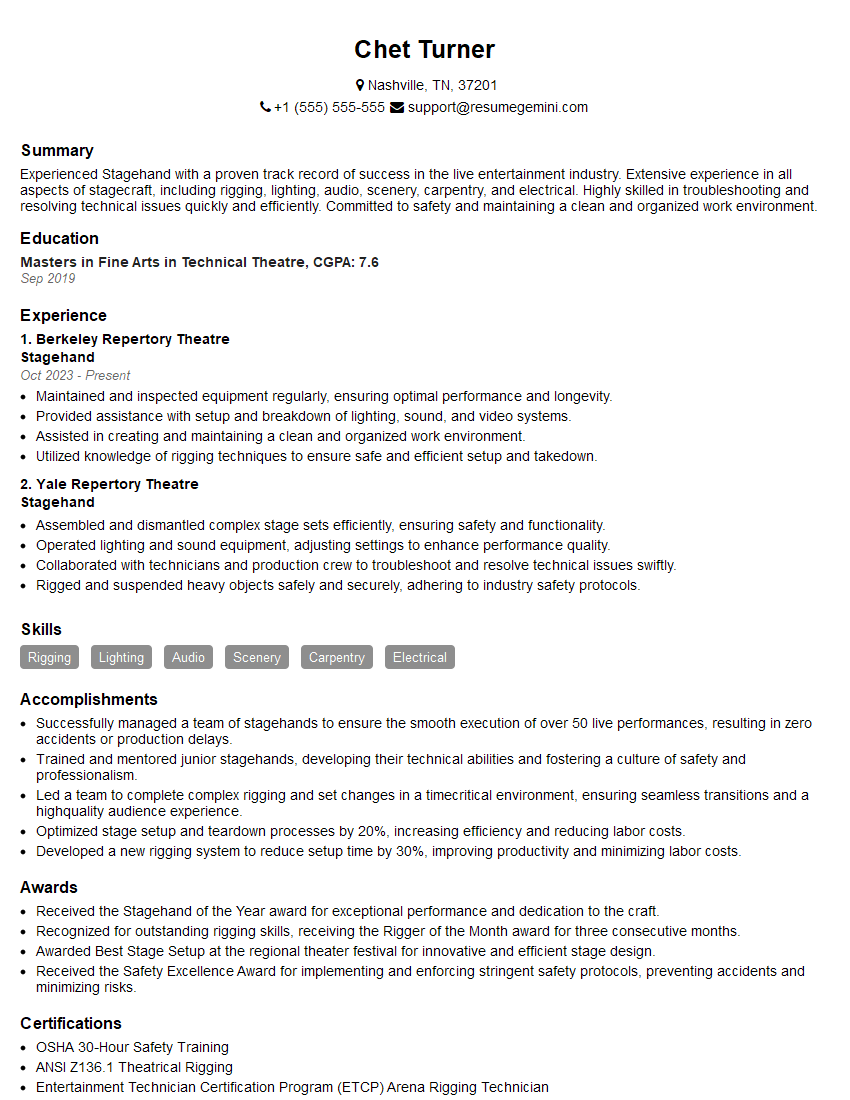
Stagehand Resume Sample
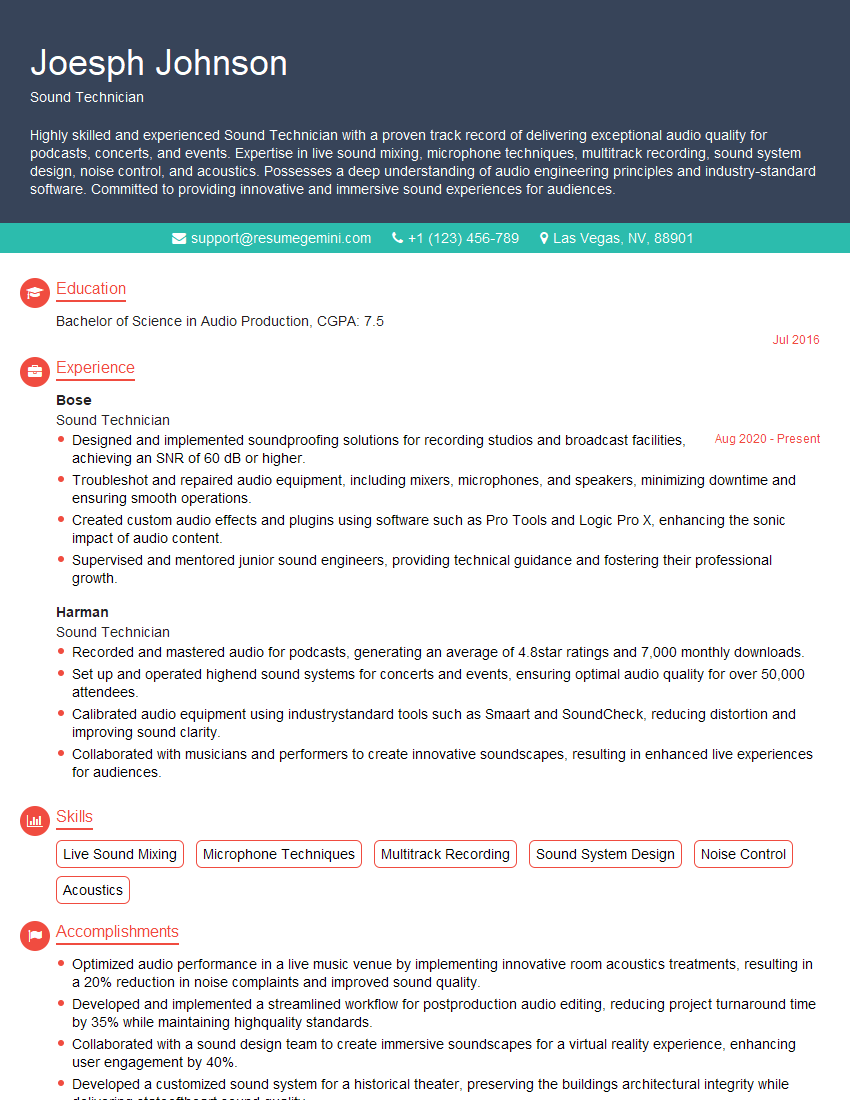
Sound Technician Resume Sample
Deckhand Resume Sample
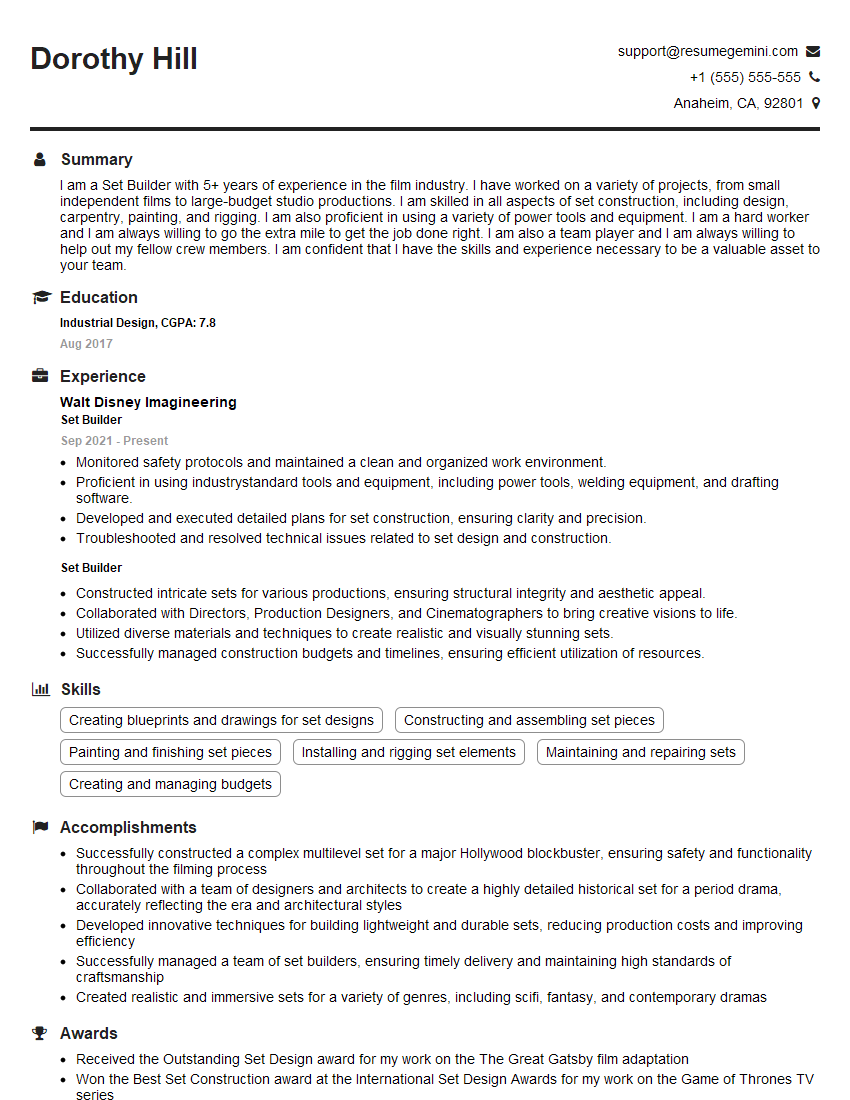
Set Builder Resume Sample
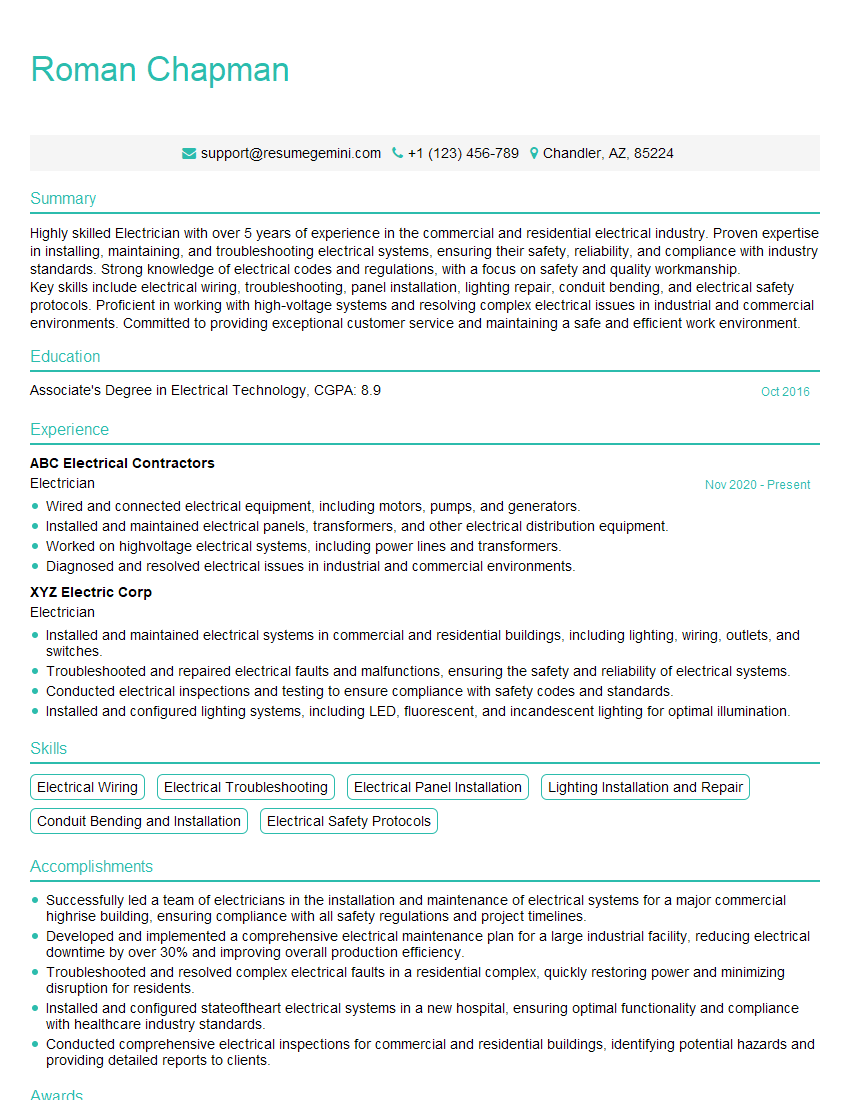
Electrician Resume Sample
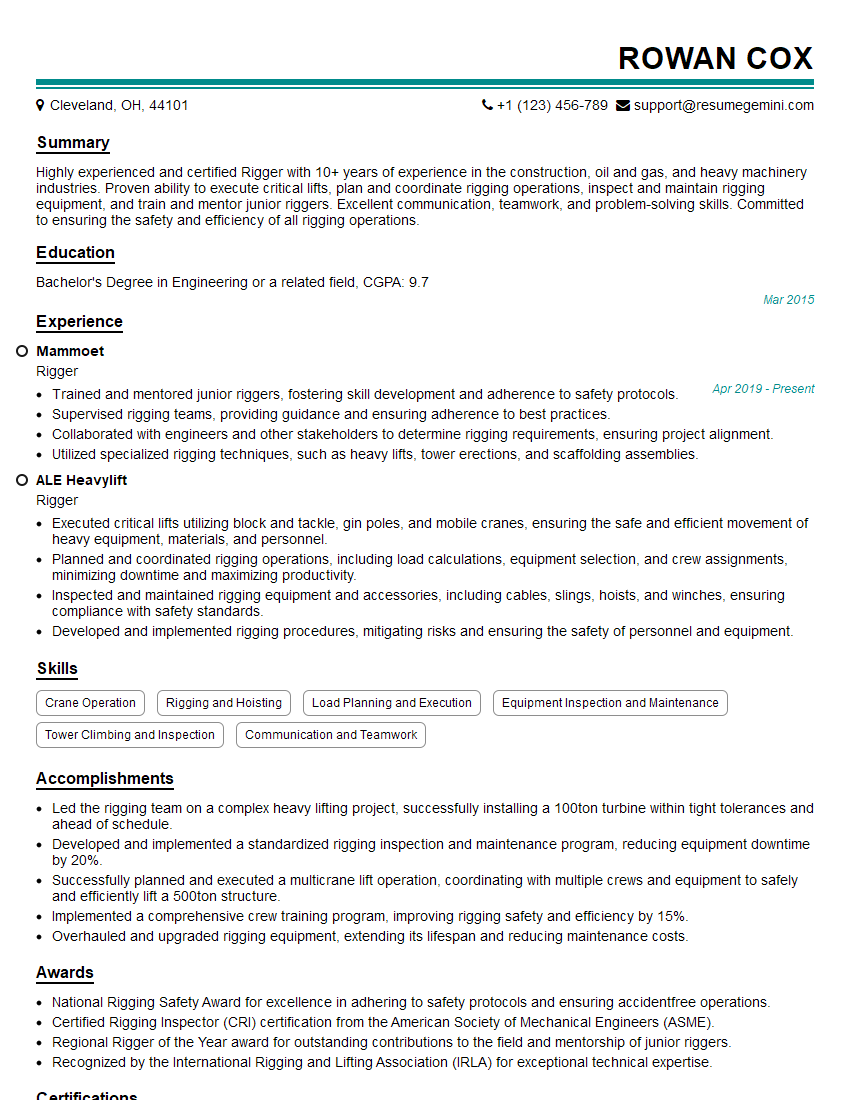
Rigger Resume Sample
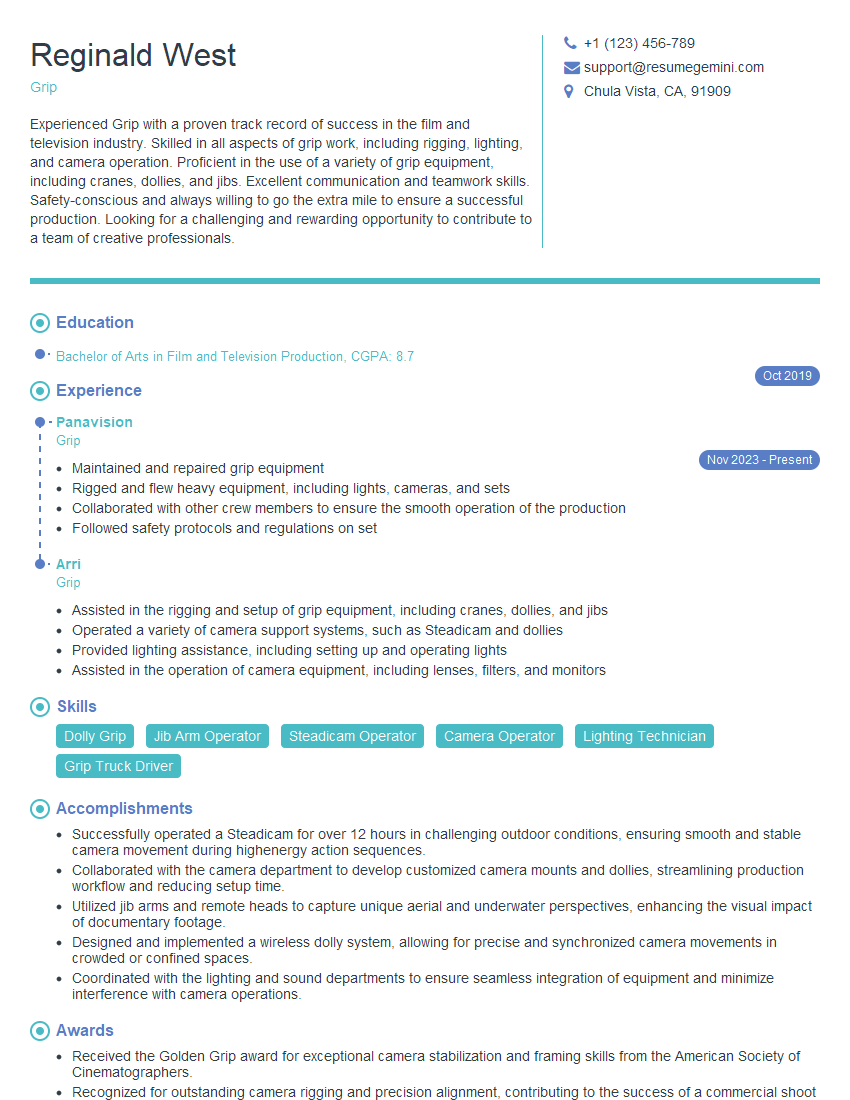
Grip Resume Sample
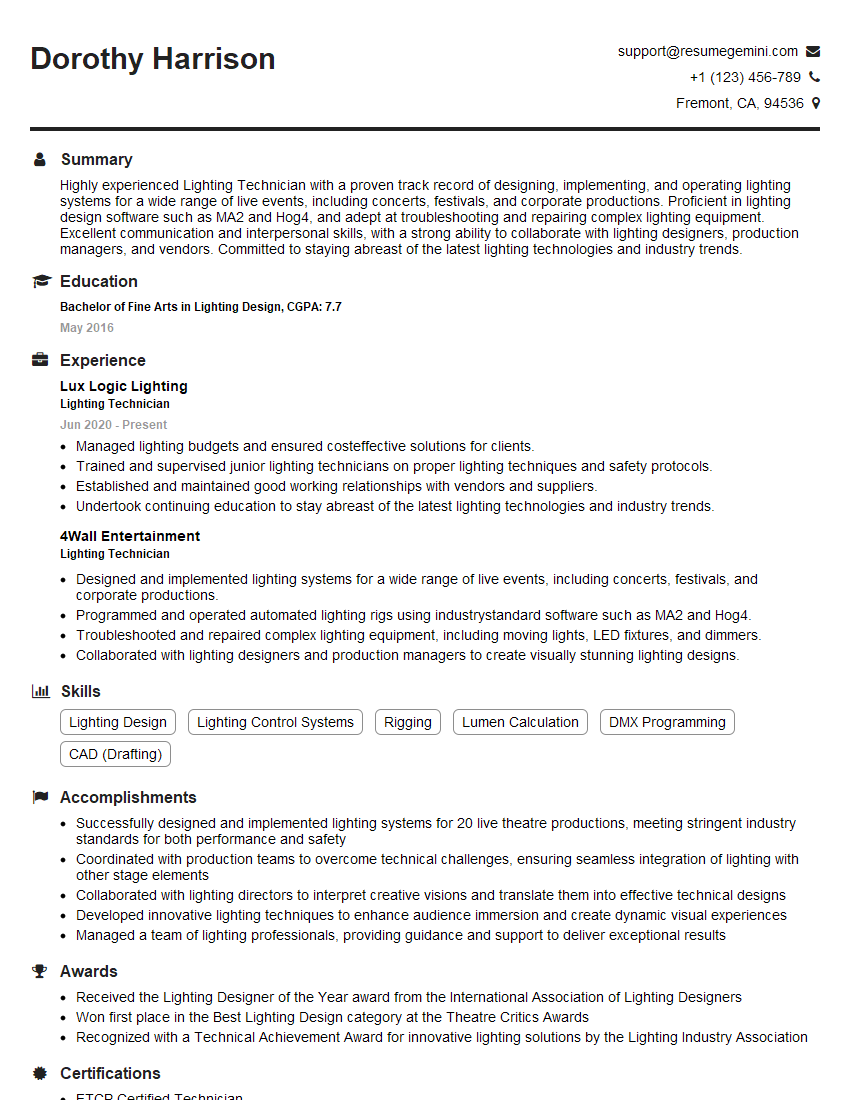
Lighting Technician Resume Sample
Explore more articles
Users Rating of Our Blogs
Share Your Experience
We value your feedback! Please rate our content and share your thoughts (optional).
What Readers Say About Our Blog
Very informative content, great job.
good