Every successful interview starts with knowing what to expect. In this blog, we’ll take you through the top Sheep Restraint interview questions, breaking them down with expert tips to help you deliver impactful answers. Step into your next interview fully prepared and ready to succeed.
Questions Asked in Sheep Restraint Interview
Q 1. Describe the different methods of sheep restraint.
Sheep restraint methods vary depending on the procedure and the sheep’s temperament. The goal is always to minimize stress and ensure both animal and handler safety. Common methods include:
- Manual Restraint: This involves using your hands and body to control the sheep. Techniques range from simply holding the animal’s fleece to more advanced methods involving controlling the head and legs. It’s often used for quick procedures like vaccinations or ear tagging.
- Halter and Lead: A halter placed around the sheep’s head allows for greater control and easier movement. This is especially useful for leading sheep to different locations or for more prolonged procedures. The technique requires training for both handler and sheep.
- Shearing Restraint: Specialized techniques are used during shearing, often involving a combination of manual restraint and specialized equipment like a shearing cradle or table. This aims to keep the sheep calm and positioned optimally for the shearer.
- Catch Pens and Races: These are designed to funnel sheep into a controlled space for processing. This method is crucial for large-scale operations such as shearing or vaccination campaigns, efficiently moving sheep through the process.
- Mechanical Restraints: In some instances, such as veterinary procedures requiring total immobilisation, mechanical restraints like head and neck clamps or tilting tables might be necessary. However, these are used judiciously to avoid causing undue stress or injury.
Choosing the right method depends heavily on the situation, the number of sheep involved, the procedure to be undertaken, and the handler’s experience.
Q 2. Explain the importance of proper sheep restraint for animal welfare.
Proper sheep restraint is paramount for animal welfare. It minimizes stress, pain, and injury to the animals during handling and procedures. A stressed sheep is more likely to struggle, causing potential harm to itself and the handler. Gentle and efficient restraint demonstrates respect for the animal, enhancing its overall well-being. Furthermore, proper restraint ensures procedures are carried out safely and effectively, reducing the risk of complications and improving the chances of a positive outcome for the sheep.
Think of it like this: If you were undergoing a medical procedure, you’d want the medical staff to handle you carefully and respectfully, minimizing discomfort. The same principle applies to sheep.
Q 3. What are the potential hazards associated with improper sheep restraint?
Improper sheep restraint presents numerous hazards. For the sheep, these include:
- Injury: Broken bones, sprains, and bruises are common if the sheep is restrained incorrectly.
- Stress and Fear: Poor handling techniques can induce significant stress, leading to reduced productivity and compromised immunity.
- Suffocation: Improper application of restraints can restrict breathing.
- Internal injuries: Rough handling can lead to internal organ damage.
For the handler, the risks include:
- Injury: Kicks, headbutts, and scratches from struggling sheep can result in serious injuries.
- Disease transmission: Improper handling can increase the risk of spreading diseases between sheep and handlers.
Therefore, training and experience in safe sheep handling are absolutely crucial.
Q 4. How do you choose the appropriate restraint method for a given situation?
Selecting the appropriate restraint method involves considering several factors:
- The procedure to be performed: A simple vaccination requires less restraint than a complex surgical procedure.
- The temperament of the sheep: A docile sheep might only require minimal manual restraint, while an aggressive sheep might need a halter and possibly additional assistance.
- The number of sheep: Handling a single sheep differs significantly from managing a flock.
- Available facilities: The use of catch pens, races, or other equipment is influenced by the available infrastructure.
- The handler’s experience and skill level: Beginners should start with simpler methods and gradually build their skills.
For example, a simple vaccination might only require manual restraint by holding the sheep’s fleece. However, shearing requires more specialized restraint, typically using a shearing cradle or table to ensure the sheep’s safety and the shearer’s efficiency. For a complex surgical procedure, more advanced methods, and possibly veterinary anesthetic techniques, would be required.
Q 5. Describe your experience restraining sheep for various procedures (e.g., shearing, vaccination, hoof trimming).
My experience with sheep restraint spans various procedures. For shearing, I’ve utilized both manual restraint and shearing cradles, ensuring the sheep is comfortable and positioned for efficient shearing, minimizing stress and preventing injury. During vaccination campaigns, I frequently use manual restraint, combining it with catch pens to manage larger groups. For hoof trimming, I often employ a combination of manual restraint and potentially a halter depending on the sheep’s temperament. Each procedure demands a slightly different approach, and experience helps adapt methods to individual animal needs. For example, I’ve found that using a gentle voice and calm movements can greatly influence the effectiveness of the restraint.
Q 6. How do you handle a stressed or aggressive sheep?
Handling a stressed or aggressive sheep requires patience and understanding. Avoid sudden movements or loud noises. A calm approach is essential. If possible, allow the sheep some time to settle before attempting restraint. Using a halter and lead can provide a degree of control, and depending on the severity, additional help might be needed. In some cases, it may be necessary to use a method that minimizes physical contact, like carefully guiding the sheep using available structures like fences or barriers. If aggression is extreme, it’s advisable to seek veterinary assistance for sedation.
Remember, understanding sheep behavior is key. Recognizing signs of stress or aggression early allows for proactive and gentler intervention.
Q 7. What are the signs of a sheep in distress during restraint?
Recognizing signs of distress in a restrained sheep is crucial for ensuring its welfare. Key indicators include:
- Rapid breathing and increased heart rate: Visible panting or labored breathing.
- Excessive sweating: Sheep may appear damp or wet.
- Dilated pupils: An indication of fear or stress.
- Vocalizations: Baaing, bleating, or other unusual sounds.
- Struggling and kicking: Active attempts to escape the restraint.
- Muscle tremors: Signs of extreme anxiety.
- Defecation or urination: Often a sign of fear and stress.
If any of these signs are observed, immediately reassess the restraint method and make any necessary adjustments to ensure the sheep’s comfort and safety. In some instances, it might be necessary to stop the procedure altogether.
Q 8. How do you ensure the safety of both yourself and the sheep during restraint?
Ensuring the safety of both handler and sheep during restraint is paramount. It’s a balance of firm control and gentle handling, prioritizing minimizing stress and potential harm. This involves understanding sheep behavior, using appropriate equipment, and employing correct techniques.
Firstly, assess the sheep’s temperament. A nervous or aggressive sheep requires a different approach than a calm one. Secondly, always use the appropriate restraint method for the procedure – a simple halter might suffice for routine vaccinations, while more robust methods like a sheep cradle or side-restraint are needed for shearing or more invasive procedures. Finally, maintain a calm demeanor; sheep are sensitive to your body language and stress levels. A stressed handler often leads to a stressed sheep, increasing the risk of injury.
For example, if I need to examine a sheep’s hooves, I’d likely use a halter and a method called ‘setting up’ where I gently hold the sheep’s shoulder and hindquarters to ensure balance and prevent sudden movements, rather than forcefully holding the sheep down. This method provides control while allowing natural movement. Always be aware of potential kicks or headbutts, and position yourself to avoid direct impact.
Q 9. What are the ethical considerations involved in sheep restraint?
Ethical considerations in sheep restraint revolve around minimizing stress and pain. We must always strive for humane handling. This means choosing the least stressful restraint method for the task, using appropriate equipment, and avoiding unnecessary force. Speed and efficiency are important, but they should never come at the cost of the animal’s welfare.
For instance, prolonged restraint can lead to overheating, exhaustion, and fear, compromising the animal’s well-being. Using appropriate sedation when necessary, following veterinary guidelines is a key ethical practice. Any procedure causing pain must be carried out by a skilled individual and with appropriate analgesia or anesthesia.
Regular training and proficiency in safe and ethical handling methods are crucial. We regularly review and update our protocols to incorporate best practices and align with current animal welfare guidelines. The Five Freedoms framework guides our approach: Freedom from hunger and thirst, freedom from discomfort, freedom from pain, injury, or disease, freedom to express normal behavior, and freedom from fear and distress.
Q 10. Describe your knowledge of sheep anatomy and physiology relevant to restraint.
Understanding sheep anatomy and physiology is fundamental to safe restraint. Sheep are prey animals with a natural flight response. Their strong legs and powerful kicks pose a risk during restraint, particularly the hind legs. Their weight distribution is also crucial – they can easily become unbalanced, leading to falls and injuries if not properly supported. Knowledge of their musculoskeletal system, including joint mobility, is vital to avoid causing sprains or dislocations.
Furthermore, understanding their respiratory and cardiovascular systems helps in recognizing signs of stress, such as rapid breathing or increased heart rate. This allows for quick adjustments to the restraint method to minimize distress. Knowing the location of major blood vessels and nerves is critical to avoid accidental injuries during injections or other procedures. For example, understanding the location of the jugular vein is vital when administering injections.
Q 11. Explain the importance of using appropriate equipment for sheep restraint.
Using the appropriate equipment is crucial for both safety and efficiency. The wrong equipment can lead to ineffective restraint, increased stress for the sheep, and injuries to the handler. A poorly fitting halter, for instance, can easily slip off, resulting in loss of control. Similarly, improperly used equipment, like a poorly maintained sheep cradle, can cause injuries.
Different procedures necessitate different equipment. For routine inspections, a simple halter might be sufficient. For shearing, a proper sheep cradle provides both safety and efficient restraint. For injections, appropriate needles and syringes are essential. All equipment should be regularly inspected and maintained to ensure functionality and safety. Investing in high-quality, well-maintained equipment is an investment in both animal welfare and handler safety.
Q 12. How do you maintain control of a sheep during restraint?
Maintaining control during restraint involves a combination of technique and equipment. The primary goal is to minimize stress while ensuring the sheep remains safely contained. This includes using appropriate restraint methods based on the procedure and the sheep’s temperament. Gentle but firm handling is crucial; avoiding sudden movements or harsh language will help keep the animal calm.
For example, when using a halter, maintaining a secure grip on the lead rope, and using a calm voice, is crucial for control. With larger sheep, using a second handler to assist in maintaining balance and control can be beneficial. Positioning the sheep correctly is important; for example, when administering an injection, proper positioning ensures access to the injection site while minimizing stress on the animal. Constant monitoring of the sheep’s response is vital, with immediate adjustments to the restraint technique if signs of stress or discomfort are observed.
Q 13. What are the common injuries that can occur during improper sheep restraint?
Improper sheep restraint can lead to several injuries, affecting both the animal and the handler. For the sheep, these can include broken bones (legs, ribs), dislocations, sprains, bruises, cuts, lacerations, and even internal injuries from being dropped or forcefully restrained. Stress-induced conditions like heat stress and cardiac events can also occur.
For the handler, injuries can include sprains, strains, cuts from struggling hooves, and even more severe injuries from kicks or headbutts. The injuries to both the sheep and the handler can be severe, so proper restraint techniques are essential.
Q 14. How do you prevent injuries to both yourself and the sheep during restraint?
Preventing injuries requires a multi-faceted approach. This begins with thorough training and a solid understanding of sheep behavior and restraint techniques. Always use the appropriate equipment for the procedure and ensure it is in good working order. Employing gentle, yet firm restraint, and adapting to each individual sheep’s temperament is vital. When in doubt, seek assistance from a colleague or use more secure restraint methods.
Before starting any procedure, carefully assess the sheep’s temperament and choose the most suitable restraint method. Always maintain awareness of your positioning, minimizing the risk of injury from kicks or headbutts. Regular maintenance of equipment, and adherence to safety guidelines, are also key to minimizing risks. Following established protocols, and continuing professional development to stay updated on best practices, will greatly enhance safety for both sheep and handler.
Q 15. Describe your experience working with different breeds of sheep.
My experience spans a wide range of sheep breeds, from the docile Suffolk and Hampshire breeds to the more flighty and independent Dorpers and Katahdins. Each breed possesses unique behavioral characteristics influencing the best restraint methods. For example, Suffolks, known for their calm temperament, are generally easier to handle than Dorpers, which can be more agile and prone to sudden movements. Understanding these breed-specific traits is crucial for choosing the most appropriate and humane restraint technique. I’ve worked extensively with breeds commonly found in the [mention your region/country] area, focusing on adapting my techniques to their specific needs. This includes considering factors like fleece type, body size, and overall temperament.
- Suffolks: Generally docile and easier to restrain using simpler methods.
- Dorpers: More agile and require a more controlled and potentially faster approach.
- Merinos: Often have heavy fleeces requiring careful consideration to avoid overheating or injury.
Career Expert Tips:
- Ace those interviews! Prepare effectively by reviewing the Top 50 Most Common Interview Questions on ResumeGemini.
- Navigate your job search with confidence! Explore a wide range of Career Tips on ResumeGemini. Learn about common challenges and recommendations to overcome them.
- Craft the perfect resume! Master the Art of Resume Writing with ResumeGemini’s guide. Showcase your unique qualifications and achievements effectively.
- Don’t miss out on holiday savings! Build your dream resume with ResumeGemini’s ATS optimized templates.
Q 16. How do you adapt your restraint techniques to different ages and sizes of sheep?
Adapting restraint techniques based on age and size is paramount for ensuring both animal welfare and handler safety. Lambs, for instance, are more easily handled individually, often requiring gentle but firm support. Mature rams, however, present a different challenge, demanding more robust techniques to manage their size and strength. I adjust my approach based on the following:
- Lambs: Gentle handling, possibly using a cradle or simple manual restraint.
- Yearlings: May require more controlled approaches, possibly using a combination of manual and physical restraints like a head gate.
- Mature Ewes and Rams: Often need more substantial restraint systems, including properly designed sheep chutes or specialized handling equipment. Rams, in particular, require careful management to ensure safety for both the animal and handlers due to their potential aggression.
Size also plays a significant role. Smaller breeds require less forceful restraint than larger breeds. I always prioritize methods that minimize stress and the risk of injury, adjusting my techniques accordingly.
Q 17. What are the legal requirements and regulations related to sheep restraint in your area?
The legal requirements and regulations related to sheep restraint in [mention your area/country] are based on animal welfare laws and guidelines. These emphasize minimizing stress and pain during handling procedures. Key regulations often encompass:
- Proper facility design: Chutes and handling equipment must meet specific standards to prevent injury.
- Trained personnel: Handlers must receive adequate training in safe and humane restraint techniques.
- Record keeping: Accurate records of handling procedures may be required.
- Emergency protocols: Procedures for handling emergencies, such as injured animals, must be in place.
Specific regulations can vary, so staying updated on current legislation and guidelines is crucial. I regularly consult with [mention relevant authority, e.g., the local Department of Agriculture] to ensure complete compliance.
Q 18. How do you ensure compliance with animal welfare standards during restraint?
Ensuring compliance with animal welfare standards is my top priority. This involves implementing several key strategies:
- Minimize stress: Using calm, quiet movements and avoiding sudden actions. Speak softly and approach the sheep gently.
- Avoid causing pain or injury: Proper restraint techniques are essential to prevent physical harm. Regularly inspect equipment for damage and ensure it is properly maintained.
- Provide adequate ventilation and space: Overcrowding and poor ventilation can cause stress and discomfort.
- Handle sheep quickly and efficiently: Prolonged restraint can cause anxiety and fatigue.
- Monitor sheep closely for signs of stress: Increased heart rate, rapid breathing, and vocalization can indicate distress.
Our team undergoes regular training on animal welfare best practices and the appropriate use of restraint equipment. We constantly monitor our techniques to ensure we’re minimizing any negative impact on the animals.
Q 19. Describe your experience with handling sheep in different environments (e.g., pasture, barn, chute).
My experience with sheep handling extends across various environments. Each setting requires an adaptation of techniques for safe and efficient handling.
- Pasture: Requires herding and careful driving techniques. This might involve using a dog or employing calm and controlled movements to guide the sheep toward a designated area for handling.
- Barn: Involves guiding sheep through designated walkways and utilizing appropriate handling equipment like gates and panels to guide them into smaller areas.
- Chute: Specialized chutes are designed to restrain sheep effectively, typically for procedures like vaccinations or shearing. It’s crucial to understand the specific design of each chute to use it safely and efficiently.
Understanding the limitations and safety features of each environment is paramount. For example, working in a cramped barn necessitates a different approach than working in a spacious pasture. Always prioritizing safety for both the sheep and the handlers.
Q 20. How do you work effectively as part of a team to restrain sheep?
Effective teamwork is essential for safe and efficient sheep restraint. Clear communication and coordination are key. Our team operates using a well-defined system. Before commencing any handling procedure, we discuss the specific requirements and assign roles.
- Designated roles: One person might focus on guiding the sheep into the chute, while others secure the sheep within the chute and assist with the procedure.
- Clear communication: We utilize verbal cues and hand signals to coordinate movements smoothly and avoid any confusion or miscommunication.
- Safety precautions: Team members consistently monitor each other to ensure safety and address any potential hazards promptly.
Regular team training sessions ensure everyone is on the same page regarding safety protocols and handling procedures. This collaborative approach makes the entire process safer and more efficient.
Q 21. Describe a time you had to troubleshoot a problem during sheep restraint.
During a routine vaccination, a particularly large ram became agitated in the chute and managed to partially escape. The initial restraint method wasn’t sufficient to contain his strength. We had to quickly adapt.
Troubleshooting Steps:
- Immediate action: We immediately reassessed the situation, ensuring all team members maintained a safe distance to avoid injury.
- Strategic adjustments: We utilized additional padding and adjusted the chute’s gate mechanism to better secure the ram.
- Teamwork: With careful coordination, we gently guided the ram back into a more secure position in the chute.
- Calming techniques: We used calming vocalizations and gentle touches to reduce his stress levels.
This incident highlighted the importance of having a flexible approach and being prepared for unexpected situations. It also underscored the value of a well-trained team that can respond effectively to challenges and ensure the safety and welfare of the sheep.
Q 22. What are your strategies for preventing sheep escapes during restraint?
Preventing sheep escapes during restraint is paramount for both animal welfare and handler safety. My strategy focuses on a multi-layered approach, starting with the selection of the appropriate restraint method for the situation. This might involve a simple neck-hold for quick examinations, a crush for more extensive procedures, or a halter and lead for guiding sheep into a smaller space.
- Secure Handling Area: The restraint area itself must be well-designed. Solid walls or fences, free from gaps that a sheep could exploit, are essential. I often double-check the gates and latches to ensure they are securely fastened.
- Calm and Controlled Movements: Sudden or jerky movements can frighten sheep, causing them to panic and potentially break free. Slow, deliberate actions and quiet tones are crucial.
- Appropriate Restraint Technique: Using the correct technique for the chosen restraint method is key. For example, applying a halter correctly and properly securing it avoids slippage.
- Observation and Awareness: Constant vigilance is vital. I continuously monitor the sheep’s behaviour and adjust my approach as needed. A sheep showing signs of stress (increased respiration, rapid heart rate, strained posture) might require a modification of technique or a short break.
For instance, I once encountered a particularly strong ram that was attempting to break free from a standard crush. By quickly switching to a stronger crush and applying additional pressure to the side panel, I was able to safely secure it. This highlights the importance of adaptability and having backup strategies.
Q 23. How do you assess the temperament of a sheep before restraint?
Assessing a sheep’s temperament is crucial for choosing the right restraint technique and minimizing stress. I begin by observing the animal from a safe distance, noting its posture, behaviour, and responsiveness to its environment.
- Body Language: A relaxed sheep generally stands squarely on its feet with its head held moderately high. A tense sheep might have a hunched posture, flattened ears, and a rapid tail movement.
- Vocalizations: Baaing can indicate a range of emotions, from contentment to alarm. Loud, frequent baaing may signal stress or fear.
- Approach and Interaction: I observe how the sheep reacts to my presence. A timid sheep might move away cautiously, while a more aggressive one might approach defensively.
- Past Experience (If Known): Knowing a sheep’s history, particularly if it’s been handled before, can be valuable.
Imagine approaching a flock: some sheep will immediately approach out of curiosity, others might stay back and observe. Understanding this variation allows for a personalized approach—a gentle approach for nervous sheep, a more assertive but controlled movement for curious ones.
Q 24. What are the signs of a sheep that is becoming overheated during restraint?
Recognizing signs of overheating in a restrained sheep is vital to prevent serious health problems or even death. Sheep don’t sweat efficiently and are vulnerable to heat stress, especially during restraint, which can restrict airflow and movement.
- Rapid and Laboured Breathing (Panting): This is a primary indicator. The sheep’s breathing will become much faster and deeper than normal.
- Increased Heart Rate: The heart rate will increase significantly.
- Elevated Body Temperature: Rectal temperature should be checked using a thermometer. An elevated temperature is a clear sign of overheating.
- Excessive Salivation: Sheep may drool excessively.
- Weakness and Lethargy: The sheep may become weak, unsteady on its feet, and less responsive.
- Reddened Mucous Membranes: Check the gum colour—bright red gums may indicate heat stress.
If these signs appear, immediate action is required. The restraint should be released, the sheep moved to a cool, shaded area, and provided with access to water. Veterinary attention should be sought if the condition worsens.
Q 25. What are your procedures for dealing with a sheep that has become injured during restraint?
Dealing with a sheep injured during restraint requires prompt and appropriate action. My procedure focuses on safety for both the sheep and myself.
- Assess the Injury: Carefully examine the sheep to determine the nature and severity of the injury.
- Control Bleeding (If Necessary): Apply direct pressure to any bleeding wounds to stop the bleeding.
- Immobilize the Animal: If the injury involves a limb, gently immobilize the limb to prevent further damage.
- Administer First Aid (If Trained): Provide appropriate first aid, if I am qualified to do so.
- Contact Veterinarian: Veterinary attention is crucial, especially for serious injuries.
- Record Details: Document the incident, including the nature of the injury, first aid administered, and the veterinary treatment provided.
For example, if a sheep sustains a cut leg during restraint, I would first apply pressure to stop the bleeding, then immobilize the leg using appropriate padding and bandages, and immediately contact the vet for further assessment and treatment. Reporting mechanisms within our facility allow us to also analyze these cases to help prevent future occurrences.
Q 26. Describe your experience with using different types of restraint equipment.
My experience spans several types of sheep restraint equipment. I’ve used everything from simple neck-holds for brief procedures to sophisticated hydraulic crushes for larger-scale operations.
- Neck Holds: Effective for quick examinations, but only appropriate for calm, cooperative sheep.
- Halters and Leads: Useful for guiding sheep into smaller areas or for individual restraint, but require skill to apply correctly and avoid injury.
- Portable Crushes: Allow for secure restraint for various procedures, offering good access to the animal for vaccinations or shearing. They need to be correctly sized for the sheep to avoid injuries.
- Hydraulic Crushes: Ideal for large-scale operations, these offer secure restraint with adjustable settings. However, training is essential for safe and efficient operation.
- Individual Holding Pens: Great for temporary isolation and reducing stress in sensitive animals.
Each piece of equipment has its strengths and limitations; the right choice depends on the specific procedure, the size and temperament of the sheep, and the available resources. For example, a simple neck-hold is perfectly acceptable for administering a quick vaccination to a docile ewe, but would be completely inappropriate for shearing a nervous ram.
Q 27. How do you educate others on safe and humane sheep restraint practices?
Educating others on safe and humane sheep restraint practices involves a multifaceted approach. I combine hands-on training with theoretical knowledge transfer.
- Demonstrations and Practical Sessions: Show, don’t just tell. I demonstrate correct techniques using both live sheep (under strict ethical guidelines, of course) and models.
- Interactive Workshops: Participants actively participate in practicing the techniques under supervision.
- Risk Assessment and Hazard Identification: We discuss potential hazards and how to avoid them.
- Animal Welfare Considerations: The ethical and welfare implications of each action are always highlighted.
- Regular Refresher Training: Regular training sessions ensure the knowledge remains fresh and addresses any new techniques or developments.
I often use case studies of successful and unsuccessful restraint attempts to illustrate the importance of proper technique and awareness. Emphasizing the importance of a calm approach and constant observation is paramount. It’s about building confidence and proficiency, so everyone can approach sheep handling with safety and respect.
Q 28. What are the latest advancements in sheep restraint technology and techniques?
Advancements in sheep restraint technology and techniques are continually improving both animal welfare and efficiency.
- Improved Crush Designs: Modern crushes often incorporate features like improved safety mechanisms, more comfortable surfaces, and better access points for procedures.
- Remote Restraint Systems: These allow for less direct interaction with the sheep, reducing stress for both the animal and handler.
- Automated Systems: Some facilities are exploring automated sorting and restraint systems to increase efficiency and reduce the need for manual handling.
- Improved Training and Education Resources: The availability of high-quality training programs and online resources continues to enhance understanding and best practices.
- Stress Monitoring Technology: Research focuses on developing technologies to monitor a sheep’s stress levels during restraint, allowing for adjustments to the method to minimise distress.
For instance, the development of more ergonomic crush designs that minimize pressure points on the sheep contributes to both improved animal welfare and reduced risk of injury for the handlers. The integration of technology is continuously shaping a more efficient and humane approach to sheep restraint.
Key Topics to Learn for Sheep Restraint Interview
- Animal Behavior and Handling: Understanding sheep behavior (flight zone, flock dynamics, stress indicators) is crucial for safe and effective restraint.
- Restraint Techniques: Mastering various restraint methods (e.g., using halters, side-restraining, tilting, catching techniques) for different procedures (e.g., vaccination, shearing, hoof trimming).
- Safety Procedures: Prioritizing personal safety and the well-being of the sheep through proper handling, equipment usage, and recognizing potential hazards.
- Facilities and Equipment: Familiarity with different types of handling facilities (e.g., raceways, chutes, crowding pens) and their safe operation.
- Ethical Considerations: Understanding and applying ethical principles for minimizing stress and discomfort to the animals during restraint.
- Problem-Solving: Developing practical solutions for challenging situations, such as dealing with aggressive or panicked sheep.
- Health and Disease: Recognizing signs of illness or injury in sheep and adapting restraint techniques accordingly.
- Legislation and Regulations: Awareness of relevant animal welfare laws and regulations related to sheep handling and restraint.
Next Steps
Mastering sheep restraint techniques is vital for career advancement in animal husbandry, veterinary practice, and related fields. It demonstrates your commitment to animal welfare and your ability to perform critical tasks efficiently and safely. To maximize your job prospects, creating an ATS-friendly resume is crucial. ResumeGemini is a trusted resource that can help you build a professional and impactful resume, significantly increasing your chances of securing an interview. Examples of resumes tailored to Sheep Restraint are available to help guide your resume development.

Farm Manager Resume Sample

Ranch Manager Resume Sample
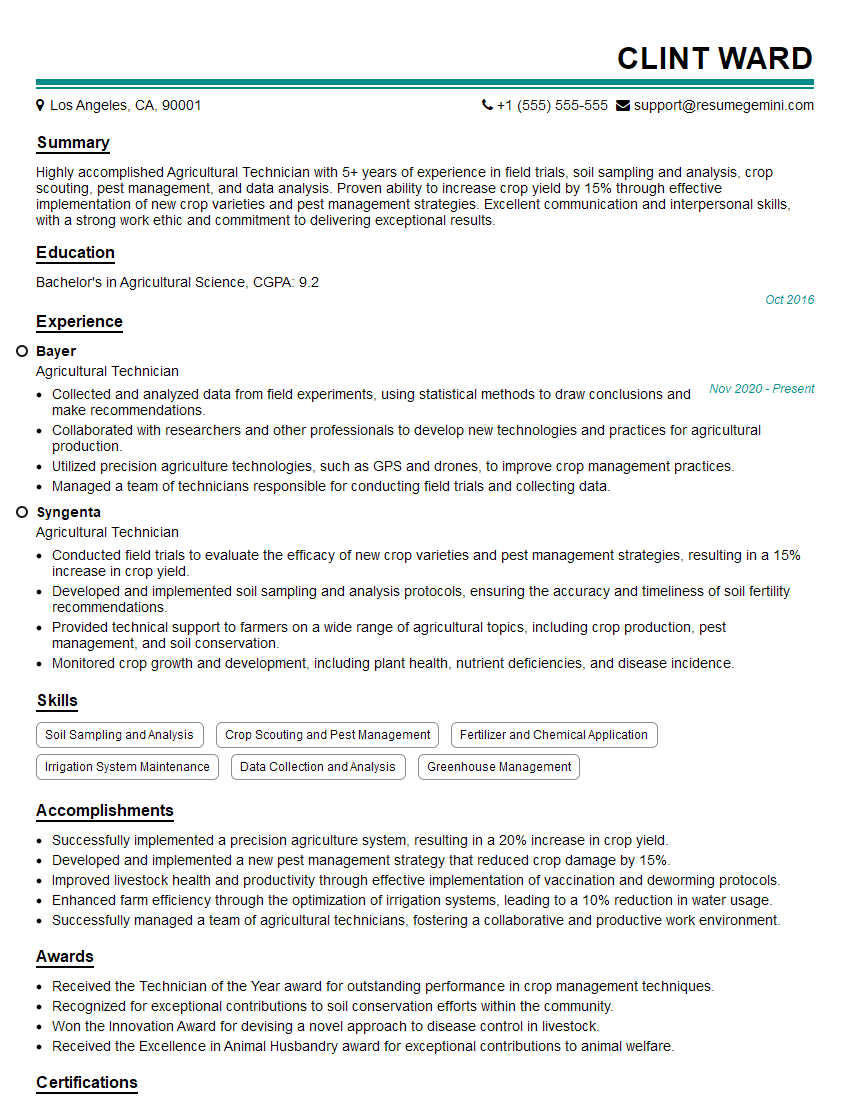
Agricultural Technician Resume Sample
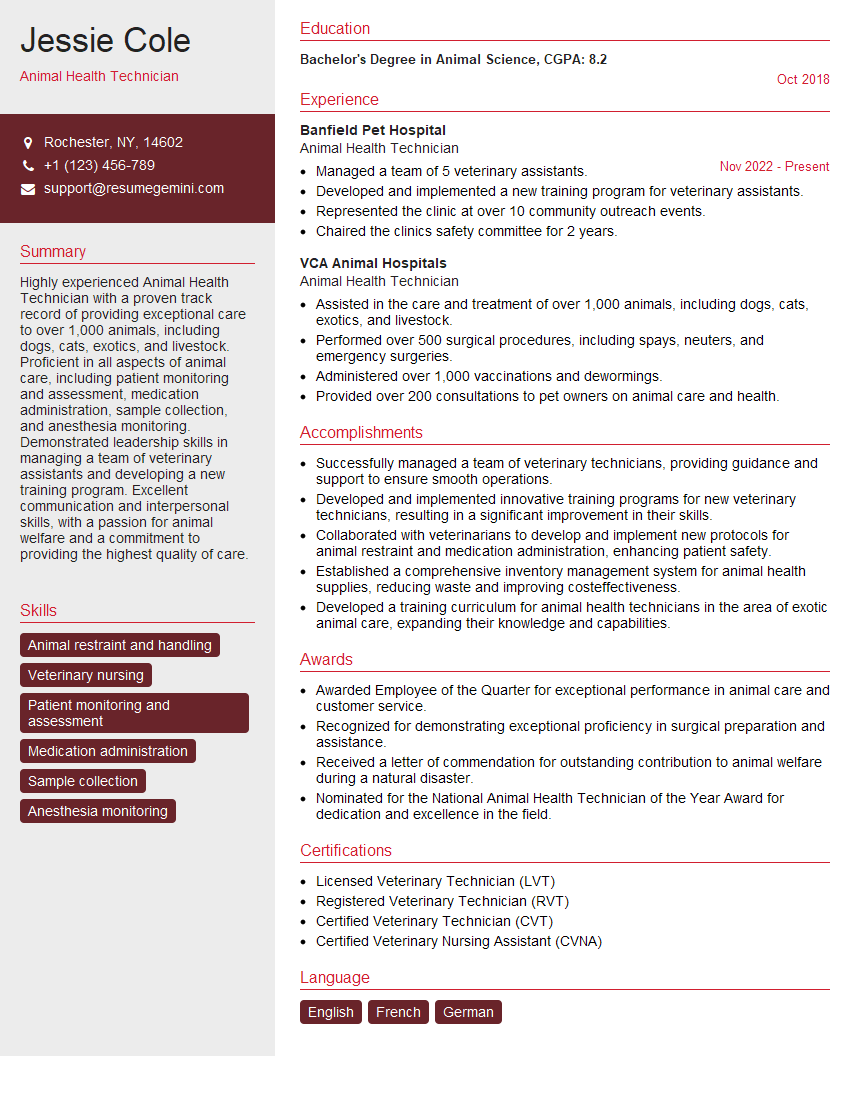
Animal Health Technician Resume Sample

Veterinary Assistant Resume Sample

Farm Equipment Operator Resume Sample

Livestock Handler Resume Sample
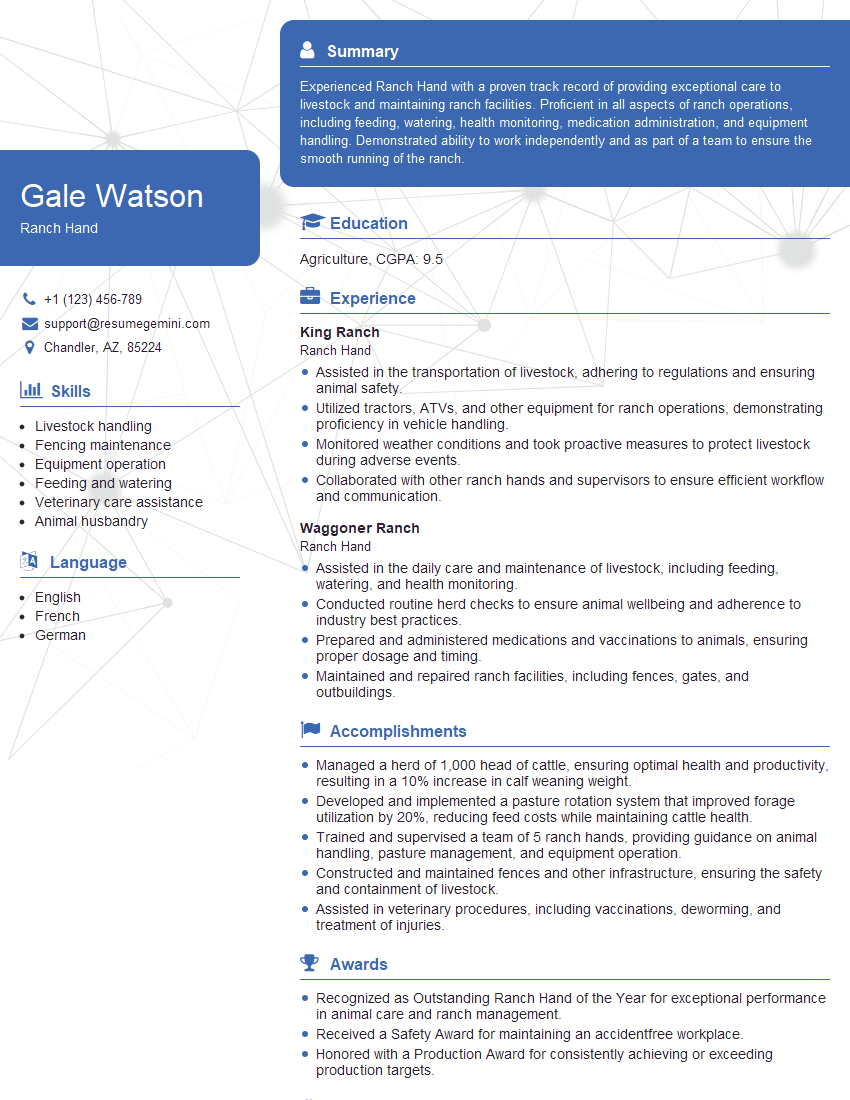
Ranch Hand Resume Sample

Sheep Shearer Resume Sample

Shepherd Resume Sample
Explore more articles
Users Rating of Our Blogs
Share Your Experience
We value your feedback! Please rate our content and share your thoughts (optional).
What Readers Say About Our Blog
Very informative content, great job.
good