Interviews are opportunities to demonstrate your expertise, and this guide is here to help you shine. Explore the essential Sheeting and Shrink Wrapping interview questions that employers frequently ask, paired with strategies for crafting responses that set you apart from the competition.
Questions Asked in Sheeting and Shrink Wrapping Interview
Q 1. Describe your experience with different types of shrink wrap films.
My experience encompasses a wide range of shrink wrap films, each chosen based on the specific needs of the product and application. For instance, PVC (polyvinyl chloride) films are common for their versatility, good clarity, and relatively low cost. They’re ideal for many applications, but their less-than-stellar environmental profile means we’re seeing increased use of alternatives.
Polyethylene (PE) films, particularly low-density polyethylene (LDPE) and linear low-density polyethylene (LLDPE), offer excellent clarity and are more environmentally friendly than PVC. They’re often preferred for food packaging due to their inert nature. Furthermore, we frequently utilize Polyolefin films, a blend often incorporating both PE and other polymers, which boast exceptional toughness and puncture resistance. This makes them particularly suitable for heavier products or those requiring robust protection during shipping.
Finally, I’ve worked extensively with specialized films like those with anti-static properties (essential for electronics packaging) and those with UV inhibitors, vital for outdoor applications to prevent degradation from sunlight. The selection process always involves considering factors such as the product’s shape, size, weight, fragility, environmental conditions, and budgetary constraints.
Q 2. What are the safety procedures you follow when operating sheeting and shrink wrapping equipment?
Safety is paramount. Before operating any sheeting or shrink wrapping equipment, I always ensure I’ve received proper training and understand all safety protocols. This includes wearing appropriate personal protective equipment (PPE), such as safety glasses, gloves, and hearing protection, depending on the specific machine and its operation.
Regular machine inspections are crucial. I check for any damage, loose parts, or malfunctions before starting the machine. Proper grounding and electrical safety checks are mandatory to prevent electric shocks. Furthermore, I always maintain a safe distance from moving parts, and I’m particularly cautious during the heating and sealing processes to avoid burns. Lockout/Tagout procedures are strictly followed during maintenance or repairs to prevent accidental starts.
Lastly, I make sure the work area is clean, uncluttered, and properly lit to minimize trip hazards and ensure clear visibility. A comprehensive understanding of emergency shut-off procedures is essential for all operators, and regular safety training keeps our team vigilant and prepared.
Q 3. Explain the process of setting up a sheeting and shrink wrapping machine for a specific product.
Setting up a sheeting and shrink wrapping machine for a specific product is a meticulous process. It begins with accurately measuring the product’s dimensions – length, width, and height – to determine the appropriate size of the film and adjust the machine accordingly. The next step is selecting the correct type of film based on the product’s characteristics and required protection level.
The machine settings, like the heat level (crucial for achieving a tight shrink), the dwell time (time the product spends under heat), and the conveyor speed, all need to be calibrated. These settings are often fine-tuned through trial and error, starting with manufacturer recommendations and adjusting based on observations. We often perform test runs with a few sample products to perfect the process before initiating mass production. For irregularly shaped products, we may need to use custom-designed fixtures or trays to ensure even shrink wrapping.
For example, packaging a bottle of wine would require different settings than packaging a box of chocolates. The wine bottle would require a longer dwell time to ensure the film shrinks tightly around its curved shape, while the chocolates might only need a shorter time to avoid melting.
Q 4. How do you troubleshoot common problems encountered during sheeting and shrink wrapping?
Troubleshooting is a regular part of the job. Common issues include inconsistent heat sealing, film tears or wrinkles, improper shrink, and machine jams. My systematic approach involves identifying the problem, isolating the potential cause, and implementing corrective actions.
For example, inconsistent heat seals often point to a problem with the sealing bars’ temperature or pressure. We’d check the temperature gauge, clean the sealing bars, and adjust the pressure accordingly. Film tears or wrinkles are usually caused by improperly adjusted film feed mechanisms or insufficient tension. We would examine the rollers and make necessary adjustments. Machine jams may arise from film accumulation, which we address by clearing the blockage and checking for proper film unwinding.
If the problem persists after these initial checks, we may need to refer to the machine’s manual, contact the manufacturer for technical support, or involve a qualified technician for repairs. Record-keeping of these issues and their resolutions is essential for improving efficiency and preventing future problems.
Q 5. What are the different types of sheeting and shrink wrapping machines you are familiar with?
My experience covers a range of sheeting and shrink wrapping machines, from simple manual units to fully automated, high-speed systems. I’m familiar with L-sealers, commonly used for smaller packages; chamber machines, which are suitable for larger items and provide a uniform shrink; and tunnel shrink wrappers, offering high-volume, continuous operation.
I’ve also worked with various automated systems integrating conveyors, labelers, and other packaging components for streamlined operations. My understanding extends to both standalone and integrated systems, and I’m proficient in operating and maintaining each type. The choice of machine depends heavily on production volume, product characteristics, and budget.
Q 6. How do you ensure the integrity and quality of the sheeting and shrink wrapping process?
Maintaining the integrity and quality of the sheeting and shrink wrapping process is an ongoing effort. It starts with using high-quality films appropriate for the product and its environment. Regular maintenance of the equipment, including cleaning, lubrication, and calibration, is essential for consistent performance and to prevent damage to the product or film.
We implement rigorous quality control checks at various stages of the process, including visual inspections of the wrapped products to ensure complete coverage and proper shrink. We also monitor the machine’s performance indicators, such as temperature and pressure, to maintain optimal parameters. This involves regular audits and adjustments based on real-time data and feedback.
Moreover, operator training and standardized procedures are critical. Consistent execution of these procedures minimizes variations and ensures consistent product quality. Continuous improvement initiatives, including analysis of production data to identify areas for improvement, contribute to an ongoing refinement of our processes.
Q 7. Describe your experience with different sealing methods used in shrink wrapping.
Several sealing methods exist in shrink wrapping. Heat sealing is the most prevalent, utilizing heated elements to melt and fuse the film, creating a strong, hermetic seal. The effectiveness of heat sealing depends on factors such as the type of film, temperature, pressure, and dwell time. Improper heat sealing can lead to weak seals and compromised product protection.
Impulse sealing, a variation of heat sealing, is commonly used for smaller packages. It uses a quick burst of heat to seal the film, making it suitable for high-speed applications. Ultrasonic sealing offers a cleaner, more precise seal, particularly useful for sensitive products, but it’s often less suitable for thicker films. Finally, adhesive sealing, although less common for shrink wrap, is an option for specific applications requiring a tamper-evident seal.
My experience spans all these methods, and my selection is determined by the nature of the product, the type of film used, and the desired speed and quality of the seal. It’s crucial to understand the limitations and strengths of each method to choose the best one for each application.
Q 8. How do you handle damaged or defective products during the packaging process?
Handling damaged or defective products during packaging is crucial for maintaining quality control and preventing further losses. My approach involves a multi-step process. First, a clear visual inspection is performed to identify any damage. Secondly, I segregate the damaged items from the good ones, clearly labeling them as ‘rejected’ or ‘damaged’. This prevents accidental shipment. Third, depending on the nature of the damage and company policy, we might attempt repair (if feasible and cost-effective), recycle the damaged materials, or dispose of them according to environmental regulations. For example, if a minor scratch occurs on a plastic product during shrink wrapping, we might still package it if it doesn’t compromise its functionality or appearance, but we would flag it accordingly in our inventory system. However, significant damage leading to functional impairment necessitates rejection and proper disposal.
Maintaining detailed records of rejected products, including the reason for rejection and the date, is crucial for identifying trends and improving the overall packaging process. This data helps us analyze potential issues in the manufacturing or handling process, proactively addressing root causes to prevent future damages.
Q 9. Explain your understanding of the importance of proper packaging for product protection.
Proper packaging is paramount for product protection, ensuring goods arrive at their destination in perfect condition. It’s not merely about aesthetics; it’s about safeguarding the product’s integrity, preserving its value, and maintaining customer satisfaction. Think of it like this: the packaging is the first line of defense against damage during shipping and handling. Effective packaging protects against shocks, vibrations, moisture, temperature fluctuations, and even theft.
- Physical Protection: Cushioning materials like foam or air pillows absorb impact, while sturdy containers provide structural support.
- Environmental Protection: Waterproof materials prevent moisture damage, and temperature-regulating packaging maintains product stability.
- Branding and Marketing: Attractive packaging enhances product appeal, and clear labeling provides essential information.
Imagine shipping fragile electronics without adequate cushioning. The likelihood of damage would be extremely high, leading to customer dissatisfaction, returns, and financial losses. Proper packaging minimizes these risks and builds brand trust.
Q 10. How do you maintain and clean sheeting and shrink wrapping equipment?
Maintaining and cleaning sheeting and shrink wrapping equipment is essential for optimal performance, product quality, and longevity of the machinery. Regular cleaning prevents film jams, ensures consistent heat sealing, and prolongs the life of the equipment. My routine includes:
- Daily Cleaning: Removing excess film scraps, wiping down surfaces, and checking for any signs of damage or wear and tear.
- Weekly Cleaning: More thorough cleaning, including the removal of built-up residue and debris from heat seals and rollers. We utilize appropriate cleaning solutions depending on the machine’s materials and manufacturer recommendations. For instance, we’d use a mild detergent and water for most surfaces but would avoid any abrasive cleaners.
- Monthly Maintenance: Lubricating moving parts (according to the manufacturer’s instructions), inspecting belts and pulleys for wear, and checking the heating elements for proper functioning. Detailed logs are kept to track all maintenance activity.
- Preventative Maintenance: This includes regularly scheduled inspections by qualified technicians to identify and address potential issues before they escalate into major problems. This is crucial for minimizing downtime.
Following these procedures safeguards the equipment, leading to a smoother, more efficient packaging process and reduces the risk of costly repairs or replacements.
Q 11. What is your experience with different types of packaging materials (e.g., cardboard, foam)?
My experience encompasses a wide range of packaging materials, extending beyond sheeting and shrink wrap to include cardboard, foam, bubble wrap, and various types of protective inserts. Each material possesses unique properties suited to different applications.
- Cardboard: Provides structural support and is cost-effective for many products. The choice of cardboard type (e.g., single-wall, double-wall) depends on the product’s weight and fragility.
- Foam: Offers excellent cushioning and impact absorption, ideal for fragile items like electronics or glassware. Different densities of foam cater to various needs.
- Bubble Wrap: A versatile and widely used cushioning material, particularly effective for protecting items from shocks and scratches.
- Protective Inserts: These custom-fit inserts, often made from molded foam or paperboard, securely hold products in place, preventing movement and damage during transit.
The selection of packaging materials involves careful consideration of the product’s characteristics, its fragility, environmental conditions during shipping, and budget constraints. For instance, while cardboard might suffice for a sturdy item, a more robust combination of cardboard, foam, and shrink wrap would be necessary for fragile electronics.
Q 12. How do you calculate the amount of shrink wrap film needed for a specific product?
Calculating the amount of shrink wrap film needed involves several factors and often requires practical experience. A simple method involves measuring the product’s dimensions (length, width, height) and adding extra material for overlap and shrinkage. However, this is an approximation.
More accurate methods involve using specialized software or online calculators that take into account the film’s shrinkage rate (typically expressed as a percentage), the product’s dimensions and shape, and the desired number of layers. For example, a calculator might ask for the product’s dimensions, the film’s width, its shrinkage percentage, and the number of wraps desired around the product.
In practice, it’s common to initially overestimate the film required, especially when dealing with irregularly shaped products or new products. Experience allows for better estimations and minimizing waste over time. Continuous monitoring of film usage and adjusting estimations helps optimize material consumption and reduce costs.
Q 13. Describe your experience with automated sheeting and shrink wrapping systems.
I have extensive experience with automated sheeting and shrink wrapping systems, having worked with several different brands and configurations. These systems significantly improve efficiency and productivity compared to manual packaging. My experience includes programming and troubleshooting various PLC-controlled systems, and I’m familiar with integrating them into broader production lines.
Automated systems offer advantages such as consistent wrapping quality, increased throughput, reduced labor costs, and enhanced safety. However, they also require regular maintenance and specialized technical expertise for troubleshooting and programming. I’m comfortable with programming adjustments for various product sizes and configurations.
For example, I’ve worked with systems capable of automatically feeding, wrapping, and sealing products at high speeds, significantly reducing labor time and improving output. Troubleshooting these systems often involves analyzing error codes, inspecting sensors, and making adjustments to settings to ensure optimal performance.
Q 14. How do you ensure efficient workflow and optimize production during packaging?
Ensuring efficient workflow and optimizing production during packaging requires a holistic approach that considers several key aspects.
- Process Optimization: Analyzing each step of the packaging process to identify bottlenecks and areas for improvement. This might involve rearranging the workspace, improving material handling, or streamlining procedures.
- Lean Manufacturing Principles: Implementing lean techniques such as 5S (Sort, Set in Order, Shine, Standardize, Sustain) to minimize waste and improve efficiency. This often involves eliminating unnecessary movements and improving the flow of materials.
- Proper Training: Ensuring that all personnel involved in the packaging process are adequately trained and knowledgeable about safety procedures and best practices. Well-trained workers are more efficient and less prone to errors.
- Regular Monitoring and Feedback: Continuous monitoring of key performance indicators (KPIs) such as packaging speed, waste levels, and defect rates. Regular feedback sessions help identify areas needing attention and adjust strategies accordingly.
- Technology Integration: Utilizing automated systems and software solutions to improve efficiency, reduce errors, and track performance.
For example, using a conveyor system to transport products to different packaging stations improves workflow compared to manual movement, minimizing transit time. By continuously monitoring and analyzing performance, we can optimize settings and training, ensuring a constantly improving and efficient packaging process.
Q 15. What are the common causes of shrink wrap failures, and how do you prevent them?
Shrink wrap failures are often caused by a combination of factors, including improper film selection, incorrect machine settings, and inadequate product preparation. Think of shrink wrap like a tailored suit – if the fabric (film) isn’t right, or the measurements (product dimensions) are off, it won’t fit properly.
- Film Selection: Using a film with insufficient shrink percentage or inappropriate gauge for the product can lead to poor shrinkage or tears. For instance, using a thin film for a sharp-edged product will likely result in punctures. Selecting the right film based on product characteristics (size, shape, weight, fragility) is crucial.
- Machine Settings: Incorrect temperature, dwell time (time the product spends in the heat tunnel), and conveyor speed can cause incomplete shrinkage, wrinkles, or sealing failures. Imagine trying to shrink wrap a large item on a setting meant for smaller ones; the result will be uneven shrinkage.
- Product Preparation: Products with sharp edges, loose parts, or excessive moisture can easily puncture or damage the film. Pre-packaging steps, such as corner protection or surface cleaning, can prevent these problems. Consider it like protecting a delicate item before wrapping it.
- Environmental Factors: Extreme temperature and humidity can also impact shrink wrap performance. High humidity can weaken the seal, while extremely cold temperatures can make the film brittle.
Prevention involves careful planning and execution. This includes using quality film appropriate for the product, meticulously calibrating the shrink wrapping machine based on the product dimensions and film type, and ensuring proper product preparation. Regular machine maintenance and operator training are also vital to prevent common failures.
Career Expert Tips:
- Ace those interviews! Prepare effectively by reviewing the Top 50 Most Common Interview Questions on ResumeGemini.
- Navigate your job search with confidence! Explore a wide range of Career Tips on ResumeGemini. Learn about common challenges and recommendations to overcome them.
- Craft the perfect resume! Master the Art of Resume Writing with ResumeGemini’s guide. Showcase your unique qualifications and achievements effectively.
- Don’t miss out on holiday savings! Build your dream resume with ResumeGemini’s ATS optimized templates.
Q 16. How do you identify and resolve issues related to film tension and heat sealing?
Film tension and heat sealing are interconnected aspects crucial for effective shrink wrapping. Insufficient tension leads to loose, wrinkled wraps, while excessive tension can cause tears or breakage. Poor heat sealing results in weak or open seals, compromising product protection.
- Identifying Issues: Observe the packaged product for wrinkles, tears, or open seals. Measure the film tension using a tension gauge if your equipment allows it. Check the heat seal integrity by gently trying to separate the sealed edges.
- Resolving Tension Issues: Adjust the machine’s tension settings. Too much tension? Reduce it gradually. Not enough? Increase it until the desired tightness is achieved without causing damage. Also, ensure the film is properly unwinding and feeding into the machine without obstructions.
- Resolving Heat Sealing Issues: Check the heat sealing bars for cleanliness and even heat distribution. Dirt or debris can interfere with the seal. Adjust the temperature and dwell time based on the film type. A temperature too low will yield a weak seal; a temperature too high can burn the film. A visual inspection helps determine if the heat is distributed evenly across the sealing bar.
Troubleshooting often involves a systematic approach: start with visual inspection, then check machine settings, and finally, examine the film and the product itself. Keeping detailed records of machine settings and materials used can greatly help in diagnosing recurring issues. Remember, patience and methodical adjustments are key to finding the optimal settings.
Q 17. Describe your experience working with different types of products requiring sheeting and shrink wrapping.
My experience spans a wide range of products requiring sheeting and shrink wrapping. I’ve worked with everything from delicate electronics to bulky industrial components. The approach changes depending on the product’s characteristics and fragility.
- Electronics: Requires extra care to prevent scratches or static discharge damage. Often necessitates anti-static films and cushioned packaging within the shrink wrap.
- Food Products: Needs to comply with food safety regulations. This includes using food-grade films and maintaining strict hygiene protocols during the packaging process. Modified Atmosphere Packaging (MAP) may also be employed to extend shelf life.
- Industrial Components: May involve larger, heavier items requiring robust films and potentially automated wrapping systems. Corner protection is often crucial.
- Pharmaceuticals: Stringent cleanliness and documentation are paramount to ensure sterility and traceability. Special tamper-evident seals are common.
Adapting to diverse products involves understanding their specific requirements and selecting the right materials and packaging techniques accordingly. It’s like having a toolbox filled with different tools – each one perfectly suited for a specific task.
Q 18. How do you adapt to changes in production demands and product specifications?
Adapting to changing production demands and product specifications is a crucial skill in this field. It requires flexibility, problem-solving, and a willingness to learn. My approach involves:
- Communication: Maintaining clear communication with production planners and clients to understand upcoming changes and their implications.
- Planning: Proactively planning for changes in material requirements, machine settings, and staffing levels. This might involve ordering additional film, scheduling operator training, or adjusting machine configurations.
- Testing: Thoroughly testing new materials and processes before implementing them on a large scale. This prevents costly mistakes and ensures consistent quality.
- Training: Ensuring that the operators are properly trained on new procedures and equipment. This is essential for maintaining efficiency and consistency.
I treat each change as an opportunity to optimize the packaging process. For instance, a shift to a new product might require evaluating different film types for optimal shrinkage and seal strength, leading to potential cost savings or improvements in package integrity.
Q 19. What is your experience with inventory management related to packaging materials?
Inventory management of packaging materials is critical for smooth production flow and cost control. My experience involves:
- Forecasting: Accurately forecasting demand based on production schedules and historical data. This minimizes stockouts and prevents waste from excess inventory.
- Ordering: Efficiently ordering materials, considering lead times and storage capacity. Negotiating with suppliers to secure favorable pricing and delivery terms.
- Storage: Organizing and storing materials to prevent damage and maintain quality. This involves appropriate environmental conditions (temperature, humidity) and rotational stocking (FIFO) to ensure that older materials are used first.
- Tracking: Implementing systems to track material usage and inventory levels. This allows for real-time monitoring and early detection of potential shortages.
Effective inventory management ensures that we have the right materials available when needed, without incurring unnecessary storage costs or facing production delays. I leverage inventory management software to optimize these processes and generate reports to monitor trends and inform future forecasting.
Q 20. Describe a time you had to resolve a technical issue with sheeting or shrink wrapping equipment.
During a peak production period, our automatic shrink wrapping machine started producing inconsistent seals. Initially, we suspected a temperature problem. However, after checking the heat settings and finding them within the acceptable range, we investigated further.
We discovered that the sealing bars were slightly misaligned, causing uneven heat distribution. A simple adjustment, involving a minor realignment of the bars, solved the problem. This experience highlights the importance of systematic troubleshooting; it’s not always about complex technical issues; sometimes, a small misalignment can have a big impact.
This taught me to always thoroughly inspect all components before jumping to conclusions about the cause of the malfunction. A methodical approach, combined with the right tools and experience, allowed me to quickly resolve the issue, minimizing downtime and ensuring we met our production targets.
Q 21. How do you ensure compliance with safety regulations during the packaging process?
Safety is paramount in any packaging operation. My approach focuses on:
- Machine Guarding: Ensuring all machinery is properly guarded to prevent accidents. Regular inspections and maintenance are crucial.
- Personal Protective Equipment (PPE): Requiring and providing appropriate PPE, such as safety glasses, gloves, and hearing protection, to all operators.
- Operator Training: Conducting regular safety training for operators, covering topics such as machine operation, lockout/tagout procedures, and hazard identification.
- Emergency Procedures: Establishing clear emergency procedures and ensuring that all operators are aware of them. This includes procedures for dealing with equipment malfunctions, fires, and injuries.
- Housekeeping: Maintaining a clean and organized work area to prevent slips, trips, and falls. Proper disposal of waste materials is also essential.
Compliance with all relevant safety regulations is non-negotiable. We conduct regular safety audits and maintain detailed records to demonstrate our commitment to a safe working environment. I believe a proactive approach to safety is essential, not just for compliance, but because it’s the right thing to do.
Q 22. What are your strategies for improving the efficiency of the sheeting and shrink wrapping process?
Improving sheeting and shrink wrapping efficiency requires a multi-pronged approach focusing on process optimization, equipment maintenance, and team training. My strategy begins with a thorough analysis of the current process, identifying bottlenecks and areas for improvement. This often involves mapping the workflow and timing each step, revealing hidden inefficiencies.
- Automation: Integrating automated systems, such as automatic pallet wrappers or robotic arms for loading, significantly reduces manual labor and increases throughput. For example, I successfully implemented an automatic pallet wrapping system in a previous role, which decreased wrapping time by 40% and reduced labor costs.
- Equipment Optimization: Regular maintenance, including preventative checks and timely repairs, is crucial. A poorly maintained machine leads to downtime and decreased efficiency. This includes ensuring optimal settings for film tension, wrap speed, and sealing parameters, which vary depending on the product and packaging material.
- Material Selection: Choosing the right type and size of film can dramatically impact efficiency. Thinner, more robust films can reduce wrapping time without compromising product protection. In one project, switching to a higher-performance shrink film reduced material costs by 15% and sped up the process by 10%.
- Training and Ergonomics: Well-trained operators are essential. Providing regular training on best practices, proper machine operation, and safety procedures improves speed and accuracy. Implementing ergonomic workspaces reduces fatigue and injuries, further improving efficiency.
Ultimately, a data-driven approach is key. Regularly tracking key performance indicators (KPIs) such as cycle time, material usage, and error rates allows for continuous improvement and fine-tuning of the entire process.
Q 23. Explain your experience with different types of pallet wrapping techniques.
My experience encompasses various pallet wrapping techniques, each suited to different needs and product types. The choice depends on factors such as product fragility, size, weight, and the need for stability during transportation.
- Standard Wrapping: This is the most common method, involving wrapping the pallet horizontally and vertically with stretch film. It provides good stability and protection, suitable for most products.
- Conical Wrapping: This technique utilizes less film by wrapping the pallet in a spiral manner, concentrating the wrap towards the bottom for enhanced stability. It’s particularly cost-effective for lighter loads.
- Top and Bottom Wrapping: Here, only the top and bottom of the pallet are wrapped, which offers basic protection and is suitable for products that are already secured internally.
- Machine Wrapping vs. Hand Wrapping: Automatic pallet wrappers offer significantly greater speed, consistency, and film efficiency compared to manual wrapping. However, hand wrapping remains necessary for smaller operations or unusually shaped pallets. I’m proficient in both methods and can assess which is best for the specific application.
- Pre-stretch Film: Utilizing pre-stretch film dramatically reduces film consumption by allowing the machine to stretch the film before application. This contributes to both cost savings and environmental responsibility.
I have extensive experience selecting the most suitable technique, optimizing film tension for different products, and troubleshooting issues related to wrapping inconsistencies. My expertise extends to understanding the strengths and limitations of each method and choosing the one that best balances cost, protection, and speed.
Q 24. How do you ensure the accuracy of product labeling during the packaging process?
Accurate product labeling is critical for traceability, inventory management, and regulatory compliance. My approach to ensuring accuracy involves a multi-layered strategy that starts with the data source and ends with verification at the packaging stage.
- Data Integrity: Ensuring the accuracy of the data used for labeling is paramount. This includes verifying the product information, batch numbers, expiration dates, and any other relevant details within the source system (ERP, WMS, etc.). I meticulously check for inconsistencies and implement data validation rules.
- Labeling System Validation: Regularly testing the label printing system is crucial. This includes checking print quality, ensuring correct alignment of barcodes and text, and verifying that the data being printed matches the source data. I’ve used various methods, such as test prints and verification scans, to confirm proper functionality.
- Operator Training: Properly trained operators are key to preventing human error in labeling. Training should cover label application techniques, handling of labels and verification of printed information. I create and deliver practical training programs that include hands-on exercises and clear guidelines.
- Verification Systems: Implementing automated verification systems, such as barcode scanners, can automatically check the accuracy of applied labels during the packaging process. This provides an extra layer of quality control and reduces the risk of errors going unnoticed.
- Quality Control Checks: Regular visual inspections and random sampling are essential to detect any labeling errors that might slip through the system. This includes spot checks throughout the production line and at the end of the process.
By combining these methods, I create a robust and reliable system that guarantees accurate product labeling, minimizing risks associated with incorrect information and ensuring regulatory compliance.
Q 25. What is your understanding of Lean Manufacturing principles in relation to packaging?
Lean Manufacturing principles are deeply relevant to improving packaging efficiency and reducing waste. The core ideas of eliminating waste, optimizing flow, and continuous improvement are directly applicable to the sheeting and shrink wrapping process.
- Value Stream Mapping: Identifying all steps in the packaging process, from material arrival to finished product, helps pinpoint non-value-added activities that can be eliminated or streamlined. For example, unnecessary movements or excessive waiting time can be significantly reduced.
- 5S Methodology: Implementing the 5S (Sort, Set in Order, Shine, Standardize, Sustain) methodology improves workplace organization, reduces clutter, and improves efficiency. A well-organized workspace leads to improved workflow and reduced search time.
- Kaizen Events: Organizing focused improvement events allows teams to collaboratively identify and solve process inefficiencies. This fosters a culture of continuous improvement and empowers workers to contribute to problem-solving.
- Kanban Systems: Implementing Kanban systems can help manage inventory levels and prevent overproduction of packaging materials. This approach optimizes the flow of materials and ensures that only what is needed is produced.
- Waste Reduction: Lean Manufacturing principles emphasize reducing all forms of waste, including material waste, time waste, and motion waste. In packaging, this could mean optimizing film usage, reducing downtime, and improving ergonomic design.
In my experience, applying these Lean principles has resulted in significant reductions in material waste, improved throughput, and enhanced overall operational efficiency.
Q 26. How do you maintain accurate records of production and packaging materials used?
Maintaining accurate records of production and packaging materials is critical for inventory control, cost management, and traceability. My approach combines manual recording with automated systems to ensure accuracy and efficiency.
- Production Tracking Systems: Implementing a robust production tracking system, often integrated with ERP or MES software, allows for real-time monitoring of production output. This includes tracking the number of units produced, packaging materials used, and production time.
- Material Management System: Using a materials management system (e.g., inventory management software) allows for accurate tracking of incoming and outgoing materials, including shrink wrap, sheeting, labels, and cartons. This helps prevent stockouts and overstocking.
- Barcode and RFID Technologies: Integrating barcode or RFID technology for tracking materials and products enables accurate and automated data collection. This reduces manual data entry errors and provides real-time visibility into inventory levels.
- Regular Reconciliation: Regularly reconciling production records with material usage data helps identify discrepancies and ensure accuracy. This process involves comparing the quantity of materials consumed with the number of units produced.
- Data Backup and Security: Secure data storage and regular backups are essential to protect against data loss. This also ensures regulatory compliance, particularly regarding data retention policies.
By combining these methods, I ensure the integrity of production and material usage data, enabling accurate reporting, informed decision-making, and efficient inventory management.
Q 27. Describe your experience with different types of sealing technologies (e.g., heat sealing, ultrasonic sealing).
My experience encompasses various sealing technologies, each with its advantages and limitations. The choice depends on the type of packaging material, the required seal strength, and the production speed.
- Heat Sealing: This method uses heat to melt and fuse thermoplastic materials, creating a strong and reliable seal. It’s widely used for films like polyethylene (PE) and polypropylene (PP). I have experience with various heat sealing equipment, including impulse sealers, continuous motion sealers, and rotary sealers. The specific equipment choice depends on the production volume and seal requirements.
- Ultrasonic Sealing: This technique uses high-frequency vibrations to create friction and heat, resulting in a seal. It’s a clean and efficient method, particularly suitable for sensitive materials that could be damaged by heat. It’s often used for sealing non-woven fabrics or films requiring a hermetic seal.
- Induction Sealing: This method utilizes electromagnetic induction to heat a metallic layer within the packaging material, creating a secure seal. It is often employed for tamper-evident seals and sealing liquids or powders in containers.
- Adhesive Sealing: This utilizes pressure-sensitive adhesives to create seals. While often simpler and requiring less specialized equipment, it may not provide the same level of strength and barrier protection as heat or ultrasonic sealing.
My expertise lies in selecting the optimal sealing technology based on the project’s unique requirements and troubleshooting issues related to seal integrity and consistency. I can assess factors such as material compatibility, seal strength requirements, and production speed to determine the most suitable solution.
Q 28. How do you prioritize tasks and manage your time effectively during peak production periods?
Managing time effectively during peak production periods requires a structured approach that combines planning, prioritization, and efficient delegation.
- Prioritization Matrix: I utilize a prioritization matrix, such as the Eisenhower Matrix (urgent/important), to categorize tasks based on their urgency and importance. This ensures that crucial tasks are addressed first and less critical tasks are delegated or scheduled appropriately.
- Production Scheduling: Effective production scheduling is crucial. This involves analyzing order demands, allocating resources, and optimizing the workflow to meet deadlines. I use scheduling tools and techniques to balance workload and maximize throughput.
- Team Communication: Clear and concise communication with the team is vital. This includes providing clear instructions, regular updates, and addressing concerns promptly. A well-informed team is more efficient and can react quickly to changing circumstances.
- Cross-Training: Cross-training team members allows for greater flexibility during peak periods. This ensures that tasks can be re-assigned efficiently if bottlenecks occur or if an employee is unavailable.
- Contingency Planning: Having a contingency plan in place for unexpected events, such as equipment failures or material shortages, is essential for minimizing downtime and maintaining productivity.
My experience in high-volume production environments has honed my ability to navigate peak periods effectively. I’m adept at managing competing priorities, ensuring that all deadlines are met, and maintaining a positive and productive work environment for the team.
Key Topics to Learn for Sheeting and Shrink Wrapping Interview
- Materials Science: Understanding the properties of various sheeting and shrink wrap materials (e.g., polyethylene, PVC, polypropylene) and their suitability for different applications. This includes knowing about material thickness, strength, and heat resistance.
- Packaging Principles: Applying knowledge of effective packaging techniques to ensure product protection, tamper evidence, and efficient storage and transportation. This includes understanding different sealing methods and their effectiveness.
- Equipment Operation and Maintenance: Familiarity with various sheeting and shrink wrapping machines, including their operation, troubleshooting, and preventative maintenance. This could include automatic or manual wrapping equipment.
- Safety Procedures: Understanding and adhering to all safety regulations and protocols related to operating machinery and handling packaging materials. This is crucial for a safe and efficient workplace.
- Quality Control: Implementing quality control measures to ensure consistent packaging quality, minimizing waste, and maintaining high standards. This involves identifying and addressing defects in the process.
- Cost Optimization: Identifying ways to improve efficiency and reduce costs associated with sheeting and shrink wrapping processes, such as material usage and labor costs.
- Production Efficiency: Strategies to maximize output while maintaining high quality and safety standards. This includes understanding workflow optimization and process improvement techniques.
Next Steps
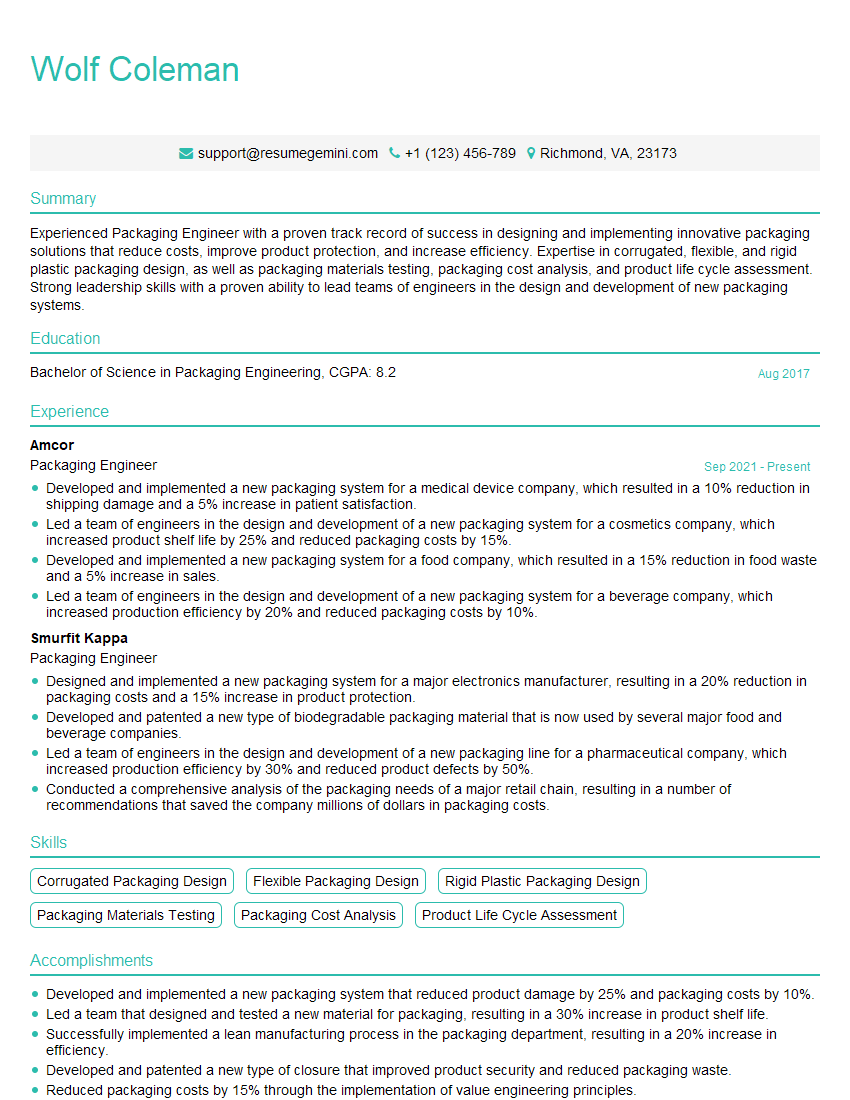
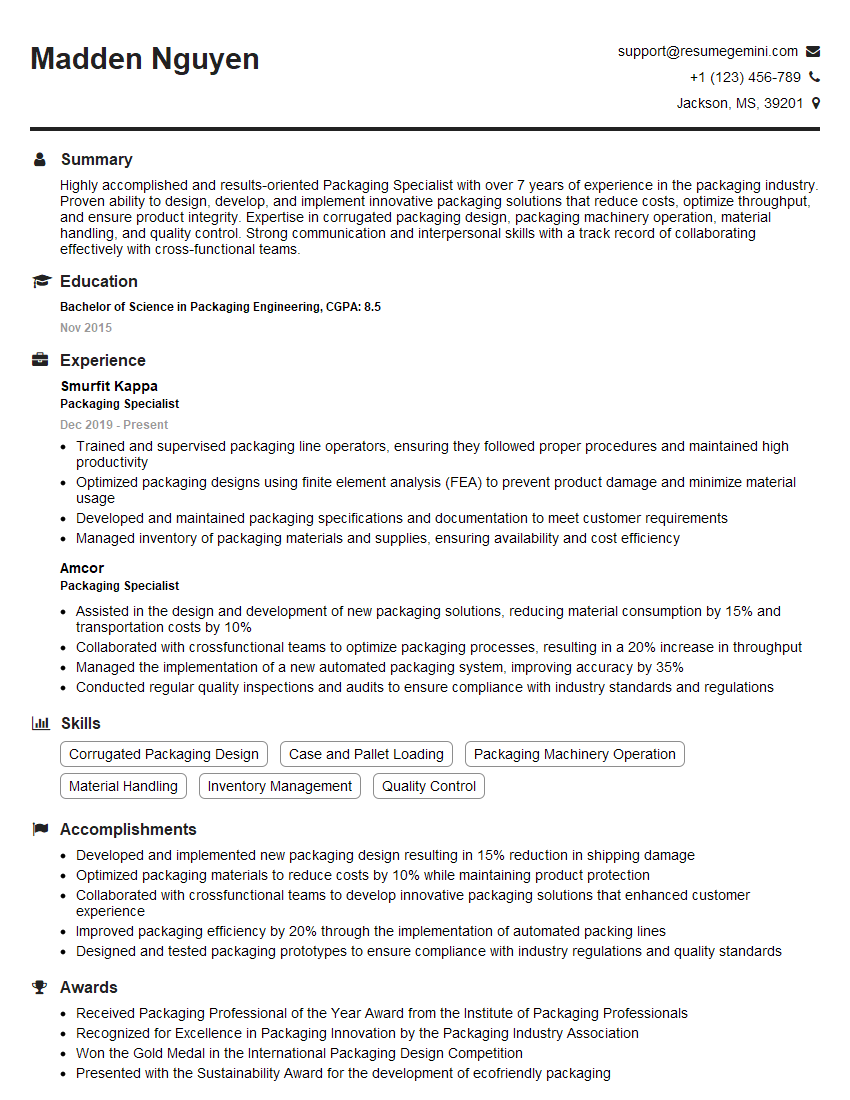
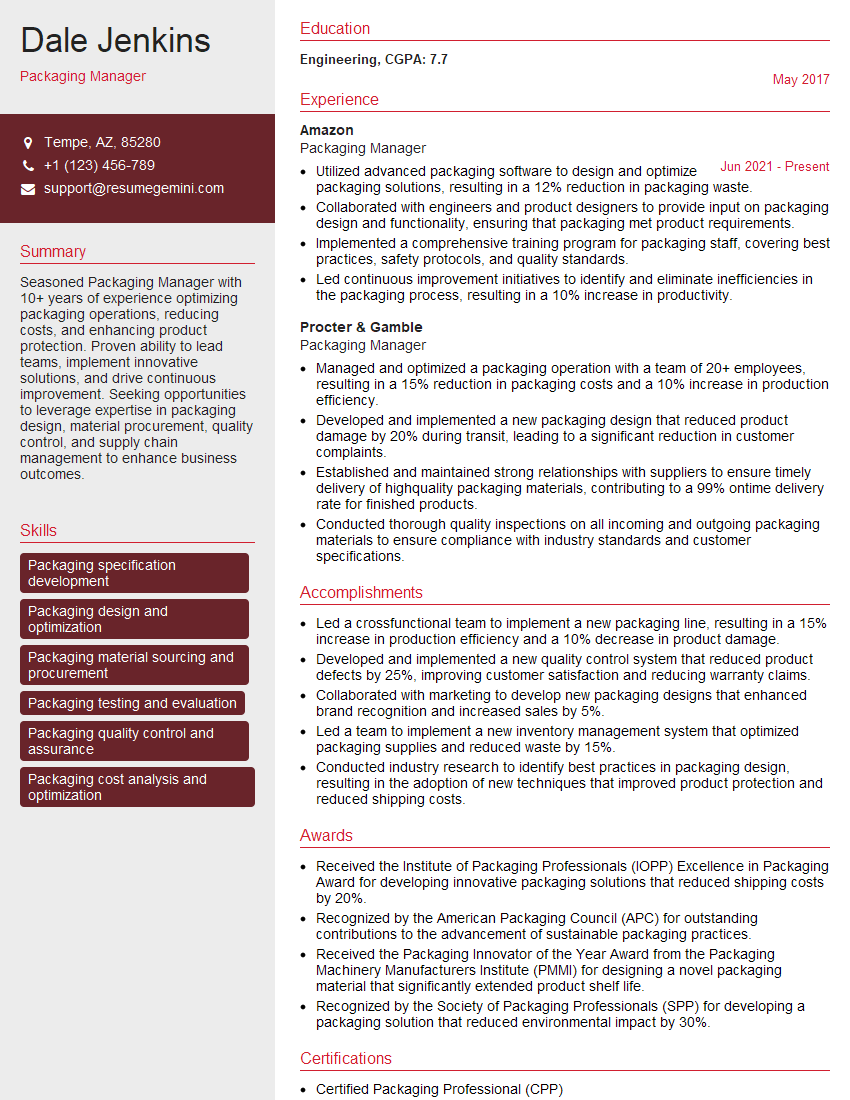
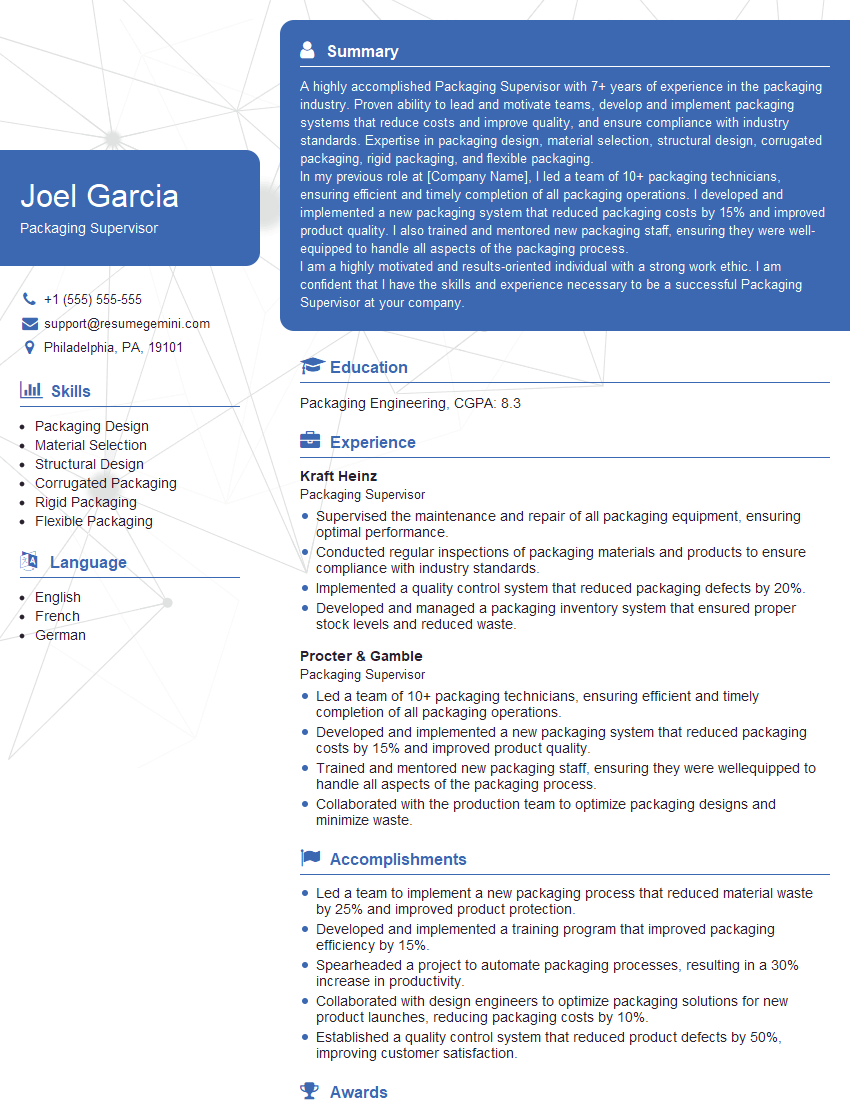
Mastering Sheeting and Shrink Wrapping opens doors to rewarding careers in manufacturing, logistics, and distribution. Proficiency in this area showcases valuable skills in operational efficiency, quality control, and problem-solving – all highly sought-after attributes in today’s job market. To maximize your job prospects, it’s crucial to present your skills effectively. Creating an ATS-friendly resume is key. ResumeGemini is a trusted resource that can help you build a professional resume that highlights your unique strengths and experiences. Examples of resumes tailored to Sheeting and Shrink Wrapping are provided to help you get started. Invest the time to create a compelling resume—it’s your first impression on potential employers.
Explore more articles
Users Rating of Our Blogs
Share Your Experience
We value your feedback! Please rate our content and share your thoughts (optional).
What Readers Say About Our Blog
good