Interviews are more than just a Q&A session—they’re a chance to prove your worth. This blog dives into essential Ship Unloading Operations interview questions and expert tips to help you align your answers with what hiring managers are looking for. Start preparing to shine!
Questions Asked in Ship Unloading Operations Interview
Q 1. Describe the different methods of ship unloading.
Ship unloading methods vary greatly depending on the type of cargo and port infrastructure. The primary methods include:
- Grabs and Clamshells: These mechanical devices are used for bulk materials like grains, ores, and aggregates. They’re lowered into the hold, filled, and then hoisted to deposit the cargo. Think of them as giant buckets! I’ve personally overseen operations using clamshells with capacities exceeding 10 cubic meters.
- Conveyors: These systems are ideal for high-volume, free-flowing materials. A conveyor belt runs from the ship’s hold to storage facilities ashore, creating a continuous flow. I worked on a project where we optimized a conveyor system, increasing unloading efficiency by 15%.
- Pneumatic Systems: These are used for powdery or granular materials like flour or cement. They use pressurized air to transfer the cargo through pipes, minimizing dust and spillage. Maintaining the integrity of these pneumatic systems is crucial; I’ve had to troubleshoot several instances of air leaks causing delays.
- Crane Systems: These are versatile and used for various types of cargo, including containers, breakbulk, and palletized goods. Cranes lift and move cargo from the ship to trucks, trains, or other storage areas. I’ve extensive experience with gantry cranes and shore cranes, including safety inspections and maintenance scheduling.
- Suction Systems: Used primarily for liquids like oils or liquefied gases. These systems employ large pumps to transfer the cargo through pipelines. The safety protocols around these systems are extremely stringent due to the hazardous nature of the cargo.
The choice of method depends on factors like cargo characteristics, unloading rate requirements, and available port facilities. For example, a port handling liquid natural gas (LNG) will primarily use suction systems, while a port specializing in containerized goods will rely heavily on crane systems.
Q 2. Explain the safety procedures involved in ship unloading.
Safety is paramount in ship unloading. Procedures vary slightly by port and cargo type but typically include:
- Pre-Unloading Inspections: Thorough checks of the vessel, equipment, and work area for hazards before any unloading begins. This includes ensuring that all safety equipment is functioning correctly.
- Risk Assessments: Identifying potential hazards and developing mitigation plans. This is a crucial step, especially when handling hazardous materials. I’ve personally led numerous risk assessments, identifying and addressing potential fall hazards, equipment malfunctions, and hazardous material exposures.
- Personal Protective Equipment (PPE): Mandatory use of appropriate PPE, including helmets, safety boots, high-visibility clothing, and respiratory protection, depending on the cargo. Ensuring adequate PPE is a critical part of my daily tasks.
- Communication Protocols: Clear and consistent communication channels between ship crew, stevedores, and terminal personnel. Using pre-defined hand signals and radio communications is vital, especially in noisy environments.
- Emergency Procedures: Established procedures for dealing with emergencies, including fire, spills, and injuries. Regular drills ensure that everyone knows their role in an emergency response.
- Permit-to-Work Systems: Formal authorization systems ensuring that all safety checks have been completed before work can begin. These systems are particularly important for high-risk tasks, such as working at heights or handling hazardous materials.
Safety briefings and training for all personnel involved are fundamental to maintaining a safe working environment. I always prioritize a culture of safety, encouraging workers to report any concerns without hesitation.
Q 3. What are the common challenges faced during ship unloading operations?
Ship unloading operations face numerous challenges:
- Weather Conditions: Adverse weather like strong winds, heavy rain, or fog can significantly disrupt operations, leading to delays and potential safety risks. I recall one instance where a typhoon forced a complete halt to unloading for several days.
- Equipment Malfunctions: Breakdown of cranes, conveyors, or other equipment can cause major delays and disruptions. Regular maintenance is essential but unforeseen failures can still occur. Having contingency plans is crucial in these situations.
- Cargo Damage: Improper handling can lead to damage to the cargo, resulting in financial losses and potential legal issues. Proper training and careful handling procedures are essential.
- Port Congestion: Limited space at the port and a high volume of ships awaiting unloading can create bottlenecks and delays. Effective scheduling and coordination are essential for managing congestion.
- Labor Shortages: A lack of skilled labor can hinder unloading efficiency and increase the risk of accidents. I always advocate for proper training and retention of skilled workers.
- Security Concerns: Protecting the cargo from theft or damage is crucial, especially for valuable or sensitive goods. Security measures, including surveillance and access control, are essential.
Successfully managing these challenges requires proactive planning, effective communication, and a robust safety management system.
Q 4. How do you manage potential delays in ship unloading?
Managing potential delays requires a proactive approach. My strategy typically involves:
- Contingency Planning: Developing alternative plans to address potential delays caused by weather, equipment failure, or other unforeseen circumstances. This might include using backup equipment or adjusting the unloading schedule.
- Real-time Monitoring: Closely monitoring the progress of the unloading operation to identify any potential delays early. I use digital dashboards and reporting systems to track key metrics in real time.
- Effective Communication: Maintaining open and clear communication with all stakeholders, including the ship crew, port authorities, and customers, to keep everyone informed of any delays and their potential impact.
- Flexible Scheduling: Developing a flexible unloading schedule that can adapt to changing conditions. This might involve prioritizing certain cargo or adjusting the work hours.
- Problem-Solving Skills: Quickly identifying and addressing the root cause of any delays, rather than just treating the symptoms. This requires a thorough understanding of the unloading process and the ability to analyze data efficiently.
- Collaboration: Working closely with other teams involved in the unloading operation, such as customs officials, security personnel, and transportation providers, to ensure seamless coordination.
By focusing on proactive planning and efficient problem-solving, we can minimize the impact of delays and keep the operation running smoothly.
Q 5. Describe your experience with different types of cargo handling equipment.
My experience encompasses a wide range of cargo handling equipment:
- Shipboard Cranes: I’m familiar with various types of shipboard cranes, including derrick cranes, jib cranes, and container cranes, and understand their operational limits and safety protocols.
- Shore Cranes: Experience with gantry cranes, portal cranes, and mobile harbor cranes, understanding their capabilities and limitations in different unloading scenarios.
- Forklifts and Reach Stackers: Proficient in using and managing these machines for handling palletized cargo, containers, and other unit loads. Safety training and certification are essential for operating these machines.
- Conveyors and Elevators: Experience in managing and troubleshooting conveyor systems, including belt conveyors, screw conveyors, and bucket elevators, for handling bulk materials.
- Grabs and Clamshells: Familiar with various types of grabs and clamshells, including orange peel grabs, clamshell buckets, and electro-magnetic grabs, used for handling various bulk materials.
My experience extends beyond just operation; I’m also skilled in maintenance scheduling, safety inspections, and performance optimization of these machines. Understanding the specific capabilities and limitations of each piece of equipment allows for efficient and safe cargo handling.
Q 6. How do you ensure the efficient and safe handling of hazardous materials?
Safe handling of hazardous materials requires meticulous planning and execution:
- Specialized Equipment: Using specialized equipment designed for handling specific hazardous materials, such as explosion-proof pumps, closed transfer systems, and specialized containers. I’ve personally overseen the unloading of hazardous chemicals, adhering to strict safety protocols and using specialized equipment.
- Detailed Safety Plans: Developing comprehensive safety plans that address potential hazards associated with the specific hazardous material being handled, including emergency response protocols.
- Training and Certification: Ensuring that all personnel involved in handling hazardous materials are properly trained and certified, adhering to all relevant regulations and industry best practices.
- Personal Protective Equipment (PPE): Providing appropriate PPE for handling specific hazardous materials, ensuring that workers are adequately protected against potential exposure.
- Spill Containment: Having contingency plans and equipment in place to quickly contain any spills or leaks of hazardous materials, minimizing environmental impact and preventing worker exposure.
- Regulatory Compliance: Strict adherence to all relevant regulations and reporting requirements related to the handling and transportation of hazardous materials.
Safety audits and regular training are essential for maintaining a safe and compliant operation when handling hazardous materials. I always prioritize a culture of safety, emphasizing proactive risk mitigation and adherence to stringent protocols.
Q 7. Explain your experience with cargo inventory management.
Cargo inventory management is crucial for efficient and accurate tracking of goods throughout the unloading process. My experience involves:
- Pre-Arrival Planning: Reviewing shipping documents and manifests before arrival to prepare for the unloading process and anticipate any potential issues.
- Real-time Tracking: Using electronic systems and scanners to track the movement of cargo as it is unloaded and transferred to storage, minimizing the risk of misplacement or loss.
- Data Management: Using inventory management software to track cargo quantities, locations, and conditions throughout the unloading process. I’ve worked with numerous inventory systems, from simple spreadsheets to advanced database systems.
- Quality Control: Conducting regular inspections of cargo during the unloading process to identify any damage or discrepancies. Accurate record-keeping is crucial in identifying issues promptly.
- Reporting: Generating accurate reports on cargo quantities, locations, and conditions for internal and external stakeholders, providing valuable information for operational analysis and decision-making.
- Integration with Other Systems: Integrating inventory management systems with other operational systems, such as customs systems and transportation management systems, to streamline the entire logistics process.
Accurate inventory management reduces operational costs, prevents losses, and ensures smooth onward movement of cargo. Implementing robust systems and processes, including regular data reconciliation, is crucial for successful cargo management.
Q 8. How do you handle damaged or missing cargo?
Handling damaged or missing cargo begins with meticulous documentation. Before unloading even starts, a thorough pre-inspection of the ship’s manifest is crucial to verify the cargo’s condition and quantity. During unloading, any discrepancies are immediately noted. We use a standardized damage report form detailing the nature and extent of damage (e.g., dents, cracks, water damage), quantity affected, and location on the ship. This report includes photographs and signatures from all relevant parties – the ship’s crew, stevedores, and our representatives. Missing cargo is investigated thoroughly, possibly involving reviewing loading documentation, CCTV footage, and even interviews with relevant personnel. Claims are then filed with the appropriate insurance company or shipping line, supported by the comprehensive documentation. For example, if a container of electronics arrives with water damage, we document the extent of the damage, the number of affected units, and initiate a claim with the insurer to recover the loss. We also notify the consignee immediately, keeping them informed throughout the claims process.
Q 9. What are your strategies for optimizing ship unloading productivity?
Optimizing ship unloading productivity involves a multi-pronged approach. First, we leverage technology; this includes utilizing sophisticated cargo tracking systems, real-time monitoring of unloading progress, and predictive analytics to anticipate potential bottlenecks. Second, efficient planning is key; pre-planning the unloading sequence based on cargo priority, destination, and available transport minimizes congestion. Third, we focus on effective resource allocation; this includes optimizing the number of cranes, forklifts, and personnel based on the type and volume of cargo, ensuring optimal utilization without creating unnecessary congestion. We also invest in training and upskilling our workforce on best practices and new technologies. For instance, implementing a system that integrates real-time data from cranes and trucks allows us to dynamically adjust unloading schedules, reducing idle time and maximizing throughput. A well-trained team can swiftly adapt to unexpected circumstances, keeping the process efficient.
Q 10. How do you maintain accurate records of unloading activities?
Maintaining accurate unloading records is paramount. We utilize a digital system that integrates with the ship’s manifest and tracks every stage of the unloading process. This system includes details like container numbers, cargo description, quantity unloaded, timestamps, and any anomalies or damage noted. Each step is digitally recorded, providing an auditable trail. We use barcodes and RFID tags to ensure accurate identification and tracking of each item. This system automatically generates reports for various stakeholders, including customs authorities, shipping lines, and consignees. For example, a report summarizing the total quantity of each item unloaded, along with associated timestamps and any damage reports, is automatically generated and available to the consignee for verification upon request. This digital trail significantly reduces errors and enhances transparency.
Q 11. Describe your experience with various types of ships and their unloading requirements.
My experience encompasses a wide range of vessels, from bulk carriers transporting grains and ores to container ships carrying diverse packaged goods and RoRo (roll-on/roll-off) ships handling vehicles and heavy machinery. Each type requires a tailored approach. Bulk carriers necessitate specialized equipment like conveyor belts and grabs to efficiently unload their cargo. Container ships demand careful planning and coordination to move containers swiftly and safely using cranes and trucks. RoRo ships require ramps and specialized handling equipment for the efficient loading and unloading of wheeled cargo. For instance, unloading a bulk carrier of iron ore differs vastly from unloading a container ship carrying consumer goods. The former involves large-scale material handling equipment, while the latter requires precise container management and careful tracking of individual units. My expertise lies in adapting methodologies to the unique needs of each vessel type.
Q 12. How do you coordinate with other departments during ship unloading?
Coordination with other departments is crucial for seamless unloading. We maintain close communication with the ship’s crew for updates on cargo location and condition, customs officials for timely clearance procedures, and transportation departments to ensure prompt cargo delivery to designated destinations. We use regular meetings and shared digital platforms to keep everyone updated on the progress and to address any potential issues proactively. For instance, we coordinate with customs ahead of arrival to ensure all necessary documentation is ready for inspection, minimizing delays. Simultaneously, we work with the trucking company to schedule pickups based on the anticipated unloading completion time, preventing unnecessary waiting and storage costs. This collaborative approach significantly streamlines the entire unloading process.
Q 13. How do you manage and resolve conflicts between different parties involved in unloading?
Conflict resolution begins with clear communication and a collaborative approach. I strive to understand the perspectives of all parties involved – the ship’s crew, stevedores, customs officials, consignees – to identify the root cause of the conflict. I facilitate open dialogue, encouraging everyone to express their concerns and work towards a mutually acceptable solution. In instances of disagreements regarding cargo damage, I refer to the detailed damage reports and associated documentation. Mediation is employed when necessary, with an emphasis on finding a fair and equitable outcome for all parties involved. For example, if there’s a dispute over the extent of damage to a shipment, I would review all available evidence, involve a neutral third-party surveyor if necessary, and work towards a settlement that considers the financial implications for all parties. The goal is always to maintain positive working relationships while resolving disputes effectively.
Q 14. Explain your understanding of customs regulations related to cargo unloading.
My understanding of customs regulations related to cargo unloading is thorough. I am well-versed in import/export laws, documentation requirements, security protocols, and procedures for declaring and inspecting cargo. I ensure that all necessary documentation, including manifests, bills of lading, and certificates of origin, are accurate and readily available for customs inspection. We maintain strict adherence to security protocols, including scanning and x-raying cargo as required. I stay updated on evolving regulations and provide training to our team to ensure compliance. Failure to comply with customs regulations can lead to significant delays, penalties, and even legal ramifications. Therefore, maintaining a strong understanding and strict adherence to these regulations are of paramount importance to our operations. We conduct regular internal audits to ensure all procedures align with the latest customs directives.
Q 15. What are the key performance indicators (KPIs) you track in ship unloading?
Key Performance Indicators (KPIs) in ship unloading are crucial for monitoring efficiency, safety, and cost-effectiveness. We track a range of metrics, focusing on both the speed of the operation and its overall quality. Think of it like a finely tuned orchestra – each instrument (KPI) contributes to the overall harmonious performance.
- Throughput (tons/hour): This measures the rate at which cargo is unloaded, a direct indicator of operational efficiency. For example, a target of 1000 tons per hour might be set for a particular vessel and cargo type.
- Turnaround Time: The total time taken from the vessel’s arrival to its departure, minimizing port congestion. Reducing this by even a few hours can save considerable costs.
- Cargo Damage Rate: Percentage of cargo damaged during unloading. This KPI highlights the effectiveness of our handling procedures and personnel training. A consistently low rate, say below 0.5%, showcases robust damage prevention strategies.
- Safety Incidents Rate: Number of safety incidents per unloading operation, indicating the effectiveness of our safety protocols. Zero incidents is the ultimate goal, and any increase triggers immediate investigation and corrective action.
- Equipment Utilization Rate: The percentage of time that cranes, conveyors, and other equipment are actively used. Maximizing this ensures that our investment in equipment is paying off.
- Cost per Ton: This measures the overall cost of unloading per ton of cargo, helping us identify areas for cost optimization.
Regularly monitoring and analyzing these KPIs allows us to identify bottlenecks, implement improvements, and ultimately optimize the entire unloading process.
Career Expert Tips:
- Ace those interviews! Prepare effectively by reviewing the Top 50 Most Common Interview Questions on ResumeGemini.
- Navigate your job search with confidence! Explore a wide range of Career Tips on ResumeGemini. Learn about common challenges and recommendations to overcome them.
- Craft the perfect resume! Master the Art of Resume Writing with ResumeGemini’s guide. Showcase your unique qualifications and achievements effectively.
- Don’t miss out on holiday savings! Build your dream resume with ResumeGemini’s ATS optimized templates.
Q 16. How do you ensure compliance with safety regulations and environmental standards?
Compliance with safety regulations and environmental standards is paramount. It’s not just about ticking boxes; it’s about creating a safe and responsible work environment. We achieve this through a multi-layered approach.
- Strict Adherence to Regulations: We meticulously follow all international maritime regulations (IMO), national port regulations, and local environmental laws. This includes proper documentation, permits, and inspections.
- Risk Assessments and Mitigation: Regular risk assessments identify potential hazards and outline mitigation strategies. For example, before unloading hazardous materials, we conduct a detailed risk assessment specifying safety equipment, personnel training, and emergency procedures.
- Regular Safety Audits and Training: We conduct frequent internal safety audits to ensure compliance and identify areas for improvement. Comprehensive safety training for all personnel is mandatory, covering emergency procedures, handling of hazardous materials, and personal protective equipment (PPE) usage.
- Environmental Protection Measures: We implement measures to minimize environmental impact, such as dust suppression during unloading of dry bulk cargoes, proper handling of oily water, and prevention of spills. This often involves specialized equipment and trained personnel.
- Emergency Response Plans: Detailed emergency response plans are in place to address potential scenarios like spills, fires, or medical emergencies. Regular drills ensure everyone knows their roles and responsibilities.
Safety and environmental compliance are not just about avoiding penalties; they’re integral to our operational philosophy and reflect our commitment to responsible business practices. A strong safety culture permeates every aspect of our operations.
Q 17. Describe your experience with using technology to improve ship unloading efficiency.
Technology plays a vital role in enhancing ship unloading efficiency and safety. We’ve integrated several technologies to optimize our operations.
- Vessel Planning Software: This software allows us to optimize the unloading sequence, considering factors like cargo type, stowage plan, and available resources. This reduces idle time and improves overall throughput.
- Real-time Tracking Systems: GPS tracking and sensor technology provide real-time data on cargo location, equipment status, and personnel whereabouts. This improves coordination and responsiveness.
- Automated Crane Control Systems: Advanced crane control systems improve precision and speed during unloading. This minimizes the risk of damage and increases efficiency. We use systems that allow for remote monitoring and diagnostics, too.
- Data Analytics and Reporting: We use sophisticated data analytics tools to identify trends and patterns in our operational data, providing insights for continuous improvement. This allows us to pinpoint bottlenecks, forecast demands, and make data-driven decisions.
For example, our implementation of real-time tracking of cargo has reduced our turnaround time by an average of 15%. This translates directly to cost savings and increased port capacity. The data-driven approach also helps us proactively address potential issues, preventing major disruptions.
Q 18. How do you handle unexpected emergencies during ship unloading?
Unexpected emergencies can arise during ship unloading, ranging from equipment malfunctions to medical emergencies or cargo spills. Our preparedness is key to effectively handling such situations.
- Emergency Response Plan: Our comprehensive plan outlines procedures for various emergencies, specifying roles, responsibilities, and communication protocols. Regular drills keep our team prepared and coordinated.
- Communication Systems: We utilize clear and efficient communication channels, including two-way radios, mobile phones, and emergency alert systems. This ensures prompt information dissemination and coordination during crises.
- On-site Emergency Services: We have access to or maintain on-site emergency medical personnel and firefighting equipment. Quick access to these resources is crucial in minimizing the impact of any incident.
- Incident Reporting and Investigation: After any emergency, we conduct a thorough investigation to identify root causes, learn from mistakes, and implement corrective actions to prevent recurrence. This ensures continuous improvement in our safety protocols and emergency response capabilities.
For instance, during a recent crane malfunction, our emergency response plan was activated seamlessly. The affected area was secured, alternative unloading methods were implemented, and the malfunctioning crane was quickly repaired, minimizing downtime and preventing accidents.
Q 19. How do you train and supervise your team?
Training and supervision are cornerstones of our operation. A well-trained and supervised team is the key to safety and efficiency.
- Comprehensive Training Programs: New team members undergo a comprehensive training program covering safety procedures, equipment operation, cargo handling techniques, and emergency response protocols. Experienced members also receive regular refresher training on updated regulations and best practices.
- On-the-Job Training and Mentorship: Experienced personnel mentor new team members, providing hands-on training and guidance in a safe and supportive environment. This fosters a culture of knowledge sharing and continuous improvement.
- Performance Evaluation and Feedback: Regular performance evaluations provide feedback to team members, identifying strengths and areas for development. This contributes to both individual and team growth.
- Supervisory Oversight: Experienced supervisors monitor operations, ensuring compliance with safety regulations and procedures. They provide guidance, address concerns, and intervene when necessary.
Our commitment to training and development ensures that our team is equipped with the necessary skills and knowledge to perform their tasks safely and efficiently. We view training as an ongoing investment in our team and our operation.
Q 20. How do you prioritize tasks during peak unloading periods?
Peak unloading periods demand efficient task prioritization. We use a combination of strategies to manage the increased workload.
- Prioritization Matrix: We use a prioritization matrix to rank tasks based on urgency and importance. Time-sensitive tasks, such as unloading perishable goods or high-value cargo, are given priority.
- Resource Allocation: We optimize the allocation of resources (personnel, equipment) to handle high-priority tasks first. This might involve deploying additional crews or equipment during peak hours.
- Communication and Coordination: Clear and consistent communication among team members, supervisors, and other stakeholders is crucial to ensure smooth coordination and efficient task execution during peak times.
- Flexible Scheduling: We employ flexible scheduling to accommodate the fluctuating demands of peak periods, ensuring efficient use of available resources and minimizing delays.
Imagine it like a busy airport – during peak hours, flights are prioritized based on urgency and importance, resources are allocated efficiently, and communication is paramount to keep operations flowing smoothly. We apply the same principles to our ship unloading operations.
Q 21. What are your strategies for preventing cargo damage during unloading?
Preventing cargo damage is crucial, representing both financial and reputational considerations. We employ several strategies to minimize damage:
- Proper Cargo Handling Techniques: Our team is trained in proper cargo handling techniques, including the use of appropriate equipment, securing methods, and safe lifting procedures. This includes awareness of different cargo types and their specific handling requirements.
- Equipment Maintenance: Regular maintenance of unloading equipment is essential to prevent malfunctions that could lead to damage. This also includes checks for wear and tear, preventative measures and regular inspections.
- Weather Monitoring: We closely monitor weather conditions and adjust operations accordingly to prevent damage from rain, wind, or extreme temperatures. Unloading might be suspended in severe weather.
- Cargo Inspection: Pre- and post-unloading inspections are performed to identify any existing or newly incurred damage. This ensures accountability and helps identify areas for improvement in our handling procedures.
- Proper Stowage and Securing: We work closely with the vessel’s crew to ensure proper stowage and securing of the cargo before and during unloading. This minimizes the risk of shifting or damage during the unloading process.
By meticulously following these preventive measures, we maintain a consistently low cargo damage rate. This reflects our commitment to protecting our clients’ investments and maintaining our reputation for safe and efficient operations.
Q 22. How familiar are you with different types of cargo securing and lashing techniques?
Cargo securing and lashing are crucial for safe and efficient ship unloading. Different techniques are employed depending on the type of cargo – whether it’s containers, bulk goods, breakbulk, or RoRo (roll-on/roll-off) vehicles. My experience encompasses a wide range of methods.
- Container Lashing: I’m proficient in using twist locks, lashing bars, and securing chains to ensure containers remain stable throughout the voyage and during unloading. This includes understanding the importance of proper tensioning to prevent shifting or damage. For instance, I’ve managed the lashing of reefer containers, requiring careful consideration of their specific weight and power requirements.
- Bulk Cargo Securing: This involves techniques like using airbags, dunnage (wood or other materials used for packing and securing), and sometimes even specialized netting to prevent shifting of loose cargo. I’ve worked extensively with grain, ores, and other bulk materials, understanding the importance of proper load distribution to maintain the vessel’s stability.
- Breakbulk Cargo Securing: This is often more complex, requiring customized solutions depending on the cargo’s shape and size. I’m familiar with various techniques, including the use of wooden supports, steel straps, and other lashing materials to secure palletized and unpalletized goods effectively. For example, I once oversaw the unloading of a shipment of heavy machinery, requiring detailed planning and specialized lashing techniques.
- RoRo Cargo Securing: My experience includes the securement of vehicles on RoRo vessels using wheel chocks, restraints, and appropriate lashing systems. I’m well-versed in safety regulations and procedures concerning the unloading and movement of these vehicles.
Understanding the different types of lashing materials, their load limits, and the relevant international standards is critical to prevent accidents and damage during unloading. I regularly conduct pre-unloading inspections to verify the security of the cargo.
Q 23. What is your experience with different types of cranes and their operation?
I have extensive experience operating various types of cranes commonly used in ship unloading, including:
- Ship-to-Shore (STS) Cranes: These giant cranes are crucial for unloading large containers. My experience includes operating and maintaining these cranes, ensuring their safe and efficient operation, including understanding the critical aspects of load charts and swing radius limits.
- Mobile Harbor Cranes (MHCs): Highly versatile, these cranes are used for various cargo types and operations. I am familiar with their controls, safety protocols, and maintenance requirements. For example, I’ve used MHCs for efficiently unloading both containers and breakbulk cargo in tight spaces.
- Gantry Cranes: These cranes are frequently used in container terminals for stacking and handling containers. My experience includes precise maneuvering and stacking of containers using these cranes, optimizing space and ensuring safe operations. I have also been involved in crane maintenance and inspections.
- Floating Cranes: I’ve worked with floating cranes in situations where STS cranes are not feasible, particularly in smaller ports or when unloading heavy, oversized equipment.
Beyond operating the cranes, I have a strong understanding of their technical aspects, including load capacities, lifting mechanisms, safety interlocks, and maintenance schedules. Safety is always my top priority, and I adhere to all relevant regulations and best practices.
Q 24. Describe your experience with using a warehouse management system (WMS).
My experience with Warehouse Management Systems (WMS) is extensive. I’ve used various WMS platforms to manage the entire process, from receiving cargo information to tracking its location within the warehouse and managing inventory.
- Inventory Management: I use WMS to accurately track inventory levels, ensuring that we have sufficient space and resources to handle incoming shipments. This includes updating stock levels in real-time, minimizing discrepancies, and avoiding stockouts.
- Order Fulfillment: The WMS facilitates efficient order picking and packing processes, optimizing routes and minimizing handling times. For example, I’ve used WMS features to direct workers to the optimal location for picking, thereby optimizing efficiency.
- Reporting and Analytics: I leverage WMS reporting capabilities to monitor key performance indicators (KPIs) such as unloading speed, storage utilization, and order accuracy. This data is crucial for identifying areas for improvement and optimizing processes.
- Integration with Other Systems: I’ve worked with WMS systems that seamlessly integrate with other logistics systems, such as Transportation Management Systems (TMS), enabling efficient communication and data flow throughout the supply chain. This integration provides a holistic view of the entire operation.
Proficiency in using WMS is critical for efficient unloading, warehousing, and overall supply chain management. My skills include not only using the software but also configuring and customizing it to meet specific operational needs.
Q 25. How do you monitor and manage the unloading budget?
Monitoring and managing the unloading budget requires careful planning and meticulous tracking of expenses. My approach involves a multi-faceted strategy:
- Pre-Unloading Planning: Accurate cost estimation is crucial. This involves analyzing the cargo type, volume, unloading methods, labor costs, equipment rental (if any), and any potential unforeseen expenses. I develop detailed budget proposals based on these estimations.
- Real-Time Monitoring: I closely track expenses during the unloading process, comparing them against the budget. This involves monitoring labor hours, equipment usage, and any unexpected costs. Regular reports are generated to highlight any deviations.
- Variance Analysis: Any discrepancies between actual and budgeted costs are carefully analyzed to identify root causes. This could include inefficiencies, equipment malfunctions, or unexpected delays. This analysis helps us to learn and improve our budget management for future operations.
- Negotiation and Cost Optimization: I actively seek opportunities to negotiate favorable rates with vendors, contractors, and equipment suppliers. I also focus on improving operational efficiency to reduce labor costs and equipment usage.
For example, in one project, I identified a potential cost overrun due to unexpected equipment downtime. By quickly finding an alternative solution and negotiating a better rate, I successfully managed to keep the project within budget.
Q 26. Explain your understanding of International Maritime Dangerous Goods (IMDG) code.
The International Maritime Dangerous Goods (IMDG) Code is a critical safety regulation for handling dangerous goods during sea transportation. My understanding is thorough and covers aspects such as classification, segregation, packaging, labeling, and documentation.
- Cargo Classification: I’m proficient in classifying dangerous goods according to the IMDG Code’s classification system. This is crucial for proper handling and stowage to prevent accidents.
- Segregation and Stowage: I understand the importance of segregating incompatible dangerous goods to prevent hazardous reactions. Proper stowage is vital to ensure stability and prevent shifting during transit.
- Packaging and Labeling: I’m familiar with the specific packaging and labeling requirements for different dangerous goods, ensuring compliance with international standards. This includes verifying the packaging’s integrity and ensuring that labels are accurate and legible.
- Emergency Response: I’m trained to handle emergencies involving dangerous goods, including knowing the proper procedures for containment and evacuation.
Adherence to the IMDG Code is non-negotiable. Any deviation can result in severe consequences, including accidents, environmental damage, and legal repercussions. I ensure strict adherence to all aspects of the code throughout the unloading process.
Q 27. How do you ensure the timely and accurate documentation of cargo unloading?
Timely and accurate documentation is paramount for efficient ship unloading and accountability. My approach emphasizes a systematic and organized process:
- Pre-Unloading Documentation: This involves reviewing the shipping documents, including manifests, bills of lading, and any special instructions regarding cargo handling. This ensures accurate identification and verification of the cargo.
- Real-Time Documentation: I ensure that every step of the unloading process is meticulously documented. This includes recording the time of arrival, the type and quantity of cargo unloaded, any damages or discrepancies, and the destination of the cargo.
- Cargo Tracking: A robust tracking system is essential, frequently involving barcodes or RFID tags, to track the movement of cargo from the vessel to the warehouse and ultimately to its final destination.
- Post-Unloading Documentation: After completion, a detailed report summarizing the entire unloading process is compiled, including any issues encountered and their resolutions. This report serves as an official record of the operation.
I utilize both physical and digital documentation methods to ensure efficiency and accuracy. Digital documentation helps to improve traceability and reduces the risk of errors, while physical documentation acts as a backup.
Q 28. Describe your experience with reporting and analyzing ship unloading performance data.
Analyzing ship unloading performance data is essential for continuous improvement. My experience includes collecting, analyzing, and reporting on various KPIs to identify areas for optimization.
- Data Collection: I collect data from various sources, including the WMS, crane operation logs, and unloading time records. This data provides a comprehensive picture of the unloading process.
- KPI Analysis: I analyze key performance indicators, such as unloading time per unit, equipment utilization rate, labor productivity, and the number of incidents or errors. This helps identify bottlenecks and inefficiencies.
- Reporting and Visualization: I create detailed reports and visualizations, using charts and graphs to present the data clearly and effectively. These reports are used to communicate findings to stakeholders and track progress towards improvement goals.
- Root Cause Analysis: When performance falls short of targets, I conduct root cause analyses to identify the underlying issues. This often involves examining factors such as equipment malfunction, operational inefficiencies, or external factors like weather conditions.
For example, through data analysis, I once identified that a specific crane was consistently slower than others. By investigating this, we discovered a minor mechanical issue that was quickly resolved, resulting in a significant improvement in overall unloading time.
Key Topics to Learn for Ship Unloading Operations Interview
- Safety Procedures and Regulations: Understanding and adhering to all relevant safety protocols, including OSHA regulations and company-specific guidelines. Practical application: Describe your experience with pre-shift safety checks, hazard identification, and emergency response procedures.
- Cargo Handling Techniques: Knowledge of different cargo types (bulk, breakbulk, containers), handling equipment (cranes, forklifts, conveyors), and efficient unloading methods. Practical application: Explain your understanding of load distribution, securing cargo, and minimizing damage during unloading.
- Logistics and Planning: Familiarity with planning and coordinating unloading operations, including scheduling, resource allocation, and communication with various stakeholders (ship crew, transport, warehouse). Practical application: Describe your experience in optimizing unloading timelines and managing potential delays.
- Inventory Management and Tracking: Understanding the importance of accurate inventory control during and after unloading, using technology like barcode scanners or inventory management software. Practical application: Explain methods for verifying cargo quantity and quality upon unloading and addressing discrepancies.
- Equipment Maintenance and Troubleshooting: Basic knowledge of equipment maintenance, preventative measures, and troubleshooting common issues. Practical application: Discuss your experience in identifying and reporting equipment malfunctions and your understanding of basic maintenance procedures.
- Teamwork and Communication: Highlighting the collaborative nature of ship unloading and the importance of effective communication within the team and with external parties. Practical application: Describe scenarios where effective teamwork and communication were critical to successful unloading operations.
Next Steps
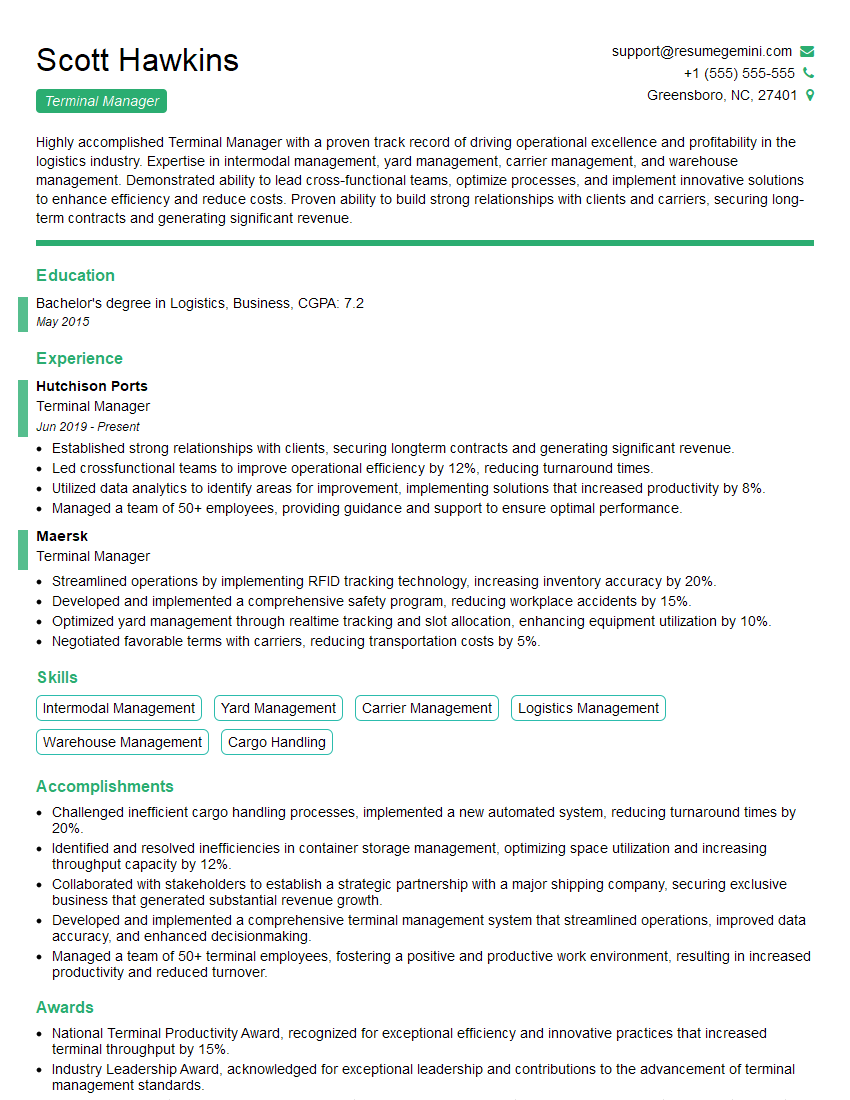
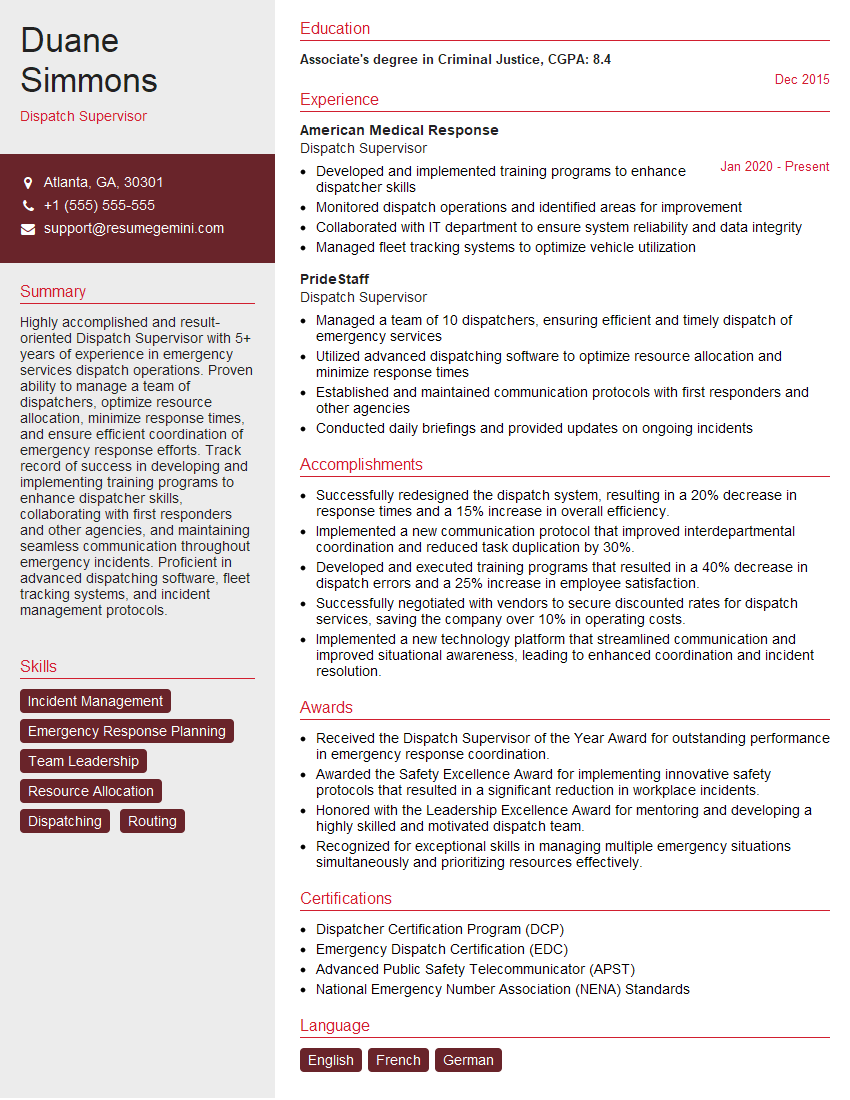
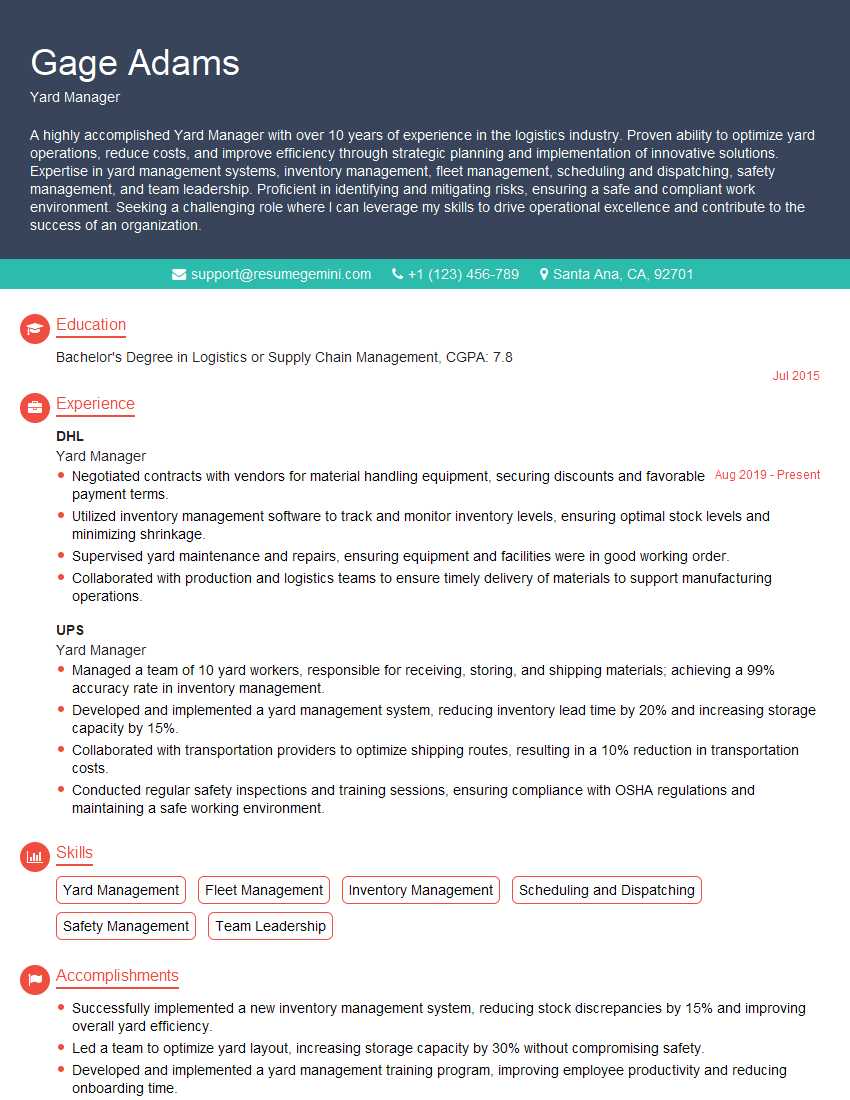
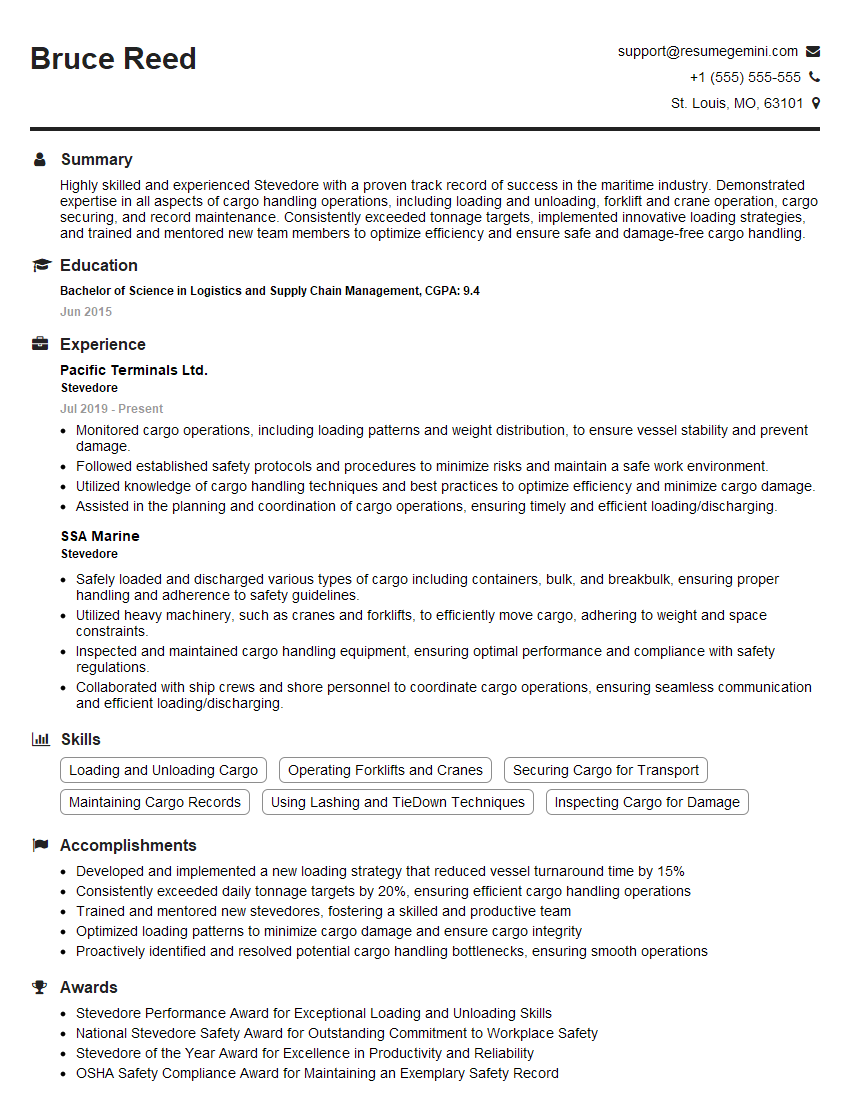
Mastering Ship Unloading Operations opens doors to a rewarding career with excellent growth potential. Advancement opportunities often involve increased responsibility, specialized training, and higher earning potential. To maximize your job prospects, it’s crucial to create an ATS-friendly resume that highlights your skills and experience effectively. ResumeGemini is a trusted resource to help you build a professional and impactful resume. They provide examples of resumes tailored to Ship Unloading Operations, ensuring your application stands out from the competition. Invest time in crafting a strong resume; it’s your first impression on potential employers.


Explore more articles
Users Rating of Our Blogs
Share Your Experience
We value your feedback! Please rate our content and share your thoughts (optional).
What Readers Say About Our Blog
Hello,
we currently offer a complimentary backlink and URL indexing test for search engine optimization professionals.
You can get complimentary indexing credits to test how link discovery works in practice.
No credit card is required and there is no recurring fee.
You can find details here:
https://wikipedia-backlinks.com/indexing/
Regards
NICE RESPONSE TO Q & A
hi
The aim of this message is regarding an unclaimed deposit of a deceased nationale that bears the same name as you. You are not relate to him as there are millions of people answering the names across around the world. But i will use my position to influence the release of the deposit to you for our mutual benefit.
Respond for full details and how to claim the deposit. This is 100% risk free. Send hello to my email id: [email protected]
Luka Chachibaialuka
Hey interviewgemini.com, just wanted to follow up on my last email.
We just launched Call the Monster, an parenting app that lets you summon friendly ‘monsters’ kids actually listen to.
We’re also running a giveaway for everyone who downloads the app. Since it’s brand new, there aren’t many users yet, which means you’ve got a much better chance of winning some great prizes.
You can check it out here: https://bit.ly/callamonsterapp
Or follow us on Instagram: https://www.instagram.com/callamonsterapp
Thanks,
Ryan
CEO – Call the Monster App
Hey interviewgemini.com, I saw your website and love your approach.
I just want this to look like spam email, but want to share something important to you. We just launched Call the Monster, a parenting app that lets you summon friendly ‘monsters’ kids actually listen to.
Parents are loving it for calming chaos before bedtime. Thought you might want to try it: https://bit.ly/callamonsterapp or just follow our fun monster lore on Instagram: https://www.instagram.com/callamonsterapp
Thanks,
Ryan
CEO – Call A Monster APP
To the interviewgemini.com Owner.
Dear interviewgemini.com Webmaster!
Hi interviewgemini.com Webmaster!
Dear interviewgemini.com Webmaster!
excellent
Hello,
We found issues with your domain’s email setup that may be sending your messages to spam or blocking them completely. InboxShield Mini shows you how to fix it in minutes — no tech skills required.
Scan your domain now for details: https://inboxshield-mini.com/
— Adam @ InboxShield Mini
Reply STOP to unsubscribe
Hi, are you owner of interviewgemini.com? What if I told you I could help you find extra time in your schedule, reconnect with leads you didn’t even realize you missed, and bring in more “I want to work with you” conversations, without increasing your ad spend or hiring a full-time employee?
All with a flexible, budget-friendly service that could easily pay for itself. Sounds good?
Would it be nice to jump on a quick 10-minute call so I can show you exactly how we make this work?
Best,
Hapei
Marketing Director
Hey, I know you’re the owner of interviewgemini.com. I’ll be quick.
Fundraising for your business is tough and time-consuming. We make it easier by guaranteeing two private investor meetings each month, for six months. No demos, no pitch events – just direct introductions to active investors matched to your startup.
If youR17;re raising, this could help you build real momentum. Want me to send more info?
Hi, I represent an SEO company that specialises in getting you AI citations and higher rankings on Google. I’d like to offer you a 100% free SEO audit for your website. Would you be interested?
Hi, I represent an SEO company that specialises in getting you AI citations and higher rankings on Google. I’d like to offer you a 100% free SEO audit for your website. Would you be interested?
good