The right preparation can turn an interview into an opportunity to showcase your expertise. This guide to managing inventory and ordering supplies interview questions is your ultimate resource, providing key insights and tips to help you ace your responses and stand out as a top candidate.
Questions Asked in managing inventory and ordering supplies Interview
Q 1. Explain the different inventory management methods (FIFO, LIFO, weighted average).
Inventory management methods dictate how the cost of goods sold (COGS) and the value of ending inventory are calculated. This impacts financial statements and tax liabilities. Three common methods are FIFO, LIFO, and weighted average.
- FIFO (First-In, First-Out): This method assumes that the oldest items in inventory are sold first. Imagine a bakery – the oldest croissants are sold first. This results in a higher COGS during inflation, as older, cheaper items are sold first, leaving more expensive items in ending inventory.
- LIFO (Last-In, First-Out): Here, the newest items are sold first. Think of a stack of pancakes; you eat the top one (newest) first. During inflation, LIFO leads to a higher COGS and lower ending inventory valuation compared to FIFO. Note that LIFO is not permitted under IFRS (International Financial Reporting Standards).
- Weighted Average Cost: This method calculates the average cost of all items in inventory and applies that average cost to both COGS and ending inventory. It’s a simpler method than FIFO or LIFO, providing a smoother representation of inventory costs, particularly useful for items that are difficult to track individually.
Example: Let’s say we purchased 10 units at $10 and then 10 units at $12. With 5 units sold:
- FIFO: COGS = (10*$10) + (5*$12) = $160
- LIFO: COGS = (10*$12) + (5*$10) = $170
- Weighted Average: Average cost = ($100 + $120)/20 = $11, COGS = 5 * $11 = $55
Q 2. Describe your experience with inventory tracking software.
I have extensive experience with several inventory tracking software solutions, including NetSuite, Fishbowl Inventory, and Zoho Inventory. My proficiency extends beyond basic data entry to include the configuration of automated alerts for low stock, cycle counting features, and integration with our accounting software for seamless financial reporting. For instance, in my previous role at [Previous Company Name], we implemented NetSuite to manage our inventory across multiple warehouses. This resulted in a significant reduction in stockouts and improved overall inventory accuracy, leading to a 15% decrease in carrying costs within six months. I am adept at customizing these systems to align with specific business needs and reporting requirements. I am comfortable troubleshooting software issues and training others on optimal usage.
Q 3. How do you calculate reorder points and safety stock?
Reorder points and safety stock are crucial for preventing stockouts while minimizing excess inventory. The reorder point is the inventory level at which a new order should be placed. Safety stock acts as a buffer against unexpected demand fluctuations or delays in replenishment.
Reorder Point Calculation: Reorder Point = (Lead Time Demand) + Safety Stock
Lead Time Demand: This is the average demand during the lead time (the time it takes for an order to be delivered). Lead Time Demand = Lead Time x Average Daily Demand
Safety Stock Calculation: Safety stock is calculated considering the variability in demand and lead time. Several methods exist, but a common approach is using a safety stock multiplier based on the standard deviation of demand during lead time. Safety Stock = Safety Stock Multiplier x Standard Deviation of Lead Time Demand The multiplier depends on the desired service level (the probability of not experiencing a stockout).
Example: Let’s assume average daily demand is 10 units, lead time is 5 days, and standard deviation of lead time demand is 5 units. If we want a 95% service level (multiplier approximately 2), then:
- Lead Time Demand = 5 days * 10 units/day = 50 units
- Safety Stock = 2 * 5 units = 10 units
- Reorder Point = 50 units + 10 units = 60 units
Q 4. What metrics do you use to measure inventory performance?
Several key metrics help evaluate inventory performance. These include:
- Inventory Turnover Ratio: This measures how many times inventory is sold and replaced over a period.
Inventory Turnover = Cost of Goods Sold / Average InventoryA higher ratio generally indicates efficient inventory management. - Days Sales of Inventory (DSI): This shows the number of days it takes to sell the current inventory.
DSI = (Average Inventory / Cost of Goods Sold) * Number of DaysA lower DSI is preferred. - Stockout Rate: The percentage of times an item is out of stock when demanded. Aim for a low stockout rate.
- Inventory Holding Cost: The cost associated with storing inventory (storage, insurance, taxes, obsolescence). Reducing this cost is key.
- Inventory Accuracy: The difference between the recorded inventory and the actual physical inventory. High accuracy is crucial.
By tracking these metrics, we can identify areas for improvement and optimize inventory processes.
Q 5. How do you handle inventory discrepancies?
Inventory discrepancies, the difference between recorded and physical inventory, are handled systematically. My approach involves:
- Identify the Discrepancy: Perform a thorough physical inventory count to pinpoint the difference.
- Investigate the Cause: Common causes include data entry errors, theft, damage, or misplacement. Investigate thoroughly to identify the root cause.
- Adjust Records: Correct the inventory records to reflect the actual count.
- Implement Preventative Measures: Address the root cause to prevent future discrepancies. This might involve improved data entry procedures, enhanced security measures, better stock organization, or regular cycle counting.
- Document Everything: Maintain detailed records of the discrepancy, investigation, and corrective actions taken.
For example, if a discrepancy is consistently found in a particular area, it might indicate a problem with storage or handling procedures in that location, necessitating a review and improvements.
Q 6. Explain your experience with forecasting demand.
Demand forecasting is crucial for effective inventory management. I utilize a combination of quantitative and qualitative methods. Quantitative methods include:
- Time Series Analysis: Analyzing historical sales data to identify trends and seasonality patterns. Tools like moving averages and exponential smoothing are used.
- Regression Analysis: Examining the relationship between sales and other factors (e.g., price, promotions, economic indicators) to predict future sales.
Qualitative methods incorporate market knowledge and expert opinions:
- Market Research: Gathering insights from customer surveys, market reports, and competitor analysis.
- Salesforce Input: Collecting forecasts from sales teams who are close to the customer.
I typically use software like [mention specific software if applicable] to perform these analyses and generate forecasts. Accuracy is continuously monitored and the forecasting model is refined as new data becomes available.
Q 7. Describe your process for managing supplier relationships.
Managing supplier relationships is vital for a reliable supply chain. My approach focuses on building strong, collaborative partnerships:
- Supplier Selection: Carefully evaluate potential suppliers based on factors like reliability, quality, price, and lead times.
- Negotiation: Negotiate favorable terms, including pricing, payment schedules, and service level agreements.
- Communication: Maintain open and regular communication with suppliers, sharing forecasts and addressing any issues promptly.
- Performance Monitoring: Track key supplier performance indicators (KPIs) like on-time delivery, quality, and responsiveness.
- Relationship Building: Foster strong relationships based on trust and mutual benefit. Regular meetings, feedback sessions and potentially joint improvement projects can significantly strengthen this.
For example, I’ve successfully negotiated contracts with key suppliers resulting in discounted pricing and improved delivery times, which directly translated to cost savings and enhanced customer satisfaction.
Q 8. How do you optimize inventory levels to minimize costs?
Optimizing inventory levels to minimize costs is a delicate balancing act. It’s about finding the sweet spot between holding too much inventory (leading to storage costs, obsolescence, and potential waste) and holding too little (resulting in stockouts, lost sales, and unhappy customers). This involves a multi-pronged approach:
- Demand Forecasting: Accurate prediction of future demand is crucial. I utilize various forecasting techniques, including moving averages, exponential smoothing, and even more sophisticated methods like ARIMA, depending on data availability and product characteristics. For instance, seasonal products like winter coats will require a different forecasting approach than staple items like office supplies.
- Economic Order Quantity (EOQ): This classic inventory management model helps determine the optimal order quantity to minimize total inventory costs, considering factors like ordering costs and holding costs. The formula balances the cost of placing an order with the cost of storing the inventory.
EOQ = √[(2DS)/H]where D is annual demand, S is ordering cost, and H is holding cost per unit. - Safety Stock: This buffer stock accounts for unexpected fluctuations in demand or lead times. The amount of safety stock depends on the variability of demand and the desired service level. I use statistical methods to determine appropriate safety stock levels, preventing stockouts without excessive inventory.
- Inventory Turnover Ratio: This metric helps assess how efficiently inventory is managed. A higher turnover ratio generally indicates efficient inventory management and lower holding costs. I regularly monitor this ratio to identify areas for improvement.
In a previous role, we implemented an EOQ model for our most popular product line, resulting in a 15% reduction in inventory holding costs within six months.
Q 9. What strategies do you use to prevent stockouts?
Preventing stockouts requires a proactive and multi-layered approach that focuses on accurate forecasting, efficient communication, and contingency planning:
- Robust Forecasting: As mentioned previously, accurate demand forecasting is the cornerstone. This minimizes the risk of underestimating demand and experiencing stockouts.
- Lead Time Management: Understanding and managing supplier lead times is critical. I maintain close relationships with suppliers, negotiating favorable lead times and closely monitoring their performance. Buffer stock helps mitigate delays.
- Real-Time Inventory Monitoring: Implementing a real-time inventory tracking system provides up-to-the-minute visibility into stock levels, allowing for timely adjustments and proactive reordering.
- Supplier Relationship Management: Strong relationships with reliable suppliers are essential. This includes having backup suppliers to mitigate risks related to disruptions in the supply chain.
- Alert Systems: Setting up automated alerts for low stock levels allows for immediate action to prevent stockouts. This could include email notifications, dashboards, or integrated systems.
In my previous company, implementing a real-time inventory system reduced stockouts by 20% within the first year, significantly improving customer satisfaction.
Q 10. How do you deal with obsolete or slow-moving inventory?
Dealing with obsolete or slow-moving inventory is a crucial aspect of effective inventory management. It ties up capital and reduces profitability. My strategy is a three-pronged approach:
- Identification: Regularly review inventory reports to identify slow-moving and obsolete items. This involves analyzing sales data, inventory turnover rates, and product lifecycles.
- Disposition Strategies: Once identified, the approach depends on the item’s condition and market demand. Options include:
- Price Reduction/Sales Promotion: Discounts or promotional campaigns can help move slow-moving inventory.
- Liquidation: Selling the inventory to liquidators or through online marketplaces.
- Donation or Recycling: If appropriate, donating the inventory to a charity or recycling it.
- Write-Off: In cases of complete obsolescence, a write-off may be necessary.
- Prevention: Preventing future occurrences of slow-moving or obsolete items involves accurate demand forecasting, improved product lifecycle management, and careful purchasing decisions.
For example, we recently successfully liquidated a batch of outdated electronics, recouping a significant portion of the initial investment and preventing further storage costs.
Q 11. Explain your experience with cycle counting.
Cycle counting is a crucial inventory accuracy technique that involves physically counting a small subset of inventory regularly, rather than a full physical count annually. This helps detect discrepancies early and prevent larger, more costly issues. My experience includes:
- Implementing Cycle Counting Programs: I’ve designed and implemented cycle counting programs for various inventory environments, including warehousing and retail. This includes defining counting frequencies, assigning responsibilities, and developing procedures for discrepancies resolution.
- Utilizing Technology: I’m proficient in using barcode scanners and inventory management software to streamline cycle counting and improve accuracy.
- Analyzing Data: I analyze cycle counting data to identify trends, areas of weakness, and potential process improvements. This data helps inform decisions about inventory control and accuracy measures.
- Training and Supervision: I’ve trained personnel on proper cycle counting procedures, emphasizing the importance of accuracy and consistency.
In one previous role, I implemented a cycle counting program that reduced inventory discrepancies by 40% in under a year, significantly improving the accuracy of our inventory records.
Q 12. Describe your process for managing returns.
Managing returns effectively requires a well-defined process that minimizes disruptions and losses. My approach includes:
- Clear Return Policy: A straightforward and customer-friendly return policy helps manage expectations and reduces confusion. This policy should clearly define the time frame for returns, the required documentation, and the return process.
- Efficient Receiving Process: A dedicated team should handle returns efficiently and accurately. This includes inspecting returned items to assess their condition and determining eligibility for a refund or exchange.
- Inventory Management System Integration: The return process should be integrated with the inventory management system to ensure accurate tracking of returned items and update inventory levels accordingly. This prevents inaccurate inventory records and potential stockouts.
- Root Cause Analysis: Analyzing return data can help identify product defects, process issues, or other reasons for high return rates. This allows for proactive improvements to reduce future returns.
- Disposition of Returned Goods: Returned items that cannot be resold must be handled appropriately. This could involve liquidating them, recycling them, or disposing of them in an environmentally responsible manner.
I once implemented a streamlined returns process that reduced processing time by 30% and improved customer satisfaction ratings by 15%.
Q 13. How do you ensure inventory accuracy?
Ensuring inventory accuracy is paramount for efficient operations and profitability. My approach involves a combination of strategies:
- Regular Cycle Counting: As mentioned previously, regular cycle counting plays a vital role in identifying and correcting discrepancies before they escalate.
- Physical Inventory Counts: Periodic full physical inventory counts provide a comprehensive verification of inventory levels. This helps identify larger-scale discrepancies not detected during cycle counting.
- Inventory Management System: A robust inventory management system with real-time tracking and reporting capabilities is essential. This system should integrate with other business systems like purchasing and sales to maintain accurate data.
- Barcode Scanning and RFID: Utilizing barcode scanners or RFID technology improves the speed and accuracy of inventory counting and tracking.
- Employee Training: Proper training of personnel in inventory management procedures, including accurate data entry and handling, is essential.
- Variance Analysis: Regularly analyzing variances between physical counts and system records helps identify potential problems in the inventory process and implement corrective actions.
In a past role, implementing a combination of these methods improved inventory accuracy from 85% to 98% within a year, significantly reducing losses due to inaccurate inventory records.
Q 14. How do you prioritize orders based on urgency and availability?
Prioritizing orders based on urgency and availability requires a structured approach that considers multiple factors:
- Urgency: Orders with immediate customer needs or critical production requirements should be prioritized. This may involve considering due dates, customer importance, and potential consequences of delays.
- Availability: Orders that can be fulfilled immediately from existing inventory are typically prioritized over those requiring procurement or production.
- Lead Times: Consider supplier lead times when prioritizing orders. Orders with longer lead times may need to be planned and scheduled earlier to ensure timely delivery.
- Order Value: Large or high-value orders might also warrant higher priority, depending on the overall business strategy.
- Customer Relationships: Orders from key or high-value customers may receive priority to maintain strong business relationships.
- Prioritization Matrix: A prioritization matrix, using a scoring system based on urgency and availability, can be used to systematically rank orders and guide the fulfillment process.
I often use a simple matrix where urgency and availability are rated on a scale (e.g., high, medium, low), enabling a clear prioritization of orders based on the combined score.
Q 15. What is your experience with warehouse management systems (WMS)?
My experience with Warehouse Management Systems (WMS) is extensive. I’ve worked with several leading systems, including NetSuite WMS, Fishbowl Inventory, and SAP EWM. I understand the importance of selecting the right WMS based on business needs, and I’m proficient in implementing, configuring, and optimizing these systems. For example, in my previous role at Acme Corp, we implemented NetSuite WMS to streamline our warehousing operations. This resulted in a 20% reduction in order fulfillment time and a 15% decrease in inventory discrepancies. My expertise extends beyond simple data entry; I’m skilled in using WMS features such as cycle counting, inventory optimization, and reporting to improve overall warehouse efficiency. I understand how to integrate WMS with other enterprise resource planning (ERP) systems for seamless data flow.
Career Expert Tips:
- Ace those interviews! Prepare effectively by reviewing the Top 50 Most Common Interview Questions on ResumeGemini.
- Navigate your job search with confidence! Explore a wide range of Career Tips on ResumeGemini. Learn about common challenges and recommendations to overcome them.
- Craft the perfect resume! Master the Art of Resume Writing with ResumeGemini’s guide. Showcase your unique qualifications and achievements effectively.
- Don’t miss out on holiday savings! Build your dream resume with ResumeGemini’s ATS optimized templates.
Q 16. How do you handle damaged or lost inventory?
Handling damaged or lost inventory requires a structured approach. First, we investigate the cause of the damage or loss – was it due to poor handling, theft, or a system error? We document everything meticulously, including photos and any witness statements. For damaged goods, we assess the extent of the damage. If repairable, we send them to be repaired; otherwise, we initiate a claim with the insurance company or the supplier, depending on the circumstances. For lost goods, we conduct a thorough warehouse audit to locate them. If unsuccessful, we review our inventory management processes to pinpoint where the failure occurred and implement corrective actions. We also update our inventory records immediately to reflect the loss or damage. A key aspect is preventing future occurrences. This might involve improved training for warehouse staff, enhancing security measures, or refining our inventory tracking system.
Q 17. Describe your process for negotiating with suppliers.
Negotiating with suppliers is a crucial part of inventory management. My approach is collaborative and data-driven. Before the negotiation, I thoroughly research market prices and analyze historical purchase data to understand our spending patterns and identify areas for improvement. I prioritize building strong relationships with suppliers, fostering open communication, and clearly articulating our needs and expectations. Negotiations often involve discussions around price, payment terms, delivery schedules, and quality standards. I utilize a variety of negotiation strategies, sometimes focusing on volume discounts, sometimes on extended payment terms, depending on the specific context and the supplier’s capabilities. I always document the agreed-upon terms in a formal contract.
Q 18. How do you ensure timely delivery of goods?
Ensuring timely delivery requires proactive planning and robust communication. We begin by establishing clear delivery expectations with suppliers and incorporating these into our purchase orders. We monitor shipments throughout the entire process, using tracking numbers and collaborating with logistics providers. This includes anticipating potential delays, such as weather disruptions or unforeseen logistical challenges. We maintain strong relationships with reliable transportation partners and have contingency plans in place to address unexpected disruptions. Regular communication with our internal teams and customers keeps everyone informed about delivery status and any changes. Proactive monitoring and clear communication are essential to avoid late deliveries and maintain customer satisfaction.
Q 19. Explain your experience with lean inventory management principles.
Lean inventory management principles are central to my approach. I believe in minimizing waste and optimizing inventory levels. This includes implementing techniques such as Just-in-Time (JIT) inventory, Kanban systems, and 5S methodology. JIT aims to receive materials only when needed, reducing storage costs and minimizing obsolescence. Kanban systems visualize workflow and signal the need for replenishment. 5S (Sort, Set in Order, Shine, Standardize, Sustain) helps maintain a clean and organized warehouse, improving efficiency and reducing the risk of errors. For example, at Beta Corp, we implemented a Kanban system for our most frequently used components, resulting in a 10% reduction in warehouse space and a significant improvement in order fulfillment times. Lean principles are not just about minimizing inventory; they’re about optimizing the entire supply chain.
Q 20. How do you manage inventory across multiple locations?
Managing inventory across multiple locations necessitates a centralized system with real-time visibility. We use a robust inventory management system that provides a unified view of inventory across all locations. This system allows us to track inventory levels, movements, and transactions in real-time. We utilize sophisticated reporting tools to analyze inventory data and identify trends, discrepancies, or potential issues. This centralized approach enables us to make informed decisions about inventory allocation, transfers, and replenishment across different sites. For example, we might transfer excess inventory from one location with high stock to another with low stock, optimizing overall inventory levels and reducing the risk of stockouts. Regular audits and reconciliation processes are also vital to maintaining accuracy and integrity across all locations.
Q 21. What is your experience with different types of inventory (raw materials, work in progress, finished goods)?
My experience encompasses all three inventory types: raw materials, work in progress (WIP), and finished goods. I understand the unique characteristics and management requirements of each. Raw materials require careful sourcing and storage to ensure quality and prevent spoilage. WIP inventory demands close monitoring to identify bottlenecks and optimize production flow. Finished goods need efficient warehousing and distribution strategies to meet customer demand. I’ve developed effective tracking and control systems for each type, ensuring accurate forecasting, optimized storage, and efficient movement. For example, we used ABC analysis to categorize our raw materials by value, focusing our attention on managing high-value items more closely. We also implemented FIFO (First-In, First-Out) for perishable raw materials to minimize waste. Effective management of all three inventory types contributes to overall supply chain efficiency and profitability.
Q 22. How do you stay up-to-date on industry best practices?
Staying current in inventory management requires a multi-pronged approach. I regularly attend industry conferences like the Institute for Supply Management (ISM) events, and participate in webinars offered by organizations such as APICS (The Association for Operations Management). These provide insights into the latest trends, technologies, and best practices. Beyond formal events, I actively read industry publications like Supply Chain Management Review and Logistics Management, keeping abreast of new strategies and challenges. I also actively participate in online professional communities and forums, engaging in discussions and learning from the experiences of others. Finally, I believe in continuous learning through online courses – platforms like Coursera and edX offer valuable certifications and training programs in supply chain and inventory management techniques.
Q 23. How do you handle unexpected surges in demand?
Unexpected surges in demand require a swift and adaptable response. My strategy involves a tiered approach. First, I immediately assess the nature and extent of the surge, pinpointing the affected products. Then, I leverage existing safety stock – this is crucial, and a well-managed safety stock is essential to handling short-term fluctuations. Simultaneously, I initiate expedited production or expedite orders with our suppliers. Negotiating priority shipments might involve higher costs, but it’s essential to meet immediate customer needs. For sustained surges, I collaborate closely with procurement to secure additional supply sources; this might include exploring alternative suppliers or increasing order quantities with existing ones. Finally, I use sales forecasting data to improve future predictions and adjust safety stock levels to better absorb similar events in the future. For example, during a recent holiday season, we saw a 30% spike in demand for a particular toy. By immediately utilizing safety stock and expediting production, we successfully met the demand and avoided significant stockouts. Post-event analysis allowed us to refine forecasting models, increasing our safety stock levels for this item during subsequent holiday seasons.
Q 24. How do you incorporate technology to improve inventory management?
Technology is transformative in inventory management. I have extensive experience using Enterprise Resource Planning (ERP) systems, which integrate all aspects of business operations, including inventory. This provides real-time visibility into stock levels, allowing for proactive adjustments. Furthermore, I’ve implemented and managed Warehouse Management Systems (WMS) that optimize warehouse operations, track inventory movement, and minimize errors. Data analytics tools are critical; I use business intelligence (BI) software to analyze sales data, forecast demand, and optimize inventory levels, minimizing carrying costs while maximizing service levels. Radio Frequency Identification (RFID) tagging enhances accuracy in tracking items throughout the supply chain, from receipt to shipment. For instance, implementing a WMS resulted in a 15% reduction in picking errors and a 10% improvement in warehouse efficiency at my previous company.
Q 25. Describe your experience with different inventory valuation methods.
I’m proficient in several inventory valuation methods, each with its strengths and weaknesses. First-In, First-Out (FIFO) assumes the oldest items are sold first, which is accurate for perishable goods and helps match revenue with the actual cost of goods sold. Last-In, First-Out (LIFO) assumes the newest items are sold first; it’s useful for tax purposes in times of inflation (lowering taxable income) but can be less reflective of actual inventory flow. Weighted-Average Cost method calculates the average cost of all items and assigns that cost to each unit sold; it’s simple to implement but less precise than FIFO or LIFO. Specific Identification tracks each item individually, ideal for high-value or unique items but very labor-intensive. The choice depends entirely on the nature of the inventory and the business objectives. For example, a grocery store would likely use FIFO for perishable items and a weighted-average cost for non-perishable items. A jewelry store, however, would utilize specific identification.
Q 26. How do you identify and resolve supply chain bottlenecks?
Identifying and resolving supply chain bottlenecks requires a systematic approach. I begin by carefully mapping the entire supply chain, identifying all steps involved from raw material sourcing to final product delivery. This helps pinpoint potential chokepoints. Then, I use data analysis to pinpoint areas with consistently long lead times, high defect rates, or low throughput. Once the bottleneck is identified, I explore solutions tailored to the specific cause. This could involve negotiating better terms with suppliers, investing in automation to increase efficiency, or optimizing logistics and transportation routes. For example, in a previous role, a bottleneck was identified in the packaging process due to an outdated machine. By replacing this machine with a more efficient model, we reduced processing time by 30%, improving overall efficiency and reducing delivery times.
Q 27. What are your strategies for managing risk in the supply chain?
Supply chain risk management is paramount. My strategies center around diversification, risk assessment, and contingency planning. Diversifying suppliers mitigates the impact of disruptions from a single source. Regular supplier performance reviews and audits are crucial to proactively identify and address potential risks. A robust risk assessment framework identifies potential disruptions (e.g., natural disasters, geopolitical instability, supplier bankruptcy) and quantifies their likelihood and impact. This informs the development of contingency plans, including alternative sourcing strategies, backup logistics providers, and safety stock levels. For instance, having multiple suppliers for critical components ensures that a disruption at one supplier doesn’t halt the entire production process. Further, having a clear process for evaluating and mitigating these risks, including a clearly defined escalation path, has proven invaluable.
Q 28. Describe your experience with implementing new inventory management systems.
I have successfully implemented several new inventory management systems. The process begins with a thorough needs assessment, clearly defining the objectives and desired outcomes. Then, I select the appropriate system based on factors such as cost, functionality, and scalability. The implementation itself involves a phased approach, beginning with careful planning and configuration, followed by testing and training. Data migration from legacy systems requires meticulous attention to detail, ensuring data integrity. After the launch, ongoing monitoring and optimization are crucial. Post-implementation reviews help identify areas for improvement and ensure the system continues to meet evolving business needs. For example, in a previous implementation, we migrated from a manual spreadsheet-based system to a cloud-based ERP system. The new system improved visibility and streamlined order fulfillment, resulting in significant reductions in inventory holding costs and improved customer satisfaction. This involved a team-based approach, rigorous testing, and a comprehensive training program.
Key Topics to Learn for Managing Inventory and Ordering Supplies Interviews
- Inventory Management Systems: Understanding different inventory management methods (FIFO, LIFO, weighted average), their applications, and advantages/disadvantages. Practical application: Analyzing which system best suits a specific business environment and justifying your choice.
- Demand Forecasting and Planning: Mastering techniques to predict future demand, incorporating historical data, seasonality, and market trends. Practical application: Developing a forecasting model and explaining your methodology for optimizing stock levels.
- Ordering and Procurement Processes: Understanding the entire supply chain, from identifying needs to receiving and verifying shipments. Practical application: Optimizing the ordering process to minimize lead times and storage costs, while maintaining sufficient stock levels.
- Inventory Control and Optimization: Implementing strategies to minimize waste, reduce stockouts, and manage obsolete inventory. Practical application: Developing and implementing a system for identifying and managing slow-moving or obsolete items.
- Cost Management and Analysis: Calculating inventory holding costs, ordering costs, and stockout costs to optimize overall inventory investment. Practical application: Analyzing cost data to identify areas for improvement and propose cost-saving measures.
- Inventory Tracking and Reporting: Utilizing software and tools to accurately track inventory levels, generate reports, and identify trends. Practical application: Demonstrating proficiency in using inventory management software and interpreting key performance indicators (KPIs).
- Supplier Relationship Management: Building and maintaining strong relationships with suppliers to ensure timely delivery and quality products. Practical application: Negotiating favorable terms with suppliers and resolving supply chain disruptions.
- Data Analysis and Problem Solving: Using data to identify inventory discrepancies, analyze trends, and solve logistical challenges. Practical application: Presenting data-driven solutions to improve inventory management efficiency.
Next Steps
Mastering inventory management and ordering supplies is crucial for career advancement, opening doors to leadership roles and higher earning potential. A strong resume is your key to unlocking these opportunities. Building an ATS-friendly resume is essential for getting your application noticed by recruiters. We encourage you to leverage ResumeGemini to create a professional and impactful resume that showcases your skills and experience. ResumeGemini offers examples of resumes tailored to managing inventory and ordering supplies to help guide you through the process. Take the next step and create a resume that gets you noticed!

Operations Manager Resume Sample
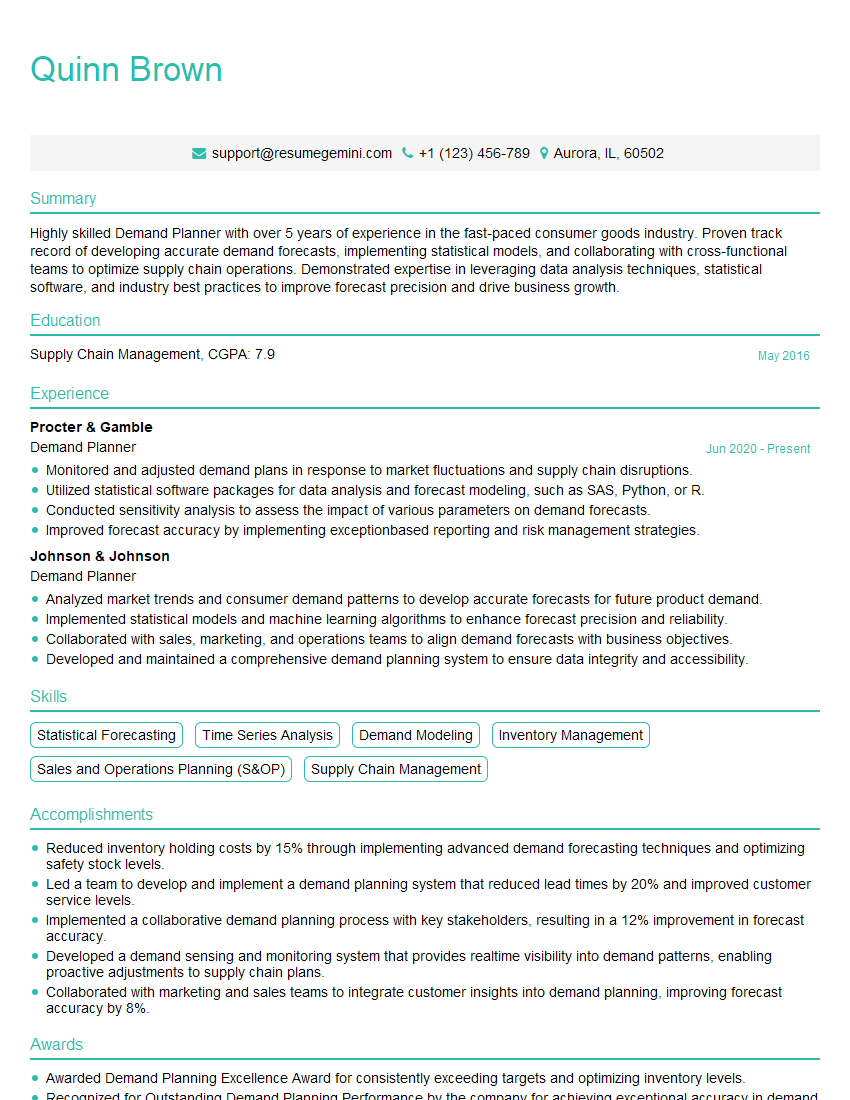
Demand Planner Resume Sample
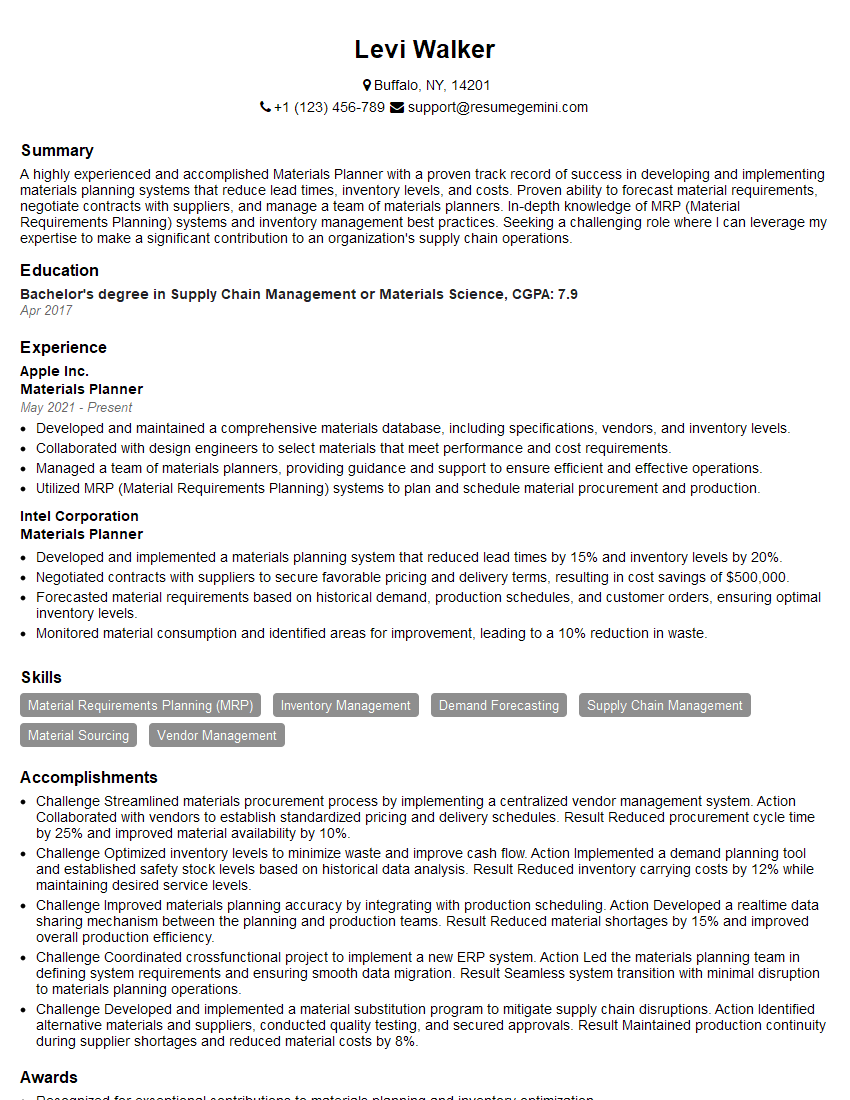
Materials Planner Resume Sample
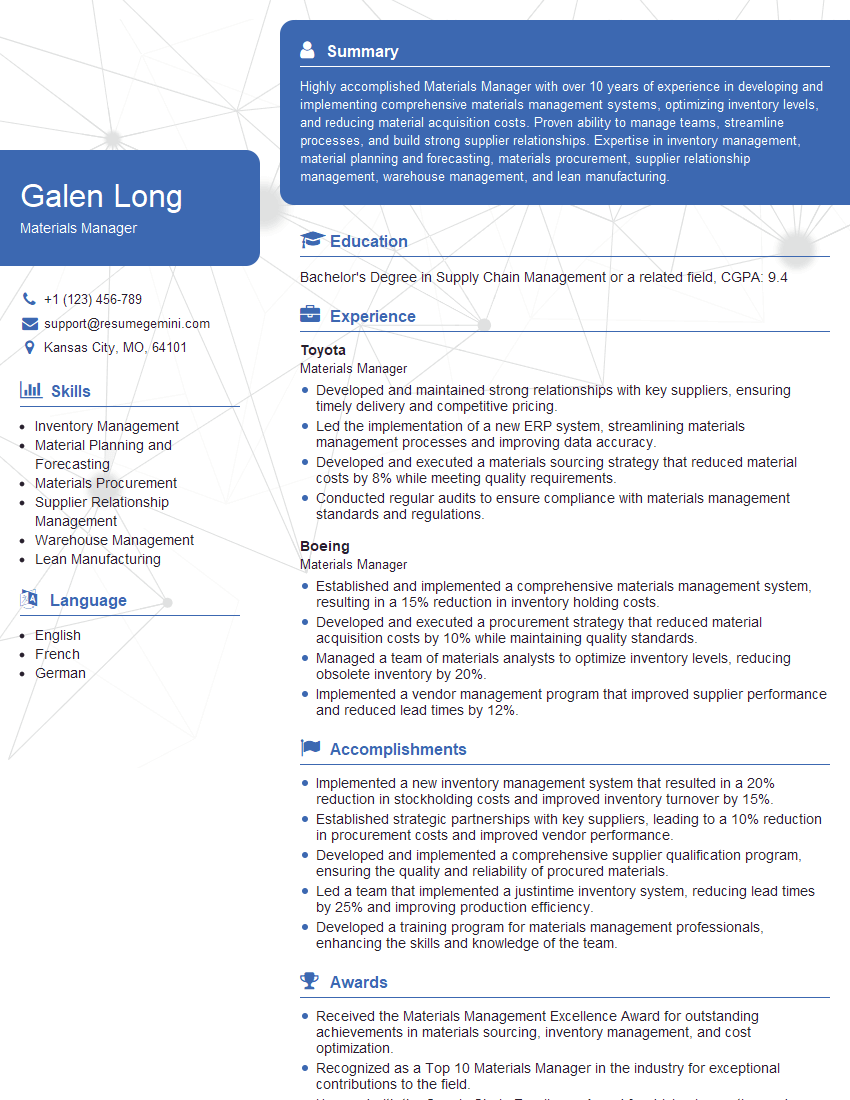
Materials Manager Resume Sample

Procurement Manager Resume Sample
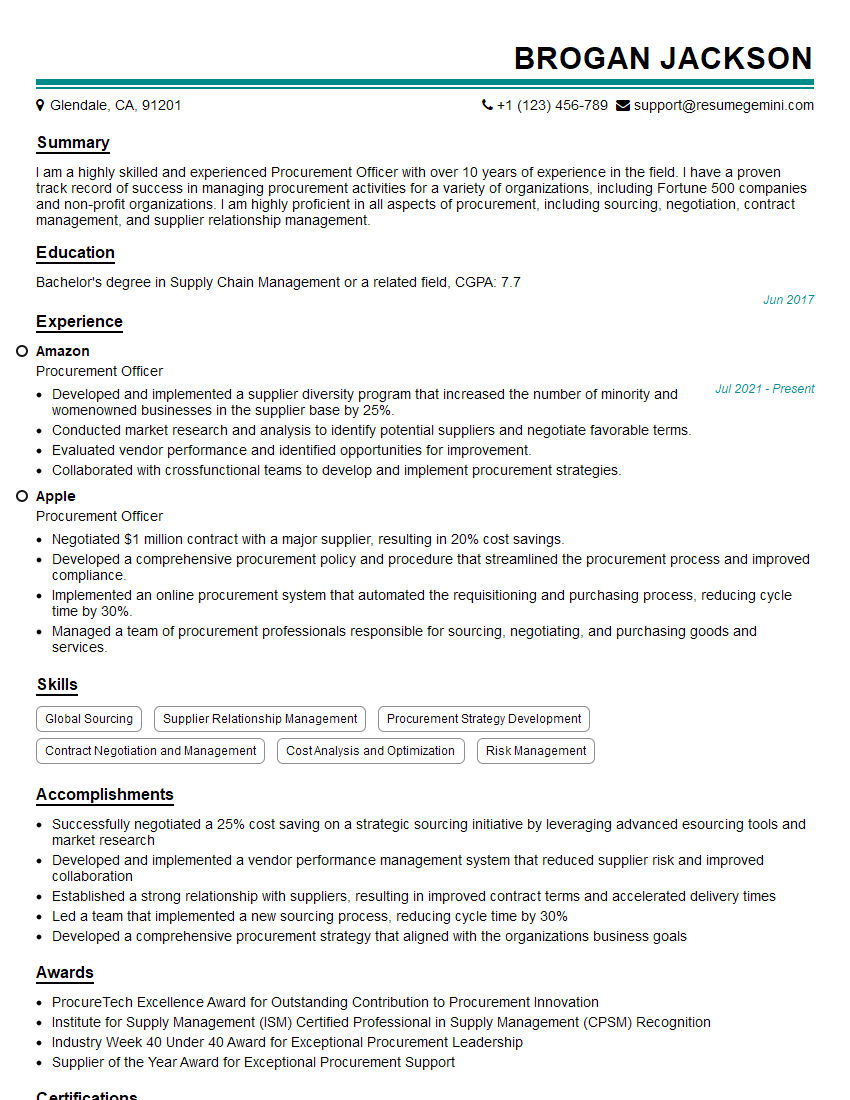
Procurement Officer Resume Sample
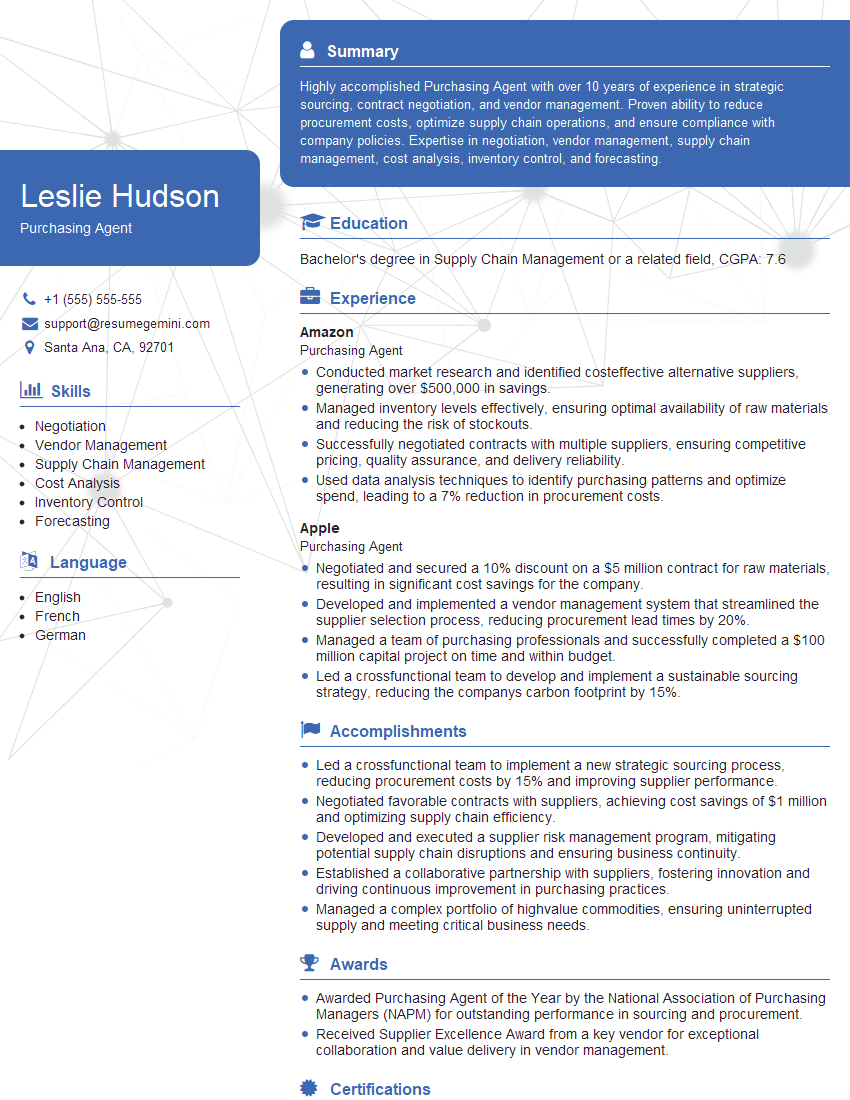
Purchasing Agent Resume Sample
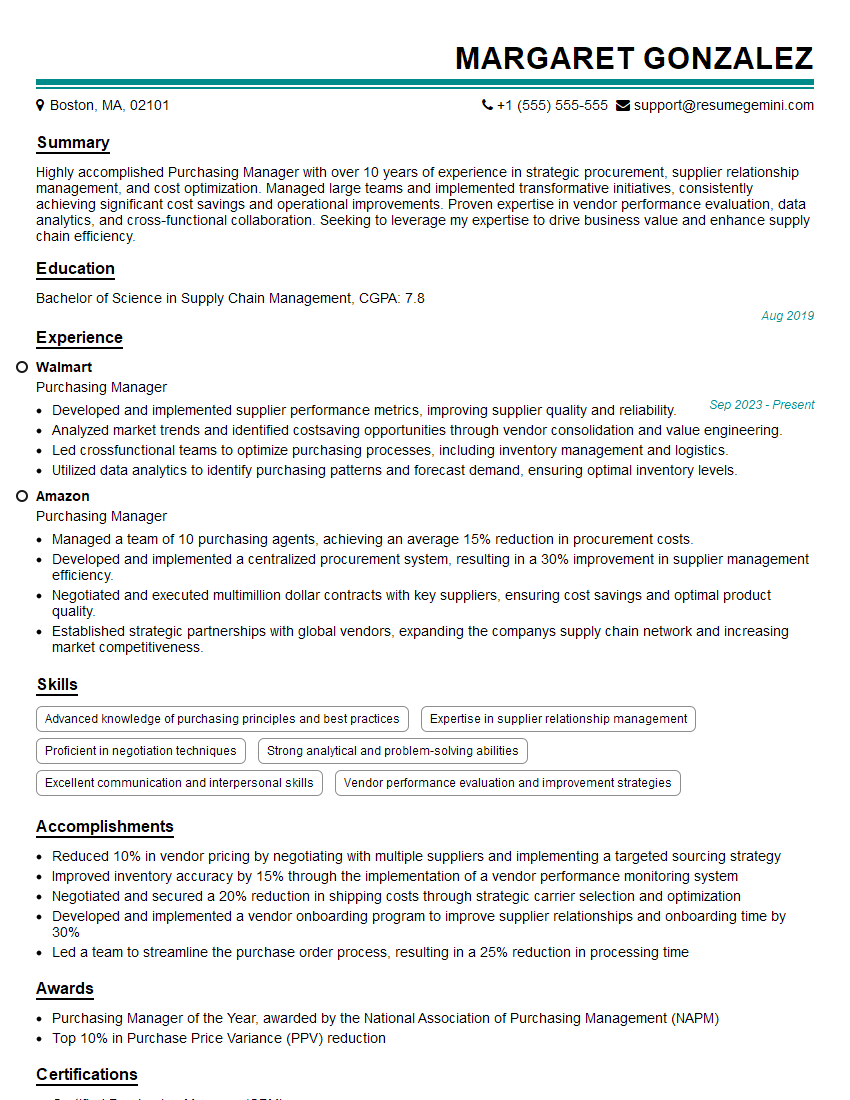
Purchasing Manager Resume Sample
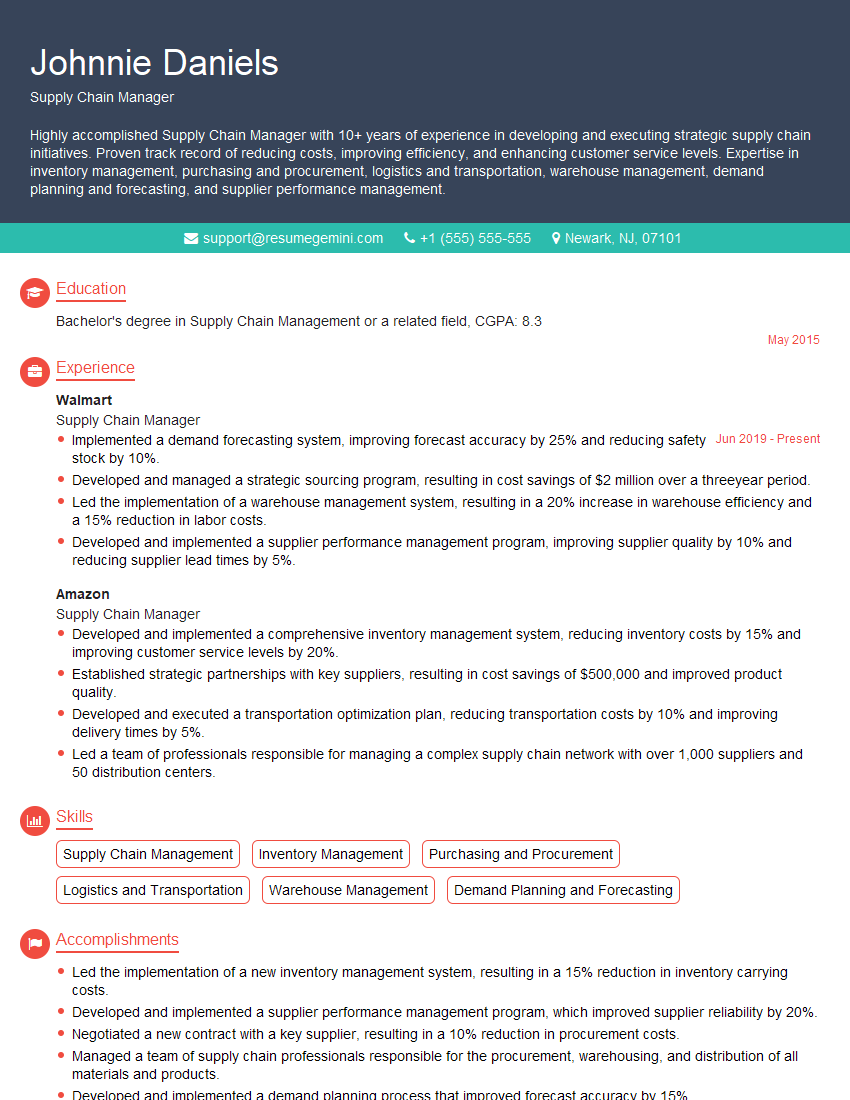
Supply Chain Manager Resume Sample
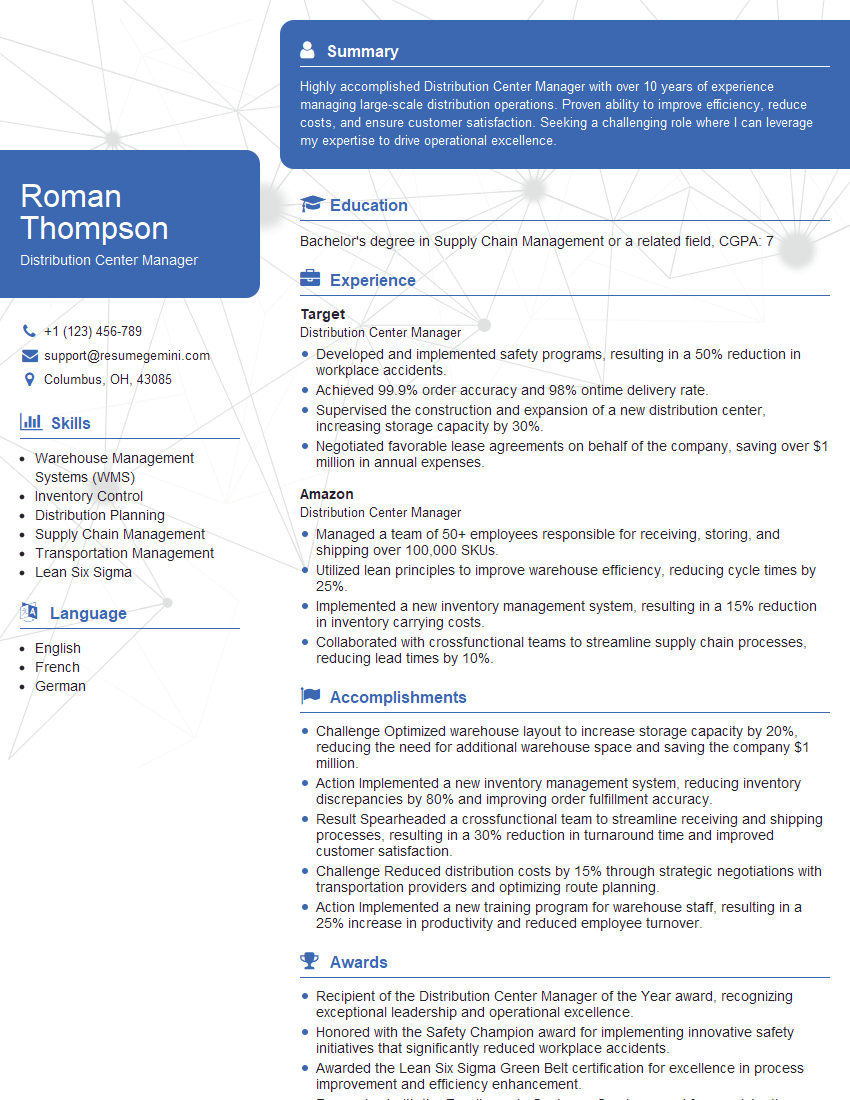
Distribution Center Manager Resume Sample
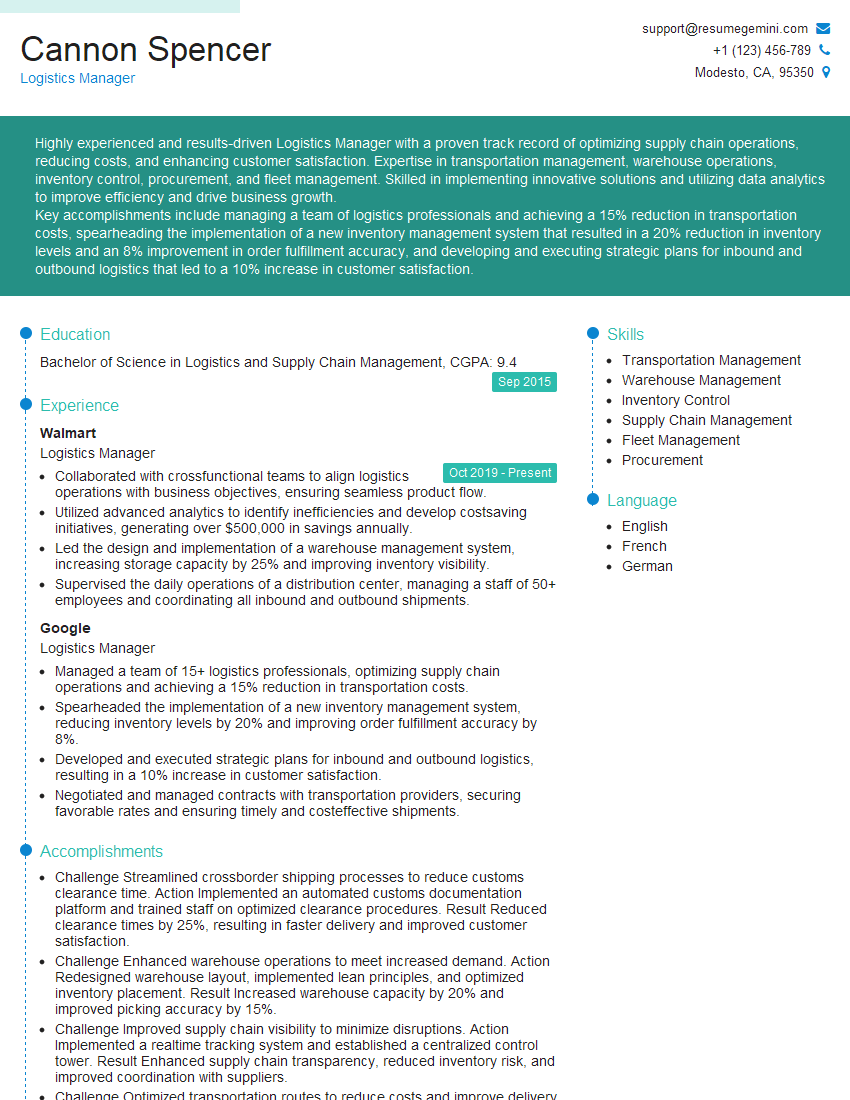
Logistics Manager Resume Sample
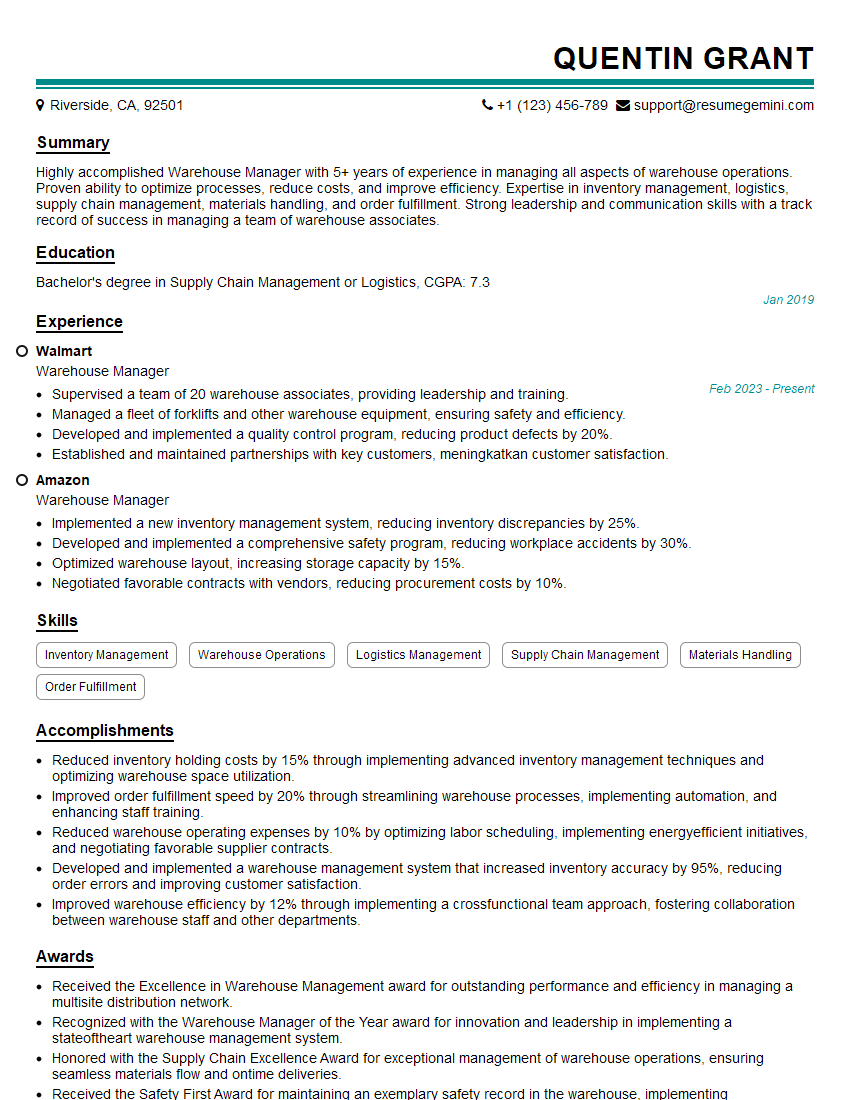
Warehouse Manager Resume Sample
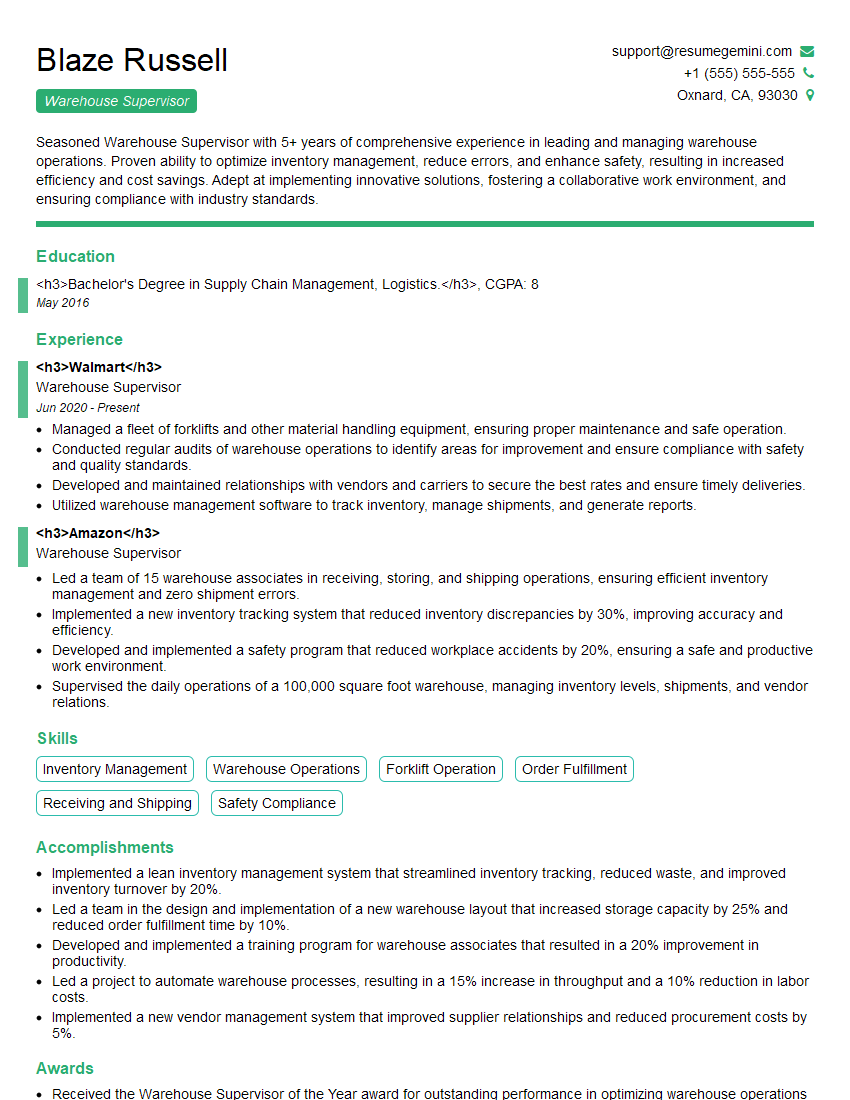
Warehouse Supervisor Resume Sample
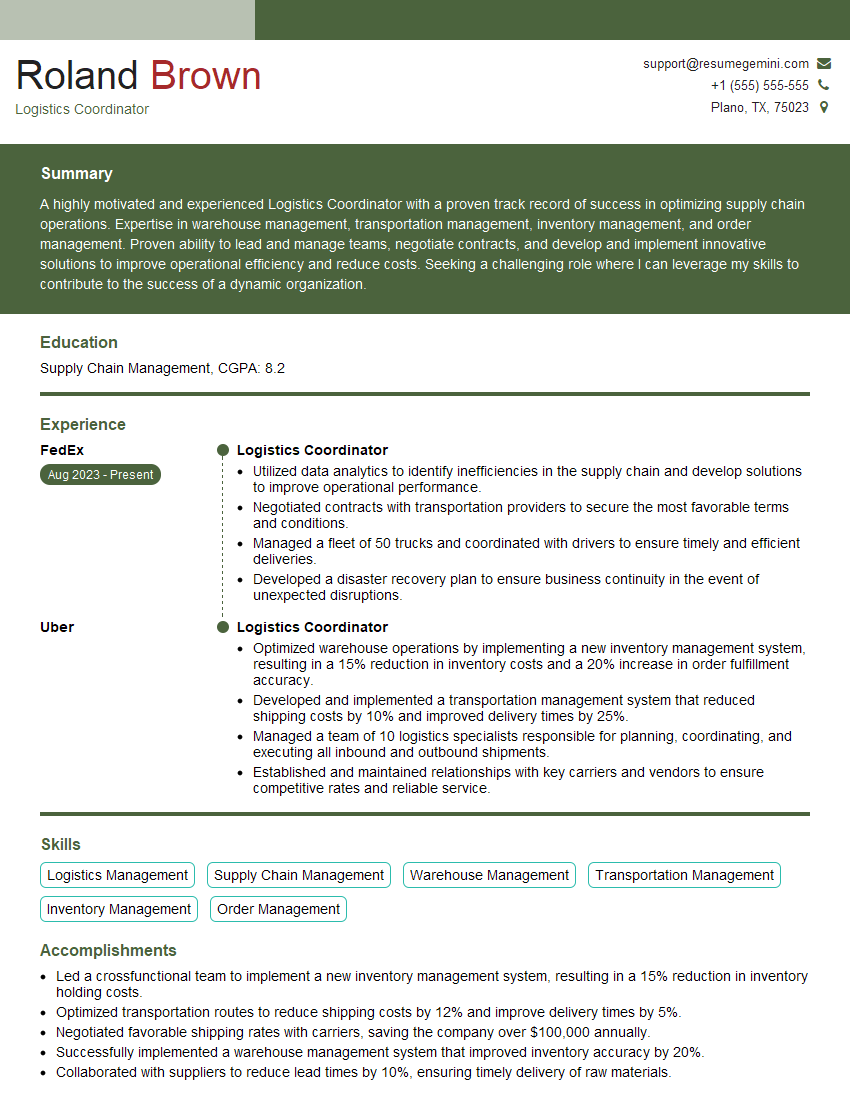
Logistics Coordinator Resume Sample
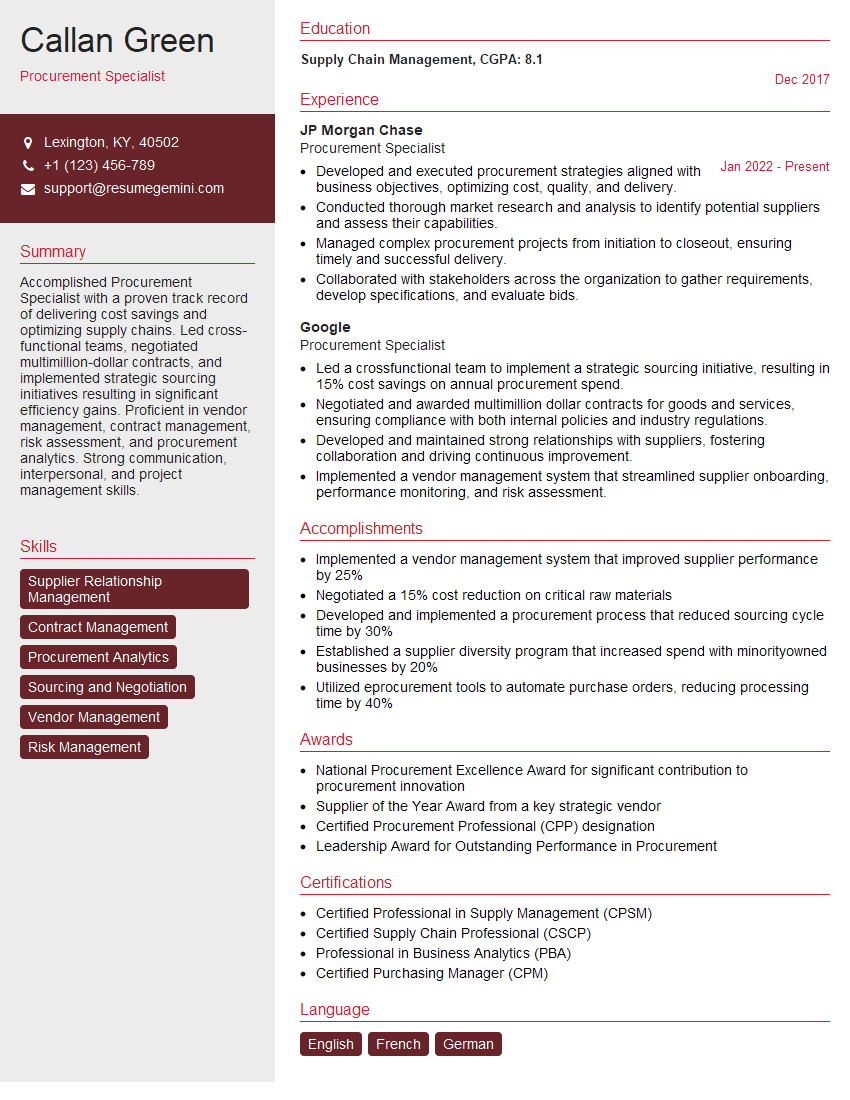
Procurement Specialist Resume Sample
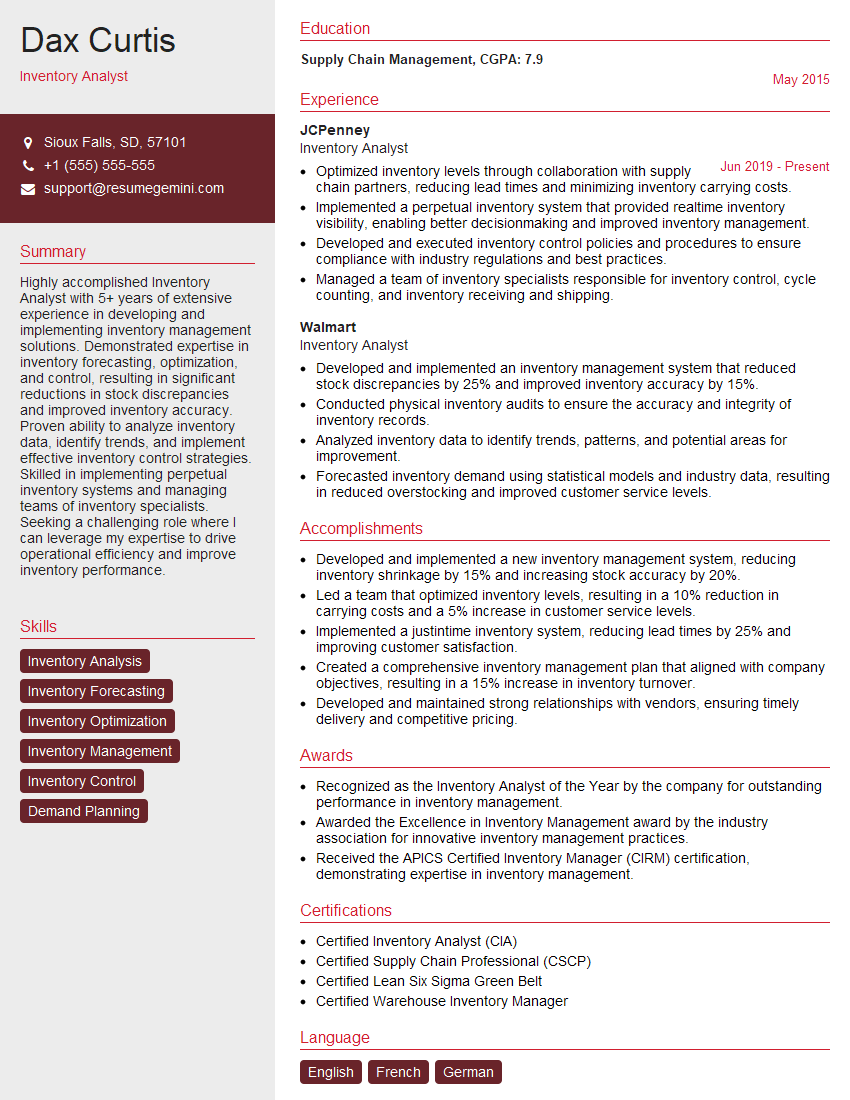
Inventory Analyst Resume Sample
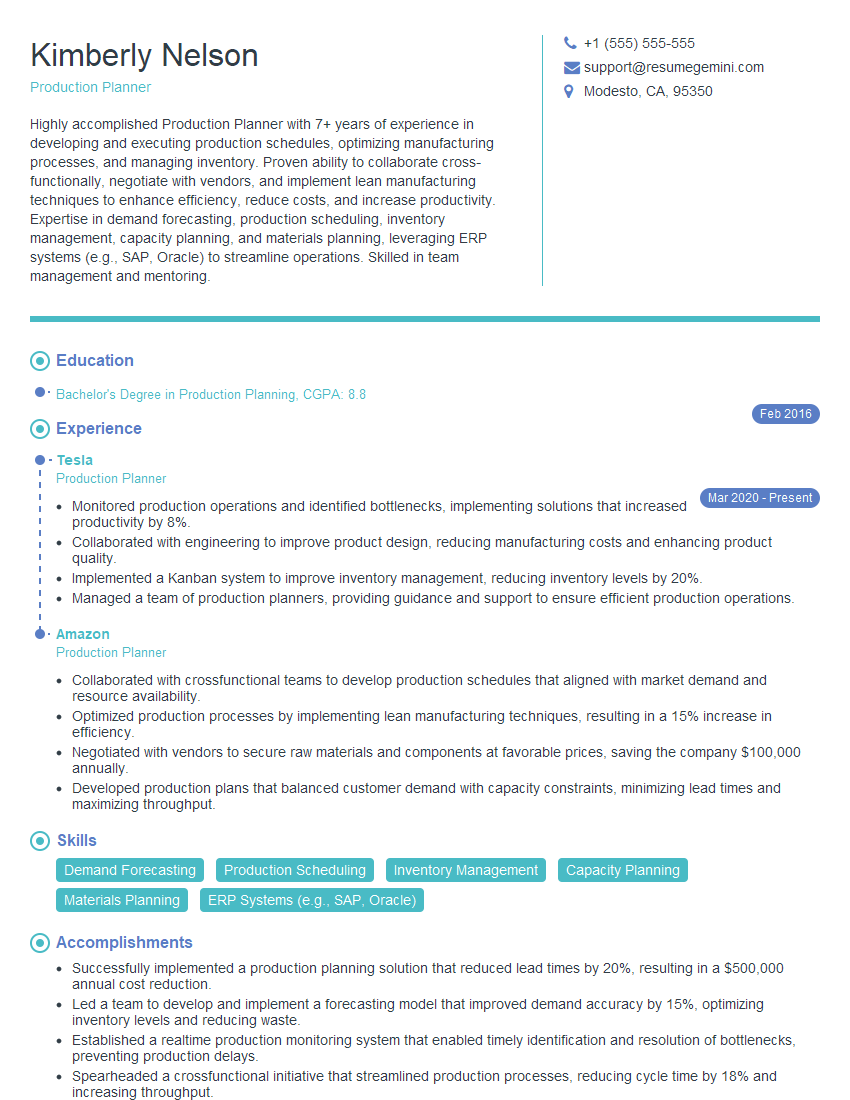
Production Planner Resume Sample

Inventory Manager Resume Sample
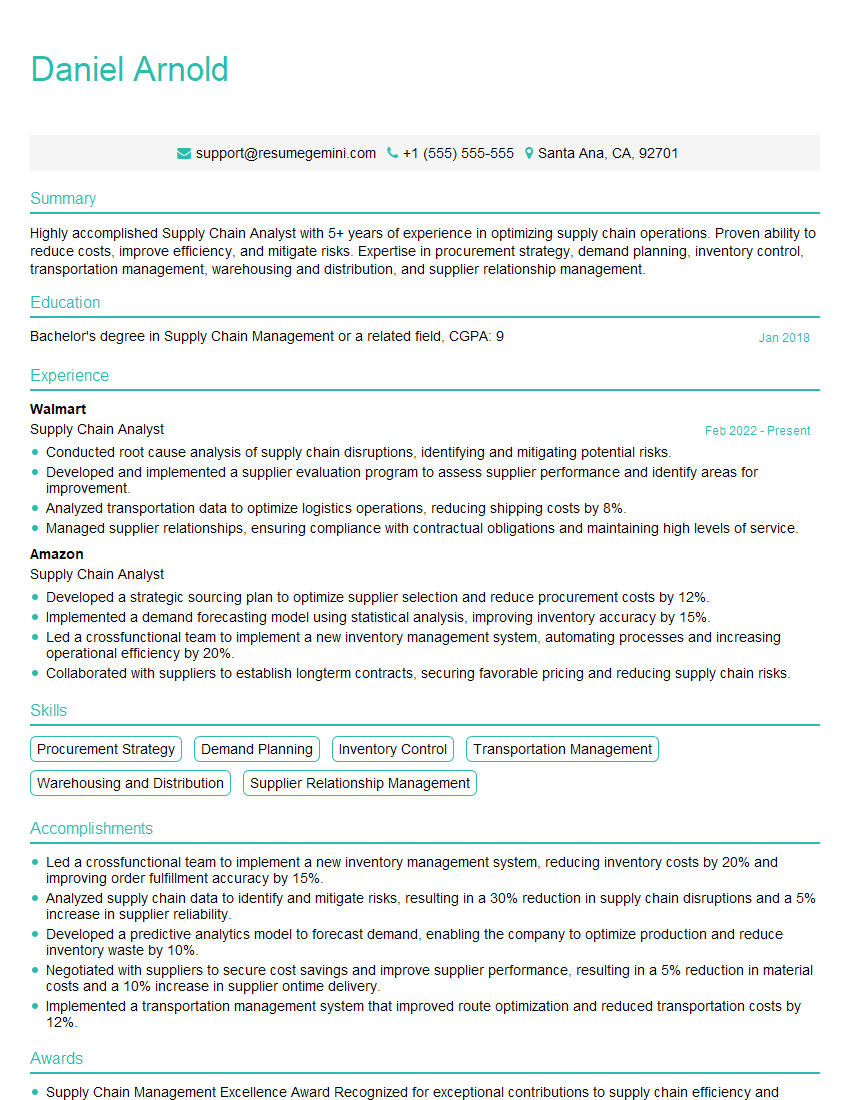
Supply Chain Analyst Resume Sample
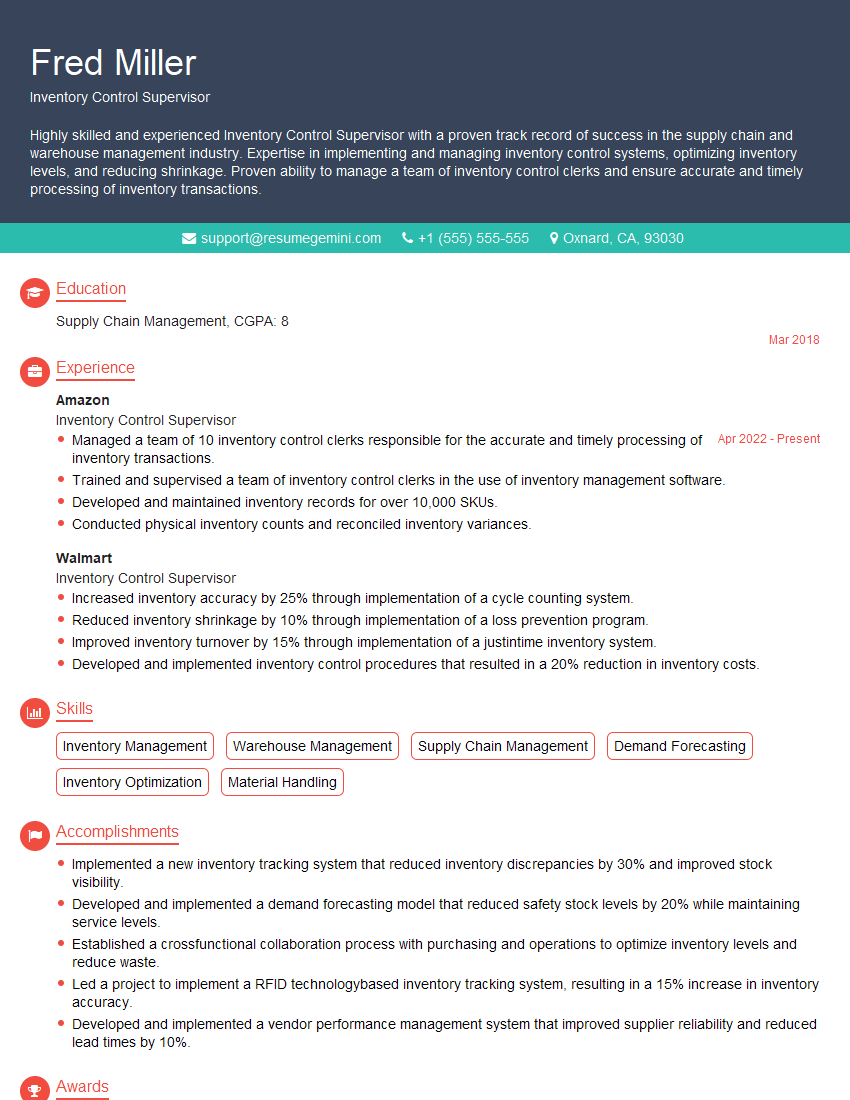
Inventory Control Supervisor Resume Sample
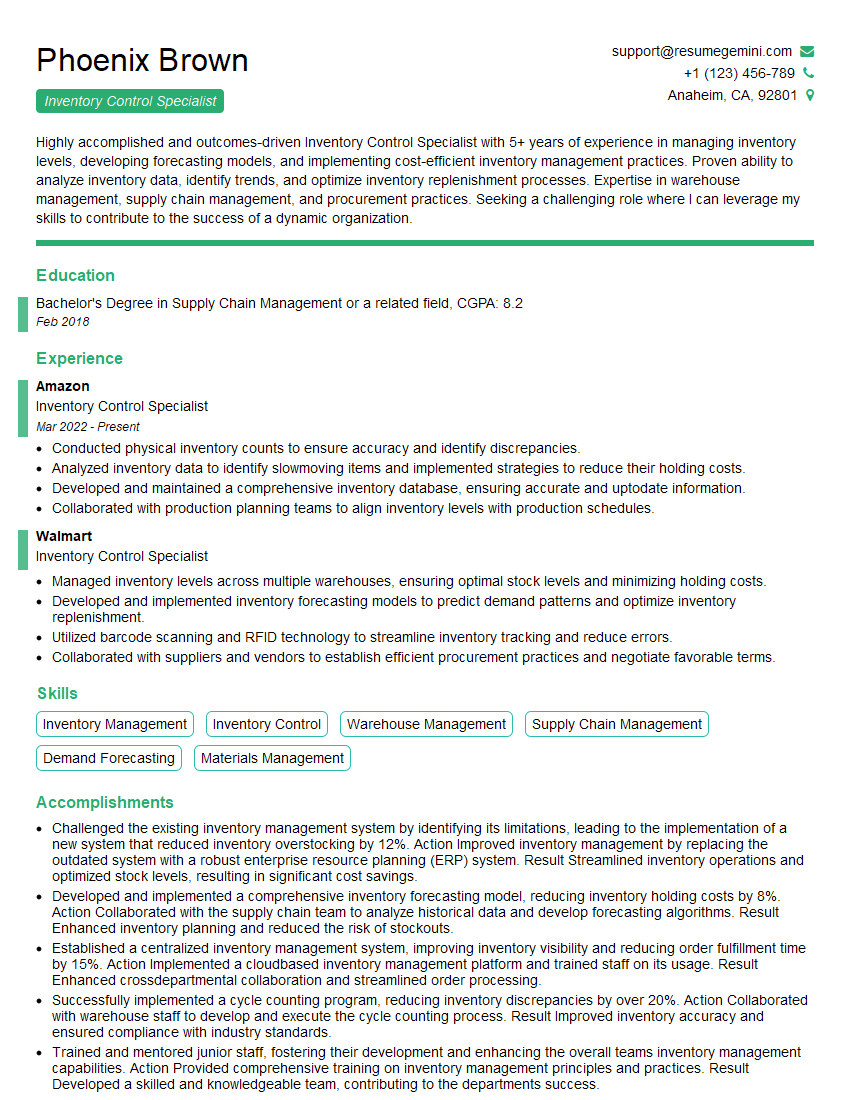
Inventory Control Specialist Resume Sample
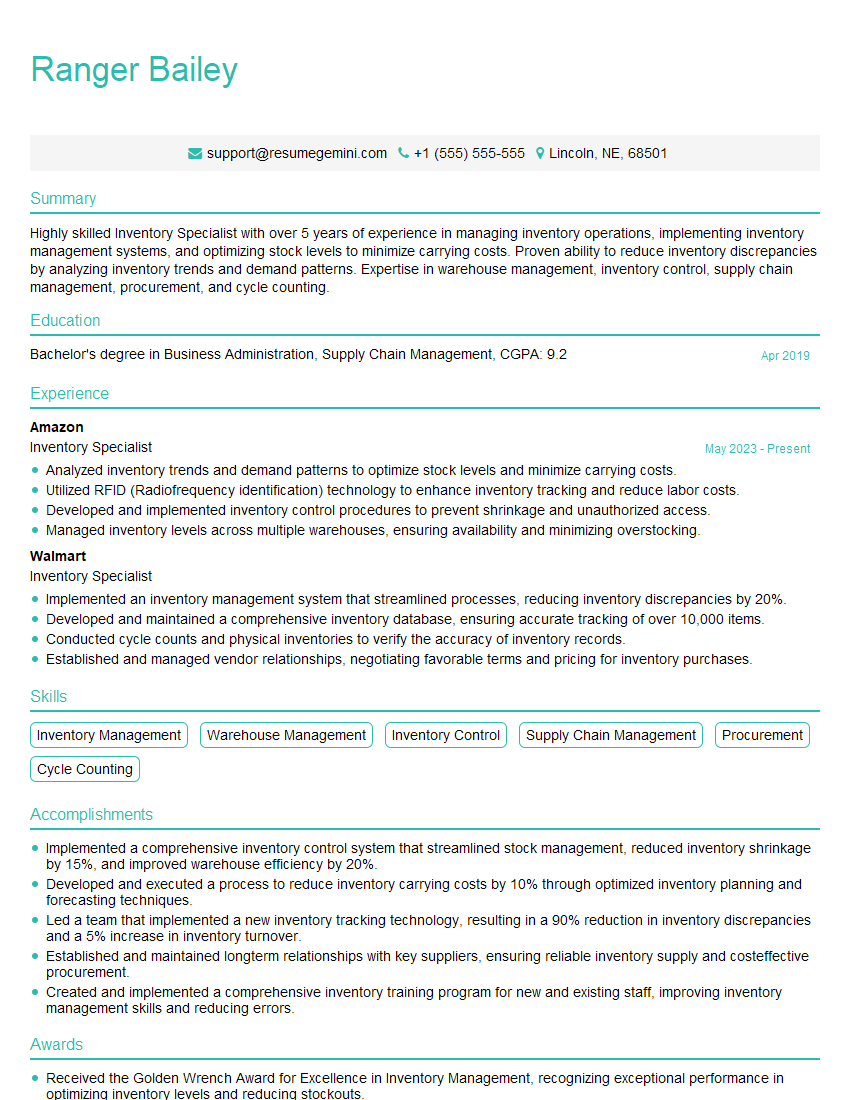
Inventory Specialist Resume Sample
- Operations Manager
- Demand Planner
- Materials Planner
- Materials Manager
- Procurement Manager
- Procurement Officer
- Purchasing Agent
- Purchasing Manager
- Supply Chain Manager
- Distribution Center Manager
- Logistics Manager
- Warehouse Manager
- Warehouse Supervisor
- Logistics Coordinator
- Procurement Specialist
- Inventory Analyst
- Production Planner
- Inventory Manager
- Supply Chain Analyst
- Inventory Control Supervisor
- Inventory Control Specialist
- Inventory Specialist
Explore more articles
Users Rating of Our Blogs
Share Your Experience
We value your feedback! Please rate our content and share your thoughts (optional).
What Readers Say About Our Blog
Very informative content, great job.
good